Author: Charles Villanueva

  • REVIEW: ‘Immortality’ Is A Formidable Follow-up to ‘Her Story’

    REVIEW: ‘Immortality’ Is A Formidable Follow-up to ‘Her Story’

    In 2015, Sam Barlow’s Her Story pushed the boundaries of what an indie game could be. It turned the mystery genre into a transformative experience that allowed players to solve the crime on their own terms. Players were tasked to unravel a haunting crime story using police interviews, a search engine, and their own intuition. The result was an astounding reconstruction of a rambling crime story that redefined the idea of how cinematic stories could be told through audience interactivity. With Barlow’s latest work, Immortality, that idea continues to be pushed further in fascinating ways. 

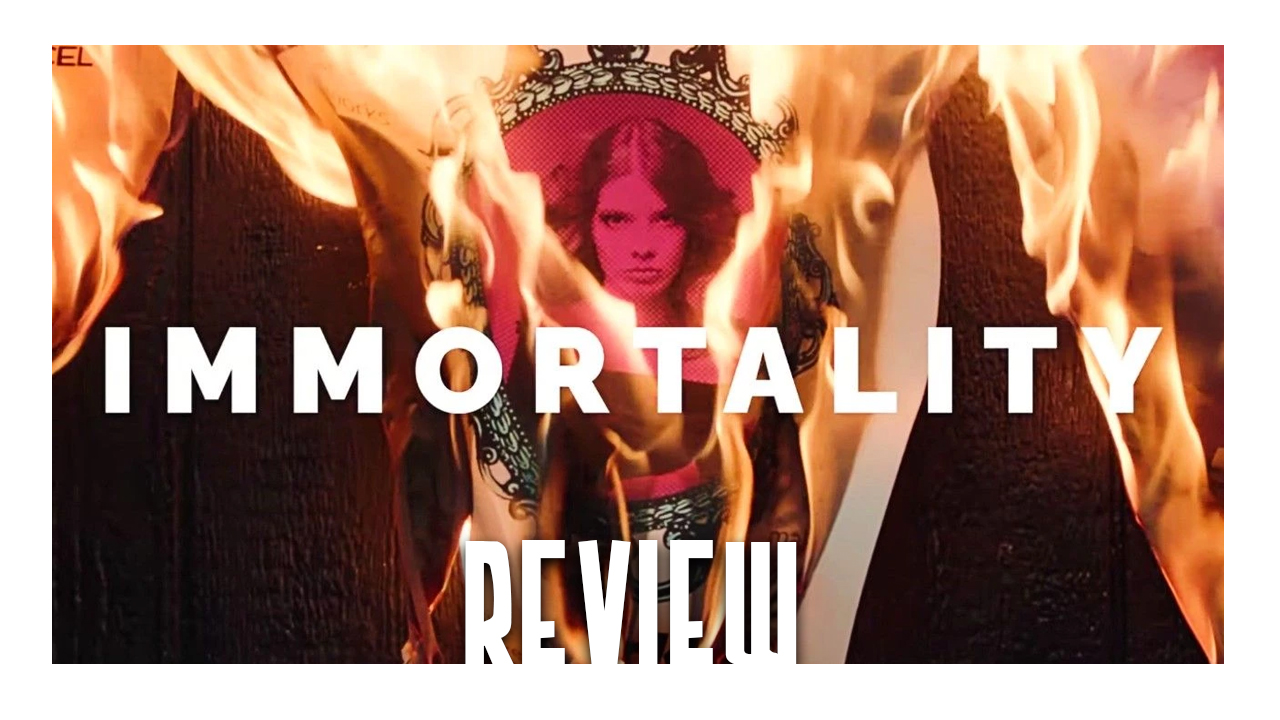
    Immortality examines the life of one Marissa Marcel, an actress who in a span of three decades made only three unreleased films and vanished without a trace. Through clips of the unreleased films, players are to reconstruct a mysterious portrait of what happened to the actress and those who knew her. And as players make their way through decades of footage, it becomes clear that Marissa’s Tinseltown story is more sinister than people imagined it to be. 

    Ambrosio, a 1968 giallo-inspired fantasy horror film, serves as the stage for Marissa’s onscreen debut. In that production, she meets enigmatic director John Durick, who becomes her constant collaborator on all her projects. In the 1970s, Marissa is cast in Minsky, a crime thriller about the death of a prolific painter. It is in that film where she meets Carl Greenwood, a co-star whose life will be forever changed by Marissa. In the 1999 film Two of Everything, Marissa plays a pop star struggling through the industry. It is her last film before her disappearance. In all of these films, Marissa remains the same age. 

    Immortality posits itself as a restoration project to shed light on the mysterious circumstances of Marissa’s life. The restoration begins with the grid where the surviving footage is presented. Players will have to scrub through the footage in order to find particular details in them. Be it a random object in the foreground, a character, or an action, clicking on them will unlock new footage containing the very same things. For example, if you freeze-frame on director John Durick’s face and click it, it will match-cut into footage with a similar image of Durick in it. Gameplay-wise, it’s a trial-and-error process to fall deeper into the rabbit hole of the narrative, allowing players to unveil secrets in various ways. Some might discover the game’s biggest twist within the first hour. Some might uncover the truth but never reach the credits. No playthrough will be the same.

    Gamers looking for a more comprehensive button-mashing experience may lose sight of what Immortality sets out to do. Like Her Story before it, Immortality is less about the skill than it is about the mystique of the narrative, where obsession rewards players more than agency. Barlow paints a very eerie, haunting, and ambiguous portrait of Marissa Marcel’s life. The more of Marissa’s life and relationships are examined, the more evil and unsure things seem. A web of corruption and tragedy begins to take its hold over the narrative as more footage is unearthed. While things may seem fine on the set of Minsky, the behind-the-scenes tell a different story. Barlow imbues a creeping uncertainty into the abstraction of his storytelling. Just when you think have the story in place, something unexpected happens. It’s a slow burn to get the full picture of Immortality but once its fragmented pieces fall into place, the obsession pays off. The narrative is beautifully explored through incredible film footage and performances that feel ripped straight out of their decades. Barlow’s vision toes the line between intentional schlock and gripping character study.

    However, there’s a clumsiness to Immortality that makes it a more unwieldy game to play than Her Story. Whereas the scope of Her Story was condensed into an interface and experience recognizable to anyone with access to a computer, Immortality feels formless and less immersive. It lacks the diegetic interface that made Her Story intuitive to play making its restoration concept feel strange and unwelcoming. The game’s commitment to immersion is easily challenged by its wildly unrealistic match-cut feature. The experience is meant to be voyeuristic and personal yet the way the game is played feels distant. Barlow may have intended Her Story to feel tangible as possible but Immortality feels anything but.

    Nonetheless, Immortality remains a formidable follow-up to Barlow’s 2015 masterpiece. Its commitment to giving players an unlikely experience is admirable even as it gives pause to the immersion. It may not recapture the monumental success of its predecessor but it will likely go down as one of the most ambitious indie games yet.

  • Netflix Eyeing Scrapped ‘Batman: Caped Crusader’ Animated Series

    Netflix Eyeing Scrapped ‘Batman: Caped Crusader’ Animated Series

    Some good DC news after a slew of bad ones all month; there is hope for the scrapped Bruce Timm/Matt Reeves animated Batman series, Batman: Caped Crusader, as multiple streaming services are looking to acquiring the show. Netflix, Hulu, and Apple+ are among the few streamers interested.

    This report comes after the massive culling over at WB/Discovery as CEO David Zaslav scrapped, outright canceled, and delayed multiple projects on deck. Batman: Caped Crusader was one of the upcoming projects removed from HBOMax with the hopes of being shopped elsewhere. The studio believes that a buyout of such a project will net them more profits than if they aired it themselves.

    Source: THR

  • ‘The Boys’ Season 4 Begins Filming

    ‘The Boys’ Season 4 Begins Filming

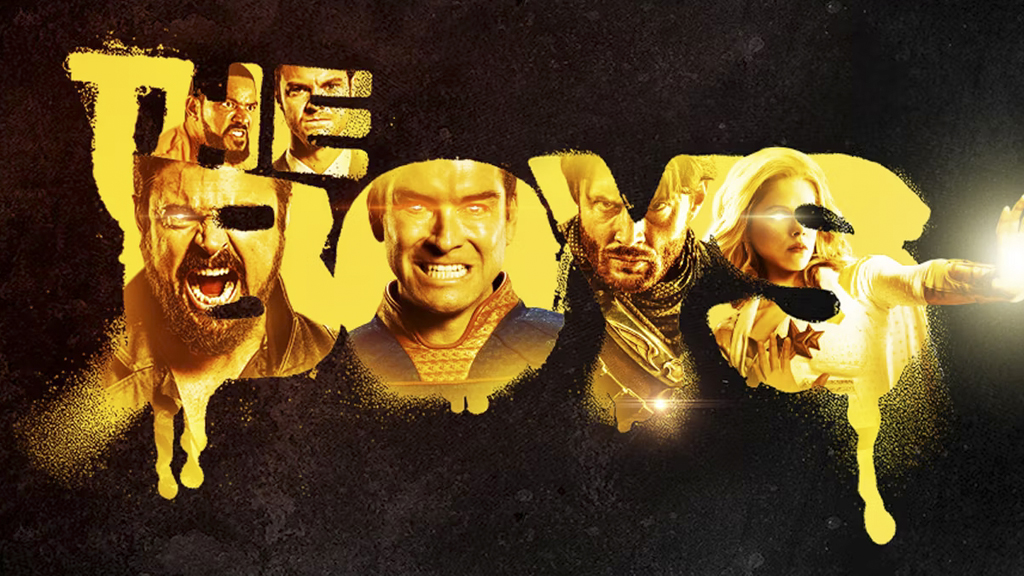
    As popularity for The Boys reaches an all-time high, it’s only apt that the latest season would commence filming. Showrunner Erik Kripke took to Twitter to announce the start of Season 4’s production.

    If the announcement isn’t enough to get fans excited, maybe the name Phil Sgriccia might. Sgriccia directed Season 3’s insane first episode, which includes one of the most violent sex scene put to screen, and the second episode.

    Not much is known about what this latest season could be like but we know that some of the players on the table won’t be on it for long. With Butcher facing his own mortality and Ryan finally being groomed by his biological dad, Homelander, this upcoming season might be the craziest yet.

  • REVIEW: ‘She-Hulk’ Is Marvel Studios’ ’30 Rock’

    REVIEW: ‘She-Hulk’ Is Marvel Studios’ ’30 Rock’

    Even as Marvel Studios approached Avengers: Endgame, the Marvel Cinematic Universe did not feel as grandiosely populated as it should have been. Franchises were siloed into their respective corners until they were called to unite while the granular civilian world of the MCU was all but forgotten. The MCU felt only reserved for its mightiest heroes and never the people living in it. In comes She-Hulk, a show that not only blasts the doors wide open by introducing a cavalcade of weirdos and superpowered kooks but a show that examines the impact of superhumans on its denizens. She-Hulk, in many ways, recontextualizes the U in MCU, instilling it with new meaning and giving audiences a new perspective on it. 

    At the heart of the show is lawyer Jennifer Walters, the hapless cousin of Bruce Banner who gets gamma-radiated after a bizarre car accident. When an attack on the courthouse forces her to use her newfound Hulk powers, Walters turns into an overnight sensation. The limelight quickly nets her a job as the face of the superhuman law division in a prestigious law firm. One would think that Walters’ connection to her cousin would make her a perfect fit but when her own celebrity gets in the way of the job, things don’t go as planned. 

    Whereas The Falcon and the Winter Soldier and Moon Knight are executed as 6-hour films, She-Hulk is one of the few Marvel Studios television shows to embrace the episodic format of the medium. Part-courtroom comedy and part-slice-of-life, episodes range from Wong suing a hacky magician for misappropriating the sling ring to She-Hulk’s firm prosecuting a shapeshifting Light Elf for catfishing a playboy. Head writer Jessica Gao displays a deep reverence for the sheer absurdity of living in a world populated by superheroes, examining heightened daily life while lampooning its blunders. Gao’s script is self-referential and keys heavily into present-day zeitgeist, reflecting the same comedic sensibilities as a culturally meta show like 30 Rock as it lampoons corporate culture, celebrity, influencers, and social media.

    This coincidentally makes Liz Lemon and Jennifer Walters unlikely kindred spirits. Socially inept dweebs that have to navigate the corporate ladder and the insanity that comes with their profession. The ever brilliant Tatiana Maslany wields her wit with a gangly finesse that endears Jennifer Walters to every superhero faux pas she encounters. She’s never the coolest person in the room and she knows it. But like Tina Fey, Maslany’s wit and timing make her the funniest in the room in unexpected ways. The result is a Jennifer Walters that is goofy yet tenacious in her footing.

    That Maslany succeeds in being funny is a feat on its own given how the breadth of her performance is at the behest of the VFX. She-Hulk has the disadvantage of being a painstakingly difficult character to bring to life. The show itself ends up being a dangerous tightrope act that threatens to fall into the uncanny valley, which it inevitably does from time to time. Director Kat Coiro struggles to find a visual identity for the show and often captures She-Hulk’s zany world through vapid TV lenses. This does the VFX team no favors as the She-Hulk model looks its worst in Coiro’s blandest compositions. The uncanny valley is most discernible in the office scenes, where plastic static walls and bright skylines glare in the frame. Nonetheless, the show’s VFX department does the commendable and thankless job of bringing the character to life. Their work begins to seamlessly blend into the world once the show begins to reach its farthest corners of its storytelling. There are fight sequences featuring Hulk and Wong that look plucked out of an Avengers film.

    For a show that constantly pats itself on the back for its revolving door of exciting supporting character cameos, She-Hulk falls short of giving its own ensemble its legs to stand on. Ginger Gonzaga and Josh Segarra play Walters’ co-workers, Nikki and Pug respectively, and they aren’t given much to do. Despite the show insisting she’s She-Hulk’s best friend, Nikki barely feels like a character. There’s no sense of depth to their friendship nor does there seem to be any significant history between the two. Gonzaga pulls her weight in giving the character a semblance of life but the show’s in media res framing and focus on the larger cameos robs her of any real development. Pug, on the other hand, might as well not exist. Hot off the heels of Ms. Marvel, a show that features an ensemble whose characters are deserving of their spin-off, this is an unfortunate shortcoming.

    Perhaps the show’s biggest strength is the trove of cameos and easter eggs that lord over each episode. She-Hulk does the incredible job of shouldering the granular world-building that many of the films and other TV shows have neglected to do. Superpowered characters that wouldn’t have otherwise existed in concurrent MCU efforts are proudly ushered in the show. Loose ends from films are purposefully referenced and examined in through the lens of the everyday civilian. Depending on one’s tolerance for cross-pollination, this may be a huge detriment to the show but to MCU fans longing for a more immersive look into the world, this show is a fever dream.

    Ultimately, She-Hulk‘s meta-humor and wildly episodic case-of-the-week nature are sure to give viewers a refreshing change of pace. Imperfect VFX be damned, this show hilariously encapsulates the sheer insanity of the Marvel universe.

  • REVIEW: Offer Yourself To The ‘Cult of the Lamb’

    REVIEW: Offer Yourself To The ‘Cult of the Lamb’

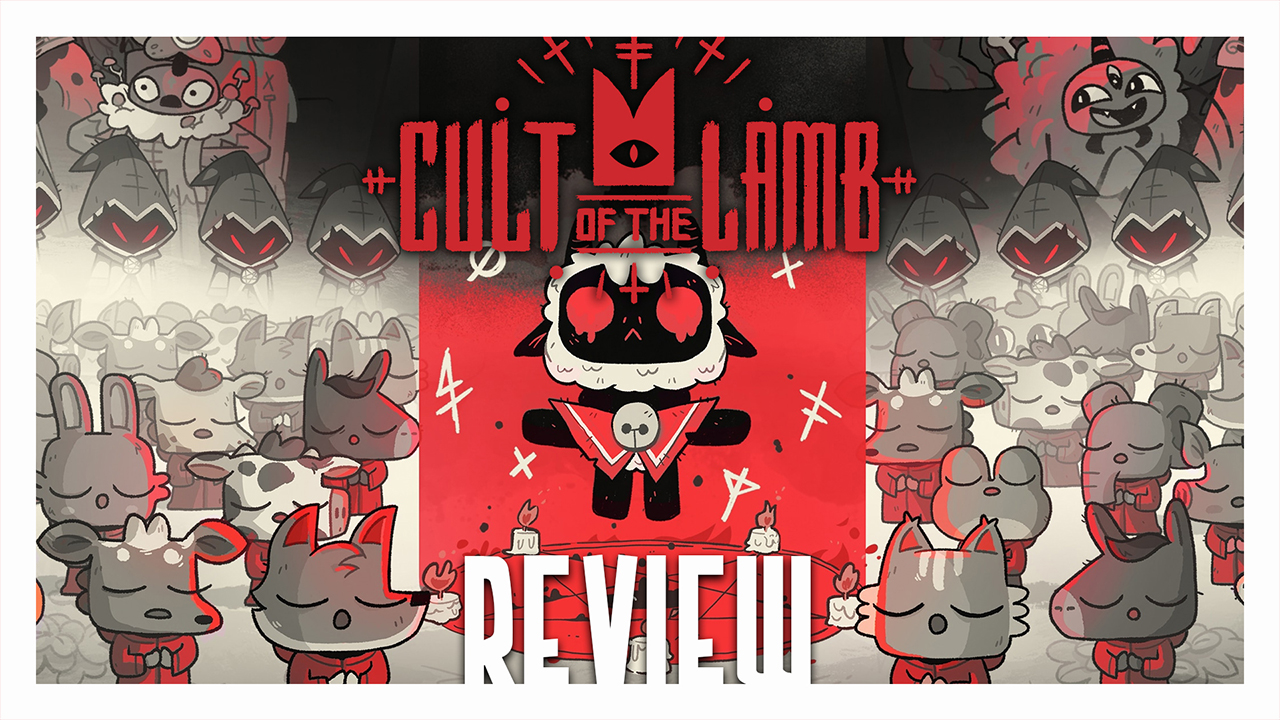
    In Cult of the Lamb, the devil is in the details. Devolver Digital’s management simulator, where players assume the role of a sacrificial lamb who becomes the leader of a demonic cult, is an ambitious effort to marry the cutesy quirks of Animal Crossing with the comedic morbidity of a Sam Raimi movie. But the game sometimes comes across as overzealous, getting lost in a complicated economy and progression system and a roguelike element that feels like an afterthought. Nonetheless, its great mechanics, visuals, and humor make for a highly entertaining hybrid simulator.

    The game is essentially divided into two parts: the management simulator and the dungeon-crawling roguelike. As the sacrificial lamb turned prophet for the demon The One Who Waits, the fire of the gospel must burn strong through the cult’s disciples. But as the prophet, it too falls on the lamb to slay the Four Heretics who have imprisoned the The One Who Waits.

    Developers Massive Monster spares no expense in giving players a thorough religious experience. Nearly no stone is unturned as Cult of the Lamb incorporates many elements familiar to any churchgoer of any faith. As the leader of the congregation, the player’s job is to keep the cult afloat and rich. Not only do the disciples’ basic needs need to be met but they also must be kept happy and faithful. 

    Easily the best parts of the game are its mechanics. There’s a daily sermon that will modestly fill the cult’s faith meter. Over the course of the game, players will accumulate stone tablets that will serve as doctrines, the rules and beliefs that the cult must abide by. These doctrines are made of active and passive upgrades. The active upgrades, referred to as Rituals, are fun events you can trigger to give your disciples a stat boost.

    Cult of the Lamb‘s greatest source of enjoyment is the variety of ways to torment and reward the congregation. Sadistic players will be glad to know that they can order their adorable disciples to eat their own poop, force them to fast, or sacrifice them to a Chtulu-like monster. There’s a funny ritual to let a disciple’s body and soul ascend to heaven — or so they think. There’s even a ritual to get everyone high on mushrooms. Dissenters can be imprisoned and humiliated to be made an example of. The variety of mechanics at the player’s disposal is surprisingly deep and is guaranteed to make every playthrough different.

    But as fun as the management simulator element is, there’s redundancy in Cult of the Lamb‘s economy and progression system that may often lead to confusion. The terms used to label currencies do not come across as intuitive; devotion, loyalty, and faith are essentially synonyms but they serve different purposes in the game. Players may find themselves wondering which is which in the countless tutorial prompts that appear. In the game’s attempt to immerse players with tenets of religion, the economy and progression system is needlessly complicated.

    The Crusades, the roguelike dungeon-crawler aspect, pales in comparison to the rest of the game. While it gives Cult of the Lamb a change of pace, its procedurally generated gameplay fails to remain challenging or engaging. Compared to the uniqueness of the cult builder, the Crusades feel very unremarkable. They serve as the primary way to advance the story as the lamb goes from realm to realm, slaying enemies. Maps are procedurally generated but have little to no difference. Along the way, resources and new followers are to be found. A random weapon and skill are given to the lamb at the start of each crusade. Players can acquire tarot cards to get temporary boosts in each map. Beyond any of these, it’s a very bare roguelike.

    Where the Crusades redeems itself is in its combat. A mix of isometric hack-and-slash and bullet-hell, the combat is beautifully animated and, together with the sound design, has an almost addictive feeling to it. There’s a seamlessness and grace to every frame of animation. The incredibly simple controls are complimented by the game feel; hit stuns feel really heavy and give the combat a nice weight while the dodge button is responsive and sharp. Given the short nature of each crusade, which ranges from 5-10 minutes, the Crusades never feel boring.

    As monstrous as this game allows players to be, at the heart of Cult of the Lamb are visuals that are full of life and wonder. The aesthetic is essentially that of a children’s book with its backgrounds and assets resembling pop-ups. Characters in the game are so expressively drawn. The demons are drawn in the same way children earnestly draw the nightmares they have on paper. They’re terrifying to look at but also inherently childish. It’s hard not to be ensnared by how vibrant everything looks and how well it comes together, even in the face of its minor flaws. In a widening sea of management and social simulators, Cult of the Lamb stands as one of the most creative and eccentric thanks to its core premise, devilish wit, and charm.

  • New Look At Daredevil in ‘She-Hulk’ Revealed

    New Look At Daredevil in ‘She-Hulk’ Revealed

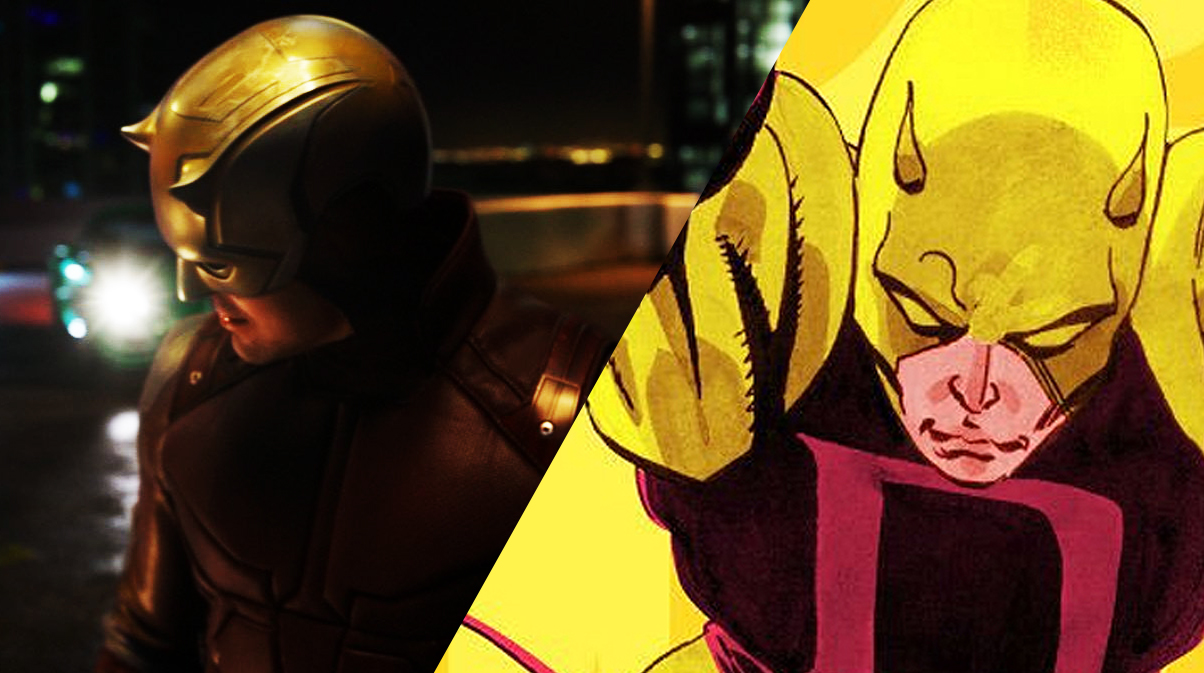
    This month’s She-Hulk is bound to have a lot of secrets. But one secret that Disney seems keen on openly sharing with the world is that Daredevil is in it. The last trailer gave us a glimpse at the Man Without Fear’s yellow costume and now, a new image gives us a better look at the mask.

    Eagle-eyed fans would know that this is practically the same as the most recent suit he had in the Netflix show, albeit with a different paint job. There’s a slight difference in his collar which is larger than usual. Other than that it’s the same costume. Overall, it’s a very exciting look for the character who has spent the majority of his screentime in the Daredevil series in pajamas.

    Source: Twitter

  • EXCLUSIVE: ‘Prey’ Star Dakota Beavers Wants to Play a Jedi

    EXCLUSIVE: ‘Prey’ Star Dakota Beavers Wants to Play a Jedi

    Being the second lead in a Predator film as the first project in a resume is a hell of an entrance to make but Dakota Beavers brings all the might of a true action star in Prey. As Taabe, the warrior-chief brother of protagonist Naru, Beavers brings a performance that is unlike any of the previous male protagonists of the franchise.

    Speaking to Murphy’s Multiverse about the pressures of starring in a Predator film, Beavers seemed relatively confident in his take on the character.

    It was easy to get spooked about since it was my first project. But it was also so different that I could comfortably be myself. Those men in the first movie had such strong voices and presence. I wanted Taabe to carry that with him. That strong and masculine air. But the film was different enough to where I could put myself enough in it and not worry about what people think.

    When asked whether he wanted to follow up his impressionist Prey performance with something in the vein of Marvel and Star Wars, the idea got him excited.

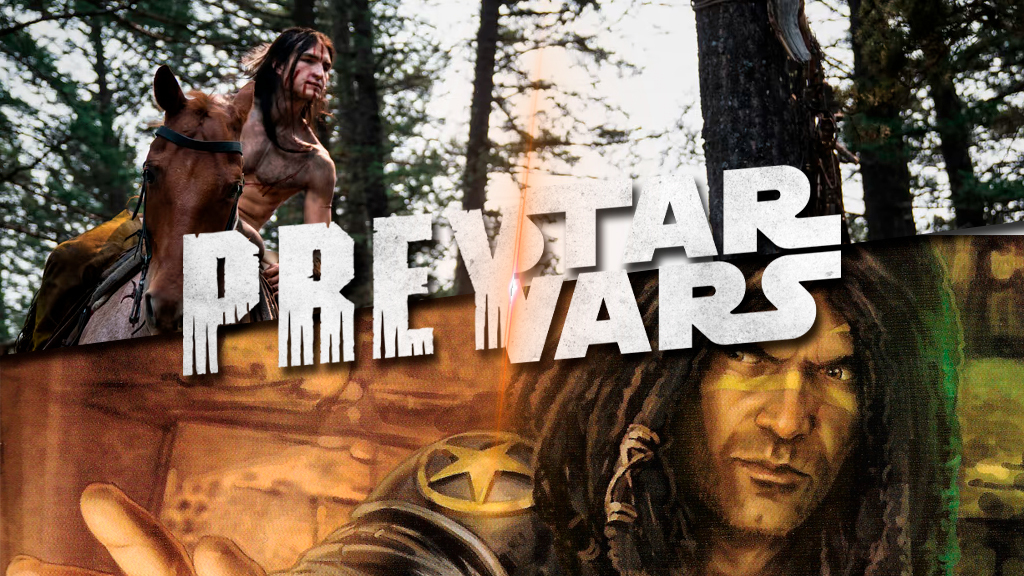
    I would be on Cloud 9 to play something like that. Like a Jedi or a Star Wars bounty hunter. I would be all over that.

  • EXCLUSIVE: ‘Prey’ Was Originally Supposed to Be Entirely Filmed in Comanche

    EXCLUSIVE: ‘Prey’ Was Originally Supposed to Be Entirely Filmed in Comanche

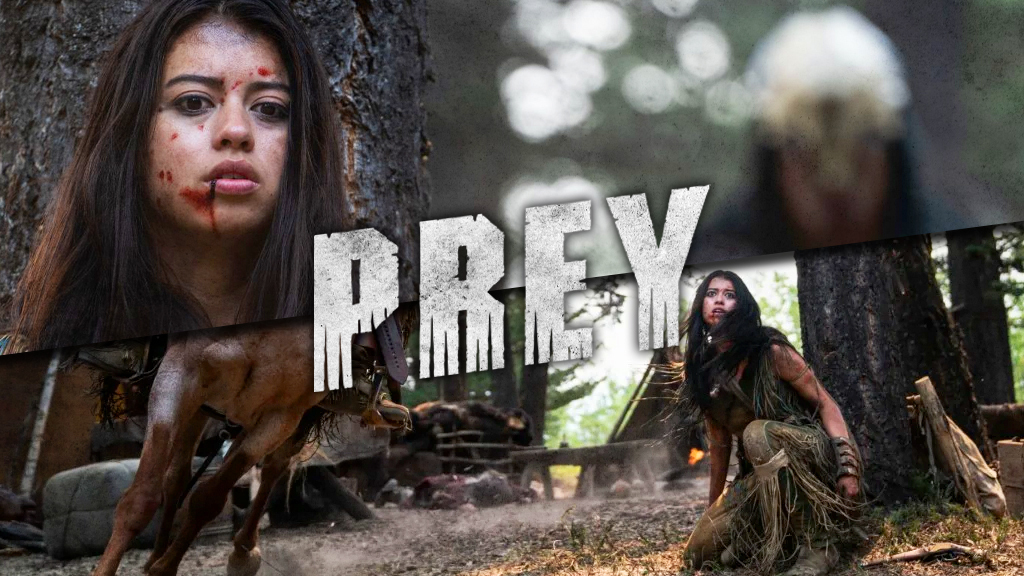
    Prey has the distinction of not only being the best Predator film in thirty but also the first major motion picture to have a Comanche dub. But the dub, which is available to watch on Hulu, wasn’t always a dub. Early plans for the film featured a script that was to be performed in the language. But as the development went on, the idea was scrapped.

    We spoke to Prey director Dan Trachtenberg and he gave insight as to why it was changed during development

    The initial concept was for all of it to be in Comanche. But as the story evolved, we found that there was a great mixture of languages and made this decision to not have subtitles. As new characters and languages come into the story, you’re always linked to Naru and her experience of it. What sounds foreign to her, will sound foreign to the viewers as well.

    Dan Trachtenberg

    When asked about whether the Comanche dub is the essential version of the film, producer Jhane Myers had this to say.

    For me, yes. But this is the type of movie you should watch twice. So I recommend you watch it in Comanche and English.

    Jhane Myers

    Even though Prey is amazing as it is, a version of the film with the actors performing in Comanche would be a totally immersive experience. Nonetheless, the Comanche dub is described by Trachtenberg as “a little more sophisticated than perhaps our memory of watching dubbed movies.” So even the dubbed version is already going to be a lot more special than generic dubs.

  • EXCLUSIVE: Amber Midthunder on ‘Prey’s Impact on Indigenous Representation

    EXCLUSIVE: Amber Midthunder on ‘Prey’s Impact on Indigenous Representation

    The Predator brand is undoubtedly the biggest draw of Prey. One of the great things about the brand is that it can be used to tell all kinds of stories. In Prey, the Predator brand is used to examine the lives of the Comanche nation as they try to live their lives in a world that is changing by the minute. The film’s cast is made up of primarily indigenous talent, making it a huge watershed moment for a Hollywood production.

    Murphy’s Multiverse spoke with star Amber Midthunder and asked what her industry hopes were for the representation in the film.

    That’s the thing about this movie I’m most proud of. I think it’s an obviously entertaining and incredible movie. It’s beautiful and all the things but I’m personally proud of the representation element and what that does. All the projects you mentioned are working together to show that indigenous people, filmmakers, and actors can make shows and films that are entertaining and relatable. We’ve been storytellers for a long time. We have something valuable to add not just in this arena but in any. There’s also the fact that whenever you see a period piece film, I can’t think of one where you get to see native people be people. People that you relate to and are intelligent. People that have a variety of personalities. You often see somebody be really savage or be over-spiritualized or one-dimensional so I’m proud of that as well.

    Prey is the latest in a line of projects with native talent working in front and behind the camera; Reservation Dogs is one of FX’s most acclaimed shows and Marvel Studios is working on Echo, which stars a Cheyenne character. Prey is a hell of a film with a hell of a cast. Should audiences flock to Hulu to watch the greatest Predator film in 30 years starring an indigenous lead, it could mean truly great things for representation.

  • New ‘She-Hulk’ TV Spot Confirms A Different Origin Than Comics

    New ‘She-Hulk’ TV Spot Confirms A Different Origin Than Comics

    Like most things from the comics, the MCU takes a lot of creative liberties in the way they shape their own world. She-Hulk’s origin will be no exception as a brand new TV spot confirms a very different origin than the comics.

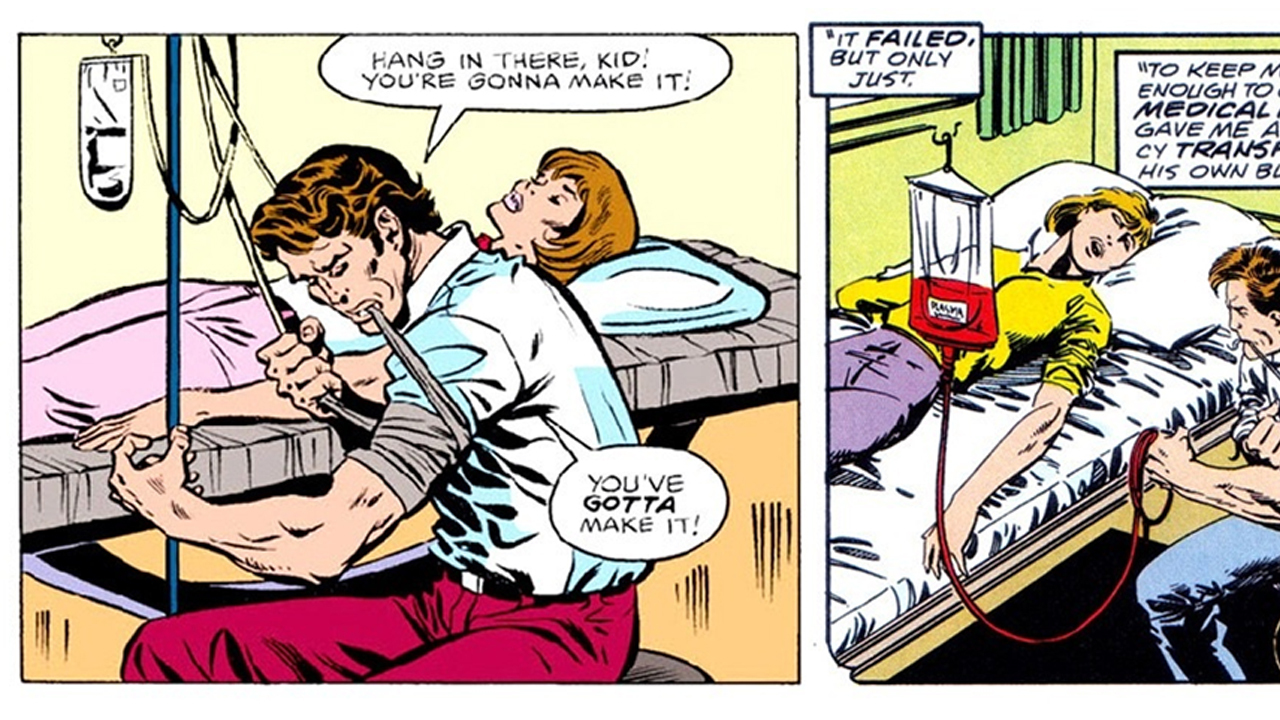
    In an exclusive TV spot from Entertainment Tonight, it is revealed that Jennifer Walters gets her gamma-blood not through a blood transfusion but through a car accident. In the comics, Jennifer is shot by an assailant and is given a Hail Mary blood transfusion by her cousin. The TV spot also unveils several scenes that the trailers haven’t showcased including fourth-wall-breaking moments and scenes with the rest of the ensemble.

    Source: ET