Author: Charles Villanueva

  • An Open-World, Single Player ‘Black Panther’ Game Is In The Works

    An Open-World, Single Player ‘Black Panther’ Game Is In The Works

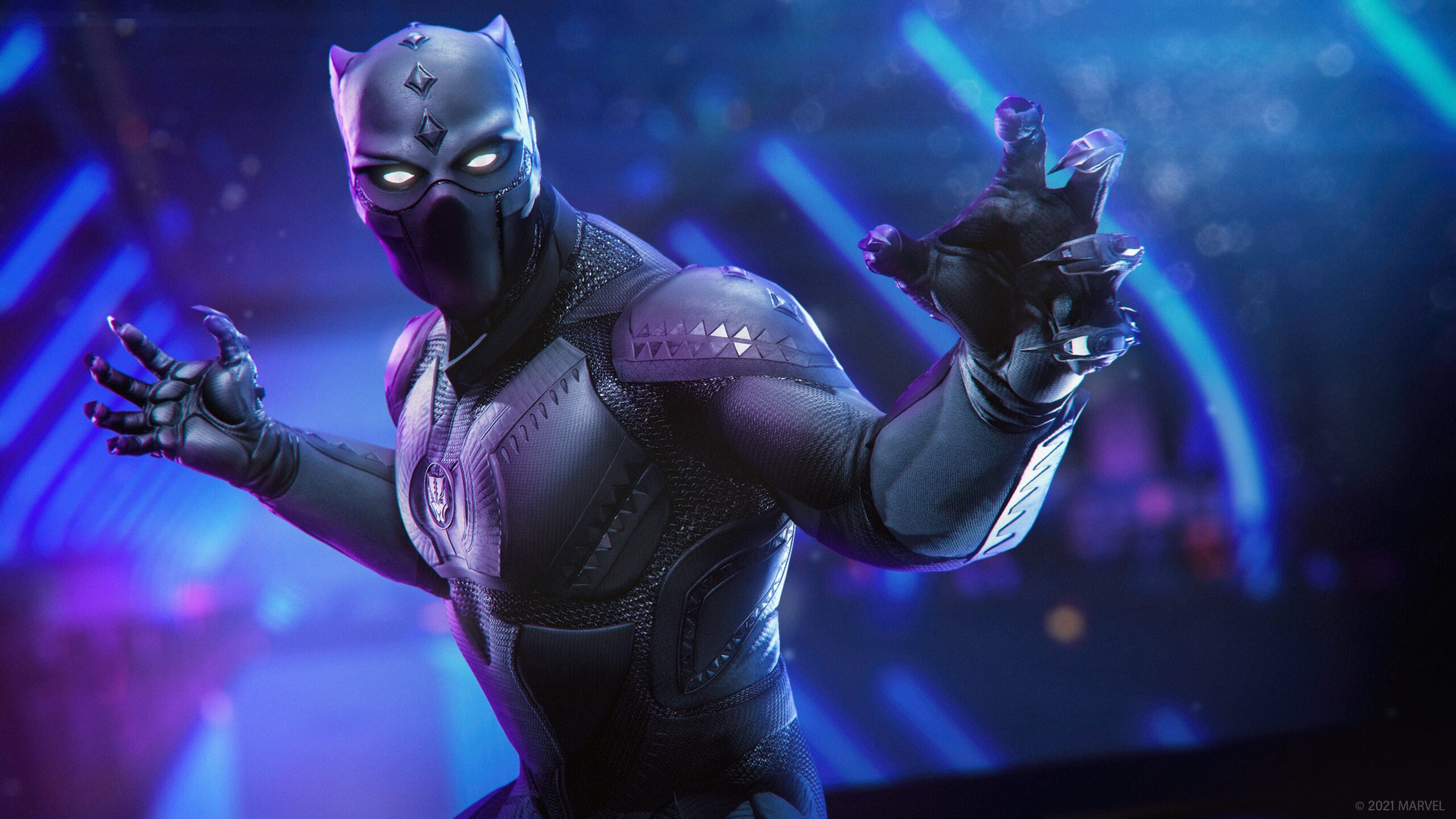
    Hot off the heels of the stunning Black Panther: Wakanda Forever trailer, a new report is saying that a Black Panther video game is in development under EA. According to video game scooper Jeff Grubb, the game is said to be an open-world, single-player starring a Wakandan on a journey to become the new Black Panther.

    https://twitter.com/nibellion/status/1551585677305065473?s=21&t=iyoLQFuUNMTj97aJiDoSaA

    There are a few things to note in this report. One, it’s always great to see more single-player Marvel games being made and one based on Black Panther at that. For all of its flaws, the Black Panther DLC was one of the highlights of the Avengers game. Having a new studio develop a big IP is always worrying but if it’s being led by one of the people behind Middle Earth: Shadow of Mordor then it’s in good hands. Lastly, having EA as a publisher is never a good thing even for single-player content. We’ll have to see how this all pans out.

    Source: Jeff Grubb

  • SDCC: Phase 4-6 Will Cover The Multiverse Saga

    SDCC: Phase 4-6 Will Cover The Multiverse Saga

    It’s been the one thing on the mind of so many MCU fans as Phase 4 comes to a close: What the hell is this phase even all about?! The answer has just been unveiled by Kevin Feige in Marvel Studios’ Hall H panel. Phase 4 is the first act of the MCU Multiverse saga and will close out with Avengers: Secret Wars come Phase 6 in 2025.

    Phase 4 is slated to end with Black Panther: Wakanda Forever. Ant-Man and the Wasp: Quantumania is said to be the opener for Phase 5 with Thunderbolts being the closer. Lastly, Fantastic Four will open Phase 6.

  • SDCC: Chukwudi Iwuji Confirmed as High Evolutionary in ‘GOTG Vol. 3’

    SDCC: Chukwudi Iwuji Confirmed as High Evolutionary in ‘GOTG Vol. 3’

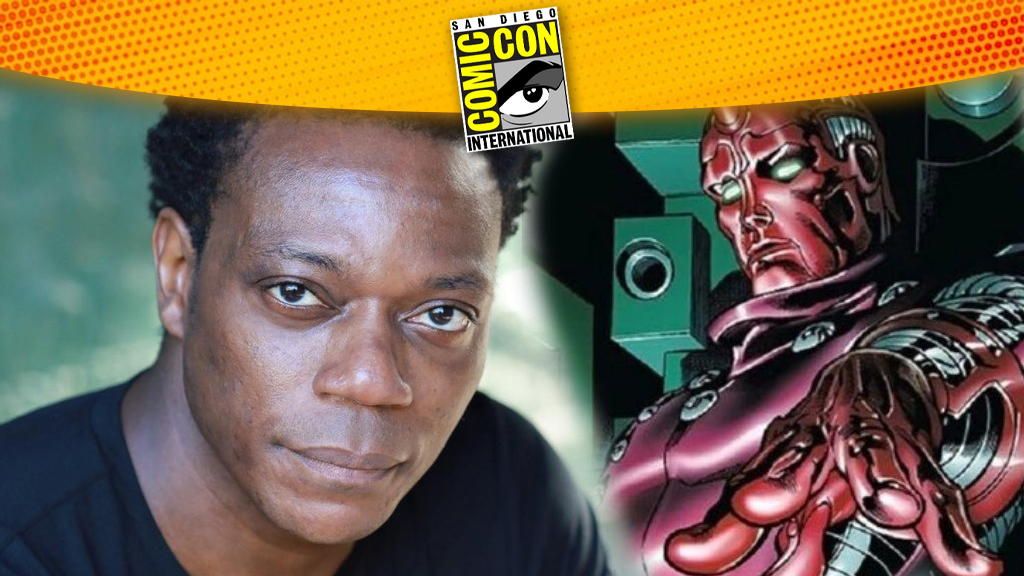
    The rumors have been brewing for several months now but it has just been confirmed in SDCC that Peacemaker star Chukwudi Iwuji is indeed playing the High Evolutionary in the third Guardians of the Galaxy film.

    https://twitter.com/DiscussingFilm/status/1551006191635124226
    `

    Iwuji walked out on stage decked in what is assumed to be his High Evolutionary outfit in the film.

    Iwuji was one of the breakout stars of Peacemaker and to see him make the jump to an MCU film is exciting. For those who are unaware, the High Evolutionary is a Marvel character with ties to the mutants and other characters in the cosmos. It seems that the character has been reimagined to be the creator of Rocket Racoon in the film.

  • Nico Minoru, Amadeus Cho, and Harry Osborne Will Be in ‘Spider-Man: Freshman Year’

    Nico Minoru, Amadeus Cho, and Harry Osborne Will Be in ‘Spider-Man: Freshman Year’

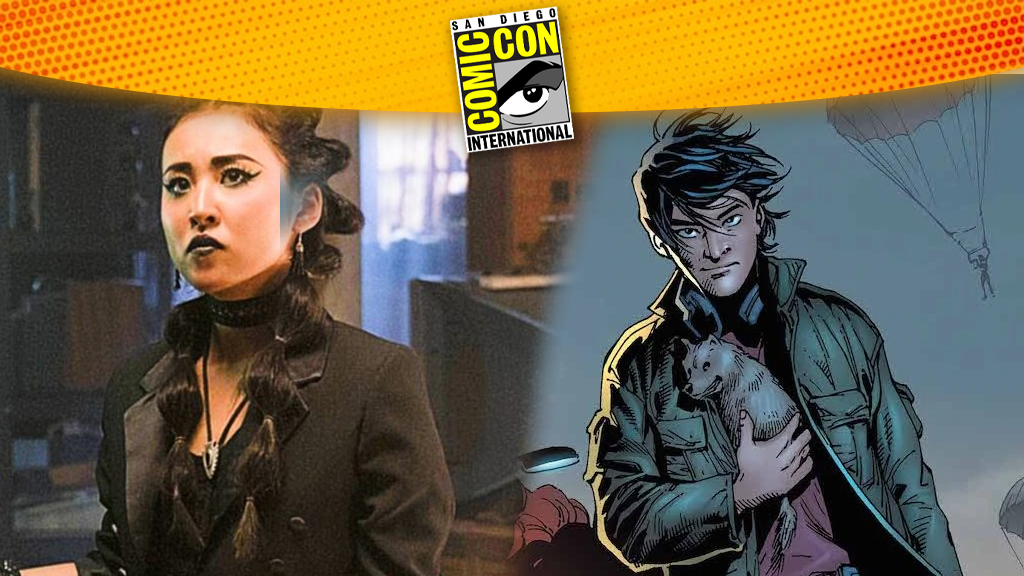
    It seems like Spider-Man: Freshman Year won’t be just a look at Peter Parker’s early days as the web-slinger but also an introduction to a lot of young staple characters in the Marvel Universe. The Marvel Animation panel currently taking place in SDCC just revealed that characters like Nico Minoru from the Runaways, Amadeus Cho, and Harry Osborne will all appear in Freshman Year.

    Nico Minoru previously made her live-action debut in the Runaways series while Amadeus Cho has yet to make a live-action appearance (though Amadeus’ sister Helen Cho appeared years ago in Avengers: Age of Ultron). Depending on the level of canonicity this show has, Harry Osborne’s appearance in the show may raise a lot of eyebrows as he is one of the major Spider-Man characters that have yet to appear in Peter Parker’s orbit.

  • ‘Spider-Man: Freshman Year’ To Be Unveiled This SDCC Weekend

    ‘Spider-Man: Freshman Year’ To Be Unveiled This SDCC Weekend

    This SDCC weekend isn’t just going to cater to live-action MCU properties. Marvel Studios’ animation division is set to also have their own presentation where the likes of Spider-Man: Freshman Year, What If…? Season 2, and hopefully, X-Men 97, will be unveiled. Freshman Year executive producer Jeff Trammell confirmed the show’s inclusion in the panel.

    There’s not much known about the canonical Spidey spin-off series other than it will explore Peter Parker’s early days as a crimefighter and that Tom Holland will unlikely be a part of the series. Fans have been looking forward to what kind of art and animation style the show will have and this presentation is guaranteed to shed light on that. Hopefully, the presentation also gives us a rundown on which villains to expect.

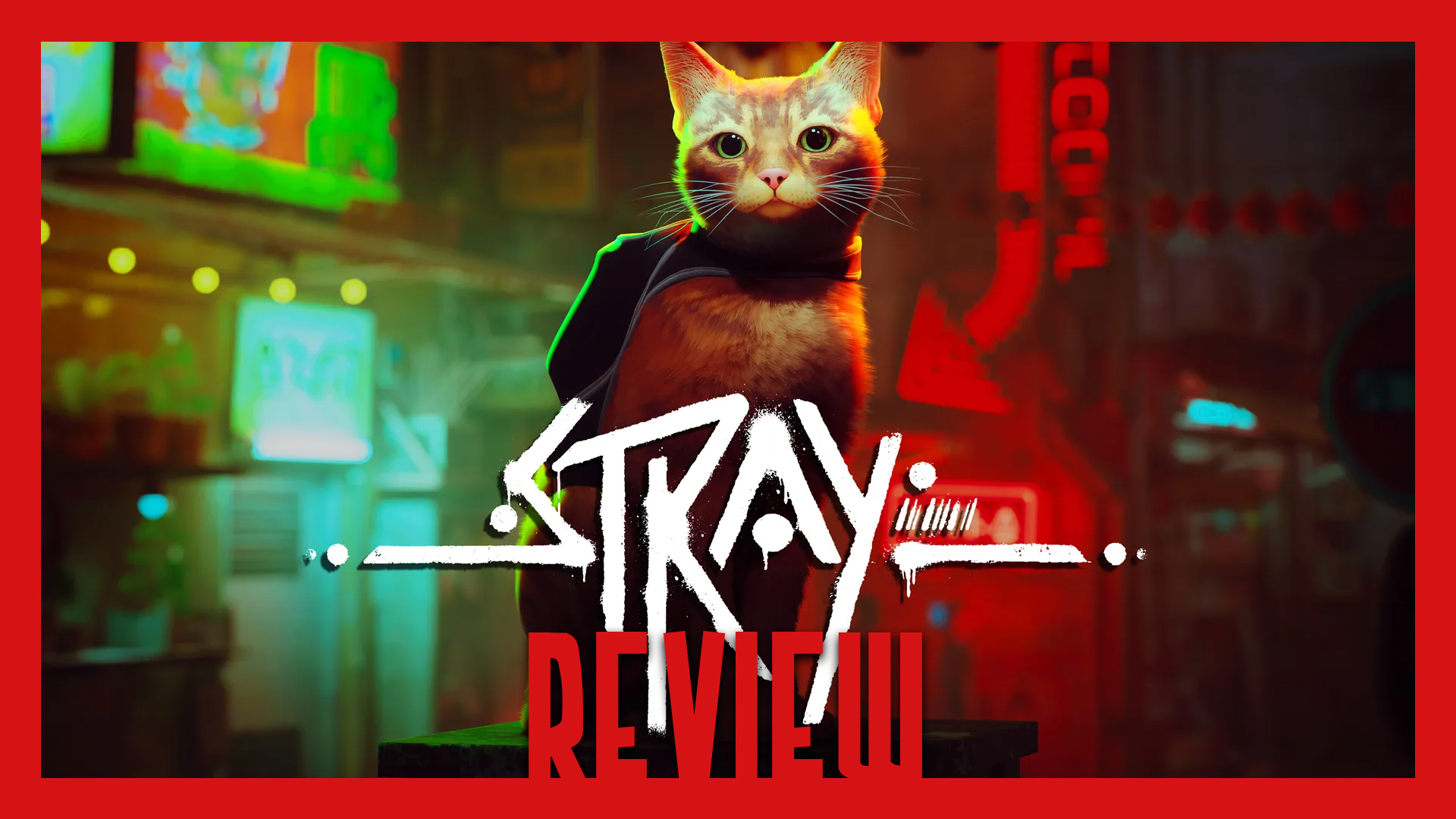
  • REVIEW: ‘Stray’ Is Death Stranding But With a Cat

    REVIEW: ‘Stray’ Is Death Stranding But With a Cat

    It’s easy to reduce Stray down to its simplest form: a modest walking simulator with little to no action or a basic platformer with light puzzles that even the most novice gamer can solve. But Stray is proof the simplest things can bear the most meaning. It’s not a game made to be formidable or to challenge. It’s a game keen on examining the meaning of home, community and the mystery of its own world. It’s a game meant for anyone longing to be moved by a journey of curiosity and awe. Stray isn’t a gamer’s game but rather, an experience to be remembered.

    Set in a very distant future in the remains of underground human civilization where sentient computers have assimilated as humans, players take control of an unnamed cat who is separated from its family in the lush outside world. As the stray makes its way through the neon-tinged labyrinth, players will encounter quirky robotic NPCs, tiny bacterial enemies called Zurks, oppressive law enforcement, and B12, the amnesiac robot who serves as the guide throughout the adventure back home. Much of the world is unraveled through B12’s perspective, whose reactions serve as the emotional core of the game. The cat, along with the audience, is the spectator while B12’s journey of self-discovery is what drives the narrative. 

    The adventure, as mentioned, is simple. Stray takes a no-frills approach to its gameplay loop, focusing on the barest essentials. The game is fairly linear with no backtracking involved. There are hubs such as The Slums or Midtown where players can freely explore without advancing the story and where players can do fetch quests. The story is divided into a couple of chapters with each one seamlessly flowing into the next.  A stripped-down traversal system is Stray’s most predominant mechanic where all it takes is one button for the cat to jump from platform to platform with no precision required. Unlike our real world where cats practically can and will jump on anything, Stray only allows certain objects for platforming. These objects are signified by a button prompt which may be turned off for a more seamless experience. There is no combat in this game save for a portion where the cat is given the means to fend off Zurks. A very basic stealth section is present in the latter parts of the game where the cat needs to hide from patrolling sentinels. Beyond those segments, players may only avoid and run from enemies they encounter.

    Stray compensates its lack of gameplay depth through its relatively immersive design. It isn’t quite an immersive simulator but it has elements that make the world feel seamless. In true feline form, Stray’s world is meant to pique every ounce of the player’s curiosity. This is achieved through a beautifully crafted post-apocalyptic world that marries the urban aesthetics of countries like Hong Kong and Taiwan with retro-cyberpunk flourishes. The game’s concrete neon world is nothing short of spellbinding with each of its corners meticulously designed to tell its own story. Not to mention the world’s sense of scale and perspective which is utterly breathtaking. From alleys that are overcast with striking neon lights to the towering concrete that overlook it to the horrific mutations that grow underground, there’s always something to look at in Stray. 

    Stray also never bogs players down with objectives or map markers, giving players the freedom to immerse themselves in the story at any level. There’s a menu for items picked up but it hardly gets in the way. NPCs will tacitly bring up objectives that can be fulfilled but the game never presses players to complete it. Instead, the game gives players the space to intuitively connect a random item they may have picked up exploring with an NPC’s random line of dialogue. Intuition is Stray’s driving philosophy and its gracefully integrated into the gameplay by developers BlueTwelve Studios. 

    But perhaps the most significant and defining element of Stray will be the things players can do as the cat. Scratching, sleeping, meowing, and nuzzling are some of the things players can do, which in turn, Stray’s world responds to. Meowing elicits reactions from the robots surrounding the cat. Nuzzling up to them garners affection. If players are feeling mischievous, the cat can even trip NPCs on a stroll. The cat may even find its own head stuck inside a paper bag. These are things that seem insignificant within the totality of the game but it’s inarguably the most essential part of it. To experience the journey and world through the eyes of a lost cat finding its way home is Stray’s greatest offering and it does it in strides.

    Even as its imperfections persist, Stray lands on its own four feet. And like a true cat, it will outlast and outlive all the things working against it. It’s not a perfect game by any means but it’s one that will resonate profoundly.

  • ‘Thor: Love and Thunder’: The Good, The Bad, The Ugly

    ‘Thor: Love and Thunder’: The Good, The Bad, The Ugly

    There’s a lot of riding on Thor: Love and Thunder as the Marvel Cinematic Universe’s first fourth outing of a solo franchise. As successful as the MCU is, the Thor films have always struggled to reach the same acclaim as their counterparts. While Captain America saw a complete reinvention by the second film, it took Thor a third film for the character to get a proper second wind. And in a metaseries that’s keener on introducing new franchises and ending legacy ones, it’s a blessing to get a fourth chance at continued redemption. Sadly, even this late into the series, Love and Thunder fumbles more than it scores thanks to director Taika Waititi’s impulsive comedic habits and narrative ideas that furiously clash with one another. The result is a film with an unbalanced dose of good, bad, and ugly.

    THE GOOD

    For all of his blindspots crafting this film, Waititi once more illustrates his impressive grasp on characters. Love and Thunder has its fair share of endearing goofballs, hopeless romantics, and tragic sinners. Even as the story fails to sustain Waititi’s wacky instincts, his characters cut through the noise. Christian Bale’s Gorr, the latest addition to the Thor mythos, is a zealot devoted to ending the reign of the gods. Bale carries the entirety of Gorr’s arc on his shoulders even as his scattershot presence in the film disservices the character’s arc. A performance epitomized in the character’s redemptive moments in the film’s climax. Gorr doesn’t quite reach the tension and dread wrought by his counterpart on the pages of Jason Aaron’s comic but it’s a role that salvages a fledgling film.

    Like Ragnarok before it, Love and Thunder also has the privilege of being a film populated by bizarre visuals. From the opening planet with the Guardians and the muppet-looking Mad Max bandits to the monochromatic battle with Gorr, there’s a lot of eye candy in the film. Not the least of which are the array of costumes the film showcases. Thor alone has multiple wardrobe changes spanning eras of comic book runs. That Taika Waititi has him wear the maximalist gold helmet from the 90s and the Thunderstrike outfit in a single movie shows a commitment to making Thor the most stylish Avenger yet.

    Powers in the MCU are often ill-defined and the full range of Thor’s abilities are no exception. So in a surprising turn during the film’s third act, Thor bestows a portion of his presumed Odinforce powers to a battalion of children. The result is a roaring, somewhat cheesy yet fist-pumping set piece that sees Gorr’s shadow monsters decimated by children. In a film that desperately needed a pick-me-up from the film’s trudging plot, a sequence like this is a win for the film.

    THE BAD

    Love and Thunder‘s fall from grace stems from a haphazard narrative where character development is abridged, pieces of the story are omitted, and the overall plot is contrived. For example, a B-plot about kidnapped Asgardian children takes place in order for the film to have a ticking clock with some semblance of stakes. It may pay off nicely in the end but the story that gets to it is messy.

    Waititi eschews much of Aaron’s iron-clad blueprint for Gorr, a killer hellbent on personally slaying gods across eons, to service a father simply seeking Eternity to wish them away in a bloodless solution. A huge swing by any Marvel metric but one that spirals outward to an array of contrivances which includes a wasted set in Omnipotence City, home to all the gods. This bloodless endgame for a villain is a unique one but for a character whose moniker is the God Butcher, it’s a regretful choice considering how there’s minimal god butchering in the film. Furthermore, an argument can be made that the Eternity subplot and the Omnipotence City set piece overlap have overlapped. Imagine a sequence where Gorr destroys Omnipotence City and its gods in an attempt to find Eternity’s door.

    There’s also an issue with its runtime. A handful of minutes are devoted to inane comedic sequences that overstay their welcome. A dull rehash of Thor: Ragnarok’s theater gag goes on for nearly 3 minutes. Russell Crowe’s scenes as Zeus is a distended mess of a comedy routine. It certainly doesn’t help that most of the jokes don’t land. An egregious example is a dying Sif being the butt of a joke about Valhalla. Meanwhile, Jane Foster’s battle with cancer is barely explored and her crucial transformation into Thor is kept off-screen. The same can be said for Gorr’s actions as the God Butcher; the movie keeps insisting that he slays gods but never shows it. Runtime should never preemptively define a film’s quality but a post-mortem of Love and Thunder shows how much extra screen time it could have used. 

    THE UGLY 

    Jane Foster can’t seem to catch a break even as she achieves godhood. Love and Thunder may be a well-meaning attempt to rectify the first two Thor films’ crime of demoting Oscar-winner Natalie Portman into a soulless love interest but it goes through the same pitfalls as its predecessors. Whereas Aaron’s comic proved Foster worthy of Mjolnir’s might by virtue of her own will and bravery in fighting cancer, in Love and Thunder, Jane is deemed worthy thanks to… Thor’s love for her. Even as she becomes the epicenter of the film’s best action sequences, the script doesn’t give the character the space to reckon with her newfound purpose. The worst comes when she succumbs to her cancer in order for Thor to have his climactic epiphany on life. Foster’s arc is indebted to Thor and her conclusion is to service Thor. 

    Gorr is similar to Thanos in a lot of ways. Both are victims of circumstances beyond their control. Both have villainous duties they deem as righteous. Both have a sliver of humanity beneath all their menace. Yet what separates Thanos from Gorr is that Thanos’ essence is aptly examined in Infinity War while Love and Thunder does the minimum effort in reckoning with Gorr’s agenda. For all the gods and divine characters that appear, Waititi never examines the themes most relevant and obvious to his story: godhood, prayer, faith, devotion, and worthiness. The apathy to such touchstones is what ultimately robs the film from having a lasting weight that the MCU has had in strides. Most of the gods in the film are presented as one-dimensional jackasses, signifying Waititi’s indifference in engaging with their POV and mostly proving Gorr’s point. And because the film doesn’t do anything to thematically challenge Gorr until the very end, the core of the film feels weightless. 
  • REVIEW: The Princess

    REVIEW: The Princess

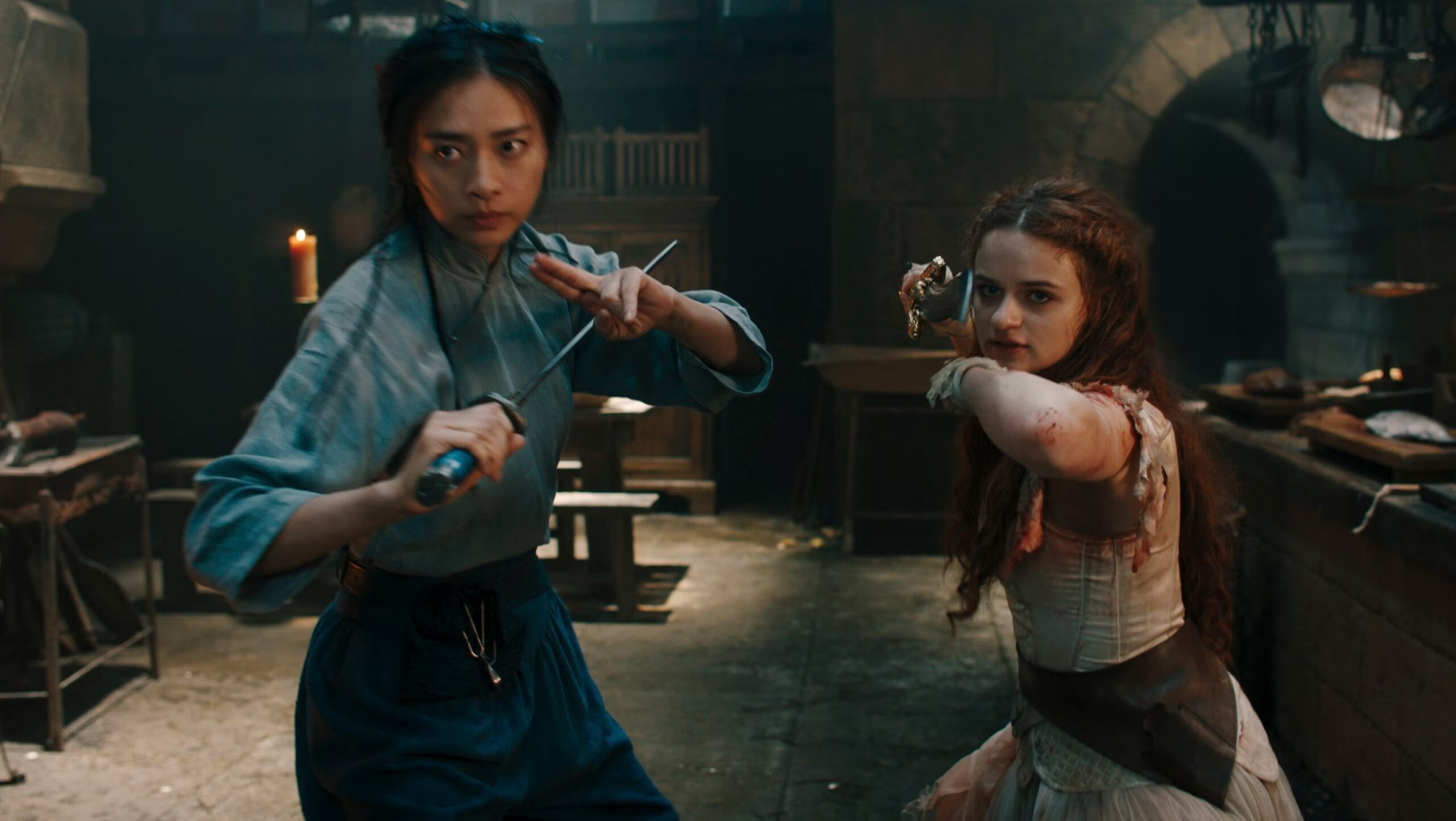
    What do you get when you try to mash The Raid with The Princess Bride? You get The Princess, a roaring concoction of martial arts, claustrophobic thrills, and medieval swords that may very well turn Joey King into the next rising action star. Like those aforementioned films, The Princess has cult classic written all over it. It has an unabashedly over-the-top approach to its gore and sense of flair, is light on story but very generous on sweaty fight sequences, and borders on satire, subverting a lot of tropes associated with its genre. While its own conflicting attempts to be taken seriously prevent the film from being great, the film manages to fill the ever-widening gap of mid-budget action films.  

    King plays the eponymous Princess who wakes up one day locked in her castle’s highest tower. When bandits enter her room to accost her, the Princess quickly brutalizes them, revealing that she’s more Hit-Girl and less Princess Buttercup. She soon realizes that the entire castle has been overrun by the man she refused to marry, Dominic Coopers’ pompous Julius, and that her family has been imprisoned in the dungeon. The Princess then begins a descent down to rescue her family trapped in the dungeons, with banquet halls and stairwells filled with bandits and all sorts of buffooning warriors. 

    The Princess takes immense pride in its conceptual conceit, flipping the convention of the damsel in distress on its head and executing it without restraint. Throats get impaled, people are burned alive, and heads fall off. The action, which toes the line between modern martial arts films and 80s schlock, serves as the exhilarating foundation upon which the gore builds. Set pieces are intuitive, cleverly designed, and constantly entertaining. Cinematographer Lorenzo Senatore’s eye for movement allows sequences such as the big close-quarters stairwell fight to feel boundless.

    Much of the well-executed action is what allows King, mostly known to the masses for a string of huge romcom successes, to live up to the caliber of action set by martial arts director Le-Van Kiet. King settles into the role with enough grace and finesse to convince audiences she’s been doing roles like this her whole career, even as a threadbare script robs her of any opportunity to meaningfully act. The Princess won’t be King’s seminal entry into the pantheon of action heroes but it nonetheless remains a promising start to what might be a very successful stint in the genre. 

    Flanking King’s freshman status in the action world are genre staples Olga Kurylenko and Veronica Ngo. Both Kurylenko and Ngo’s statures as action heroes legitimize a film that painfully underserves them. Moira, the lover and second-in-command of Julius, is played with an undercurrent of lethality by Kurylenko that comes off as subtextual more often than literal (she is, however, quite deadly with a whip) as the film never goes beyond her locking lips with him. Were it not for the film’s focus on the dull failed marriage plot, Moira as the big bad would elevate the film. The same can be said for Ngo as Linh, the Princess’ mentor and close confidant, whose enigmatic presence alone pervades every scene she’s in. The few flashback scenes of her in the film reveal a familial story that’s waiting to be told. 

    Quite possibly the film’s biggest failing is its reluctance in embracing the material. The script lingers between a rock and a hard place as it struggles to maintain a somber tone in the face of all its excesses. It refuses to acknowledge just how silly some of the characters are, how audacious the fights are, and how its efforts to subvert the fantasy genre counts as satire. A great version of this film would have gone the way of The Princess Bride; self-aware and self-referential, and where every side character is a character. Instead, the film trudges through scenes of Cooper playing a live-action version of Lord Farquaad with the fervor of an A24 drama. Its thematics somberly examine the patriarchy as characters ripped from the WWE are beat to death. The Princess doesn’t quite find its footing in balancing themes with tone and the end result is a film that is both confident yet unsure of itself.

  • Joey King on Becoming An Action Star in ‘The Princess’

    Joey King on Becoming An Action Star in ‘The Princess’

    In Hulu’s The Princess, a medieval action film that upends the fantasy genre in bloody ways, Joey King makes a case for transitioning from rom-com staple to action superstar. Murphy’s Multiverse got to attend the film’s press conference, in which King shared how she prepped for the role.

    On what lessons she picked up during training, she said:

    I think the thing that was so helpful about the training process too, you can’t just go in there and be like, “Oh, I trained for two weeks and I’m so good at this.” It’s more than just getting your form. It’s also about… you get hurt while you’re training, and the training process helps you to not be head shy anymore when you get hurt, to go into the next take.  ou just have to go full throttle. And that’s where the training really comes in handy. It’s like, you’re learning these movements and you’re learning how to respect these movements, but you’re also learning how to not be scared, you know?

    Sharing the screen with King is Veronica Ngo, best known for her work on action films such as The Old Guard. Ngo, who plays Linh, a mentor to the titular Princess, dishes a lot of kicks and punches in the film. King revealed in the conference what it was like to work with an action-staple such as Ngo.

    It is such an honor, because Veronica is obviously extremely experienced in the action world, and she is just an unbelievable fighter. I mean, I knew I had so much to learn from her. She is so clean with her fighting. She is so admirable. It’s a beautiful dance to watch her fight. I really knew that I had so much to learn, and I still have so much to learn.

    Lastly, it was thanks to the team’s encouragement that allowed King to go outside of her comfort zone and perform beyond everyone’s expectations.

    I think that it’s worth saying though that the only reason I felt like I could do these things is  because Kiet and Veronica and the entire stunt team as well, they all lifted me up so much. No one made me feel like I couldn’t do anything.

  • Taika Waititi On How Guns N’ Roses Inspired ‘Love and Thunder’

    Taika Waititi On How Guns N’ Roses Inspired ‘Love and Thunder’

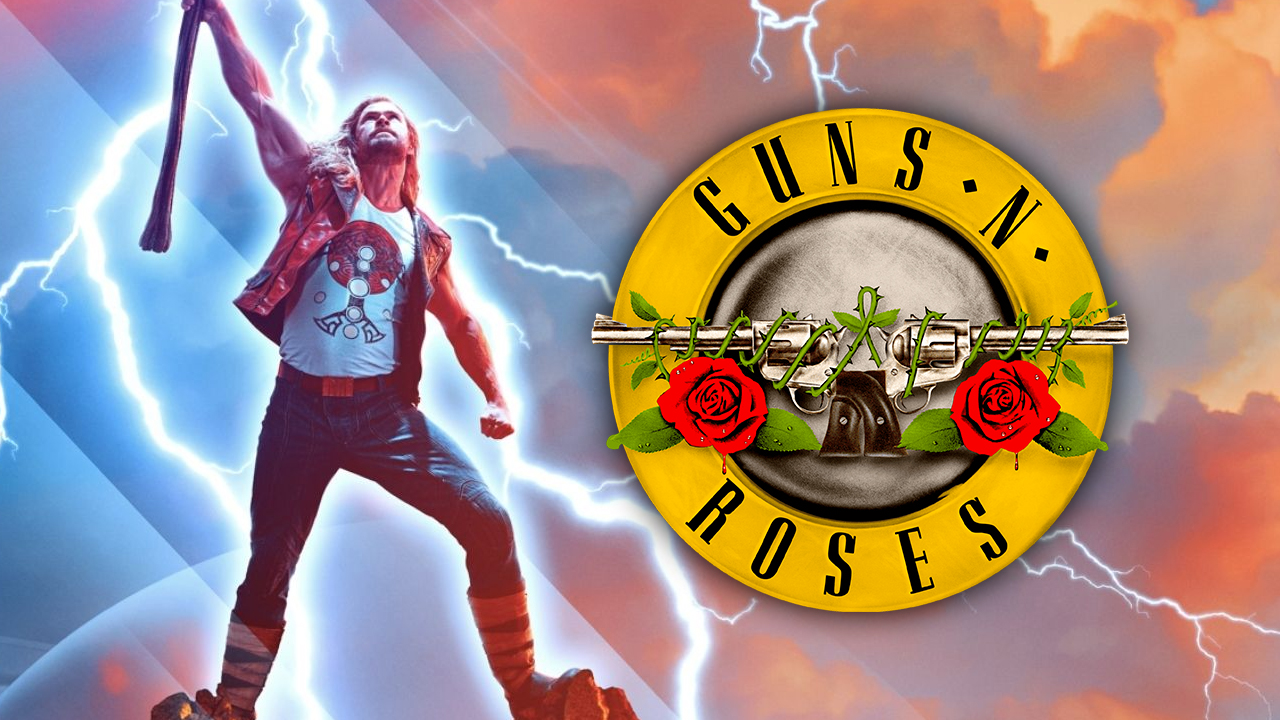
    Like the Guardians of the Galaxy films before it, Taika Waititi’s Thor films are a few of a handful of MCU films defined by their music. Whereas Thor: Ragnarok takes its cue from Led Zeppelin’s Immigrant Song, Thor: Love and Thunder draws inspiration from Guns N’ Roses’ Sweet Child of Mine.

    During the film’s global press conference, Waititi revealed why the song spoke to him when making the film.

    We just wanted to spend as much money as we possibly could on some songs.  It’s always been a dream of mine.  The whole aesthetic around the film was always we wanted it to be this bombastic, loud, colorful palette, which kind of reflected, like, spray-painted panel vans in the eighties and rock album covers.  And, even the title treatment for the film, it’s the kind of thing I would’ve drawn on my school book in class when I wasn’t listening. I remember spending, you know, months and months perfecting the Metallica logo at school.  So yeah, and just to tap into all that stuff and Guns N’ Roses, was like one of my all-time favorite bands.  And to be able to us that stuff to reflect, you know, the sort of crazy adventure that we’re presenting visually, was another one of my dreams that came true.  

    The track is being heavily featured in the film’s marketing campaign and may very well make an appearance in the actual film. Should Waititi continue to wrap up his own Thor trilogy, it would be great to see him dip into the sounds of the 90s. Perhaps embrace the darker, heavy metal side of Thor. Norway is the home of Thor’s mythology, which also happens to be ground zero for some of metal’s heaviest bands.