Author: Hunter Radesi

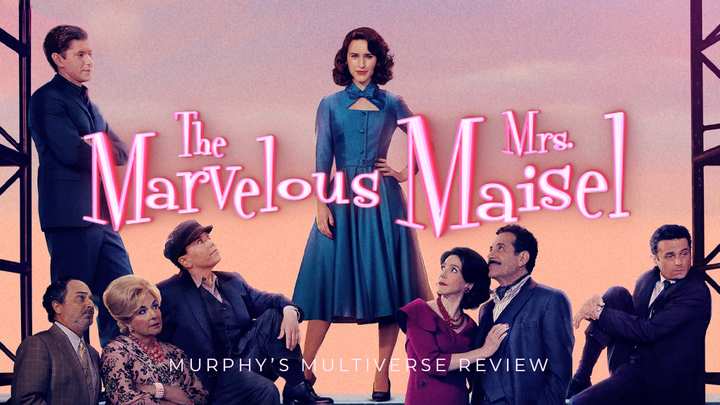
  • REVIEW: ’The Marvelous Mrs. Maisel’ Explores the Price of Showbiz

    REVIEW: ’The Marvelous Mrs. Maisel’ Explores the Price of Showbiz

    The Marvelous Mrs. Maisel, the show and the character, have spent the last several years chasing a rather specific dream. Quick-witted, engaging, and full of prospective, the two have sought to break through their respective barriers and achieve a level of renown typically reserved for more customary counterparts. In other words, they’d like to become famous and they’d like to be themselves while they do it. After a season comprised mostly of personal exploration, the latest round of Maisel episodes have finally taken a dive back into the realm of show business. Only this time, things feel a little different.

    Prior to this season, the marvelous misadventures of Rachel Brosnahan’s Midge Maisel and Alex Borstein’s Susie Myerson always seemed rooted in the idea that Midge was meant for stardom. No matter the setback, Maisel remained determined and Susie maintained her staunch belief in Midge as the golden ticket. Then the duo was left sputtering on an airport tarmac, and things started to go a little sideways. While it doesn’t seem like either of the pair have given up working towards their goals, it is starting to appear that their goals may no longer be what they once were. The first half of the show’s fourth season made it very clear that Midge is no longer interested in doing business the traditional way. As their work hiatus comes to a close, and she once again takes the stage at a higher level, one might find themselves questioning if she is still interested in doing business at all.

    Brosnahan’s lead is forced to face this with the return of two major figures from her past. First up, the man behind her most recent downfall demonstrates the dangers of choosing fame over family. Midge and Susie get an unexpected invite to the wedding of Leroy McClain’s Shy Baldwin, and there discover that their one-time friend has abandoned any semblance of his former life. A bathroom face-to-face between Midge and Shy, followed by an attempted back room deal with his agents, reveals the singer was willing to let go of everything he loved in order to grow his career and reap the rewards. Already disgusted by the self-important regality of his wedding and having now seen the sadness in Shy’s life, Midge leaves feeling more pity than regret.

    Next, she must handle her emotions surrounding Jane Lynch’s Sophie Lennon and her recent reinstatement to the spotlight. It’s not lost in Midge, or the viewer at home, that Sophie’s arc is symbolic of Hollywood’s cyclic nature. The same type of person, dealing with the same type of problems, jumping through the same social hoops, only to once again put others down so they may rise to the top. Midge hates Sophie for all of these reasons, but she is part of the game she’s decided to play, and therefore accepts an invitation to work for Lennon on her new television show. This goes about as well as expected. Meanwhile, Midge’s self-produced show at the strip club is thriving. The comic’s methods of madness are working wonders for the business, so much so that it’s newfound attention begins to nerve the men who use it as a front. 

    The quandary all this unearths is one that’s been at the heart of the series since it began. What does Midge’s future really hold if she can draw a crowd but can’t work with Hollywood? With any luck, this is something the show aims to answer in the final season and a half. The hope, however, should be that Midge is on a path to unprecedented greatness. It’s easy to look at the combination of unexpected run-ins and decide that they’ll drive Midge away from what she loves to do, but Midge has never been one for determent. Instead, it’s possible this brilliant one-two punch from the writer’s room is only serving to teach Midge what she shouldn’t do along the way to her accomplishments. Perhaps one day the Marvelous Mrs. Maisel will get to be one hundred percent herself on the big stage, with both friends and family still at her side.
  • Will Smith Returns to ‘I Am Legend’ With Michael B. Jordan Joining Sequel

    Will Smith Returns to ‘I Am Legend’ With Michael B. Jordan Joining Sequel

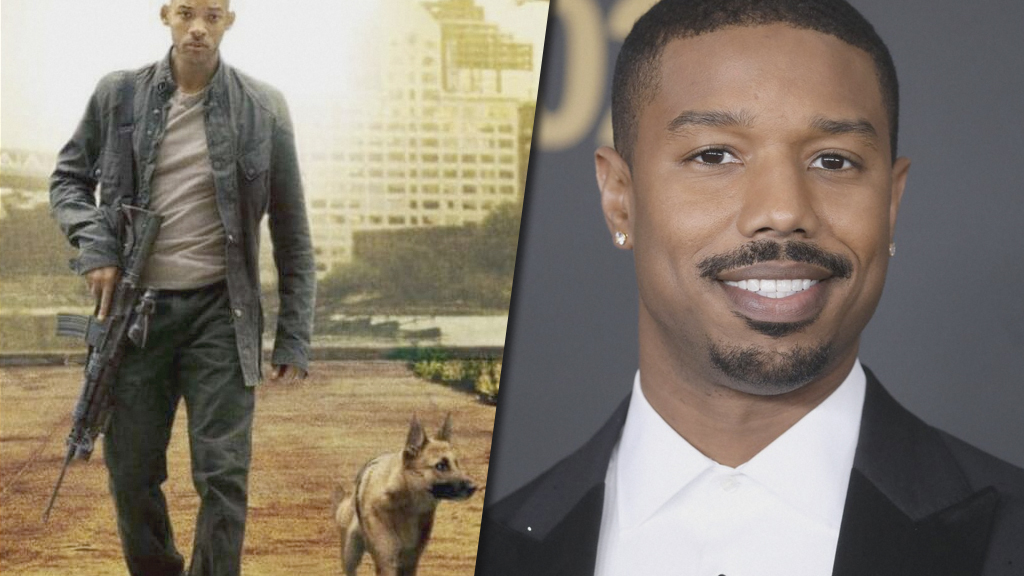
    In a surprise move, it looks like Warner Bros. is set to revive the I Am Legend franchise. A new film, acting as a sequel to Will Smith’s 2007 original, is in development with the actor signed on to return. In another shocking development, Michael B. Jordan will star in the film alongside Smith, with both acting as producers on the project. Akiva Goldsman, who wrote the first film, will also return for the second installment.

    As you can expect, there’s no word on what the story might explore or how it even ties into the initial storyline. The film was quite the departure from the original novel, especially with the depiction of its core “monsters who were more zombie-like while they were vampires. It’s also unsure how it’ll explore the tie difference since the release of the original back in 2007, which was directed by Francis Lawrence.

    Currently, no director is attached to the project and it’s unclear how far the script might already be. There’s not a lot more to explore from Richard Matheson‘s book, and the film can unshackle itself from those expectations. So, we’ll see if more details follow once they also add more to the cast – if at all. For now, it’s great to hear that this classic franchise is making a return and we’ll see how they tackle the future once it releases.

    Source: Deadline

  • Netflix’s ’Cliff Beasts 6’ Trailer is Likely a Misdirect to Promote Judd Apatow’s  ’The Bubble’

    Netflix’s ’Cliff Beasts 6’ Trailer is Likely a Misdirect to Promote Judd Apatow’s ’The Bubble’

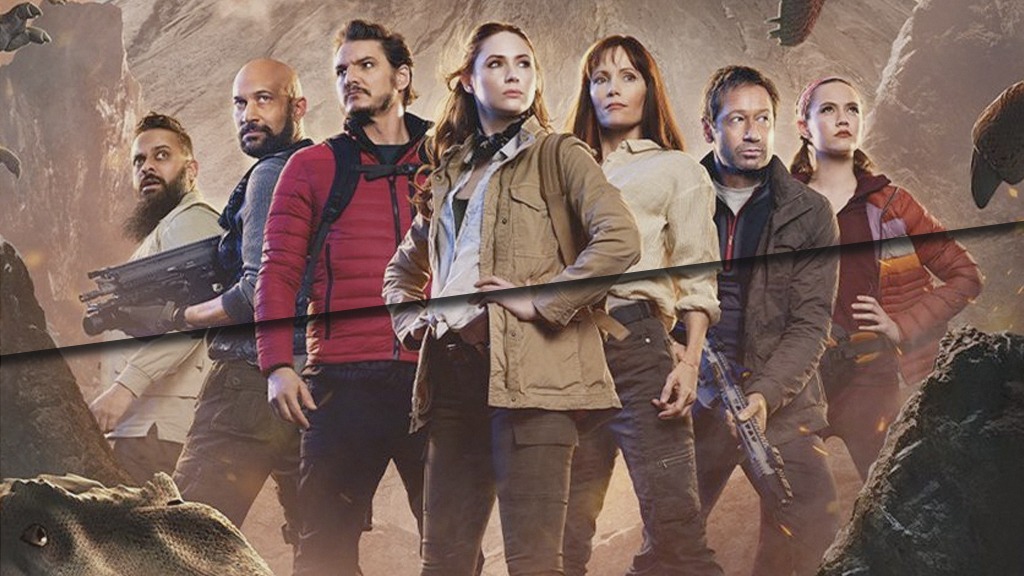
    Netflix shocked social media this morning with a surprise trailer for Cliff Beasts 6, a new action film with a star-studded cast. The only problem with this, however, is that the franchise “Cliff Beasts” has never existed, and therefore a secret sixth installment should be impossible. So, if this is the case, then what exactly is going on with this wacky bit of news? Some may believe that the streaming giant is trying a strange new tactic, launching a new franchise in the middle of its story. Rest assured, this is likely not what’s happening. A little detective work goes a long way, and may just reveal that the trailer for Cliff Beasts 6 is actually a cover for an entirely different movie.

    About a year ago, comedy legend Judd Apatow announced he was working on his next film project. The movie in question would be titled The Bubble, and feature a group of A-list actors as the stars of a fictitious action series forced to quarantine together as they finish their work in the pandemic. Names like Karen Gillan, Pedro Pascal, and Keegan Michael-Key were all attached to the comedy, and now conveniently appear in the trailer for Cliff Beasts 6. If this wasn’t evidenced enough, Apatow himself is promoting the next “Netflix Original” on his social media, alongside several other big Hollywood names with connections to the director and his body of work. The truth remains to be seen, but there is a fairly solid chance Cliff Beasts 6 is actually the fictional movie being made in The Bubble, and Apatow is just trying to pull a fast one in his marketing.

    Source: Twitter, Deadline, Instagram

  • REVIEW: IMDb TV’s ‘Bug Out’ is ‘Tiger King’ Lite

    REVIEW: IMDb TV’s ‘Bug Out’ is ‘Tiger King’ Lite

    In 2020, at the height of a global pandemic, the nation found a strange amount of comfort in the wild antics of living fake person Joe Exotic and his divisive rival Carole Baskin. Netflix introduced its subscribers to a secret, underground world of big cats and cutthroat politics by way of Tiger King, the once-limited documentary series that took popular culture by storm. While it’s hard to say exactly why that series was a hit with so many viewers, it feels like it had something to do with its willingness to proclaim “at least you’re not them” in a time when society really needed to hear it. Unfortunately for IMDb TV’s Bug Out, a new free-to-stream docuseries with equally ambitious “I bet you didn’t know these people existed” energy, that time has passed. Or at the very least, it probably won’t come back for ‘Tiger King Lite‘.

    It may be unfair to compare the underdog Bug Out to it’s wildly successful forefather, but it’s a hard thing to avoid when the new series is so obviously trying to accomplish all of the same things, albeit with a new skin. The overall concept is eerily similar, with a plot revolving around immense criminal activity that takes place within the confines of a universe the audience has presumably never seen before. Instead of giant midwestern compounds filled with deadly felines, viewers are taken inside of the suburban Philadelphia Insectarium, a building filled to the brim with wacky characters and exotic creepy crawlers. Here, we are told, is where an infamous bug heist took place, resulting in the theft of countless insects worth over $50,000 combined. The investigation into what may have happened, on the part of both the police detectives and the documentarians, opens a door into the unrevealed underworld of black market bug trafficking and all the unexpected worldwide connections that come with it.

    Much like Tiger King before it, Bug Out relies heavily on two things to keep the audience interested; slowly fleshing out it’s increasingly bizarre universe and embellishing the sort of larger-than-life personalities that inhabit it. The difference in the initial topic is, where King managed to bring all of it’s universal offshoots back to the main storyline, Bug often finds itself going on long tangents that lead to nowhere. While tales of the Mexican tarantula cartel and legendary Japanese butterfly dealers are certainly intriguing enough to keep people from changing the channel, they don’t really resolve in any sort of fulfilling payoff. The series’ four episodes often feel like multiple separate stories stacked on top of a base mystery that isn’t actually all that complicated. Latter revelations in the show’s prime case make it clear just how much of the production is simply exaggerated fluff, resulting in a diminished feeling that can only be described as the equivalent to “this meeting could have been an email.”

    As for the cast of Odd Fellows that viewers will meet along their journey, only a few of them are really able to live up to the entertaining heights the synopsis for the series promised. For the most part, these aren’t the cartoonish characters that make it easy for viewers to love or hate. Sure, there are a couple standouts that linger in the mind for a while after the credits roll. Yet, where King had a collection of vile ne’er-do-wells for the audience to rally against and a handful of benighted bystanders to get behind, Bug just has a lot of people who are doing their best. The majority of the interviewees had very little to do with the crimes at hand, and are mostly just normal folks impacted rather negatively by the actions of the documentary’s few major players. Of course, their appearances and interests may not align with the standards of the common man, but that alone does not make them appropriate storytelling fodder. Yes, there is a personal and professional rivalry that tries to be on par with Exotic and Baskin, but there just isn’t enough there to make the conflict soar.

    Ultimately, Bug Out is carried mostly by the pure delightful x-factor that comes with learning about an abnormal way of life. The docuseries goes to great lengths to convince the audience of its own merits, and ironically, its most lasting moments are found in the segues director Ben Feldman uses in an attempt to prove the main storyline’s worth. It wants so desperately to be the next big thing, it spends too much time trying to replicate what came before it. Every face worth remembering and concept most ingraining comes from the sidebars into the deeper world of the bug trade, where the documentary might have been better off focusing on. It’s not what the employees of the Philadelphia Insectarium have to do with the loss of 7,000 bugs that will keep people coming back after each and every episode. It’s what they dabble in during their free time, and in the museum’s back rooms, that’s truly worth watching.

  • REVIEW: ‘Batman Forever’ is Still the Horniest Bat-Film

    REVIEW: ‘Batman Forever’ is Still the Horniest Bat-Film

    Of the countless adaptations to come out of the Batman mythos, Batman Forever has always been the hardest one to pin down. The film, released to financial success and critical failure in 1995, never really managed to obtain a solid identity. While Tim Burton‘s prior films were clear in their aspirations of a darker tone, and franchise follow-up Batman & Robin was infamously committed to being a real-life cartoon, Joel Schumacher‘s first venture into superhero movie making was a little less defined.

    As a result, the movie has become somewhat of a “forgotten installment” in Batman’s cinematic history. Not as silly as its sequel, but still a far cry from the graphic material of its predecessors. It’s likely that this is the reason many have failed to remember the crowning achievement of Forever, rising to claim a title that has yet to be truly challenged. It can be argued that the film does indeed have an identity and one that makes it very special. To this day, there has never been a hornier Batman movie.

    Yes, I have seen Batman Returns. I am very aware of the tension Michelle Pfeiffer brought to the table and the sparkling chemistry she shared with Michael Keaton‘s Bruce Wayne. Trust me when I say, after back-to-back viewings of both films, that Forever earns this honor just a little bit more. Before I get to dive into why it should be clarified that I actually think Val Kilmer‘s one-and-only romp in the Bat-suit is an all-around much better film than it gets credit for.

    It seems audiences found it fairly easy to dismiss the project when it came on the heels of the excellent Burton installments, flagging it as a waste of time and moving on rather quickly. However, this ousting does not take into consideration any of the reasons the movie is how it is. After the wildly adult themes and imagery of Returns, Warner Bros. wanted a threequel a little closer in tone to the campy adventures of Adam West‘s Caped Crusader and a little further in tone from the Creepshow vibes of Danny DeVito‘s child-murdering, potato-sack wearing Penguin. Conflictingly, the studio also still wanted the movie to be in line with the world established by the previous entries.

    Honestly, with these goals in mind, Schumacher no sort of nails it. Forever is the perfect mix between West and Burton, with goofy surrealistic villains and over-the-top character archetypes stirred into the established pot of gothic neon gravitas brewed by the first two films. Despite Chris O’Donnell’s Dick Grayson mostly being the worst character on screen at all times, his scenes with Kilmer surprisingly make for some of the more earnest Bruce Wayne content caught on camera.

    Though often a bit on the nose, Forever takes its look into the psyche of Wayne seriously, giving fans both sides of his coin in equal measure. Speaking of which, Tommy Lee Jones‘ Two-Face and Jim Carrey‘s Riddler are maybe better antagonists than you remember. They’re not really threatening, and both are basically just new skins for the Joker, but it is immensely comical to watch them chew up screen time. The laughs don’t always come when the script might have intended, but they will come.

    The emotional crux of the film is where we re-enter horny territory. Again, this is a movie that hopes to explore the duality of Bruce Wayne and the Bat. The title itself comes from a line in the film in which Wayne declares that he’s accepted his demons and chosen to be “Batman forever“. It’s just the way the story decides it will demonstrate this is questionable at best, or not to be questioned at all, depending on your configuration.

    Bruce is forced to confront the longevity of his double life when he meets Dr. Chase Meridian, played by AMC spokesperson Nicole Kidman, and realizes how badly he wants to get laid. The problem is that, while Dr. Meridian also wants this, she is far more interested in the mystique of Batman than any amount of charm or money Wayne can throw at her. What comes of this is an enthralling cat-and-mouse game of two people with deeply rooted psychological issues and massive libidos. I’m no professional, and I can’t diagnose why this is true, but something about this conflict is far raunchier than anything Batman and Catwoman are able to muster up in the preceding entry.

    Literally every single scene Kidman is in, features her trying to seduce Batman, or to a lesser extent, Bruce Wayne. All of them except for when she becomes a damsel in distress; an unfortunate consequence of being a movie made anytime prior to the last five years. It doesn’t stop there, either, as several of the other characters get in on the fun before credits roll. A not-so-keen eye will notice that Carrey wears tighter clothing each time he’s on the screen. He also becomes less aware of personal space and a lot more mindful of how attractive everyone else is, something he comments on frequently.

    This is another spot where I should stop and remind the reader that I do not think this is a bad attribute. In fact, it feels pretty at home in the context of the vibe. Even the typically staunch Jones has populated his elaborate lair with sexual energy. Although the moral ramifications of his keeping two mistresses, each scantily dressed to represent one side of his personality, probably should be debated. I digress, it furthers my point.

    Batman Forever just captures certain erotic magic that no other comic book film has come close to matching. Both the title character and his youthful sidekick are adorned in stiff costumes, with chiseled abs and nipples added for flavor. It’s worth noting the latter detail would be more questionable if the teenager wasn’t played by a 25-year-old man. Batman & Robin tries to bring the energy back with Uma Thurman’s Poison Ivy, but a lack of chemistry or wanton desire prevents any attempt from hitting home. Matt Reeves’ The Batman is making a strong case for itself as a contender, with certified heartthrobs Robert Pattinson and Zoe Kravitz producing steam through the screen, but it remains to be seen if they can conquer the mountain ahead of them. At the very least, until March 4th, Kilmer will remain the most indisputably aroused Batman.

  • REVIEW: ’The Marvelous Mrs. Maisel’ Proves Timing is Everything

    REVIEW: ’The Marvelous Mrs. Maisel’ Proves Timing is Everything

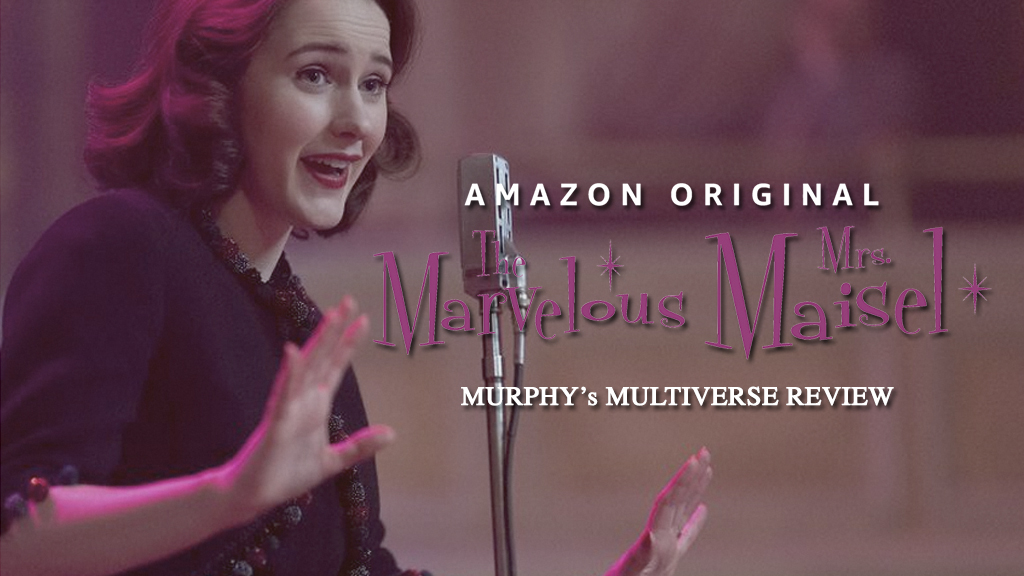
    Ever since its first, Emmy-award-winning episode dropped in March of 2017, The Marvelous Mrs. Maisel has thrived on timing. As has been mentioned on numerous occasions, the show moves at a speed that can only be described as “really fast.” Scenes transition like they’re stuck on LaGuardia’s moving walkway and characters speak at a tempo that could spin a windmill. It’s everything a high school drama director tells their students they should strive for, landing beat after beat in a tight, functioning hour. This exquisite meter is the series’ trademark, and its greatest secret weapon, as the writers seem to remember something the rest of us may have forgotten. In Maisel’s latest batch of episodes, Amy Sherman-Palladino reminds everyone that timing is sometimes most effective when slowed down.


    Everything is Bellmore”, the first of this week’s two new installments, is the show’s official tribute to Brian Tarantina. The actor, known for playing lovable Gaslight emcee Jackie, passed away unexpectedly in 2019. While Tarantina was undoubtedly a cornerstone for the series, one of those little unsung pieces that make the whole thing tick, it never felt like a surefire bet he’d get an entire episode made in his honor. One may have expected a line inserted quickly into an early-season episode, commenting on his absence with a little dedication card appearing after the credits. What one may not have expected was for the writers to take his death and turn it into one of the most poignant moments in Maisel’s entire run.

    Bellmore is a showcase for Alex Borstein, who steps up to deliver an unforgettable bit of acting during the episode’s climactic minutes. A lot of shows have a lot of scenes, where performers stand up to produce tears and spit out dramatic monologues, it’s simply par for the course. However, very few manage to achieve the raw authenticity that Borstein displays during her big moment. While the leads of Maisel may be wealthy Upper West Siders, the series always has truly been about the little guys. Jackie, and by extension Tarantina himself, was one of the little guys. As Susie points out, the man was a hard worker and lived a life full of immense ups and staggering downs. Like any person, he was simply out there trying his best. And yet, it never seemed good enough. No matter how hard he worked, or how many minor successes he had pulled off, his life still ended in a dirty, cramped, one-room apartment. Why? Because, as Maisel has always made apparent, timing is everything.

    Rachel Brosnahan, while magnificent as usual, has taken a back seat to her supporting cast, but it is still her storyline that thematically threads everything together. Now working at a strip club, the resolute protagonist makes it her mission in life to take an otherwise discount presentation and get it off the ground. Though production value does increase, at the end of the day, it’s still a strip club. Try as she might, Midge isn’t yet able to achieve the sort of fulfillment that she desires. Whether or not the club itself is part of the problem remains to be seen, but in the end it boils down to the commentary Bellmont and its follow-up “Interesting People on Christopher Street” are trying to make. Life is short, and sometimes the timing just doesn’t work out. Whether it’s whatever boat Jackie missed, Midge’s dependence on low-rent venues for creative freedom, or Susie’s refusal to do anything about her romantic life until she gets her business afloat, the idea of timing is ever looming.

    The other character who shoulders this theme, and who gets a little extra spotlight this week, is Tony Shalhoub‘s Abe Weissman. A personal favorite member of the cast, as his comedic timing is consistently top-notch, the former Monk star navigates two separate b-plots with sublime expertise. In both, Abe deals with the consequences of not knowing when he should and shouldn’t open his mouth. He publishes a devastating review of a play written by a family friend, resulting in the social exile of the Weissman couple from their community. His frets about the romantic history between his wife and best friend get Jason Alexander‘s Asher and himself in trouble with the federal government. It’s a lesson in balancing truth with timing, done with the mix of comedy and dramatics that only Maisel can pull off.

    Ultimately, this week’s duo of episodes is dedicated to the element that helps the show stand out in more ways than one. Pacing, music, production design, costumes, and everything in between are up to their usual snuff. From a filmmaking standpoint, the show only continues to prove the importance of timing. Only now, the story is starting to as well. Just remember, even if Midge is able to get the technical aspects of that strip to show up and ticking, she still finds a way to fall in the pit at the end.

  • REVIEW: ‘Batman: The Imposter’ is an Artistic Ode to Despair

    REVIEW: ‘Batman: The Imposter’ is an Artistic Ode to Despair

    The Batman mythos come in a plethora of delicious flavors. Perhaps this is why the character and his world have been able to appeal to such a wide variety of audiences during their time in the cultural spotlight. As times change, so do Gotham City and its iconic hero. For example, in early stories, Gotham and the Dark Knight weren’t actually that dark at all. The Caped Crusader paraded around his bright city with an upbeat sidekick in Adam West‘s live-action series, engraining himself in the public eye as a campy, lovable do-gooder. As time continued, and the world became more complicated, the comics became edgier. Alan Moore and Frank Miller took the character’s troubled youth and turned it into decades of violent, gothic storytelling. Batman became angry, and the lights in his city began to dim. For a while, it’s seemed readers had already witnessed the darkest places a writer could take the protagonist. In all honesty, that may have been true, until Mattson Tomlin stepped into the ring.

    Batman: The Imposter, a three-issue limited series from the Project Power creator, isn’t especially dark because of any specific moment or event. Although, to be clear, it does have plenty of those. It earns it’s anguished tone by nature of it’s most prevalent recurring thematic device: soul-sucking despair. The story sees a young, inexperienced Bruce Wayne encountering his greatest career challenge in the form of a murderous copycat vigilante, while simultaneously falling for and running from GCPD detective Blair Wong. The world in which the book takes place is maybe more realistic than anywhere we’ve ever seen the character operate before, made evident by constant sobering revelations about the consequences of his supposedly heroic actions. When he was still credited as a writer for Matt ReevesThe Batman, the creative gave multiple interviews claiming the protagonist to be representative of “sheer human will and determination.” In his comic, now the most authentically Tomlin take on the character, he puts this opinion to the test. For every minor victory the hero manages to take, it feels there are twice as many setbacks.

    Cops are able to keep a healthy track on Batman by cutting down his deserted ziplines and confiscating his poorly-hidden equipment. Crooks are afraid of the Bat, but never fail to leave him bruised and bloodied after a fight. His single ally, Commissioner Gordon, has been run out of Gotham after only a year of Wayne’s war on crime, with a wave of criminals put back on the street for his mistakes. To top it all off, this version of the character is also without the ever-loyal Alfred Pennyworth, who is shown to have abandoned a young Bruce after the child’s sociopathic tendencies drove him to a near mental breakdown. Yes, that is correct. This is a book in which Bruce Wayne is shown to be an actual sociopath, trading in the typical socialite playboy personality for an angsty, bull-headed recluse convinced the world will never understand him. While all that may sound like a progressive downfall for Batman over the course of the Black Label series, it’s actually just the way Tomlin sets the rest of his story up.

    It’s a strange thing to read about a Batman who, having only just entered the costumed scene, really feels like he may also be facing the end of his crusade. Truthfully, it’s not really until the end of the comic that the intention of the whole thing becomes clear. The Imposter puts Bruce Wayne through the wringer not because it wants to prove how much he can take, but because it wants to show what obscenely deep-rooted emotions can drive a person to do. It is an ode to the complexities of depression. This is not to say it celebrates how immense sadness can manifest inside its host, just that it’s not afraid to explore both the highs and lows of that cerebral rollercoaster. It does this most effectively when it puts Bruce up against other characters with the same depressive qualities. Readers see his willpower when he’s put against would-be villains succumbing to their anxieties, determination when he puts everything on the line to confront his malicious doppelganger, and that small inkling of hope when he meets those that would seek to help him.

    The comic is aided by the use of a Sopranos-esque plot point, where the stubborn Bruce is forced into therapy sessions to prevent his identity from being exposed. These direct conversations are often lapped over incredible artistic design from Andrea Sorrentino, who manages to transform entire splash pages into the same symbols that the characters fear will one day take over Gotham. The added effect increases the impact of the words on the page in the same way a gorgeous score may take a good film to the next level. Ultimately, it makes for a unique comic that achieves a certain ‘film noir’ aesthetic in both its visuals and its script. Batman: The Imposter may not be directed reading for the titular character, but it’s certainly worth checking out if one would like to take a darker look into their favorite hero’s psyche.

    Source: Inverse

  • ‘Uncharted’: Mid-Credits Scene Explained

    ‘Uncharted’: Mid-Credits Scene Explained

    Uncharted has only just landed in theaters, but that never means it’s too early to start speculating about a sequel. Like any good modern blockbuster, the movie ends with an extra scene that plays after the credits begin rolling, teasing the potential future of the franchise. Director Ruben Fleischer recently expressed interest in coming back for another treasure hunting adventure but made sure to clarify a second installment would be entirely dependent on the financial success of the first film. Luckily for Fleischer, and those hoping for more Uncharted, the movie’s opening weekend is doing just fine. Hopefully, this means the filmmaker will eventually get the chance to capitalize on that intriguing mid-credits stinger.

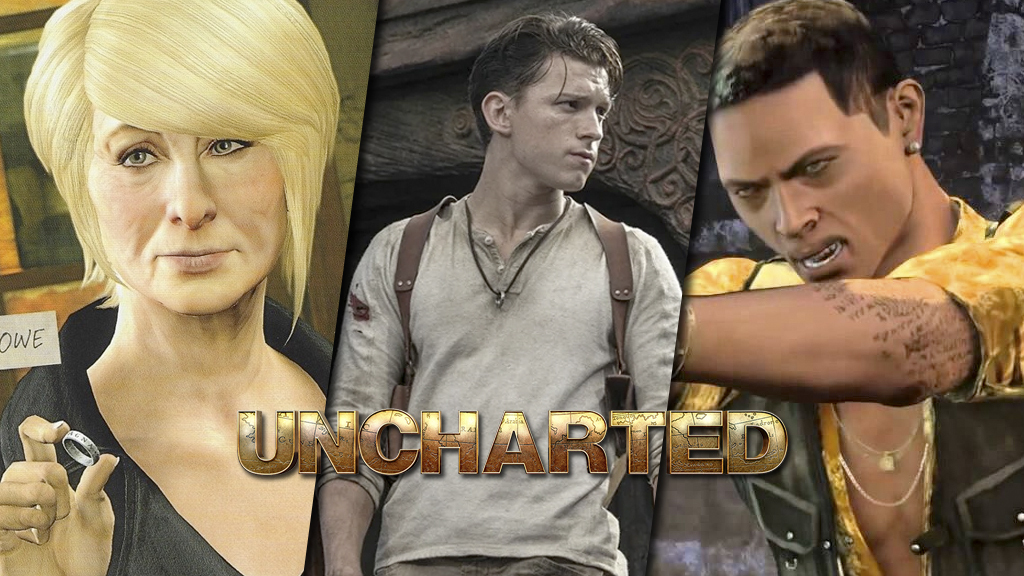
    The scene in question features Tom Holland’s Nathan Drake, now a fully-fledged fortune seeker, doing business with a suspicious-looking individual named Gage, played by Game of Thrones star Pilou Asbæk. Of course, the deal quickly goes south, and Nate has to be bailed out by his new partner-in-crime, Mark Wahlberg’s Victor Sullivan. Although only a few moments longer, the sequence is an absolute delight for fans of the series. Not only does it feature the protagonists in game-accurate outfits, including Sully with a freshly grown mustache, but it’s chock-full of hints and references that may reveal where the next film is headed.

    During Nate’s conversation with Gage, it’s mentioned that the eye-patch-wearing criminal works for an employer by the name of “Roman.” That bit of information should have set off alarms for any informed fan, as it refers to the very first threat players ever saw Nate and Sully face. Gabriel Roman, a wealthy British crime lord, and collector of artifacts, served as the main antagonist of the original Uncharted game. In Drake’s Fortune, the villain hires mercenary Atoq Navarro and pirate leader Eddy Raja to oppose the two protagonists in their search for the fabled El Dorado. With a small army of outlaws under his thumb, he nearly succeeds in killing Sully (who owes him a large debt) and proves to be a major thorn in Nate’s side. That is, until he’s betrayed by his accomplice, Navarro, and tricked into opening a cursed statue.

    Though fairly similar in look, story, and demeanor to Antonio Banderas‘ Santiago Moncada, the mid-credits scene makes it likely that some version of Roman has been set up to be Nate and Sully’s next major adversary. Adding to this theory is the presence of Gage, who shares some things in common with the aforementioned Eddy Raja. Audience members with a keen eye might have noticed that Gage wields a golden pistol in the movie, the same weapon that Raja used for the duration of Drake’s Fortune. The pirate is also known for having a bit of a dramatic flair, which Gage demonstrates with his white suit and big temper. Perhaps Gage is intended to be a reimagined version of Raja, working in accordance with Roman? He could even be an amalgamation of Eddy and Navarro, condensed into a single character for use in a hypothetical Uncharted 2


    The events of the Uncharted movie drew inspiration from nearly every game in the series but seemed to primarily focus on elements from Uncharted 4: A Thief’s End. With the inclusion of Roman and the Raja-esque Gage, it’s possible that the next film travels backward in series order and adapts the first game directly. However, a specific comment made during the Nate and Gage exchange could hint at another mishmash storyline, comprised of factors from multiple entries. In Drake’s Fortune, the only thing Roman wants from Nathan is his knowledge of El Dorado. In the movie, he instead seems interested in possessing Drake’s iconic necklace ring, which Gage implies is important to Roman’s goals.


    If this sounds familiar, it’s probably because it’s one of the main plot points from Uncharted 3: Drake’s Deception. In the series’ third game, Nate and Sully go head-to-head with Katherine Marlowe, the ruthless leader of a secret Hermitic cult hellbent on finding the Atlantis of the Sands. Marlowe needed Drake’s ring to unlock a cipher device that would aid in locating the lost city and used all of the vast resources in her power to obtain it from around Nate’s neck. It’s not far-fetched to think Roman could need the ring for a similar purpose in the sequel, either to find El Dorado or take over Marlowe’s role in the story of Uncharted 3. After all, both villains are elderly and British, so it could be another case of amalgamation.

    Also of note is the object Nate considers trading his ring for in the mid-credits scene. Gage, and by extension Roman, are the owners of a World War II Nazi map, something Nate is hoping to swindle away from them. In Drake’s Fortune, Nate uses a Nazi map in his quest to find El Dorado, and first encounters Roman and Navarro outside of an old grounded Nazi Uboat in the rainforest.

    Ultimately, the mid-credits scene points the film franchise in a fairly specific direction. Unless the next project ignores this tease completely and goes with a wholly original storyline, a la Psych 2: Lassie Come Home, the second Holland-led Uncharted appears to be readying some sort of mix between the first and third games. Let’s not forget that Rudy Pankow’s Sam Drake, probably played by a new actor, will doubtlessly make a return, and Fleischer has stated he’d love to adapt the fourth game’s car chase sequence if he has the chance. So, maybe throw some more of Uncharted 4 in there as well?

    Uncharted is now in theaters.

  • REVIEW: ‘The Legend of Vox Machina’ Closes One Door and Opens Another

    REVIEW: ‘The Legend of Vox Machina’ Closes One Door and Opens Another

    It’s not always easy to remain consistent. In life, sure, but especially in storytelling. Take HBO’s hit series Game of Thrones, for example. Once adored by fans the world over, most adulation for the show came skidding to a controversial halt when the final season failed to meet fans’ immense expectations. On the other side of the coin, one might find a series like Marvel’s Agents of S.H.I.E.L.D., which managed to find it’s footing in later seasons after a rough start out of the gate. Obviously, neither of these situations are ideal for a writer’s room. In the first scenario, you have years of hard work seemingly derailed by a single batch of faulty episodes. In the latter, you have a glorious comeback seen only by those who were willing to stick with the show through the worst of times. It is with immeasurable pleasure that I state The Legend of Vox Machina has avoided the second prognosis, and shows no signs of being diagnosed with the first anytime soon.

    In my last review of the series, it was mentioned that Vox Machina was doing an excellent job of bringing its multiple plot lines together towards a satisfying payoff. As the last three episodes of the season played out, they proved this theory was even more correct than initially believed. Nearly every major character on the show receives a proper conclusion to their arc, often overlapping with each other in ways not expected but wholly rewarding. It almost feels as though the story could not have happened this well on accident, despite its humble beginnings as a recorded tabletop game improvised among friends. There are also quite a few moments of genuine surprise sprinkled throughout the final first season installments, keeping the viewer on their toes and managing to avoid a lot of the unsavory finale tropes that plague multiple tales of the genre.

    The passion behind the project is so evident in the way its writers and performers take care of the titular group, each emotion felt by the main cast feeling as though the chaos was actually happening in the recording studio. These lively bits of vocal recording help to heighten the show’s finest moments, adding an extra push to triumphant climactic battles and forcing out that first teardrop in emotionally weighted scenes. Speaking of which, the finale of Vox Machina proves more than willing to venture in the direction of sadness than the early previews of the series ever suggested. After a full season of expertly executed bonding with the merry band of misfits, the surprisingly frequent instances of true drama hit fairly close to home. Yet, the adult cartoon is able to balance these bits with its signature humor and violence quite well, resulting in a wonderfully calculated assault of emotions on the audience.

    Perhaps the best aspect of the season’s close is the way it sets up the series promising future. With a second season already in the bag, it makes sense to leave the show off on some sort of tease for what’s to come. But what’s impressive is the way the Critical Role crew is able to leave their characters open for another chapter. So far, the plot has mostly revolved around the hidden personal life of emo gunslinger Percy de Rolo. As that story comes to a close, the door opens for another to begin, and the follow-up could center around any one of the team’s many intriguing members. All the remaining adventurers have been put into a position to succeed going forward, and I can’t wait to see where the series takes them next.

  • FX President Confirms ’Archer’ and ’It’s Always Sunny’ Are Here To Stay

    FX President Confirms ’Archer’ and ’It’s Always Sunny’ Are Here To Stay

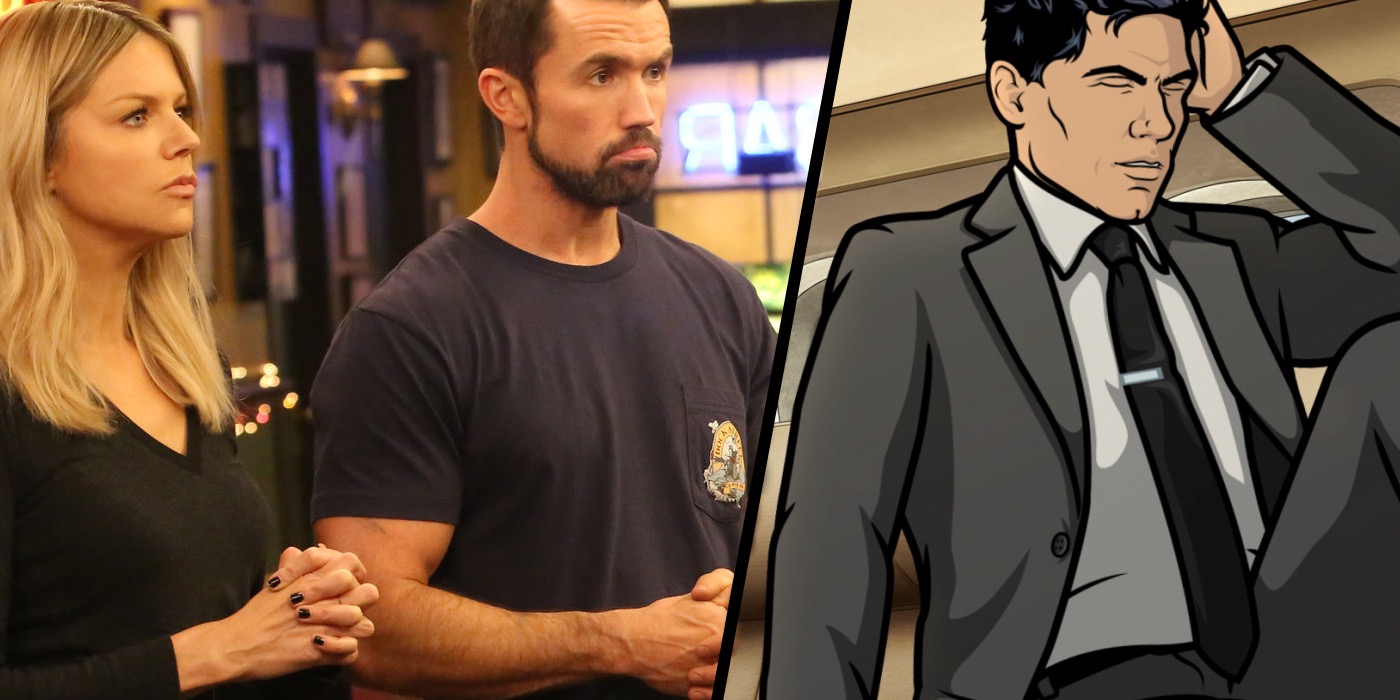
    Some shows just don’t know when to end, and others maybe never should. FX President Eric Schrier seems to believe his network is home to two of the latter, as indicated by recent statements made to Deadline. The television boss was asked about FX’s long-running sitcoms It’s Always Sunny in Philadelphia and Archer, both of which have crossed the threshold of at least a decade on the air.

    Having just finished it’s 15th season, Sunny has broken the record to become the longest running live-action comedy in history. The honor was previously held by The Adventures of Ozzie & Harriet at 14 seasons. The show, which stars Charlie DayGlenn HowertonKaitlin OlsonRob McElhenney, and Danny DeVito as miscreant owners of a South Philly bar, has three more seasons on it’s current renewal. While some would believe they could be the final installments in the Sunny saga, Schrier seems to think there may still be more for the series:

    It’s interesting with that show. The guys have been doing it for so long. As long as they feel that they creatively can maintain its vibrancy, they want to continue to do it. Creatively, the show is excellent, and we think the last season was as strong as ever. The fans love the show, so we’ll keep going as long as as they want to keep it going.

    Eric Schrier

    Archer is now entering it’s 13th season, and many have begun to question just how long it can continue to last. This uncertainty was recently accelerated by the unfortunate death of one of the show’s main stars, the incomparable Jessica Walter. However, Schrier says there are no current plans to end the series, citing other legendary animated sitcoms as evidence of its longevity:

    It’s not designed to be the last season. I think we feel really good about the scripts, they’re animating them now for the next season. We’re waiting to see how the creators feel about how long it should progress. We’re very enthusiastic about that show and its continued longevity. When you have an animated half-hour like that, it can continue on, as you can see with The Simpsons, for a very long time. Archer still does great for us and people love it and the fans love it. So as long as they can keep doing it and maintain the quality, we’ll want to support it.

    Eric Schrier

    Archer season 13 premieres on FX sometime this fall.
    Source: Deadline