One of 2019’s most unique series is back for another round on Amazon Prime, and the streaming service has just unveiled its first official look at the show’s second season. Undone, an adult comedy-drama series from Bojack Horseman creators Raphael Bob-Waksberg and Kate Purdy was released almost three years ago to critical acclaim but to little social fanfare.
The series, the first episodic project to use rotoscope animation, focuses on the life of Rosa Salazar’s Alma Winograd-Diaz after a near-fatal car accident allows her to experience time differently than everyone else. Undone‘s first season followed Alma as she sought to uncover the truth behind her father’s death and get a handle on her newfound abilities.
The second season will finally premiere on April 29th after an extended hiatus. In the next set of episodes, Alma realizes there are deeper mysteries at play in her family’s past. Unfortunately, nobody is interested in helping her dig up uncomfortable truths until she’s able to convince her sister Becca to assist. As they search for answers, they will unravel a complex network of memories and motivations that have shaped who they are today. Furthermore, they’ll learn just how powerful it can be to truly heal family trauma.
Alongside Salazar, Undonestars Constance Marie, Angelique Cabral, and fan-favorite actor Bob Odenkirk. Amsterdam-based animation studio Submarine and artist Hisko Hulsing return to bring the characters to life using a variety of mediums. These include oil painting on canvas for the backgrounds and animating over live-action performances.
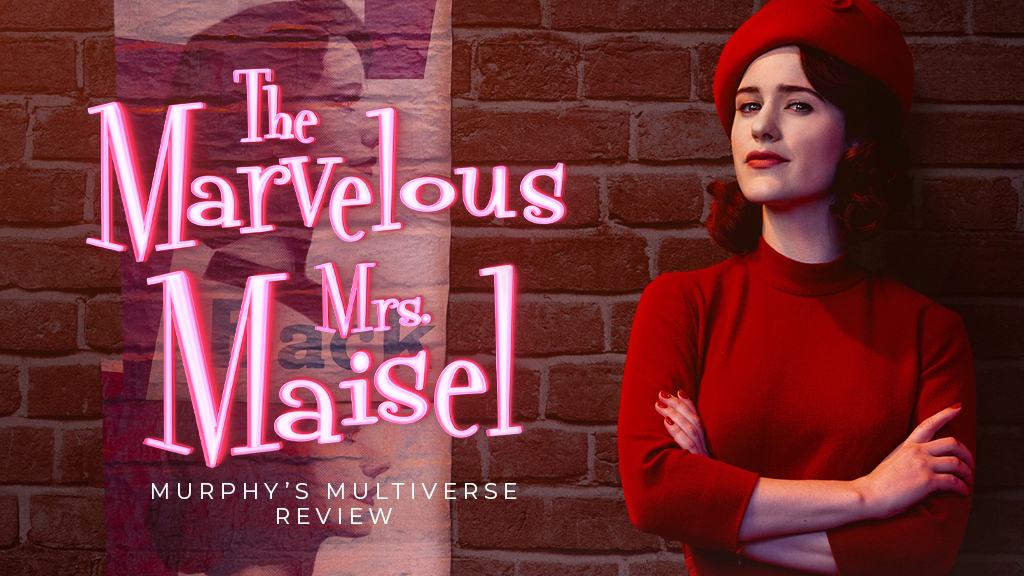
It’s been known for a couple weeks now that The Marvelous Mrs. Maisel will soon be dropping its curtain for the final time. The Emmy Award winning showbiz dramedy now has only a season left to air, and the latest batch of episodes seem to confirm this with more gusto than any network announcement ever could. I mentioned in my first review of the show’s fourth season, which has now completed its run on Amazon Prime, that there were tones of coda in the air. For all the grandiose of the premiere’s “we’re back” energy, there was also a sense of knowing the end was near. The season’s two-part finale, written and performed on par with the best of the series’ episodes, dives headfirst into this whispered promise, transforming it into a call towards the cheap seats. Every storyline is now angled in a single direction, aimed at something fans of the beloved show might have hoped never to see. As of this week, Maisel has entered its endgame.
Granted, Amy Sherman-Palladino‘s critical darling isn’t going away just yet. There’s still quite a bit of work to be done before Midge Maisel signs off, it’s just that now it’s more obvious than ever where things are headed. Ironically, the thematic thread needled through each of the final two episodes is not how narratives end, but what might come after they conclude. Alex Borstein‘s Susie Myerson, now operating out of her own office, is less dependent on Midge than ever, as the series continues to insist on asking whether she really needs her star client at all. Of course, Susie is still loyal to Midge, the closest thing she has to a real friend, but the comic’s staunch refusal to accept any gig worth playing has forced Myerson to begin looking elsewhere for a payday. And boy oh boy, does she need a payday. Just as Susie starts finding success with a new magic act and another prospective client, the show reminds the audience that the manager still has a few dues to deal with. After a season of surprising growth, viewers should be curious to see if Susie’s newfound independence sends her soaring or if her past mistakes catch up in a nasty way.
Speaking of surprising growth, Michael Zegen‘s Joel Maisel, whom I’ve scarcely written about, is also finally growing into a life outside of his former indiscretions. Since the show’s first season, which began with Joel cheating on Midge and leaving her in the middle of the night, the character has somehow found a way to shift from irredeemable to genuinely likable. This is due in large part to the way he’s owned up to his flaws, and embraced the penance for his failures. In accepting his strengths, as opposed to combating his weaknesses, he’s come into his own as a protagonist and found a life more suitable to his desires. With a successful business, a new romantic interest, and a baby on the way, Joel is set up to find his happily ever after. Unfortunately, like Susie before him, it might not be as easy as he hopes it will be. Stephanie Hsu‘s Mei Lin seems less than positive about the prospect of marriage, and her supposedly very dangerous family likely won’t be pleased with her pregnancy either.
Despite this lack of clarity, it’s a moment of tenderness between Mei and Joel that sends the show’s title character reeling into her final stretch. The cold open of this week’s second installment reveals that the ending of the first may have been more serious than it looked. Kevin Pollak‘s Moishe Maisel is rushed to the hospital, and his prognosis is questionable. It’s an excellent bit of staging and camera work that breaks from the traditional Maisel mold, and it installs an ominous feeling of uncertainty in the viewer from the jump. For Midge, it’s an uneasy situation. Moishe is family, and she cares deeply about him, but he’s also representative of her past life with Joel. Both literally and figuratively, the life she’s spent so long forging for herself is attempting to tear her away from the hospital at every turn. It’s a misplaced sense of duty that keeps her there, which she realizes when she instinctively goes to comfort Joel and finds Mei already has him in her arms. Seeing this, she rushes to do at least one set at the club, and ends up stumbling into what could be the rest of her life.
After improvising a routine in which she vents about her life, Midge discovers that the enigmatic Lenny Bruce, once again played to perfection by Luke Kirby, has been watching the whole time. The relationship between Midge and Lenny has always been, shall we say, sexual in nature. Erotic in a physical sense, but also in a metaphorical one. Lenny is symbolic of the life Midge wants to live, but never feels ready to commit to. He’s tantalizing, and so is the comedy lifestyle. With her parents and Joel, there’s always been something holding her back, but with Mei in the picture and a minor falling out with her mother, Midge finally feels free to go for it. Ultimately, she does, finally doing the do with Lenny (!) and finding herself walking on the stage at Carnegie Hall. The season’s final shot, of Midge staring at the hundreds of empty seats in front of her, only comes after Lenny berates her for refusing to play by the rules of a game she’d like to win. “If you screw this up, it’ll break my [expletive] heart”, he says. It’s certain much of the Maisel fanbase feels the same, and with everything on the line, the next and last season can’t come soon enough.
HBO’s hit series, Game of Thrones, which garnered more attention than almost any other show during it’s run, ended in 2019. However, the network has plans to continue expanding the franchise through multiple prequel series over the course of the next several years. The first of these shows, House of the Dragon, will debut later this year, but at least four more projects are also on the horizon. In a recent interview, Thrones creator George R. R. Martin gave updates on each of the prequels, revealing their official titles and current showrunners.
The first series will be centered around a legendary Dornish warrior-queen, and is still repping it’s original title of Ten Thousand Ships. Amanda Segel, known for her work on Person of Interest, will serve as showrunner. Another show, about famed explorer Corlys Velaryon, has changed its title from Nine Voyages to The Sea Snake, in an effort to avoid having multiple shows with numbered monikers. Bruno Heller, who worked on DC Comics’ adaptations Pennyworth and Gotham, is currently set as showrunner.
The long-awaited adaptation of Martin’s “Dunk and Egg” novellas, about the companionship of a wandering knight and a youthful Aegon V Targaryan, does not yet have a title, but Martin says it will likely either be The Hedge Knight or Knight of the Seven Kingdoms. The showrunner will be Steve Conrad, of Patriot fame, and Martin revealed he would like to write more novellas to help with the continuation of the live-action show. Lastly, the writer confirmed that an animated series is in development tentatively titled The Golden Empire, which will shed more light on the China-inspired land of YiTi. No showrunner is attached at the moment.
For the past year, it seems the only Marvel projects anyone has talked have been the smash-hit Spider-Man: No Way Home and the upcoming Doctor Strange in the Multiverse of Madness. This is with good reason, of course, as both films were surrounded by whispers of insane cameos and exciting character reveals. However, fans shouldn’t be so quick to forget about an entirely different MCU project that also looks to have it’s hands full in the guest department. She-Hulk is set to debut on Disney+ later this year, and the 10-episode “comedy” series is rumored to be just as jam packed with surprise appearances as it’s higher-profile siblings.
The difference is that, aside from some previously established stars like Benedict Wong‘s Wong and Charlie Cox‘s Matt Murdock, most of the rumored cameos will supposedly be from characters even hardcore Marvel fans may not know. A recent Reddit post named a handful of C-Listers as potential guests on the show, and gained a bit of credibility when an audition tape for one of those characters, Mr. Immortal, seemingly leaked online. If you’re not sure who that is, have no fear. Articles like this one exist to keep people informed. Read on to discover a few more of the relative unknowns, and learn about their brief comic book histories.
Mr. Immortal
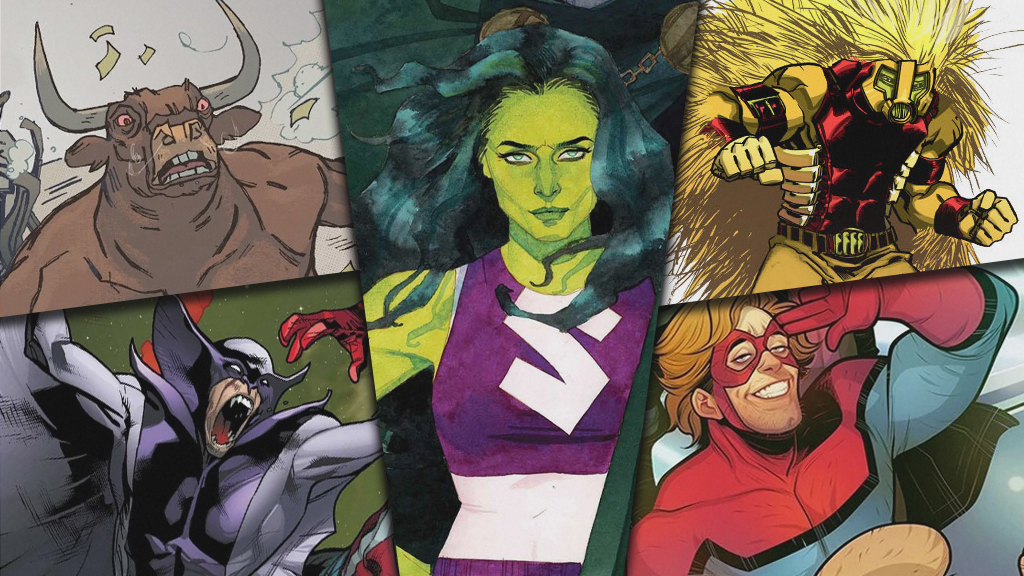
Craig Hollis, better known as Mr. Immortal, made his biggest impact on the Marvel Universe as a founding member of the Great Lakes Avengers. As a child, Hollis was visited by a cosmic entity calling itself Deathurge, which often attempted to put him in life-threatening situations. After a tragic event which resulted in the death of his father, Craig learned that Deathurge had granted, or cursed, him with immortality. Every time Hollis dies, he is immediately resurrected. In his adult years he would decide to put this ability to good use and become a costumed superhero, creating a team of similarly mediocre do-gooders operating out of the Great Lakes region.
Mr. Immortal was rumored to appear in She-Hulk asking Jen to help with a divorce from his wife, something the leaked audition tape supported when it’s dialogue involved the character mentioning both a failed marriage and a failed suicide attempt. In the leaked video, actor Tom Archdeacon is trying out for the role, but he isn’t the first person to go for the red-and-blue tights. Derek Theler, of Baby Daddy fame, was once attached to play Hollis in a loose adaptation of New Warriors for the Freeform channel. A pilot was filmed, but never released, opening the door for a new performer to possibly take the role for Disney+.
Man-Bull
Another rumor from the same Reddit leak claims that Tim Roth‘s Abomination will at some point set up a mountainside retreat for “various low-tier villains and other side characters”. Among those named as inhabitants of the retreat is Man-Bull, a lesser known antagonist from the pages of Marvel’s Daredevil comics. William “Bill” Taurens (a clever last name) was a low-class thug hired to round up human test subjects for a mysterious scientist’s new experimental serum. The serum was seemingly designed as an enhancer, taken from the genetics of a bull, and Taurens was forced to undergo the procedure himself after Daredevil prevented him from kidnapping anyone else. Transforming into a large, bull-like creature, Taurens took on the name Man-Bull and sought his revenge.
He would go on to clash with Daredevil on multiple occasions, though he never managed to rise to arch-villain status. Man-Bull’s story would get more interesting in later appearances, coming into conflict with characters like Hulk, the Scarlet Witch, and Hercules. He even once found himself infused with extra power, becoming a version of the Minotaur from ancient Greek legend. Unfortunately, it’s likely none of this will come to pass if he shows up in She-Hulk, where Man-Bull is an odds-on candidate for comic relief.
Porcupine
Alongside Man-Bull at the mountainside retreat is purportedly Porcupine, who has had a few iterations in the comics. The original character to don the identity was actually a member of the United States Army, one Alexander Gentry. A weapons designer, he crafted a military battle suit inspired by the abilities of a porcupine. Anyone wearing the armor would be coated in a layer of powerful quill-like weaponry, which doubled as self-projectiles or tubes to fire other ammunition such as poisonous pellets, gas, fire, and other objects of the sort. Obviously, things with the army didn’t go as planned, and Gentry instead used his invention to turn to a life of crime. His first superhero opponents were the original Ant-Man and Wasp, but he would also eventually come into contact with other big name heroes like Captain America, Moon Knight, and the Fantastic Four.
Over time, a man named Roger Gocking would also begin using the Porcupine suit. Though he lacks an established background, he did follow in his predecessors footsteps by joining a variety of supervillain teams to support his own middle-of-the-road status. Around the same time as Gocking’s emergence, a mutant teenager named Billy Bates would develop porcupine-like powers and take the name for himself. It’s unclear which alias of Porcupine is allegedly scheduled to appear in She-Hulk, but Bates’ mutant origin may knock him from contention.
Baron Blood
Perhaps the most interesting claimed constituent of Abomination’s little club is Baron Blood, who actually has sort of a long history in Marvel’s comics. Blood, born as English aristocrat John Falsworth, originally came to prominence as an adversary of The Invaders during World War II. He is the younger brother of longtime Invaders feature Union Jack, who, after losing his fortune to the elder Falsworth, travels to Transylvania to pursue his love vampirism. An encounter with Dracula turns John into an undying bat-like vampire, which apparently also results in a lapse of moralism as the newly-christened Baron Blood sides with the Nazis and begins battling his brother’s super heroic allied forces.
Blood’s importance in the comics has diminished since his early appearances, but he has continued to surface occasionally and cause trouble for his former World War rivals. Other versions of the character have been introduced in later stories, like an undead version of Doctor Strange’s brother and John Falsworth’s great nephew Kenneth Crichton, but it’s most probable the original is who might appear in She-Hulk. His brother James is already canon to the MCU, having been portrayed in a minor role by JJ Feild in Captain America: The First Avenger. Maybe Blood’s rumored cameo will allow more World War II stories to be told in the future of the MCU, or even establish an unexpected connection with Marvel Studios’ upcoming reboot of the Blade franchise.
These days, it seems like everybody loves a hero with a bow and arrow. Marvel is doubling up on Hawkeyes, Katniss Everdeen is still the gold standard for young adult readers, and Legolas will probably always be the coolest member of Tolkien‘s Fellowship. Yet, one could likely argue that none of these characters have managed to achieve ‘definitive archer’ status in the cultural hive mind. That honor, for at least the last decade, has seemingly belonged to Oliver Queen. While Marvel’s early Avengers films became the cause of an industry-changing uptick in comic book movies, it was DC’s costumed bowman who managed to prove television could pull from the same bag. The CW’s Arrow debuted in 2012, and with it came a new appreciation for the titular vigilante. Green Arrow somehow found himself the center of DC’s most successful live-action universe and a genuine nominee for “most popular superhero.” The only problem was that Arrow never really showed fans why Ollie was so special.
Stephen Amell‘s take on Oliver was dark, angsty, and violent. These attributes were explained away by the character’s time on a hellish island, with claims that nobody could go through that experience and not come out the other end bent on revenge. It’s fine when an adaptation takes creative liberties like this with its protagonist, but it can be frustrating when that altered version takes over as “the one people think about” going forward. The Oliver Queen found in DC’s comic books is a jovial romanticist, who overcame a dark past and appealed to his better nature. Arrow eventually leaned towards this concept but never committed. Luckily for all, actual comic books still undertake an existence on store shelves and online libraries. This means parents still have the opportunity to introduce children to their favorite heroes via the printed page, which facilitates a special kind of bonding you’d be hard-pressed to find anywhere else. Author Brendan Deneen seemingly agrees, as his latest retelling of the Emerald Archer’s origin,Green Arrow: Stranded, might be the perfect way to get kids into a hero whose most well-known series isn’t meant for them.
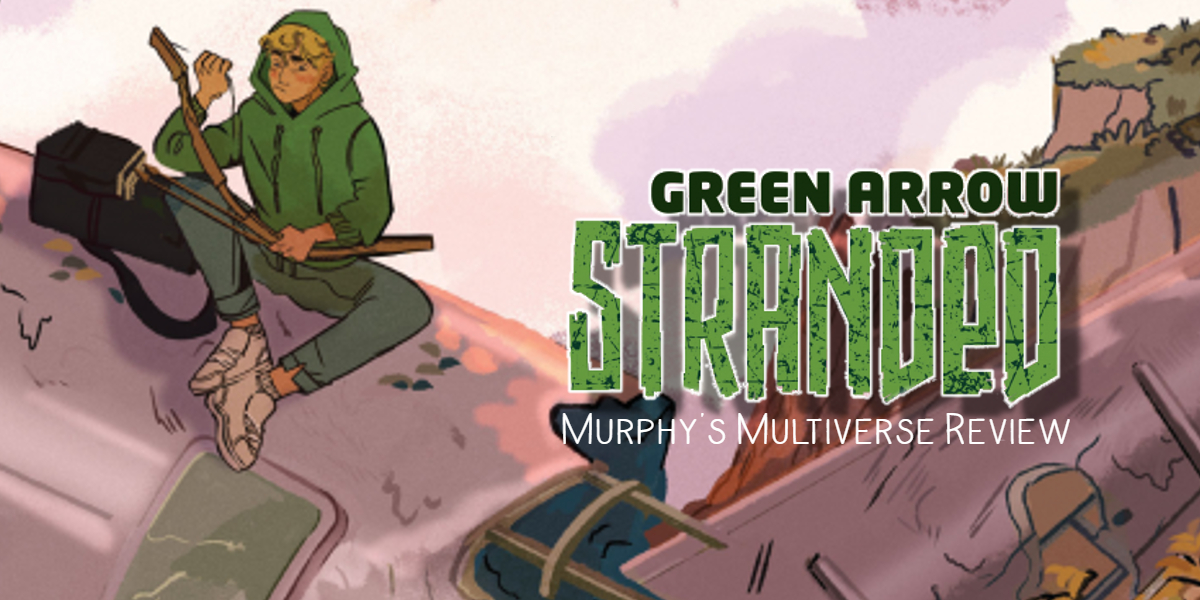
Stranded is likely the softest, fluffiest iteration of the rather tragic Green Arrow genesis we’ve seen yet. To be clear, this is because the comic was designed to be perused by beginner-level readers and not to scar the nation’s youth. However, the reframing of a once-depressing tale as an optimistic story for kids may have accidentally, or purposefully, brought out the best attributes of its title character. Drawn with beautiful simplicity by Bell Hosalla, the plot sees Oliver, at only 13 years of age, survive a terrible plane crash alongside his dad and a fellow father-son duo, the brutish business associate Sebastian and his angry offspring, Tyler. The adults are severely wounded, and Tyler is mostly inept, so Oliver must find a way to overcome his situation. In a traditional account, this is where things would go downhill for the family, with a dying Robert Queen leaving his son to survive alone on an island for years to come. Instead, Deneen puts a more positive spin on the narrative.
Not yet a superhero, but still wearing a green hoodie, Oliver maintains his faith and never gives up hope. The other characters in the story, especially Tyler, are shown to be less than kind to Oliver before the fateful wreck. He is made fun of for lacking guts and skill, demonstrated by his inability to take the life of an animal on what appears to be an important hunting trip. He desperately wants approval from his father, who refuses to give it to him out of some misguided belief that he’ll grow more without it. But even with all this against him, Oliver is not full of angst, or spite, or self-pity. He chooses instead to help those who wronged him, and does so without ever breaking his own youthful moral code. Ultimately, Ollie proves that his heart was simply bigger than his desire to meet the traditional standards of masculinity. For some, this notion may induce an exaggerated eye-roll, but it’s actually exactly the kind of comic book story young boys should be reading.
With Stranded, Deneen displays a redefined type of hero. The type Green Arrow has always been. He makes an effort to prove that you can find ways out of even the most worrisome scenarios without succumbing to violence or anger. In the same spirit that made Spider-Man: Into the Spider-Verse so wonderful, the message of this book is that a real hero stays true to themselves and always gets back up. Though clearly not the intent, Stranded almost functions as the anti-Arrow. Obviously, it’s strange to compare a short-form comic to a long-form television series, but Stranded soars everywhere Arrow sank. The limited series is a perfect read for any kid looking to get into comics, and does its best to teach all the right lessons along the way.
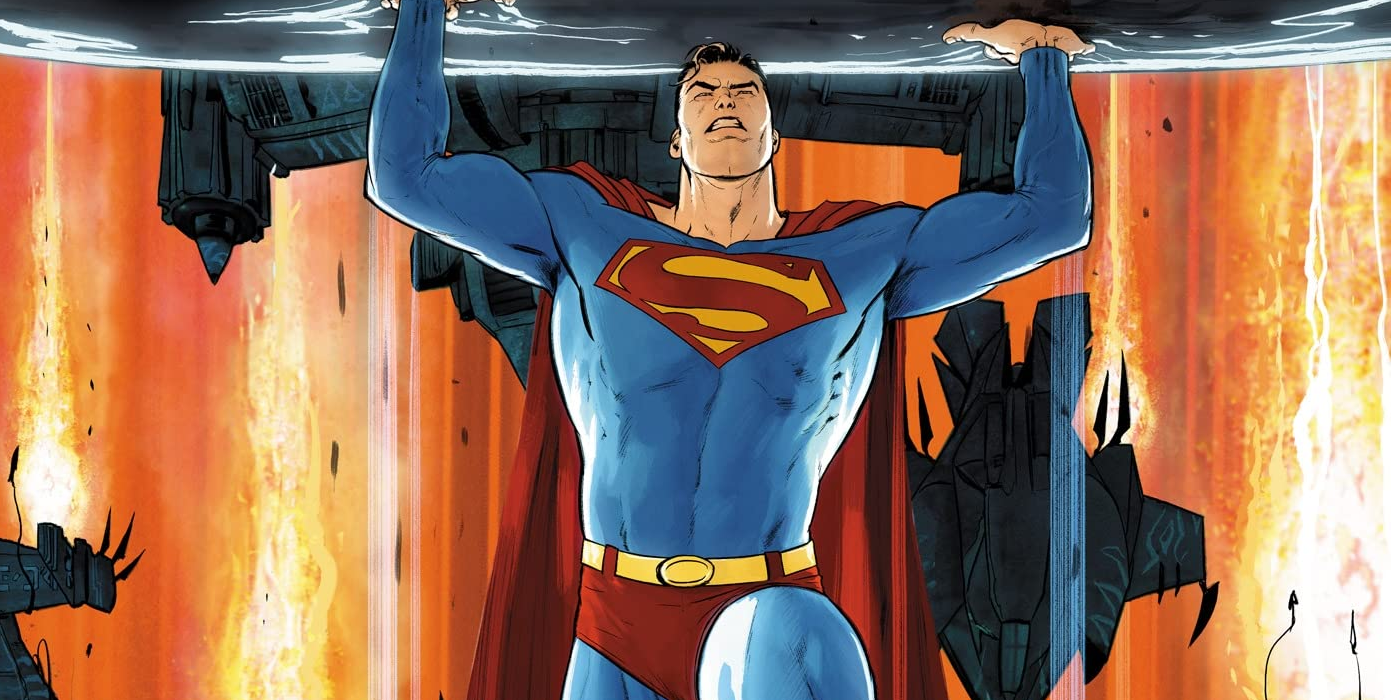
Admittedly, I’ve never been much of a Superman guy. This is not to say I don’t appreciate his value as a character, which I’ve actually really come around to in the past few years. It’s just that, in the Man of Steel’s extremely long history, I’ve come across very few stories that have managed to grip me. The age-old complaint about the Last Son of Krypton, one that anyone reading this review has probably heard on numerous occasions, is that he’s a little too powerful to be interesting. If he can survive anything, and save anyone, then the stakes can never really be high enough to engage the reader on any significant level. The solution to this, of course, is to challenge the hero mentally rather than physically, a tactic that has been tried time and time again. While a lot of these psychological threats have obviously paid dividends for plenty of fans, they just never really pulled me in the way I’d hoped. Then I read the latest from Action Comics, Warworld Rising, and realized just how intriguing Superman can be.
The genius of Rising, expertly written by Phillip Kennedy Johnson, is in the type of mental anguish it chooses to push upon its protagonist. Instead of simply squaring Superman up against somebody smarter or more dangerous, the story gives Clark a moral conundrum that impacts nearly every facet of his life. Surprisingly, this is achieved through the use of a villain typically better known for his pure brutality than any form of advanced trickery. Mongul, the masochistic ruler of Warworld, sends a group of ancient, enslaved Kryptonians (or so they seem) to Earth with the aim of emotionally manipulating Superman toward his untimely demise. The plan works like a charm, with a distraught Clark knowingly heading straight into the trap. Normally, this would not be a cause for concern among fans. A fully powered Superman should have no problem jetting off to another planet, kicking it’s leaders bum, and then heading home in time for dinner. However, Johnson uses several pre-existing plot points to install reasonable concern around the situation for both the characters in the story and the readers at home.
It is established early on that Clark’s powers, for whatever reason, are starting to falter. While Kent himself is not overly concerned, Batman shows a decent amount of hesitation, which usually means there’s a genuine problem at hand. This information, coupled with Jon Kent’s chilling warnings from time spent in the future that Clark is scheduled to soon disappear from history books, aids in heightening the suspense around every decision Superman makes. The character no longer feels infallible, which suddenly makes his and Lois’ constant assertions that he “always comes back” appear foreboding. If Mongul’s plan wasn’t already good enough, he also finds a way to take any form of help from the Justice League off the board. Along with the Kryptonians, an immensely powerful Warworld artifact finds its way into the ocean, causing a political conflict between the United States and Atlantis that threatens large-scale war. With the League preoccupied with humanity’s inability to find peace, Superman is left to deal with his personal obligations alone.
The book leaves off on a massive cliffhanger, leading directly into a follow-up arc that presumably concludes the whole shebang. Having previously stated that I’m not a huge fan of Superman comics, the fact that I’d like to purchase the next volume should speak to just how good this collection of issues truly is. On top of giving its leading man some juicy drama to chew on, the commentary on human nature and the evils of war and slavery are reason enough to buy the comic on their own. I would support the creation of an entire series of stories that’s just the members of the Justice League sitting in their war room, discussing how they should approach matters of international concern. The issue in question is akin to the excellent Japanese film Shin Godzilla, in which the first Kaiju attack is shown entirely from the perspective of government officials who have more than just human safety on their minds.
Warworld Rising is Superman at his very best, willing to sacrifice everything if it means even one innocent person can go home to their family. It’s moral and political intrigue on a level few Superman stories have achieved with such palpable authenticity. We’ve seen writers claim that they’ve devised the final Man of Steel story in the past, but the thing that sets this one above and beyond its competition is that it really does feel like Superman may not make it out alive. Of course, he likely will, but any comic that makes you doubt that even for a second is one worth putting on your shelf.
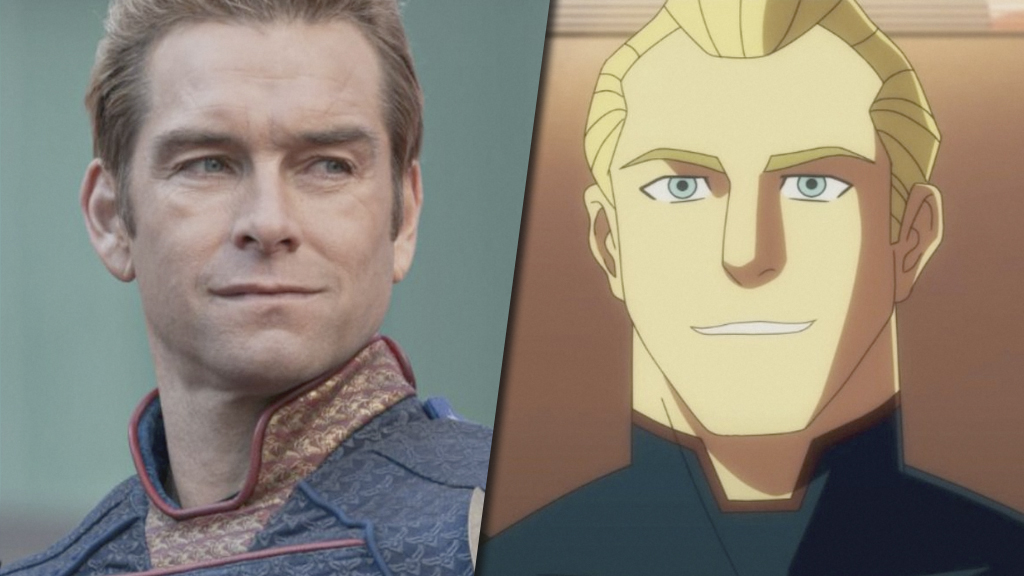
Well, it looks like my superpower might be prescience. In a recent interview with Variety, The Boys showrunner Eric Kripke confirmed exactly what I theorized in a recent feature. While speaking on the release of Amazon’s new animated anthology series The Boys Presents: Diabolical, Kripke revealed that the finale episode “One Plus One Equals Two” is in fact canon to the mainline series. The episode focused on main villain Homelander’s origin as a member of The Seven and expands upon his relationship with Black Noir.
The finale is canon, yeah. I thought he did such a good job with it. I don’t think we had any specific plans going in for it to for sure be canon. But he just did such a good job writing and directing it, that watching it, I was like, ‘This is for sure what happened.
Eric Kripke
The creative continued, further affirming that the tension the episodes builds between Homelander and Black Noir will have an impact on the show’s upcoming third season:
There is a certain amount of background setup of really understanding the relationship between Homelander and Black Noir and giving us a deeper understanding before Season 3.
Eric Kripke
In the comics, it is famously revealed that Black Noir is a malevolent clone of Homelander and the true antagonist of the franchise. We’ve long wondered if the series would follow that same revelation, and the hints are certainly there. So, we’ll see if the third season might give us that reveal and maybe even add its own twist.
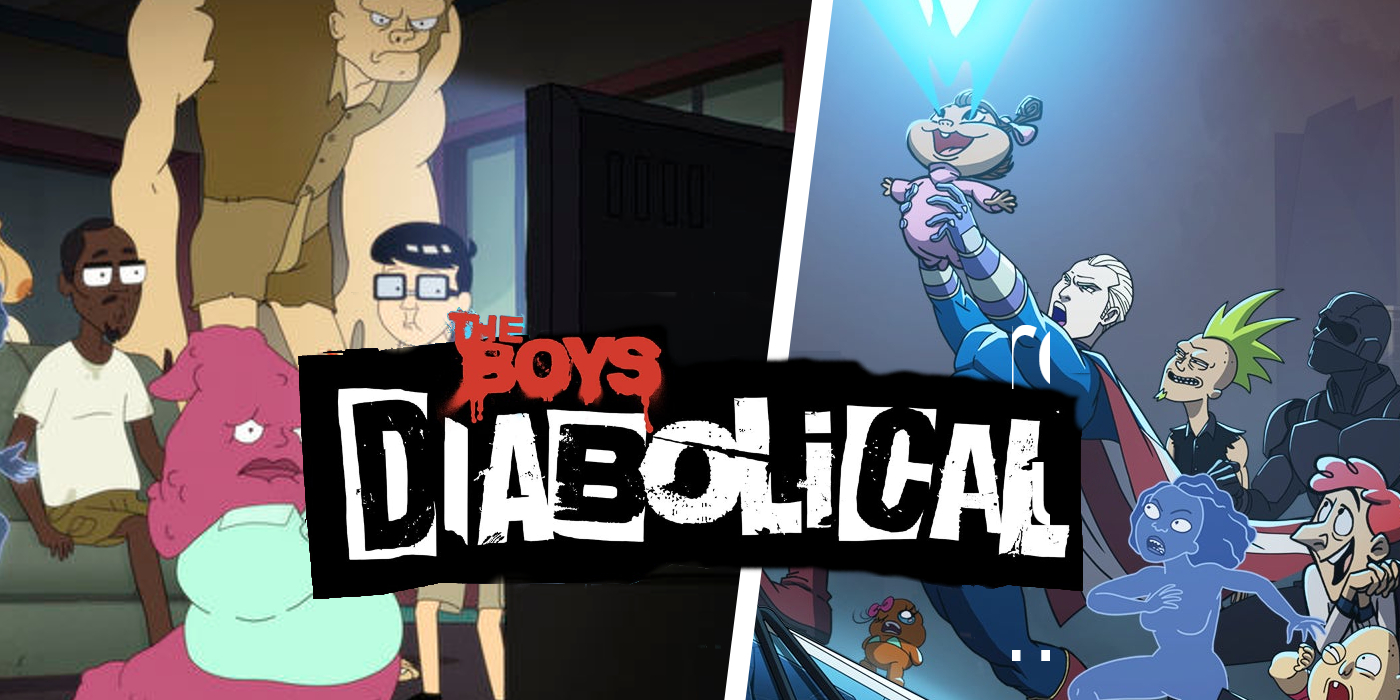
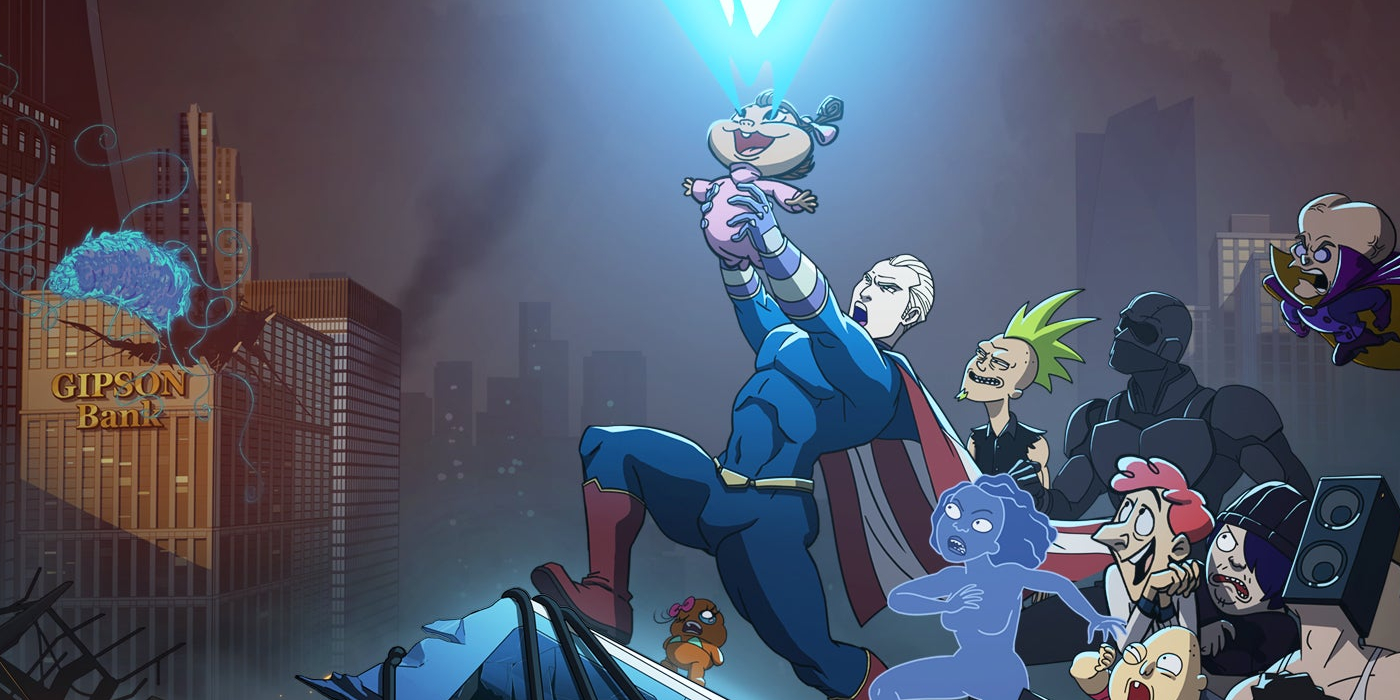
Amazon recently released its very first The Boys spin-off, Diabolical. In the same vein as the popular Disney+ experiment Star Wars: Visions, the project is an anthology series made up of animated shorts from a wide range of creative teams and directors. As a result, no two episodes are exactly the same. In fact, more often than not, they are shockingly different. The short stories, likely non-canonical and clocking in at around twelve minutes each, range from grand spectacle pieces to small, personal tales set within the context of The Boys‘ universe. Those working behind the scenes on each installment were seemingly given a fair amount of freedom, allowing for multiple unique explorations of Vought International, the Seven, Compound V, and their collective impact on the world at large.
Unfortunately, despite a fairly strong first season overall, not every episode can be a home run. While no entry is entirely bad, some are definitely better than others. Which episodes are better, of course, is subjective, and will ultimately be up to the viewer. However, that fact hasn’t stopped me from compiling my own ranked list of the episodes. So, without further ado, here is The Boys Presents: Diabolical, ranked for Murphy’s Multiverse from worst to best:
8. Boyd in 3D
This might end up being a controversial last-place pick among fans, but I’m sticking to it. Boyd in 3D was conceived by sibling Broad City alums Eliot and Ilana Glazer, and directed by DreamWorks’ Naz Ghodrati-Azadi. The story, which focuses on an insecure man using experimental new Vought facial cream to land the girl of his dreams, is designed to comment on superficiality and popularity in the age of social media. Maybe it’s because there are already countless versions of this story in existence, but something about the episode just isn’t all that engaging. Aside from a nice little twist at the end, it’s mostly predictable and cringe-inducing. Though, bonus points for using a traditionally family-friendly animation style to tell a rather adult story.
7. One Plus One Equals Two
One Plus One Equals Two is perhaps the only episode of the season that could potentially be viewed as canon, and that’s exactly its biggest problem. Helmed byAvatar: The Last Airbender director Giancarlo Volpe,alongside veteranBen 10 animator Jae Kim and Invincible writer Simon Racioppa, the short acts as a sort of origin story for Homelander’s time as Vought’s poster boy. The problem is that, while it would probably make for a good sequence in the mainline series, it misses the point of Diabolical altogether. It’s essentially just a lot of stuff we’ve seen before placed at the tail end of an otherwise inventive season. A handful of fascinating scenes between Homelander and the mysterious Black Noir are the only reason it’s not ranked lower.
6. I’m Your Pusher
I’m Your Pusher, the second directorial effort from Volpe, largely suffers from the same problems as One Plus One. With art ripped straight from The Boys comics and a script from franchise creator Garth Ennis himself, I had pretty high hopes for this one. Sadly, it doesn’t have much to offer aside from some truly hyper-violent antics and the short-lived excitement of seeing Simon Pegg‘s Hughie come to life. It only ranks this high because it dares to try something fun and charming with its presentation.
5. Laser Baby’s Day Out
This is where things start to get really fun. Laser Baby’s Day Out is an ode to Saturday morning cartoons and a parody of, as the title implies, the 1994 John Hughes‘ film Baby’s Day Out. The straightforward and comedic story comes from series producers Seth Rogan and Evan Goldberg, and is directed by Futurama‘s Crystal Chesney-Thompson and Phineas and Ferb‘s Derek Lee Thompson. It concerns a downtrodden Vought scientist stumbling after a super-powered baby he helped escape, causing immense violence and chaos along the way. It’s the perfect first episode for the show, an entertaining example of how concepts from The Boys can be displayed in new and original ways. It’s ranked in the middle of the pack strictly because of its simplicity.
4. Nubian vs Nubian
Nubian vs Nubian, the better relationship episode from the season, comes from the mind of Aisha Tyler and Young Justice‘s Matthew Bordenave. Dissecting the fake realities conjured by Vought, the story revolves around a young girl attempting to save her parents’ failing marriage by way of their former nemesis. It’s a genuinely interesting look behind the curtain of Vought’s staged, WWE-like heroes and villains, and how fulfillment on paper doesn’t always translate to the real thing. Its ranking is also helped by an excellent performance from voice acting legend John DiMaggio.
3. BFFs
There is no doubt this will be the most divisive episode of the season. Its ranking was frequently moving up and down in my head before it finally landed near the top. Written by Awkwafina and directed by Madeleine Flores in her signature Star vs. the Forces of Evil style, BFFs is about a lonely teenage girl who gets her hands on Compound V and is granted the power to bring poop to life. No, that is not a joke. The ensuing shenanigans, which put her at odds with Chase Crawford‘s The Deep, are wholly original and often hilarious. Once you get past the shell-shock of the premise, you realize it’s actually exactly the sort of thing Diabolical promised to deliver. High marks.
2. John and Sun-Hee
The emotional tour de force of the season, John and Sun-Hee packs a heavy punch and is sure to be ranked highly on nearly every list. In what feels like a surprise reveal, the episode was written by comedian Andy Samberg and directed by Voltron: Legendary Defender maestro Steve In Chang Ahn. Done in the style of a classic anime, the story sees a humble Vought janitor steal Compound V to save his dying wife, only for her cancer to take on a life of its own. It’s a surefire tearjerker, combined with some striking visuals that make it must-watch television. It was very close to taking the number one spot on this list.
1. An Animated Short Where Pissed-Off Supes Kill Their Parents
This one may be unbeatable. I won’t retype that title, but it’s a pretty self-explanatory plot synopsis. A group of “Supes” with ridiculously terrible powers team up to exact revenge on the parents that left them behind as children, with results that are somehow both extremely grotesque and sidesplittingly funny. Of course, this balance could only be achieved by the writing team of Justin Roiland and Ben Bayouth, known for their work on Rick & Morty and Blark and Son, and director Parker Simmons, of Mao Mao fame. It’s everything that makes The Boys great, wrapped in an exceedingly clever bow. It remained ranked at the top spot from my first viewing through my last, and will likely stay there for its sheer rewatchability.
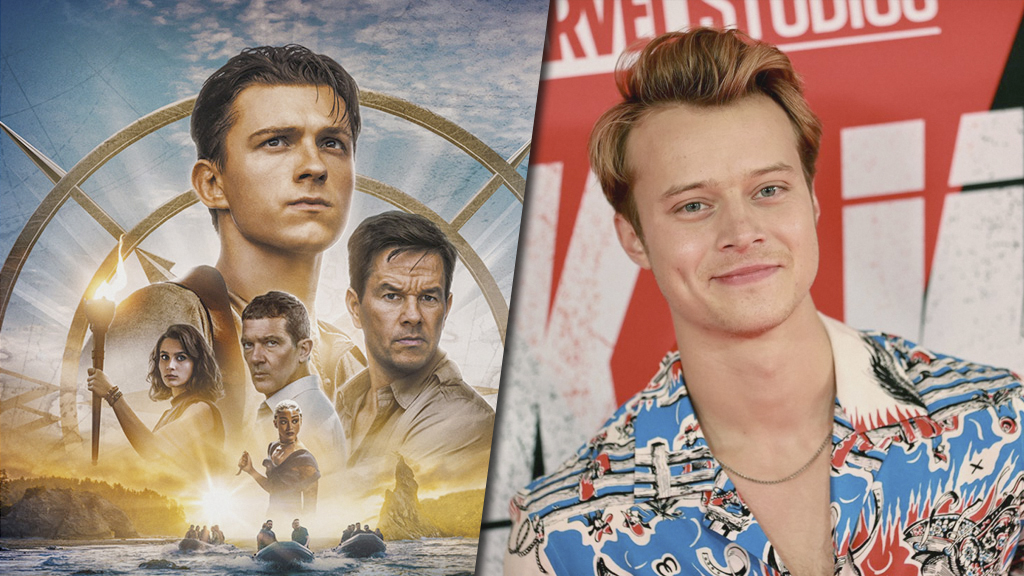
Sony’s recently released Uncharted movie was full of twists and turns, but perhaps the biggest surprise for fans was the inclusion of Rudy Pankow as Nathan Drake’s brother Sam. Trailers for the film had already revealed the elder Drake would have an impact on the story, but Pankow’s casting and Sam’s actual appearance were kept a secret until the project hit theaters. The movie’s post-credits scene strongly hinted that the character would be back in a potential sequel, though whether or not the Outer Banks star will return to play him seems up in the air.
After all, Sam would have aged quite a bit in the film series’ timeline, so it wouldn’t be a surprise if the studio cast an older actor when the time comes. In a recent interview with The Hollywood Reporter, however, Pankow voiced his desire to come back for another round. Despite the fact that, apparently, it wasn’t even him we saw in the film’s stinger:
That [second-to-last] scene with the bearded guy, that was not me. I don’t know if I should have said that or not, but I will stay true to the fact that it was not me. I don’t think I should have expectations, but at the same time, my fingers are crossed. So I hope it goes in that direction, and I hope that they just throw a couple of scruffies on my chin so I can play a late-20s to 30-year-old Sam. I would also get a little bigger for the role, so I think I can pull it off. So if there is a sequel, the fates will decide what will happen, but it would be a blast to hunt treasure alongside Tom Holland.
Rudy Pankow
An Uncharted sequel has not yet been given the go-ahead, but the first film’s success would indicate it will happen eventually. If Sam does play a big role, it will be a departure from the game series, which doesn’t see the brother reunite in person until much further down the line.
There is no shortage of cartoonish absurdity in Amazon Prime’s latest animated offering, The Boys Presents: Diabolical. The series, an anthological spin-off of the streaming service’s hit live-action comic adaptation The Boys, has everything from boob-faced killers to poop-throwing heroines. No limit appears to be in sight for the creatives behind the show, and as a result, most of the short story installments come across as probably non-canonical. This is why it’s so surprising when the season’s final episode, One Plus One Equals Two, offsets everything by feeling so in line with the show it’s based on. In fact, it feels so in line that it might just take place within the same continuity, and if so, it could have major implications for the franchise’s future.
The story, brought to life via animation is less dramatically stylistic than some other episodes, revolves around Homelander’s earliest days in the employ of Vought International. While there are many hints of his mental instability, the character is actually portrayed as slightly more innocent than viewers may be used to seeing him. It appears as though he genuinely wishes to do good in the world, even if his methods eventually descend into vile madness and destructive chaos. The Boys has given us glimpses into Homelander’s past, showing his early life as a child test subject and discussing his reasons for turning to violence, but this is the first real look fans have gotten into his first days as a celebrity superhero. He is shown to be less cynical, and incognizant of the ways his reactive nature can hurt people.
After being introduced to the public at an official Vought-sponsored event, Homelander gives his first big televised speech and wiggles his way into the hearts of the American people. A momentary lapse in the façade comes when the mysterious Black Noir, a fellow member of “The Seven,” is brought on stage to help welcome the new Vought inductee. This sets up an arc of distrust between Homelander and Black Noir, egged on by handler Madelyn Stillwell, who insists Noir has been assigned to ensure the former remains subservient to Vought’s planned schemes. A small surprise for Homelander comes in the third act of the episode after the twisted hero’s attempt to save civilians at a chemical plant ends in accidental slaughter. Noir arrives, and after a brief conflict in which Homelander is unable to put his teammate down, the mute avenger reveals his support for Homelander’s antics and aids him in covering up any misdeeds.
One Plus One is perhaps the most the relationship between the two characters has been explored outside of the comics. The lack of interaction in Eric Kripke‘s adaptation has always been an interesting move, as Black Noir and Homelander are the crux of The Boys’ biggest plot twist within the pages of Garth Ennis‘ books. There, it is famously revealed that Noir is actually a clone of Homelander created by Vought as a fail-safe should they ever lose the authority of their original experiment. Unfulfilled by Homelander’s apparent self-control, Noir orchestrates all of the events that eventually lead to Homelander’s self-destruction and the formation of “The Boys” to give himself a reason for existence. There has been little-to-no indication of this happening on the show, which seems content to milk the inner workings of Homelander’s mind instead. However, Diabolical looks to be the first place any potential seeds of this have been planted. It may not end up being a canon story, but there is some evidence that it may have an impact on future seasons ofThe Boys.
The strange thing about this episode is how casually it breaks from the rest of the season’s main premise. While the grand majority of Diabolical episodes don’t directly contradict anything from The Boys, the events therein often seem big enough that they likely would have been mentioned on the flagship series had they really happened. Furthermore, they often use their creative freedom to come up with outlandish plots or make drastic departures from the confines of Amazon’s designed world. One Plus One instead makes an effort to abide by The Boys‘ established rules, with series stars like Antony Starr and Elisabeth Shue returning to their respective roles and character designs adhering closely to their live-action counterparts. It almost feels as though the episode was intended to be a departure, segueing viewers from the outlandish identity of Diabolical back to the relatively grounded essence of the mainline project.
It’s just a theory, but maybe The Boys’ third season will begin taking a look into the psyche of Black Noir in relation to Homelander, and One Plus One will age well in regards to setting it all up. After all, the title of the episode is a hint in and of itself. “One” and “One” could stand for Homelander and Black Noir’s equivalency, being put together to make two of the same. It is possible none of this comes to pass, and this is all just a massive reach, but remember this idea should Noir ever be unmasked in a future season finale of The Boys.
Cookie Consent
We use cookies to improve your experience on our site. By using our site, you consent to cookies.
This website uses cookies
Websites store cookies to enhance functionality and personalise your experience. You can manage your preferences, but blocking some cookies may impact site performance and services.
Essential cookies enable basic functions and are necessary for the proper function of the website.
Name
Description
Duration
Cookie Preferences
This cookie is used to store the user's cookie consent preferences.
30 days
These cookies are needed for adding comments on this website.
Name
Description
Duration
comment_author_email
Used to track the user across multiple sessions.
Session
comment_author_url
Used to track the user across multiple sessions.
Session
comment_author
Used to track the user across multiple sessions.
Session
Statistics cookies collect information anonymously. This information helps us understand how visitors use our website.
Google Analytics is a powerful tool that tracks and analyzes website traffic for informed marketing decisions.
Contains information related to marketing campaigns of the user. These are shared with Google AdWords / Google Ads when the Google Ads and Google Analytics accounts are linked together.
90 days
__utma
ID used to identify users and sessions
2 years after last activity
__utmt
Used to monitor number of Google Analytics server requests
10 minutes
__utmb
Used to distinguish new sessions and visits. This cookie is set when the GA.js javascript library is loaded and there is no existing __utmb cookie. The cookie is updated every time data is sent to the Google Analytics server.
30 minutes after last activity
__utmc
Used only with old Urchin versions of Google Analytics and not with GA.js. Was used to distinguish between new sessions and visits at the end of a session.
End of session (browser)
__utmz
Contains information about the traffic source or campaign that directed user to the website. The cookie is set when the GA.js javascript is loaded and updated when data is sent to the Google Anaytics server
6 months after last activity
__utmv
Contains custom information set by the web developer via the _setCustomVar method in Google Analytics. This cookie is updated every time new data is sent to the Google Analytics server.
2 years after last activity
__utmx
Used to determine whether a user is included in an A / B or Multivariate test.
18 months
_ga
ID used to identify users
2 years
_gali
Used by Google Analytics to determine which links on a page are being clicked
30 seconds
_ga_
ID used to identify users
2 years
_gid
ID used to identify users for 24 hours after last activity
24 hours
_gat
Used to monitor number of Google Analytics server requests when using Google Tag Manager
1 minute
Marketing cookies are used to follow visitors to websites. The intention is to show ads that are relevant and engaging to the individual user.
Pinterest Tag is a web analytics service that tracks and reports website traffic.