Author: Hunter Radesi

  • Marvel’s Latest Site Update May Further Hint at ‘Daredevil’s MCU Canonicity

    Marvel’s Latest Site Update May Further Hint at ‘Daredevil’s MCU Canonicity

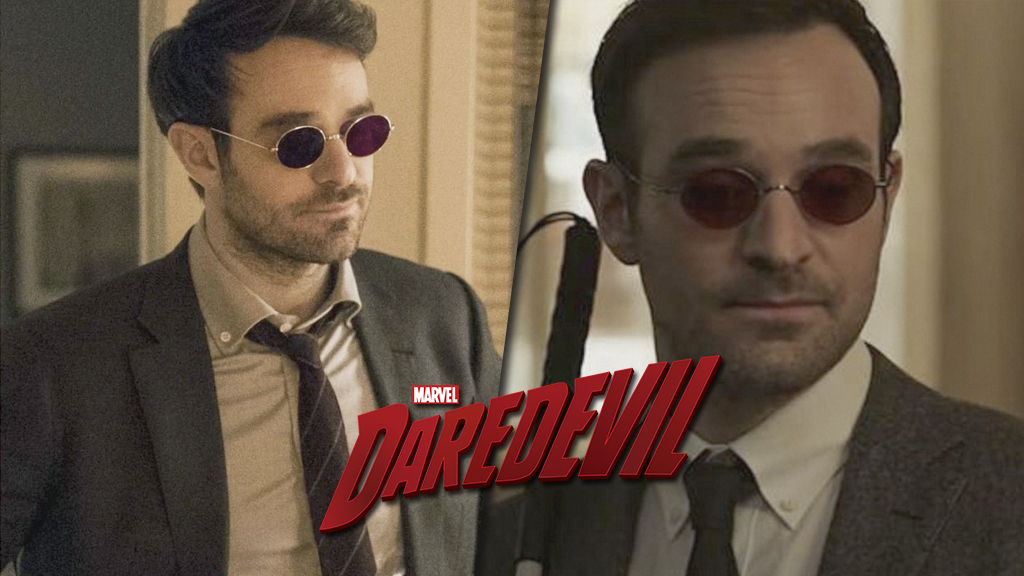
    The quest to discover whether or not Marvel Television’s Daredevil series is canon to the MCU has been a long and winding road. The show went from presumably canon during it’s run to losing it once it was canceled by Netflix, and the subsequent folding of the studio that created it. With little to no confirmation from Marvel Studios or the creatives behind the MCU, the question remained up in the air for years. Evidence was conjured up on both sides of the argument to prove their own theories. Then, late last year, Vincent D’Onofrio and Charlie Cox reprised their respective roles as Wilson Fisk and Matt Murdock in two major MCU projects, opening the doors for speculation wider than ever before.

    After the release of Spider-Man: No Way Home, the Marvel website added Tobey Maguire and Andrew Garfield’s alternate universe wall-crawlers to their official character index. They were specified as non-MCU characters, and where the only non-MCU characters on the site to have their own “on screen” pages. All major characters officially under the MCU canon have separate tabs profiling their live-action appearances separately from their comic book history. However, there are no such pages for characters in films or television shows produced by a studio that is not Marvel Studios. Even the cast of Agents of SHIELD are reduced to quick video breakdowns. Yet, a recent addition to the site includes Daredevil, along with the rest of his Defenders co-stars, receiving their own “on screen full reports”.

    Even more curious, Daredevil’s character page includes a full description of the character’s Netflix history, including all three seasons and his time with the Defenders. Yet, what stands out is that it ends with a sequential paragraph describing his role in No Way Home as happening “sometime later”. As for Fisk’s page, it includes a similar history but does not reference the events of his appearance in Hawkeye, despite using an image from the show as the web page’s header. The information is weirdly non-specific and doesn’t technically confirm anything, as it’s not clear who is updating the Marvel website or if it was some sort of mistake. Disney+ doesn’t help matters by simply grouping the former Netflix shows as The Defenders Saga in the streaming service. For now, it’s just an interesting detail that may give fans a hint at where Daredevil lies in the Sacred Timeline’s history.

    Source: Marvel

  • Jim Carrey Has “Mixed Emotions” About ‘The Batman’s Riddler

    Jim Carrey Has “Mixed Emotions” About ‘The Batman’s Riddler

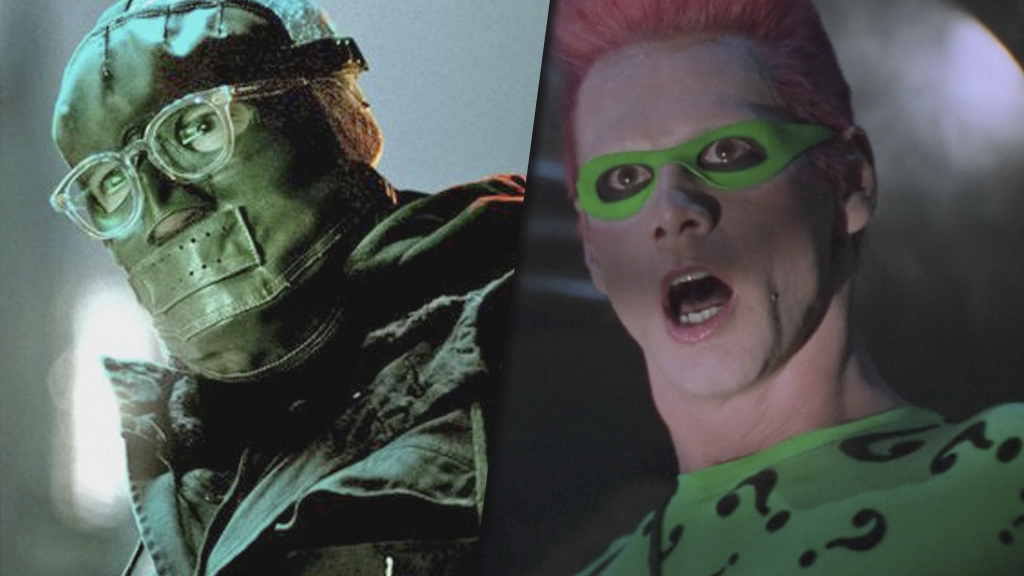
    Matt ReevesThe Batman finally hit theaters last month, and was welcomed with rave reviews. A large portion of the acclaim went to Paul Dano‘s performance as classic Batman baddie The Riddler, who was reimagined for the film as a sadistic serial killer hell bent on exposing the many crimes of Gotham’s elite.

    However, not everybody is over-the-moon about the antagonist’s new portrayal, and the list of those with mixed feelings apparently includes a rather famous former Riddler himself. In a recent interview with British outlet Unilad, promoting his upcoming film Sonic the Hedgehog 2, superstar Jim Carrey revealed that the darker tone of Dano‘s villain was not exactly his cup of tea:

    I’ve not seen it. It’s a very dark version. I have mixed emotions about it. To each his own and all that. I love [Paul Dano] as an actor, he’s a tremendous actor. I do worry. There’s a spot of worry in me over gaffer-taping people’s faces and encouraging people to do the same. Some sickos out there that might adopt that method…I do have a conscience about the things I choose…I know there’s a place for it, and I don’t want to criticize it, but it’s not my kind of thing…it’s very well done, those movies are very well done.

    Jim Carrey

    Carrey became the third person to bring Riddler to life on screen in 1995’s Batman Forever, which starred Val Kilmer in the title role with Tommy Lee Jones as fellow rogue Two-Face. That film was infamously campy, as director Joel Schumacher took over the franchise and reintroduced some of the lighthearted goofiness of the 1960s television series.

    Riddler’s plot in Forever was not to violently murder anyone, but instead to steal their intelligence with an improbable, convoluted doohickey. Though he doesn’t agree with the disturbing nature of the latest Batman film, it is nice to hear the Canadian comedian still give praise to Dano‘s acting ability and give lenience towards other’s enjoyment of the movie.

    Sonic the Hedgehog 2 releases in theaters on April 8th.

    Source: Unilad

  • REVIEW: ‘Morbius’ Just Sort Of… Happens

    REVIEW: ‘Morbius’ Just Sort Of… Happens

    In 1623, famed playwright William Shakespeare published a comedy about love and hijinks. Despite its lighthearted nature, the story dealt with a variety of themes that included heavier topics like deceit and the woes of an identity crisis. Its title, Much Ado About Nothing, was a play on the fact that, despite a rather complicated plot, the events of the story would ultimately be insignificant in the lives of its protagonists. Morbius, the latest entry in Sony’s universe of spider-adjacent characters, is a lot like Much Ado About Nothing. Like the aforementioned work, it deals with brotherly betrayal and the struggle of lacking control. The main difference between the two is that, while Shakespeare‘s play used “nothing” as a motif, Sony’s film uses the same concept as a plot device.

    Over the course of nearly two hours, Jared Leto‘s new starring vehicle essentially just exists. Incidents occur, one after the other, but they come in what feels like a series of manufactured moments. There are sometimes interesting visuals, and on paper, there are developments that should serve to keep the audience invested, but somehow the movie never manages to achieve the sensation of being complete. Materially a paint-by-the-number, beats come and go like colorless shapes quickly filled with gaudy pigmentation, with the lines between sections still oddly discernable to the human eye. From really far away, with a squinty eye, it might seem like director Daniel Espinosa and his crew have constructed something worthwhile, but any further inspection reveals they were likely just making somebody else’s idea look as pretty as their minds could muster.

    The production tries to fool you, and occasionally it verges on working. A triumphant score from Jon Ekstrand blasts over the loudspeakers as the titular antihero, surrounded by screeching vampire bats, rises from certain defeat to conquer his foe. Scenes transition to spectacular slow motion as Dr. Michael Morbius plays with the outer limits of his newfound power. An impressive neon-lit landscape functions as the backdrop to a passionate rooftop kiss. Classic movie moments, which have worked before and are certain to work again. Just not here. Any of these concepts could have performed perfectly had they been set up properly, but instead they are just thrown together without much glue to keep them intact.

    To get a better sense of what I mean by this, just take a look at a few key plot points and examine how they’re executed in the film. For starters — and this is the official spoiler warning to skip to the next paragraph if need be — the first transformation of Morbius into the Living Vampire is not even shown on screen. After a couple of clunky time jumps between adult Morbius illegally collecting bats in Costa Rica and child Morbius delivering a lot of exposition to a new friend in the hospital (who should probably already know about his own rare blood disease), viewers are suddenly vaulted into the midst of the character finishing his experimental cure. Then, after a few more quick scenes, Morbius is already strapped to a chair on a boat in international waters, about to test his new creation on himself. An intrusion causes the camera to cut away, and moments later when it cuts back, Morbius is fully transformed and clinging to the ceiling, not having made a peep.

    It’s an almost jarring shift in tone, with the music doing its absolute best to convince anyone watching that what just happened made sense. Although, once again, therein lies the problem. Events going on in the movie are simply happening, not as the result of any prior build-up or payoff, but purely because they’re what’s supposed to happen next. Skipping to the end of the movie, Adria Arjona‘s Dr. Martine Bancroft has been murdered by Matt Smith‘s predictable, yet admittedly kind-of-fun baddie, Milo. Mostly off-screen. Immediately after Milo has just killed an entirely different major supporting character. There’s not really any time to mourn either of them, even if the VFX department put a lot of money into the look on Morbius’ pained vampire face as he screams in emotional agony to convince viewers otherwise. Just one thing after the other, coming about as the plot deems it so.

    These are two notable bookends, but it’s more or less how the entire film functions. When the credits began to roll, many of us in the theater found ourselves sitting there still waiting for more. Not because we thought there would be, but because our brains had not yet registered that a full movie had played out in front of us. We were still waiting for somebody to come in and paint over the visible lines. Instead, we were treated to a handful of sequel teases played at lightspeed, almost all of which violated previously established character arcs and universal rules for the sake of forcing future conflict. Truly just a mess, and hopefully one that never needs to be spoken of at length again. If Sony and Marvel wanted to forget that Morbius ever happened, it probably wouldn’t take much convincing for general audiences to follow suit.

  • ‘McClane’: Looking Back On the Unmade Bruce Willis Send-Off

    ‘McClane’: Looking Back On the Unmade Bruce Willis Send-Off

    Bruce Willis is stepping away from acting and, in doing so, leaving a genre-defining career behind him. A recent statement from his family revealed the actor is suffering from aphasia, a cognitive disorder that affects a person’s ability to communicate properly with others. As a result, the icon will end his decades-long stint of performing and begin a new phase of his life. This is sad for a multitude of reasons, not the least of which is the way it will undoubtedly complicate things for himself and his loved ones. However, for the rest of us, we’ll be losing out on the possibility of a late-stage Willis renaissance, in the same vein as Robert Forster or the more-popular-than-ever Michael Keaton. Instead, the actor’s acclaimed time in the spotlight will have petered out with a long string of low-budget, direct-to-video features.

    Despite having a sometimes tumultuous public image, Willis’ impact on Hollywood and American culture cannot be understated. Although he started as the face of a hit rom-com series, an impressive string of roles in films like Pulp Fiction12 MonkeysThe Fifth Element, and Armageddon established him as the epitome of “cool guy action star” mixed with a bit of “grumpy old dad.” A niche market to corner in the global eye, for sure, but one no celebrity may ever hold the same way again. Of course, none of this would have been possible for the actor if it weren’t for the late-80s phenomenon that was Die Hard. Still regarded as one of the greatest action pictures of all time, the movie’s success flung Willis into stardom and exemplified what every film of the genre would try to achieve after it. The initial flick spawned four sequels, made over twenty-five years and ranging in quality from a worthy follow-up to “why did they make this?”

    As his career began to wane, it often felt like Willis was reaching back to his glory days in hollow imitation pieces. While Red was admittedly enjoyable, it failed to live up to the height of it’s star’s highest peaks, and 2013’s A Good Day to Die Hard ran through a series of predetermined motions without any of the edge that made the franchise so great. The series’ protagonist, John McClane, never even said his famous R-rated catchphrase, which was instead replaced by the more tongue-in-cheek “yippee-ki-yay, Mother Russia”. Once it became clear that Willis may be in the final stretch of his profession, a push was seemingly made to capitalize on the actor’s increasingly reclusive nature. M. Night Shyamalan brought Willis’ famous David Dunn character back for a send-off in 2019’s Glass, and Edward Norton gave him his last big-budget appearance with a supporting role in the noir drama Motherless Brooklyn, a sub-genre Willis had enjoyed dabbling in.

    Yet, as recently as a couple of years ago, there was still an idea in the air to bring the personality’s biggest role out of retirement for one last go-around. Following the dismal premiere of A Good Day, Fox Studios was trying to find a way to revive the once-adored franchise with some sort of unique twist. There was an idea for a crossover film with Kiefer Sutherland‘s televised 24 series, tentatively titled Die Hard 24/7, that never materialized after certain contract negotiations stalled and the plot was retooled as a simple 24 sequel series instead. Inspired by this, there was then a plan to continue the Die Hard legacy with a 12-episode prequel mini-series called Die Hard: Year One, based on the graphic novel of the same name and starring a new actor as a young John McClane with Bruce Willis narrating events as his future self. However, Willis despised the script and refused to contribute to or endorse its creation. As such, the project fell through and the franchise reset once more.

    This brings things to 2018, when producer and writer Lorenzo di Bonaventura handed in a treatment for a sixth, and potentially final, Die Hard film simply titled McClane. The concept was similar to Year One, with a story that would venture away from the usual tropes of Die Hard to focus on the actual life of John McClane and reveal the origins of the character. Bonaventura described the movie as being a lot like The Godfather Part II, bouncing back and forth between McClane in both his sixties and twenties, with Willis returning as the older version of the one-time beat cop. Intentions were good, with the creative team aiming for a more thoughtful character study that would invest fans in McClane “more than ever before.” Unfortunately, despite support from big names like producer Tobey Maguire and probable returning actress Mary Elizabeth-Winstead, scheduling issues with Willis, who had recently committed to making his string of direct-to-video appearances, started to make it look like the film may never enter production.

    Now, it’s becoming more clear that the scheduling issues were in large part due to the actor’s declining health. It’s been rumored that Willis focused on taking easier work when his symptoms began, so that he could continue acting without the demands of a high-profile film. While this has not been confirmed, the timeline does add up, and it would make sense if Fox was hesitant to invest big money into a movie they weren’t sure Willis could finish. Ultimately, the acquisition of Fox by Disney in 2019 resulted in any plans for McClane being scrapped, with more unconfirmable rumors abound that the mega studio would eventually just reboot the series under their own power. At the very least, we now know that Bruce Willis will not be involved if Die Hard ever reemerges.

    In many respects, it sounds like the McClane would have been the aging actor’s grand finale, literally and metaphorically ending his time in the spotlight and passing the torch to a new generation of action stars. A genre-bending franchise departure to blend his best acting roles with his most iconic fictional character, giving up the role with the grace of Hugh Jackman‘s Logan. Perhaps it’s overly wistful to assume the movie would have been at all worth watching. It’s just more heartening to pretend McClane is a lost masterpiece than it is to accept that Willis, and his character by extension, went out with barely an explosion.

    Source: Variety, MTV, Deadline, CBR, Entertainment Weekly, Fandango, Bloomberg
  • ‘Moon Knight’ Showrunner Wants to Write Marvel’s Mutants Next

    ‘Moon Knight’ Showrunner Wants to Write Marvel’s Mutants Next

    Jeremy Slater has a history of adapting comic books. He already has a few other well-known works like Fantastic Four and The Umbrella Academy under his belt, and his latest project, Moon Knight, is set to drop one episode at a time on Disney+ over the next six weeks. Over the next few years, the writer will be busy working on Warner Bros.’ untitled Mortal Kombat sequel and a few other projects, but he’s already got a dream comic he’d like to tackle should the opportunity arise. When asked by a fan on Twitter which Marvel character he’d like to write for after Moon Knight, the creative responded with a few famous mutants who recently arrived in the Disney stable.

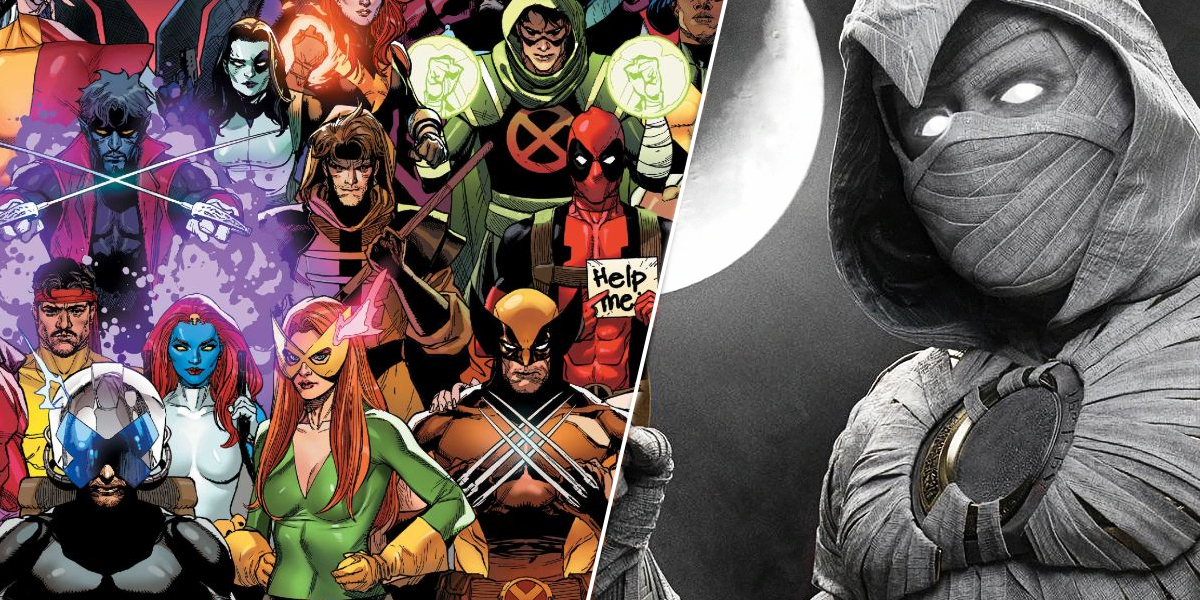
    The X-Men will join the MCU someday soon, with big boss Kevin Feige confirming a new project tentatively titled The Mutants is on the horizon. It’s unknown which mutants will actually appear in the film, or even which team the movie would actually focus on, but it now seems safe to say Slater could throw his hat in the ring to be involved with the behind-the-scenes process. Excalibur is an offshoot of the X-Men in the comics, acting as a superhero mutant team based out of the United Kingdom instead of the United States. The group was originally founded by Captain Britain and his lover Meggan, accompanied by the aforementioned Nightcrawler, Kitty Pryde, and Pheonix. As referenced by Slater, the team often encountered slightly more experimental threats than their mainstream counterpart. A film from the guy who wrote Moon Knight and Umbrella Academy could potentially be something very unique.

    The first episode of Moon Knight hits Disney+ on March 30th. You can check out our review by heading here.

    Source: Twitter

  • ‘Moon Knight’ Head Writer Explains Why The Series Avoided Classic Antagonist

    ‘Moon Knight’ Head Writer Explains Why The Series Avoided Classic Antagonist

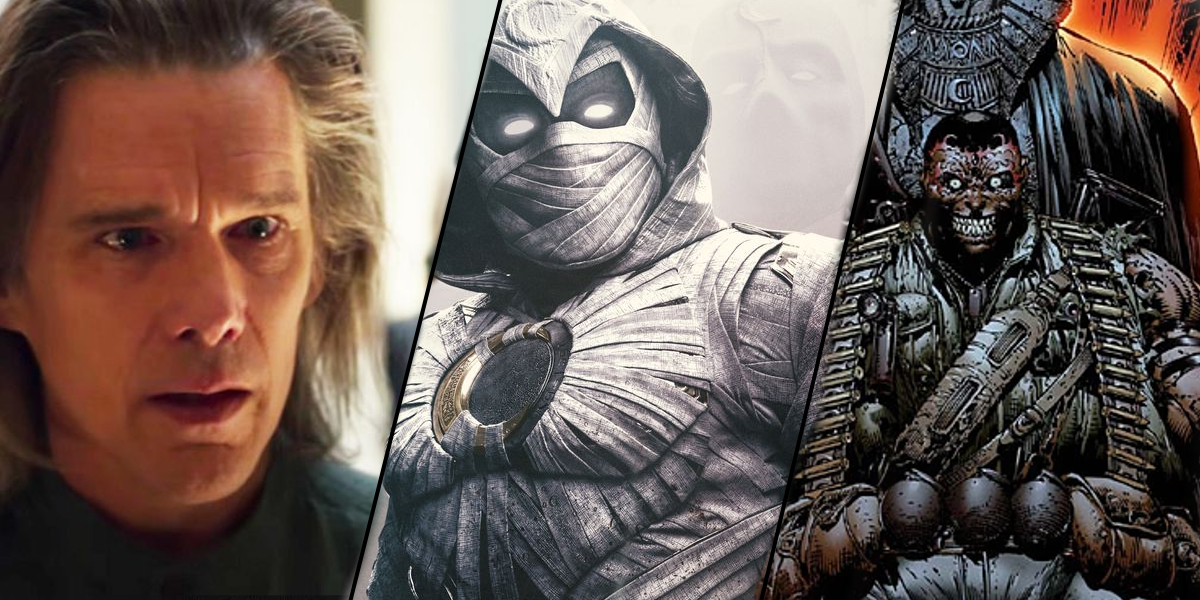
    When Marvel Studios’ Moon Knight lands on Disney+ tomorrow, viewers will meet quite a few characters they’ve never seen before. This is because, in large part thanks to the protagonist’s obscure origins, some of them are original creations for the show. Among these new faces is Ethan Hawke‘s villain Arthur Harrow, who takes his name from a very minor comic character but is otherwise a brand new character exclusive to the live-action series. The inclusion of Harrow in Moon Knight’s origin story, as opposed to better-known antagonist Bushman, confused some diehard fans of the character’s lore. Luckily, the series’ head writer Jeremy Slater has taken to Twitter to explain the reason behind the decision.

    In the comics, Raoul Bushman is originally Marc Spector’s primary mercenary partner. This lasts until Bushman and Spector have a disagreement over the former’s alarmingly violent tactics, which results in Bushman beating Spector to a pulp and leaving him for dead in the desert. The event is how Spector becomes Moon Knight in the first place, and the vigilante eventually uses his newfound abilities to take revenge on Bushman. Some supernatural events have allowed the two rivals to clash on a couple more occasions (including one extremely graphic incident in which Spector carved off Bushman’s face), causing Bushman to become Moon Knight’s arch-nemesis.

    In Moon Knight, Arthur Harrow is described as a sort of cult leader who comes to blows with Marc Spector and Steven Grant. The name Harrow is lifted from an evil scientist who appeared in a single issue of the Moon Knight comics in 1985. It remains to be seen just what role he plays in the protagonist’s MCU adventures.

    Source: Twitter

  • ‘Moon Knight’ Writer Says 6 Episodes of the Series “Felt Right” for the Story

    ‘Moon Knight’ Writer Says 6 Episodes of the Series “Felt Right” for the Story

    Marvel Studios’ next big project, Moon Knight, is only one day away on Disney+. Unfortunately, fans will be treated to just a single episode when the series hits their small screens. The premiere will be the first of six episodes, set to drop weekly on the streaming service, in the same vein as previous Marvel shows like The Falcon and the Winter Soldier and Loki. With so many of the studio’s productions clocking in at around six hours, it seems some viewers are beginning to believe it’s the Marvel standard. However, quasi-showrunner Jeremy Slater has taken to social media to confirm this is not the case. When asked by a follower whether or not the writing team was required to hit six episodes, Slater responded by saying that was simply the organic outcome of the creative process.

    Slater went on to explain that each episode was written as a stand-alone piece, instead of crafting a singular story and splitting it into six parts. Many big-budget comic book adaptations have lately been described as “six hour movies” by fans, with the assumption they were designed as such and distributed in separate pieces. Zack Snyder’s Justice League was quite literally a four hour film, treated as a four-episode limited series by home service HBO Max. Luckily, it seems Moon Knight won’t have to worry about it’s release schedule not fitting with it’s creative process, and early social media reactions have indicated this strategy paid off. Marvel contributors have a history of praising the company’s collaborative nature, so hopefully this continues to be the case.

    Source: Twitter

  • Morbius Before Leto: The Original Plan for ‘Blade II’

    Morbius Before Leto: The Original Plan for ‘Blade II’

    Sony’s latest entry in its Universe of Marvel Characters, Morbius, is finally set to hit theaters on April 1st. The film, which follows in the weirdly popular footsteps of Venom, will feature the origin story of its leading character, a pseudo-vampiric antihero by the name of Dr. Michael Morbius. With the casting of Jared Leto in the title role, and constant studio hints at some sort of coming crossover event, it’s likely the movie will set Morbius up as a major recurring player in the future of superhero cinema (or at least, Sony’s future of superhero cinema). Yet, despite the many years it spent in development hell, a solo Morbius flick was not always the plan for the character’s first live-action appearance. In fact, his cinematic roots date back over two decades to a franchise that helped start it all.

    Blade, a 1998 Wesley Snipes vehicle based on the iconic Marvel character, is still a cult favorite with fans. Not only did it permanently redefine its titular vampire hunter, but it also ushered in a new generation of comic book adaptations that would eventually transform into the cultural powerhouse that it is today. It told the story of Blade, a vampire-human hybrid known as the “Daywalker,” who funneled his supernatural abilities and born hatred for the bloodsuckers into a lifelong war aimed at their extinction. Its success would lead to two sequels, Blade II and Blade: Trinity, before the franchise petered out and entered an extended hiatus. The trilogy’s chief creative, David S. Goyer, would eventually go on record to say that it was always his intention to craft a three-film saga, and a little-known deleted scene from the end of the first film might just prove it.

    After defeating the villainous vampire lord Deacon Frost and getting his love interest, Dr. Karen Jenson, to safety, Blade is offered the chance to cure his vampirism and live a normal life. As the finished product goes, Blade rejects the offer and travels to Russia to continue his eternal war against the damned. However, an alternate version of the ending was filmed in which, after hearing Blade’s rejection, Karen looks across the rooftops to see a shadowy figure watching them from afar. Though the mystery man is not wearing any identifying clothing, he was meant to be none other than Dr. Michael Morbius – in the flesh.

    The scene was available on YouTube for quite some time in low-quality, though it seems to have been recently removed. Obviously, the stinger would have laid the foundations for a sequel with Morbius as the big bad, long before the Marvel Cinematic Universe popularized this method of promoting films that haven’t been made yet. Unfortunately, the ending was cut in favor of the Moscow action bit, which Norrington later revealed to be the studio’s choice. While no real reason has ever been given for this, it’s likely that New Line simply wanted a safer epilogue in case the project flopped and the story was never continued.

    Speaking on the cut scene after Blade‘s release, Goyer confirmed that Morbius was always his plan for the second installment. Though some have speculated that the change in directors between films resulted in a creative overhaul of Blade II that kicked Morbius to the curb, that doesn’t seem to be the case. When filmmaker Stephen Norrington, who actually played Morbius in his brief cameo, backed out of his involvement with the sequel, the idea was still for maestro Guillermo del Toro to use a version of the character in his movie. Plans only changed when Marvel told del Toro and New Line outright that they would not allow the use of Morbius in a Blade film, as they wanted to reserve the villain for another franchise. Ultimately, del Toro and Goyer would rewrite their script to replace Michael Morbius with an original villain named Jared Nomak, a genetically enhanced vampire who gives Blade quite a lot of trouble.

    Though not revealed specifically, it would make the most sense if the “other franchise” Marvel referred to was its then-upcoming Spider-Man series with Sony. As the new films will probably spell out, Morbius is truly more web-head adjacent than he is connected to Blade, despite the evident vampire relation. Known as “The Living Vampire,” Michael Morbius made his debut in a Spider-Man comic as a scientist with a rare blood disease. A series of unfortunate events would lead to Morbius becoming less of a true mystical vampire and more of a failed biology experiment, but dangerous nonetheless. He’s spent the majority of his history both fighting and partnering with the wall-crawler on numerous occasions but has had a few notable encounters with Blade as a member of the Midnight Sons. In the comics, he’s even the one responsible for biting Blade and turning him into a “Daywalker,” an ability the character was shown to birth within the movies.

    Whatever the case, the Spider-Man franchise would go through two reboots and multiple versions of the same villains without ever once using Morbius like they claimed might happen in 1998. Now, all these years later, Sony has retained the rights to the character and is giving him his own picture, with a big screen meeting between Living Vampire and Human Spider a fairly certain deal down the line. Meanwhile, Marvel Studios has given an official Blade reboot the go-ahead with Academy Award winner Mahershala Ali now wearing the famous leather ensemble. With the way the Marvel multiverse is going, it seems any character interaction is on the table, so perhaps fans may one day get to see Blade and Morbius duke it out in cinemas after all. Funny how that works out.

    Source(s): Revolutions, Bloody Disgusting, Take a Look Around

  • James Gunn Teases Runtime of ‘The Guardians of the Galaxy Holiday Special’ 

    James Gunn Teases Runtime of ‘The Guardians of the Galaxy Holiday Special’ 

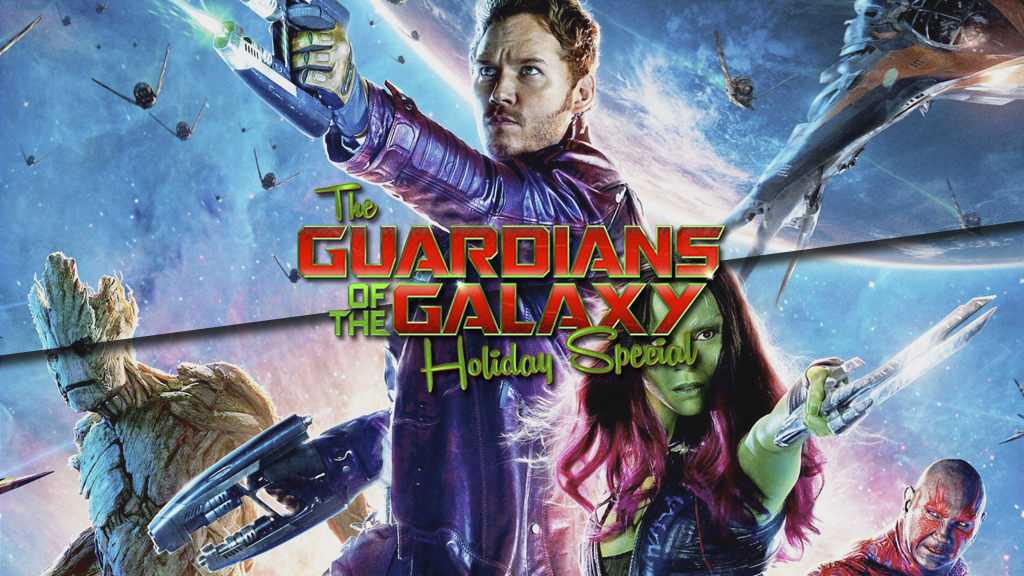
    This Christmas, Marvel Studios will debut its first-ever holiday special in the form of the aptly titled The Guardians of the Galaxy Holiday Special. The project will be new territory for the production company, which has previously stuck to making feature films, television shows, and short films called “One-Shots”. As such, many fans have found themselves in the dark on just how long the Holiday Special will be.

    Debates have been raging as to whether the final runtime will match a series episode or be closer to the aforementioned short films. Luckily, director James Gunn has opened up about the topic on Twitter, revealing the special will be about the same length as the traditional programs that have come before it.

    https://twitter.com/jamesgunn/status/1507537666656686085?s=21

    While he doesn’t give the exact runtime, Gunn’s comments about the Holiday Special being “TV Special length” would seem to confirm it being somewhere between 30 minutes to an hour-long. Old fashioned animated specials like A Charlie Brown Thanksgiving have been at the half-hour range, while live-action projects like the Star Wars Holiday Special have clocked in at around an hour and a half. This means, at the very least, fans can expect the special to be longer than a One-Shot, and probably closer in length to an episode of The Falcon and the Winter Soldier.

    For anyone thinking ahead, this could also be a good indication of how long Michael Giacchino’s rumored Halloween Special will last upon its completion as well. It seems Marvel plans to make holiday-themed specials a recurring concept going forward, and Gunn’s wintery extravaganza will likely set the standard later this year.

    Source: Twitter

  • New ‘The Last of Us’ Set Photo Shows Pedro Pascal and Bella Ramsey Alongside Some Familiar Faces

    New ‘The Last of Us’ Set Photo Shows Pedro Pascal and Bella Ramsey Alongside Some Familiar Faces

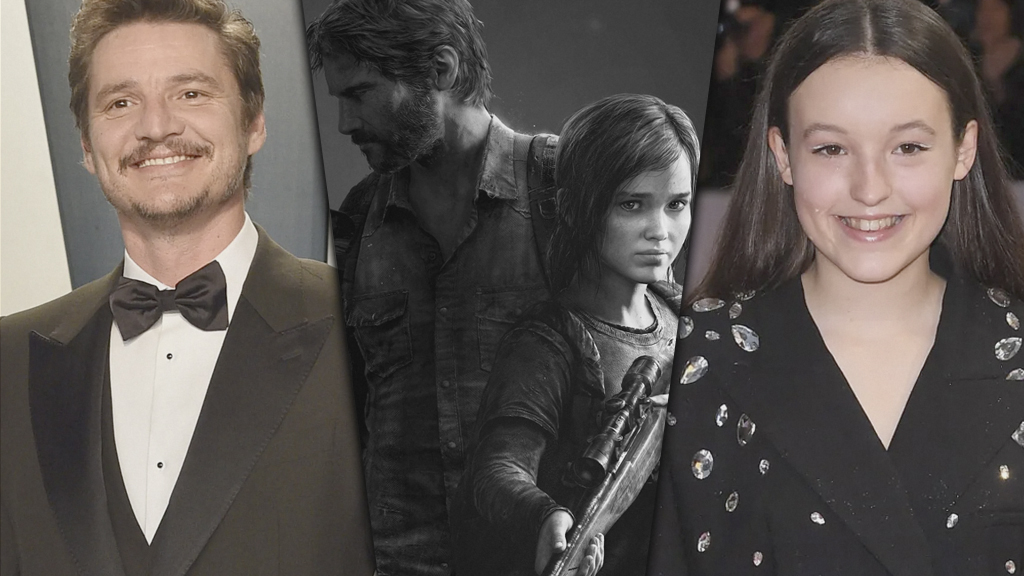
    It appears HBO’s The Last of Us series may have cast a few integral characters without anyone noticing. A new set photo making its way around Twitter is seemingly giving fans their first look at brothers Sam and Henry in all their live-action glory. The image shows a pair of actors, whose ages and appearance match the aforementioned duo, standing alongside Pedro Pascal‘s Joel and Bella Ramsey‘s Ellie. It’s not clear enough to determine who the actors potentially playing Sam and Henry are, but the image could very well be the first confirmation that the characters will be in the adaptation.

    In the original video game, Sam and Henry are a pair of brothers who Joel and Ellie meet while they traverse their way through a dystopian Pittsburgh. The boys temporarily team with the protagonists to get past the malicious Hunters, a violent group of survivors who have taken over the city and leave behind no prisoners. The four leads hit it off at first, with the younger brother Sam even forming a blossoming friendship with Ellie.

    Unfortunately, like most things in The Last of Us, the partnership ends in tragedy. Franchise creator Neil Druckmann has gone on record to say some major events from the game will play out differently on the show, so perhaps there’s still hope for Sam and Henry when the series begins to air.

    The Last of Us currently has no release date.

    Source: Twitter