Author: Mary Maerz

  • ‘SHANG-CHI’ Director Destin Daniel Cretton Wants to Make a Sequel

    ‘SHANG-CHI’ Director Destin Daniel Cretton Wants to Make a Sequel

    Shang-Chi and the Legend of the Ten Rings officially releases today after a long wait due to delays from the COVID-19 pandemic. While somewhat under the radar compared to other MCU films on the horizon, the film has been met with high praise form critics across the board and is even eying a Labor Day weekend box office record.

    While audiences are still just beginning to experience the phenomenal film that is Shang-Chi (read our review here), it seems like it’s never too early to start talking about a sequel. Writer and director Destin Daniel Cretton, when asked by Chicago’s the Big Reviewski if he would want to make another Shang-Chi film, said, simply enough:

    Yes, I would.

    He goes on to say that making Shang-Chi was an “extraordinarily positive experience.” While we likely won’t know for certain for some time, it’s probably a safe bet to guess that Marvel Studios will keep going after the success and creativity Shang-Chi achieved for any sequels or future projects.

    Source: The Big Reviewski

  • REVIEW: ‘TITANS’ Season 3 Episode 6 – Lady Vic

    REVIEW: ‘TITANS’ Season 3 Episode 6 – Lady Vic

    Rounding out the first half of Season 3, Episode 6, “Lady Vic”, teaches us that the tragedy of Titans is that history seems doomed to repeat itself time and time again. With an entire season’s worth of story focused on the workings of Gotham City, nothing seems to move on—the villains and emotional anchors are old Gotham standards that are lingering around for Titans without effort or unique takes on familiar stories. The Titans themselves are falling into circular rhythms as well. Episode 6 has a few other notable features but it is undeniably and inescapably all about the Robin complex. The “be a better Batman” marquee slogan of this season is wildly ironic at this point. There is absolutely no problem with irony but Titans has to be somewhat intentional with it before it can land.

    First, Kory and Blackfire’s continuing arc is pretty frustrating. It is abundantly obvious that Blackfire’s presence will backfire sooner rather than later, yet Kory keeps her around in Wayne Manor with her new family and hopes for the best. It feels very forced, awkward, and lazy to have her evil sister simply start existing within the Titans framework with so little context for her being any kind of beneficial to the season’s overall plot.

    Unfortunately, the villain situation continues to devolve. While the duality of Jason and Scarecrow was already diluting the evildoing, now the two have split up and have vaguely different goals based on the same original plan. Yet, what exactly are their goals? To take over Gotham? To what extent? To what end? One of the last notes we get on this subject is Jason uncomfortably standing on the street and watching other people commit crime after using the anti-fear gas. The one villain-related device that the show did utilize well was emphasizing newcomer (to Titans) Lady Vic’s violence. In her scenes, the show uses a lot more blood and gore than it has been using this season. Because the style actually stands out, it made that aspect of Lady Vic more pronounced and maybe the character punchier, which is sorely needed considering that otherwise, the character is almost entirely blank.

    Make no mistake, Titans Season 3 has kept one major theme alive and (sometimes?) well—the Bat Family, specifically all Robins, are doomed to drown in the endless cycle of Bruce Wayne’s dark influence, self-doubt, angsty outbursts, returning to Bat origins, succumbing to Bruce Wayne’s dark influence, self-doubt, and on and on and on. The whole saga of it in Titans is such a fine example of rinse and repeat. While the tedious repetition of the plot that is history repeating itself without self-awareness could probably be saved, though, if the show leaned into it aggressively. 

    But before that, the rinse and repeat of even just Dick Grayson this episode is almost all-consuming. Much of the episode explores his past romantic relationship with Barbara Gordon while he was still Robin and before she was Batgirl. To be fair, there is a solid tension between the ease of their past relationship and their current one which is defined by the two having more responsibilities and the respective Bat-related paths they each took. This is truly just highlighting that Dick is taking the “bad Batman” approach because Barbara really did some soul-searching and ended up going the Commissioner route because she realized the Bat situation was toxic. The two still seem circularly doomed to fall back into their old romantic relationship, though, but optimistically maybe not. But they probably will.

    The next obvious “things will never change” item is Dick hunting down Jason and Scarecrow alone and getting shot—as mentioned for the previous episode, there is non-stop chatter amongst the Titans that no one can go out and do dangerous things on their own because they are all, you know, a team and a family. But Dick does not seem even slightly regretful about it, which basically screams, “Look it’s Batman” yet again for him this season. 

    The theme we are almost exclusively drowning in is, quite frankly, that the Bat people have a lot of problems with themselves and others. Specifically, the Robins each spiral and leave the life and thus open space for a new Robin to be indoctrinated. This is perfectly played out for huge Batman and Robin fan Tim Drake’s introduction as he is violently orphaned due to Jason really letting his personal spiral infect the entire city. Titans has called out this Robin theme for years but very zealously since Episode 1 of this season. But nothing yet has changed with that story. All the Batboys are looking to be better Batmen, but Titans this season has only wanted us to know that Batman is absolute garbage, so they clearly aren’t working with much.

    Listen, despite the fact that the story seems to be maybe unintentionally repeating itself with no sense of purpose, it does still have potential to be something quite good. If the show can explore the tragedy of the doomed Robins with much more grit and darkness—and come out of it with some sort of redeeming lesson or at least somewhat differently-ending arc—we could get a genuinely compelling “be a better Batman” situation. A very dark and violent depiction of the existential meltdown of the Bat-Family, referencing the unavoidable toxicity and self-torture that being a Bat person carries, could be great. 

    Right now, it seems like the show either is not or does not want to take full advantage of that potential arc—that would be fair if it was not completely overtaking the entire show anyway. Titans may likely be ignoring or neglecting the situation it has created, which would really cause the whole thing to flop. Being more self-aware and fully embracing the irony of Dick’s and Jason’s (among others’) stories—in other words, leaning very hard into it—could make it all worth it in the end. 

  • REVIEW: ‘What If… Doctor Strange Lost His Heart Instead of His Hands? -Episode 4

    REVIEW: ‘What If… Doctor Strange Lost His Heart Instead of His Hands? -Episode 4

    What If… Doctor Strange Lost His Heart Instead of His Hands? is easily the best episode yet of the series. If you are looking for your standard happy ending, look away. What If…? truly and boldly takes full advantage of its own premise to explore a story of absolute darkness and destruction instead of a standard plot with an upbeat ending. It’s also the first episode that clearly ties into others that we’ve seen, which is particularly interesting given its potential to resurge down the line in other properties or stories.

    Episode 4 is defined by gut-wrenching heartbreak and grief. Like the title suggests, in this timeline, Doctor Strange finds his path to Sorcerer Supreme through his search for answers and meaning after the death of the love of his life, Dr. Christine Palmer. Using Christine as the anchor actually places Strange in a lighter place at the beginning of the episode than that of Strange in the MCU’s main timeline. He’s kinder, he’s gentler, and though still incredibly arrogant, he actually seems like a nice guy. So, the countless repeats and variations of Christine’s death are absolutely brutal. The episode doesn’t particularly tone down the ruthless ways in which she is killed—the result is a very dark, aggressive, and hopeless backdrop for the rest of the episode. It also proves that the series can pull off a range of narrative styles and themes. While the previous episode had the “dark” premise of Avengers being assassinated, it never captured the level of tragedy and despair that this episode accomplishes. It’s phenomenal.

    The episode is also the first to meaningfully explore the alternate timeline story after the events of the original timeline take place. We learn fairly early on that Strange takes essentially the same journey as he did in Doctor Strange, including the Ancient One’s death and the defeat of Dormammu. In other episodes, this would have been the section of the story that variates from the one we already know. Here, the bulk of the episode explores Strange’s voyage after everything we think we know of his story instead. 

    Strange’s arrogant nature is still a major player in this story. Whereas the loss of his hands in the sacred timeline led him simply down a path of desperation and later redemption, his all-consuming grief from Christine’s death leads him down a path of desperation with only a fleeting moment of redemption before desperation once again takes over. It’s another side of Strange that is just similar enough to what we’ve already experienced with him to be extremely captivating. Instead of moving on from his superhero origin story, he reverts into the past and his arrogance takes over.

    Even with the Eye of Agamotto, all timelines in his universe result in Christine dying. He learns from the Ancient One that her death is an absolute point in time. If it doesn’t happen, Strange would not become a sorcerer and his reality would unravel and cease to exist. Not satisfied that he cannot overcome this, he studies for centuries how to absorb power from interdimensional mystic beings in order to gain enough power to break the absolute point. We see the same tentacle creature that Captain Carter fought in Episode 1, marking the first overlap in the series other than the Watcher. In the process, he becomes a literal monster. 

    Ironically, he doesn’t quite become a figurative monster until his path of darkness leads him to encounter an alternate version of himself—one that chose to move on—that exists in the same universe due to the Ancient One splitting the two in order to try and stop Dark Strange. Light Strange confronts Dark Strange in a worthy magical fight. It is so easy to assume that Light Strange will prevail that Dark Strange’s ultimate victory is even more poignant. Strange truly chose the path of darkness—one without redemption or light at the end of the tunnel. 

    Using the power he gained from the mystical beings and his other half, Strange goes about breaking the absolute point in time that is Christine’s death. When she is revived, she is horrified at the monstrous creature that Strange appears as. As the very fabric of the universe’s reality starts disintegrating around him, Strange realizes he very much botched…everything. He cries out in desperation to the Watcher, who he can sense. The Watcher declines to intervene despite clearly having the means to save this universe, but this episode makes it clear that Uatu is paying more attention than we might think. Strange’s absolute breakdown as his universe is destroyed is brutal and cruel and incredibly well-portrayed. The episode ends with the annihilation of this entire universe, save for a tiny pocket dimension that Strange remains in—a tiny dot in a vast sea of black nothingness. 

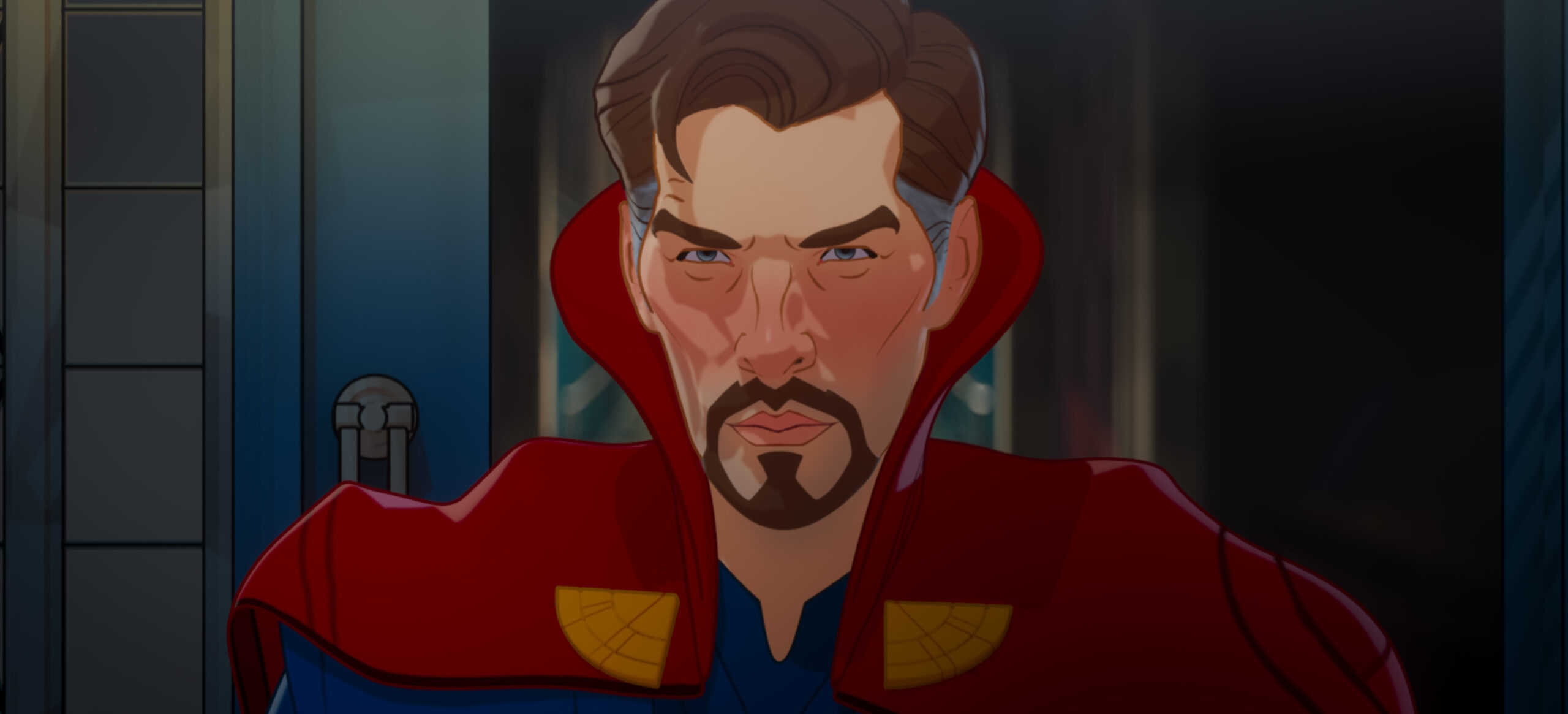
    What If…?’s venture into pure tragedy, darkness, and defeat is honestly beautiful. It stands in stark contrast to the generally lighter tones of previous episodes, even where previous episodes based their premises on darker themes. This episode left no room for interpretation of its essence. Benedict Cumberbatch absolutely shines with his work here and even manages to make you forget at times that this wasn’t live action. The episode’s exploration of the story past the general plot from the original film is remarkable both because it provides something new to the series and it showcases the infinite potential of what other universes can provide to the MCU. Going further than retelling Doctor Strange’s story, it imagines a greater universe of mysticism that sets the standard for multiversal creativity, weirdness, and possibilities until future episodes or films raise the bar. 

  • The Real Reason Spider-Man Won’t be Found Guilty of Murder

    The Real Reason Spider-Man Won’t be Found Guilty of Murder

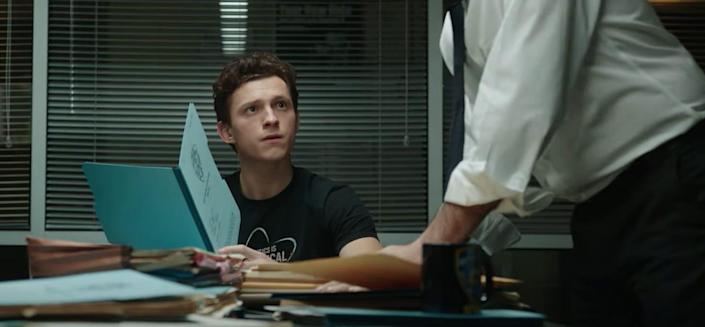
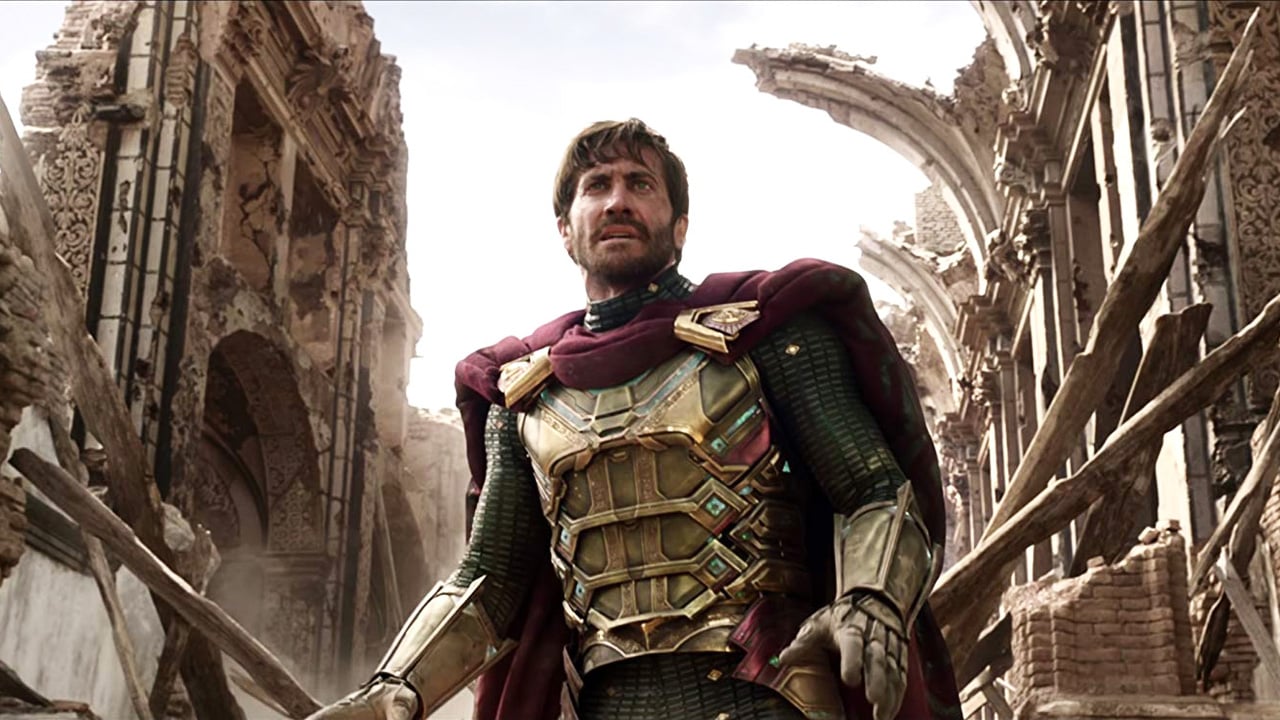
    The Spider-Man: No Way Home trailer that dropped earlier this week confirmed what the mid-credits scene of Far From Home teased—our friendly neighborhood Spider-Man is a murder suspect. Mysterio’s doctored video that makes it look like Peter used Stark drones to kill him in cold blood is no doubt the government’s favorite smoking gun. Not to worry, though, even if young Parker gets put on trial, he won’t be found guilty—but not for the reason that you think.

    Spider-Man: Far From Home": Ist Jake Gyllenhaals Mysterio doch nicht der  Hauptbösewicht? - Kino News - FILMSTARTS.de

    First of all, let’s just assume no one was able to prove that Mysterio’s video was fake or altered. If they had, I assume we wouldn’t see Peter and friends being interrogated by the police in the Now Way Home trailer. It would also be too easy and null the plot point Mysterio created in the first place. We should also ignore the fact that if the alleged crime happened in London, British law enforcement would be in charge, not New Yorkers. At the end of the day, what lets Peter walk free is probably even simpler than these two easy outs. 

    But first it’s worth noting that any self-defense theory will almost certainly not work here. The common assumption is that Spider-Man — or any superhero in general — couldn’t possibly be a “murderer” because if he happened to kill someone, it would be for a good or necessary reason, namely that the bad guy would kill him and/or others. In terms of self-defense, in New York, state criminal law provides that any person who is being attacked or otherwise threatened has a “duty to retreat” before they use lethal force. So, if someone has the ability to literally run away from their attacker, they cannot claim they acted in self-defense. Mysterio’s video clearly shows what looks like a wounded Mysterio and a Spider-Man not in any immediate danger. Even if Mysterio looked at all dangerous, no one could argue that Peter couldn’t have just run the other direction rather than commanding his drones to “execute them all.” So that won’t work.

    Amazon.de: Spider-Man: Far from Home [dt./OV] ansehen | Prime Video

    The real key for Mat Mur—sorry—Parker’s unknown lawyer lies in the legal rules of evidence. Considering that the Mysterio video is presumably the strongest piece of evidence the prosecutors have, keeping the video from being used at the trial would likely be certain victory for Peter. Specifically, if the video is found to be inadmissible evidence, it means that the jury wouldn’t be able to see it, know anything about it, or consider it at all in deciding whether or not Peter is guilty of murder. 

    A major buzzword in legal dramas is “hearsay.” In very simple terms, something is hearsay if it is said outside of the courtroom. So, if Ned got on the witness stand and testified that “Peter told me he didn’t do it,” Peter’s statement there would be hearsay and wouldn’t be evidence the jury could consider. But, for the video, if Peter’s lawyer stood up while it played and said, “Objection, your Honor—hearsay!”, would that be it? Unfortunately, no, but it’s interesting why not. Among the several exceptions to the hearsay rule, there is a specific rule that allows in statements made by someone who was dying when they said them. So, Mysterio wins again.

    Spider-Man: Far From Home is a perfectly balanced Spider-Movie — Cinema76

    Finally, to the best strategy and maybe the least interesting one: whoever Peter’s lawyer is should take advantage of one of the most practical and overlooked rules of evidence. To get the video into evidence, the government is required to “lay a foundation” for it. In other words, they have to prove that it is what it claims to be in a legal way. Even if they are completely convinced that the video is real and accurate, Parker’s lawyer wins this very tedious and technical legal chess match. Simply put, the government would be required to put a witness on the stand that could say, “Yes, this video is authentic—I know because I was there,” or “I know because I filmed it.” Since the only two involved in the video were Peter and Mysterio, and Mysterio is gone, Spidey’s prosecutors would come up ever so short in using the video against him.

    The moral of the story is that no matter how amazing or super someone or something is, soulless, unimaginative, and mundane laws still apply and can still make a difference. The Sokovia Accords certainly introduced us to the potential legal implications of superheroes in the MCU, but they seemed to have gone their own way since Captain America: Civil War. Perhaps in No Way Home and beyond we will explore more extensively how superheroes might be held accountable. With great power comes the need for great lawyers.  

  • REVIEW: ‘TITANS’ Season 3 Episode 5: Lazarus

    REVIEW: ‘TITANS’ Season 3 Episode 5: Lazarus

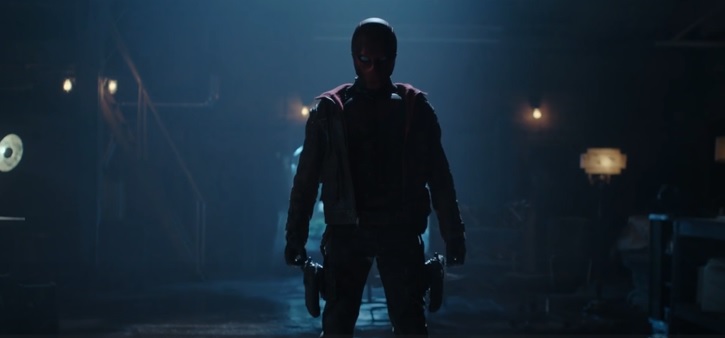
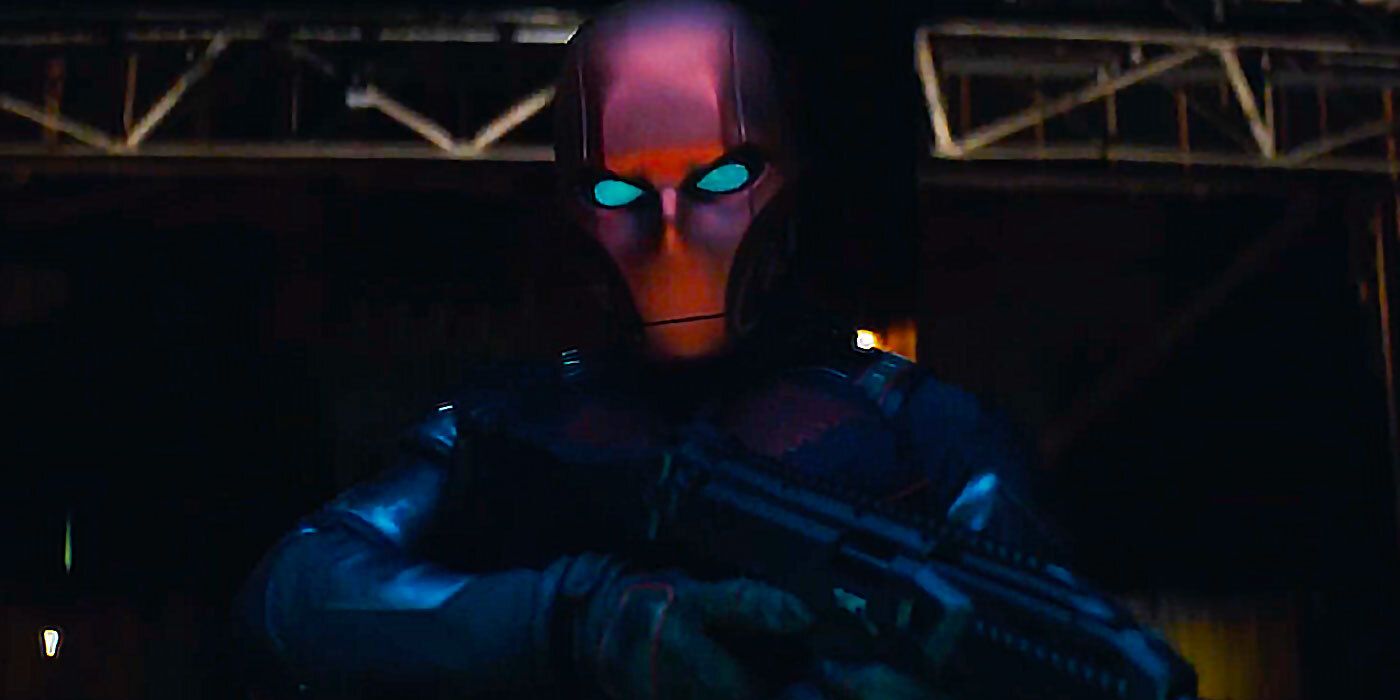
    Titans Episode 5 boldly attempts to navigate the mental and emotional spiral of Jason Todd that we know culminates in his adoption of the Red Hood mantle. While some of the series dives into the intricacies of its characters has paid off in the past, Jason’s spotlight here fails to reach the depth it needs to be absorbing. To be fair, the more intimate focus on Jason does give off a flicker of greatness in its examination of the long-term effects of superherodom on an impressionable and flawed teenager.

    The episode essentially takes the scenic route to its explanation of how Jason/Red Hood wound up in criminal business with Scarecrow. The supposed reveal that Scarecrow is the mastermind behind the vague scheme is honestly a tad disappointing as it deflates any prowess that Jason at one point seemed to have as Red Hood. And the plan is…something? Turning Gotham into Fear City is certainly on brand, but the rest is fluff at the moment. Hopefully, a more menacing or even meaningful evil scheme will come to the surface, but for now, it’s about as gray as Gotham itself.

    The series has plenty teased that Jason was internally scarred by his confrontation and near-death experience with Deathstroke last season. It seemed to play some role in his impulsive and angry departure from the Titans, but it was otherwise left alone. Dedicating this episode to Jason could have been an entrancing look at his festering inner demons. To be fair, the episode had the bones to make it work, but it never hits the right note. For starters, while Titans can be notoriously slow, but this really crawled. For the better part of an hour we watched Jason have a conversation either with the therapist or Bruce. Considering both played essentially the same role in drawing out Jason’s thoughts and feelings, the two felt duplicative. Jason’s revelations mostly felt like a re-watch of the tortured- and traumatized-by-Batman Robin story that still feels like is being played out by Dick Grayson. 

    The icing (or lack thereof) on the cake is that overall the portrayal of Jason and his troubles in this episode merely felt like it was scratching the surface—there’s depth somewhere that could have been tapped into, but we never get there. Despite this being about Jason himself, it was still hard to pin down his personality or character in general throughout the episode. The best moment for Curran Walters’ Jason came along with Bruce firing him as Robin. Jason more authentically comes unglued and shows the cracks in his psyche. His reaction to what he perceives as another rejection of his Robin encompasses his insecurities in not being good enough which has been well planted throughout the series. 

    While Episode 5 attempts to recreate some of the series’ past successes with character focuses, it did not quite rise to the occasion. While Jason had his moments, overall the narrative here dragged on slowly with static conversations that felt like Dick Grayson on repeat. Now that Jason is out to prove Bruce wrong, the interesting path would be to see when, where, and why the two former Robins diverge. 

  • REVIEW: ‘What If… The World Lost Its Mightiest Heroes?’ -Episode 3

    REVIEW: ‘What If… The World Lost Its Mightiest Heroes?’ -Episode 3

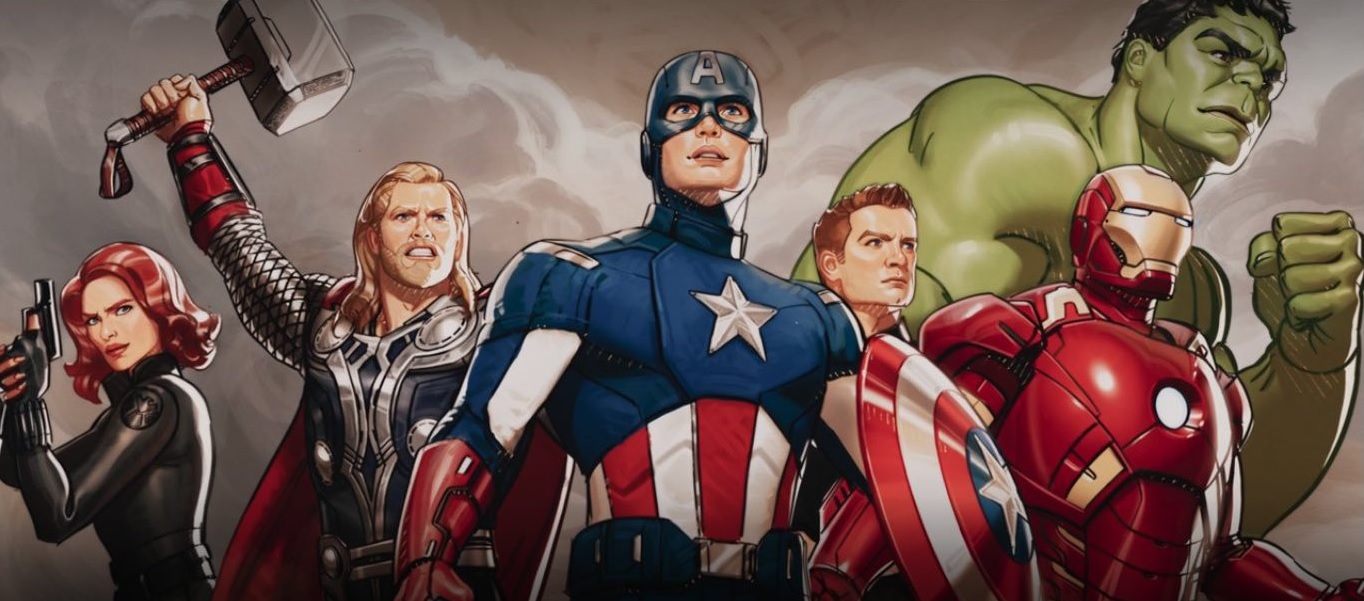
    What If… The World Lost Its Mightiest Heroes? is a fairly middle-of-the-road redux of Fury’s Big Week from Phase One that at the end of the day highlighted the original intentions and inspiration of the Avenger’s Initiative. Episode 3 found an effective way to do that while killing off (or not introducing) all six original Avengers. The overall moral of the story is, simply, that more mighty heroes are waiting and willing to save Earth in its time of deepest need. 

    The tagline for the episode could be or should be, “Hope never dies.” On one hand, this was originally in reference to Hope Van Dyne—who actually died in the course of being an Agent of S.H.I.E.L.D.—and her father Hank Pym’s descent into murderous madness seeking vengeance. The premise of Pym being the assassin that eliminated the Avengers before they actually began is interesting, because it gives a look at Pym being in action (as Yellowjacket) for the first time that we have really seen in the MCU. It also added a bit extra to the familiar plot considering he was not introduced in the main universe until the tail end of Phase Two. The mixture of elements now at the MCU’s disposal is entirely what What If…? is about, so the light overlap in stories is appreciated here but did not seem to be enough to make this episode particularly exceptional.

    Fury was the absolute star of the episode in terms of his significance to the plot. Samuel L. Jackson reprised his role wonderfully, giving animated Fury an authentic feel that likely kept Episode 3 afloat at times where it could feel a bit tedious. We got a better glimpse of Fury as Director of S.H.I.E.L.D. in a fuller capacity than he was afforded in the main universe given screen time constraints. While it did not fundamentally change the character, or how anyone viewed him, it certainly bolstered his persona by giving him room to stretch and simply be in control.

    Considering that all the original Avengers, other than Steve Rogers, were killed off, the main consequence of this episode was Loki’s eventual takeover of Earth. His address to the United Nations at the end was an interesting and fairly comical look as to how King Loki would come about and rule Earth absent the dramatic and violent Battle of New York. Tom Hiddleston’s performance—particularly in light of Loki’s heightened popularity right now from the Loki series—was also phenomenal, and the transition from screen to voice was very smooth which similarly buoyed the episode.

    Ultimately, “hope never dies” becomes a reference to the enduring spirit of the Avengers Initiative that dominated the latter half of Phase One and Avengers in particular. Despite the Avengers as we know them being utterly gutted, the idea of bringing together a group of remarkable people never died in Fury’s eyes, as the episode ends with Captain Marvel and, presumably, Captain America ready to continue the fight. While the episode never felt overly exciting, it was a nice reminder of where the Avengers, and the MCU, began and what they mean to both these fictional universes and our own reality.

  • REVIEW: ‘TITANS’ Season 3 Episode 4: Blackfire

    REVIEW: ‘TITANS’ Season 3 Episode 4: Blackfire

    After a relatively strong start for Titans, Episode 4 is starting to show a few more cracks in the operation. We interrupt a functional story with a new side story that doesn’t quite land on the same planet we’ve been working with. Optimistically, Episode 4 may just be an innocent stumble along the way to a satisfying story. Pessimistically, the episode might be foreshadowing the slow unraveling of the rest of the season—only the coming weeks will tell.

    Titans Recap & Spoilers: Season 3, Episode 4, 'Blackfire' | CBR

    The episode briefly explores the emotional aftermath of Hank’s dramatic death last episode. Dawn is shockingly composed given the fact that Hank’s death is technically, or at least directly, her fault. This is all used as an excuse for her character to exit the series for the foreseeable future. It’s fully cemented that Titans has no vision to see Hank and Dawn as two separate people, but while it may have been interesting to explore her individual character more, the show never made her a particularly interesting one, to begin with. She and Hank always came across as unneeded filler, and maybe the series is trying to remedy that.

    Unfortunately, it seems as though the show decided that the exit of two peripheral and plot-overflowing characters was the perfect time to add another significant character alongside a side plot that overpacks the existing story in the same way. While the Red Hood chronicle continues, Kory a.k.a. Starfire is handed a major arc in the form of her sister, Blackfire. The lazy arc origin does suit the story itself sadly – it’s bland. How the murderous, vengeful, Queen Blackfire managed to find herself completely helpless in a government lab secured by one person is supposedly explained, but it will just never be okay.

    Titans saison 3 : Damaris Lewis (Blackfire) promue à un rôle régulier |  COMICSBLOG.fr

    The situation makes both sisters and their powers come across as relatively arbitrary and insignificant. This is more a shame considering that Starfire’s character already suffered from that. It begs the question of whether the series is concerned with her being overpowered and is going out of its way at every turn to dampen her. Spending episodes with her blacking out and having visions just felt like a return to her amnesia in the first season. In any event, maybe the dynamic between the two rivals could have dormant potential, but hope for that feels lost on the delivery. At times it could be hard to watch given the dry and empty performances which automatically took you out of any scene.

    Turning to our main story, it’s obvious that history repeats itself. While it could be an interesting theme to explore, it still sometimes seems unintentional at this point. Despite overwhelmingly constant reminders throughout the series as a whole that no Titan should go out on their own to confront a villain, Dick decides to once again do exactly that. Instead of being “a better Batman”, he is being as “Batman” as he can be. On one hand, it seems to suit his character—it’s fun to see him act so in control and with so much dark confidence, but the outcome is the same and he inadvertently lets both Jason and Scarecrow loose.

    Rounding Up the Easter Eggs in the Titans Season 3 Premiere | DC

    The good news is that having them together should fuel their master plan. However, the bad news is that the master plan doesn’t seem like much of a plan. Sure, we will probably get more elaboration on what the pair are up to down the line, but it’s looking like Scarecrow will more or less reduce Jason to assistant villain without anyone taking the place of head villain. Suffice to say, Titans has more “villain problems” on the horizon. Unless someone can truly climb the criminal ladder and sit on a throne of captivation, it’s going to be underwhelming. 

    Overall, the fourth episode keeps the Gotham City plot intact, though its potency may be severely threatened by the shift in villain dynamics now that Scarecrow is more in play. The episode tries to spice things up with the Starfire-Blackfire arc, but it is genuinely not compelling nor well-executed. The noticeable housekeeping and streamlining of storylines and characters Titans undertook at the beginning of this season is, unfortunately, looking to be in jeopardy now. Fingers crossed things will reorganize themselves, take a look in the mirror, and be better Batmen. 

  • REVIEW: ‘What If… T’Challa Became Star-Lord?” Episode 2

    REVIEW: ‘What If… T’Challa Became Star-Lord?” Episode 2

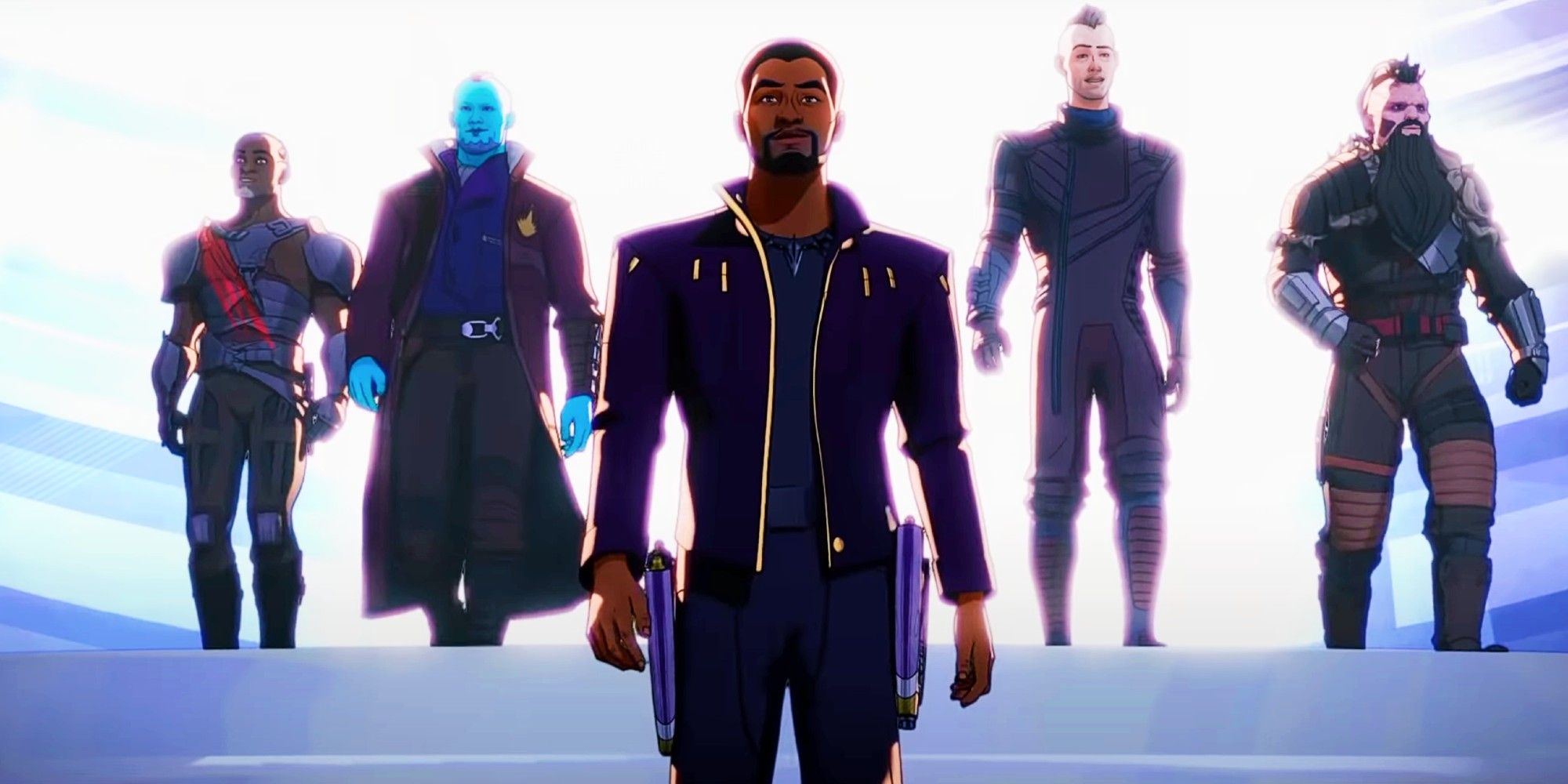
    Episode 2 of What If…?What If…T’Challa Became a Star-Lord?, is absolutely stunning. It is an incredible joyride through an almost absurd amount of MCU nods and history that is gripping from start to finish. The episode impressively manages to be both hilarious and heart-wrenching in constant waves that at times are simultaneous. All eyes and ears are on Chadwick Boseman’s final role as T’Challa, and Episode 2 as a whole rises to meet his brilliant performance. Despite being in the form of a half-hour animated show, it manages to be a beautiful farewell to such an iconic and impactful actor and character.

    Even armed with the heavy knowledge that Episode 2 marks one of Boseman’s final performances—and one of T’Challa’s final appearances—the episode hit an emotional depth that, quite frankly, didn’t seem entirely possible given the nature of the What If…? series and the Guardians of the Galaxy-based premise. It is no surprise that the sound of Boseman’s voice evokes such a mixture of joy and grief nearly a year after his death, but hearing his Star-Lord performed with such vibrant personality and passion both breaks and fills your heart at the same time.

    The fact that T’Challa as Star-Lord completely changes character trajectories of Star-Lord himself, the Ravagers, and various side characters is a hilarious contrast to Guardians of the Galaxy, but it also doubles as what feels like a tribute to T’Challa and Boseman. The impact the two have had in the MCU and world at large is well analogized here. The utter goodness of T’Challa that turns the space explorers into world-saving heroes and Thanos righteous is heartwarming almost beyond words now. And wow—the quick bits of Black Panther score that would pop in and out constantly added another layer of intensity and emotion to the episode that kept on surprising.

    While loosely following the plot of Guardians of the Galaxy, Episode 2 hits a family theme hard. Despite the fact that we end up exploring three or four different “families” by the end of the episode, they are presented and played out so well that it all comes across cohesive and genuinely a part of the same story without feeling overdone. Even the brief nod to Drax’s wife and daughter being alive in this reality was a noteworthy moment. While the Nebula-Thanos dynamic and arc is less compelling, the episode nails the portrayal of T’Challa’s relationship to both the Ravagers and Wakanda. The most gutting scene is undeniably T’Chaka’s message left for T’Challa that his Wakandan family would never stop looking for him, whether on this plane or the next. It’s simply both heartbreaking and heartwarming. In any event, it’s moving.

    Throughout the unavoidable but captivating bittersweet emotion that shrouded this episode, it also managed to have countless laugh-out-loud moments stemming primarily from the dramatic character changes. Easily one of the best examples is Thanos who has seen the error of his ways yet his original genocidal plan becomes a big source of laughter and also spotlights a fairly joyful version of the Mad Titan which is just authentically fun. The banter between the characters is also well done, and the voice performances overall do well enough to pull it off. 

    In short, Episode 2 of What If…? is absolutely phenomenal. It was broadly fun and enjoyable from start to finish and likely could easily fill an hour runtime—or even longer—without faltering. The incredibly well-executed mixture of laughter and tears turned this unassuming, animated, and inherently wacky episode into a moving and compelling story that resonates far beyond this series. Truly, it seems to be an episode of this type fit for a king. Boseman’s and T’Challa’s final bow is such a gift here at the end of the day and that is something to be grateful for amongst the grief. 

  • REVIEW: ‘TITANS’ Season 3 Episodes 1-3

    REVIEW: ‘TITANS’ Season 3 Episodes 1-3

    The first three episodes of Titans Season 3 released on HBO Max yesterday waste no time making it clear that Titans can be a very different show. Despite still being centered around darker themes, it is hard to miss that the start of the season feels like Titans is being dragged away from its overly broody, dispirited origins. Episode 1 immediately portrays our heroes as an actual team that takes down bad guys and sticks around for the San Francisco press—the people love them. Already, the show feels more optimistic and a bit more enthusiastic. 

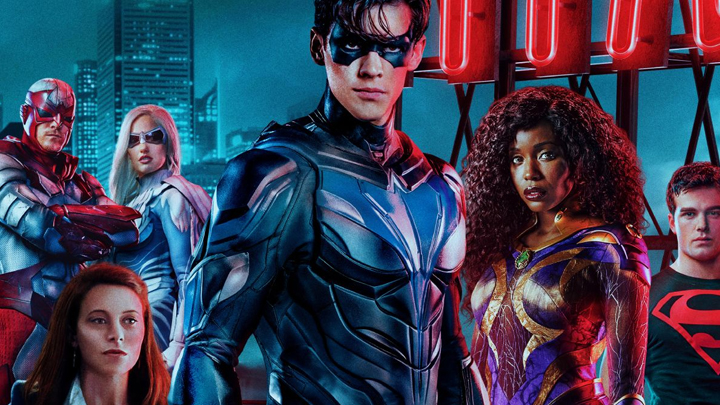
    Dick Grayson himself is a bit jarringly more upbeat in these first scenes. He is snarkier and less dejected, fully embracing his role as the leader of the Titans. Koriand’r is similarly lighter and friendlier right off the bat. Season 3 also wasted no time in updating her look once again. While it’s a bit tedious to see her physically change so frequently—especially while the others remain exactly the same—each time Titans updates Kory she tends to look more and more like the strong and intimidating royal alien that we want her to be. The other characters showcased in the early minutes of Episode 1—Gar, Conner, Dawn, and Hank—all are given brief but meaningful re-introductions that emphasize how far the characters have come in terms of their physical abilities and relationships to one another. 

    The first three episodes are ignited by the death of Jason Todd. While Season 2 ended with the death of Donna Troy, using Jason’s supposed death as the focal point here is genuinely a clever move. Fresh off of the trauma and perceived abandonment he endured by the Titans last season, Jason as Robin impulsively and unpreparedly confronts the Joker alone, only appear to be quickly and brutally beaten to death. Already the show has married the internal tensions of the Titans with Gotham City lore, which Titans has repeatedly flirted with in the past. Dick’s discovery of Jason’s strange chemical inhalant and Bruce Wayne’s utter psychotic break following Jason’s death sparks a detective thriller that sees the Titans relocate to Wayne Manor to investigate.

    There is heavy emphasis on Bruce Wayne/Batman, Gotham, Dick, and Jason in the first three episodes. While the show seems rightfully aware of its past success in its portrayal of Dick as a damaged former Robin and his relationship to Bruce, this theme starts to feel a bit excessive at times. The way in which Titans is going out of its way to literally tell (rather than show) us how Bruce is a psychopath who destroyed the lives of young Dick and Jason is too forced. Dick and Barbara Gordon talk about how Bruce is in denial several times, Barbara yells at Bruce in front of Dick about how horrible he was with the Robins, and Bruce promptly opted to murder to Joker all to bring it home that Bruce is, well, terrible. The introduction of Barbara has so far been positive, as she anchors our characters into Gotham a bit more smoothly. It also expands our known Bat-Family and exposes us to more of its secrets and scars. 

    Still, the show wasted an opportunity to emotionally hook the audience at the start by glossing over Jason’s “death.” Given the groundwork the series has laid, it likely would have been effective to wallow in the loss for a moment before quickly moving on to his Red Hood alias and continually focusing on how Bruce is, again, terrible. Not only does the rushed and vague death make the Red Hood twist more predictable, but it also dampens how much impact the story could have had with a more intense focus on the implications of Jason’s death on the Titans and even in Gotham. Instead, it is mostly used as a quick plot creator and a reason to aggressively communicate that Bruce is, once again, terrible. 

    The emphasis on Bruce is clearly a ploy to emphasize Dick. Showcasing Bruce as terrible and doomed to be terrible is any easy way to make Dick look worthier. It also spurs the recurring theme through these three episodes that Dick should “be a better Batman.” This will surely set the course throughout the season for Dick to continue to go through turmoil as Batman’s legacy. There were moments in Season 2 where this dynamic truly shined for the show, but at a certain point it gets repetitive. Dick’s character and the series’ exploration and development of it is no doubt one of its best assets, but it’s coming at the expense of Titans being about Dick and Gotham City rather than the Titans

    Jason’s Red Hood is an OK villain so far. While his presence isn’t particularly menacing or frightening, he does commit significantly violent and sadistic actions at the beginning of his tenure which cements him as a formidable and serious foe for the Titans. While Jason’s change in character is just convincing enough, it falls short of being truly gripping or believable. Still, his more manipulative and puppet master-type edge is more interesting than his Robin. His role does bring forth more intricate detective-type work and storytelling than in previous seasons. It has the unfortunate tendency to drag, but when it’s at its best it can be compelling. In any event, it’s certainly an upgrade to the splotchy and often incoherent plotlines of the past.

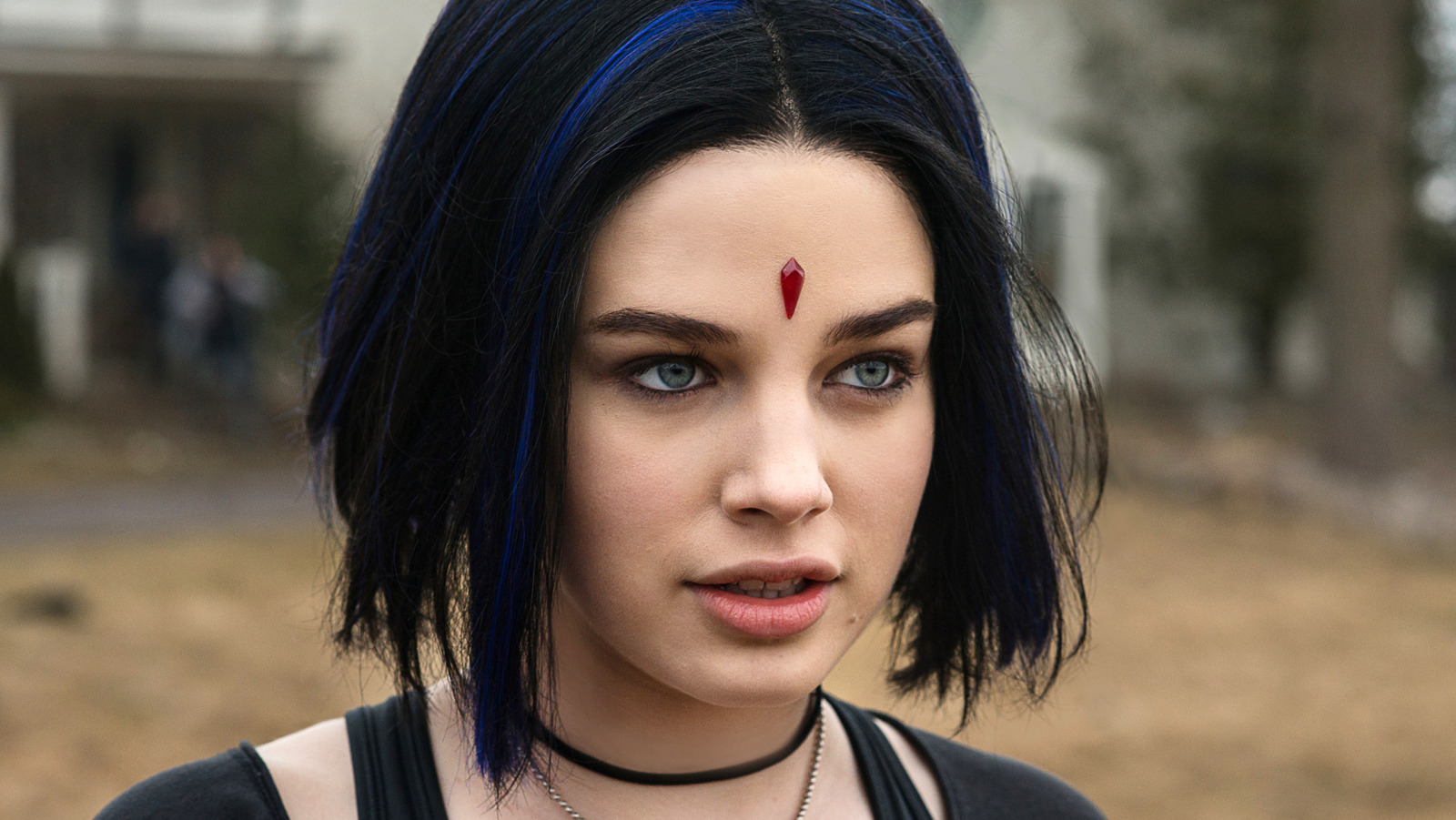
    Aside from developing a cohesive and streamlined story, the first three episodes have also vastly improved on their portrayal of their titular characters. Gar remains cheekily charismatic, and Conner, the newcomer, has been well implanted as his number one companion. The two have an innocent, childlike dynamic that suits both characters consistent with how they’ve been established in previous seasons. Honestly, the two—especially Gar—deserve more screen time based on how well they interact amongst themselves and as side characters in others’ stories. Perhaps more is in store for them later in Season 3. Kory, on the other hand, is very slowly improving, but the script never seems to give her much personality or even room to express one. Rachel is absent for the first time. To be honest, it wasn’t all that noticeable until it was mentioned in the show. While I’m sure the character will return from Themyscira bringing potentially several major plot lines to the table, her absence is letting Titans breathe and regroup at the moment following the overly ambitious Rachel-centered Season 1 and Rachel-heavy Season 2. 

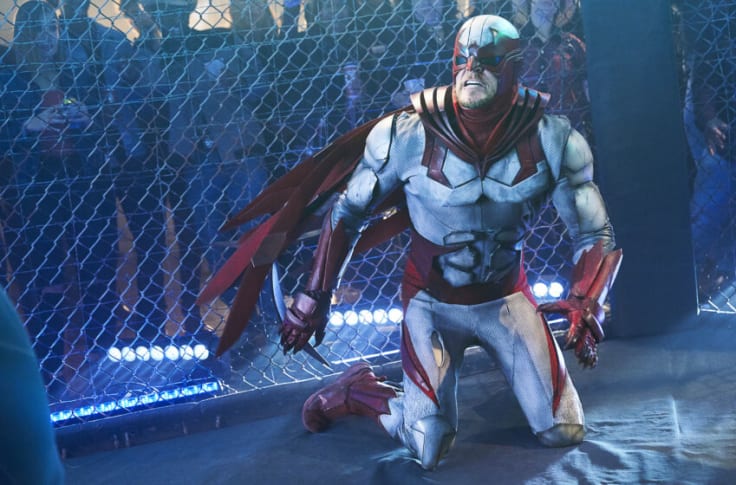
    The greatest praise that can be given to these first three episodes is Hank’s arc. Hank and Dawn always had the problem of being two characters that did not exist without the other. True, their relationship was a driving force of Hawk and Dove, but neither felt overly interesting. In the brief space where the two were no longer a couple, Hank was given more screen time and the character was actually one of the more enjoyable to watch. He gained aspects of humor and even joy without losing his short-tempered and sturdier ways. He also had warm moments with several Titans that he normally would not interact with much. When Jason implanted the bomb in his chest, it initially felt like a generic beat-the-clock episode. It played out as one, but the ending took the bold step to actually kill Hank at the very moment all seemed saved. It was a little disappointing to see him and Dawn make up so quickly in the midst of it all after they had finally been released from the constraints of being attached, but ultimately it was all in favor of making Hank’s death actually impactful. For the first time in the series, a death actually felt like a loss. Not only did the Titans lose Hank, but they seemingly lost Dawn as well after she decided to leave following his death.

    Episodes 1 through 3 delivered a solid start to Season 3, and are undeniably of higher quality and more enjoyable than Titans episodes have been in the past. It comes with the unfortunate tradeoff of losing focus on the actual Titans in favor of a Gotham-centered plot. The action is also noticeably missing so far from the series, particularly with respect to any hero whose powers rely on (less than ideal) visual effects. Where some is included, it’s perfectly decent, but there’s not enough of it to drawn from at this point. 
  • REVIEW: ‘TITANS’ Season 3 Finally Feels Like a Titans Show

    REVIEW: ‘TITANS’ Season 3 Finally Feels Like a Titans Show

    The third season of the now-HBO Max original Titans promises to be the best season yet, easily leaving the first two in the rearview mirror. It does not fail to recognize what it did well in previous seasons and not only amplifies it but uses it more purposefully. The result is a much more cohesive and engaging plotline that evenhandedly threads itself out across the season. This approach is in stark contrast to the patchwork of character introductions and scattered stories that weighed down the previous seasons. Sadly, it still suffers slow and even tedious points, but ultimately is a vast improvement on the series’ ability to tell a story.

    Titans Season 3: What You Need To Remember Before Watching

    The series is noticeably lighter in tone this time around. Titans has by no means become “light”, but much of the overly dark visuals and broody, dejected tone have been pulled back some. With that, the severity of violence, the amount of blood and gore the series puts forth is significantly lower. While there may be some loss in terms of how gritty the HBO Max series could be, it also feels like there is more space now for the show to deliver a story and explore its characters. 

    One of the biggest strengths of the season is highlighted in the very first scenes of the first episode. Titans, for the first time, has really established that the Titans are, in fact, a team. While they took time to call themselves a team and a family in the last season, it never felt particularly believable until now. The series is starting to truly take advantage of the groundwork it laid for itself. While the series still does what DC often does well by opening the series up to a wide and versatile survey of DC characters and storylines, this season feels like it is building upwards for the first time rather than outwards.

    Titans Season 3 Will Release In August On HBO Max - Geeky Craze

    Instead of endlessly adding new elements into the show just to leave others to wilt, Titans finally takes existing elements and uses them to their higher potential while more subtly and tactfully adding in new pieces. There are certain themes and characters that were simply dull in the past but are redesigned into powerful and emotional moments in Season 3 that make the show great at times.

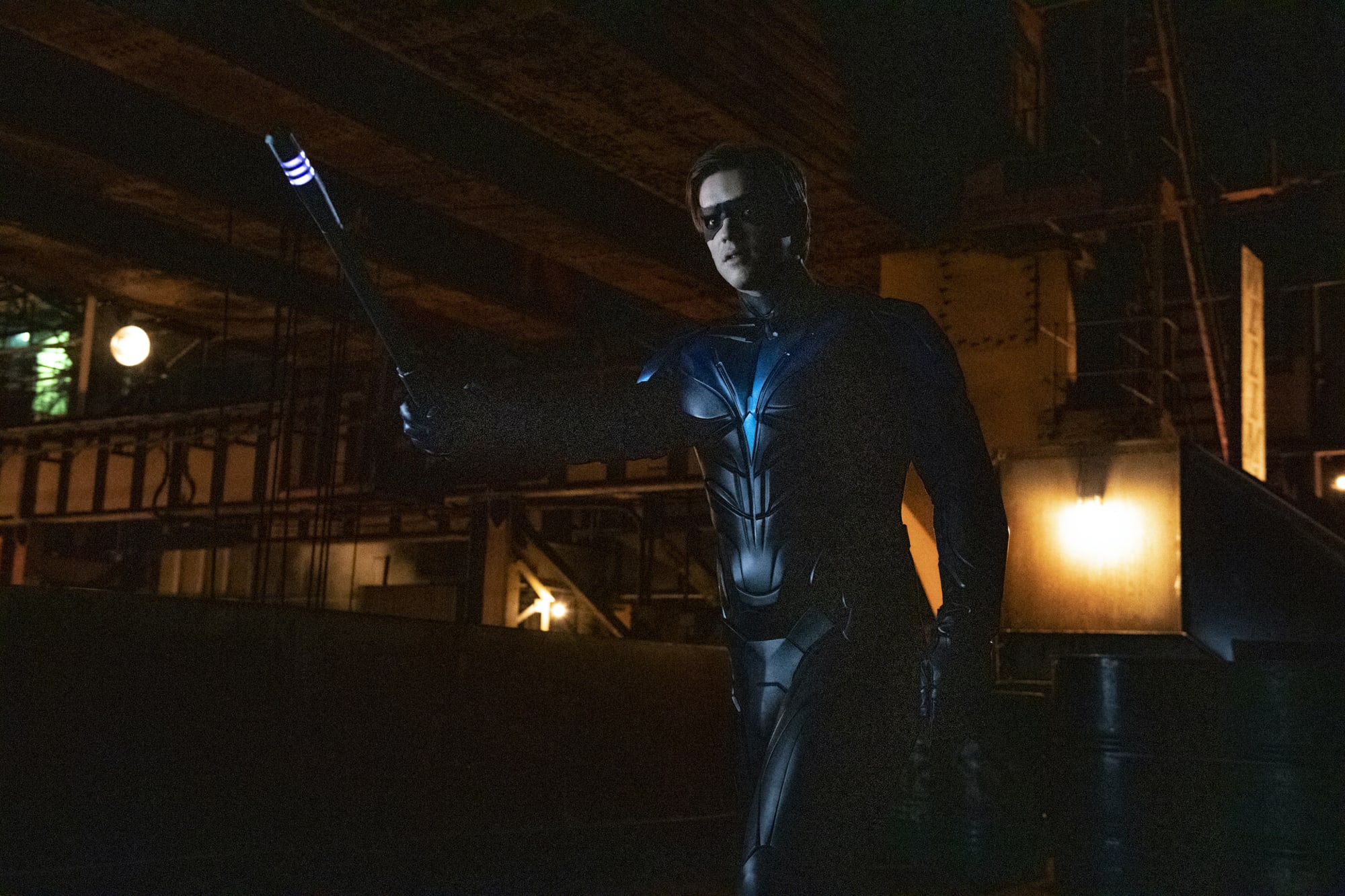
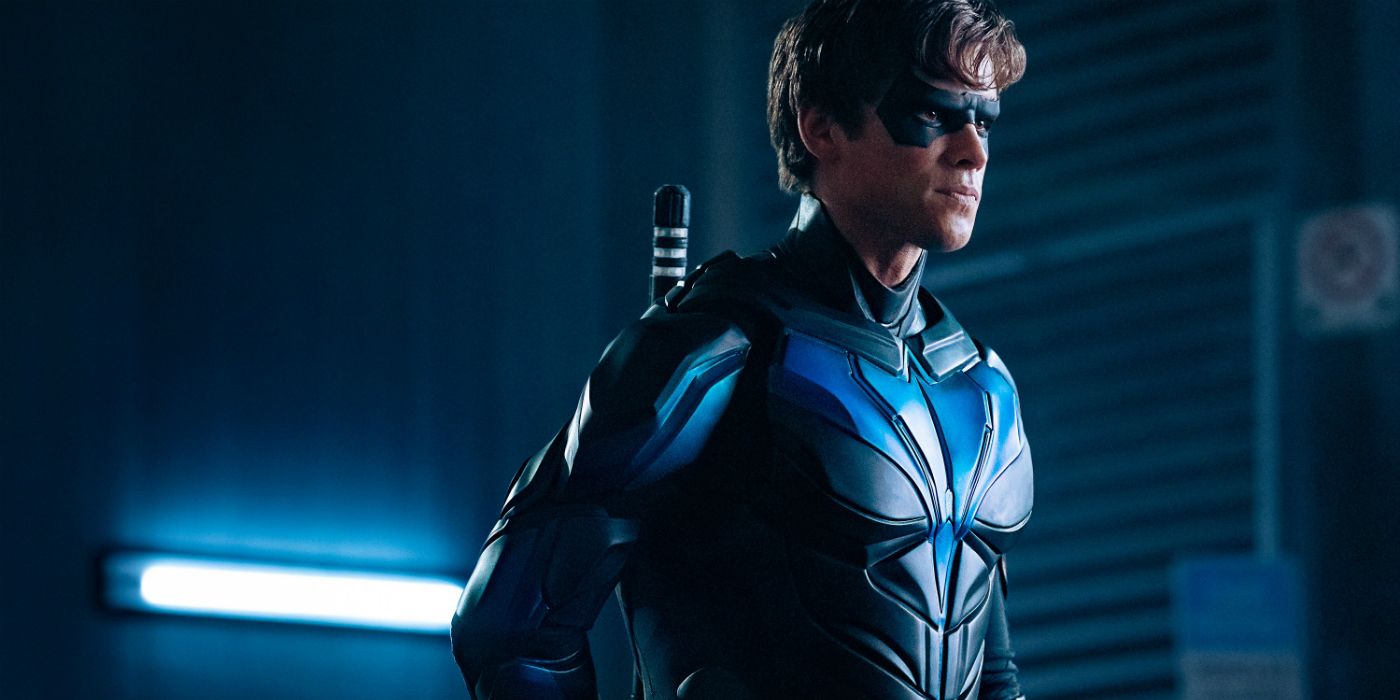
    Where Titans truly shined in the past is its portrayal of its leading character, Dick Grayson. Brenton Thwaites’ Grayson, newly minted as Nightwing, continues to steal the spotlight. The series doubles down on the character to the point that the show could, at times, arguably be titled Nightwing without being misleading. This direction can come at the obvious expense of other characters’ development, but it also genuinely aids the organization, consistency, and quality of the season. Where some characters are afforded more limited attention, it is often deliberate and of higher quality than in previous seasons. 

    Titans Recap & Spoilers: Season 3, Episode 2, "Red Hood" - The News Motion

    Rather than portraying itself as a typical superhero action show, the latest season often operates under the guise of a detective thriller. This does, unfortunately, lead to a deficiency of action, particularly of those characters whose powers are dependent on visual effects. To be fair, where the action is highlighted – particularly hand-to-hand combat – it is well executed and enjoyable to watch. There’s just not enough of it.

    At the end of the day, Titans retains plenty of its flaws going into its sophomore season. Still, it does stand out, though, by being noticeably and significantly better. It seems like the creators meaningfully took stock in what the series was doing well and what it was not, and tailored this season specifically to address that. Because of that, it can feel like a different show than what it has been, but the result is a much more compelling and enjoyable Titans