Author: Mary Maerz

  • The History and Future of Superheroes at Award Shows

    The History and Future of Superheroes at Award Shows

    Superhero movies and television have dramatically increased in quantity in this early part of the 21st century. Where only the most iconic heroes used to be recognized by the general public – think Superman, Batman, Spider-Man – even non-comic book fans now can list their favorite superheroes by the dozen. While DC entertainment and its characters seem eternally well-known and loved, the change in the conversation around superheroes on screen is in no small part due to the wild success of the Marvel Cinematic Universe. 

    WandaVision" - Marvel-Sitcom auf Disney+: Vorort-Horror mit Superhelden -  DER SPIEGEL

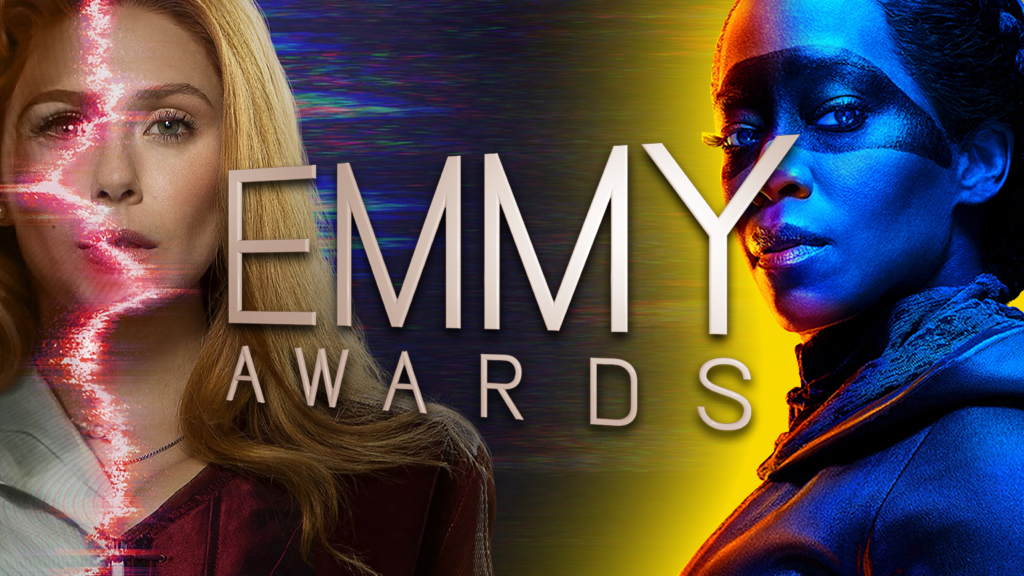
    Superheroes and their film and television exploits in particular have found their way into what feels like nearly every part of society. They routinely bring in over one billion dollars per film at the box office and inspire millions of fans. Still, the biggest award shows in the game, the Academy Awards and the Emmys, have long notoriously snubbed superheroes, or anything comic book-related. While WandaVision and The Falcon and the Winter Soldier have managed to secure Marvel Studios’ first Emmy nominations, its WandaVision’s astonishing 23 nominations – and currently 2 wins – are making headlines and history. So, is Marvel Studios’ first Emmy-winning series simply an anomaly? Almost certainly not. Looking at the history of how superhero visual entertainment has fared at major award shows, it’s pretty clear that the trend going forward is more critical recognition of the genre. In honor of WandaVision, let’s look at the Emmys. It’s an incredibly shortlist of winners.

    In 1978, Mariette Hartley was nominated for Outstanding Lead Actress in a Drama Series for The Incredible Hulk and actually took home the same Emmy in 1979, marking the first nomination and win for a comic book superhero franchise. The Incredible Hulk’s success remained the only Emmy recognition for a whopping 42 years until DC’s Watchmen opened the floodgates in 2020. The series won 11 Emmys out of 26 nominations including Best Limited Series, Outstanding Lead Actress, Supporting Actor, and Outstanding Writing for a Limited Series. Watchmen’s resounding success after virtually no recognition of the genre hasn’t slipped away quietly.
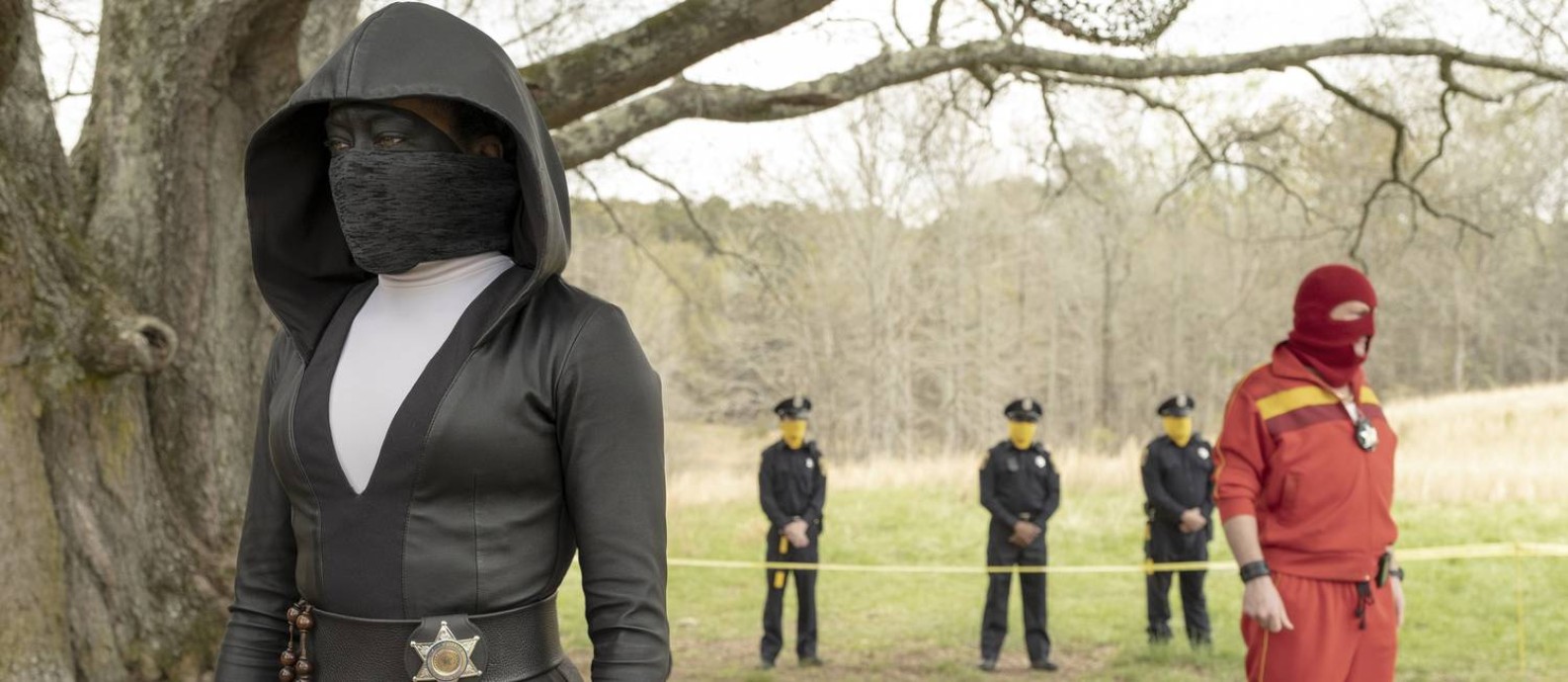
    Watchmen': Damon Lindelof foge da adaptação fácil em versão para TV -  Jornal O Globo

    This year’s Emmys have recognized several comic book adaptation series including WandaVisionThe Falcon and the Winter SoldierThe Boys, and The Umbrella Academy. WandaVision (along with The Boys) also follows Watchmen’s recognition in major above-the-line categories. Those include Outstanding Lead Actress, Actor, Limited Series, Supporting Actress, Directing, and Writing (twice) for a Limited or Anthology Series. The door for comic book superhero movies apparently blew right open for the Television Academy. 

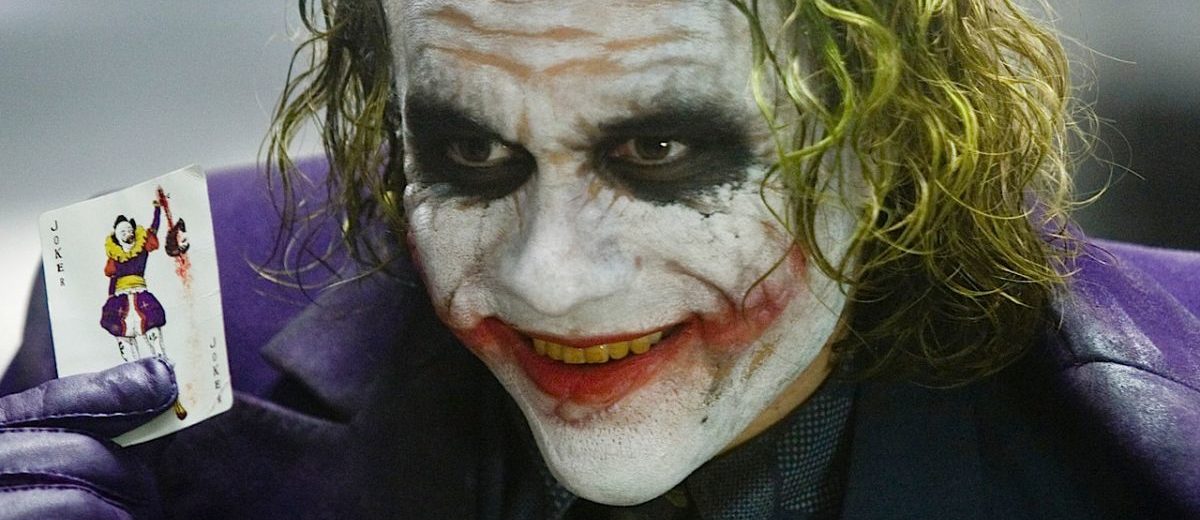
    Historically, superhero films have fared slightly better as the Academy Awards, or Oscars. Still, only nine comic book superhero movies have actually secured a win—and they are not at all what you would guess. Superhero movies have been recognized, generally, in technical categories, such as Best Makeup and Hairstyling, Visual Effects, etc. In fact, Suicide Squad (2016) is an Oscar-winner for the former category, and Spider-Man 2 also took home an award in the latter. Two wins have been as Best Animated Features. In 2009, The Dark Knight became the first to win an Oscar in a major, above-line category with Heath Ledger’s posthumous award for Best Supporting Actor, and boasted 8 total nominations.

    Joker Filmkritik: Da vergeht einem das Lachen

    It was not until ten years later in 2019 that Black Panther, among its seven nominations, became the first comic book superhero movie to be nominated for the coveted Best Picture category. It also took home 3 awards, giving Marvel Studios its first Oscars. In 2020, though, Joker, the iconic DC character made history again with a superhero record-breaking 11 nominations, including for Best Picture, Best Actor, Best Director, Best Adapted Screenplay, Best Editing, and Best Cinematography. The film nabbed only two awards though, including Best Score and Best Actor for Joaquin Phoenix’s performance. 

    It is clear that award shows are beginning to recognize the superhero genre. Still, it has not been a gradual increase over the decades. Instead, it arguably did not begin until the 2000s, and truly not until the late 2010s and early 2020s. As clear with this year’s Emmys, superhero film and television are finally getting the official acclaim that is arguably long overdue. The question is why, and more importantly, why so much seemingly all at once. Are superhero series and movies actually getting better or are more and more critics simply becoming fans themselves? The answer is probably both.
    Scorsese produziert Joker-Film für Warner - lauterfilme.de

    The superhero genre of the past was traditionally represented by flat “popcorn” flicks that simply brought comic book characters directly off the pages they came from. The goal was pure, simple entertainment with “shiny” action and larger-than-life science fiction-type stories devoid of much else. To some, the genre still carries that stigma and the assumption is that these movies and television series are nothing more than fun money-making ploys. However, as anyone who has watched enough of them can tell you, there is so much more going on lately.

    The sheer amount of films and shows have created an entirely new following and system of storytelling. An easy explanation is that, with countless properties being adapted and created, each one has to fight its way to being better than others in order for itself to stay afloat. A better explanation, though, is that the world has become so accustomed to superheroes and their stories that film and television makers can now shift their focus away from the classic empty but shiny plots to showcase and deliver deeper and more meaningful stories, using the genre as a vessel to do so.

    Black Panther - So hat sich T'Challa seit The First Avenger: Civil War  verändert

    While award shows have not traditionally been kind to comic book superheroes, the change can be seen, particularly just in the past few years. If this year’s Emmys, with WandaVision’s already noteworthy success, are any indication of what is to come, these beloved stories might be poised to be at the podium in record number in the near future. 
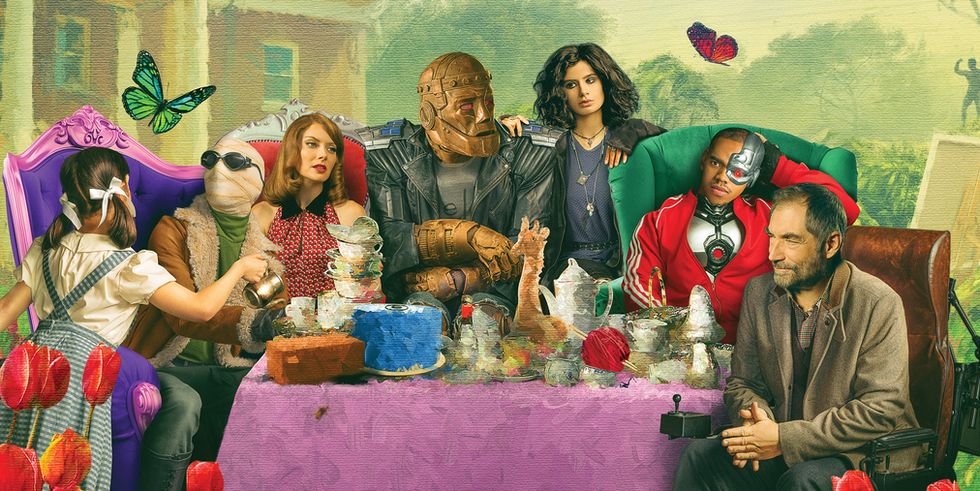
  • REVIEW: ‘Doom Patrol’ Remains Consistently Zany in Season 3

    REVIEW: ‘Doom Patrol’ Remains Consistently Zany in Season 3

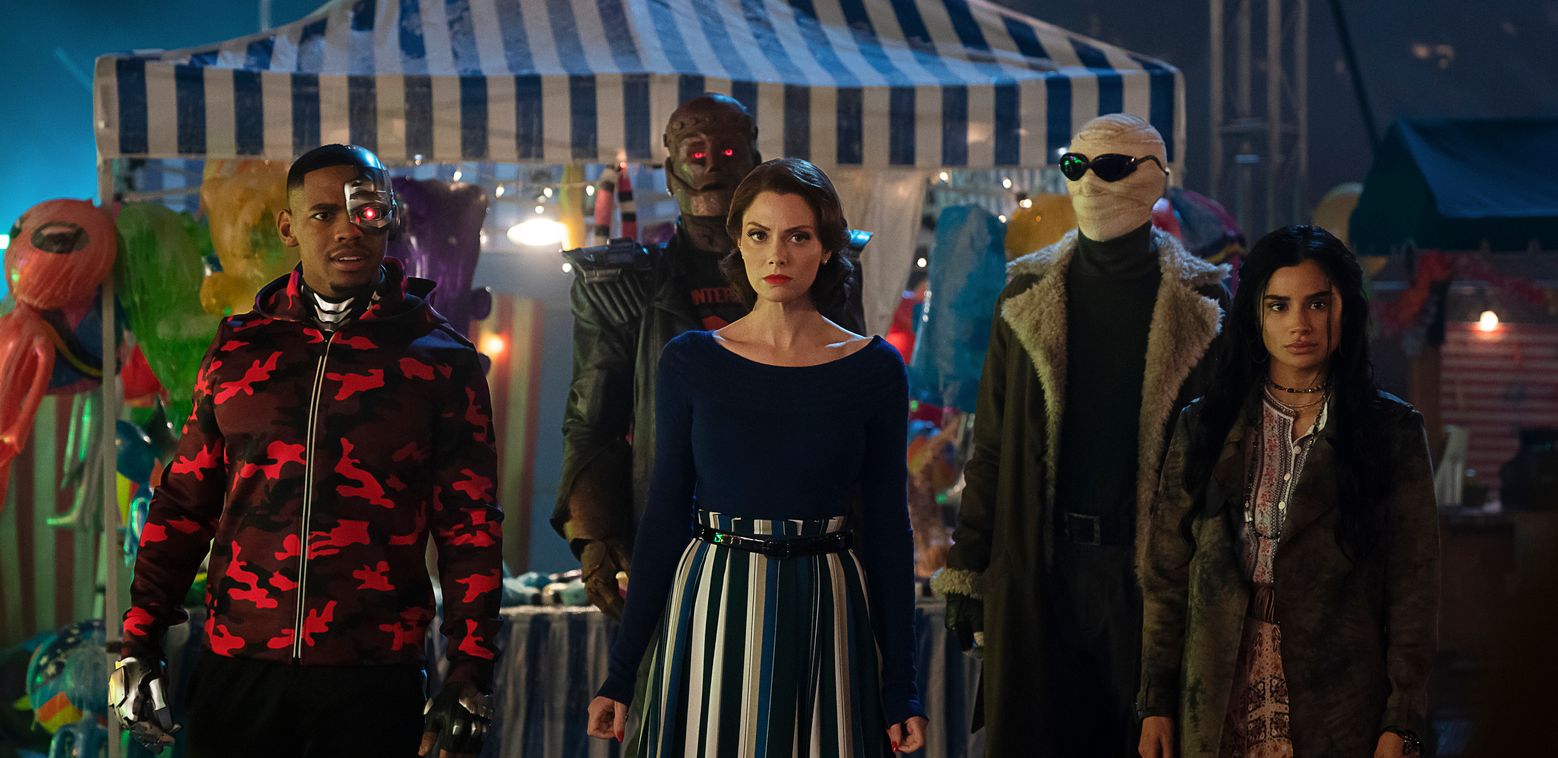
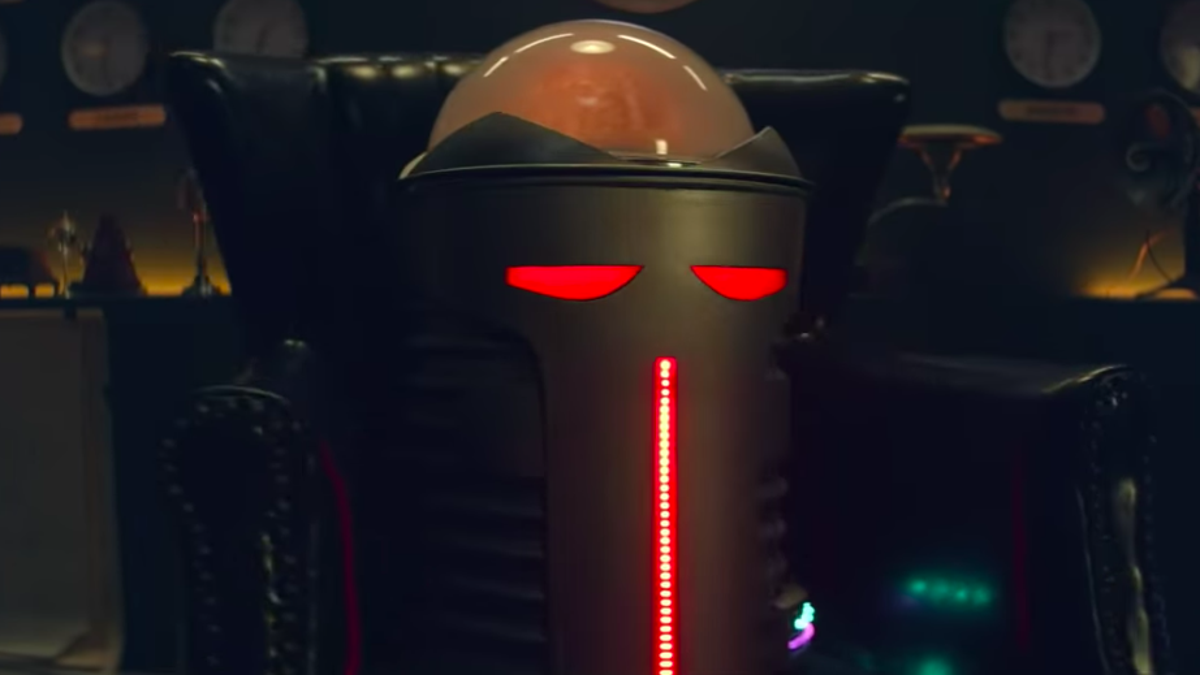
    Doom Patrol manages to be one of the most unique and eccentric comic book television series around. More impressively, it manages to somehow be the least and most grounded series given its ability to present constant off-the-wall supernatural stories, as well as give its characters meaningful and intimate development. Season 3 stays the course and promises to keep the series’ signature zany spirit and hard spotlight on the characters’ continuing inner journeys.

    When is Doom Patrol Season 3 dropping on HBO Max, and what's it all about?  - Android Authority

    What Season 3 of Doom Patrol might not offer – based on the first half of the season – is something sensationally different than what we’ve seen before. To be fair, how “different” can a show that embodies outlandishness actually end up being by the previous seasons? The answer might lie with the hidden foundational and conventional aspects of the show – the series is noticeably short of strong adversarial characters. Season 1’s Mr. Nobody is still the show’s gold standard, and no character or entity has risen to that villainous level since. 

    The fairly sporadic consistency and intensity of Doom Patrol’s villains tend to make the show feel like it hasn’t moved much over the course of multiple seasons. If the first five episodes of Season 3 are representative of the rest, the main team’s status as decidedly not the “Doom Patrol” may not be adjusted. But there are plenty of kernels of heroic ambitions, curiosities, and what it means to be a hero to think that this gaggle of superhumans could, eventually, be a super team. These bits and scraps have existed all along, though, but maybe two to three years in the title of the series could have a more direct meaning. 

    Doom Patrol's trippy Season 3 teaser at HBO Max

    Some of the overarching plotlines from the first two seasons that felt weighty and more of a burden are mostly alleviated, though what haunted the team from the very beginning seems unwilling to let go. Perhaps that very haunting is the glue they need right now. Season 3 is a masterclass in forming individual unique episodes with absolutely and delightfully absurd micro-stories. This time around, the miniature adventures, while still feeling thematically removed from one another, fit better as puzzle pieces to the overall picture that is slowly coming to life. Episodes 2, 3, and 4 in particular are absolute gems as individual episodes a well as chapters of the same short story, and they are fun beyond expectation. 

    In any event, Doom Patrol is still doing what it arguably and sometimes surprisingly does best – its characters. Diane Guerrero is still an absolute powerhouse as “Crazy Jane” and while much of her story seemed to be tying itself to a close at the end of Season 2, the series’ most intricate and interesting character has plenty of additional journeys up her sleeve. Matt Bomer as Larry promises to keep being an anchor of tragedy and charm, but the character that truly steps into the spotlight this season is April Bowlby’s Rita. If any character has the ability to move the group—and plot—forward in a major way it surprisingly seems to be her. 

    Doom Patrol First Season 3 HBO Max Trailer: Your Brain on Drugs

    Overall, Season 3 certainly understands its own assignment and admirably seems to refuse to sacrifice its bizarre and wonderfully unconventional style for anything else. Doom Patrol certainly has the ability to do so while simultaneously nailing the quality and depth of its characters’ stories. So, it undoubtedly has the potential to hit even more notes under the ever-present and ironic “Doom Patrol” label. Whether this season will see the group wind up in virtually the same enjoyable place they’ve been in since the beginning of the series or charge into genuinely new territory is still on the horizon yet to be seen.

  • REVIEW: ‘TITANS’ Season 3 Episode 8 – Home

    REVIEW: ‘TITANS’ Season 3 Episode 8 – Home

    The beginning of Season 3 Episode 8 of Titans might make you briefly reminisce about the first few minutes of Episode 1 of the season where the Titans were a successful team popular with the San Fransisco public. That was a decent concept at the time as they were finally an actual team. Now, though, they have a Titans Signal in Gotham after the fact that they just celebrated that they won the whole Gotham situation with one tiny fight, and any happy memory is pretty marred by the pretentiousness of it all now. The episode does deliver some likely unintentional irony by the end of the episode when it is the Titans who actually cause the ultimate problem the season has been leading up to. 

    I would love to skip over it, but the episode certainly did not and it’s a hard pass on the Conner-Komand’r romance arc. Superboy has the acknowledged essence of a very young and naive boy, while Blackfire is supposed to come across as a hardened, elitist, dominating badass. Neither really lands so it comes across as overly cringe and it’s not what Gotham deserves right now. Also on a Tamaranian note, Kory is once again back to having visions she can’t control and that whole deprivation chamber nonsense is coming to the rescue again. The show seems determined to never give the woman a fair shot at being much more than a confused person waking up in random places and sometimes shooting fire out of her hands. 

    The Red Hood plot has had yet another rapid-fire turnaround. Jason declares to Crane that he is done with him and is done being used. Did that not happen two episodes ago? Either way, the episode seemed to commit to making Scarecrow the true villain at this point. We get the scenes with his overly horrible mother, his increasingly angry rants, and his increasing violence (see: dead mother), which classically hint that the man is approaching his final evil form as this absolutely insane and puppet master mastermind. Crane definitely makes you uncomfortable, but the character is still portrayed as entirely too casual to be particularly threatening or even plausibly pulling such intricate strings. 

    Episode 8 does deliver some good news by making it clear Titans will continue throwing a growing number of Robins at every problem, causing intra- and inter-Robin problems, which makes the original problem much worse. Dick is very harsh at times with Jason, telling Barbara for example that he essentially plans to execute Jason when he gets the chance. Later, he offers Jason a chance to come home if he gives up Crane—I assumed he was bluffing, but he apparently means it and the real kicker is that many of the Titans now absolutely hate Jason and would, I guess, prefer Dick kill him. 

    Jason seems repentant once he is cut off from the anti-fear gas, which is emphasized by the creepy scene where he goes to role-play apologizing to Hank and Dawn to exhibitionist sex workers. So while Jason is struggling with his actions stemming from his downfall from Robin to Red Hood, Dick (after being hit by a car) is now having visions reflecting his struggles with his Robin to Nightwing journey.

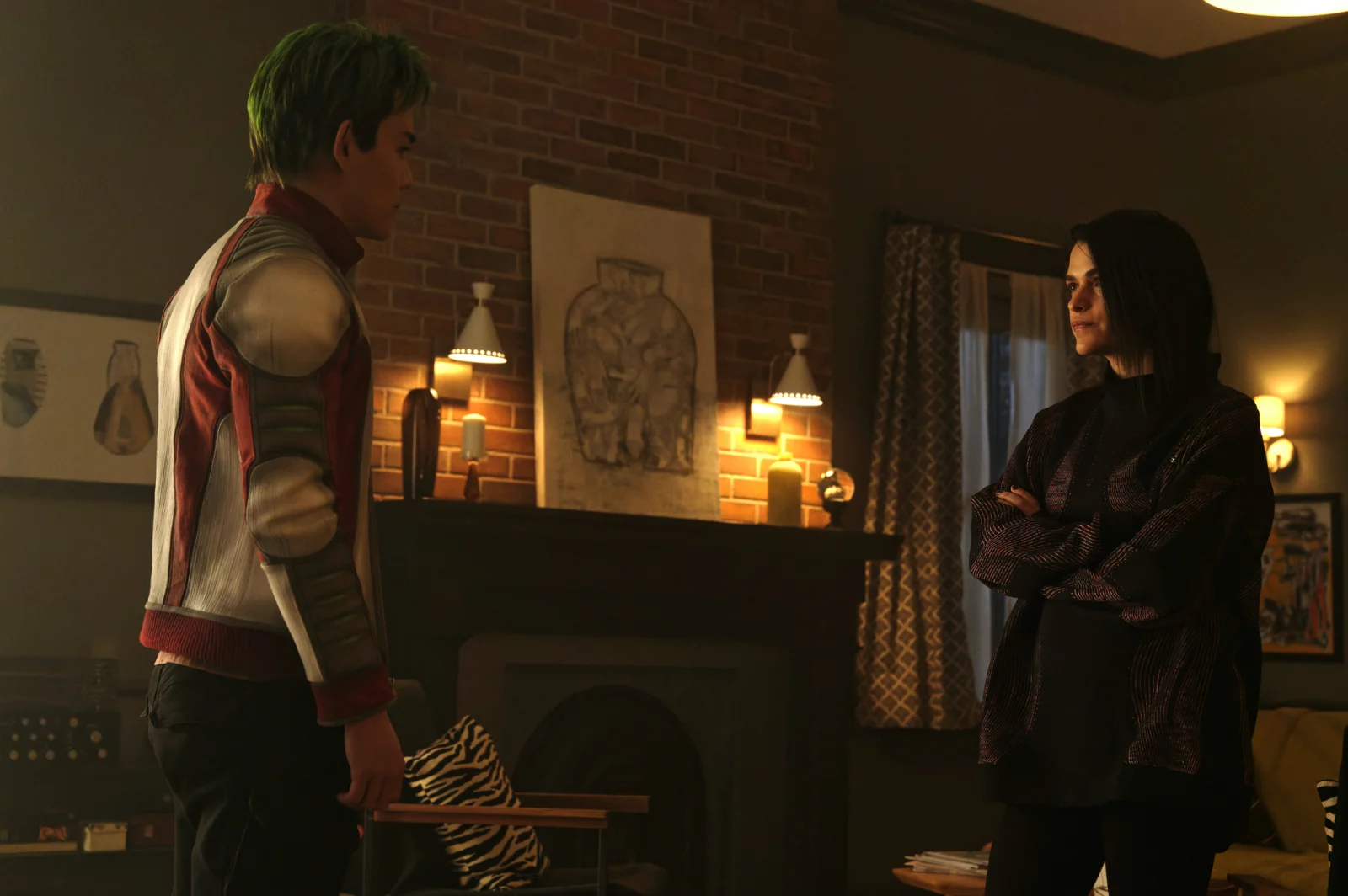
    Enter Tim Drake. Honestly, he’s sweet, he’s likable, and he just wants to help. Unfortunately, he also wants to be the next Robin and there is absolutely no indication that he will not get to be that in the near future considering Titans. While he will probably get to be the next sacrificial lamb for everyone to say, “Wow, the Robins really are problematic!”, at the moment he sparks a glimmer of joy. Does he get (presumably) fatally shot at the end of the episode? Sure. But there’s always Episode 9. 

    To be fair, Episode 8 ends with a major Scarecrow victory as all of Gotham City’s water supply is dosed with the chemical. While this plan, like much of the Gotham lore this season, is unoriginal and stale, it did finally come to fruition. Maybe the Titans will be kicked into more action and at a quicker pace as a result. Maybe the interpersonal relationships—between the Titans or Dick and Barbara or everyone and Jason—will be put to the test and come out with more complex understandings of themselves. But then again, there are still a considerable 5 more episodes left to stretch it all out.

  • Lauren Ridloff On Makkari’s MCU Reinvention for ‘ETERNALS’

    Lauren Ridloff On Makkari’s MCU Reinvention for ‘ETERNALS’

    Marvel Studios’ upcoming Eternals looks like it will stand out from the bulk of the MCU for numerous reasons. In particular, the diversity of the film’s cast and its inclusion of underrepresented groups in superhero roles is undeniably a major move for the franchise. Actress Lauren Ridloff will make her debut as Makkari, the speedster of the Eternals, and the MCU’s first deaf superhero.

    In the comics, Makkari is a very different character— a large blonde hearing man. When asked by the New York Times why Eternals took such a different route with the character, Ridloff had this to say:

    To be honest, I don’t know much about how they made that decision. But I love that they decided to make Makkari everything he’s not in the comic books — he’s a huge guy, let’s find someone tiny. He’s blond, let’s find someone who has Black hair. He’s a man, let’s go with a woman. He’s hearing, and now the character’s deaf.

    Lauren Ridloff

    Ridloff also noted that she feels the pressure and stress that comes with the expectation for her to pave the way for future deaf actors. Asked what she hopes people will take away from Eternals, she responded:

    Growing up, I didn’t dream about becoming an actor. I didn’t see myself on the screen. As a little girl, I thought I was one of only a few deaf people walking on this Earth. Now, as an adult, I’m aware there are at least 466 million deaf people and hard-of-hearing people out there. I’m not the only one. And that’s what it means to have a deaf superhero — a lot more people will see a lot more possibility.

    Lauren Ridloff

    Notably, the MCU is already set to introduce deaf actress Alaqua Cox as Maya Lopez/Echo in the upcoming Hawkeye and Echo Disney+ series and even has plans to explore Clint Barton’s AKA Hawkeye’s comic book history of deafness in the former. Marvel Studios’ vital moves to increase and highlight the diversity of its characters in Phase 4 will certainly be featured in Eternals, and Ridloff is no doubt ready to inspire a new generation of superheroes and superhero fans. 

    Source: The New York Times

  • REVIEW: ‘What If… Killmonger Rescued Tony Stark?’ – Episode 6

    REVIEW: ‘What If… Killmonger Rescued Tony Stark?’ – Episode 6

    What If… Killmonger Rescued Tony Stark? takes advantage of its freedom and the flexibility of the series to focus almost exclusively on upgrading an existing supervillain. It pairs with the Doctor Strange episode in terms of establishing a singular powerful villain as the overarching goal. The episode returns to previous What If… ? form by heavily tracking sacred timeline stories, though with dramatic alterations here. It’s an obvious mash-up of Iron Man and Black Panther, with hints of Iron Man 2, Avengers: Age of Ultron, and even a touch of Avengers: Infinity War—as a result, Episode 6 truly emphasizes how interconnected the existing MCU is in ways not obvious from the films alone.

    Michael B. Jordan continues his iconic and powerful role as Erik Stevens AKA Killmonger, and the episode gives the role proper respect and recognizes his overall merit as a character. He is eight steps ahead of virtually everyone he encounters and completely dominates the entire plotline with hardly any difficulty. He continues a trend in the series of eliminating major characters and superheroes from the main MCU—in this case, Killmonger swiftly takes out Tony Stark, T’Challa, and James Rhodes. 

    Overall, though, Episode 6 falls flat. While it definitely explores more of Killmonger, it comes across as a kind of standard remix to our known universe’s plot without much more depth or even a solid grasp on what Killmonger’s bigger picture might be. His motivations—which are one of the strongest aspects of the character and what, along with Jordan’s portrayal with them, makes him as interesting as he is—are noted more heavily towards the end of the episode, but they are glossed over compared to their treatment in Black Panther. While Killmonger is given his due as a powerful character, it a fairly surface-level take on him.

    The episode hones in on the general premise that one small change in a hero’s story can dramatically change the course of everything we know to be true. As our friend the Watcher reminds us, heroes are made, not born. If they miss their opportunity to “make” themselves, they merely become pawns in someone else’s story. Killmonger rescuing Stark—as a Navy Seal involved in an undercover operation with the Ten Rings—is all the grease Killmonger needs to succeed where he failed in Black Panther. Apparently, he already had plans for a weaponized automated drone called the Liberator, and Stark’s technology and help seals the deal to create these machines in contrast to the Iron Man suit. 

    In terms of performances, the voice acting in this episode is solid across the board. Michael B. Jordan is unmistakably great. Don Cheadle is quality, and Jon Favreau is very true to Happy. Andy Serkis is absolutely phenomenal and honestly gives one of the best performances of the series to date. Chadwick Boseman’s talent goes without saying. Mick McGill is decent as Tony Stark—the writing and his performance definitely capture the character well, but it’s near impossible to not stand out as not being Robert Downey Jr. in that role.

    Episode 6 also continues a growing trend in the series of ending on a very obvious cliffhanger and/or generally being an unfinished story. Earlier episodes always left the door cracked for future implications, but this episode and the immediately preceding zombie episode very much leave the door wide open for their respective stories to continue. It certainly implies that What If… ? is building to something bigger and something that likely involves interconnecting episodes.  

    Even so, the Watcher—who certainly acts as a connector—does not involve himself whatsoever, leaving the Doctor Strange episode as the sole exception to his general narrator-only role. He does, however, look noticeably unhappy and disturbed as a giant head in the sky at one point. While Killmonger certainly rules the day in this episode as he makes his way to become the Black Panther, the Watcher does cue that heroes—specifically our classic heroes—never die as they live on in those they inspire. Perhaps we will get to see later in this season or further down the line what Shuri and Pepper have to offer against Killmonger in this universe.

  • ‘WHAT IF…?’: Christine’s Death Was a ‘LOKI’ Nexus Point in the Doctor Strange Episode

    ‘WHAT IF…?’: Christine’s Death Was a ‘LOKI’ Nexus Point in the Doctor Strange Episode

    The fourth episode of What If…? explored the dark and tragic story of what would have happened to Doctor Strange if, instead of losing his hands in his car accident, he lost his love, Christine Palmer, instead. The episode was well-received for several reasons including its emotional depth. But the episode was also crucial in introducing more lore around potential multiversal connections and how variations in timelines work.

    The MCU Makes Rachel McAdams' Doctor Strange Snub Even Worse

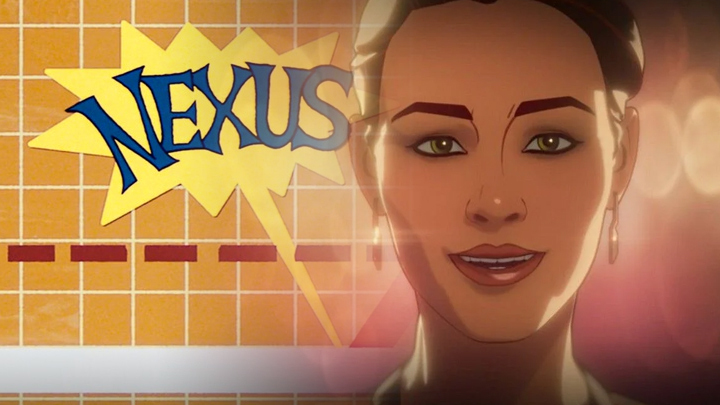
    Obviously, we first got a taste of this in the Loki series when we got introduced to the so-called Nexus Events that marked the beginning of a new timeline. In the Doctor Strange episode, the Ancient One tells him that Christine’s death was an “absolute point” in time that needed to happen in order for him to start on his journey. Changing it through magic he only gained as a result of this incident leads to a paradox. Well, What If…?‘s head writer, AC Bradley, clarified in an interview that:

    I should have called it a Nexus point instead of an absolute point, but the Loki scripts weren’t even written yet.

    AC Bradley

    Considering the What If…? episode script was apparently written in February 2019, it makes sense that all of the future multiversal languages that the MCU ended up using would not have been universally used in other projects so far out. But the confirmation that Christine’s death was a Nexus Point connects the franchise with Loki and the event that created the multiverse. We’re currently exploring the aftermath of that very moment. It also gives us our first look at a Nexus Point occurring in one of the many timelines and how exactly it works. As Doctor Strange can tell you, it’s not all that easy or safe to find a loophole around one.

    Source: YouTube

  • REVIEW: ‘TITANS’ Season 3 Episode 7 – 51%

    REVIEW: ‘TITANS’ Season 3 Episode 7 – 51%

    After Jason’s joyride with the anti-fear gas, Gotham City is one again in about the same amount of peril it always is, and the chemical caused regular people to turn violent and murder people. Yet, after the dramatic previous exchange between Jason and Crane, Jason simply teams back up with him and promptly gets poisoned and essentially kidnapped. We learn that Crane/Scarecrow’s plan, as described to the 5 Families, is to dose the entire city to both set everyone “free” and put everyone under his and the mob’s control. Let’s be clear, though, that makes absolutely no sense. 

    The show is still fumbling with the Scarecrow/Red Hood villain situation so much that not even a single move by Jason last episode stuck. Presumably, Crane is now supposed to be the Big Bad, which is a general letdown considering Scarecrow is a somewhat tired character and exists within constant references to Batman. Plus, he’s just not menacing or threatening enough to be overly interesting. Red Hood seems to be effectively sidelined for now—knowing the show, he might likely get a redemption arc he doesn’t earn, but either way at this point it seems like a general waste of Red Hood as a villain.

    Dick and Barbara have even more time this episode to dramatically discuss the ethics of vigilante justice and heroism. This time, we get a very brief introduction and use of Oracle the supercomputer, stored in Gotham PD, that essentially can track anything and anyone using illegal methods. How characters in a show heavily centered around not-particularly-legal methods of fighting wrongdoing can all of a sudden face a moral dilemma by using a computer that can listen to private conversations is beyond me. And yet, the whole situation is nuked almost immediately because Crane casually hacked in to the system. But Dick and Barb also have a strange moment where they seem to blame themselves as a duo for Crane’s escape (when it was 100% Dick’s doing) and decide, “We’ll put him back in…together.” Yikes. They both give themselves way too much credit for what is going on around them and at times completely unaffected by it either, other than several forced lines to the the contrary. There are more express references to Dick being like Batman and aiming to “be a better Batman” this time around. I’m patiently awaiting any kind of payoff there. 

    Somewhere along the way, in what could have been the most effective action taken by anyone this entire season, Kory and Komand’r go to a mob boss to get information on where Crane is and ultimately just kill two people for nothing. First of all, Blackfire still has absolutely no business being around at all. We get very forced lines on the whole Komand’r killed their parents thing, which is presumably meant to redeem her now. It’s very frustrating how unnecessary and shallow it all is. Neither seems concerned or upset at all that their parents were violently killed, but yet that is supposed to drive their relationship at this point. Blackfire’s emphatic “excuse” just diminishes her capacity to be a more bad ass threat at any point which is a bummer. To this day, I cannot pin down Kory’s character or personality. It’s fair to say that Blackfire has, you know, none. But Starfire is some sort of mixture of stern and serious but charming and better-than-thou, and almost motherly and nurturing. It’s very confusingly portrayed and doesn’t match with her backstory or even appropriately place her in the general context of the Titans. 

    One quick obligatory mention that Gar, with little to no screen time, is still the best character. He has a genuine emotional core that none of the other characters can claim. He also is arguably the best martial artist of the group for some wildly unknown reason other than the lack of willingness to devote more visual effects to him. While everyone is celebrating later, Gar is out there still trying to help Jason. 

    Finally, Titans presents to you: The Battle of Gotham. Clearly it’s all for show considering this is Episode 7 of 13. The ultimate war/battle was announced for that very night at the beginning of the episode. That’s a bit suspect. But maybe the plot will move on quicker? (It won’t). What we do get is a suited-up Titans team ready to take on some bad guys in an ice cream factory. Unfortunately, Blackfire is now just a full-on member? That’s difficult to deal with. But, they do some fighting. They are extremely non-dynamic and the action generally consists of one character doing something pretty slowly while the others stand around. If you need an example, watch…all of it. Still, Gar really stepped up without, for the most part, powers of any kind. Give this kid some limelight. 

    So, after doing very little, Crane ran away and the Titans literally celebrated their total victory over the situation. It’s a struggle to see that as some sort of reward for the first seven episodes of unclear plot and villains and, sometimes, point. But no worries, Dick and Barbara share a romantic moment, confirming that they will fully cycle through the history that keeps bringing them all down. Next time, let’s enjoy some Snowy Cones Ice Cream while we (probably) keep watching them make bad decisions.

  • REVIEW: ‘What If… Zombies!? – Episode 5

    REVIEW: ‘What If… Zombies!? – Episode 5

    If there’s any pattern to the rollout of each episode of What If…?, it seems to be that each episode is getting more and more removed from the original source material and more willing to push the limits of what themes and concepts the MCU is willing to explore. Episode 5, What If… Zombies!?, is the most outlandish the series has given us so far, and it was also an extremely fun ride.

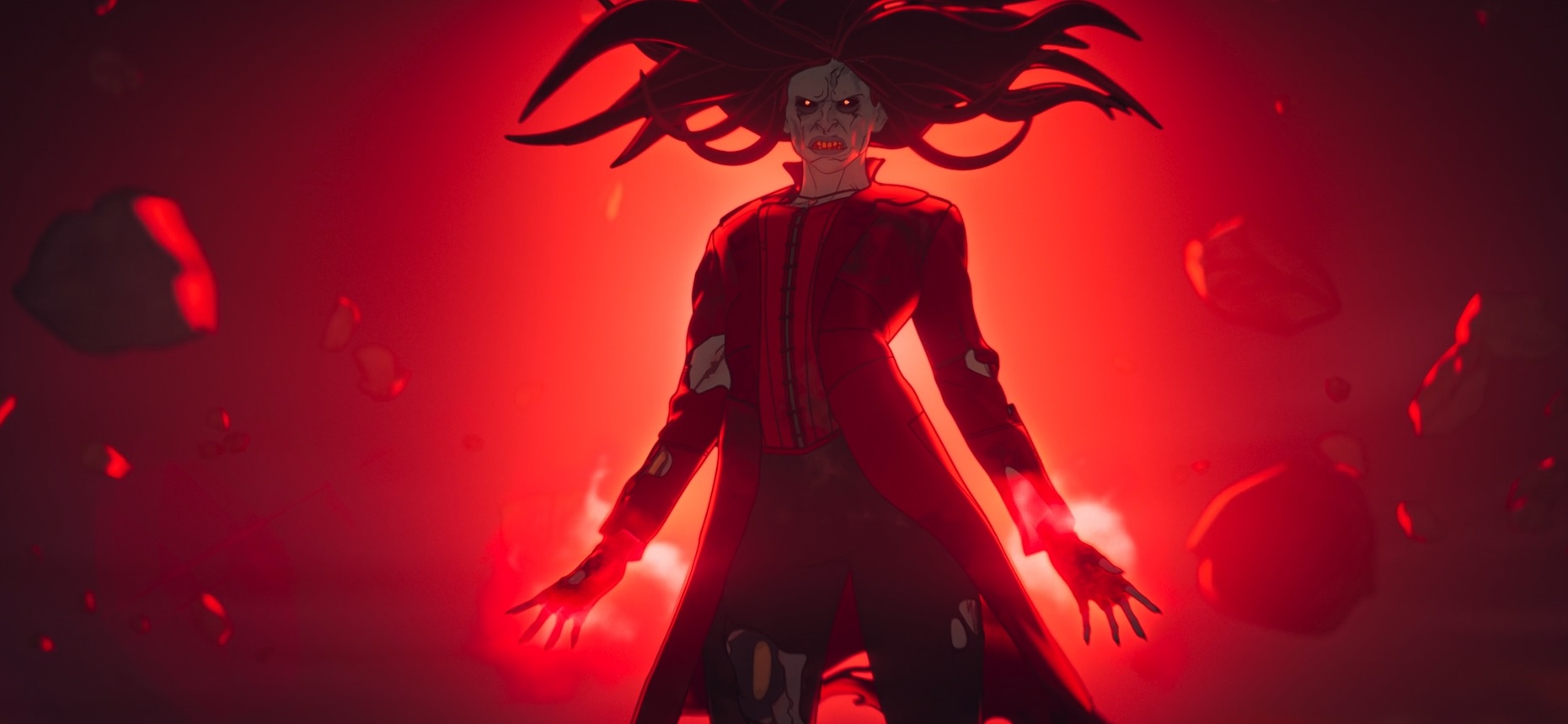
    First, this episode is very loosely tied to the events of Avengers: Infinity War due to the starting point being Bruce Banner’s return to Earth that we see at the beginning of that movie. From there, we learn that essentially the entirety of Earth is infected with a brain virus that turns anyone infected into a zombie. This includes the original Avengers lineup, marking the second episode where they simply do away with the original six. 

    This episode, similar to the previous Doctor Strange episode, goes far beyond the plot of the source material to bring an entirely new story to the table. The result is an amusing mixture of reference after reference from previous films. Of the numerous examples: one of Sharon Carter’s skills was “Eulogies”, Bucky with the good hair found the “end of the line” with pal zombie Steve, the virus was contracted by Janet van Dyne in the Quantum Realm based on the events of Ant-Man and the Wasp, Kurt’s concern with Baba Yaga, Happy’s insecurities about his chauffeur profession, the New Jersey facility is visited once again, and Vision and Wanda’s romance ultimately leads to Vision’s iconic death.

    The true stars of the episode are, of course, the remaining Avengers. The episode gives lip service to more of these “smaller” characters such as Hope, Bucky, Okoye, Sharon, and even Happy Hogan and Kurt from Ant-Man. The honest lead was Hudson Thames’ dominant performance as Peter Parker, who seemingly takes on a greater leadership role after the infection. While logically he is not any older than he was in Infinity War, he seems more mature in a lot of ways, including acknowledging his grief over all of those he has lost—including previously unmentioned in the MCU Uncle Ben. Chadwick Boseman’s T’Challa also makes an appearance in this episode and Boseman’s performance is unsurprisingly extremely well executed. His character’s quotes about death also hit hard. 

    Episode 5 is undoubtedly a horror and apocalyptic episode genre-wise. It certainly has been the most violent, gruesome (toned down for a more wholesome audience), and dark episode graphically. There were plenty of decapitations and severely violent deaths of well-known characters to go around. All credit to the show for making the jump into this sort of territory—the major cliffhanger of zombie Thanos certainly sets up our zombie universe to play a significant role down the line in the series if not beyond. It is also yet to be seen if our remaining heroes—Peter, Scott, and T’Challa—actually get the cure into action.

    Still, the episode was genuinely funny. Between Peter’s “How to Survive the Zombie Apocalypse” video, the banter between the characters, Scott Lang’s head in a jar, and Mark Ruffalo’s Bruce’s commentary at the beginning of the episode—among plenty more examples—the zombie episode was at times hilarious and generally delightful with the combination of both legitimate horror and legitimate comedy. 

    Episode 5 of What If…? is heavily suggesting that the series is picking up steam and more unique and boundary-pushing episodes are coming. We’re also at a point where the potential universes for live-action use are expanding so dramatically that the possibilities seem endless and also perhaps overwhelming, particularly for Doctor Strange in the Multiverse of Madness. Either way, the long-awaited zombie episode was truly a lovely experience and wildly fun. 

  • EXCLUSIVE: ‘SHANG-CHI’ Producer On That Trevor Slattery Comeback

    EXCLUSIVE: ‘SHANG-CHI’ Producer On That Trevor Slattery Comeback

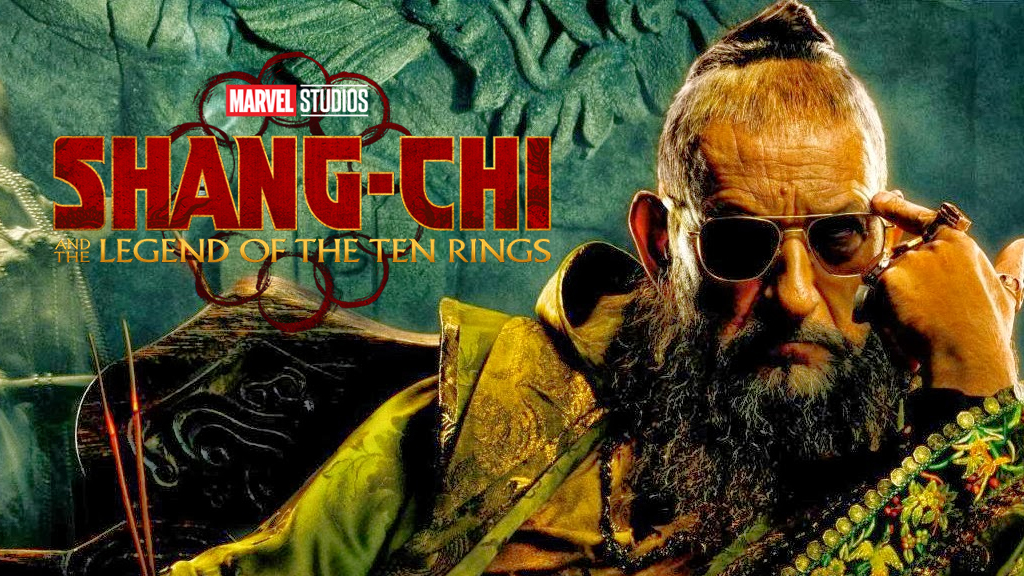
    Wherever you’ve landed on the Iron Man 3 villain twist that saw the menacing and powerful “Mandarin” turn out to be an eccentric and incredibly goofy actor named Trevor Slattery, one thing was never in doubt: Ben Kingsley’s portrayal of Slattery was an absolute gem. Given the popularity of Kingsley’s Slattery, the character’s counterfeit connection to the Ten Rings, and the recent marketing of his All Hail the King one-shot on Disney+, fans were overjoyed to see Trevor Slattery return to the Marvel Studios big screen in Shang-Chi as the same lovable, strange, and hilarious character we met back in 2013.

    Fans weren’t the only ones happy about Kingsley’s return. When asked about the actor’s comeback, Shang-Chi Producer Johnathon Schwartz had this to say:

    “We love having him back. He’s an amazing actor, he’s an amazing presence. And he was just sort of a cool, funny, unique character who just fit organically in the story we were trying to tell. We always sort of wanted to bring him back and bring him back in maybe a bigger role than maybe people initially imagined he might be…I think was very exciting.”

    Kingsley’s triumphant return to the MCU highlights Marvel Studios’ ability and potential to tell long-running stories with characters from extremely different properties and time periods. The fact that Shang-Chi was able to pull off Trevor Slattery’s reintroduction with such ease and joy is a fine tribute to Marvel’s attention to detail, as well as its love and appreciation for all of its work both past and present.

  • How ‘SHANG-CHI’ Reinvented the MCU Origin Story

    How ‘SHANG-CHI’ Reinvented the MCU Origin Story

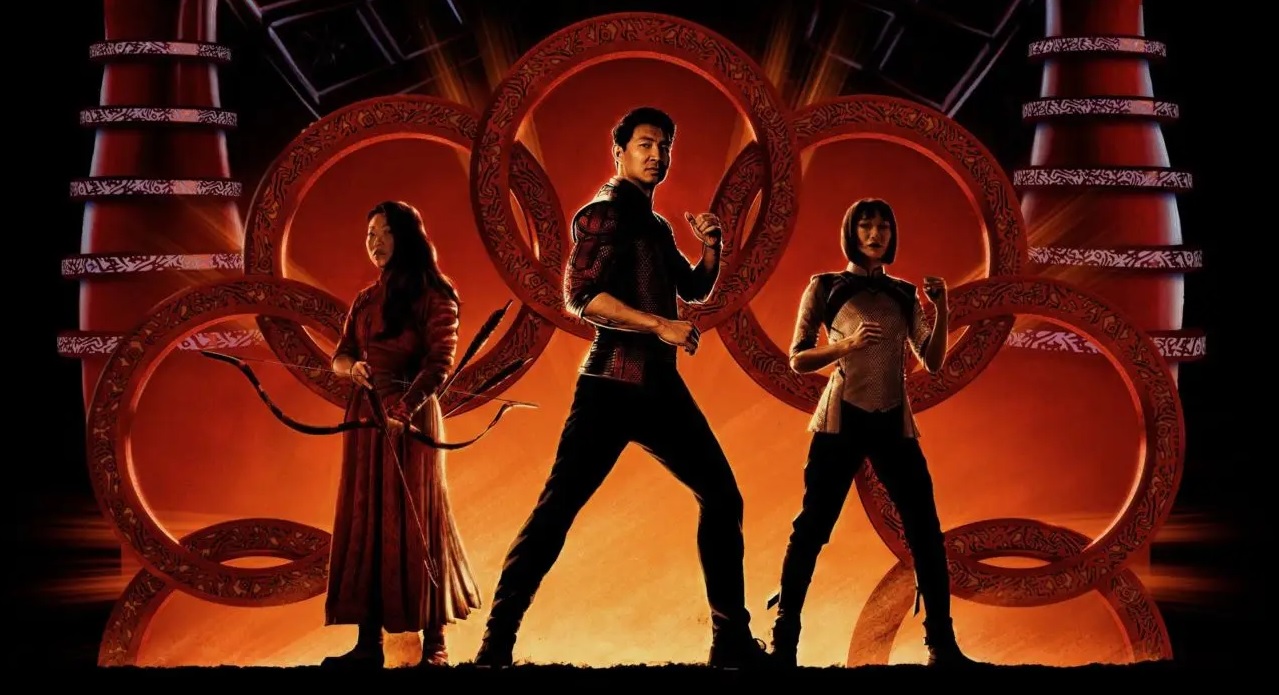
    With the introduction of Shang-Chi and the Legend of the Ten Rings’ titular character, now is a good time to explore the way that the MCU has been gradually replacing the classic superhero origin story historically used for the film introduction of all-new superheroes. Shang-Chi was a triumphant departure from this device, but it is hardly the first time the MCU has experimented with it. With Phase 4 ramping up, it is becoming more and more clear that Marvel plans to update its creative vision to give us new characters that aren’t weighed down by what often felt like obligatory narratives all cut from the same cloth.

    Because scrapping traditional origin plot lines will give any film more room to run, what Marvel has in store for us and its characters in the future will surely be marked by even more innovative, vibrant, and accelerated storytelling that opens the door for stronger MCU-wide connections between properties.

    The proverbial hero’s journey has pervaded nearly every film in the superhero genre at large—no studio, no property, no character was immune from this model of storytelling. In the very simplest of terms, the common template of the hero’s journey sees the ordinary protagonist receive a call to adventure, experience fear or uncertainty, meet a mentor, cross the threshold to embrace this new adventure, go through trials or challenges and reach rock bottom before utilizing the lessons learned along the way to transform into a better version of themselves.

    Giving credit where credit is due, the hero’s journey template is a tried and true storytelling technique, which is obvious from the fact that superhero movies have been genuinely loved for decades. The problem rears its head when a large number of films of the superhero genre start to saturate the movie landscape and the origins start to feel like they simply repeat themselves over and over again.

    Shang-Chi just represented a different way to approach a character’s introduction. Instead of being an ordinary guy who has to discover, learn, and conquer what it is that makes him “super”, Shang-Chi is already established. While he is brought back into Wenwu’s Ten Rings empire, his backstory is generally accepted to be just that—his backstory. While flashbacks were heavily influential as to weaving enough history in as to complement and supplement the ongoing surface story, the real narrative was of an already expertly trained martial artist drawn back into the family he escaped.

    The result is a film that doesn’t merely explore, “Who is Shang-Chi and why is he Shang-Chi?” but instead a story that was just as much an epic of the legacies of his parents as it was his journey to find himself within that stage. If anything, the film shifted its focus away from its titular character more than expected. So, overall, instead of another hero’s journey, we ended up with a multi-level mythical action flick that incidentally added another leading superhero to our repertoire.

    While it is a masterful example, Shang-Chi is by no means the first MCU film to experiment with how to introduce new characters without the classic narrative constraints. It arguably started with Spider-Man: Homecoming, and it has not let up much since. Homecoming, Black Panther, Captain Marveland of course, Shang-Chi have all had the privilege of telling their titular character’s story in a more inventive way. Homecoming itself is a useful illustration that highlights two major ways that the MCU is reconfiguring the origin story model.

    First, giving the character a soft introduction in Captain America: Civil War bypassed a lot of the forced introductory periods in origin movies. In Homecoming, it was pretty remarkable that we had a Spider-Man movie without the very well-known spider bite and Uncle Ben origin. At the time, it was a refreshing break from the seemingly constant resting and retelling of the character, and it gave Peter a leg up in terms of how expansive the solo story could be. The character of T’Challa and Black Panther also benefitted from the Civil War school of fun-size introductions of major, major players. Instead of Black Panther needing to use up time to explain Wakanda and the concept of the Black Panther, the film was eager to virtually start from any place it chose.

    Like Shang-ChiBlack Panther was able to weave a story far more complex and expansive, spiritual, familial, and cultural than one that would have only focused T’Challa and his beginnings. The new Disney+ series are clearly also using the platform to lay enough foundation for the characters before they introduce or re-introduce them into the film slate. Who could argue that the upcoming Captain America 4 won’t dramatically benefit from having already watched Sam’s journey to wearing the stars and stripe in The Falcon and the Winter Soldier? Or that Kang’s (re)introduction in Ant-Man and the Wasp: Quantumania won’t be so much more anticipated and meaningful?

    The second way that Marvel is reinvigorating the origin story is by taking advantage of the extensive universe of characters and concepts that it has now spent well over a decade building. Allowing new characters to immediately build off of existing characters or existing but unexplored story arcs is a gamechanger. That luxury is obvious in all of the big “team up” films including the entire Avengers collection and Civil War, but it also plays a subtler role in bolstering the backstory and available stories of new characters. Not only that—while not as flashy as the final “Avengers Assemble” moment in Endgame—this strategy applied to origin characters can strike efficiently and relatively unnoticed, so that a smooth “nontraditional” solo film can come to life.

    Though not without criticism, Spider-Man’s close relationship to Iron Man in Homecoming no doubt provided a more detailed and creative story for the young web-slinger that we haven’t quite seen over the course of the constant Spider-Man film release since 2002. Captain Marvel clearly benefitted from creating a lasting connection with the foundational MCU character, Nicky Fury. Shang-Chi placed itself within the pre-existing Ten Rings backdrop and also used Doctor Strange’s Wong to tie the film to the greater film universe. These movies were able to bypass the tempting template they had at thier disposal for a superhero origin film, and they were able to feel either somewhat like an origin’s sequel or an extended back-half of a “traditional” origin film, filled with more plot substance and action. 

    With the ability to create so many crossovers and connections throughout any movie, there also comes pressure to not fracture the well-woven existing MCU by producing classic origin films that feel isolated from everything else that MCU moviegoers are exited for. Some thought that Shang-Chi would be too unconnected from the MCU and wouldn’t be up to Phase 4 expectations. They were wrong on several levels. But, by soft introducing characters and utilizing the vast and vibrant connections already formed in the MCU, new characters can be more delicately and strategically placed within the existing universe and feel at home in it almost from the very beginnings of the character.

    The legacy of Shang-Chi and the Legend of the Ten MCU Origin Stories (this works, I counted) is the MCU’s evolution in terms of innovative and creative ways to approach superhero origin or introduction films. Overall, the result is a stronger and more cohesive universe, with new characters being delicately placed within it ready to go. The nature of superhero movies is evolving along with the MCU, and the MCU is never immune to the current and arguable over-saturation of superhero entertainment. The fact that Marvel Studios is choosing to be imaginative and explore new ways of telling stories that have long found success being told in the same way is a good sign of the new characters and their solo films to come. Right now, we can all enjoy the studio’s spectacular work on Shang-Chi and the Legend of the Ten Rings.