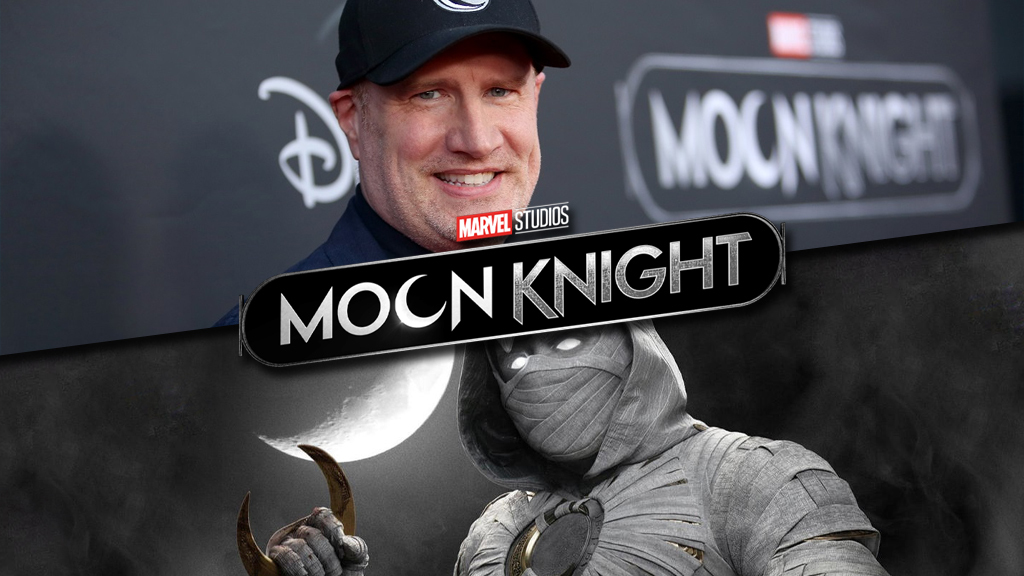
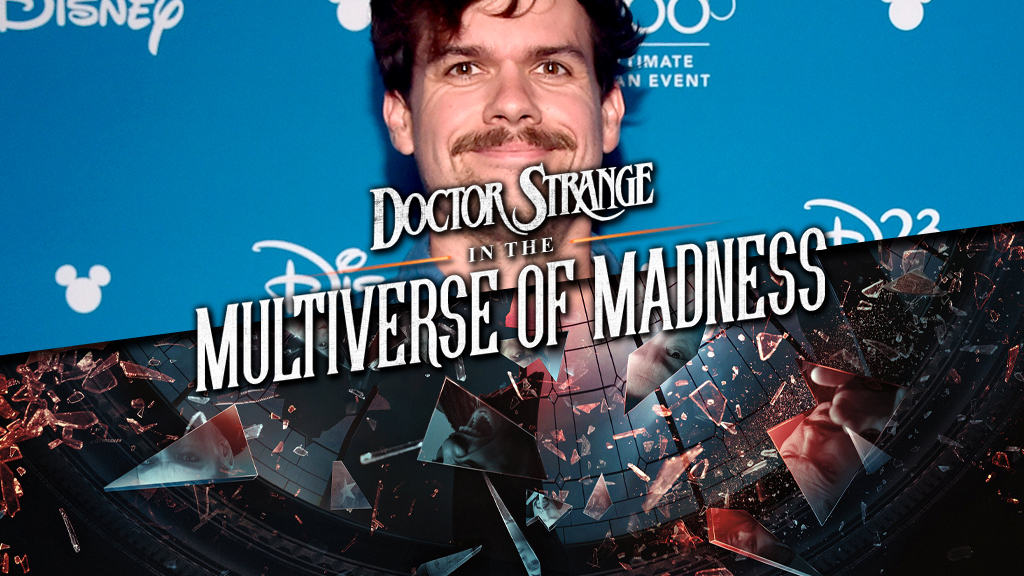
In a recent interview, Moon Knight head writer Jeremy Slater brought up how the series was pitched to Kevin Feige in order for Marvel Studios to green-light and produce the project. The writer discussed the challenges with the character often being compared to Batman and a lack of originality that may come from producing a series like Moon Knight if done inadequately.
That’s always been a little bit of a Moon Knight problem is, in the wrong hands, he’s just a sort of Batman clone with a pallet swap and Batman’s got an 80-year head start on us. It’s very easy to do something that would just feel super derivative.
Jeremy Slater
With that in mind, it was certainly important for Jeremy Slater to track down what original elements would best thrive when developing this series. When discussing Moon Knight with other people working within Marvel Studios, they provided insight into what specific factors to focus on when Slater would pitch the project to Feige.
They gave us this and they’re like, ‘Look, he loves the mental health aspect. He loves the dissociative identity disorder and he’s really drawn to the Egyptology. He likes the Jeff Lemire run, the idea that you could be on the bus and look out the window and see an Egyptian god standing on the street corner.’ That was something Kevin [Feige] sort of identified early-on of like, ‘Okay, well, that’s interesting. That’s unique.’ That’s kind of all the information I had going in.
Jeremy Slater
All of the factors that were presented in the pitch were critical in making Moon Knight stand out as an original series. The influence of Jeff Lemire’s notable run with the character is very noticeable in the blend of the normal world with grandiose Egyptian mythology. As well, the series spending time in dealing with the Dissociative Identity Disorder of the protagonist helped prevent the show from being labeled as derivative of any Batman adaptations. Overall, it provides an insight into Marvel Studios’ focus into producing original stories within the field of the superhero genre.
Deadline is reporting that Lionsgate will be teaming up with Amazon Studios to produce a sequel to one of their most successful projects, A Simple Favor. Anna Kendrick and Blake Lively have been announced to return to the franchise, reprising their roles as Stephanie Smothers and Emily Nelson respectively. As well, respected film and television director Paul Feig is slated to return to helm the follow-up to his independent success with the first film. Jessica Sharzer is also returning to write the sequel’s screenplay in addition to serving as an executive producer for the film.
2018’s A Simple Favor has been one of Lionsgate’s most successful projects on both a commercial and critical level. The Anna Kendrick-led film turned in a decent-sized financial profit-earning over $97.5M at the box office while also holding an 84% certified fresh rating with Rotten Tomatoes. A Simple Favor is the story of Stephanie (Kendrick), a widower and single mother, who vlogs through the surprising investigation pertaining to the disappearance of her friend Emily (Lively).
Without getting into specific spoilers, the film left the door open for story opportunities for a hypothetical sequel. And now with the sequel becoming a reality and entering active development, fans of the independent darling will have the opportunity to potentially have some of the unresolved threads of the first film answered.
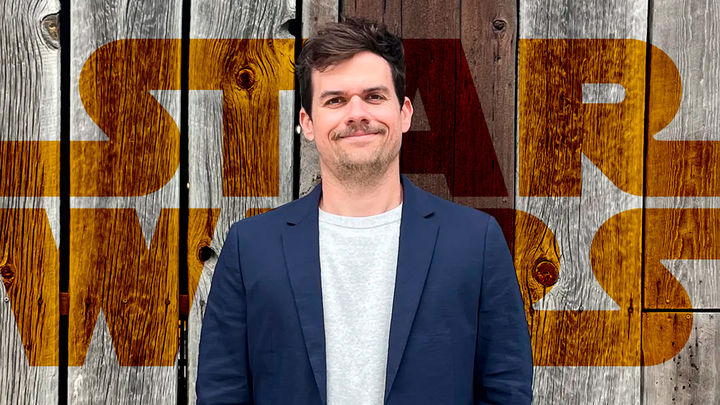
In an interview with Variety, Michael Waldron discussed what his future has in store in terms of his screenplays. The Doctor Strange 2 writer has been tapped to write a mysterious film in the Star Wars franchise produced by Marvel Studios’ Kevin Feige. Waldron briefly provided an update on the status of said Star Wars project.
We’re finally into it in earnest. I mean, I’m writing away. It’s a lot of fun. I’m enjoying having the freedom on that to do something that’s not necessarily a sequel or anything.
Michael Waldron
After having minimal updates on this secret project beyond its initial announcement over a year ago, it’s certainly an exciting development to know there is finally progress on this highly anticipated project. In the interview, Waldron further elaborates on the differences between working on projects for both Star Wars and the Marvel Cinematic Universe.
It just doesn’t have a bunch of TV shows and movies that you’re servicing on top of it, the way I did with “Doctor Strange.” So it’s nice. It feels like a different exercise.
Michael Waldron
The lack of a definitive, overarching connective tissue is definitely a big change in relation to being previously ensconced in the lore of the Marvel Cinematic Universe with Waldron’s previous two projects. As well, it provides many questions about where this project exists in the timeline of the Star Wars franchise.
Especially with Lucasfilm producing various projects in different eras of the timeline such as Andor, The Acolyte, and the Patty Jenkins directed Rogue Squadron film, there’ll be many questions as to where and when Kevin Feige and Michael Waldron will base their upcoming film. With the news of this film being in active development, many theories will begin to rise as to how the Marvel Studios stalwarts will influence the direction of a corner of the Star Wars universe.
One of the biggest surprises coming out of Doctor Strange in the Multiverse of Madness was the inclusion of John Krasinski portraying Reed Richards in the Illuminati. Having been one of the most popular fancasts for a number of years, Marvel Studios’ latest theatrical release gave audiences a brief tease of him and his flexible action. Naturally, the next question worth asking would be ‘Is Krasinski now set to portray Reed Richards in the upcoming Fantastic Four film?’
The Case For It
The most obvious case for Krasinski to be portraying Reed Richards in the upcoming Fantastic Four film is that we’ve now officially seen him play the role in a Marvel Studios-produced film. As opposed to before the release of Doctor Strange in the Multiverse of Madness, the idea of Krasinski playing the role is no longer simply a hypothetical based on online speculation. A factor that would lean towards this being more than a one-off cameo is Kevin Feige and company not leaning towards using an actor from a previous Marvel project in the role like the rest of the Illuminati members. Assuming one of them would’ve been available, it’s logical to think Marvel Studios would’ve made the call to one of the previous actors that portrayed Mister Fantastic in Miles Teller or especially Ioan Gruffudd.
As well, it certainly isn’t unprecedented for the Marvel Cinematic Universe to use a different film as a backdoor introduction for a future lead character. This method dates all the way back to the introduction of Scarlett Johansson’s Black Widow during the events of Iron Man 2 and was used to introduce some of the most popular characters in the MCU with Spider-Man and Black Panther in Captain America: Civil War. Having that be the way Reed Richards was officially introduced wouldn’t be completely out of the ordinary. And with that, using a multiversal Variant to introduce audiences to the character would be an interesting subversion of this MCU trope. It’d let Doctor Strange in the Multiverse of Madness serve as an introduction point for Mister Fantastic while letting whatever creative direction for the character is being planned remain unfettered by his portrayal in the May 2022 blockbuster. Hypothetically speaking, you could easily reintroduce Krasinski in any upcoming film as a normal Reed Richards and that would alert fans to the imminent arrival of the Marvel Studios’ take on the First Family.
And of course, the recent news about the end of the Krasinski-led Jack Ryan series after this upcoming season of production has further expedited conversations on if the actor will be playing Reed Richards. It’s definitely worth having the conversation with Krasinski in theory having what was previously a major part of his schedule cleared up.
The Case Against It
And yet, it can’t be said with 100% certainty that John Krasinski will have the time in his calendar to make a long-term commitment to the Marvel Cinematic Universe. Immediately production wraps on Jack Ryan’s fourth season, Krasinski will begin work on Imaginary Friends for Paramount Pictures. This is a film that he wrote, is directing, and will be co-starring in alongside Ryan Reynolds and Steve Carell (meaning a lot of his energy will be focused on this project). And following that, there remains A Quiet Place – Part III which would seemingly enter production not too far after Krasinki wraps on his previous film. While his involvement or role in the third film of this franchise isn’t announced, one would think that he would have at least some significant role in the production based on his large involvement in the previous two entries (alongside being the one to officially announce the film at CinemaCon this year). With rumors circulating of a potential 2023 production start date, this could certainly cause major scheduling issues for a potential involvement in the Fantastic Four film.
Additionally, the argument can be made that Doctor Strange in the Multiverse of Madness would’ve provided John Krasinski some slightly more substantial material while part of The Illuminati if the had future plans for him. If he was going to portray Reed Richards in the upcoming Fantastic Four film, one would think Marvel Studios and the team behind the film would give a more concrete characterization of Reed Richards in the film for audiences to latch onto beyond passing references to his lore. And while the argument of why him NOT being a previously used actor in a Marvel project makes him stand out from the rest of the Illuminati, him solely portraying the character in a one-off nod to the online community is certainly well within the realm of possibility as the rest of the team don’t seem like locks to return in meaningful roles anytime soon. On that subject, there’s not much merit in the idea that it’s a cut and dry case that John Krasinski is playing Reed Richards solely because he was used as a multiversal Variant. The same logic can be applied to Patrick Stewart’s role as a fellow Illuminati member. Is that supposed to serve as an indicator that he will be the main universe portrayal of Charles Xavier in the MCU? Absolutely not. The first season of Loki clearly established the idea that there can be different faces for different Variants.
The Verdict
While it may not be the most exciting answer, it’s too soon to make a declarative answer on whether or not John Krasinski is playing Reed Richards in the upcoming Fantastic Four film. And it will continue to be the case until we get some more conclusive evidence on what the actor-director’s schedule will look like in the future (namely how involved he is with the third installment of the Quiet Place franchise). If I had to make a personal guess, I truly think we’ve met the main MCU version of Reed Richards with John Krasinski. At the end of the day, deals can be made and scheduling conflicts can be resolved, especially when it comes to being involved in what is bound to become one of Marvel Studios’ flagship franchises. As well, it’s never really been the nature of Marvel Studios to do this type of one-off cameo for an actor/character solely predicated from online discourse. Ultimately though, it now remains a waiting game to hopefully get an official announcement at an event such as San Diego Comic Con 2022 for further news about the direction being take with the Fantastic Four.
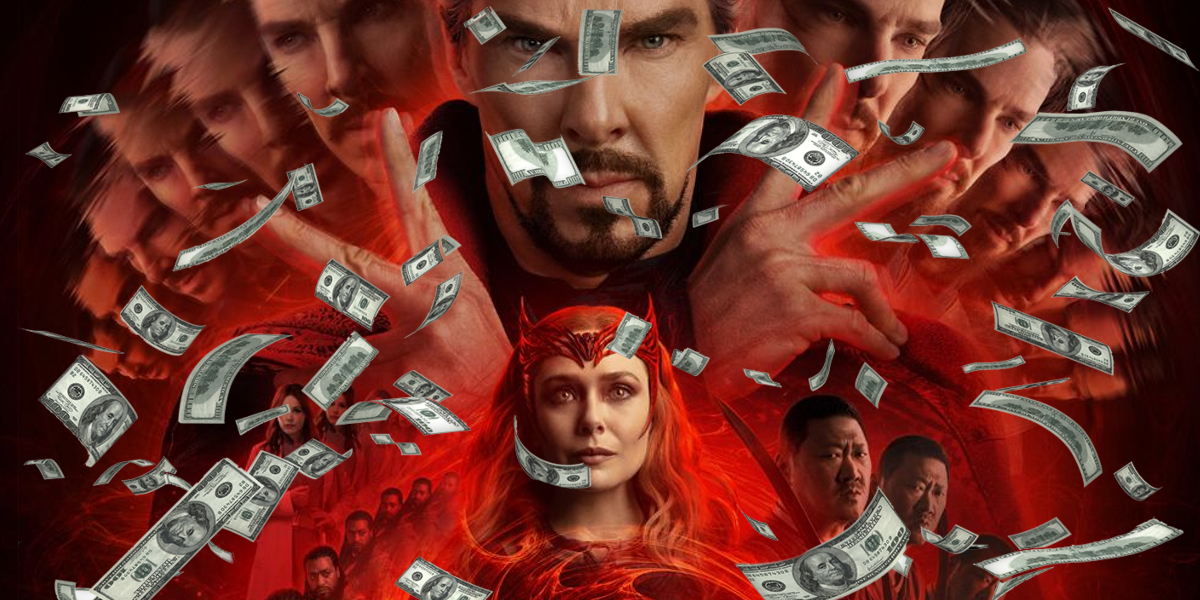
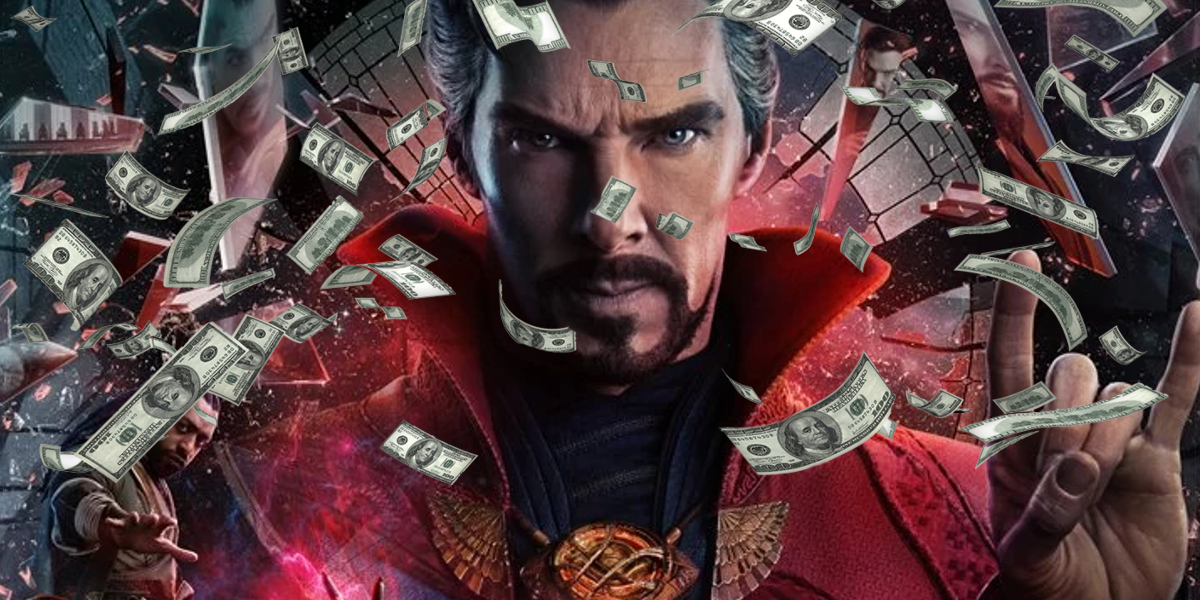
Doctor Strange in the Multiverse of Madness is entering its opening weekend earning approximately a resounding $190 million domestically as per current industry estimates. This comes off the back of $90 million earned on Friday in addition to previews the day prior. This would be Disney’s most successful opening for a film since the start of the pandemic. Marvel Studios’ latest tentpole release places 7th in terms of largest domestic opening days for box office earnings. More interesting, though, the Marvel Cinematic Universe is now home to half of the top ten films in this category. Globally, the Benedict Cumberbatch-led project has opened to over $229 million thus far and will certainly exceed the expectations of a $300 million opening weekend.
According to EntTelligence, a box office earnings data firm, 89% of all moviegoing attendees were specifically present for Doctor Strange in the Multiverse of Madness. This is generally in line with the most previous theatrical entry of the Marvel Cinematic Universe in Spider-Man: No Way Home.
Still, there are some questions about the long-term sustainability of Doctor Strange in the Multiverse of Madness in the box office after receiving a B+ CinemaScore. Still with the momentum the film has had in its opening weekend, it’s certainly possible for Sam Raimi’s latest superhero project to be a long-term success in theaters. It will definitely be a story worth following in the coming weeks.
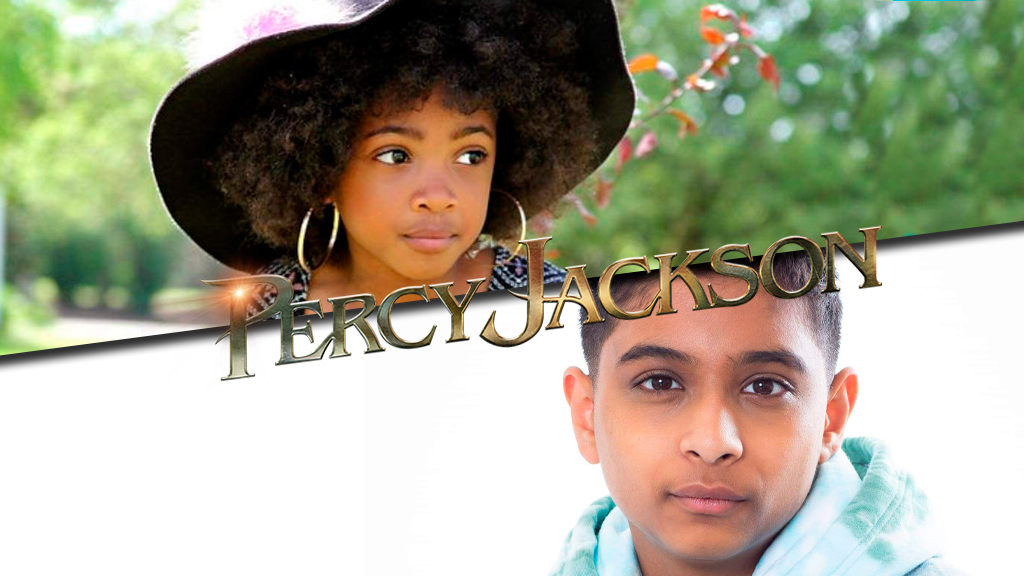
The Percy Jackson and the Olympians series is continuing to ramp up its development with the casting of two new additional leads. Aryan Simhadri and Leah Sava Jeffries have officially been cast as Grover Underwood and Annabeth Chase respectively.
Grover (portrayed by Brandon T. Jackson in the 2010 film adaptation) is a young satyr, half-human, and half-goat, who is tasked with protecting Percy Jackson on his journey to Camp Half-Blood and develops into the best and most loyal friend of the book’s main character. Annabeth (previously portrayed by Alexandra Daddario) meanwhile has been a resident of Camp Half-Blood for five years as the daughter of Athena. Chase in that time has developed as a skilled fighter and is prepared to test her skills in tangible situations. She and the titular character develop as strong friends and romantic partners throughout the events of Rick Riordan’s novel franchise.
Simhadri and Sava Jeffries, along with Walker Scobell (who was officially cast as the series titular character last month), will serve as the main trinity of protagonists for the franchise as the Disney+ series begins with its first season adapting Rick Riordan’s The Lightning Thief. Production for the series is scheduled to begin in Vancouver later this summer. RickRiordan and Jon Steinberg will be writing the pilot episode, which will be subsequently helmed by director James Bobin.
May 4, 2022 is a landmark day in the history of Marvel Studios as the 10 year anniversary of the release of The Avengers. While the true start of the Marvel Cinematic Universe was with 2008’s Iron Man, it wasn’t until the first true crossover that it became fully actualized and proven as a serious force in the movie industry. As the MCU has progressed into new territories since then, let’s stop down and recollect on five ways this film has changed the way major studio films have been made since.
#1: The Rise of the “Cinematic Universe”
The most obvious impact The Avengers has had on the larger film industry is major studios’ insistence on trying to follow suit of Marvel and create their own universes with characters from various connected films. Before, the concept of crossovers within major films were few and far between, and mainly predicated on passing references that’d never be followed up on. A fully interconnected cinematic universe was a concept many were skeptical of before the release of the 2012 summer blockbuster. Doubts were held over whether or not audiences would buy into the concept that a billionaire in an iron suit, a World War II hero, and a god from Norse mythology would fit in together in the same film. However in earning over $1.5 billion in the box office, Marvel Studios proved this idea to be a great success. Following this, general audiences were inundated with various attempts to copy Marvel’s formula to various levels of success. These have ranged between Warner Bros’ modestly successful MonsterVerse and Universal Pictures’ laughably ill-fated attempt with the Dark Universe. However, none have truly matched the level of success found in the Marvel Cinematic Universe and The Avengers.
#2: Relatability in Characters
While the rise in cinematic universe could be considered the most noticeable impact of The Avengers on major studio releases, the largest impact the film had was ushering in a change of the way audiences wanted to perceive their characters. In a vast majority of marquee films before 2012 (especially in relation to superhero films), central protagonists were treated as absolute godly figures. To use the then most recent popular superhero franchise as an example, Christopher Nolan’s Dark Knight trilogy presents Batman as someone with the strongest moral character once he has accepted the responsibilities of his powers and begins fighting crime. He’s not a character with much nuance to him and his struggles are presented to be more based on external threats around him than any meaningful internal pathos. Meanwhile, audiences were leaving The Avengers generally talking more about the moments of character development than the big action set pieces. Viewers made great connections to seeing the protagonists have to struggle with their internal identities to be able to work as a team. Ultimately, The Avengers made us realize we wanted our cinematic pillars to be more human and relatable.
#3: The Anticipation of Post-Credit Scenes
While focusing on essentially a solitary minute of The Avengers 143 minute runtime feels at least partially ridiculous, it can’t be denied that the end of this film changed the way major feature films optimized the coda of their projects. The ominous closing shot of Thanos looking towards the camera set the stage for the long-term destination of the Marvel Cinematic Universe. And with it, this generated large quantities of fan excitement at the thought of the road ahead and how these future films would connect. This indeed ended up becoming a strategically brilliant decision for Marvel Studios and Walt Disney Pictures both creatively and from a business stand-point at the time. Moving forward, large expectations have been made for essentially every blockbuster-type film to close with some hint of the future or how what audiences just saw connects to a bigger picture. Arguments can certainly be made for if this has now grown into more of a net-negative for the film industry and the creative process, but it’s certainly present and can be traced to Marvel Studios first major crossover project.
Reflecting on the ten years since the release of 2012’s The Avengers paints the picture of how the film not only changed the course of Marvel Studios, but the entirety of the Hollywood film industry. And it will be compelling to look further into how this landmark film maintains its impact in the decade to come and beyond.
With the upcoming release of Doctor Strange in the Multiverse of Madness this Friday, current projections are looking promising for Marvel Studios’ latest release. Industry insiders are anticipating a $150M+ opening weekend in the United States. As of now, the Benedict Cumberbatch-led film is currently selling 5x the number of tickets as the original Doctor Strange film (which opened to $85M domestically in 2016). If these potential numbers hold true, this would be the largest increase for film entries in a solo franchise in the MCU.
In comparison to how this projects in relation to other films within the Marvel Cinematic Universe, this opening would be in line with the likes of Captain Marvel ($153.4M), Guardians of the Galaxy Vol. 2 ($146.5M), and Thor: Ragnarok ($122.7M). As it stands, the film has already pulled in $42 million from presales alone, which Disney confirmed during its CinemaCon presentation. With Thursday previews fast approaching, it is expected that number will only continue to rise.
The online excitement has been high for a continuation of Marvel Studios’ multiverse saga on the big screen after the events of Spider-Man: No Way Home compounded with the film’s marketing teasing of Patrick Stewart being involved with the film. With that, all signs are pointing at Doctor Strange in the Multiverse of Madness being large financial success for Marvel Studios and the theatrical market.
Taking part in today’s press conference for Doctor Strange in the Multiverse of Madness, writer Michael Waldron shared about the collaborative process of writing Marvel’s upcoming summer blockbuster. When asked about what kept the film centered on storytelling, he focused on staying true to the characters and working with their actors.
I had the great benefit of kind of inheriting a bulk of these characters. And so I think that was what certainly centered me creatively. You know: Stephen, Wanda, Wong. Obviously America is a new character that Xochitl was originating. But in a lot of ways, I was just a steward of these characters on the page and so there was a lot of opportunity to collaborate with these tremendous actors who know them better than I could. And as the script evolved, which it very much was all the time, you’re really refining it and it’s leaning on the people who have been doing it even longer than we have in this individual chapter. It’s a real team effort putting this story together.
Michael Waldron
Michael Waldron‘s answer provides some perspective into how much creative input performers have had for this film that has had a fast-paced process for the writer and the production team. This is a concept that especially works when you have world-class talented performers such as Benedict Cumberbatch and Elizabeth Olsen in principal roles collaborating with the likes of Waldron and director Sam Raimi. As well, his response gives a window into how the creative teams working in tandem with Marvel Studios have been able to sustain the cinematic juggernaut they’ve been for the past decade.
Doctor Strange in the Multiverse of Madness releases in theaters on Friday, May 6.
Cookie Consent
We use cookies to improve your experience on our site. By using our site, you consent to cookies.
This website uses cookies
Websites store cookies to enhance functionality and personalise your experience. You can manage your preferences, but blocking some cookies may impact site performance and services.
Essential cookies enable basic functions and are necessary for the proper function of the website.
Name
Description
Duration
Cookie Preferences
This cookie is used to store the user's cookie consent preferences.
30 days
These cookies are needed for adding comments on this website.
Name
Description
Duration
comment_author_email
Used to track the user across multiple sessions.
Session
comment_author_url
Used to track the user across multiple sessions.
Session
comment_author
Used to track the user across multiple sessions.
Session
Statistics cookies collect information anonymously. This information helps us understand how visitors use our website.
Google Analytics is a powerful tool that tracks and analyzes website traffic for informed marketing decisions.
Contains information related to marketing campaigns of the user. These are shared with Google AdWords / Google Ads when the Google Ads and Google Analytics accounts are linked together.
90 days
__utma
ID used to identify users and sessions
2 years after last activity
__utmt
Used to monitor number of Google Analytics server requests
10 minutes
__utmb
Used to distinguish new sessions and visits. This cookie is set when the GA.js javascript library is loaded and there is no existing __utmb cookie. The cookie is updated every time data is sent to the Google Analytics server.
30 minutes after last activity
__utmc
Used only with old Urchin versions of Google Analytics and not with GA.js. Was used to distinguish between new sessions and visits at the end of a session.
End of session (browser)
__utmz
Contains information about the traffic source or campaign that directed user to the website. The cookie is set when the GA.js javascript is loaded and updated when data is sent to the Google Anaytics server
6 months after last activity
__utmv
Contains custom information set by the web developer via the _setCustomVar method in Google Analytics. This cookie is updated every time new data is sent to the Google Analytics server.
2 years after last activity
__utmx
Used to determine whether a user is included in an A / B or Multivariate test.
18 months
_ga
ID used to identify users
2 years
_gali
Used by Google Analytics to determine which links on a page are being clicked
30 seconds
_ga_
ID used to identify users
2 years
_gid
ID used to identify users for 24 hours after last activity
24 hours
_gat
Used to monitor number of Google Analytics server requests when using Google Tag Manager
1 minute
Marketing cookies are used to follow visitors to websites. The intention is to show ads that are relevant and engaging to the individual user.
Pinterest Tag is a web analytics service that tracks and reports website traffic.