Category: Features

  • ‘Moon Knight’s Final Episode Should Continue Playing With Our Heads

    ‘Moon Knight’s Final Episode Should Continue Playing With Our Heads

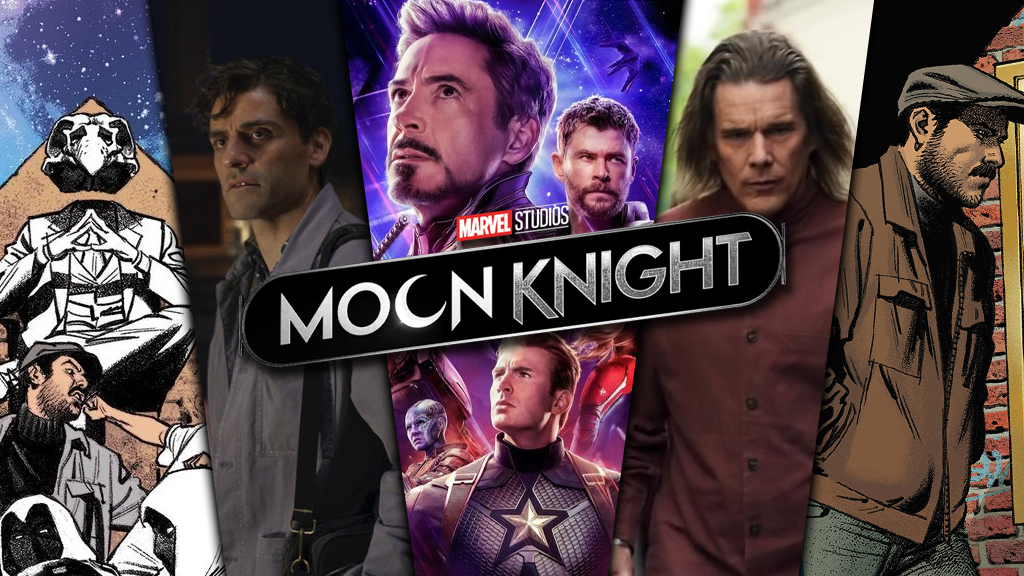
    Moon Knight has been a show that stands on its own two feet even among the ever-growing Marvel Cinematic Universe. Episode 4 started a new direction for the series, as what looks like a globe-trotting adventure may have actually been in the Marc Spector’s mind all along. The next episode did return to the usual adventure, as he and his alter Steven Grant took a path down memory lane and were faced with a new challenge, as Ammit unleashes her chaos upon the world. Intersected during those segments, we return to Marc being confronted by a psychiatrist version of Arthur Harrow. As we go into the finale, the trailers are teasing something familiar for Marvel fans, but I have a different hope going in.

    EXCLUSIVE: Lemire, Smallwood, & Bellaire Usher Moon Knight Into The  All-New, All-Different Marvel

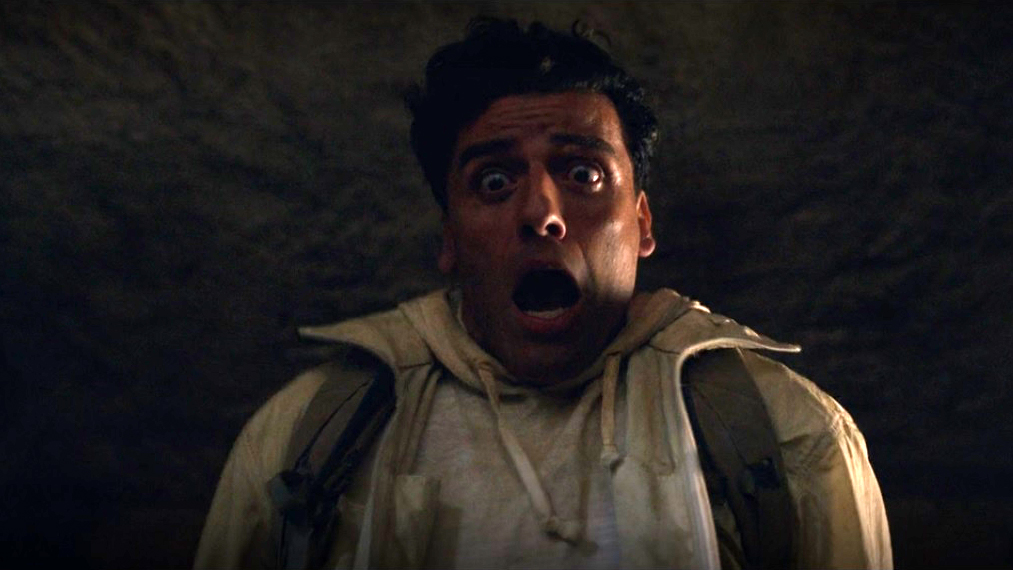
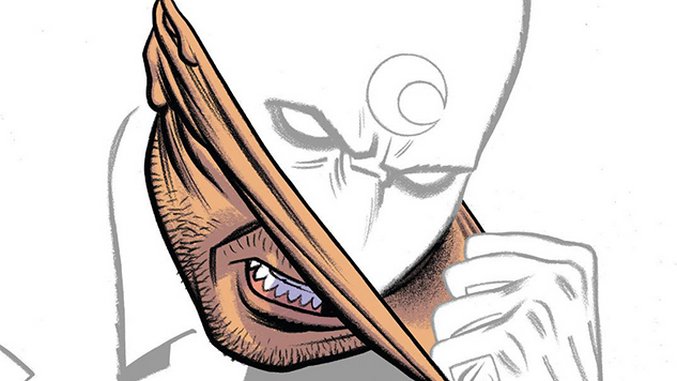
    I adored the direction set by the fourth episode, as it played with our minds and created the illusion that everything that has happened was just within Marc’s mind. The series has been mostly disconnected from the rest of the MCU and embraced the iconic run by Lemire and Smallwood. It sadly is still a more restrained version of that story, but that’s not uncommon within adaptation. As Marc has found some kind of “peace” at the end of the last episode, I have one quandary going into the finale. I want it to keep playing with our heads.

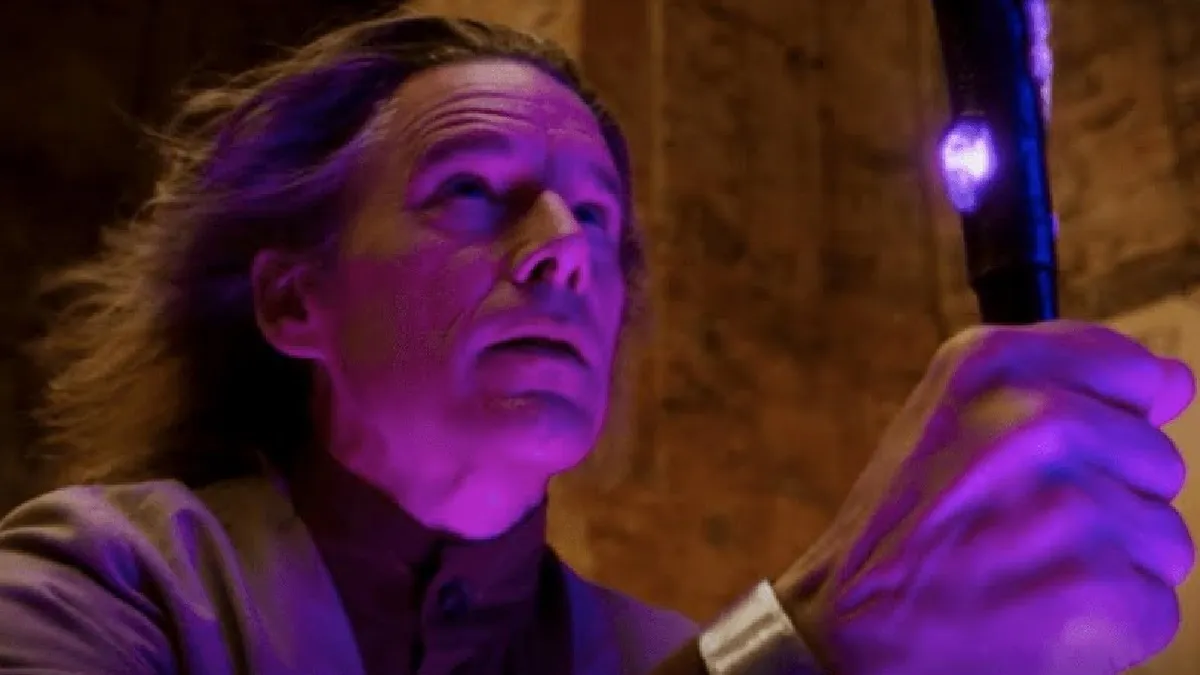
    Even as he continues his journey to regain his powers as the Moon Knight and Khonshu to fight Harrow. We get a bombastic fight, as teased in the latest teasers with Harrow using the powers of Ammit. But, in reality, we continue to splice his discussion with the psychiatrist as we further unravel his mind. Suddenly, he has a revelation and just takes in the reality that he is, inf act, a superhero and has to take down the next great evil. We suddenly return to those moments of the power struggle as Moon Knight falls back into the territory set up earlier in the season.

    Moon Knight episode 4 ending explained | TechRadar

    He saves the day. Moon Knight is reunited with Layla and Khonshu. Everything is back to where it should be. Yet, something seems off about it all. The ending is almost too perfect, as every piece of the puzzle has fallen together as it should. Suddenly, the rug is pulled from under him and reality is changed once again. The series ends on a note that perhaps there’s still more to this story to be told, as it continues to keep its focus primarily on his mental issues and the challenges of living with DID.

    Of course, the series may take a safe route, but the thought of even the final playing with our expectations would be the perfect way to leave us off with the character. Perhaps everything that happened in the finale is actually part of a movie set, similar to Grant’s role in the Lemire and Smallwood run. We switch between these realities, making it harder to put together what is and isn’t real.

    Phases of the Moon Knight: How Marvel's Mentally Ill Vigilante Became its  Best Character - Paste

    If you’re wondering what that means for the character’s future in the MCU, it gives us the perfect opportunity for a character that keeps us on our toes. While we may see the return of Moon Knight, there’s enough vagueness to never truly give away what exactly happened. He can still be a character that is unhinged and hard to truly pinpoint given his DID. I personally would love a second season to build upon the insanity and leave us with any questions, but if this remains as a limited series, they could still keep us guessing.

    Reality is a fragile thing, and who knows what the future has in store for the character, which technically is probably making the limited episode count a bit frustrating. Still, there’s so much potential here to expand upon and use that vagueness to play with our perception. A sequel season could even play around with the Marvel Cinematic Universe as such without having to directly connect to the rest. It would be a shame to fall into some familiar territory, but even so, it wouldn’t go against what the series set up. Given it may be a limited run, it sadly does also limit its potential in some ways.

  • ‘Moon Knight’ Finale Primer

    ‘Moon Knight’ Finale Primer

    Last week’s fifth episode, “Asylum”, didn’t do much to clear things up for me. The episode did quickly reveal that Marc and Steven were on a boat headed through the underworld on which they had to weigh their hearts to see if they were balanced enough to make it into The Field of Reeds. When the scale wouldn’t balance, they were forced to relive a series of rough memories that led Marc to create a second personality.

    Steven was forced to relive some of Marc’s worst memories: the drowning of his brother, Randall. Marc’s mom went crazy, blaming Marc for it, and became hateful and abusive. Marc and Steven’s hopes that their trip through these memories would balance their scales were dashed, and the goddess Taweret’s ship kept taking them to their destination. The ship was boarded by a bunch of souls from the sands and a big fight followed that ended with Steven falling overboard and turning into stone. Losing Steven made Marc’s heart balance, allowing him to pass into the Field of Reeds. So he’s dead??!

    Arlyn’s Assumptions

    Ethan Hawke Admits 'Moon Knight' Wasn't His First Time Flirting With the MCU

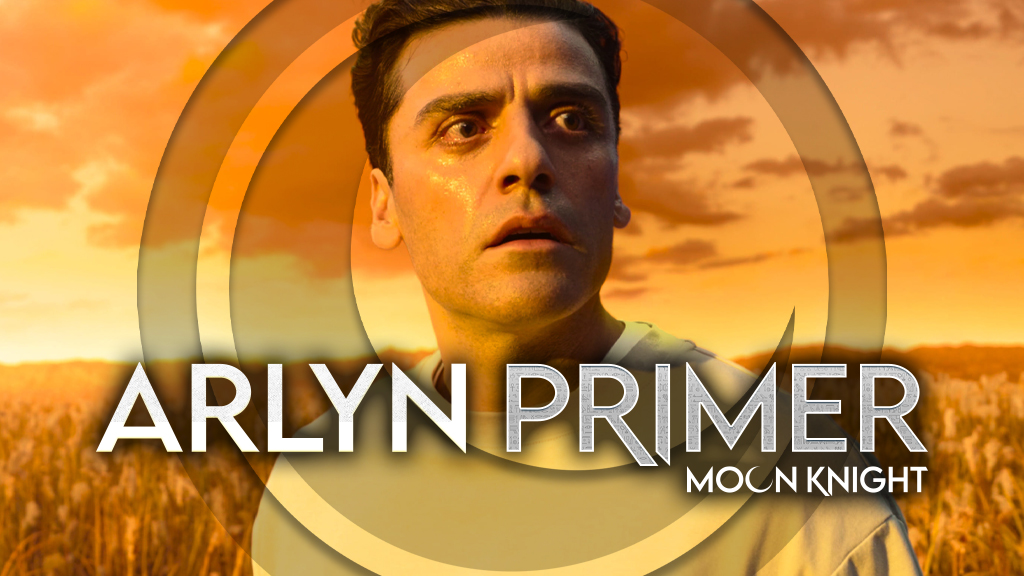
    For the first time in a Marvel Studios series, I have no idea how it’s going to end. Marc will obviously have to make it back out of the Field of Reeds, free Khonshu, and reclaim his power as Moon Knight, but given where he left off and the fact that the other gods aren’t too fond of Khonshu, it’s hard to guess which one, if any, will help Marc return and stop Harrow. Marc has had some help along the way, if you remember though, so it’s possible that Hathor, the Egyptian goddess of many things, including fate, might return.

    The season finale of Moon Knight streams tomorrow!

  • 5 Open Questions Ahead of the Moon Knight Finale

    5 Open Questions Ahead of the Moon Knight Finale

    Marvel Studios’ Moon Knight is heading into its finale after a powerful and emotional fifth episode last week. We saw Marc Spector and Steven Grant attempt to tip the scales, but not without some heartbreaking revelations. Now we have plenty to wrap up in one episode, but what are the most important plot threads? Let’s take a deeper look at what we might expect going into the final episode of this Disney+ series.

    Will we see Jake Lockley?

    There have been hints and nods to a third personality throughout every part of the series. In “Asylum,” there’s a 20-second stretch where it seems that during his conversation with Dr. Harrow, Marc seemingly seems off. His accent changes and he seems way more unhinged than usual. As fellow Murphy’s Multiverse scribe Mary Maerz detailed last week, we have enough pieces for the puzzle. It’s time to see Jake and how he fits into the larger narrative of the story.

    Will there be a concrete MCU reference in the show?

    One of the most common refrains in praise of Moon Knight is that there are no outward MCU references. It’s in its own part of the world telling a self-contained story. With all that being said, you have to wonder if Marvel decides to drop in something that pushes the story forward. With the Werewolf by Night-focused Halloween special coming later this year and Moon Knight’s comic book connection, it does open up a possible connection. Odds would say no but you can’t help but wonder if they find a way to fit it into the overall story.

    When Khonshu gets freed and this is all over, what are his plans?

    Earlier in the series, it felt that Marc was always trying to protect Layla from Khonshu’s plans to use her as an avatar. That didn’t feel like it was dropped in the show for giggles. It’s clear that Khonshu will be freed again and Marc will have to deal with that once the fight with Ammit and Harrow concludes. This show has always felt like control was one of its main themes since the outset. The expectation is we’ll come full circle in some type of way. Though, who knows if there’s more to Khonshu than we might expect at first.

    How will Arthur Harrow’s story end?

    Arthur Harrow has been one step ahead of everyone since the very beginning of the series. His plan looks like it’s reaching its apex of success. We have a decent idea that Moon Knight will overcome the adversity he’s facing and defeat Harrow and the one he serves, Ammit. It’s all about how we get there, and how Arthur closes out his run. Most MCU villains usually don’t survive, so the hope is there’ll be a creative and satisfying close to Harrow’s character. 

    Will we see Steven Grant again?

    Seemingly lost to the Duat at the conclusion of “Asylum”, Steven Grant sacrificed his life to save Marc. It puts the remaining Alter in an unenviable position of having to fight without his companion. Steven has been very popular and it was a tough ending for the character. It does beg the thought of whether he’s actually gone through. Marc could use that intelligence and quick wit in the final fight. Here’s to hoping we get one more visit with Mr. Grant and maybe even his Mr. Knight.

    The Moon Knight finale is sure to leave us with more questions than answers. The hope is those questions tantalize and fascinate us, and the answers feel gratifying as a viewer.

  • THEORY TIME: Illuminati’s Dark Secret in ‘Doctor Strange in the Multiverse of Madness’

    THEORY TIME: Illuminati’s Dark Secret in ‘Doctor Strange in the Multiverse of Madness’

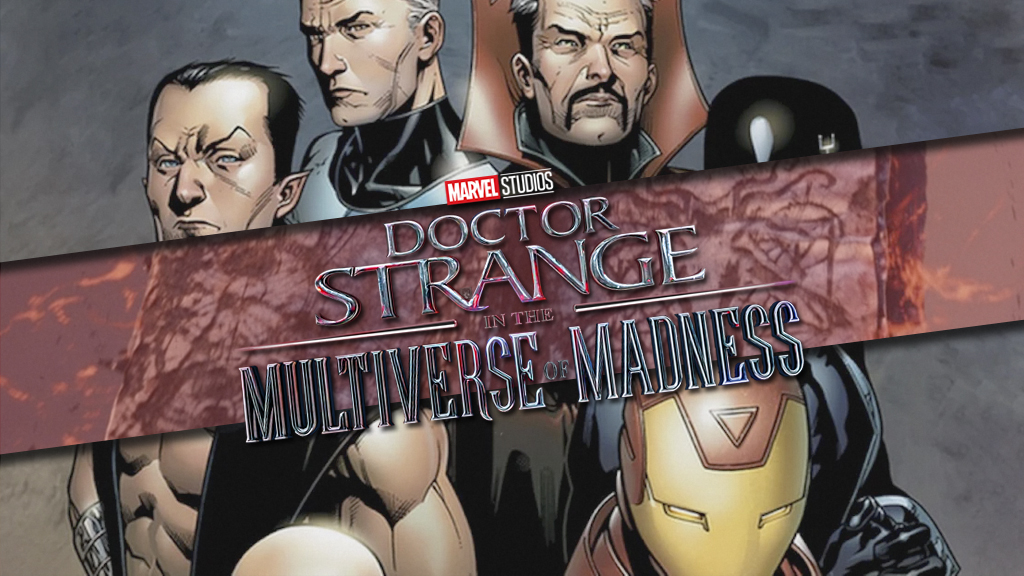
    We are only a week away from Marvel Studios’ next film, Doctor Strange in the Multiverse of Madness. With a title like that, there’s a lot that they can do and with the horror elements teased, it does seem like Doctor Strange is in for quite the ride. We know he’ll meet America Chavez, Wanda may fully embrace the Scarlet Witch, and he’ll meet a mysterious organization, which recently finally was confirmed as the Illuminati. Yet, there’s still one major question that’s on everyone’s mind: What exactly is going on?

    What stood out to everyone in the second trailer released for Multiverse of Madness may be the confirmation of Patrick Stewart returning to the Marvel universe. Yet, they are still keeping his appearance a mystery with the bizarre words “We should tell him the truth.” We hear Mordo accuse him early on that he is on trial due to something that he’s done to reality, which many believed could be a connection to Spider-Man: No Way Home. As is Marvel’s usual process, they could’ve easily cut a few scenes together to make that sequence come together with the way it does. Who knows if Mordo is actually referring to the Strange we know at this very moment.

    So, it could be that the crimes he’s standing trial for are not his own, but rather the result of a Variant–especially with the different incarnations of Strange teased throughout the various trailers. Or, there’s always the chance that he does something alongside Chavez that ends up dragging him across the multiverse and in front of the Illuminati. Still, it doesn’t explain exactly the “truth” that is implied in the trailer. It’s almost as if they are hiding something from the world or even the multiverse.

    While in the comics, they have done some shady things as a group, especially when they were the cause for Hulk’s invasion of Earth after shooting him into space. Yet, as that storyline has been explored without their inclusion in Avengers: Age of Ultron and Thor: Ragnarok, it opens up other opportunities. The most prominent one might be that they have some kind of connection to what may lead Wanda Maximoff down a darker path within the MCU.

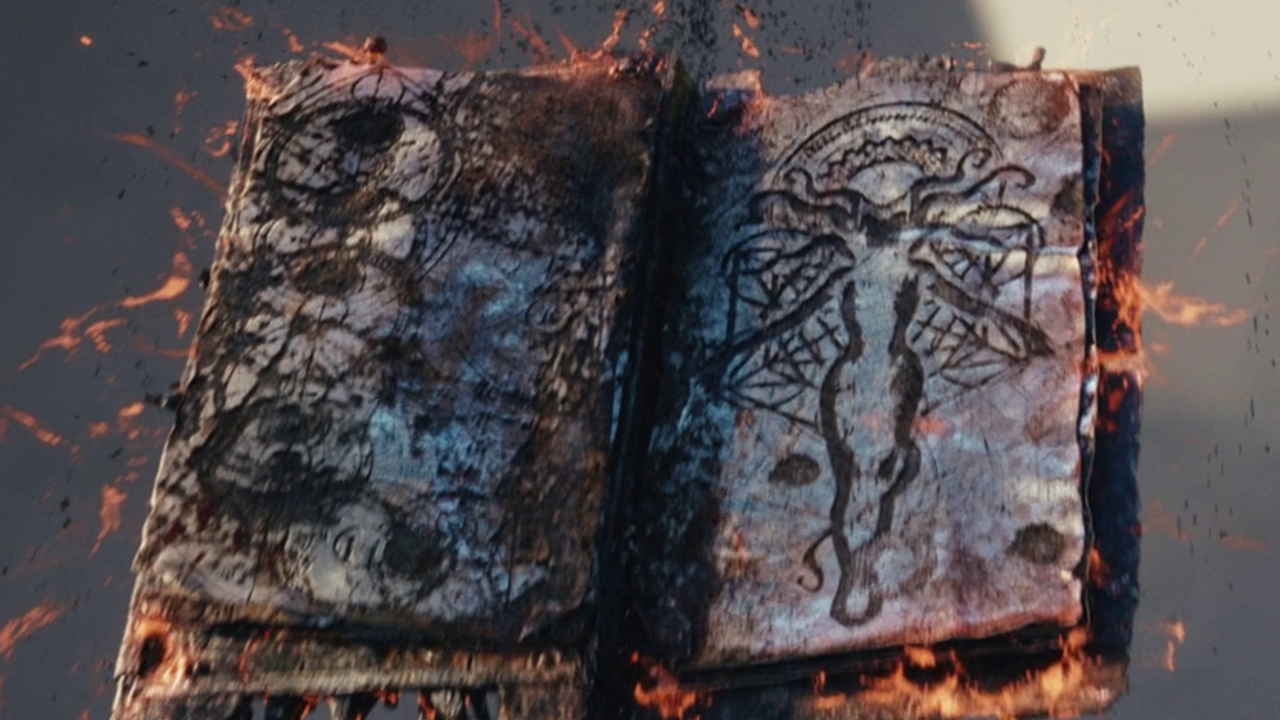
    What Is The Darkhold In The Marvel Universe?

    We’ve seen glimpses of her at the facility that matches the one where the Illuminati reside. While Doctor Strange may have gotten their attention with his activities across the multiverse, they aren’t that innocent either. The biggest threat to their reality was already hinted at in WandaVision when Agatha Harkness revealed the power that Scarlet Witch holds and what it may unleash upon reality.

    If the Illuminati feared what she may unleash upon all realities due to the same prophecy, it wouldn’t be too surprising that they had a hand in keeping her from potentially reaching her true potential. Perhaps, it’s connected to her children Billy and Tommy that technically exist within the multiverse but have become a constant that they always keep away from her. It’s a dream that is never meant to come true and they are the reason for exactly that.

    Tom Cruise als Iron Man & mehr: Dr. Strange 2 wird wild! - Analyse

    Ironically, it might be the exact reason that her fury is unleashed upon the multiverse. We’ve seen it teased in the trailers, as a blood-drenched Wanda is seemingly unleashing chaos magic. If their comic history is anything to go by, the Illuminati tends to screw up the life of others for the “greater good” and it tends to backfire on them. So, with Wanda’s prominence in Doctor Strange in the Multiverse of Madness, it seems likely they will once again be their own worst enemy.

  • Celtics vs Bucks Game 1 Breakdown

    Celtics vs Bucks Game 1 Breakdown

    Although they lacked home court advantage, the Bucks were able to control the flow of the game, beating the Celtics 101-89. Even with Giannis Antetokoumpo reminding everyone why he’s considered one of the best players in the world, I still expect this series to go to 6 or 7 games.

    Bucks Role Players

    The biggest question for the Bucks in game one was where the secondary offense would be coming from with Kris Middleton out. Well, the Bucks’ benched and rolled players all stepped up. I don’t think anyone really expected solid 20+ minutes from Grayson Allen, Jevon Carter, and Wesley Matthews in this game but the Bucks really needed those contributions to control the flow of game one. Jrue Holiday was also great for Milwaukee, putting the clamp on Tatum/Brown as well as being the Bucks’ primary scorer, scoring a team high of 25 points. For the Bucks to ultimately make it out of round 2, they will need to continue to empower their role players.

    Closer Than It Looks

    This was an important game for the Celtics to win given that this was a home game, and it may seem that the Bucks are running away with this series, but I truly believe the series is closer than it really looks. This was a bad offensive game for the Celtics as they shot only 33% from the field and turned the ball over 18 times, but I feel that they’re a few adjustments away and can really challenge the bucks. The Bucks’ interior defense was dominant, but Boston was able to get open three’s that just didn’t go in. Expect the Celtics to embrace those open shots more, and look for those open teammates and really challenge the Bucks there. Also, Boston rarely head hunted Bobby Portis or Grayson Allen, opting instead to challenge Jrue Holiday who is one of the best perimeter defenders in the game. I expect Boston to either use Jrue in more pick and roll actions to get him off their primary ball handlers, or to really go at the Bucks poor defenders such as Bobby Portis.

    I’m expecting this to be an interesting series and it’s fun to reminded how dominant of a player Giannis truly is!

  • ‘Moon Knight’ From Page to Screen: Episode 5

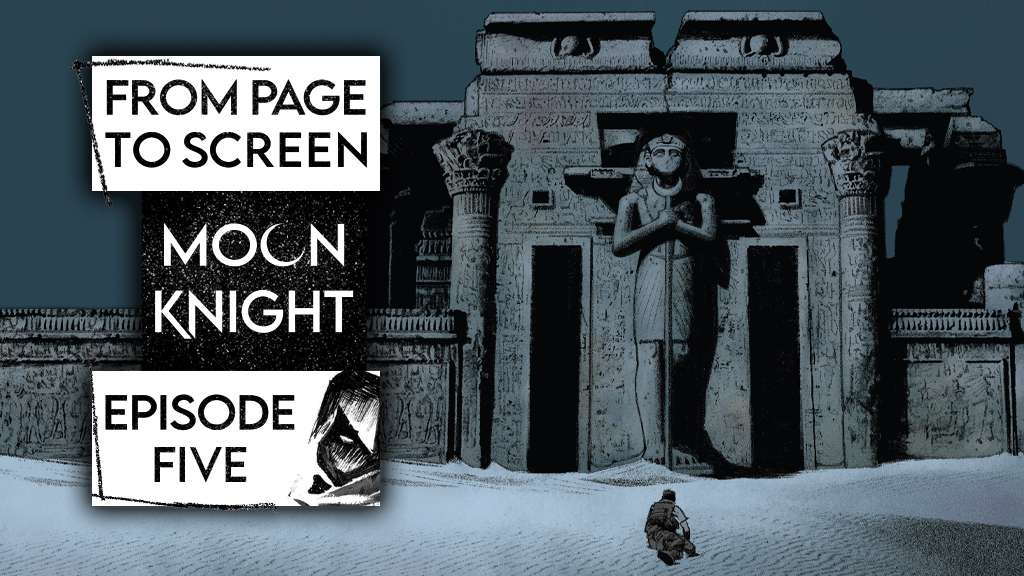
    ‘Moon Knight’ From Page to Screen: Episode 5

    As Moon Knight nears its finale, we continue to explore how the live-action series has utilized (or not) the titular character’s comics source material. Following Episode 1, we looked at how the show explored Marc Spector’s dissociative identity disorder compared to the comics. In Episode 2 Mr. Knight was introduced through a rather different take than in the comics and in Episode 3 Layla’s backstory, along with her dad’s, was approached and so we delved deep into how those same events were presented in both the original Moon Knight comic run and the more recent Lemire/Smallwood one. After the twist ending of Episode 4, we again looked at the ways that the series was obviously inspired by the psych ward introduced in that latter run.

    This week, for the penultimate Episode 5, we compare and contrast how Moon Knight’s most iconic moment was portrayed in the series and the comics. Specifically, we look at the scene where Marc Spector becomes Khonshu’s avatar and dive into the details of the show and three major Moon Knight comics run—the original 1980 run, the Lemire/Smallwood run, and the ongoing MacKay/Cappuccio run.

    Moon Knight #14 (2017)

    All iterations of the classic Moon Knight scene are incredibly similar. It is the type of moment that is so attached to the hero that it somewhat defines him. As we see in Moon Knight, Marc is mortally wounded during a tomb raid. His mercenary partner Bushman killed a team of archaeologists outside of a tomb, including Layla’s father. Marc crawls into the tomb and prepares to take his own life, but he is stopped by a voice that seems to come from the statute of Khonshu that he is underneath. Khonshu tells Marc it would be a waste for him to die, that Marc has a fractured and broken mind, and that the god believes he would be a worthy candidate to be his avatar. Our protagonist agrees, and Khonshu saves his life. The last thing we see is Marc summoning the Moon Knight suit.

    Marvel Studios’ Moon Knight Episode 5
    Marvel Studios’ Moon Knight Episode 5

    There are many aspects that are entirely consistent across the live-action series and the comics. For one, all versions begin with Marc being a part of a tomb raid with Bushman, and the villain ultimately wounds Marc. It is also integral to every Moon Knight story that he is physically under Khonshu’s statue at the time he becomes his avatar.

    Moon Knight #1 (1980)
    Moon Knight #14 (2017)
    Moon Knight #1 (2021)

    It is unclear why he dragged himself into the tomb in the show. While the current MacKay/Cappuccio does not go into it, the way Spector winds up in the tomb itself varies slightly. The series seems to have taken more from the Lemire/Smallwood in terms of Marc literally dragging himself into it. In that comics run, he is apparently lured by Khonshu’s voice. In the original run, he roams the desert before eventually being taken into the tomb by Marlene and some survivors of the raid.

    Moon Knight #1 (1980)
    Moon Knight #1 (1980)
    Moon Knight #14 (2017)
    Moon Knight #14 (2017)

    Similarly, Moon Knight is more similar to the Lemire/Smallwood run in terms of Khonshu’s role. In the original, there is no dialogue that the reader sees between the two—Marc simply comes back to life after lying dead under the statue for a small amount of time. The Lemire/Smallwood run, however, features a very similar conversation to what we see in the series. This is the same run where Khonshu is trying to break Marc’s “weak” and fractured mind in order to use the human body for himself. He tells a dying Marc in both iterations about the gig of the Fist of Vengeance. As Steven tells Marc in Episode 5, it is clear that Khonshu is taking advantage of a soon-to-die mercenary with some substantial mental health issues.

    One aspect that is present in all three comics versions of the scene is missing in the series. In the comics, Marc Spector the mercenary grows a conscience during the raid. In both the original and Lemire/Smallwood runs, he seems to have an ethical awakening after Bushman kills the head archaeologist, Marlene’s father. In the MacKay/Cappuccio run, the scene is brief like it is in the series, but Mr. Knight does specifically mention that he grew a conscience while on the job. In Moon Knight, we see the aftermath of the violent raid but we do not know whether or not Marc had a true “change of heart”. It makes sense that he would have, but it is not as explicit as it is in the comics.

    Moon Knight #1 (1980)
    Moon Knight #13 (2017)
    Moon Knight #1 (2021)

    Another interesting difference in the series is that no one else seemed to be present in the tomb at the time. In both the original and Lemire/Smallwood runs, his future love interest Marlene (and others) are present when he comes back to life. In the current MacKay/Cappuccio take, it is not mentioned, and the only visual we get is simply Marc’s dead body below the statue. Layla (who is a much-improved Marlene in the series) was unaware of the details of her father’s death and Marc’s involvement in it prior to Arthur Harrow telling her in Episode 4, so that seems to confirm she was not there in the tomb. It begs the question in Moon Knight: how did Marc and Layla meet?

    Moon Knight #14 (2017)

    Perhaps the most interesting difference is subtle but fundamental. In all comics iterations far and wide, Marc Spector is resurrected by Khonshu before becoming Moon Knight. In Episode 5, Marc does not die. Khonshu apparently heals him and keeps him from dying, but there is no resurrection. This could perhaps be an oversight brought about by the ease of dialogue between the two characters if Marc is alive throughout the conversation.

    Marvel Studios’ Moon Knight Episode 5
    Marvel Studios’ Moon Knight Episode 5

    Still, the idea of resurrection is a major theme for Moon Knight in the comics, and so it could be a very intentional and meaningful decision. After the events of Episode 4, it looks like Marc Spector is in need of resurrection—he has had at least two (three according to the MacKay/Cappuccio run) in the comics, but they have always been major character-changing events. If Moon Knight decided that a resurrection during the series should be the character’s only one, there are strong themes connected to the hero’s “origin” that would certainly make such a moment in the series finale carry much more weight than any resurrection in a flashback.

    The first five episodes of Moon Knight are now streaming on Disney+.

  • The NBA’s Dearly Departed: Utah Jazz Edition

    The NBA’s Dearly Departed: Utah Jazz Edition

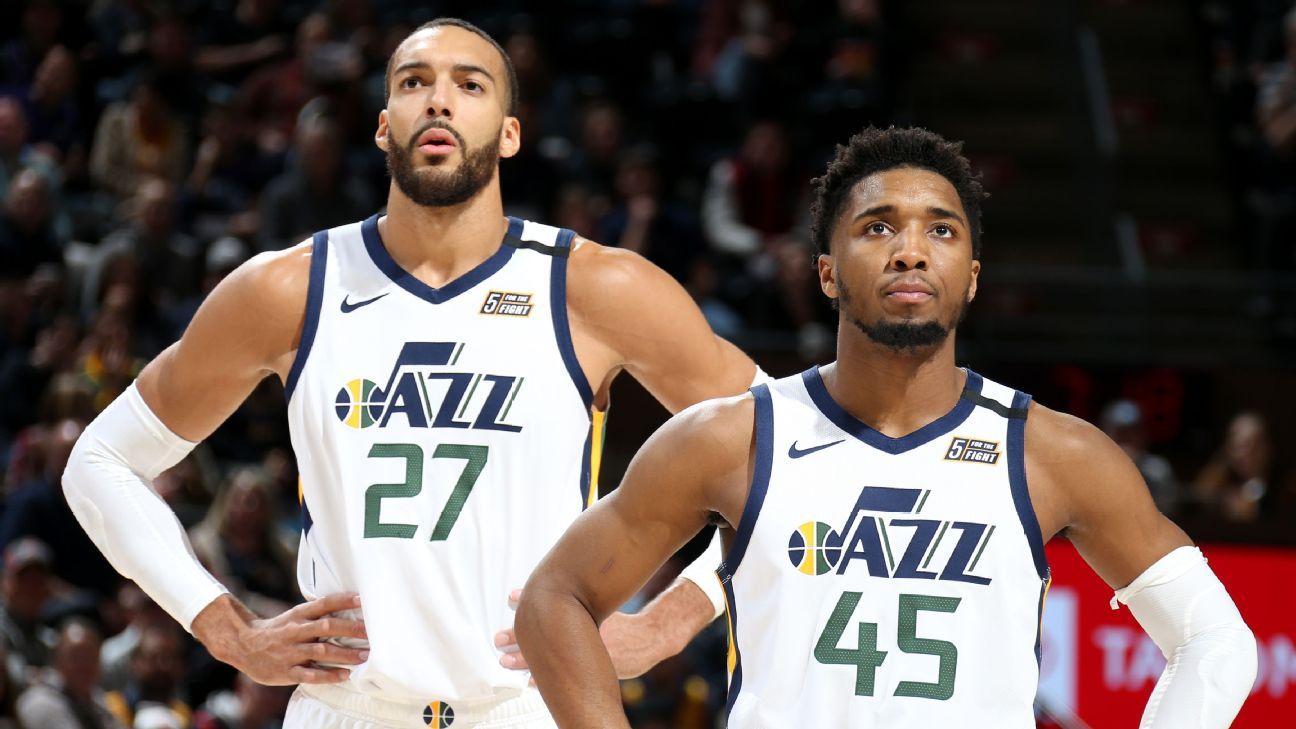
    As teams in the NBA Playoffs get eliminated, Murphy’s Multiverse takes a look at their prospects for next season. The Utah Jazz had a lot riding on their 2021-2022 season after multiple disappointing playoff losses in the last 5 years. This was a year to determine if the duo of All-Stars, Donavon Mitchell and Rudy Gobert, is one capable of finally bringing a championship to Utah. Famously, Mitchell stated at the beginning of the season that he will not settle for anything less than reaching the Conference Finals. A goal that wasn’t realistic to begin with given their roster make-up. Can the Jazz finally put to together a roster that will propel them past the 2nd round in the Playoffs?

    Notable Free Agents

    • Guard Trent Forrest (Restricted)
    • Forward Danuel House
    • Forward Eric Paschall
    • Center Hassan Whiteside

    Projected 2022-2023 Starting Lineup

    • PG Mike Conley
    • SG Donovan Mitchell
    • SF Bojan Bogdanovic
    • PF Royce O’Neale
    • C Rudy Gobert

    The Rudy Gobert/Donavan Mitchell Conundrum

    The relationship between Mitchell and Gobert seems to have reached a breaking point on and off the court with both players taking subtle (and not so subtle) swipes at each other after various disappointing losses throughout the season. In the NBA, winning always seems to fix everything but with constant disappointing playoff losses, it’ll be very unlikely that the team can move forward with both stars on the roster. Which one the Jazz should trade is the most important question. Mitchell is a gifted scorer that’s able to light it up in bursts and give his team a strong offensive weapon, but his lack of strong growth as a playmaker limits the Jazz and his lack of size at 6’1 makes him a consistent defensive liability on the perimeter. Gobert on the hand is one of the best defensive centers in the league whose presence down low forces opponents to jack up jump shots instead of attempting to get to the rim, but unfortunately, he’s easy to scheme against as his lack of foot speed and lateral quickness makes him a huge liability against opposing pick and roll offense.

    Lack of Off-Season Flexibility

    The unfortunate truth in the NBA is that small market teams have a hard time attracting free agents and must typically overpay for talent to get them to agree to sign there. The Jazz badly needs perimeter defense as Mike Conley is now washed and Mitchell is too small to truly be a defensive threat. The unfortunate truth is that with three large contracts on the books, they really don’t have the flexibility to sign meaningful free agents. The Jazz is between a rock and a hard place, and they will have to blow up this roster with trades in order to truly make an off season impact.

    Quin Snyder’s Future

    Snyder has been the coach of the Jazz since 2014 with a positive win percentage. He’s a good and successful coach in a league that has a deficit of good coaching talent, but unless you’re Greg Popovich or Erik Spoelstra, the coach is typically the first one to go when a team is in turmoil. With Mitchell and Gobert both signed to long term contracts, I can see a scenario in which the Jazz chooses starting fresh with a new coach as a band aid fix for their massive problems.

  • Warriors vs Grizzlies Game 1 Breakdown

    Warriors vs Grizzlies Game 1 Breakdown

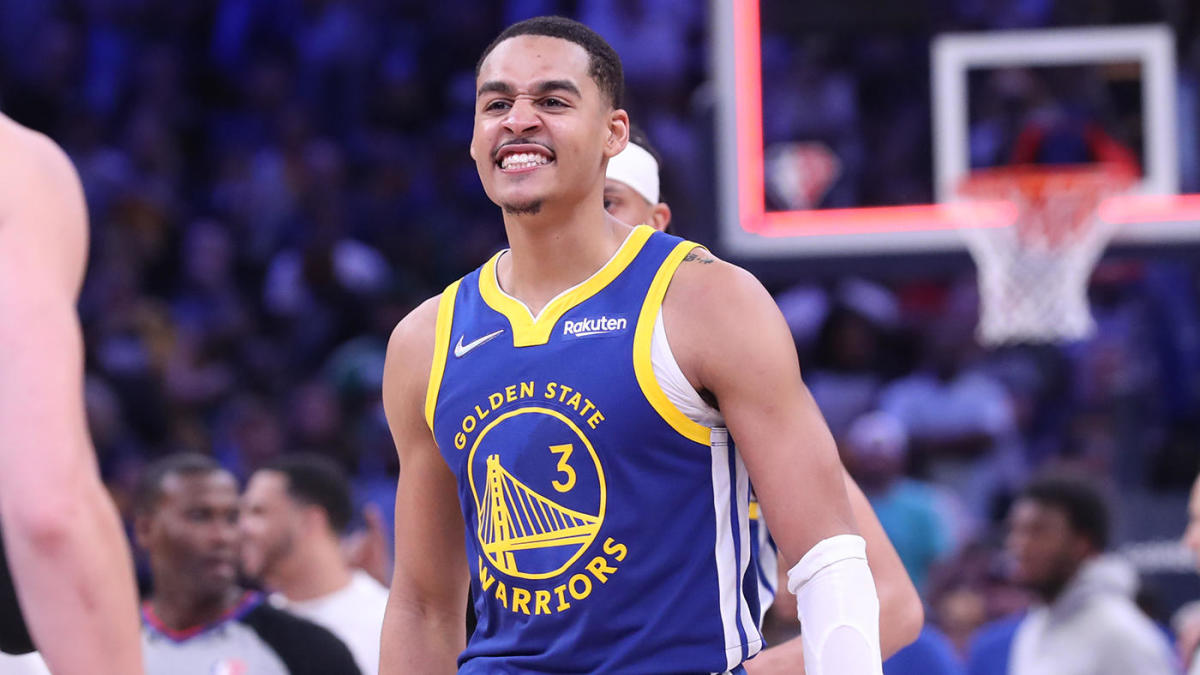
    The Golden State Warriors outlasted the Memphis Grizzlies 117-116. Led by Jordan Poole’s 31 points, the Warriors stole home court advantage from the upstart Grizzlies. A lot of the discussion of this series involved the clash of styles. The Warriors, with the excellence of execution, their shooting, passing and their experience. The Grizzlies counter with their youth and athleticism, and ability to win the possession game on the glass. This much is clear after Game 1, we’re in for a heck of a series.

    You can’t talk about the Warriors without talking about how they out-rebounded Memphis 51-47. They were also even on the offensive glass. It was the first time the Dubs won the rebounding battle against the Grizzlies this season. Gary Payton II was instrumental as one of 6 Warriors players with 6+ rebounds. His effort and hustle contributed to extra possessions which led to great looks for Poole and Steph Curry(5 3’s and 24 points).

    For Memphis, they blew a golden opportunity after Draymond Green got ejected in the 2nd quarter for a flagrant two foul. You could make the case that it was a flagrant one, but with Green’s history (see the 2016 playoffs), the officials made a judgement call. It’s fair to say the officiating overall in the playoffs have left a lot to be desired. 

    Ja Morant and Jaren Jackson Jr. had great offensive games (34 and 33 points respectively) but the Grizzlies were lacking a third scorer. Dillon Brooks and Desmond Bane were a combined 6-of-23 from the floor. Bane had been the Grizzlies most consistent offensive player in the playoffs so far. Brooks is always hit or miss but he was a special kind of bad in Game 1. They’ll need those two to even up the series on Tuesday night. Here are some interesting plot points which can define the series.

    Ja Morant attempted 11 3’s in game 1. They’re going to force him make that shot as it’s not his strongest attribute. He made 4 of them, and the Warriors will prefer him taking those.

    Here Ja gets in transition off of the blocked shot and just darts to the rim. It’s amazing how quickly he gets from end to end.

    The Warriors splash trio causes so many issues for a defense. You trap one another one springs loose. Jordan Poole’s playmaking has taken a step forward in the playoffs. Here he finds Klay for the layup.

    Without Draymond Green in the 2nd half, there was more pick and roll for Steph Curry. Here he’s able to get the switch and separate from Jaren Jackson to get off the three. Guarding Steph one on one might be the key to the series.

    It’ll be interesting to see what adjustments both of these squads have for each other in Game 2. It feels like it’s going to be a very long series.

  • Marvel Studios’ Disney+ Venture Needs to Embrace the Diversity of TV Storytelling

    Marvel Studios’ Disney+ Venture Needs to Embrace the Diversity of TV Storytelling

    Moon Knight‘s fifth episode has been quite loved due to the way it continues a trend of Marvel Studios’ series having a penultimate episode that takes its time to explore our protagonist’s psyche or the underlying theme of the series. Still, there is a current trend that the Disney+ series are facing that could backfire with each new release. While not a fan of the overused buzzword “Marvel formula,” there is a certain danger with their reliance on the three-act structure to construct their series. There are still distinctions in their approach, but a six-episode benchmark muddles that vision. In a way, they are suffering from something that was started in Netflix’s early days and have yet to fully embrace the diversity of TV’s storytelling possibilities.

    Marvel Studios has always been flagged for having a “formula” behind each film. Even as they broke away from their more streamlined films due to the infamous Ike Perlmutter era, the genre has an inherent expectation that creates that very issue. One could argue that certain expectations and perceptions play a key influence due to the brand and its heroic genre; something we’ve seen in comics over and over again. It’s not a Marvel Studios-specific issue, they just so happened to be the one to stick out the most. While saying that, their TV offerings are suffering from a different yet similar issue that is more inherent to the long-form storytelling format.

    Yet, with a strict six- or ten-episode structure, you are setting a certain tempo for your series. If you adhere to the three-act structure, it becomes even more restrictive, as most of the “action” or meat of the story happens within the final two episodes. We’ve seen it a few times, such as with Falcon and the Winter Soldier, Hawkeye, and even potentially Moon Knight. They end up exploring important themes in Episode 5 but have to quickly wrap up the story in its finale, sometimes not as effective as it hopes to. Knowing that there are “only” six episodes available, also creates the before-mentioned perception issue that not everything will be wrapped up.

    Ironically, Netflix’s issue was that thirteen episodes were at times too many. It’s a funny contrast to Marvel Studios’ six facing the opposite criticism. For the sake of comparison, Peacemaker‘s used an eight-episode structure and was less a “film” but more traditional TV in its storytelling. While it did have some minor pacing issues like any other show nowadays does, it built its story per episode with an overarching narrative. Plus, a character like Peacemaker has fewer expectations because the story can explore whatever it wants due to the character being a blank slate. This is in stark contrast to Netflix’s Daredevil series back in the day or even now with Moon Knight, they both have very set expectations that restrict just how much a story can tell.

    Speaking of Netflix, the issues Marvel Studios is currently facing have their roots in that era. The promise of “a 13-episode film” created this illusion of having a film being told with more time. Yet, even the much-loved Daredevil had pacing issues with many at the time pointing out that elements dragged a bit. Similar to what we’re seeing now, as more shows were released they faced the same issue but became more apparent. By the time The Punisher rolled around, they fell victim to having the episode count set the pacing and certain story beats were expected.

    Was it formulaic? To a certain degree, yes and it was and Marvel Studios is going to fall victim to the same issue if they strictly remain on this course. Throw on top of the issue of a rather short episode count, they potentially will keep facing the issue of their final episode ending up rushed as the internet will repeat. “How will they wrap it all up after that?” That issue becomes even more apparent if you realize they are moving away from one monumental aspect that defines TV storytelling, multiple seasonal arcs for their characters.

    So far, only Loki got a second season and it’s hard to say if any of these series will actually continue moving forward. Marvel Studios’ reluctance to even communicate multi-seasonal plans creates a new issue with expectation. It creates the illusion that this specified six-episode season needs to wrap up everything. Technically speaking, their “second season” commonly are film appearances such as The Falcon and Winter Soldier setting up Captain America 4. Yes, it’s great to see this expansion from TV to film and potentially back, but it creates a whole new issue that they seemingly are struggling with.

    We have no idea where and when Moon Knight might show up next. Lots of coverage is hinting at his series is a limited run, which adds to the issue that the titular hero is not very present in his project. Yet, they are setting up a lot of elements that affect its pacing within the six episodes. While I don’t agree with everything, a discussion on the show’s quality from ScreenCrush made a good point that the penultimate episode feels a bit late and may hit harder if it was earlier in the series. We won’t have much time to actually spend with Marc now that he had his revelation and the loss of the alter that helped him through his trauma.

    To give an example, Loki had his mental revelation at the beginning of the series, and it worked because we already knew his character. So, we got to explore that storyline which we won’t really get to with Moon Knight, as we have to wrap up the plot, character development, and set up for whatever is next. It’s great they aren’t restricting themselves to old-fashioned origin tales, but their current model restricts exploring it fully. While it’s great that we might get Oscar Isaac‘s Moon Knight in a future movie, the fact we never know when or how–a Marvel staple–may see the company’s usual secrecy backfire on them. WandaVision with 10 episodes waited until the end for the big emotional story arc but at least a mystery to keep us wondering.

    Speaking of mystery, Wanda’s town-altering storyline and Hawkeye‘s big bad added an additional issue to what was mentioned previously. They keep the “big reveal” until the very last episode. While it makes sense to build up suspense on whatever the mystery is, especially the excitement of Vincent D’Onofrio‘s return as Kingpin and its implications, it creates the issue of having to bring everything together at the last moment. Even Moon Knight‘s Episode 4 revelation has now been limited due to the time available afterward. Loki‘s second season is following a year after its premiere and we don’t know when we’ll get it or how it fits in the overarching story.

    So, the ever-expanding universe is showing its fangs a bit. Even if comedy series are teased to have ten episodes, the fact they are restricting the episode count to specific formats is surprising given the freedom they should have. TV storytelling is diverse, may it be planning multiple seasons in mind, structuring the episode count to abide by the story, or even having each episode work as a standalone storyline. Even with that potential, modern streaming offerings tend to share similar issues due to the formatting. Even Peacemaker and The Boys rely on shock value at times to keep you watching from week to week.

    Moon Knight‘s been said to “fit better as a film” because that’s what it is. It’s a six-hour film just like how Netflix promised its series and many other streamers are copying. While it does have cliffhangers to keep you watching, they are more character-driven than story-driven. It’s something that makes this storyline a personal favorite among the Disney+ shows, but it does face the issue that also expectations play a massive role when exploring a potentially one-time project based on 70 years of comic history. Expectations on what makes a “Moon Knight” show become a crux for viewers and those creating the series. We have no idea if there’s going to be a second season, ironically unlike how most films get sequels.

    So, the weekly wait for episode 6 with a slower start ends up creating a pacing issue that is very perceptive due to the uncertainty moving forward. WandaVision probably worked the best as a weekly release due to the formatting of the actual show as different eras of sitcoms. The later episodes that broke away from it are much closer to what we see with its six-episode offerings. Each Marvel Studios show has its strengths, and, like everything else out there, weaknesses, but one can see the roots of the issue from the Netflix era. It has affected many series within the market, especially now that we’re moving away from the binge model. In a way, the distribution model is changing but not the expected storytelling element.

    Marvel Studios has a lot of opportunities with their Disney+ series. Yet, their venture into cross-media storytelling has been showing its fangs, as it restricts them from truly embracing the TV model. That is on top of long-term trends within the industry, and we can’t forget this is a completely new venture for this film-focused production studio even if they took in employees from the former Marvel TV subsidiary. Moving forward, if they want this concept to stick out more it might be time to embrace the TV model.

    Give us a series that was built with multiple seasons in mind, something we’re seeing already with Lucasfilm’s Andor. Allow a character to grow over a few years before integrating into the bigger picture, or have their appearances be independent of what’s happening. Ms. Marvel is the perfect opportunity. Yes, she will appear in The Marvels but her “usual” world is the one we’ll see in the June release. Let her character grow over multiple seasons with that experience adding to her character but not redefining her story. It’s what happened in Spider-Man: Far From Home, as it was a sequel to Avengers: Endgame rather than Homecoming.

    A lot of inspiration for the Marvel Cinematic Universe lies in comics, and the Disney+ series is becoming an opportunity for ongoing storylines with the films acting as “detours” for some of the characters. Their stories still should remain ongoing rather than one-time moving forward. Plus, let the show breathe and move away from a strict episode count. Not every story needs to follow a third act structure or something related to it. You can see they are still trying to find their footing with these new ventures on Disney+, and they have an opportunity to truly embrace the diversity of TV storytelling.
  • NFL Draft: Best Picks From Day 2

    NFL Draft: Best Picks From Day 2

    With the first and second round of the NFL Draft in the books. There was a lot of talent still available, and the flurry of moves really reshuffled the order. Let’s take a look at THE best picks of Day 2.

    QB Malik Willis
    The best quarterback in this class, and the only one worth a first round pick in my opinion. He goes to an excellent situation in Tennessee, as he gets to sit behind Ryan Tannehill and play with the best RB in the game behind a pretty good OL. He, also, has a stud WR in Treylon Burks.

    RB Breece Hall
    The best RB in the class was available despite some talk of him going at the end of round one. With exceptional vision and the ability to not come off the field, he’s the modern RB that ended up being the target for the Jets at 38. He slots right in as the 1A to Michael Carter’s 1B, and gives Zach Wilson a home run threat out of the backfield.

    LB Nakobe Dean

    Matt Corral, Malik Willis, Kyler Gordon, Nakobe Dean remain in the NFL draft  green room - ProFootballTalk

    He saw five of his collegiate teammates go in Round One, knowing all the while that he was the leader of that vaunted Georgia Bulldog defense. Dean is the evolution of the linebacker position, as he can both rush the passer and drop in coverage. His refusal to get shoulder surgery is what reportedly caused him to fall, but I had mocked him to the Eagles at 18, so for them to get him in day three is highway robbery. A really excellent draft by the Eagles so far.

    CB Andrew Booth, Jr.
    One of the more athletic cornerbacks in the draft, Booth has the potential to be this year’s Eric Stokes in terms of a young corner who comes in to a great situation and can produce. He can play man or zone, and he would’ve fit a team like Seattle (who needs a replacement for DJ Reed) or the Giants (who may be releasing James Bradberry). Instead, he ended up in Minnesota, where he gets to learn from all-time great Patrick Peterson.

    DT Travis Jones
    Has the opportunity to outproduce guys that went ahead of him from the interior. He’s a nimble pass rusher for a man his size, and gives maximum effort against the run. He lands in Baltimore, who has had a top 5 draft class, and fortifies that defensive front for new Ravens DC Mike Macdonald.