Category: Features

  • How Changes to America Chavez in ‘Doctor Strange 2’  Set Up Young Avengers

    How Changes to America Chavez in ‘Doctor Strange 2’ Set Up Young Avengers

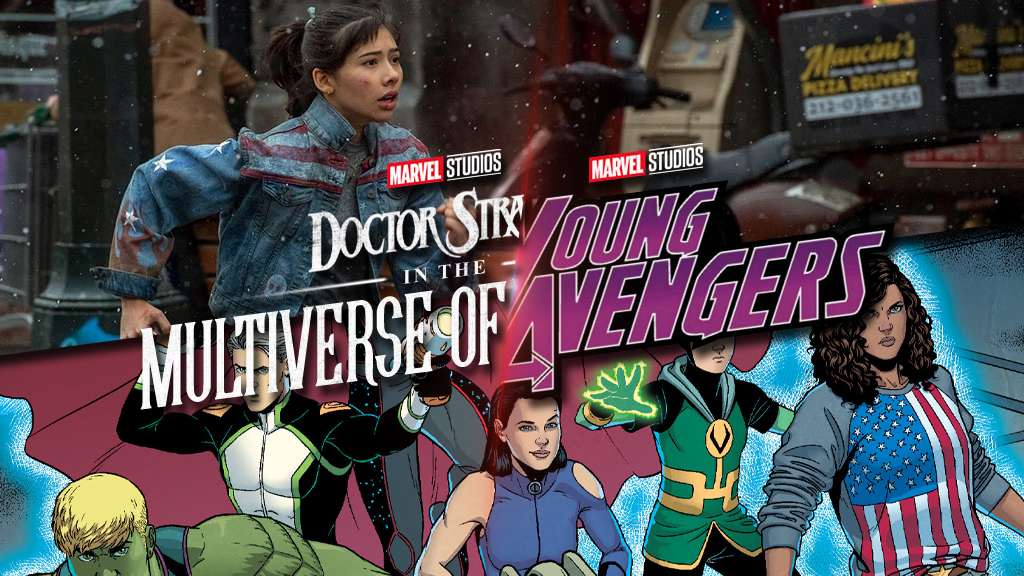
    Between the Illuminati, Mount Wundagore, and Clea taking Doctor Strange into the Dark Dimension in the mid-credits scene, Doctor Strange in the Multiverse of Madness certainly left plenty of room for several more stories to continue. Another obvious example was the film’s introduction of Xochitl Gomez’s America Chavez, the dimension-hopping young heroine at the center of the movie’s plot.

    As many know, America is an iconic Young Avenger in Marvel comics, so her presence definitely teases that concept. But while Multiverse of Madness generally kept her comic’s origin story intact, it appeared to make a major change that could impact the young hero’s journey going forward. It also left the character in a place that could hint at how the MCU might build a Young Avengers team.

    Marvel Studios
    America Chavez’s Origin

    We only get a brief glimpse of America’s past early in Multiverse of Madness, but we know that she appears to come from an alternative universe or dimension. She does not specify further, but we also learn that she apparently has no variants. In an infinite multiverse, that would not make sense. It is likely that the place America is from in the MCU is outside of the multiverse, which would follow the comics.

    Young Avengers #3 (2013)

    Though it has since been retconned, America’s origin story began in the Utopian Parallel, which is a dimension outside of time and the multiverse and is inhabited only by women. Her powers come from the residual powers of a being called the Demiurge, who created the Utopian Parallel. In the comics, the dimension is threatened with destruction via black holes, but America’s mothers sacrificed themselves and essentially disintegrated into particles stretched across the multiverse. After this, America travels the multiverse looking to be a hero, because she believes the Utopian Parallel does not need salvation.

    Young Avengers #3 (2013)

    In the Doctor Strange sequel, America accidentally transports her moms into some random universes when she unintentionally used her powers as a child. While America is convinced they are dead, Doctor Strange reminds her that they could likely be out there somewhere. If her mothers are not dead, that could open up an entire storyline for America to go find them. Teases like this almost never amount to anything, so it is curious whether the heroine would get some solo time to explore that arc or if it could be something that ties into an eventual Young Avengers story.

    America’s Magical Ending

    The end of Multiverse of Madness sees America at Kamar-Taj, working on sorcery skills in a way reminiscent of Stephen Strange in the original Doctor Strange movie. Her main challenge in the film seemed to be controlling her existing portal-creating powers, so the tease that she may be on the path of a sorcerer is very interesting.

    On one hand, it potentially sets up a mentor-mentee relationship between Doctor Strange and America Chavez similar to Clint Barton and Kate Bishop in Hawkeye. While this does not necessarily have any comics backing, it could be the MCU’s way to gradually bring in and develop the young characters in organic ways in other projects before jumping into a team event.

    Young Avengers #9 (2013)

    The fact that America now has some connection to magic could also hint at how other Young Avengers may be brought into the fold. On one hand, Wanda Maximoff’s son Billy later becomes the superhero Wiccan in the comics. Wiccan also becomes the same Demiurge that creates the Utopian Parallel, so Multiverse of Madness potentially connects America and Billy in several ways. With the Loki Disney+ franchise still going, there is also potential for Kid Loki to become a significant character in the MCU. Kid Loki, of course, has powers connected to magic as well, but he was also the character that brought America and Billy together in the first place. That arc ultimately saw the formation of the Young Avengers.

    America’s connection to sorcery may make a future team-up of young heroes easier, considering she would already exist in spaces characters like Bully Maximoff and Kid Loki might. In addition, her potential relationship with Doctor Strange may allow her to stick around in various other projects before Marvel Studios is ready to take the leap into a true Young Avengers project.

    Fans can see America Chavez in Doctor Strange in the Multiverse of Madness, which is now playing in theaters.

  • 5 ‘What If…?’ Episodes Set Up in ‘Doctor Strange in the Multiverse of Madness’

    5 ‘What If…?’ Episodes Set Up in ‘Doctor Strange in the Multiverse of Madness’

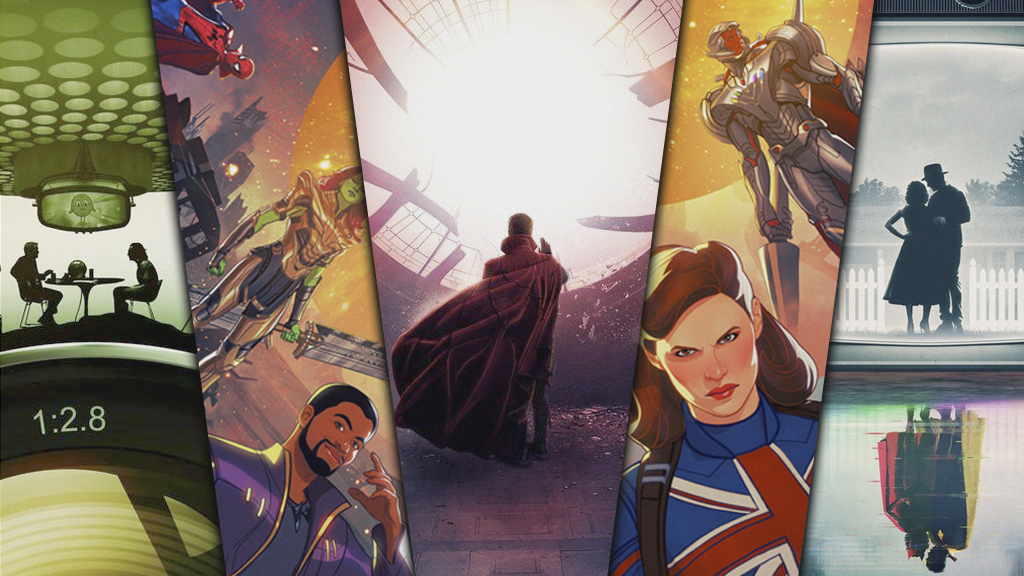
    Doctor Strange in the Multiverse of Madness is exactly what it sounds like. Marvel’s Master of the Mystic Arts finds himself flung through a multitude of alternate worlds, encountering a constant stream of potential “what if?” scenarios in every one. Unfortunately, a movie can only tell so much story, and as a result, audiences only get quick glimpses into the divergent timelines presented throughout Sam Raimi’s latest superhero epic. With all the funky new concepts and character variants introduced in the film, fans may even leave the theater wishing Marvel Studios had some sort of animated Disney+ series dedicated to exploring their multiversal offshoots. Well, fear not True Believers. This seems like a good time to remind everyone that Marvel’s What If…? does in fact exist, and another season is still on the way!

    When the second batch of episodes finally hits the small screen, it’s sure to feature at least a couple of episodes based on events from the Multiverse of Madness. When it comes to what those episodes might be, there are a lot of options on the table. Luckily, we here at Murphy’s Multiverse have narrowed it all down to only a handful of the most intriguing choices. Follow along as we dive into the prism of endless possibility, and guide you through the vast new realities that could become episodes in the upcoming second season of What If…?.

    What If…Scarlet Witch Annihilated the Multiverse?

    This is the easy one, but it’s also maybe one of the most interesting. As those who have seen Multiverse of Madness know, Elizabeth Olsen‘s Wanda Maximoff takes a surprisingly dark turn as the film’s main antagonist. The former Avenger embraces the Darkhold and her title as “Scarlet Witch”, going on a killing spree in search of a universe where she is allowed to exist peacefully with her children. It was a goal she attempted once before in WandaVision, with slightly less violent methods. She’s eventually stopped by Doctor Strange and the young America Chavez, but she comes pretty close to achieving her goal.

    Earlier in the film, Benedict Wong‘s Sorcerer Supreme mentions that the Scarlet Witch is prophesized to either rule the multiverse or annihilate it. Thankfully, the latter never comes to pass, but what if fans were able to peek into a world where Strange and Chavez failed? What if, in another universe, the Scarlet Witch succeeded? The movie talks a lot about “Incursions”, when two universes collide and destroy each other due to excess multiversal fiddling. It’s likely that with no one powerful enough to prevent her from tearing through the multiverse, she would eventually cause it’s destruction in the form of countless incursions. This would be a catastrophic threat on the same level as the first season’s Infinity Ultron, and would be a good reason for The Watcher to intervene a second time.

    What If…Maria Rambeau Was Captain Marvel?

    One of the more exciting reveals of the Doctor Strange sequel comes in the form of the Illuminati. The team is comprised of Marvel heroes from across the multiverse, assembled to protect it and their world from any threat they deem too great to exist. One member of the group, Hayley Atwell‘s Captain Carter, already made her debut on What If…?, but her associates are a whole different deal. While major cameos like John Krasinski‘s Mr. Fantastic or Patrick Stewart‘s Professor X are incredibly cool, their lack of MCU history doesn’t exactly lend itself well to the premise of the aforementioned animated series. Luckily, the group isn’t a total What If…? scratch.

    Lashana Lynch makes a surprise return to the role of Maria Rambeau, only this time, she’s the one wielding unprecedented cosmic power. Chiwetel Ejiofor‘s Karl Mordo variant introduces the character as “Captain Marvel”, indicating this Rambeau comes from a universe where she was the one who took that fateful flight with Dr. Wendy Lawson and ended up in the hands of the Kree. Almost nothing about her origin or life are revealed in her few brief scenes, but her existence just begs to be further explored. If Maria was abducted from Earth, what happened to her daughter Monica? Was she raised by Carol Danvers? Was S.W.O.R.D. ever founded? What kind of galactic hero would Maria turn out to be? Also, that awesome Photon-inspired suit deserves a little more screen time than it actually got.

    What If…Vision Lived?

    For a decent chunk of Multiverse of Madness, the Sacred Timeline’s version of Scarlet Witch inhabits the body of another universe’s Wanda Maximoff and uses her to do all the dirty work. While this process, called “dream walking”, is pretty darn neat, it’s not the aspect of this scenario that’s most fascinating. The Wanda who falls under the Witch’s control is shown to be a loving mother of her two sons, living a relatively normal life despite still having her superhuman abilities. This suggests that the Maximoff of this world may not have suffered all of the same traumas as the mainstream Wanda fans have come to know. WandaVision taught audiences that the hero’s ideal life includes her husband, Paul Bettany‘s Vision, yet he’s nowhere to be seen during the film.

    Perhaps he simply wasn’t home when 616 Scarlet Witch broke in and began manipulating his wife, or perhaps he wasn’t able to survive in this universe either. Whatever the case may be, it sets up an interesting question that What If…? could answer. What if Vision lived? Would Wanda’s life look more like the domestic one we see in the film, or would the couple still be out saving the world with the Avengers? It’s likely the Scarlet Witch persona would not have been embraced in the same way viewers have seen in the MCU’s Phase 4, but if it had, how would Vision’s presence have impacted it’s effect on the world? Hopefully Kevin Feige and the team at Marvel Studios give us answers sooner than later.

    What If…The Illuminati Won?

    The Illuminati were an insane, unthinkable live-action superhero dream team…which lasted for all of a few minutes before they all died. Forced to confront the full power of the Scarlet Witch, each member of the group fell violently, one-by-one. Though, what if they hadn’t? What if the Illuminati had been able to put down Wanda Maximoff and keep both Stephen Strange and America Chavez in their grasp? The squad had just finished telling Strange that he was a bigger threat than the Scarlet Witch when the latter wiped the floor with them, and the implications of their big speech seemed pretty depressing.

    In the comics, the downfall of the Illuminati is their willingness to cross the line of ethics and do whatever they feel is necessary to protect the world. With the entire multiverse at risk, they might have offed the Sacred Timeline’s Strange in an effort to contain his supposedly terrifying power. What would have happened to his home universe had he never returned? As for America, it was only a matter of time before they discovered just how incredible her abilities really were. What would they have done with her once they knew? In the wrong hands, she could be a weapon used to “maintain peace” across all of space and time.

    What If…Doctor Strange Was Earth’s Mightiest Hero?

    When Stephen Strange fist arrives on Bruce Campbell‘s pizza planet, he’s greeted by an old friend-turned-enemy who’s become that world’s Sorcerer Supreme. Mordo explains to Strange that his variant died saving the Earth from Thanos, and had publicly become known as his Earth’s most popular hero. There’s even a statue bearing the inscription outside the Sanctum Sanctorum, and a whole museum dedicated to Strange’s life story. While later revelations from the Illuminati reveal this tale wasn’t entirely true, it does make one wonder where Tony Stark was while all of this was going down. His absence, and the lack of an Iron Man on the Illuminati roster, could be a subtle reveal that the universe in question never produced an armored Avenger of it’s own.

    If this is the case, What If…? could capitalize with an episode centered around a world where Stephen Strange is the face of the Avengers and everyone’s favorite good guy. A variant of Strange from a completely different universe, dubbed “Defender Strange” by marketing, is seen at the beginning of the movie sporting a sweet pony tail and black-and-red threads. What if this variant is from a world where Strange formed The Defenders as Earth’s Mightiest Heroes instead of Stark and Nick Fury leading the charge with The Avengers? It’s a longshot, but it seems like a story worth diving into.

  • Murphy’s Team-Up, Volume XX: Favorite MCU Second Filmsďżź

    Murphy’s Team-Up, Volume XX: Favorite MCU Second Films

    Nathan Miller

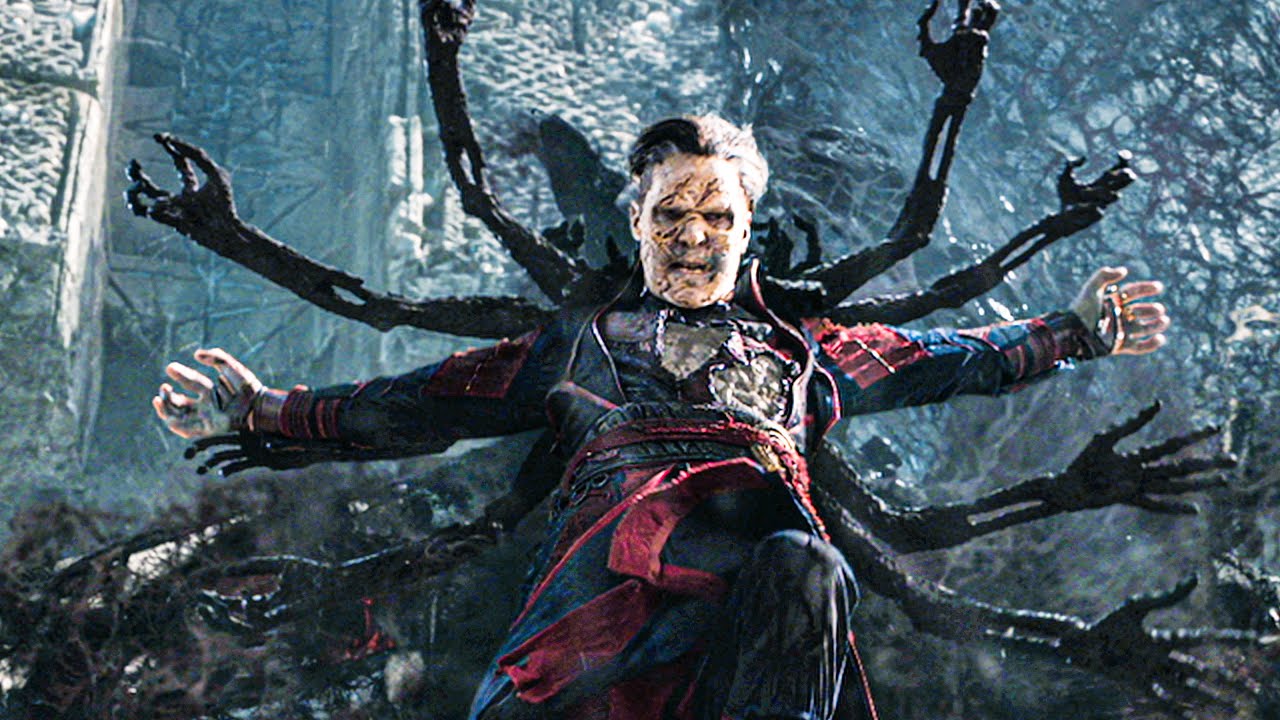
    Doctor Strange In The Multiverse of Madness is my favourite 2nd MCU film. I loved what a big swing they took for a second film. From the expansiveness of the worldbuilding to the tightness of the themes in driving the characters forward. While the plot is reasonably simple, the concepts it draws from are far-reaching. At the same time, motifs are repeated like the happiness and heroism of Strange and Wanda, which help the themes land successfully, despite the plot’s fast pace. All of that is without talking about the mind-bending VFX, and the brilliant guest appearances, both of which really hit hard about how infinite the multiverse is. While I wasn’t the biggest fan of the score, Sinister Strange fighting 616 Strange using musical notations was fantastic. With this continued inventiveness I look forward to more favourite 2nd Marvel Studios films from Eternals and Shang–Chi too. 

    Torbjorn Frazier

    While I definitely won’t go as far as saying that is objectively the “best” sequel in the Marvel Cinematic Universe, I’d be remiss to not take the opportunity to discuss my personal soft spot for 2018’s Ant-Man and The Wasp. The film does a strong job continuing and evolving the themes of its protagonists set up in the original film. Paul Rudd’s Scott Lang is on the continuing quest to be the hero his daughter deserves (both in superheroics and as a father). Meanwhile, Evangeline Lilly’s Hope van Dyne really comes into her own being introduced as Wasp while continuing to build trust and relationships with those close to her after the tragic events of her upbringing. As well, I maintain that Hannah John-Kamen’s portrayal as main antagonist Ava Starr remains arguably the most underrated villain in the MCU through this point in time. As the cinematic franchise continues to venture towards larger scopes in storytelling, Peyton Reed’s sequel has strong rewatchability both on its own merits and as a low stakes palate cleanser in relation to films like Avengers: Infinity War that came before it. Even still, some seeds were planted for the future between marking the true origin for Cassie Lang’s journey to becoming a hero much like her father and leaving the option for John-Kamen’s Ghost to return down the road. Ultimately, Ant-Man and The Wasp could be described as Marvel Studios’ take on the quintessential “family film.” And in relation to the rest of the MCU, I continue to find the sequel as such a positive experience and an underrated continuation to Marvel’s smallest franchise.

    Mary Maerz

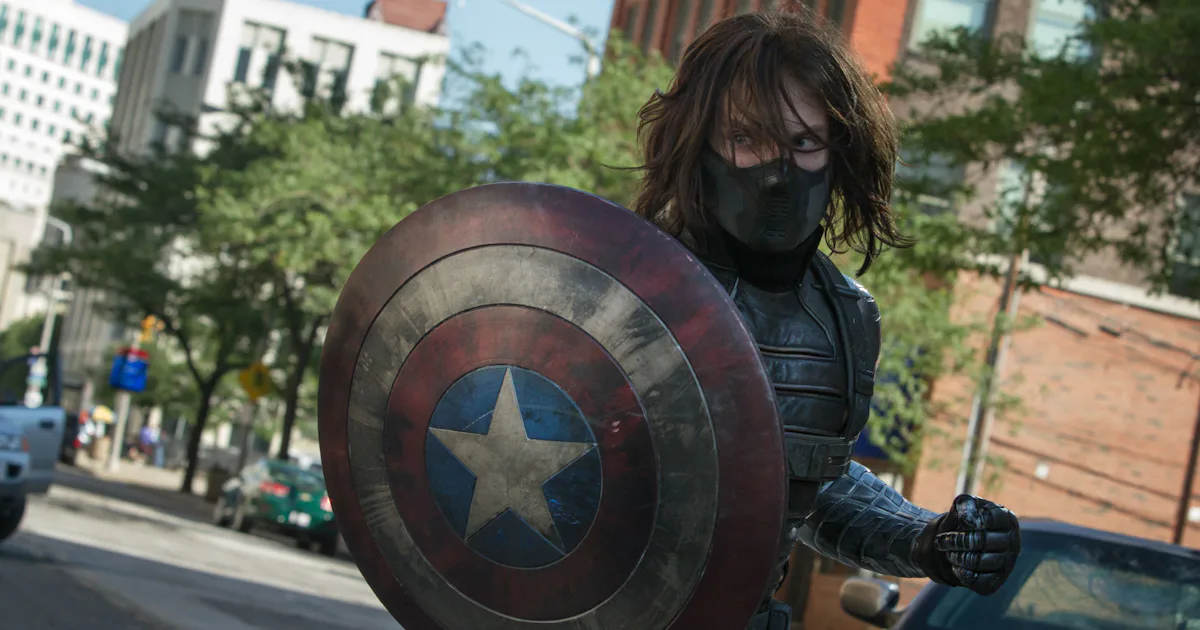
    Sebastian Stan Debuts Winter Soldier Shield, Teasing Fans

    Captain America: The Winter Soldier by technicality. I’ve seen it 333 times in the past 8 years, so it’s proven itself to be (by MCU standards) timeless. MoM is much more exciting, and it has all the potential to end up at #1 for me, but I’ve only seen it twice in less than a week. It’s much more ambitious and it is perfect in how it took one of the least realistic or grounded characters and ran with it. It’s wild, it’s fun, it has so much more personality. But TWS has that smooth, airtight, all-around quality to it that MoM as a concept probably never could. So for me it comes down to how well MoM ages, but they’re neck and neck as two extremely different movies.

    Joseph Aberl

    To this day, I still adore what Captain America: The Winter Soldier did for the MCU, especially as a sequel. While the first explored a war story with some superhero flair, it was its sequel that truly cemented Steve Rogers’ character and still manage to cohesively build upon the first even if he’s lost in a different era altogether. It may also be the first instance where the film truly embraced the roots of a different genre, which would become a cornerstone for future entries and set up the team that would define superhero cinema.

    Hunter Radesi

    A major part of the reason the original Guardians of the Galaxy hit so well with moviegoers was it’s emotional core. Director James Gunn found ways to reimagine the protagonists that made them feel real. Their stories were relatable and their goals understandable, with every brilliant character beat tucked neatly into a beautiful, hilarious, thrilling cosmic adventure. Vol. 2, despite catching flack from some critics, manages to be my favorite Marvel Studios sequel by maintaining every inch of this spirit and expanding upon the exciting universe established in the first entry.

    A deep dive into complicated family dynamics, exploring what it means to be human, and the admittance of redemption into an otherwise painfully difficult life. Maybe I just happened to see it at the right time in my life, but Rocket’s subplot alone will always hold a special place in my heart. I cry every single time. Also, the adventure itself is a lot more fun than it gets credit for. Creative action sequences, dazzling colors, and plenty of organic set up for galactic tales to come. If it’s been a while since your last watch, maybe give it another shot. You might be pleasantly surprised.

    Dalbin Osorio

    Doctor Strange in the Multiverse of Madness Ending Explained | Den of Geek

    If I was writing this before seeing Doctor Strange In The Multiverse of Madness, I’d have gone with Captain America: The Winter Soldier. However, having had the last 12ish hours to sit with the newest Doc Strange, I can safely say that this is as much a game changer as the 2nd entry in the Cap trilogy was and for many reasons. What worked for Winter Soldier was that it was still very much a Cap story, despite needing to set the stage for both Age of Ultron and Civil War. Doc Strange 2, in that vein, has the unenviable job of setting up the multiverse in spades (it’s no longer a concept, but a very real thing in the MCU), while also setting up Doctor Strange 3 in a very real way AND Secret Wars in a tangible fashion. We end with a corrupted Doc Strange, a bunch of dead sorcerers, and some much-needed growth for the good Doctor. We get Clea in the mid-credits scene, and that plants a seed for both the conclusion of the trilogy and the overarching story, but the shadow of Kang hovers above these proceedings when we realize that it was Sylvie’s decision to stab He Who Remains that has now caused these Incursions to happen in earnest. That one decision, in the void, has now set these different universes on a crash course for each other. Doc Strange 2 could’ve been forgiven if it focused solely on that, but this movie is as much Stephen’s story as Wanda’s in the sense that they are both chasing the thing they want the most only to find out their current iterations don’t deserve it. Whereas No Way Home needed the variants to move Peter forward away from the Avengers, the Variants in Doc Strange 2 serve to reinforce decisions that he made in order to save that team (and the universe). Michael Waldron deserves credit for how he wrote Wanda here, too, and I think it’s that well-earned heel turn that cements this as my favorite Marvel sequel. Wanda is a bad ass, who delivers some of the best lines (her telling Reed that it’s good that Sue is still alive because then their kids will have someone left to raise them was incredible), and is not to be trifled with. My favorite sequel from Marvel, for sure.

    Anthony Canton III

    Doctor Strange in the Multiverse of Madness made this question really tough. From Sam Raimi’s direction to the themes of the movie really challenged this spot. However when thinking of MCU sequels Captain America: The Winter Soldier remains the superior movie.

    Cap 2 is a technical marvel no pun intended. The introduction of Anthony Mackie’s Falcon, the incredible action scenes, and the tilt of Steve Rogers character tips the scales. Robert Redford as the shadowy leader of Hydra in a Marvel movie is wild to think about. The fight in the streets of DC between Bucky and Steve is top 5 in the MCU. This movie wasn’t just a marvel movie, it was an spy thriller.

    The movie asks and answers questions as to why S.H.I.E.L.D. should or shouldn’t exist. The deception of Nick Fury and Natasha Romanoff force Steve to think about being a hero differently. It informs Captain America’s decisions for the rest of his time in the MCU, good or bad. Everything from the beginning to the end with the introduction of Wanda Maximoff makes this the easy choice for the best MCU sequel.

  • How ‘Doctor Strange 2’ Proves the Disney+ Series Aren’t a Must-Watch to Keep Up

    How ‘Doctor Strange 2’ Proves the Disney+ Series Aren’t a Must-Watch to Keep Up

    There’s been a lot of discourse over the “homework” necessary to enjoy the latest Marvel Studios film, Doctor Strange in the Multiverse of Madness. Various articles are making their way online stating that one should watch Loki, What If…?, WandaVision, Spider-Man: No Way Home, and many more films to fully understand what is going on in Multiverse of Madness. Yet, even as someone who actively watches every new entry, wants to tell those that worry it might become too convoluted, there’s nothing to worry about. You don’t have to watch any of those projects to enjoy the latest films.

    We’ve generally noticed a trend that many Marvel Studios sequels don’t necessarily pick up where the first film left us off. As many might remember, Spider-Man: Far From Home is more a sequel to Avengers: Endgame than it is Homecoming. While it does build upon those story threads, the main arc builds around the death of Tony Stark. At the time of its release, there were some concerns that this might negatively affect the viewing experience but the film had a rather simple approach to solving that very issue. The film quickly catches us up in the beginning with a montage of those events, while also easing viewers into the narrative core of the story.

    Multiverse of Madness does the very same, as we get a very simple setup that helps us understand the motivations of the characters. We get a short line of dialogue on Strange’s choice of passing on the time stone in Infinity War, as well as the events that followed. So, we’re quickly caught up with where we last left off with his character development. At a later point, we even get a brief mention of Spider-Man that not only highlights how the end of No Way Home negates any necessity for this one, but it mainly helps those that wondered how the spell affected people’s perception of Peter Parker.

    Now, the big elephant in the room is the way the show handles the Disney+ series. They are the biggest additional and this is the first film that directly follows up on the events of one. You read that right, it follows up the events of one. While some articles claim to watch Loki and What If…? helps with the multiverse concept, there is no moment that Multiverse of Madness directly references the events of those Disney+ series. What If…? merely gets an indirect reference in the form of Captain Carter, who very likely is a different version altogether, while the God of Mischief’s storyline has no direct influence on the series.

    Some might argue that the inclusion of Kang and unleashing the multiverse would play a role in the story, but that’s not necessarily true. Loki, to this day, is more about his journey with the consequence of Sylvie’s actions being that the flat circle of time that represented the Sacred Timeline has been unleashed into the multiverse. Her actions indirectly would cause the fact that America Chavez even would come into existence and travel throughout the multiverse is possible. Yet, no one in the story is aware of that fact and neither would the viewer. Even if Michael Waldron wrote both projects, he’s mainly used it to set the ground rules for the multiverse, that’s all.

    In the same vein, that would mean you’re required to have watched all of Inhumans to understand why a guy named Blackagar Boltagon is sitting among the Illuminati and is played by Anson Mount. Or, you’d have to be aware of the fact that John Krasinski has been the most popular fan-cast to play Mr. Fantastic in the Marvel Cinematic Universe to fully understand why he’s in the film. Their inclusion has a meta-narrative included that doesn’t require everyone to fully understand it but creates the curiosity for those that know and don’t know who they are.

    Technically, the only Disney+ series that would be “required” is WandaVision due to how the film directly sets up the storyline from that series. Yet, the film swiftly goes through what a viewer needs to know. We see her wake up from a dream, which we find out is an alternative reality, where she lives with Billy and Tommy. While the characters were introduced in the Disney+ series, one could easily take away that these dreams are haunting her and creating this obsession with wanting her children back. She’s very vocal about it and Strange even mentions the events of Westview before we get a natural conversation on those events.

    Yes, you’ll get a full picture of why she wants her children but her story arc in this film and even the introduction of the Darkhold don’t fully require you to have watched the series. We swiftly get an introduction and viewers can easily fill in the blanks on why she has it in her possession. No one is required to fully understand how she got it, just that it is quite dangerous to own. What some might consider “required viewing” is the additional context for those that stuck around with the franchise.

    The “homework” narrative is something that we’ve created ourselves due to the interconnectivity of this franchise. Many feared that it could follow in the footsteps of the comics, which had multiple tie-in comic storylines, event stories, and additional ongoing series to keep up with for a full picture. Yet, one could argue that Marvel Studios found a good balance in how they use their Disney+ series and character cameos. To be fair, they’ve already been handling this balance across multiple franchises in the past.

    To give a comparison, the Iron Man trilogy explored Tony’s place in the world but he also had an additional arc explored in all Avengers films that worked in tandem with each other. Ultron was fallout from his own personal trilogy, but the concept of self-sacrifice was one specific to the Avengers films, which lead to Endgame’s final sacrifice. His story in Captain America: Civil War also helped bridge going into Infinity War, where we learned about those events with a quick joke about them breaking up “like a band” and everyone is swiftly caught up. Even Tony and Peter Parker’s relationship was more continued from Civil War and didn’t harp too much on their journey in Homecoming. Everything you need to know for that specific film was provided, the rest is just additional context.

    Marvel has learned to use dialogue and humor to swiftly catch people up without having to have seen every entry in their franchise. Even character introductions are set up in a way that you quickly know what they are all about, such as when Thor: Ragnarok showcases Strange’s abilities and has Thor mock the magician to help viewers know what he’s all about. Disney+ is simply a new format that adds some additional stories to the mix but doesn’t force anyone that isn’t interested to watch it just like you didn’t need to have watched Doctor Strange to enjoy his role in Ragnarok.

    They also are able to avoid the issue comic readers face for one specific reason: scheduling. Disney+ projects and their films are mapped out in advance. So, we only have a limited amount of projects released in-between films. When the pandemic hit, they’ve adapted story elements to fit their new timeline, which highlights how they use the format to keep the franchise from bloating with too many projects airing at the same time, something the Arrowverse suffered with 22+ episodes for multiple shows each season.

    Marvel Studios also seemingly gives specific types of films a different purpose. Solo films are there to explore new character arcs. It is why Multiverse of Madness is still Doctor Strange’s film as his arc is the main focus throughout, similar to how Civil War handled it. Wanda has her own storyline weaved throughout, but she functions as a force that also pushes Strange forward. While he had an important role in the MCU before, it never further pushed him as a character like it did now but only used what we know from the 2016 version as a base.

    The film still acts as a sequel to Scott Derrickson’s introduction of the character by making specific callbacks, such as the watch, adding context to a joke from the first film, highlighting Strange’s love for old rock, and so much more. It still manages to build upon the arc from his original film, by focusing on his worst character trait and tendency to be the one to fix everything, which highlights that after all his time in the MCU, he still has something to learn.

    What Marvel Studios can truly embrace with their model is that sequels aren’t shackled by linear storytelling from one entry to the next. If they followed older formats, the next film would’ve set up a new villain that may have a connection to Kamar-Taj or need an entire origin arc, and may wait a while before it explores something as out there as the multiverse. Plus, we’d have to ease viewers into the many spells that he’s learned throughout. Yet, we’re at a point where the spells aren’t the thing that needs to be explored in their complexity, context clues are spread throughout the MCU, and the focus remains on the multiverse.

    There is the drawback of tie-ins and set-ups muddling some plot elements, but Multiverse of Madness is, at its core, very much a Doctor Strange story, no matter if it hit as well as intended or not. In a way, it doesn’t even fully require you to watch the original 2016, as all-important context clues and story elements are eased in through context clues and dialogue. While watching previous entries certainly helps viewers get the full context, the films still worked as standalone pieces that help guide those in by highlighting what they need to know early on.

    So, there’s no need to panic if a new “viewer’s guide” tells you what you should or have to watch beforehand. If you’re interested to learn more, take it as supplemental material, but there’s no worry that every new project release is necessary to fully enjoy a new entry into the MCU. Just because some franchises dabble in similar concepts, it doesn’t make it a necessity to watch, and sometimes even trailers include all the information you need going in.
  • ‘Doctor Strange in the Multiverse of Madness’ Mid-Credits Explained

    ‘Doctor Strange in the Multiverse of Madness’ Mid-Credits Explained

    There was a lot to process as the credits began rolling on Doctor Strange in the Multiverse of Madness, but the surprises didn’t stop there. In typical Marvel fashion, an extra scene placed in the middle of the credits revealed a lot of exciting new information about the future of Doctor Strange and the Marvel Cinematic Universe at large. A new character makes her grand debut on the big screen, something sinister appears to be afoot, and Strange dives forehead first into his next mission. It’s all very exhilarating, but for some, it might not be all that easy to comprehend. There are a handful of exciting puzzle pieces at play, so let’s try putting them together to map out what may lie ahead.

    The mid-credits scene follows an ending cliffhanger that involved Benedict Cumberbatch‘s titular hero collapsing to the ground and alarmingly growing a third eye in the middle of his forehead. His screams are cut off by the ending titles, but when the mid-credits spot picks back up, he is once again casually strolling down a New York City sidewalk. All seems fine until a mysterious new figure appears behind him, an apparent mystic arts wielder played by Academy Award winner Charlize Theron. Strange is just as shocked as the audience to see Theron‘s face, but the former Mad Max: Fury Road star doesn’t wait for the bombshell to wear off before informing Stephen that his prior actions have caused an “Incursion” that the two of them must fix. Ready as ever, Strange confidently opens his third eye and jumps with the woman through a portal toward his next adventure.

    While the one-time Aeon Flux lead never gives her name, and Strange never asks for it, any longtime comic book fan could probably deduce her identity based on appearance alone. Theron is portraying Clea, whose signature silver hair and purple attire are both present and over-the-top for the duration of the scene. In the comics, the character is perhaps the most important supporting player in Strange’s circle, outside of the loyal Wong. Originally introduced in 1964, only a year after Strange himself, Clea is the niece of the dreaded Dormammu and heiress of the Dark Dimension. Her mother, Umar, was a higher-dimensional being of energy and the sister of Dormammu, who eventually became trapped in human form and produced Clea with a Dark Dimension disciple named Orini. Cold and calculating, Umar would ultimately use her daughter as bait to lure Doctor Strange into a trap, but the hero instead saved Clea and brought her back to Earth to live and train with him.

    Over the years, the pair would become great partners. Umar and Dormammu’s defeat leads to Clea taking the throne of the Dark Dimension, a role she frequently loses and regains based on story needs, and with Strange’s help, she effectively grows into one of the multiverse’s most powerful magic users. Clea also remains the most significant and longstanding love interest in Doctor Strange’s history. The two even wed at one point, with the mononymous sorceress sometimes using the full name “Clea Strange.” However, their relationship has always been very on-and-off, with the fiercely independent Clea often going on her own to lead rebellions in the Dark Dimension or fulfill her own duties. Most recently, during the events of Marvel’s Death of Doctor Strange, Clea took on the responsibilities of Sorcerer Supreme following Stephen’s apparent demise, doing battle with powerful enemies like Doctor Doom and interdimensional warlords.

    In the MCU, however, it does not appear that Clea will need Strange’s help in becoming a proficient sorceress. Theron‘s take on the character seems to have just as much interdimensional mastery as the good Doctor himself, if not more, implying a lot of her backstory may have already occurred off-screen. Multiverse of Madness does a great job of organically ending Strange’s romance with Rachel McAdams‘ Dr. Christine Palmer, which means the mischievous look he gives Clea before jumping through her portal could be the beginning of a whole new era in Stephen’s MCU love life. It’s not really made clear what the meaning behind Strange’s newest peeper is, but events from the film’s third act would suggest it has something to do with a possible magical corruption caused by fiddling in the Dark Arts. Perhaps getting to know Clea, an expert on Dark Dimension magic, will aid in this development going forward.

    What’s also unclear is how Clea is aware of Strange’s involvement in creating an Incursion, or what she’s been up to that would lead to her needing to stop it. As explained by the movie, an Incursion occurs when two universes collide with each other and temporarily co-exist before being erased from existence. The concept was a major part of Marvel’s 2015 Secret Wars event and has now made its way to the MCU. This little mid-credits scene could potentially be the start of a bigger path that leads to an adaptation of that comic, but for now, it simply appears to set up a third Doctor Strange film with plenty of questions to answer. Who knows, maybe fans will even get another Dormammu appearance out of the deal.

    Doctor Strange in the Multiverse of Madness is now playing in theaters everywhere.

  • Three Ways ‘The Avengers’ Changed the Cinematic Landscape

    Three Ways ‘The Avengers’ Changed the Cinematic Landscape

    May 4, 2022 is a landmark day in the history of Marvel Studios as the 10 year anniversary of the release of The Avengers. While the true start of the Marvel Cinematic Universe was with 2008’s Iron Man, it wasn’t until the first true crossover that it became fully actualized and proven as a serious force in the movie industry. As the MCU has progressed into new territories since then, let’s stop down and recollect on five ways this film has changed the way major studio films have been made since.

    #1: The Rise of the “Cinematic Universe”

    The most obvious impact The Avengers has had on the larger film industry is major studios’ insistence on trying to follow suit of Marvel and create their own universes with characters from various connected films. Before, the concept of crossovers within major films were few and far between, and mainly predicated on passing references that’d never be followed up on. A fully interconnected cinematic universe was a concept many were skeptical of before the release of the 2012 summer blockbuster. Doubts were held over whether or not audiences would buy into the concept that a billionaire in an iron suit, a World War II hero, and a god from Norse mythology would fit in together in the same film. However in earning over $1.5 billion in the box office, Marvel Studios proved this idea to be a great success. Following this, general audiences were inundated with various attempts to copy Marvel’s formula to various levels of success. These have ranged between Warner Bros’ modestly successful MonsterVerse and Universal Pictures’ laughably ill-fated attempt with the Dark Universe. However, none have truly matched the level of success found in the Marvel Cinematic Universe and The Avengers.

    #2: Relatability in Characters

    While the rise in cinematic universe could be considered the most noticeable impact of The Avengers on major studio releases, the largest impact the film had was ushering in a change of the way audiences wanted to perceive their characters. In a vast majority of marquee films before 2012 (especially in relation to superhero films), central protagonists were treated as absolute godly figures. To use the then most recent popular superhero franchise as an example, Christopher Nolan’s Dark Knight trilogy presents Batman as someone with the strongest moral character once he has accepted the responsibilities of his powers and begins fighting crime. He’s not a character with much nuance to him and his struggles are presented to be more based on external threats around him than any meaningful internal pathos. Meanwhile, audiences were leaving The Avengers generally talking more about the moments of character development than the big action set pieces. Viewers made great connections to seeing the protagonists have to struggle with their internal identities to be able to work as a team. Ultimately, The Avengers made us realize we wanted our cinematic pillars to be more human and relatable.

    #3: The Anticipation of Post-Credit Scenes

    While focusing on essentially a solitary minute of The Avengers 143 minute runtime feels at least partially ridiculous, it can’t be denied that the end of this film changed the way major feature films optimized the coda of their projects. The ominous closing shot of Thanos looking towards the camera set the stage for the long-term destination of the Marvel Cinematic Universe. And with it, this generated large quantities of fan excitement at the thought of the road ahead and how these future films would connect. This indeed ended up becoming a strategically brilliant decision for Marvel Studios and Walt Disney Pictures both creatively and from a business stand-point at the time. Moving forward, large expectations have been made for essentially every blockbuster-type film to close with some hint of the future or how what audiences just saw connects to a bigger picture. Arguments can certainly be made for if this has now grown into more of a net-negative for the film industry and the creative process, but it’s certainly present and can be traced to Marvel Studios first major crossover project.

    Reflecting on the ten years since the release of 2012’s The Avengers paints the picture of how the film not only changed the course of Marvel Studios, but the entirety of the Hollywood film industry. And it will be compelling to look further into how this landmark film maintains its impact in the decade to come and beyond.

  • What Could The ‘Peacemaker’ Spin-Off Focus on

    What Could The ‘Peacemaker’ Spin-Off Focus on

    Peacemaker was quite the ride for fans, featuring the return of John Cena in the titular role of the DC Universe’s biggest douchebag, yet again working for Amanda Waller on Project Butterfly. The ending of the first season had some serious ramifications for the future of Amanda Waller and Task Force X, with Leota airing all the dirty laundry of ARGUS to the presses.

    We can assume that this is what the recently announced Waller-centric Peacemaker spin-off series will tackle. The series could see Waller go on the defensive and mobilize whatever she’s got to save her skin, but what else might we be able to expect from the series? Allow us to breakdown some possibilities.

    The Secret Six

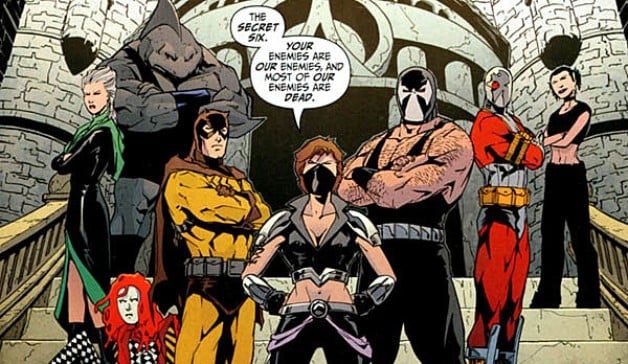
    The Secret Six are one of DC Comics’ hidden gems, a team of mercanaries lead by the mysterious Mockingbird. In the Villains United comic book event, where Gail Simone reinvented the team, the six came together for the first time as the few villains that would not join up with Lex Luthor and his coalition of DCs Supervillains known as the Secret Society of Supervillains. Mockingbird brought the team together against their will, but still makinf it a point to compensate them for their work.

    There have been many people to take on the moniker of Mockingbird to hire the Six yet again for whatever dirty deed needs doing and it seems we could see them come together in the DC Extened Universe. The idea here is that we could see Viola Davis reprise her role as Amanda Waller and become a sort of Mockingbird figure, hiding in the shadows as she dispenses mercenaries to take out the witnesses and surviving members of Task Force X.

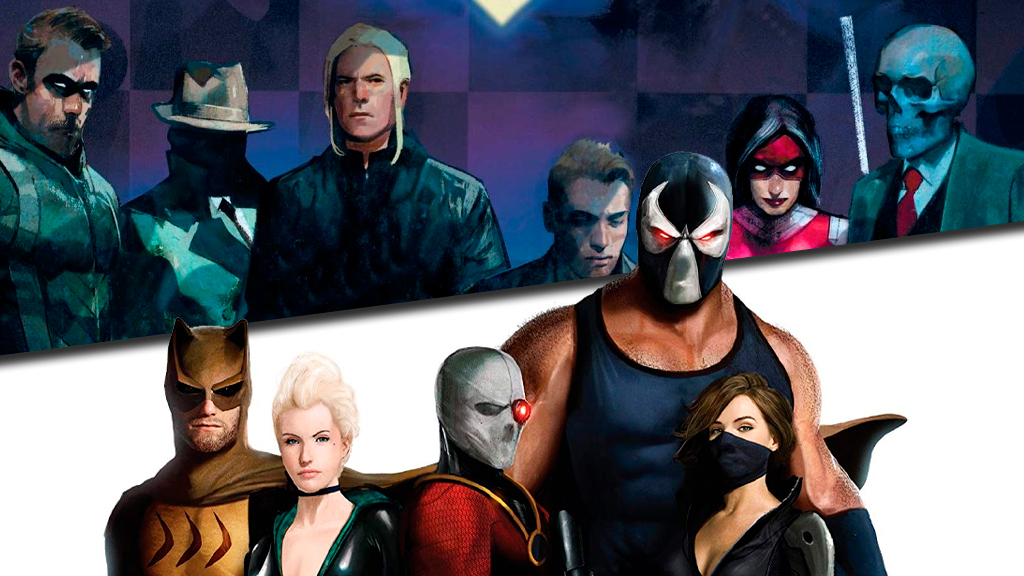
    Ideally, the roster would be quite similar to the comic book roster aside from a few changes. Essential members of the team would be Catman, Scandal Savage, Ragdoll, Jeanette, and Bane. Deadshot is tricky due to his involvment in the Suicide Squad and the situation with the team in the current DCEU. Floyd Lawton is often seen as Waller’s personal errand boy and it wouldn’t be shocking to see him working alongside the Six, but in the end, it’s another loose end for Waller. It could be cool to see members like Strix, Black Alice, Cheshire, Parademon, and even Mad Hatter work for Waller, but it’s important that the core members of the team are front and center.

    Checkmate

    Another option for Waller could be forming Checkmate. Originally known as the Agency, the group was run by Valentina Vostok, aka the Negative Woman, who after leaving the organization to join the Doom Patrol handed the reigns over to Harry Stein. At that time, the group was ordered by Waller to be reorganized into Checkmate.

    The organization, named after the winning move in a chess match, became an independent branch of Task Force X. The levels of the group were modeled after the playable pieces in chess, with kings and queens being the highest ranking level one could reach. Roles like bishops had oversight on the missions that planned by the rooks, with knights being the ones on said missions. Pawns worked as support.

    A subtle hint to the organization appeared in the first season of Peacemaker. In the decrepit video store base of operations, can be seen a poster for a film titled “Privateer.” Privateer was the heroic alter-ego of Mark Shaw, who’d worked with Checkmate at one point and even went onto run Checkmate for a time.

    Plot details on the upcoming spin-off series remain scarce as it has yet to officially be announced by James Gunn or HBO Max. Fans are eager to hear more as Gunn’s few entries into the DC Extended Universe have been quite the crowd pleasers. This will be the first though that Gunn will not write, and there’s currently no word on if he will direct any of the series episodes.

  • Warner Brothers Discovery Should Develop a Parliament for DC Films

    Warner Brothers Discovery Should Develop a Parliament for DC Films

    There’s yet another period of change happening over at Warner Brothers as the company recently completed its merger with Discovery leading to David Zaslav taking over control. With this merger came the report that the new leadership was unsatisfied with the current state of DC projects, believing that certain pillars of the brand have been cast aside and forgotten about. In fact, it was recently revealed that Zaslav and company are looking to find a Kevin Feige-like figure to lead the DC film franchise into a more cohesive direction and build something similar to what Marvel Studios has with the Marvel Cinematic Universe. The only issue here is that they don’t just need a Feige, Warner Bros. Discovery needs a parliament, too. 

    The Parliament is a group of executives that actively work alongside Feige, helping to determine what projects should get made at Marvel Studios. The idea here is that Warner Brothers Discovery should continue its search to find a business-experienced individual to lead its DC films, but surround that leader with a creatively experienced council of producers that can help build the film franchise.

    This idea sprouted from many folks online who’ve pitched a lot of really talented folks for the position, but the names being tossed around don’t appear to be what Warner Brothers Discovery is looking for.

    Draft Pick #1: Greg Berlanti

    Whether or not you like the Arrowverse or not, you cannot deny that it is not something super impressive based on how far it has grown and developed. Since the premiere of Arrow, Greg Berlanti has been the man behind it all, shaping a shared universe of DC characters onto the small-screen. Along with Arrow, shows like Flash, Supergirl, Black Lightning and Batwoman have built a rich universe of characters that have come to be beloved by fans. The way they put together massive, multi-show crossover events year after year is impressive, and his input on shaping the cinematic universe could be quite useful. 

    Draft Pick #2: Jim Lee

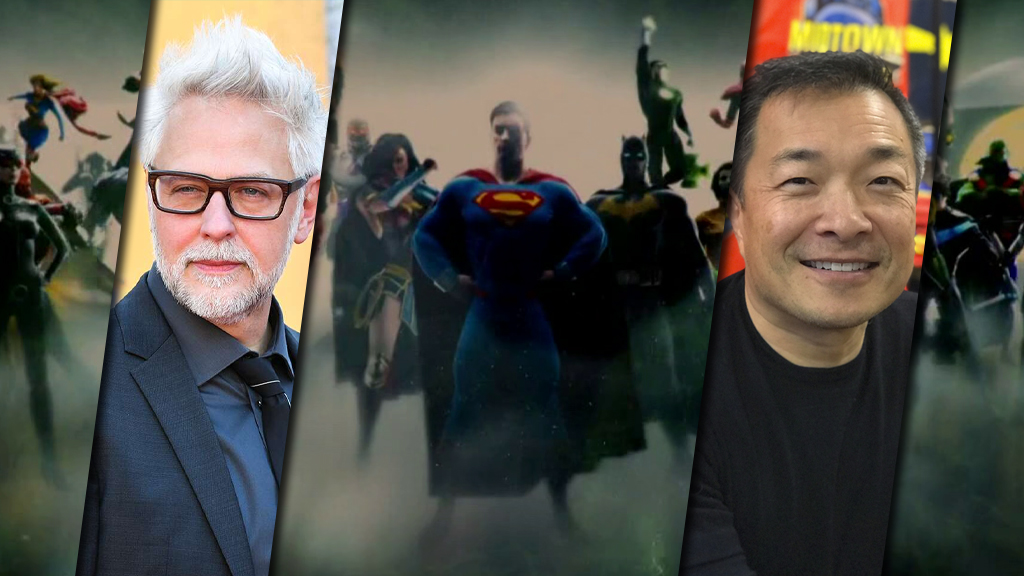
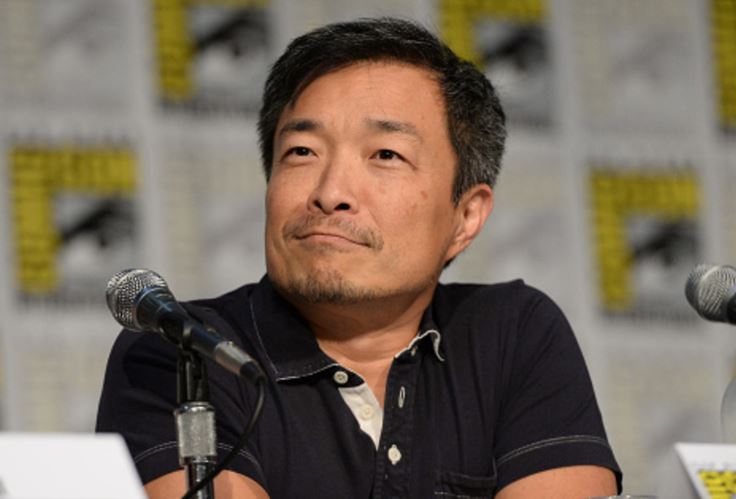
    When the news initially broke that Warner Brothers Discovery was looking for a Feige-type, many folks immediately suggested that Jim Lee be the man for the job. The last time we had someone like Lee in that position it did not work out too well, with Geoff Johns being placed elsewhere. Lee, however, is still a vital asset to DC and continues to serve as Chief Creative Officer and publisher for the company. Lee has been a major part of DC since 1998 following the acquisition of Wildstorm comics. Jim Lee’s passion and knowledge for the DC mythos is something that could be super valuable creatively as part of the DC Parliament. 

    Draft Pick #3 and #4: Bruce Timm and Paul Dini

    These are names that just about anyone that’s ever dipped a toe into the comic book world would know, while some might even call them legends for the work they’ve done with the DC Universe. Dini and Timm, of course, are best known for their work in the animated space of DC, building a shared animated universe with series like Batman: The Animated Series, The New Batman Adventures, Justice League, Justice League: Unlimited, as well as quite a few animated DC films. The work the two have done should not go unnoticed, and their experience would be incredibly beneficial to building a cinematic DC universe. Justice League: Unlimited is quite the prime example, with the series juggling a wide library of characters, giving many lesser-known characters their time in the limelight, and getting young fans associated with the universe and all it has to offer. 

    Draft Pick #5: James Gunn

    People have suggested Gunn before, believing that he could be a great pick to lead the DC Extended Universe and act as their Feige figure, and creatively, yes, Gunn could put together some really great stuff but he isn’t what WBD is looking for and Gunn has said he doesn’t want the job. So don’t give him that job, give him this one. This creative advisor position could be perfect for Gunn, having seen how things run over in the MCU and his vast knowledge of comic book films could be very beneficial to the DCEU as it goes through a growth period. Gunn’s past adaptations in both the MCU and DCEU have been praised by fans and critics alike, his input should be recognized by the folks looking to change things behind the scenes.

    Draft Pick #6: Gail Simone

    Simone is probably one of my favorite writers at DC, she’s done incredible work with plenty of iconic characters in the DC library. Some of her most notable works include Batgirl, Birds of Prey, Secret Six, and Wonder Woman. She could be yet another creative asset for those at Warner Brothers Discovery, as some of her work has been incredible face-lifts for pre-existing material. I think it’s best to get a council of folks from all different occupational walks of life and Simone would be their best bet in reworking some aspects of the DC universe. Simone has experience in these fields as well, having written for shows like Justice League: Unlimited, Batman: The Brave and The Bold, and is even working on the upcoming Red Sonja film. 

    This is merely a hypothetical that Warner Brothers Discovery could benefit from if they’re looking to move more into the way Marvel Studios does things. These positions, though, would merely be advisory to help build a cohesive universe and storyline that each project would help progress. Here’s to a better and brighter live-action DC Universe, one that all fans can enjoy together.

  • How DC’s Movies May Survive the Warner Bros. Discovery Merger

    How DC’s Movies May Survive the Warner Bros. Discovery Merger

    The Warner Bros Discovery merger has led to a lot of uncertainty regarding the current plans for the DC Extended Universe. It was reported just a few weeks ago that the studio was looking to overhaul DC Entertainment and looking for a Kevin Feige-like figure to lead its film universe into something similar to that of the Marvel Cinematic Universe.

    With the overhaul, some casualties were bound to happen and the first of what could be many is Wonder Twins. What was initially planned to be an HBO Max exclusive is now dead in the water, just a few weeks after casting its leads with the intent to film this summer. The message this sends is that anything not already far along in development, or in front of cameras, is on the chopping block.

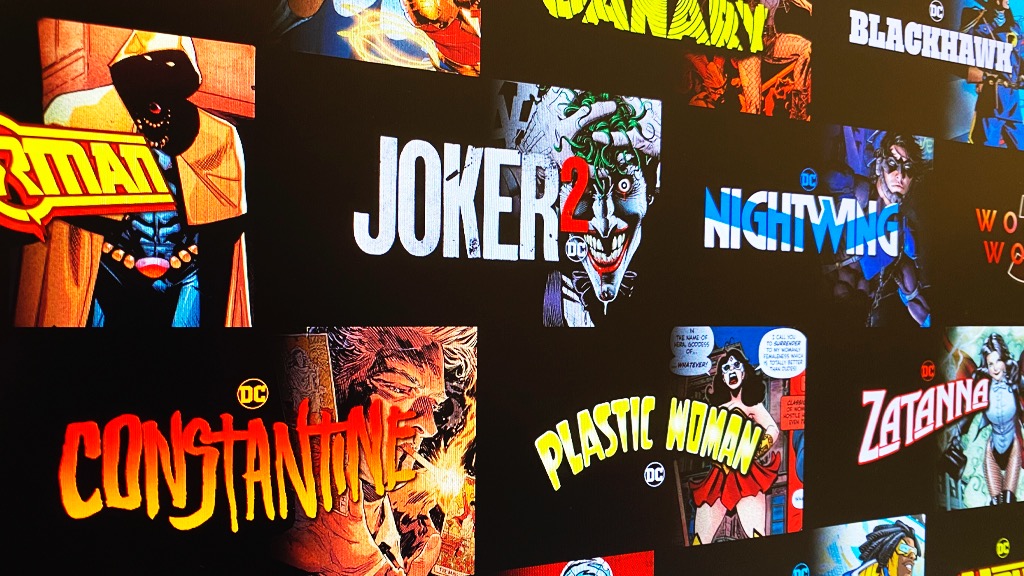
    There are currently many live-action DC projects in the works at Warner Bros Discovery and a lot of them have made little movement since being announced. Some projects, while having had little movement, could still very well be happening due to the fact that they can fit within a universe moving forward, while others won’t be as lucky. With that in mind, we take a closer look at previously announced DC films and what we expect to see happen with them.

    Hourman – Our Guess: Dead

    We have heard very little about this project since it was announced last March, and that seems to be a trend amongst many of these projects. Hourman seems like something Warner Bros would ax quite quickly due to its status, but the project could just hit the shelves for now. Then again, Hourman could be seen as viable to the studio depending on the success and reception of the Justice Society of America in Black Adam. The studio could also evaporate the movie and move the character into a future JSA project as a new character. 

    Plastic Woman – Our Guess: Dead

    Another film that has had absolutely no movement on it since it was announced is Plastic Woman. The film was expected to a genderbent Plastic Man and was set to be written by Cat Vasko. Interestingly enough, Vasko was brought on to take the project in a new direction as it was initially set to follow Patrick O’Brian. The character could find a place in a new DC extended universe, but this project is likely to be another casualty of the overhaul. 

    Bad Robot’s Justice League Dark Projects – Our Guess: Safe

    These are probably some of the most anticipated projects with characters like Zatanna, Constantine, and Madame Xanadu set to make their DC Extended Universe debut. It has been radio silent on projects like Zatanna and Madame X, but Constantine looks to have already found its lead and is aiming to begin production later this year.

    These projects are being produced through a deal between Warner Bros Discovery and Bad Robot. With that in mind, it’s hard not to think these are safe, especially as many of these projects are planned to all lead into each other with a Netflix Defenders-like setup for a Justice League Dark crossover.

    Blackhawks – Our Guess: Dead

    Blackhawks was originally announced back in 2018 with Steven Spielberg attached as a producer. At the time, there were suggestions he could ultimately go on to helm the project too, but just as quickly as it was announced, the project seemed to go silent. Writer David Koepp provided an update stating the script was done, but leadership changes had stalled the project. This is a project that will most likely end up on the chopping block, most likely because it doesn’t fit anywhere in the DC Extended Universe. Who knows? If a follow-up is made to Birds of Prey, it is entirely possible Lady Blackhawk could make her live-action debut there instead.

    Static Shock – Our Guess: Safe

    Not to kick anyone while they’re down, because this one is really gonna sting if it hits the bin, but Static Shock has seen no movement since being announced. The movie was officially announced during DC’s Fandome in August 2020, and a couple of months later, Michael B. Jordan was confirmed to be producing the project. Despite the fanfare, though, it has been quiet, but in this instance, that might not be a bad thing as the project is part of a first-look deal with Jordan.

    The sheer popularity of the character is another driving factor, too, as to why I feel it is safe. Static Shock s an iconic staple of the DC Universe and has many fans, this is a viable project, so it would be a shame to see it canned.

    Wonder Woman 3 – Our Guess: Safe

    This is a no-brainer, this project is happening no matter what. The Wonder Woman films have been far too successful for this to be scrapped. While the second film was not as well-received as the first, it was still very successful with its HBO Max release and has some of the service’s strongest streaming numbers, raking up 3.2 million streams on the service with a dual release in theaters towards the end of 2020. While this one could still be a bit away due to Gal Gadot’s packed schedule, it will likely find a home in the future of the DC Extended Universe. 

    Nightwing – Our Guess: Shelved

    Nightwing was announced back in 2017 with Chris McKay set to direct the film from a script by Chris Dubuque, but of course, it has since fallen into limbo with a plethora of other projects. This is a project that could still happen, though, with rumors of Dick Grayson making his DC Extended Universe debut in the upcoming Batgirl solo film with a spin-off in mind. As it stands, though, we have no clue if McKay is still involved and if Dubuque’s script can even be used. 

    Black Canary – Our Guess: Safe

    Black Canary is a spin-off to 2020’s Birds of Prey and The Fantabulous Emancipation of One Harley Quinn and it was only just announced last year. The project is set to feature Jurnee Smollet-Bell reprising her role with Misha Green set to pen the script. I feel this project will be safe because the upcoming Batgirl film will reportedly lead into this project, and Easter eggs have been spotted on the set of Batgirl hinting at the character’s appearance in the film. Black Canary is set to release exclusively on HBO Max, but there is always the chance the movie makes its way to theaters instead. 

    Joker 2 – Our Guess: Safe

    This is an interesting situation as this is a film that does not fit at all with what Warner Bros Discovery is looking to do, but it’s a film that they’re interested in making more of. Variety reported that the studio saw Joker as the prime example of how characters who usually are not the protagonist can be taken and explored deeper. While many don’t believe the story needs to – or should continue – the first film is the most profitable comic book movie of all time, grossing over a billion dollars at the box office on a $64 billion budget. 

    Matt Reeve’s Plans – Our Guess: Safe

    The Batman was yet another resounding success for everyone involved, welcoming us to a new Gotham City with an all-new caped crusader. Many are on the edge of their seat, hoping Matt Reeves‘ plans do not get caught in the crossfire of the DC overhaul to meet an early end. These projects like The Batman sequel, the Arkham series, and The Penguin series will most likely be safe due to the success of the film both critically and financially. Let’s not forget, The Batman also became the highest viewed film on HBO Max in its first week, beating every day and date release last year. It would not be very beneficial for Warner Bros Discovery to stop these projects now, just as they’re all getting going. 

    Ta-Nehisi Coates Superman – Our Guess: Safe

    Superman is a character directly mentioned in Variety’s exclusive on Warner Bros Discovery’s overhaul of DC entertainment, believing the character to be left in the dust and in need of a strong return. This project seems like the fresh start the studio would want for the character, it’s even rumored that the project, if possible, could use Henry Cavill as its Superman, although none of that has been confirmed. Toby Emmerich even stated at CinemaCon that progress on the next Superman film is being made, so it seems this project could indeed see the Man of Steel’s long-awaited return.

    We’re still in the dark about just what moves the new leadership will make next but it’s always possible WBD pulls the plug on something we thought was safe. For the film of things many of these projects still look to be safe for now but where things could get real choppy is the TV side of things, with many projects remaining facing an early grave.

    Source: Twitter, CBR

  • How DC’s TV Series May Change With the Warner Bros. Discovery Merger

    How DC’s TV Series May Change With the Warner Bros. Discovery Merger

    When it comes to the DC Extended Universe, it would be fair to say it is in a bit of a predicament. Since the merger, Discovery is looking to revisit the DC slate in hopes of crafting a unified DCEU within one universe, akin to the Marvel Cinematic Universe. While most of DC’s previously announced films look to be relatively safe, with the exception of Wonder Twins, the same can’t be said for DC’s television shows. With that in mind, we look at the current state of DC TV and try to guess how the merger will impact the remaining series.

    The Arrowverse

    When it comes to the Arrowverse, what shows remain are far from safe, especially as the CW was recently revealed to never have been profitable. The chances of many of the beloved superhero shows surviving are even more limited if the CW does go up for sale.

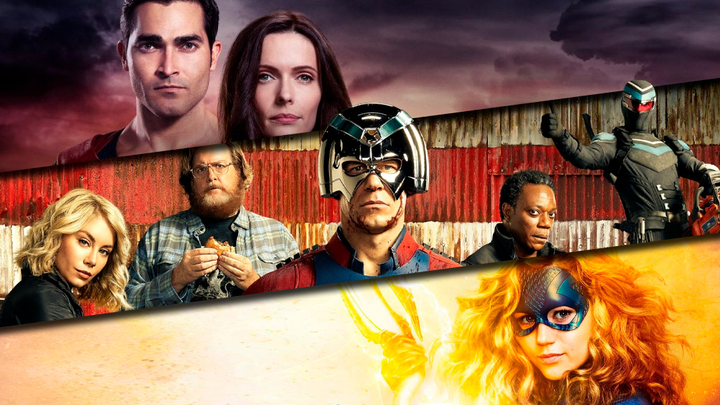
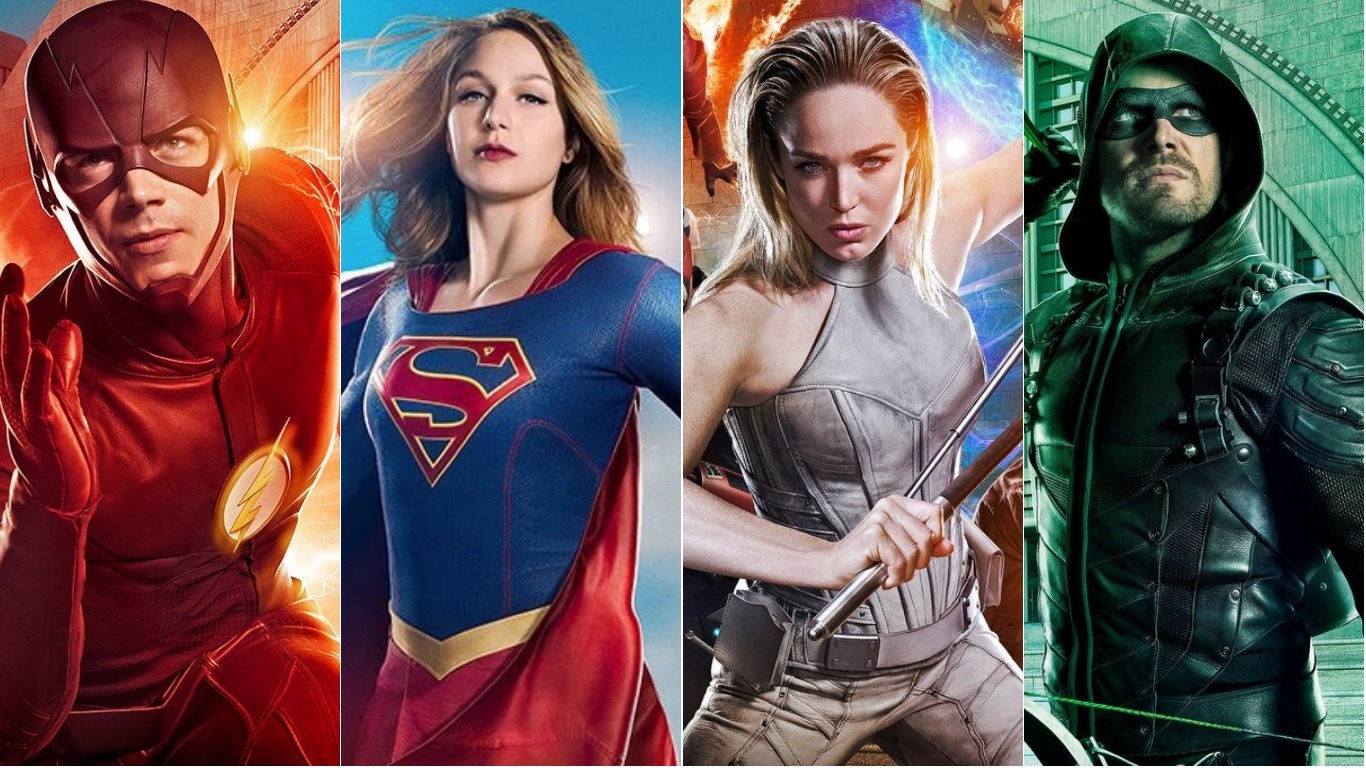
    The CW has already said goodbye to series like Arrow, Supergirl, Black Lightning and will now say farewell to Legends of Tomorrow and Batwoman. This leaves only Superman and Lois, Stargirl, Naomi and The Flash, which already looks to be reaching the finish line with its upcoming ninth season.

    Superman and Lois, Stargirl, and Naomi are series that do not find themselves very involved with the overall universe unlike the rest of the Arrowverse. While Stargirl has yet to be renewed for a fourth season ahead of Season 3’s debut, Superman and Lois is already set to return for a third season. This, of course, could result in the series potentially ending after Season 3, or it could meet a similar fate to Wonder Twins and be axed before things get moving on production. The upcoming debut of the Justice Society in the DCEU could also spell bad news for Stargirl, whose whole thing is the JSA, and with the strange rules surrounding the use of certain characters in other mediums, the series could meet its end. Naomi is another detached series that could continue onward, but is currently airing its first season and has yet to score a renewal for season 2.

    Many will notice that over the past few years, the CW has attempted to get multiple new Arrowverse series like Green Arrow and The Canaries, Painkiller, and Wonder Girl off the ground but to no avail. Gotham Knights is the only one that’s actually been able to film a pilot that was not a spinoff from another pre-existing show, but even that has yet to even secure a series order. Justice U, the David Ramsey-led series that would see him reprise the role of Jon Diggle and train new superheroes has also yet to film a pilot, which means it could also see the chopping block.

    HBO Max

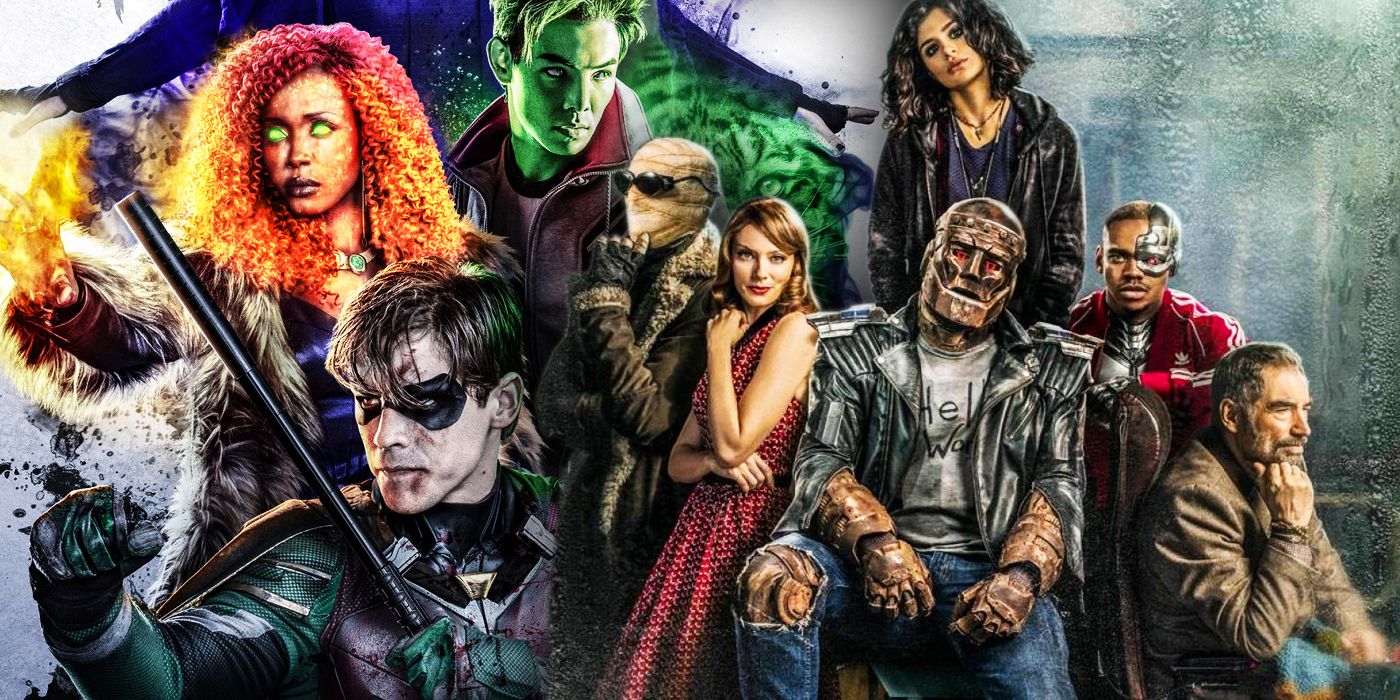
    HBO Max has become the adoptive home of multiple DCTV series like Doom Patrol, Titans, and Harley Quinn. While a show like Green Lantern could very much still happen, especially as casting has been announced, shows like Strange Adventures and Superhero High appear to be dead in the water. We’ve heard nothing on either of them since they were announced, which seems to suggest they’ll be meeting the chopping block.

    The harder question here is the fate of Doom Patrol and Titans. Both series have been running for multiple seasons now and feel like they could come to an end very soon. With Warner Brothers Discovery looking to consolidate and unify its DC Universe, these shows definitely feel like they could indeed be canceled as casualties of war.

    Projects that will most likely be safe are those pertaining to Justice League Dark and what Matt Reeves has in the works like The Penguin. Shows like Constantine and Madame X are products of a deal between J.J. Abrams production company and Warner Bros Discovery, they feel like safe bets due to the fact they could contribute to the unified DC the new leadership wants and that they all lead into a big Defenders-like crossover event.

    Peacemaker will most likely be fine, as it seems highly unlikely that the series will be canceled following its success and how great James Gunn has been for the DC brand since releasing The Suicide Squad. While a series like Michael B. Jordans‘ Val-Zod series seems likely to be canned as it would take place in another universe and just does not seem like it would be a priority for the new leadership moving forward. And animated series like Young Justice and Harley Quinn will most likely remain unaffected due to these series being a completely separate entity from the other live-action series. 

    The TV side of things feels like it is going to see much more of a shakeup as the overhaul moves forward at DC Entertainment and Warner Bros Discovery. The new leadership would be smart to evaluate each project and look for the aspects that work and see if they can’t integrate some of these characters into their prime universe.