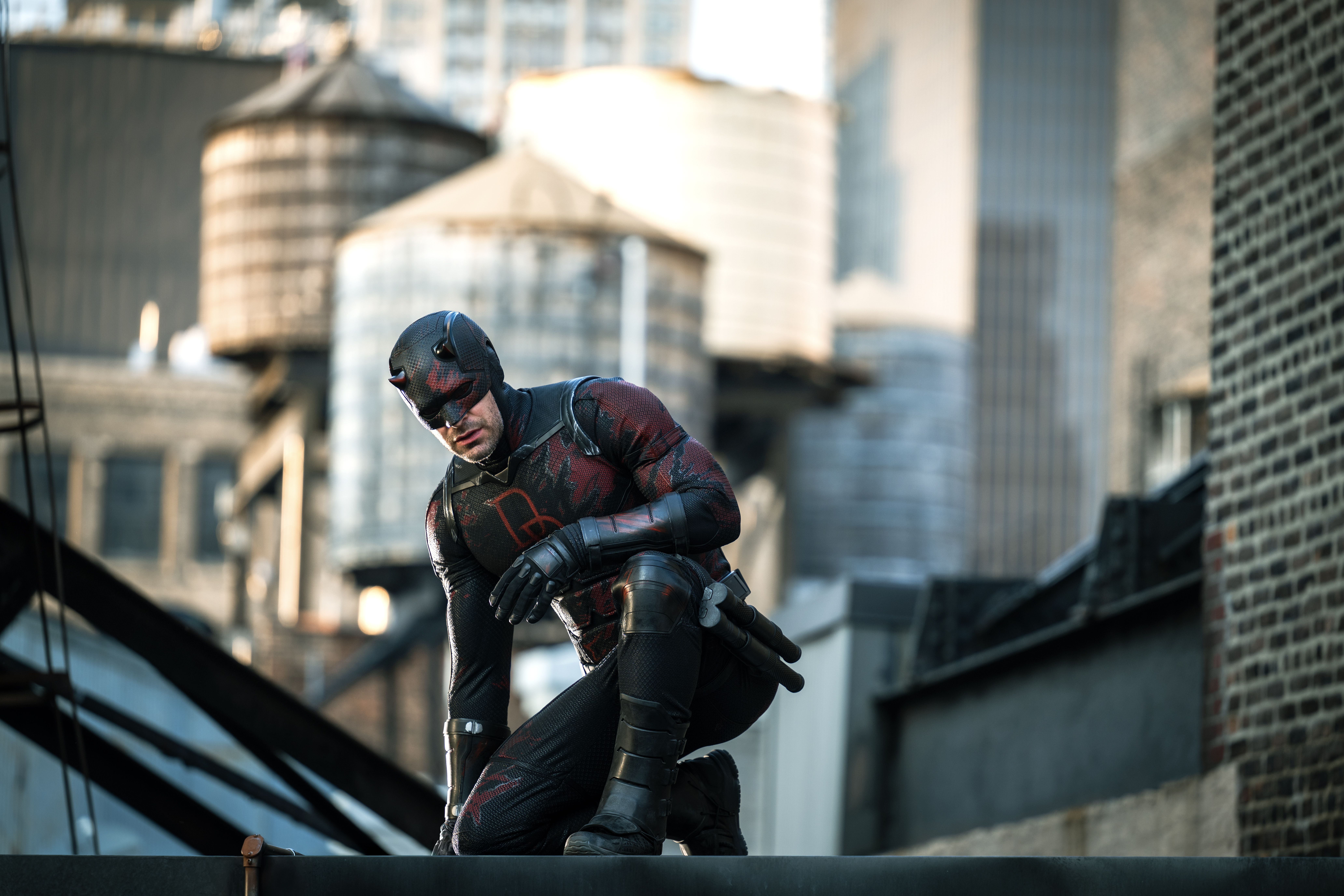
Well before Marvel Studios intended everyone to find out (before the Season 2 finale of Daredevil: Born Again debuted on D+), Mike Colter revealed that Matt Murdock would be spending some time sporting a brand new suit in the upcoming third season of the streaming series, this time trading the traditional DD gear for an orange jumpsuit. With Season 3 adaptingEd Brubaker‘s “The Devil in Cell Block D”, Murdock–who revealed himself as the Devil of Hell’s Kitchen in the Season 2 finale–will find himself spending quality time behind the same bars as many of the folks Ol’ Hornhead put there.
That change in the status quo will allow for fellow Defenders Jessica Jones, Luke Cage and Danny Rand to step up to protect the streets of New York from emerging threats but Murdock was never going to be in prison forever and now, new photos from the NYC set of Season 3 have provided a first look at Cox back in the suit…sort of.
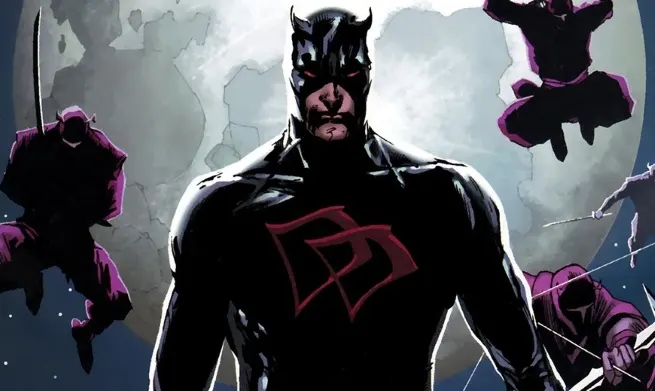
While the video is a bit blurry and the shots shared of the suit so far have been intentionally obscured, it seems as though Murdock will be wearing a suit similar to the one from Season 2 though it does appear as though it’s slightly updated. From what can be seen, the cowl appears predominantly black with red/maroon accents.
With The Hand once again operating in New York and Elektra confirmed to be returning for Season 3 along with The Defenders, it wouldn’t be entirely surprising to find out that the series is headed toward an adaptation of Shadowland. If that’s the case, this could be our first look at Matt trading his painted black suit for one that represents a more permanent darkness taking hold.
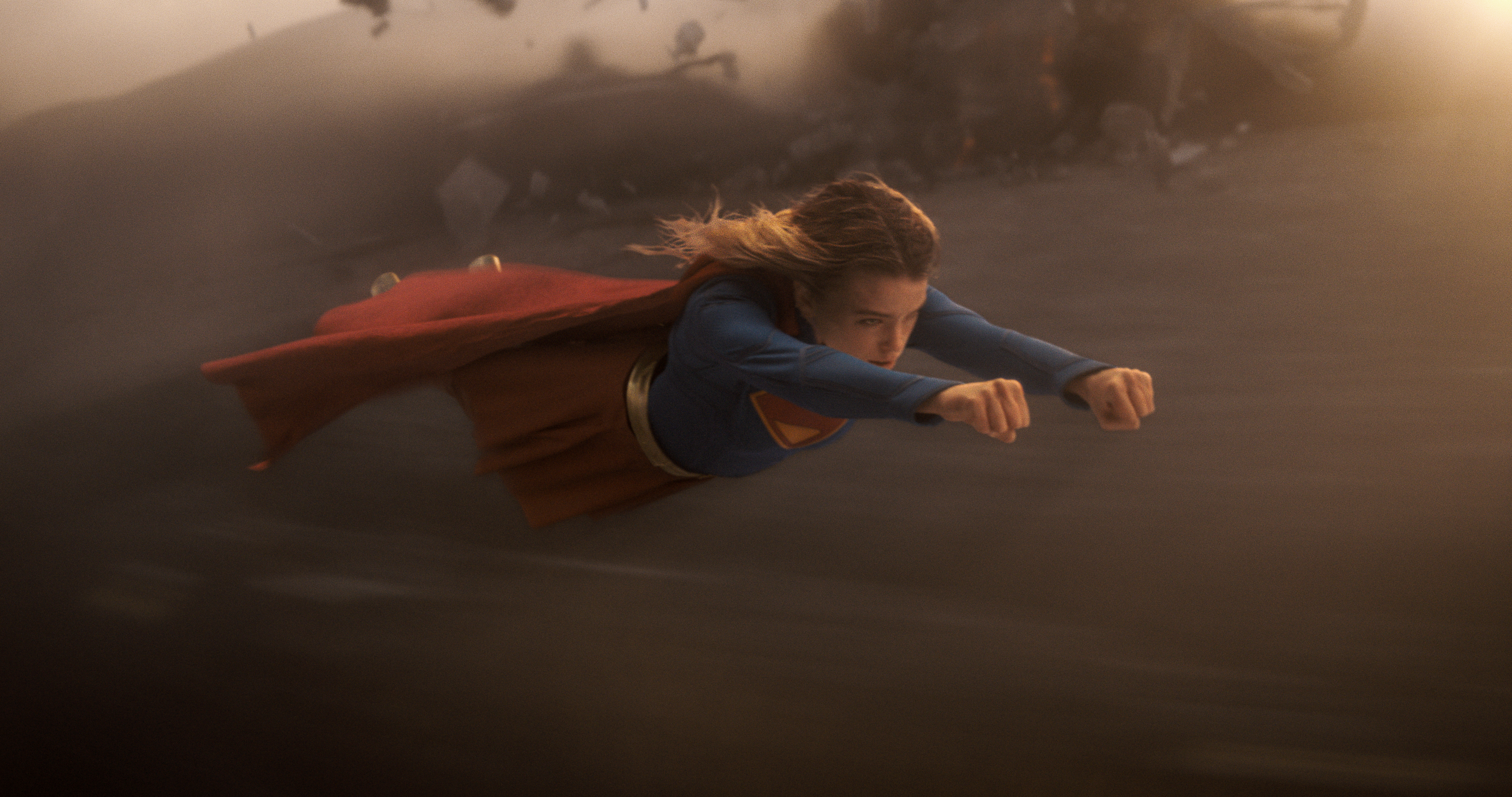
As Tom King crafted the story that ultimately became Supergirl: Woman of Tomorrow, he searched for a way to boil Kara Zor-El down to reveal her inner essence and, in doing so, help the audience come to understand a character whose comic book history was both chaotic and, to be blunt, absurd. For decades, writers had sturggled to understand the core of the character who King believed should be “one of the big pillars of the DC universe.”
As stated in a 2021 interview with Screen Rant, King’s intent with Supergirl: Woman of Tomorrow was to craft a narrative that would answer three questions for the audience:“Why is Supergirl great? Why is she important to the DC Universe? What is her future in the DC Universe?‘” In adapting King‘s work for the still young DCU, the DC Studios braintrust clearly had a similar agenda, hoping to establish Kara as a key player the young cinematic universe and, given such strong source material, it seemed a slam dunk; however, there’s many a slip ‘twixt the cup and the lip and, unfortunately, Supergirl only answers one of the questions King believed his story should address.
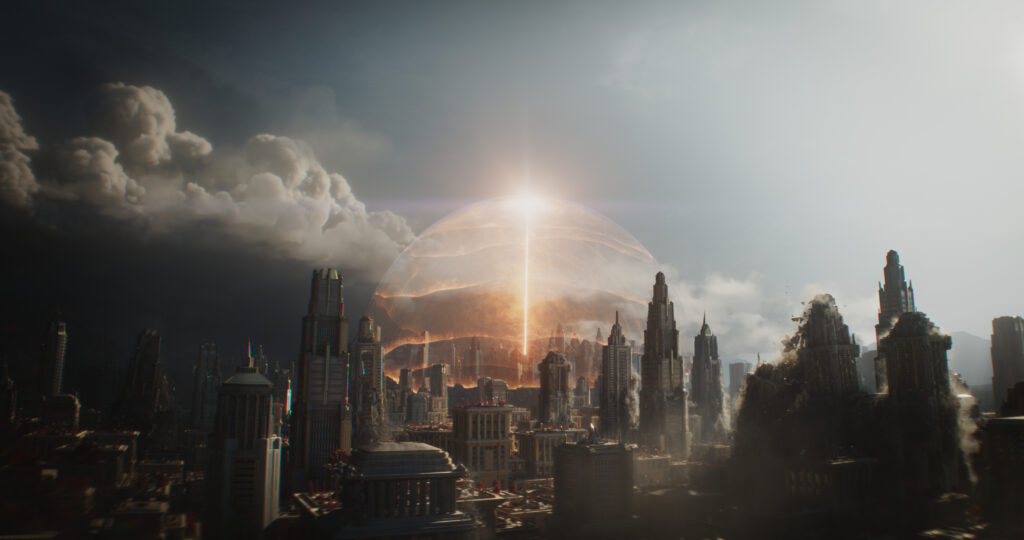
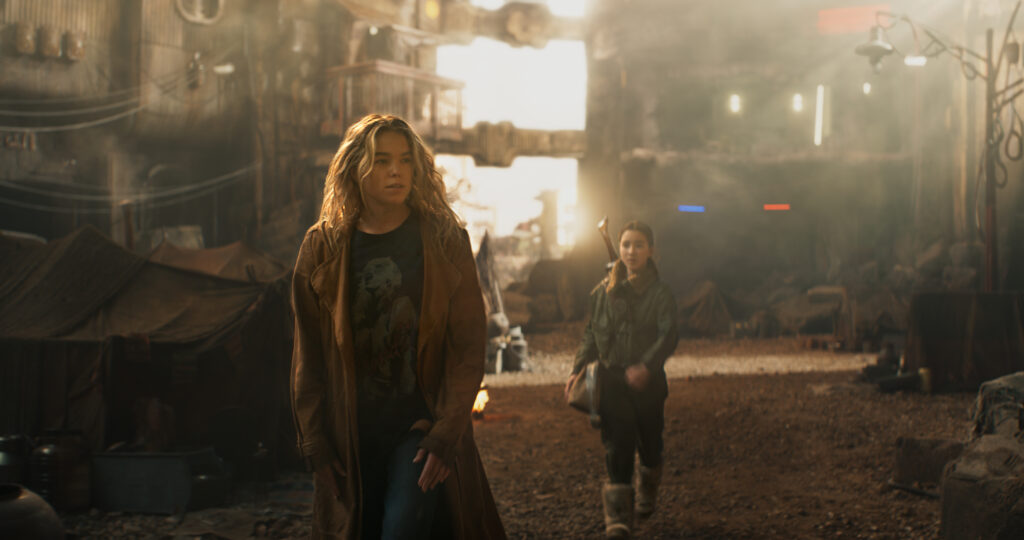
Like King‘s limited comic book series, DC Studios’ Supergirl is a space Western set on the fringes of the galaxy. A classic frontier revenge story in which Kara acts as the hardened, jaded gunslinger, the film sees her team up with a young girl to hunt down a ruthless brigand across a lawless frontier. Eschewing Bilquis Evely’s sublime and sparkling source material art, Supergirl trades the high-tech, shiny aesthetic of a traditional space opera for dusty planets, dreary space taverns, and a harsher, grittier atmosphere, leaning, perhaps far too heavily into that particular aesthetic. But that’s hardly the biggest issue with the adaptation.
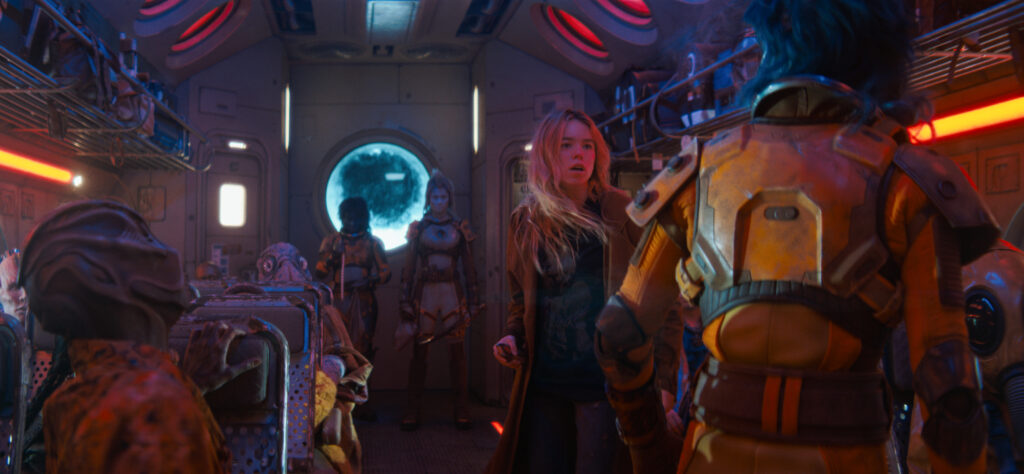
The film introduces Kara as deeply cynical, struggling with the trauma of watching Krypton destroy itself, and living a chaotic, free-spirited life on the lawless fringes of the galaxy. Completely disillusioned with the expectations of the hero gig, Kara travels around on a clunky, rattling space bus, hangs out in dingy cosmic rest stops, and carries herself with a gritty, reluctant swagger.
Critically, Supergirl can fairly be examined through at least four lenses : as an adaptation of Supergirl: Woman of Tomorrow; as a space Western; as a modern superhero film; as an installment in DC Studios’ DCU. Though the film is far from disastrous, it fails to shine brightly through any of those four lenses, leaving unclear exactly why Kara is great, why she is important to the DCU and in what way she’ll be utilized as one of the big pillars of a universe that continues to expand on a core as unstable as Krypton’s. She’s brave, she’s strong and she’s now willing to unselfishly stand up for those who cannot stand for themselves…but so are the other few heroes we’ve seen in the DCU so far. In perhaps the most disappointing development of all, director Craig Gillespie and writer Ana Nogueira painted Supergirl into the same corner King so desperately worked to write her out of. Despite telling a fine story about the jaded Kara discovering her purpose, undeniably, the creative decisions–which seem to have a very heavy does of James Gunn‘s influence–don’t ultimately serve the character’s best interests.
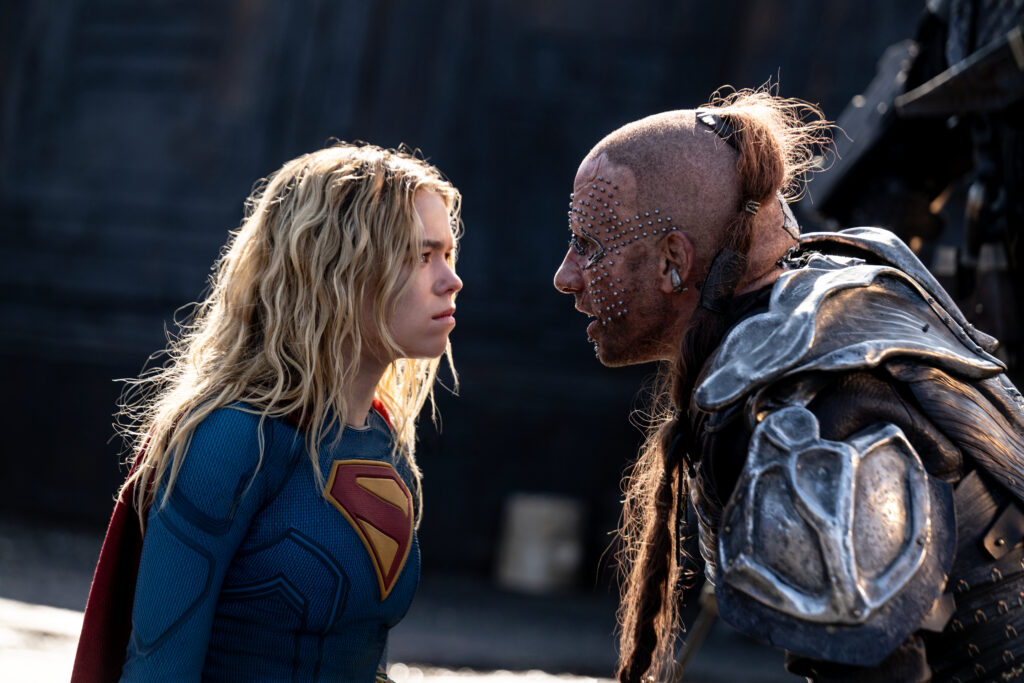
Certainly it’s not in any studio’s playbook to translate comics directly to the screen; however, as an adaptation of King‘s work, Supergirl strays far too far from home. The poorly reimagined Krem of the Yellow Hills and his Brigands–who give more “mutant bikers from Weird Science” than any sort of riff on Fury Road‘s Immortan Joe and his War Boys–offer nothing to chew on, making it easy to wonder why any changes needed to be made at all. Staggeringly, nearly every change from the 2021 comic misses the mark, which can be understood when the a recent interview with the film’s writer revealed her complete misinterpretation of the comic book’s ending despite the book’s author being a collaborative partner on the project. Obviously, having Kara murder Krem must serve some purpose to the story Gunn wants to tell next (if you weren’t sure, they made sure you were sure by having Jason Momoa‘s Lobo grin and chuckle about the deed) but what’s less obvious is what purpose the change had in the story at hand. King‘s ending–which boils down to Ruthye having lived a life so wonderful that Krem was worth nothing more than a knock to the dome–would have, at the very least, introuduced the Phantom Zone to the DCU which would be preferable to being introduced to whatever character it is that Seth Rogan voiced.
As an installment in the still fledgling DCU, Supergirl finds itself in the wrong place at the wrong time…though that is hardly its own fault. Since James Gunn and Peter Safran‘s initial slate reveal, multiple projects have either fallen apart enitrely or developed glacially. Superman succesfully launched the DCU and with Man of Tomorrow set for a 2027 release and Kara set to play a major role in it, Supergirl simply had to be released now. And so despite Gunn’s insistence that film’s would never move into production without top tier scripts, Supergirl seems like a project made out of necessity–both to fill a calendar slot and to introduce a character–rather than because it was built on a can’t-miss script. Resultant of those intersecting realities, is a film that is watchable but does not demand a rewatch. Fortunately, Milly Alcock is incredibly watchable as Kara.
In that sense, there’s actually some hope for Kara, provided the studio proceed a little more carefully. After launching with the incredibly successful and wonderfully inventive Iron Man, Kevin Feige rolled out The Incredible Hulk, a film whose narrative relevance to the MCU was reduced to the fact that it introduced Bruce Banner…until a decade and a half later when its plot and characters were weaved back into the narrative tapestry of the MCU. Perhaps that fate awaits Supergirl…if the DCU can last another 15 years. Perhaps a better comparison among modern superhero films is Captain Marvel. While it dominated the box office in a way that Supergirl will not manage to do, it shared a similar problem: the movie was made to rush Carol Danvers into the MCU when her purpose in the larger, shared narrative wasn’t yet defined. As a result, Captain Marvel remains an underultilized character without a firm narrative foothold. Only two films in, DC Studios cannot afford for that fate to befall Kara. On the strength of Alcock‘s portrayal of Kara, the character will live on in the DCU; but as a franchise, Supergirl is dead on arrival and will probably be repurposed as part of the Superman Saga rather than launching its own series of films.
Up against classic space Western heavyweights such as the original Cowboy Bebop anime and Firefly, Supergirl doesn’t put up much of a fight. Outside of the extended cameo by the Main Man, setting Supergirl in space doesn’t offer much and whatever it hoped to offer in terms of interesting aliens and locations was lost in its dark and muted filter. It seems as though it’s set in space for two main purposes: to establish how different radiation from different suns impacts Kryptonians and because Supergirl: Woman of Tomorrow was set in space. But in entirely changing the aesthetic from Woman of Tomorrow, Supergirl excised the best parts of Woman of Tomorrow being set in space.
The one question Supergirl does provide a solid answer to is what the future holds for Alcock‘s Kara. Set to star alongside David Corenswet‘s Superman and Nicholas Hoult‘s Lex Luthor in Man of Tomorrow, the second installment in Gunn‘s Superman Saga, Alcock‘s iteration of Supergirl certainly provides a unique foil to the Big Blue Boy Scout’s mantra of “truth, justice and the American way” which is a key ingredient in the DNA of Corenswet’s version of Superman. Whereas Superman’s moral compass is unshakable, Supergirl’s true North is a little skewed, perhaps even after her cathartic adventure ends with her back on Earth.
A curious collison of ill-advised creative decisions and questoinable timing, Supergirl finds itself, ironically, in the same peril its heroine does while left alone in a cave following exposure to a green sun. While intended to save the day, it arrives in the wrong place and at the wrong time, unable to defend itself against the harsh criticisims levled against it and in need of the dawn of a new day to save it. Perhaps, down the road–should the DCU get to pave that road–it will settle into a more endearing place; however, for now, Supergirl is left for dead in landscape no longer forgiving to middle of the road superhero stories.
For years, Tom Holland’s Peter Parker has lacked a proper, structural relationship with the NYPD. He’s been hunted by damage-control drones, branded a public menace by J. Jonah Jameson, and forced into absolute anonymity. By introducing a hardened, cynical detective who actively texts the wall-crawler for help, director Destin Daniel Cretton isn’t just giving Spidey a badge in his corner—he is unlocking some of the darkest, most legendary narratives in comic book history.
If Brand New Day is truly paving a “darker, deeper” runway for the web-slinger when it hits theaters on July 31, 2026, here are the three massive storylines DeWolff’s presence might be setting up.
“The Death of Jean DeWolff” & The Arrival of Sin-Eater
You cannot talk about Captain Jean DeWolff without talking about the definitive, psychological thriller written by Peter David. Widely considered one of the greatest Spider-Man stories ever told, “The Death of Jean DeWolff” begins with the sudden, brutal shotgun murder of the detective in her own bed.
The killer is unmasked as the Sin-Eater (Stan Carter), a highly unhinged, self-righteous NYPD officer on a psychotic crusade to purge the city of corruption. What makes this arc so lethal is how it completely shatters Peter Parker’s morality. Believing DeWolff was one of the only cops who truly understood him, Spider-Man flies into a blind, murderous rage, actively beating the Sin-Eater to the absolute brink of death before Daredevil physically intervenes to stop him from breaking his one sacred rule.
Introducing DeWolff in Brand New Day could be a long-game setup—building up her bond with Peter over the course of the film, only to use her tragic assassination in a future sequel to push Holland’s Spider-Man into his darkest emotional corner yet.
The Ultimate Universe Betrayal: Kingpin’s Mole
While the traditional Marvel 616 universe framed DeWolff as a fiercely loyal, tragic ally who secretly harbored romantic feelings for Spidey, Brian Michael Bendis’ landmark Ultimate Spider-Man run flipped the script entirely.
In the Ultimate line, Detective DeWolff acts as a reliable, tough-talking liaison who consistently feeds Peter police intel to clear criminal nests. However, a shocking third-act twist reveals that Jean is actually a corrupt pawn on the payroll of Wilson Fisk.
If Brand New Day adopts the Ultimate Universe framework, DeWolff texting Peter for help might actually be a highly coordinated trap designed to monitor Spider-Man’s movements or pit him directly against competing syndicates like The Hand.
The Tragedy of The Wraith: A Family Affair
Jean DeWolff’s family tree is a twisted web of psychological trauma and vigilante justice that directly intersects with Marvel’s street-level rogues.
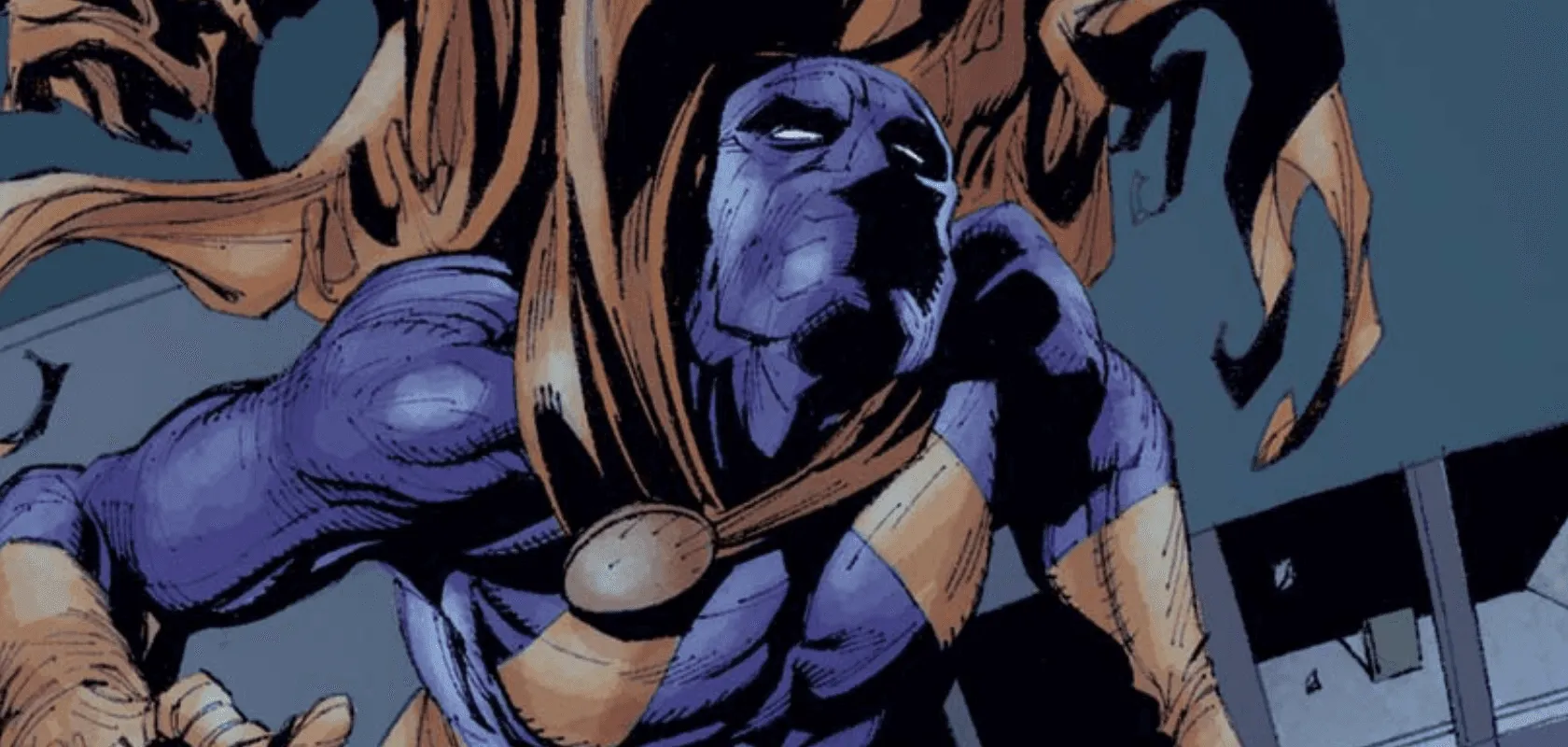
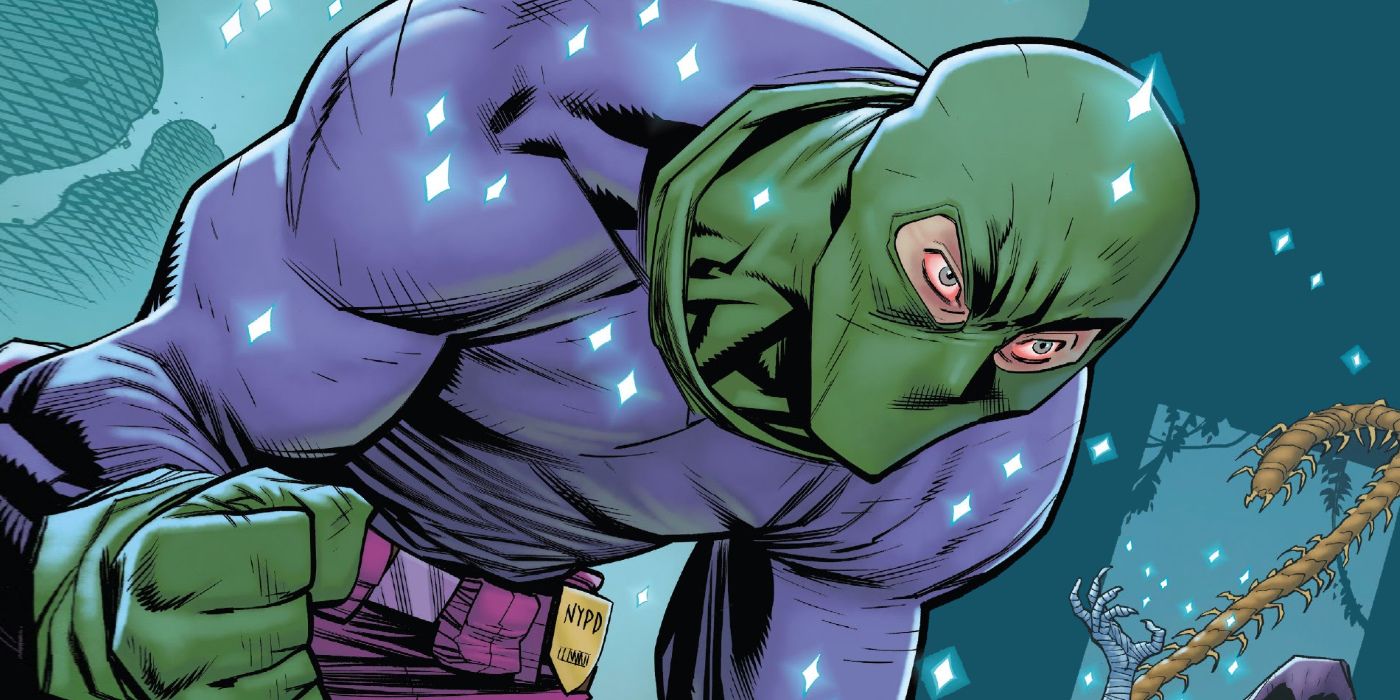
Jean’s brother, Brian DeWolff, is a severely troubled individual who was subjected to covert psychic experimentation by their abusive father, leading him to adopt the villainous mantle of The Wraith.
Colón-Zayas’ character could easily serve as the narrative catalyst to introduce the broader DeWolff family dynamic. A detective working the streets of a post-Invasion New York would naturally stumble onto the remnants of bizarre super-villain tech. Tracking her brother’s descent into madness—or dealing with the psychological fallout of a city where ordinary cops feel utterly powerless against enhanced threats—provides an incredibly rich, character-first backdrop for a street-level trilogy.
The inclusion of Jean DeWolff confirms that the sanitized, high-tech corporate era of the Homecoming trilogy is officially dead. By introducing a character whose entire comic history is intrinsically tied to police corruption, structural trauma, and psychological breakdowns, Marvel is prioritizing emotional stakes over cosmic spectacles.
Whether she serves as a loyal partner destined for a tragic fate or a compromised mole operating under the shadow of the Kingpin, Colón-Zayas is the exact type of grounded, Emmy-winning dramatic powerhouse needed to push Tom Holland’s Peter Parker into adulthood. Spider-Man: Brand New Day hits theaters on July 31, 2026.
Sony and Marvel Studios have officially opened the doors to the ultimate web-slinger experience, and the fandom is already tearing it apart for narrative secrets. To kick off the heavy marketing push for Spider-Man: Brand New Day (hitting theaters July 31, 2026), a full, highly interactive replica of Peter Parker’s post-No Way Home apartment has been constructed for an exclusive fan activation event.
While the room is packed with physical easter eggs—including boxes of the community-favorite “Webberoni Pizza”—the real treasure trove sits squarely on Peter’s desk monitor. Fans who crowded around the digital desktop have uncovered a massive trio of plot clues hiding in plain sight, cementing the film’s heavily rumored street-level detective mystery structure.
The monitor prominently features an active text thread with Detective Jean DeWolff, officially confirmed to be played by Emmy-nominee Liza Colón-Zayas (The Bear). The onscreen texts show DeWolff actively reaching out to Peter Parker directly for assistance in tracking down a dangerous underground lead. This validates rulblings that part of the Brand New Day plot will include a detective procedural where the NYPD and Spider-Man are forced into an uneasy, collaborative alliance to solve a string of high-profile metropolitan hits.
The glimpse inside Parker’s apartment also reveals a board used by the hero to track the city’s emerging villains. Under the motto “With great power comes great responsibility,” newspaper clippings featuring villains such as Boomerang, Scorpion, Tarantula and, most prominently, Tombstone can be seen, indicating Peter is trying to find a common thread tying them all together.
If you thought Spider-Man: No Way Home or Deadpool & Wolverine was the peak of live-action corporate synergy, the Russo Brothersbare reportedly cooking up something far more intoxicating.
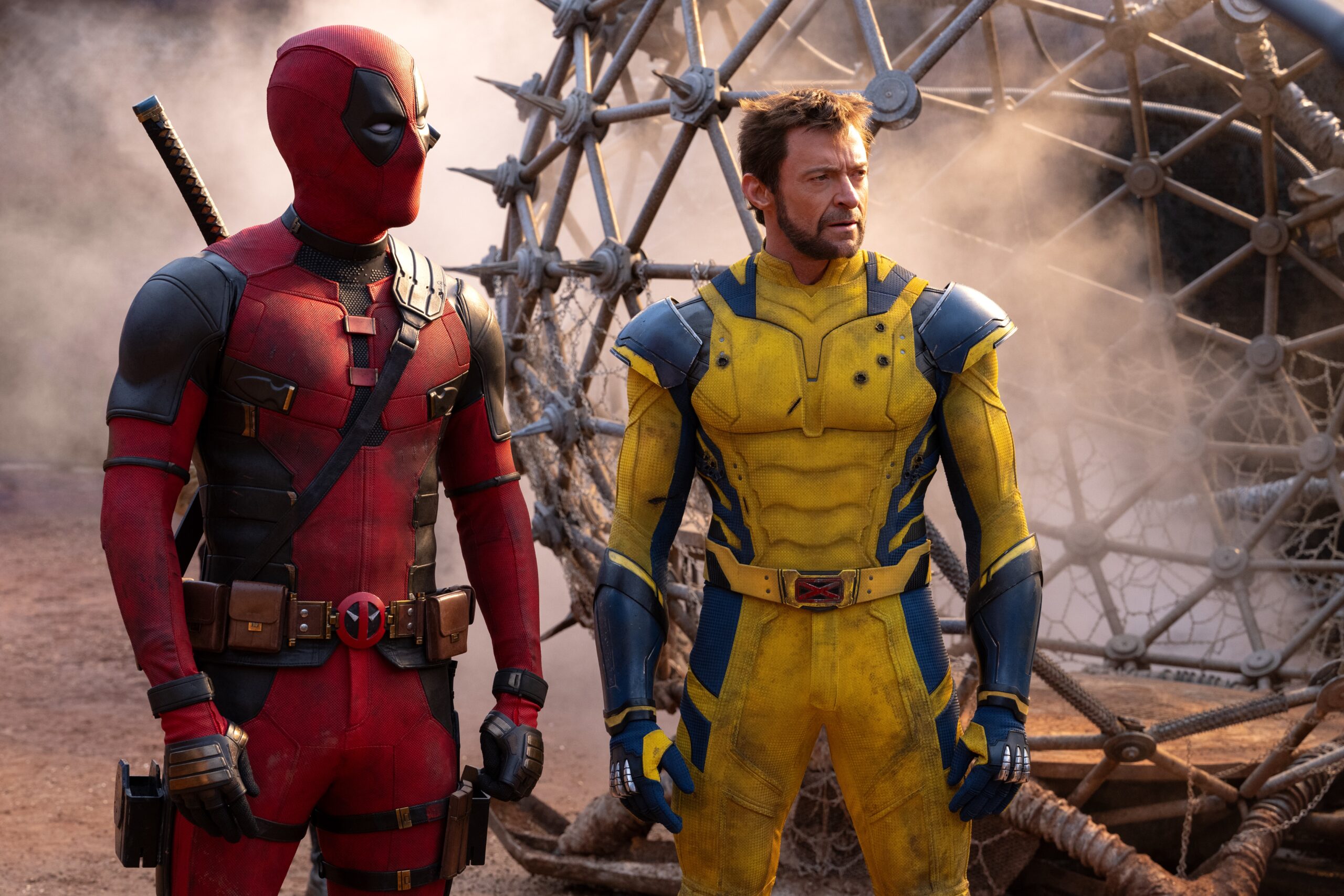
According to a highly new script leak posted by industry insider Daniel Richtman (DanielRPK) via his Patreon, Avengers: Doomsday will feature a massive, multiversal battle sequence that completely collides the classic Sam Raimi Spider-Man universe with the Fox legacy X-Men timeline.
The alleged sequence places Tobey Maguire‘s Peter Parker right in the physical crosshairs of the ultimate cross-over melee.
The leaked layout features a high-concept action montage taking place entirely on Earth-96283 (The Raimi Universe), building out a beautifully chaotic multi-tiered battlefield:
As previously rumored, while defending his home planet, Maguire’s Spider-Man finds himself locked in an intense, physical confrontation against the multiversal dynamic duo of Deadpooland Wolverine; however, it sounds as though there’s much more going on than originally reported.
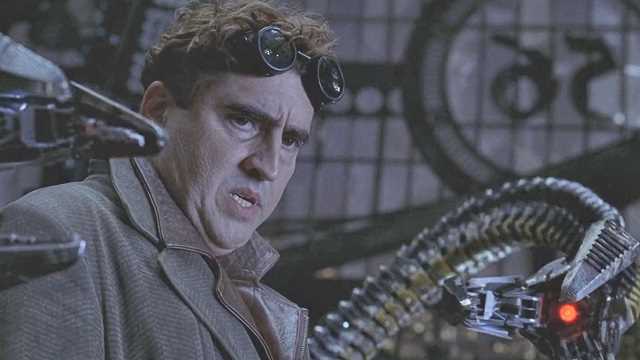
While Spidey is busy attempting to handle a Canadian mutant with knives coming out of his hands, the rest of the Raimiverse is falling into pure anarchy. The leak notes that Magneto is simultaneously operating elsewhere in the city, locked in a brutal, collateral-damage-heavy war against Tobey’s legacy villains, who may be surviving iterations of Doc Ock, Green Goblin, or the Sandman!
The narrative layout here is brilliant. Leaving Maguire’s Spidey to anchor the emotional weight of a crumbling reality which was one of the first to be realized in the modern CBM era, serves as the ultimate cinematic prologue—paving a flawless, tragedy-driven runway for Secret Wars to completely rebuild the multiverse in 2027.
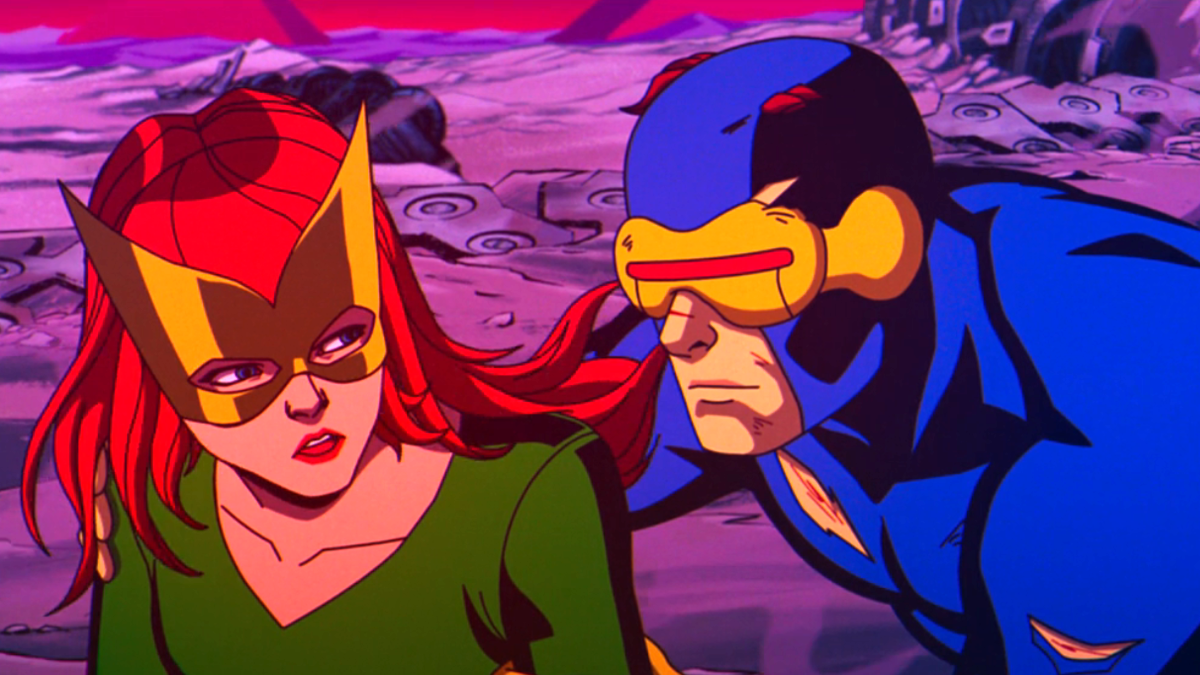
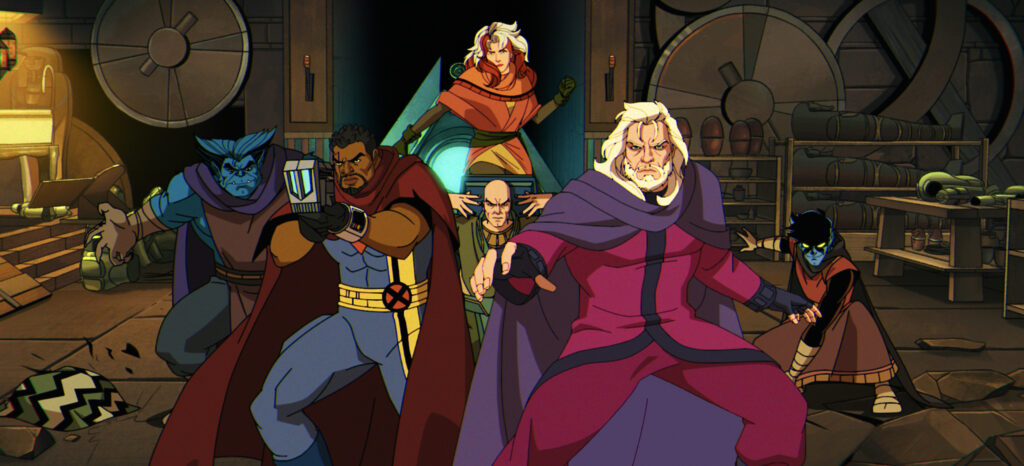
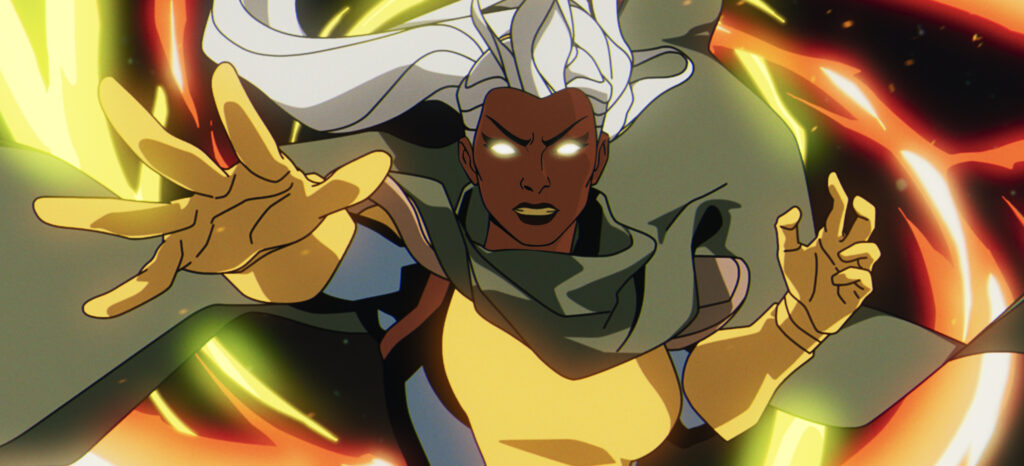
The grueling waiting game for mutant supremacy is finally coming to an end. With X-Men ’97 Season 2 officially locked to kick off its highly anticipated 9-episode run on Disney+ next Wednesday, July 1, 2026, fans have spent over two years worrying about how long they might have to wait for subsequent installments.
According to a report published by Deadline, those fears can officially be put to rest. Legendary series producer Larry Houston has confirmed that the painful, multi-year production delay that plagued the gap between the first two seasons was an isolated fluke, promising a much faster, regular release rhythm for Season 3 and Season 4 moving forward.
The two-year gap between the critically adored 2024 premiere season and this summer’s sophomore outing was heavily disrupted by backstage overhauls—most notably the abrupt, high-profile firing of former head writer Beau DeMayo just days before the series initially debuted. Because Marvel Animation had to actively restructure its creative pipeline, production on Season 2 faced significant logistical bottlenecks. Speaking on the streamlined adjustments behind the scenes, Houston provided a yet another highly reassuring update to the community.
“Luckily, the production problems won’t occur again,” Houston shared with Deadline. “There was a huge gap of time between [season] one and two. They’ve learned their lessons, so with [seasons] three and four, that won’t happen again. That was a one-off.”
Previously, Houston explained that under the watch of Marvel’s streaming skipper, Brad Winderbaum, fans would only have to wait “a year now between seasons, not two-and-a-quarter years,” promising that “It’s gonna be a year until the next one and a year until the next one [after that]. They are on schedule now.” Winderbaum has long expressed his belief that fans would respond well to Marvel Television and Marvel Animation series hitting D+ “on an annual cadence.”
With the backstage turbulence firmly in the rearview mirror, Marvel Studios Animation has quietly attempted to achieve a highly efficient workflow under new series writer Matthew Chauncey (What If…?). Rather than waiting for the public to digest the upcoming season, the studio is already deep in active visual production on Season 3. Simultaneously, narrative architecture and early storyboarding for a newly confirmed Season 4 are already moving down the assembly line in parallel. By treating the ongoing narrative as a continuous, flowing pipeline, Marvel is aiming to establish a highly dependable, yearly release schedule for its premier animated franchise.
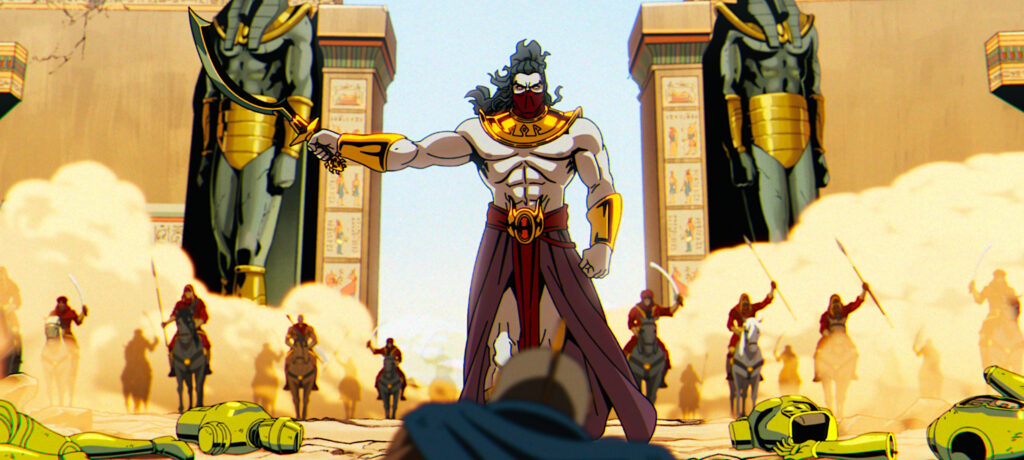
In the meantime, the 9-episode Season 2 begins on Wednesday, July 1, 2026, with a massive three-episode premiere block tracking the team scattered across the ancient past, present, and a distant future. Early critical feedback out of the Tribeca Festival has already handed the season a perfect 100% on Rotten Tomatoes.
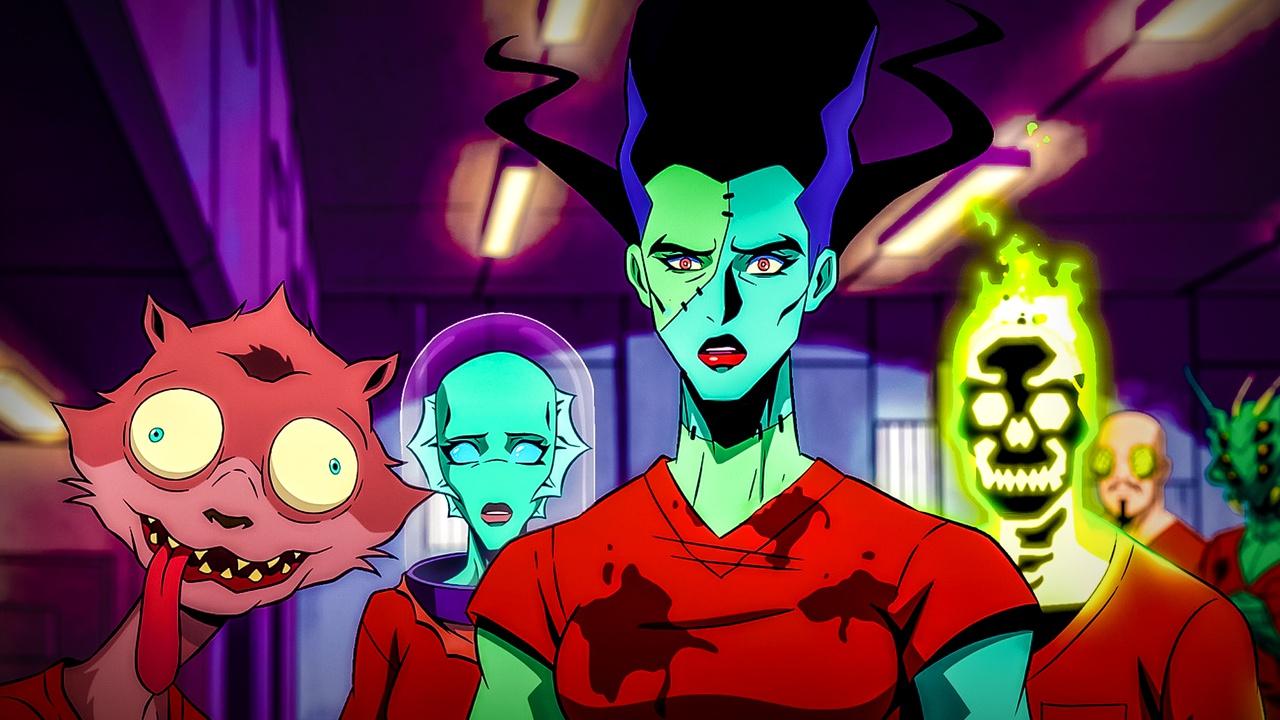
The animated corner of James Gunn and Peter Safran’s DCU Chapter 1: Gods and Monsters isn’t slowing down. During the World’s Finest panel at Annecy, showrunner Dean Lorey and DC Studios co-chair James Gunn have officially unveiled first-look details and artwork for Creature Commandos Season 2.
Season 2 will continue to follow the core team of monstrous metahumans originally assembled by Amanda Waller (Viola Davis) and John Economos (Steve Agee). The first-look assets confirm the survival and return of the central Task Force M mainstays:
David Harbour’s Eric Frankenstein and Indira Varma’s The Bride continuing their complicated domestic dynamic, with the latter leading the squad.
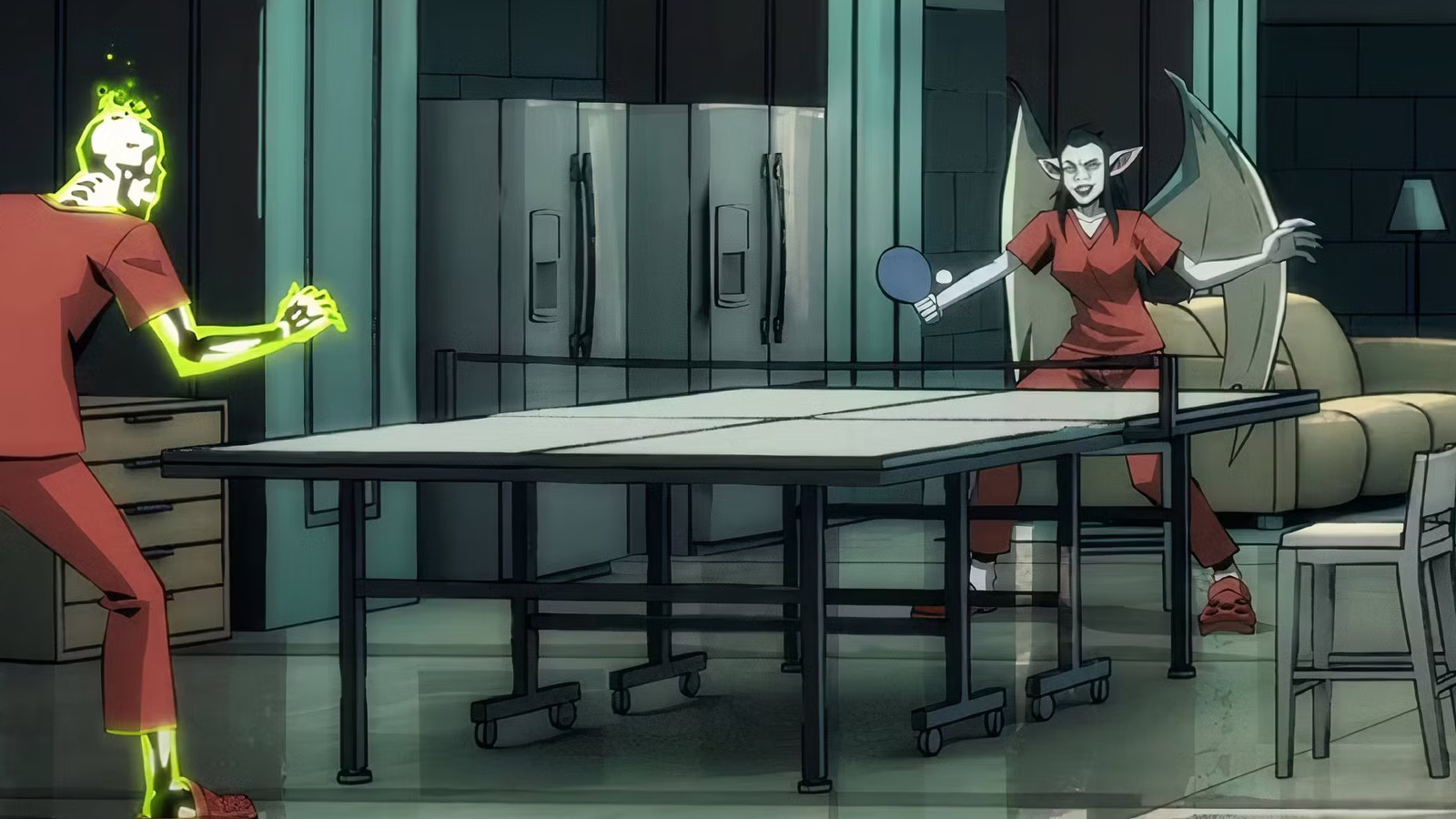
Alan Tudyk’s combustible Dr. Phosphorus, Sean Gunn’s Weasel, and the rebuilt military-bot G.I. Robot will also return.
“He’s got a really strong and emotional character arc this season,” producer Rick Morales said of G.I. Robot. “[Gunn] cares a lot and has really great insights. We sent him a dozen looks and keyed in on these rounder, bigger shapes.”
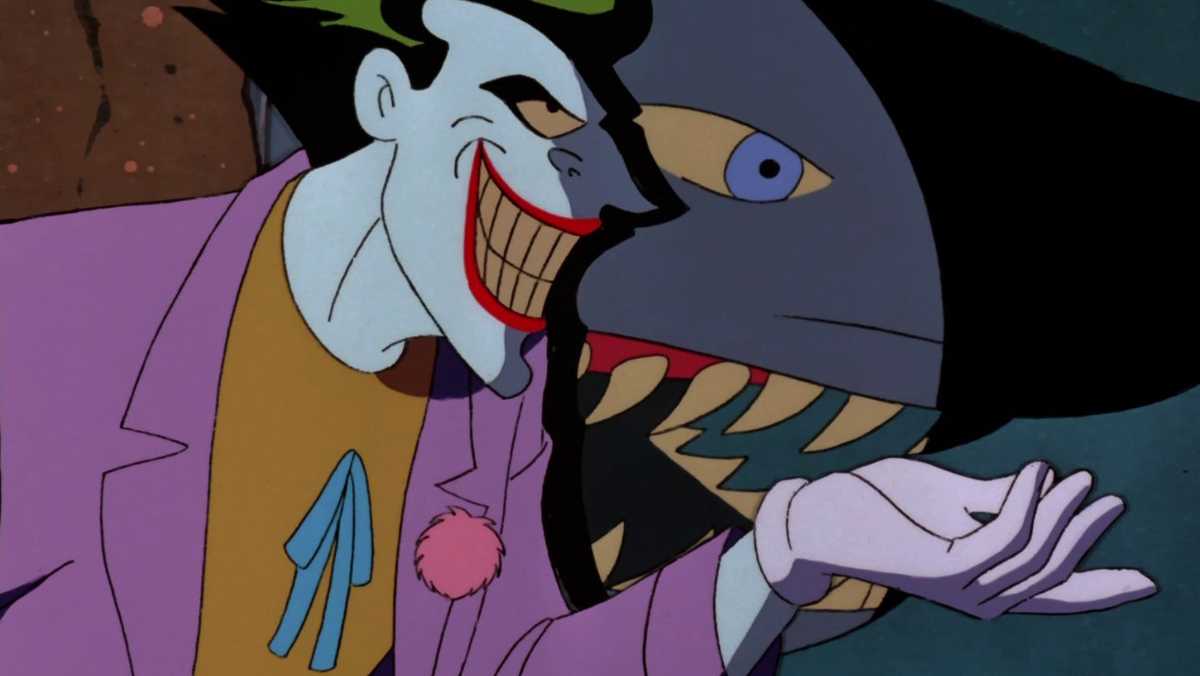
Who killed the Batman? That’s the multi-million dollar question sweeping through Gotham City, and nobody is angrier about the answers than the Clown Prince of Crime himself. During its blockbuster World’s Finest showcase at the Annecy International Animation Film Festival, DC Studios and Warner Bros. Animation officially gave a full-series greenlight to Joker: Laugh Riot—the first-ever official anime series in DC history.
Developed as a high-octane adult animated series, the project is a joint structural powerhouse co-produced alongside SOLA Entertainment, the acclaimed studio behind The Lord of the Rings: The War of the Rohirrim.
While past projects like Suicide Squad Isekai or Batman Ninja dipped their toes into anime aesthetics, Laugh Riot is a fundamentally different beast—functioning as a dark, psychological underworld thriller. The series kicks off with a paradigm-shifting inciting incident: Batman has been murdered. Rather than celebrating the permanent vacancy of Gotham’s protector, the Joker is left completely hollow, unmotivated, and deeply offended that someone else stole his ultimate life’s goal.
When Batman is murdered, the Joker launches a ruthless crusade through Gotham’s underworld to find the killer who took away his greatest adversary. But as his violent quest for answers pushes him closer towards vigilante than villain, Joker is forced to confront the truth that without Batman, he doesn’t know who he is.
-Official synopsis for Joker: Laugh Riot
To capture the distinct, hyper-stylized kineticism of high-end anime, Warner Bros. has assembled a highly pedegreed creative pipeline:
Yasuhiro Aoki (ChaO) will direct. Aoki is no stranger to the streets of Gotham, having previously helmed the highly praised “In Darkness Dwells” segment of the 2008 anthology feature Batman: Gotham Knight.
Longtime DC animation veteran Jim Krieg (Batman: Knightfall) is locked in to guide the macro-narrative as executive producer.
Billed strictly as an adult animated series, Laugh Riot will feature an uncompromising look at the visceral, street-level brutality of Gotham’s mob landscape, tracking a manic, grief-stricken Joker playing a psychotic game of detective. The concept of a depressed, unhinged Joker hunting down Batman’s killer is an absolute goldmine of a narrative. It explores the toxic, co-dependent psychological relationship between the two icons on a level live-action movies rarely have the runtime to breathe through. By handing the animation reins to Aoki and SOLA Entertainment, DC isn’t just making a Western cartoon dressed up like anime—they are crafting a legitimate, uncompromised piece of Japanese animation that treats the Clown Prince of Crime like an unstoppable, John Wick-style force of underworld nature.
While a network or streaming platform has yet to be finalized, the project is moving ahead rapidly. By embracing adult anime as a primary pillar of their storytelling, DC Studios is tapping into the fastest-growing demographic in modern entertainment. If Joker: Laugh Riot hits the mark, it opens up a frictionless backdoor for future international partnerships—paving the way for high-end, dark fantasy anime epics.
Warner Bros. Animation and DC Studios have formally announced that a Krypto animated series is officially in development.
The reveal capped off a historic, adult-focused animation showcase for DC that also included the greenlights for Scott Snyder’s Absolute Batman and the psychological anime thriller Joker: Laugh Riot. But while those projects lean heavily into the R-rated dark side of Gotham, Krypto is traveling a much brighter, family-oriented path.
When he’s not hanging out with Superman or Supergirl, Krypto tags along with a gang of misfit criminal wannabes who live down the block, and they soon discover he’s a ball of destructive, lovable energy worse than any of them! As he follows them into misadventures and poorly laid plans, Krypto’s pure nature slowly ends up redeeming them, whether they want it or not.
-Official synopsis for Krypto
When I first ran with the idea that Gunn was looking into a standalone Krypto project, the DCU was still in its nebulous infancy. Critics and fans wondered how a super-powered dog would fit into a unified narrative. Gunn himself later dropped hints on social media—and eventually cast a live-action iteration of the character in this summer’s Superman and DC Studios’ Supergirl space epic. However, the Annecy announcement proves that Gunn‘s vision for the character wasn’t just limited to a live-action supporting cameo or a quick visual gag; it involved Krypto anchoring his own narrative engine.
According to the official studio details published by TheWrap, the newly greenlit animated series will function as a vibrant, high-energy family adventure. It aims to introduce younger audiences to the broader cosmic and terrestrial mythology of the new DC Universe through the eyes of its most loyal protector.
To ensure the series matches the heart and premium visual quality of DC’s broader animation push, Chowder and Jellystone! architect C.H. Greenblatt will create and executive produce.
While the series is explicitly being built as a family-friendly entry point, it represents a core pillar of Gunn’s foundational strategy: using multiple animation mediums to make the DC brand accessible to every single demographic.
For years, people have doubted whether a character like Krypto could sustain his own modern spotlight without looking silly. But Gunn has built an entire career out of turning eccentric animal characters—from Rocket Raccoon to Weasel—into the emotional, beating hearts of massive franchises.
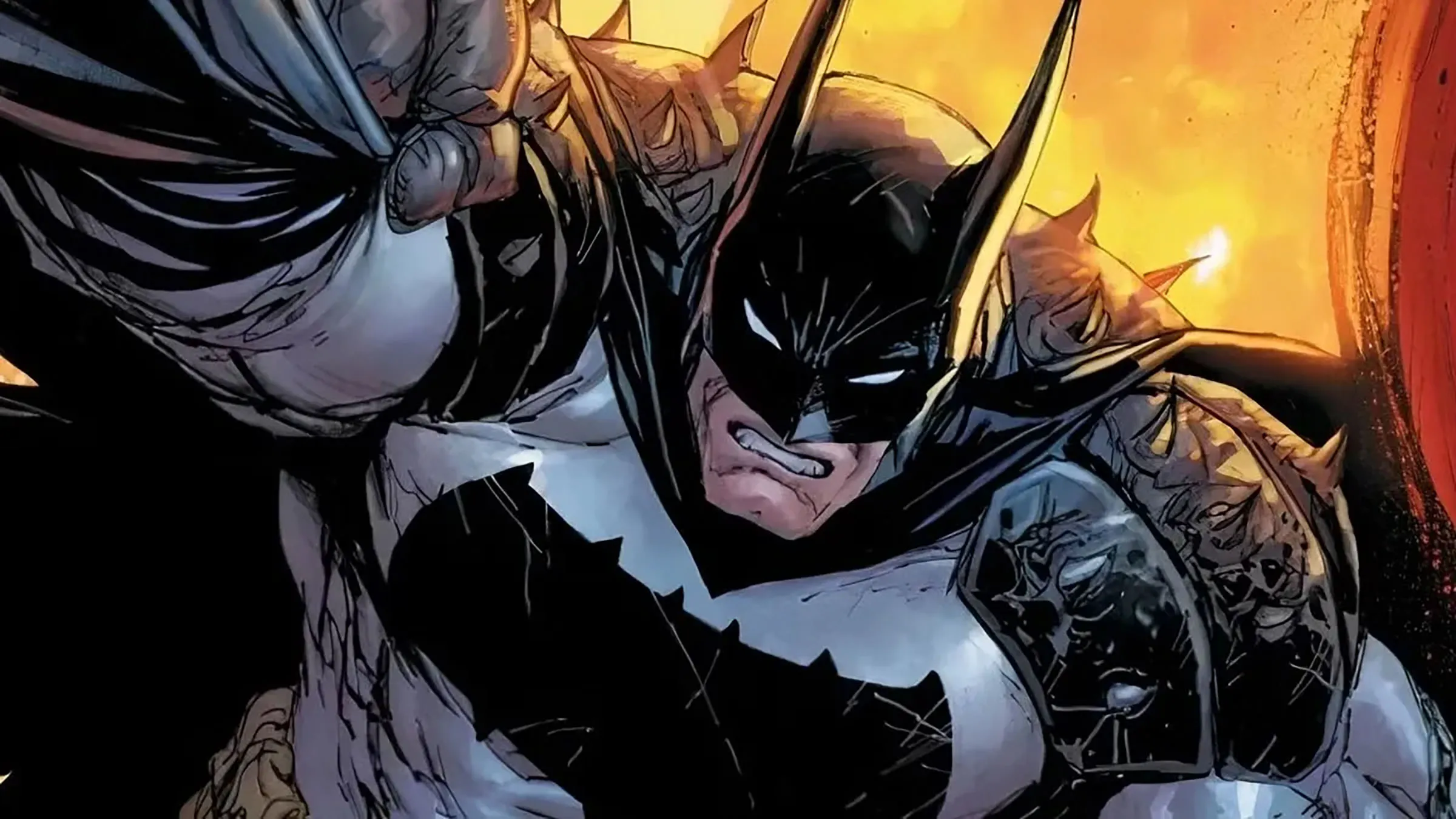
One of the biggest publishing phenomenon in modern comic book history is officially making the jump to the screen. During a blockbuster joint presentation at the Annecy International Animation Film Festival today, Warner Bros. Animation and DC Studios blew the doors off the auditorium by announcing that an Absolute Batman adult animated series is actively in development.
In a massive win for creative continuity, Scott Snyder—the superstar writer who launched the comic line to unprecedented heights—will serve as the executive producer and showrunner. Nick Dragotta, the co-creator and artist behind the book’s signature hyper-kinetic look, is also locked in as a producer.
With the comic line having already smashed records by selling over 6 million copies (with Issue #1 hitting an incredible 11th printing), this adaptation is the ultimate no-brainer. But for casual fans wondering why the internet is losing its mind over a 7-foot-tall Caped Crusader, here is why Absolute Batman has broken containment—and how it fundamentally rewrites the rules of the Dark Knight.
The Absolute Difference: The Anti-Billionaire
The core thesis of the Absolute Universe imprint is a simple, terrifying question: What happens when you strip Earth’s greatest heroes of all their structural advantages?
While traditional, mainline Bruce Wayne is a multi-generational billionaire ninja backed by unlimited WayneTech resources, an untouchable mansion, and a loyal butler, the Absolute version is a complete, working-class inversion:
No Manor, No Money: This 24-year-old Bruce Wayne grew up in Crime Alley without a dime to his name. His father Thomas was killed in a mass shooting at the Gotham Zoo, his mother Martha is still alive (maybe), and he works by day as a blue-collar civil engineer.
The Scrap-Metal Arsenal: He doesn’t have high-tech bat-wings or military-grade satellites. He built his suit from scratch. His cape isn’t a glider—it’s a weighted, articulated set of hooks used to scale buildings and whip enemies like a weapon.
The Battle-Axe Logo: In perhaps the most metal design choice of the decade, the massive, blocky Bat-symbol on his chest isn’t just a logo—he literally rips it off his armor to use as a double-headed battle-axe in close-quarters combat.
Reimagining the Rogues
Because Bruce didn’t spend his youth traveling the world training with league assassins, his relationship to Gotham’s underworld is deeply personal. In this universe, classic Batman characters like Selina Kyle, Waylon Jones (Killer Croc), Harvey Dent, and Eddie Nygma are framed around a revisionist childhood dynamic.
The power balance is also entirely flipped. The world they face is defined by systemic corruption, wealth, and unchecked power. Adversaries are monstrous, nightmarish entities spawned by a fallen environment—meaning Bruce has to rely entirely on his raw human determination and massive physical size to push back against impossible odds.
Snyder has explicitly stated his goal was to create a Batman who faces the exact real-world anxieties about wealth, power, and corruption that a new generation does. Instead of maintaining a comfortable 80-year-old status quo, Absolute Batman moves with the frantic, high-stakes momentum of a modern prestige manga. It’s a mission to prove that even when stripped of every advantage, one good person can still change the world.
For decades, the fantasy of a billionaire using infinite resources to wage a private war on crime felt untouchable. But today, a working-class kid swinging an axe at the foundations of an unjust system resonates on a completely different emotional frequency. By putting Scott Snyder directly in the driver’s seat as executive producer and showrunner, DC Studios and Warner Bros. Animation are ensuring that this animated adaptation will retain every ounce of the raw, uncompromised, and utterly brutal vision that made the comic a historic success.
Cookie Consent
We use cookies to improve your experience on our site. By using our site, you consent to cookies.
This website uses cookies
Websites store cookies to enhance functionality and personalise your experience. You can manage your preferences, but blocking some cookies may impact site performance and services.
Essential cookies enable basic functions and are necessary for the proper function of the website.
Name
Description
Duration
Cookie Preferences
This cookie is used to store the user's cookie consent preferences.
30 days
These cookies are needed for adding comments on this website.
Name
Description
Duration
comment_author_email
Used to track the user across multiple sessions.
Session
comment_author_url
Used to track the user across multiple sessions.
Session
comment_author
Used to track the user across multiple sessions.
Session
Statistics cookies collect information anonymously. This information helps us understand how visitors use our website.
Google Analytics is a powerful tool that tracks and analyzes website traffic for informed marketing decisions.
Contains information related to marketing campaigns of the user. These are shared with Google AdWords / Google Ads when the Google Ads and Google Analytics accounts are linked together.
90 days
__utma
ID used to identify users and sessions
2 years after last activity
__utmt
Used to monitor number of Google Analytics server requests
10 minutes
__utmb
Used to distinguish new sessions and visits. This cookie is set when the GA.js javascript library is loaded and there is no existing __utmb cookie. The cookie is updated every time data is sent to the Google Analytics server.
30 minutes after last activity
__utmc
Used only with old Urchin versions of Google Analytics and not with GA.js. Was used to distinguish between new sessions and visits at the end of a session.
End of session (browser)
__utmz
Contains information about the traffic source or campaign that directed user to the website. The cookie is set when the GA.js javascript is loaded and updated when data is sent to the Google Anaytics server
6 months after last activity
__utmv
Contains custom information set by the web developer via the _setCustomVar method in Google Analytics. This cookie is updated every time new data is sent to the Google Analytics server.
2 years after last activity
__utmx
Used to determine whether a user is included in an A / B or Multivariate test.
18 months
_ga
ID used to identify users
2 years
_gali
Used by Google Analytics to determine which links on a page are being clicked
30 seconds
_ga_
ID used to identify users
2 years
_gid
ID used to identify users for 24 hours after last activity
24 hours
_gat
Used to monitor number of Google Analytics server requests when using Google Tag Manager
1 minute
Marketing cookies are used to follow visitors to websites. The intention is to show ads that are relevant and engaging to the individual user.
Pinterest Tag is a web analytics service that tracks and reports website traffic.