Category: Reviews

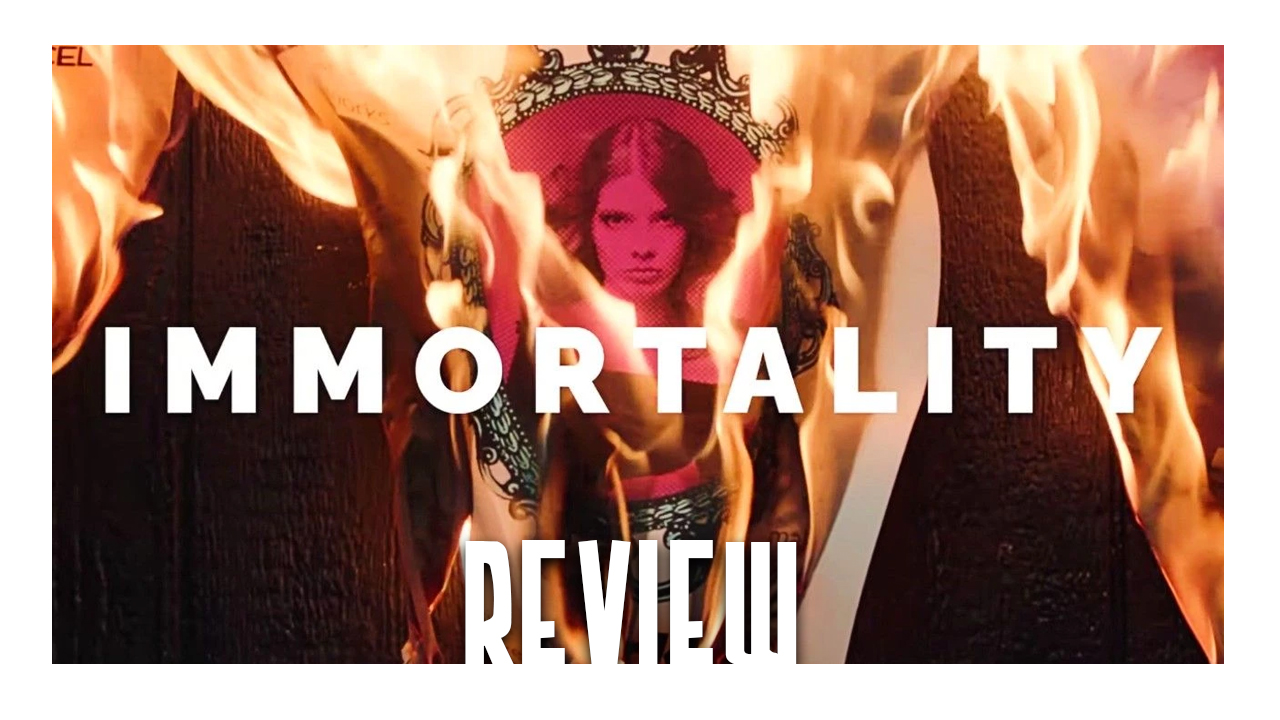
  • REVIEW: ‘Immortality’ Is A Formidable Follow-up to ‘Her Story’

    REVIEW: ‘Immortality’ Is A Formidable Follow-up to ‘Her Story’

    In 2015, Sam Barlow’s Her Story pushed the boundaries of what an indie game could be. It turned the mystery genre into a transformative experience that allowed players to solve the crime on their own terms. Players were tasked to unravel a haunting crime story using police interviews, a search engine, and their own intuition. The result was an astounding reconstruction of a rambling crime story that redefined the idea of how cinematic stories could be told through audience interactivity. With Barlow’s latest work, Immortality, that idea continues to be pushed further in fascinating ways. 

    Immortality examines the life of one Marissa Marcel, an actress who in a span of three decades made only three unreleased films and vanished without a trace. Through clips of the unreleased films, players are to reconstruct a mysterious portrait of what happened to the actress and those who knew her. And as players make their way through decades of footage, it becomes clear that Marissa’s Tinseltown story is more sinister than people imagined it to be. 

    Ambrosio, a 1968 giallo-inspired fantasy horror film, serves as the stage for Marissa’s onscreen debut. In that production, she meets enigmatic director John Durick, who becomes her constant collaborator on all her projects. In the 1970s, Marissa is cast in Minsky, a crime thriller about the death of a prolific painter. It is in that film where she meets Carl Greenwood, a co-star whose life will be forever changed by Marissa. In the 1999 film Two of Everything, Marissa plays a pop star struggling through the industry. It is her last film before her disappearance. In all of these films, Marissa remains the same age. 

    Immortality posits itself as a restoration project to shed light on the mysterious circumstances of Marissa’s life. The restoration begins with the grid where the surviving footage is presented. Players will have to scrub through the footage in order to find particular details in them. Be it a random object in the foreground, a character, or an action, clicking on them will unlock new footage containing the very same things. For example, if you freeze-frame on director John Durick’s face and click it, it will match-cut into footage with a similar image of Durick in it. Gameplay-wise, it’s a trial-and-error process to fall deeper into the rabbit hole of the narrative, allowing players to unveil secrets in various ways. Some might discover the game’s biggest twist within the first hour. Some might uncover the truth but never reach the credits. No playthrough will be the same.

    Gamers looking for a more comprehensive button-mashing experience may lose sight of what Immortality sets out to do. Like Her Story before it, Immortality is less about the skill than it is about the mystique of the narrative, where obsession rewards players more than agency. Barlow paints a very eerie, haunting, and ambiguous portrait of Marissa Marcel’s life. The more of Marissa’s life and relationships are examined, the more evil and unsure things seem. A web of corruption and tragedy begins to take its hold over the narrative as more footage is unearthed. While things may seem fine on the set of Minsky, the behind-the-scenes tell a different story. Barlow imbues a creeping uncertainty into the abstraction of his storytelling. Just when you think have the story in place, something unexpected happens. It’s a slow burn to get the full picture of Immortality but once its fragmented pieces fall into place, the obsession pays off. The narrative is beautifully explored through incredible film footage and performances that feel ripped straight out of their decades. Barlow’s vision toes the line between intentional schlock and gripping character study.

    However, there’s a clumsiness to Immortality that makes it a more unwieldy game to play than Her Story. Whereas the scope of Her Story was condensed into an interface and experience recognizable to anyone with access to a computer, Immortality feels formless and less immersive. It lacks the diegetic interface that made Her Story intuitive to play making its restoration concept feel strange and unwelcoming. The game’s commitment to immersion is easily challenged by its wildly unrealistic match-cut feature. The experience is meant to be voyeuristic and personal yet the way the game is played feels distant. Barlow may have intended Her Story to feel tangible as possible but Immortality feels anything but.

    Nonetheless, Immortality remains a formidable follow-up to Barlow’s 2015 masterpiece. Its commitment to giving players an unlikely experience is admirable even as it gives pause to the immersion. It may not recapture the monumental success of its predecessor but it will likely go down as one of the most ambitious indie games yet.

  • REVIEW: ‘She-Hulk’: Attorney at Law’ Episode 2

    REVIEW: ‘She-Hulk’: Attorney at Law’ Episode 2

    After the first episode of She-Hulk: Attorney at Law was dedicated to establishing Jen’s character and origin as the titular character, the second serves as a strong transition from that more traditional Marvel Cinematic Universe style of storytelling into what the series promised it would be—a half-hour episodic legal comedy.

    Episode 2 does not fully embrace new terrain, as the premise of the show is still laying the groundwork for future episodes. There are still elements of an origin story considering Jen is freshly She-Hulk and the story has to tackle the immediate consequences of that. But by the end of this episode, Jen is firmly established in her new job, formally setting the stage for more consistently-structured and individually-wrapped episodes and mini-narratives.

    The nature of Jen’s job as a lawyer practicing superhuman law is designed to take advantage of the wider use of known and new MCU characters that can come in and out of the series as if it were a revolving door. The foundation She-Hulk sits upon is—by MCU standards—an incredibly unique and fresh concept of a somewhat self-contained universe of story type and tone that simultaneously relies heavily on the greater universe to thrive. The beauty of the series concept is that the MCU as a whole has a somewhat unfettered ability to come into the show for the show’s own purposes. Consequently, how viewers see the MCU can be changed, but the consequences of a She-Hulk episode do not necessarily have to genuinely impact elements or characters in the larger narrative. Moreover, the series can tap into the MCU with reckless abandon, but by design, this does not force it to be anything but its own series.

    Tim Roth’s reemergence as 2008 The Incredible Hulk’s Emil Blonksy is a perfect example of this. Blonksy, aka the Abomination, was never a comedic character. In fact, after his debut 14 years ago, he has barely been any kind of character at all. But in this She-Hulk episode, he is hilarious. His mini-story about parole allows his character to be “changed”, but the real magic is in the series’ ability to take any character and reframe them in the show’s own comedic light.

    The huge character inclusions in She-Hulk, like Banner and Blonksy, also makes the show feel bigger and more exciting for everyone involved. Blonsky in particular connects the Hulk theme and invokes some of the purest MCU nostalgia there is. By being so connected, the series can be the universal hub of fan service, even if it is not the vessel one would expect it in.

    Presumably, the series could ultimately lean toward a more traditional MCU-specific plot like other series, which would naturally cause it to deviate from an episodic legal comedy. But the show could surprise and actually maintain its relatively closed-off structure for the sake of She-Hulk alone. Bruce’s departure back into space clearly beckons larger implications for She-Hulk. Whether those implications affect the series itself or just the character in the future is yet to be seen. 

    She-Hulk’s second episode brings the series closer to where it will get comfortable in coming weeks. For now, it is still in some transition mode, but the humor and personality remain consistent throughout the first two episodes. The series’ has absolutely wild potential as a fan service machine, and the nature of the show is actually built to handle that type of giddy excitement without distracting from anything else. After this episode, She-Hulk is surely set to hit the ground running and embrace its concept from here on out.

  • REVIEW: ‘House of the Dragon’-Episode 1: Heirs of the Dragon

    REVIEW: ‘House of the Dragon’-Episode 1: Heirs of the Dragon

    3 years of no Westeros coverage came and went in the blink of an eye. Even with how the last couple of seasons ended, The House of the Dragon was appointment television, and will continue to be throughout the duration of the show.

    ONE BIG FLASHBACK

    If you somehow stumbled upon the Season 1 Primer, you’re likely a little confused and that’s ok. It was expected that the series might start closer to the actual Dance of Dragons, which is around 129 AC. This entire episode, save the Great Council of Harrenhall at the very beginning, was in 109 AC, so the show is sowing seeds even earlier and deeper than expected, which is fantastic news considering the rush of Game of Thrones. It seems now that this series is going to be jumping back and forth. We should still expect to see a lot more of young Rhaenyra and Alicent to set up the conflicts and series. Slow burning plots are good news!

    We saw the *arguably* greatest King in Targaryen history, Jaehaerys, during the opening scene, where the Great Council sided with Viserys, the male heir and the current king, over Rhaenys, the female with the better claim, and Corlys’ wife. This will set a precedent for the next 200 years in Westeros.

    The creatives really nailed Viserys and his uneasiness over conflict. When the Hand of the King, Otto Hightower verbally sparred with Corlys and Daemon, they had slick camera work showing how it affected Viserys. He just wants everyone to get along and drink and party.

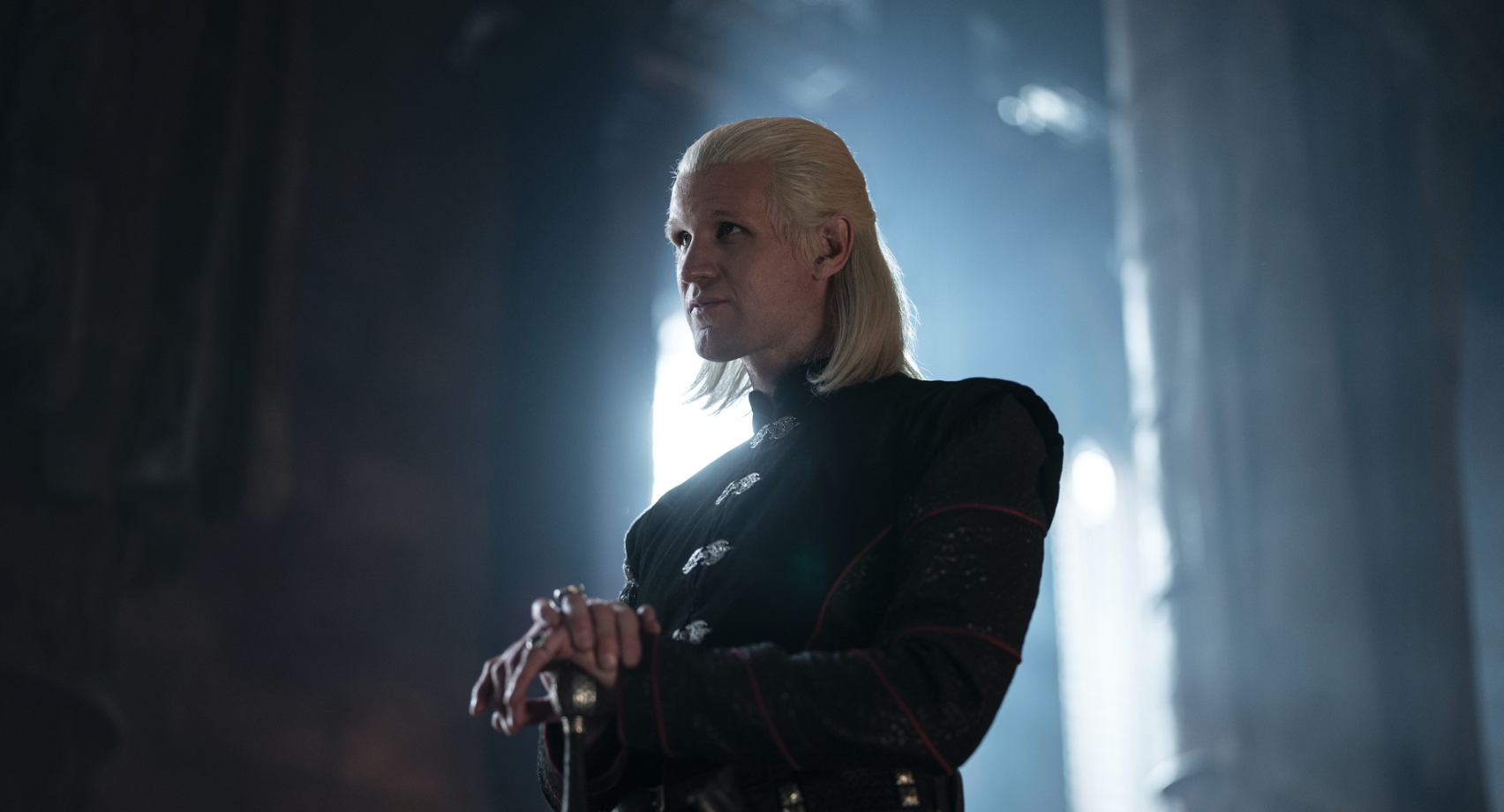
    Young Rhaenyra is a bit of a mix of Arya and Daenerys. Willful and disobedient, she doesn’t really pay much attention to the gender norms of Westeros. Alicent is the Sansa of the duo, very proper and wary of toeing out of line. Daemon the Rogue Prince (Matt Smith) was every bit the violent, irrational character from the novel who always speaks before he thinks.

    And we got Dragons! They seem to be a lot more colorful this time around, and they have some distinct individual features. Daemon’s dragon Caraxes has wings on its feet and a longer neck. Truly peak dragonshit.

    Changes from Fire and Blood

    House of the Dragon is adapted from a book the author George R.R. Martin wrote about the history of the Targaryen Dynasty. It’s pretty broad, so it’s up to the show to fill in the details between events. Below are changes that the show has made from the text.

    Corlys Velaryon is black – This one sparked some controversy when the initial cast news came out. The Velaryons and Targaryens are both ancient Valyrian houses, obsessed with blood purity. It would make sense for them both to have the pale skin, platinum silver hair and violet eyes, but in the show only the platinum hair is shared between the two families. This will come into play later in the show, but for now it’s a detail that only will piss off the worst kind of people.

    Rhaenyra and Alicent are the same age – In the book these two did not grow up as friends within King’s Landing. Alicent was 9 years older, and they weren’t as close as in the show. I like the change in the show, especially as these two drift apart trying to play the game of thrones.

    Very small changes, and on the whole, this was as faithful an adaptation as the first few seasons of GoT.

    Aegon’s Dream

    When Viserys named Rhaenyra heir to the Iron Throne, he talked about the dream that Aegon had that motivated him to take the Seven Kingdoms: the long night and the White Walkers descending onto the continent, and how only the Targaryens could defeat it. This dream has been passed down from king to heir since Aegon, but it curiously does not reappear until Rhaegar (Dany’s brother and Jon Snow’s father) rediscovers it before getting his chest caved in by Bobby B. Does this dream never get passed down after the Dance? Makes you wonder.

    Other Foreshadowings

    Alicent and Viserys – Alicent was prodded by her father to put on a dress and “console” Viserys after his wife and son have died. This is hinting towards her father Otto from overreaching in the kingdom, as well as hinting towards their marriage.

    Rhaenyra and Criston Cole – In the novel, Rhaenyra develops a massive crush on the newest Kingsguard, Criston Cole. He becomes her personal shield and bodyguard. It will be interesting to see how the showrunners handle this.

    Corlys’s warning about the Stepstones – The Stepstones are the islands between Westeros and Essos, which is what Corlys warned the small council about – particularly the “Triarchy.” While nobody is worried about that right now, both Corlys and Daemon will team up to try and handle these islands.

    All in all, it’s fantastic to be back in Westeros, and this is a great start to a series.

  • REVIEW: ‘Echoes’ is a Misfire

    REVIEW: ‘Echoes’ is a Misfire

    Note: This review contains mild spoilers.

    Netflix’s Echoes has all the ingredients for a compelling drama, but none of them ever come together to make for anything satisfying.

    Echoes tells the story of identical twins, Leni and Gina, both played by Michelle Monaghan. The twins have secretly spent their lives switching places since they were children, sharing everything – resulting in double lives as adults. However, after one of the sisters goes missing, the sisters soon find their lives both uprooted as secrets begin to surface that’ll change their lives forever.

    It’s hard to properly explain just how terrible Echoes is because there are elements that are great. Monaghan is one of them. She’s electric on screen and her scenes with Matt Bomer are fantastic. Unfortunately, though, neither Bomer nor Monaghan could carry this mess of a series. It’s as if the writers didn’t know where they wanted to take the story, so they continued to add drama for the sake of it. Both Leni and Gina are terrible characters, and while it might be a bit harsh, neither character is worthy of redemption. By the end, it’s unlikely viewers will like either Leni or Gina.

    The entire concept of switching lives every year without those closest to them knowing is a touchy-subject, especially as these characters shared everything – including their partners who hadn’t a clue. Even worse, the women somehow managed to get away with numerous crimes because their choice to switch made it difficult for law enforcement to determine who was responsible for what. It’s incredibly frustrating. They ruined so many lives and were never truly held accountable for their actions. Yes, the finale suggests that might finally change in a second season, but it’s frustrating just how easily some of these folks forgive the sisters.

    And then there’s the Dylan storyline – a plotline that quickly appears and then nearly forgotten soon after. Given what happens to Dylan and the sisters, this should’ve been something handled across multiple episodes and with more care. Especially when it comes to the lives lost. It is one of the many instances that felt as though it was written in just for dramatic effect, but with no proper plan on how to properly handle it.

    The most frustrating part of Echoes, though, is that it does a pretty bad job at fleshing out its characters. While Monaghan gives both roles everything she has, the writing doesn’t do enough to really showcase a difference between Leni and Gina. That’s something that is pretty important given that the two are supposed to be very, very different. One is supposed to be more dominant, while the other is supposed to blindly follow along. Outside of some slight mannerism changes by Monaghan, it just doesn’t feel as though enough effort was made in developing their characterizations. It’s something that ruins the ending.

    After everything these two have done – the fire, what happened to Claudia, switching lives – it’s frustrating that we never truly get to know Leni and Gina individually. Yes, the series is about them becoming one another and switching places every year, but there should still be some indicators of individuality. Something.

    For a series that only consists of seven episodes, Echoes feels so much longer. It drags, constantly being pulled down by useless plotlines that make little sense.

    Echoes is streaming now on Netflix.

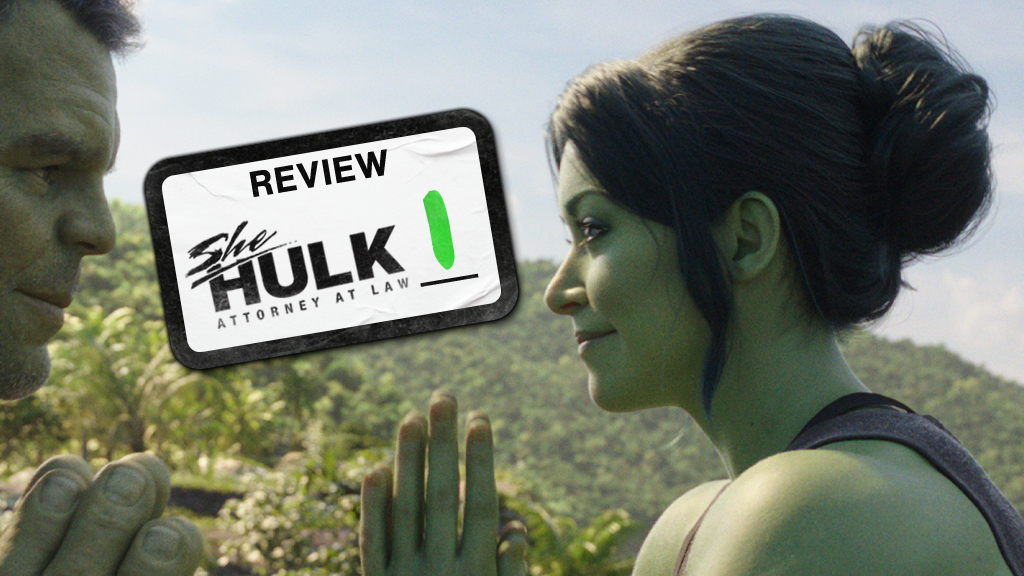
  • REVIEW: ‘She-Hulk: Attorney at Law’ Episode 1

    REVIEW: ‘She-Hulk: Attorney at Law’ Episode 1

    She-Hulk: Attorney at Law is about to be one of your new favorite Marvel Cinematic Universe projects. While much of the first episode was dedicated to establishing Jennifer Walters as an All-New, All-Different Hulk, all the elements are in place for a wildly delightful half-hour comedy series. She-Hulk takes the MCU to a place it honestly has not touched before now, which is somehow both smaller in scale yet feels like an A-list production in terms of its enjoyability and presence in the wider universe. The Marvel Studios universe has now expanded to a place where stories that seemed far-fetched a few years ago have a comfortable place in the MCU, and She-Hulk is opening the door for all of them.

    As the “origin” episode, the premiere is not particularly representative of the rest of the series in terms of its structure. She-Hulk is, ultimately, an episodic show that focuses on week-by-week or case-by-case stories involving Jen’s legal career. Still, the amount of time spent on her origin and development as a Hulk with Bruce Banner manages to be thorough enough to connect Jen to a specific, growing section of the MCU and explain enough to allow the show to proceed without too many questions about who or what she is as distractions. In fact, the early fourth wall break serves to precisely lay out the intent of the episode yet still center everything within Jen’s non-superhero life.

    The cast in the first episode is limited, but there is no question that Tatiana Maslany is an absolute star in the role. Criticism about She-Hulk’s CGI will not go away even with the final product, but any inability to accept it and move on is only to the detriment of the viewer. The visual effects take nothing away from Maslany’s performance, She-Hulk’s general character, or the ability to enjoy She-Hulk. Mark Ruffalo, who practically shares the episode with Maslany, is similarly phenomenal in his role here. In fact, it is arguably Ruffalo’s best portrayal of Bruce Banner in the MCU.

    Because of how She-Hulk nestles itself within the MCU in such a specific casual-yet-important way, its uniqueness cannot be overstated. Quite frankly, after this series, the MCU can never go back to the all-encompassing tone it has had in the past. The show is the perfect final series of Phase Four, which generally felt like an experimental phase to diversify the types and styles of MCU projects. She-Hulk captures the self-awareness of the MCU alongside its tone of focusing on the more day-to-day reality of the universe. If any project has ever invoked feeling “comic book-y,” it is hands-down this one. The post-credits scene is perhaps a perfect example of the ground-level, casual-framing nature of this series. Gossip about Captain America’s virginity, or lack thereof, is now canon to the MCU, whereas before it mostly existed on Twitter.

    She-Hulk has a comedic tone that isn’t slapstick or cheap. It feels more mature, real, and grounded in both reality and the universe it exists in. Billed as a half-hour comedy, it feels far from simply being a goofy and empty attempt at laughs. But the superhero elements in this episode do tip the scales a bit further away from truly feeling like an episodic comedy. A challenge going forward for the show will be allowing it to have its own comedic personality that rises above what it seeks to accomplish in terms of any larger MCU plot. For example, hints of a building Hulk universe are obvious in this episode. There are no indications yet that it cannot remain relatively self-isolated, and viewers should be prepared for the end of the “superhero origin” part of She-Hulk’s story early in the series, and perhaps this first episode served to cover and complete it. 

    It should also be recognized that even with only one episode as a reference, She-Hulk so far seems to be the MCU’s most successful attempt at a woman-led project. Maslany’s performance combined with the script itself is reminiscent of contemporary, quality non-comic book female-driven TV. Jen’s character has so much more texture as it is being written by women seemingly without any hesitation to be unceremoniously honest and genuine as to what Jen’s life (Hulk for or not) would look and feel like. Ms. Marvel also did a phenomenal job with Kamala Khan, but writing and portraying an adult woman with more mature themes feels incredibly fresh in the MCU, even if overdue.

    In sum, She-Hulk’s premiere episode has every indication that the series will be a hit. The tone of the show is one that is designed to be simply fun, enjoyable, and even pander to fan service. Not every show or style of humor works for every person, but it is difficult to imagine any major widespread criticism (aside from the CGI) that is not based, in part, on some people’s unfounded discomfort with female superheroes or straight-up misogyny. The toxic “M-She-U” crowd will surely keep yelling into oblivion. But if She-Hulk exemplifies the “M-She-U”, it only proves that that universe is an excellent place to be.

  • REVIEW: ‘She-Hulk’ Is Marvel Studios’ ’30 Rock’

    REVIEW: ‘She-Hulk’ Is Marvel Studios’ ’30 Rock’

    Even as Marvel Studios approached Avengers: Endgame, the Marvel Cinematic Universe did not feel as grandiosely populated as it should have been. Franchises were siloed into their respective corners until they were called to unite while the granular civilian world of the MCU was all but forgotten. The MCU felt only reserved for its mightiest heroes and never the people living in it. In comes She-Hulk, a show that not only blasts the doors wide open by introducing a cavalcade of weirdos and superpowered kooks but a show that examines the impact of superhumans on its denizens. She-Hulk, in many ways, recontextualizes the U in MCU, instilling it with new meaning and giving audiences a new perspective on it. 

    At the heart of the show is lawyer Jennifer Walters, the hapless cousin of Bruce Banner who gets gamma-radiated after a bizarre car accident. When an attack on the courthouse forces her to use her newfound Hulk powers, Walters turns into an overnight sensation. The limelight quickly nets her a job as the face of the superhuman law division in a prestigious law firm. One would think that Walters’ connection to her cousin would make her a perfect fit but when her own celebrity gets in the way of the job, things don’t go as planned. 

    Whereas The Falcon and the Winter Soldier and Moon Knight are executed as 6-hour films, She-Hulk is one of the few Marvel Studios television shows to embrace the episodic format of the medium. Part-courtroom comedy and part-slice-of-life, episodes range from Wong suing a hacky magician for misappropriating the sling ring to She-Hulk’s firm prosecuting a shapeshifting Light Elf for catfishing a playboy. Head writer Jessica Gao displays a deep reverence for the sheer absurdity of living in a world populated by superheroes, examining heightened daily life while lampooning its blunders. Gao’s script is self-referential and keys heavily into present-day zeitgeist, reflecting the same comedic sensibilities as a culturally meta show like 30 Rock as it lampoons corporate culture, celebrity, influencers, and social media.

    This coincidentally makes Liz Lemon and Jennifer Walters unlikely kindred spirits. Socially inept dweebs that have to navigate the corporate ladder and the insanity that comes with their profession. The ever brilliant Tatiana Maslany wields her wit with a gangly finesse that endears Jennifer Walters to every superhero faux pas she encounters. She’s never the coolest person in the room and she knows it. But like Tina Fey, Maslany’s wit and timing make her the funniest in the room in unexpected ways. The result is a Jennifer Walters that is goofy yet tenacious in her footing.

    That Maslany succeeds in being funny is a feat on its own given how the breadth of her performance is at the behest of the VFX. She-Hulk has the disadvantage of being a painstakingly difficult character to bring to life. The show itself ends up being a dangerous tightrope act that threatens to fall into the uncanny valley, which it inevitably does from time to time. Director Kat Coiro struggles to find a visual identity for the show and often captures She-Hulk’s zany world through vapid TV lenses. This does the VFX team no favors as the She-Hulk model looks its worst in Coiro’s blandest compositions. The uncanny valley is most discernible in the office scenes, where plastic static walls and bright skylines glare in the frame. Nonetheless, the show’s VFX department does the commendable and thankless job of bringing the character to life. Their work begins to seamlessly blend into the world once the show begins to reach its farthest corners of its storytelling. There are fight sequences featuring Hulk and Wong that look plucked out of an Avengers film.

    For a show that constantly pats itself on the back for its revolving door of exciting supporting character cameos, She-Hulk falls short of giving its own ensemble its legs to stand on. Ginger Gonzaga and Josh Segarra play Walters’ co-workers, Nikki and Pug respectively, and they aren’t given much to do. Despite the show insisting she’s She-Hulk’s best friend, Nikki barely feels like a character. There’s no sense of depth to their friendship nor does there seem to be any significant history between the two. Gonzaga pulls her weight in giving the character a semblance of life but the show’s in media res framing and focus on the larger cameos robs her of any real development. Pug, on the other hand, might as well not exist. Hot off the heels of Ms. Marvel, a show that features an ensemble whose characters are deserving of their spin-off, this is an unfortunate shortcoming.

    Perhaps the show’s biggest strength is the trove of cameos and easter eggs that lord over each episode. She-Hulk does the incredible job of shouldering the granular world-building that many of the films and other TV shows have neglected to do. Superpowered characters that wouldn’t have otherwise existed in concurrent MCU efforts are proudly ushered in the show. Loose ends from films are purposefully referenced and examined in through the lens of the everyday civilian. Depending on one’s tolerance for cross-pollination, this may be a huge detriment to the show but to MCU fans longing for a more immersive look into the world, this show is a fever dream.

    Ultimately, She-Hulk‘s meta-humor and wildly episodic case-of-the-week nature are sure to give viewers a refreshing change of pace. Imperfect VFX be damned, this show hilariously encapsulates the sheer insanity of the Marvel universe.

  • REVIEW: Offer Yourself To The ‘Cult of the Lamb’

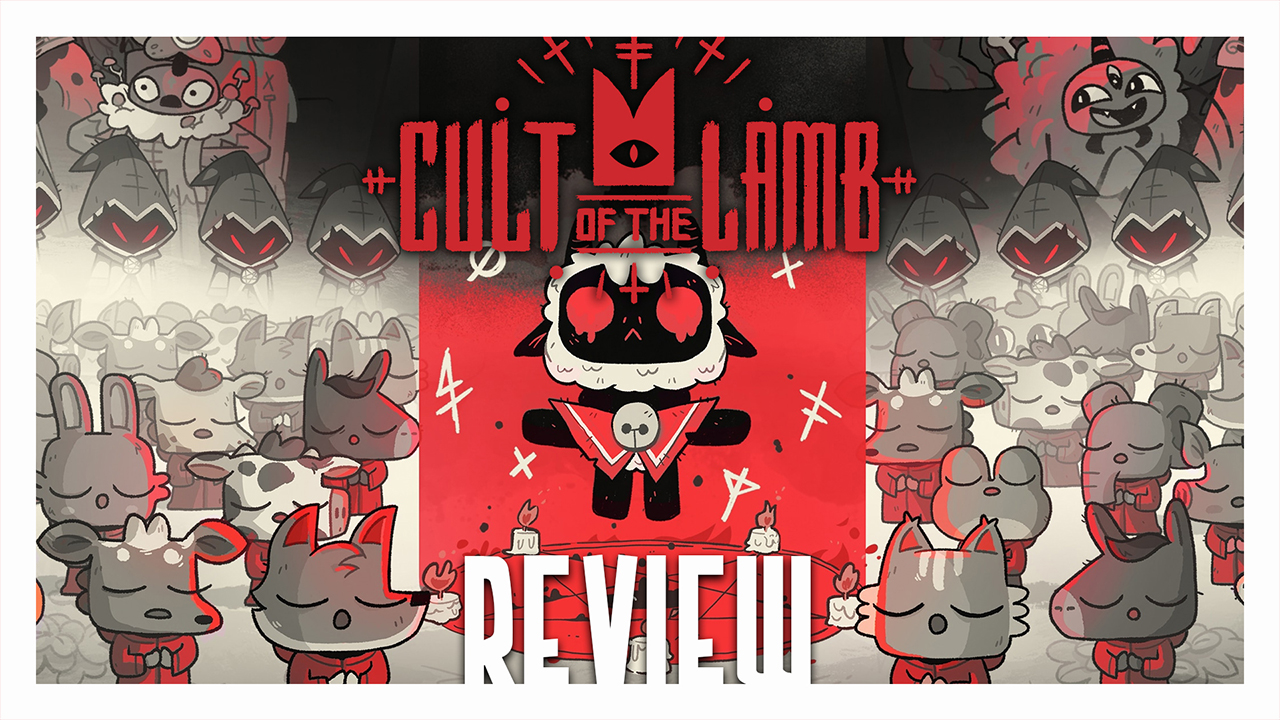
    REVIEW: Offer Yourself To The ‘Cult of the Lamb’

    In Cult of the Lamb, the devil is in the details. Devolver Digital’s management simulator, where players assume the role of a sacrificial lamb who becomes the leader of a demonic cult, is an ambitious effort to marry the cutesy quirks of Animal Crossing with the comedic morbidity of a Sam Raimi movie. But the game sometimes comes across as overzealous, getting lost in a complicated economy and progression system and a roguelike element that feels like an afterthought. Nonetheless, its great mechanics, visuals, and humor make for a highly entertaining hybrid simulator.

    The game is essentially divided into two parts: the management simulator and the dungeon-crawling roguelike. As the sacrificial lamb turned prophet for the demon The One Who Waits, the fire of the gospel must burn strong through the cult’s disciples. But as the prophet, it too falls on the lamb to slay the Four Heretics who have imprisoned the The One Who Waits.

    Developers Massive Monster spares no expense in giving players a thorough religious experience. Nearly no stone is unturned as Cult of the Lamb incorporates many elements familiar to any churchgoer of any faith. As the leader of the congregation, the player’s job is to keep the cult afloat and rich. Not only do the disciples’ basic needs need to be met but they also must be kept happy and faithful. 

    Easily the best parts of the game are its mechanics. There’s a daily sermon that will modestly fill the cult’s faith meter. Over the course of the game, players will accumulate stone tablets that will serve as doctrines, the rules and beliefs that the cult must abide by. These doctrines are made of active and passive upgrades. The active upgrades, referred to as Rituals, are fun events you can trigger to give your disciples a stat boost.

    Cult of the Lamb‘s greatest source of enjoyment is the variety of ways to torment and reward the congregation. Sadistic players will be glad to know that they can order their adorable disciples to eat their own poop, force them to fast, or sacrifice them to a Chtulu-like monster. There’s a funny ritual to let a disciple’s body and soul ascend to heaven — or so they think. There’s even a ritual to get everyone high on mushrooms. Dissenters can be imprisoned and humiliated to be made an example of. The variety of mechanics at the player’s disposal is surprisingly deep and is guaranteed to make every playthrough different.

    But as fun as the management simulator element is, there’s redundancy in Cult of the Lamb‘s economy and progression system that may often lead to confusion. The terms used to label currencies do not come across as intuitive; devotion, loyalty, and faith are essentially synonyms but they serve different purposes in the game. Players may find themselves wondering which is which in the countless tutorial prompts that appear. In the game’s attempt to immerse players with tenets of religion, the economy and progression system is needlessly complicated.

    The Crusades, the roguelike dungeon-crawler aspect, pales in comparison to the rest of the game. While it gives Cult of the Lamb a change of pace, its procedurally generated gameplay fails to remain challenging or engaging. Compared to the uniqueness of the cult builder, the Crusades feel very unremarkable. They serve as the primary way to advance the story as the lamb goes from realm to realm, slaying enemies. Maps are procedurally generated but have little to no difference. Along the way, resources and new followers are to be found. A random weapon and skill are given to the lamb at the start of each crusade. Players can acquire tarot cards to get temporary boosts in each map. Beyond any of these, it’s a very bare roguelike.

    Where the Crusades redeems itself is in its combat. A mix of isometric hack-and-slash and bullet-hell, the combat is beautifully animated and, together with the sound design, has an almost addictive feeling to it. There’s a seamlessness and grace to every frame of animation. The incredibly simple controls are complimented by the game feel; hit stuns feel really heavy and give the combat a nice weight while the dodge button is responsive and sharp. Given the short nature of each crusade, which ranges from 5-10 minutes, the Crusades never feel boring.

    As monstrous as this game allows players to be, at the heart of Cult of the Lamb are visuals that are full of life and wonder. The aesthetic is essentially that of a children’s book with its backgrounds and assets resembling pop-ups. Characters in the game are so expressively drawn. The demons are drawn in the same way children earnestly draw the nightmares they have on paper. They’re terrifying to look at but also inherently childish. It’s hard not to be ensnared by how vibrant everything looks and how well it comes together, even in the face of its minor flaws. In a widening sea of management and social simulators, Cult of the Lamb stands as one of the most creative and eccentric thanks to its core premise, devilish wit, and charm.

  • REVIEW [Translated]: ‘I Am Groot’ is Just the Cutest

    REVIEW [Translated]: ‘I Am Groot’ is Just the Cutest

    *For an original, untranslated version of this review – click here*

    The first-ever Guardians of the Galaxy spin-off has arrived, and it’s just about the cutest thing ever. I Am Groot, also the first starring vehicle for Vin Diesel in the Marvel Cinematic Universe, is a CG-animated mini-show from the minds of Ryan Little and Kirsten Lepore. It’s first season consists of five short episodes, each only a few minutes long, that mostly feature Baby Groot stumbling his way through an adorable series of shenanigans across the galaxy. While the project is technically canon to the wider MCU, it more or less functions as entirely it’s own affair. There is no prerequisite viewing, aside from maybe the aforementioned Guardians films, and there is no pressure to understand anything important. It’s really just Baby Groot being Baby Groot for a solid 20 minutes.

    Obviously, this is not a serious show made for grown-up adults. That doesn’t mean an adult can’t love it, because this series is the definition of lovable, but nobody should go into I Am Groot expecting a deep dive into the character’s origin or personal beliefs. Instead, one should anticipate hearty laughter and a little bit of water to come out of their leaky eyes. It’s essentially the opening dance sequence from Guardians of the Galaxy Vol. 2 stretched out long enough to give it its own title. Anyone with a child who loves Groot will want to turn this on immediately because it will likely become that kid’s new favorite show. Diesel‘s endearing, pocket-sized hero pulls out all of his signature moves. From antagonizing equally delightful intergalactic creatures to performing the most destructive arts-and-crafts time ever, Groot does it all with the sweetest, most amusing big eyes and tiny smile the universe has ever seen.

    That being said, these shorts are genuinely worth the watch for parents and children alike. I Am Groot can be viewed as an entertaining, educational project designed for toddlers, using Baby Groot and the problems he runs into as great examples of overcoming adversity. Granted, Groot is not a well-behaved baby. He is, however, wildly entertaining and sure to give kids a good chuckle. On the parental, or adult-who-doesn’t-have-kids-but-likes-Marvel-a-lot, side of things, I Am Groot is an undeniably charming look into a corner of the Marvel Universe that, frankly, nobody ever thought they would see. The only other Marvel character to make an appearance is Groot’s best friend and father figure, Rocket Raccoon, voiced again by Academy Award nominee Bradley Cooper. Isolating Groot from his peers allows viewers to take a rather interesting peak at what sort of chaos the little tree can cause when left completely unattended.

    Although nothing too special, I Am Groot does earn it’s place as part of the Disney+ catalogue, and will probably leave young ones wanting more. The shorts have the potential to be a blink-and-you’ll-miss-it chapter for the MCU, and may be the sort of thing people forget about after a single viewing, but it will ultimately be the response from the target audience that determines it’s longevity. More episodes have been confirmed to be on the way, so perhaps this is just the beginning of many Groot solo adventures down the line. Either way, it’s not anything worth stressing about. Just sit back, relax, and enjoy Baby Groot in all his precious glory.

  • REVIEW [Untranslated]: ‘I Am Groot’ I Am Groot

    REVIEW [Untranslated]: ‘I Am Groot’ I Am Groot

    *For a translated version of this review – click here*

    I am Groot I Am Groot, I am Groot. I Am Groot, I am Groot I am Groot, I am Groot I am Groot I am Groot. I am Groot I am Groot, I am Groot, I am Groot I am Groot. I am Groot I am Groot I am Groot, I am Groot I am Groot, I am Groot I am Groot I am Groot. I am Groot, I am Groot I am Groot. I am Groot, I am Groot I Am Groot, I am Groot I am Groot I am Groot. I am Groot I am Groot I am Groot.

    I am Groot, I am Groot I am Groot. I am Groot I am Groot, I am Groot I am Groot, I am Groot I Am Groot I am Groot. I am Groot I am Groot I am Groot. I am Groot I am Groot I Am Groot I am Groot I am Groot. I am Groot I am Groot, I am Groot I am Groot. I am Groot, I am Groot I am Groot. I am Groot I am Groot I am Groot, I am Groot, I am Groot I am Groot I am Groot.

    I am Groot, I am Groot I am Groot. I Am Groot I am Groot I am Groot, I am Groot, I am Groot I am Groot. I am Groot, I am Groot. I am Groot, I am Groot, I am Groot I am Groot. I am Groot, I-am-Groot-I-am-Groot, I am Groot, I Am Groot I am Groot I am Groot, I am Groot, I am Groot. I am Groot I am Groot, I am Groot, I am Groot. I am Groot I am Groot I am Groot.

    I am Groot I am Groot, I Am Groot I am Groot I Am Groot+, I am Groot. I am Groot I-am-Groot I am Groot, I am Groot, I am Groot I am Groot. I am Groot, I am Groot I am Groot. I am Groot, I am Groot. I am Groot, I am Groot, I am Groot I am Groot.

  • REVIEW: ‘Prey’ is Beautiful, Brutal, and Stunningly Good

    REVIEW: ‘Prey’ is Beautiful, Brutal, and Stunningly Good

    It’s been said that, after killing their prey, a hunter should use every part of the body. The meat is obviously for feasting, the hide can be used for clothing or shelter, and the bones can be fashioned into weapons and tools. A life is taken, but it’s done so with reasonable intent. It’s an elegant trade-off for a harsh reality, that sometimes something must die for something else to live. The thing is, Prey is not a movie about hunters. It’s about Predators, and they only kill for a single goal – the spine and the skull attached to it. They want a trophy to bring back to their tribe, so that everyone may know they’re the apex in the wild. It’s this dichotomy between those who hunt with honor and those who hunt for honor that makes Prey such a force to be reckoned with. And the really, really cool death scenes don’t hurt either.

    To be clear, Prey is the latest entry in the decades-old Predator franchise. Yet, somehow, it feels like something entirely brand new. A prequel set in 1719, away from the complicated timeline muddled by 2018’s The Predator, director Dan Trachtenberg has crafted an incredibly fresh take on a series that was beginning to come off as a bit stale. The recipe for success starts with the title, which is indicative of the way Trachtenberg and writer Patrick Aison flip the story’s usual structure on its head. In Prey, a young Comanche woman defies the gender norms of the Great Plains, and embarks on the hunt of a lifetime to prove she’s the best warrior her people have to offer. Although, contrary to what many may have assumed, Prey does not refer to Amber Midthunder‘s assertive lead. Every installment in the franchise thus far has utilized the Predator as its title character, and this project is no exception.

    Fans have seen variations on this concept before, with the final human survivor turning the tables and facing the Predator head-on, but it’s never been executed quite like this. Naru, the protagonist, is the focus from the very start, with the film only picking up on the Predator’s activities to confirm it’s still somewhere on the prowl. In fact, at almost no point in the film is the Predator ever actually hunting Naru. She is on her own journey, running parallel to the beast’s increasingly destructive murder spree, hell-bent on emerging from their inevitable clash the victor. Much like the Predator itself, Naru knows the only way to prove herself is to return home with a trophy unlike anything her people have seen. She craves defeating the apex so she can become the apex. Prey introduces audiences to a different kind of predator, and in the process, dares to ask where man falls on the Venn diagram between glory and integrity. This is a violent, engaging coming-of-age tale that just so happens to feature an iconic extraterrestrial killing machine as its main foil.

    Fear not, however, as the Predator itself is still given plenty of time to leave its mark. Trachtenberg manages to design some of the best kills the franchise has ever produced. There were multiple sequences that should probably elicit a discussion as to whether or not New Line Cinema could still let the filmmaker take over their Mortal Kombat fold. It feels almost grotesque to say that the violence in Prey is borderline beautiful, especially in light of recent world events, but it absolutely is. Actually, it’s worth stating that the entire project is a spectacle, shot to perfection by cinematographer Jeff Cutter. It’s a shame this film won’t be released in theaters because so much of it is exactly the kind of experience everyone hopes to have at the movies.

    Propped against the breathtaking backdrop of the vast American wilderness, Prey might also use its setting better than any Predator film before it. The movie expertly uses a variety of natural predators, the kind often found in stories of the frontier, as a means of building tension throughout its first two acts. With tricky camera angles and creative framing, viewers can never be certain exactly what it is they’re watching creep through the trees, and it almost always leads to a satisfying payoff when whatever is lurking finally emerges to attempt a fatal strike. This also goes for the time period itself, which offers all sorts of adversity for Naru, in the form of both people and culture, as she fights her way towards dominance. It makes the deaths, and the survivals, seem far more rewarding. Arnold Schwarzenegger may have taken down a Predator, but he never had to worry about much else while doing it.

    It’s difficult to put into words the energy this movie brings with it, but the most accurate sentiment may be this – it absolutely rips. The Urban Dictionary exemplifies this phrasing as, “when a dog runs laps around the yard, typically at full speed, and it’s highly entertaining to watch.” Watching Prey is like watching a dog run laps at full speed, only the dog is an alien killer and the laps are swift, brutal, stunning kills. The only way it could possibly be better were if it had a well-constructed, thematic story to go with it. Luckily, it does. Every Predator film has promised to be what this one actually delivers, which is why Prey is probably the best of the bunch, a must-watch for anyone who loves movies.