Category: Reviews

  • ‘Spider-Man: No Way Home’ Is The Experience Fans Expect it To Be

    ‘Spider-Man: No Way Home’ Is The Experience Fans Expect it To Be

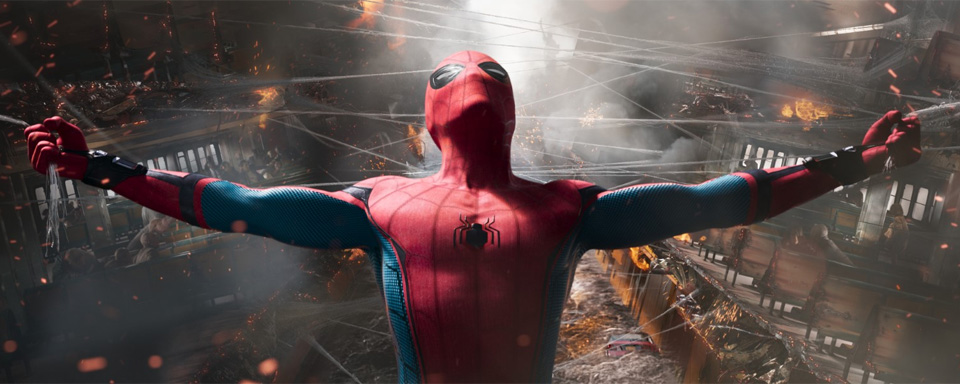
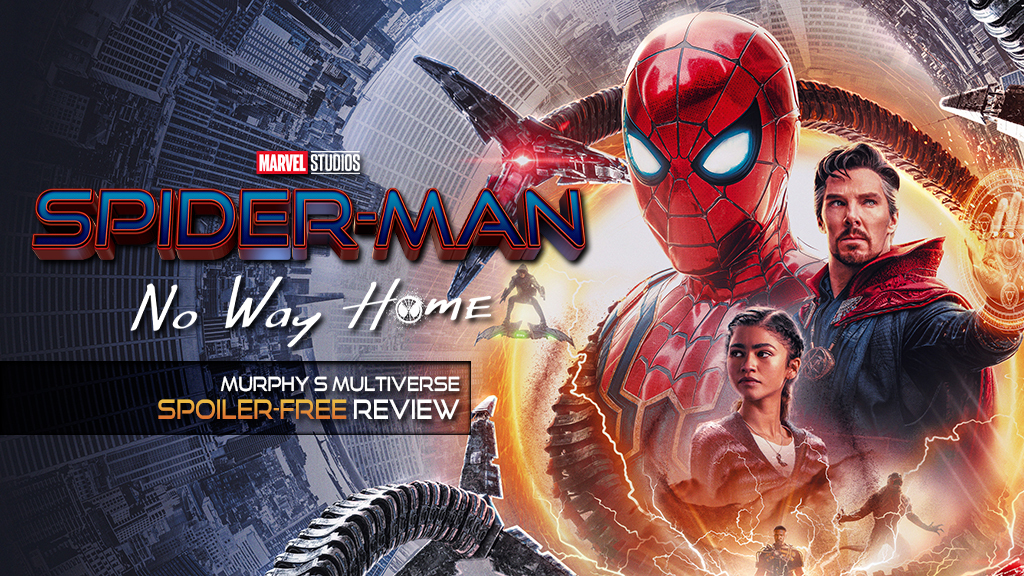
    Spider-Man: No Way Home is in a position to be one of the most memorable superhero cinematic experiences of all time. Its ambitious story, major character inclusions, and overwhelming audience expectations certainly place the film in a particularly bright spotlight ahead of its release. Between this movie being Tom Holland’s sixth appearance as Spider-Man and Holland’s hero being the lead of the third Spider-Man franchise since 2002, perhaps the biggest question is whether or not No Way Home is able to deliver a new, exciting, and fresh take on a Spider-Man solo flick. The second question undoubtedly is whether this film can live up to the arguably unprecedented fan excitement that became an unrelenting marketing force of its own over the past two years. Fortunately, No Way Home delivers on its own promises but also many of the promises that audiences made for themselves.

    No Way Home is without a doubt a celebration of almost twenty years of Spider-Man in cinema. It is obvious that the film draws inspiration from Sony’s prior live-action Spider-Man franchises, but it is also clearly influenced by the studio’s critically-acclaimed animated Spider-Man: Into the Spider-Verse. With the general concept of the multiverse at No Way Home’s core, the Marvel Cinematic Universe-set film is well-designed to embrace the character of Spider-Man somewhat apart from his current and popular role in the MCU. 

    The idea that an exploration of the multiverse can make a character more prominent seems counterintuitive, but No Way Home is nothing if not a love letter to Spider-Man. In a multiversal movie that also includes someone like Doctor Strange, where exactly does Holland’s Peter Parker shine? By design, he is the absolute anchor of virtually everything that moves in the film. While there are fascinating elements that have the power to outshine the main character, the fact that Peter is the glue that holds everything together is a win in the face of everything the movie is trying to accomplish in one sitting.

    No Way Home is easily one of the MCU’smost introspective and emotional films yet. Peter Parker is gifted with deeper character development here than in Holland’s previous outings. While the MCU has witnessed the character grow from an insecure teenager to a slightly more secure teenager, No Way Home delivers a more nuanced turn on the hero that manages to stand out at the end of the film. Amongst the mania of the movie, the character experiences both internal and external crises, with a primary theme being his intrinsic guilt surrounding the consequences his double life as Spider-Man has on those he loves.

    Until now, he was able to skirt most of these implications, but the reveal of his identity at the start of the film means that he’s no longer able to hide behind a mask. In this way, No Way Home offers audiences a more intimate look at Peter Parker and explores his psyche freshly and more profoundly than ever before. The film hits notes that feel dark, broody, hopeless, and generally depressed throughout.

    But while the movie certainly explores darker elements, No Way Home knows how to deliver pure joy. The film features the return of fan favorites such as Alfred Molina’s Dr. Otto Octavius and Willem Dafoe’s Norman Osborn. The movie brings back bygones from a beloved era in a way that mostly escapes the shallow feeling of fan service. The fan service is real and abundant, but it generally manages to stay on target and not devolve into a lifeless parade of callbacks and Easter eggs. Molina and Dafoe in particular are phenomenal and, quite frankly, outperform the main cast members. Their transition into playing these characters once more feels flawless, and the two veterans bring an air of seriousness to the chaotic situation, despite being much of the chaos themselves. 

    Benedict Cumberbatch’s Doctor Strange is also another well-placed addition to the film. He’s a standout character both as a plot device and in terms of Peter’s development. Without Doctor Strange casting the spell, there would be no Spider-Man: No Way Home. Luckily, the character comes across better in the film than he did in the trailers—not only was the sorcerer not overly dumbed-down, but Cumberbatch also puts in a performance that stretches the known emotional range of the character. Stephen naturally finds himself filling the role of some sort of mentor or guardian to Peter, though nothing like Peter’s relationship with Tony Stark in Spider-Man: Homecoming. Far from taking over Peter’s story, Doctor Strange feels utilized just enough to give shape to the plot and add a little extra to Peter’s emotional core. The two have an easy, comforting relationship that seems to have sprung up overnight.

    Peter and Doctor Strange’s relationship is a testament to this movie’s ability to create strong dynamics between a large number of characters. The ensemble is numerous and many of the characters do not have pre-existing relationships going into No Way Home. But somehow one of the film’s greatest strengths is the effortless way in which the many characters interact with one another. It is one of the most, if not the most, impressive aspects of the film given how conservative individual character screen times seem to have been allotted at times. 

    No Way Home’s weakest point is, unfortunately, its plot. The mechanics of the multiverse story made very little sense. There are countless questions unanswered about why someone is here or there, or why a very obvious and easy resolution is acknowledged and ignored for the entire film. The movie hardly attempts to engage any of the important details, but that might have been a calculated, intelligent move. While the plot is not strong in and of itself, No Way Home proves to be one of those rare films that can be good with a bad plot. 

    The pacing of the first act is exquisite. A lot of time passes between the reveal of Peter’s identity and Doctor Strange’s spell, but the No Way Home moves through it in a choppy but enjoyable fashion reminiscent of some of the more innocent days of Spider-Man: Homecoming. After that, the “pure joy” mentioned above generally takes over. No Way Home is a prime example of a fun movie—between the character dynamics and all of the flat-out exciting elements and moments, it is easy to forget about the plot. Or, at least, it is easy to forget that you have quite a lot of questions about it. The weak plot, easy answers, and the highly questionable ultimate resolution of the main story do put a chink in the movie’s armor. But No Way Home manages to separate the plot from the experience enough that it is far from fatal.

    Overall the action should certainly satisfy fans that felt like the MCU’s Spider-Man films were lacking in that element. Peter was allowed to be a bit more violent—it comes across at times as brutal and dripping with dark emotion that has built up over time. It’s another example of how the movie was able to explore and showcase the greater depth of Peter’s character development in the film.  But the action sequence between Doctor Strange and Peter is the visual standout of the entire movie. It lacks all of the bells and whistles that come with a hero versus supervillain fight sequence, but it is visually stunning. It certainly manages to allow the film to take a break from the typical action sequences a Spider-Man movie delivers, without feeling like it takes place in a completely different film. Unfortunately, it is still missing so much of the iconic web-slinging visuals that Spider-Man has the potential to produce.

    Spider-Man: No Way Home is a multiversal adventure that excites and delights. While its character dynamics are absolutely stunning, the action and story concept also makes for an exhilarating experience that won’t disappoint even the most anxious fans. It’s an adrenaline-filled serenade to Sony’s Spider-Man legacy that invokes nostalgia and joy as often as it can without destroying the heart of the film. Holland’s Peter Parker remains the core, even if he naturally gets eclipsed amongst the celebration. No Way Home only falters with its plot, its shaky backbone, and its many unexplained-yet-important details. Still, the film manages to do the usually impossible and deliver an experience that stays afloat above its sinking storyline. No Way Home is undoubtedly the superhero experience fans hope and expect it to be. 
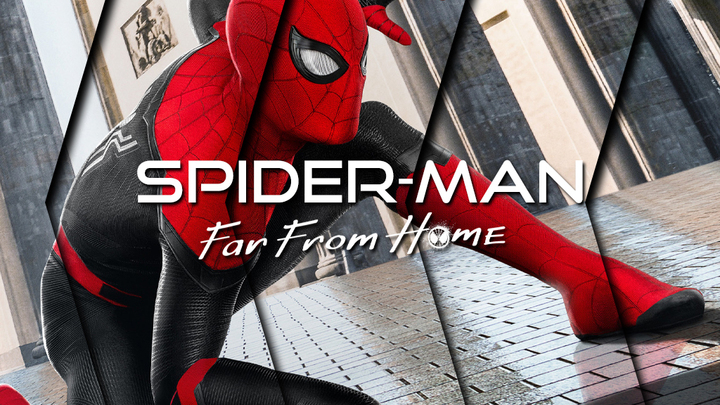
  • REVIEW: ‘Spider-Man: Far From Home’ Was a Fitting Choice Post-‘Endgame’

    REVIEW: ‘Spider-Man: Far From Home’ Was a Fitting Choice Post-‘Endgame’

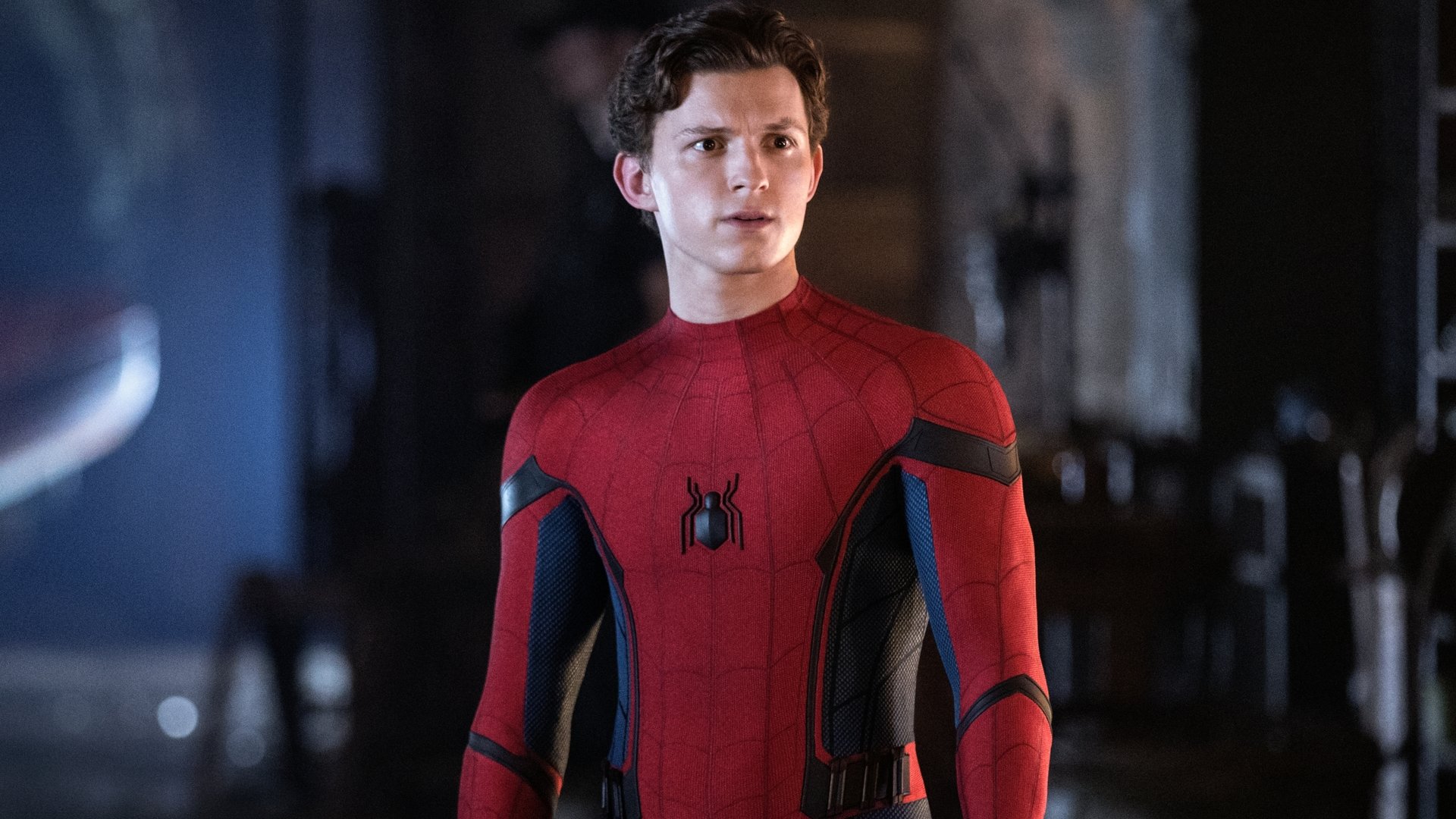
    Spider-Man: Far From Home is the final movie in our retrospective, as well as the last Spider-Man movie released in theaters (for now). 2019 was a special time for Marvel fans. After the massive event that was Avengers: Endgame, Spider-Man was meant to bring audiences into a period of rest between phases, as well as reframe what we can expect from the franchise’s future. However, the film’s most important task was to bring Peter out of Iron Man’s shadow and set him on his path.

    Spider-Man: Far From Home': The Screenwriters Explain the Twists - The New  York Times

    Spider-Man: Far From Home, which takes place a few months after the events of Avengers: Endgame, tells the story of Peter Parker and his closest friends going on a well-deserved vacation to Europe. Peter’s idyll is interrupted when Nick Fury comes to him asking for help as mysterious multiversal beasts are ravaging the continent. At least, that’s what the movie wants you to believe.

    In the film, Peter Parker (Tom Holland) undergoes a very significant character development in the context of the entire universe, which is somewhat like a reversal of his storyline from Homecoming. After his cosmic journey, Peter wants to rest, he does not want to be put in the role of the successor of Iron Man whose death still haunts him. The public sees him as Stark’s successor, but the teenager prefers to forget about that and focus on declaring his love for MJ (Zendaya). This escapist motivation of Peter’s is very believable and, with the tragic events of his previous two films in mind, we root for him to realize his current plans.

    What I loved most about the film was just all the holiday moments of Peter and his friends. I was also captivated by the childlike naivety and awkwardness of his relationship with MJ, which has a lot of heart and charm. Yet, Ned (Jacob Batalon) didn’t leave a great impression on me because of the fact he doesn’t have much to do in this film. The filmmakers gave him a romance with Betty (Anguire Rice), which ends as suddenly as it beings, and nothing comes from that eventually. Flash Thompson (Tony Revolori) is also worth mentioning, as his character has a nice little arc across the two Spider-Man movies. He’s in the background, but Watts outlines his sad life through some visual means. The ending of Far From Home certainly brought a lot of confusion and moral conflict into his life.

    This escape, or rather conflict with being the successor to Iron Man has its narrative center in the extremely advanced E.D.I.T.H. technology. It allows the bearer to access a satellite and hundreds of drones. This plotline is by far my biggest problem with the film, which posthumously puts Stark in the rather reckless role of a mentor who took a carefully considered approach to Parker’s superheroic growth. Giving a teenager access to arguably one of the most advanced technologies of mass destruction is too much for me, and I have a hard time accepting this plot.

    On the other side, we have Jake Gyllenhaal as Quentin Beck a.ka. Mysterio is a former Stark Industries employee responsible for creating B.A.R.F., the technology that was first introduced in Captain America: Civil War. I’m a huge fan of revisiting this tech, as I’ve always liked it when the MCU taps into themes that were teased or underdeveloped somewhere in a previous film. Gyllenhaal, of course, is very convincing in his role. He’s a bit goofy and over-expressive, but I think that makes this character interesting and memorable. On paper, this is another bad Stark’s villain, only this time we have a collective of Stark’s ex-employees.

    What’s worth noting is that Far From Home is a very metatextual film and there are quite a few allusions in the story to the very shape of the MCU, our relationship with the universe, and the image of VFX artists. This auto thematic approach is something original and interesting within the MCU. The closing film of the Infinity Saga was perfect to address this kind of issue. We are put in the role of students who are going on a well-deserved vacation after years of intensely following the development of the universe, and the production is meant to put us in a sort of lethargy between phases.

    Spider-Man: Far From Home“: Was bedeuten das Ende & die Post-Credit-Scene?  (Spoiler!)

    The film communicates more than once that it is time to move on and to cut off certain attachments that still weigh on us, such as our relationship with Stark, which is well emphasized by Peter’s plot. On that note, the final scene with the swinging between Manhattan buildings is my favorite sequence in the film. It symbolizes a new era in Peter’s life, the MCU, and sets us, viewers, up for new and equally exciting adventures.

    It also manifests itself in terms of special effects and the role of VFX artists in the filmmaking community. The storyline of Beck and his crew present how VFX artists are devalued in film discourse and how their immense contribution to history is often forgotten. This is a very interesting theme, considering how this actually plays out and the intensity with which people can trivialize aspects of special effects. Leaving that aside, the effects in Far From Home are on a really high level and the Mysterio illusion sequences or the third act are in my opinion the top of the MCU when it comes to visuals.

    Spider-Man: Far From Home is a movie that perfectly fits into the post-Endgame reality, bringing Peter and us into a new era in the universe while giving us a lot of breathing room and a more relaxed atmosphere. I have a few gripes with this film, but Peter’s journey and the meta-narrative are interesting and engaging enough for me to like the film as well as its message. We’ll see how the sequel builds upon it.

  • REVIEW: ‘Spider-Man: Homecoming’ is the Fresh Take We Needed

    REVIEW: ‘Spider-Man: Homecoming’ is the Fresh Take We Needed

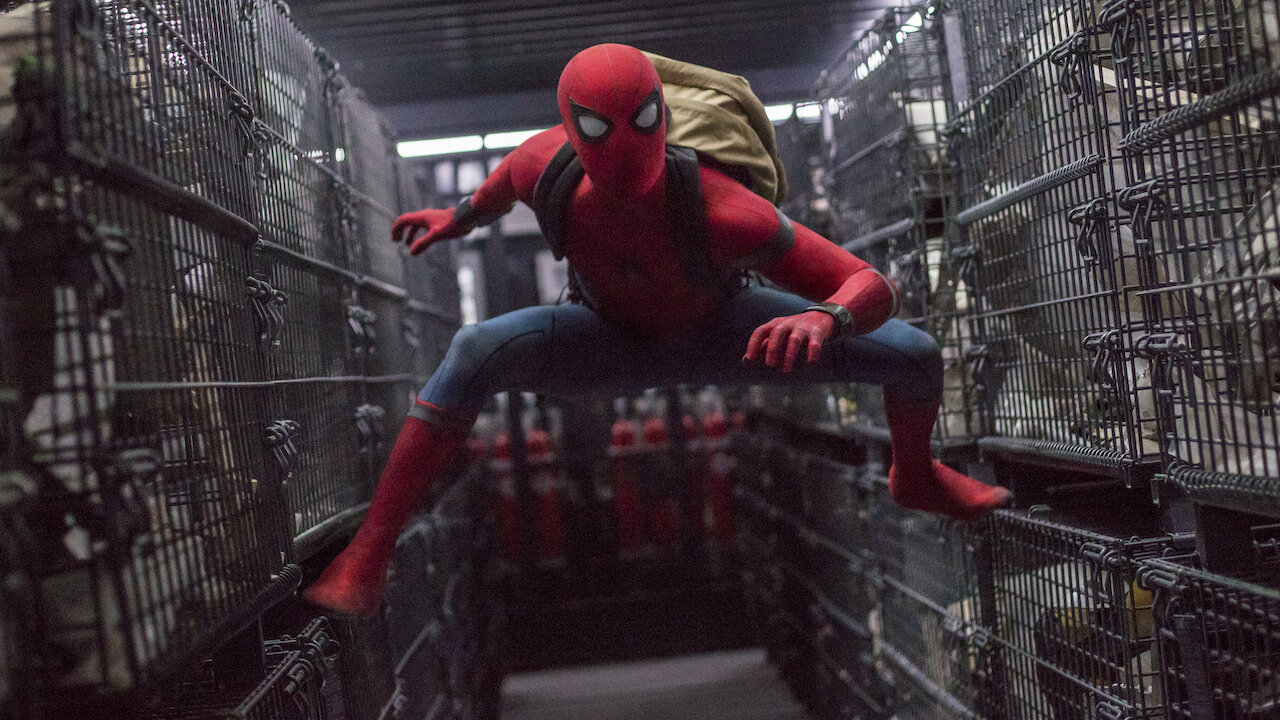
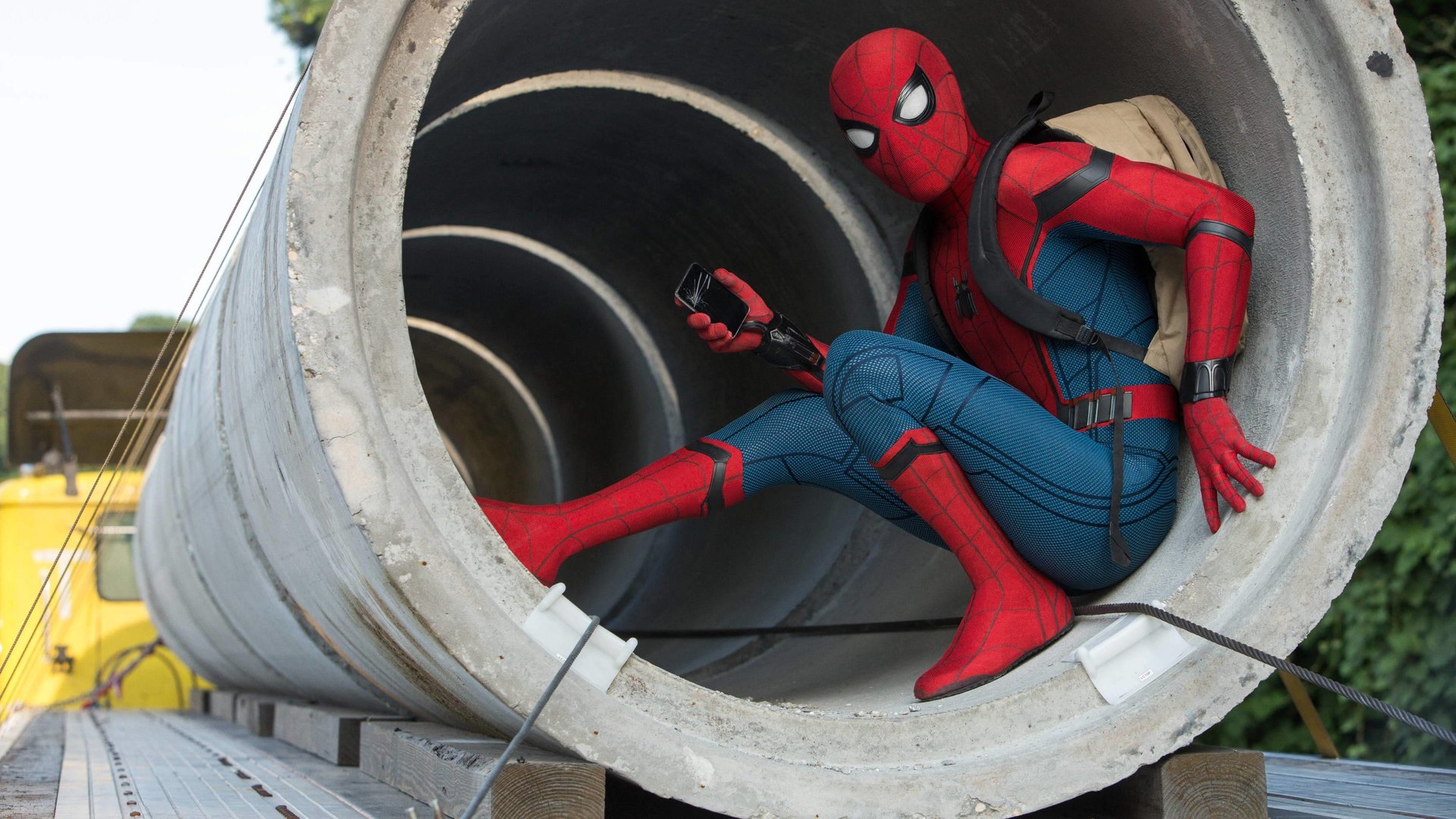
    Spider-Man: Homecoming was a highly anticipated film. Following Peter Parker’s introduction into the Marvel Cinematic Universe in Captain America: Civil War, his first solo outing was a big deal to many fans. Homecoming was perfect, and a true introduction to who of Spider-Man was and how he would fit into this new universe. With a truly threatening foe and a fantastic performance from Tom Holland, Spider-Man: Homecoming is one of the best Spider-Man solo films yet.

    Spider-Man: Homecoming | Netflix

    One of the biggest gripes with the characters was the reliance on Tony Stark and the strong attachment Peter Parker had to Iron Man. This felt valid and like the MCU was downplaying the character. Yet, Homecoming‘s strongest aspect is flipping that belief on its head and giving us the Spider-Man we’ve all known and loved. Everything Peter had given to him is taken away, but this doesn’t stop him from taking on the Vulture. He gets up and does what he knows he has to do and doesn’t let not having the Stark suit stop him. It’s Peter’s determination and willingness to help others that make him such a great character in this film.

    The most essential piece of Peter Parker’s character is his ability to pick himself up and get right back to work. The scene where Peter is caught in the rubble of a building, dropped on him by the Vulture, feels so integral to his development because we see that he is Spider-Man first and Peter Parker second.

    Die Reihenfolge der Spider-Man-Filme

    Michael Keaton helps elevate the film, with his portrayal of Adrian Toomes. The film is able to clearly define what drives Adrian Toomes and why he does what he does, making the audience feel sympathy for the character. They kick it up a notch when Toomes is revealed to be Liz Allen’s father. Not only is Keaton great, but the film creatively brings the weird bird-man into the modern-day with an absolutely stunning flight suit. The design is so much more sinister than his comic counterpart and works well in contrast with Spider-Man.

    The film doesn’t feel too crowded either when it features side-villains like Shocker and Tinkerer, who play perfectly into Toomes’ story and aid him in all the right ways. This film could’ve easily been another Spider-Man 3 or The Amazing Spider-Man 2 and featured way too many villains who just took up space and time from the main plot and didn’t feel fully developed.

    Spider-Man: Homecoming": FSK gibt Altersfreigabe zu Tom Hollands  Marvel-Abenteuer bekannt - Kino News - FILMSTARTS.de

    The best part about Spider-Man: Homecoming is just how fresh it really feels. When they started this new era, the hardest job they would’ve had was setting it apart from the previous two franchises. The film is able to perfectly execute this and forge a definitive path forward for the friendly neighborhood Spider-Man.

  • REVIEW: Amazon’s ‘With Love’ Uses the Holidays to Tell the Struggles of Love

    REVIEW: Amazon’s ‘With Love’ Uses the Holidays to Tell the Struggles of Love

    Amazon’s With Love is a series that focuses on the Diaz family. Over the span of five episodes, the series covers Christmas Eve (Nochebuena), New Year’s Eve, Valentine’s Day, Independence Day and Day of the Dead before circling back to Christmas Eve a year later. Upon first meeting the Diaz family, it’s clear that while this is a lovely bunch of people, some of them are dealing with some personal issues over the holidays. Whether it be a recent break-up, a wife craving affection or a cousin fearful of love there’s a story we all can relate to. By the end of episode one, it’s hard not to wonder where these stories will go and how they’ll possibly be wrapped up in a series meant to skip months at a time. Shockingly? It works.

    With Love does not have a single main character. This truly is an ensemble cast. Each character is important to the story and receives a fair amount of screen time. More impressively, though, along with juggling such a big cast, the series somehow manages to smoothly transition between stories. The downside to this method is, sometimes, the story gets told off-screen and then we’re thrown into the after of it all. This is something that becomes quickly apparent thanks to the fourth episode. While I do enjoy the premise, I do wish the series filmed some backstories to fill in the gaps. Sometimes, viewers need to see the story unfold rather than hear about it after the fact. It’s the one flaw With Love suffers from.

    If you’re a sucker for Christmas movies or cheesy romantic comedies, With Love will be something you’ll want to devour. It’s all about romance; the messiness of it and the truths people refuse to believe at times. We see what happens when parties give up, we see what happens when others refuse to. Yes, there’s heartbreak, but With Love isn’t about selling tragedy. It’s a series about growth and learning to accept our screw-ups. It’s one of the strongest elements of the series. The characters do experience some major growth over the course of five episodes. The Lily (Emeraude Toubia) we meet in the first episode is a far cry from the woman in episode five. There is one character though, that doesn’t get to show as much growth as one would hope, though. Desmond Chiam‘s Nick is a delight in this series, although I wish he had more of a storyline.

    While most shows work best with at least ten episodes, With Love manages to succeed partially because of its five-episode order. Yes, as stated, the series could benefit from some flashbacks. Ultimately, though, the year timeline forces the writers to tell a tight, cohesive story. There isn’t room for a filler episode because each episode moves the story forward. The only downside is, by the end of the fifth episode, you’ll want to spend more time with the Diaz family. Unfortunately, though, until a second season is ordered, it remains to be seen whether or not viewers will get that chance.

    Full of young talent like Toubia, Chiam, Mark Indelicato and Vincent Rodriguez III, With Love is a present you’ll gladly want to unwrap this holiday season – especially if you’re a fan of Hallmark movies.

    With Love debuts on Dec. 17 only on Amazon Prime.

  • REVIEW: ‘The Amazing Spider-Man 2’ Is Great If You Ignore A Lot Of It

    REVIEW: ‘The Amazing Spider-Man 2’ Is Great If You Ignore A Lot Of It

    Welcome back to 2014. The year was marked by several phenomenal Marvel films including Captain America: The Winter SoldierGuardians of the Galaxy, and X-Men: Days of Future Past. It had only been a couple of years since The Avengers debuted, so the comic book movie landscape was full of excitement and promise. The Amazing Spider-Man 2 also happened to be released in 2014. 

    The day before it was released, if you had told anyone that within the next two years the Spider-Man franchise would yet again be rebooted with an entirely new British Peter Parker, you would’ve sounded pretty silly. But then after audiences got the chance to see it, you would’ve sounded like a Sony executive. Full disclosure, TASM 2 is one of my favorite Spider-Man films, because if you ignore all of the bad stuff, it’s actually not a bad movie. 

    I do think Andrew Garfield is a phenomenal Spider-Man. He’s the funniest, his quips are great, and overall his masked person has the most personality of any live-action Spidey. He also had some great street-level action scenes early on, and they play up the conflict between that and his normal life. This version is actually well-connected to New York City and crime-fighting, unlike a certain Iron Space Avenger Spider (but maybe that’s your thing). However, I will not even suggest that Garfield is an ideal candidate for Peter Parker – whenever someone called him “Peter”, it threw me off. That was a grown 30-year-old man, both literally and in on-screen presence. 

    How a director with the last name Webb could not land a Best Picture Academy Award nomination for a Spider-Man movie is beyond me. The best guess of why this didn’t happen is a note I jotted down when re-watching the movie: “This plot is dumb.” But sometimes to truly appreciate a film, you have to ignore the plot – that’s just life. With the holidays approaching, the right thing to do is forgive and forget. However, there is no question that the fact that the Rhino fight scene – which played dramatically and was highlighted in every single trailer this movie ever put out – was never even a real scene is absolutely unforgivable and you are right to still be upset about it. 

    The Amazing Spider-Man 2 was plagued by the “okay, so we just did a whole Spider-Man franchise a few years ago, so how do we make it way too obvious that this is different from those?” disease. Make no mistake, this is not the same as the Goblin disease Harry Osborn had to deal with – what better way is there to enjoy a “different” Green Goblin than to actually make him a goblin? It’s art. But Harry for sure has some issues at the end of the film, the guy looked rough, mostly just greasy, but Greasy Goblin is just angry that introducing his character as some guy that Peter hasn’t seen or talked to since middle school maybe wasn’t the best choice.

    This plot is dumb” because none of the major potential plots seem to belong in the movie. This means that the movie is less of a story and more of a smattering of ideas. But if Jackson Pollock can make it work, surely Spidey can too. I have a hard time deciding if the loose idea of the Richard and Mary Parker story was just bad at face value, or just misunderstood. But after typing that sentence I realized I understand it and I’m pretty sure it’s just bad. In any event, starting the movie with what felt like an hour (it was probably more like ten minutes) of these flashbacks was not ideal. Then, throughout the movie, it’s clear it has no real importance to the actual movie, but Peter will remember it at times so that there can be montages. 

    The parents’ “plot” really only served to technically create Greasy Goblin via syringe, but yet Greasy Goblin seemed to only be there to … actually, I have no idea why. Perhaps only to technically pretend to be an emo bad boy with Electro for a hot minute – even though I’m pretty sure Electro didn’t actually need help jumping into an outlet – and maybe give Gwen Stacy a slightly more comic-accurate death. 

    Electro was, in theory, the main villain. He’s easily my favorite part of the movie, both ironically and genuinely. Max is a lot – he’s cringy, awkward, hard to look in the digital eye. It worked well for what the character was supposed to be, but I have no idea how intentional some of it was or if it just worked out in post-production somehow. Obviously, his transformation into a member of the Blue Man Group (but with more eel inspiration) is one of the most memorable things from TASM 2, and yes, it is rough. I’m pretty sure Jamie Foxx actually nailed his performance. But with lines like “It’s my birthday!” as he tries to fry some men, women, and children, it gets hard to tell. 

    Obviously, at the heart of this movie is the relationship between Peter and Gwen Stacy even if he stalked her way too much. First of all, part of the reason why TASM 2 is secretly good is that they did indeed kill Gwen. Not only does this introduce a darker element from the comics, but at the time it seemed inconceivable that a superhero movie would just (fairly violently) kill off a lead romantic interest, let alone Emma Stone. Unfortunately, the movie spent almost all of its run time leading up to this heartbreaking moment by making sure the two lovebirds were broken up. I’m not sure why that makes much sense, but maybe they needed to make sure they had enough time for Greasy Goblin to have his fake story. 

    Despite the mess that is the majority of TASM 2, this movie had some gnarly visual effects and a Hans Zimmer score. If you generally only pay attention to these two things, the film is phenomenal. Spider-Man’s swinging and action scenes were stunning. While the action scenes were fun, there were very few. An inappropriately large amount of the movie was spent watching people talk. Still, the final power plant scene was wild. It did not fit the tone of the rest of the movie whatsoever, but it was campy, dramatic, over-the-top, and I had a great time with it. TASM 2 loved its slow-motion, and I remember being in awe when I first saw it in IMAX.

    Finally, Hans Zimmer really brought it. More importantly, he really brought it for Electro. I think TASM 2 thought: “how do we make sure people know Electro is Jamie Foxx and that Jamie Foxx also does music?” The answer was for the score to go hard for the character by diving into his head as the music’s base. The Times Square Electro scene, in particular, is a musical playground. It’s so great.

    All in all, TASM 2 is just as lovable as the rest of Spider-Man movies, but sometimes love is hard work. The ending of the movie was magnificent, we see Peter’s montage through some dark times only to emerge as Spider-Man again in the city’s time of need. This movie had some of the best Spider-Man swinging and action sequences that currently exist, both in terms of visuals and Garfield being a fantastic Spider-Man. While we will never truly know how The Amazing Spider-Man 3 would have played out, the fact that the mystery of Peter’s parents’ story remains unresolved does not keep me up at night.

  • REVIEW: ‘The Amazing Spider-Man’ Is the Perfect Superhero Film for the ‘Twilight’ Generation

    REVIEW: ‘The Amazing Spider-Man’ Is the Perfect Superhero Film for the ‘Twilight’ Generation

    The Amazing Spider-Man was always facing an uphill battle. Marc Webb‘s reboot of cinema’s most iconic superhero franchise came on the heels of an upsetting Spider-Man 4 cancellation and was attempting to establish everyone’s favorite wall-crawler for a whole new breed of teenager. It was never going to please everyone, and it certainly lived up to that expectation. The film debuted in 2012 to a stream of mixed reception, with some praising the Andrew Garfield-led film for its modern take on the title character and others ripping it apart as a hollow recreation of Sam Raimi‘s original masterpiece. Upon yet another rewatch, I’ve discovered that the movie, while flawed, may be more misunderstood than actually all that bad. In fact, it may have been the perfect superhero movie for the generation taking over cinemas when it released, even if hardcore fans missed it at the time.

    I couldn’t be more aware of the fact every Spider-Man movie has been reviewed to death. Perhaps it would be better to think of this as a retrospective, just a year shy of The Amazing Spider-Man‘s decennial anniversary. Doing this requires an understanding of 2012’s film landscape. Comic book movies had only just truly reached mainstream popularity, and the highest grossing films at the box office were mostly adaptations of young adult novels. Harry Potter and the Deathly Hallows – Part 2 had just dominated the cultural hive mind only a year prior to Amazing‘s release, and one of the only movies to outgross the film in its actual release year was The Twilight Saga: Breaking Dawn – Part 2. Not far behind was The Hunger Games, and although it wasn’t a money-making juggernaut, The Perks of Being a Wallflower managed to capture the minds of 2012’s teens and critics alike. Before long, theaters would be filled with hormonal youth, cash in hand to see movies like Divergent and The Fault in Our Stars on the big screen.

    Sure, The Avengers also came out in 2012. However, the impact that film would have on the future of Hollywood and the format of superhero movies could not have been known when Webb and screenwriter James Vanderbilt were crafting the story and tone of The Amazing Spider-Man. There had to have been a reason Sony hired a director best known for his work with romantic comedies to helm their spider-reboot, and it’s because they were creating a new take on Peter Parker designed to appeal to the same masses who would turn out for Katniss Everdeen and Edward Cullen. In this regard, the studio and creative team succeeded.

    Andrew Garfield‘s portrayal of Parker is often knocked for being “too cool” and lackadaisical. Yet, he fits right in with the effortlessly attractive and sullenly charming crowd of early 2010’s protagonists. Garfield‘s Peter is not just angry about his life and the deaths of those he loves, he’s angsty instead. His chemistry with Emma Stone, whose Gwen Stacy is still considered a top-tier rendition of the character, is not only incredibly agreeable to watch, but filled with the same pulpable tension as any forbidden teenage love story. The film presents us with two attractive, intelligent characters teeming with lust, who will continue to battle their own fates in an attempt to truly be with each other. That is the crux of the entire plot, a dramatic romance supporting a story that involves giant lizard men and plenty of spandex.

    It’s true that this often leads to moments that conflict with the comic book ideals of Spider-Man’s mythology, but it’s no more or less committed to its own bit than the Raimi films before it. Part of the appeal of The Amazing Spider-Man is the way it so desperately wants to birth its own filter for the wall-crawler’s universe. As much as I love the current Spider-Man entries, they do tend to lack the definitive look and feel that the franchises before them managed to achieve. It’s hard to genuinely insult Amazing for its specifically dark coloring and nearly full-blown emo tone when you consider how unabashedly it doubles down on those things. There is not a corny moment that’s any more or less cheesy than some of the comical scenes in revered adaptations likes Spider-Man 2; the difference is that 2012’s goofball actions and dialogue are written for a different audience than the one seated in 2002. When that 2002’s Spider-Man is taken as the standard, 2012’s becomes a hard pill to swallow.

    I’m not saying that this movie is perfect by any means. Rhys Ifans puts together an admirable performance as Dr. Curt Connors, but his work is undermined by poor character development. A side story involving Peter’s parents having mysterious backgrounds feels unnecessary and overcomplicated, taking away from Martin Sheen and Sally Field as the best Uncle Ben and Aunt May we have seen on film. Based on his actions, everyone should have figured out Peter was Spider-Man almost immediately. Yet, beneath all the complaints you’ve heard a million times, there’s actually a superhero movie based in love that’s campy in a way only the early 2010’s could have pulled off.

  • REVIEW: ‘Wheel of Time’ Episode 1×6, “The Flame of Tar Valon”

    REVIEW: ‘Wheel of Time’ Episode 1×6, “The Flame of Tar Valon”

    The sixth episode of Wheel of Time takes its time to move the story forward, but ultimately takes viewers back a bit. It’s a slower episode when comparing it to the rest of the season. However, “The Flame of Tar Valon” does a great job at setting up the remaining two episodes of the season.

    The latest episode sees the Aes Sedai go before the Amyrlin Seat, Siuan Sanche (played by Sophie Okonedo). They – Moiraine Damodred, Liandrin Guirale, and Alanna Mosvani – have been called to answer for their disobedience regarding the False Dragon. The Aes Sedai were to bring him to the White Tower to receive a fair trial courtesy of the Amyrlin Seat. Unfortunately, though, following his powerful attack on the Aes Sedai, which resulted in the death of one of their fellow sisters, the women opted to gentle him, knowing they weren’t powerful enough to control him during the journey to the White Tower.

    While the blame for the decision falls upon Liandrin, who became their leader upon the death of Kerene, she isn’t willing to go down alone. As she stands before the Amyrlin Seat, Liandrin tells of Moiraine and her secretive missions, which the blue Aes Sedai try their best to defend. When questioned by the Amyrlin Seat, Moiraine refuses to divulge what she has been up to outside of the White Tower for the past few years, fearing what would happen if the others discovered she’d gone in search of the Dragon Reborn. So, she opts to receive punishment for not being forthright with the Amrylin Seat.

    It’s a terrifying moment that is quickly resolved as we soon learn Moiraine is keeping more secrets than merely the Dragon Reborn. Her lover also happens to be the Amyrlin Seat, Siuan Sanche, who knows of her mission to locate the Dragon Reborn. In the brief moments we see of just Rosamund Pike and Okonedo, it’s evident the two women work tremendously well playing off of each other. Pike has been delivering powerhouse performances all season and Okonedo nearly gives her a run for her money this time around. They’re both such commanding presences on screen, it’s part of what makes this episode so strong.

    This episode also (finally) brings back our crew from the Two Rivers. Moiraine first comes upon Rand and Mat, with the latter continuing to suffer due to the hold of the darkness. After discovering the dagger he stole from Shadar Logoth, she uses the One Power to free him of its hold and return the darkness to the dagger. However, she warns Rand should Mat touch the dagger again, she isn’t sure she’ll be able to save him as the darkness was feeding on what was already inside of him from the beginning. It’s a moment that gives viewers a new look at Mat’s character.

    Moiraine is later brought to Egwene and Perrin, who have finally made it to the White Tower. Egwene tells of the torture they endured at the hands of the White Cloaks – more specifically, Captain Eamon Valda, who has killed numerous Aes Sedai. She explains Perrin’s link to the wolves and how his eyes turned a golden color before they broke free of Valda, a surprise to Moiraine who still isn’t sure who the Dragon Reborn is of the group. Egwene then returns the rings of her sisters killed by Valda. She hides that she’s already seen Rand and Mat, trying to keep them separate for the time being, knowing she’s able to go back before the Amyrlin Seat for her punishment.

    Unsurprisingly, with Moiraine having asked Siuan to banish her, the Amyrlin Seat does just that. It’s a surprise to the fellow Aes Sedai, but a necessary step for Moiraine to get the others to the prison of the Dark One. The episode ultimately ends with the group coming together once again in front of a Ways gate, where Moiraine opens the gate to allow them to travel to the Eye of the World, where the Dark One is imprisoned. This is where they’ll finally find out who the Dragon Reborn is while, hopefully, not losing any lives in the process. While Mat opts to stay behind, the others follow Moiraine into the gate knowing there are no guarantees of what is to come upon crossing the gate.

    “The Flame of Tar Valon” is small in scale, with the story mostly taking place within the White Tower, but it’s a key part of what the final two episodes will unleash. There are no battle scenes here. This is an episode of truths, secrets, and hope. It’s a slow watch, but it’s hard not to become excited about what it promises.

    There are some issues, of course. The CGI, in particular, can be a bit off-putting at the start of the episode. While trying to show the grand scale of the White Tower, the camera pans up to highlight the massive height of the tower. Unfortunately, though, the image looks off, which takes away from some of the beauty. Thankfully, this is the only negative to the show’s visuals, because the set pieces and landscapes continue to be remarkable, as does the costuming. The amount of detail put into everything is absolutely stunning and helps to sell this epic fantasy tale.

    With two episodes left, though, Wheel of Time has a lot of story left to tell and it remains unclear just how well the series will successfully wrap up such a huge first season.

  • REVIEW: ‘Spider-Man 3’ is a Tale of Underperformance

    REVIEW: ‘Spider-Man 3’ is a Tale of Underperformance

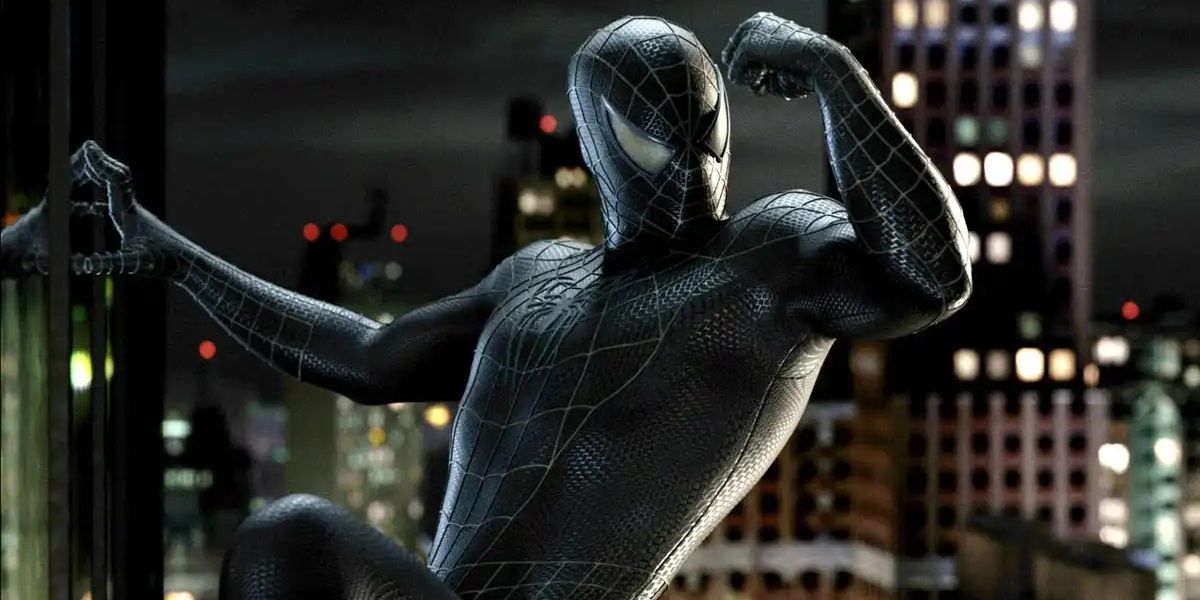
    It is said that movies are actually made three times: when writing them, shooting them, and then finally in the editing bay. This process helps solidify what the movie is supposed to be about, striping the project of superfluous details, sequences, or even a couple of redundant plot threads. It works as a bullshit filter, making the final product more concise, streamlining the viewing experience. It’s basically everything a late-night, tequila-induced, fanboy fever dream of a movie pitch isn’t. In that situation, anything goes and there’s room for every single character we can think of, often creating an unbalanced Jenga tower of ideas piled up on top of each other with no real structure to them. All of it is coupled with a vampiresque type of humor, the sort that isn’t likely to survive daybreak. Sadly, that’s the sort of mess that Spider-Man 3 feels like.

    Sam Raimi Opens Up About Spider-Man 3 Backlash

    Whereas Spider-Man 2 is a great (and sadly rare) example of how to further explore a world beyond an already well-received first movieSpider-Man 3 feels like an over-filled balloon that blows up in the audiences’ face leaving them with a bad case of tinnitus. It brings so much to the table that you hardly get the time to value each of the separate elements, while also not being one of those cases where the whole is greater than the sum of its parts. Aristoteles would not be impressed

    Right at the start of the movie you get the natural progression of Peter and MJ’s relationship as well as Harry’s deep dive into his father’s secret room containing prototypes of Green Goblin’s gear. These threads alone would make for a pretty solid story, building from the relationships explored in the previous movie. The build-up was priming Harry to finally turn into the main villain we all knew he could become. There was no need to bring any more (relevant) characters into the fold unless the aim wasn’t so much making a good movie as it was selling a few more toys.

    Spider-Man 3 · Film 2007 · Trailer · Kritik

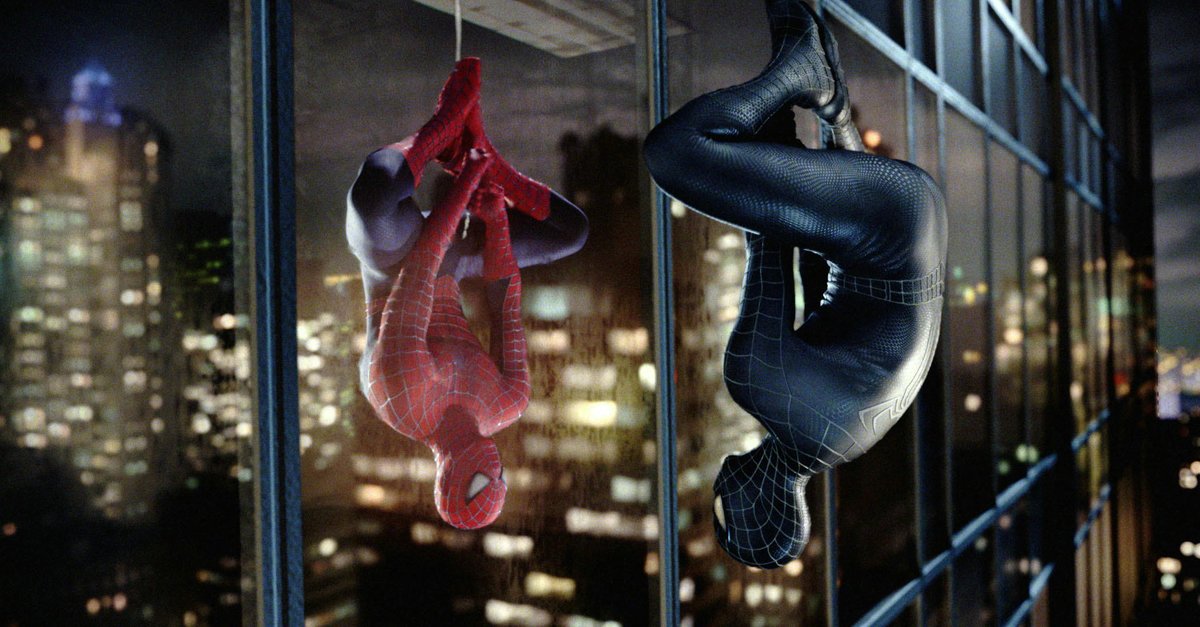
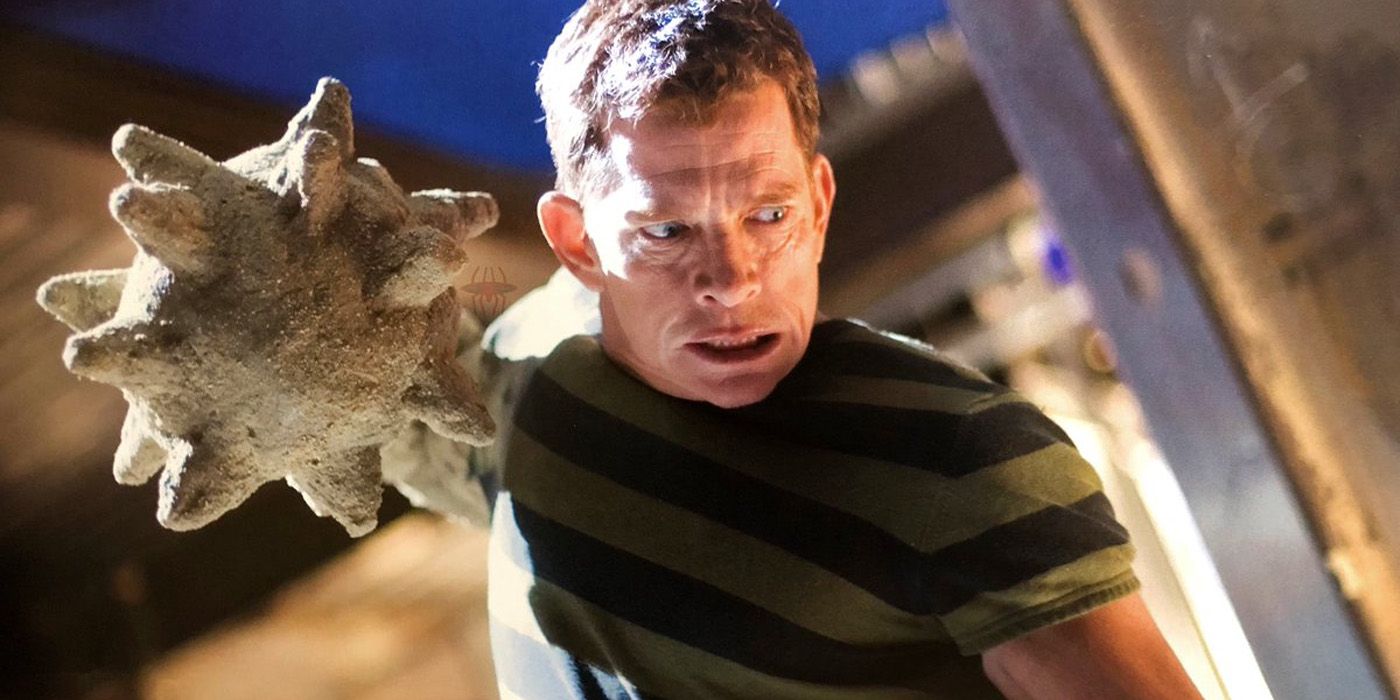
    And so, instead of looking inward, valuing what it already had, Spider-Man 3 looked outward and tried to bite off more than it could chew. In the first ten minutes alone, the movie tries to establish Flint Marko – our future Sandman – and brings the symbiote crashing down on Earth. Soon after we are also introduced to Eddie Brock and Gwen Stacy, characters that never went beyond being a parody of themselves, serving as glorified cameos that could have been easily kept for another occasion. Gwen’s inclusion is especially remarkable since, after all the relationship drama in the previous movies, the decision was to double-down on that by having not one but two love triangles for Peter to be a part of. All with him remaining completely oblivious of how his actions affected people around him, making him incredibly unlikable along the way.

    This movie ultimately became a tale of people not being able to do what they set themselves up for. The studio execs couldn’t keep out of the way (their meddling was pretty obvious and only hurt the final product) and the writers couldn’t come up with a consistent story, having to balance an unusually high amount of characters, and subplots. Also … Peter Parker can’t dance, Mary Jane can’t sing, Eddie Brock can’t use Photoshop and Harry Osborn can’t make a freaking omelet!

    Why Sandman Is Among the Best Spider-Man Villains

    Above all, Spider-Man 3 just isn’t a fun movie, albeit you can certainly have fun watching it. And that’s one of the only things a Spider-Man movie simply cannot afford to be: dull. But Spider-Man 3 does have one incredibly strong redeeming factor as Stan Lee‘s cameo is probably one of his best, if not the best. “You know, I guess one person can make a difference. ‘Nough said.” I’m extremely happy Kevin Feige got the hint.

  • REVIEW: ‘Spider-Man 2’ Remains the Definition of a Perfect Sequel

    REVIEW: ‘Spider-Man 2’ Remains the Definition of a Perfect Sequel

    There aren’t many things that are fortunate enough to be described with what I like to call “GOAT status.” That list includes the likes of Michael Jordan, begrudgingly Tom Brady, Heath Ledger‘s Joker performance, and anything Denzel Washington-related. There’s one that I want to talk bout today that stood the test of time. For 17 years, the superhero movie to hold that very title for me is none other than Spider-Man 2. As we’re about to witness the return of some iconic faces in Spider-Man: No Way Home, it’s the perfect time to let you know why it’s garnered that prestige.

    5 Reasons Spider-Man 2 Is The Best Superhero Movie Of All Time

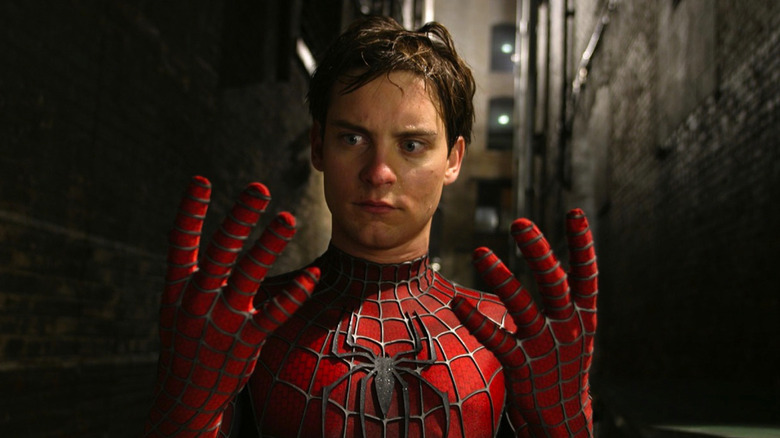
    A couple of months ago, a debate popped up in my Twitter feed on who the best live-action Spider-Man was, especially in regard to the distinction between Parker and his alter-ego. For my money, Tobey‘s performance in Spider-Man 2 is the best rendition of a college-bound Peter, who also has garnered quite a bit of experience in crime-fighting. In the first Spider-Man film, he took the more awkward approach with the character. This time around, Maguire seems much more comfortable in bringing these two sides to life and it’s not an easy balance to capture.

    This time around, he’s haunted by the life he can’t have with MJ, and you can feel that anguish throughout the film. It’s not just that, we also witness the struggle he has with his best friend slowly losing himself to his thirst for vengeance and their eventual falling out throughout the course of the film. Tobey truly sells that anguish throughout the film wheel still balancing it with the light-hearted aspects of the story and what it means to be Spider-Man.

    Spider-Man 2 (2004) - Theatrical Cut or Extended Cut? This or That Edition

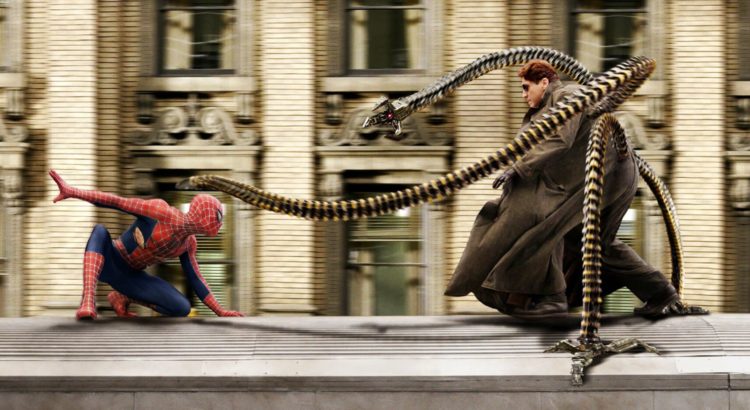
    Of course, we can’t talk Spider-Man 2 without discussing the performance of Alfred Molina as Doctor Otto Octavius. He is a legend, to say the least, and to have him in this role lends a certain gravitas to such an important character in the webhead’s mythology. Molina delivers a standout performance and really makes you sympathize with Otto, who’s driven to this point because he’s lost everything. All of it is gone within seconds, be it the woman he loved or all the work he’s invested his entire life for.

    It’s a powerful journey throughout the film. Even more so once the moment comes that he can finally overpower the tech that was changing him. He finds the inner strength to take control once again and save Peter along with the rest of the city. It is a beautiful moment that really cemented him as more of an anti-hero than a straight-up villain. Even to this day, it is one of the strongest performances in a superhero movie.

    Peter Parker "Pizza Time" Scene - Spider-Man 2 (2004) Movie CLIP HD -  YouTube

    Kirsten Dunst as MJ was panned 17 years ago, but after rewatching it I can’t seem to remember why. I think she is fine in the role, especially in how she sells it that is struggling to make it as an actress and wants a normal relationship with Peter. While the first in one painted her as unattainable for Parker – following high school clichés of the time – this one twists that in its axis by having it be that they can’t be together. It’s a nice twist and one that Dunst handles well throughout the film.

    Seeing Dr. Octopus in live-action was visually incredible at the time and it still holds true to this day. The score is exceptional, especially when the citizens of New York City carry Spider-Man after he stops the runaway train. An iconic scene deserves iconic notes, and this one is delivered in spades. That’s just on top of a memorable villain, great performances by the leads, and a story as personal as the original catapults Spider-Man 2 into the upper echelon of superhero films.

  • REVIEW: ‘Spider-Man’ Still Remains a Timeless Classic of Cinematic Heroics

    REVIEW: ‘Spider-Man’ Still Remains a Timeless Classic of Cinematic Heroics

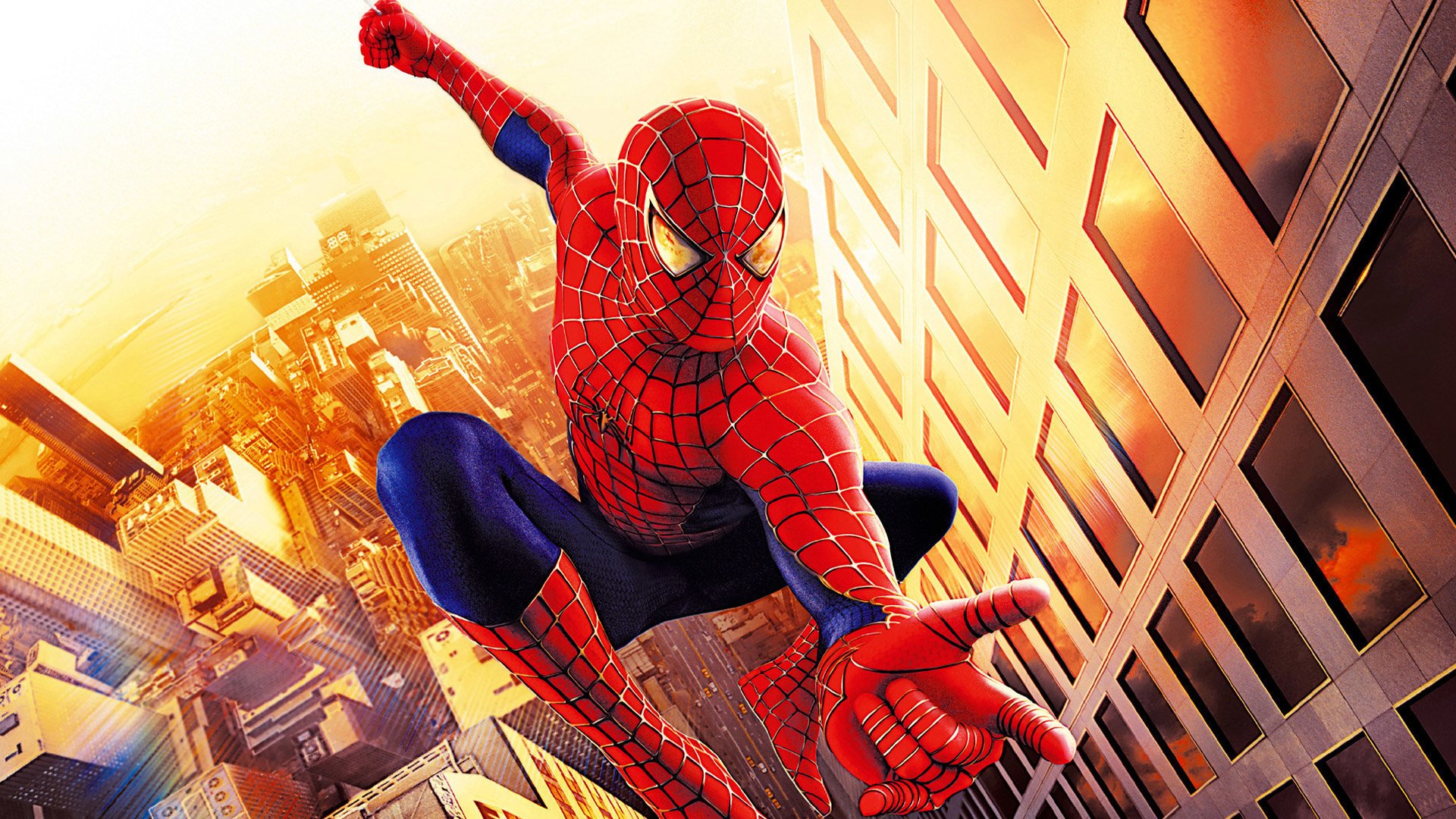
    With classic villains returning in Spider-Man: No Way Home, it seemed like the perfect time to revisit the cinematic outings of our favorite webhead. So, it only seems fitting to kick off with the film that started it all, 2002’s Spider-Man. Sam Raimi, at the time mostly known for his work in horror, took on the responsibility of adapting one of Marvel Comics’ most popular characters. It was no small feat, but the franchise is still fondly remembered to this day. Tobey Maguire takes on the role of Peter Parker, as he’s ready to face off against his most iconic villain, Willem Dafoe as the Green Goblin. Does the film still hold up after all this time?

    Spider-Man (2002) - IMDb

    It’s always weird looking back at films you adored as a kid. I wasn’t a big comic reader at the time, but Raimi‘s film was most certainly the push that would make me the Marvel fan I am today. As an adult, you look at these films with nostalgic glasses but also learn new insights you may have missed as a kid but also have a harder time with some elements. Sadly, it seems the romance between Kirsten Dunst‘s MJ and Peter just hasn’t aged as well for me as I thought it did. While it’s a perfect set-up for Peter to learn not to be selfish, and the ending highlights that very fact, it just takes away from the film a bit with her short-lived romance with Harry.

    Now, that doesn’t take away from the film in any way, it just is an element that doesn’t work as well as it used to for me. However, as an element in the story, it is hard to imagine it without. His love for her pushes Peter throughout the story and even builds some distrust with James Franco’s Harry Osborn. I will say, the fact they play out their friendship early on, only for him to date the girl he knows his “best friend” is in love with was a curious choice. It does add some tension to the story, but it adds a naivité to our hero. It’s punctuated by his actions later own as this is a Peter Parker who sees the good in others, which becomes especially essential in the sequel.

    Spider-Man (2002) - Rakuten TV

    Speaking of good, it’s incredible to see how well these effects have held up over the years. Yes, there are some moments where it sticks out, but the work here is incredible nonetheless. The scene as he swings MJ to safety with the puppet and hair blowing the wrong way is something you never truly realize until someone points it out, which highlights just how immersed you truly are in the film. Green Goblin’s glider effects have weight to them, but the pumpkin bomb turning people into skeletons was quite a bit over-the-top. Still, it fits right into Raimi’s wheelhouse.

    As I mention the director, you can see a lot of his work influenced this film. The creeping camera shots and generally how everything moves to stand out among films of the time. Hell, it even rivals recent releases on how creatively it uses the camera to convey the gravitas of Spider-Man’s actions. While I believe he perfected it in the sequel, there are some truly memorable shots sprinkled throughout that make the film stand the test of time. Even as we have gotten a bit tired of seeing heroes’ origin stories nowadays, this was a spectacle and the film manages to breathe that life into it.

    Top 10 Reasons Why Spider-Man 2 is Still the Best Spidey Movie

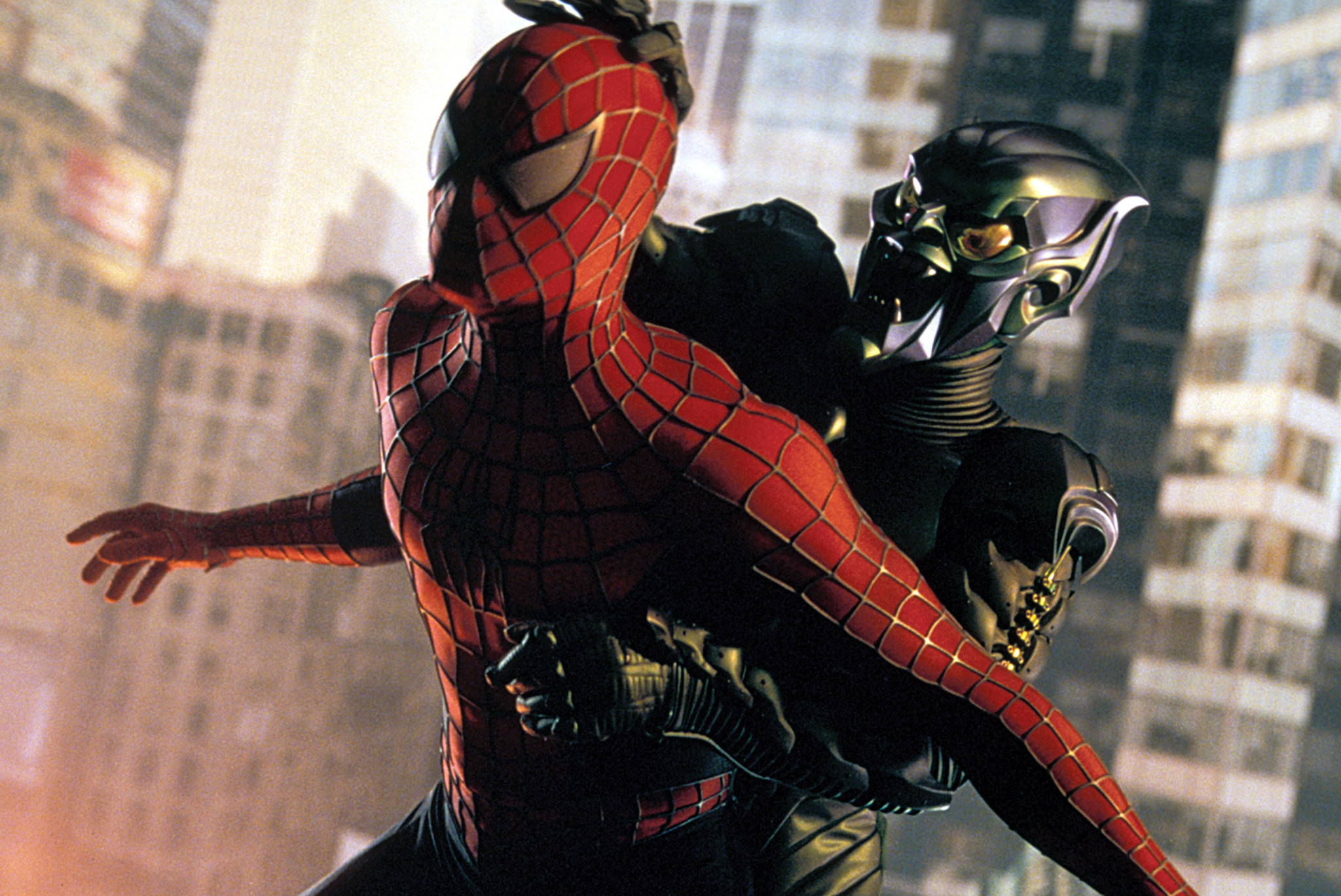
    The highlight of this story lies in how it’s not just an origin story for our hero, but also its main antagonist. We spend a lot of time with Norman throughout the story and mean Norman. While Green Goblin is well played, Raimi understood that it’s the “man” behind the mask and his loss of self. He’s the reflection of our hero, as he’s technically what would happen if Parker never got the Uncle Ben speech. It’s what makes the “my father” speech at the end hit so incredibly well. Not only does it build upon the tragedy that Peter faced early on, but also highlights just how opposed these two characters are.

    The film still stands strong among the many that have followed since and there’s a reason it set the stage for modern heroics alongside Blade and 1989’s Batman. While still a bit cheesy, it does lean into the “comic book” aspect of its adaptation and doesn’t shy away from it. What truly cements this film as a cinematic classic lies in its heart, the parallels of Norman and Peter build the story throughout, while also highlighting the performances given by Dafoe and Maguire. There’s a reason they are remembered so fondly in these roles to this very day, and it’s exciting to think their story, especially Norman’s, didn’t end all those years ago.