Category: Reviews

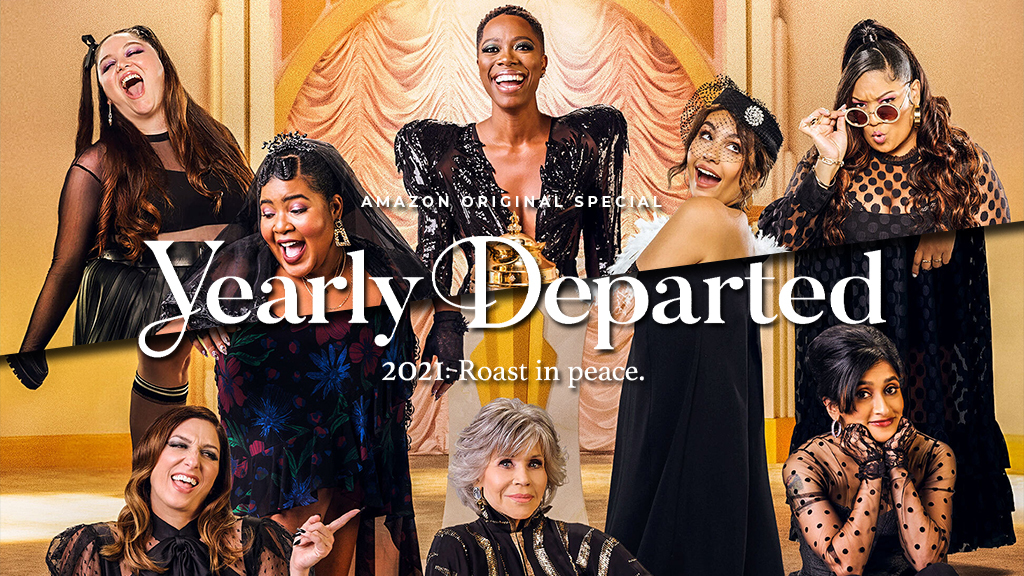
  • REVIEW: Amazon’s ‘Yearly Departed’ Season 2 Lacks Charm

    REVIEW: Amazon’s ‘Yearly Departed’ Season 2 Lacks Charm

    At the end of 2020, Amazon released a new title: Yearly Departed. The comedy special was to poke fun at the chaos we’d all endured because of COVID-19. While it was enjoyable, the special often felt too-scripted at times, making it hard to truly appreciate the fantastic crew of female comedians on hand. Unfortunately, the follow-up special seems to suffer from many of the same issues. Dubbed Season 2, the 2021 episode of Yearly Departed features yet another stellar group of women but feels edited down.

    The idea of bringing together some of the biggest names in comedy to roast a year like 2021? It’s a great idea, and honestly, the year has produced plenty of content to craft a comedy special. The thing is, though, Yearly Departed never feels like a comedy special. It feels like a scripted attempt at a comedy special designed for primetime television and it’s frustrating. Which is odd as Amazon Studios has done a great job with its original programming thus far.

    This year’s special is hosted by the incredibly talented Yvonne Orji (Insecure). From the moment she enters the screen until the moment she exits, Orji is a commanding presence. Joining the actress are Jane Fonda (Grace and Frankie), Chelsea Peretti (Brooklyn Nine-Nine), Meg Stalter (Hacks), Dulcé Sloan (The Daily Show), Aparna Nancherla (The Great North) and X Mayo (The Daily Show) with musical guest Alessia Cara. It’s an impressive cast, and honestly, the jokes are great. The problem with the way Yearly Departed is formatted is it often feels overly edited.

    Yearly Departed has the potential to be something truly special. All-female talent with the willingness to produce jokes most wouldn’t dare? It should be a huge success. From the jokes regarding Zoom, Hot Vaxx Summer, Hermit Life and Saying Goodbye to Assholes, there’s plenty of promise here. If only the format was different. Set it before a live audience, even if the audience has to be present through virtual measures. Allow for that live feedback.

    The most frustrating part is that the outtakes prove Season 2 of Yearly Departed was full of fantastic comedy work. The women were free to play and joke, the laughs felt real, the smiles genuine, and more importantly? It didn’t feel overly scripted. With a 2022 return teased, one can only hope next year’s special toys with its format a bit more because with such impressive talents? There’s no reason Yearly Departed shouldn’t be enjoyable.

    If you’re looking for something to ring in the New Year with, Yearly Departed could still prove to be a fun series to enjoy. However, it’s best to temper your expectations.

  • REVIEW: Zoro Finally Takes Down King in ‘One Piece’ Chapter 1035

    REVIEW: Zoro Finally Takes Down King in ‘One Piece’ Chapter 1035

    Queen is beaten, only King remains. That is how the latest One Piece chapter kicks off, as we see Queen still flying in the air from Sanji’s final kick. The opening of the chapter acts as a nice epilogue from that battle, as we get a cute moment of Sanji making sure that the mouse Chuji is safe and even a callback to his time feeding the poor animals while living under his father’s rule. After everything he went through, it’s nos surprise that he would pass out, but we’re still left wondering how much this fight has cost him.

    Speaking of, Zoro is still in the middle of his battle with King, as Enma continues to drain his Haki at an alarming rate. Yet, he has found a way to control it, as he builds upon his newly awakened Conqueror’s Haki. It also seemed like he figured out the weakness of King’s base abilities, as he is slowly overtaking him. This may be the first time that Zoro is meeting his limit in a fight and it’s great how it balances out the elements that are presented here.

    King turns out to be a man named Alber, who has a similar tattoo to the Skypians we met all those years ago. It looks like he and Kaido were experimented on in Punk Hazard, as Oda sneaks in a small flashback. We get a very different look at the leader of the Beast Pirates, who even had a smile on his face at one point before becoming the guy we meet today. Perhaps his Joy Boy reference earlier on was referencing his own failure.

    The fight is surprisingly simple, as the focus is mainly on the long-awaited reveal of what was hiding behind King’s gimp mask. Right after the revelation on his past, we get a few interesting attacks between the two. Didn’t realize that his sword can shift design to potentially break Zoro’s swords, which he promptly reacts to. It’s interesting that there is a lot of attention given to that very fact before he finally lands a hard-hitting strike on the menacing King.

    He even manages to push him into a corner, which was great to see, as our favorite first mate is forced to figure out how the flames affect the Lunarian’s ability. The final takedown including a dragon made of pure fire inspired by his captain was a great touch, as it highlights Zoro’s ability to cut even fire, which was teased earlier on, but also means that if the first mate can take down a dragon, his captain will manage the exact same. The visual with the Haki-covered swords look amazing, especially on the final page. It looks like he not only broke King’s sword – probably a retaliation on his obsession of breaking his – but even takes out a wing. It’s a fantastic moment to end the chapter on, and here’s hoping we finally see how Luffy’s fight is going in 1036.

  • REVIEW: ‘Hawkeye’ Finale – So This Is Christmas?

    REVIEW: ‘Hawkeye’ Finale – So This Is Christmas?

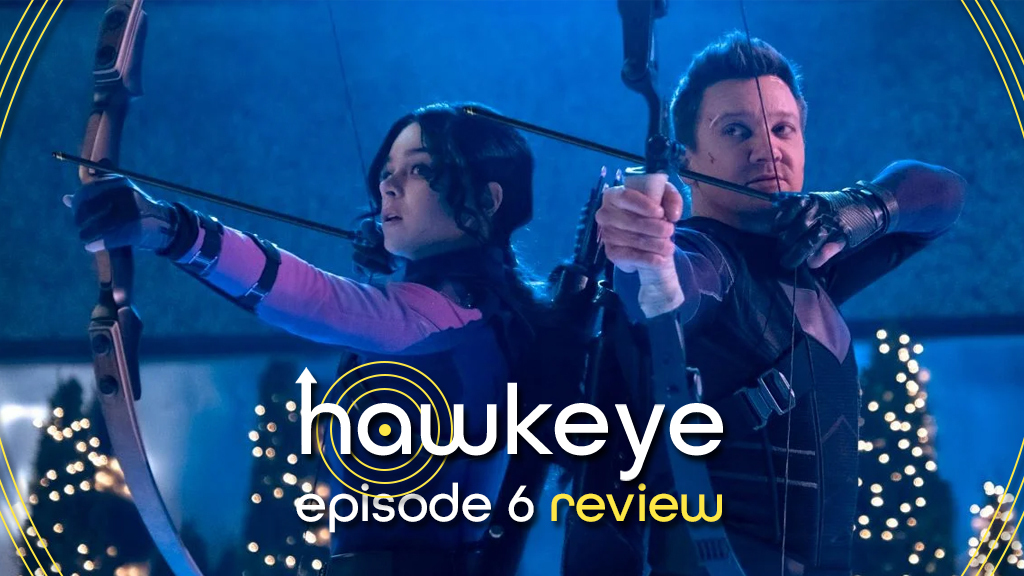
    It is still not clear if another season of Hawkeye is to come, but the disney+ series “season finale” titled “So This Is Christmas“, is the strongest installment of the series on almost all fronts including humor, character work, and action. The finale is also highly representative of the series as a whole. While it has several great components, it ultimately felt somewhat anti-climactic due to the weakness of the overarching plot. This episode emphasized how the series is more of a collection of other stories rather than its own. At the end of the day, the actual plot was Kate Bishop stepping into the shoes of a superhero, but it was flanked by the vague and stagnant criminal storyline. 

    By the end of the episode, it does not feel as though much has happened throughout the series. Even though there was an Echo, Black Widow, Kingpin, and a Kate’s-mom-is-actually-the-bad-guy reveal, none of these potential adversaries were genuinely essential to the story. Most of what happens in Hawkeye comes across as a string of crazy coincidences. As such, the lack of a central and strong adversary left the finale and the series needing more. Many interesting narratives turned out to essentially be interesting cameos rather than meaningful additions to the story. For example, the fact that the Rolex first encountered in the first episode revealed that Laura Barton was once an agent of S.H.I.E.L.D. is cool, but much of the underlying mystery was centered around that watch for the entire series for little to no plot payoff. There was a lack of connection why this watch was so relevant to the Tracksuit Mafia.

    Kingpin’s use was a bit confusing in the finale. At first, it seemed like he was going to be grossly underutilized, but did have a solid fight scene with Kate where it was made clear that he is a military tank in human form. His ending with Maya supposedly shooting and killing him isn’t convincing given the importance of his character, but it would be quite a wild decision for Marvel to have made.

    This episode and Hawkeye as a whole aced the character work, though. Clint got the first real development the MCU has given him other than a haircut, and he became a fleshed-out character that stayed true to what he experienced before the series. He’s a traumatized, mildly retired family man, and Jeremy Renner never really missed on his portrayal of the senior Hawkeye. The moments between Clint and Kate, including some of the more poignant conversations, were always strong and drove both characters’ development, and pushed the theme of what it means to be a hero.

    The introduction of Kate Bishop was obviously the series’ main purpose, and while it felt plenty forced and contrived, Kate genuinely grew over the course of the series. By the time she did her leap of faith down the side of the building, the viewer was plenty invested in watching her true hero moment. The finale made it unambiguous that she had crossed the line from idolizing superheroes to embodying one herself. It doesn’t hurt that Hailee Steinfeld’s character already had twice the amount of personality that Clint did, and her personality was fairly fresh and unique when looking at MCU frontrunners. 

    The series also handled its other characters well. Yelena, while only making appearances in the final three episodes easily outshined the main characters and will likely forever be considered one of the most iconic parts of Hawkeye. While her quest to kill Clint was a bit shallow at first, her ultimate resolution with him evoked a great performance from Florence Pugh. It added a lot of color to Natasha Romanoff’s death and absence. The series offered us a decent epilogue to Black Widow, but that is another example of how Hawkeye juggled other stories more than its own. 

    Maya Lopez’s introduction in the series was similarly used as a vehicle for another project, which was evident in her waning presence after her initial appearance. The future for Echo is bright, but setting up her series was clearly the priority for the character rather than a focus on what she brought to Hawkeye

    Unfortunately, the least interesting character at the end of the day was also – in terms of the main Kate storyline – the “big bad”. Eleanor Bishop was fine, but there was not much about the character that was overly compelling. She worked well as a narrative tool to push back on Kate’s ambition, but Eleanor being the vague reason why all of the events of the series happened is not particularly memorable. The episode even managed to fully redeem and solidify Jack as a bonafide lovable guy, but the easy switch from the main suspect to completely in the clear was too uneventful to make any of it thrilling. 

    What the finale did prove is that Hawkeye is funny. From character personalities, LARPers to Tracksuit bros, this episode and the series as a whole had plenty of humor to go around on a higher level than simple comedic relief. The inclusion of the full Rogers the Musical musical number in the credits is a testament to the lightness of the series and the more upbeat approach to its production. 

    The finale’s extended skyscraper-to-ice rink scene joins episode 3’s car chase as one of two truly memorable action sequences of the entire superhero series. Between the trick arrows and the arrival of every character – other than Lucky the Pizza Dog – to the area felt like a worthy payoff. The archery and hand-to-hand choreography were very well done. The final Hawkeye suits were extremely corny, but fitting for the tone of the series and the weak gravity of the actual plot situation.

    Hawkeye’s series (or season) finale capitalized on all of the things that the show did well. The character development and humor that it consistently mastered across all of its episodes are fairly unique to the MCU’s slate of Disney+ series, which makes Hawkeye a welcome addition for that alone. The action here is the series’ best, but overall that element was limited. Unfortunately, Hawkeye suffered a bit from a loose and varied narrative that lacked much punch. But overall the street-level, dog-loving holiday romp was a fun ride that brought plenty of lovable characters to the table. 
  • REVIEW: ‘Centaurworld’ Season 2 Ends on a Strong Note

    REVIEW: ‘Centaurworld’ Season 2 Ends on a Strong Note

    Centaurworld is a weird series to talk about. Megan Nicole Dong’s very different take on an animated musical series explores the story of a warhorse named, appropriately, Horse, as she ends up lost in an unlikely world filled with mystical, singing centaurs of different species. We move from a rather dark story as she believes her rider has fallen to her death, as she struggles with this very bizarre take on a fantasy world. The second season has arrived and picks up where the previous one ended. Does it continue the wackiness of the first, or take a different direction?

    The biggest change in this storyline is that we spend quite a bit more time in the “regular” world with Jessie Mueller‘s Rider. While teased as a darker side of the storyline, it does take some wackier directions. It mainly serves to give us a look at the struggle on their side to introduce a new horse going by the name Becky Apples to add some drama for Horse getting jealous and Brian D’Arcy James‘ General.

    There are some great moments, especially during her infiltration of a castle with Becky Apples, but it seems just as wacky rather than playing a stark contrast to the wackier Centaurworld. It’s a bit of a shame, as one of the selling points for my viewing in the first season was that stark contrast Horse highlights while trying to make sense of her new surroundings. As we have now gotten beyond the “fish out of water” storyline, they tried to find a balance to still keep a certain level of comedy going.

    Speaking of, it feels surprisingly reserved this time around which works to its favor. There are still some wacky moments, mostly continued with Glendale and Durpleton, but there are fewer of those “what just happened” moments throughout. Early on it felt like a stark contrast, but it seemed deliberate as this time around we take a closer look at our characters. Durpleton has a cute story arc where he sees a dying Lizardman as his son, and it even builds into a newly discovered backstory of the character.

    Horse was teased quite a bit to be a magical being and she has seemingly adjusted to her new body. So, her new ability to jump into people’s flashbacks is quite convenient but does offer an excuse for the team to offer some insight into our cast and especially for the strongest moments of the season later on. It also is built upon from the previous season which was a clever way to confirm it as foreshadowing.

    The wacky characters of Centaurworld are the highlight for most of the season. We get introduced to the wacky Aristocrat centaurs, who are seemingly the most random element in the season, especially with their design. Though I could’ve done without the birdtaur influencers, who had one or two jokes that dragged out. Still, some of the returning casts are still as hilarious as they were last time. You can never go wrong with more Comfortable Doug, voiced perfectly by Flula Borg once again. Also, I’m embarrassed it took me until this season to realize the Tree Shamans were First Aid Kit.

    Where the show shines once again is in the music, voice acting, and animation. There’s a lot of attention to detail to make sure these two worlds feel distinctive. Each centaur’s design seemingly gets crazier and crazier the more characters we meet. While I do feel like some of the songs dragged out, especially the final one, they were also great to listen to with some great stand-outs, such as the “Last Lullaby” from the finale.

    The show’s greatest strengths lie in the exploration of its main antagonist, the Nowhere King. Brian Stokes Mitchell is a standout in the season, whose voice just adds a lot to the powerful design bringing this unholy being to life. Getting to figure out why he is the way he is and building upon the hints from the first season worked incredibly well. The show’s antagonist is so good that it’s a shame we don’t spend enough time with him throughout the season, or even get a lot of hints at the revelation.

    While more subdued than the previous season, the final season of the series ends on a strong note. It does fall into old habits early on, but once we build-up to the final confrontation with the Nowhere King it certainly finds its groove. Plus, we get more insight into our usually wacky sidekicks that feel more centered with their own little plot points. There are some great laughs to have, and some mesmerizing music to surely make you want to stay a bit longer in the insanity that is Centaurworld.

  • REVIEW: ‘The Witcher’ 2.01, ‘A Grain of Truth’

    REVIEW: ‘The Witcher’ 2.01, ‘A Grain of Truth’

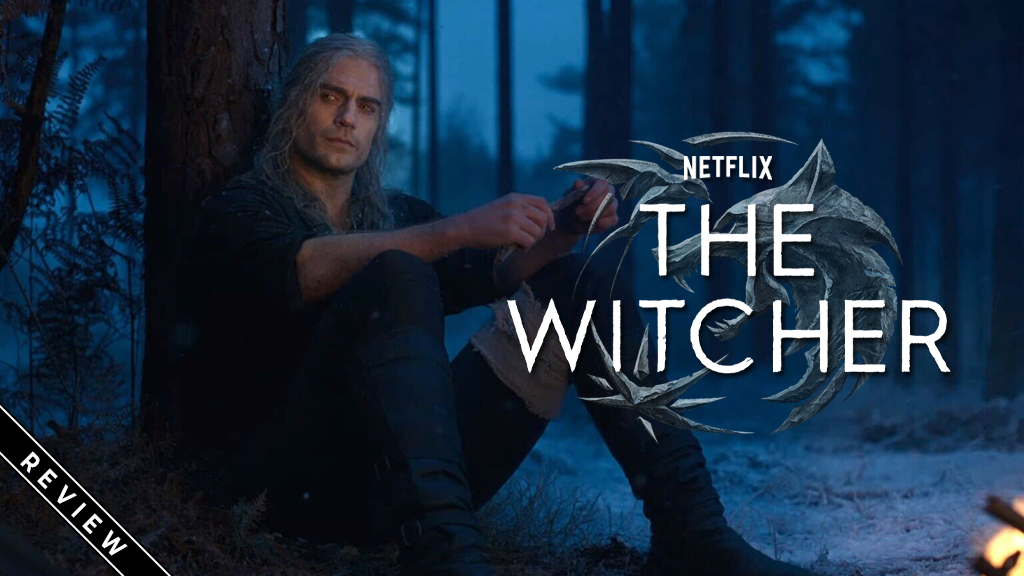
    After an incredibly popular first season, The Witcher Season 2 has finally hit Netflix, continuing the story of Geralt, Ciri and Yennefer. When we last left the continent, we witnessed Yennefer join the fight against the Nilfgardians in the battle of sodden, using every ounce of chaos to conjure a blaze so strong it sends Nilfgard into retreat. The biggest moment comes when Geralt is stumbling through the woods, injured by a beast, and finally meets the one he’s been sworn to protect, Princess Ciri.

    This season picks up right as the battle of Sodden concludes, and the battlefield lays riddled with corpses, Yennefer is nowhere to be seen. Ciri and Geralt are continuing onward but get caught up in a storm, and decide to detour an old friend of Geralt’s, and head to Nivellens Manor.

    A dynamic many were looking forward to being introduced is brought to life here, with Ciri and Geralt finally united. It’s a promising and much-needed addition to the series. Ciri offers a great opposite to Geralt’s steely and stone-cold demeanor, but she’s also able to relate to him, with her proving that Geralt’s got a bit of soft-side, even if he’s bound by an oath to protect her.

    Henry Cavill’s dedication to the role of Geralt is another shining gold star for the series, with absolutely stellar casting. While he may seem a bit one-note, this season looks to explore the layers of the character, with Freya Allan’s Ciri playing a pivotal role in that.

    Nivellen is quite the eccentric and welcoming host, with Kristofer Hivju delivering a magical, Tormund-Esque, performance under all those prosthetics. However the entire thing just feels off, it feels like Nivellen is hiding something, no matter how many magical tricks he can pull to distract Ciri, you feel as if Geralt never really trusts him, as Nivellen’s cursed appearance really put him on edge, this wasn’t the same Nivellen he’d met all those years ago.

    The series is very obvious in its mistrust of Nivellen, with the cursed man harboring a Bruxxa named Vereena, responsible for countless deaths. For his crimes, he was cursed to never be able to love, presumably turning him into that beast once he’d fallen for Vereena, but he didn’t care cause she’d loved him either way. This felt like an obvious play on Beauty and the Beast, except the roles are swapped and this time around both of them were the beast. It’s not until the curtain is pulled back and Nivellen’s curse is broken that it really works, when it’s revealed that Nivellen was cured due to raping a priestess, it’s hard to sympathize with a man who’d just lost the one thing that loved him, and it feels like a callback to earlier in the episode when Nivellen had asked Geralt how he was not heartbroken following Yennefer’s presumed death, with Geralt responding, “Who says I’m not?” It feels like Geralt is beginning to scratch the surface of showing emotion, having lost the good person he’d once seen in Nivellen and considered a close friend.

    Perhaps the weakest part of this episode is whatever they’re trying to do with Yennefer. All we see is her locked up in chains under the watch of Fringilla and a few surviving Nilfgardians. Where episode 1 leaves Yennefer promises something surely more interesting than her just pacing around the woods for an hour.

    While this was a bit of a slower start to what will, hopefully, be an eventful season, it was a good starting point for our characters. I look forward to seeing the relationship between Geralt and Ciri progress, and how Ciri learns to hone her abilities. I hope to see storylines come together by the end of the season, with Yennefer and Geralt finally reuniting.

  • REVIEW: ‘Aggretsuko’ Season 4 Muddles an Important Message With Convenience

    REVIEW: ‘Aggretsuko’ Season 4 Muddles an Important Message With Convenience

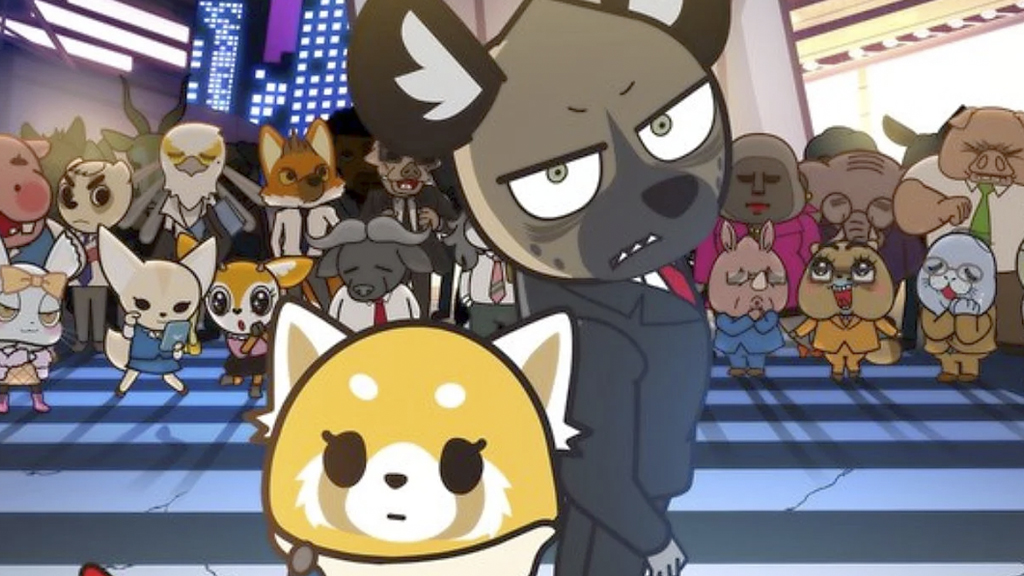
    The latest season of Aggretsuko has arrived with some new looks into the struggle of nine-to-five employees through the eyes of humanoid animals. Our main protagonist, Retsuko, takes a bit of a backseat in this season. The series uses its Hello Kitty-inspire style – as it’s made from the same studio – to still tell a grounded story in the struggle of personal expectations, finding your passions, and trying to make your dreams become a reality. It included heavy themes while embracing the cartoony aspects of its world. Sadly, the fourth season tries to up the ante but doesn’t quite nail the landing.

    Aggretsuko season 4 should inspire everyone to unionize their workplace -  Polygon

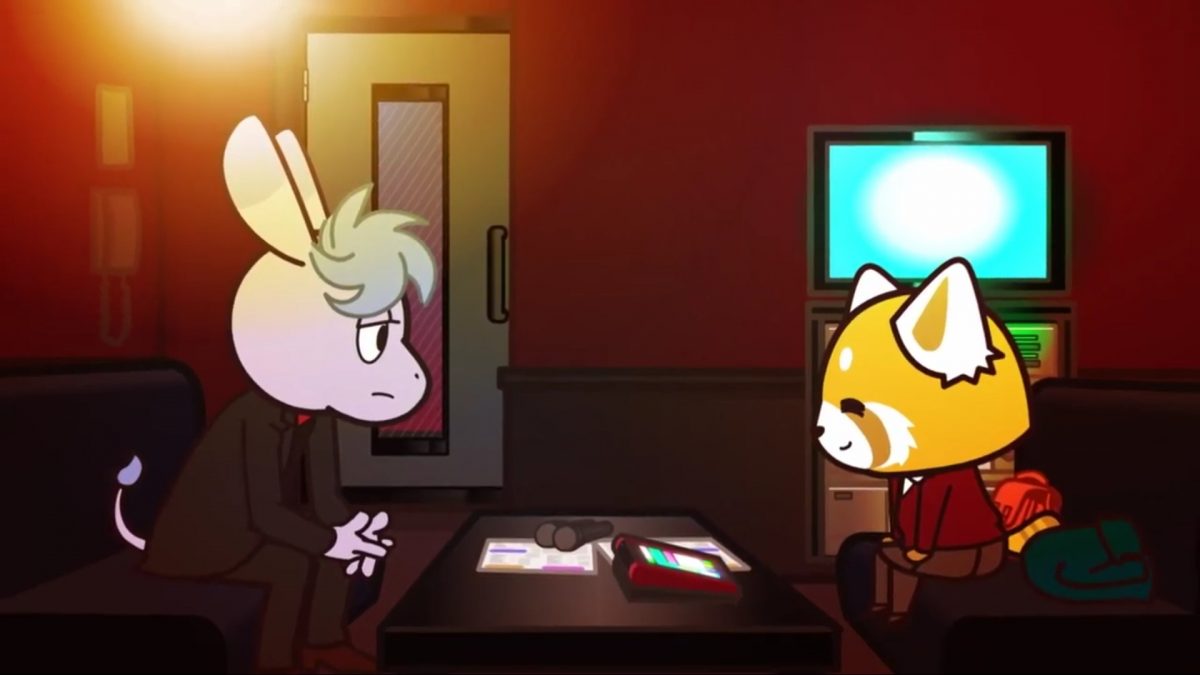
    The core message of this season is built by Haida’s characterization. After Retsuko was assaulted by a stalker, she’s uncertain about going home. It is the first stepping stone for these two to finally build a relationship of some kind, especially after last season’s finale. The creative team for some reason decided to reset his character, as he becomes a bumbling idiot every time Retsuko tries to take any step forward. While I understand that they are highlighting the ramifications of how we act when we are in love with someone that seemed unobtainable, it still drags on.

    The reason they reset his character is to explore the topic of “self-doubt” in your private life and as part of a workforce. It’s the strongest aspect of the season and highlights how the cutesy art style doesn’t shy away from real-world issues. Yet, it normally finds a balance in how these characters act and have developed from previous entries. Yet, it feels like they went a few steps too far this time around.

    Aggretsuko - Season 4 - Retsuko slaps Haida - YouTube

    The CEO gets hurt and the ambitious Himoru takes over. He ends up slowly letting older staff members go in an attempt to downsize to secure its future. Ton takes the fall, as he believes in his employees and ends up being given a dead-end job that’ll force him to leave. Of course, he can’t stand it and secretly starts working at a convenience store. He actually gets some great characterization and focuses on trying to keep the illusion alive for his family. It was great. Well, until Retsuko comes into play.

    It was her and Fenneko’s ranting about him to the new boss in a drunken stupor that led to his firing, but as everyone tells her to let it go, she refuses to do so. I like it, as it gives her something to do this season and a story arc of making up for her mistakes. Yet, the way she handles it sends such a strange message. After meeting up with her ex, the rich and influential Tadano, she finds out she’s a viral hit. The YouTube channel she started long before she joined the pop idol band has suddenly gained quite a few views. So, her solution is pretty much dropped in her lap and while she invests time to grow it, it doesn’t feel earned in any way.

    Aggretsuko season 4 should inspire everyone to unionize their workplace -  Polygon

    Especially when Ton becomes quite arrogant after getting hired to run her bookkeeping. It felt like the character didn’t learn a single lesson from his actions, and we just end up where we started. Once we go back to “he’s old and doesn’t know how technology works” jokes, it feels like we just wasted time and Retsuko just fixed her issue through sheer luck. Poor Kabae gets pressured out of her job due to her poor kid getting a fever – though his animations might’ve been the most adorable thing ever – and no one really helped her out. She only returns to the story due to her knowing every inch of the company to uncover Haida’s secret.

    Speaking of, it’s time to talk about the story arc I could not fully get behind. Haida lacks self-confidence until Himuro sees the potential in the work he did to streamline how he tackles tasks through programming. Suddenly, he ends up as the department’s director and starts implementing new ways to support his co-workers. Even after they fired people left and right, the story suddenly takes a dark turn. For no real reason but to add drama, Haida becomes an accomplice and fixes the company’s books for the new CEO. We do see him build a bond with the Himuro, especially with them working out together, but it feels like such a heel turn for Haida.

    Aggretsuko - Staffel 4 | Moviepilot.de

    Yes, he has gained some confidence due to the man acknowledging his hard work and it’s a showcase of how easy we are pulled into things once you finally get the feeling you’ve managed a “next step” in your career. Yet, this feels so out-of-character for him to just go along with this. Especially as this plotline is mainly there to put another conflict between him and Restuko. We have an entire heist storyline once she realizes what he is doing. Given the gravitas of this story and Haida’s moral dilemma, it could’ve been handled with more care.

    Tadano doesn’t have a big role in this season, but his inclusion has an important role in pushing Haida’s development. He’s Retsuko’s confidant when she becomes a viral sensation – which is odd if you consider she wanted to get away from it after last season – seems convenient. The way it wraps up everything like a clean bow with only one character facing consequences seems rather depressing. Even worse is that it tries to go for a message about happiness that is important, but it also makes it seem it’s okay to give up on your ambitions or dreams. It just didn’t stick the landing after already forcing his character into a darker direction.

    Aggretsuko Season 4: When Will It Return? Everything You Need To Know!

    The series confirms there will be a fifth season, which may rectify some of the issues I had because they are more open-ended. There are some powerful moments, especially with Tsubone’s brief arc, but it all comes at the cost of one of its core characters. There is a lack of consequences to the actions taken in the story and it seems that no one learns a lesson, which ends up downplaying its stronger moments. It’s a shame that the direction didn’t quite bring everything together like in previous seasons, but it seemed like something was missing, and that includes the songs that used to cap off an episode.

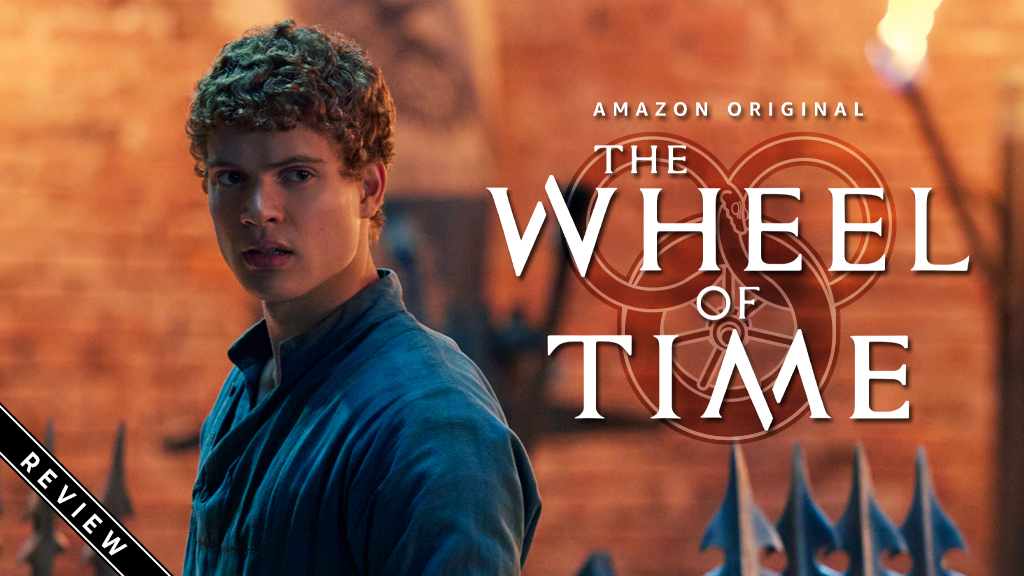
  • REVIEW: ‘The Wheel of Time’ Episode 1×7, “The Dark Along the Ways”

    REVIEW: ‘The Wheel of Time’ Episode 1×7, “The Dark Along the Ways”

    Amazon’s Wheel of Time returns with its penultimate episode this week, and it’s a big one. After a rather slow sixth episode, “The Dark Along the Ways” amps the ante from the get-go and doesn’t hit the brakes until the end.

    The episode begins with a flashback to a woman (Tigraine Mantear) fighting off men in a snowy landscape. As the camera pans down, we see she’s pregnant and trying not to go into labor for the child’s sake. It’s clear there’s something special about her, though, as she moves through the air with such ease despite her pain and being incredibly pregnant. She’s able to defeat the men with little effort on her end. It makes for stellar action sequences, and honestly, a well-done opening that becomes important later in the episode. As she’s about to go into labor, believing she’s killed most – if not all – of the men, she’s approached by another with a sword pointed toward her. It’s then the episode jumps back to the present.

    “The Dark Along the Ways” opts to pick up exactly where episode six left off. The group has made their way into the Ways, with Mat deciding to stay behind. Understandably, the young group is frustrated that they can’t go back for Mat, but quickly take to following Moiraine through the ways and toward the Eye of the World. Little do they know, however, they are being followed. Eager for rest, knowing there’s a long journey ahead, the crew seeks shelter as Loial tries to make sense of the cracked Seal. Whatever has been following, however, wakes them as it launches a surprise attack. The group takes off towards another gate, knowing their original destination to the Eye of the World through the Ways is no longer feasible. As they hurry, the wind tells them stories they are not meant to believe. While they never divulge what they’ve heard to one another, the wind ultimately stirs the tension among the group.

    What follows is a series of acceptance and truths. We see these individuals finally come back together for the first time since the initial episode. Despite the arguing and fear that, rightfully, plagues them, by the episode’s end, they try to do what is right. Of course, they’re not aware of what Rand was told in the Wind or what he has come to know, thanks to Min of Fal Dara. He, of course, is the Dragon Reborn. As we soon come to learn, the woman in the cold opening, Tigraine, is Rand’s mother, and he is the baby that was born that day. His mother died shortly after giving birth and he was raised by a man who bore armor and the Heron blade. It was this man who would go on to raise the baby – Rand – in the village along the Two Rivers.

    It’s a reveal that fans of the book will not be surprised by, however, it is wonderfully executed on screen. The episode takes the time to see Rand go through the motions as he comes to terms with who he is. In fact, it even goes back to show us that it was Rand, and not Egwene, that channeled during the attack in the Ways. The camerawork as he goes through various emotions, knowing he is who Moiraine has been searching for is so well done. More importantly, though, the episode manages to do something many television series could only hope to do: successfully tell a backstory that not only reveals a huge secret but also manages to push the story forward with ease. It’s easy to rely heavily on exposition and dialogue to achieve such a feat, and yet, Wheel of Time manages to do so with the perfect mixture of both.

    By the episode’s end, everything has turned upside down. When Lan comes to the others and tells them Moiraine has broken their bond, having left without telling him, they quickly realize she’s going with Rand to the Eye of the World.

    “The Dark Along the Ways” manages to do so much within the span of fifty minutes. It’s honestly quite impressive just how well-written and acted this episode was as a whole. Rosamund Pike‘s Moiraine takes a bit of a backseat to let the rest of the cast shine this go around, giving Daniel Henney‘s Lan time to tell his own story while also igniting the romance between Lan and Nynaeve.

    As great of an episode as it is, however, there’s one minor issue. With only one episode left, Wheel of Time still has so much story to unpack. Whether or not it’ll be able to successfully conclude the arc it has begun ahead of Season 2? Well, that remains to be seen.

    For now, though, the seventh episode of Wheel of Time is a must-watch. From the cinematography to the music and the cast, “The Dark Along the Ways” is an impressively strong effort that will transport fans into Robert Jordan‘s world.

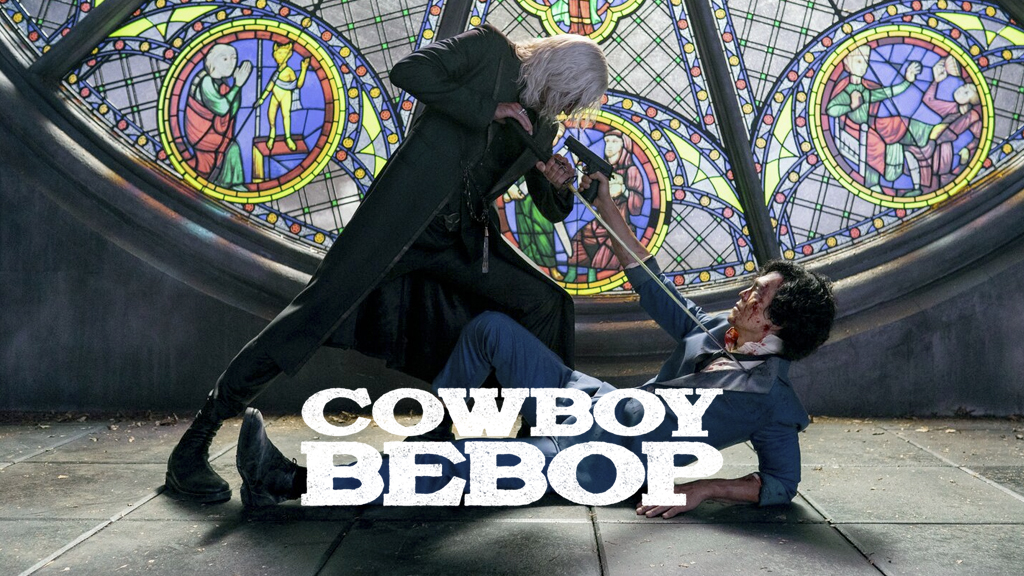
  • REVIEW: ‘Cowboy Bebop’ 1×10 “Supernova Symphony”

    REVIEW: ‘Cowboy Bebop’ 1×10 “Supernova Symphony”

    When I started the review series of the various episodes of Cowboy Bebop, I didn’t expect that the season finale review would turn into the series finale. Yet, as Netflix has decided not to continue with their work on the project, it seems like this is our take now. It looks like my planned piece on what they could improve on for the second season goes out the window, and it’s time to take a closer look at the final episode on the live-action take of this live-action adaptation and see if it somehow sticks the landing.

    We continue where we left off with Spike in the eight-episode, as he awakens back in Ana’s jazz bar, where he finds out why she’s been walking in a cane. His friends come in for the rescue with probably one of my favorite moments. Jet realizes Spike is okay and goes on to give him a giant bear hug just shows how much he cares for him. All that only for the series pulls the rug from under us when he finds out his partner worked for the Syndicate and got his daughter kidnapped.

    At that moment, it made you realize why he had a daughter in this adaptation. It was the perfect device to drag him into the final conflict, as most Western series focus strongly on having all story points come together in a finale. While it doesn’t hold the same weight as the original, the inclusion of others takes away from the personal moment that this storyline was in “Ballad of Fallen Angels.” It’s strange that most of the time they keep the cast separate, but this is the first time they force them back together in a story that is originally meant purely for Spike.

    Still, we get some great moments like Spike and Jet’s exchange. Faye’s “last-minute” save was also a nice moment as she still came back for them, but it did make me question why in the world she managed to find a hint at her past in the same spot that Spike happened to fight Mad Pierrot. As they go out of their way to build connections that weren’t there before, this one felt a bit forced. It also brings the team together only to split them up again for what would’ve been a second season that seems like what the writers love doing.

    Vicious and Spike get their confrontation and Alex Hassell’s take on the character ends up being the most cartoony in this entry. The faces he makes are quite hilarious, especially when he is in “stabby” mood – even if it feels like it undercuts the intensity he sometimes tries to convey. Still, his maniac personality remains consistent with what we learned about him from the previous episode and see it in action. Even if it feels like this version of Spike could wipe the floor with him normally.

    The biggest departure is the twist at the end when Julia shows up, shoots Vicious and undermines their rivalry, and then decides she’ll become the Syndicate’s new ruler. While it would’ve opened up a potentially new direction for the series to make it stand out from the original, there is a certain lack of set-up about this betrayal. Yes, she was mad she lived in the shadow of Vicious and Spike never came to save her, but this is the case where knowing less might’ve made this character more interesting even if Elena Satine gives a great performance.

    In the end, it doesn’t quite stick the landing but does offer at least a fun end to an overall enjoyable experience. It’s still sad that we won’t get more out of the series, but it did give us some exceptional performances from John Cho and Mustafah Shakir. It lacked the subtlety of the original in many ways and struggled quite a bit to find a balance between source material and making it its own, but there were some great ideas throughout. Here’s hoping this is a learning experience for Netflix and Tomorrow Studios when they start working on the One Piece series.

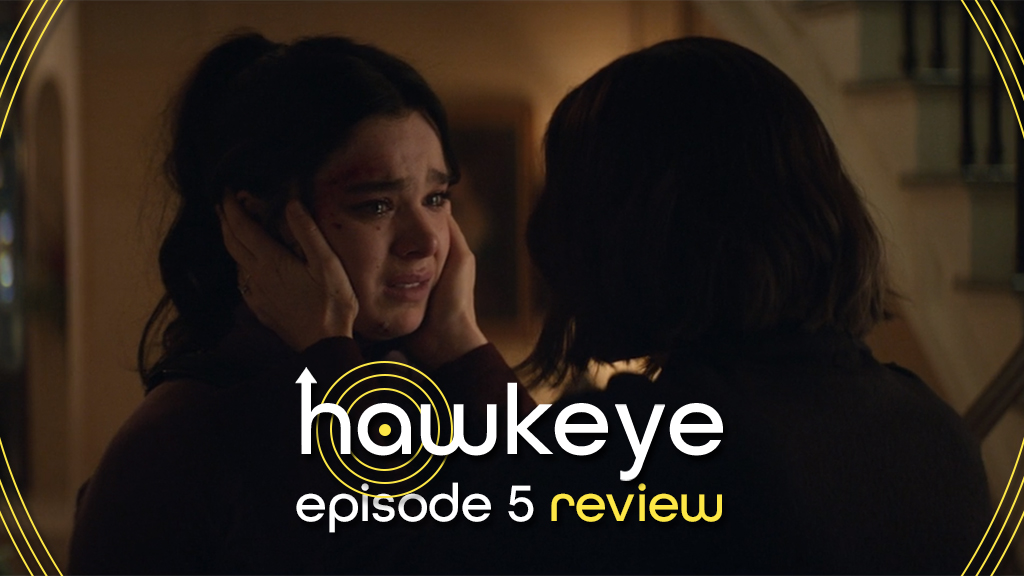
  • REVIEW: ‘Hawkeye’ Episode 5 – Ronin

    REVIEW: ‘Hawkeye’ Episode 5 – Ronin

    Hawkeye Episode 5 expanded upon the last episode’s theme of rich character development and in-series world-building, but it fell short of providing a strong platform into the finale. While the penultimate episode certainly took its time to gather a lot of pieces of the big-picture puzzle, the final episode of the short series is left to try and resolve virtually every plotline already in existence as well as provide all of the Kingpin content it has teased. 

    What Ronin set out to achieve it did beautifully. There were several standout conversations and one-on-one moments that invoked emotion arguably better than the series has done previously. Florence Pugh’s witty Yelena was easily one of the biggest highlights and received much of the episode’s focus. While her “girl’s night” with Kate highlighted the chemistry between the two characters, the look at Yelena’s own blip was an intense opening to Ronin that set the tone for a grief-filled episode. Eleanor and Kate had a moving moment where Vera Farmiga puts in quite a compelling performance as a concerned mother which is impeccably timed with the late but unsurprising reveal that she likely is on the wrong side of the criminal line.

    Clint also has moments dripping with desperation and loss. Learning that the Black Widow was Natasha’s sister Yelena sent him into another spiral of guilt over Natasha’s sacrifice. There’s a simple but moving moment where he talks to an Avengers commemoration plaque as if it were her in silence. But mourning quickly turns to action as Clint wastes little time in going on the offensive to defend his family. Through another Linda Cardellini phone call, Clint explains that he has to end it or else the “big guy” might get involved. Laura Barton is again strangely supportive, lending a lot of credit to the theory that she is an ex-agent of some kind herself. This episode marks Clint moving away from much of his self-deprecating attitude and into a much more confidently self-aware place.

    The result is Clint revealing to Maya that not only is he Ronin, but that Maya’s “Uncle” is who wanted her father dead. This weaves itself into strong moments between Kazi and Maya, where his comforting protective instinct towards her starts to look twisted after it’s implied that he had a part in Maya’s father’s death. Still, the two have strong chemistry, and it’s a bit of a shame the series didn’t show more of it. The Clint-Maya confrontation represented the only action of the episode, leaving Episode 3 as the leader of the series in that respect, by far. 

    While Hawkeye can pull off quieter, investigative storylines, it has been teasing more over the course of its run. Episode 5 was in a prime position to kick off an intense action-packed ending to the series, but it curiously kept the slower pace of the last episode throughout. The much-awaited “reveal” was a bit of a letdown. While the name “Kingpin” has finally been dropped, it came via a less-than-dramatic line from Clint that the man in a very low-quality cellphone photo with Kate’s mom was “the guy [he’s] been worried about: Kingpin.”  Yes, it was Vincent D’Onofrio, but it may have well been Bradley Cooper’s Rocket or Alec Mapa’s Animal-Vegetable-Mineral Man—the photo would’ve looked about the same. While there’s every reason to believe D’Onofrio will be a star in the finale, his reveal was not particularly exhilarating. 

    Ronin set up virtually all of the series’ plotlines on a silver platter to be resolved or concluded. The tracksuit mafia’s vendetta against Clint/Ronin, Yelena’s quest to kill Clint, Jack’s criminal ties, Eleanor’s criminal ties, Kingpin’s overarching role in all of it, Clint and Kate’s relationship, Grills’ safety, and Clint getting home for Christmas. The problem is that the finale is forced to take on all of it in, presumably, the same general run time that the rest of the episodes have been allotted. While Hawkeye has been very successful in developing strong, compelling characters, delivering interesting and emotional arcs for them, it has yet to truly prove its ability to handle its own overarching storyline. Hopefully, the finale manages to streamline its moving pieces while capitalizing on the character work the series has worked hard to execute.

  • REVIEW: ‘The King’s Man’ Isn’t Quite Sure What It Wants to Be

    REVIEW: ‘The King’s Man’ Isn’t Quite Sure What It Wants to Be

    I remember the cold winter night I spent heading to my local theater in 2015, not sure of what to expect from Kingsman: The Secret Service. The trailers promised a second coming of the spy genre, with rising star Taron Egerton and established gentleman Colin Firth dubbed the finest leading men since James Bond. What I found on the screen felt almost exactly as I’d hoped. A confident, stylish, pulse-pounding two hours that knew exactly what they wanted the audience to feel. I left the theater elated, already hoping that a new film in the series would soon be on the way. Walking out of my screening for the franchise prequel The King’s Man, I did not feel the same way.

    Perhaps their biggest draw, the Kingsman films feature a handful of distinctive trademarks to let you know what kind of movie you’re watching. The most important of these, undoubtedly the most talked about, are the zany, over-the-top action sequences laced throughout each entry. These wild kerfuffles typically involve brutal takedowns, carefully placed camera work and tight choreography. One opponent is always a well-dressed protagonist, while the other is usually the film’s second modus operandi — the totally corny villain. Whether it be the story’s big bad, or one of their overly skilled henchmen, the evildoers of Kingsmen are never down to Earth. This works because the movies never want you to believe the story is taking place in a world any less silly than their silliest character.

    The major problem with The King’s Man is that it fails to commit to the bit in the same way as its exaggerated predecessors. It has all of the aforementioned traits without any of the devotion to a bigger, romp-filled world. The movie is admittedly charming when it wants to have fun with itself, but it never lingers in the amusement long enough for the camp to settle. On the other side of the coin, there’s an attempt at an uncharacteristic tear-jerker plot point that ultimately crumbles under the weight of tonal shifts. Parts of the film are very serious, and there are a handful of real-world problems the script seems it wants to tackle. It occasionally gets the point across, but its eventual need to dip back into visual sex jokes and goofball one-liners undercuts the pacing of any emotional impact. At a certain point, the back-and-forth between drama and genre can become exhausting.

    As for the cast, there is no one having more fun than Rhys Ifans. The Welsh actor’s take on the iconic Russian mystic Gregori Rasputin is, without question, one of the most absurdly mesmerizing performances of the year. It almost feels strange that Ifans is the man behind all that false hair and makeup, considering most moviegoers are probably used to seeing him in more subdued roles. As the secondary villain, his theatrical efforts ensure that the film’s mysterious, heavily accented, cheeseball main antagonist is overshadowed by a country mile. The underrated Tom Hollander also has a seemingly good time portraying all three major European/North Asian world leaders involved in the First World War, as part of the production’s aforementioned camp. Newcomer Harris Dickinson and industry vet Ralph Fiennes do their jobs fine, though they fail to live up to the chemistry of previous stars Firth and Egerton. The rest of the supporting cast, like Djimon Hounsou and Gemma Arterton, get by on likability alone, but none of them are given too much to work with before the movie ends.

    By the time the credits roll, The King’s Man provides fans with a serviceable prequel, a few more enjoyable moments of combat, and a handful of mostly satisfying answers about the origins of Kingsmen. The issue is that’s really all it has to offer. It’s missing that certain “je ne sais quoi” that helped push the other two Kingsmen up out of the pack. While room is left for director Matthew Vaughn, or a worthy replacement, to continue the prequel story, it feels like maybe 20th Century Studios ought to let this one lie and hope the long-gestating Kingsmen 3 has a better result.