Blog

  • Noah Centineo Cast as Atom Smasher in DC’s ‘BLACK ADAM’

    Noah Centineo Cast as Atom Smasher in DC’s ‘BLACK ADAM’

    Noah Centineo has joined the cast of New Line and Warner Brothers Black Adam, a spinoff of 2018’s Shazam!. The film will tell the origin of Shazam’s greatest foe and will star Dwayne ‘The Rock’ Johnson in the titular role.

    Black Adam will be directed by Jungle Cruise director, Jaume Collet-Serra. The film was scheduled to film next month but due to the world’s current, uncertain circumstances and prior commitments of actors, production has been tentatively rescheduled for February of 2021. The film will be produced by Dany Garcia and Hiram Garcia at Seven Bucks productions along with Beau Flynn of Flynnpictures, who also previously worked on Disney’s Jungle Cruise.

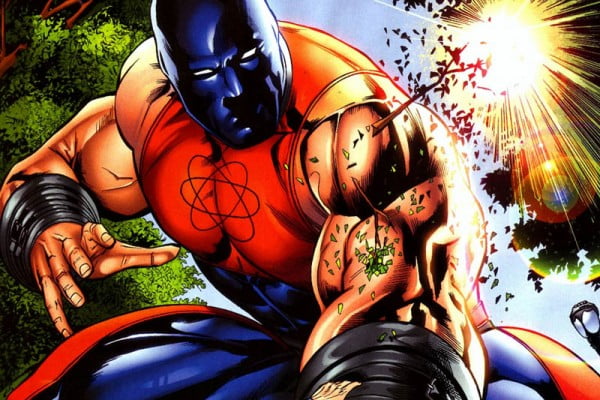
    Centineo will play Atom Smasher, also known as Nuklon, a meta human with the ability to control his molecular structure, allowing his to alter size and density of him body. The character made his first debut as a JSA member in 1999 by Geoff Johns. With story details still being kept under wraps, all we know is that the film will introduce audiences to Teth Adam, the champion of the wizard Shazam, who uses his powers to overthrow slavers and would do anything to protect his home nation of Kahndaq. It seems as if the film will be adaption of the 2007 run ‘Black Adam: The Dark Age’ by Christian Alamy, Dough Mahnke, and Peter Tomasi. Back in March of 2019 it was reported by Charles Murphy that the current draft of the script for ‘Black Adam’ Featured Atom Smasher, as well as Hawkman, both of which have now been confirmed to make an appearance in the movie.

    More news and casting about ‘Black Adam’ is expected to be revealed at ‘DC Fandome’, the event will take place on August 22nd and the film is considered to be one of the events headliners.

  • RETRO REVIEWS: Alan Wake

    RETRO REVIEWS: Alan Wake

    The downtime caused by this quarantine has offered me some opportune time to get back in touch with my gaming roots. The last console I owned was a Playstation which should give you an idea of what generation of video games I peaked on. Everything that came after, I missed out on. So as I relive the carefree gaming days of my youth, I thought it’d be a fun idea to review some of the games I missed out on. 

    With its elevator pitch of Stephen King-meets-Twin Peaks, Alan Wake was probably one of the last games to catch my interest as I was easing out of my gamer phase in 2010. In fact, I still have the pirated installer in one of my old external hard drives. The idea of playing a horror game that was less of your run-of-the-mill horror game and more of a cinematic experience intrigued the college student in me. But alas, college life hit and I just didn’t have the time to get to it. A month or two ago, this game celebrated its 10th anniversary and went on sale on Steam so I knew this was my chance to finally play it. 


    As with a lot of King stories, the game is centered on a writer, whose latest novel manuscript may be behind the supernatural disappearance of his wife in a lonesome Washington town. There’s a strong emphasis on psychological horror here as the titular character wrestles with visions and memories he can’t quite trust. All of these personal issues Wake has to face himself amidst a backdrop of townspeople going crazy, inanimate objects getting possessed, and an unseen force wreaking havoc everywhere.

    With decent characters, good voice acting, and a consistent tone, the story is mostly fine, save for the fact that a lot of what happens doesn’t actually make much sense in the big picture. A lot of things here just happen because… psychological horror stuff and you kinda just tread along with it because the game really wants you to. I guess you could blame me for this nitpick having read Twin Peaks in the elevator pitch but it’s my biggest caveat with the game and psychological thrillers in general. It doesn’t necessarily make the game terrible but it just left me wanting way more from the story as the credits rolled. The two DLCs that are set after the game are even more nonsensical.

    Another thing for me is that the story riffs on a bit too hard into Stephen King for my taste. The first thing the titular character literally does is quote King. The mere fact that King exists in the game’s world is so odd when the story posits Wake as the celebrity horror author of the world, much like King is in our real world. King and his work are continually alluded to throughout the game that by the end (there’s a Shining-esque hedge maze sequence that is pretty dope), I wondered if my Steam purchase went straight to King’s residual checks. I think it would have been more effective to just make Wake the Stephen King of the story instead of verbally referring to him every step of the way. 

    But I digress. 

    A game isn’t worth much if it doesn’t give you a fun gameplay experience and Alan Wake does that really well. It may sound simple but it mostly consists of you walking through a dark foggy forest armed with a flashlight and various guns, facing a bunch of townsfolk possessed by this dark, evil entity. They’re terrified of light so you point the flashlight at them to weaken their defenses and you finish them off with your gun. However, you’ve got a limited battery life for the flashlight and an even scarcer set of bullets so balancing the usage of these two weapons is a big part of the combat system. The combat system is surprisingly modern for a decade-old game. There’s a smoothness and weight to the aiming system which makes it feel somewhat real.

    Much of the game shines when you’re out in the dark trying to find the nearest checkpoint, which is presented as various sources of light like lamp posts and floodlights. The atmosphere of this game is absolutely great and it’s mostly thanks to the visual and sound designs. Fog beautifully nestles over treelines and the moonlight illuminates just enough for you to get by a dirt trail. Suddenly, you hear a guttural scream from the shadows. Music swells as silhouettes of possessed people wielding chainsaws and axes dramatically emerge from the shadows, reminiscent of classic slasher films of the 80s. 


    With a limited set of ammunition, a slew of possessed townspeople to fight at a single time, and sound design that gets more unsettling by the second, every enemy encounter was followed by me needing to take an Alt+Tab breather. There are instances in the game where I’m faced with at least 5 enemies with only 3 bullets and 1 flashlight battery to spare, and I just run like hell past them towards a light source. I like that the game allows for desperate decisions like that to progress.

    The true charm behind this game is how the storytelling is presented. The whole game is framed like a season of television; each chapter literally ends with a cliffhanger or some giant soap opera twist and each chapter begins with a recap of the previous episode. This format was immensely satisfying to me, someone who consumes content in bite-sized definite chunks  (I hate not finishing an episode of TV or an issue of a comic book. Either I finish the whole thing or not do it at all). As a sucker for serialized mediums, this was easily the most notable highlight for me. Also, the songs that they got to play after each episode is amazing. Props to Remedy for sneaking in Bowie into the game.

    It’s obvious the game takes pride in its countless nods to pop culture, like its blatant references to the classic Twilight Zone show as well as to literary figures like Raymond Chandler and Brett Easton Ellis. A lot of the story beats in the game are downright Hitchcockian. From the mere fact that you battle a flock of evil birds in various points in the story to the way tension and fear are dramatically escalated. My complaints about the game being a Stephen King lovefest aside, these references to other forms of media help elevate the game’s push for cinematic storytelling.

    Was my decade-long wait worth it? Yes, even if only in a completist sense. I’m glad to have finally experienced it and cross it off my list. The story may not have been perfect but the tone, atmosphere, and overall direction of the game are more than impressive. It’s a game that absolutely holds up after all these years. I highly recommend this to anyone who’s a fan of horror films in general. 

  • ‘DOOM PATROL’ Review: Episode 2.05, “Finger Patrol”

    ‘DOOM PATROL’ Review: Episode 2.05, “Finger Patrol”

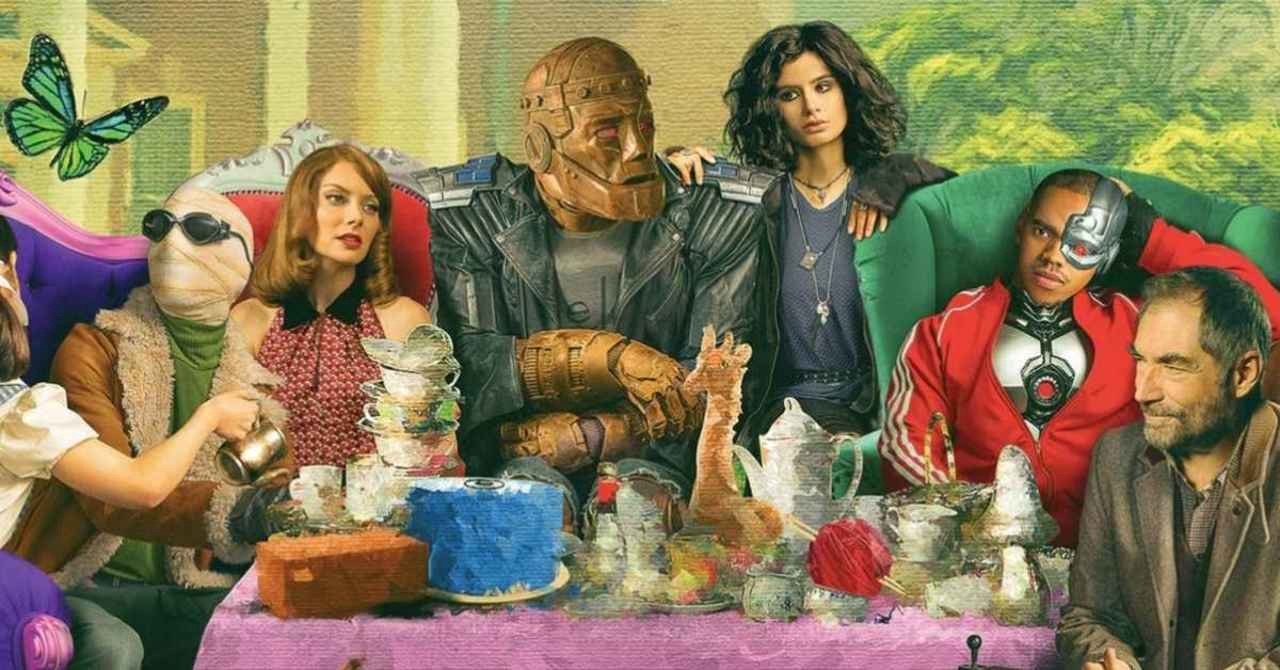
    A quaint return to Doom Manor is brought to us in ‘Finger Patrol’ after last weeks provocative festivities, but not before we see many of the main characters split up into multiple diverging story lines that offer more of a build up for what is to come later on in the season. While at first glance there doesn’t seem to be much going on, we’re treated to a some delightful character bonding and development that was well needed, but its not until the episode reaches it end that we’re thrown a curve ball that could quite possibly change the dynamic of the team and even the show in episodes to come.

    Doom Patrol: Finger Patrol Promo Gives Cyborg a New Look | CBR

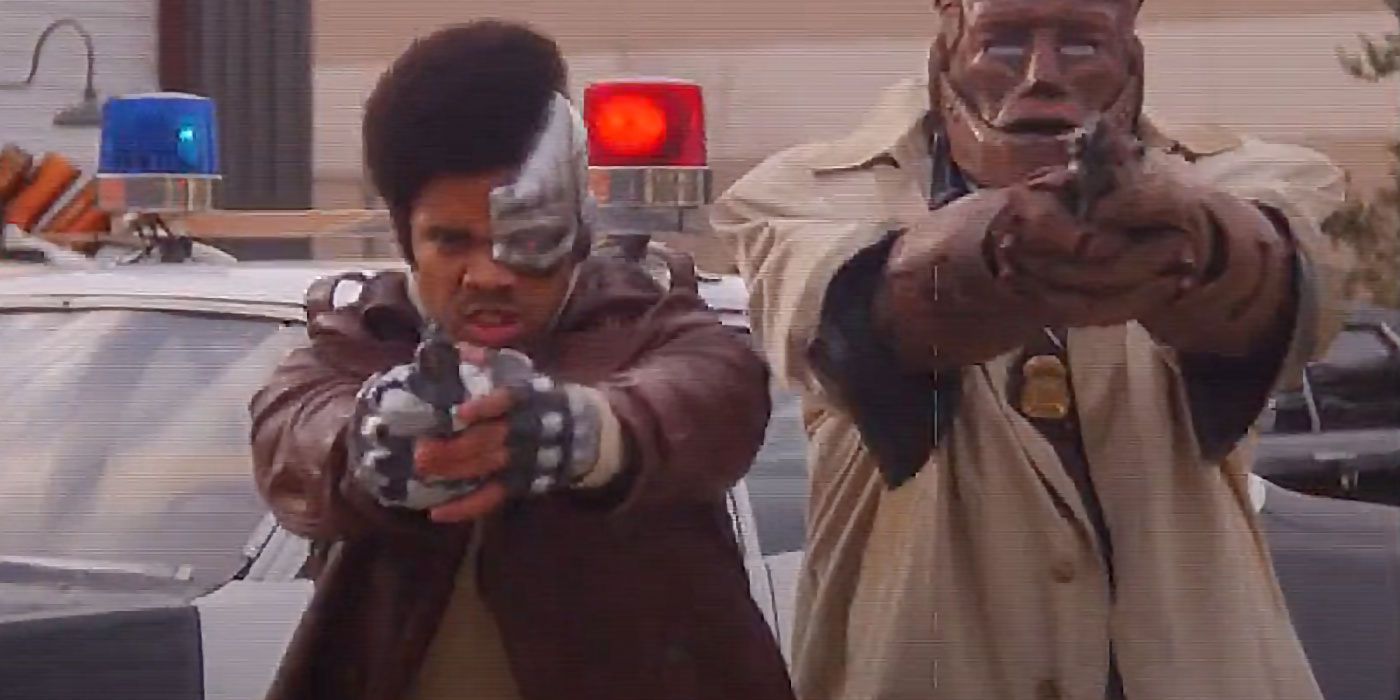
    The dynamic robotic duo takes quite the spotlight this episode, with Cliff dubbing them “Steele & Stone.” After being given hope by The Chief that Cliff may one day be able to feel again, Cliff believes he could speed the process up with help from Silas Stone. This leads Cliff to drag Cyborg back to Detroit where Cliff is only met with disappointment. One thing that stuck out here and one of the first plot holes that I’ve noticed, Silas recollects that he denied helping Niles with the development of Cliff’s metal prison as it would make him an accessory to Niles’ crime. Yet in season one Silas says that if Niles would’ve taken his notes, that Cliff could’ve been so much more, which makes one wonder which story is true. Following this, we’re given some great development and bonding between Cliff and Victor, and for once Cliff offers some helpful advice to Vic about his current love endeavor with Roni Evers.

    On the other side of things, that is about as delightful as it gets for this episode, for a second it feels as if Larry is going to be able to confront the guilt and regret he feels towards abandoning his family and never being honest to them about who he really is. He decides enough is enough and he and Rita venture out to help Larry’s family empty out his late son’s old home. All seems well and it felt almost cathartic to see the sulking seep out from beneath Larry’s bandages and see him happy for once. That is until his son, Paul, reveals that when he said he “followed in his fathers footsteps” he really followed his footsteps and joined the Bureau of Normalcy, and spouts years of pent up rage, anger, and blame towards his father, blaming him for his family’s troubles.

    Finally we’re given a rather interesting side plot focused on Jane’s alter ego, Baby Doll, and Dorothy. Chief believes that the two would be the best of friends and for bit they are. since the season started there has been an interesting dynamic going on within Jane, a power struggle between her and those who reside within her head. she’d been dealing with the stress of being the main personality while the others demanded more time above ground. This delivers a more irritable and more sensitive Jane that has become much more of a hot head this season. Finally when we reach the boiler room were shown a distressing chain of events that leads to one of Jane’s personalities killing Dorothy’s best friend, Manny the Wendigo. As an act of childish rage Dorothy makes the decision to make a wish, the full might of Candlemaker is put on display, being stuck as voice within Dorothy’s head for a better part of the season it was unclear what exactly his abilities were, but once he infiltrates the underground and slaughters those who get into his way were setup for an interesting end to the season.

    It is wild to think that we’re already halfway through the season, and with only four episodes left in season 2 and so much set up for the future just in this episode it’ll be interesting to see how they wrap things up in the end. Doom Patrol has become such outside of the box, breaking down limitations, type of comic book show. It doesn’t follow any sort of formula and just focuses on the characters and lets them push the story forward, and with this episode even though its basically one big recipe for the main course that is the rest of the season, it continues to deliver on every aspect.


  • ‘STARGIRL Review: Episode 1.08, “Shiv: Part 2”

    ‘STARGIRL Review: Episode 1.08, “Shiv: Part 2”

    Following last weeks cliffhanger ending, “Shiv: Part 2” picks up where the previous episode ended, concluding the Shiv origin storyline, and proves to be just as good, if not better than part 1.  Being already halfway through season 1, it’s great to watch it go full steam ahead, it has yet to show any sign of fatigue and is still introducing to new and exciting possibilities for the rest of this season and its newly confirmed second.

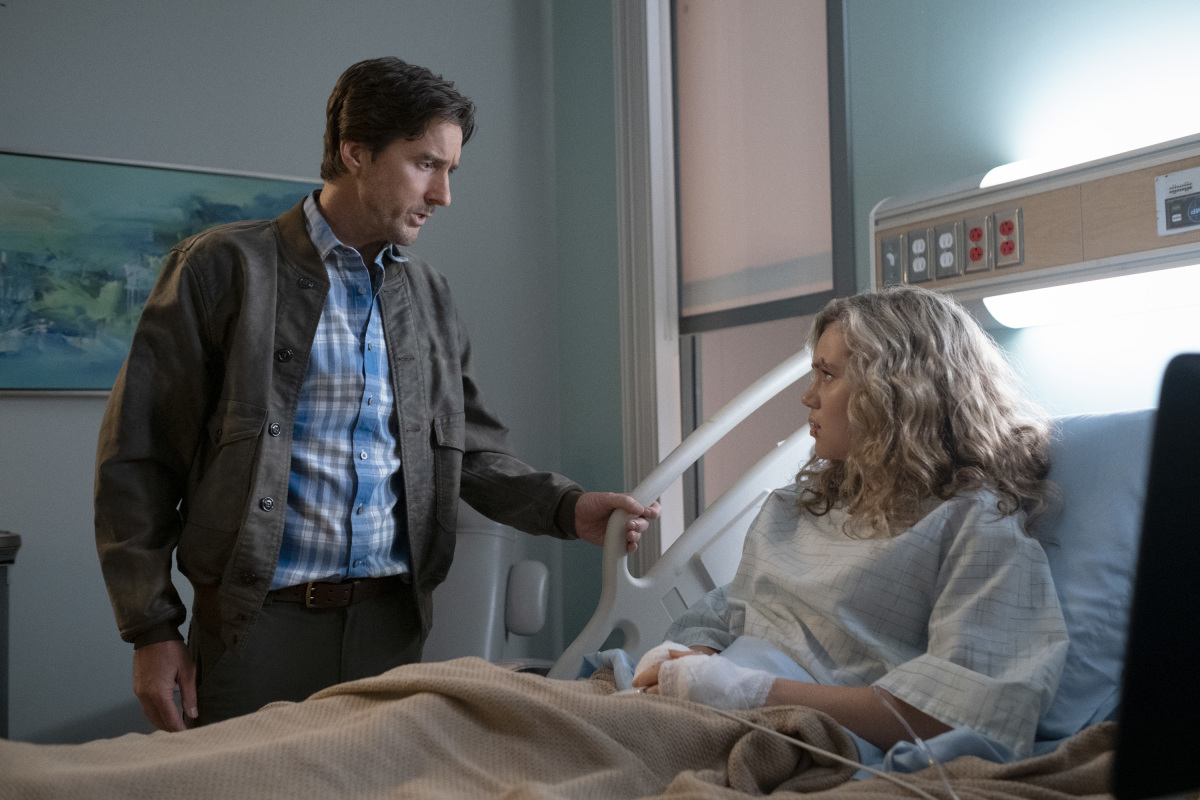
    We pick up right as Pat is hurdling down the road, and in order to keep Courtney’s extracurricular endeavors a secret, crashes his prized 1955 Buick special hardtop. The relationship between Courtney and Pat has come a long way over the course of this season and one of the best parts of the show has been watching this newly blended family come together each in their own way. The two barely spoke when the show began and now we’re shown what Pat is willing to do to keep his new stepdaughter safe. Pat’s character is surely one of the best on the show, and Luke Wilson’s charming and vigilant performance perfectly captures the character of Pat Dugan from Geoff Johns “Stars and S.T.R.I.P.E.” Watching him lead the new JSA in this episode was quite gratifying, even though we didn’t see much of him in his Stripesy days, the show gets the point across what an integral part of that team he was, and to watch his rise to mentor status was exceptional.

    Shiv Part Two | Stargirl Wiki | Fandom

    You’d think a show with this many villains would have a problem properly developing them and getting each a modest amount of screen time, luckily that problem has yet to rear its ugly head. We are treated to multiple fantastic and diverse villains, Icicle and Shiv being the standouts. With what little screen time he’s given to proves himself to a force to be reckoned with, Neil Jackson’s Icicle is a standout in every scene. He’s keeping his cool yet getting down to business. Yet Meg Delacy continues to kill it as Cindy Burman, aka Shiv, eating up every scene she steps into. Cindy’s visit to a wounded Courtney still reeling the consequences of their first altercation quickly turns cold as Cindy makes it known shes aware of Courtney’s alter ego and threatens the lives of those around her. Having learned nothing from the previous battle, Courtney’s impulsiveness makes itself even more obvious as before, leading us to another epic brawl, one of my absolute new favorites, between the new enemies as they clash in street, but not before Henry makes an appearance, and being so overwhelmed with the discovery of who Cindy and Courtney are, is unable to control his newfound abilities and sets off a psychic finishing the fight on both sides.

    I trust that this show will deliver on everything its been building on this past season and work to set up the future. I am immensely curious to see what happens with the mystery of the janitor and Henry and hope that we won’t be forced to wait long for answers. It would be great to see them setup new members of the JSA and and plots for the future of the show, they’ve proven to be able to handle a large of amount of characters. If you’re still on the fence about ‘Stargirl’ now might be the best time to jump in and experience the vintage and charm of Blue Valley.

  • ‘GOTHAM CENTRAL’ Spin-off Set in ‘THE BATMAN’ Universe in Development for HBO Max

    ‘GOTHAM CENTRAL’ Spin-off Set in ‘THE BATMAN’ Universe in Development for HBO Max

    Before we’ve even had our first glimpse into Matt Reeves .Gotham City, HBO Max has announced a GCPD-centered spin off that’ll be set within the same continuity as The Batman. This show will further build upon the foundation of this new Batman franchise that will explore the corruption and crime within the city and those that are working to help clean up streets alongside our newest caped crusader.

    This news comes a few days after Reeves inked an overall deal with WBTV to develop new programming produced by his company, 6th & Idaho. The show will be produced by Reeves and The Batman producer, Dylan Clark. It’s also being reported that the show will be written by Boardwalk Empire creator Terence Winter, who is also set to executive produce the series. HBO Max has already issued a series commitment for the Cop based comic book property.

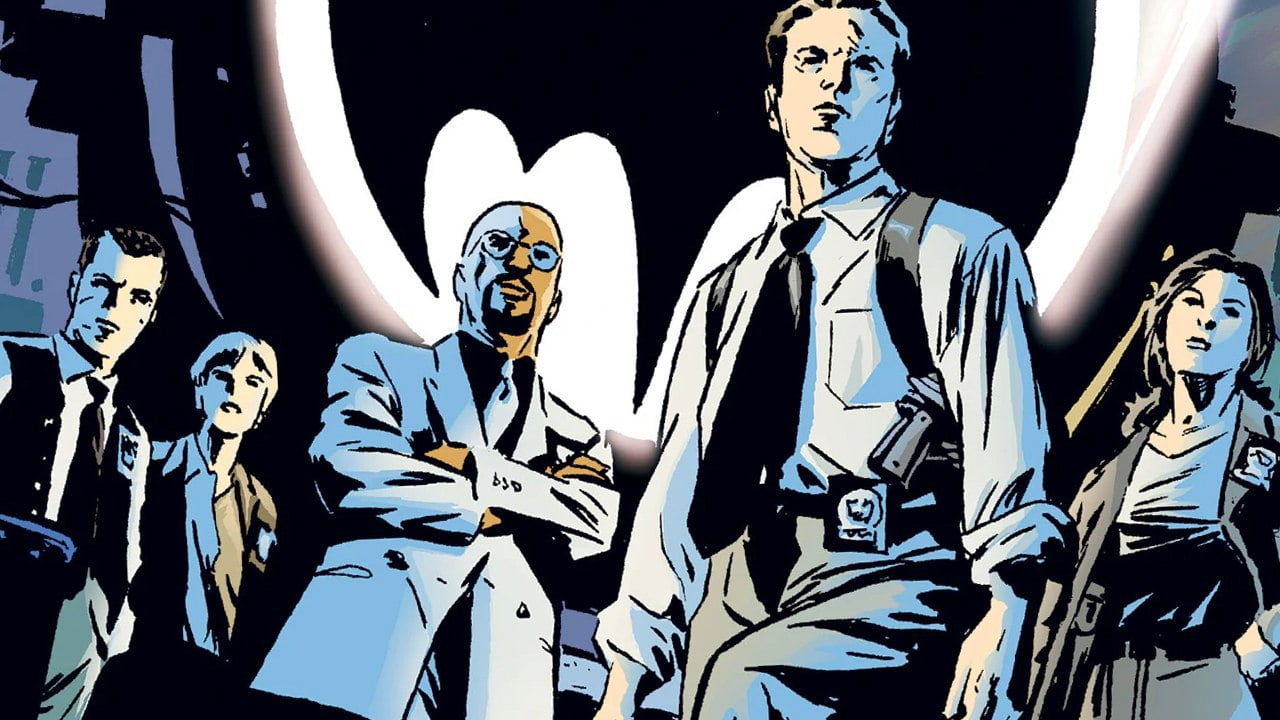
    Series details are currently under wraps and no casting has been made, it would seem obvious enough to have Jeffrey Wright reprise his role as Commissioner Gordon, who is set to make his debut next October when The Batman hits theaters. Many have compared the show to the Rucka/Brubaker ‘Gotham Central’ comic run that focused on the day to day of officers within the GCPD such as Marcus Driver, Renee Montoya, and Crispus Allen. It’s currently unknown if the series will draw inspiration from the comic but it wouldn’t be shocking to see that develop.

    According to a trade report,Reeves had this to say about the news: “This is an amazing opportunity, not only to expand the vision off the world I am creating in ‘The Batman’, but to explore it in the kind of depth and detail that only a long form format can afford.” With this news its obvious that Warner Brothers is going all in on Reeves’ Batman universe, and rightfully so. He obviously has the passion and drive to really build something great and the potential of this is unmatched. The sky is the limit with this new universe, to see a fully developed Gotham City, this offers so much for the future of The Batman movie franchise as well as more possible spin offs within this pocket of the DC multiverse.

    HBO Max is building quite the original DC content library and getting fantastic creative teams behind them, The GCPD centered show will join Green Lantern, Justice League Dark, and Strange Adventures while also adding Reeves to list of talent that’ll be developing this content like Geoff Johns, JJ Abrams, and Elizabeth Banks.

  • Murphy’s Law Podcast: Episode 56

    Murphy’s Law Podcast: Episode 56

    Episode 56 of Murphy’s Law is all about the latest batch of DC rumors, the future of Yelena Belova and some other tidbits from the week that was.

    It is ready for your ears here and now!

  • 10 “Fox” Characters Marvel Studios Can Turn Into Gold

    10 “Fox” Characters Marvel Studios Can Turn Into Gold

    With the acquisition of 21st Century Fox last year, Disney saw an already incredible stable of Marvel characters grow even more impressive. While we are all excited for Dr. Doom, Magneto, the Fantastic Four and the X-Men, there are hundreds of lesser known characters waiting in the wings for their first shot on the silver screen. Let’s take a look at 10 of them that could shine in the MCU.

    Blastaar

    Blastaar (Earth-TRN594) | Marvel Database | Fandom

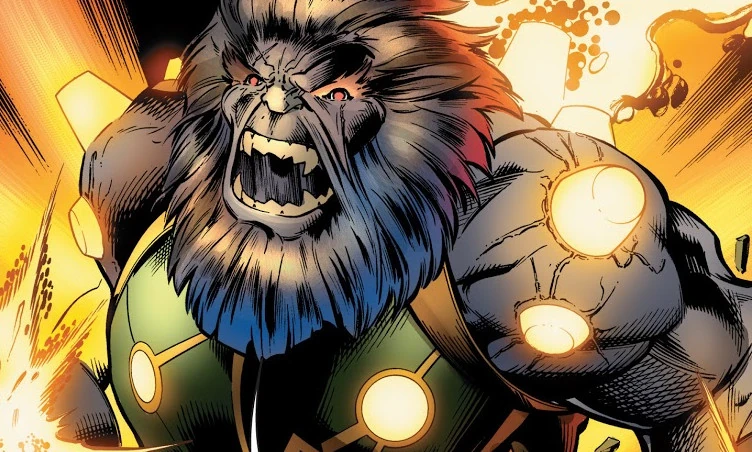
    When you think of the Negative Zone, it’s understandable that Annihilus comes to mind first. We’ll certainly see Annihilus and the Negative Zone at some point and, when we do, Blastaar had better be there, too. First appearing in Fantastic Four #62, the brutal Baluurian warlord has a ton of potential as a possible entry-level threat from the Negative Zone and an ongoing presence that presents himself as a thorn in the side of the Living Death that Walks (that’s Annihilus to you and me, kids). Blastaar saw a major resurgence beginning with 2006’s Annihilation and played a major role in some big cosmic stories over the next several years. The Living Bomb-Burst could be an MCU mainstay and help sell a lot of toys as well.

    Diablo


    Though he first appeared in Fantastic Four #30, Esteban Corazon de Ablo (get it, de Ablo/Diablo?!) is a character who could show up in any number of other properties and cause some chaos. Despite having been notoriously named by Stan Lee as the one character he regretted creating (Stan couldn’t remember why he even created him in the first place), the ancient alchemist could pop up just about anywhere throughout history and his history with the vampires of the Marvel Universe could make him an interesting choice when they come flying into the MCU. His true chance to shine, though, might be as part of Mephisto’s Legion Accursed or the Masters of Evil where he can team up with some other truly disturbed minds, some of which are found on this list as well.

    Dragon Man

    What can you say about Dragon Man that hasn’t already been said…honestly, quite a bit because I’m not sure too many people know he exists. Originally an android foe of the Fantastic Four after being manipulated by the aforementioned Diablo, Dragon Man’s recent reformation allowed him to be a part of the Future Foundation where he worked as a  guide the next generation of geniuses. He also served some time as the X-Men’s team mascot and developed a crush on Jean Grey, but it’s his newly formed relationship with the Richards’ children and their friends that could give him the chance to shine in the MCU.

    The Fallen One (and all the other Heralds of Galactus)

    Galactus and the Fallen One have come to destroy earth, Choose a ...

    As I’ve written in the past, for the Silver Surfer and Galactus to work in the MCU, they’re going to require a very different sort of introduction. Galactus deserves more than a one-off appearance and the Surfer could easily carry his own trilogy; the one character that could serves as the connective tissue between the two is The Fallen One, the first herald of Galactus. The Fallen One first appeared in 2004’s Thanos #11 ahead of a fairly large role in the Annihilation event and instantly changed everything we thought we knew about the Devourer. The Fallen One represent everything the Silver Surfer is not and his sprinkling in his story throughout the shared origin story of Galactus and the Surfer would plant the seed required for him to show up in a solo Surfer film alongside some of the other heralds. If you’ve read my Nova features, you already know how heralds like Air-Walker and Firelord could find their way into the MCU but if we’re going to go the route of working through a few heralds, we better see Terrax show up as well.

    H.E.R.B.I.E.

    The Fantastic Four should have their little robot sidekick ...

    The biggest no brainer on the list is H.E.R.B.I.E. Reed Richards’ Humanoid Experimental Robot, B-type, Integrated Electronics (that’s worse than S.H.I.E.L.D., right?) first appeared in the 1978 animated The Fantastic Four as a replacement for Johnny Storm before making his way into the comics the following year. Originally a sleeper agent for some ridiculous evil forces, H.E.R.B.I.E. eventually (on like his third or fourth or twentieth body) found his role in the Baxter Building. This one is all about two things: the comic relief of blowing him up and building him again (see C-3PO) and selling toys. There’s a chance we won’t see H.E.R.B.I.E. when the First Family lands in the MCU, but I wouldn’t bet against the little guy, especially not if we see a Future Foundation streaming series on Disney Plus.

    The Mad Thinker (and Awesome Andy!)

    The Mad Thinker’s fascination with probability, his 99.9% recall rate and his mechanical genius make him an interesting yet overmatched foe of the Fantastic Four. Like others on the list, he’s more well-suited to teaming up (hello Puppet Master or maybe a different version of the Frightful Four) than trying to take anyone one individually and there’s a good chance that if we do see him, it would be in that way. I’m actually more excited about seeing The Awesome Android than I am the Mad Thinker and, for that reason, have been curious about him potentially teaming up with someone like Thundra and showing up in She-Hulk where Awesome Andy could really shine!

    The Puppet Master

    5 Things Marvel Needs For Its Fantastic Four Movie More Than John ...

    At first glance, Phillip Masters doesn’t seem like the kind of villain worthy of making his way into the MCU because the idea behind his bad guy powers really isn’t going to translate into something worth seeing on the big screen. Despite all that, I think it’s possible he shows up and not just as the father of the love of Ben Grimm’s life, Alicia Masters. Marvel Studios plans for the Fantastic Four remain totally hidden from view, but with Disney Plus now able to serve up exciting, high quality projects that add to the depth of the worlds these characters inhabit, the Puppet Master would be an excellent antagonist for Dragon Man and the Future Foundation in a limited, streaming series.

    The Red Ghost

    Red Ghost - Marvel Comics - Fantastic Four foe - Ivan Kragoff ...

    As much as I would love to see Ivan Kragoff’s Super-Apes on screen, it’s hardly that aspect of the character that could easily allow him into the MCU. Sure, he’s associated with the Fantastic Four, but it’s Ed Brubaker’s The Winter Soldier that could open the door for the Russian mad scientist. Kragoff’s work brainwashing sleeper agents for Department X could really come in handy with Yelena Belova set to take over the mantle of Black Widow in the MCU. Krafoff is exactly the type of character Marvel Studios could retool and give purpose, maybe working for AIM or with the Thunderbolts.

    Thundra

    If the rumors about the Squadron Supreme appearing in the Loki streaming series are true, then there’s a path to the MCU for Thundra. Her traditional origins as a time traveler probably don’t work out very well, but there’s no reason she can’t be a multiversal character who ends up in the present day MCU at some point. Of course they could totally redo her origins and introduce her in The Falcon and The Winter Soldier as a member of the Grapplers. It’s almost like stunt actor Vanessa Cater would be just right in the role…

    Wyatt Wingfoot

    Wyatt Wingfoot - Alchetron, The Free Social Encyclopedia

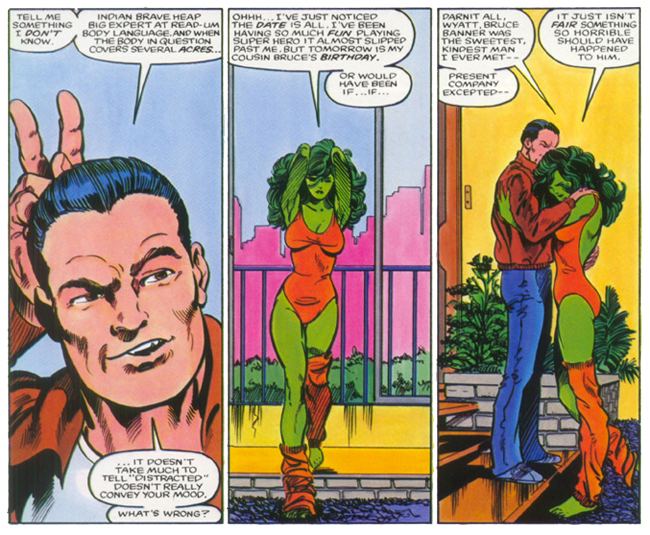
    The college roomie and good buddy of Johnny Storm, Wyatt Wingfoot walked away from his destiny as chief of the Keewazi tribe to chose a life of adventure with the Fantastic Four. During that time, Wingfoot began a relationship with Jen Walters that would continue on and off for decades. Wyatt would work well as a window to the craziness that the Fantastic Four experience day to day, allowing us to see their adventures through someone without their incredible powers.

  • 12 Comic Writers Who Influenced The MCU’s First 10 Years

    12 Comic Writers Who Influenced The MCU’s First 10 Years

    Before all the craziness that is now the MCU, there were comics. Colorful panels, onomatopeic action, word balloons, and mesmerizing storytelling captivated the imagination of fans long before the MCU was even an idea. Kevin Feige has often discussed his reverence for the medium and how it shaped his career. Today, we take a look at the most important figures in comics who helped turn the first 10 years of the MCU into what it is.

    STAN LEE


    You can’t have a discussion about the impact of the comic medium into the modern zeitgeist without talking about Stan Lee. The comic industry’s poster boy and #1 salesman is undoubtedly the biggest influence of the MCU. As co-creator of Spider-Man, Avengers, Fantastic Four, X-Men, Doctor Strange, and the like, we wouldn’t have the MCU if it weren’t for him.

    Stan dedicated his life to championing his creations and the medium in an effort to get the non-comic reading public to appreciate and respect the art form. Stan wanted his creations to be on the big screen, where everyone could see his creations for what they were, art. Even when no one wanted anything to do with comics, Stan lived his life for them. 

    But Stan’s influence extends beyond the mere fact that he conjured these characters in his head. He wrote these stories to illuminate the problems of the world. He created Spider-Man to give the youths of the 60s someone who wasn’t a sidekick to look up to. He created Iron Man to illustrate the perils of war profiteering. The X-Men came to be because Stan couldn’t stand bigotry against the different. The MCU has never failed to echo these themes.

    JACK KIRBY 


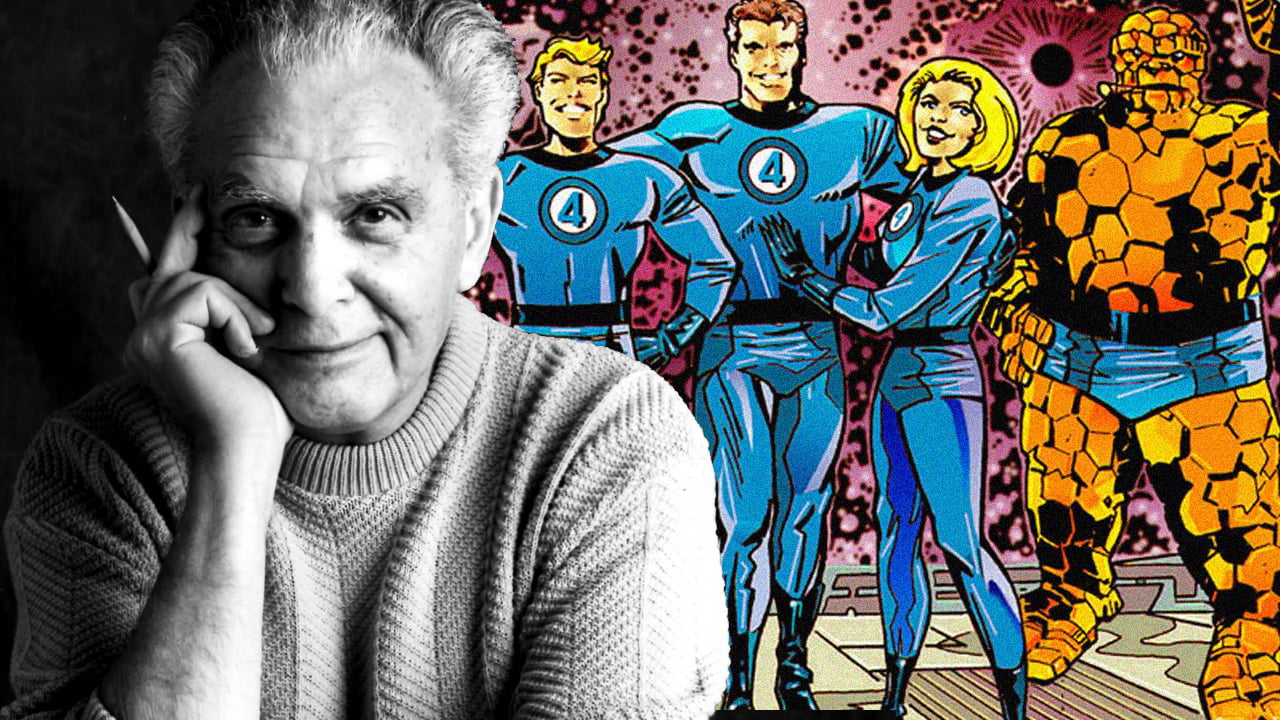
    Jack Kirby is the other half of Stan Lee’s success. Responsible for bringing Stan Lee‘s ideas to life on the page, Jack Kirby is considered a god among comic creators. Captain America, the Hulk, Thor, the Inhumans, Ant-Man, Nick Fury, Quicksilver and Scarlet Witch are but a few of the characters Kirby helped create, all of whom feature prominently within the MCU. He pioneered plotting techniques never before seen and drew with a style unlike any comic book artist before. It was his artistic direction, along with Stan Lee‘s editorial brilliance, that defined an entire era of comics. 

    Unsurprisingly, Jack Kirby’s influence in the MCU can be seen through its visuals and design. Thor: Ragnarok prominently featured Kirby-esque production design, from the backdrop to the actual props. Kirby always had a penchant for grandiosity and excess and it’s none more evident in the Sakaar set. The production designers of Black Panther had Kirby’s classic designs to base their Oscar-winning afro-futurist designs on. Kirby also inspired the creation of Thanos when he created Darkseid for DC. 

    STEVE DITKO


    Steve Ditko may not have a legacy as expansive as Jack Kirby but his two of his most famous comic creations, Spider-Man and Doctor Strange, speak to how this recluse of a man changed pop culture. 

    The origins of how Spider-Man was conceptualized is often contested but the common tale told is that Stan Lee came up with the name and concept but it was Ditko who breathed the iconic visuals associated with Spidey. A lot of comic historians also attribute much of Spidey’s depth and characterization to Ditko. What began as an artist’s stint in a comic soon turned into a diary for Ditko’s own personal angst. Ditko took the reigns of storytelling and elevated Spider-Man into a book that young adults could appreciate. The rest is history, and the character has become an inspiration worldwide. 

    In addition to his work on Spider-Man, Ditko also broke ground with his trippy visuals for Doctor Strange. The book came at a – pun intended – strange time in the 60s when the counterculture was beginning to experiment with recreational drugs. As the kids started tripping out on LSD, so did Stephen Strange and his bizarre adventures into the mystical realm. Doctor Strange became a smash hit among college kids. And without Ditko’s out-of-this-world take on the visuals, we probably wouldn’t have gotten the same smash movie. 

    ROY THOMAS


    Only a handful of writers have lived up to the legacy and impact of Stan Lee and Roy Thomas is easily one of them. As the figurative heir to Stan Lee’s kingdom, Thomas was given the keys to the Marvel Universe as soon as Stan’s tenure as editor-in-chief ended. He created a new generation of icons with Wolverine, Carol Danvers, Vision, Ultron, Adam Warlock, Ghost Rider, Black Knight, among many, many others. It goes without saying how many of his creations have made its way onto the big screen.  In addition to his characters, Thomas also penned such events like the Kree-Skrull War, the early Ragnarok stories for Thor, and the monumental debut of the Vision, all of which have informed the direction of the MCU.  

    BRIAN MICHAEL BENDIS


    Even if you’ve been remotely aware of the happenings of the comic industry of the past decade, you’ve probably heard or seen the name, Brian Michael Bendis. He’s arguably one of the medium’s most popular writers and a lot of his work is evident in the first 10 years of the MCU. Heck, he also helped shape the MCU as he was part of the original Marvel Creative Committee. 

    Alongside Mark Millar, Bendis helped launch the Ultimate Marvel imprint with Marvel’s undisputed bestseller of the time, Ultimate Spider-Man. He took Stan Lee’s evergreen blueprint of the character and took it to the next level, reimagining Peter’s life as a modern-day kid living in Queens, having to deal with the ever-changing superhero landscape. The comic ran for more than 10 years and capped off at a whopping 240 issues. 

    Parallel to his work with Ultimate Spider-Man, Bendis also had a run of Daredevil that by all means, followed and lived up to Frank Miller’s legendary run in the 80s. Bendis revitalized the bleak tone of Miller’s classic run and dove deep into crime fiction trappings. Bendis’ Daredevil was one of the primary inspirations of the Daredevil Netflix show. 

    In addition to these mammoth achievements, Bendis upended the Marvel status quo on a yearly basis. He had Scarlet Witch kill and disband the Avengers, had 98% of mutants eradicated in House of M, made Spider-Man, Spider-Woman, Wolverine and Luke Cage into full-fledged Avengers, turned Norman Osborn into a major Marvel big bad with Dark Reign, and orchestrated a secret Skrull Invasion among the countless stories he wrote. Bendis also created day modern-day Marvel staples with Maria Hill, Jessica Jones, and Miles Morales.

    MARK MILLAR


    If Stan Lee built the thematic foundation of the MCU, Mark Millar is the guy the MCU owes for its conceptual foundation. In the early 2000s, Marvel needed a fresh modern start so they published a new canon of comics under their Ultimate Marvel imprint. Their mantra was to envision the Marvel universe with post-modern and grounded lenses. Mark Millar’s Ultimates and the rest of the Ultimate Marvel line gave us a glimpse at a world if it really had superheroes in it.  

    The Avengers were no longer mere superheroes in tights living in a mansion. They were a superpowered paramilitary response team mandated by the government to face-off against world-ending threats on a whim. They lived in a facility called the Triskelion and their leader was a black Nick Fury who resembled Sam Jackson. Sound familiar? 

    Millar questioned the notion of having powered individuals and politicized their place in the world. Themes of anti-American superhero sentiment and unaccounted collateral damage were prominently featured in the Ultimates and his biggest work, Civil War, the basis of the eponymous third Cap film.

    JIM STARLIN


    Jim Starlin is the GOAT when it comes to cosmic Marvel stories. He originally began as an artist for the company but soon transitioned into scripting when he was asked to co-plot an issue of Iron Man. In this issue, he created what would be become one of pop culture’s greatest villains, Thanos. 

    But back then, Thanos wasn’t the big villain we know him to be now. It wasn’t until Jim Starlin got a foothold in developing the cosmic Marvel universe that Thanos became the big bad. Slowly throughout the years, Starlin plotted out the origin of the Mad Titan, developed the character’s ethos, and branched him out to all corners of the galaxy. Starlin created characters like Gamora and Nebula to round off Thanos’ arc. 
    =”font-weight: 400;”>And then came this little story called Thanos Quest, a story about the Mad Titan’s search for the Infinity Stones. It was during this period where Starlin cemented Thanos as the biggest Marvel villain of the time. Infinity Gauntlet, Infinity War, and Infinity Crusade all came out shortly after Thanos Quest and pop culture was never the same.

    CHRISTOPHER PRIEST


    Christopher Priest is to Black Panther what Walt Simonson is to Thor. They’re the guys who completely changed the game for the characters by ushering them into an era of uncharted stories. For Priest, it was about modernizing the King of Wakanda for the 21st century. 

    For once, you had a writer that wrote T’Challa as an actual king and not just some superhero in tights. T’Challa had a kingdom and it was his kingdom to protect. The very first arc is about T’Challa investigating the death of a young girl connected to a Wakandan foundation. A huge defining moment in Priest’s run is when T’Challa admits to joining the Avengers for the sole reason of studying their weaknesses should they be deemed threats to Wakanda. Moments like these are aplenty in Priest’s run, where T’Challa stays true to his role as a head of state who lived and would die for his motherland. 

    But Priest’s run isn’t all about the badassery that comes with protecting a kingdom. Amidst the regality of it all, Priest managed to get to the core of what makes T’Challa work: his humanity. The book is filled with heartfelt moments of vulnerability. T’Challa may be a king but he’s also a man who feels loneliness, loss, and the occasional helplessness. Priest managed to find a way to marry the human and regal aspects of T’Challa which paved the way for the comics’ massive acclaim. 

    Priest set the stage for successors like Reginald Hudlin, Jonathan Hickman, and eventually, Ryan Coogler. Without Priest, we may have ended up with a completely different Black Panther movie. Heck, we might not even have a Black Panther movie at all.

    KELLY SUE DECONNICK


    It ain’t always about the sheer volume of work that makes a writer great. Sometimes, all you need is that one groundbreaking piece of art and that’s what Kelly Sue DeConnick has. She doesn’t a huge array of Captain Marvel books to her name but she did happen to make the one that changed the character forever. She deserves the credit for turning Carol Danvers into the icon she is as she had the character, who up until that point was referred to as Ms. Marvel, assume the legendary mantle of Captain Marvel in 2012.

    The change was immense, sparking a resurgence for the character. Fans of Carol flocked together and branded themselves Carol Corps. The character suddenly became more of an A-list character than she ever was that in 2014, Kevin Feige announced plans to make a film based on DeConnick’s vision for the character. 

    The rest is history. 2019’s Captain Marvel was a smash-hit, becoming a household name the highest-grossing female-led comic book film with over a billion in earnings worldwide. In Avengers: Endgame, Carol swoops in and turns the tide of the battle in the epic finale against Thanos, basically making her the MVP of that sequence.

    DAN ABNETT AND ANDY LANNING


    I

    t’s not an easy task to take a pre-existing superhero team, completely change the lineup, and make it actually work. The Avengers, no matter how much they switch rosters, always revert to the classic Big Three line up one way or another. So what Dan Abnett and Andy Lanning did to the Guardians of the Galaxy back in 2008 was a masterful feat. 

    Out was the old team of Vance Astrovik and in was Star-Lord’s band of misfits. The comic propelled forgotten cosmic characters like Rocket Racoon, Drax, Groot, Phyla-Vell, and Adam Warlock back to the forefront of Marvel. From there, Abnett and Lanning cooked up the biggest cosmic stories of the era, which saw the Kree, Shiar, and Inhumans go against each other, and the resurgence of the Mad Titan, Thanos. 

    It’s hard to imagine the MCU without the influence of this writing duo.

    ED BRUBAKER


    Comic book deaths are a weird thing. Most of them feel pointless as they get eventually reversed at one point, rendering dramatic stakes practically nonexistent. Some deaths, however, remain unreserved to preserve the weight of the narrative like Uncle Ben. One of the characters who remained dead for decades was Bucky Barnes. That is until Ed Brubaker thought to bring him back to life as a brainwashed assassin nearly 40 years later. 

    In the Winter Soldier storyline, Ed Brubaker pretty much broke the mold of the Captain America story and gave the MCU a treasure trove of tonal inspiration. Brubaker treated stories about a guy dressed in a flag as a study in Cold War espionage and political thrillers. The Russos and Markus and McFeeley took notice of this and followed suit with their cinematic spin on the character. 

    Thanks to a foundation written by Ed Brubaker, Captain America is now one of the few ‘elevated’ comic book movie franchises out there now. 


    JOSS WHEDON


    Joss Whedon is on this list because of a technicality. Even though he hasn’t written a comic to directly inspire the MCU, he was foremost a comic writer before he got his hands on the Avengers. Whedon wrote the seminal Astonishing X-Men run in 2004 before moving on to the Runaways a couple of years later. 

    It’s hard to argue with how crucial Whedon was to the MCU when it was starting out. He had the damn near impossible task of bringing together six distinctly different character tones and personalities and he knocked it out of the park. The film cemented Kevin Feige’s notion of a shared cinematic universe as a reality and gave birth to a new generation of beloved blockbusters. 
  • Javicia Leslie is CW’s New Batwoman

    Javicia Leslie is CW’s New Batwoman

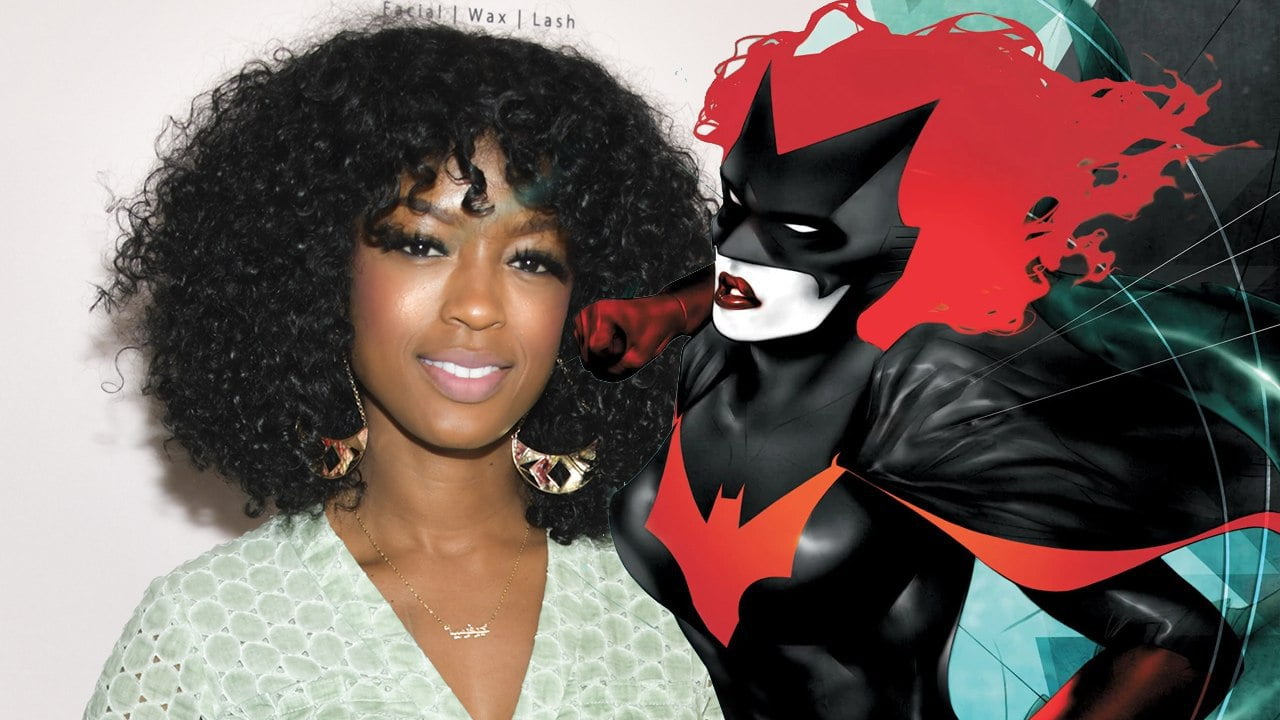
    Batwoman has found a new its new caped heroine in Javicia Leslie, the actress is set to make her debut in its upcoming sophomore season on the CW network. Leslie will replace previous lead Ruby Rose, who departed the show after its first season due to being unhappy with the long hours spent on set.

    Leslie will be portraying Ryan Wilder, a new and original character that is described as “likable, messy, a little goofy, and untamed” and apparently the complete opposite of Kane. This leaves the door open for Rose to at any point reprise the role for a guest appearance or two.

    It’ll be interesting to see how the show introduces Wilder; it has yet to be disclosed whether we’ll see this show move to another earth or if she will simply take up the mantle of Batwoman on earth-prime. Batwoman ended it first season earlier than planned due to the pandemic not allowing it to finish filming its last few episodes.

    According to a trade report, Leslie had this to say about the news “I am extremely proud to be the first Black actress to play the iconic role of Bawoman on television, and as a bisexual woman, I am honored to join this groundbreaking show which has been such a trailblazer for the LGBTQ+ community.”

  • ‘STARGIRL’ Review: Episode 1.07, “Shiv: Part 1”

    ‘STARGIRL’ Review: Episode 1.07, “Shiv: Part 1”

    Stargirl season 1 has spent its previous episodes really establishing the characters and the antagonist they’ll be facing throughout the rest of the season and it’s something they’ve done quite flawlessly. I found myself craving another episode after finishing each and trying to savor them as they released. Now that we’ve got most of the setup out of the way, it’s time to finish what they came to Blue Valley to do. As the story begins to develop further and we witness the dawn of the new JSA, other foes will rise and “Shiv: Part 1” does a great job of setting up Cindy Burman as the sinister Shiv, daughter of the Dragon King.

    Beginning with the JSA’s first official training session, Courtney’s impulsiveness rears its ugly head as she makes the whole session about her, irritating her teammates and Pat. Courtney’s impulsiveness is something that’s followed her since the first episode: from running off with the Cosmic Staff, to looting the old JSA headquarters to begin her recruitment process, her lack of self-control is becoming her one her biggest foes, but not as much of a threat as Cindy Burman is becoming. Since episode one, Cindy has been the resident “Mean Girl” at Blue Valley High and is now taking it even one step further. Cindy’s relationship with her father had become strained ever since the death of her mother, now she wants her spot on the ISA, but her father does not believe she is ready stating that he only gave her abilities so she would be able to protect herself.

    The blended family dynamic at Courtney’s house is working great as Courtney and Pat’s constant back and forth is helping the two understand each other and work better as a team and Mike’s rising jealousy between the two getting closer feels incredibly natural.. To see where they’ve come since the first episode this fast and this well-done bodes well for the future of the show as the writing just gets stronger as the relationships and rivalries do as well. The choreography is another thing to behold, the fight between Shiv and Stargirl in the gym was amazing, reminiscent of the fight between the Stargirl and Sportsmaster.

    Stargirl is a strong contender for being one of the best DC shows. The atmosphere is charming, yet threatening, and the progression of the characters and the story is elegantly done, along with the mystery of the Janitor who may know more about Blue Valley, and Arthurian Legend, then he is letting on.