Blog

  • ‘The Last of Us’ Showrunner Reveals Original Idea For Opening Sequence

    ‘The Last of Us’ Showrunner Reveals Original Idea For Opening Sequence

    *SPOILERS*

    The latest episode of HBO’s The Last of Us featured a heartbreaking love story between Nick Offerman’s Bill and Murray Bartlett’s Frank, a couple living alone in a small town outside of Boston. While these characters did exist in the original game, their television counterparts differed significantly from what fans might have been expecting. Where players were able to interact and fight alongside Bill on the PlayStation, the series has the noted survivalist dying peacefully beside his love before the show’s protagonists are ever able to reach him. Despite this variation, however, the episode does end with a nod to a classic element from the first game.

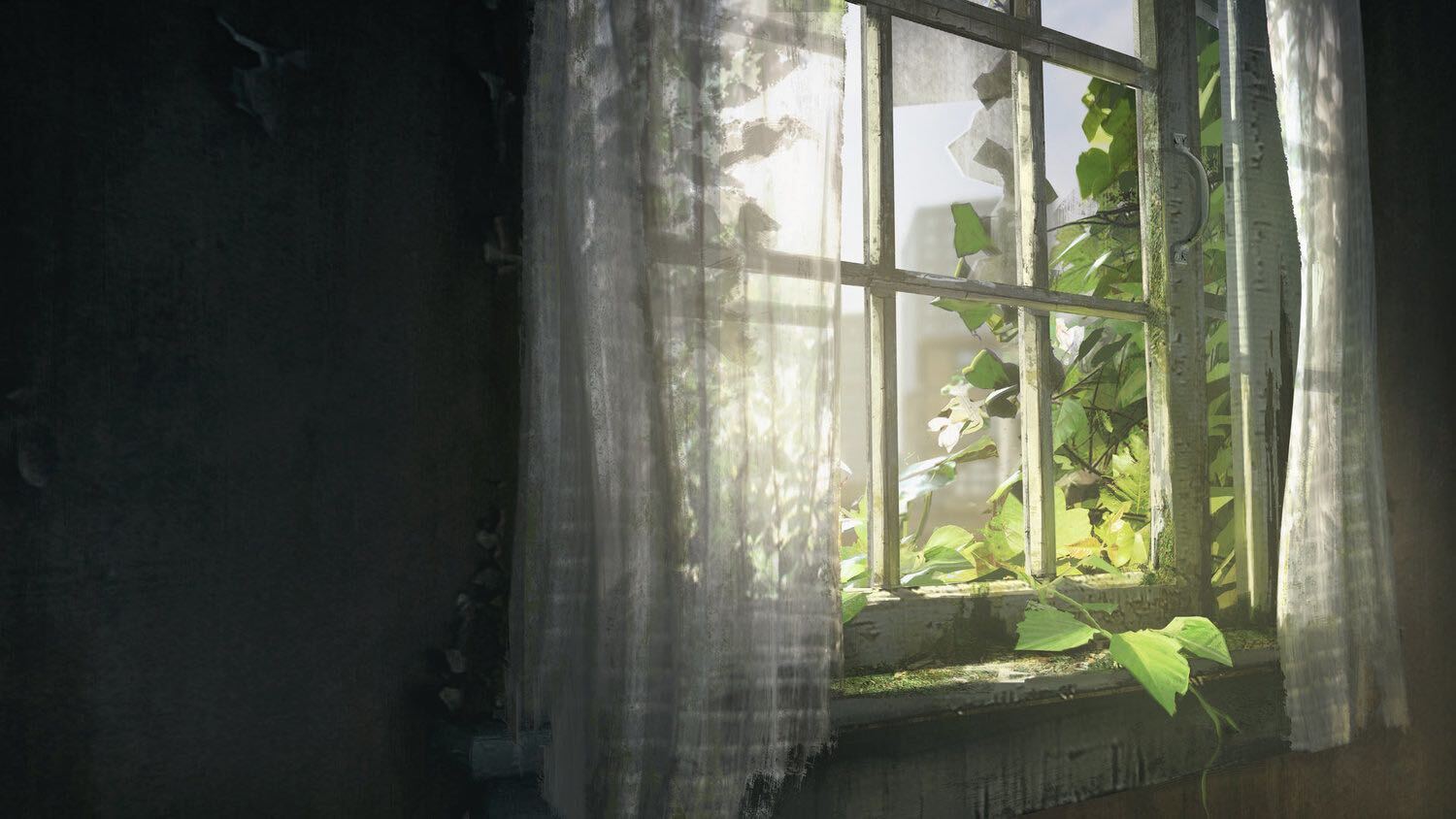
    As Pedro Pascal’s Joel and Bella Ramsey’s Ellie drive away from Bill and Frank’s residence, the camera pans to a familiar shot of the home’s open bedroom window. In the video game, players are treated to a similar image of an open window each time they put in their disc, with the shot acting as the backdrop to the game’s menu screen. In this week’s installment of the official The Last of Us Podcast, showrunner Craig Mazin revealed this was entirely intentional and was originally part of a bigger idea to incorporate the famed window shot as part of the show’s opening sequence:

    We had this idea that we were gonna open every episode with a window. So you know, like, when you’re watching on streaming and the intro comes along, the little button says ‘skip intro’? We were gonna change the words of ‘skip intro’ to ‘press play’.

    Craig Mazin

    He continued his explanation, noting that each episode would present its own unique version of the window concept for viewers to associate with the story:

    So you could sit there and look at this window as long as you wanted. Each episode would have a different window reflecting a different circumstance in that episode, then you’d press play, and the episode would begin.

    Craig Mazin

    Obviously, this didn’t end up making the final cut, but Mazin claims the idea made it as far as filming, and that the team was even able to use the third episode’s window for the end of Long Long Time:

    Well, as many windows as we filmed, it just never really made sense… It just never came together, but the plus side of the misfire there was that we did have this ending, which we loved. And it is a chance to give fans, who have experienced what I’ve experienced as a player, that feeling of the open window and the sense of both promise and loss that it implies.

    Craig Mazin

    The Last of Us is currently airing Sunday nights on HBO.

    Source: The Last of Us Podcast
  • Bill Skarsgård on the Threat He Provides as the Villain of ‘John Wick 4’

    Bill Skarsgård on the Threat He Provides as the Villain of ‘John Wick 4’

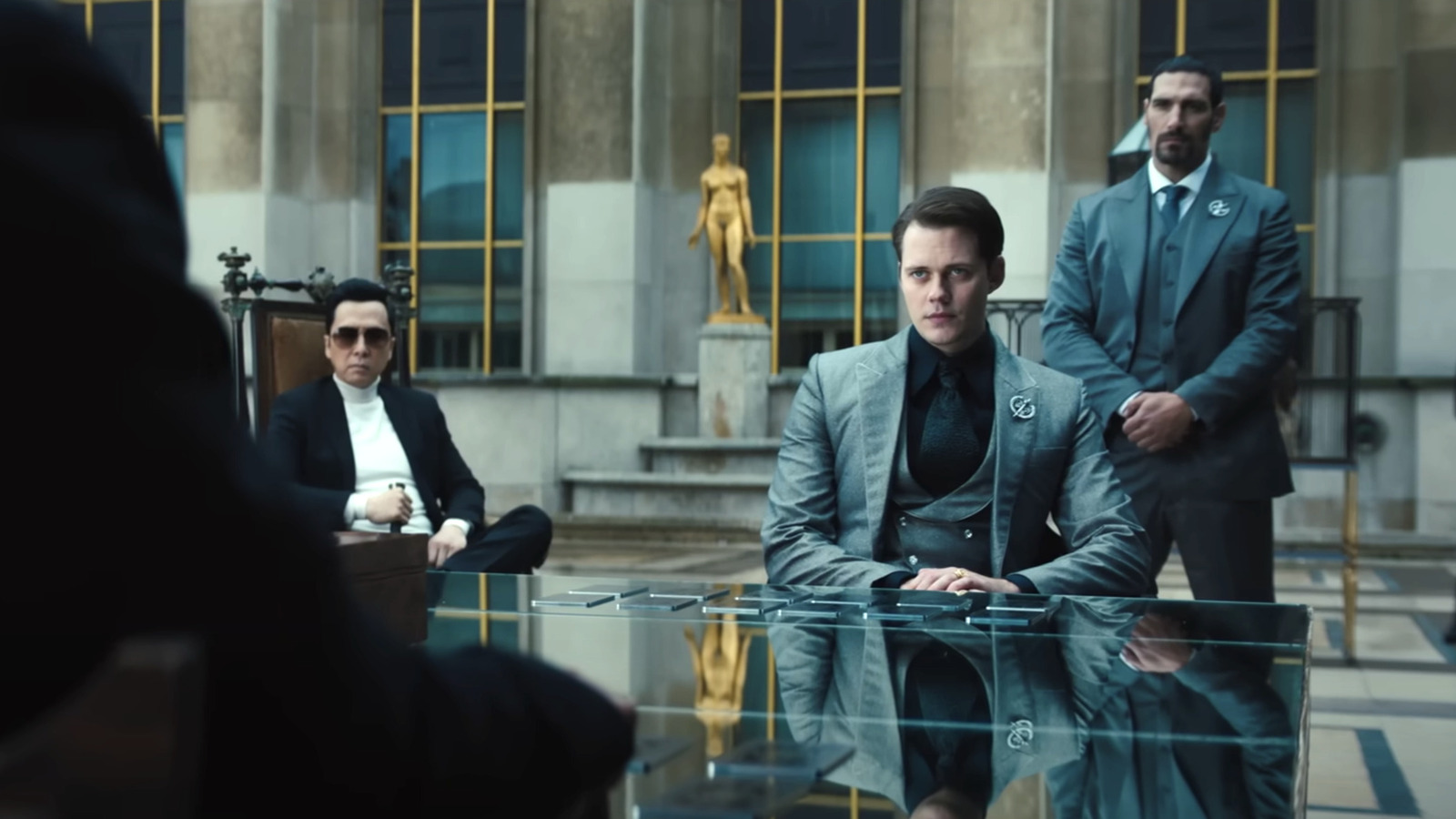
    John Wick’s war against the High Table is set to explode this Spring in John Wick 4. After swearing fealty to the Elder in Parabllum, Wick reneged on his oath when he refused to kill Winston. Now injured and on the run, Wick will have a menacing new villain, Marquis de Gramont, on his heels.

    Bill Skarsgård will bring the “viciously ambitious” Marquis to life and while he may not seem like a match for Baba Yaga, Skarsgård’s character will pose a unique threat to Wick.

    The Marquis is a young man of unknown origin who has quickly climbed the ladder within the High Table doing god knows what“, says Skarsgård of his villainous new character. “I always saw him as someone from the gutter that now savors the glittery suits he’s wearing,” he added.

    As for the threat he poses to one of the world’s most dangerous assassins, Skarsgård’s Marquis manipulates the “bureaucratic evils” of the High Table to gain leverage over Wick…and attempt to get end his run.

    He functions as the new sheriff set out to rid the world of John Wick once and for all. John’s getting old and tired, the Marquis is offering him a way out. To be the one who finally kills the Baba Yaga would secure his status and power within the High Table.

    Bill Skarsgård

    Of course, The Marquis won’t be the first person trying to make a name for himself by taking out Wick; however, the question fans need to ask is if he will be the last.

    John Wick 4 hits theaters March 24th.

    Source: Total Film

  • DC Studios Reboot to Focus Heavily on Younger Actors

    DC Studios Reboot to Focus Heavily on Younger Actors

    With James Gunn in the process of relaunching the DC Universe for the big screen, many have wondered what specific direction the filmmaker will take for this world of superheroes. In an interview with Insider, Dave Bautista confirmed he won’t be playing the role of Batman villain Bane in the new universe because Gunn is looking to start a youth movement. This shouldn’t come as a surprise based on how early Gunn is with developing anything for his cinematic vision. Though the star actor further elaborated on why he won’t be in the role, which establishes a key conceit for Gunn’s master plan.

    I have had conversations with James about that, but I think the direction he’s leaning in, completely rebooting that whole universe, he’s starting from scratch and starting younger and fresher and I think you need to do that. I think for the DC Universe to be revived, you need to start from scratch, and I think you need to start with younger actors. You need to start to plan for the next 15 years, and I just don’t think you can do that with me.

    Dave Bautista

    The notion of using young actors for key roles shouldn’t come as a surprise. It’s a logical decision that seemingly guarantees the ability to have a long-term narrative plan for the DC Universe. Gunn would be borrowing from how the Marvel Cinematic Universe developed and still maintains itself as the strongest film franchise currently running. Having a long-term plan will help DC move past the issues that have plagued Warner Bros for the past decade, and will allow for fruitful culminations in the long term.

    Gunn‘s ability to successfully craft a long-term cinematic universe may ultimately make or break DC’s place in the superhero movie industry. If Gunn nails it, the age of superheroes on the big screen will expand even further into the 21st century.

    Source: Insider

  • ‘Constantine 2’: How Keanu Reeves Led the Charge for the Sequel

    ‘Constantine 2’: How Keanu Reeves Led the Charge for the Sequel

    Fans of 2005’s Constantine have eagerly awaited a sequel and now the resurgence of Keanu Reeves as John Constantine is finally underway, with Francis Lawrence back as director. Reeves expressed his love for the character and eagerness to collaborate with Lawrence again.

    I don’t know if it was unfinished business but it was definitely a role that I loved. And I thought that Francis Lawrence, the director, did such amazing work. I loved playing that character, and I really enjoyed the film. I was like, [adopts Oliver Twist voice] ‘Can I please have some more?

    Keanu Reeves

    In a recent interview with Total Film magazine, Reeves spoke of his excitement for the upcoming project, though he remains cautious and aware of the unpredictable nature of the industry. Despite initial criticism from hardcore comic fans, Constantine has earned a strong following, attaining a 72% audience rating on Rotten Tomatoes, and was a financial success, generating a global box office total of $250 million on a $100 million budget.

    The announcement of Constantine 2 was one of the first by Warner Bros. Discovery in 2022. However, prior plans for a slate of HBO Max original projects featuring “dark” DC characters were canceled following the merger. Regardless, Reeves sees this as a new opportunity to bring the character back to life in a new and exciting manner.

    It’s exciting. It’s almost like an open playground that we can hopefully cook something up and play in, and I guess get out of the playground and prepare a meal… But I’m looking forward to it, and hopefully it can happen. You don’t know how these things go. But I’m definitely going to try my darndest to try and realize that dream.

    – Keanu Reeves

    Though Reeves himself isn’t sure if the film will be made, fans eagerly await the return of the beloved actor as John Constantine and to see what the future holds for this beloved character.

    Source: Total Film

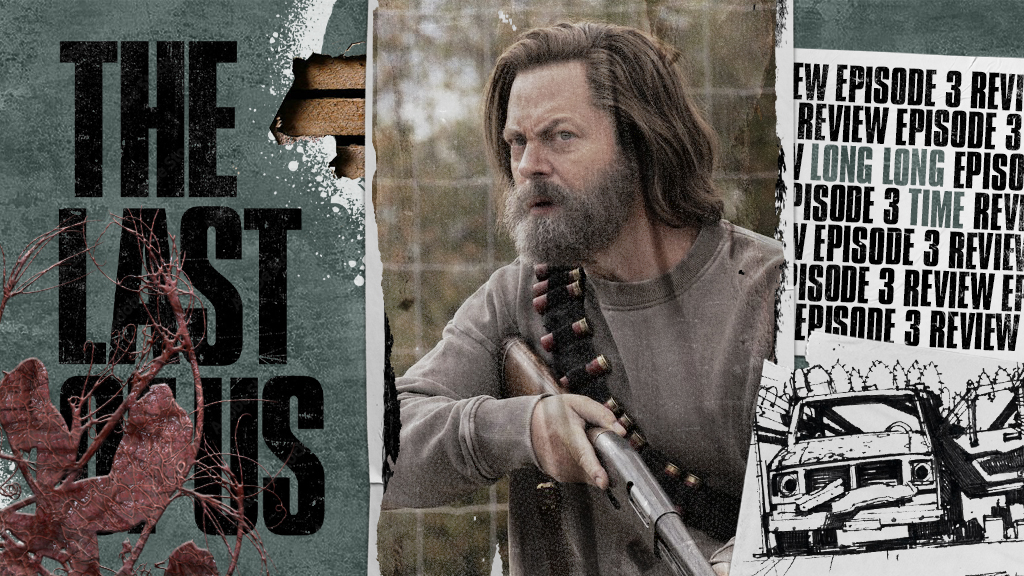
  • REVIEW: ‘The Last of Us’ Third Episode Gives Us Bill & Frank’s Excellent Adventure

    REVIEW: ‘The Last of Us’ Third Episode Gives Us Bill & Frank’s Excellent Adventure

    *SPOILERS*

    The Last of Us is, first and foremost, a love story. HBO’s adaptation of Naughty Dog’s video game classic is ultimately a tale of finding purpose through devotion, and eventually, dealing with the grief that comes with it. In Long Long Time, the series’ latest episode, this concept is bottled into a mostly self-contained narrative about Nick Offerman‘s gruff doomsday prepper Bill and his music-loving romantic partner Frank, played by The White LotusMurray Bartlett. It’s an incredibly beautiful, sentimental hour of television, perhaps one of the best in recent memory, that leaves a truly indelible mark on the franchise and everything it stands for.

    For those that are not familiar with The Last of Us outside of the show, let it be known that Long Long Time is the first episode of the series to deviate immensely from the original source material. In the game, Joel and Ellie come upon “Bill’s Town” to find its titular resident living alone in a bitter state of self-preservation. Frank is mentioned, but never seen, as Bill’s former survival partner who moved elsewhere after a major falling out, and the game’s protagonists are forced to work with Bill alone to infiltrate a Clicker-infested high school on the other side of town for important truck parts. It’s only after this that the player discovers Frank’s decaying corpse, a note left behind revealing he was infected and consequently committed suicide, taking a lasting hatred for Bill with him to the very end.

    This works well in the game as a means of communicating to the player what danger lies in refusing to make a human connection. Through interacting with a broken Bill, and seeing what has become of his life and the town he lives in, both the player and the game’s characters begin to value companionship just a little bit more. In the way a video game functions, there is no chance for the story to flesh out Bill and Frank’s relationship further. It has to be something the player, as well as Joel and Ellie, stumble upon in the midst of gameplay. With a series, however, the creatives are not confined by the restrictions of player-controlled storytelling. They have a unique opportunity to explore the full history between lovers Bill and Frank, and in taking it, they subvert every expectation the viewer has going into the episode.

    Long Long Time is, at face value, a heartbreaking short story for The Last of Us newcomers to digest. Much will be said about its arresting nature, and rightfully so. Yet, it’s the way the episode fits into the larger narrative that’s truly striking, especially to someone who appreciates the grand scheme of character development. At first, Long Long Time seems to be a diversion from the main plotline, giving the audience a backstory for the next big name to join the show. Offerman had been advertised heavily as part of the series, and it’s intentionally made to seem like Frank will meet a tragic end to tie Bill’s arc in with the rest of the, admittedly, depressing project. However, once it becomes clear that Bill and Frank’s time together will instead end full of love and happiness before Joel or Ellie can even get to them, viewers are made to question what the idea behind the whole flashback was.

    The purpose for the entirety of Long Long Time, aside from the obvious, hits home not long after, and it’s absolutely brilliant. Although not literally, the episode – like the whole series – is still about Joel and Ellie. The Last of Us uses Bill and Frank’s story as an hour-long allegory for the show’s protagonists, and it all comes together as soon as Ellie reads Bill’s suicide note to Joel. Time exists to put the show’s leading duo on track and somehow manage to develop their own unique relationship in leaps and bounds without having them on screen for most of the runtime. On top of this, Time expertly toys with longtime fans’ preconceived notion of Bill as a resentful loner to draw them into its trap, and uses the shock of its eventual subversion to hammer home it’s point tenfold.

    Long Long Time does with its expansion of the Bill and Frank saga exactly what the game did with Joel and Ellie’s long trek through Bill’s Town and its high school, but it sends the message with far more grace and humanity. It reassures viewers that, even when HBO’s take on The Last of Us strays from what’s expected, it will get its characters where they need to be and maintain the spirit of the franchise while doing it. A masterful display of all the best storytelling techniques, and an exciting indicator of where the show can go next.

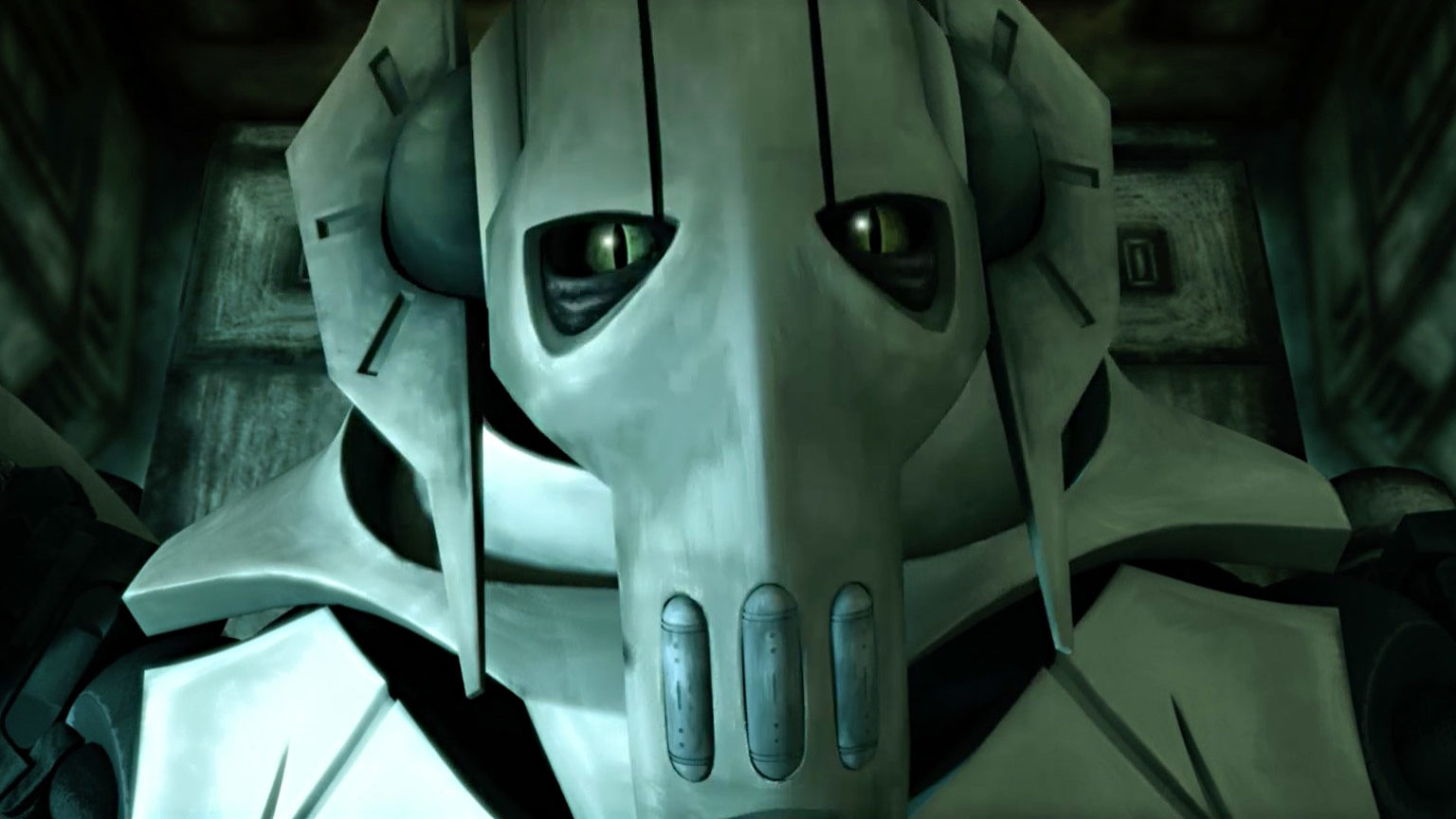
  • George Lucas Nearly Gave General Grievous a Very Different Origin

    George Lucas Nearly Gave General Grievous a Very Different Origin

    Over the course of the animated series Star Wars: The Clone Wars, an ongoing feud was established between Obi-Wan Kenobi and the cybernetic Separatist General Grievous. Star Wars fans will remember well how the feud ended but some interesting new comments from series’ writer Henry Gilroy indicate it could have started much differently.

    I’m an interview with /Film, Gilroy revealed that while crafting Grievous’ origins, Star Wars creator George Lucas initially considered giving him a much more personal connection to Kenobi.

    George was considering that Grievous was Maul behind the armor plate. It made sense. He’s cut in half, and he’s in this robot body or whatever. I’m glad that Grievous is his own thing anyway, but I thought it was interesting that the concept guys almost talked George into that

    Henry Gilroy

    Maul and Kenobi’s paths first crossed on Naboo where Kenobi and his Master, Qui-Gon Jinn, battled the Dathomirian Sith Lord. After Maul killed Jinn, Kenobi avenged his Master’s death by cutting the Sith in half, apparently ending his story. Obviously, Lucas went in an entirely different direction with Grievous instead, choosing to craft his origins from scratch which also allowed for the creators of The Clone Wars and Rebels to find a way to bring Maul back into canon. Maul’s rage and ongoing feud with Kenobi served as a recurring plot point in the animated series until the two dueled again. Though Kenobi won their rematch and killed Maul, the two reconciled in Maul’s final moments.

    While the idea of Grievous being Maul may have been compelling, choosing to go a different route proved to create not only a second, worthy antagonist for the franchise but also give Maul fascinatingly rich follow-up chapters to his own story, ultimately serving the franchise in the best possible way.

    Source: /Film

  • Jon Cryer Pitched a ‘Legion of Doom’ Arrowverse Spinoff Series

    Jon Cryer Pitched a ‘Legion of Doom’ Arrowverse Spinoff Series

    Jon Cryer may be famous for his time on Two and a Half Men, but he also gave us a memorable run as Lex Luthor in the Arrowverse series. He was first introduced in Supergirl before becoming a mainstay and a big part of its Crisis on Infinite Earths crossover series. In a surprise reveal, it seems like Cryer also wanted to lead his own series as he reveals in a tweet that he pitched a Legion of Doom spinoff series.

    While villain-focused projects are seldom, it’s kind of surprising that this never picked up any pace or even that CW wasn’t interested. Cryer was a household name and it would’ve stood out from the other projects in development. Though, it’s unclear if this may have happened around the time CW was already pulling back on its various projects especially with Superman and Lois moving away from the Arrowverse to tell its own story.

    Lex Luthor has become a popular addition to various projects, as we recently got Titus Welliver in the role of Titans and the recent casting of The Walking Dead star Michael Cudlitz in the role of Superman and Lois. We’ll also get a new version in the upcoming live-action Superman film in development from James Gunn, which will likely become the de facto version of the new DC Universe moving forward.

    Source: Twitter

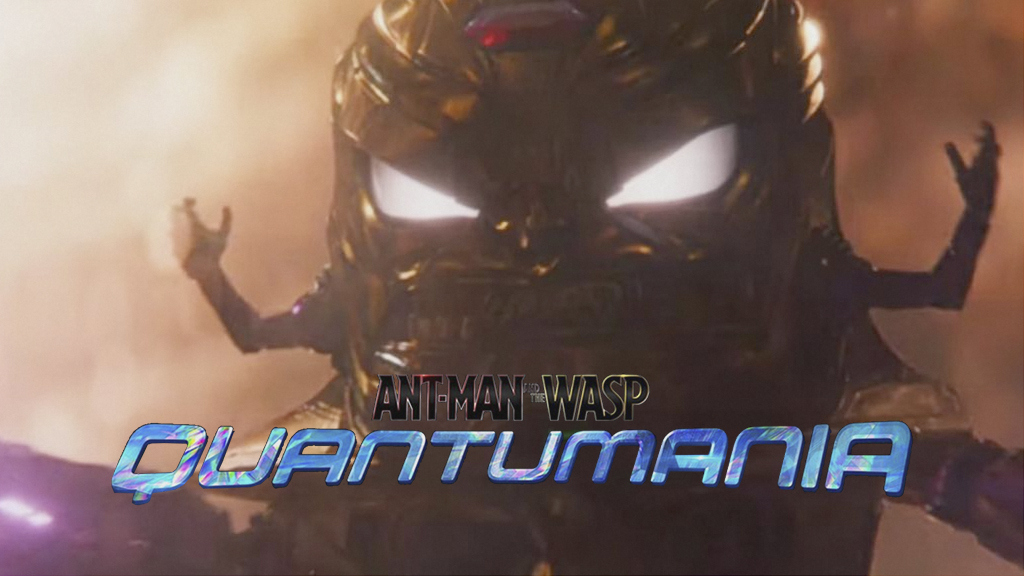
  • ‘Quantumania’ Writer Teases MODOK May Get Him Fired From ‘Avengers: The Kang Dynasty’

    ‘Quantumania’ Writer Teases MODOK May Get Him Fired From ‘Avengers: The Kang Dynasty’

    MODOK has been Ant-Man and the Wasp: Quantumania‘s worst secret, as early on we got quite a few teases and rumors that hinted at his involvement. It went even as far as to hint at who exactly is playing the character long before we got our first look at any footage from the Marvel sci-fi epic.

    In an interview with SFX Magazine, writer Jeff Loveness revealed that his work on MODOK may be his favorite of the entire film. That is saying a lot considering we’ll have the first real look at Jonathan Majors as the iconic Kang the Conqueror, the main antagonist of the entire Multiverse Saga moving forward. He also teases a “little bit of extra” that they added to the character that’ll be interesting.

    There is a little bit of extra we put into him. Maybe I’ll get fired off [Avengers: The Kang Dynasty] when people see it, but some of my favorite moments come from M.O.D.O.K. and the dynamics there.

    Jeff Loveness

    That sounds quite promising and MODOK has always been a fantastic ploy. The Hulu animated series showcased just how out-there the character can be and we’re about to see how he works in live-action. It’ll be funny though to see what exactly he added that makes Loveness think he’ll get fired off of his next film, Avengers: The Kang Dynasty.

    Source: SFX Magazine via Comic Book Resources

  • ‘Cowboy Bebop’ Creator Barely Got Thorugh the Opening of Netflix’s Live-Action Adaptation

    ‘Cowboy Bebop’ Creator Barely Got Thorugh the Opening of Netflix’s Live-Action Adaptation

    Cowboy Bebop is a much-beloved anime series for how it bent and twisted our understanding of the genre to fit its neo-noir episodic format. So, when Netflix announced it’ll attempt on bringing it into live-action, there was quite some concern early on. Not only was Netflix’s track record not the best with the controversial release of Death Note, but it also seems like one of those series that just won’t translate well into the media format.

    In 2021 we finally got the release of the live-action series starring John Cho, Mustafa Shakir, and Daniella Pineda in the roles of Spike Spiegel, Jet Black, and Faye Valentine. It did not catch the attention of viewers as much as Netflix may have hoped and stands at a 47% critical rating on Rotten Tomatoes, though it did get a more positive reception from viewers. Still, it seems not enough to watch it for it was swiftly canceled after teasing a second season.

    Interestingly enough, the series creator Shinichiro Watanabe was brought on as a creative consultant had many think that it may stay true to the spirit of the original. Yet, it seems that Watanabe may have had a consulting role but only received some footage to review and barely made it through the opening of the series which was an adaptation of the famous casino scene from the movie.

    For the new Netflix live-action adaptation, they sent me a video to review and check. It started with a scene in a casino, which made it very tough for me to continue. I stopped there and so only saw that opening scene. It was clearly not Cowboy Bebop and I realized at that point that if I wasn’t involved, it would not be Cowboy Bebop. I felt that maybe I should have done this. Although the value of the original anime is somehow far higher now.

    Shinichiro Watanabe

    This is quite surprising, as it raises the question of just how far his consulting job went as he states that he “wasn’t involved.” This is quite a curious reveal and stands in quite a contrast to how One Piece is currently being handled. While it’s unclear if this may have been a learning from that project, Eiichiro Oda is also very protective of how his beloved manga series is brought to life.

    Multiple times it has been pointed too that Oda has a very heavy involvement with the live-action adaptation with even some hints that they may actively be having him ensure that the spirit of his work remains alive. So, it’s a shame that a similar level of care hasn’t been done with Cowboy Bebop. Though it’s a shame that its talented cast couldn’t continue their work as there was still some potential to utilize this unique world and cast of characters in a new take.

    Source: Forbes, Twitter, Rotten Tomatoes

  • Marvel Studios Holds a “Post-Mortem” for Every MCU Project to Learn What Didn’t Work

    Marvel Studios Holds a “Post-Mortem” for Every MCU Project to Learn What Didn’t Work

    For a long time, there was an ongoing joke that Tony Stark would always learn a lesson from a previous film that would make a short appearance in a future project. One of the most notable was when Rhodey had his accident in Captain America: Civil War, he made sure that Spider-Man had a safety parachute in his suit during Spider-Man: Homecoming. It looks like that ongoing joke is something that Marvel Studios also lives by.

    Marvel Studios president Kevin Feige revealed in an interview with Movie Business Podcast that they hold “post-mortem on every project” to take away lessons from each project and it even was something that started back in the first Iron Man all the way back in 2008 but they wouldn’t receive their name until much later.

    We do a post-mortem on every project, or at least we try to, if we’re not too busy with the next project, to sit and discuss what went right and what went wrong. And I remember we started doing that, we were asked to do it for the first time on ‘Iron Man 1.’ And we call them ‘post-mortems’ now, at the time it was a ‘what went wrong’ meeting. We were asked to do a ‘what went wrong’ meeting for Iron Man. And I thought, ‘What went wrong? This movie’s a giant hit, it launched a whole studio? Why do we have to do a what went wrong meeting?

    There’s something funny about hearing the comment regarding the reaction to a “what went wrong meeting” given that this isn’t an unusual practice in other industries. Though, it highlights the importance of what Marvel Studios has accomplished throughout the last 10+ years of pushing this franchise forward: they always try to learn what worked and didn’t work. He also highlights they always want to “entertain first” with their projects.

    That’s a horrible way to put it, which is what I was reacting to. But it is actually great to sit and go, ‘Here’s what was done, here’s how we could have done it better.’ And we do that on every project. And I guess to distill it down of what lessons is learned is, entertain the audience [at every] turn. Frank Capra has a quote that our Co-President Louis D’esposito quotes often, which is basically distilled down to, entertain first.

    The Internet might have their own opinions on what works or doesn’t work for the Marvel Studios projects, as someone can be quite vocal. But, it’s reassuring to know that they take this seriously and try to take some lessons away from any project they work on, no matter how successful. It might also reflect on how they keep it moving forward and building towards its future.

    Going by many rumors and reports making the rounds, it seems they learned quite a bit from their pandemic era that consisted of Phase 4 and have adjusted accordingly going into their next phase of films and building towards the climax that is Avengers: Secret Wars and the end of the Multiverse Saga.

    Source: Movie Business Podcast via The Direct