Blog

  • ‘Ms. Marvel’ Post-Credit Scene Explained

    ‘Ms. Marvel’ Post-Credit Scene Explained

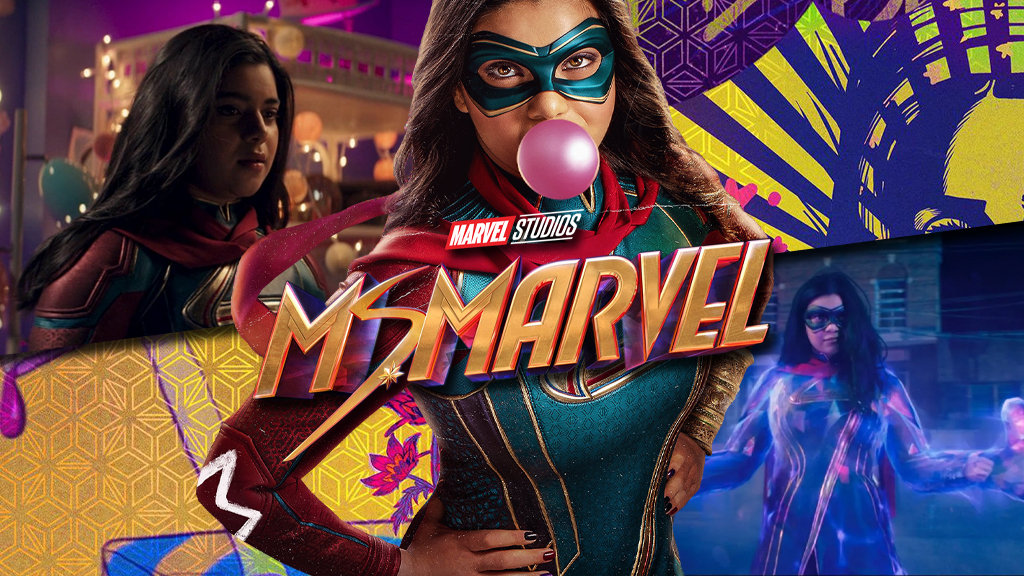
    Kamala Khan’s bangle has been front and center over the course of all six episodes of Ms. Marvel, but even after the series wrapped, the bangle’s story seemingly just got a lot more interesting. The shocking post-credit scene sees Kamala’s bangle take on a life of its own, apparently energizing on its own before mysteriously sucking Kamala away and leaving Carol Danvers in her place. While it all seems pretty confusing, turning to the comics can provide some understanding.

    As seen in the opening moment of Episode 3, “Destined”, the bangle worn by Kamala was originally taken from the arm of a blue being and is one of a pair of bands. Following Episode 3, it seemed pretty clear that the bangles were probably either the Quantum Bands or Nega-Bands from the pages of Marvel Comics. The events of the post-credit scene all but confirm that speculation as they showcase one of the capabilities associated with the Nega-Bands: the ability for the wearers to trade places with one another.

    In the comics the Nega-Bands were created by the Kree as replicas of the Quantum Bands and while they share similar powers, they aren’t exactly the same. Most importantly, the Quantum Bands draw their power from the Quantum Zone while the Nega-Bands draw their power from the Negative Zone. It seems incredibly likely that the MCU’s version of the bands are an amalgamation of the two. Able to create energy constructs like the Quantum Bands, they are also now capable of allowing people to swap places with one another, like the Nega-Bands, as seen in the post-credit scene.

    The swap seems to have been ripped straight from the pages of Marvel Comics where Kree hero Mar-Vell used the Nega-Bands to swap places with super-normie Rick Jones. Of interest to the process was that the swap always left one or the other of Mar-Vell or Jones trapped in the Negative Zone. Applying that comic book lesson to the events of the Ms. Marvel post-credit scene, it would appear that Carol makes the jump from either the already-established Quantum Realm or the soon-to-be-established-in-The-Marvels-Negative Zone. Whichever of those two places Marvel Studios chooses to call it, the implications are clear: when Carol jumped into Kamala’s room, Kamala jumped to wherever it was Carol was.

    It’s unclear if Carol was wearing what might have been the other band on her wrist (in the comics they haven’t always looked the same and have been reshaped over time), but it is clear that the bands will play a large role in the plot of next summer’s Captain Marvel sequel, The Marvels. Also of interest is how Kamala’s mutant genetics allow her access to the powers of the band. In the comics, the latent X-gene was implanted into early man’s DNA by Celestials, allowing for the possibility of super-powered evolution should they ever be activated. Given the alien nature of the bands, it’s possible they were created by the Celestials, or other Cosmic beings, and simply ended up on the arm of the deceased Kree seen in Episode 3.

    Whatever the nature and origin of the bands, they’ve changed Kamala Khan’s life forever and, much like the ten rings did to Shang-Chi, pushed her into a larger universe. It’s reasonable to assume that some of the first act of The Marvels will explain much more about the bands while resolving the issue of Kamala being trapped in another dimension. Fans will have to wait just over a year to find out more as The Marvels is currently set to hit theaters on July 28th, 2023.
  • First Look at Sylvie from the Set of ‘Loki’ Season 2

    First Look at Sylvie from the Set of ‘Loki’ Season 2

    When we last saw Sylvie in the season finale of Loki, she had just unleashed all manor of chaos by killing He Who Remains. By killing He Who Remains, the Laufeydottir allowed for uncontrolled expansion of the multiverse and for the possibility of Kang the Conquerer to come into power. Struck with the implications of what she’d done, Sylvie fell to the floor of the Citadel at the End of Time.

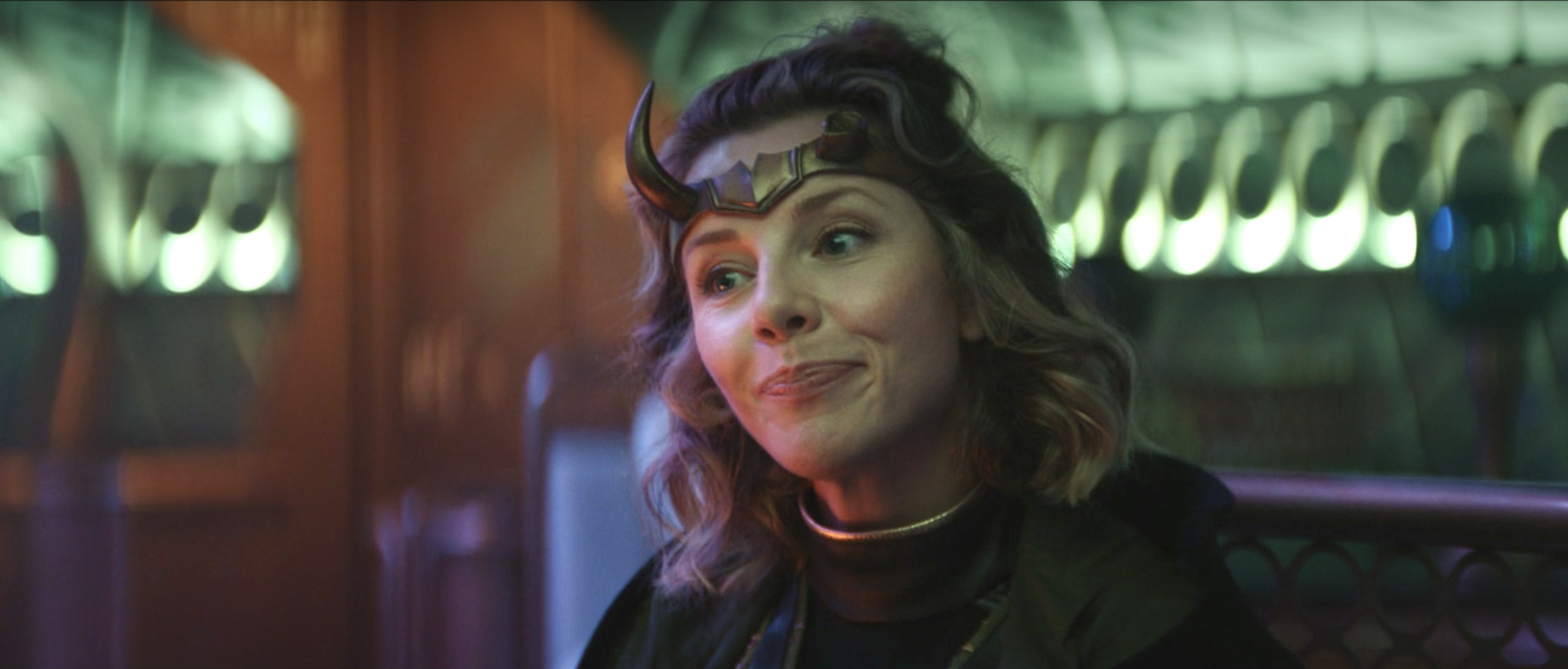
    With Season 2 of Loki now underway and set pics from the UK leaking out, it was only a matter of time before fans got a glimpse of what Sylvie has gotten up to since killing He Who Remains and, just as you’d expect, she went to McDonald’s. Set photos have hit Twitter that show Sophia Di Martino accompanied by Tom Hiddleston’s Loki leaving a McDonald’s in what appears to be the 1970s.

    Without context, the most interesting thing about the photos is certainly that Sylvie’s lunch seems to be in an era-accurate non-biodegradable container. This is the second set of set photos that seem to be set in the 70s, raising the question of what is so central to that decade that it will be the setting of at least one episode of the second season.

    Loki Season 2 is expected to hit Disney Plus sometime in 2023.

  • REVIEW: ‘Ms. Marvel’ Finale—”No Normal”

    REVIEW: ‘Ms. Marvel’ Finale—”No Normal”

    While the finales of Marvel Cinematic Universe series have generally struggled to stick the landing, the Ms. Marvel finale managed to do justice and provide closure to Kamala’s story while still setting up massive implications for the future of the MCU. It did gloss over most of the unanswered questions about Kamala’s powers, which is disappointing. Still, it seemed to “answer” them in one of the most exciting—and likely polarizing—ways possible.

    Kamala’s story in Ms. Marvel began as a relatively small-scale tale of a superhero fangirl in Jersey City. So much of the absolute charm of the early episodes of the series is centered around her family and friends in this context. The second act of the show brought forth her mysterious and eye-opening history that brought the show to new levels of depth and intrigue. While the penultimate episode left the status of her main adversary precarious, the finale skillfully but simply brought it back to where it all started—high school.

    Like any classic satisfying finale, the entire ensemble got involved in meaningful ways. The high school sequence with the Department of Damage Control was a warm reminder of the innocence and youth of the main hero and showed a glimpse of what “Ms. Marvel” could be as a hometown hero. Fans of Ms. Marvel comics will appreciate the subtle nods to the comics and the ways certain elements were rearranged in order to fit the live-action story. While much of Kamala’s reckoning with her friends and family after her reveal that she is the masked hero was too quick and smooth, it was likely the better route for the ending of such a short series. 

    Kamala finally got her “Ms. Marvel” moment(s) this episode as she donned her final costume, adopted her name, and took on her greatest challenge yet. Anyone familiar with her “embiggening” from the comics would be giddy to see the resemblance they gave her to her comic book counterpart in the finale. It was a mystery how Kamala would adopt “Ms. Marvel” as a mantle in live-action, but it was ultimately grounded in the name given to her by her parents, which nicely ties in the heavy family themes of the series into her superhero identity. 

    The main villain of the finale was set up in the post-credit scene of the first episode, though Damage Control did not play a particularly large role in the bulk of the series. So while the switch from the Clandestines back to the DODC as the adversaries is not seamless, there was enough Damage Control before the finale to require some resolution to that aspect. The organization represented a lot of Kamala’s ordinary-life struggles, so her overcoming the racist, xenophobic, and enhanced-individuals-hating villain makes the win fulfilling. The question of Damage Control still lingers, and the willingness to take the “bad apple” approach to the DODC calls into doubt how aggressive the future of that organization actually is. Similarly, Kamran ends the series in a surprising way as not quite a villain but with no real resolution.

    Of course, the moment of this finale that will gobsmack countless fans is Bruno’s reveal to Kamala that she has “a mutation” in her DNA. Considering the long-running debate over Marvel Studios not making Kamala an Inhuman, the fact that she may be the first confirmed mutant of the MCU is nothing light. It is too brief to draw any major conclusions from it yet. Are there others? How long have mutants been around? How does it actually play into her powers? It is all unclear. Part of the problem is, as mentioned, that the series declined to fully explain Kamala’s powers and ultimately left the Noor dimension a vague resource to draw from in lieu of Inhuman lore. In any event, the “mutation” drop was one exciting way to finish out the finale. Because it was mentioned so late, it did not affect, confuse, or overpower the rest of the story that came before it, and it without a doubt will keep eyes on Ms. Marvel going forward.

    Just as the mutant reveal sparked curiosity for the future of the character, the post-credit scene set up a predictable—but major—next step for Kamala. For whatever reason, Kamala’s bangle goes haywire and seemingly causes Carol Danvers and her to switch places, with Carol popping up in Kamala’s room. Brie Larson’s cameo is a fun, high-profile inclusion, but the fact that she and Kamala still never actually meet in the series leaves something wanting. Clearly, The Marvels will take on a huge role in exploring the next steps of Kamala’s story. Her powers are likely tied to something bigger that will play a role in that story. Even with that knowledge, the downside of Ms. Marvel was the eventual lack of answers on the mystery it created.

    Looking past all the implications of Kamala’s “mutation” and The Marvels tease, the finale did an expert job of tying the series in a bow with respect to Kamala’s origin as a Jersey City superhero. The transition between the threads being weaved in Episode 5 and the final episode is a tad choppy, but ultimately the right call. Ms. Marvel ends its tenure on arguably the best finale of any MCU series, and arguably as the best series itself. Iman Vellani and the rest of the stellar cast brought the charm and heart of the beloved character to the screen, and the show is one of the few to manage the 6-episode format in a satisfying and rewarding way.

  • ‘Ms. Marvel’: Major Finale Reveal Explained

    ‘Ms. Marvel’: Major Finale Reveal Explained

    Before audiences saw an episode of Marvel Studios’ Disney Plus streaming series Ms. Marvel, much had been made of the changes to the character from the comics that inspired the show. Sana Amanat, who co-created the character in the comics, moved to a position at Marvel Studios in order to shepherd Kalama Khan into the MCU. Amanat was among a group of creatives who worked to change Kamala’s powers, and indicated that the changes were made to allow them to link “to larger stories in the Marvel universe.” However, it’s safe to say that nearly nobody expected that link to be that Kamala Khan was a mutant.

    In an instant, Kamala Khan’s origin story went from a heartwarming story about family to a groundbreaking moment in the MCU. Kamala Khan is now the first mutant to appear on the MCU’s Earth-616 and she found out about it along with the audience. After Kamala’s brother learned that she was the superhero formerly known as Night Light, Amir requested that Bruno do some tests on him to see if he might have a trick or two up his sleeve. Following those tests, Bruno reconsiders his original hypothesis about why Kamala can use the bangle and when he takes a closer look, what he finds changes everything for Kamala and the MCU.

    As Bruno explains to Kamala, “there’s something different” in Kamala’s genes compared to the rest of the Khan family, “like a mutation.” With those words (and with the unmistakable theme from X-Men: The Animated Series chiming in their aftermath), everything changes for Kamala and for the MCU. And while fans may attempt to debate what the lines and the jingle may or may not mean, Marvel.com made it very clear: Kamala Khan is a mutant.

    Making Kamala a mutant rather than an Inhuman goes beyond any changes fans could have predicted for the character, but it also raises quite a few questions. For the moment, it seems that a lot of those questions won’t get answers for a while, but one thing made clear by Marvel is that her mutant genetics (and not being native to this dimension) were what allowed her to harness the power of the bangle when nobody else could.

    For now, Kamala stands as the lone known mutant on Earth, but that could (and will) change pretty fast. And while she’s the first to be revealed, she probably isn’t the first to exist. With a bomb like this being dropped in the finale, it’s safe to say fans can expect other mutants to emerge from the depths of the Marvel Cinematic Universe over the next year or two. The mutant-era of the MCU has begun and it has been ushered in by Kamala Khan.

  • ‘She-Hulk’ Director Expected the Reaction to the Disney+ Series’ VFX

    ‘She-Hulk’ Director Expected the Reaction to the Disney+ Series’ VFX

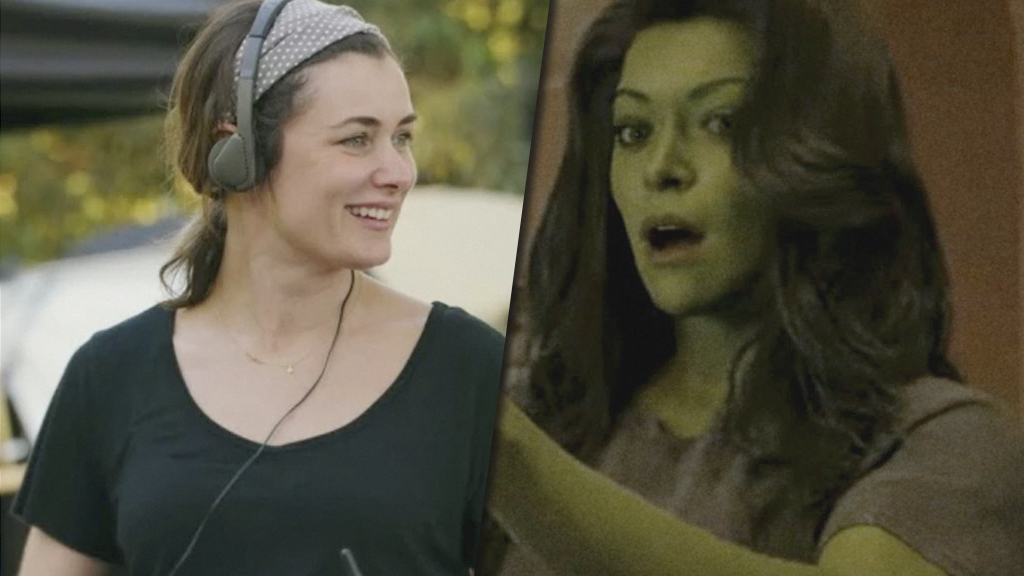
    There have recently been some statements from employees working on Marvel Studios’ projects highlighting they let the industry. There always has been a certain level of complaint in regards to Marvel’s use of effects work that has become a recurring theme on Twitter for one reason or another. She-Hulk, the first Disney+ series with a fully VFX-created character, has drawn in quite the attention. Director Kat Coiro offered some insight into how they tackled the project and sat down with SFX to discuss the internet’s reaction.

    Surprisingly, she stated that they’ve expected the reaction, especially with how different the character is from Hulk or other CG characters. In the comics, she originally was meant to not just be a bulky version of Jennifer Walters, but rather highlight a different aspect of the character. It’s something that they wanted to highlight with her design.

    It really is taking the design and asking, ‘Are we getting those facial expressions and those nuances of reaction I think a lot of the reactions have to do with the fact that she is so different than anything we’ve seen. When you think of Thanos or Hulk, they have a grisliness and a harshness and a bulkiness to them that is just so different. And when you just see a little pop of her, it’s almost shocking because we haven’t seen it before.

    Kat Coiro

    Coiro reveals that she worked quite closely with Victoria Alonso, who is Marvel Studios’ President of Physical, Post Production, VFX, and Animation at Marvel Studios to bring She-Hulk to life. She highlights how they approached the character and ensured that they keep the emotional reaction and the actor’s performance alive through the effects work.

    She has such an incredible eye, and to me a lot of that eye comes from this very emotional gut reaction that she has, which is backed by decades of technical expertise,” she explains. What I think is so cool is she keeps this real emotional reaction to the VFX. Watching her work has taught me so much about why something works and why it doesn’t; why does it go into uncanny valley? And it always comes back to the actor’s performance and capturing that.

    Kat Coiro

    We haven’t gotten a new trailer since the initial release, which has been curious considering it’s set to premiere next month. While some still want the series to be postponed for them to continue working on the effects, we’ll have to wait and see how far they’ve gotten with the effects work. Corridor Digital, a YouTube channel of experts that famously analyzes VFX in the industry, has highlighted that the effects work isn’t getting the recognition it would deserve as well as how YouTube played a big factor in downgrading its quality.

    You can check out their video on She-Hulk here:

    Source: SFX, YouTube

  • ‘Doctor Strange 2’ Costume Designer Hints at Dormammu and Clea Connection

    ‘Doctor Strange 2’ Costume Designer Hints at Dormammu and Clea Connection

    Dormammu may have been defeated by the end of Doctor Strange, but his presence is still looming large over the Marvel Cinematic Universe. The feared ruler of the Dark Dimension did not appear in this year’s magic sequel, Doctor Strange in the Multiverse of Madness, but the film’s mid-credits scene included the surprise reveal that his niece, Charlize Theron‘s Clea, would play a big role in the future of the franchise. Not to be outdone by the many wacky elements in the film, Clea makes her grand debut memorable by popping up out of nowhere in quite the extravagant ensemble.

    During a recent interview with Comic Book’s Phase Zero podcast, Marvel Studios costume designer Graham Churchyard explained that, despite his absence from the movie, Clea’s dread uncle was actually a huge inspiration behind her over-the-top look. After all, the two are related, and if her backstory is anything like the comics, most of her fashion sense comes from a lifetime in the murky depths of the multiverse’s spookiest dimension. Yet, according to Churchyard, the original designs for Clea had her fitted in less aggressive attire:

    Well, that was Ian Joyner and John Staub and all those amazing guys at Vis Dev, with all those illustrations. And we made that whole costume in London, but we never met her, so that was quite traumatic in itself. And then I sent that out to LA and did a couple of Zoom fittings with her and then resolved a few things with the whole amazing costume team at the Marvel warehouse, and then two or three fittings later, that was it. She was on set. But the inspiration, oh my God, that would take another whole interview by itself because that went from someone who was sort of a gardener in the dream scape in the multiverse, to then this sort of warrior, a warrior from another dimension. And she is Dormammu’s kind of daughter, niece from the Dark Dimension. So all of those things were immensely inspiring to her costume.

    Graham Churchyard

    It’s interesting to hear Churchyard mention the word “gardener”. Clea has always been more of a warrior than anything, but the fact Marvel toyed with giving her a more pacifist design could be an indicator of the plans they have for her in future projects. Either way, it’s good to hear that the studio kept her classic familial relations in mind when coming up with her vibe. It’s probably a good sign fans will get to see Theron face down the Sorcerer Supreme’s greatest foe somewhere down the line.

    Source: Comic Book

  • ‘Madame Web’ Star Confirms Production Start on Sony’s Latest Marvel Movie

    ‘Madame Web’ Star Confirms Production Start on Sony’s Latest Marvel Movie

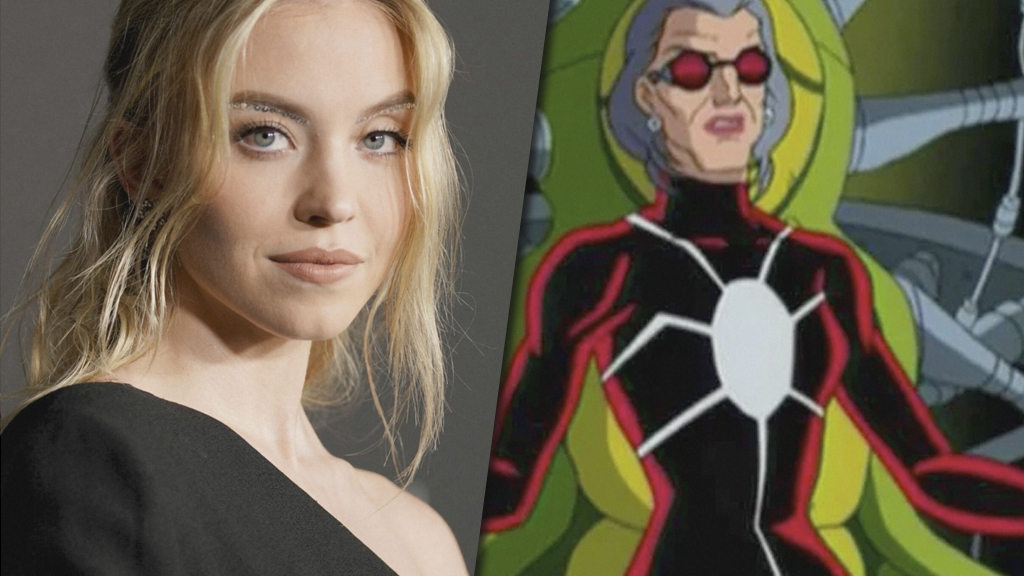
    Many are still scratching their head on what exactly a Madame Web film would be about. While the character is a mainstay in the Marvel universe, or rather the Spider-Verse, it does seem strange to focus a story on a character that was mainly there for exposition. Either way, Sony is in full force on the project and according to actress Sydney Sweeney, they may have already started production.

    In an interview with Variety, the actress shared that she has already started working on Madame Web alongside her co-stars, which consists of quite the stack cast. Dakota Johnson will play the titular role, and they are joined by Isabel Merced, Emma Roberts, Tahar Rahim, Celeste O’Connor, just recently Mike Epps, and more.

    Currently I’m filming Madame Web. And I can’t really say anything about my character, but I’m very excited. My first Marvel movie. So it’s been a lot of fun, a lot of training and just prep work to get into it.

    Syney Sweeney

    With even hints that Madame Web may even have Marvel Studios backing it, the project could potentially tie into the multiverse storyline currently being told. It would be quite fun if they end up connecting this to whatever the studio currently has planned, and use it as a gateway to introduce characters they’d otherwise never get around to. Of course, we can only speculate but with Sony’s habits, you never know what a new Spider-Man universe entry might mean moving forward.

    Source: Variety

  • ‘Ironheart’ Adds ‘Solo’ Star Alden Ehrenreich

    ‘Ironheart’ Adds ‘Solo’ Star Alden Ehrenreich

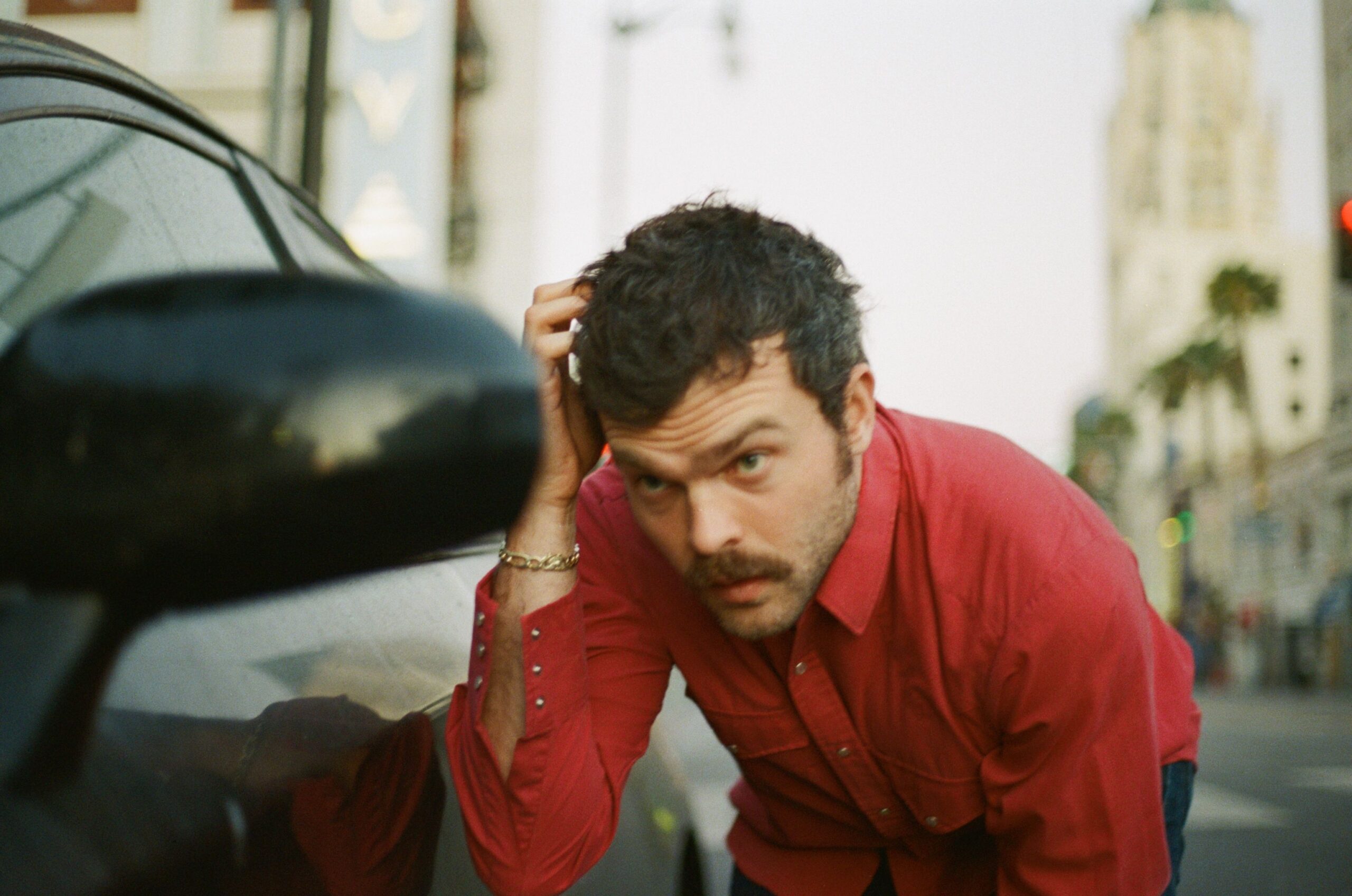
    Alden Ehrenreich is heading to the Marvel Cinematic Universe. Per Deadline, the actor has joined the cast of Ironheart, which is currently in production in Atlanta. Details surrounding who Ehrenreich might play are currently unknown.

    Ironheart follows Riri Williams, played by Dominique Thorne, a genius college student who goes on to be the first to develop a suit of armor as advanced as Tony Stark. Thorne will make her debut as Riri Williams, aka Ironheart, when Black Panther: Wakanda Forever hits theaters later this year. 

    Ehrenreich joins a cast that includes Thorne, Anthony Ramos (Hamilton), Manny Montana (Good Girls), and Harper Anthony. Rumors have suggested that Ramos is playing The Hood, which could mean that Ehrenreich is playing Obadiah Stane’s heir, Zeke Stane, who is expected to appear in the series, too.

    Chinaka Hodge serves as the head writer on the Disney+ series, while Sam Bailey (Brown Girl) and Angela Barnes (One Day at a Time) are on board to direct episodes of the show. Black Panther’s Ryan Coogler is on board as a producer as part of his overall deal with Disney. 

    While a release date has not yet been announced for Ironheart, it is thought the series will hit the streaming service sometime next year.

    Source: Deadline

  • ‘Resident Evil’ Showrunner Drew Inspiration from the Games and Movies

    ‘Resident Evil’ Showrunner Drew Inspiration from the Games and Movies

    On Thursday, Netflix is set to release its live-action adaptation of the beloved video game franchise, Resident Evil. The eight-episode first season stars Ella Balinska as Jade Wesker, Lance Reddick as Albert Wesker and Paola Nuñez as Evelyn Marcus. The series is a brand-new story within the Resident Evil mythology that is full of heart and horror. Leading up to the show’s release, Netflix conducted a sit-down interview with showrunner Andrew Dabb to discuss his inspiration for the series, as well as what he’s most excited for fans to see in the show.

    While the films – namely the Milla Jovovich-led films – were seen as poor attempts at bringing the games to life, Dabb notes that the games and the movies were able to deliver something different. “I was a huge fan of the games and the movies and I think they each scratch a different itch,” he explained. “The games are very immersive, fun and scary. And the movies are big, bombastic spectacles. So, the idea of being able to do something like this where we have a little bit of both was very exciting to me.”

    Like those films, and the 2021 attempt at a reboot, Netflix’s Resident Evil offers up a brand-new story for viewers. Yes, there are aspects from the games on display, but this is something that can stand on its own. In this case, Resident Evil is brought into the modern world – one in which COVID even exists. For Dabb, he’s excited for fans to see his expansion into a modern-day storyline and the characters they’ve helped bring to life on the screen. “For me, the most exciting thing about the series, as it is about any series, is the characters. These are some really great characters to explore. Some from the game. Some that the writers and I created. But, either way, I think they just have really compelling stories that I hope will really resonate with people.”

    As for why he went with Albert Wesker for this story, Dabb has a pretty simple reasoning. Wesker has a pretty ridiculous backstory in the video games. He was excited to explore more about Wesker for the series. “When I was sitting back and wondering who is the character that I am most curious about in the modern day in this new world? Wesker popped into my head,” he said. “But that character with his past and all of the weird things that happened to him as a child, opened up a path to explore him a little bit more which was really exciting to do. We also consciously didn’t want to overload this first season with cameos. We want people to get to know our original characters as well as some returning favorites.”

    The first season of Resident Evil debuts on Netflix this Thursday. You can read our review here.

  • REVIEW: Netflix’s ‘Resident Evil’ is Surprisingly Enjoyable

    REVIEW: Netflix’s ‘Resident Evil’ is Surprisingly Enjoyable

    SPOILER-FREE REVIEW!

    When it comes to video games, Resident Evil is one of the most beloved video game franchises. It is also one of the worst-reviewed film franchises, which, unlike its inspiration, continued to see a decline in profit throughout the years. So, knowing that Netflix’s adaptation of Resident Evil would draw inspiration from both the games and the films was worrisome, to say the least. And yet, the series manages to be everything that the films were not. Yes, there are drastic changes from the characters fans have come to love – or hate – in the games. Yet, they somehow work.

    Fans of Resident Evil will most likely know Albert Wesker as one of the most memorable villains of the video game series. He’s the captain of the Raccoon City Police Department’s Special Tactics And Rescue Service unit in the video games. In the series, however, Wesker is a scientist who works for Umbrella and has been working with them to develop a product called Joy that can present some issues for those that take it. While fans are sure to expect the asshole Wesker from the games, the Wesker presented in the series – at least, initially – is a much more levelheaded character who is eager to protect his kids: Billie Wesker and Jade Wesker.

    The first episode of Resident Evil is a bit of a slog at times. In fact, it almost feels like it wants to be a Resident Evil take on The Walking Dead. However, as the story progresses, it becomes an exciting story of family, deception, love and pain. It is of note that Resident Evil moves between the past and present frequently and often without warning. While it can be frustrating, there is a reason the story is told this way. It allows for the world and its characters to be established quickly, while also propelling the story forward. It’s an odd choice, sure, but by each episode’s end, the story manages to come together with ease.

    Ella Balinska is wonderful as Jade Wesker. As frustrating as the character’s choices can be from time to time, Balinska proves to be a star in the making. She commands the screen and often outshines the rest of the cast, including her “twin.” The character is reckless, but operates from a good place and when Balinska nails those moments of conflict within Jade? She does so wonderfully. Then there’s the always excellent Lance Reddick who is a force to be reckoned with in Resident Evil. Not only is his casting in the series stellar, but Reddick delivers some of his best work in the series.

    This is very much a story about a father and his daughters, but it’s also a story about the Umbrella Corporation, the T-virus, and corruption. Perhaps that is one of the best things Resident Evil manages to successfully do: craft two connecting stories that blend seamlessly when all is said and done. The story of the girls and their father is just as vital to the story as are the various creatures that occupy the screen. It’s the perfect blend of horror and heart. Especially when the series introduces some of the most iconic elements from the video games.

    The series serves as an origin story. Not just for the characters, but also the world of Umbrella and the T-Virus. It tells a cohesive story that weaves together into one larger-scale story that moves between timelines. It’s massive in scope, and yet grounded at the same time. Perhaps not a phrase one expects to hear when referencing a horror video game franchise, but it’s the most accurate description. And while these characters and their stories are only getting started, Netflix’s Resident Evil doesn’t waste any time teasing its future.

    The only place where Resident Evil stumbles occasionally is with its cinematography. That isn’t to say all of the shots are muted and unaesthetically pleasing – in fact, that’s far from the case. The set pieces are so well constructed that, when shot appropriately, the imagery can be stunning. As for the music, Resident Evil does a great job incorporating music here and there, and even manages to include some of the piano music from the video games.

    The first season of Netflix’s Resident Evil proves a good adaptation of these games is entirely possible. The films might’ve been a disaster, but Andrew Dabb has been very vocal about his love for the games and, despite some changes, that love is evident in the final product. From the well-thought-out Easter eggs, to the inclusion of key story points, Netflix’s Resident Evil is the only adaptation of the video games that matters. (Sorry, Resident Evil: Welcome to Raccoon Citythis is a Resident Evil story worth watching.)