Blog

  • New ‘I Am Groot’ Merch Features Multiple Baby Groots With Facial Hair

    New ‘I Am Groot’ Merch Features Multiple Baby Groots With Facial Hair

    We still know very little about the upcoming animated I Am Groot project. It seemingly may be a small project similar to the final Blue Sky series, Scrat Tales. Instead of a fully-fledged show, it’s more like a vignette of small episodes featuring the adorable version of Groot we were introduced to in Guardians of the Galaxy Vol. 2. While we are still waiting for an update on the project, it seems that some merchandise has found its way online.

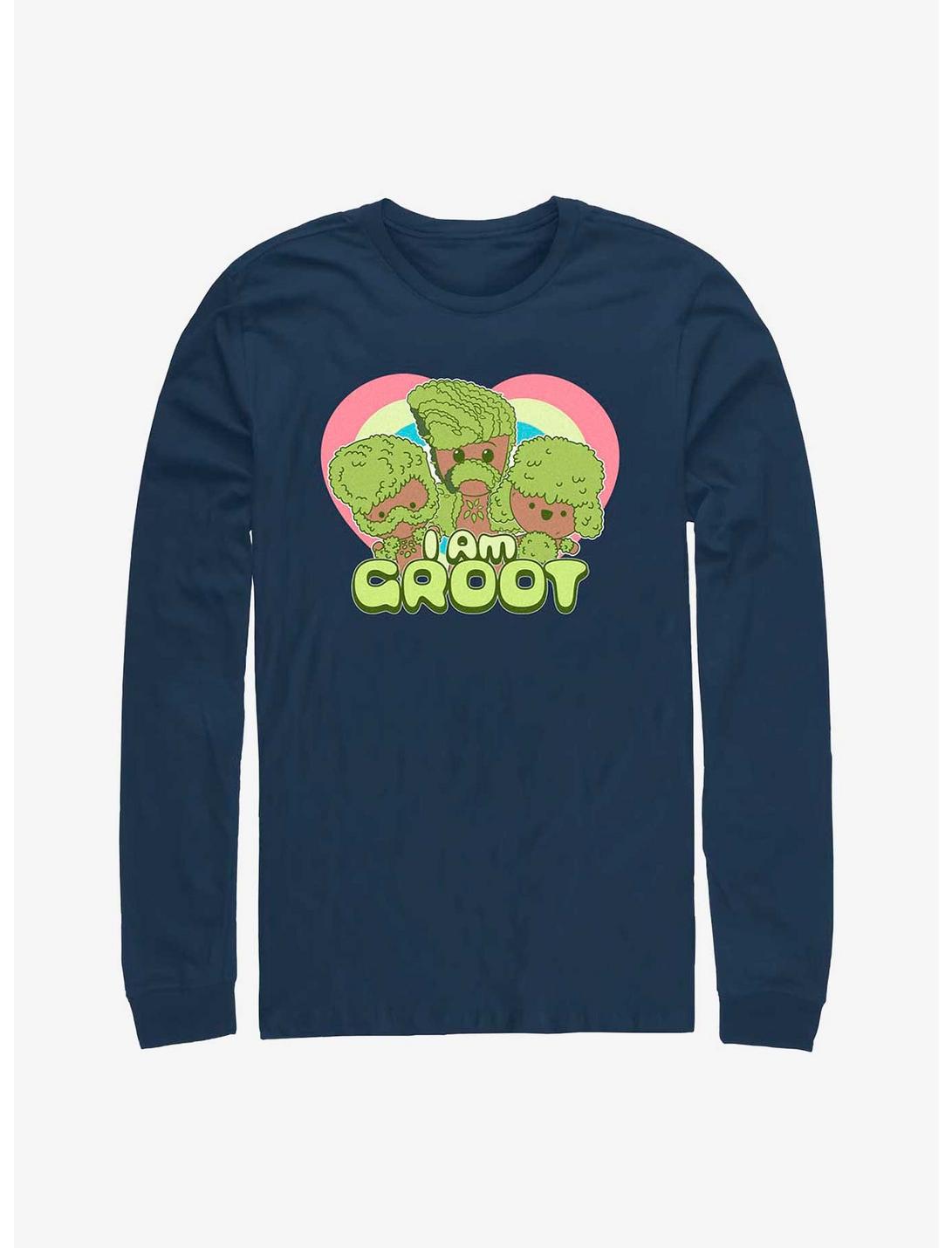
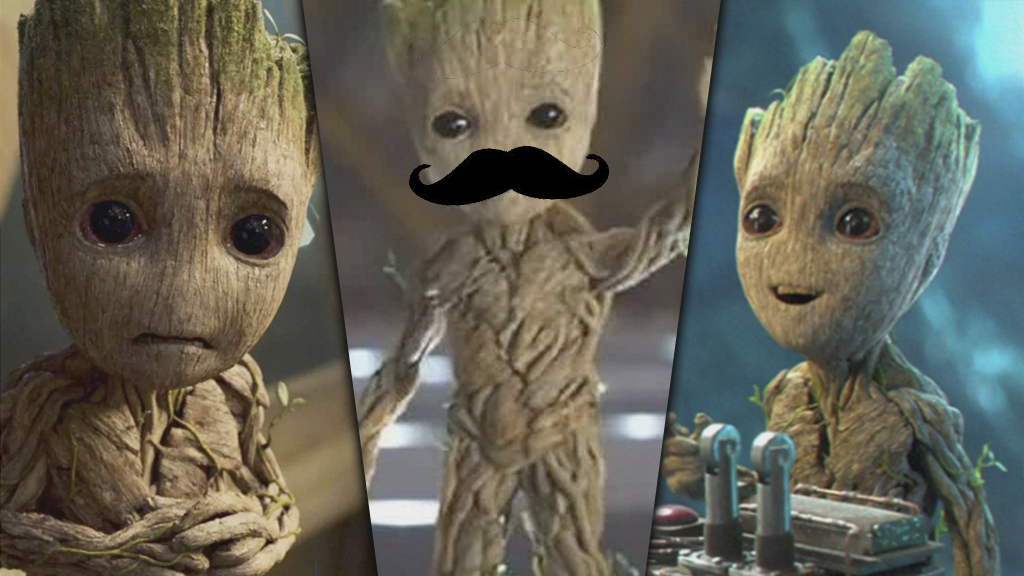
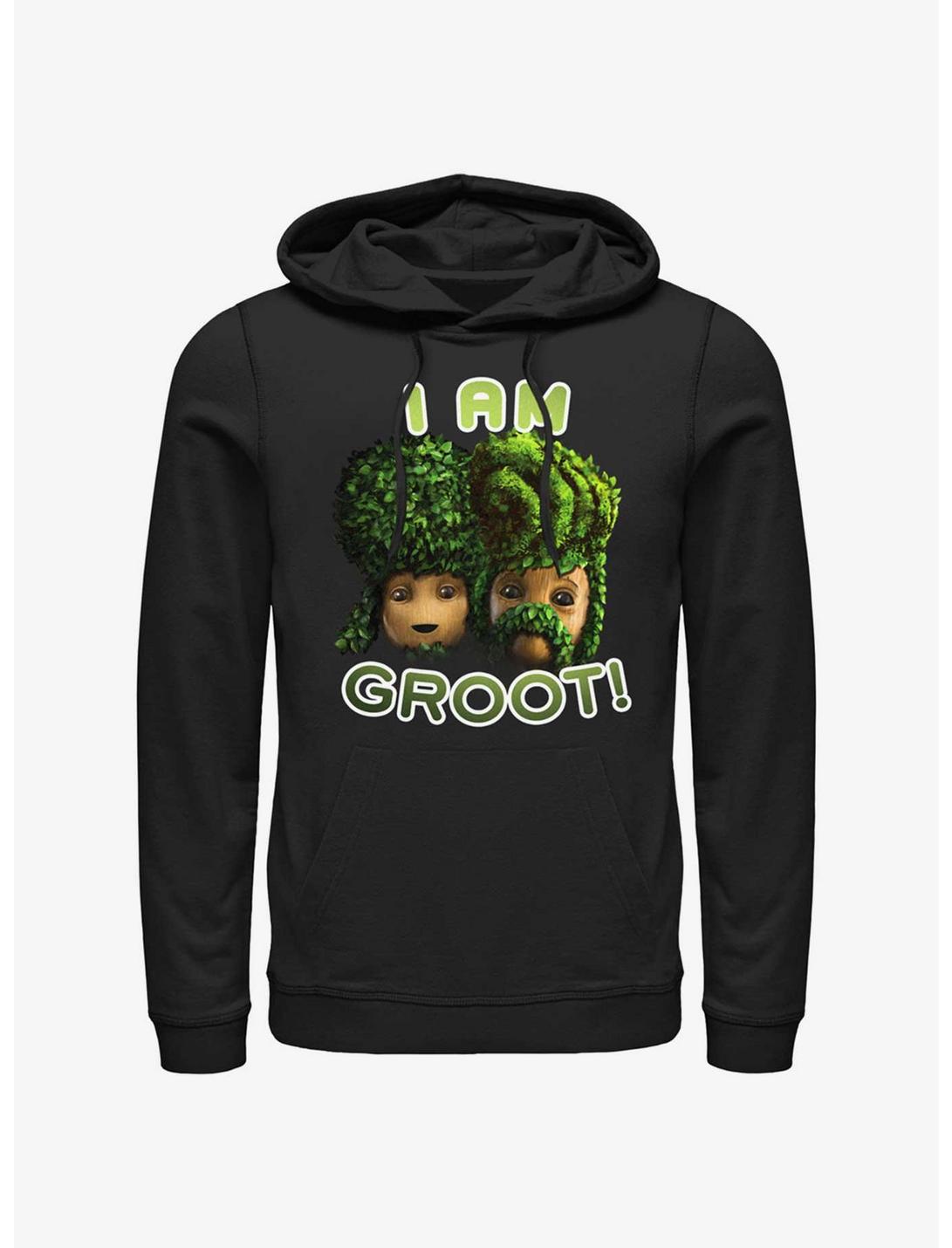
    Box Lunch has shared some promo art as part of its clothing line which teases Baby Groot. They are titled “I Am Groot” which would hint at a connection to the upcoming release, and it’s not uncommon for its merchandise to find its way online long before the project does. There is one rather curious detail that stands out, it features a second Groot with a mustache.

    Marvel I Am Groot Bathtime Hair-Dos Hoodie, BLACK, hi-res
    Marvel I Am Groot Hearts Trio Long Sleeve T-Shirt, NAVY, hi-res

    Now, facial hair isn’t the actual big aspect, even if it’s a funny design element. It may tease that the upcoming animated series may include multiple different versions of Groot, as we can clearly see them with different facial hair. Now, it seems unlikely that this project will explore the multiverse but there is one possibility that works within the series canon.

    In Guardians of the Galaxy, Groot sacrifices himself and is blown up while protecting his friends. The current Baby Groot was made from the remnants of some twigs that would eventually grow into the current Groot we know and love. Yet, there’s a possibility that other versions were born the same way and his upcoming adventure may end up meeting other versions of himself.

    Source: Box Lunch

  • Sam Raimi Opens Up on the Challenges of Working on ‘Doctor Strange in the Multiverse of Madness’

    Sam Raimi Opens Up on the Challenges of Working on ‘Doctor Strange in the Multiverse of Madness’

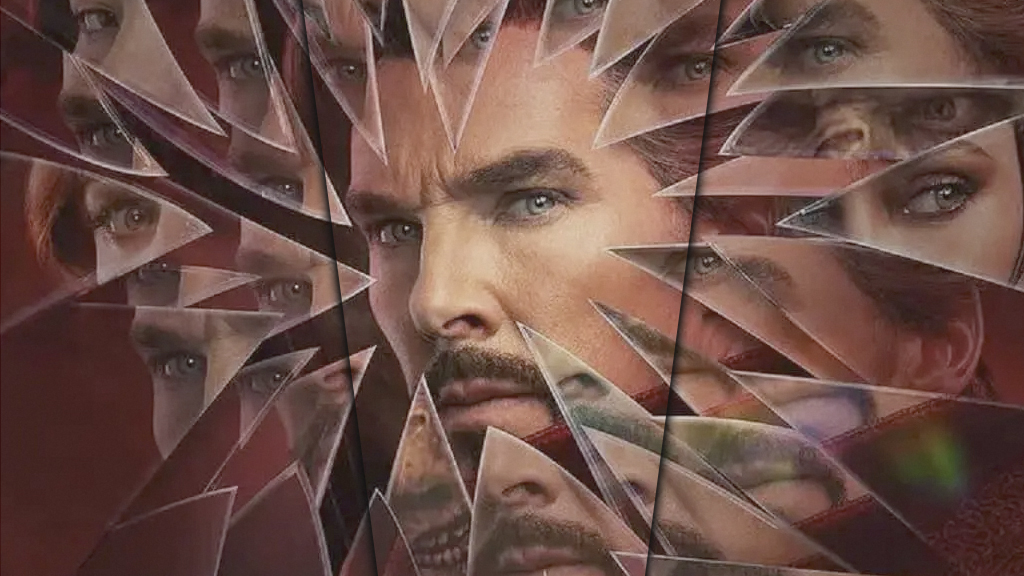
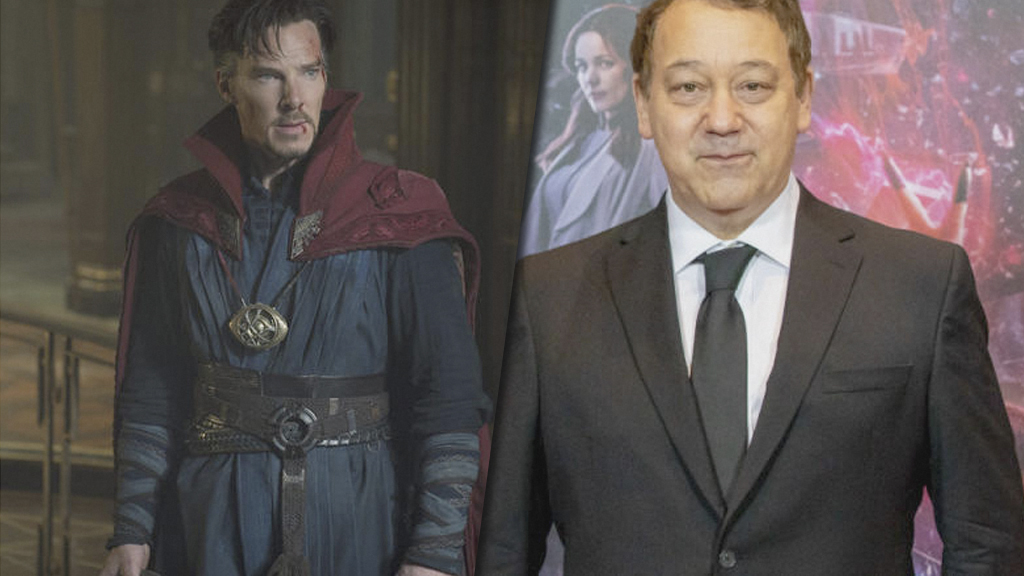
    Modern blockbuster development has become quite a challenge, as it now includes way more moving parts as budgets grow. Doctor Strange in the Multiverse of Madness adds to that very challenge with a multiversal storyline and Sam Raimi jumping in after Scott Derrickson left the project over creative differences while remaining as a producer. In an interview with Rolling Stone, he highlights the challenges and unique situation he found himself in when he started working on the project.

    When we started, we had a deadline to start shooting with a script that I didn’t really have anything to do with. And [screenwriter] Michael Waldron, [producer] Richie Palmer, the team at Marvel, and myself pretty much had to jump in and start over. I was very rushed and panicked — a lot of trepidation. But we kept working through it. And for us, the Covid delays were a blessing because it bought us more time to work on the script. We eventually got to the point where we had started shooting, even though we were still working on the script, and it went really well. Now I feel much more relieved. That part of the process is behind us.

    Sam Raimi

    Raimi goes on to highlight that there was one element that he would consider the “hardest part” of working on Doctor Strange in the Multiverse of Madness. It’s something that has become quite common for modern blockbusters and that is the ongoing writing process.

    I think the hardest part was the time deadlines, not having the story or the script [ready] … being halfway into it and not knowing what the ending was. Michael’s trying to stay a couple days ahead of us with the next page coming out of his computer printer, and it’s hard because you want to make sure that everything is supporting the whole — that the themes are running through the picture. But when you don’t quite know everything about the picture, it’s hard to do that job as effectively as possible.

    Sam Raimi

    We’ve heard in the past that the third act is the one aspect of films that gets changed the most, especially in the case of Marvel films due to all the moving parts involved. Of course, it adds a unique challenge, as he teased in the same interview, and Raimi has highlighted that he still had quite the creative freedom when it came to bringing this story to life. Yes, he did adhere to the stories that came before but it’s nothing new for a director to jump into a sequel of an existing franchise. It just happens to be a much larger one. He also highlighted just how challenging it was given it may be the most “complex movie” he’s ever worked on.

    It’s probably the most complex movie I’ve ever had anything to do with. Not just dealing with one character, or even five characters, but multiversal versions of those characters — and each one has a storyline.

    Sam Raimi

    With multiverse in the title, it’s no wonder that it was going to add an additional layer of challenge for anyone taking on the project. Sam Raimi is a veteran not only to film but also Marvel, which makes him a perfect choice to bring this project together. Add in his camera work to make their first horror-based storyline pop just that bit more making it even more exciting. The director also has said with all these challenges, he’s down to work on another project in the future.

    Source: Rolling Stone

  • Sam Raimi and Stan Lee Tried to Adapt Marvel’s ‘Thor’ in the 1990s

    Sam Raimi and Stan Lee Tried to Adapt Marvel’s ‘Thor’ in the 1990s

    If you’ve ever wondered just how far back Marvel films go, it seems that long before even Sam Raimi worked on the first Spider-Man film in the early 200s, he was already trying his hands at a Marvel project in the early 1990s. Not only that, but he was working on it together with Stan Lee, as they tried to adapt a film based on Marvel’s Thor.

    In the interview with Rolling Stone, he talks about how they pitched the concept around but just couldn’t get any studio to sign off on the project. He mentions a few reasonings such as people downplaying Stan Lee’s involvement and even worries about the religious implications of making a film based on the Norse God of Thunder.

    They were great. We worked on a story based on his Thor stories, then we took it around to pitch to the different studios — and I couldn’t believe that they didn’t regard [Lee] more highly back then. This was probably 1991 or something, and he was treated like just another writer. “Oh, great. You write comic books. Big deal.” I remember going to eight different studios, and then looking at eight different rejection slips, saying “How could they say no to this?” They’d say things like, “People are kind of touchy about their gods,” and I’d go, “Yes, but it’s not like a religious picture. He’s the God of Thunder!” They so didn’t get it.

    Sam Raimi

    Of course, it seems rather bizarre considering how we’ve had Bast, Thor, and even the Egyptian pantheon introduced in recent projects. Yet, even in the early days of the CU, there were concerns that they could not only make Thor work but even how he’d fit into the bigger picture of the MCU. So, in the early 1990s, there wasn’t a world that believed in comic book movies or expanding upon old mythology.

    Source: Rolling Stone

  • Sam Raimi’s ‘Spider-Man 4’ Was Going to Feature Kraven the Hunter

    Sam Raimi’s ‘Spider-Man 4’ Was Going to Feature Kraven the Hunter

    As Sam Raimi makes his grand return to the Marvel universe with Doctor Strange in the Multiverse of Madness, it’s hard not to ask him about what could’ve been with Spider-Man 4. Many years after the director left the projects behind, it was hinted that it was going to feature Bruce Campbell‘s cameo as Mysterio and Vulture would appear in some capacity. Yet, it turns out that the plans were originally going to include another classic member of his rogue’s gallery.

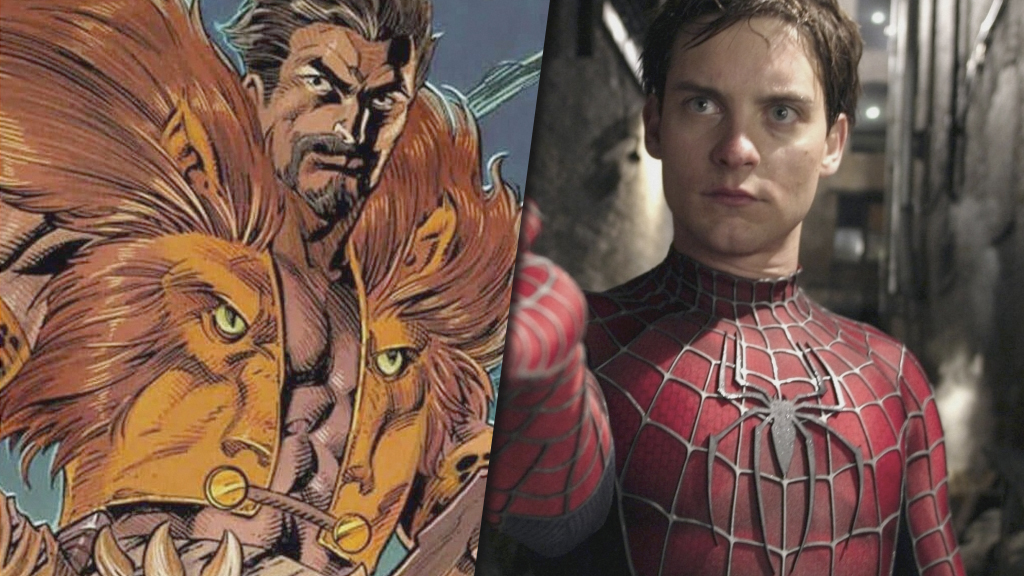
    It looks like Kraven the Hunter was going to be part of Spider-Man 4. In an interview with Rolling Stone, Sam Raimi reveals that not only was Mysterio not a definite, as they had other plans for Bruce Campbell to cameo, but they also were going to include the iconic villain in the film. The reasoning is the same for any comic fan., he wanted to see them fight on the silver screen.

    We had other things in mind, too, but that was one of them. And I missed Kraven the Hunter. We were going to work that character into the next Spider-Man; I always wanted to see Kraven fight Spider-Man on the big screen. I thought that would be really unique. He’s the ultimate hunter, and Spider-Man is like the most agile trickster of the skies. And I wanted to see Peter continue forward as a human being.

    Sam Raimi

    It’s crazy to think that Spider-Man: No Way Home may have almost featured the character as well before fully jumping into the multiverse. The character is currently getting their own spinoff series starring Aaron Taylor-Johnson, but it’s unclear how it may tie together with Sony’s overarching plans. Still, it’s a shame he never got to explore the character, and perhaps he’s interested in integrating that story into the fourth entry of Tom Holland‘s Spider-Man as a nice tribute to his original plans.

    Source: Rolling Stone

  • Sam Raimi on How the Reshoots Helped ‘Doctor Strange in the Multiverse of Madness’

    Sam Raimi on How the Reshoots Helped ‘Doctor Strange in the Multiverse of Madness’

    There has always been a strange uncertainty online surrounding the wording of “reshoots,” especially when it comes to Marvel Studios. It’s become an essential tool for directors to revisit elements of their story that may not have worked as initially expected. In an interview with Rolling Stone, Sam Raimi opened up on their approach with exactly that for Doctor Strange in the Multiverse of Madness.

    In the interview, he highlights that their main focus was on making the film accessible and ensuring that everything works well together. while many might not be fans of test screenings as a concept, it does help directors receive feedback from an external source to potentially uncover elements that just aren’t hitting as initially expected. Of course, that is also helpful for storylines with complex concepts like the multiverse.

    There’s a lot of points where the audience says, “I don’t understand this. I don’t understand this concept.” Or, “I’m aware of this concept, and then you explained it again in the third act.” “Oh, you’re right. The audience knows that already.” Or: “They had to know that in order to accept this next story beat.” A lot of it is test screenings, learning what is confusing on a complex picture like this, or learning things that have overstayed their welcome. Recognizing when something is too slow, and even though it’s a proper beat to put in, the audience doesn’t need it.

    Sam Raimi

    It also carries over into the editing process, as they try to bring the film together. In a way, Raimi highlights it also gives him the opportunity to uncover elements that might work even better or are worth expanding as a result of it.

    They can figure that out on their own, so what seemed like a logical step now becomes, in the editing process, “Hmm. That’s slowing us down. Let’s skip it and let the audience make the leap themselves.” But it’s also about recognizing what they really like, and sometimes expanding those things that they’re really reacting well to. It’s recognizing what’s original about the picture, and when you’ve got the opportunity to, expanding upon that.

    Sam Raimi

    It definitely sounds like the concept helps the directors tighten their work on projects, and it’s become a common practice for films of any kind from any studio. In a way, it’s just an additional toolkit that helps creatives build upon their work and potentially even lean further into the elements that are original and stand out. It helps add a little more insight into Bruce Campbell‘s comments when he jokingly said Benedict Cumberbatch might not even know if he’s in his own film.

    Source: Rolling Stone

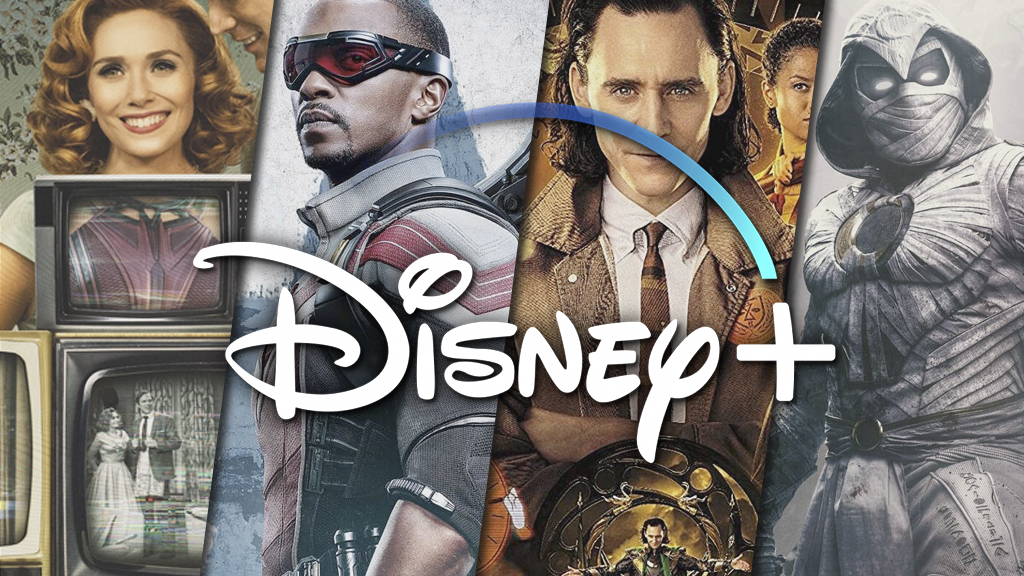
  • Marvel Studios’ Disney+ Venture Needs to Embrace the Diversity of TV Storytelling

    Marvel Studios’ Disney+ Venture Needs to Embrace the Diversity of TV Storytelling

    Moon Knight‘s fifth episode has been quite loved due to the way it continues a trend of Marvel Studios’ series having a penultimate episode that takes its time to explore our protagonist’s psyche or the underlying theme of the series. Still, there is a current trend that the Disney+ series are facing that could backfire with each new release. While not a fan of the overused buzzword “Marvel formula,” there is a certain danger with their reliance on the three-act structure to construct their series. There are still distinctions in their approach, but a six-episode benchmark muddles that vision. In a way, they are suffering from something that was started in Netflix’s early days and have yet to fully embrace the diversity of TV’s storytelling possibilities.

    Marvel Studios has always been flagged for having a “formula” behind each film. Even as they broke away from their more streamlined films due to the infamous Ike Perlmutter era, the genre has an inherent expectation that creates that very issue. One could argue that certain expectations and perceptions play a key influence due to the brand and its heroic genre; something we’ve seen in comics over and over again. It’s not a Marvel Studios-specific issue, they just so happened to be the one to stick out the most. While saying that, their TV offerings are suffering from a different yet similar issue that is more inherent to the long-form storytelling format.

    Yet, with a strict six- or ten-episode structure, you are setting a certain tempo for your series. If you adhere to the three-act structure, it becomes even more restrictive, as most of the “action” or meat of the story happens within the final two episodes. We’ve seen it a few times, such as with Falcon and the Winter Soldier, Hawkeye, and even potentially Moon Knight. They end up exploring important themes in Episode 5 but have to quickly wrap up the story in its finale, sometimes not as effective as it hopes to. Knowing that there are “only” six episodes available, also creates the before-mentioned perception issue that not everything will be wrapped up.

    Ironically, Netflix’s issue was that thirteen episodes were at times too many. It’s a funny contrast to Marvel Studios’ six facing the opposite criticism. For the sake of comparison, Peacemaker‘s used an eight-episode structure and was less a “film” but more traditional TV in its storytelling. While it did have some minor pacing issues like any other show nowadays does, it built its story per episode with an overarching narrative. Plus, a character like Peacemaker has fewer expectations because the story can explore whatever it wants due to the character being a blank slate. This is in stark contrast to Netflix’s Daredevil series back in the day or even now with Moon Knight, they both have very set expectations that restrict just how much a story can tell.

    Speaking of Netflix, the issues Marvel Studios is currently facing have their roots in that era. The promise of “a 13-episode film” created this illusion of having a film being told with more time. Yet, even the much-loved Daredevil had pacing issues with many at the time pointing out that elements dragged a bit. Similar to what we’re seeing now, as more shows were released they faced the same issue but became more apparent. By the time The Punisher rolled around, they fell victim to having the episode count set the pacing and certain story beats were expected.

    Was it formulaic? To a certain degree, yes and it was and Marvel Studios is going to fall victim to the same issue if they strictly remain on this course. Throw on top of the issue of a rather short episode count, they potentially will keep facing the issue of their final episode ending up rushed as the internet will repeat. “How will they wrap it all up after that?” That issue becomes even more apparent if you realize they are moving away from one monumental aspect that defines TV storytelling, multiple seasonal arcs for their characters.

    So far, only Loki got a second season and it’s hard to say if any of these series will actually continue moving forward. Marvel Studios’ reluctance to even communicate multi-seasonal plans creates a new issue with expectation. It creates the illusion that this specified six-episode season needs to wrap up everything. Technically speaking, their “second season” commonly are film appearances such as The Falcon and Winter Soldier setting up Captain America 4. Yes, it’s great to see this expansion from TV to film and potentially back, but it creates a whole new issue that they seemingly are struggling with.

    We have no idea where and when Moon Knight might show up next. Lots of coverage is hinting at his series is a limited run, which adds to the issue that the titular hero is not very present in his project. Yet, they are setting up a lot of elements that affect its pacing within the six episodes. While I don’t agree with everything, a discussion on the show’s quality from ScreenCrush made a good point that the penultimate episode feels a bit late and may hit harder if it was earlier in the series. We won’t have much time to actually spend with Marc now that he had his revelation and the loss of the alter that helped him through his trauma.

    To give an example, Loki had his mental revelation at the beginning of the series, and it worked because we already knew his character. So, we got to explore that storyline which we won’t really get to with Moon Knight, as we have to wrap up the plot, character development, and set up for whatever is next. It’s great they aren’t restricting themselves to old-fashioned origin tales, but their current model restricts exploring it fully. While it’s great that we might get Oscar Isaac‘s Moon Knight in a future movie, the fact we never know when or how–a Marvel staple–may see the company’s usual secrecy backfire on them. WandaVision with 10 episodes waited until the end for the big emotional story arc but at least a mystery to keep us wondering.

    Speaking of mystery, Wanda’s town-altering storyline and Hawkeye‘s big bad added an additional issue to what was mentioned previously. They keep the “big reveal” until the very last episode. While it makes sense to build up suspense on whatever the mystery is, especially the excitement of Vincent D’Onofrio‘s return as Kingpin and its implications, it creates the issue of having to bring everything together at the last moment. Even Moon Knight‘s Episode 4 revelation has now been limited due to the time available afterward. Loki‘s second season is following a year after its premiere and we don’t know when we’ll get it or how it fits in the overarching story.

    So, the ever-expanding universe is showing its fangs a bit. Even if comedy series are teased to have ten episodes, the fact they are restricting the episode count to specific formats is surprising given the freedom they should have. TV storytelling is diverse, may it be planning multiple seasons in mind, structuring the episode count to abide by the story, or even having each episode work as a standalone storyline. Even with that potential, modern streaming offerings tend to share similar issues due to the formatting. Even Peacemaker and The Boys rely on shock value at times to keep you watching from week to week.

    Moon Knight‘s been said to “fit better as a film” because that’s what it is. It’s a six-hour film just like how Netflix promised its series and many other streamers are copying. While it does have cliffhangers to keep you watching, they are more character-driven than story-driven. It’s something that makes this storyline a personal favorite among the Disney+ shows, but it does face the issue that also expectations play a massive role when exploring a potentially one-time project based on 70 years of comic history. Expectations on what makes a “Moon Knight” show become a crux for viewers and those creating the series. We have no idea if there’s going to be a second season, ironically unlike how most films get sequels.

    So, the weekly wait for episode 6 with a slower start ends up creating a pacing issue that is very perceptive due to the uncertainty moving forward. WandaVision probably worked the best as a weekly release due to the formatting of the actual show as different eras of sitcoms. The later episodes that broke away from it are much closer to what we see with its six-episode offerings. Each Marvel Studios show has its strengths, and, like everything else out there, weaknesses, but one can see the roots of the issue from the Netflix era. It has affected many series within the market, especially now that we’re moving away from the binge model. In a way, the distribution model is changing but not the expected storytelling element.

    Marvel Studios has a lot of opportunities with their Disney+ series. Yet, their venture into cross-media storytelling has been showing its fangs, as it restricts them from truly embracing the TV model. That is on top of long-term trends within the industry, and we can’t forget this is a completely new venture for this film-focused production studio even if they took in employees from the former Marvel TV subsidiary. Moving forward, if they want this concept to stick out more it might be time to embrace the TV model.

    Give us a series that was built with multiple seasons in mind, something we’re seeing already with Lucasfilm’s Andor. Allow a character to grow over a few years before integrating into the bigger picture, or have their appearances be independent of what’s happening. Ms. Marvel is the perfect opportunity. Yes, she will appear in The Marvels but her “usual” world is the one we’ll see in the June release. Let her character grow over multiple seasons with that experience adding to her character but not redefining her story. It’s what happened in Spider-Man: Far From Home, as it was a sequel to Avengers: Endgame rather than Homecoming.

    A lot of inspiration for the Marvel Cinematic Universe lies in comics, and the Disney+ series is becoming an opportunity for ongoing storylines with the films acting as “detours” for some of the characters. Their stories still should remain ongoing rather than one-time moving forward. Plus, let the show breathe and move away from a strict episode count. Not every story needs to follow a third act structure or something related to it. You can see they are still trying to find their footing with these new ventures on Disney+, and they have an opportunity to truly embrace the diversity of TV storytelling.
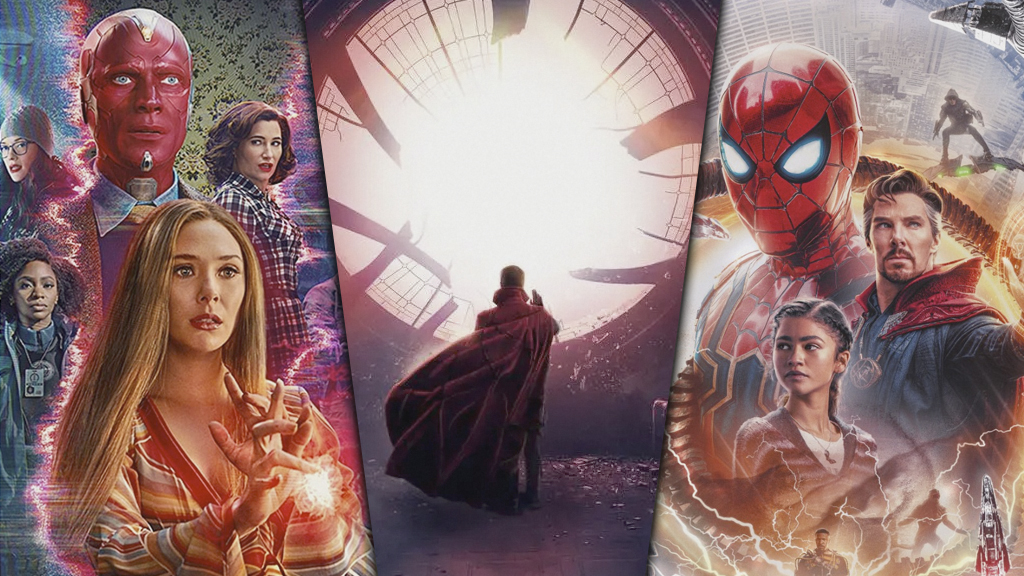
  • Sam Raimi on How ‘WandaVision’ and ‘No Way Home’ Impacted ‘Doctor Strange in the Multiverse of Madness’ Production

    Sam Raimi on How ‘WandaVision’ and ‘No Way Home’ Impacted ‘Doctor Strange in the Multiverse of Madness’ Production

    COVID has made quite a mess out of many things, and a franchise that builds upon itself being shifted around willy-nilly may have faced many more consequences than it initially expected. We’ve heard in the past that the release schedules between Doctor Strange in the Multiverse of Madness and Spider-Man: No Way Home ended up forcing their hand to rewrite both projects to better fit the overarching narrative. Still, it made many wonders how that exactly impacted the production.

    In a lengthy interview with Rolling Stone, director Sam Raimi got a chance to sit down and talk bout his experience working with Marvel Studios and within the MCU playbox. He has already praised the work in the past and is even open to returning for a future project. Yet, he also highlighted how the pandemic’s influence on two interconnected releases, previously-mentioned No Way Home and the Disney+ series WandaVision, impacted the writing process.

    Yes, it was all on the fly. “Now this is happening. Now that’s happening.” It was a fun juggling game. I guess it must be like that for all of the directors and writers of these very big Marvel properties that now have a long history. It was a very chaotic, wonderful, creative — I don’t want to use the word “mess,” because that’s unfair — but it was just a cascade of ideas. We’d take the best ones and quickly weave together the fabric of this universe. It was very exciting, actually.

    Sam Raimi

    In a way, it sounds like they were able to weave their story even with the “cascade of ideas” weaving out of these projects. One has to admire the work these creatives go through to bring an entire franchise to life and the way Raimi is praising it sounds like it helped them become even more creative. It seems that WandaVision also only became a factor during the writing process, as that series was also facing changes and delays due to COVID.

    I’m not really sure what the WandaVision schedule was or how it changed. I just know that halfway, or maybe three-quarters of the way into our writing process, I’d first heard of this show they were doing and that we would have to follow it. Therefore, we had to really study what WandaVision was doing, so we could have a proper through line and character-growth dynamic. I never even saw all of WandaVision; I’ve just seen key moments of some episodes that I was told directly impact our storyline.

    Sam Raimi

    As he highlights, things changed a lot behind-the-scenes and it’s to be expected when any projects are currently in development,w which also influence each other on a character and story basis. Raimi highlighted that these changes created a potential for creativity, which highlights a core aspect of these story elements. He highlights that he was heavily involved with the writing process alongside Loki‘s Michael Waldron and it makes the exciting prospect of what story they ended up within that playfield

    Source: Rolling Stone

  • Most of ‘That ’70s Show’ Original Cast Returning for 90s Spinoff Series

    Most of ‘That ’70s Show’ Original Cast Returning for 90s Spinoff Series

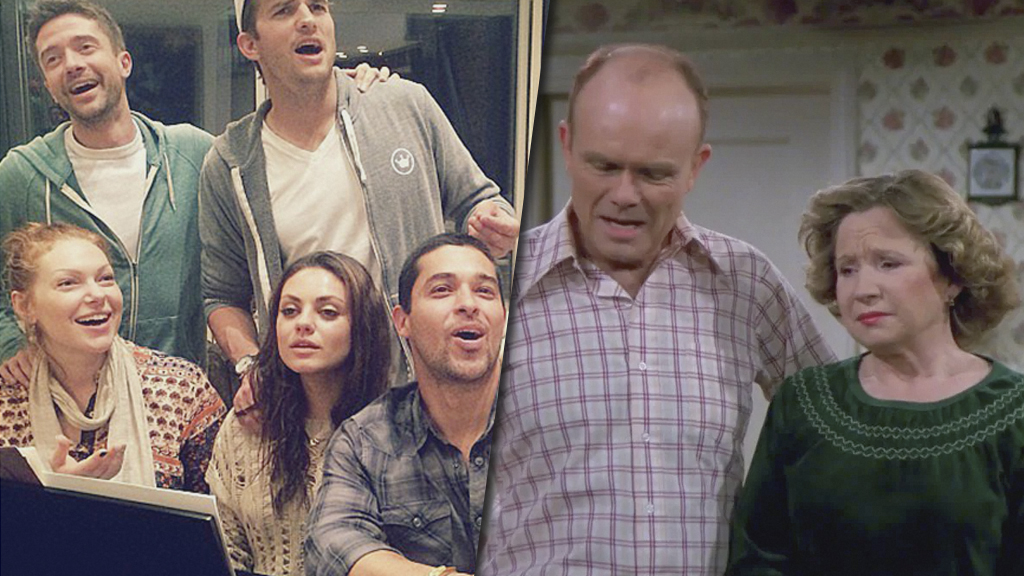
    Here’s a pleasant surprise, as it looks like most of the original cast of That ’70s Show is returning for the newly announced sequel, That ’90s Show. When we first heard about the project, Kurtwood Smith and Debra Jo Rupp were the only cast members attached to the sequel series, returning as Red and Kitty Forman. Now, it looks like they managed to convince Topher Grace, Laura Prepon, Ashton Kutcher, Wilmer Valderrama, and Mila Kunis to return as guest appearances throughout the spinoff series.

    What will stick out is that the only missing main cast member is Danny Masterson. While Netflix’s The Ranch featured him and Kutcher as brothers, even sometimes acting as a That 70s Show reunion with many other cast members appearing on it, the actor is currently preparing to stand trial due to multiple sexual assault allegations.

    The series also will feature newcomers Ashley Aufderheide, Mace Coronel, Maxwell Acee Donovan, Callie Haverda, Sam Morelos, and Reyn Doi. The story follows Haverda as Leia Forman, the daughter of Eric and Donna, as she is visiting her grandparents. The multi-cam show will see her gather a new group of friends across ten episodes at Point Place while under the supervision of Kitty and Red. Creators of the original series, Bonnie and Terry Turner are joined by their daughter Lindsey as writers and executive producers. That ’70s Show Alum Gregg Mettler is also joining as showrunner, writer, and executive producer.

    Source: Variety

  • NFL Draft: Best Picks From Day 2

    NFL Draft: Best Picks From Day 2

    With the first and second round of the NFL Draft in the books. There was a lot of talent still available, and the flurry of moves really reshuffled the order. Let’s take a look at THE best picks of Day 2.

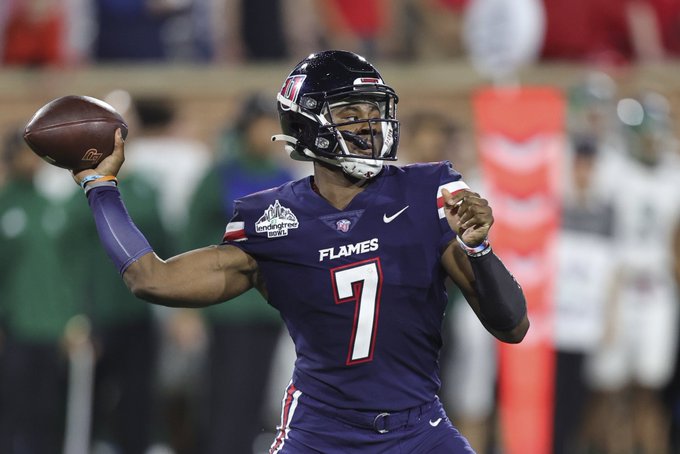
    QB Malik Willis
    The best quarterback in this class, and the only one worth a first round pick in my opinion. He goes to an excellent situation in Tennessee, as he gets to sit behind Ryan Tannehill and play with the best RB in the game behind a pretty good OL. He, also, has a stud WR in Treylon Burks.

    RB Breece Hall
    The best RB in the class was available despite some talk of him going at the end of round one. With exceptional vision and the ability to not come off the field, he’s the modern RB that ended up being the target for the Jets at 38. He slots right in as the 1A to Michael Carter’s 1B, and gives Zach Wilson a home run threat out of the backfield.

    LB Nakobe Dean

    Matt Corral, Malik Willis, Kyler Gordon, Nakobe Dean remain in the NFL draft  green room - ProFootballTalk

    He saw five of his collegiate teammates go in Round One, knowing all the while that he was the leader of that vaunted Georgia Bulldog defense. Dean is the evolution of the linebacker position, as he can both rush the passer and drop in coverage. His refusal to get shoulder surgery is what reportedly caused him to fall, but I had mocked him to the Eagles at 18, so for them to get him in day three is highway robbery. A really excellent draft by the Eagles so far.

    CB Andrew Booth, Jr.
    One of the more athletic cornerbacks in the draft, Booth has the potential to be this year’s Eric Stokes in terms of a young corner who comes in to a great situation and can produce. He can play man or zone, and he would’ve fit a team like Seattle (who needs a replacement for DJ Reed) or the Giants (who may be releasing James Bradberry). Instead, he ended up in Minnesota, where he gets to learn from all-time great Patrick Peterson.

    DT Travis Jones
    Has the opportunity to outproduce guys that went ahead of him from the interior. He’s a nimble pass rusher for a man his size, and gives maximum effort against the run. He lands in Baltimore, who has had a top 5 draft class, and fortifies that defensive front for new Ravens DC Mike Macdonald.

  • ‘Moon Knight’: The Bushman Reference and the Future of the Superhero’s Classic Comics Cast

    ‘Moon Knight’: The Bushman Reference and the Future of the Superhero’s Classic Comics Cast

    Marvel Studios’ latest television series, Moon Knight, has been notable for plenty of things including Oscar Isaac’s performance, the focus on a relatively obscure Marvel character, the exploration of complex mental health issues, and the wacky journey into supernatural realms not yet seen in the Marvel Cinematic Universe. Another interesting aspect of the series is how distant it can be from its comics source material at times.

    Not only does Moon Knight make significant changes to the identities of Moon Knight and Mr. Knight, but the hero’s supporting cast from the comics has either been missing or reduced to cameos and Easter eggs. Ethan Hawke’s villain is original (though he looks like a combination of several comics villains) and May Calamawy’s Layla was also meant to be an original character for the series despite having a what looks like nearly the exact same background and general role as Moon Knight’s love interest from the comics.

    After the reference to Jean-Paul “Frenchie” Duchamp, multiple cameos from Bertrand Crawley, and Layla’s similarities to Marlene Alraune, a decent proportion of Marc Spector’s classic supporting characters have made some type of appearance in the live-action series. One of the biggest characters in Moon Knight’s history has been notably absent, but Episode 5 of Moon Knight dropped a quick reference to him.

    ‘Moon Knight’ (1980)

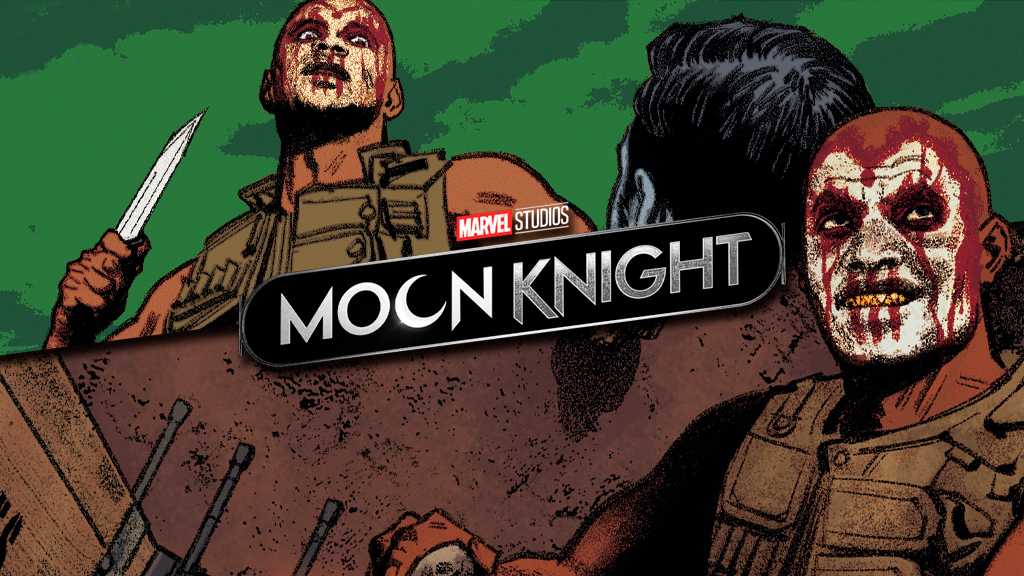
    While Marc was revealing to Steven how he met Khonshu and became his avatar, they walked through the desert area where numerous people, including Layla’s archaeologist father, were killed. Marc explains to Steven that he was not responsible for the massacre and that his mercenary partner, Bushman, got greedy and killed the crowd. It is a single, quick reference, but it is the latest purposeful inclusion of Moon Knight’s classic characters.

    In the comics, Bushman (or “the Bushman”) is easily Moon Knight’s greatest enemy, and the villain appears many times over the decades of comics. As Marc mentions in the episode, he worked with Bushman while a mercenary, and Bushman killed those people in a tomb raid before nearly killing Marc as well. The superhero’s origin story in the comics is almost identical with respect to Bushman’s role in those events. Since then, Bushman remained iconic in Moon Knight comics and was a major part of numerous different arcs. 

    Marc did not need to say “Bushman” in Episode 5. But, obviously, the writers of Moon Knight included it for a reason. In a story that has not relied on the comics, these references were probably placed throughout the live-action series for a couple of reasons. On one hand, they could be simple nods to Moon Knight’s history and nothing more. While fan service can be great (and may sometimes be the best route), there are reasons to believe that the superhero’s supporting characters are being saved for future stories.

    A couple of references to the comics stand out, but Bushman in particular should pique people’s interest. As mentioned, Bushman is an absolutely integral character in the Moon Knight comics. The villain’s actions and presence have influenced the costumed vigilante time and time again. Bushman’s importance goes far beyond the hero’s early days. Moon Knight’s arguably most violent moment came decades after his origin and involved Bushman (he tore off his face), which led into a severe depressive episode for Marc that changed the character’s course as well as heightened the mental health element of his stories. 

    ‘Moon Knight’ (2006)

    The point is that Bushman has always been an obvious choice for a live-action Moon Knight adversary. If the superhero gets more time in the MCU, he remains a clear choice. If the series wanted to totally avoid the character and his impact, he did not need to be name-dropped. Similarly, the Crawley cameos in Moon Knight make his future appearance seem more likely—not only did he make a physical appearance, but he has appeared across multiple episodes. 

    Moon Knight may very well be saving some of these classic characters for future stories with Oscar Isaac’s hero. As was clear from Episode 5, the live-action series is not making too big of a deal of Marc’s original meeting with Khonshu where he agrees to be his avatar. The Disney+ show is likely setting up its finale to be, for all intents and purposes, the Moon Knight origin in the MCU. 

    If that is the case, the character moving forward may likely take on a more traditional superhero role. With that role, a solid supporting cast is bound to follow. The basic setup in the live-action series could be signaling that the iconic comics characters will be around in the long run. And who knows? The Moon Knight finale could prove quite informative about the future of Marc Spector’s, Steven Grant’s, and Jake Lockley’s classic entourage.

    ‘Moon Knight’ (2016)

    The first five episodes of Moon Knight are now streaming exclusively on Disney+.