Tag: DCEU

  • Warner Brothers Discovery Should Develop a Parliament for DC Films

    Warner Brothers Discovery Should Develop a Parliament for DC Films

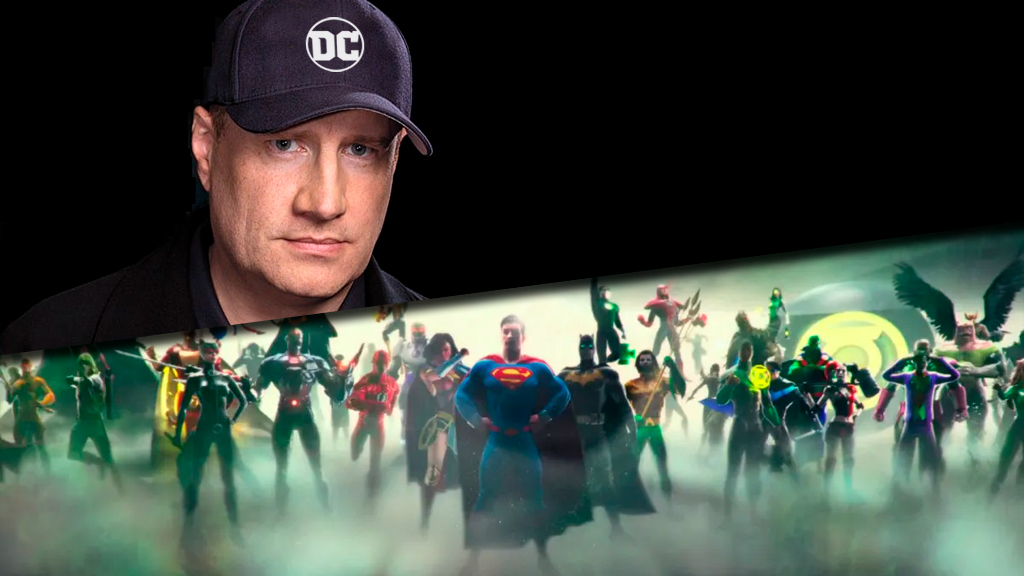
    There’s yet another period of change happening over at Warner Brothers as the company recently completed its merger with Discovery leading to David Zaslav taking over control. With this merger came the report that the new leadership was unsatisfied with the current state of DC projects, believing that certain pillars of the brand have been cast aside and forgotten about. In fact, it was recently revealed that Zaslav and company are looking to find a Kevin Feige-like figure to lead the DC film franchise into a more cohesive direction and build something similar to what Marvel Studios has with the Marvel Cinematic Universe. The only issue here is that they don’t just need a Feige, Warner Bros. Discovery needs a parliament, too. 

    The Parliament is a group of executives that actively work alongside Feige, helping to determine what projects should get made at Marvel Studios. The idea here is that Warner Brothers Discovery should continue its search to find a business-experienced individual to lead its DC films, but surround that leader with a creatively experienced council of producers that can help build the film franchise.

    This idea sprouted from many folks online who’ve pitched a lot of really talented folks for the position, but the names being tossed around don’t appear to be what Warner Brothers Discovery is looking for.

    Draft Pick #1: Greg Berlanti

    Whether or not you like the Arrowverse or not, you cannot deny that it is not something super impressive based on how far it has grown and developed. Since the premiere of ArrowGreg Berlanti has been the man behind it all, shaping a shared universe of DC characters onto the small-screen. Along with Arrow, shows like FlashSupergirlBlack Lightning and Batwoman have built a rich universe of characters that have come to be beloved by fans. The way they put together massive, multi-show crossover events year after year is impressive, and his input on shaping the cinematic universe could be quite useful. 

    Draft Pick #2: Jim Lee
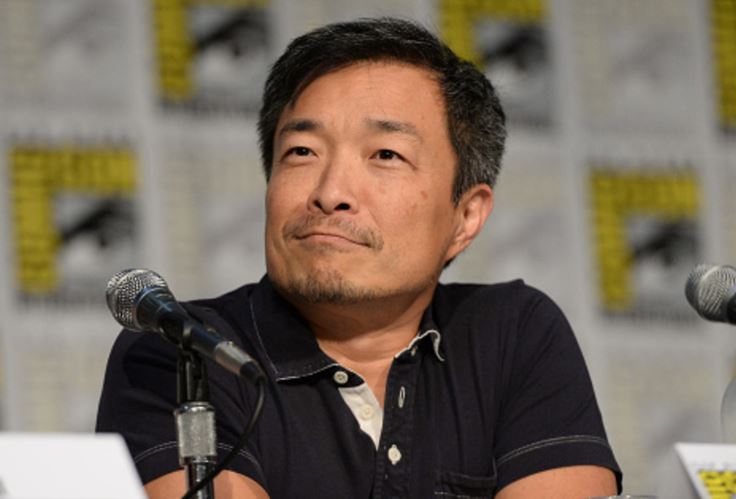
    When the news initially broke that Warner Brothers Discovery was looking for a Feige-type, many folks immediately suggested that Jim Lee be the man for the job. The last time we had someone like Lee in that position it did not work out too well, with Geoff Johns being placed elsewhere. Lee, however, is still a vital asset to DC and continues to serve as Chief Creative Officer and publisher for the company. Lee has been a major part of DC since 1998 following the acquisition of Wildstorm comics. Jim Lee’s passion and knowledge for the DC mythos is something that could be super valuable creatively as part of the DC Parliament. 

    Draft Pick #3 and #4: Bruce Timm and Paul Dini

    These are names that just about anyone that’s ever dipped a toe into the comic book world would know, while some might even call them legends for the work they’ve done with the DC Universe. Dini and Timm, of course, are best known for their work in the animated space of DC, building a shared animated universe with series like Batman: The Animated SeriesThe New Batman AdventuresJustice LeagueJustice League: Unlimited, as well as quite a few animated DC films. The work the two have done should not go unnoticed, and their experience would be incredibly beneficial to building a cinematic DC universe. Justice League: Unlimited is quite the prime example, with the series juggling a wide library of characters, giving many lesser-known characters their time in the limelight, and getting young fans associated with the universe and all it has to offer. 

    Draft Pick #5: James Gunn

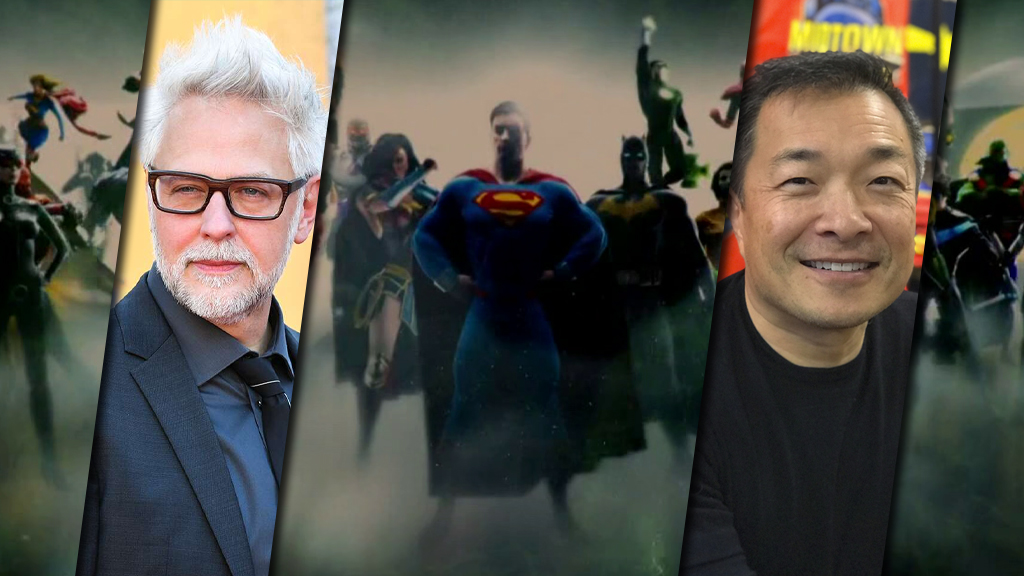
    People have suggested Gunn before, believing that he could be a great pick to lead the DC Extended Universe and act as their Feige figure, and creatively, yes, Gunn could put together some really great stuff but he isn’t what WBD is looking for and Gunn has said he doesn’t want the job. So don’t give him that job, give him this one. This creative advisor position could be perfect for Gunn, having seen how things run over in the MCU and his vast knowledge of comic book films could be very beneficial to the DCEU as it goes through a growth period. Gunn’s past adaptations in both the MCU and DCEU have been praised by fans and critics alike, his input should be recognized by the folks looking to change things behind the scenes.

    Draft Pick #6: Gail Simone

    Simone is probably one of my favorite writers at DC, she’s done incredible work with plenty of iconic characters in the DC library. Some of her most notable works include BatgirlBirds of PreySecret Six, and Wonder Woman. She could be yet another creative asset for those at Warner Brothers Discovery, as some of her work has been incredible face-lifts for pre-existing material. I think it’s best to get a council of folks from all different occupational walks of life and Simone would be their best bet in reworking some aspects of the DC universe. Simone has experience in these fields as well, having written for shows like Justice League: Unlimited, Batman: The Brave and The Bold, and is even working on the upcoming Red Sonja film. 

    This is merely a hypothetical that Warner Brothers Discovery could benefit from if they’re looking to move more into the way Marvel Studios does things. These positions, though, would merely be advisory to help build a cohesive universe and storyline that each project would help progress. Here’s to a better and brighter live-action DC Universe, one that all fans can enjoy together.
  • DC Searching For its Own Feige After Discovery Merger

    DC Searching For its Own Feige After Discovery Merger

    Since Man of Steel, the DC Extended Universe has been trying to build a universe around some of its most beloved characters. Certain issues have seen aspects of the DCEU cast astray, resulting in some creative roadblocks that have resulted in certain characters seemingly getting lost along the road. The recent Discovery merger has seen new heads at the combined company eager to overhaul the DC Cinematic Universe.

    A new report from Variety suggests that, following ther Warner Bros Discovery merger, top leadership at the newly formed company is looking to overhaul the DC Entertainment branch. David Zaslav and company are reportedly looking for someone with a business background and less of a creative mind to maintain the many branches of DC Entertainment. The studio wants the films to be much more aligned, similar to the Marvel Cinematic Universe.

    The new leadership is unhappy with how many important characters within the DCEU, such as Superman, have been shelved with no plans to return in the future. The studio also believes that more films like Joker should be explored.

    This decision could impact future development plans for projects as the studio attempts to rework and better streamline the DC Cinematic Universe. They also believe that DC must be more present in the gaming industry, as a way to push the brand to its fullest potential. Projects over the last couple of years have been significantly improving under the leadership of Walter Hamada, who took over following Geoff Johns and Jon Begs stepped down. Hamada is still under contract with Warner Brothers Discovery to lead DC films until 2023, and could play a vital role in what Zaslav aims to do with the future of DC.

    Fans have been vocal about their distaste for the absence of many of their favorite characters within the film universe and worried about what the Justice League may look like in future appearences. Hopefully, whatever Zaslav and company have in store for the future of DC is able to please both sides and unite the fanbase.

    SOURCE: Variety

  • J.K. Simmons Teases Commissioner Gordon’s Expanded Role in ‘Batgirl’

    J.K. Simmons Teases Commissioner Gordon’s Expanded Role in ‘Batgirl’

    Actor J.K. Simmons is busy doing press for the Oscar-nominated film Being the Ricardos, for which he earned a Best Supporting Actor nomination. The Academy Award-winning actor has been quite active in other projects recently, so it is no surprise that Simmons is getting plenty of questions about his various superhero projects, including Spider-Man: No Way Home, Invincible, and the upcoming Batgirl HBO Max film.

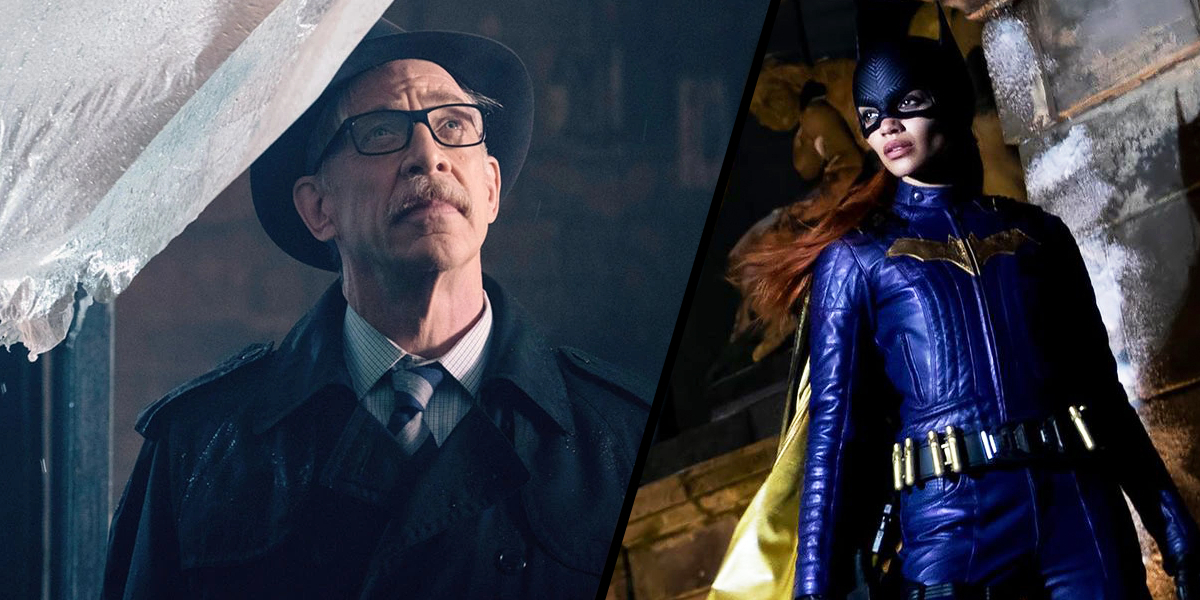
    While Westworld’s Jeffrey Wright played Gotham City’s Jim Gordon in the most recent live-action adaptation of the character in the recently released The Batman, Simmons took on the role of Commissioner Gordon in Justice League (2017) and Zack Snyder’s Justice League (2021). Unlike the latest iteration of the Dark Knight, these two films took place in the DCEU. So, it is not too surprising that Simmons is returning to play the character in the upcoming DCEU film, Batgirl. While Gordon had a limited role up to this point, Simmons told Discussing Film that there would be much more of Commissioner Gordon in Batgirl:

    It’s much more than I got to do in my brief stint as Commissioner Gordon in Zack Snyder’s film. And really, it was fun because it was a completely different side of Commissioner Gordon. All that we saw in the little snippets of Zack Snyder’s Justice League, in either the original or in Zack’s brilliant, expanded cut, it was just Commissioner Gordon being business-like and needing Batman’s help. In this film, I think I’m allowed to say since it does center on Batgirl, we see much more of Commissioner Gordon at home.

    J.K. Simmons

    The actor went on the praise directors Adil El Arbi and Bilall Fallah, noting:

    Dude, those guys are crazy! I don’t know how they do it, and they had been shooting for four weeks or so by the time I joined. I met them via Zoom, and I was under the L track outside of my boxing gym in Chicago when we first spoke. They just bring such an energy. I’ve already compared them to a couple of like two-year-old Weimaraners, who have been pent up in the back of a station wagon all day and somebody just let them loose. The energy and the passion that they bring for making movies was a really fun energy to be around and then the fact that they also really know what they’re doing is is a nice part of the overall experience.

    J.K. Simmons

    Along with his renewed role of J. Jonah Jameson in the latest Spider-Man trilogy, Simmons is playing beloved comic book characters in both the Marvel and DC universes. But he added, “I’m still not sure I understand all the various multiverse aspects of, you know, DC or Marvel.” It is unclear when Batgirl will release given the major delays in the DCEU’s upcoming theatrical schedule, though there’s an argument to be made that it would make the perfect 2023 holiday release.

    Source: DiscussingFilm

  • REVIEW: ‘Peacemaker’ Episode 7 – “Stop Dragon My Heart Around”

    REVIEW: ‘Peacemaker’ Episode 7 – “Stop Dragon My Heart Around”

    Peacemaker’s penultimate episode resolves one of the two major series storylines, which exposes the strength of the Auggie storyline but also makes it feel like it was gone too soon. Stop Dragon My Heart Around hits peaks in terms of emotional impact with Peacemaker’s relationship with his father and leaves the Project Butterfly plotline as the clear, ultimate threat for the finale. 

    The Auggie/White Dragon/Peacemaker’s dad storyline turns out to be quite the sleeper. After being almost exclusively a racist piece of garbage on the sidelines, Auggie steps into his White Dragon supervillain suit one last time to kill his son. While from the series alone it is not entirely clear what exactly the White Dragon got up to in his prime, now is apparently his moment to rock a killer suit while lightly jogging through the woods with an army of discount white-pillow-case-wearing skinheads. While pretty cool to look at, a more keen eye would notice that the White Dragon suit is more reminiscent of a KKK-inspired Frank rabbit from Donnie Darko.

    The ending of the White Dragon story packs more of a punch than anything else in the series. While Peacemaker’s dad was interesting until now, his role was mostly to passively provide context for Peacemaker’s existence and redemption. Early in this episode, we get the full picture of how Peacemaker caused his brother’s death when they were children, providing ample motivation for Peacemaker to do what he does—unceremoniously and abruptly execute his father. The cold nature of the killing combined with the emotional impact it clearly has on Peacemaker is a wonderfully-staged moment where the character truly has to decide who he is. It is underscored by conversations throughout the series that Auggie is beyond all saving, yet Peacemaker could never kill him. Considering that Peacemaker is simultaneously coming to terms with how he does not want to kill anyone, it’s a very strong moment for Peacemaker.

    At this point, it is all too clear that the Auggie aspect of the series carried likely much more weight and impact than pretty much anything else going on. It feels a bit like there is lost potential—had this storyline been given more attention the combination of the darkest corners of White Dragon, the brightest spots of Peacemaker, and the greyest spaces of the real world surrounding them could have been electric. Giving a relatively new character a white supremacist-based story (one where he willfully ignores his dad’s famous racist beliefs and crimes) right off the bat probably is not the best strategy. But it just doesn’t fully find its place within this series, which is a shame. 

    While the Butterfly Project plot is off to the races, it still is not exciting. And now, compared to the resolution of its companion plotline, it looks even less inviting. As generic as it has felt, Murn’s death this episode is it at its best. After butterfly Murn got a bit more of the spotlight last episode, it feels like it matters a bit that the character is gone. The final moments with Murn as the sad and crumpled butterfly are actually heartbreaking, even if only because we have more sympathy for a dying animal-type creature than a human. Either way, Murn’s death is a classic “we’re really a team now” tragedy—Phil Coulson would be proud. 

    While Episode 7 is strong, a few elements of Peacemaker still feel out of place. Top of that list still is Judomaster, who once again ends up unconscious after fleeting moments of screen time. The character is great, but what is his point? How is he related to anything other than working as security for the Goffs? Why did he “ding dong bitches” our main team after hanging out at a gas station? Another is Adebayo and her Amanda Waller connection—it is too significant of a thing to not have greater meaning or consequences, but it has only served as extremely minimal background information for Adebayo’s character. Amanda Waller is a major character in this universe, but quite frankly, Viola Davis herself is on another level. Surely cameoing in a FaceTime conversation is not the full extent of her involvement. 

    Honestly, the finale of Peacemaker might end up being less interesting than this episode. The penultimate installment rightfully draws a hard line between its two stories but it ends up highlighting the strength and the greater potential of the one it ended. Project Butterfly as we know it falls short in comparison, but perhaps it still has some meaningful surprises up its sleeve. The finale is set to feature some violent, over-the-top, last-stand-type action no doubt, which could be phenomenal. In any event, after Murn’s death, Task Force X is in its best place in terms of team dynamics going into the final battle. 

  • REVIEW: ‘Peacemaker’ Episode 4 – The Choad Less Traveled

    REVIEW: ‘Peacemaker’ Episode 4 – The Choad Less Traveled

    Peacemaker’s fourth installment indicates that the series plans to take a hard left with its main character in terms of his identity on the antihero spectrum. While making the somewhat-established ruthless mercenary have feelings isn’t surprising, Episode 4 is quick to make it perfectly clear that John Cena’s Peacemaker may have more emotion to offer than anything else. 

    This episode revolves almost entirely around the characters’ psyches concerning killing. On one end is Vigilante, who at times truly does not understand why he or someone else should not kill any given person. On the other end, arguably, is Adebayo, who is struggling with feeling like she is not cut out for the job after she could not kill someone during the Goff altercation. Harcourt offers a small bit of her insight into murder. 

    Perhaps Peacemaker is supposed to fit somewhere between these characters. The character has seemingly taken a big leap from where he was in The Suicide Squad. As much as Peacemaker is clearly trying to redeem his character in the long run, the series itself has not seen much if any of the cold-blooded mercenary. Instead—with the aid of his brother’s death and Rick Flag flashbacks—the killer has actually been relatively peaceful. He showed issues with being used as a ruthless tool, and Episode 4 highlights this more. Peacemaker has major issues with Murn’s order for him to kill kids without being told the specifics of why. So the character has maybe shown cracks in his demeanor, although he certainly did not start this series without any.

    The episode picks up immediately following the assassination of the butterflied Senator Goff and his family. While the leftovers from that event certainly suggest that there are world-ending implications to Project Butterfly, Peacemaker feels humorous and relaxingly off-task. One of the best quotes comes from Murn: “Every time I turn around one of you is doing something fucked up!” 

    Plenty of the distraction comes from basic conversations between characters such as Peacemaker’s and Vigilante’s conversation about how “if it walks like a duck…” it must be a duck or at least a duck in a human costume. Vigilante spends a significant amount of time somewhat ironically thanking Peacemaker for “allowing [him] to be tortured,” so that he could become stronger. Peacemaker also takes the time to yell at the elderly neighbor about how Batman causes more people to be killed than he saves by not killing his enemies. 

    However, a substantial part of the side-tracking this episode comes from Auggie Smith’s—Peacemaker’s father—arc. While Project Butterfly seems more urgent than before, much of this episode is spent with characters trying to keep Peacemaker from ruining everything by talking to his dad. He does, in fact, do just that, which then leads Vigilante to “break into” jail to try and kill Auggie. That also goes sideways, and Auggie is now set on a path to be a more tangible threat to Peacemaker this series.

    The focus on Peacemaker’s dad is an odd counterbalance to the overarching Project Butterfly plot, but it brings with it much more emotion and potential character development than the more traditional story brings. Peacemaker’s mini-breakdowns over his role as a killer are accentuated by memories of his father forcing him to kill people in their basement, as well as having some mysterious role in his brother’s death. His total failure at being a psychopath is emphasized by his unwillingness to kill his white supremacist supervillain father. Vigilante makes that point clear, and Adebayo delivers a solid miniature monologue about how everyone wants to believe that their parents are inherently good—but that just isn’t the case with Auggie. 

    Aside from nearly the entire cast having a crisis of faith over whether or not they are competent enough to do their job, Vigilante is the highlight of every scene he is in. The guy is completely and murderously insane, yet you feel like you could hug him. As much as the series wants to double-down that he is a clinically-certified psychopath, his “I think I might have made things worse” to Harcourt once he gets out of jail is brimming with some kind of emotions. The character is a wonderful mix of incompatible parts that turns out so charming. Judomaster, on the other hand, awakes and escapes from Task Force X custody only to beautifully fight Peacemaker in the parking lot, get shot, and become unconscious in Task Force X custody once more. At the very end, it’s revealed that Murn himself is a butterfly, meaning the Project Butterfly plot should start to kick into high gear. 

    Peacemaker’s fourth episode further extends the series upward momentum. Again, the action was lacking overall and the pace does not scream “there’s a really important potentially apocalypse-level threat going on.” However, every bit of distractedness and feeling of being off-task is brilliantly and fluidly merged into Peacemaker’s unstoppable humor and signature style. Episode 4 also left no doubts that the series plans to get emotions and dig deeper into what exactly makes a Peacemaker, or even, what exactly makes a killer? 

  • REVIEW: ‘Peacemaker’ Episodes 1-3

    REVIEW: ‘Peacemaker’ Episodes 1-3

    Peacemaker’s comedic tone and its take-nothing-serious attitude are immediately in full force at the beginning of its premiere episode, and the series’ amazing opening credits promise that that will underlie the entire show. With that, it is successful, and it is sure to please a wide-ranging audience with those elements alone. Still, the first three episodes of Peacemaker left some to be desired with a sometimes-dragging pace. The series mostly makes up for it with its characters and the excitement and pace pick up as the series progresses. 

    Where Peacemaker excels most is its desire and fearlessness to allow itself to be the joke rather than just making jokes. In The Suicide Squad, that is essentially what the character of Peacemaker brings to the table, though with a bit more grit than the series is so far generating. Peacemaker is driven by general incompetence, and the series feels somewhat like it exists in some bootleg underbelly of a superhero universe. A universe where generally ordinary but demented people dress up in colorful costumes and casually assimilate into society. From what Peacemaker shows, there is nothing flashy or elegant about the lives of these superheroes—the titular hero lives in a cluttered mobile home—and it adds to the feeling that the series takes place in a reality closer to our own. 

    The one thing that Peacemaker nailed before it even began was John Cena’s casting. It’s hard to put a finger on it, but there’s something about him and his performance that is Peacemaker and feels effortlessly so. Cena allows himself to inhabit a character that is the butt of the joke but also portrays genuine bravado yet cluelessness at the same time. Peacemaker does not spend time trying to convince anyone that the titular character is some worthy hero, and the series even attacks the character for being racist within the first few minutes. The character also encapsulates the series’ intended tone, so even if other elements aren’t matching it, Cena’s Peacemaker rightfully anchors it all to keep it from losing its heart.

    While there is some controversy over the direction the series decided to take Freddie Stroma’s Vigilante, the character is possibly the best part of Peacemaker so far. While his scenes were sparing over the first couple of episodes, his character is being consistently built into the foundation of the series. His flamboyant, upbeat personality that overlaps with a clearly deranged and murderous individual is a Peacemaker-level character at its finest. Cena’s Peacemaker is otherwise surrounded by a bit more serious and grounded characters, so Vigilante’s personality is a strong addition that compliments Peacemaker’s in a way that others cannot. 

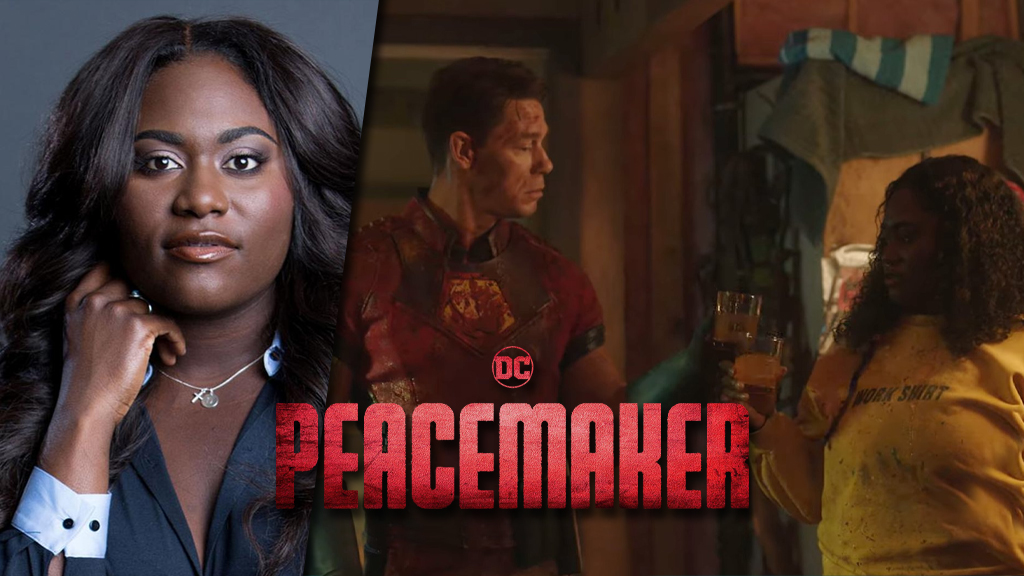
    Still, the supporting cast feels integral to the series to the same degree that Peacemaker does. Jennifer Holland’s Emilia Harcourt is often the most serious character of the series but can come across as one-note. Danielle Brooks’ Leota Adebayo is a welcome addition to Peacemaker’s Task Force X that underscores the premise that the team often is not exactly inspiring or competent. Steve Agee’s John Economos mostly seems there to exchange insults with others, and Chukwudi Iwuji is undoubtedly the most formidable and intriguing member but has yet to reveal much about himself. The reluctant team aspect is reminiscent of The Suicide Squad in some senses, but the group’s dynamic has room to evolve and improve. The team plays as (mostly) the level-headed backbone of the Project Butterfly plot, in stark contrast to Peacemaker who ironically is often the most incompetent around. The team, though, is not immune from the series’ desire to make fun of itself and not take things so seriously. As serious as they can be, they also suffer from silly mishaps and poor decision-making skills. Robert Patrick’s Auggie Smith or White Dragon is featured prominently in the first two episodes, and it is made clear that the white supremacist villain will have a substantial role to play other than being the source of Peacemaker’s daddy issues. 

    However, the series is surprisingly slower than expected. The first episode in particular felt rather mundane and drawn out, serving as a basic primer without much-added excitement. After that, the series picks up with Episode 3 easily being the best and well-paced of the three. Episode 3 is also the first episode where the overarching “Project Butterfly” really comes into play, though the series is still rolling out the details. The effect is a show that is currently more of a mystery than an action-thriller, but there’s every reason to assume that that will shift. For now, though, Peacemaker falls significantly flatter than maybe it intends to. The humor still carries and drives the series, so it is not left without its fun and heart, even in its blander moments.

    All in all, Peacemaker is full of plenty of promise. The first three episodes seem to have set up most of the major players and elements of the series, even though most of Project Butterfly remains under wraps. Hopefully, the show can utilize its strong cast and collection of characters to propel the series to greater heights as the story picks up the pace and the action—hopefully—follows suit. 

  • ‘Peacemaker’s’ Danielle Brooks Talks James Gunn’s Support of Her Casting: “You Already Fit”

    ‘Peacemaker’s’ Danielle Brooks Talks James Gunn’s Support of Her Casting: “You Already Fit”

    James Gunn‘s much-anticipated Peacemaker series makes its HBO Max debut in less than a week. The series is full of characters that look like they have jumped straight out of a comic book, including John Cena‘s Peacemaker and Freddie Stroma’s Vigilante. The series co-lead, Danielle Brooks, however, recently opened up to Variety some of the anxiety she experienced as someone who didn’t herself fitting into the superhero or comic book world the series takes place in.

    The Orange Is The New Black star revealed that Gunn wrote the part of Leota Adebayo with Brooks in mind. When it came to the casting process, Brooks stated:

    It’s [] this kind of nerve-racking experience, because you really want to fit in their world. When you audition and you get the part, you know that you were the right choice, but when you didn’t audition, you’re like, “I hope they don’t feel like they made a terrible mistake.”

    Danielle Brooks

    Obviously, Gunn and Peacemaker did not make a terrible mistake. When Brooks expressed her concerns to Gunn, the writer and creator made it clear to her that she fit in Peacemaker‘s world:

    So we ended up having a meeting, and we just hit it off. I explained to him [that] I’ve never seen anyone like myself in this world. It was really exciting for James to say, “I like you the way you are. I don’t want you to get all this training and try to lose 100 pounds” or all this stuff. He didn’t try to make me fit into his world. He said, “You already fit.” I really appreciated that.

    Danielle Brooks

    It is always great to see that level of support between members on any project, and that will almost certainly be reflected in the series’ final project. Peacemaker’s confidence to bring in characters that challenge the traditional view of what a “superhero” project character can be undoubtedly seems like it will payoff for the series. Still, Brooks also noted the importance of her character to comic books and their stories in other mediums:

    I started doing research before getting this part of, like, if I were to ever be asked which [comic book] characters I could play, who do I actually look like? There are a few that look like me, actually, but when they’re reflected on TV or film, they change them completely. Their look does not reflect what you see in the comics. I’ve always tried to manifest doing an action project, because I do feel like a big part of my driving force in this industry is changing the narrative of what leading ladies look like and what plus-size women are capable of doing. Part of that was getting out of my own way. When I had my daughter, I ended up gaining 60 pounds, so I didn’t feel confident. Before, I was doing Spartan races. Like I was out here over 200 pounds, doing Spartan races, and now I’ve gained 60 pounds on top of that, and I just felt like, “Can I do this [show]?” But I knew in the back of my head I could because I had the support of James Gunn, and not someone saying that you need to change any parts of yourself.

    Danielle Brooks

    You can see Brooks bring Leota Adebayo to the screen when the first three episodes of Peacemaker drop on HBO Max on Jan. 13.

    Source: Variety

  • Who Is Judomaster, The New Peacemaker Sidekick?

    Who Is Judomaster, The New Peacemaker Sidekick?

    With Peacemaker just under a week away, stills and promotional materials are coming out featuring some of the characters. One of those characters is Judomaster. Given James Gunn’s affinity for lesser-known comic characters, it’s no surprise that Judomaster fits right into his vision. But who is Judomaster? Don’t fret, we have you covered.

    Judomaster, played by Nhut Le

    Created in 1965, Judomaster’s real name is Hadley “Rip” Jagger. He is a World War II vet and appeared in Crisis on Infinite Earths #6. Judomaster has undergone three reboots with different people taking up the helm. While Judomaster wasn’t originally a DC Comics character, the character was bought by the company in 1965 and he made his debut in Special War Series #4 shortly after inception.

    Nhut Le stars as the aforementioned hero joining John Cena‘s Peacemaker. Appearing as Judomaster in Peacemaker is Nhut Le’s first major role as an actor. Previously, he’s appeared in Kroll Show and Raven’s Home. With the role of Judomaster, Le is poised for a breakout with James Gunn and John Cena at his side.

    As the name implies, Judomaster is a master of Judo which is the Japanese art of throwing people, or as people in the Judo circle refer to it as: “The art of hitting someone with a planet.” Readers can get a feel for judo in the below video, highlighting three-time Olympic judoka champion, Teddy Riner.

    But Judomaster isn’t as one-dimensional as his name implies. In addition to Judo, Judomaster is adept in karate and boxing, making him a very formidable person to fight. He can be seen punching, throwing and chopping his way through guerilla insurgents in the Martial Law series. So when you tune into Peacemaker on January 17th, expect some high-flying action à la Bruce Lee. Judomaster, should he live up to his name, will be a hero with no real superpower, only specialization in hand-to-hand combat.

    What to expect?

    What can fans expect from the titular hero? Well, as mentioned above, Judomaster isn’t a one-trick pony. He is a master in hand-to-hand combat. With a martial arts background, I expect to see a very Bruce Lee-esque approach to his choreography, but with a peppering of Gunn’s hint of violence: a hot-tempered fighter with a huge enthusiasm for violence. 

    The Lee influence will likely borderline on parody in this series knowing Gunn. In many martial arts, there’s the risk of injury, but Gunn will likely lean into this to keep the tone and violence levels similar to The Suicide Squad

    Te-Gutuma

    If you’re looking for the Judo influence, I fully expect to see the Te-Guruma implemented. The Te-Guruma, as seen in the above image, involves picking your opponent up and slamming them upside down. This throw, also popular in MMA and freestyle wrestling, is especially dangerous when improperly (or properly in Judomaster’s case) implemented. You can easily slam your opponent on their head or the back of their neck causing severe spinal damage.

    Osoto Gari

    One other throw that you can almost bet on is the Osoto Gari. The Osoto Gari involves getting close to your opponent and sweeping the legs from under them while pushing their torso down. Modified, Judomaster will likely push on the head, smashing the skull to the hard surface. The technique can also be seen in the drawing above.

    Ronda Rousey applying an armbar

    One more judo technique, which is more common in Jiu-Jitsu, I expect to see is an armbar. This stretches the arm across the hips and hyperextending the elbow which is very painful. But if not tapped or, what is likely in Judomaster’s case, continued torque, will break the arm — something that seems likely in Peacemaker.

    Don’t miss out on the violence when Peacemaker debuts on Jan. 17th. Oh, what a lovely day!

  • The Sanctity of Canon: How Being Canon Sometimes Hinders Storytelling

    The Sanctity of Canon: How Being Canon Sometimes Hinders Storytelling

    The sanctity of canon has always been a contentious topic for fandoms, in particular, how inclusive or exclusive it is. Lucasfilm famously dismantled decades worth of precious Star Wars canon in novels and comics after the company was acquired by Disney, pissing lifelong fans who invested precious time immersing themselves in those novels to no end. Warner Bros. and DC films are notorious for setting stories in their own bubble and adjusting as things go on. And then you have Marvel Studios and Marvel Television’s cold-war squabble of the films never acknowledging the television world’s existence, despite the latter insisting they’re in the same club as the former. 

    For some, whether or not a narrative is canonized determines its value. The more important or essential a story is to the larger understanding of the written body, the more it outweighs the others, regardless of quality. The less important it is, the less valuable it is. It understandably takes so much time to invest a lot of effort into something so why do it with the inessential stuff? Why should you watch 5 seasons of a show that has zero bearing on the larger story in the metaseries? 

    That line of thinking can sometimes be detrimental to how we consume art. Just because something is inessential to the metaseries, doesn’t invalidate its existence. You can partake in a series or a comic simply because it moves you, or because it’s good, or because it makes you happy. Or perhaps you value quality over ancillary world-building. None of the nerdy connectivity matters in the face of gratification and fulfillment. You like a show because you like it.

    On the flip side, having something you enjoy be acknowledged feels just as good. It’s a validation of your investment. Imagine what fans felt when it was announced in Star Wars Celebration 2016 that Thrawn, a famous character from the decanonized Legends novels, was being recanonized in the main continuity. Not only would unfamiliar fans get to know a great character they otherwise wouldn’t know, but it’s also somewhat akin to seeing an old friend. You spent 7-years following the intricacies of Agents of S.H.I.E.L.D., falling in love with their characters, and growing with them every step of the way. Seeing The Cavalry show up in the films naturally feels like an apt reward for all that support.

    While the series would often reference the events of the movies, even going as far as to include guest appearances by the likes of Samuel L. Jackson and Cobie Smoulders, the Marvel films never acknowledged the events of Agents of S.H.I.E.L.E.D. This is something fans hoped would be ‘corrected’ following the ending of the ABC series, with many adamant Chloe Bennet would reprise her role as Daisy Johnson in Secret Invasion – something she has denied.

    Fan frustration only became worse when the writer for The Story of Marvel Studios seemed to suggest the series was, in fact, not canon to the Marvel Studios film. Agent Carter being the exception, of course. Fans of the series grew angry, not wanting to hear the series was its own entity outside of the films. The frustration is understandable, to an extent. The feeling that the creatives owe them something, though, is a major problem.

    Us fans, we tend to feel a sense of ownership over these stories. We make these stories a part of our daily lives. Quotes become part of our vernacular. Memes become a cornerstone of our online interactions. These characters begin to shape with some of what we identify with, which is great. However, the fact that fans expect to be rewarded for all of these things feels misplaced in the face of corporate interest.

    These stories are a business at the end of the day and none of them owe fans anything, as harsh as that sounds. While studios and creatives are without a doubt thankful for the support, they operate on the whims of numbers and their own creative vision. If the idea of fully incorporating hours of television (that were created separately in a vacuum) into a cinematic narrative doesn’t logistically fit with their vision, that’s tough luck for all the fans who want it. The bigger picture of what the company wants gets served above what fans want.

    And the way these companies go about dealing with canon is fascinating on a lot of levels. You have HBO and its Watchmen series. When HBO gave The Leftovers and Lost creator Damon Lindelof keys to Alan Moore and David Gibbons‘ dystopian superhero world, Lindelof made sure he only looked at the seminal 1985 comic as his basis. It was the Old Testament he would use to create the Watchmen’s New Testament. This was done despite dozens of Watchmen sequel comics and Zack Snyder‘s reimagined movie adaptation. Lindelof ignored every single one of those and created his own take of what happened after the comic. And it worked perfectly.

    Then you have the DC Extended Universe whose canon is a free-for-all. While its cohesion pales in comparison to the relatively cohesive tapestry of the Marvel Cinematic Universe, the DC films have that the MCU doesn’t: the freedom to do whatever they want. It’s how you end up with a movie like Joker, divorced from anything their tentpoles are doing. We’re at a point where we will see three different Batmans in live-action (Affleck, Keaton, and Pattinson) next year. These films aren’t beholden to a strict continuity and simply exist on their own merits. In a pop-culture landscape where interconnectivity is getting more complex, being able to watch The Batman on its own feels satisfying.

    All of this brings us to the MCU, arguably the most successful franchise with the most cohesive continuity. A decade into its existence, more and more MCU projects are bringing elements from the early days of its canon, signifying Kevin Feige’s vision of a tighter and more consistent network of stories. However, even the MCU isn’t exempt from just throwing things at the window. Thor: Ragnarok famously shits on all the Thor films before it, foregoing much of its predecessor’s qualities including some story beats. 

    Marvel Studios is starting to take things further by possibly adding talent from the Marvel Television world. With the closing of Marvel TV along with the shows under its purview and the reported involvement of its key players in the proper MCU via soft reboot, fans have been divided as ever over what constitutes canon. Charlie Cox and Vincent D’Onofrio have both cemented their performances in shows that are being written out of continuity, yet their shadows loom over the future of the MCU. Upcoming shows Hawkeye and Echo are being touted as vehicles for the return of these Marvel TV staples, complete with a new canon. It’s more than likely to see Marvel Studios make more cherry-picking decisions like this when it comes to castings outside its purview. J. Jonah Jameson is another great example of this decision. 

    There’s also Lucasfilm, which recently released Star Wars: Visions, a non-canonical anthology show that distilled all the best elements of Star Wars into something fresh and exciting for the franchise. The result is a widely acclaimed show that pushes the boundaries of what Star Wars can be. In many ways, it was a proof of concept of how exciting the franchise could be without any of the main saga’s bells and whistles. 

    Like a belief losing its hold on its believers, the sanctity of canon feels subjective these days. What these franchises have come to understand is the importance of fluidity in storytelling. Nothing is sacred, for better and worse. The story is king at the end of the day and takes precedence over anything else.

    Should the need arise to forego established premises to accommodate the larger narrative, storytellers should be able to do as needed. 

  • ‘Black Adam’ Teaser Could Confirm Villain Rumors

    ‘Black Adam’ Teaser Could Confirm Villain Rumors

    Black Adam is one of the strongest characters within the DC Universe, harnessing the power of the wizard Shazam and ruling the country of Kahndaq. The character is set to make his live-action debut in his very own solo film coming next year. DC FanDome gave us our first look at the film including a brief scene from the film showing off the anti-hero’s power as he turned a man to ash with just a grasp. Many wondered just who Adam would be facing off against in the film, besides the Justice Society, and it seems another rumored foe may have been confirmed.

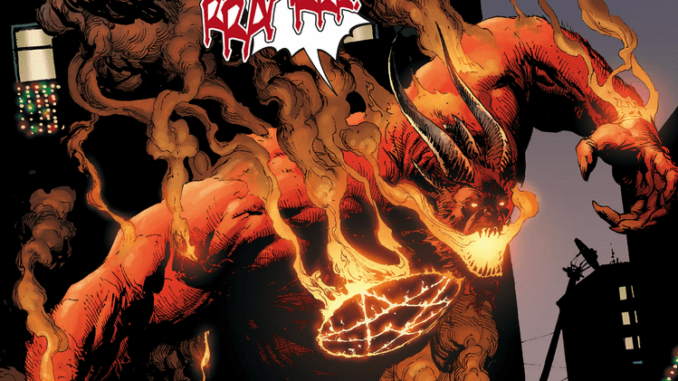
    The first Black Adam teaser was pretty fantastic, particularly a scene in which the fallen champion himself is set free from his centuries-long imprisonment at the ends of the wizard Shazam. Before he is set free, both Sarah Shahi and Marwan Kenzari can be seen. Shahi, who plays Adrianna Tomaz, is the one who sets Adam free by reciting the hieroglyphics and saying “Shazam!.” But just before that we can see an ancient-looking crown floating above Adams tomb, one that may just be the Crown of Sabbac.

    Rumors began awhile back that actor Marwan Kenzari was cast as Ishmael, and would don the crown of Sabbac which would give the abilities of the Seven Kings of Hell. The character seems to have gotten a bit of a makeover with the character foregoing his Russian roots and adopting an Egyptian heritage as the descendant of a Pharaph whose story ties directly into Adam’s.

    Black Adam will be in theaters July 29, 2022.