Described by Marvel Studios’ Head of TV, Streaming, and Animation, Brad Winderbaum, as a “love letter to Hollywood” and a story “that anyone who came up in Hollywood or in the arts in general can relate to,” Marvel Television’s Wonder Man may indeed be just that…though at times anyone who did not come up in Hollywood might find themselves feeling a bit like a fifth grader on the outside of an inside joke. True to the word of Winderbaum, Wonder Man is entirely unlike anything Marvel has done because, at least in part, it feels as though it was created for the enjoyment of those who create.
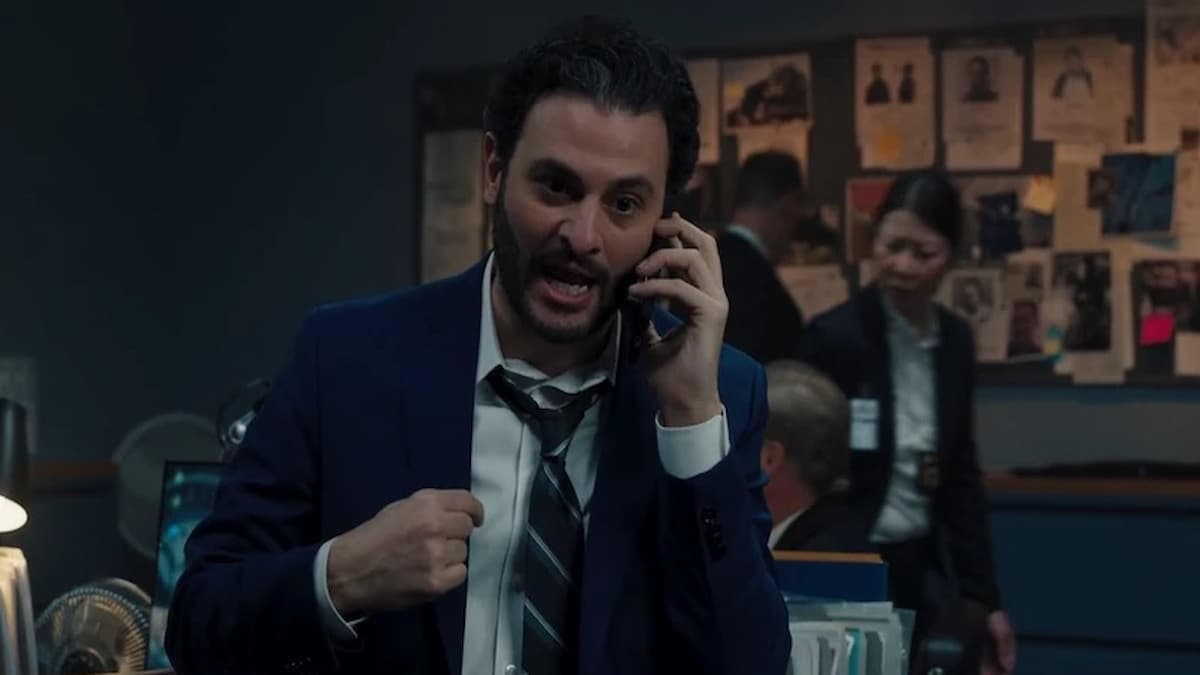
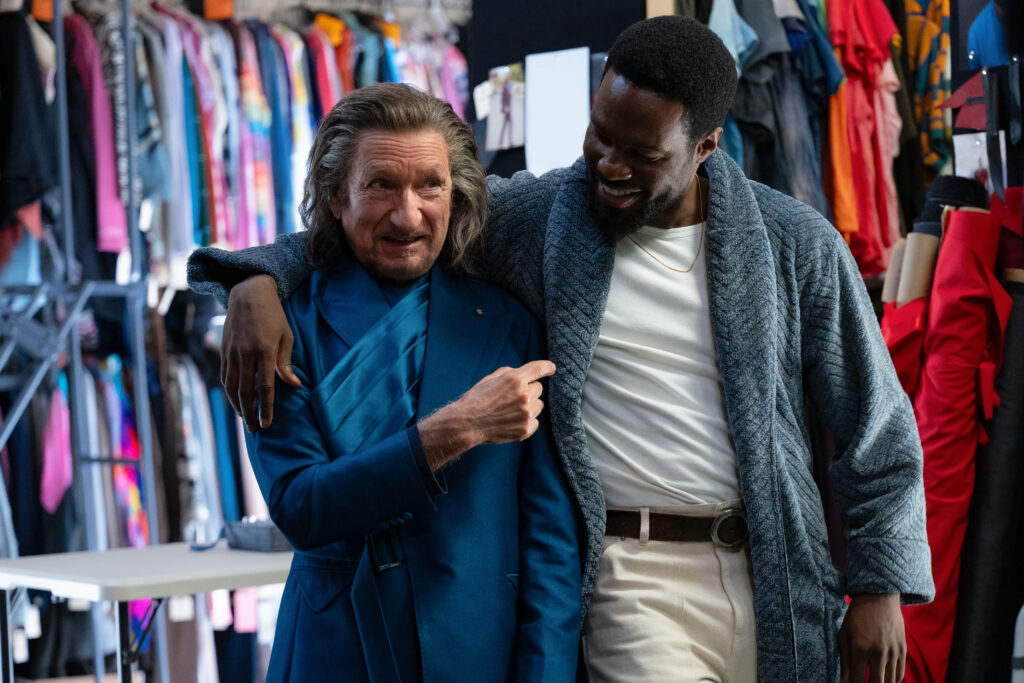
A character study at its core, Wonder Man is almost entirely devoid of superhero action, choosing rather to spend its narrative currency peeling back the layers of the psyches of Simon Williams and Trevor Slattery. Like Midnight Cowboy, the film that brings the two together, Wonder Man is indeed, as advertised, a two-hander in which each of the dual protagonists recognizes the other as, perhaps, the first genuine human connection either has ever had. Over the course of seven of the eight episodes (an entire episode of Wonder Man is dedicated to NEITHER Simon nor Trevor), the leads’ personas are stripped bare, with Simon’s history told through fragmented flashbacks that deconstruct the damaged and insecure boy that lives behind the facade of an overconfident man. Simon is ALWAYS acting; however, it’s only when he realizes that he’s acting that he struggles.
As a character study devoted to the genre, Wonder Man stands apart from traditional superhero fare. By the design of co-creators Destin Daniel Cretton and Andrew Guest, the stakes of its plot are emotional rather than physical. Despite Simon being perhaps one of the MCU’s most powerful individuals, the series eschews the genre’s classic climax for one that is simply anticlimactic. The earliest marketing for the series gave away the fate of Simon’s pursuit of his dream role, even if it did cleverly conceal the project’s best twist which isn’t a revelation about Simon. As such, Wonder Man follows a couple of actors talking about acting while pursuing acting roles for the vast majority of its runtime, with very little time spent on the unnatural abilities possessed by Simon Williams. By focusing on the mundane aspects of being a powered individual in the film industry (auditions, stunt work, publicists), the show humanizes Simon. While Wonder Man does provide Simon with the occasional opportunity to show off his powers on street-level cannon fodder, there’s more tension present in scenes where he’s trying to crack the backstory of his character in American Horror Story.
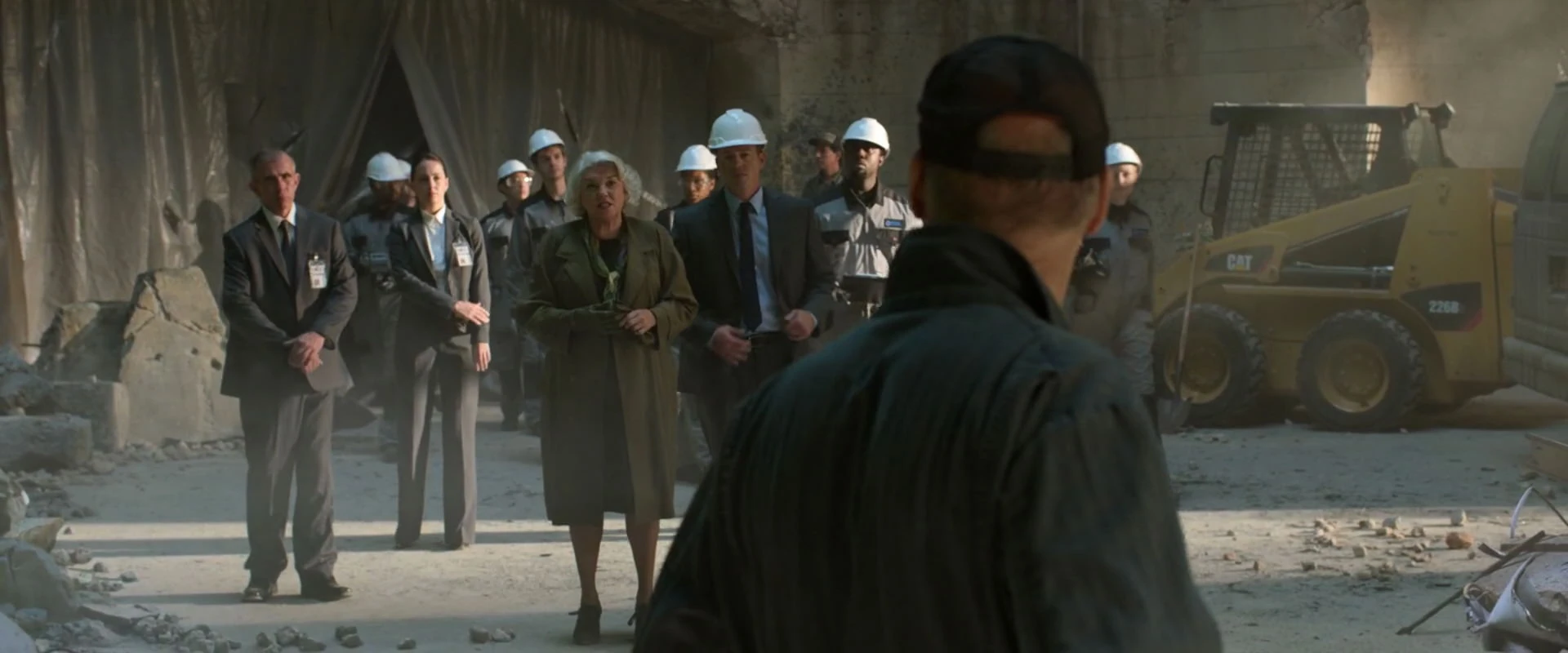
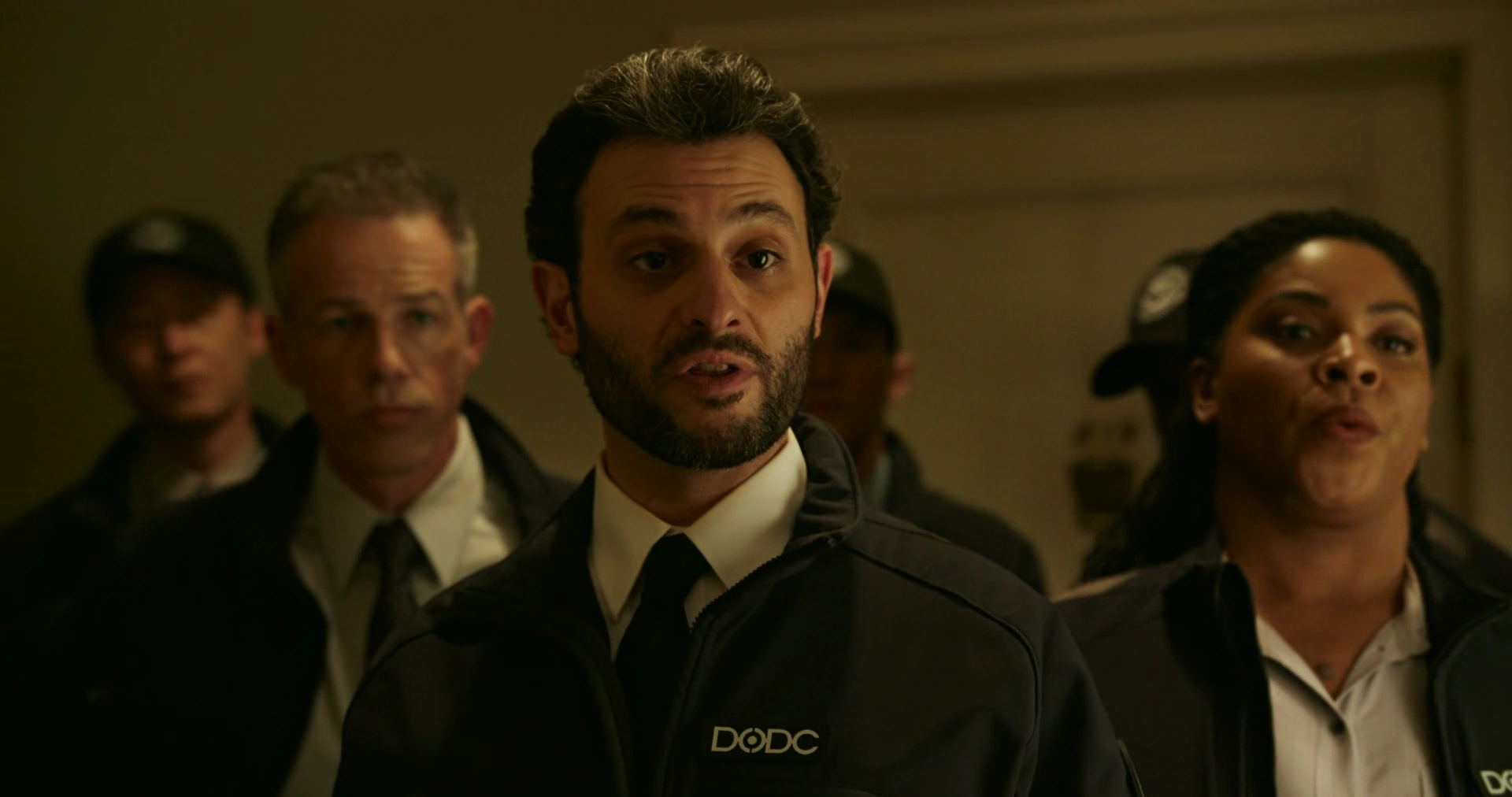
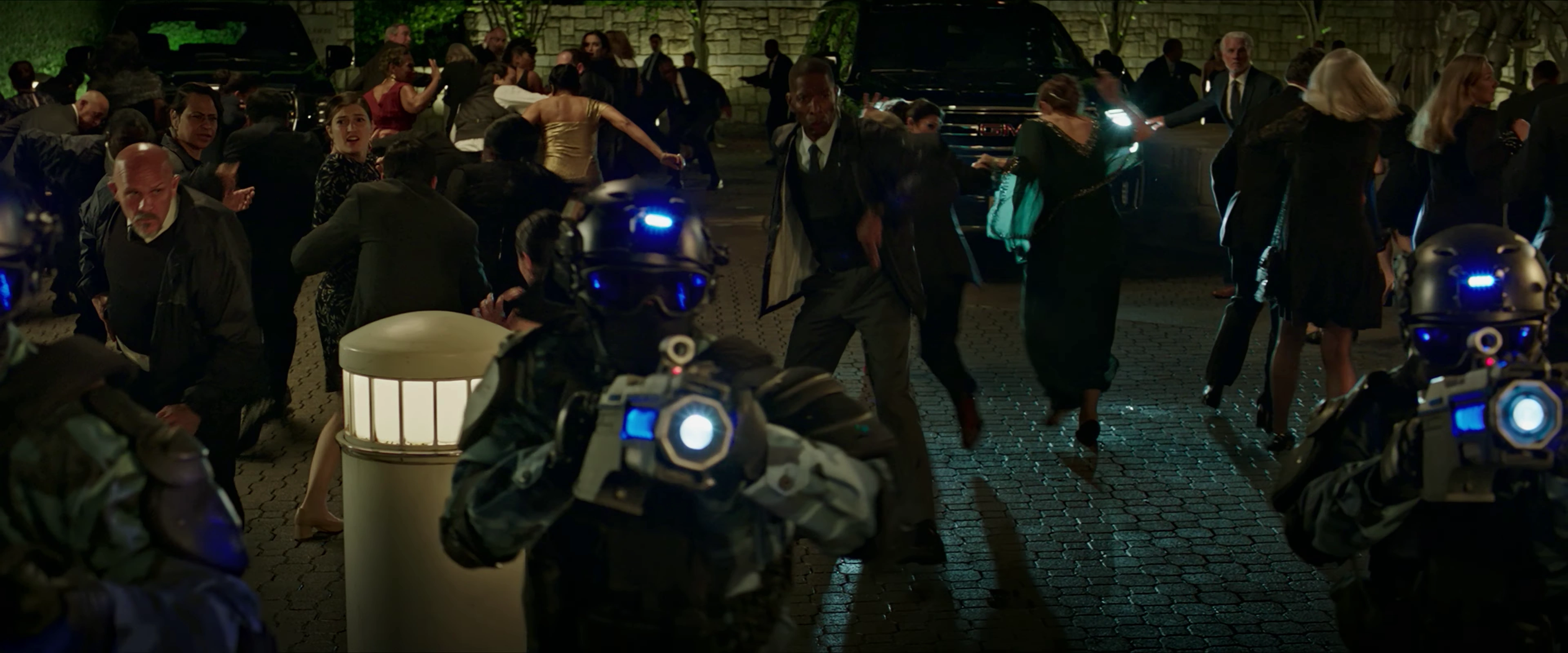
Though the time spent with Simon is rewarding, such little time is devoted to his innate ionic powers that the presence of the series de facto antagonists, the Department of Damage Control, feels shoehorned and contrived. Arguably, this is the one area in which Wonder Man taking place within a deeply developed shared universe based on superheroes forces a betrayal of Cretton and Guest‘s intent. Classic character studies rarely involve a conflict with an external aggressor, focusing rather on how the protagonist’s psyche prevents him from achieving his desired purpose. Given that Wonder Man thoroughly and expertly explores that avenue, it seems clear that the DODC’s inclusion was *suggested* by the Marvel Parliament rather than being narratively native. While it seems Marvel’s intent is that the DODC is destined to become the precursor of the MCU’s anti-Mutant division–even though it is not clear if Simon is a mutant in the MCU–their presence is one of the primary perplexities of the series.

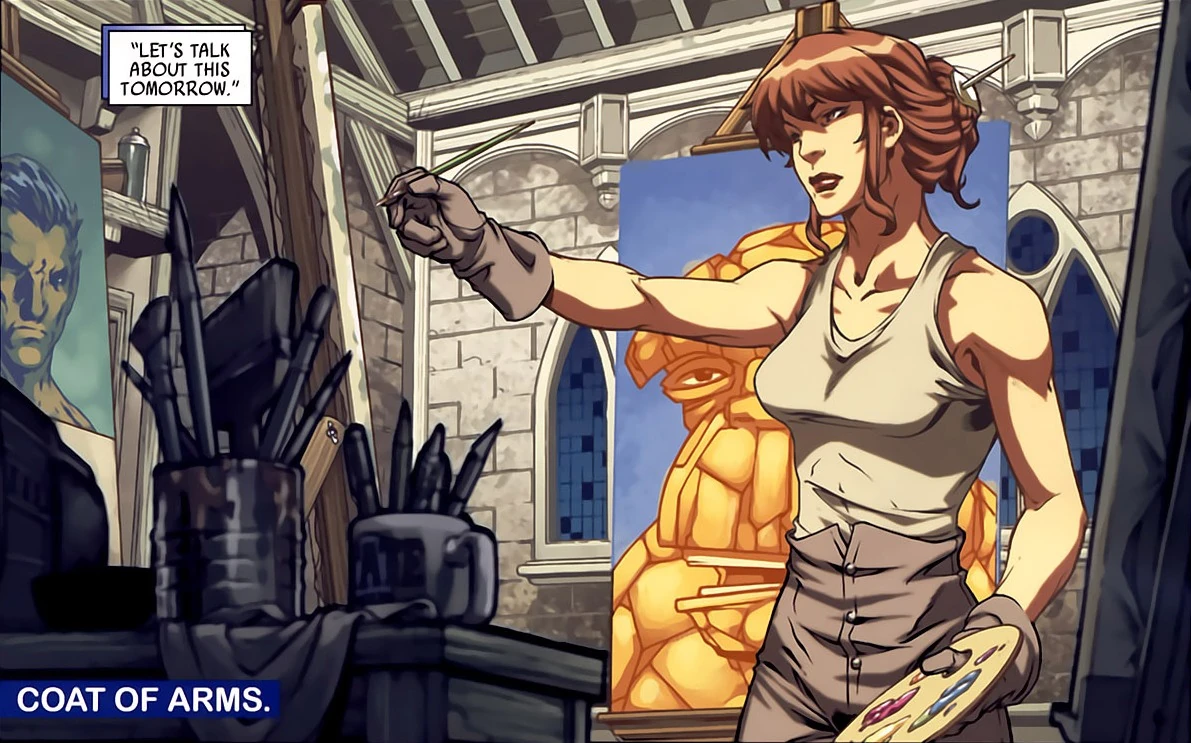
Another is why Simon William is the protagonist of Wonder Man at all. Though it’s hardly the first time it has done so, Marvel Studios significantly reinvents Simon Williams–and those around him–for the MCU. And strangely, given the series’ designation as a Marvel Spotlight project–there’s no guarantee the decision to do so will eventually be paid off or explained. Yes, this Simon is prone to bouts of self-doubt, works in Hollywood and has incredible ionic powers; however, the decision to make Simon a mutant rather than a mutate strips him of the agency that made him such a polarizing character in his early adventures in the pages of Marvel Comics. An interesting choice to be sure and one that may never be liquidated. From his background to his family connections to the source of his powers, the MCU’s Simon has surprisingly little in common with his comic book counterpart…but nearly none of that matters when a star the caliber of Yahya Abul-Mateen II is involved.
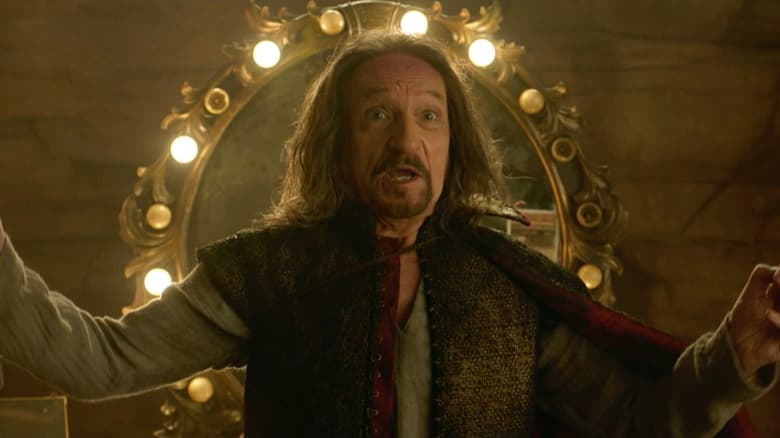
In Wonder Man, Cretton and Guest created the equivalent of an HBO prestige streaming series. Rather than fill the runtime with superhero moments, Wonder Man lingers on the mundane, revealing the true natures of Simon and Trevor in a strangely slow burn for a series with such short runtimes. In the case of Simon, Wonder Man introduces an insecure man seeking validation. But brilliantly, the series uses Trevor as a dark mirror to Simon. If Wonder Man presents Simon as a study of a man trying to find himself through fame, Trevor is a study of a man who has completely lost himself to the performance. Trevor’s character study is built on the tragedy of a failed artist who finally found his greatest role by accident.

Whether he’s in a high-security prison or a warlord’s compound, Trevor’s constant performing ensures people find him too entertaining to kill. This reveals a deep instinct for self-preservation: Trevor doesn’t know how to be authentic because, in his world, being yourself gets you hurt. Strip away the accents and the anecdotes about “the stage” and his “mum” and you meet a man with a fundamental void of identity. Trevor is a character study in codependency. He needs an audience to tell him he exists. Without someone watching him, Slattery effectively vanishes. Using Trevor as a secondary character study reveals a man who uses acting as a survival mechanism and a psychological shield, serving as a near-perfect foil to Simon Williams’s worldview. And in Simon, he meets his co-dependent.
Where Trevor’s patience and experience provide him the relief of being the consummate actor, Simon holds the power of a god but the temperament of a struggling artist, creating a fish-out-of-water dynamic that makes Wonder Man such a particularly clever choice for a character study. While most superhero projects focus on the hero’s journey, Wonder Man is designed as a satirical character study, peeling back the layers of a man who is literally and figuratively performing for a living.

Tonally, Wonder Man balances comedy with a sense of isolation. Tragicomical character studies often use humor to mask a character’s deep-seated loneliness and Wonder Man is no different here, other than that it is led by Yahya Abdul-Matteen II, whose filmography reveals a generational talent.
Despite the series’ shortcomings in terms of its utility as another entry in the MCU’s shared narrative tapestry (it’s only in its last 15 minutes that Wonder Man feels like it belongs in the MCU), the series is undoubtedly one of Marvel Television’s best and, despite some other heavy competition, is carried by the studio’s strongest cast. At the end of the day, the only question that remains is why is was developed as a superhero study at all.