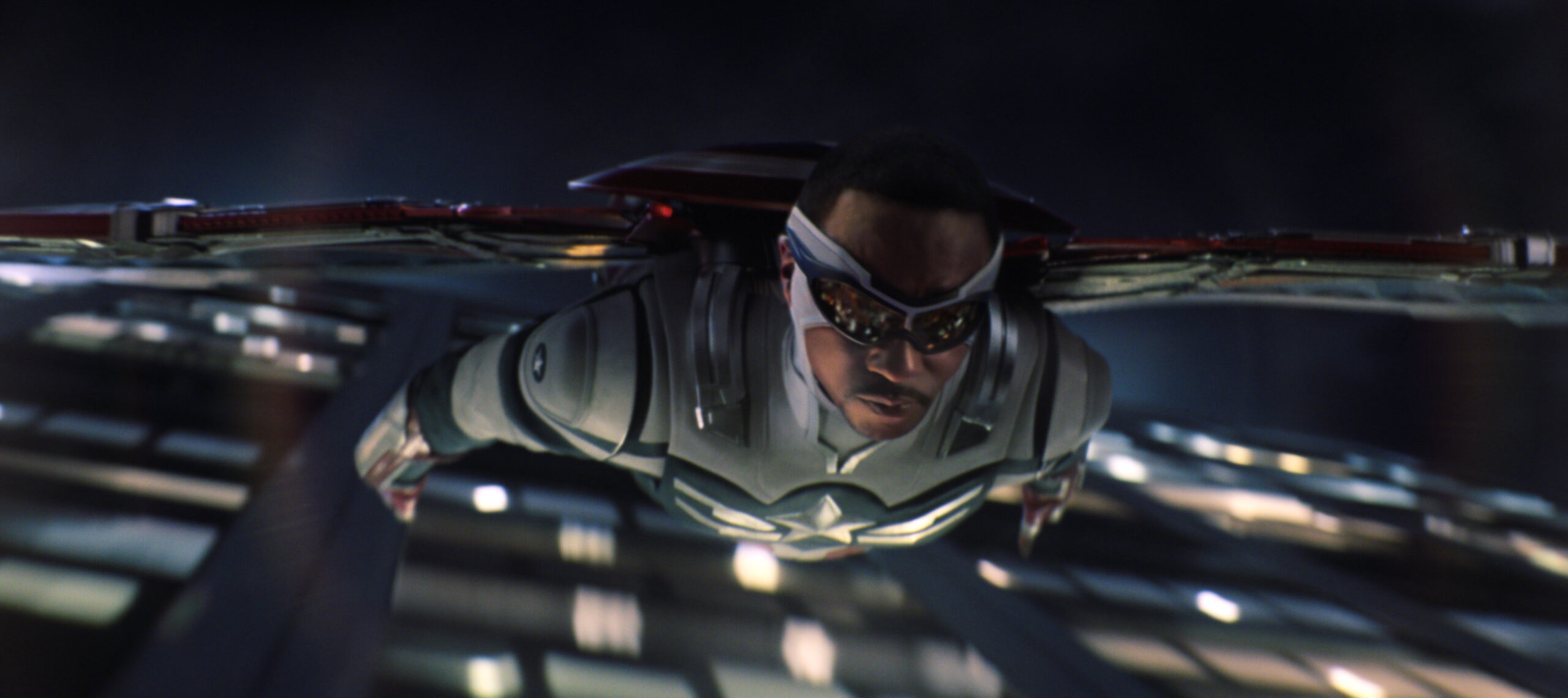
The Internet will often point to “quality over quantity” in regard to lower-than-usual performing Marvel movies. Though they still dominated most of 2022, their only “shortcoming” so far was Ant-Man and the Wasp: Quantumania underperforming with 470M. Yes, it didn’t make its money back but it’s still an amount most people would dream of in such a competitive market after running for 10+ years. Still, the vocalization of the Internet’s displeasure has also been very openly pointed at Disney+.
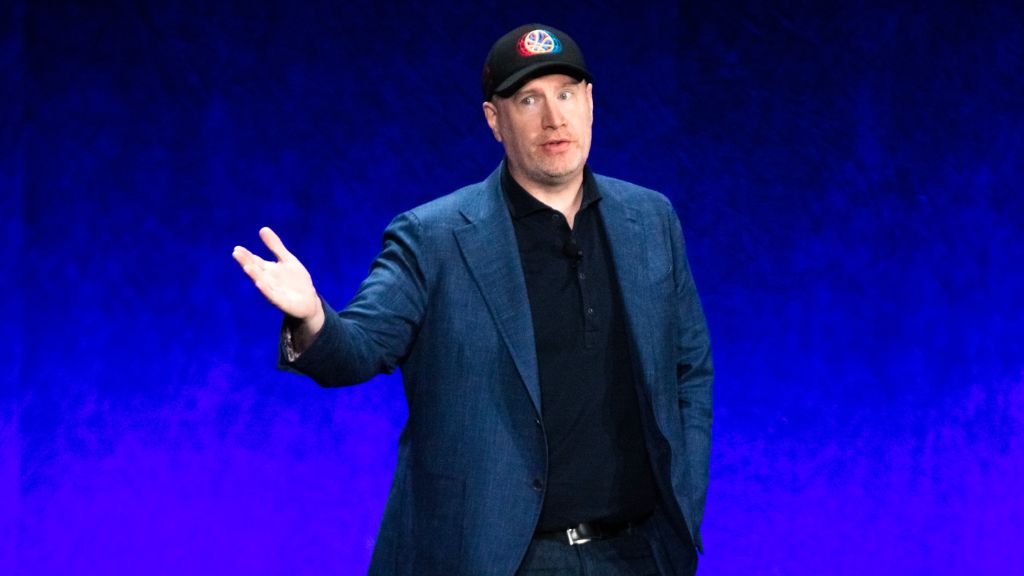
Some say the shows aren’t good enough quality, constantly dragging down the viewership numbers based on 3rd party tracking, and hatred from being too “woke” by a specific crowd. Last year, She-Hulk: Attorney at Law and Ms. Marvel took the brunt of it, but Marvel Studios president Kevin Feige left with a strong message during Disney’s Upfronts by pointing out that their shows have reached “often two to three times the numbers of viewers” from the “buzziest shows on competitive services.”
Thanks to Disney+, we’ve expanded the Marvel Cinematic Universe into genre and formats new to us that we haven’t done before. We’ve been able to introduce exciting new heroes and villains, locations and storylines into the MCU. And I’m pleased to share that when you compare our Marvel series to some of the buzziest shows on competitive services, even our smallest series are reaching much more international audience – often two to three times the number of viewers.
Kevin Feige
We can’t really prove it and streaming services continue to share very little outside of Netflix, but it’s definitely an interesting perspective to offer. And it’s not like they are inventing numbers, it may be a showcase of the international audience embracing these shows more, and discussions on quality are much more diverse than they appear to be; especially if you see how the Internet reacts toward the existence of shows like The Good Doctor.
We’ll see what the future holds for these shows, but Marvel is definitely taking a step back and changing up their strategy, such as Echo becoming a binge release. For now, it feels like we’re about to enter a new era as the pandemic has been left behind and theatrical releases are finally a viable strategy again.
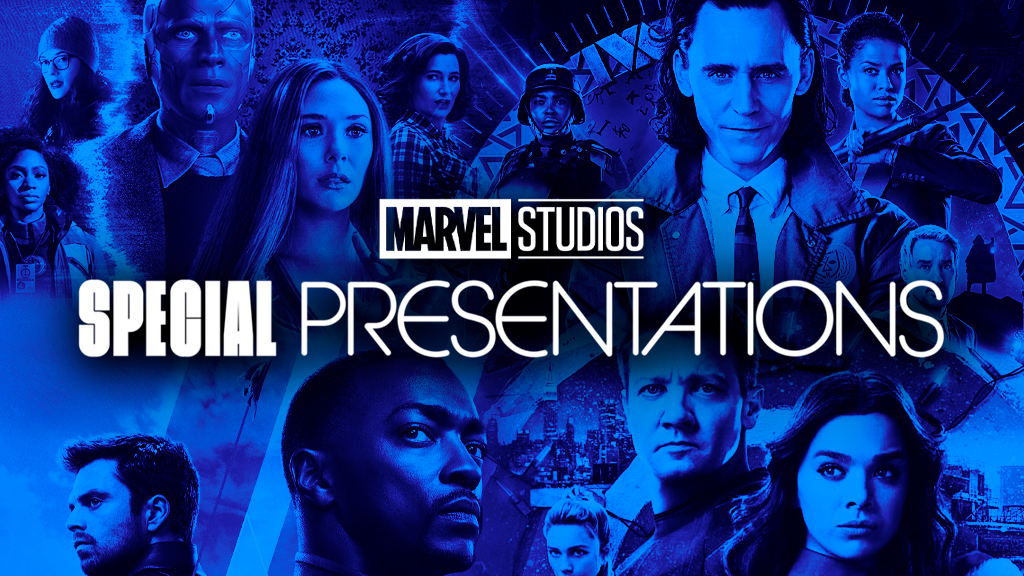
With the release of Werewolf By Night, Marvel Studios has given us yet another format in which to experience and further explore the MCU. Following feature films, one-shots, and TV shows, fans have now been treated to its first Special Presentation, with The Guardians of the Galaxy Holiday Special, Marvel’s second go at the format, just a few weeks away. And one thing is certain: if it ends up being as well received as Werewolf By Night has been, the demand for further projects within the same framework is bound to rise.
James Gunn has stated that his upcoming Holiday Special will be under 40 minutes in length and considering that Werewolf clocks in at around 48 minutes (not counting end-credits) the basic parameters for this kind of project seem to be fairly straightforward. Tv-episode-length with a higher budget, and a more concise and focused script than a feature film. Could this structure become the go-to format for Marvel Studios when it comes to their Disney+ content? As with many debates, the truth usually lies somewhere in the middle.
Considering how most Marvel Studios Disney+ shows have been a bit lackluster, there is no doubt that there is still work to be done when adapting the MCU to an episodic format. The Special Presentation type of show does allow Marvel to keep its feature film formula—a formula that works more often than not—a bit more intact, but while that may serve particular stories, there is still much that can be gained by giving certain characters and storylines additional room to breathe by going the 6+ episode route. If anything, Special Presentations allow Marvel to have a sort of middle-ground between a feature film and a TV show, so that when the story does ask for a shorter runtime but still not garnering sufficient relevance for the big screen there is still a way to make it work. It wouldn’t be hard to picture a series like The Falcon and the Winter Soldier being developed as a one-hour tv special, telling the story of how both Sam and Bucky went from Endgame to Captain America: New World Order and Thunderbolts, respectively. The same case could be made for Hawkeye that, as FatWS, would take advantage of previously established characters to streamline the narrative, swiftly leading into the next project. WandaVision would perhaps be the exception since it took the episodic format to heart and made it intrinsic to its essence. As for all Marvel Studios series introducing titular heroes, along with their own set of side characters, from Moon Knight to Ms. Marvel and She-Hulk, the longer runtime provided by several episodes seems completely warranted. Taking time to properly explore their origin, in their own corner of the MCU, without all the noise provided by the evergrowing mob of characters that will eventually engulf them seems fair.
But while the story itself should be the main reason when choosing what format to go with, there are also more specific points working in favor of the new format. For one: talent availability. With the success of the Marvel formula, the franchise is either attracting A-listers to its key roles or turning unknown actors into household names. In either case, unless previously signed contracts so dictate, it will become increasingly hard to get the desired names to be completely available for the time that it takes to shoot the usual 6 to 9 episodes of a regular Marvel Studios series. By having the Special Presentation format available, the studios could keep production schedules shorter, stars happier, and probably even bring about a bit more of that Strange Alchemy that the Russo Brothersvalued so much (something that happens when characters who never interacted in previous projects share the screen for the first time) by making everyone’s schedule a bit more team-up prone.
There is also another issue, especially relevant when it comes to streaming services, that the Special Presentation format sort of bypasses, not on its own but due to the sheer volume of premium original Disney+ content. The importance of keeping active subscribers all-year round is a big reason for investing in episodic series to be a good business model. But since Disney+ already has other equally massive franchises that are aiming at pumping out content frequently, there is no reason for Disney, when looking at the bigger picture, to not be ok with a few Marvel shows becoming glorified one-shots and not having to drive online discourse for several weeks since there are other shows that will keep subscribers busy for that same period.
What is perhaps a bit more dubious, but that could actually be a reality, is what the shorter runtime (when compared to a TV series) might do in terms of rewatchability and how that relates to the ease with which Marvel properties have been able to enter the cultural zeitgeist since 2008. For years Marvel Studios made…movies. Fans had to wait months in-between projects and what did they do when a new one was about to premiere? They rewatched the previous ones. And with that, everything about the movies permeated the discourse, from the biggest set pieces to the smallest of dialogue lines. It feels difficult for the same thing to happen when instead of 120 minutes that can be easily experienced over, and over again, fans have to sit through double that same amount of time, especially when there is always something new coming right up. By trimming the actual minutes of content being released, Marvel might be doing themselves a favor since instead of trending due to having constantly something new out, they might give fans the pause to reconnect with the material in a way that’s way more sustainable in the long run, thus imbuing Marvel Studios projects with what made them relevant to begin with.
As for what the future holds for the Special Presentation format, only time can tell. But things are seemingly on the right track for it to become an MCU staple on Disney+.
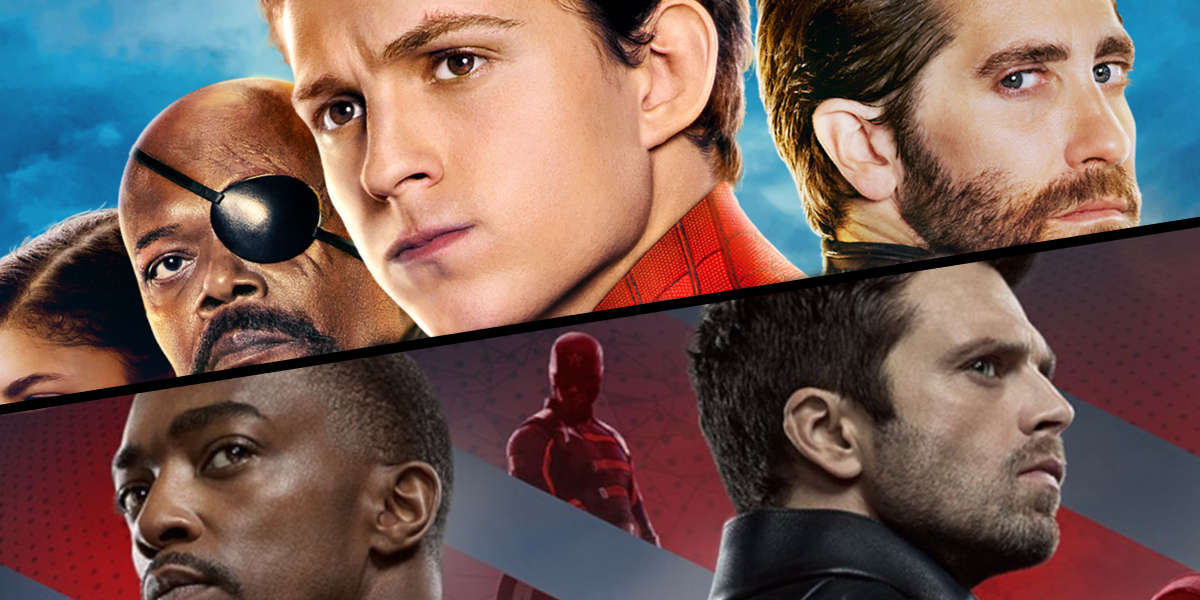
In 2019, Spider-Man found himself far from home, and according to Disney+, he was also a little further down the Marvel Cinematic Universe timeline than fans initially believed. A new update to the streaming service in Japan has revealed that Spider-Man: Far From Home, the second installment in Jon Watts‘ trilogy, actually takes place after the events of 2021’s The Falcon and the Winter Soldier. This means that, although the plot plays out only a handful of months after Avengers: Endgame, it’s actually now chronologically the fifth project to occur after the infamous Snap. WandaVision, the first season of Loki, and the animated What If…? are also all set before Far From Home.
This implies that the year immediately following Endgame in the MCU was quite the busy one for superhero activity. The Scarlet Witch’s takeover of Westview, the fall of the Time Variance Authority, Ultron’s attack on the multiverse, and the fight to wield Captain America’s shield all ensued before Peter Parker even had a chance to go on his school field trip. Interestingly, the curious new timeline placement may help to solve one problem fans had with Falcon and the Winter Soldier.
Spider-Man not reacting to the mayhem happening in New York City during the Disney+ series’ finale was a debated topic at the time it aired. However, that was at a time when fans were under the impression the hero had already fought Mysterio and returned to the United States. Now it’s possible Parker was still in the process of adjusting to existence again, or committing more fully than previously thought to the idea of sometimes letting other Avengers deal with catastrophe so he can focus on being a kid. After all, that was one of the major themes the character dealt with in Far From Home. There’s also the slight possibility the two projects overlap, and Spidey was just getting started across the pond when the Flag Smashers were doing damage to his home turf.
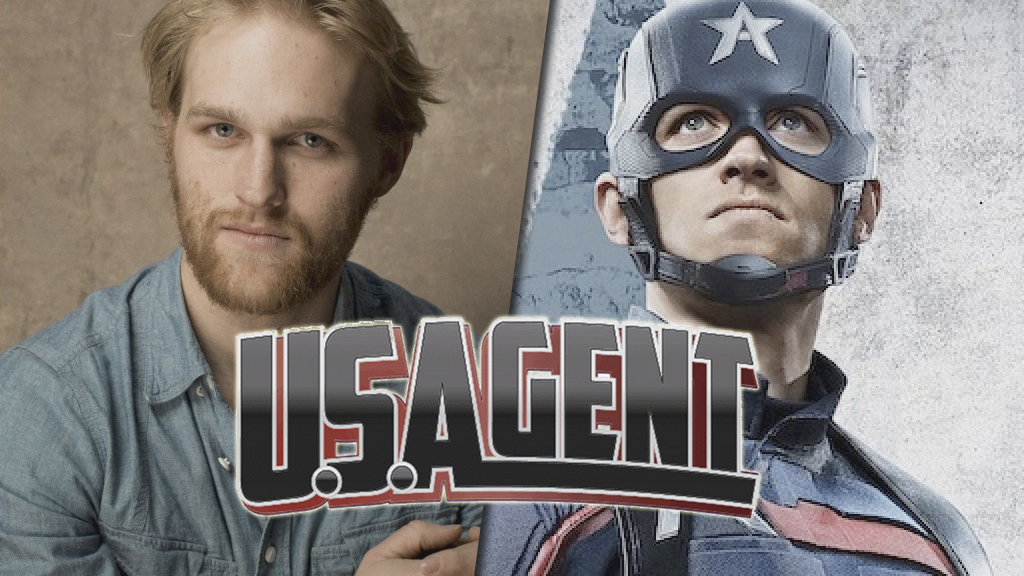
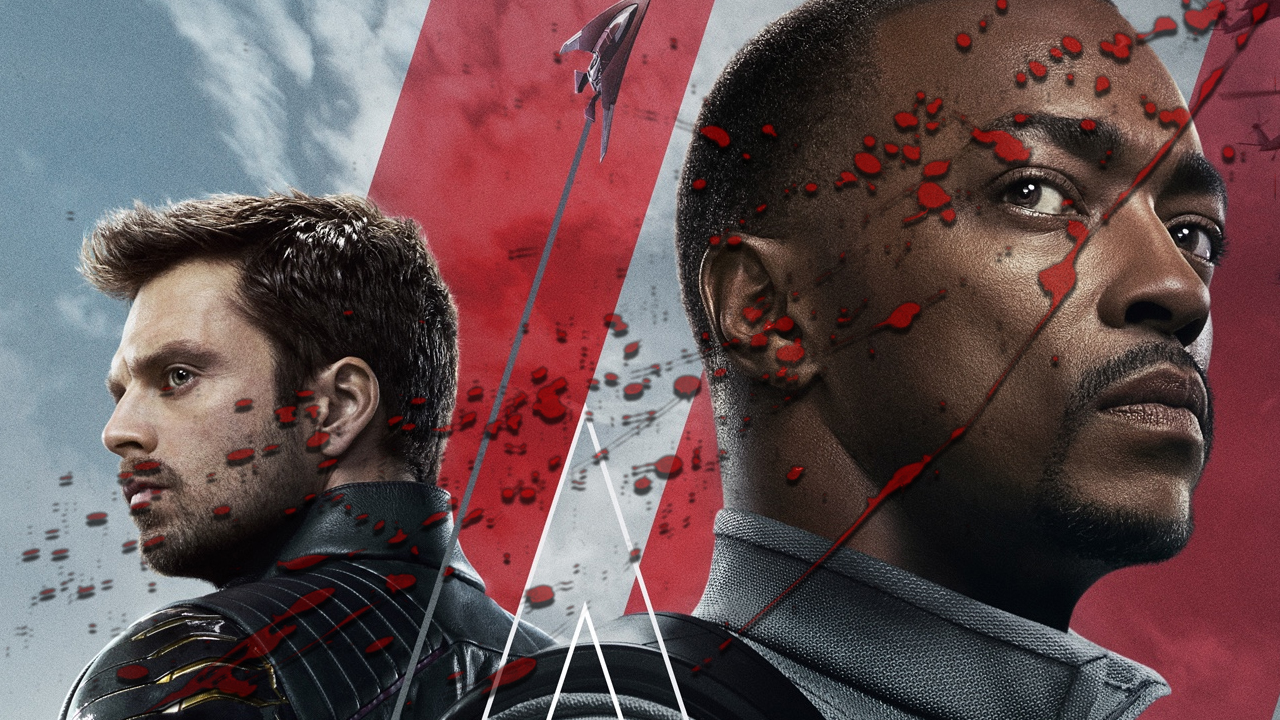
Marvel Studios has spent the last couple years introducing a plethora of characters to its ever-expanding cinematic universe. One of the first new faces that fans met in the Marvel Cinematic Universe’s fourth phase was Wyatt Russell’s John Walker, the government-sponsored Captain America who quickly became a thorn in the side of Anthony Mackie’s Sam Wilson and his best frenemy Bucky Barnes (played by Sebastian Stan). By the end of The Flacon and the Winter Soldier’s six episodes, Wilson had taken over as Captain America while Walker took on a fresh identity as U.S. Agent. Russell’s character was last seen coming into the employ of Julia Louis-Dreyfuss’ mysterious Val, and has not made an appearance since.
While promoting his latest project, FX’s Under the Banner of Heaven, the former Black Mirror star was asked about a potential crossover with co-star Andrew Garfield in the Marvel Cinematic Universe. Both actors appear in Banner of Heaven, and Russell told THR he’d be more than willing to do anything Marvel asked of him:
Sure. I’ll let you pitch that to Kevin Feige. If you come to Marvel, you can go pitch that to Kevin Feige and see if he likes it. I’ll do a crossover with anyone they tell me to do a crossover with.
Wyatt Russell
He continued to reveal just how incredible his experience with the company really was, and insisted he’ll return as soon as they’re ready to have him back:
I really enjoy playing the character, and my experience working with Marvel was an unbelievable working experience and collaborative, working with Anthony Mackie and Sebastian Stan, and Kari Skogland. The teams they have there are unbelievable. It’s why they make great things. So, anytime I get the opportunity or hear about the chance to reprise a character or work for Marvel again, it’s very exciting because the people are wonderful. So, hopefully, I’ll get to do it again. We’ll see.
Wyatt Russell
There are currently no public plans for U.S. Agent to make another appearance in the MCU, but the nature of his final scene would suggest Kevin Feige probably has something up his sleeve for the character’s future. Until then, fans can see Russell in Under the Banner of Heaven, now streaming on Hulu.
Early this week, fans spotted scenes depicting gore in Falcon and the Winter Soldier that were altered for general audiences. This stealthy alteration understandably irked portions of the fandom for Disney’s insistence on watering down the violence in the MCU, given how Disney+ recently introduced a parental control system.
However, according to insider Ryan Parker, these alterations were not intended to be published in the Disney+ library. Parker’s sources cited technical troubles and that the scenes were being retracted as soon as possible.
Eagle-eyed fans were right, an episode of 'The Falcon and the Winter Soldier' had been altered on Disney+.
I hear from a reliable source it was a software control issue and the wrong file was recently published accidentally. It’s being corrected immediately.
Regardless of whether the publication was accidental or not, that scenes are retroactively being changed by Disney clearly means that the company is investing resources in censoring certain content within its original catalog. However, this could also mean that Disney is looking into offering both censored and uncensored versions of their shows. Whatever the case is, this is something people need to keep an eye out for.
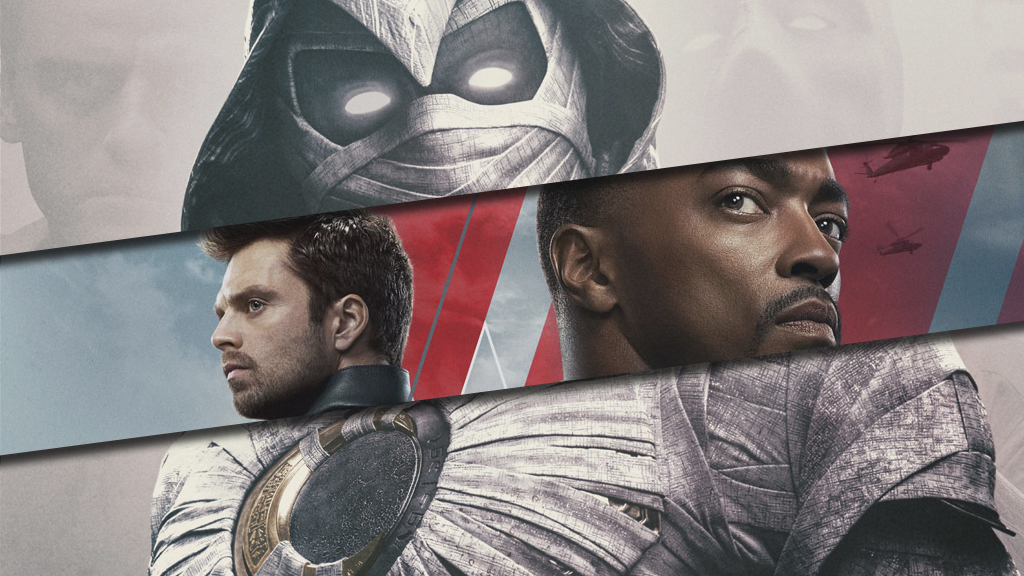
A new TV spot has dropped for Moon Knight and it includes quite a few interesting things. First off, we finally hear Oscar Isaac’s voice for the personality of Marc Spector, which is quite a bit different from Steven Grant. Not only that, but we’ll also get scenes of him discussing with himself if this trailer is anything to go by. What stands out as well, is that the spot also includes a connection to the wider MCU with a reference to The Falcon and the Winter Soldier.
It’s easy to miss but if you look behind Moon Knight after his transformation, you can see the logo for GRC on the bus. This is significant as it’s the logo for the Global Repatriation Council, which formed after half the universe was snapped out of existence by Thanos in an attempt to reunite the world. We are first introduced to it in the Falcon and the Winter Soldier Disney+ series, where it played a major role in showing us the aftermath of the Blip.
It’s a great small detail to hide in the background, as it also is a great way to get a feeling for when the series takes place. We don’t know if the project will also explore Marc Spector’s time before the events that Thanos unleashed, but the main series is definitely part of the post-Blip timeline within the Marvel Cinematic Universe if this TV spot is anything to go by.
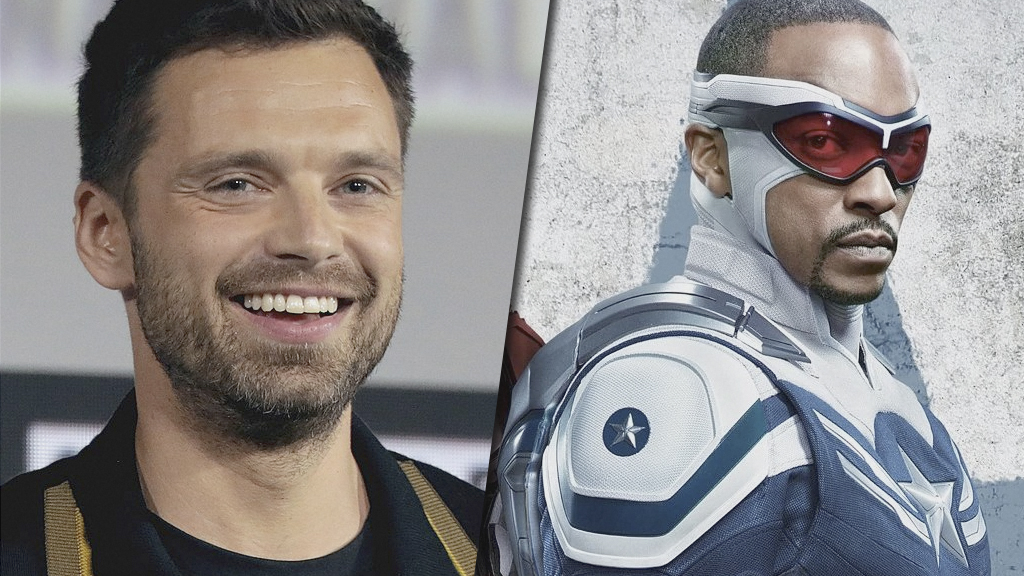
Not too long after The Falcon and the Winter Soldier introduced Anthonie Mackie‘s Sam Wilson as the new Captain America of the Marvel Cinematic Universe, the fourth entry in the film franchise was announced. We haven’t heard much on that project since, but it has been a promising addition to see more of Wilson’s take on the heroic role. In a recent interview, Mackie’s co-star Sebastian Stan shared his thoughts on the upcoming sequel and made a curious Rocky Balboa comparison.
But I’m very excited for that movie and I think he’s going to be great. He’s going to add a whole different feel to that idea. It kind of reminds me a little bit of Rocky, in some ways.
Sebastian Stan
In the past, there have been many hints that Wilson’s time in the cowl will be closer to an underdog story, especially with its stronger cultural exploration. We may have gotten a hint in the Disney+ series that’ll get expanded once the film releases. We’ve still been waiting for any updates or news on how far along the film is. Back in August, we reported that it may be eyeing a June production start. So, we might get some casting news in the coming months if that is still accurate.
Disney+ has seen quite extensive growth since it was released last year across the world. Just recently, it celebrated its long history with Disney+ Day that offered some insight into what the future has in store. Now, the company Whip Media has offered a bit more insight into how exactly the growth of the app may have been strongly pushed through the addition of Marvel Studios’ original series. While The Mandalorian laid the groundwork for its success, their data hints that the Marvel Studios additions that started with January’s WandaVision, are a reason why people subscribe to the service.
Keep in mind, this isn’t official data provided by Marvel Studios or Disney. It is a statistical analysis based on a survey of US TV Time apps, where interviewees were at least 13 years of age. The server showcased that only 10% were not interested in the latest show, Hawkeye while 66% were “definitely” going to check it out. Generally, it looks like 63.5% have subscribed to the service in the first place due to the Marvel Studios offerings.
It’s an impressive showcase of just how popular the Marvel Studios series are. Keep in mind, this also doesn’t include the film releases like Black Widow and Shang-Chi, which may also add a boost due to early access to Marvel Studios films. When asked if they see value in other offerings outside of Marvel on the platform, 73.9% believed there is enough on Disney+ to keep them using the platform.
So, while Marvel Studios’ offering might be the reason people are subscribing, they do stick around for the other offerings on the service. In November, we saw that the service was facing some troubles in its growth during the last quarter with only 2.1M new subscribers. It was far removed from their initially expected 10M. It was also when releases slow down for Marvel Studios and their other offerings due to the pandemic pushing back quite a few releases. The only offering was What If…? that had the least people complete the viewing according to Whip Media’s survey.
Statistically speaking, it’s certainly a showcase that Marvel Studios might continue to be a priority for the service moving forward. To be fair though, we’ve only had two new series releases under the Star Wars umbrella, The Mandalorian‘s first two seasons and The Bad Batch. So, we might see a stronger push once Obi-Wan Kenobi, Andor, and the various spin-offs, which kick off with The Book of Boba Fett next month, start releasing on the service. Plus, Marvel Studios has quite a big year planned for 2022 and we’ll see if their new ventures like She-Hulk or Moon Knight might even draw in a new audience.
With over two dozen projects comprising the Marvel Cinematic Universe, it’s sometimes easy to lose track of the order through which audiences should experience them. It is, of course, something pretty fluid as personal preferences might have some skipping a couple of projects in favor of their favorite ones. All in all, there are two general viewing orders that contain the entirety of the MCU. A Release Order, which respects the order in which projects were made available through the years, and a Chronological Order, which takes into account when each project’s plot takes place.
Personally speaking, the Release Order should be followed when watching all MCU projects for the first time, with the Chronological Order being something to use on rewatches. This is mostly due to the fact that major plot points would be spoiled if not watching the entirety of the franchise as it was released, similar to the way audiences watching Star Wars for the first time would be spoiled The Empire Strikes Back‘s major plot twist by having previously watched the prequel trilogy.
CHARACTER VIEWING ORDERS
When it comes to following specific characters, we got together individual viewing orders with their appearances through the years. These can be as a central character to the plot or as blink-and-you-miss type cameos, many on mid or post-credit scenes. Keep in mind this is a work in progress, as new characters will keep being added.
The writing was on the wall since Avengers: Endgame and it took Falcon and the Winter Soldier to really get us there but Anthony Mackie has officially signed on to star in the untitled fourth Captain America film, according to Deadline.
By no coincidence, the fourth Captain America film was revealed to be in development, with writers Malcolm Spellman and Dalan Musson penning the script, at the tail end of the FATWS finale. While none of this is surprising, that the deal has been signed and closed is very exciting. There’s no word on whetherhis co-star Sebastian Stan makes the cut in this film. Deadline is also noting that this film isn’t the same MCU project that Chris Evans signed for earlier this year.
We use cookies to improve your experience on our site. By using our site, you consent to cookies.
This website uses cookies
Websites store cookies to enhance functionality and personalise your experience. You can manage your preferences, but blocking some cookies may impact site performance and services.
Essential cookies enable basic functions and are necessary for the proper function of the website.
Name
Description
Duration
Cookie Preferences
This cookie is used to store the user's cookie consent preferences.
30 days
These cookies are needed for adding comments on this website.
Name
Description
Duration
comment_author_email
Used to track the user across multiple sessions.
Session
comment_author_url
Used to track the user across multiple sessions.
Session
comment_author
Used to track the user across multiple sessions.
Session
Statistics cookies collect information anonymously. This information helps us understand how visitors use our website.
Google Analytics is a powerful tool that tracks and analyzes website traffic for informed marketing decisions.
Contains information related to marketing campaigns of the user. These are shared with Google AdWords / Google Ads when the Google Ads and Google Analytics accounts are linked together.
90 days
__utma
ID used to identify users and sessions
2 years after last activity
__utmt
Used to monitor number of Google Analytics server requests
10 minutes
__utmb
Used to distinguish new sessions and visits. This cookie is set when the GA.js javascript library is loaded and there is no existing __utmb cookie. The cookie is updated every time data is sent to the Google Analytics server.
30 minutes after last activity
__utmc
Used only with old Urchin versions of Google Analytics and not with GA.js. Was used to distinguish between new sessions and visits at the end of a session.
End of session (browser)
__utmz
Contains information about the traffic source or campaign that directed user to the website. The cookie is set when the GA.js javascript is loaded and updated when data is sent to the Google Anaytics server
6 months after last activity
__utmv
Contains custom information set by the web developer via the _setCustomVar method in Google Analytics. This cookie is updated every time new data is sent to the Google Analytics server.
2 years after last activity
__utmx
Used to determine whether a user is included in an A / B or Multivariate test.
18 months
_ga
ID used to identify users
2 years
_gali
Used by Google Analytics to determine which links on a page are being clicked
30 seconds
_ga_
ID used to identify users
2 years
_gid
ID used to identify users for 24 hours after last activity
24 hours
_gat
Used to monitor number of Google Analytics server requests when using Google Tag Manager
1 minute
Marketing cookies are used to follow visitors to websites. The intention is to show ads that are relevant and engaging to the individual user.
Pinterest Tag is a web analytics service that tracks and reports website traffic.