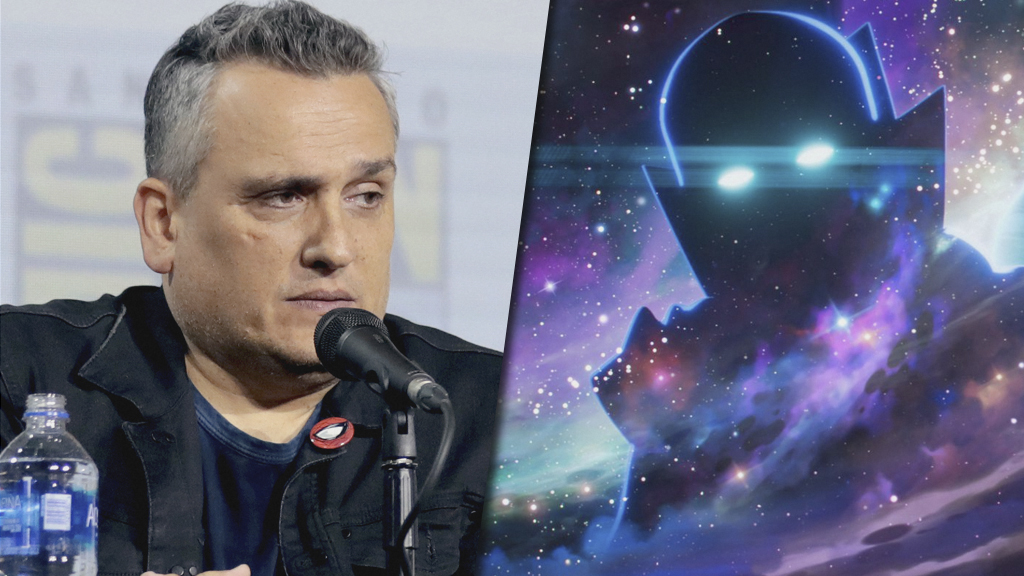
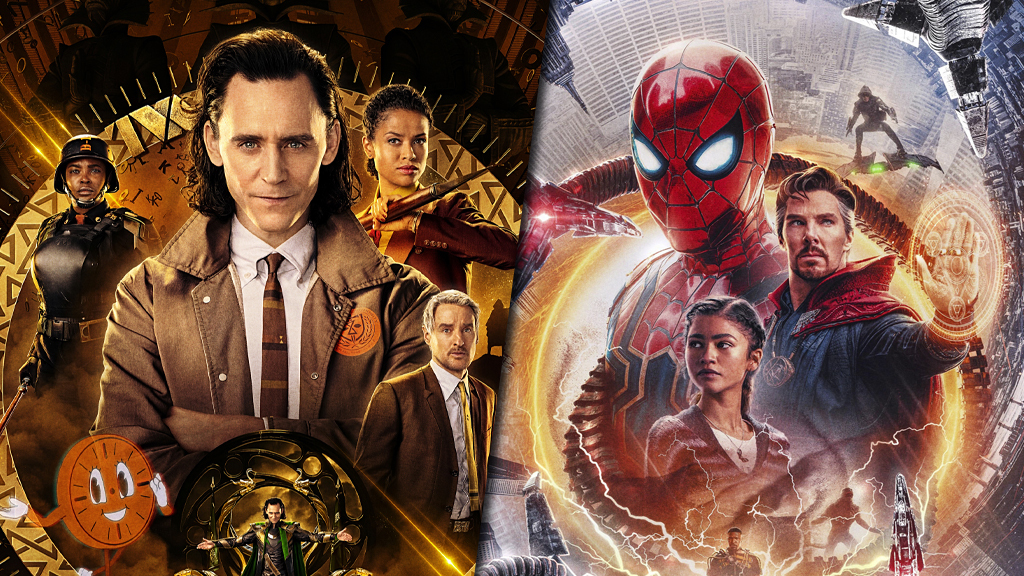
Avengers: Endgame Director Joe Russo made a great statement earlier today that “too much of one thing is a bad thing.” It was about the current trend of superhero films embracing the multiverse in their storytelling. To be fair, we’ve been quite spoiled with Spider-Man: No Way Home‘s way of handling its multiversal guests from Spider-Man’s cinematic past but not every project will manage that balance. Doctor Strange in the Multiverse of Madness is just around the corner and has already teased the return of another legacy actor from Marvel. Yet, doesn’t it seem like we’re rushing through it?
The next entry in the MCU’s Multiverse Arc could’ve been dragged out quite a bit with multiple storylines exploring various multiversal scenarios. Even No Way Home could’ve split up its cameos and had one film introduce Andrew Garfield before building up to Tobey Maguire. Even Strange’s next adventure is introducing multiple cameos from across the multiverse in one neat package that is very likely the film’s version of the Illuminati.
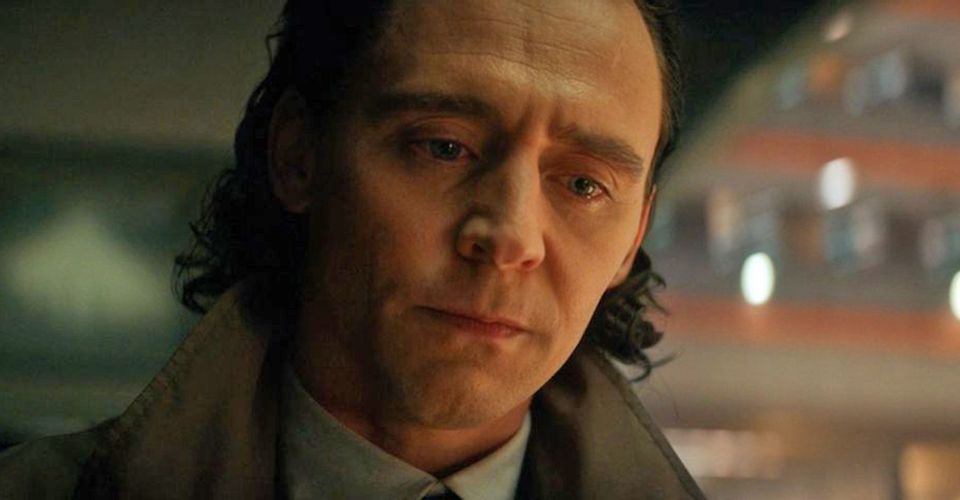
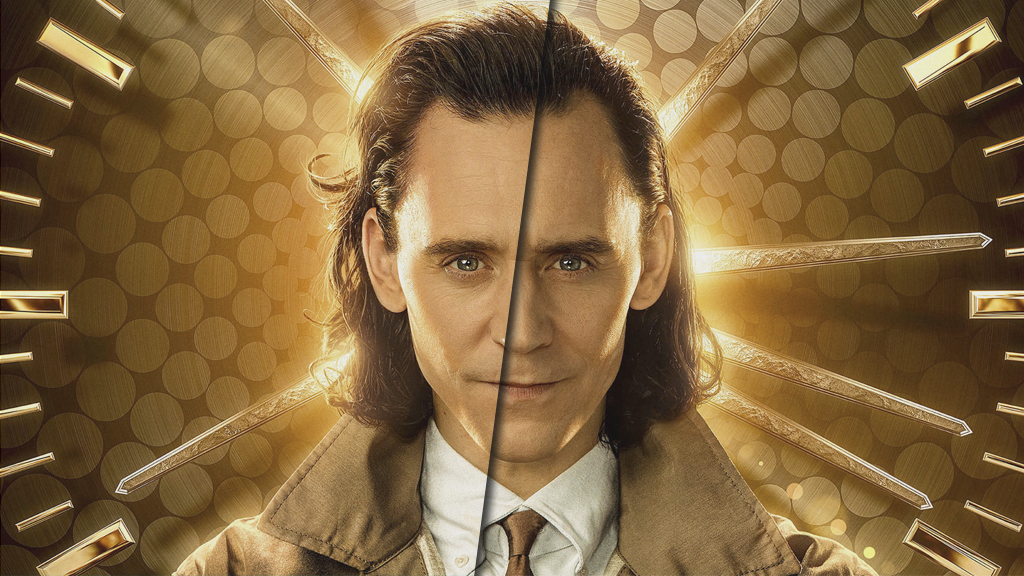
They could’ve dragged this out quite a bit more, especially if you consider Loki, the series that kickstarted the multiverse, technically focused primarily on a single character’s “variety.” It eased us into the concept with the TVA, the rules of the concept, and opens the gateways to the fact that the same actor doesn’t have to play every version of the character. It’s strange to think how it eased us into the project before No Way Home just went: “Here are five classic villains, two former Spider-Man actors, and if Strange didn’t do his job there would’ve been millions more!”
It almost seems like the speed-up was on purpose. Yet, not to bank purely on the fact that the nostalgia will be strong with viewers, but to use the concept before it overstays its welcome. Revisiting the series that started it all, you start to realize why they are taking this route. They know exactly where it is heading and are spacing out the project in a way to build up to a film that may even surpass Avengers: Endgame in its size. Even if was indirectly teased, there’s no way it won’t end with a film based on Secret Wars.
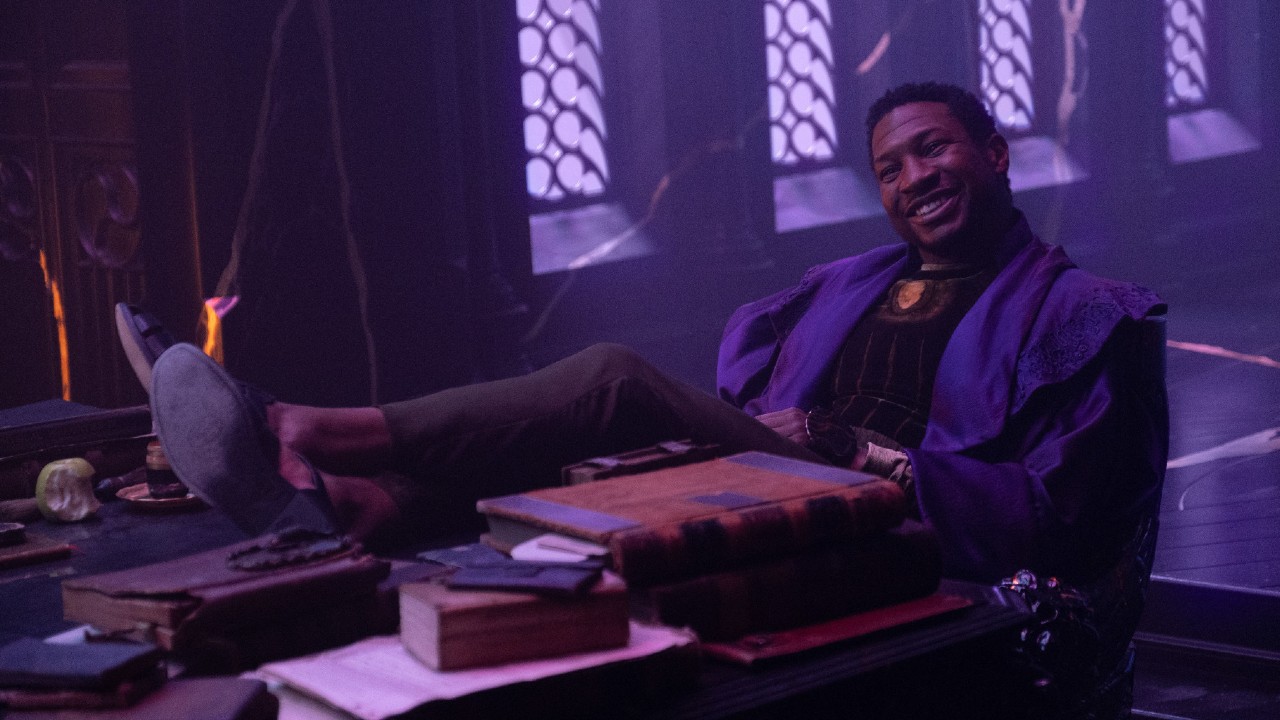
The multiverses will collide and Kang the Conqueror is at the center of it all. So, it wouldn’t be too surprising to think that his storyline will end in a Secret War crossover. If we look at time as a flat circle, they are bound to repeat history and a new TVA would be formed in its wake. The Sacred Timeline will once again form only to be destined to break again. Our favorite heroes don’t know it but their stories are trapped in a loop. Even if they win the fight with the future He Who Remains being left behind, the story would still manage to find a nice way to end it.
Once we’ve exited the Secret Wars event, we might continue the stories of the various heroes, but the multiverse will no longer be a focal point moving forward. While it’s unclear if it’ll take three phases to get to that point, it seems that Marvel Studios has unshackled itself from a single overarching narrative but rather splitting up multiple roads. One thing is for sure, we already know where this one path will end and it seems that we’re on an express train towards it before it loses any momentum.
The multiverse has arrived last year in the Marvel Cinematic Universe. Loki kicked off events that would eventually set the stage for Spider-Man: No Way Home and Doctor Strange in the Multiverse of Madness. We don’t know how big the plans are for the concept, but even DC is jumping in on the trend with The Flash set to potentially even rewrite the history of the DC Extended Universe. Avengers: Endgame‘s director, Joe Russo, was asked about his thoughts in regards to how much more we can expect it moving forward. He had a simple approach by stating that “too much of one thing is a bad thing.” His full quote is as follows:
So yeah, too much of one thing is a bad thing, but I think there are enough creators and innovators in the space where you can expect to be surprised. Just don’t expect corporations to surprise you.
Joe Russo
He’s definitely right that too much won’t be good for the film’s long-term. There’s always a chance that it gets too convoluted or difficult to figure out how everything connects. Plus, it’ll bloat the market if all these films provide are cameos of familiar faces just because they could. It does seem like the MCU version of the multiverse might come to an end once the story teased with He Who Remains hits its boiling point. Who knows if an adaptation of Secret wars might be the project that brings it all together once again.
Doctor Strange in the Multiverse of Madness is already one of the most anticipated movies of the year. While still being the follow-up to 2016’s Doctor Strange, the sequel promises to be packed to the brim with content that could rival big Marvel Studios films like Avengers: Endgame and Spider-Man: No Way Home.
Central to Multiverse of Madness’story is, of course, the multiverse. With that comes infinite possibilities of what we could see in the film or where our characters could go. While cracking open the multiverse is no easy feat, Marvel Studios producer Richie Palmer told D23 Magazine that the filmmakers already had a starting point. Specifically, Palmer credited the Disney+ series Loki as being a major influence for the Doctor Strange sequel.
While Spider-Man: No Way Home was the first official live-action venture into the multiverse, Loki already set the scene. Michael Waldron served as the writer for both Lokiand Multiverse of Madness. Palmer stated:
[Waldron’s involvement in the movie] was a blessing for us, because we got the guy who created the rules of the Multiverse for the Marvel Cinematic Universe to come in and continue that story in our movie…Michael’s strength is the character stuff. As you saw in Loki, all the best moments involved the characters against the backdrop of those alternate timelines. It’s kind of like that in our movie, too. Michael’s script brought a lot of heart to sci-fi concepts such as the Multiverse.Richie Palmer
The “rules of the multiverse” apparently came quite in handy. Palmer goes on to note:
It was really exciting. We found that we didn’t need to spend a lot of time recapping the rules; we felt the audience would get a lot of that by now. With Michael, we could jump into telling a good story within what’s already been established.
Richie Palmer
It is exciting and even rewarding to think that the dramatic moments from Loki’s memorable finale of the Sacred Timeline branching off into a chaotic multiverse could lead straight into Doctor Strange’s dealings with it. With the concept of the multiverse being built up in the Marvel Cinematic Universe, it is also nice to know that its rules are being kept consistent. Audiences will have the chance to see just how much Multiverse of Madness was influenced by Loki when the sequel hits theaters on May 6.
As the expected start of production on the second season of Loki draws nearer, Marvel Studios has finalized the creative team behind the project. JustinBenson and AaronMoorhead, who helmed a couple of episodes of Marvel Studios’ MoonKnight, will direct the majority of the second season’s episodes.
The duo jumped to the top of Marvel’s list after their work on MoonKnight and now find themselves taking the reigns from KateHerron, who directed the first season. The directors will be joined by executive producer MichaelWaldron, who was the head writer for the first season, and EricMartin, who worked with Waldron in that writer’s room.
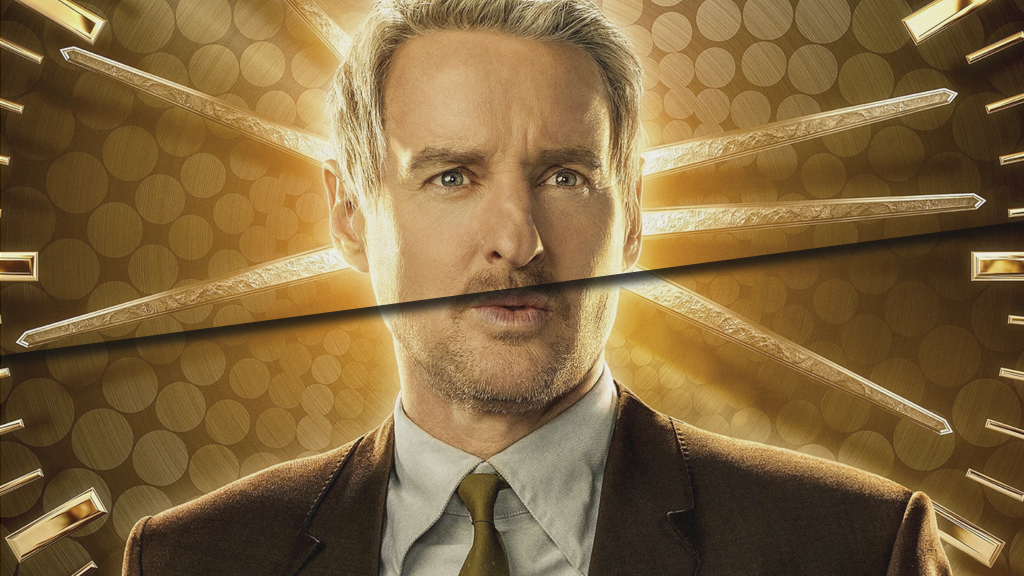
In a new video by Wired, Owen Wilson appeared to answer a few of the top googled questions involving him. At one point, the topic of Loki comes up and he shares the enjoyment he had working on the project and also confirms that production will start soon. It was hinted at the end of January that Marvel Studios was eyeing a production start in the summer even if Kate Herron‘s replacement still hasn’t been officially announced yet after she left the project shortly after the first season’s finale. Wilson doesn’t give away when exactly only that it’ll be “very soon.”
Yes, he is coming back to Loki and I think we’re going to start filming that very soon. Had a great time filming on Loki.
First off, I love how the actor says the word “Loki” during this interview and he seems to really have enjoyed his time on the production. He also gave one of the most heartfelt performances in the first season and we hopefully might get a lot more from the actor in the MCU’s future as Mobius M. Mobius. Secondly, it’s interesting that they are eyeing a production start so soon without any new director attached to the project. Perhaps they are waiting for the right time to announce, as most eyes are currently on the upcoming release of Moon Knight. For now, we’ll have to wait and see who will take over as Loki faces a new TVA with familiar faces and a new leader in charge.
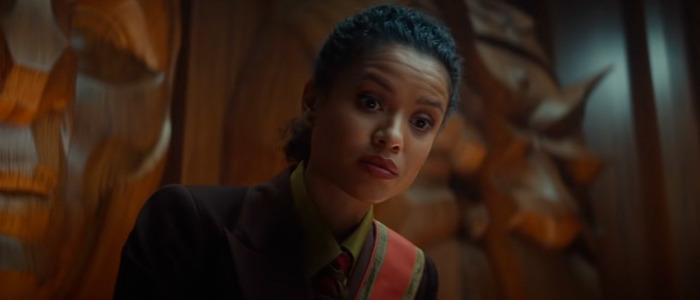
Production on the second season of Marvel Studios’ Loki series is reported to begin this summer at Pinewood Studios, and it appears one of the first seasons’ biggest stars will be there when it happens. Gugu Mbatha-Raw, the British actress who played TVA judge and series antagonist Ravonna Renslayer, has confirmed that she will indeed be returning for the show’s next batch of episodes. During an interview with Michael Strahan on Good Morning America, Mbatha-Raw was asked about her involvement with the future of the Disney+ exclusive. Her response, accompanied by a huge smile, was short and straightforward:
I know there is a season two… I know that I’m in it…and that’s about all I can say!
Gugu Mbatha-Raw
The last time we saw her character, Renslayer was departing the collapsing TVA to search for her own free will. It’s unknown what became of her after this, but the pages of Marvel comic books may give fans an idea of where her character arc is headed. Ravonna famously becomes the love of Jonathan Majors‘ Kang the Conqueror, with their relationship being a major plot point in his villainous storyline. It remains to be seen if the Marvel Cinematic Universe will take Mbatha-Raw‘s portrayal down this path, but her devout belief in He Who Remains seemed to be a good hint at it’s possibility.
Loki was the first Marvel-Disney+ series to get an officially announced second season renewal. There is no set release date for the next installments of the show, but with production supposedly starting soon, fans shouldn’t have to wait much longer for more information.
There are quite a few Marvel Studios series heading our way on Disney+ this year, but we’ve still haven’t had an update on the first one to receive a second season, Loki. It left us with quite the cliffhanger as we awaited what the future might have in store for the God of Mischief. It looks like we might have our first hint that the Tom Hiddleston-led Disney+ series will start production this year.
A summer production start might offer some hope that the series could find its way to Disney+ in 2023. Given that Kang the Conqueror might have a role in the series, they could be trying to connect it to Ant-Man and the Wasp: Quantumania, where Jonathan Majors will technically make his first appearance as that specific variant. Here’s hoping we might also get some casting announcements in the coming months that offer a hint at what else we cane expect from Loki’s return to the TVA.
None of us expected it to be the massive gamechanger of 2020 but Loki forever changed the landscape of the MCU when it blew open the doors of the multiverse. This month’s Spider-Man: No Way Home extrapolated on the consequences of the multiverse opening as it brought several characters from previous Spider-Man franchises into the fold of the MCU. Even though it isn’t explicit, there is a connection to be made between the events of Loki and Spider-Man which the writers addressed in an interview with The Wrap.
We were already down this road when that ‘Loki’ finale happened. We all felt like, this really helps. This is great because it shows that there is trouble in the multiverse. Whether certain things that were happening in ‘Loki’ line up in terms of the timeline exploding and is that the same time that Doctor Strange is casting the spell, I don’t know. There is, I’m sure, the Marvel talking points to that. But we were aware of a lot of the different things that were going on, and could we draw on those, how it would be affected by this thing, but ultimately we had our own giant story bear to wrestle with.
The multiversal connection between the two projects may seem like one of the many happy coincidences that make the MCU so fluid and exciting. The Loki writers may not have been specifically aware of such a connection but it’s hard to imagine the stewards of the MCU, Kevin Feige and his think tank of producers, not seeing how it could all tie together. Nonetheless, it’s exciting to think about how Loki, No Way Home, and Doctor Strange in the Multiverse of Madness could make up one big multiversal trilogy.
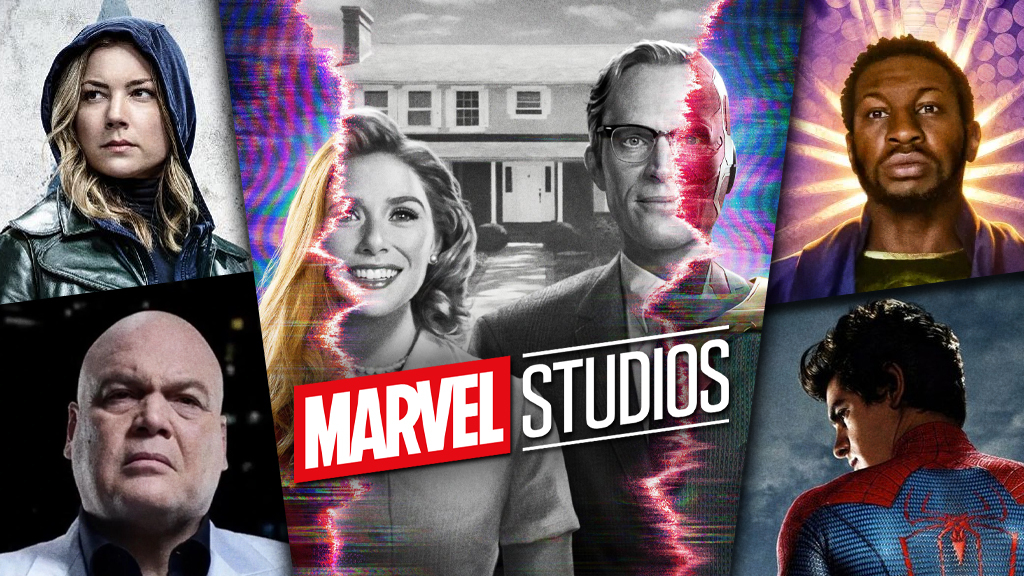
After sitting out 2020, Marvel Studios returned in a big way in 2021 with 4 films and their first 5 streaming series. That all kicked off in January with WandaVision, a 9-episode series that paid homage to eras gone by and changed the way MCU fans consumed and processed media. It’s not overreaching to say that nothing has been the same since the series concluded its run, so as the year comes to an end, let’s reflect on what we all learned from WandaVision.
To Appreciate Character-Driven Projects
While fans initially disapproved of the slow pace of the first few episodes of WandaVision, they also noted the incredible work by stars Lizzie Olsen and Paul Bettany. Bettany got to show off his comedic chops while Olsen put on a master class, essentially playing a new character in every episode (which also served as interesting meta commentary on changes made to the ways women have been portrayed in sitcoms over the decades). It’s not as if these were talents we didn’t know they possessed, it was just that they hadn’t been allowed to exhibit them in the MCU as they were overshadowed by the actors whose characters were headlining the films in which they appeared.
Upon deeper reflection, however, it wasn’t only because they were finally getting their starring roles.Marvel Studios was making a different kind of product for their fans and they bravely and boldly proved that by releasing 3 episodes of WandaVision with almost no trace of the big action associated with the brand. In short, they let their actors act. The trend continued in The Falcon and The Winter Soldier, where Anthony Mackie and Sebastian Stan gave a depth to their characters that they would never have gotten on the big screen and Daniel Bruhl actually got to perform; it continued into Loki where the bond between Tom Hiddleston and Owen Wilson became the heart of the show and Jonathan Majors laid out the gauntlet for the future of the MCU in one of the best performances in its history; it concluded in Hawkeye, perhaps the strongest character work yet, with Jeremy Renner’s subdued performance while his character embarked on a redemptive arc, Hailee Steinfeld’s star-making work as a new hero and her incredible chemistry with Florence Pugh and great turns by Vera Farmiga and Tony Dalton. By simply letting the actors act, Marvel Studios found the key to making its streaming world go round: keep the focus on the characters.
That Expanding the Universe Is Good
With characters who had previously served as supporting characters taking the leads in their own series, new characters had to be inserted into their stories to help flesh out them and their worlds. Undoubtedly one of the best gifts given to fans in 2021 came in the form of these new, supporting characters. And it wasn’t just the new heroes that fans learned to appreciate, the expanded universe and the time to breathe gave life to incredible new anti-heroes and villains, too.
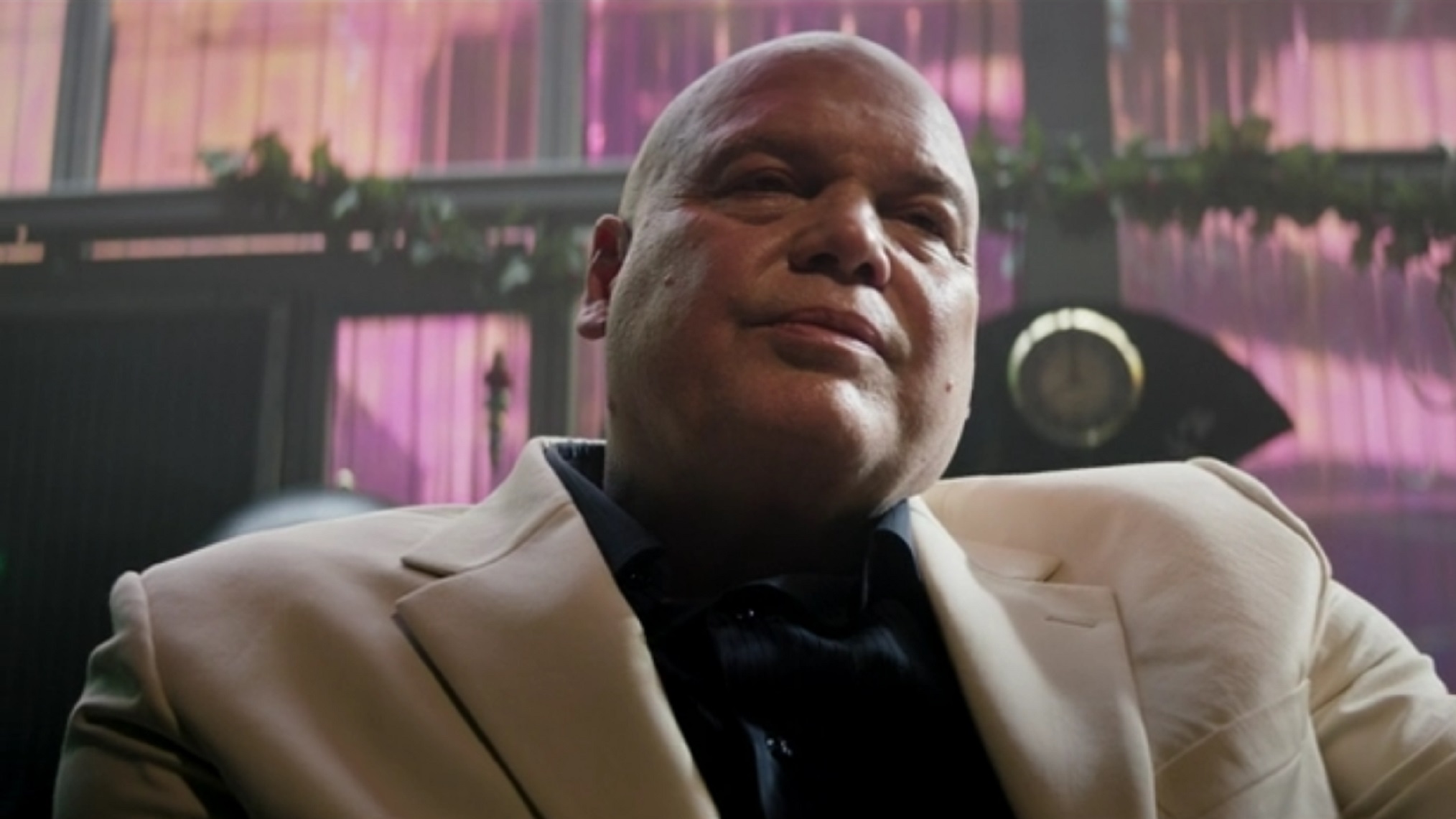
WandaVision gave us Teyonah Parris, who will co-star as Monica Rambeau in 2023’s The Marvels, and Kathryn Hahn’s Agatha Harkness, who will now lead her own series, Agatha: The House of Harkness. We also met Tommy and Billy Maximoff, who were the first of the MCU’s Young Avengers to enter the universe, and who will serve as the catalysts for the next steps taken by Wanda. The Falcon and The Winter Soldier gifted us with Julia Louis-Drefus’ Val, Wyatt Russell’s punchable John Walker and Erin Kellyman’s Karli and Carl Lumbly’s Isaiah Bradley, who made Sam question what being a hero really means. In Loki, we were introduced to the concept of Variants and with that met two whose impact extended far beyond the confines of the series. The confrontation between Sophia Di Martino’s vengeful Sylvie and Jonathan Majors‘ He Who Remains changed the MCU forever but also had a profound impact on Loki himself. And, in Hawkeye, Marvel Studios created a street-level corner of the universe that gave us Maya Lopez and Wilson Fisk, who is likely to show up again in the Lopez-centric Echo series in 2023.
As 2021 comes to a close, the roster of heroes and villains, and those who toe the line, is fuller than it has ever been and it’s hard to argue that the MCU is worse for it.
The Weekly Format is Good
As was the case with The Mandalorian, Disney eschewed the binge watching preferences of streaming audiences in favor of the old fashioned weekly format for the Marvel Studios streaming series. In review, the weekly format allowed for an incredible amount of content and conversation around the projects which can only be a good thing. A careful schedule was created that began with screeners sent out to media outlets. Outlets had strict scheduled to follow, first sharing social media reactions, then later full reviews ahead of the premiers, building hype for the first week’s release. Following that, the studio arranged weekly interviews with the cast and crew, something that would have previously only happened in pre-screening junkets for films. Whether fans loved or hated the episodes, the conversation was constant and engaging. However, the weekly format also had some pitfalls, notably…
To Separate Rumors from Theories and Speculation…Well, Some of Us
More than any project before or after it, WandaVision fueled an insane amount of speculation on a weekly basis. Speculation led to theories and then, somehow, theories led to disappointment and, even more damaging, disbelief in the obvious. Mephisto was everywhere, but when he wasn’t, that meant that there was no way Sharon Carter could be the Power Broker? The trail of cookie crumbs leading to Kang’s presence in Loki couldn’t have been easier to follow, but because Evan Peters was Ralph Bohner, that meant there was no way Kang was showing up and that, instead, Loki would be meeting himself at the Citadel at the End of Time. It was easier for fans to believe that the big boss running organized crime in NYC, Maya’ “uncle”, was either Val or, worse yet, Jack Duquesne, even AFTER seeing and hearing Vincent D’Onofrio in Episode 3. The lack of critical thinking trickled over to the film side of things where, despite an incredible amount of evidence that Tobey Maguire and Andrew Garfield were in Spider-Man: No Way Home (and absolutely no evidence of any other potential plots that did not include them), fans persisted in their beliefs that they would not appear and that the film’s plot would not include the multiverse…DESPITE IT FEATURING CHARACTERS FROM THE SONY FILMS!
WandaVision changed the game in the way some fans perceive information now. Because Reed Richards didn’t make Monica’s suit and because it was Agatha all along, there has never been more refutation of reliable sources of information. It’s not all bad, however, as other fans have learned to be scrutinize more and think more critically about what to believe. For that second set of fans, the MCU might actually be more enjoyable in the future as there will certainly always be wild rumors, speculation and theory leading up to Marvel Studios’ projects. If there’s anything we should all have learned from WandaVision, it’s that knowing how to separate them into their appropriate categories makes a big difference.
That the “Big Reveal” in the Last Episode Doesn’t Always Work
In some cases, despite the fact that the were making streaming series, the projects were put together like longer films. What was sometimes lost in translation there was the fact that in most all films, the villains are revealed early on. Beginning in WandaVision, Marvel Studios seemed to really embrace the idea of last act/last episode reveals and it really was hit or miss. Agatha Harkness, He Who Remains and Kingpin all came onto the scene late in the game with only one really getting enough time to make a major impact on the series. The Falcon and The Winter Soldier took a different approach, developing Karli over the course of the series alongside the other characters, allowing her to be much more impactful to the overall story. As they move into 2022, their decisions on WHEN to do things with their villains will be something to watch closely.
Moving forward into 2022, it’s likely that Marvel Studios has learned a significant amount about how to move forward with their projects. We’re already seeing an increased level of secrecy with upcoming projects like Moon Knight, Werewolf By Night and, to a lesser extent She-Hulk. Let’s all meet back here next year to see how what they’ve learned from WandaVision changes things again.
The Hawkeye finale marks the end of Marvel Studios’ first year of Disney+ series and the conclusion of the fifth installment to date. From WandaVision to What If…?, Marvel Studios showcased its ability to pull off a wide range of stories and styles. Still, it pulled off some better than others, and we now rank the finales of all of the Disney+ series below.
There’s something about TFATWS, other than its horrible title, that tends to land it at the bottom of lists. The series finale wasn’t bad and it wasn’t riddled with flaws. In fact, it was quite comforting, and there’s something about a straightforward series focused almost exclusively on already-established characters that is satisfying. Unfortunately, even a satisfying finale can be completely forgotten and left behind when it’s entirely bland. Even with Sam’s triumphant claim of the Captain America mantle, not much else propped the finale up.
What If… ? will always be at a disadvantage if it has little connection to the Sacred Timeline as we know it. But it was particularly disappointing that the finale did not feature any connection whatsoever, even if that’s an unfair desire given the premise of the series. It also felt like a bit of a letdown by not capitalizing on the strong momentum that the penultimate episode had and ultimately being pretty forgettable instead. It did have the Guardians of the Multiverse, including Party Thor and Doctor Strange Supreme, up against Infinity Ultron, which was great. The pure absurdity of the situation makes it a unique and fun addition to the Marvel Cinematic Multiverse.
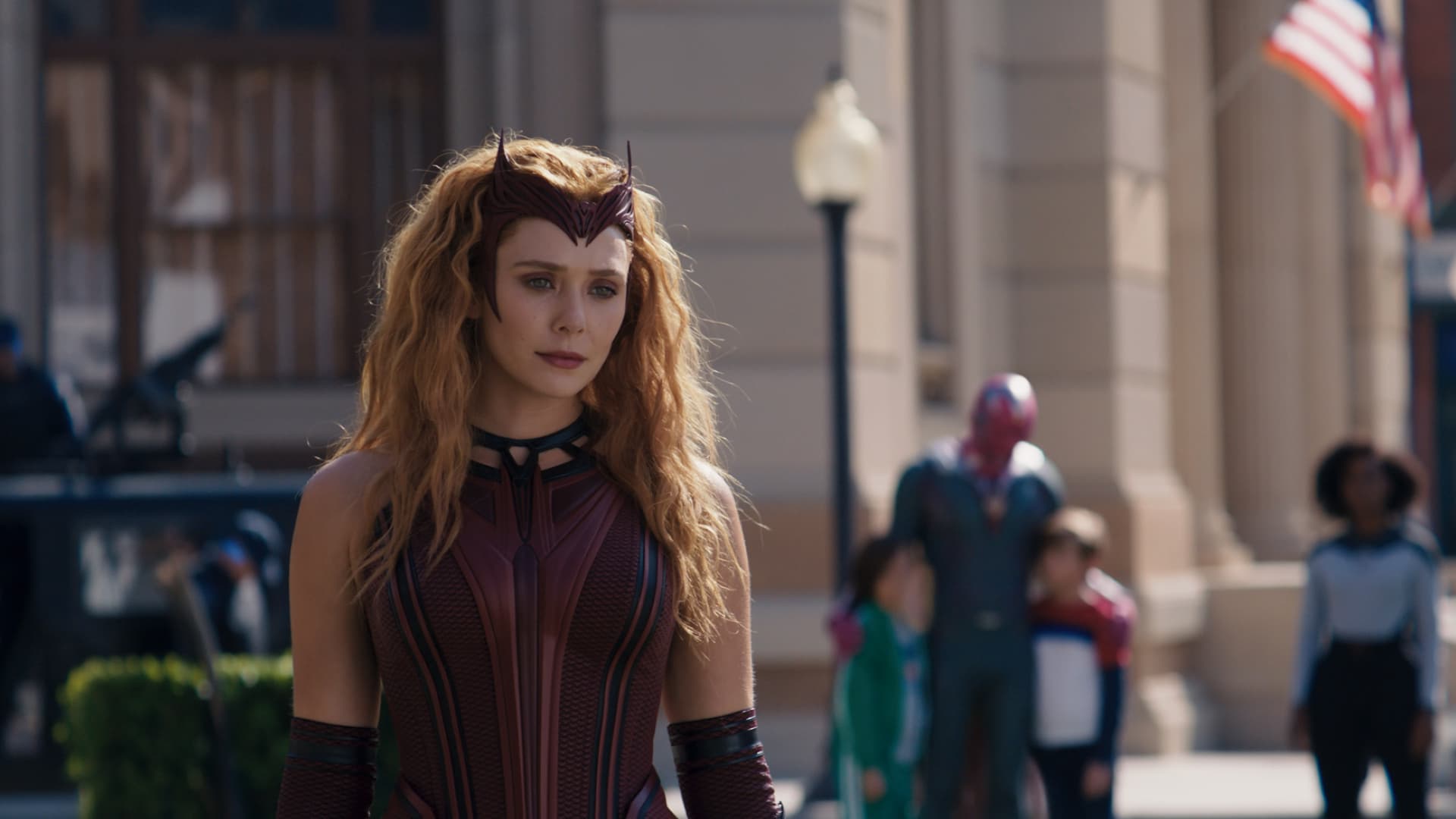
The ending of WandaVision got a little murky due to wild speculations built up over the two-month-long run. While it will go down in history as not having Mephisto in it, it honestly was a good finale. It brought the series’ eccentric and creative storyline to a proper close and featured arguably one of the Marvel Cinematic Universe’s most emotional moments. It also brought with it Wanda’s formal transition into the Scarlet Witch, which was a long-awaited moment after her introduction in 2015.
While the resolution of the series’ plot left plenty to be desired, the Hawkeye finale was easily one of the most–if not the most–enjoyable finales that Marvel Studios has delivered. All of the things that the series did well, the finale did even better. It was funny, the character dynamics were on point, and the action finally arrived. The inclusion of Kingpin was very exciting, but it can’t really compete with Loki.
The season finale of Loki will surely always be iconic, and long after the series itself is forgotten, this episode will be remembered. Of course, the actual opening of the multiverse was stunning and marked an exciting and dramatic new chapter for the MCU, and the fact that it happened on Disney+ rather than on the big screen makes it even more interesting. The He Who Remains reveal was on another level thanks to an amazing performance by Jonathan Majors. And who can forget the opening where the entirety of the MCU was dramatically condensed into the glowing Sacred Timeline?
Cookie Consent
We use cookies to improve your experience on our site. By using our site, you consent to cookies.
This website uses cookies
Websites store cookies to enhance functionality and personalise your experience. You can manage your preferences, but blocking some cookies may impact site performance and services.
Essential cookies enable basic functions and are necessary for the proper function of the website.
Name
Description
Duration
Cookie Preferences
This cookie is used to store the user's cookie consent preferences.
30 days
These cookies are needed for adding comments on this website.
Name
Description
Duration
comment_author_email
Used to track the user across multiple sessions.
Session
comment_author_url
Used to track the user across multiple sessions.
Session
comment_author
Used to track the user across multiple sessions.
Session
Statistics cookies collect information anonymously. This information helps us understand how visitors use our website.
Google Analytics is a powerful tool that tracks and analyzes website traffic for informed marketing decisions.
Contains information related to marketing campaigns of the user. These are shared with Google AdWords / Google Ads when the Google Ads and Google Analytics accounts are linked together.
90 days
__utma
ID used to identify users and sessions
2 years after last activity
__utmt
Used to monitor number of Google Analytics server requests
10 minutes
__utmb
Used to distinguish new sessions and visits. This cookie is set when the GA.js javascript library is loaded and there is no existing __utmb cookie. The cookie is updated every time data is sent to the Google Analytics server.
30 minutes after last activity
__utmc
Used only with old Urchin versions of Google Analytics and not with GA.js. Was used to distinguish between new sessions and visits at the end of a session.
End of session (browser)
__utmz
Contains information about the traffic source or campaign that directed user to the website. The cookie is set when the GA.js javascript is loaded and updated when data is sent to the Google Anaytics server
6 months after last activity
__utmv
Contains custom information set by the web developer via the _setCustomVar method in Google Analytics. This cookie is updated every time new data is sent to the Google Analytics server.
2 years after last activity
__utmx
Used to determine whether a user is included in an A / B or Multivariate test.
18 months
_ga
ID used to identify users
2 years
_gali
Used by Google Analytics to determine which links on a page are being clicked
30 seconds
_ga_
ID used to identify users
2 years
_gid
ID used to identify users for 24 hours after last activity
24 hours
_gat
Used to monitor number of Google Analytics server requests when using Google Tag Manager
1 minute
Marketing cookies are used to follow visitors to websites. The intention is to show ads that are relevant and engaging to the individual user.
Pinterest Tag is a web analytics service that tracks and reports website traffic.