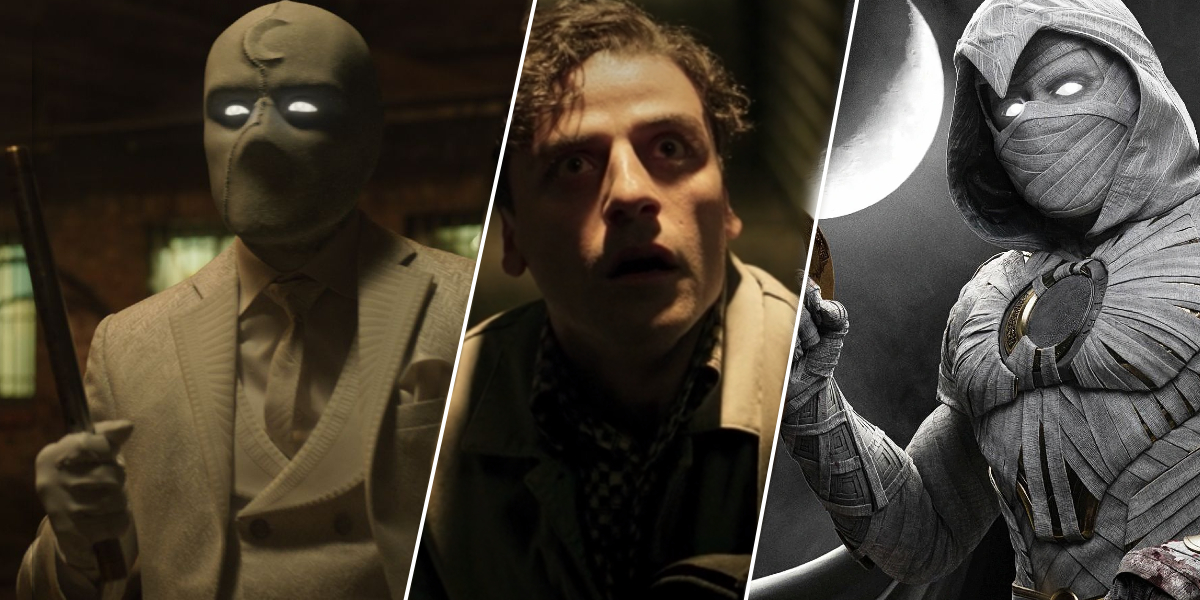
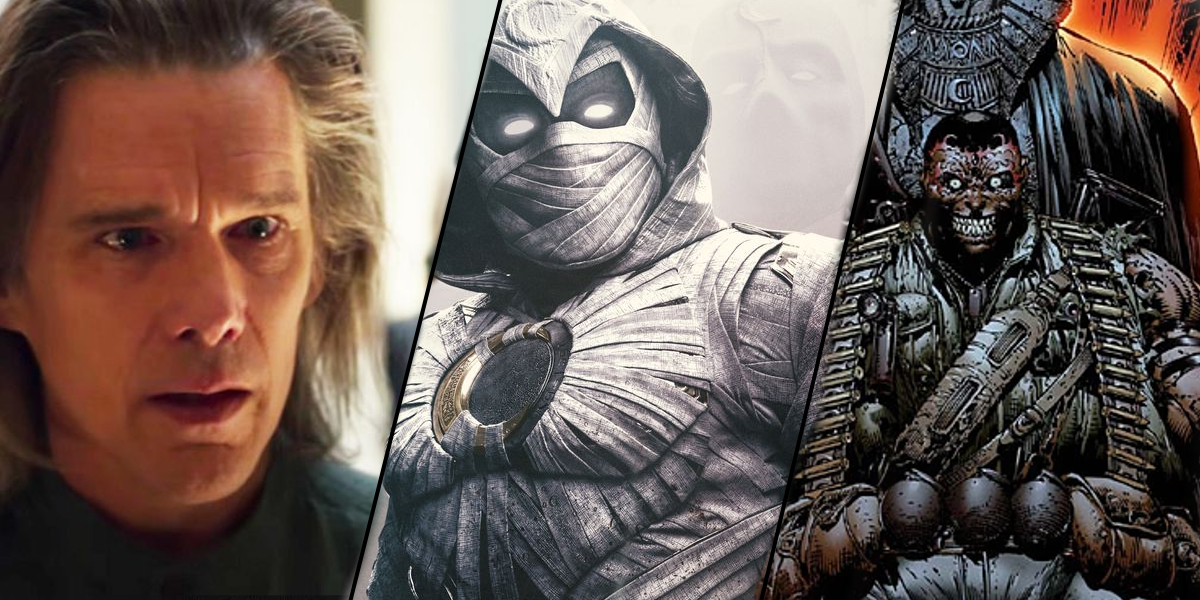
While Marvel Studios’ Moon Knight premiered only yesterday, it is already making a name for itself in terms of treading ground no other Marvel Cinematic Universe property has. The series is bringing a somewhat obscure Marvel character to live-action and is focused in part on the hefty psychological nature of Moon Knight. And despite being led by Oscar Isaac and Ethan Hawke, the characters and show are heavily influenced by Egyptian mythology, symbology, imagery, and location. Award-winning Egyptian writer and director Mohamed Diab serves as an executive producer and director for Moon Knight.
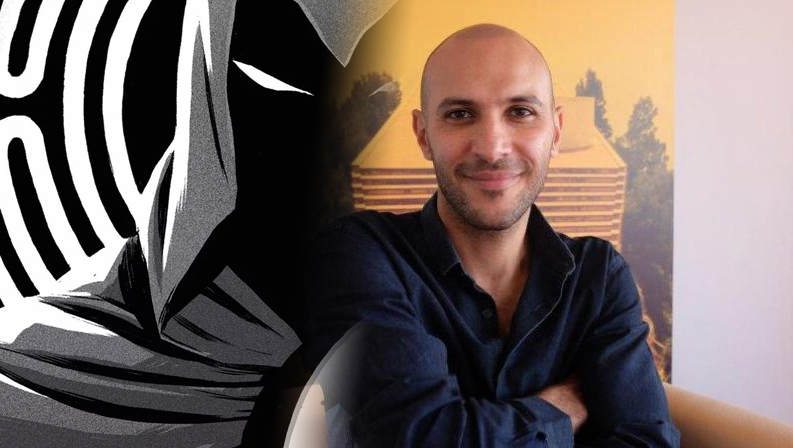
In an interview with Variety, Diab discussed the significance of being the first Arab director in the MCU:
“It was very important for me to show that I’m not here because I’m an Arab or an Egyptian…I’m here because I’m a good director. I’m here because I can tell the story better than anyone else. And if I succeeded, I might open doors for minorities around the world. I hope that happens.”
Mohamed Diab
While Diab rightfully emphasizes that his ability to bring Moon Knight to life is the reason Marvel Studios brought him aboard, he undeniably brings valuable insight to the series with respect to its portrayal of Egypt. He goes on to say:
The drama of it and the Egyptian part of it feels like an extension of everything that I’ve been doing…One of the most important things was how to depict Egypt, the present and the past, in an authentic way. Egyptians see that Hollywood always sees them in an Orientalist way. We’re always exotic. Women are submissive. Men are bad. So it was very important for me to break that.
Mohamed Diab
While the first episode of Moon Knight mostly featured Egyptian artifacts and lore rather than the country or region itself, viewers can expect to see how Diab’s vision plays out in future episodes of the Disney+ series.
One thing Marvel Studios fans love to do is speculate on the future of their favorite IP. What’s next for their favorite character? What comic book story will be adapted? In the case of Moon Knight, fans might want to breathe a little bit before they start dreaming about the next big thing.
Just as fans are introduced to Oscar Isaac’s Steven Grant/Marc Spector/Moon Knight (and some more personalities are certainly on the way), comes word that the star has bucked one of Marvel Studios’ more well-known trends. According to Variety, Isaac does not have a contractual obligation for any further appearances as the Fist of Khonshu.
According to Isaac, he and the creatives behind the streaming series wanted to keep their focus on the here and now and not get caught up in what might come next. And so, rather than be pinned down for a handful of future appearances, the actor is rolling the dice on the reception of the character:
I had heard of the golden handcuffs. That was something that I was reticent about. And luckily, we all agreed that this [show] is what we’re going to focus on. This is the story. And if there’s any kind of future, I think it just depends on if people like it, if people want to see more, and if we find a story that’s worth telling.
Oscar Isaac
So far, Moon Knight has been received warmly by fans, even if they’re not quite sure what exactly is going on or what to expect over the course of the next 5 episodes. Between that warm reception and the encouraging comments about the future of the character from showrunner Jeremy Slater and Marvel Studios’ brass, it seems incredibly likely that we’ll be seeing more of Isaac and the many different personalities of Moon Knight down the road.
With the first episode of Marvel Studios’ Moon Knight in the books, practically everything is still a mystery. We did learn Ethan Hawke’s villain Arthur Harrow appears to be some cult leader figure with connections to the Egyptian deity Ammit, and he wants to create a future where evildoers are eliminated before they commit any bad acts. We also learn that Steven Grant has another personality named Marc Spector living inside of his body who has some connection to Egyptian deity Khonshu and transforms into the titular Moon Knight at the very end of the episode.
The trailers and marketing for Moon Knight have suggested that Marc Spector and Steven Grant are the only two non-costumed identities in Marc’s mind in the series. Moon Knight comic book fans were the first to point out a major missing piece: Marc Spector’s third primary personality, Jake Lockley.
Moon Knight
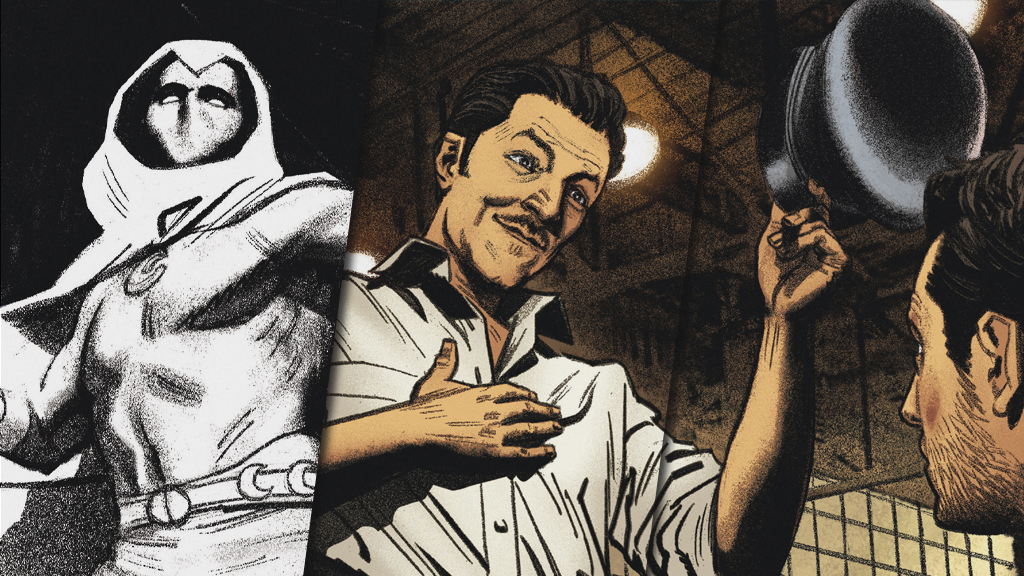
Traditionally, Marc Spector is the mercenary who is revived by Khonshu before becoming Moon Knight, Steven Grant is a millionaire playboy-type who uses his money to fund Moon Knight’s adventures, and Jake Lockley is rougher Taxi driver who uncovers street-level intel about crime that is afoot. Jake is also sometimes portrayed as the most violent and guiltless personality. Obviously, Moon Knight has already ripped up that script by transforming Steven Grant into a lonely British giftshop employee, so clearly the series is willing to forego classic elements from Moon Knight comics. Still, only one episode in, Moon Knight may already be teasing the third personality for Oscar Isaac to eventually portray.
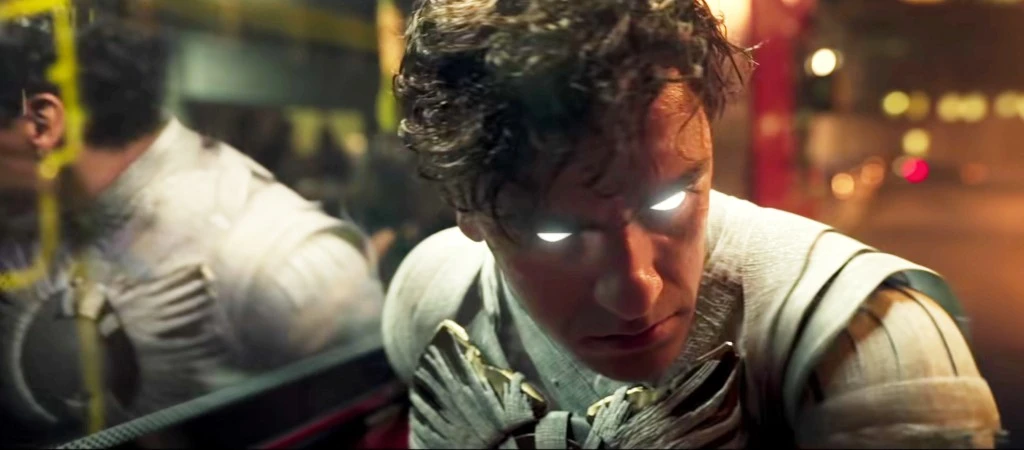
First, the episode has a tendency to show a third Isaac in a few places in what looks like very intentional ways. For example, when Steven is in the museum towards the end of the first episode just prior to him encountering the jackal, Steven’s Marc reflection remains in place while he walks away. However, there are two reflections in the mirror. Mirrors are tricky, but other than the imagery of the infinite reflections in the museum bathroom, it’s usually just Marc looking back at Steven. This mirror moment is eerie already, but the added face behind Marc’s is very specifically positioned.
Marvel Studios Moon Knight
Another example comes from the end credits. While the credits are not the substance of the series, they often hide plenty of easter eggs. In Isaac’s card, Steven/Marc’s face is broken up into three. Again, there’s certainly something to be said for aesthetics, but interestingly enough, the three faces aren’t totally identical. The middle face is definitely sporting slightly different hair, so there was some intention to make the faces/heads unique.
Marvel Studios Moon Knight
Another clue is the appearance of the human statue “Crawley” who the episode credits note is played by Shaun Scott. Bertrand Crawley is a classic Moon Knight character tied specifically to Jake Lockley–he is a homeless man in New York City that befriends Jake and is a key source of information for him. While it could simply be a fun nod to the character, the human statue certainly seems to be a well-placed person in terms of watching what happens around him.
Marvel Studios Moon Knight
Obviously, if the series is planning on introducing Jake, it wants to keep that a surprise. It makes sense to grow viewers accumstomed to two personalities first before throwing in a third, especially on top of another supernatural and mythology-heavy mystery. There’s a lot going on. While Moon Knight has not tied itself to any particular comic run or even felt particularly similar to one, it is still a strong guess that the series would not leave out one of the most significant and intrinsic aspects of Marc Spector’s character. Time will tell if the series is slowly unveiling the third idenity.
The newest installment of the Marvel Cinematic Universe, Moon Knight, finally premiered its this week. The series feels determined to keep the viewer in the dark (for now) similar to how the protagonist Steven Grant is taking everything in. The Disney+ show has not given the impression that it intends to take much of its direction from any particular comic book run or even any Moon Knight era. While that makes theorizing where the series is headed much more difficult, the first episode is already leaving major clues and Moon Knight easter eggs to work with. For one, there is a clear nod to classic Moon Knight character Jean-Paul “Frenchie” Duchamp. But Frenchie is not the only long-established comic’s character to be referenced.
In fact, another major character may have actually already appeared. Actor Shaun Scott is credited with playing “Crawley”, who is the gold-painted human statue Steven Grant seems to be very one-way friendly with. Moon Knight fans will reconize “Crawley” as a reference to Bertrand Crawley, a classic comics character. And he could have major implications for the series and its hero.
Marvel Studios Moon Knight
In the comics, Crawley is a homeless man living in New York City, who befriends and becomes an informant for one of Moon Knight’s personalities, Jake Lockley. It is emphasized how close this character is to Moon Knight in comic runs such as the popular Jeff Lemire and Greg Smallwood run, where the character plays a major role in Marc Spector grappling with psychological and supernatural chaos. While that certainly seems on par for Moon Knight, Crawley’s introduction could say a lot more about our protagonist’s past and future.
Moon Knight
While the Crawley in the comcis is quite a bit more mobile and talkative than the human statue in Moon Knight, he could be the perfect plant for Moon Knight…or one of his personalities. In a busy area of London, Crawley can blend right by looking like a tourist magnet or street performer. By staying quiet and still, he would not bring much attention to himself and might simply have unfettered ability to observe things happening nearby and act as a fly on the wall without suspicion. But why would Moon Knight be interested in that?
Crawley is generally the definition of a street-level character. While Moon Knight is currently set abroad, the titular hero spends most of his time in the comics as a caped vigilante in New York, Chicago, or Los Angeles. We have little to go off now with respect to Marc Spector and Moon Knight’s history within the MCU, but everything points to a larger-than-life supernatural conflict against Ethan Hawke’s Arthur Harrow. If Crawley is someone in Moon Knight’s life, though, that would suggest that the hero may have spent a significant amount of time as a crime-fighting vigilante in London. That could connect the hero to other classic characters and villains like Midnight Man, who is meant to appear in Moon Knight. In other words, the classic comic book portrayal of the character might still be in play.
It also raises interesting questions about the relationship between Moon Knight’s separate identities. In the comics, Crawley is very much connected to the Jake Lockley personality, who has yet to appear or be advertised. While Crawley could certainly tease Jake’s future introduction, there’s also something to be said about Steven’s own interactions with the human statute. Steven seems very drawn to him, which emphasized how lonely and awkward the character seems to be. But if another personality knows Crawley and works with him, maybe Steven subconsciously gravitates towards him. That would be another indication that Marc Spector, Jake Lockley, or Moon Knight are already using him as an informant by the time we meet Steven in the first episode.
There is always the possibility that Crawley the human statue is meant to be no more than an Easter egg and an acknowledgement of the character. But while the Frenchie reference was merely a name in a cell phone, Crawley is an actual flesh-and-bone character that has physically appeared in Moon Knight and has passively interacted with Steven Grant. While that could mean that Crawley is an already-existing and significant part of the MCU’s Moon Knight’s activities, it could also be a setup for the future. If Moon Knight does mostly explore an Egyptian mythology storyline, Moon Knight and his personalities could very well find themselves at a somewhat fresh start at the end of a wild and weird psychologically-dense series. Perhaps he leaves some of his obedience and dedication to Khonshu behind him–as he does several times throughout his comic book history–but still decides to use his skills and background for fighting crime in London. If he needs help, he already knows a guy.
It’ll be interesting to see how they tackle a special, especially if it introduces a completely new character into the MCU. They seem to be building up a Midnight Suns team with each new darker addition. Here’s hoping we get an official name soon, as the project is already entering production and we have no idea what it’s going to be called or even an official word from Marvel Studios.
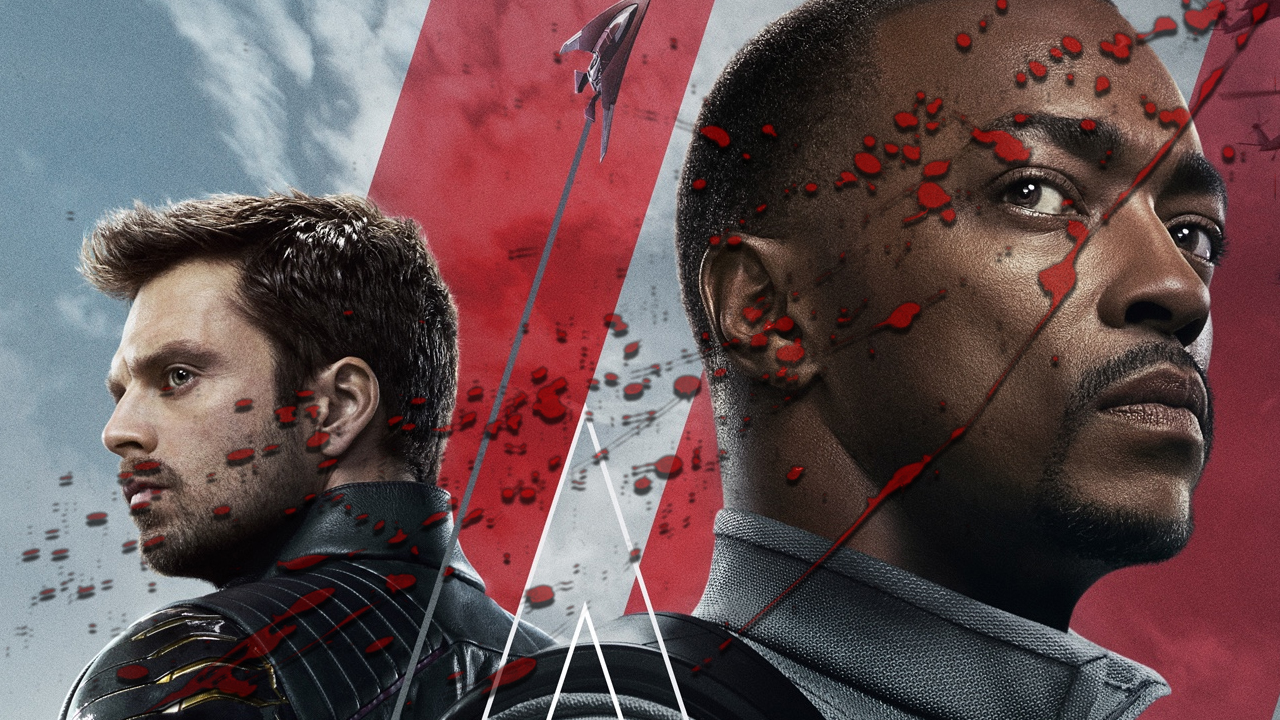
Early this week, fans spotted scenes depicting gore in Falcon and the Winter Soldier that were altered for general audiences. This stealthy alteration understandably irked portions of the fandom for Disney’s insistence on watering down the violence in the MCU, given how Disney+ recently introduced a parental control system.
However, according to insider Ryan Parker, these alterations were not intended to be published in the Disney+ library. Parker’s sources cited technical troubles and that the scenes were being retracted as soon as possible.
Eagle-eyed fans were right, an episode of 'The Falcon and the Winter Soldier' had been altered on Disney+.
I hear from a reliable source it was a software control issue and the wrong file was recently published accidentally. It’s being corrected immediately.
Regardless of whether the publication was accidental or not, that scenes are retroactively being changed by Disney clearly means that the company is investing resources in censoring certain content within its original catalog. However, this could also mean that Disney is looking into offering both censored and uncensored versions of their shows. Whatever the case is, this is something people need to keep an eye out for.
Moon Knight doesn’t hit the ground running as a superhero show. There’s certainly supernatural mystery in the air, but it is all very open-ended up until the actual Moon Knight reveal. We didn’t enter the realm of Captain America, Hawkeye, or even Thor, and it feels like the show exists in its own pocket universe within the greater universe. No one thing explains that feeling, but it certainly doesn’t rely on existing structures or even narrative themes and patterns. In that way, Moon Knight, if nothing else, feels fresh. The premiere episode certainly felt like a prologue and an introduction into some sort of outlier corner of the MCU. But the possibilities are practically endless.
This is an episode about Steven Grant. Steven Grant is an awkward, kind of fumbling, lonely, cowardly guy. But he’s also quippy. And the consistent humor Oscar Isaac brings to the role is truly the bedrock of everything that happens around Grant. The funny personality type does sort of feel like the MCU—letting the underlying character shine with or without the suit. Moon Knight in this episode is still a far cry from being as dead serious as the character historically can be. Grant, who does not know what is happening to him here, is like a mirror to a viewer who also is meant to be in the dark. But he will help you laugh a bit too.
But the underlying story is without a doubt serious, and it’s heightened by not only the obvious supernatural evil presence of Ethan Hawke’s Arthur Harrow, but also by the suspense and tension of Grant’s mental state. While Grant’s other personality, Marc Spector, is not revealed until the end of the episode, the screenplay is brilliant to tease out areas where Grant lost control of his body to Marc. Grant sort of reawakens with jarring editing to a similar setting but with violence and bloodshed around him. While more than one personality of the main character will be explored over time, the episode’s focus almost exclusively on Steven Grant gives the series the ability to tell a Moon Knight story without starting from scratch while taking advantage of quite the character piece it has built right in.
The larger sequence where Grant finds himself awakened in a foreign place, where he meets Harrow, emphasizes how important Grant’s mental narrative is to the show. While Harrow’s background and goals are still a mystery, using Grant as the lens into this particular moment of the story gets rid of the origin story lag. It also is designed to make the viewer question what is and is not real in the show, and that is an exciting bucket of worms that is so characteristic of the character in his comic book history. And while this episode still has to lay some groundwork, the series has the potential going forward to have some phenomenal pacing and tell a story without skipping a beat. While the costumed Moon Knight only makes a very brief appearance at the tail end of the episode, the quick transition to him and the final shot being him on the move does quite a lot in terms of setting up the rhythm of the series.
Despite being fronted as an MCU superhero adventure, at this point, the series looks like a story about an unstable man who happens to find himself surrounded and overwhelmed by a foreboding evil plot involving Egyptian gods. The first episode of Moon Knightcertainly shows off that it has the potential to be a very intriguing, suspenseful, and fresh story for the MCU. It can pretty much move in any direction, and that is not something a lot of comic book series can boast—it’s exciting.
The new MCU series Moon Knight seems to be taking a somewhat unique path to introduce and explore the titular character. We see nearly the entire first episode through Steven Grant, who knows nothing of the conflict among the Egyptian gods happening around him. So far, Moon Knight is not tracking any particular comic run, so predicting what comes next is not easy. But the first episode did supply an interesting Easter egg that might have legs to be more than just a nod to the comics.
When Steven discovers what turns out to be Marc Spector’s stash, he goes through the flip phone and sees countless missed calls from Layla. Placed amongst all of those missed calls was a “Duchamp.” A Moon Knight comic reader might recognize that name as Jean-Paul Duchamp, otherwise commonly called “Frenchie.”
Marvel Studios’ Moon Knight
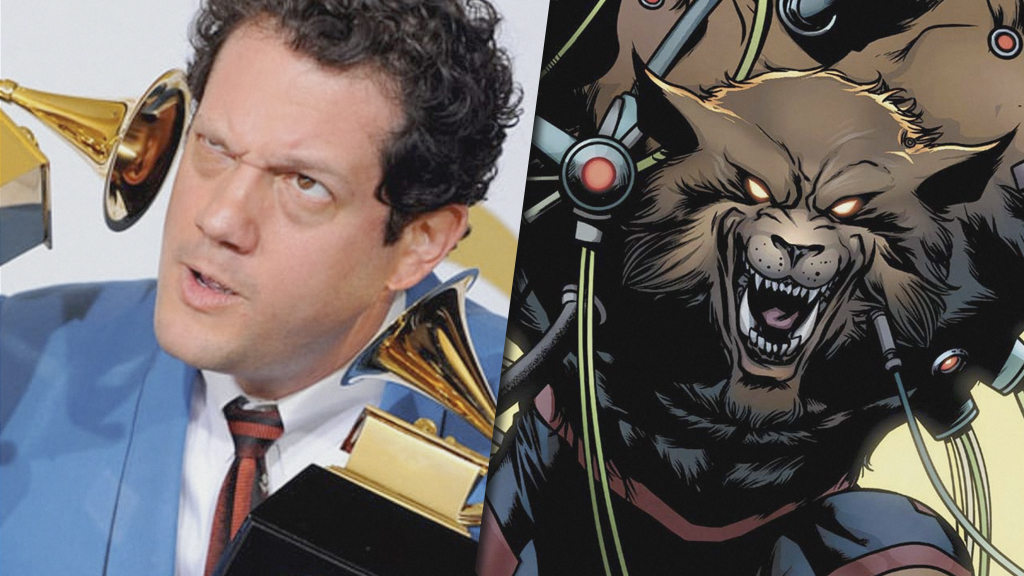
Duchamp made his first appearance alongside Moon Knight himself in 1975’s Werewolf By Night #32. In that way, Duchamp is actually older in the comics than Marc Spector or Steven Grant. Like Moon Knight, Duchamp has a long and colorful history in Marvel comics. He is an ex-member of the French Foreign Legion and met Marc Spector while they were both mercenaries. Duchamp became, most notably, a close friend of Marc’s as well as a sort of sidekick to Moon Knight, and he was a long-time pilot of the Mooncopter.
Marc Spector: Moon Knight
But was Duchamp’s name on the phone simply an easter egg or could the character make an appearance in Moon Knight? Simply having the name listed somewhere a fan could spot seems like one-off reference territory, but the shot curiously lingered on the name for longer than you would expect it to if it didn’t pack more meaning. The episode barely introduces Marc, so there is plenty of room down the line for Marc’s character to be developed. That could include not only his personality and relationship to Khonshu and Moon Knight but also the other relationships–like Layla–that identity has made throughout his life.
From the little the first episode showed, it looks like Moon Knight has been around for some time. Steven seems to have had control over his own life for a significant period of time, meaning that Moon Knight may have been established or created potentially years ago. That is plenty of time for Marc to have a network around him. What’s more, it looks like Steven is scrolling through relatively recent missed calls on Marc’s phone, meaning Duchamp may have tried to reach out recently. This could suggest that they are still in contact or that Duchamp is at least trying to get involved. Perhaps he had been helping Marc carry out his Moon Knight activities, or maybe he is just a close confidant. If the classic character makes it into Moon Knight, by all guesses he would not have the screen time to truly develop. But there could be plenty of room for Marc Spector and his classic supporting cast to be explored more in the future.
The upcoming Disney+ Marvel Cinematic Universe installment, Moon Knight, already promises to be one of Marvel Studios’ most unique projects. Considering the series is based on a character with dissociative identity disorder who acts as the fist of vengeance for an Egyptian god, that is not too hard to grasp. Still, it looks like Moon Knight might get even crazier than everything seen so far.
Series head writer Jeremy Slater responded to a fan on Twitter who asked what his favorite episode is. While not his “fave,” it is interesting how Slater brings the final two episodes into the conversation:
The pilot is my sentimental fave, because it changed the least throughout the years, and huge chunks of it were taken directly from my very first pitch to Kevin Feige. But I also can’t wait for everyone to see just how weird the last two episodes get!
When Marvel Studios’ Moon Knight lands on Disney+ tomorrow, viewers will meet quite a few characters they’ve never seen before. This is because, in large part thanks to the protagonist’s obscure origins, some of them are original creations for the show. Among these new faces is Ethan Hawke‘s villain Arthur Harrow, who takes his name from a very minor comic character but is otherwise a brand new character exclusive to the live-action series. The inclusion of Harrow in Moon Knight’s origin story, as opposed to better-known antagonist Bushman, confused some diehard fans of the character’s lore. Luckily, the series’ head writer Jeremy Slater has taken to Twitter to explain the reason behind the decision.
Because his only recognizable villain was Bushman, who just felt too close to Black Panther's Erik Killmonger. So we decided to invent a villain instead. Ethan Hawke in particular was instrumental in creating Harrow. https://t.co/3ahbqHEPWF
In the comics, Raoul Bushman is originally Marc Spector’s primary mercenary partner. This lasts until Bushman and Spector have a disagreement over the former’s alarmingly violent tactics, which results in Bushman beating Spector to a pulp and leaving him for dead in the desert. The event is how Spector becomes Moon Knight in the first place, and the vigilante eventually uses his newfound abilities to take revenge on Bushman. Some supernatural events have allowed the two rivals to clash on a couple more occasions (including one extremely graphic incident in which Spector carved off Bushman’s face), causing Bushman to become Moon Knight’s arch-nemesis.
In Moon Knight, Arthur Harrow is described as a sort of cult leader who comes to blows with Marc Spector and Steven Grant. The name Harrow is lifted from an evil scientist who appeared in a single issue of the Moon Knight comics in 1985. It remains to be seen just what role he plays in the protagonist’s MCU adventures.
We use cookies to improve your experience on our site. By using our site, you consent to cookies.
This website uses cookies
Websites store cookies to enhance functionality and personalise your experience. You can manage your preferences, but blocking some cookies may impact site performance and services.
Essential cookies enable basic functions and are necessary for the proper function of the website.
Name
Description
Duration
Cookie Preferences
This cookie is used to store the user's cookie consent preferences.
30 days
These cookies are needed for adding comments on this website.
Name
Description
Duration
comment_author_email
Used to track the user across multiple sessions.
Session
comment_author_url
Used to track the user across multiple sessions.
Session
comment_author
Used to track the user across multiple sessions.
Session
Statistics cookies collect information anonymously. This information helps us understand how visitors use our website.
Google Analytics is a powerful tool that tracks and analyzes website traffic for informed marketing decisions.
Contains information related to marketing campaigns of the user. These are shared with Google AdWords / Google Ads when the Google Ads and Google Analytics accounts are linked together.
90 days
__utma
ID used to identify users and sessions
2 years after last activity
__utmt
Used to monitor number of Google Analytics server requests
10 minutes
__utmb
Used to distinguish new sessions and visits. This cookie is set when the GA.js javascript library is loaded and there is no existing __utmb cookie. The cookie is updated every time data is sent to the Google Analytics server.
30 minutes after last activity
__utmc
Used only with old Urchin versions of Google Analytics and not with GA.js. Was used to distinguish between new sessions and visits at the end of a session.
End of session (browser)
__utmz
Contains information about the traffic source or campaign that directed user to the website. The cookie is set when the GA.js javascript is loaded and updated when data is sent to the Google Anaytics server
6 months after last activity
__utmv
Contains custom information set by the web developer via the _setCustomVar method in Google Analytics. This cookie is updated every time new data is sent to the Google Analytics server.
2 years after last activity
__utmx
Used to determine whether a user is included in an A / B or Multivariate test.
18 months
_ga
ID used to identify users
2 years
_gali
Used by Google Analytics to determine which links on a page are being clicked
30 seconds
_ga_
ID used to identify users
2 years
_gid
ID used to identify users for 24 hours after last activity
24 hours
_gat
Used to monitor number of Google Analytics server requests when using Google Tag Manager
1 minute
Marketing cookies are used to follow visitors to websites. The intention is to show ads that are relevant and engaging to the individual user.
Pinterest Tag is a web analytics service that tracks and reports website traffic.