Robert Downey Jr., Chris Evans, Scarlett Johansson and Elizabeth Olsen have had plenty of rightful praise heaped upon them for their performances as their respective MCU characters. Those actors have indelibly put their marks on those roles and their characters were cornerstones of Marvel Studios’ success. One could, however, make the argument that Paul Bettany, whose Vision first appeared in 2015’s Avengers: Age of Ultron, could be added to that list.
Bettany brought life to the Synthezoid and by the time Avengers: Infinity War rolled out in 2018, Vision was at the center of everything, including one of the MCU’s most heartbreaking moments to date. Despite being destroyed, Vision made his way back to the Multiverse Saga in WandaVision where Bettany shined as both the Hex Vision and White Vision. As the series wrapped, White Vision declared himself THE Vision and flew off into the sunset leaving the door open for further adventures.
According to insider Daniel RPK, production on Vision Quest is expected to begin this October in the UK.
Jac Schaeffer, who served as the showrunner on WandaVision–and its 2024 sequel series, Agatha, was reported to be overseeing the project in 2022 and in 2023, Schaeffer brought Eileen Shim into the writer’s room. Outside of that, little is truly known about the series other than it will follow the White Vision as he seeks to regain his memories and humanity.
While multiple Marvel Studios involve flashbacks, no project has been primarily set prior to World War II. As a result, the epoch of the MCU’s timeline has remained the same since Captain America: The First Avenger debuted in 2011. And so while the Disney Plus MCU Complete Timeline changes as each new project hits the streaming service, the beginning of it has remained static since its debut. But that’s all about to change.
X-Men ’97 has been overwhelmingly successful for Marvel Studios and with its attention-grabbing action coming on the heels of a much more well-received second season of What If…?, audiences have been reminded of the power of telling stories through animation. With X-Men ’97 now into its back nine, another animated series has continued to generate some buzz as rumors and speculation about it circulate. And though it doesn’t have a release date just yet, Eyes of Wakanda will debut in 2024 and become the new jumping off point on the MCU Complete Timeline.
As seen in Black Panther, the history of Wakanda stretches back to 28,000 B.C. though the meteorite that brought Vibranium to Africa and the Atlantic Ocean fell from the sky much earlier in 2,500,000 B.C. While projects such as Eternals, Shang-Chi and the Legend of the Ten Rings and each of the Thor films have included flashbacks that predate Captain America: The First Avenger‘s WWII setting–and even predate the flashbacks in Black Panther–they are primarily set in “the present” and, as such, are placed far further down the timeline than Cap’s first MCU adventure. This will not be the case with Eyes of Wakanda.
According to reports about the series, one of the four 30-minute episodes is set during the time of the Trojan War. While it seems historians are all over the place when trying to pin down exactly when the Trojan War took place–if at all–an episode set during it would likely take place in the 12th or 11th century B.C. If so, will the Disney Plus timeline change?
Of course, some narrative devices could prevent Eyes of Wakanda from being the new #1 on the timeline. The studio could choose to have the series told by someone in the present day–perhaps Shuri is telling her nephew, T’Challa, for example–making each episode a flashback. In that case, the series would end up tacked on later on the timeline after the events of Black Panther: Wakanda Forever. That decision has already been made, of course, by Coogler and director Todd Harris and ultimately where the series appears on the timeline plays no role at all in how the stories told within it shaped Wakanda, Talokan, and, as we might be about to find out, some other places in the 616 universe.
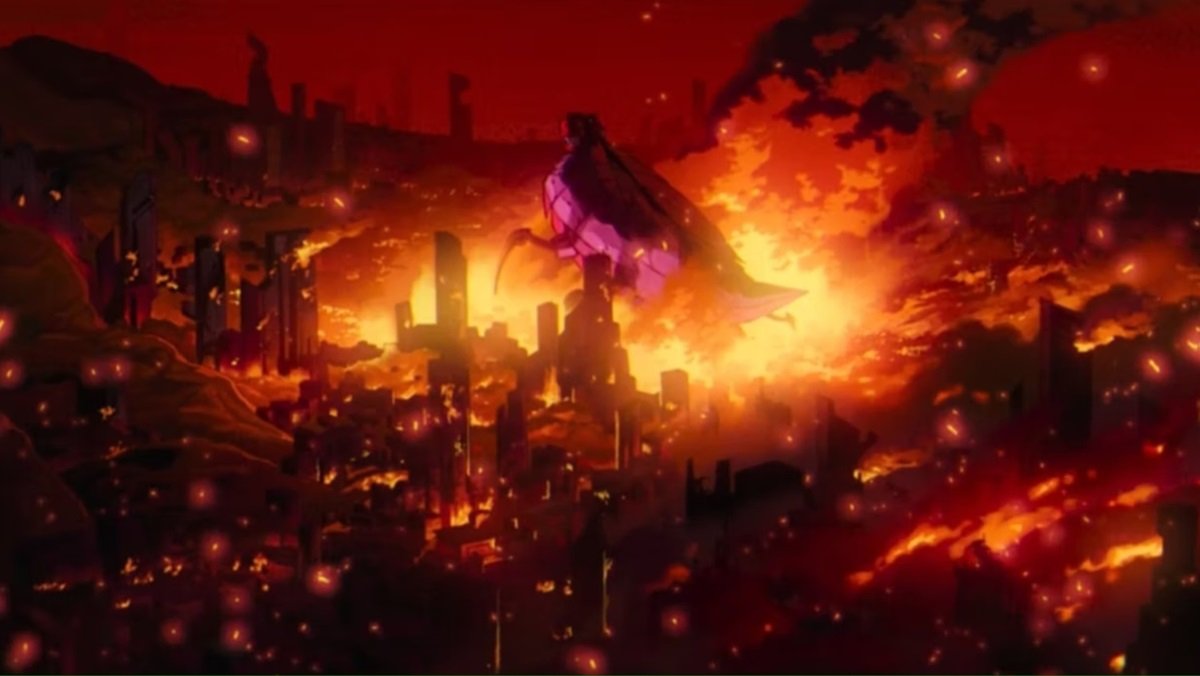
The attack on Genosha in Episode 5 of X-Men ’97 took the lives of an as yet unrevealed number of mutants. Despite Cable’s attempt to warn his mother, Madelyne Pryor joined key players such as Magneto and Gambit as casualties of the Wild Sentinel’s devastating attack. While mutants and fans alike are still mourning the dead and recovering from the massacre, the question of who orchestrated it remains.
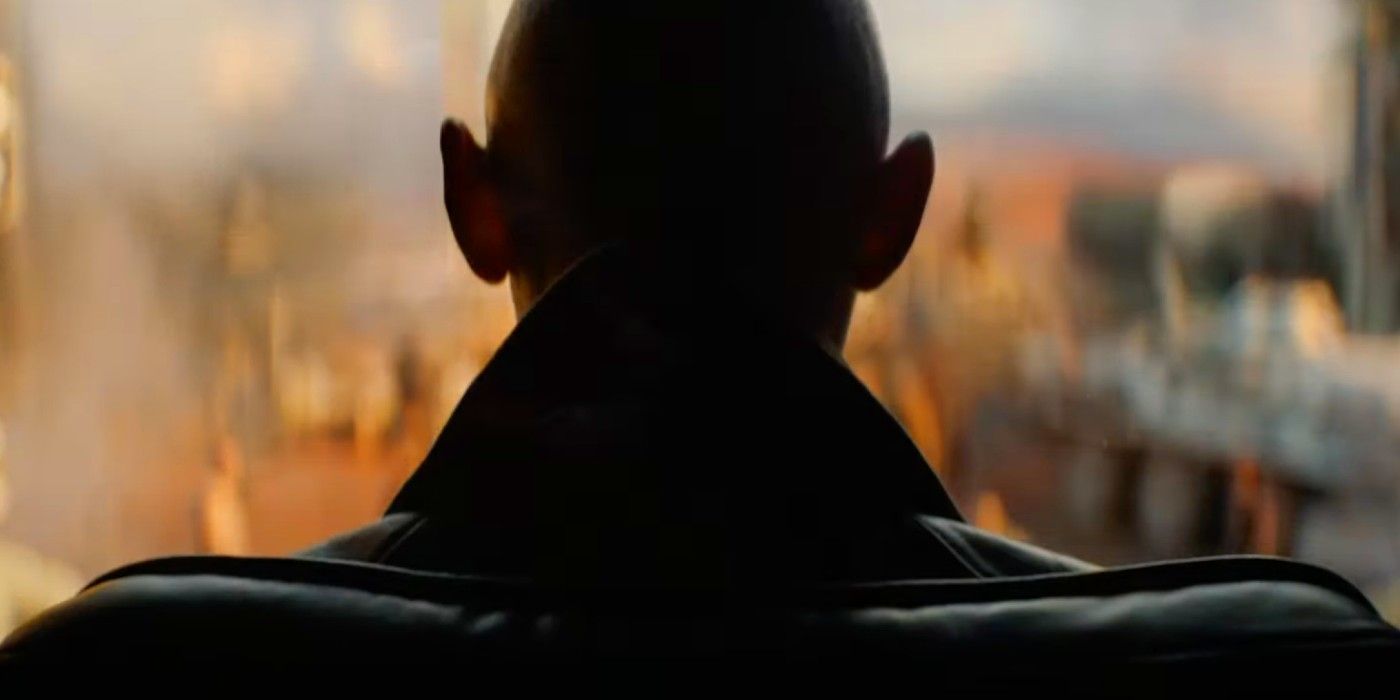
A close look at some clues have led to the theory that the Sentinel Android known as Bastion could be behind the attack. There’s plenty of compelling evidence to suggest Bastion as a possibility but continuing to connect the dots has lead us to not only double down on the identity of the perp but also wonder if the voice actor for the villain hasn’t been in front of our eyes all along.
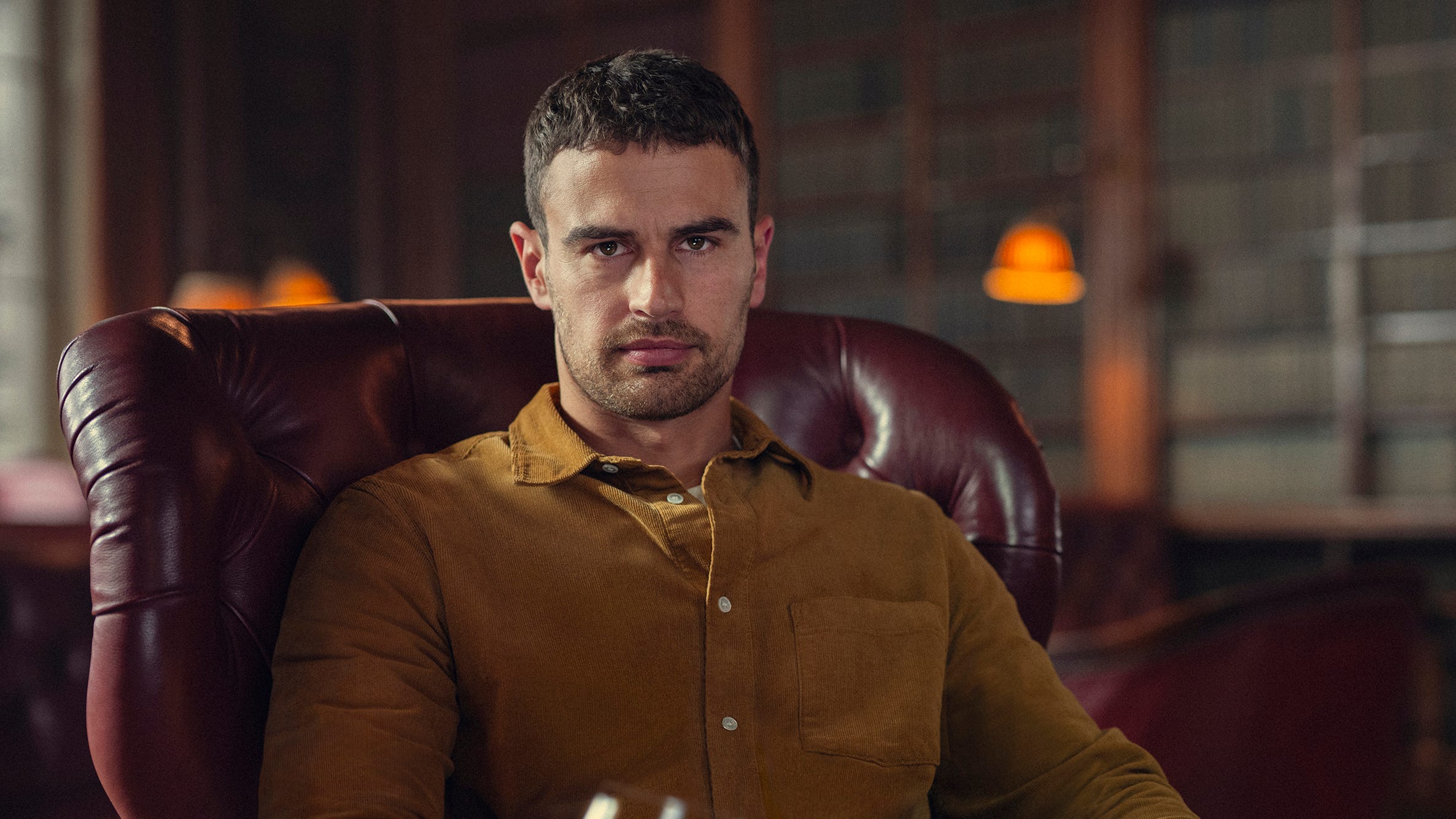
Theo James Is Bastion
Before the first episode of X-Men ’97 debuted on Disney Plus, showrunner Beau DeMayo revealed that Theo James was set to voice a “fan-favorite” character. Through five episodes, the identity of that character has remained a mystery but DeMayo’s insistence that the role would “surprise people” ties nicely into the idea that James will voice Bastion.
Connecting the dots from James voicing a surprising fan-favorite character to Bastion isn’t really all that crazy. With only five episodes left and the big bad behind the attack on Genosha left a mystery, there’s plenty of reason to think it was Bastion. From the picture of him in Forge’s lab to his brief presence at the gala to the use of “Tolerance is Extinction” as the title of the three-part season finale (Bastion was introduced in the comics in an event titled Operation: Zero Tolerance), plenty of markers point in the direction of Bastion.
If we accept it’s Bastion, the idea of James voicing him is the easy part. James likely didn’t sign on to voice a blink-and-you-miss-it cameo character and there just aren’t that many major characters left to come into play in this season. While the idea of him voicing Captain America gained some traction online after Cap’s shield was seen in a recent sneak peek, it’s preposterous. James is as British as tea and strumpets and though he’s grown into a bloody brilliant actor, his American accent is a bit rubbish, innit? While he’d be chuffed to bits to voice Cap, he is not.
James‘ career renaissance has been impressive. He recently led Netflix’s The Gentleman for which he received high praise. However, it was his role as the bad guy in White Lotus: Sicily that showed his range. We won’t have long to wait to find out if we connected the dots well or not but the idea of James as the voice of Bastion is just too good to pass up.
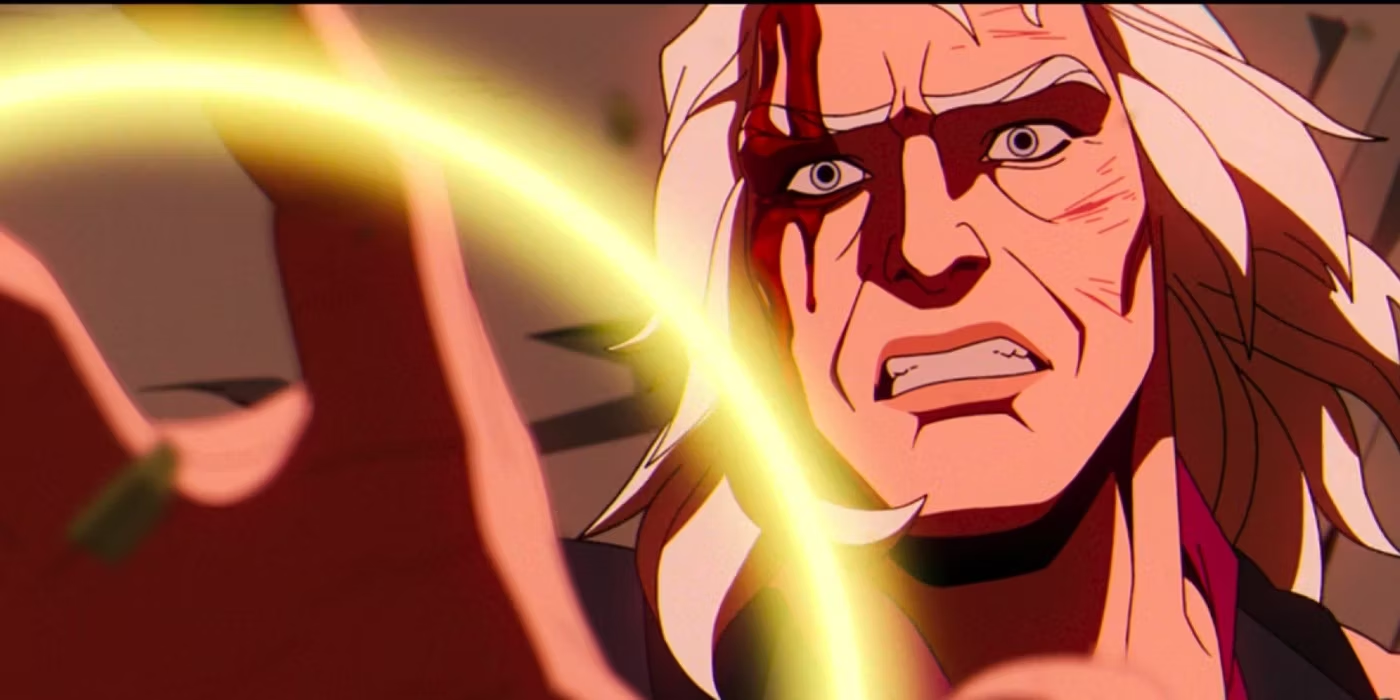
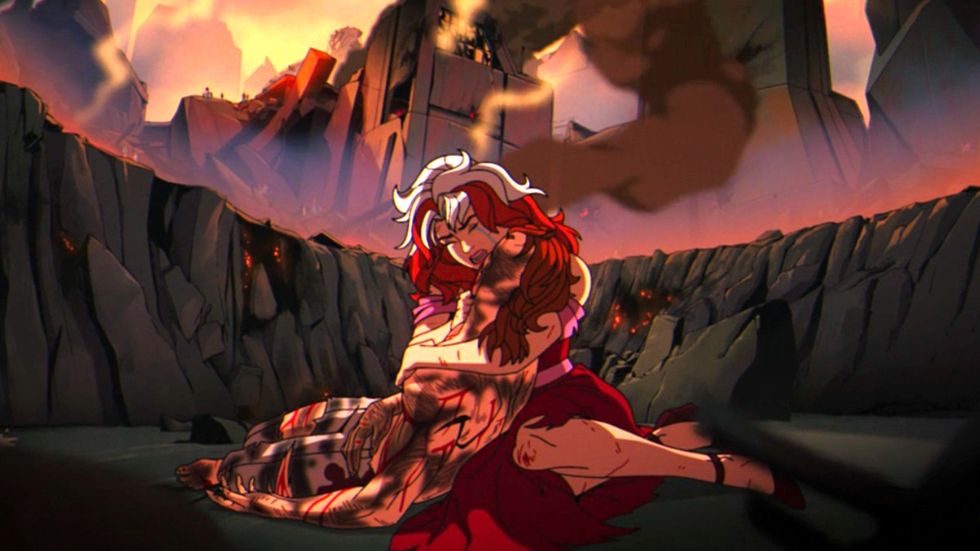
Episode 5 of X-Men ’97 will certainly live in infamy. A devastating epsiode that Beau DeMayo intended to serve as the 9/11 of the series, “Remember It” saw a Wild Sentinel attack Genosha and kill an as yet unquantified number of mutants. Among those presumed dead are Gambit, Sebastian Shaw and Magneto, whose work had Genosha on the brink of becoming recognized as a legitimate mutant nation. The season opened with Magneto pledging to lead the X-Men and, against his instincts, try to do so in the way his friend Charles Xavier would have. And now, just as Charles was taken off the board by the humans he longed to live with harmoniously, so was Magneto…mabye?
Of course, at this point it’s still unclear who was behind the attack on Genosha, though we have our theories. Additionally, it’s truly hard to believe that Beau DeMayo and Jake Castorena would kill off the Master of Magnetism at the half way point of Season 1 of the revival. With two more seasons of X-Men ’97 already on the way, it seems as though there should be plenty left for Magneto to do, especially with Charles likely to return at some point. The good news is that there are plenty of ways that Magneto could have survived the attack. Even if he died, there are plenty of comic-based ways he could find his way back to the land of the living. While there’s plenty of uncertainty there, one thing cannot be argued: however and whenever he returns, he’s going to be pissed.
Magneto Was Right
Following Episode 5, Marvel Studios released a series of images on social media including one including a phrase that was seen in the episode and acheived memehood among comic book readers long ago: “Magneto Was Right.”
“Magneto Was Right” is a phrase and sentiment within the Marvel Comics universe that encapsulates the ideology of the mutant villain Magneto, suggesting that his extreme methods and views on human-mutant relations may have some validity. Magneto, a Holocaust survivor, believes that mutants are superior to humans and that they should assert their dominance over them to ensure their survival. While his methods often involve violence and aggression, Magneto’s perspective is rooted in the oppression and persecution that mutants face in a world that fears and discriminates against them.
The phrase “Magneto Was Right” reflects a nuanced exploration of morality and ethics within the context of the X-Men comics. That exploration has been front and center throughout the first five episodes of X-Men ’97. It acknowledges that Magneto’s actions, while extreme and often villainous, are sometimes motivated by a desire to protect mutantkind from the dangers posed by humanity’s prejudice and hatred. However, it also serves as a reminder of the complex and morally ambiguous nature of Magneto’s character, as well as the ongoing debate within the X-Men universe about how best to achieve equality and justice for mutants. Magneto was on the precipice of achieving those things when Genosha was attacked. He tried it Charles’ way and it cost him everything. However and whenever he returns, he’s going to put Charles’ way behind him.
The Man From Room X
Should Magneto have survived, he’s certainly plotting his vengeance. However, his death would elevate him from leader to martyr and publicly undoing it would greatly reduce its impact. Fortunely, there’s an app for that.
Introduced in Grant Morrison‘s New X-Men Annual 2001, Xorn was a fascinating new mutant from China who was imprisoned by his government. Born with a star in his head that granted him impressive powers, Xorn was freed from prison by the X-Men and then joined their ranks, eventually taking over as a teacher. Over time, his peaceful demeanor faded and he began to champion Magneto’s ideals and, in what was at the time a major suprise twist, was revealed as Magneto, who was believed to have been killed…during the same Genoshan massacre just adapted by X-Men ’97.
“I could have built Heaven on Earth, if only they’d let me.”
-Xorn
Given the choice to move into Morrison’s New X-Men territory to bring the Genoshan genocide to the series, it’s at least somewhat probable that DeMayo also considered adapting one of the author’s great additions to the X-Men mythology. It’s no sure thing, by any means, as it’s already been made clear that the villain behind the attack on Genosha in X-Men ’97 will not be the same as in the comics, which further serves to prove that the creators of the animated series are more than willing to mix and match. However, they also have the opportunity to pull off a wonderful twist that many fans simply won’t see coming. Xorn is hardly a well-known character and great lengths have been taken to retcon the Magneto reveal. As Jonathan Hickman recently said, “continuity is what people remember, and what sticks,” and Xorn certainly doesn’t “stick” with most casual fans.
With five episodes left in Season 1 of X-Men ’97, it really seems more of a question of when Magneto will return rather than if he will.
About Xorn
Xorn is an enigmatic figure within the Marvel Universe, known for his dual identity and mysterious past. Possessing magnetic powers and wearing a distinctive helmet, he is a complex character whose actions often blur the lines between heroism and villainy. Xorn’s compassionate nature and philosophical outlook set him apart, making him both a visionary leader and a controversial figure among mutants.
Little is known about Xorn’s origins, adding to the intrigue surrounding his character. He has been associated with both the X-Men and the Brotherhood of Mutants, demonstrating his fluid allegiance and rebellious spirit. Whether leading mutant sanctuary efforts or confronting the establishment, Xorn’s actions have left an indelible mark on the mutant community.
Xorn’s motivations are driven by a desire to challenge the status quo and inspire change within the mutant population. His philosophical approach to mutant rights and societal norms often leads him to question authority and lead rebellions against oppressive regimes. Despite the controversy surrounding his methods, Xorn remains committed to his vision of a better future for mutants.
Xorn’s actions are marked by rebellion, manipulation, and confrontation. He leads mutant movements, inspires change, and challenges the established order with his philosophical insights. Xorn’s willingness to question authority and sacrifice himself for his beliefs makes him a symbol of defiance and hope for mutants everywhere.
Xorn possesses powerful magnetic abilities, similar to those of Magneto. With his control over magnetism, he can manipulate magnetic fields to move objects, generate electromagnetic pulses, and even create force fields for defense. Additionally, his distinctive helmet enhances his powers and allows him to focus and amplify his magnetic abilities to a greater extent. However, Xorn’s powers are often shrouded in mystery due to his dual identity and enigmatic past, adding an air of intrigue to his character. Despite the controversy surrounding him, Xorn remains a formidable force within the mutant community, using his magnetic prowess to challenge the status quo and fight for mutant rights.
In one of the most shocking plot twists in Marvel Comics history, the character known as Xorn was revealed to be none other than Magneto himself. This revelation occurred during Grant Morrison’s acclaimed run on the “New X-Men” series. Initially introduced as a mysterious mutant with a star-shaped helmet, Xorn quickly gained prominence as a compassionate and philosophical figure within the mutant community. However, as the series progressed, hints and clues began to emerge, suggesting a deeper connection between Xorn and Magneto.
The climactic reveal occurred during the storyline known as “Planet X,” where it was unveiled that Xorn’s true identity was that of Magneto, who had been believed dead at the time. This revelation sent shockwaves throughout the X-Men fandom, as readers grappled with the implications of Magneto’s return and the deception surrounding Xorn’s identity. The reveal added layers of complexity to both characters, highlighting Magneto’s capacity for manipulation and reinvention, as well as the moral ambiguity inherent in his actions. Ultimately, the revelation of Xorn’s true identity served as a testament to the storytelling prowess of Grant Morrison and remains a memorable moment in X-Men lore.
Episode 5 of X-Men ’97, “Remember It”, was indeed memorable. In one of the most shocking episodes of Marvel Studios-produced TV to date, “Remember It” saw the mutant island nation of Genosha attacked by a Wild Sentinel. The body count from the attack seemed to include Gambit and Magneto, both of whom sacrificed themselves in amazing displays of their powers in order to save other mutants, including Rogue, who was in quite a particular pickle before the attack. Theories about who perpetrated the attack on the island have taken over social media and message boards and a few names have risen to the top of the suspect list. However, according to X-Men ’97’s key creatives, it’s time to remove one of the most popular potential mass murderers from the list.
Unfortunately for the X-Men, the list of characters who have enacted terrible schemes resulting in the mass murder of mutants is pretty expansive. However, the mutant body count of one of those villains stands above the rest. In Grant Morrison’sNew X-Men arc, “E is for Extinction”, Cassandra Nova–the twin sister of Charles Xavier–murdered 16,000,000 mutants in a matter of minutes in what became known as the Genoshan genocide. That arc served as the template for “Remember It” but according to supervising producer Jake Castorena, fans should not expect to learn Nova was behind the attack.
In an interview with Inverse, Castorena scratched her name off the list of suspects saying, “I wouldn’t get my hopes up for Cassandra Nova being a huge villain in our show. But what I will say is, I don’t think people will be disappointed with our choices.” Though she’s not behind the attack, it seems as though the creative team has thought plenty about Xavier’s twisted twin. Emi Yonemura, who directed Episode 5, explained what she loves about Nova and may have given some insight into the team’s plans for the character. “I love her because she is a challenge for Xavier. I really love the tensions that she brings, the whole other level that she brings,” said Yonemura. “I love her character design as well. I cannot say where we go, but I think what’s so nice about using the original series and the comics for where we start [is that it] gives us so many options with so many rich characters like Cassandra to get to play with.” So while Nova won’t be popping in for a visit next week, it sounds as though she’s certainly a good bet to appear once Charles returns from his respite in Shi’ar space.
The first five episodes of X-Men ’97 are not streaming on Disney Plus.
About Cassandra Nova
Cassandra Nova is a formidable antagonist within the Marvel Universe, renowned for her cunning intellect and ruthless demeanor. As a mutant with telepathic abilities, she poses a significant threat to the X-Men and all who oppose her nefarious schemes. With a shape-shifting prowess that rivals even the most skilled adversaries, Cassandra Nova is a master manipulator who utilizes her powers to infiltrate and subvert the most secure organizations.
The Twisted Twin Sister of Charles Xavier
Conceived as the malevolent counterpart to Charles Xavier, Cassandra Nova embodies the darkest aspects of mutant potential. In a shocking twist of fate, Charles Xavier, unaware of his twin sister’s existence, unknowingly attacked Cassandra Nova while she was still in the womb. This event, shrouded in mystery and tragedy, set the stage for their tumultuous relationship and Cassandra’s eventual emergence as a formidable antagonist within the Marvel Universe. The repercussions of this prenatal conflict reverberate throughout their intertwined destinies, shaping the course of their lives and the fate of mutantkind.
Emerging from the depths of the Xavier Institute’s history, she has been a constant thorn in the side of the X-Men, often orchestrating elaborate plots to undermine their efforts for peace and equality. With ties to the Shi’ar Empire and Genosha, Cassandra Nova’s reach extends far beyond the borders of Earth, making her a global threat of unparalleled magnitude.
A Powerful Adversary
Driven by an insatiable thirst for power and domination, Cassandra Nova’s ambitions know no bounds. Whether manipulating world leaders or inciting conflicts between mutants and humans, she seeks to sow chaos and discord at every turn. Her ultimate goal remains shrouded in mystery, but one thing is certain: Cassandra Nova will stop at nothing to achieve her malevolent objectives.
Possessing a genius-level intellect and unparalleled telepathic abilities, Cassandra Nova is a formidable adversary capable of outwitting even the most seasoned heroes. Her shape-shifting prowess allows her to assume any form, making her a master of deception and subterfuge. Ruthless and manipulative, she will exploit any weakness to further her own agenda, leaving destruction in her wake.
Cassandra Nova’s modus operandi revolves around manipulation, scheming, and plotting. With a penchant for orchestrating elaborate schemes, she seeks to undermine her enemies from within, using their own vulnerabilities against them. Whether infiltrating secure facilities or instigating conflicts, she employs a wide array of tactics to achieve her goals, leaving chaos and destruction in her wake.
Coming Soon to the MCU
Cassandra Nova will make her live-action debut in Deadpool and Wolverine. Played by Emma Corrin, Nova will be the primary antagonist of the film and is rumored to be in a position of power in The Void, a region outside of time where pruned Variants are sent by the TVA.
Deadpool and Wolverine hits theaters on July 26th.
In what was almost certainly the best episode of Marvel Studios’ streaming era, X-Men ’97‘s “Remember It” shattered the peaceful feelings of nostalgia it had established with an emphatic and traumatic blow. The episode’s carnage, caused by a Wild Sentinel, may have been equally deleterious to mutants and fans of the series; however, both must push on and with the series just past its halfway mark, it’s time to look back in order to look ahead and see what might be coming for the remaining X-Men following the massacre on Genosha.
It looks as though showrunner Beau DeMayo thoughtfully provided fans a week to recover from “Remember It” by spending Episode 6 wrapping up Storm’s very personal side story in “Lifedeath Part 2.” That looks to be followed by a Rogue-centric episode, “Bright Eyes”, before the three-part season finale, “Tolerance is Extinction.” Extinction is a pretty common theme for the X-Men and has been central to more than one major arc in the comics, however, the series has provided enough clues to help zero in on which of those arcs may have served as the prime inspiration for the final three episodes.
Who Was Behind the Wild Sentinel?
Episode 5’s attack on Genosha was clearly inspired by Grant Morrison’s first three issues of New X-Men; however, to say it was ripped straight from the pages of that run, titled “E for Extinction” would be wildly incorrect. In fact, the episode seemed to draw at least some inspiration from the X-Men’s Krakoan era with its stylish gala taking center stage, an event at which the most recent mutant massacre occurred. So, rather than a straight adaptation, it seems as though X-Men ’97 is doing a little mixing and matching in mass murder and will probably do so again with the revelation of who is behind the attack on Genosha.
Morrison‘s New X-Men introduced Cassandra Nova into the X-Men lore and immediately made her one of the most vile villains within it. The beginning of the end of the Krakoan Age was orchestrated by Orchis in Gerry Duggan‘s X-Men: Hellfire Gala 2023. As fun of a theory as it is, there’s no evidence Nova was behind the attack and there’s been no mention of Orchis so far. However, upon closer look, a prime suspect for the attack arises and it’s one who was behind another large-scale attack against the X-Men in the comics.
Who Is Your Baddy and What Does He Do?
I’m 1997, Marvel Comics published Operation: Zero Tolerance, an event that ran across its major X-titles. In it, the Sentinel Android known as Bastion set out to –you guessed it–exterminate mutants. As many outlets and social media types have speculated and theorized, Bastion is almost certainly behind the attack on Genosha, which definitely set his extinction plan off on the right foot. And, as it turns out, Bastion has already appeared in the series at least once, if not twice.
In search of regaining a connection to her mutant powers in Episode 4, Storm agreed to enter one of Forge’s wondrous inventions. As she and Forge walked through the maker’s lab, several pictures could be seen on the wall, including one in which half of a very comic-accurate-looking Bastion could be seen along with Forge. Additionally, there’s a mysterious white-haired man spotted passing right in front of “the camera” in Episode 5 just after Magneto enters the gala. It’s impossible to confirm that’s Bastion, however, it’s entirely possible he was there to make sure his terror attack would be as deadly as possible. And, since he’s just getting started, he’ll likely unleash his greatest creations on the mutants: Prime Sentinels.
A final piece of evidence that could indicate that Bastion is the mastermind of the attack on Genosha could be the arrival of Cable at the gala. While he was unable to save everyone, the Askani’son’s attempt to stop the attack and share that “he” is coming is still informative. “He” rules out Cassandra Nova and it’s also worth pointing out that Nathan Summers plays a key role in Operation: Zero Tolerance over a three-issue run of James Robinson‘s Cable title.
Is It Really Bastion?
With so many stories from which to draw inspiration, it’s possible that several villains could be behind the Genoshan massacre. That said, there’s enough evidence to strongly support a reasonable claim that Bastion will be revealed as the key conspirator. As in the comics, he almost certainly won’t be working alone, bringing some of the team’s most hated foes from X-Men: The Animated Series back into play but, as of now, it seems that this game of Clue ends with the reveal was Bastion, in the lobby, with the Wild Sentinel. Buckle up for the final five episodes of Season 1 of X-Men ’97!
About Operation: Zero Tolerance
“Operation: Zero Tolerance” emerges as a pivotal saga within Marvel Comics X-Men mythology, featuring a widespread crackdown on mutants orchestrated by the formidable adversary Bastion. Bastion, driven by a deep-seated animosity towards mutantkind, spearheads the deployment of an army of advanced Sentinel robots and Prime Sentinels, including cybernetic operatives infused with nanotechnology, to systematically eradicate mutants.
In the heart of the conflict are the X-Men and their allies, with Cable playing a crucial role as both a warrior and a strategic leader. As tensions escalate and the stakes soar, Cable’s tactical brilliance and combat prowess become invaluable assets in the battle against Bastion’s relentless assault.
“Operation: Zero Tolerance” unfolds as a gripping exploration of persecution and resilience, as the X-Men confront insurmountable odds while striving to protect their own. Amid the chaos and danger, alliances fracture, sacrifices are made, and the bonds of friendship and family are tested like never before.
Through the interplay of characters like Bastion and Cable, the storyline delves deep into themes of prejudice, heroism, and the enduring struggle for survival in a world plagued by fear and bigotry.
About Prime Sentinels?
The Prime Sentinels are a formidable faction within Marvel Comics’ expansive universe, originating as a byproduct of the mutant-hunting Sentinels program. These cybernetic entities were initially ordinary humans implanted with nanotechnology, transforming them into enhanced operatives programmed to track and neutralize mutants. Introduced during the “Operation: Zero Tolerance” storyline, they were engineered by Bastion, a powerful adversary with a deep-seated hatred for mutants.
What distinguishes the Prime Sentinels is their ability to mimic human behavior, seamlessly infiltrating society while secretly executing their anti-mutant agenda. Their integration into various societal roles, including law enforcement and corporate positions, makes them particularly insidious adversaries for mutantkind.
Despite their human appearance, the Prime Sentinels possess advanced combat capabilities, including enhanced strength, agility, and energy projection, making them formidable adversaries even for seasoned mutants. Over time, they have proven to be persistent threats, adapting and evolving their tactics to counter mutant resistance.
Driven by a relentless dedication to their mission, the Prime Sentinels serve as a chilling reminder of the ongoing struggle between mutants and those who seek to eradicate them, embodying the ever-present threat of persecution and discrimination in the Marvel Universe.
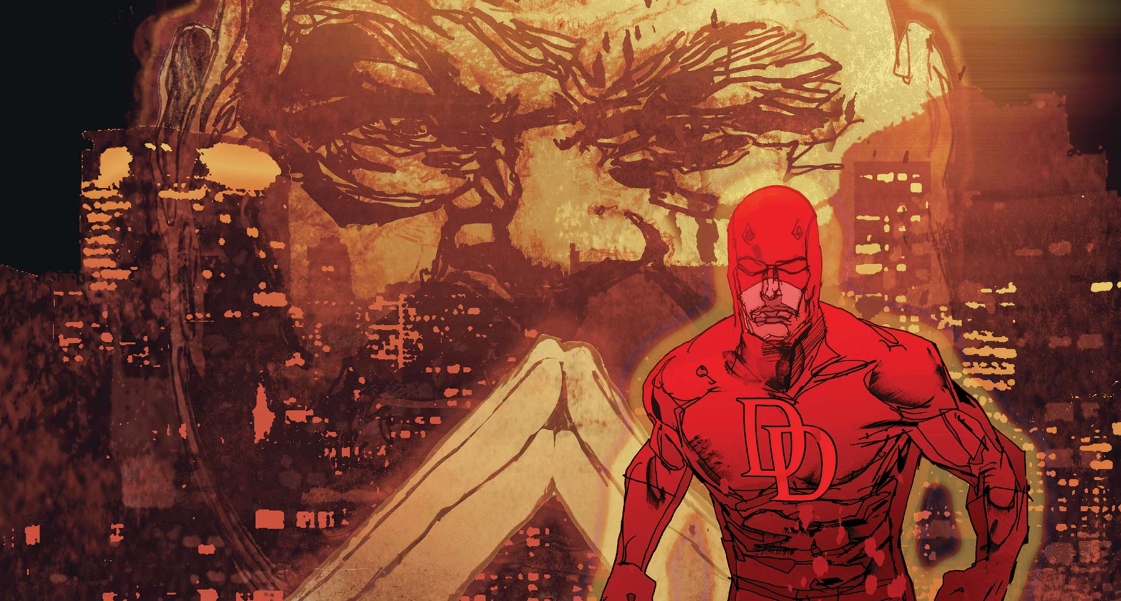
Once upon a time in 2022, Charlie Cox called Daredevil: Born Again “a whole new deal,” making it clear that Marvel Studios’ bigbest shooter, Kevin Feige, did not intend for it to be Season 4 of Netflix’s Daredevil but rather Season 1 of Disney +’s version. Needless to say, that’s outdated information in 2024.
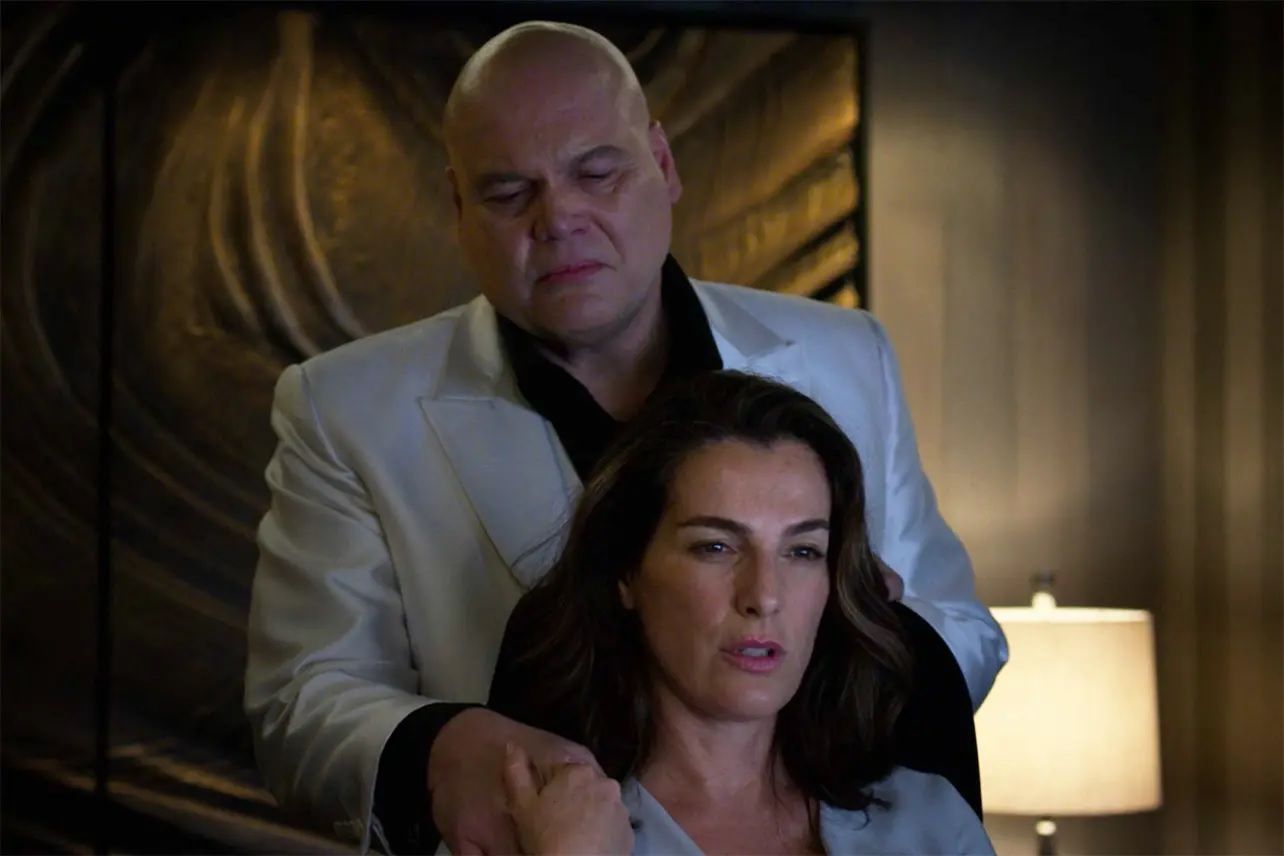
The photo comes shortly after the crew of Daredevil: Born Again threw a wrap party though it’s very normal for additional photography to continue even after production “wraps.” Either way, the bulk of the work on the first nine episodes is done and production is reportedly going on hiatus until November, when the cast and crew will begin work on the next nine episodes. No release date for the first nine episodes has been revealed.
After production on Daredevil: Born Again paused because of the SAG and WGA strikes and a bit of a creative retooling, the first batch of episodes for the new series are almost complete. There are always some minor finishing touches but with the crew holding a wrap party, the majority of the work is done on what will either be Season 1 or Part 1 of Season 1. With an extended episode count, however, there’s much more work to do and now we have an idea of when production will kick off on the next batch of episodes.
According to a Twitter user who spent significant time around the NYC set of the series, production on the next nine episodes of Daredevil: Born Again won’t begin until November.
If that’s accurate, that gives showrunner Dario Scardapane seven months to put together Season 1, Part 2 or Season 2 of the series. As of now, there’s no word on when Disney plans to roll out the first 9 episodes on their streaming service; however, the original plan was to have them debut on Disney Plus in early 2025.
Marvel Studios waded into the shallow end of the nostalgia pool with X-Men ’97. It was a low-risk project for them in that it had a very high floor thanks to the deeply revered X-Men: The Animated Series. Through three episodes, ’97 has performed well above that floor and the only question left to answer is just how high of a ceiling the project has, especially with new viewers. Once the wistful sentiment wears off of those who grew up watching TAS on Saturday mornings, the series still has to keep the attention of a new, younger audience in order to sustain success into a second season.
Should it do so, however, Marvel Studios May have found a new recipe to success in Grandma’s ’90s cookbook and may just decide to continue to go backward to go forward and revive some of their other ’90s animated series. While there’s currently no indication they are planning to do so nor any guarantee they could replicate the microwaved hype of X-Men ’97, previous animated series such as Silver Surfer, Fantastic Four and, yes, Spider-Man preemptively and unknowingly put the pieces in place for Marvel Animation to adapt some of Marvel Comics greatest hits of the ’00s.
It’s in the DnA
Beginning in 2006, Marvel Comics published a related series of cosmic crossover events largely created by Dan Abnett and Andy Lanning, aka DnA, with a kickstart from Keith Giffen. Over the course the next five years, Marvel’s publishing house redefined the cosmic corner of Marvel Comics for the first time since Jim Starlin‘s decade and change time as the defining voice of their space operas. Through Annihilation, Annihilation: Conquest, War of Kings, Realm of Kings, The Thanos Imperative and The Annihilators, the House of Ideas revitalized old heroes and villains, reimagined others and reminded readers just how broad the the cosmos is. Serendipitously, Marvel Animation could be poised to repeat the success of their publishing partner by simply retelling these incredible stories on a stage that has already been set for them.
More than five years passed between the end of the run of Marvel and Saban Entertainment’s animated series (X-Men, Fantastic Four, Iron Man, Spider-Man, The Incredible Hulk, Silver Surfer, Spider-Man Unlimited and Avengers: United They Stand) and the publication of Annihilation; however, those series laid enough foundation to allow Marvel Animation to orchestrate a run through Abnett and Lanning’s cosmic opus. Incredibly, most of the main players of the DnA’s cosmic stories were introduced in the ’90s animated series and those who weren’t could easily be worked into an episode of one of a few series that would most likely be revived.
The Dope Old School ’90s Animated Series Introduced Some O.G. Peeps Who Will Play a Phat Part in the Cosmic Stories
Before looking at how Marvel Animation could move ahead, let’s take a quick look at the work that was done in the ’90s that could provide the springboard into the Cosmic crossover events.
X-Men
The granddaddy of them all, as it were, X-Men: The Animated Series brought new life to Marvel’s properties in 1992, paving the way for Fox to roll out their X-Men films which, along with 1998’s Blade, put things into place for Marvel Studios to roll the dice on the Marvel Cinematic Universe. Ironically, the success of X-Men ’97 may now convince Disney to further invest in animation. The circle of life. X-Men: The Animated Series largely took its inspiration from Chris Claremont‘s work on Marvel Comics’ Uncanny X-Men but also drew on plenty of other issues and runs. Outside of the core X-Men themselves, the original animated series introduced several characters and locations during its five-season, 76-episode run that would be key players in an animated Cosmic arc.
Key Characters and Places Introduced in X-Men: The Animated Series
The Shi’ar (Season 3)
The Starjammers (Season 3)
The Blue Area of the Moon (Season 3)
The Kree (Season 3)
The High Evolutionary (Season 4)
Moondragon (Season 4)
The Phalanx (Season 5)
Fantastic Four
Paired with Iron Man as part of the Marvel Action Hour, Fantastic Four ran for 26 episodes over two seasons from 1994-1996. For the most part, the series adapted the earliest adventures of the team from the comics and introduced dozens of characters that would fit neatly into Marvel Animation’s Cosmic narrative.
Key Characters and Places Introduced in Fantastic Four
Skrulls (Season 1)
Silver Surfer (Season 1)
Galactus (Season 1)
Firelord (Season 1)
Terrax (Season 1)
Kl’rt, the Super-Skrull (Season 1)
The Negative Zone (Season 1)
Annihilus (Season 1)
Blastaar (Season 1)
The Inhuman Royal Family (Season 2)
Attilan (Season 2)
Darkhawk (Season 2)
The Incredible Hulk
The Jade Giant was given 2 seasons of his own animated series that totaled 21 episodes which aired in 1996 and 1997. Though neither Banner nor Hulk are key characters in any of the Cosmic stories, his children are and including him also allows for some great stories to be told in the revivals which can’t just be about the Cosmic stories.
Key Characters and Places Introduced in The Incredible Hulk
Bruce Banner/The Hulk
Silver Surfer
Possibly a bit too far out even for the ’90s, Silver Surfer ran for only one, 13-episode season after a legal dispute between Saban and Marvel killed the partially developed second season. Though it wasn’t connected to Fantastic Four and aired after the cancellation, I’m not entirely sure it contradicts any story arcs from it either. Silver Surfer introduced so many of Marvel Comics’ major Cosmic players in its one and only season, making it an integral part of the foundation needed for Marvel Animation to tell the DnA stories.
Key Characters and Places Introduced in Silver Surfer
Thanos
Drax
Gamora
Ronan
Nebula
Adam Warlock
Beta Ray Bill
Kree Supreme Intelligence
The Avengers: United They Stand
The last of the series to be produced through the collaborative efforts of Marvel Entertainment Group and Saban Entertainment, The Avengers: United They Stand pales in comparison to the superior Avengers: Earth’s Mightiest Heroes; however, it put one key character in play (sparing us all another origin story) and a revival for a second season could carve out an episode or two for an adaptation of a mid-2000s crossover event that could be used to help us out.
Key Characters and Places Introduced in The Avengers: United They Stand
Ultron
Incredibly, without any possible way of knowing what they were doing, the folks at Marvel Entertainment Group introduced almost every main player in DnA’s Cosmic run. A few big guns are missing but that can all be easily fixed in subsequent revival seasons of the shows listed above.
POV: How Letting Marvel Animation Cook and Giving the Cheugy ’90s Series Glow Ups Will Lead to a Bussin Shared Universe
No cap: making this revival work as a way to adapt the DnA stories through the animated series is my Roman Empire. So, how do we get there based on what’s been done in X-Men: The Animated Series, Season 1 of X-Men ’97, Fantastic Four and Silver Surfer? That’s the easy part and it just requires giving a few key individuals that main character energy. Here’s a road map to make sure we’re all eating good in our revival era.
The reality is that even if this were to happen, it would be years before it unfolds on our small screens. (Cue Invincible reference): Animation takes a long time. However, with two more seasons of X-Men ’97 already ordered up, Marvel Animation seems like it’s here to stay for at least a while. For the purposes of this totally made-up series of events, we’re operating under the assumption that Season 2 of X-Men ’97 streams before the first DnA domino falls.
The Incredible Hulk Season 3
There’s no such thing as too much Hulk. A third season of the animated series could continue the exploration of his fractured psyche, introduce the animated iteration of the Illuminati and send him off to Sakaar in a cliffhanger episode where he could meet a familiar face. The continued adventures of The Sentinel of the Spaceways will be an integral part of the infrastructure of the shared universe simply because he can be any and everywhere. Season 1 of Silver Surfer ended on a cliffhanger and it provides the perfect opportunity to open Season 2 with him unaware of how he’s come to be on Sakaar and under the control of the Red King. This could be a classic Marvel Animation two or three-parter to wrap up the third season of The Incredible Hulk with an adaptation of Planet Hulk.
Key Characters and Places Introduced in The Incredible Hulk Season 3
Caiera the Oldstrong
Silver Surfer Season 2
In the comics, Surfer’s time on Sakaar immediately preceded the awful chain of events that befell the galaxy and having Season 2 of Silver Surfer spin out of Season 3 of The Incredible Hulk provides the perfect opportunity for the first big event to unfold. Assuming a 10-episode season and the pace at which stories are told in animation, Season 2 could open with a two-part adaptation of Kurt Busiek‘s Maximum Security crossover event. Though it preceded Planet Hulk in publication, it could serve as a great way to integrate the X-Men, Fantastic Four and some cosmic heavy hitters into the narrative. A few changes could introduce the Kyln and one of its prisoners, Star-Lord, who will play a big role later in the season. A flashback episode somewhere along the line can introduce Mar-Vell to the mix, paving the way to explore his legacy later. A quick stop on Xandar in Episode 5 could introduce Xandar, Richard Rider and the Nova Corps and then a three-part season finale could adapt the incredible Annihilation event.
Key Characters and Places Introduced in Silver Surfer Season 2
The Blood Brothers (Maximum Security arc)
Quasar (Maximum Security arc)
The Kyln (Maximum Security arc)
Star-Lord (Maximum Security arc)
Xandar
The Nova Corps
Richard Rider
Mar-Vell
Phyla-Vell
Genis-Vell
The Avengers: United They Stand Season 2
The first season only introduced a handful of Avengers and the focus was on the West Coast team. A second season could add to the roster but its real purpose is to allow for an adaptation of Secret Invasion that involves the X-Men. Sure, that story was done in Avengers: EMH but it fits so well here and allows for an interesting path to Annihilation: Conquest being adapted as well. According to its creator, Brian Michael Bendis, Secret Invasion was the result of the Skrull homeworld being destroyed in Annihilation, so let Season 2 of The Avengers: United They Stand handle that story while working as a huge crossover while revealing that the Richard Rider who found himself back on Earth and involved in the battle was a Skrull.
Fantastic Four Season 3
Following the events of Secret Invasion and the revelation that the man Earth’s Mightiest Heroes thought to be Nova was a Skrull, the third season of Fantastic Four will open with an episode dedicated to recovering all heroes that had been simmed by the Skrulls. What a story Richard Rider will have to tell once he comes around. Told during an extended two-episode flashback, Rider, reunited with his brother Robbie, will detail his role as the central hero in the fight against the Phalanx and its leader, Ultron, following the fight against the Annihilation Wave. These episodes are a huge payoff from storylines set in motion both in the ’90s series and in the revival seasons. As the episodes draw to a close, Rider can reveal that as the war against the Phalanx came to an end, his ally Kl’rt alerted him that the Skrulls were planning to invade Earth and that as he attempted to return home to warn his friends, he was captured by the shapeshifting aliens.
Annihilation: Conquest is arguably the best story in the Cosmic series and plays a pivotal role in the future of the universe. Should Marvel Animation be so inclined, they could use it to launch a Guardians of the Galaxy animated series that would be far different from the MCU’s live-action films and prior animated series featuring the team. The Guardians still have a major role to play in the next act.
Key Characters and Places Introduced in Fantastic Four Season 3
Zak-Del/Wraith
Robbie Rider
X-Men ’97 Season 3
Without knowing what stories Season 2 of X-Men ’97 will explore, we can’t really be sure how this will go but we’re just playing here so it’s fine. To keep things on track, Season 3 will need to bring back the Starjammers and update the story of Chris Summers, aka Corsair, to include his third son, Gabriel. A nice, three-episode arc could tell the Rise and Fall of the Shi’ar Empire and put Emperor Vulcan on the throne just in time for a war.
Key Characters and Places Introduced in X-Men ’97 Season 3
Gabriel Summers/Vulcan
Guardians of the Galaxy Season 1
A brand new series with a heavy load to carry, Guardians of the Galaxy Season 1 can take a the majority of its episodes to get rolling and give the feel for the team before a two-episode adaptation of War of Kings. The Shi’ar, the Inhumans, the Starjammers and Blastaar, King of the Negative Zone, all get big payoffs in a crazy, all-out war that heavily involves the Guardians and Nova. The mid-season two-parter should leave audiences on a cliffhanger as the consequences of the war are made clear when Quasar’s exploration of “The Fault” leads to his disappearance.
Key Characters and Places Introduced in Guardians of the Galaxy
The Fraternity of Raptors
The Universal Church of Truth
The Incredible Hulk Season 3 and Guardians of the Galaxy Season 1
Quite a proposal here but if Marvel Animation could pull it off, it would be epic! While audiences have been following events of War of Kings in the middle of Season 1 of Guardians of the Galaxy, Season 3 of The Incredible Hulk will have been setting the stage and telling the tale of World War Hulk. Following the WWH story, an episode or two of The Incredible Hulk will be spent revisiting the planet of Sakaar and its people, including the Hulk’s two sons, Skaar and Hiro-Kala. The stage is now set for part of the story of Realm of Kings to be told in The Incredible Hulk and part to be told at the end of Season 1 of Guardians of the Galaxy.
Key Characters and Places Introduced in The Incredible Hulk Season 3
Hiro-Kala
Silver Surfer Season 3
DnA’s Cosmic run ended with two limited runs: The Thanos Imperative and Annihilators. There’s no better place to tell these two stories than in the third season of Silver Surfer. By this point in time, all the main players for both stories are not only on the board but also incredibly well-developed. Characters such as Thanos, Adam Warlock, Ronan and Beta Ray Bill–who first appeared in the ’90s Silver Surfer series–all get major payoffs through the two stories and the audience gets to see one of the great Marvel Comics’ teams in action. While it marks the end of the great Cosmic confluence, a final episode “stinger” could reveal that Thanos is still alive and set the stage for a return to Earth-bound stories based on Jonathan Hickman‘s Infinity story.
This is an ambitious road map, no doubt, and not something anyone should ever expect to see; however, it shines a light on the animation’s ability to adapt great Marvel Comics’ stories a little more faithfully and tell some of them that are likely not going to unfold in the MCU anytime soon…if ever.
Some of the longest-standing rumors about the plot of Daredevil: Born Againcenter on Wilson Fisk running for and becoming the Mayor of New York City. Additionally, a hefty part of Fisk’s campaign was rumored to revolve around an anti-vigilante initiative, set to clean up the streets. That would mean characters like The Punisher, Daredevil and, yes, Spider-Man, find themselves on the wrong side of Fisk’s agenda in Daredevil: Born Again. A closer look at some details from videos and photos from last night’s Brooklyn set seem to confirm all of the above.
Set photos of Jeremy Earl’s character, reportedly Cole North, showed him sporting not only a Punisher logo on his tactical gear but also some small patches on his sleeves. Upon closer inspection, those patches indicate that North and other personnel on the set are part of Mayor Fisk’s Anti-Vigilante Task Force.
🚨 NEW
Daredevil born again photos reveal an Anti-vigilante Task force provided by Mayor Fisk pic.twitter.com/LuXst7QZI0
— Best of Daredevil cast (@ddcastarchive) April 3, 2024
That means it is almost a certainty that Daredevil and Punisher find themselves under fire from the Anti-Vigilante Task Force in the video from the same set. Given how long the series has been back in production, it’s possible that this is footage from the finale of Season 1, Part 1 which could end with the heroes in a bit of a pickle and with Mayor Fisk looking every bit the hero for “cleaning up the streets of New York.” In the comics, Fisk used a new iteration of the Thunderbolts as his task force; it looks as though the version set to be seen in Daredevil: Born Again may be a bit more mundane.
Daredevil: Born Again is currently in production and has no release date.
Cookie Consent
We use cookies to improve your experience on our site. By using our site, you consent to cookies.
This website uses cookies
Websites store cookies to enhance functionality and personalise your experience. You can manage your preferences, but blocking some cookies may impact site performance and services.
Essential cookies enable basic functions and are necessary for the proper function of the website.
Name
Description
Duration
Cookie Preferences
This cookie is used to store the user's cookie consent preferences.
30 days
These cookies are needed for adding comments on this website.
Name
Description
Duration
comment_author_email
Used to track the user across multiple sessions.
Session
comment_author_url
Used to track the user across multiple sessions.
Session
comment_author
Used to track the user across multiple sessions.
Session
Statistics cookies collect information anonymously. This information helps us understand how visitors use our website.
Google Analytics is a powerful tool that tracks and analyzes website traffic for informed marketing decisions.
Contains information related to marketing campaigns of the user. These are shared with Google AdWords / Google Ads when the Google Ads and Google Analytics accounts are linked together.
90 days
__utma
ID used to identify users and sessions
2 years after last activity
__utmt
Used to monitor number of Google Analytics server requests
10 minutes
__utmb
Used to distinguish new sessions and visits. This cookie is set when the GA.js javascript library is loaded and there is no existing __utmb cookie. The cookie is updated every time data is sent to the Google Analytics server.
30 minutes after last activity
__utmc
Used only with old Urchin versions of Google Analytics and not with GA.js. Was used to distinguish between new sessions and visits at the end of a session.
End of session (browser)
__utmz
Contains information about the traffic source or campaign that directed user to the website. The cookie is set when the GA.js javascript is loaded and updated when data is sent to the Google Anaytics server
6 months after last activity
__utmv
Contains custom information set by the web developer via the _setCustomVar method in Google Analytics. This cookie is updated every time new data is sent to the Google Analytics server.
2 years after last activity
__utmx
Used to determine whether a user is included in an A / B or Multivariate test.
18 months
_ga
ID used to identify users
2 years
_gali
Used by Google Analytics to determine which links on a page are being clicked
30 seconds
_ga_
ID used to identify users
2 years
_gid
ID used to identify users for 24 hours after last activity
24 hours
_gat
Used to monitor number of Google Analytics server requests when using Google Tag Manager
1 minute
Marketing cookies are used to follow visitors to websites. The intention is to show ads that are relevant and engaging to the individual user.
Pinterest Tag is a web analytics service that tracks and reports website traffic.