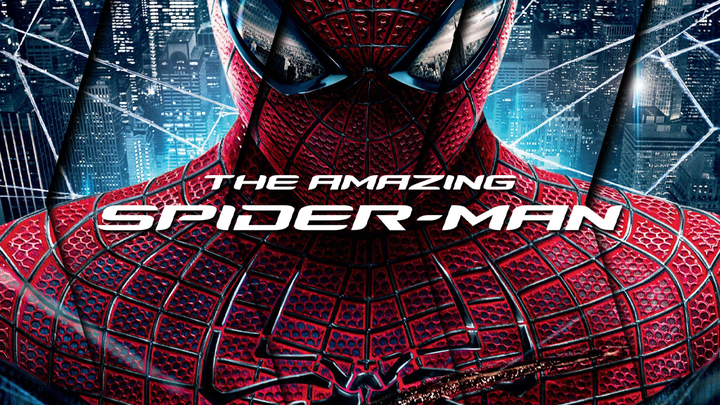
The Amazing Spider-Man was always facing an uphill battle. Marc Webb‘s reboot of cinema’s most iconic superhero franchise came on the heels of an upsetting Spider-Man 4 cancellation and was attempting to establish everyone’s favorite wall-crawler for a whole new breed of teenager. It was never going to please everyone, and it certainly lived up to that expectation. The film debuted in 2012 to a stream of mixed reception, with some praising the Andrew Garfield-led film for its modern take on the title character and others ripping it apart as a hollow recreation of Sam Raimi‘s original masterpiece. Upon yet another rewatch, I’ve discovered that the movie, while flawed, may be more misunderstood than actually all that bad. In fact, it may have been the perfect superhero movie for the generation taking over cinemas when it released, even if hardcore fans missed it at the time.
I couldn’t be more aware of the fact every Spider-Man movie has been reviewed to death. Perhaps it would be better to think of this as a retrospective, just a year shy of The Amazing Spider-Man‘s decennial anniversary. Doing this requires an understanding of 2012’s film landscape. Comic book movies had only just truly reached mainstream popularity, and the highest grossing films at the box office were mostly adaptations of young adult novels. Harry Potter and the Deathly Hallows – Part 2 had just dominated the cultural hive mind only a year prior to Amazing‘s release, and one of the only movies to outgross the film in its actual release year was The Twilight Saga: Breaking Dawn – Part 2. Not far behind was The Hunger Games, and although it wasn’t a money-making juggernaut, The Perks of Being a Wallflower managed to capture the minds of 2012’s teens and critics alike. Before long, theaters would be filled with hormonal youth, cash in hand to see movies like Divergent and The Fault in Our Stars on the big screen.
Sure, The Avengers also came out in 2012. However, the impact that film would have on the future of Hollywood and the format of superhero movies could not have been known when Webb and screenwriter James Vanderbilt were crafting the story and tone of The Amazing Spider-Man. There had to have been a reason Sony hired a director best known for his work with romantic comedies to helm their spider-reboot, and it’s because they were creating a new take on Peter Parker designed to appeal to the same masses who would turn out for Katniss Everdeen and Edward Cullen. In this regard, the studio and creative team succeeded.
Andrew Garfield‘s portrayal of Parker is often knocked for being “too cool” and lackadaisical. Yet, he fits right in with the effortlessly attractive and sullenly charming crowd of early 2010’s protagonists. Garfield‘s Peter is not just angry about his life and the deaths of those he loves, he’s angsty instead. His chemistry with Emma Stone, whose Gwen Stacy is still considered a top-tier rendition of the character, is not only incredibly agreeable to watch, but filled with the same pulpable tension as any forbidden teenage love story. The film presents us with two attractive, intelligent characters teeming with lust, who will continue to battle their own fates in an attempt to truly be with each other. That is the crux of the entire plot, a dramatic romance supporting a story that involves giant lizard men and plenty of spandex.
It’s true that this often leads to moments that conflict with the comic book ideals of Spider-Man’s mythology, but it’s no more or less committed to its own bit than the Raimifilms before it. Part of the appeal of The Amazing Spider-Man is the way it so desperately wants to birth its own filter for the wall-crawler’s universe. As much as I love the current Spider-Man entries, they do tend to lack the definitive look and feel that the franchises before them managed to achieve. It’s hard to genuinely insult Amazing for its specifically dark coloring and nearly full-blown emo tone when you consider how unabashedly it doubles down on those things. There is not a corny moment that’s any more or less cheesy than some of the comical scenes in revered adaptations likes Spider-Man 2; the difference is that 2012’s goofball actions and dialogue are written for a different audience than the one seated in 2002. When that 2002’s Spider-Man is taken as the standard, 2012’s becomes a hard pill to swallow.
I’m not saying that this movie is perfect by any means. Rhys Ifans puts together an admirable performance as Dr. Curt Connors, but his work is undermined by poor character development. A side story involving Peter’s parents having mysterious backgrounds feels unnecessary and overcomplicated, taking away from Martin Sheen and Sally Field as the best Uncle Ben and Aunt May we have seen on film. Based on his actions, everyone should have figured out Peter was Spider-Man almost immediately. Yet, beneath all the complaints you’ve heard a million times, there’s actually a superhero movie based in love that’s campy in a way only the early 2010’s could have pulled off.
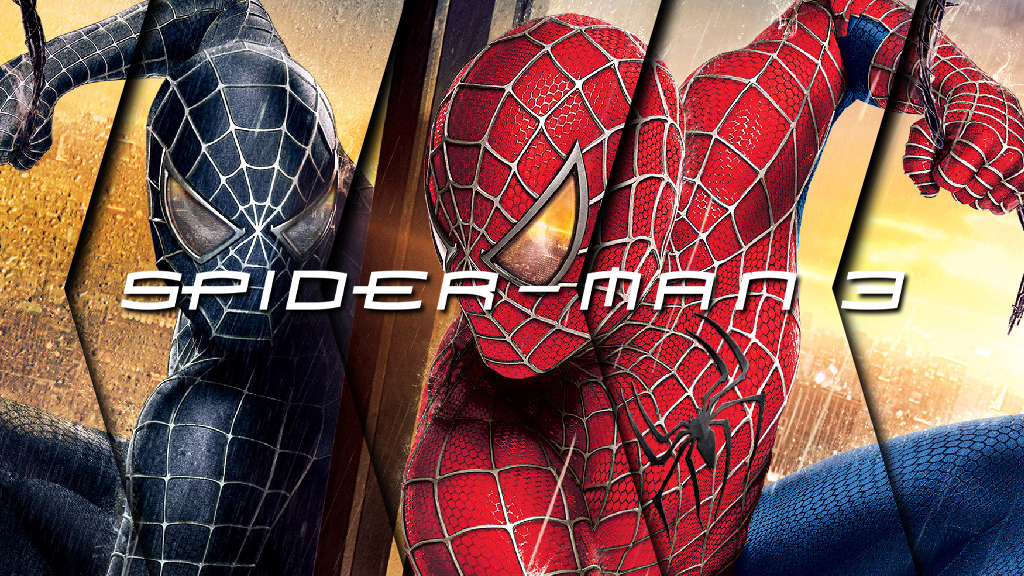
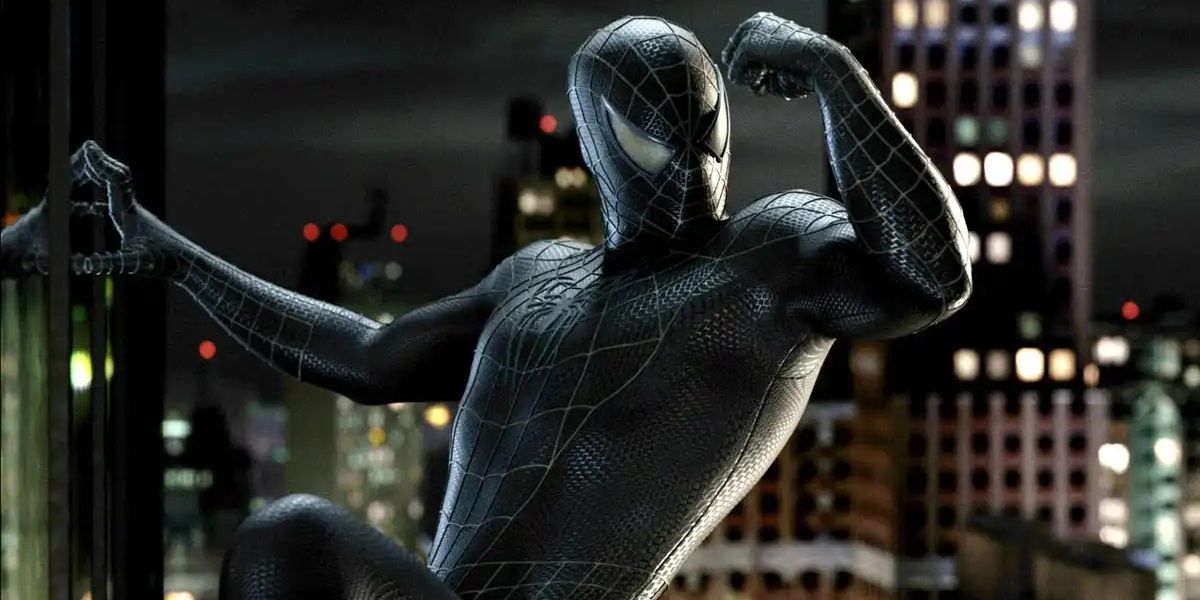
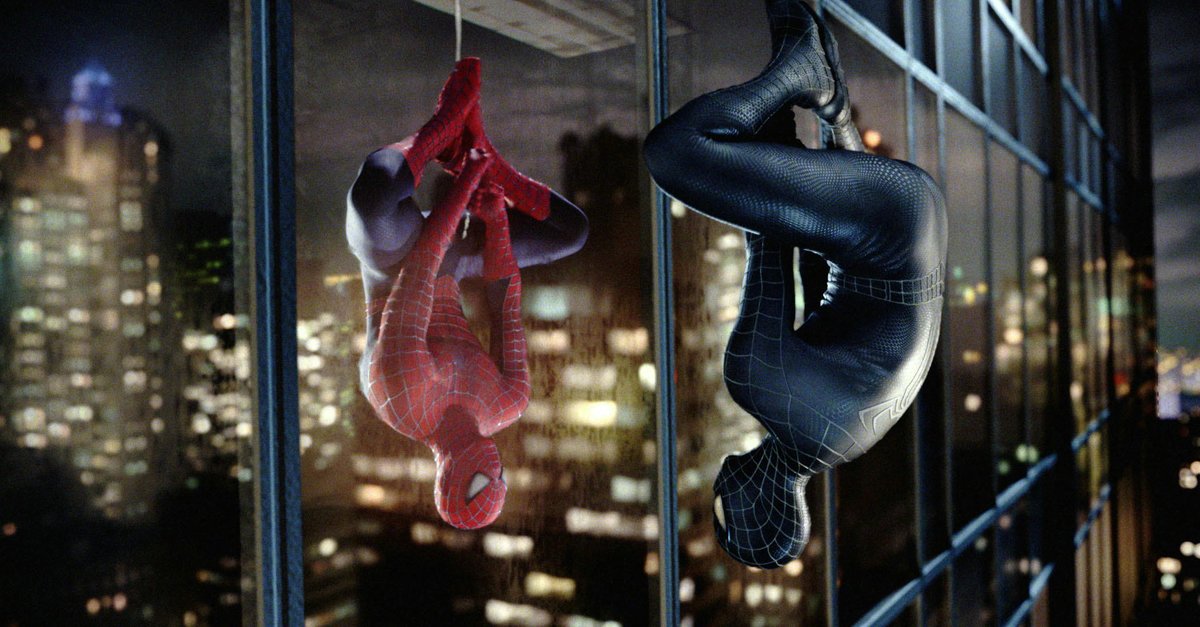
It is said that movies are actually made three times: when writing them, shooting them, and then finally in the editing bay. This process helps solidify what the movie is supposed to be about, striping the project of superfluous details, sequences, or even a couple of redundant plot threads. It works as a bullshit filter, making the final product more concise, streamlining the viewing experience. It’s basically everything a late-night, tequila-induced, fanboy fever dream of a movie pitch isn’t. In that situation, anything goes and there’s room for every single character we can think of, often creating an unbalanced Jenga tower of ideas piled up on top of each other with no real structure to them. All of it is coupled with a vampiresque type of humor, the sort that isn’t likely to survive daybreak. Sadly, that’s the sort of mess that Spider-Man 3 feels like.
Whereas Spider-Man 2is a great (and sadly rare) example of how to further explore a world beyond an already well-received first movie, Spider-Man 3 feels like an over-filled balloon that blows up in the audiences’ face leaving them with a bad case of tinnitus. It brings so much to the table that you hardly get the time to value each of the separate elements, while also not being one of those cases where the whole is greater than the sum of its parts. Aristoteles would not be impressed
Right at the start of the movie you get the natural progression of Peter and MJ’s relationship as well as Harry’s deep dive into his father’s secret room containing prototypes of Green Goblin’s gear. These threads alone would make for a pretty solid story, building from the relationships explored in the previous movie. The build-up was priming Harry to finally turn into the main villain we all knew he could become. There was no need to bring any more (relevant) characters into the fold unless the aim wasn’t so much making a good movie as it was selling a few more toys.
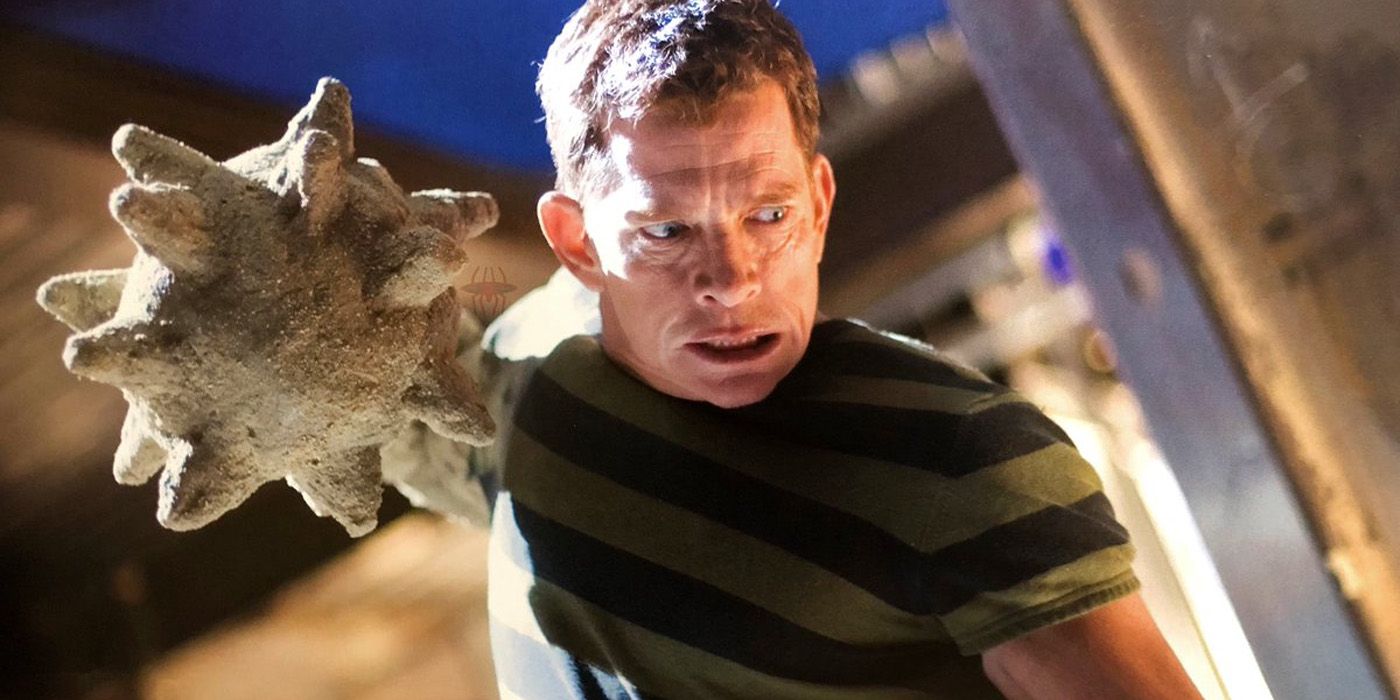
And so, instead of looking inward, valuing what it already had, Spider-Man 3 looked outward and tried to bite off more than it could chew. In the first ten minutes alone, the movie tries to establish Flint Marko – our future Sandman – and brings the symbiote crashing down on Earth. Soon after we are also introduced to Eddie Brock and Gwen Stacy, characters that never went beyond being a parody of themselves, serving as glorified cameos that could have been easily kept for another occasion. Gwen’s inclusion is especially remarkable since, after all the relationship drama in the previous movies, the decision was to double-down on that by having not one but two love triangles for Peter to be a part of. All with him remaining completely oblivious of how his actions affected people around him, making him incredibly unlikable along the way.
This movie ultimately became a tale of people not being able to do what they set themselves up for. The studio execs couldn’t keep out of the way (their meddling was pretty obvious and only hurt the final product) and the writers couldn’t come up with a consistent story, having to balance an unusually high amount of characters, and subplots. Also … Peter Parker can’t dance, Mary Jane can’t sing, Eddie Brock can’t use Photoshop and Harry Osborn can’t make a freaking omelet!
Above all, Spider-Man 3 just isn’t a fun movie, albeit you can certainly have fun watching it. And that’s one of the only things a Spider-Man movie simply cannot afford to be: dull. But Spider-Man 3 does have one incredibly strong redeeming factor as Stan Lee‘s cameo is probably one of his best, if not the best. “You know, I guess one person can make a difference. ‘Nough said.” I’m extremely happy Kevin Feige got the hint.
There aren’t many things that are fortunate enough to be described with what I like to call “GOAT status.” That list includes the likes of Michael Jordan, begrudgingly Tom Brady, Heath Ledger‘s Joker performance, and anything Denzel Washington-related. There’s one that I want to talk bout today that stood the test of time. For 17 years, the superhero movie to hold that very title for me is none other than Spider-Man 2. As we’re about to witness the return of some iconic faces in Spider-Man: No Way Home, it’s the perfect time to let you know why it’s garnered that prestige.
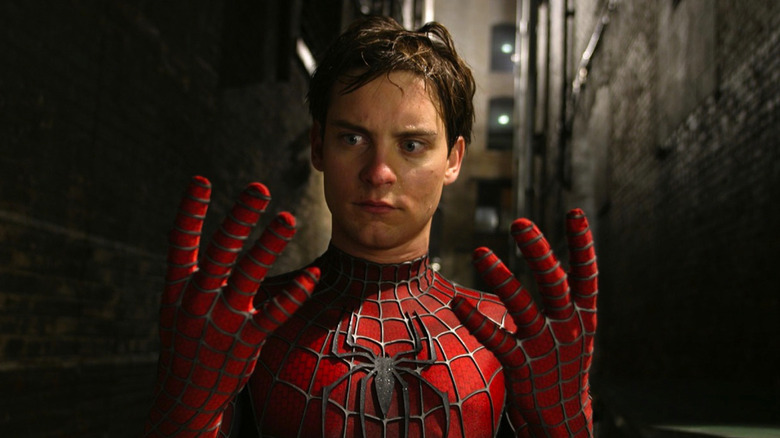
A couple of months ago, a debate popped up in my Twitter feed on who the best live-action Spider-Man was, especially in regard to the distinction between Parker and his alter-ego. For my money, Tobey‘s performance in Spider-Man 2 is the best rendition of a college-bound Peter, who also has garnered quite a bit of experience in crime-fighting. In the first Spider-Man film, he took the more awkward approach with the character. This time around, Maguire seems much more comfortable in bringing these two sides to life and it’s not an easy balance to capture.
This time around, he’s haunted by the life he can’t have with MJ, and you can feel that anguish throughout the film. It’s not just that, we also witness the struggle he has with his best friend slowly losing himself to his thirst for vengeance and their eventual falling out throughout the course of the film. Tobey truly sells that anguish throughout the film wheel still balancing it with the light-hearted aspects of the story and what it means to be Spider-Man.
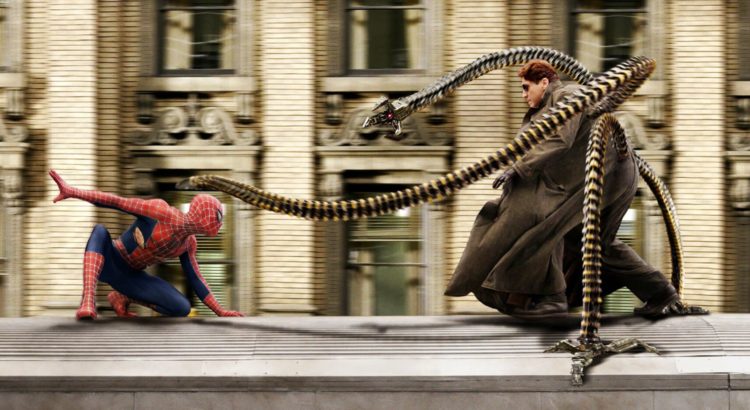
Of course, we can’t talk Spider-Man 2 without discussing the performance of Alfred Molina as Doctor Otto Octavius. He is a legend, to say the least, and to have him in this role lends a certain gravitas to such an important character in the webhead’s mythology. Molina delivers a standout performance and really makes you sympathize with Otto, who’s driven to this point because he’s lost everything. All of it is gone within seconds, be it the woman he loved or all the work he’s invested his entire life for.
It’s a powerful journey throughout the film. Even more so once the moment comes that he can finally overpower the tech that was changing him. He finds the inner strength to take control once again and save Peter along with the rest of the city. It is a beautiful moment that really cemented him as more of an anti-hero than a straight-up villain. Even to this day, it is one of the strongest performances in a superhero movie.
Kirsten Dunst as MJ was panned 17 years ago, but after rewatching it I can’t seem to remember why. I think she is fine in the role, especially in how she sells it that is struggling to make it as an actress and wants a normal relationship with Peter. While the first in one painted her as unattainable for Parker – following high school clichés of the time – this one twists that in its axis by having it be that they can’t be together. It’s a nice twist and one that Dunst handles well throughout the film.
Seeing Dr. Octopus in live-action was visually incredible at the time and it still holds true to this day. The score is exceptional, especially when the citizens of New York City carry Spider-Man after he stops the runaway train. An iconic scene deserves iconic notes, and this one is delivered in spades. That’s just on top of a memorable villain, great performances by the leads, and a story as personal as the original catapults Spider-Man 2 into the upper echelon of superhero films.
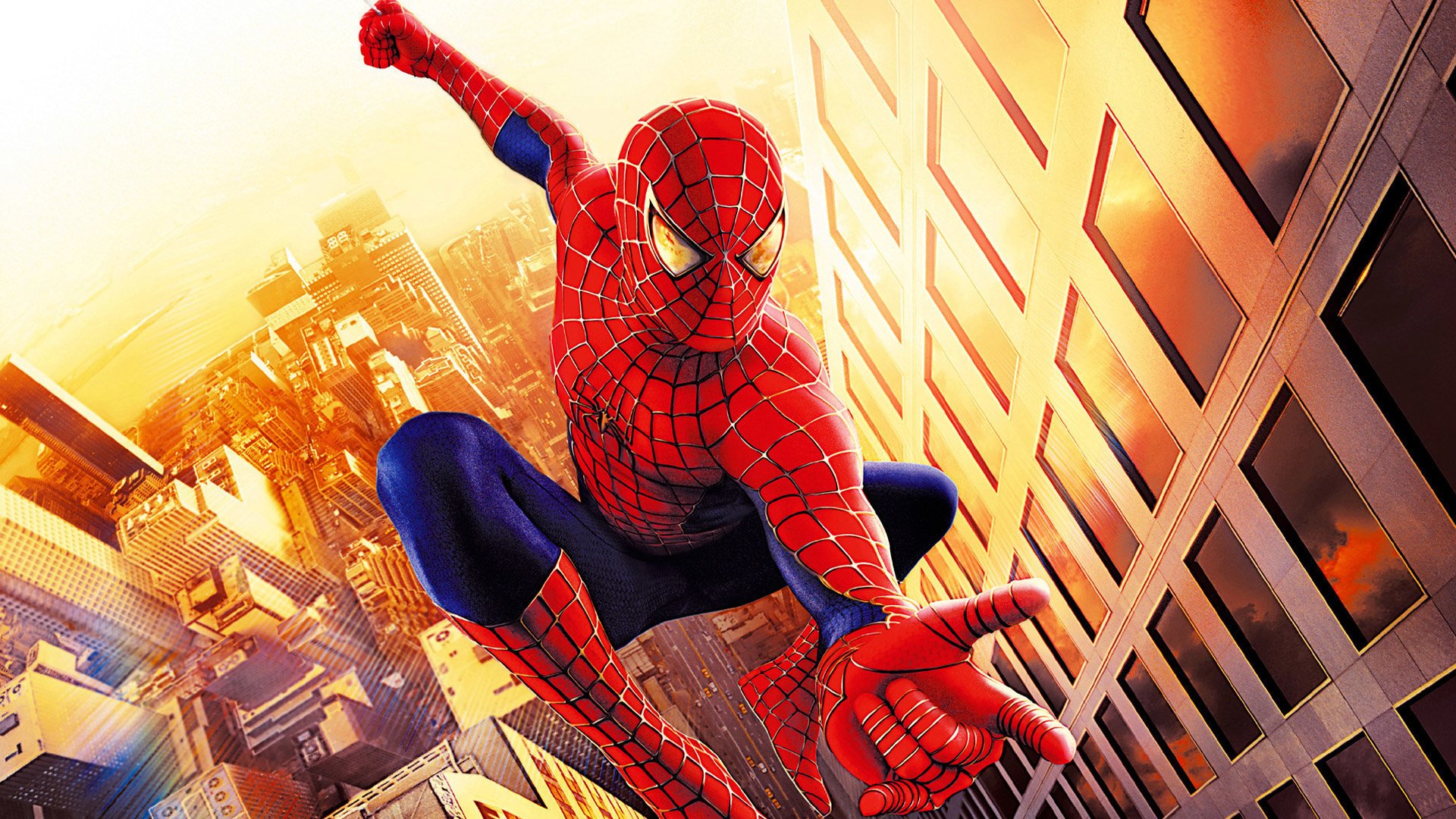
With classic villains returning in Spider-Man: No Way Home, it seemed like the perfect time to revisit the cinematic outings of our favorite webhead. So, it only seems fitting to kick off with the film that started it all, 2002’s Spider-Man. Sam Raimi, at the time mostly known for his work in horror, took on the responsibility of adapting one of Marvel Comics’ most popular characters. It was no small feat, but the franchise is still fondly remembered to this day. Tobey Maguire takes on the role of Peter Parker, as he’s ready to face off against his most iconic villain, Willem Dafoe as the Green Goblin. Does the film still hold up after all this time?
It’s always weird looking back at films you adored as a kid. I wasn’t a big comic reader at the time, but Raimi‘s film was most certainly the push that would make me the Marvel fan I am today. As an adult, you look at these films with nostalgic glasses but also learn new insights you may have missed as a kid but also have a harder time with some elements. Sadly, it seems the romance between Kirsten Dunst‘s MJ and Peter just hasn’t aged as well for me as I thought it did. While it’s a perfect set-up for Peter to learn not to be selfish, and the ending highlights that very fact, it just takes away from the film a bit with her short-lived romance with Harry.
Now, that doesn’t take away from the film in any way, it just is an element that doesn’t work as well as it used to for me. However, as an element in the story, it is hard to imagine it without. His love for her pushes Peter throughout the story and even builds some distrust with James Franco’s Harry Osborn. I will say, the fact they play out their friendship early on, only for him to date the girl he knows his “best friend” is in love with was a curious choice. It does add some tension to the story, but it adds a naivité to our hero. It’s punctuated by his actions later own as this is a Peter Parker who sees the good in others, which becomes especially essential in the sequel.
Speaking of good, it’s incredible to see how well these effects have held up over the years. Yes, there are some moments where it sticks out, but the work here is incredible nonetheless. The scene as he swings MJ to safety with the puppet and hair blowing the wrong way is something you never truly realize until someone points it out, which highlights just how immersed you truly are in the film. Green Goblin’s glider effects have weight to them, but the pumpkin bomb turning people into skeletons was quite a bit over-the-top. Still, it fits right into Raimi’s wheelhouse.
As I mention the director, you can see a lot of his work influenced this film. The creeping camera shots and generally how everything moves to stand out among films of the time. Hell, it even rivals recent releases on how creatively it uses the camera to convey the gravitas of Spider-Man’s actions. While I believe he perfected it in the sequel, there are some truly memorable shots sprinkled throughout that make the film stand the test of time. Even as we have gotten a bit tired of seeing heroes’ origin stories nowadays, this was a spectacle and the film manages to breathe that life into it.
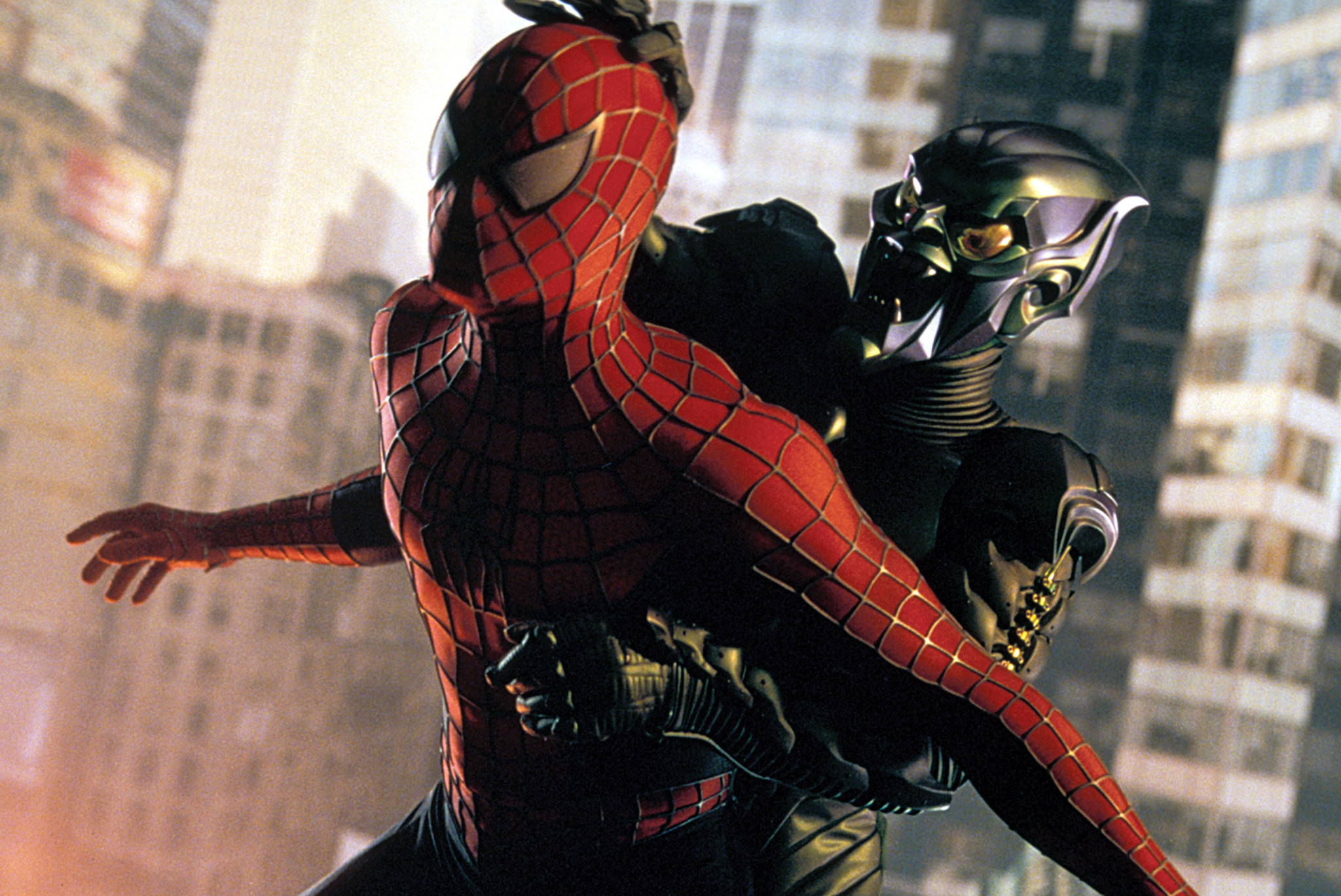
The highlight of this story lies in how it’s not just an origin story for our hero, but also its main antagonist. We spend a lot of time with Norman throughout the story and mean Norman. While Green Goblin is well played, Raimi understood that it’s the “man” behind the mask and his loss of self. He’s the reflection of our hero, as he’s technically what would happen if Parker never got the Uncle Ben speech. It’s what makes the “my father” speech at the end hit so incredibly well. Not only does it build upon the tragedy that Peter faced early on, but also highlights just how opposed these two characters are.
The film still stands strong among the many that have followed since and there’s a reason it set the stage for modern heroics alongside Blade and 1989’s Batman. While still a bit cheesy, it does lean into the “comic book” aspect of its adaptation and doesn’t shy away from it. What truly cements this film as a cinematic classic lies in its heart, the parallels of Norman and Peter build the story throughout, while also highlighting the performances given by Dafoe and Maguire. There’s a reason they are remembered so fondly in these roles to this very day, and it’s exciting to think their story, especially Norman’s, didn’t end all those years ago.
I’ve had quite a history withDiary of a Wimpy Kid. As a young kid, I read every book in the series created by Jeff Kinney. I’ve also seen the live-action movies, some of them several times each. I really liked the books in the sense that they made me laugh and just enjoy the characters. I really enjoyed the book The Long Haul because the Heffleys have a series of hilarious misadventures, including picking up a baby pig at a county fair. After having read many of the books, I was very excited to see the characters brought to life in the four live-action movies. Now, Kinney is bringing animated versions of his books to Disney+ in a series of short films beginning with Diary of a Wimpy Kid.
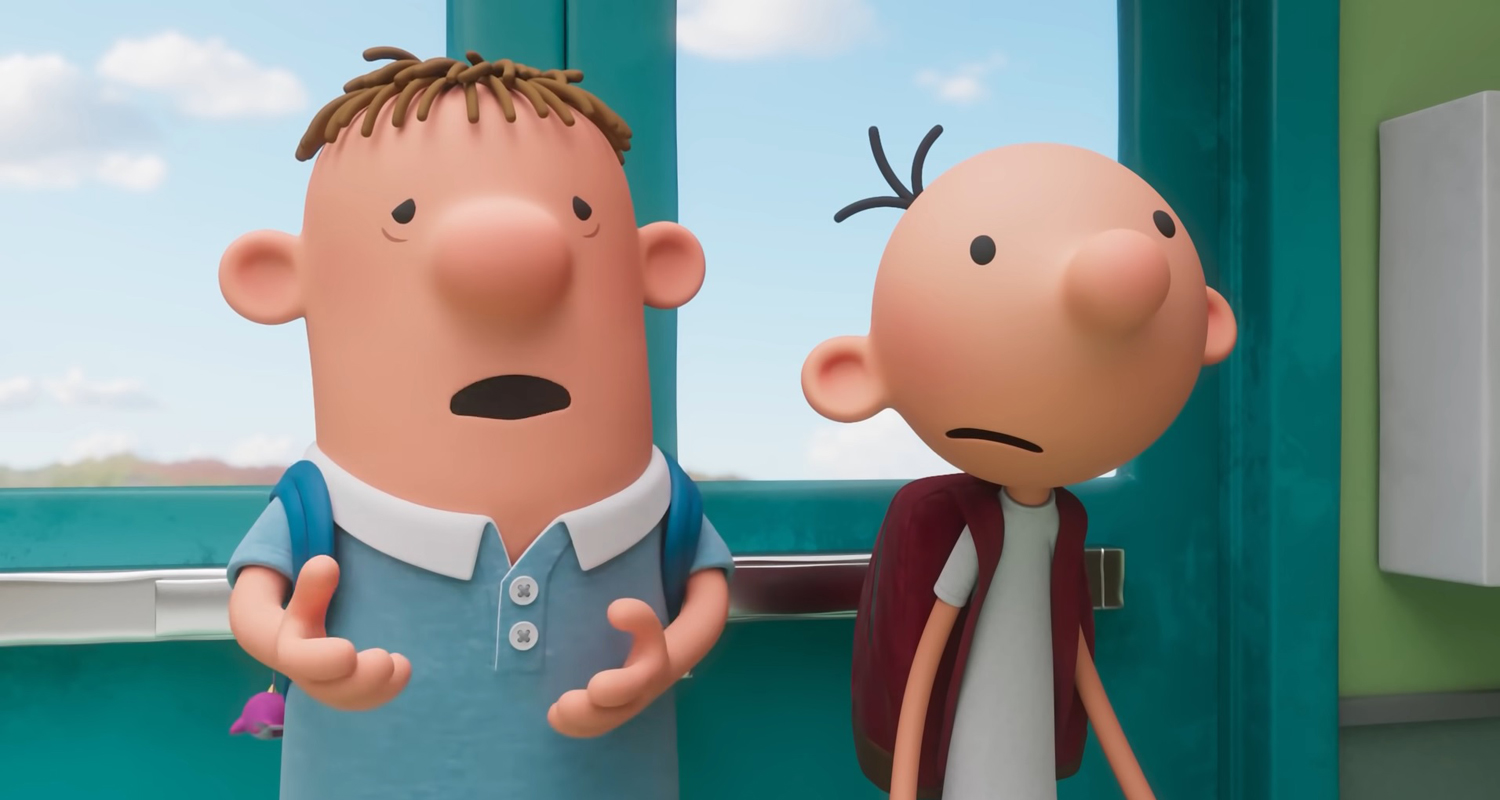
Diary of a Wimpy Kid presents the events of the first story in an easy-to-watch 56-minute film. Swinton Scott, who has directed episodes of animated hits such as The Simpsons and Futurama, directed the film which was written and produced by Jeff Kinney. Kinney’s involvement kept the plot of the film almost identical to the book. The film introduces Greg Heffley, voiced by Brady Noon (Good Boys, The Mighty Ducks) and his best friend, Rowley, voiced by Ethan William Childress, as they learn the ropes of middle school. The animated film deals with many of the same themes as the book including, friendship, respect, maturing, and an unhealthy obsession with being popular. It’s a coming-of-age story that is full of humor and drives home lessons about what it means to be a true friend.
The book dials right into the friendship of Greg and Rowley and highlights Greg’s efforts to force Rowley into growing up so he doesn’t “embarrass him.” In this way, Greg is not a great friend. This aspect of their relationship is featured heavily in the movie. There is one particular scene that takes place at lunch where Rowley asks Greg if he wants to come over and play in the crowded cafeteria. This makes Greg feel embarrassed of Rowley because it’s not the “cool” way to say it (Rowley should’ve asked to hang out), showing an example of Greg’s obsession with being popular. This part makes me feel bad for Rowley because he is still a kid and Greg forces him into growing up so they can be cool. Greg behaves like that again when they are hanging out at Rowley’s house and Greg makes fun of him for having all of the childish stuff in his room like dinosaur bed sheets and stuffed animals. All of these scenes support the claim that Greg is not a great friend to Rowley.
The film’s animation brings the 2-D cartoons from the book into 3-D animation. The animation of the characters resembled the animation from the book very well, making it an easy film to watch. There were even some small touches to the animation that made the body language of the characters give off more emotion.
I felt connected to the characters. When Greg was mean to Rowley, I felt bad for Rowley and angry at Greg. I also found the film to be very funny. One scene, in particular, is when Rodrick, voiced by Hunter Dillon, was terrorizing Greg about how bad middle school will be by coming up with a bunch of unrealistic scenarios Greg’s reaction was hilarious and on point. And, of course, there’s the classic “cheese scene” that will always cause a laugh. While watching the film, I felt myself empathizing with different characters at different points in time, which is a win for the film. The voice cast really worked well and sold the emotion of the characters.
I really enjoyed the movie. In summary, it captures all the humor from the book but also includes an added focus on heartfelt moments that weren’t necessarily featured in the book. The Disney+ movie is an upgraded version of the already classic kid’s book. If the adaptations of the other books in the series are as emotionally stirring, I hope they adapt them all.
Diary of a Wimpy Kid is now streaming on Disney Plus.
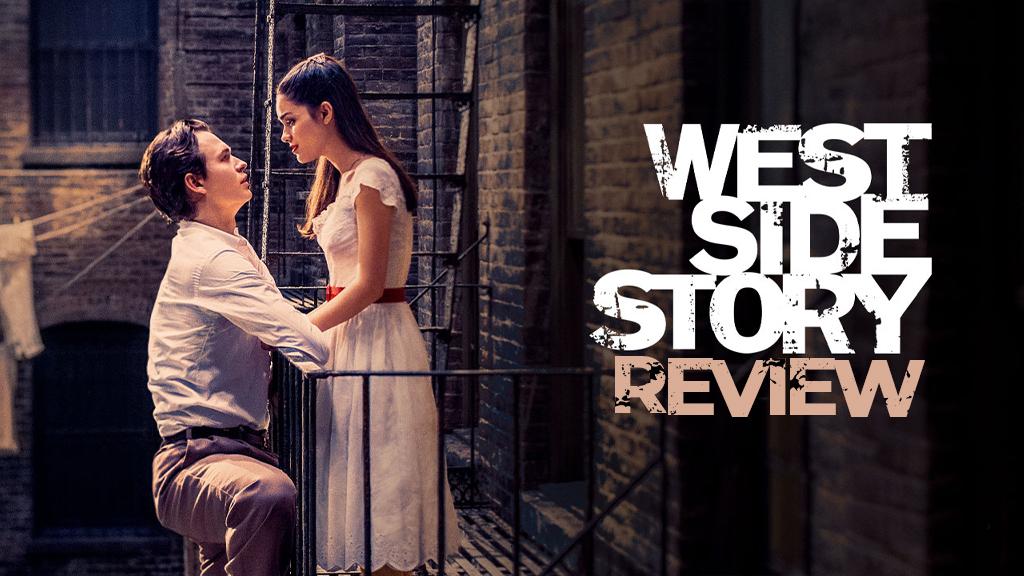
It’s a tricky thing adapting beloved classics. The process is, for lack of a better example, much like falling back in love with an ex. There’s an unhealthy temptation to go back and do what you already know. A desire to revisit all of the highs and ignore every low. Yet, much like a seasoned therapist, a filmmaker must realize that it’s not worth retelling a story unless it has something new to say. With a vibrant, lively, updated take on the musical staple West Side Story, the legend Steven Spielberg has done just that.
From a technical standpoint, the tale of Tony and Maria has never been prettier. Every shot, from the moment the film begins, feels like an ode to a time just out of reach. It’s a colorful, glowing, real-life fantasy set on the mean streets of 1950s New York. The admiration for the movie’s titular twenty blocks is apparent, with Spielberg and screenwriter Tony Kushner packing their two-and-a-half-hour runtime with plenty of knowing nods to a beleaguered city that starts to take on a life of its own. It’s everything the greatest generation wanted you to think about New York, including grime that sparkles and subway brakes that sound like musical notes.
Justin Peck works wonders with his choreography, crafting the kind of iconic dance numbers that tell every bit as much of the story as any lyric could. Almost every choreographed sequence pulsates with emotion, something especially true of bits like “America” and “Gee, Officer Krupke,” which allow their performers to exhibit a charming amount of joy amidst the pain of the film’s later acts. Interviews with the cast and crew indicated an enormous amount of fun was had on set, and the film’s final product proves this to be true. There’s an admirable energy that radiates off this movie, led in large part by breakout star Ariana DeBose and her formidable take on Anita.
While the wildly talented Rachel Zegler does appear to be one gem of a find for Spielberg, it’s her character’s family that really pushes large portions of the film past the finish line. Debose‘s Anita and the wonderfully subtle David Alverez, as Bernardo, are the backbone of a story about love, family, and the downfalls of pride. Their chemistry is off the charts, and it becomes easy to find yourself rooting for them over anybody else in the film. That being said, big-screen newcomer Mike Faist puts in a commendable display as Riff, the troubled and ignorant leader of the Jets, as he expertly maneuvers their tragic downfall and shift from child-like tomfoolery to heartbreaking deviance.
This new rendition of West Side Story is a feat of practical narration, on the part of cast and crew alike. However, it was not simply the dazzling visuals that resulted in so many of us leaving the theater with a gleam of both sadness and hope in our eyes. It was the magnificent Stephen Sondheim, whose timeless lyrics were supported by the swelling sounds of the New York Philharmonic and Kushner‘s impassioned dialogue, that really drove the point of the film home.
The true beauty of this movie can be found in its steadfast assertion that love conquers all. There is not a single moment in West Side Story that cannot be traced back to a character’s ability, or lack thereof, to show compassion. Sondheim‘s lyrics somehow seem more relevant than ever, telling tales of racial divide, unfortunate upbringings, and the tragic, youthful inability to simply give in and go home. Humans are creatures of relation, and we’ve spent the better part of our recent lives deprived of that. Perhaps this is why it’s so hard to watch characters with so much potential, in families found and families bound by blood, throw it all away in the name of vanity. Innocence is destroyed when people choose power over love, something that feels more apparent in 2021 than it did sixty years ago.
Ultimately, Spielberg and company have crafted what may be one of the rare improvements over an original production. An energetic cast brings to life a story with every bit of the magic you’d expect, with more commentary than you might be used to. It’s necessary viewing for fans of musical theater, and something I’d recommend any moviegoer attempt to see while it’s still on the big screen. Just make sure you bring something to cry into.
Leaving the theater after seeing Encanto, I couldn’t help but hum some of the music and check whether there was a soundtrack streaming. The songwriting flair of Lin-Manuel Miranda was on full display, and if you’re a fan of the Hamilton and In the Heights soundtracks, that’s reason enough to watch. But more than just a showcase for incredible songwriting and musical performances, Encanto also offered up a heartwarming, bright, colorful, and — dare I say it — magical story, one that will dazzle the young ones and move the greybeards. It’s a tale of multigenerational legacy, of familial tradition and responsibility, and learning how to be who you are, rather than who you are expected to be. Familiar themes for sure, but the story is told in a fun and exciting way.
Co-written and co-directed by Disney veterans Byron Howard (Tangled, Zootopia), Jared Bush (Moana, Zootopia) and first-time feature director Charise Castro-Smith (Devious Maids, Haunting of Hill House), the story centers on a Colombian family, the Madrigals, who were blessed with magical gifts by the titular enchanted charm: a candle whose light both shines and shadows. The story’s 15-year-old protagonist, Maribel, portrayed with aplomb by Stephanie Beatriz, is as plucky as you’d expect a Disney protagonist to be, but her struggle to live up to her family name among aunts, uncles, and cousins who possess superpowers establishes the emotional stakes early. The stakes are raised even further when her family’s magic is imperiled.
Encanto manages a story that is both fantastical and authentic. It features a voice cast that is almost entirely Latinx, including María Cecilia Botero as Abuela Alma Madrigal, Mirabel’s grandmother; John Leguizamo as Bruno, Mirabel’s uncle; Diane Guerrero as Isabela, Mirabel’s “perfect” eldest sister; Jessica Darrow as Mirabel’s other sister,Luisa, known for her strength and stoicism; Angie Cepeda as Julieta, Mirabel’s mother; and Wilmer Valderrama as Agustín, Mirabel’s father. The filmmakers traveled to Colombian cities and towns in order to really get a sense of the cultural elements they intended to reflect. The story itself grows out of Latin American folklore, and the tradition of magical realism. But while cultural signifiers are present throughout, non-Spanish speakers won’t feel lost or overwhelmed, as the themes, emotional resonance, and interpersonal dynamics are universal.
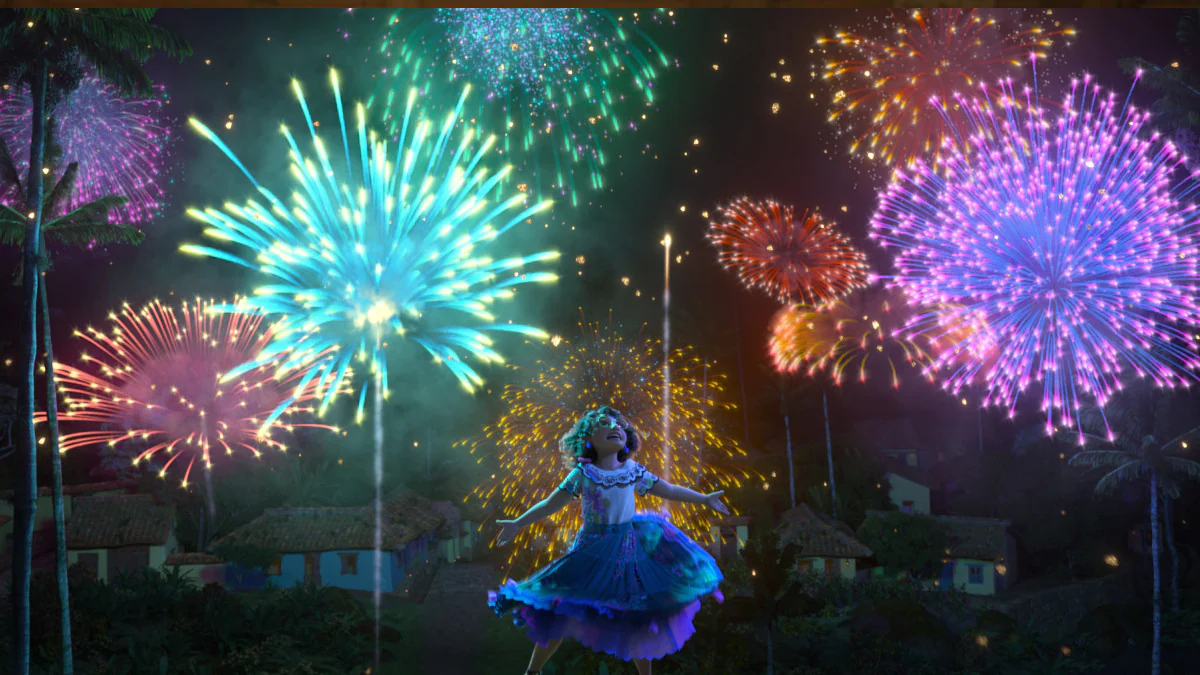
But ultimately, it’s the musical numbers, and the visuals that accompany them, that make this movie such a delight. Miranda’s trademark witty lyrics and ability to convey exposition and emotion while serving up absolute bops is fully on display. If this is the film that gets him his EGOT, it will be well-warranted. The animation sequences are kinetic and visually striking, and the vocal performances mesh perfectly with the characterization. Luisa’s solo is a standout, but there’s a third-act Spanish only song that’s an absolute showstopper. Even if you barely speak the language, the emotion comes through loud and clear, and this reviewer isn’t ashamed to admit that it brought tears to his eyes.
Heavy emotions aside, there’s still an abundance of whimsy, wonder, and fantastical fun. It’s vibrant, lively, and sweet, and the characters, while rooted in archetypes, are layered and complex enough to each have their own unique appeal. This is a family and setting you’ll enjoy spending time with, and will want to revisit over and over. It merits a big screen theatrical watch, but will likely be a big part of your Disney Plus rotation regardless. ¡Me encantó mucho!
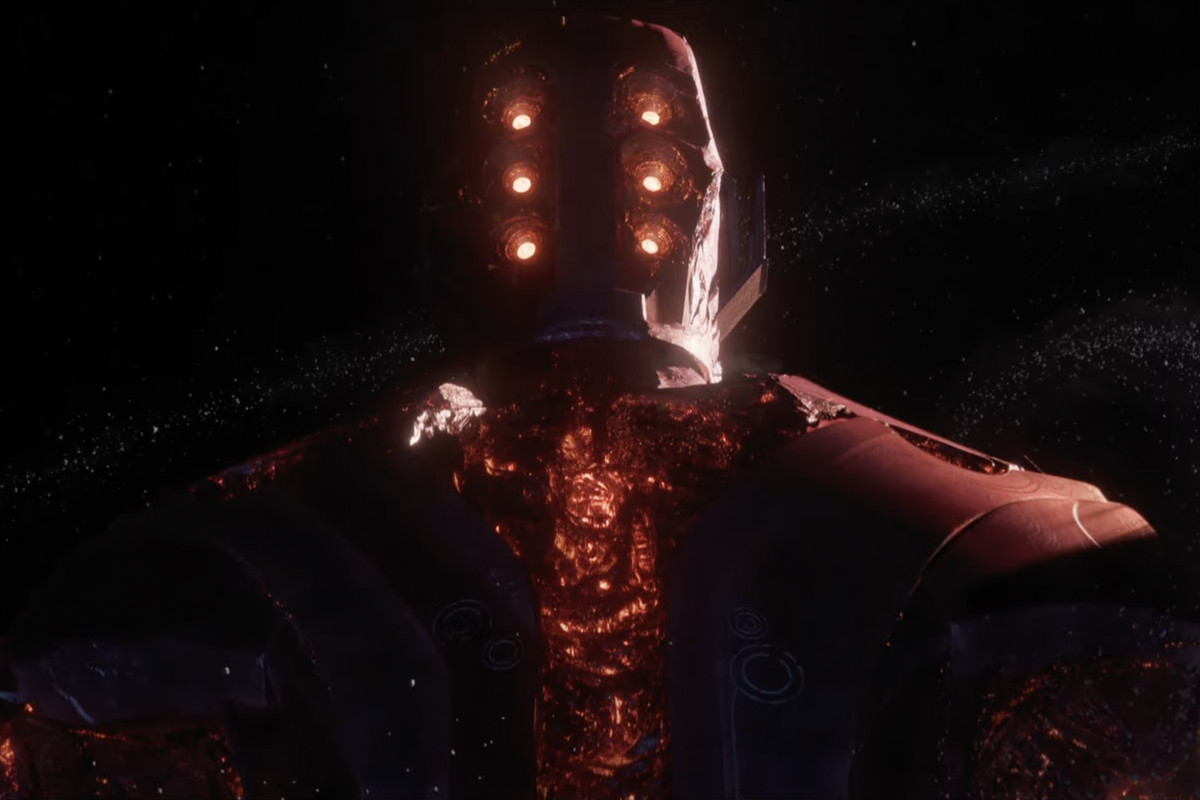
Eternals is confusing in how it comes across—somehow it could have both terrible and great moments in the same 30 seconds. The first third or so of the movie was, honestly, just not good. I don’t remember the last time I watched a MCU film for the first time and thought, “uh oh, this is bad.” But it picks up steam over time, and there are genuinely delightful moments of humor, action, and character focus. Personally, I thought Sersi and Ikaris were some of the most bland personalities around, so the film’s primary focus on those two definitely didn’t do it for me and weighed it down too much. There were phenomenal emotional moments between some characters throughout, but they were few and far between. Phastos, for example, has some incredible interactions with Ikaris in the climax, but it mostly felt like it came out of nowhere. I do think that there were too many things going, and not much was given enough attention to allow it to be great. Still, I am excited about a lot of the MCU elements that Eternals brought, including Celestials (visually, they were so stunning that I would have watched two and a half hours of them just hanging out), several of the Eternals themselves (my favorites going forward are Makkari, Druig, Phastos, and Kingo), and the expansion of the cosmic MCU overall. At the end of the day, I would not say it’s a “good” movie—there are too many forced, cringey, and otherwise bad moments compared to the good ones. But I’m still pretty happy with how Eternals fits in the MCU and the new material it gave us.
Filip Manka
Eternals opened a new chapter in the MCU that exudes freshness and uniqueness in terms of content delivery. Chloé Zhao confronted the myth of superhero, or in this case, God, by deconstructing and reinterpreting certain beliefs and myths. Zhao crafted a love letter to the world and humankind that also serves as a warning against our self-destructive nature, placing the film in the context of global issues such as climate change. Despite the narrative and script problems, Eternals will stay in my heart for a long time by its balance between scale and momentousness, and intimacy and proximity.
Nathan Miller
I loved Eternals! I can see that it isn’t a typical Marvel Studios film, and that’s OK. Part of the beauty of a cinematic universe is that teams can try out different things and still have the space to develop them. I thought it was brilliant and showed a continuing evolution of the studio, that there were no outright binary evil villains, but rather just different perspectives on the matter at hand. I adored the hope in the message of needing to band together collaboratively to prevent ecological devastation. The performances of the actors really played into this element. It’s clear that Sersi is burdened by the beauty of humanity, with her first line, in contrast to Ikaris’ stoicism. Chloe Zhao’s framing of shots and the lighting adds to the mythological feeling of the film. I’m really looking forward to how the film changes the MCU. On one hand introducing 10 lead characters is a lot, but on the other hand that is again the beauty of a continuing universe that we will visit them again. Perhaps we can change our expectations somewhat to align with this, and in that way Eternals is changing cultural expectations of cinema. It would be brilliant for Marvel Studios to follow through on this forward charge by announcing a green-lit sequel sooner rather than later!
DA Osorio
The fight between Ikaris and the Eternals? Really great. Marvel doing super speed, and a fight between a speedster and a God, better than DC has ever done it? Amazing. The first half was a lot of mythology and deep Marvel cuts, and a GRC mention puts it at the same time more or less as FWS. That helps set this apart from Shang Chi, IMO, in the sense that the parts in the US didn’t seem to be connected to the rest of the Earth MCU (not a knock, just an observation). Thor knowing them was cool too, and I wonder if we are going to find out that the Asgardians were also created by the Celestials like they are in the Ultimates. I’d give it a 8/10. Kro was whatever, and some of the deviant designs weren’t great, and I don’t love them being advanced robots, but man, there was a lot of good there.
Also: Mahershala Ali making his debut, with the Ebony Blade being tied to Dracula and Moon Knight, means that we are on the road to a version of the Midnight Sons. You know what I’d like? For them to go with Alejandra Jones’s Ghost Rider (she’s the female Ghost Rider), and be called the Avengers of the Supernatural instead. Either way, Eternals was very good.
Hunter Radesi
Marvel’s Eternals is an absolutely beautiful, earnest jumble of thoughts and ideas. The film gets off to a bumpy start, with a first act that tries to cram a plethora of characters and information into a total runtime that could have lasted over three hours. However, once the movie is allowed to hit the points it’s really trying to make, it begins to tell an epic story of humanity through the eyes of gods in a way only Chloé Zhao could muster. Ultimately, the film is imperfect and awkwardly paced, but a worthy and welcome addition to the zeitgeist of Marvel’s modern blockbuster.
Joseph Aberl
Eternals is a strange piece to me. It’s far from what we are used to from Marvel Studios, as it’s less about a bombastic setting but rather explores a more personal story in a larger setting. The lore and exploration of history are curious, but most everything is in service of character. The film is less a Marvel movie but an indie film with a blockbuster coat. It avoids linear storytelling to explore history in service of character rather than to build up to its end goal. In a way, it’s also its biggest fault, as revelations are giving less weight besides a large info dump. There are fewer highs in this that could mask its early troubles and the characters don’t earn their revelations. On the one hand, it plays into the story’s structure about a “higher purpose” which is more poignant in the finale than early on. What truly makes this film work for some and not others is dependent on your interest in the characters. The film takes more nuance in making you care for them than their actual journey, especially evident in the Emergence’s lack of a “timing.” We know it’s happening but not when or where until we enter the confrontation. The investment in these characters overshadowed this issue and made it quite a visually captivating and new take on heroic deconstruction.
Joao Pinto
Personally, Eternals is the MCU’s most intriguing entry to date. By only having watched it once, I’m trying to allow myself to go beyond my immediate response to the movie, which wasn’t all that positive. I’m now expecting to have a more definite opinion in the coming days after going back for more viewings. All things considered, I do believe it did way more things right than what it might have done wrong. The cosmology of the MCU has been reshaped in a way that I simply adore, opening the doors for the MCU to finally become a proper Universe in and of itself. At the same time I’m not completely sold on the pacing when introducing a dozen new characters and their relationships over millennia, all while world-building within such a large scope. At the end of the day I’m still highly intrigued by what might come next for these characters and the MCU as a whole, meaning Eternals accomplished what every entry this franchise has to see as a win: it kept audiences engaged and wanting more.
Arlyn Murphy
When I watched Eternals for the first time I was like “WHOA”. I honestly felt that it was a little too god and goddess-y for Marvel. I also felt that some of the characters were out of place, including, Angelina Jolie and Barry Keoghan’s Thena and Druig. In the end, I just didn’t connect with them; however, I connected with Sprite and Kingo who both made me laugh so many times. If I were to rank this movie in comparison to the other Marvel Studios’ movies, it would probably be right in the middle. I liked the story line, however, there was a lot of information in the movie and I feel as though it was just all crammed in. On the other hand, it had great introductions to the all of the new characters, some of whom I would like to see again and others…not so much.
Charles Murphy
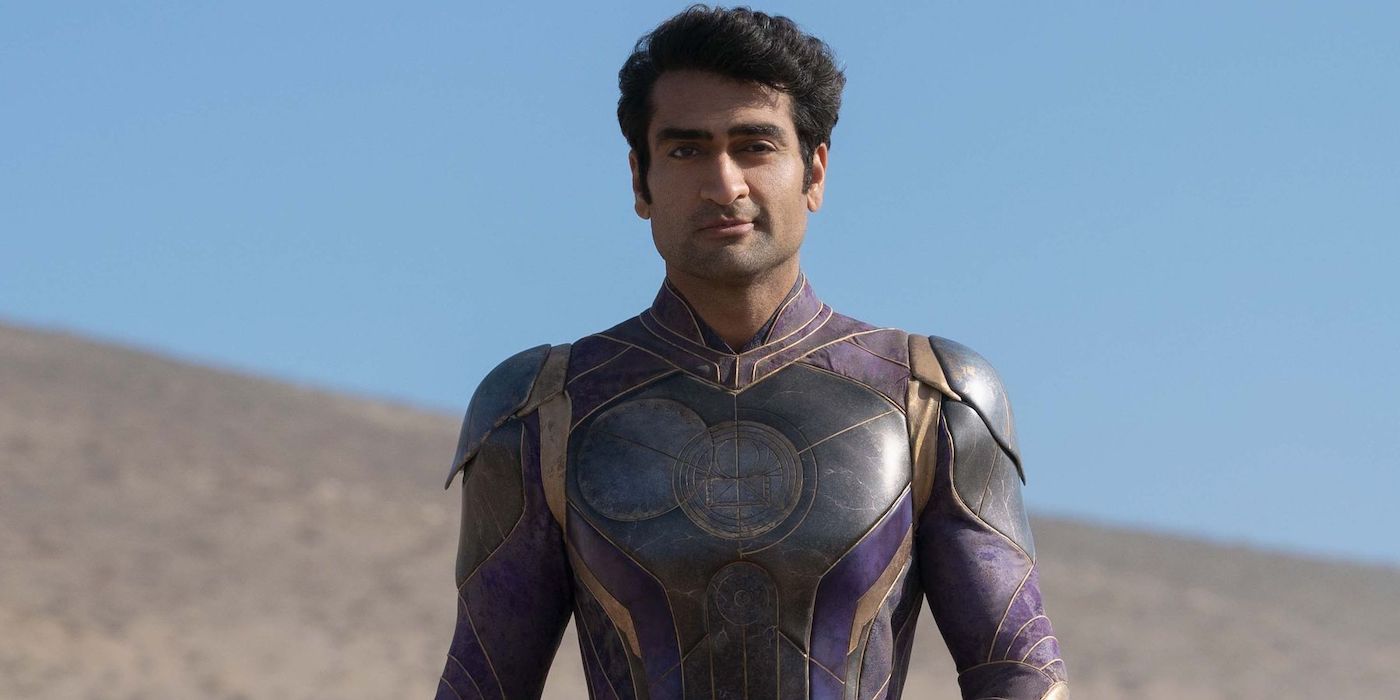
After my first screening of Eternals, I felt a lot of frustration. Frustrated at the changes made to the origins of the Eternals; frustrated at the changes made to and the use of the Deviants; frustrated at some editing choices that took me out of the film. Outside of those frustrations, I was also really disappointed in some of the performances in the film. Angelina Jolie’s performance tops the list of ones that I wish I could forget, closely followed by Salma Hayek. Jolie seemed to be there just to pose and smolder while Hayek’s expressionless face belied the allegedly maternal emotions of the character. At times I could argue that Arishem emoted more than Ajak. Fortunately, these performances were balanced out by the rest of the cast. Kumail Nanjiani was brilliant and the Bollywood scene is among the high points of the film; Richard Madden played Ikaris as the arrow he is described to be; and Lia McHugh delivered an adult-sized range of emotions to the role.
Following my second screening, it was clear that while the many of the problems remained the same, the film is less problematic than I originally believed it to be and I found myself less frustrated and enjoyed it quite a bit more. I originally thought it moved along great until the flashback around 35 minutes in (Tenochtitlan) and attributed the decision to flashback again there to taking me out of the film. In truth, that flashback isn’t the problem. It’s a huge part of the overall narrative as it explains Thena’s memory loss and why the group drifts apart. In my second screening, I realized it wasn’t the story that lost me but the really uninspiring performances by the two actors who shared the bulk of that chunk of the film: Jolie and Barry Keoghan. In fact, if the really wanted Druig to put Tiamut to sleep, they could probably just show him that part of the film and be done with it. At no point during the film, did either one these actors elicit any sort of emotion from me other than an eye roll. I’ve read criticisms that there are too many characters and while I can agree with that to an extent, I think some of that might be lessened if the people portraying them made them interesting.
Chloe Zhao did do something magnificent here. This film’s scale was not too big for her, as some have said. She weaved a fascinating narrative against an incredibly beautiful backdrop. She explored the bonds between us that can just as easily form as they can break and the hold that memories can have on all of us. She wrote the earliest chapter of the history of the MCU and wow did she deliver on the size and scope of the Celestials; not just physically, but in who they are and what they do (I was thrilled to see them adopt the Earth X plot, which I guessed they might way back when). At the end of the day, it seems like she checked a lot of boxes but, as the director of these actors, missed one big one: getting solid performances out of all of them. This isn’t a top-tier MCU film, but I think it might end up being something like Avengers: Age of Ultron in that after a few years, it’ll be one to revisit and might look like an entirely different film. Zhao had a Herculean task here in not only telling the tale of the MCU’s entire past but also setting up a huge chunk of its future (including two great scenes in the mid and post credits, one of which is top 5 of its kind in the MCU); she did an admirable job on the first part and only in time will we be able to truly judge how she did with the second half of that task. While I didn’t love Eternals, I fully support Zhao’s return for the sequel.
Megan Murphy
Before watching Eternals I assumed that I would be diving into another team like the Guardians of the Galaxy or the Avengers, however, the plot of this story was much different. To start off, I think that the drastic timeline and different events that took place within the movie were a good way to incorporate real history into the MCU, but I also think it took away from the actual Eternals. When watching the movie I was more drawn into the plot and the setting of the movie than the characters. I believe that characters such as Thena and Druig could have had a much more present role in the movie because of the extent of their powers and what they are capable of doing. I also thought that the way the Eternals were portrayed was a little too much ancient Greece and not enough MCU. On the other hand, the way that Sprite was turned into a human was a very good addition to the end of the movie. With this action, in later movies we might be able to find Sprite to be a more influential character if she is able to be more comfortable as an adult. Overall, the Eternals was much different then the average Marvel movie but had a little too much going on to really understand the characters.
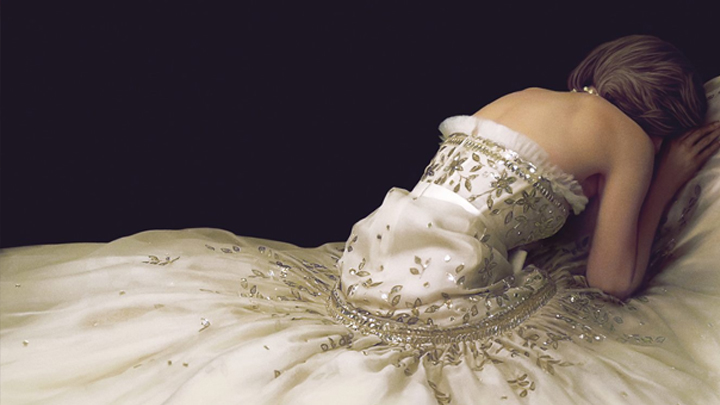
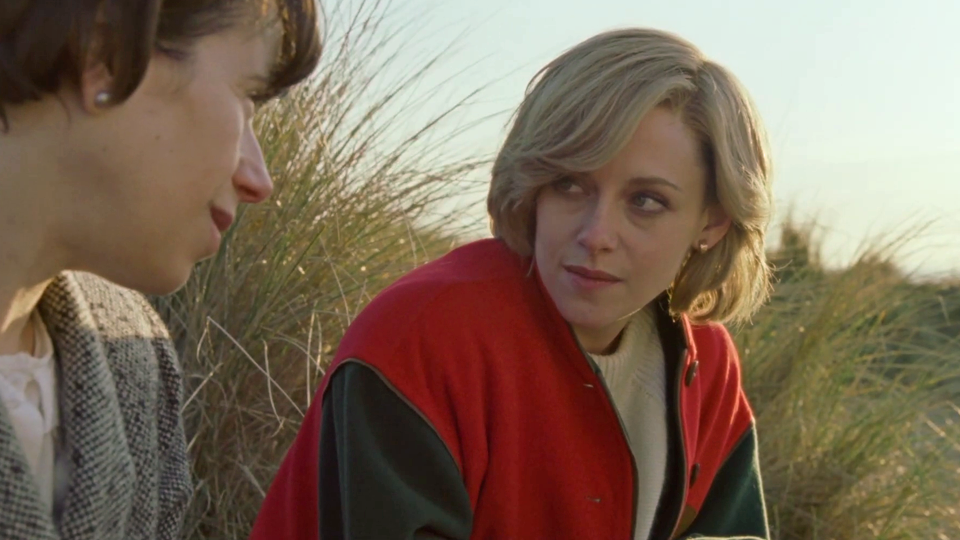
At this year’s Viennale, a local film festival in Vienna, I had the chance to watch an early screening of Pablo Larrain‘s Spencer. Kristen Stewart takes the daunting task of telling Diana, Princess of Wales’ time over Christmas in 1991 with the Royale family. Over a few days, we witness the pressure of what it means to stand among Royalty with little interest in being there and their traditions. The opening tagline that it’s a “fable based on a true tragedy” tells you all you need to know while hiding the anxiety you’re about to witness.
At the core of this story lies Kristen Stewart‘s performance as Diana. There’s a lot of subtlety within the lack of it. Throughout the entire film, one can see that she is always on the edge of falling apart. We close in frequently to see the inner conflict barely managing to stay in. She plays a convincing interpretation of the character in this fable of a true tragedy. The film often relies solely on her performance to carry the weight, as we start to unravel what is real and what isn’t. Many scenes are her alone in a room, trying to wrestle with the reality that
Jack Farthing‘s cold performance as Prince Charles offers a window into what it means to give up and let the rules set by generations become your new reality. One of the stories’ core catalysts is also the uncertainty of her own marriage, as both sides accuse each other of finding another. The brief stare by Camilla sets the underlying core without it being directly spoken. Rules seem to be bend and broken by others to their need, while her actions towards freedom are seen as a burden.
Everything that carries those very emotions is the film’s eerie score and muted color palate. At some point, it feels like the film’s main goal is to put you on edge. The lack of bright colors takes away any sense of reality the fable is trying to convey while putting you in Diana’s disconnected sense of self. The soundtrack isn’t there to give you relief but solidify that feeling. Once the strings start to play, you cannot escape that same feeling of suffocation she is feeling. Stifled by tradition and uncertainty, it’s a story about the search for freedom at its core.
It’s not without its imperfections. There’s a strange balance that is trying to be struck by having this be mainly focused on Diana and those she holds dear. Often, the Royal family takes a backseat throughout the story only to suddenly gain relevance at various points. It’s more a nitpick than a complaint, but it does feel like a wasted opportunity to give the other members a presence without character. In a way, the film may have benefitted from stripping them from actual character and adding to the fable by creating an unworldly existence for other members.
A strong focus of this story is Diana’s connection to the staff. It gives her a few moments of reprieve and the other standout performances of the film. Sean Harris‘ Darren McGrady and Sally Hawkins‘ Maggie cement the character alongside her children. It’s the few times you feel at ease in the film. Especially Harris’ character is an interesting contrast to that of Diana. The implications of deeper bonds between them and his orderliness within the traditions and structure make him a good counterpoint of the story.
At its core, Spencer is a simple story. Yet, Kristen Stewart‘s performance and a heightened sense of reality carry it in ways that turn it into an experience you share with Diana. The music and color palette create this strange atmosphere that lets anxiety seep into your mind. You aren’t just witnessing the events unfold, you have no choice but to partake in the cinematic induced anxiety.
Marvel Studios Eternals will open up for Thursday night previews in just 10 days and the first wave of reviews from the New York and Los Angeles press screenings and premiers are now online. You can read our review right here, but it is safe to say that the reviews to Marvel Studios 26th film are as divided as any film since 2015’s Avengers: Age of Ultron.
Too Much Talk
A common criticism of the film is that large portions of it serve as actionless exposition. While that might be expected of a film that attempts to explain the origins of an entire universe, it didn’t land with everyone:
Peri Nemiroff (YouTube): “The weight of complicated exposition weakens the energy of Eternals a little too often.“
Rodrigo Perez (Inverse): “Eternals is a chore to explain too, and even comes with an opening “Star Wars”-like crawl—it is by far the Marvel movie with the most mumbo jumbo backstory explaining the setup of things.“
Different is Good
Some critics believed that director Chloe Zhao accomplished something truly unlike anything the MCU put to screen before:
Don Kaye (Den of Geek): “… Marvel Studios’ Eternals doesn’t feel much like the “typical” Marvel movie, whatever that may be.“
Robert Abele (The Wrap): “But what makes “Eternals” feel special is that, for once, the director genuinely cares as much about the character within that spectacle, as the spectacle itself.“
Different is Bad
Other critics believe that Eternals fell short, in part, by moving away from the Marvel formula.
Steve Rose (The Guardian): “It’s not exactly boring – there’s always something new to behold – but nor it is particularly exciting, and it lacks the breezy wit of Marvel’s best movies.“
David Ehrlich (Polygon): “By making such an unadventurous movie about how crisis breeds creativity, Marvel effectively illustrates why even the most independent-minded of filmmakers are powerless to evolve an apex predator franchise that doesn’t have any Darwinian impetus to adapt.“
Reading through a dozen or so reviews, you’ll see some critics praise the use of locations over CGI backdrops and see others cite it as a fault; you’ll see some praise the plot, while others say it’s too dense and complicated. On the whole, the reviews are just as divided on Eternals as the team of Eternals within the movie have become over 7,000 years. As always, the best way to determine how you feel about a film is to see it yourself.
Cookie Consent
We use cookies to improve your experience on our site. By using our site, you consent to cookies.
This website uses cookies
Websites store cookies to enhance functionality and personalise your experience. You can manage your preferences, but blocking some cookies may impact site performance and services.
Essential cookies enable basic functions and are necessary for the proper function of the website.
Name
Description
Duration
Cookie Preferences
This cookie is used to store the user's cookie consent preferences.
30 days
These cookies are needed for adding comments on this website.
Name
Description
Duration
comment_author_email
Used to track the user across multiple sessions.
Session
comment_author_url
Used to track the user across multiple sessions.
Session
comment_author
Used to track the user across multiple sessions.
Session
Statistics cookies collect information anonymously. This information helps us understand how visitors use our website.
Google Analytics is a powerful tool that tracks and analyzes website traffic for informed marketing decisions.
Contains information related to marketing campaigns of the user. These are shared with Google AdWords / Google Ads when the Google Ads and Google Analytics accounts are linked together.
90 days
__utma
ID used to identify users and sessions
2 years after last activity
__utmt
Used to monitor number of Google Analytics server requests
10 minutes
__utmb
Used to distinguish new sessions and visits. This cookie is set when the GA.js javascript library is loaded and there is no existing __utmb cookie. The cookie is updated every time data is sent to the Google Analytics server.
30 minutes after last activity
__utmc
Used only with old Urchin versions of Google Analytics and not with GA.js. Was used to distinguish between new sessions and visits at the end of a session.
End of session (browser)
__utmz
Contains information about the traffic source or campaign that directed user to the website. The cookie is set when the GA.js javascript is loaded and updated when data is sent to the Google Anaytics server
6 months after last activity
__utmv
Contains custom information set by the web developer via the _setCustomVar method in Google Analytics. This cookie is updated every time new data is sent to the Google Analytics server.
2 years after last activity
__utmx
Used to determine whether a user is included in an A / B or Multivariate test.
18 months
_ga
ID used to identify users
2 years
_gali
Used by Google Analytics to determine which links on a page are being clicked
30 seconds
_ga_
ID used to identify users
2 years
_gid
ID used to identify users for 24 hours after last activity
24 hours
_gat
Used to monitor number of Google Analytics server requests when using Google Tag Manager
1 minute
Marketing cookies are used to follow visitors to websites. The intention is to show ads that are relevant and engaging to the individual user.
Pinterest Tag is a web analytics service that tracks and reports website traffic.