Daredevil has always dealt in duality. Even before Frank Miller redefined the character–and the city in which he spent his days and nights–by introducing a gritty, noir-inspired take on the hero, Matt Murdock still split his time fighting for justice in a courtroom while also dispensing justice as a vigilante. Though Miller‘s drastic reinvention of the character took him to far darker places as a lawyer-by-day, vigilante-by-night type of hero, the character has always been a fascinating study of psychological inconsistency and cognitive dissonance. And so as Marvel Studios relaunches one of the most beloved superhero shows ever made with the first season of Daredevil: Born Again, it is fitting that the new series is teeming with dichotomies.
For nearly one-third of the season, Daredevil: Born Again dares to tease the unthinkable for Charlie Cox‘s Matt Murdock. Following an audaciously aggressive reintroduction to the world of the Devil of Hell’s Kitchen that shatters the comfort zone so carefully constructed over three seasons of Netflix’s Daredevil, Marvel Television’s revival allows Murdock to feel how awful goodness is. But fear not, true believers, the studio could not resist the urge to drag Daredevil back into the darkness, once more choosing Frank Miller over the field.
Who fate gave the ability to hear and smell and touch better than anybody in the world can, which is a great way to catch all the misery of being alive
-Daredevil as written by Frank Miller
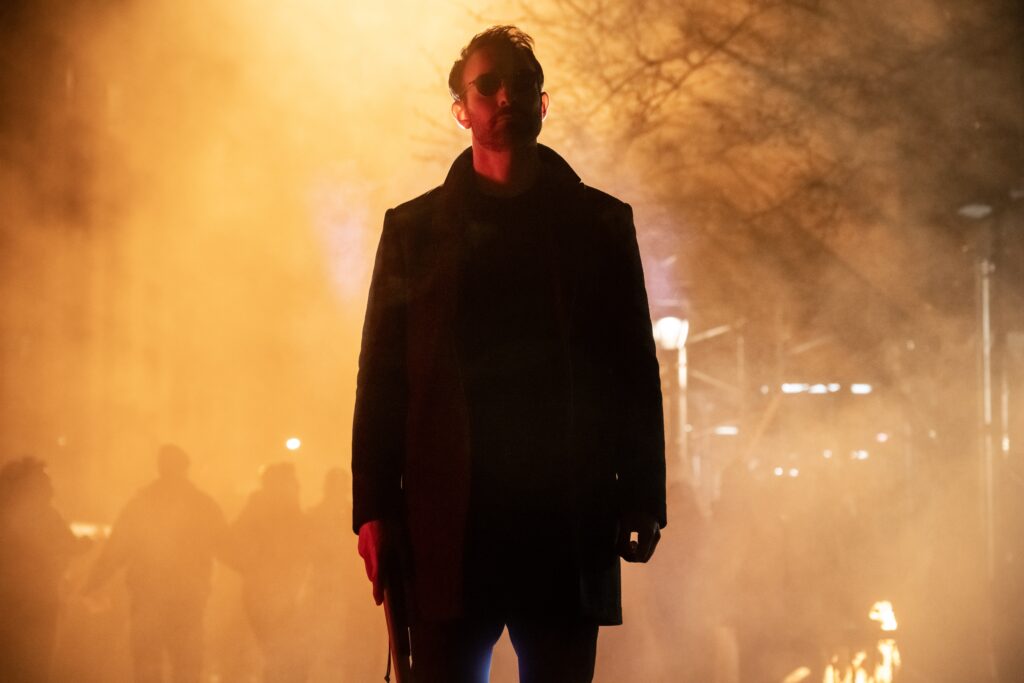
The first episode of Marvel Studios’ Daredevil: Born Again chaotically catabolizes everything that both Matt Murdock and the fans of Netflix’s Daredevil hold dear, abruptly and refreshingly changing the status quo for the beleaguered vigilante. Stripped bare, Murdock is born again into a brighter world full of new relationships, professionally and personally, and one that ironically holds hope for the hero. However, just when Matt thought he was out, they pull him back in!
Just as Matt seems to be free of his dark past, it comes rushing in to upset the shaky new scaffolding. As has been clear since the series was first announced in 2022, Daredevil: Born Again could just as well have been titled Kingpin: Born Again and the new and improved Wilson Fisk’s ambitions and love for New York City set the pair on a path that challenges each’s best intentions. A tense meeting over coffee in which both men swear they’ve left their alter egos behind them slowly devolves into a pissing match between the better angels of their natures; indeed, the next three episodes prove that neither man ever moved too far away from his true self and follows the co-leads as they slowly let their devils out of whatever cage they believed to have contained them, setting them on a path toward yet another inevitable confrontation.
Tonally divergent from the ethos of the Netflix series for the first seven episodes of the season, Daredevil: Born Again constructs a brighter world around a more devil-may-care Matt; unfortunately, both that world and Matt ultimately fall victim to the darkness of the city and its inhabitants as a serial killer throws the city into a frenzy. By the time the series heads into what will stream as a two-part finale, the replacement creative team of showrunner Dario Scardapane and directors Justin Benson and Aaron Moorehead put together what could only be described as “peak Netflix”, allowing both Daredevil and Kingpin to be “Born again.” Steering the show back in that direction is a frustrating decision, even if foreseeable; however, it’s not damaging to the quality of the series in any way and works to push the characters to a precipice that will have to wait to be resolved in Season 2.
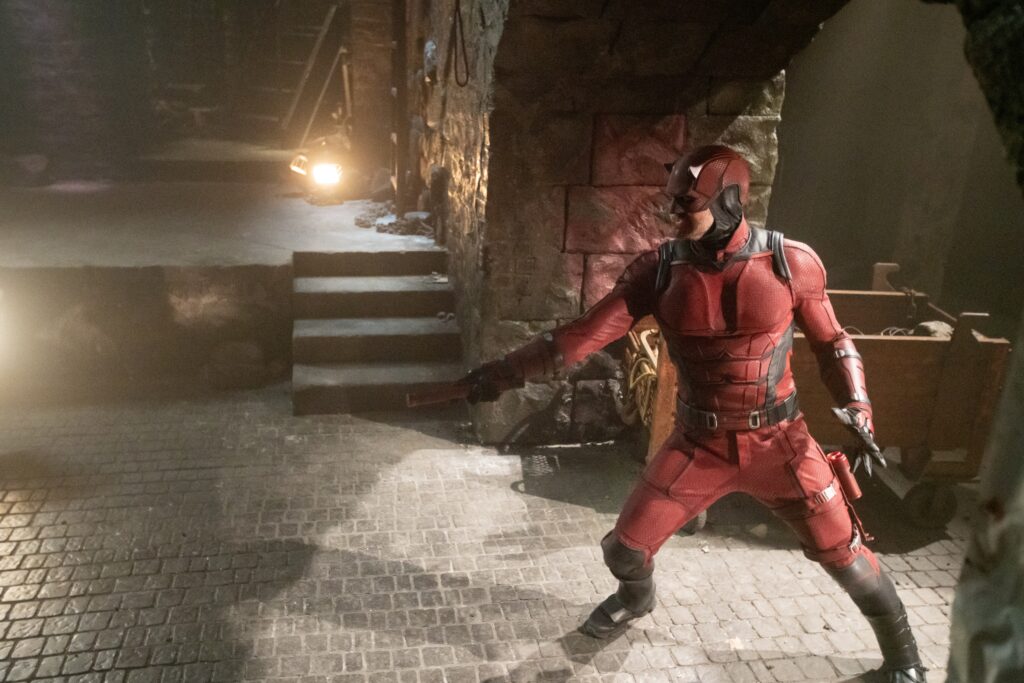
Less bloated than any season of the Netflix series, Season 1 of Daredevil: Born Again spins a tight, well-paced narrative that impressively stands strong despite the mid-stream change of creatives. Though the marketing for the series isn’t necessarily the most honest work Marvel Studios has ever done, the show does return to its gritty, noir roots despite spending a large chunk of time playing in the sun, delivering the “whole new deal” Cox once promised while also relishing in the edgey brutality of the old deal. A wonky VFX scene or two, a bit of overacting here and there and a few superfluous characters aren’t enough to tip the scales here: Daredevil: Born Again is, from start to finish, a fantastic series. With its hero and its villain equally saturated in blood and emotional trauma, the show examines the futility of pursuing sustainable change without addressing the deeply nested layers of human behavior.
Despite standing tall not only among Marvel Studios’ streaming series but also among the three original seasons of Daredevil, Daredevil: Born Again is also frustrating in its insistence on keeping Murdock’s story drenched in blood. While sanguinary and savage storytelling defined the Netflix era of The Man Without Fear, it’s not the defining trait of the character who has been a staple of Marvel Comics since the 1960s. While Miller‘s reinvention did elevate the character to new heights, it’s bizarre to see his dark and violent vision for Daredevil become THE vision for the character. Miller‘s Daredevil portfolio is hardly prolific (8 other writers have spent more time on Daredevil books than Miller) and perhaps the particular itch for wanton violence would be better scratched in the MCU by Punisher or Moon Knight. And so to see the series briefly flirt with a new direction inspired, it would seem, by Mark Waid‘s long run on the book only to retreat into darkness again begs the question: why do the writers hate Matt Murdock?
Given all the media hype that followed the news that Scardapane, Benson and Moorehead were brought on board, one would assume that the trio swooped in and saved the series from disaster. In reality, upon seeing the entire season, it hardly feels that way at all but rather feels that the new creatives were brought in because Daredevil: Born Again was not Netflixy-enough. To everyone’s credit, the blending of “new” and “old” is seamless throughout; if you didn’t know there was a creative overhaul on the series before you sat down to watch, nothing would alert you to it while watching the series. Episodes 2 and 3, which adapt Brian Michael Bendis‘ “Trial of the Century” arc from his early 2000s run on the book, deliver the best courtroom drama in the history of the series. The trial of Hector Ayala challenges Murdock and his new partner, Kirsten McDuffie, at every turn, creating true tension that will be palpable to viewers. High profile and high stakes, the trial puts Matt in the spotlight and, unfortunately, in a position where a win can’t just be a win.
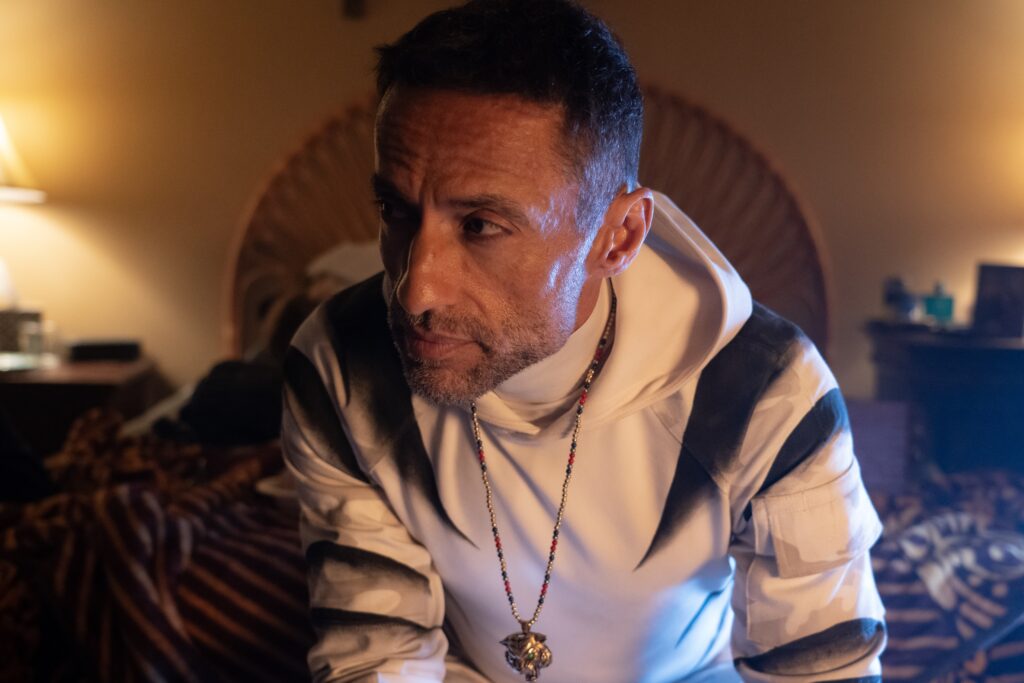
Following Ayala’s trial, what would seem to have been the original outline for the show looked to be headed to some dark enough places. Cleverly written with a narrative throughline that continually pulled Murdock further away from the new life he believed he had established, Episodes 2 through 7 are incredibly engaging and if this show were a binge release, fans would have a hard time walking away as Hector’s trial bleeds into the search for a serial killer who unknowingly has put himself right in the middle of Murdock’s life. We may never know where the first season was originally going to land and where the original team meant to go next; however, it’s safe to say that Scardpane‘s Season 2 of Daredevil: Born Again, which should hit D+ in 2026, might just as well be titled Daredevil Season 4.
No matter which material they worked with, Cox and Vincent D’Onofrio delivered top-tier performances, especially in their brief time together. Jon Bernthal‘s return as Frank Castle comes complete with all the squealing brutality one might expect from The Punisher while also serving as a wonderfully necessary foil for Murdock. The late Kamar de los Reyes stands out as Hector Ayala, whose legacy is left to be explored should the powers that be choose to do so; Margarita Levieva‘s subdued Heather Glenn ends up a much more interesting character than her comic book counterpart; and Ayelet Zurer‘s Vanessa works as a driving force behind the central plot. The Fisks’ relationship works as an interesting parallel to that of Matt and Heather and the intersection of the two ultimately leads to the season’s biggest surprise.
For nearly a year, Marvel Studios has been operating according to a new strategy behind the scenes as shifting priorities have led them to focus on developing series that can premiere annually. It’s clear that the studios intends for Daredevil: Born Again to be both the canary in the coal mine in that regard but that they also have enough faith in it that they’ve already established it as the flagship of the new era of Marvel Television. To that end, each new season must entice viewers to return for subsequent seasons while also being able to stand alone not only as a season but with weekly episodes that drive conversation and interest. Season 1 of Daredevil: Born Again accomplishes that mission. Its weekly releases will have people buzzing (I’m looking forward to the response to the series St. Patrick’s Day-set bottle episode) and the response to the season finale may actually trigger Richter scales. Grace and retribution. Reward and punishment. Hopes and fears. Daredevil: Born Again‘s return to the streets of New York City is frustratingly incongruous in its treatment of its Guardian Devil and a contradiction in itself but I’ll be damned if it isn’t an incredible season of TV.