Tag: She-Hulk

  • How the MCU’s ‘She-Hulk’ Became Truly Savage

    How the MCU’s ‘She-Hulk’ Became Truly Savage

    The finale of Season 1 of She-Hulk: Attorney at Law opened with a great callback to the classic Bill Bixby and Lou Ferrigno series, The Incredible Hulk, that ran on network television in the late 1970s and early 1980s and spawned not one, not two but three made-for-tv movies in the late 1980s. The callback, which served as the recap of the series so far, ended with what’s become the norm for the series, a new, weekly title: The Savage She-Hulk. That title is, of course, the title of the first appearance of Jen Walters in Marvel Comics, The Savage She-Hulk #1, which hit newsstands in 1980. Ironically, through the course of the D+ series, Jen’s She-Hulk has been anything but savage for most of the time; however, the same can’t necessarily be said for the series itself.

    Language is an ever-evolving thing and, over the last decade or so, one word that has experienced some changes in its usage is “savage.” The way the kids are using it these days (these days being like 5-10 years ago), it means someone who has zero regard for the consequences of what they say when they rip into a person or a group of people. It’s in this way that Jessica Gao and the rest of the writers’ room on She-Hulk: Attorney at Law made the series one of the most self-aware and savage social commentaries in modern pop culture history.

    As the finale pointed out, Marvel Studios has an internet problem. No matter what project they churn out it wasn’t long enough, didn’t have enough cameos or didn’t include THAT character or THAT story that some fan was certain was going to be there. However, some projects have a bigger internet problem than others: the ones featuring female leads. From Captain Marvel to Ms. Marvel to Thor: Love and Thunder and now She-Hulk: Attorney at Law, female-led projects at Marvel Studios are described as “problematic” and “sloppy” before general audiences have seen a second of footage. And as Marvel Studios enters its second saga of stories and begins to introduce legacy characters, many of whom are female, the internet has come out swinging with chants of “Mary Sue” and “Thor is a name, not a title” as characters like Kamala Khan, Jen Walters and Jane Foster assume heroic mantles.

    It is in addressing these internet problems head-on that She-Hulk became truly, in the modern context, savage. The savagery really began in earnest in Episode 3, “The People vs. Emil Blonsky”, when Jen’s work at GLK&H began to garner more attention. In a brief sequence, the show called out anonymous and misogynistic social media influencers and YouTubers by making a mockery of their go-to commentary. “They took the Hulk’s manhood away, but then they gave it to a woman?” “So we gotta have affirmative action with superheroes?” “No more female superheroes plz.” “Why are you turning every superhero into a girl? Nobody asked for that.” “Why everything gotta be female now???” “So we have a #MeToo movement and now all the male heroes are gone?” Ridiculous only in their accuracy, these comments could have been (and most likely were) taken from real social media account from men decrying that “every hero” is now a female. Forget the fact that Thor: Love and Thunder featured both a man and a woman co-starring as Thor (and the female died), facts have no place in this dojo.

    To add an extra layer of verisimilitude to its social commentary on social media, She-Hulk: Attorney at Law brought the dudebro online community known as The Intelligencia to the forefront. While initial theories about who might run the group understandably centered on characters from the comics associated with the group, it turned out to be a collective of manbabies united by one thing: their insecurities. The creatives laid the satire on thick and in layers going so far as having Jon Bass‘ HulkKing scream “come at me bro” shortly after turning into Chris Kattan-Hulk.

    Between satirizing the ridiculous nature of online discourse around these projects and having Jen be the first MCU character to really explore dating and sex (she even smashes Matt Murdock on occasion), the Gao and the writers certainly had the very same people they were mocking clutching their pearls. And they did so by simply capitalizing on the very nature of the character pulled straight from the comics where she was Marvel’s first character to be aware that she existed inside of a story and interacted with the world that existed outside her story. So while Jen’s She-Hulk proved she was anything but the savage version her cousin Bruce thought she might be, Marvel Studios went full frontal savage and, in doing so, made their most socially relevant project to date.
  • REVIEW: ‘She-Hulk: Attorney at Law’ Finale

    REVIEW: ‘She-Hulk: Attorney at Law’ Finale

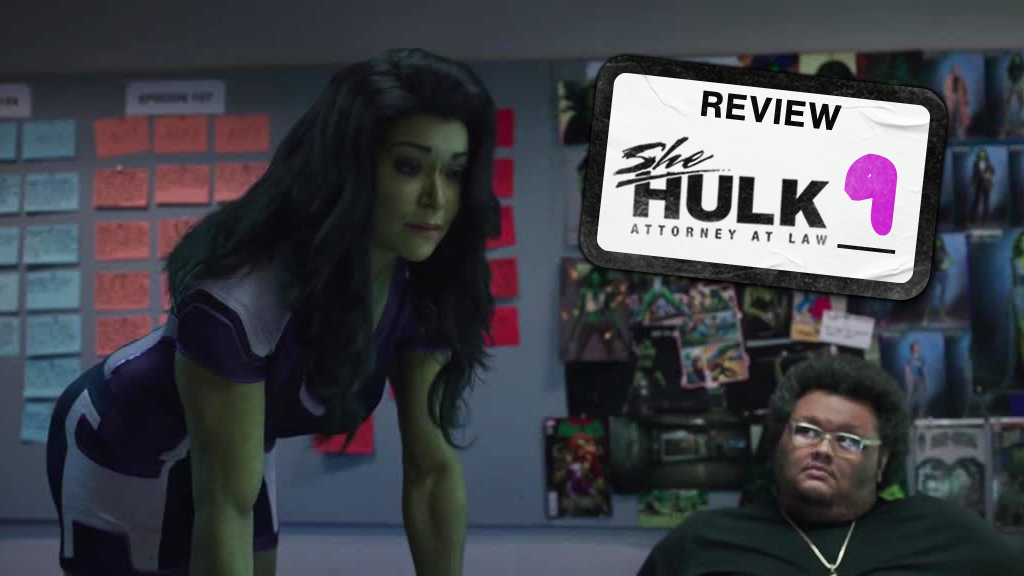
    We have come to an end of yet another Marvel Cinematic Universe series, but this finale stands on its own. Since WandaVision, MCU series have been rather well known for either botching or just not following through with outstanding finales. How anyone feels about the She-Hulk: Attorney at Law finale is less straightforward than usual. While the word “unique” has been thrown around a lot in Phase Four, there is no other way to start the discussion.

    Even though it did not take up the entire runtime, the massive fourth wall break in the finale has to be an instantly iconic moment in the MCU. To not only take the audience out of “the show” but to spend time with the titular character in Marvel Studios’ headquarters is beyond bonkers. Of course, the jarring transition from the regular program to She-Hulk breaking out of the Disney+ screen is incredible, and it lives up to the comic book version of her doing the same decades ago. The core potential of the character is released in the finale, and there are very few moments in the MCU that can genuinely say the same.

    The humor stemming from the fourth wall break is not only laugh-out-loud funny, but it is peak She-Hulk. Throughout the season, the show makes jabs at tropes and the incessant presence of the internet’s yelling in every single moment of the contemporary MCU. Anyone on Twitter is familiar with this, and anyone with a brain knew that She-Hulk would provoke perhaps the most attention in that regard. Instead of winking at the audience about it, the artificial intelligence replacement for Kevin Feige (a joke worthy of its own review maybe) addresses it head-on. The MCU has an internet relations struggle. She-Hulk is a strong, confident woman. The two combined were meant to be together, but the way the finale actually embraces it is almost too good to be true.

    The fourth wall break, without a doubt, is the finale. It may even be She-Hulk. Still, that does not mean the finale as a whole deserves top marks. It is somewhat hard to separate the fourth wall break from anything else, both because of the inherent difficulty of that and because they addressed very different things. The break speaks to the essence and the heart of She-Hulk, and what better place to do that than in the finale? But the rest of the story is quite limited because of it.

    Yes, it brings home the point that this is She-Hulk’s show, but it also made it clear that She-Hulk’s story—at least in Season One—did not do much more than what we already saw before this episode. That is not inherently bad, especially considering the show really wants to call itself a legal comedy. Plus, fans should have learned their lesson after WandaVision to not expect series finales to become the crossover, universe-shattering moments of their dreams. To that, She-Hulk said: here is Skaar. But plenty of plotlines arguably deserved more time and attention, and a longer version of how Jen cleared her name would have been very welcome. That in particular is the biggest loss of the finale’s choice, but at the end of the day, the fourth wall break is always the preferred option.

    She-Hulk made waves as an MCU series. As one of the few MCU projects to feature a woman in the title role, it went beyond just basic representational work on that front. Women’s real experiences were either mentioned or actually discussed, and the first project the MCU felt comfortable throwing sex in was a project where a woman led that concept on-screen. But the series will also go down as the funniest Marvel Studios project to date and in many ways one of the most grounded in reality (which is ironic in plenty of ways). Jen was an actual, believable human, and the series made that the basis of everything, even the crazier elements. She-Hulk, arguably, was what many internet fans wanted Doctor Strange in the Multiverse of Cameos to be, and yet this was just the first season of a solo series. At the end of the day, there is not much else to say except: She-Hulk smashed.

  • The ‘She-Hulk’ Finale May Have Confirmed a Season 2

    The ‘She-Hulk’ Finale May Have Confirmed a Season 2

    Much happened—or didn’t, depending on how you look at it—in the She-Hulk: Attorney at Law finale. The series ended on an upbeat note, and Jen seems to have taken back her life after the dark ending of Episode 8 and the sad beginning of the final episode. One thing is for sure, though, and that is that the bonkers fourth wall break is undoubtedly an iconic Marvel Cinematic Universe moment from here on out. In it, there are a couple of moments that mention a She-Hulk Season 2. And while Loki is still the only series to get an official confirmation by the time the credits start rolling, we have may have gotten the next best thing.

    When She-Hulk arrives in the writers’ room, she interrupts their conversation about what the second season should be. Specifically, one writer pitches the god-awful idea that the entire second season would be a dream sequence. Later, when She-Hulk is talking to K.E.V.I.N., a second season is once again brought up in a very matter-of-fact way.

    While the fourth wall break does not appear to be Marvel Studios’ way of officially announcing something, the fact that a She-Hulk Season 2 was mentioned more than once in a “yeah, this is going to happen” way seems like a fairly obvious way the show may be teasing it. After all, robot Kevin Feige had plenty to say but certainly did not correct the Season 2 assumption. While the writers could have included the references as cheeky jokes—after all, the internet will surely start debating what every word in the fourth wall break meant—it did not play off as obviously as some of the other jokes in that sequence.

    Like everything, we will have to wait and see if or when Marvel Studios decides to announce something like She-Hulk Season 2, but the writing may be on the wall. She-Hulk is also, conveniently, an incredibly second-season-friendly show with its ability to be a half-hour legal comedy. Whether it truly accomplished that in this first season is perhaps debatable, but the potential from this show and the comics’ source material is truly astounding. The episodes with Donny Blaze, Madisynn, and group villain therapy could easily become the norm in a second season, and those were standout episodes. There is a lot more lawyering Jen can do, and there is certainly a lot more She-Hulk smashing she can do.

    All episodes of She-Hulk: Attorney at Law are now streaming on Disney+.

  • ‘She-Hulk’: Skaar’s Introduction Explained

    ‘She-Hulk’: Skaar’s Introduction Explained

    The She-Hulk: Attorney at Law finale had so much going on, that the surprise introduction of a major character at the very end almost did not pack much of a punch, perhaps because it has been rumored for quite some time. Still, the brief introduction of a new character likely has major implications for the Marvel Cinematic Universe going forward.

    At the end of the She-Hulk finale, Bruce does eventually show back up (granted, he was axed from the messy climax after Jen went to clear things up with Marvel Studios). At the Walters’ family picnic, however, Bruce arrives with someone else in tow: his son, Skaar. For those unfamiliar with Skaar from the comics, this could be a wild twist. In general, it is a major inclusion in the MCU that will surely carry a lot with it. So, first, who is Skaar? And second, what does his presence mean for the MCU now?

    In the comics, Skaar comes from a relationship the Hulk has while on Sakaar. He conceived a son with Caiera the Oldstrong, but after a ship explosion that killed Caieria, the Hulk believed that Skaar had died in the womb. Obviously, Skaar did in fact survive and was raised by his mother’s Shadow People on what was left of Sakaar. Eventually, he was exiled to Earth. And when he arrived, all he wanted to do was kill Bruce.

    In live-action, it is not hard to imagine that something similar happened and our MCU Hulk fathered a child on Sakaar. We have a lot less information on who Skaar’s mother might be, the state of Sakaar, or why Skaar has come to Earth, however. The way his arrival was set up in She-Hulk, it almost came across as though Bruce went to Sakaar knowing that he had some sort of responsibility—maybe Skaar. It is also very likely he was not aware of Skaar before his return to the planet. In any event, he definitely brought his son with him and they seem chummy enough.

    The most obvious prediction for how Skaar will factor into Phases 5 or 6 is as part of the rumored ‘World War Hulks’ project. She-Hulk seemed to tease that it could be part of the setup for that project or overarching storyline, given the Hulk blood fascination. The series did not end up going that route, but the implication is very clear: the MCU is about to get more hulks. What happens when the MCU gets a bunch of hulks?—probably some type of World War Hulk iteration. Skaar plays a significant role in that story, but the theories on how Marvel Studios might adapt it so far are endless since we are seemingly at an early stage of that process. However, given the casting of Tim Blake Nelson as The Leader in Captain America: New World Order, that movie might be a solid place to start.

  • Why ‘She-Hulk’ is Marvel’s Best Disney+ Series

    Why ‘She-Hulk’ is Marvel’s Best Disney+ Series

    Even before She-Hulk: Attorney at Law premiered on Disney+ this past August, the internet has had no shortage of jabronis voicing their complaints about the show. There has been so much media made about how She-Hulk is the worst TV show ever. All this negativity toward She-Hulk has led to some giving up on the show. However, with the final episode premiering later this week, now is the perfect time to get back on board so you can see what you’ve been missing, because She-Hulk: Attorney at Law is the best Marvel Cinematic Universe Disney+ show.

    She-Hulk is the First Marvel Disney+ Show That Knows How to be a Show

    There’s something to be said for a piece of media effectively utilizing the medium in which it exists. A common complaint among the Marvel Disney+ shows is that they feel like movies cut up into 6 pieces and thrown on Disney+. In some cases, it’s a fair criticism. Frequently, the episodes don’t feel like their own concise story, so while the episodes can be separated by certain storytelling functions or a change in location, it still feels like The Falcon and the Winter Soldier, Hawkeye, or even Ms. Marvel could’ve been better served by cutting out a bunch of the fluff and editing the entire story into a 2-hour long movie. Only What If…?, WandaVision, and Loki had done this right previously, but She-Hulk might be the best at it specifically because unlike What If…?, WandaVision, or Loki, She-Hulk is very explicitly a sitcom.

    Part of the charm of a sitcom is that while there are big, season-long arcs – like Diane warming up to Sam in Cheers or Mac getting fat in It’s Always Sunny in Philadelphia – the episodes themselves are largely disconnected and can be watched out of order. Once everything was set in motion, starting with episodes 3 and 4, the creatives on She-Hulk really managed to hit that balance. That balance can be pretty effectively highlighted by focusing on the legal aspect of the series. Every episode is another case. Every case presents a new challenge, introduces a few new characters, and after 22 minutes, everything is neatly wrapped up. Someone could watch episode 1 and then skip to episode 4, and they’d mostly get it.

    Some people don’t like this disconnect at the heart of the show, but it’s a feature, not a bug, and whether one likes everything about She-Hulk or not, it’s hard to deny that it’s living up to the promise of a superhuman law sitcom. If you don’t like the idea of sitcoms, then this was never going to work for you, but it’s difficult not to appreciate how She-Hulk is the first MCU show that has embraced the sitcom format.

    She-Hulk Expands on the MCU in Interesting Ways

    She-Hulk has introduced so many characters and concepts with barely any legwork. This can be attributed to the fact that She-Hulk is the first MCU show that is explicitly about a character dealing with the superhuman side of the universe that audiences don’t really see. Moon Knight had Egyptian gods. Ms. Marvel had Clandestines. They did not have, for instance, a sorcerer just show up; it wouldn’t have made sense and that’s fine. Thematically, it is consistent with the scope of the story. But it’s pretty wild that even though Earth is full of aliens, Asgardians, and all sorts of gods and enhanced people, outside of the Shang-Chi cage fight, there has not been an earthbound project where characters just bump into something weird or acknowledge the weirdness in the rest of the world. She-Hulk is the first MCU show to properly acknowledge the Celestial in the middle of the ocean – that’s incredible because one problem with Phase 4 is that – apart from Wong – it’s felt sort of disconnected. There aren’t those little moments where Coulson mentions a thing he has to deal with that signals to the audience that Thor also exists in this world, or where Bruce Banner name-drops Wakanda. Moments like those are necessary to keep everything balanced outside of the big team-up movies and ground the world in some shared reality, even if it is a weird one.

    Phase 4 has done a fair amount of world-building, but it was almost always providing context to past events from the last few phases, like Kamala telling the audience about the end of Avengers: Endgame or Hawkeye watching “Rogers: the Musical.” Fans have gotten plenty of context for things in the past, but what about the very recent past? There have been so many world-altering events that never get mentioned. Did anyone else experience the time Mr. Knight and Khonshu turned back time in the sky, or that kaiju fight from the end of the series? Those are examples just from Moon Knight. Nobody has brought up the Gargantos attack, any of the Statue of Liberty stuff, Hawkeye shooting goons in 30 Rock on Christmas, the Taskmaster chase, the attack on New Asgard, the Shang-Chi bus fight, and anything from Eternals…outside of acknowledging that Kingo exists. These things all happened in public, so the idea of a character who gets to react to them or a show that would not feel weird if it acknowledged them is a lot of fun.

    It’s clear that Phase 4 was jumbled by the pandemic. Lots of movies changed spots, so plenty of the direct references wouldn’t play, but a show like She-Hulk wraps a lot of that up at the end. It’s the last D+ project of 2022, so She-Hulk gets to be sort of a greatest hits of the phase. But even beyond that, She-Hulk’s world-building is really impressive because of how much the creatives trusted the audience. A Light Elf shows up – audiences have never seen or heard of them before, but the writers know if they look and act a specific way, audiences will infer that this is a Thor-related thing. Mr. Immortal just popped in for an episode. In the comics, he has the power to live forever and was the leader of the Great Lake Avengers at one point. This version of the character was certainly a different take on the hero, but it fits into the universe well. It’s great that they can do characters like this without explanation; it just makes the world feel so much bigger.

    Jennifer Walters is an Interesting and Likable Character

    There has been a lot of discourse pertaining to whether Jennifer Walters is an interesting character or not. Many seem to believe that Jen is not an interesting character because she has no flaws – she never does anything wrong and dismisses Bruce, her kind, older cousin. However, this is a wild misreading of the entire series. Jen’s biggest flaw is that she’s sort of arrogant – just like Tony Stark, Thor, Peter Quill, or Stephen Strange before her. Jen believes she’s will be better at being a Hulk than she actually is and dismisses people offering her help…that is, until she doesn’t. Though it does remain to be seen if Jen will learn her lesson by the end of episode 9, perhaps the other lawyer superhero will have something to say about the whole work/life balance thing.

    Another great element about Jen’s character is that she really feels like an adult. The idea of having to go on bad dates or attend a chaotic wedding is really relatable. That’s why the conversation that Jen has with Bruce in the beginning of Episode 1 feels apt. Jen talking about how Steve Rogers never got to have sex is both a fun conversation that all nerds have had at some point, but also an acknowledgment that the MCU’s second lead character never got to just slow down and date – at least, not so far as audiences have seen. She-Hulk exploring that is refreshing, especially since Tony Stark being a little playboy was one of the things that drew people to the MCU. Just like Tony, Jen has a sense of humor and feels human.

    And similar to how they’ve explored relatable adult relationships with Tony Stark, Thor, Peter Quill, and Stephen Strange, Jen and all of her supporting characters are great. The group dynamic between Jen, Nikki, and Pug is a lot of fun, and so are the little Nikki and Pug side adventures. What they’ve done with Mallory Book – a character who plays an important role in the Dan Slott comic run from 2004 – is also commendable. Additional standouts are Jen’s family, Wong and Madisynn, and Lulu, played by Patti Harrison.

    With She-Hulk coming to an end, give it a look with a pair of fresh eyes and appreciate it for what it is: a sitcom that’s grown the MCU in a creative way.

    The 9th and final episode of She-Hulk: Attorney at Law releases on Disney+ Thursday, October 13th.

  • ‘She-Hulk: Attorney at Law’ From Page to Screen: Episode 8

    ‘She-Hulk: Attorney at Law’ From Page to Screen: Episode 8

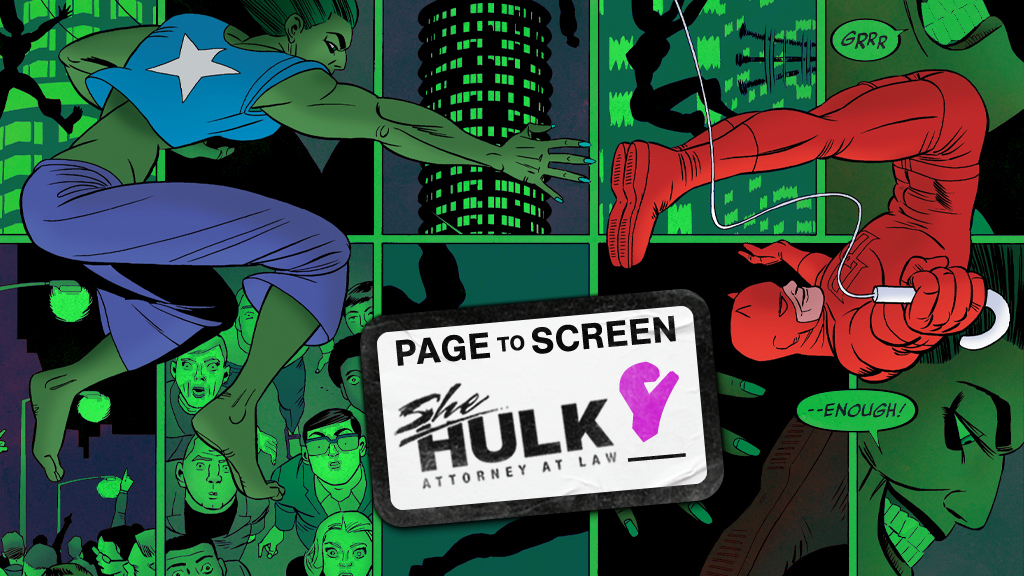
    Welcome back to yet another From page to Screen focusing on She-Hulk: Attorney at LawIn the show’s first week, we looked at the differences between the comics’ and series’ versions of Jennifer Walters’ origin story. The following week, viewers got a live-action introduction to Jen’s new legal job, taken straight out of Dan Slott’s and Juan Bobillo’s 2004 She-Hulk run—Goodman, Lieber, Kurtzberg & Holliway (GLK&H). Episode 3 introduced a reimagined version of comic book villains, in its fourth week, the show decided to focus on Jen’s love life and, the following week, on Jen’s nemesis, Titania. Episode 6, being a “self-contained wedding episode” was approached as its own thing while referencing a lackluster comic arc where Jen ended up being engaged herself. As for episode 7, with the introduction of Man-BullEl Águila, and Porcupine, we took a look at other She-Hulk villains that could be showing up down the line.

    Episode 8 gave us the long-awaited Matt Murdock / Daredevil appearance, which bore some similarities with The Good Old Days story arc featured in the 2014/15 Charles Soule She-Hulk run. Soule, who like Walters and Murdock is an attorney himself, got both characters meeting on opposing sides of the court with a slightly different setup than what we got in She-Hulk: Attorney at Law.

    Marvel Studios’ She-Hulk: Attorney at Law Episode 8
    Marvel Studios’ She-Hulk: Attorney at Law Episode 8

    In the show, Jen was oblivious as to who Murdock was, to the point of directing a “Who is this asshole?” to the camera. She later looked him up ahead of their meeting at the bar, but not only was she initially unaware of who Matt was, but she also had no idea Daredevil was even a thing. In the comic, they were already familiar with each other, so much so that even previously in the same run, Jen had gone to Matt looking for some legal advice when dealing with a case involving Doctor Doom and his son, Kristoff Vernard. She then sought to do the same when defending Captain America only to be turned down in a way that only made sense a few pages ahead when she enters the courtroom and finds Matt as the opposing counsel. Unlike in the show, the shock of him being there isn’t only on the reader/viewer but especially on her.

    She-Hulk #8 (2014)

    There is a lot more lawyering in the comic than in the show, with Jen’s client being a bit more high profile than Leapfrog. Captain America, who had recently seen the Super-Soldier Serum within his body being neutralized (in the Rick Remender run that would lead to Sam Wilson becoming the new Captain America), was being charged with wrongful death in a civil suit and had approached Jen to be the one to represent him. Murdock was then the attorney for the plaintiff, looking to get Steve Rogers convicted of the role he played in the death of his friend Samuel in the 1940s, a few years before Rogers was even Captain America.

    Marvel Studios’ She-Hulk: Attorney at Law Episode 8
    Marvel Studios’ She-Hulk: Attorney at Law Episode 8

    Little did both Walters and Murdock know that Steve Rogers was (sort of) playing both sides. With his old age, he had enemies that would want to tarnish his legacy once he’d be gone, and that meant setting up the whole lawsuit situation. It wasn’t like he could just send in the Avengers to punch their way out of it since that would make it seem that he was indeed guilty of all charges. He had to find another way to not only avoid a conviction but to completely discredit the entire case. He then managed to get Murdock involved so that, in the public eye, everything was being done in order to convict him since Matt was regarded as being one of the best. As for Jennifer, as hard as he wanted Matt to go, he also needed someone equally as good on his side since, in his own words “I didn’t want to lose, you know.”

    She-Hulk #9 (2014)
    She-Hulk #9 (2014)

    Outside the courtroom, their late-night encounter also played a bit differently. In She-Hulk: Attorney at Law Jennifer left her apartment when trying to protect her client from being attacked, leading to her first confrontation with Daredevil and the eventual disclosure that Murdock was behind the mask.

    Marvel Studios’ She-Hulk: Attorney at Law Episode 8
    Marvel Studios’ She-Hulk: Attorney at Law Episode 8

    In the comic, it was Matt that came to Jennifer in order to get her out of the house and into the Los Angeles night sky. But even if he felt that they both should unwind following an entire day stuck in a courtroom, dealing with a case that both were having a bit of trouble adjusting to, his true purpose was to try and free Jen of the feeling that Cap should be above the law, and that his conviction should be taken as a real possibility. It is here that Matt tells Jennifer that when he was asked to step into the role of prosecutor, Cap was the one who ok’d it, making Murdock promise not to pull any punches. This made it seem, for both Jen and Matt, that Cap might actually be guilty after all, and that it was all a weird way of him finally coming clean about past mistakes.

    She-Hulk #9 (2014)

    In the TV show, their late-night exploits lead them to Leapfrog’s secret-not-so-secret lair. After Matt explains that Patilio kidnapped Luke Jacobson the two work together to rescue the latter. They make quick work of the goons/henchmen defending the premises and get Jacobson to safety without breaking a sweat.

    Marvel Studios’ She-Hulk: Attorney at Law Episode 8
    Marvel Studios’ She-Hulk: Attorney at Law Episode 8

    There’s a very similar occurrence in the comics that happens once the case was settled (go read the comics to know exactly how that transpired). We also got a Daredevil / She-Hulk team-up when Steve Rogers seemingly figures who might have been the mastermind behind the entire lawsuit situation. Dr. Faustus, an Austrian specialist in psychological manipulation seemingly had access to old Nazi information from the ’40s and was able to explore the events in order to hurt Cap’s image. When faced with this information, Jen and Matt do not hesitate and, with the case already closed, have no issue with breaking into Faustus’ compound and, much like in the show, getting it done in the blink of an eye.

    She-Hulk #10 (2014)

    In She-Hulk: Attorney at Law, following their day together—first in the courtroom, then at the bar, and finally rescuing Jacobson—Jen and Matt start making plans to meet up again after he goes back to New York since that would be his last night in LA. But, unlike in the comic run, that night out never happened since they skipped all of that and just…

    Marvel Studios’ She-Hulk: Attorney at Law Episode 8
    Marvel Studios’ She-Hulk: Attorney at Law Episode 8

    In the book, it was almost the reverse situation. They also found themselves on the west coast (San Francisco, not LA, where Matt was living at the time) but it was Jen that had to go back to her practice in New York. When realizing that that would be her last night in town, Matt also asks Jen out, and they do end up going out, just not in the usual sense.

    She-Hulk #4 (2014)

    The first eight She-Hulk: Attorney at Law episodes are now streaming only on Disney+.

  • Jessica Gao Discusses Daredevil-Centric ‘She-Hulk’ Episode

    Jessica Gao Discusses Daredevil-Centric ‘She-Hulk’ Episode

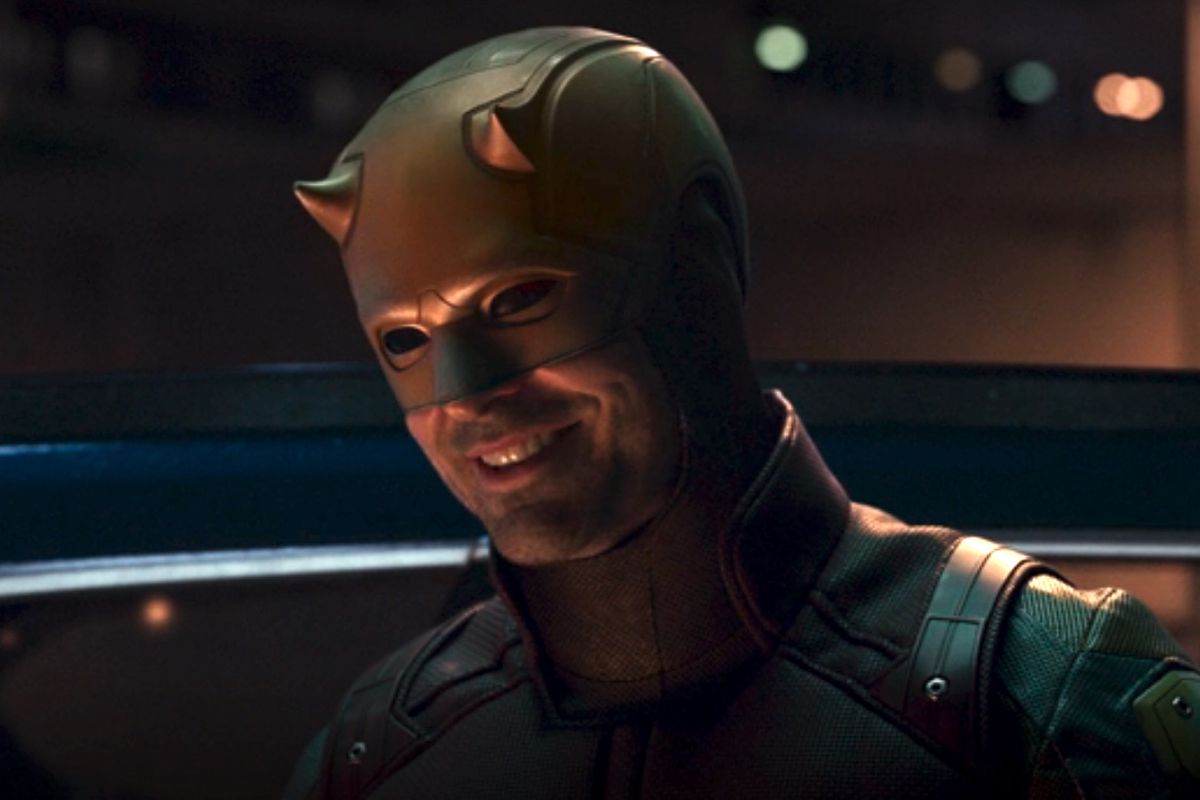
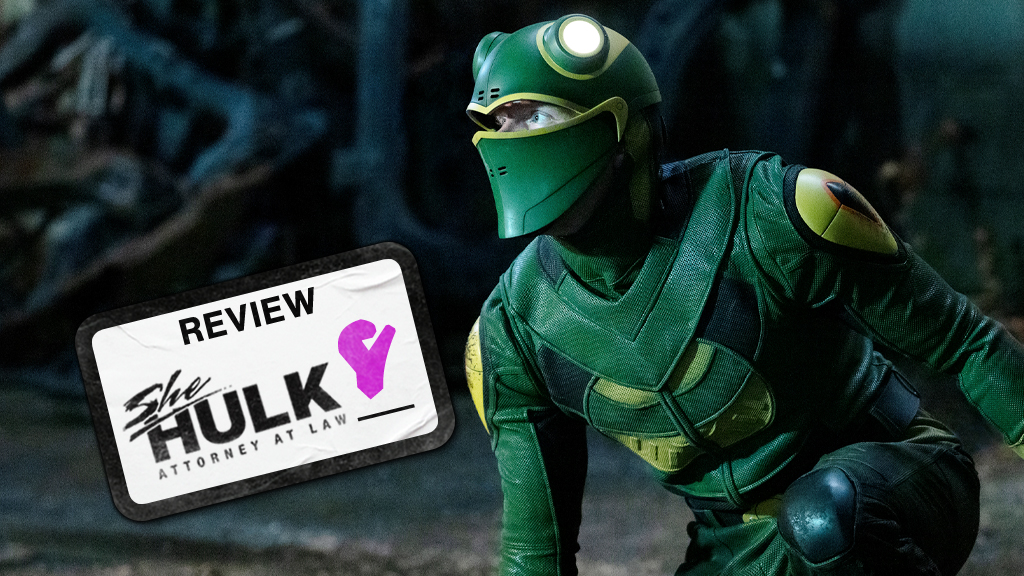
    The moment a large swath of Marvel fans had been waiting for finally arrived last week: Frog-Man made his Marvel Cinematic Universe debut. In addition, the penultimate episode of She-Hulk: Attorney at Law saw Charlie Cox return to the Marvel Cinematic Universe as both halves of Matthew Murdock and Daredevil. The episode has thus far been met with overall rave reviews for Daredevil’s appearance and how much he fits in the world of She-Hulk. And this is certainly a concept that was prevalent as far back as the writer’s room for the series as confirmed by Jessica Gao.

    It just made so much sense that he would be on this show because both he and Jen are lawyers by day, Super Heroes outside of the office, even though Jen is doing it reluctantly. What better character to kind of show how this struggle she’s having is possible?

    Jessica Gao

    This episode especially did a strong job of creating a strong dynamic between the two characters in each of the different settings they intertwine. A large portion of credit belongs to the episode’s writer Cody Ziglar for successfully translating Matthew Murdock, the spirit of the Netflix adaptation of the character, and the aesthetic of Mark Waid’s comic run. And the notion of comic accuracy was taken into account according to Gao.

    When we first heard that we could use Daredevil and we started trying to break this episode, during that first conversation, at one point, Cody (Ziglar) pulled a Daredevil comic out of his backpack. It was somehow already opened to the page he was talking about and was waving it around and pointing at the panels that he was referring to. So this episode was written by somebody with a lot of Daredevil love.

    Jessica Gao

    Charlie Cox is confirmed to be returning in Daredevil: Born Again in the Spring of 2024 (with reports that production will begin in New York City early next year). The eight-episode of She-Hulk: Attorney at Law is now streaming on Disney+ with the finale scheduled to release on October 13.

    Source: Marvel

  • The Case for More ‘Marvel Studios Special Presentations’

    The Case for More ‘Marvel Studios Special Presentations’

    With the release of Werewolf By Night, Marvel Studios has given us yet another format in which to experience and further explore the MCU. Following feature films, one-shots, and TV shows, fans have now been treated to its first Special Presentation, with The Guardians of the Galaxy Holiday Special, Marvel’s second go at the format, just a few weeks away. And one thing is certain: if it ends up being as well received as Werewolf By Night has been, the demand for further projects within the same framework is bound to rise.

    James Gunn has stated that his upcoming Holiday Special will be under 40 minutes in length and considering that Werewolf clocks in at around 48 minutes (not counting end-credits) the basic parameters for this kind of project seem to be fairly straightforward. Tv-episode-length with a higher budget, and a more concise and focused script than a feature film. Could this structure become the go-to format for Marvel Studios when it comes to their Disney+ content? As with many debates, the truth usually lies somewhere in the middle.

    Considering how most Marvel Studios Disney+ shows have been a bit lackluster, there is no doubt that there is still work to be done when adapting the MCU to an episodic format. The Special Presentation type of show does allow Marvel to keep its feature film formula—a formula that works more often than not—a bit more intact, but while that may serve particular stories, there is still much that can be gained by giving certain characters and storylines additional room to breathe by going the 6+ episode route. If anything, Special Presentations allow Marvel to have a sort of middle-ground between a feature film and a TV show, so that when the story does ask for a shorter runtime but still not garnering sufficient relevance for the big screen there is still a way to make it work. It wouldn’t be hard to picture a series like The Falcon and the Winter Soldier being developed as a one-hour tv special, telling the story of how both Sam and Bucky went from Endgame to Captain America: New World Order and Thunderbolts, respectively. The same case could be made for Hawkeye that, as FatWS, would take advantage of previously established characters to streamline the narrative, swiftly leading into the next project. WandaVision would perhaps be the exception since it took the episodic format to heart and made it intrinsic to its essence. As for all Marvel Studios series introducing titular heroes, along with their own set of side characters, from Moon Knight to Ms. Marvel and She-Hulk, the longer runtime provided by several episodes seems completely warranted. Taking time to properly explore their origin, in their own corner of the MCU, without all the noise provided by the evergrowing mob of characters that will eventually engulf them seems fair.

    But while the story itself should be the main reason when choosing what format to go with, there are also more specific points working in favor of the new format. For one: talent availability. With the success of the Marvel formula, the franchise is either attracting A-listers to its key roles or turning unknown actors into household names. In either case, unless previously signed contracts so dictate, it will become increasingly hard to get the desired names to be completely available for the time that it takes to shoot the usual 6 to 9 episodes of a regular Marvel Studios series. By having the Special Presentation format available, the studios could keep production schedules shorter, stars happier, and probably even bring about a bit more of that Strange Alchemy that the Russo Brothers valued so much (something that happens when characters who never interacted in previous projects share the screen for the first time) by making everyone’s schedule a bit more team-up prone.

    There is also another issue, especially relevant when it comes to streaming services, that the Special Presentation format sort of bypasses, not on its own but due to the sheer volume of premium original Disney+ content. The importance of keeping active subscribers all-year round is a big reason for investing in episodic series to be a good business model. But since Disney+ already has other equally massive franchises that are aiming at pumping out content frequently, there is no reason for Disney, when looking at the bigger picture, to not be ok with a few Marvel shows becoming glorified one-shots and not having to drive online discourse for several weeks since there are other shows that will keep subscribers busy for that same period.

    What is perhaps a bit more dubious, but that could actually be a reality, is what the shorter runtime (when compared to a TV series) might do in terms of rewatchability and how that relates to the ease with which Marvel properties have been able to enter the cultural zeitgeist since 2008. For years Marvel Studios made…movies. Fans had to wait months in-between projects and what did they do when a new one was about to premiere? They rewatched the previous ones. And with that, everything about the movies permeated the discourse, from the biggest set pieces to the smallest of dialogue lines. It feels difficult for the same thing to happen when instead of 120 minutes that can be easily experienced over, and over again, fans have to sit through double that same amount of time, especially when there is always something new coming right up. By trimming the actual minutes of content being released, Marvel might be doing themselves a favor since instead of trending due to having constantly something new out, they might give fans the pause to reconnect with the material in a way that’s way more sustainable in the long run, thus imbuing Marvel Studios projects with what made them relevant to begin with.

    As for what the future holds for the Special Presentation format, only time can tell. But things are seemingly on the right track for it to become an MCU staple on Disney+.

  • REVIEW: ‘She-Hulk: Attorney at Law’ Episode 8

    REVIEW: ‘She-Hulk: Attorney at Law’ Episode 8

    Given the fact that She-Hulk: Attorney at Law has received rather positive reviews each week, it feels somewhat monotonous to call “Ribbit and Rip It” the best episode of the series—but it cannot be avoided. Of course, the character ensemble in Episode 8 seems instantly iconic, but the episode hit every beat it could: lawyer, superhero, Daredevil, sexy hilarious, and dark. This episode can only be thoroughly enjoyed and yet it still ends on the heaviest and most cliff-hanging note of the series.

    All eyes are on Charlie Cox’s return as Daredevil in the character’s first MCU appearance. While this is She-Hulk’s show—as we are reminded—anyone who tries to suggest that he was not the highlight of the episode is lying. Predictably, Jennifer Walters and Matt Murdock meet in court on opposing sides before meeting as superheroes. Cox truly embodies the role, and his love for the character and the return is incredibly palpable. Quite honestly, he came across as substantially more charismatic than the character has previously been—and that is a high compliment. Daredevil is lighter than fans of only the Daredevil Netflix show may be used to, but being funny as hell does not take away from the rest of the character which was on full display. Those that will continue to scream into the void about She-Hulk ruining Daredevil are on another planet.

    While Murdock was the biggest player, Episode 8 highlights that She-Hulk works best when the titular character has a colorful cast to play around with. Leapfrog and Jacobson held their own in such a high-profile episode, and the ultimate result of all the moving pieces was sublimely paced, extremely funny, and it felt like a much bigger and more exciting show than it had been until now. Obviously, She-Hulk as a bona fide superhero is new and played a major role in that. The chemistry between Jen and Matt—presumably aided by the chemistry between Tatiana Maslany and Cox—created the best pairing of characters in a series riddled with great character interactions.

    Despite being an overwhelmingly fun episode, the penultimate episode landed on a dark note with haste to lead into the finale. She-Hulk has not been shy about weaving in themes and jokes surrounding misogyny, but it felt like the darker elements that existed within the show truly hit in full force all at once. It is not easy to compete with Daredevil in an episode, but the ending managed to put up an impressive fight in that regard. Not only did Jen have her entire private life broadcast to everyone during what was perhaps the greatest moment of her career, but it came in the form of sexual shame and revenge porn—activities that tend to almost exclusively attack and cause extreme harm to women. The word “slut” is not uncommon in reality, but even in the context of She-Hulk it landed with a thud. The dark brilliance of the sequence is that She-Hulk, who is ordinarily invincible, can be a vulnerable target to destroy because she is a woman and there are dedicated ways for someone to pursue that without any kind of confrontation. We see Jen lose control of her anger—finally calling back to the first episode—becoming an enemy and a monster regardless of how justified and ordinary that level of anger would be in that situation.

    At the end of the day, Episode 8 managed to do everything She-Hulk can seemingly tackle and pull off in just one episode. Daredevil’s introduction to the MCU was beautiful, and this episode does quite a lot for the character going forward. Even though the penultimate episode was almost certainly the most entertaining and witty episode of the entire series (and it is hard to see how the finale can top it), it also ended on the darkest and most emotional beat yet. Before the last few minutes, the fact that the finale was right around the corner felt rather empty. There is still a very minimal underlying HulkKing plot, but for the first time, it actually feels important to She-Hulk. It may very likely go on to set up other Hulk-related MCU projects in the future, but the damage inflicted to the main character from it is now the driving force of the remainder of the series. The finale is still a mysterious concept given the format of the show, but Episode 8 finally begins to truly define the hero She-Hulk will be in the MCU.

  • ‘She-Hulk’ Makes a Major Change to the MCU Landscape, Hint at Possible Cap 4 Connections

    ‘She-Hulk’ Makes a Major Change to the MCU Landscape, Hint at Possible Cap 4 Connections

    Billed as a legal comedy and delivered pretty much along those lines, She-Hulk: Attorney At Law didn’t seem like the type of show that would have far-ranging implications for the landscape of the Marvel Cinematic Universe. However, with one episode left to go, it seems that quite a bit of potential has been packed into these shorter episodes. Bruce Banner has left the planet for personal business on Sakaar; Jen’s blood has fallen into the hands of the HulkKing; and a man is running around in a frog suit! As big of a deal as Leap-Frog might seem to have been in Episode 8, “Ribbit and Rip It”, another revelation might end up being a bigger factor down the line.

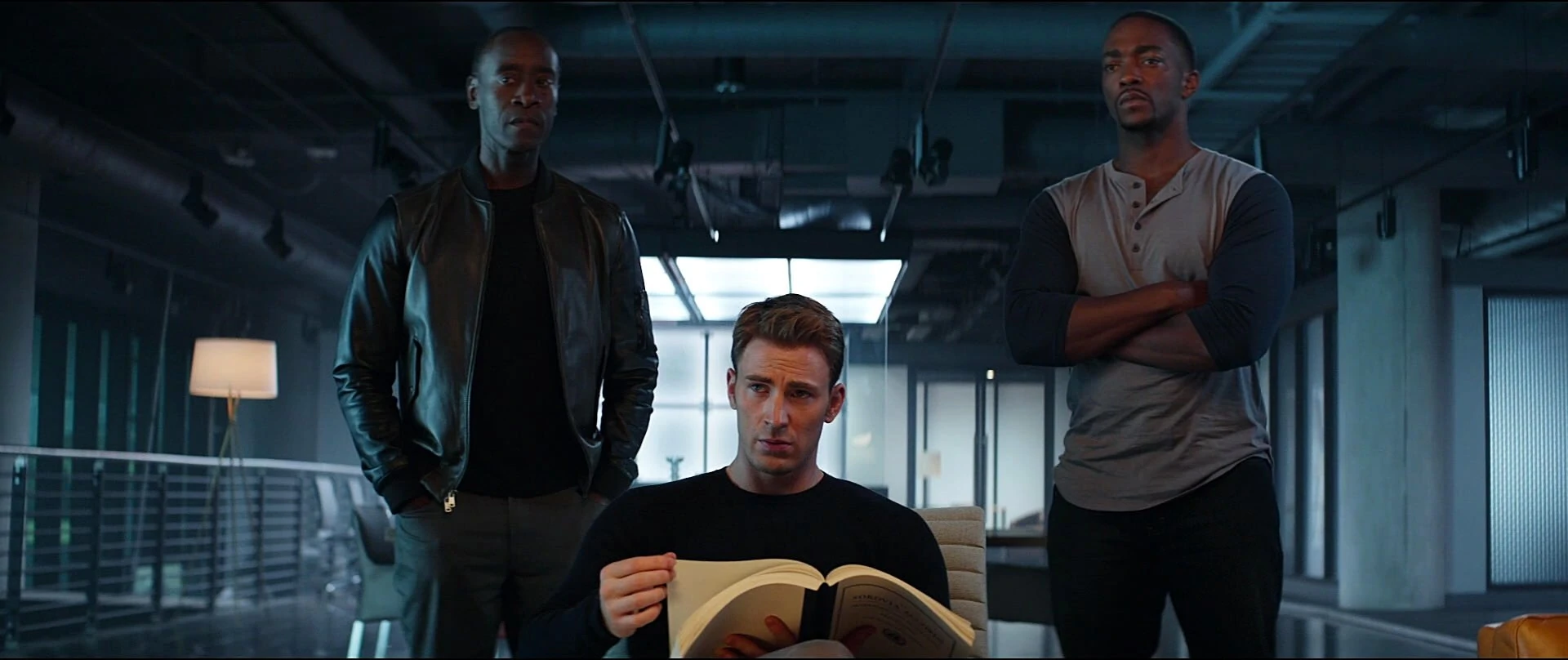
    During Jen’s brief and slightly embarrassing court battle with Matt Murdock, Murdock casually revealed that the Sokovia Accords, which have governed the vigilantism of superheroes since the United Nations adopted them in 2016 following the events in Lagos, Nigeria, have been repealed. The Accords were intended to put an end to the unsanctioned acts of powered individuals and groups, such as the Avengers, by establishing an agreed-upon set of regulations.

    The Accords have been addressed in several projects over the years after having been established in Captain America: Civil War. WandaVision saw a government agency defy them and The Falcon and The Winter Soldier, which was set in 2024, saw them on display in the Smithsonian. So while they might have seemed like a relic of the Infinity Saga, they’ve been kept alive for a reason before being tossed out there again in She-Hulk, which is set in 2025. What good comes from keeping them on the minds of the audience, though, when they’ve largely been ignored since their creation? The answer might be in the fine print.

    By signing the Accords, heroes agreed to a whole mess of things, including:

    • providing a DNA sample
    • revealing their secret identities/legal names
    • power analysis
    • the use of tracking bracelets

    The Accords also prohibited governments from sending powered heroes to other countries without the approval of that country; outlawed the creation of self-aware AIs; outlawed the creation of further superhumans without strict oversight.

    For a line that was interjected into the middle of a fairly fast-paced bit of dialogue by Murdock, the revelation that the Accords no longer govern not only the actions of powered individuals but the CREATION of them seems incredibly important given the fact that Jen’s “better blood” is in the hands of, presumably, the Intelligencia which, presumably, is lead by The Leader. With The Leader recently announced as the villain of Captain America: New World Order, Jen’s tease of a Red Hulk and the long-standing rumors of her blood being used to create multiple Hulks that might face off in a World War Hulk project, the fact that there are now no universally accepted regulations on how to handle these types of situations seems like it is setting the stage for chaos to ensue…and a new order to be established.