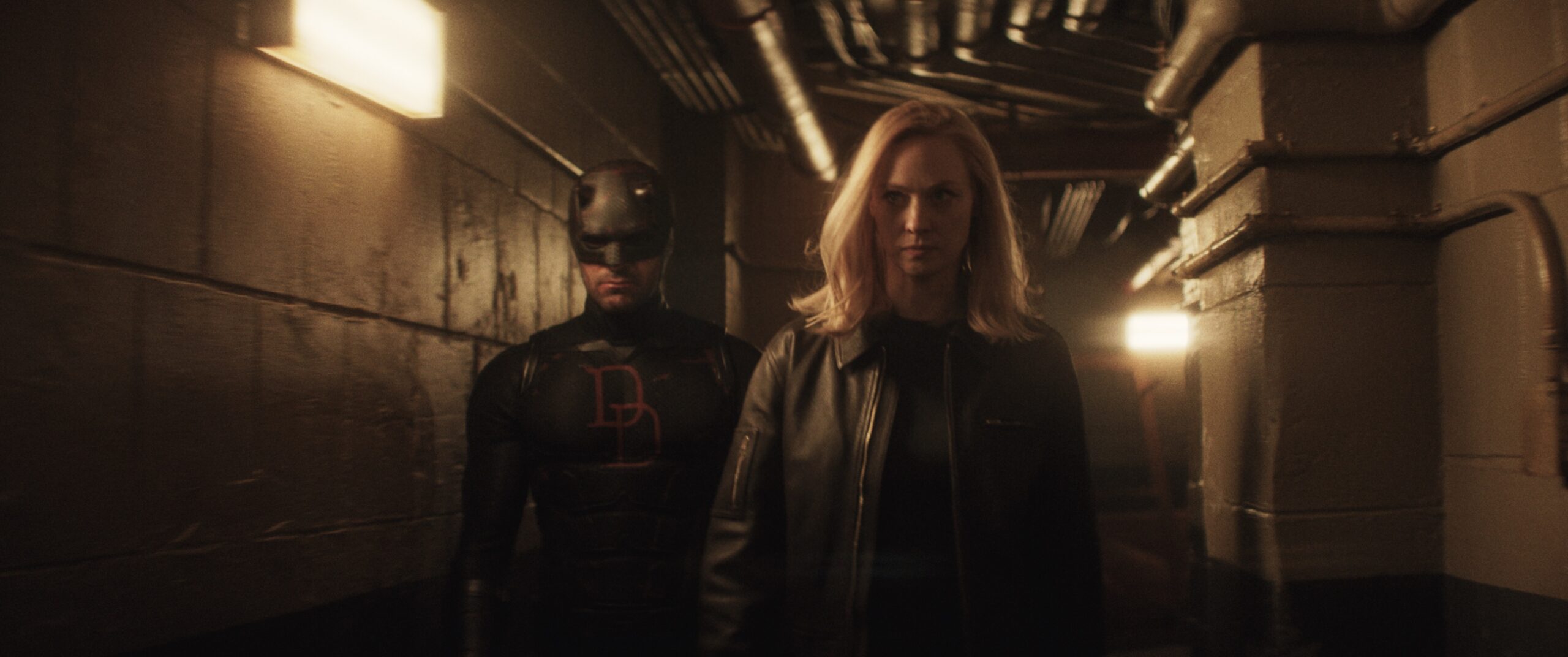
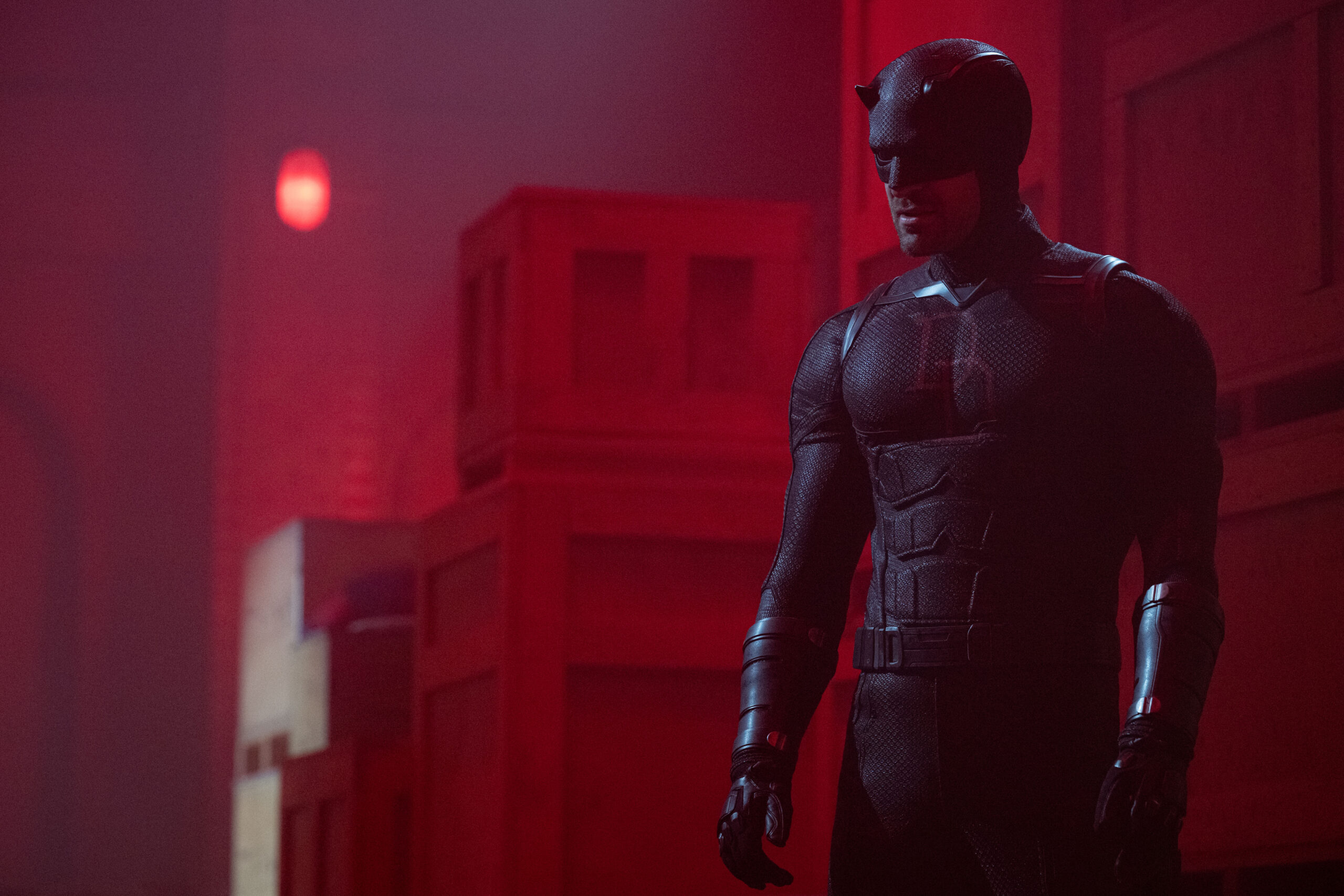
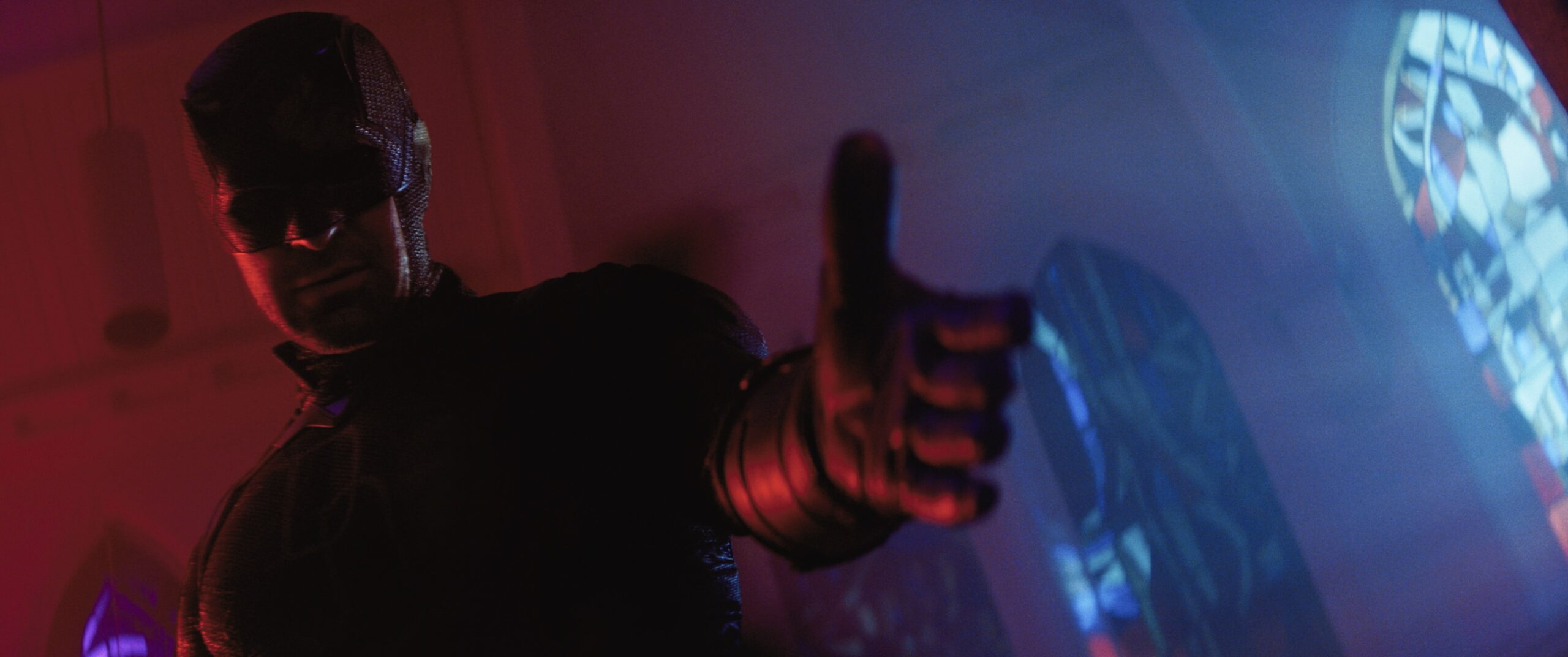
With annual releases becoming a priority for Marvel Television and Daredevil: Born Again serving as the studio’s flagship streaming series, production follows a pretty annual cadence and it’s just about time for cameras to roll on Season 3. As was the case with Season 2, that might mean fans can glean information about the third season of the series before they’ve seen all of Season 2, especially with much of the series filmed in and around New York City.
Moving forward our priorities have shifted. We’re making shows as shows that can exist as annual releases, more like television.
-Brad Winderbaum
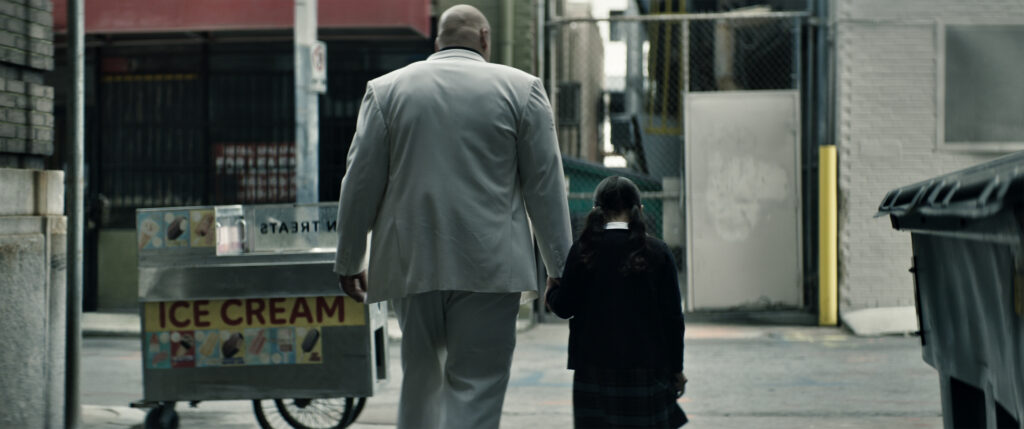
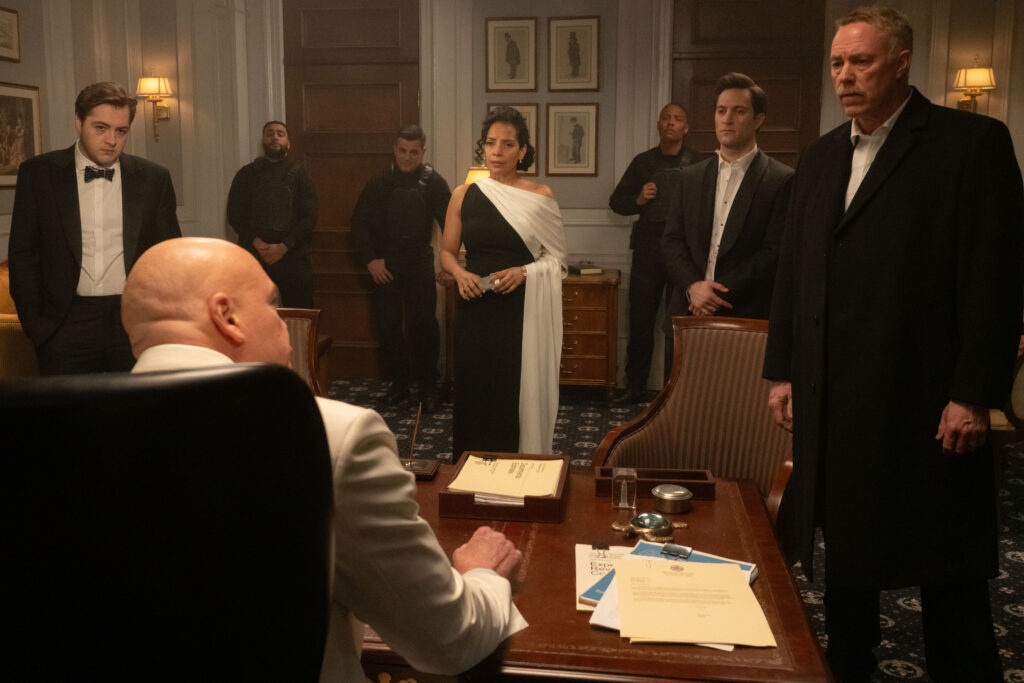
Videos and photos from the NYC sets were plentiful while Season 2 was in production, revealing a city under siege by Mayor Wilson Fisk and his anti-vigilante task force; however, as prep for Season 3 begins, showrunner Dario Scardapane has revealed fans should not expect more of the same.
In an interview with SFX Magazine, Scardapane reveals that the series will be moving away from the Mayor Fisk story, opting to steep the new season in the street-level sauce of one of its iconic creators.
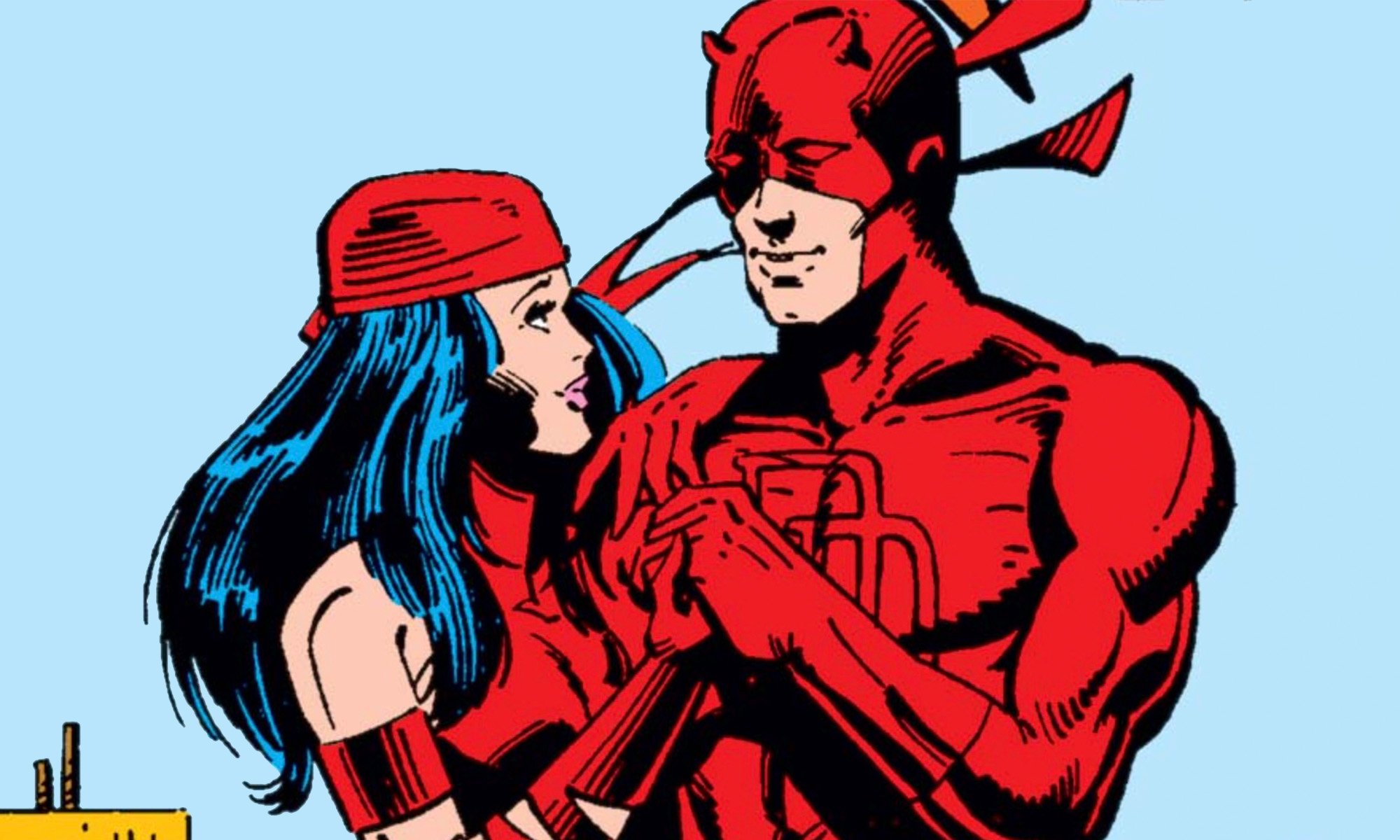
According to Scardapane, after a pair of politically-charged seasons, Daredevil: Born Again will be changing course, with the noir-stylings of Frank Miller as inspiration.
“The playbook is pretty well established, so when we were writing this stuff we were like, ‘Here’s what he does.’ The anti-vigilante task force is part of the comics. We built them and costumed them based on the comics. There are a few sequences that were shot a year ago that could be off the news, and it’s weirding all of us out,” explained Scardapane.
“Stan Lee once said that he wanted to make his comic books a reflection of the world you saw outside your window. Then I also believe that what’s fun about the genre, and definitely fun in working with superheroes, is you’re dealing with huge archetypes, almost mythological characters, and that’s fun writing,” Scardapane continued, foreshadowing a significant change of pace for Season 3.
“Getting into the realm of politics, New York politics, the Game of Thrones intrigue behind the scenes… okay, that’s fun too, but as it becomes almost too topical it feels like it’s going away from the large, mythological genre stuff,” he explained before adding that Season 2 will put a bow on the Mayor Fisk arc.
So as we finish up the Mayor Fisk run with season 2, as that storyline comes to its inevitable conclusion, what we’re doing going forward feels more like a return to the [Frank] Miller-era comics. So yeah, it was fun to play in the realm of politics but I like something a little more street level, personally.
-Dario Scardapane
Though he only wrote 30 issues of Daredevil, Miller’s work redefined the book by introducing Elektra and The Hand, and focusing on a more cynical and fatalistic approach to comics. With little to mine from Miller’s work, it certainly seems possible that rumors of the return of Elektra to the series, perhaps this time as an adversary to Daredevil, seem increasingly plausible.
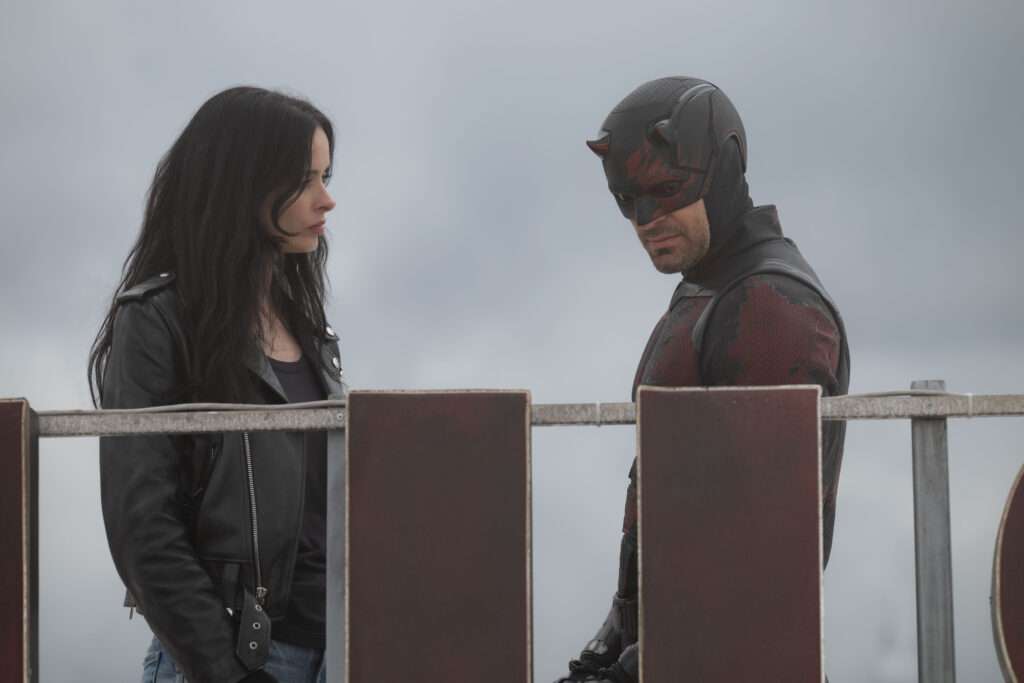
Like Castle, Jones will be teaming up with Daredevil to take on Wilson Fisk as Mayor Kingpin looks to tighten his grip on New York City. If you’re looking to catch up on some of the major storylines that might intersect during the new season, we’ve got you covered with…The Ultimate List of What to Watch Before Daredevil: Born Again Season 2!
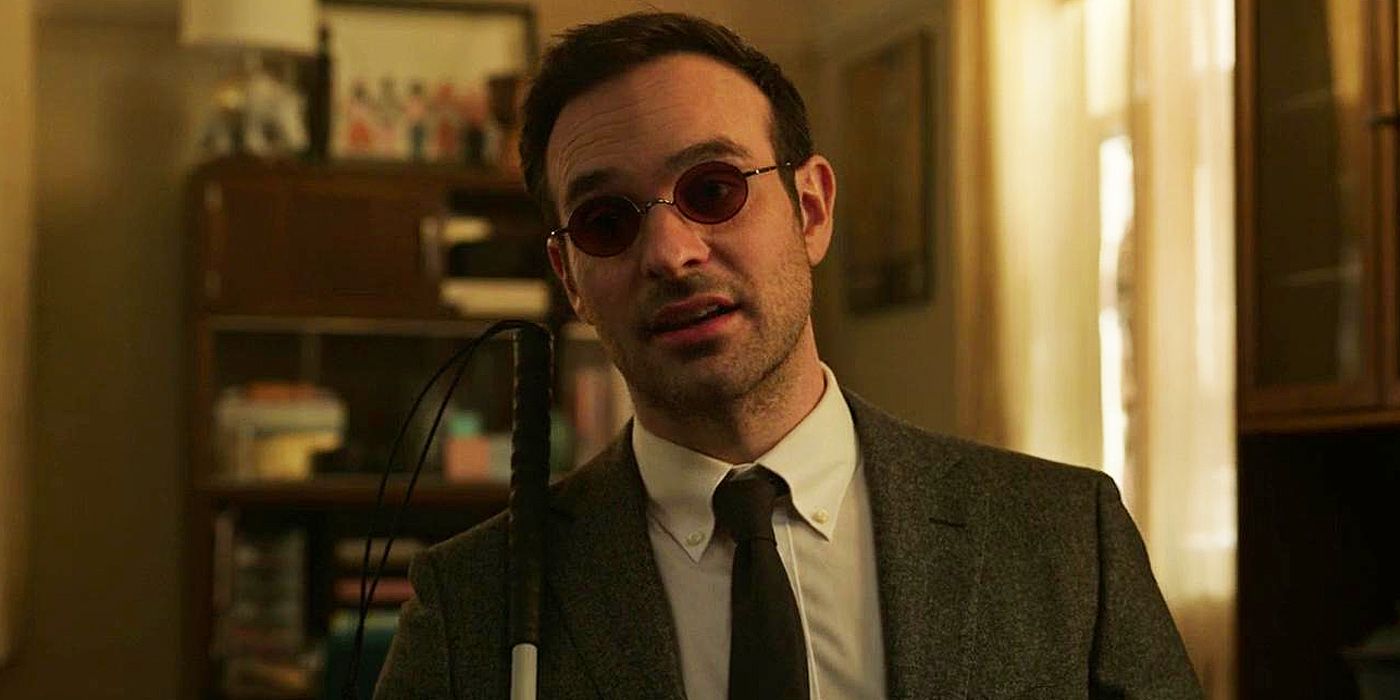
Daredevil follows Matt Murdock, attorney by day and vigilante by night. Blinded in an accident as a child, Murdock uses his heightened senses as Daredevil, fighting crime on the streets of New York after the sun goes down. His efforts are not welcomed by Wilson Fisk — aka Kingpin — and others whose interests collide with those of Daredevil. Though Murdock’s day job portrays a man who believes in the criminal justice system, his alter ego suggests otherwise, as he takes the law into his own hands to protect his neighborhood.
_Official synopsis for Daredevil, via Disney Plus
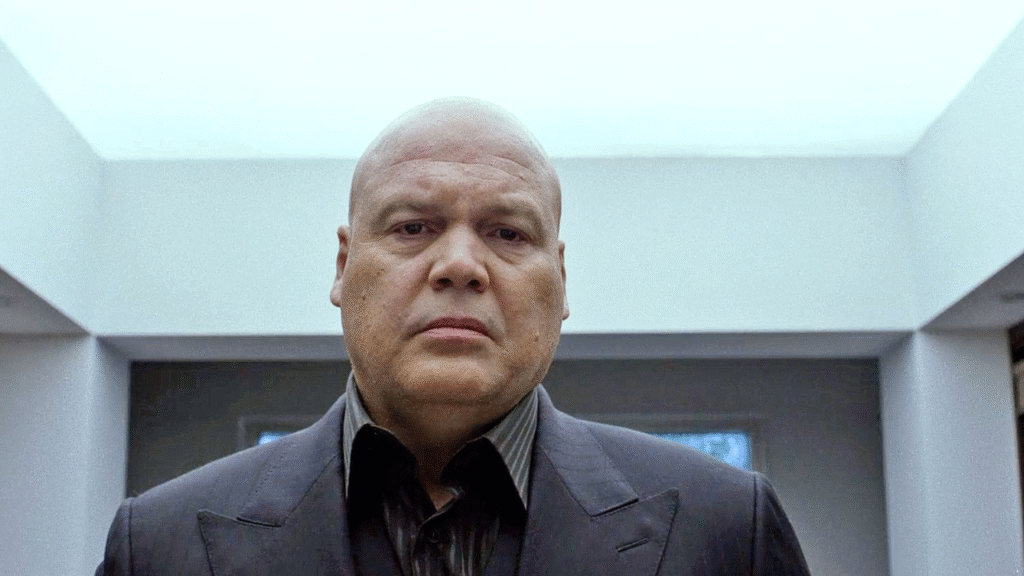
Wilson Fisk isn’t just a crime boss anymore; he’s an institution. In Season 1, we saw him consolidate power and launch the Anti-Vigilante Task Force (AVTF). Heading into Season 2, he is no longer running for office—he is running the city, and his first order of business is ensuring there is no room left for a Devil in Hell’s Kitchen.
Daredevil, Season 1 (2015)
🍅 99%
In the inaugural season of Daredevil, Wilson Fisk wasn’t just a villain; he was a dark mirror held up to Matt Murdock’s own ambitions for Hell’s Kitchen. If you’re tracking the DNA of the current Mayor of New York, it all starts here, in the shadows of a city he claimed to love while simultaneously tearing it apart.
When we first meet Fisk, he is a ghost—a name that causes men to commit suicide rather than speak it. He isn’t interested in being a crime lord in the traditional sense; he views himself as a visionary philanthropist. His goal in Season 1 was to gentrify Hell’s Kitchen by any means necessary—extortion, murder, and the systematic demolition of the neighborhood’s soul to build something pristine in its place. The most critical thread from Season 1 that weaves into Born Again is his relationship with Vanessa Marianna. She is the anchor that prevents him from being a mindless beast and instead turns him into a calculated tactician. His vulnerability through her is exactly what Matt Murdock eventually exploits, leading to the “mutually assured destruction” pact that defined their rivalry for years. Long before he was a politician, Fisk was practicing his stump speech. In Season 1, he attempted to step into the light as a Good Samaritan to counter the narrative of the masked vigilante. This was the beta test for his 2026 Mayoral campaign. He learned early on that public perception is more powerful than even his brute strength.
Runtime: 11 hours and 40 minutes
Murphy’s Memo: If you want to understand why Fisk is so effective as Mayor, watch 1.08, “Shadows in the Glass.” It’s the definitive look at the trauma that shaped the monster that now runs the greatest city in the world.
Daredevil, Season 2 (2016)
🍅 81%
While Season 1 was about Fisk building an empire, Season 2—specifically his stint in Ryker’s Island—was about him mastering the art of the long game. Even behind bars, Fisk proved that a cage is just another room to run a business from. Indeed, Wilson Fisk’s Season 2 arc may ultimately have proven to be the secret ingredient to his eventual Mayoral win.
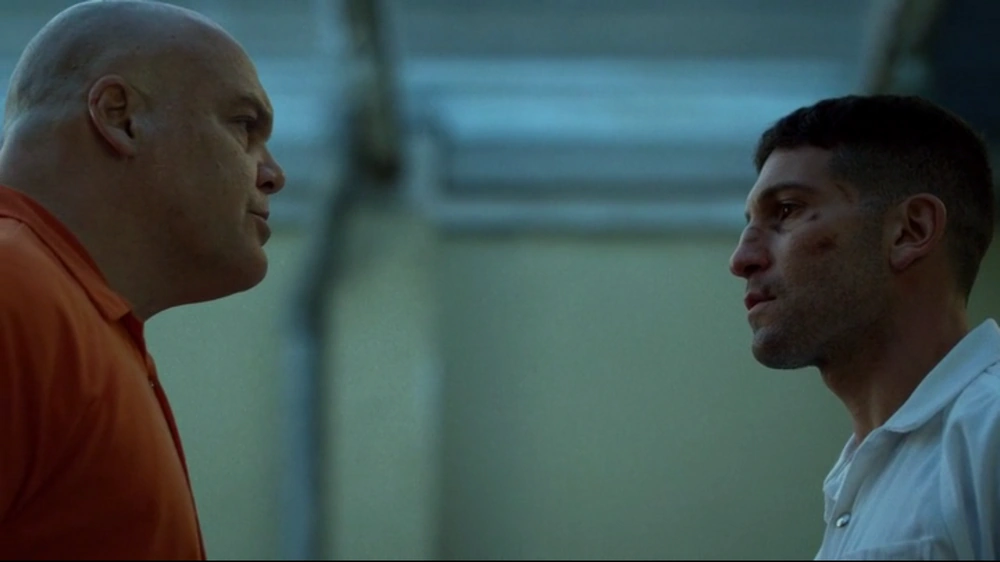
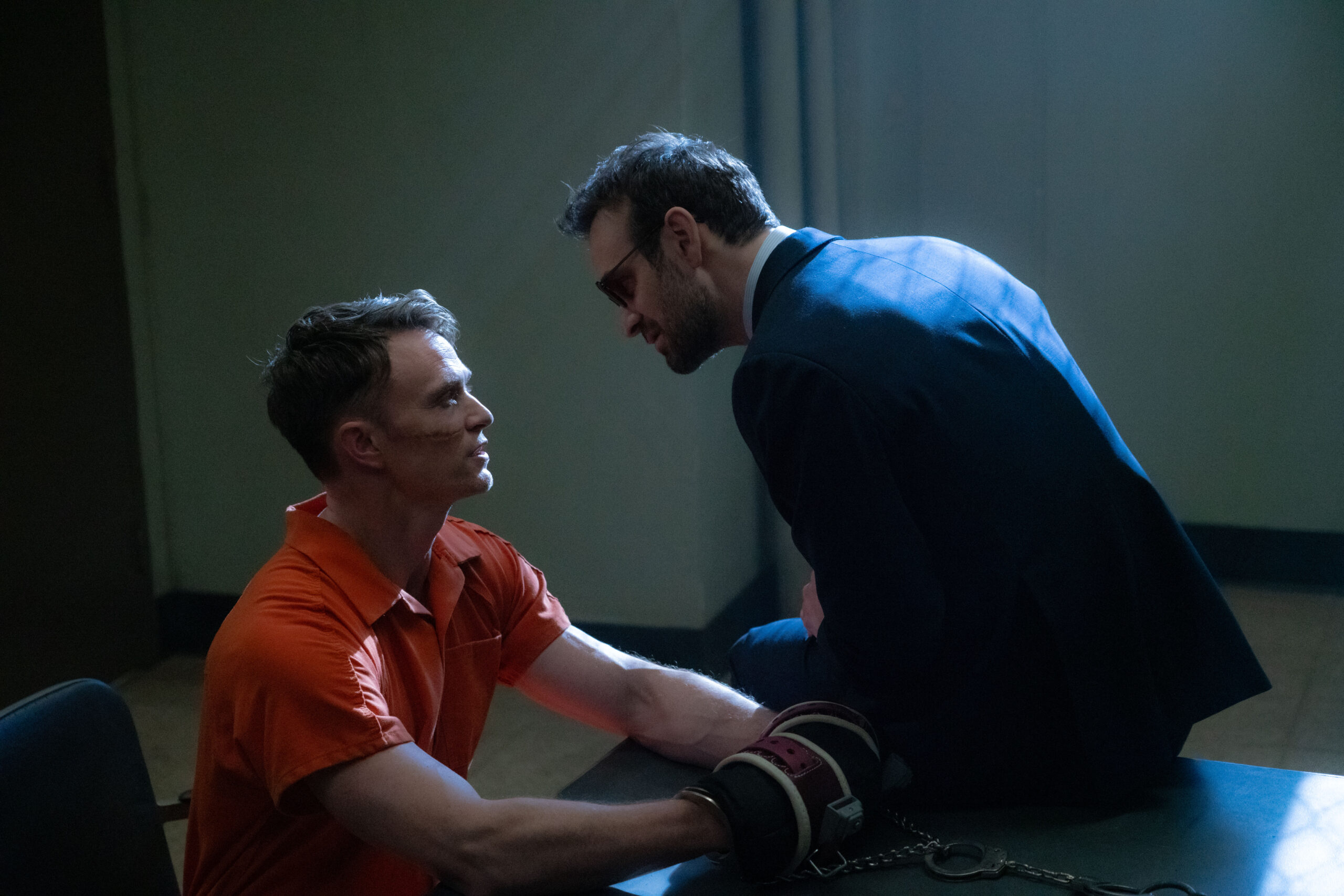
Fisk begins Season 2 at his lowest point, but he doesn’t stay there long. This season is a masterclass in institutional capture. He doesn’t fight the prison system; he buys it. By the time Frank Castle arrives on the scene, Fisk has already turned the guards into his personal security detail and the inmates into his infantry: he is the Kingpin of Ryker’s. The most pivotal moment for the future of the MCU’s New York happens in a blood-soaked prison hallway. Fisk manipulates the Punisher into eliminating a rival, effectively handing Fisk total control of the prison’s black market. This taught Fisk a lesson he uses as Mayor: vigilantes are tools. He realizes that a man of action like Castle can be pointed at a problem to solve it, a tactic we see him replicate in Born Again by weaponizing official task forces to do his dirty work under the color of law. The brief, violent meeting between Matt and Fisk in the prison visitation room is the spark for Born Again. When Matt threatens Vanessa’s safety, the Good Samaritan facade officially dies. Fisk doesn’t just want to beat Matt anymore; he wants to destroy the very idea of a hero. This interaction is where Fisk realizes that to truly win, he has to change the rules of the city so that Matt’s brand of justice is no longer just illegal, but obsolete.
Runtime: 12 hours and 15 minutes
Murphy’s Memo: If you’re short on time, skip toEpisode 9, “Seven Minutes in Heaven.” It’s the definitive look at Fisk’s transition from a businessman to the Kingpin. It’s the blueprint for how he eventually treats New York City: as a prison where he holds all the keys.
Daredevil, Season 3 (2018)
🍅 97%
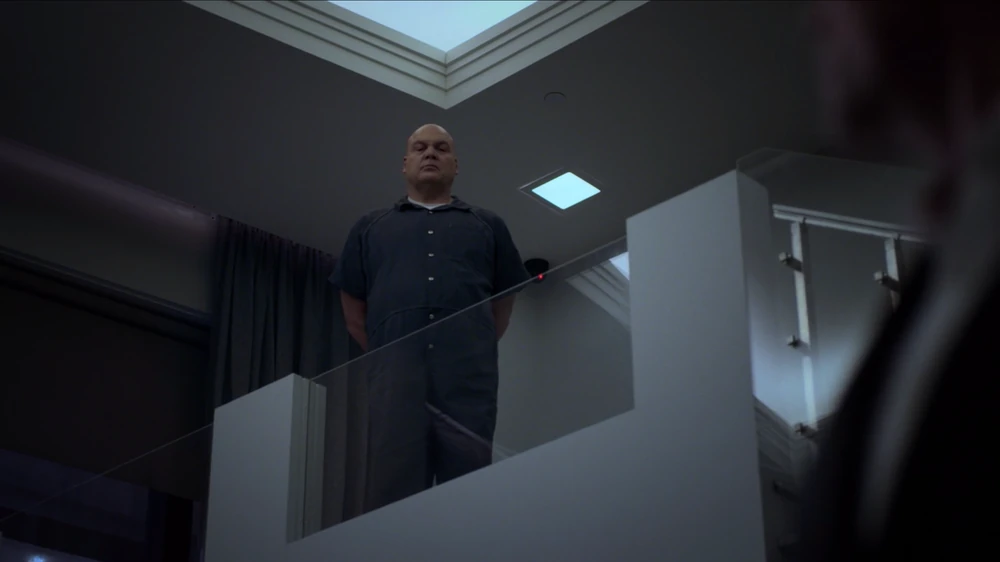
In Season 3, Fisk orchestrates a move from Ryker’s to a luxury penthouse by turning the FBI into his personal concierge service. He paints himself as a victim of the system and a cooperator helping the government take down even worse criminals. He realizes that if you can control the narrative, you don’t have to hide in the shadows. He begins to position himself as a man who was unfairly persecuted by vigilantes and a corrupt legal system—a platform he eventually rides all the way to City Hall.
Of course, Fisk’s greatest achievement in Season 3 wasn’t beating Daredevil; it was corrupting Benjamin Poindexter. By turning a decorated federal agent into a mass murderer dressed as Daredevil, Fisk effectively turned the public against their hero. The season ends with Fisk back in a cell, but the damage was already done. He had successfully mapped out the corruptibility of every major institution in New York—the courts, the FBI, and the press. When he returns to the public eye in Born Again, he isn’t trying to corrupt the system from the outside anymore; he has become the system.
Runtime: 11 hours and 15 minutes
Murphy’s Memo: If you want to see Fisk at his most terrifyingly brilliant, watch Episode 4, “Blindsided.” It’s the famous one-take prison riot, but more importantly, it shows the sheer scale of his influence. It proves that even when he’s losing, Wilson Fisk is always three moves ahead of the Devil of Hell’s Kitchen.
Hawkeye (2021)
🍅 92%
Following the events of DaredevilSeason 3, Fisk was supposedly neutralized. Matt Murdock had him pinned with a mutually assured destruction pact involving Vanessa. But as we’ve seen in the MCU, the Blip changed the rules of the game. While the world was mourning half its population, Fisk was quietly rebuilding. By the time we catch up with him in Hawkeye, he’s no longer just a rumor in Hell’s Kitchen; he’s a man looking to reclaim a city that belongs to him.
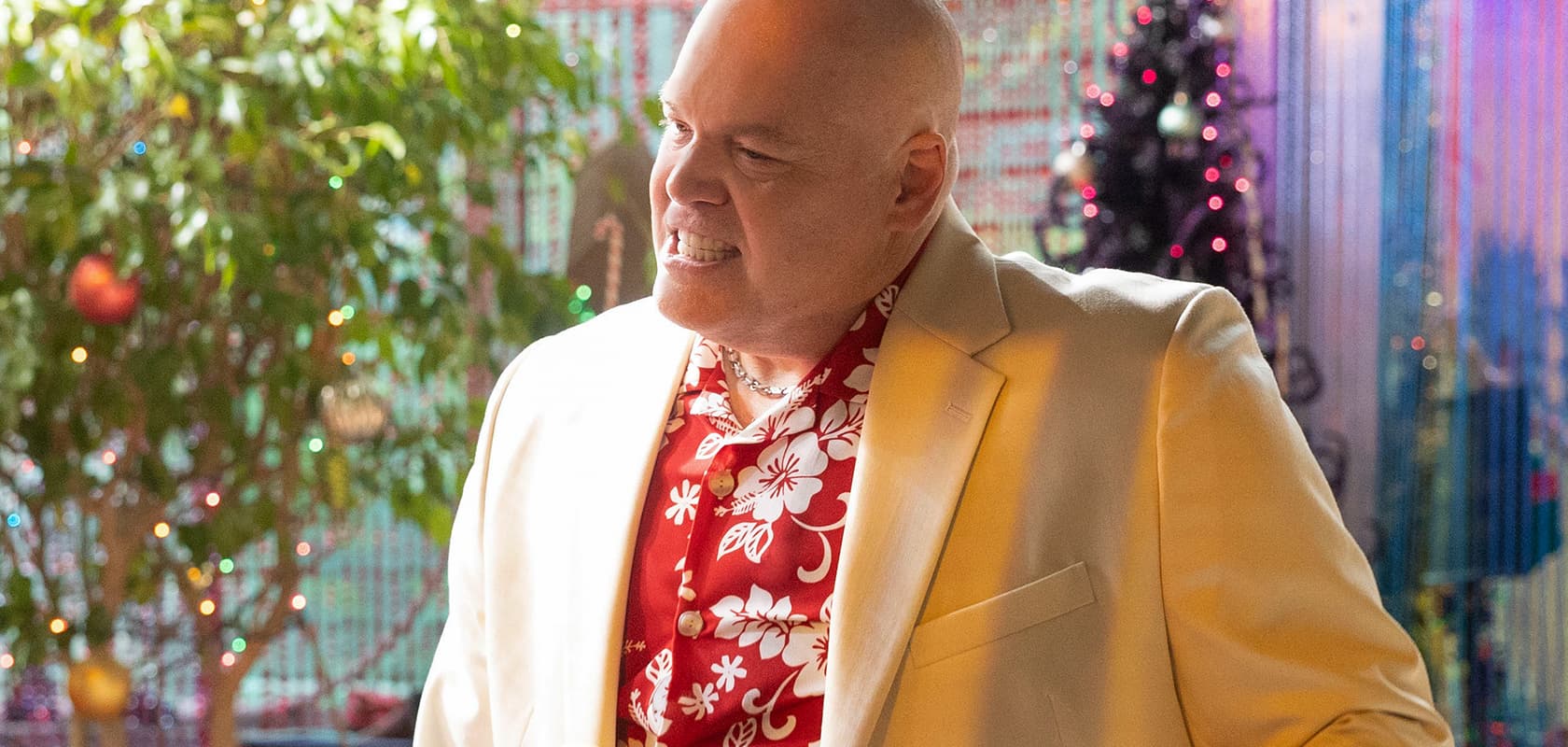
After the chaos of the Blip, Fisk didn’t just survive; he adapted. While the world was reeling from the Snap, Fisk was rebuilding his empire from the ground up, using the Tracksuit Mafia as his blunt-force instrument. In Hawkeye, we see a Fisk who is less concerned with “Rabbit in a Snowstorm” and more concerned with territorial dominance. He’s grittier, he’s wearing the comic-accurate Fat Man floral and he’s more physically imposing than ever. The finale of Hawkeyesaw Fisk take an arrow to the chest and survive a massive explosion, establishing his increased durability in the MCU. But more importantly, it provided the physical scar that fuels his platform in Born Again. When he’s shot in the eye by Maya, it doesn’t break him but rather gives him a visual receipt of the vigilante violence he promises to end as Mayor.
Runtime: 4 hours and 2 minutes
Murphy’s Memo: If you’re watching for the lore, pay attention to the Eleanor Bishop connection. It proves that Fisk’s reach extends into the highest levels of New York’s elite social circles. He isn’t just a criminal; he’s a partner to the city’s power brokers. Watch Episode 6, “So This Is Christmas?”—it’s the moment the Kingpin officially became a Big Game player in the Disney+ era.
If Hawkeyewas the physical return of the Kingpin, Echowas the psychological rebirth. The Marvel Spotlight series took Fisk away from the skyscrapers of Manhattan and dropped him into the dust of Oklahoma, forcing him to confront the one thing he can’t control: his own legacy. His appearance in Echo ultimately serves as the origin story of Mayor Fisk.
In Echo, we see a version of Fisk that is deeply unsettled. His obsession with Maya Lopez isn’t just about power; it’s about his desperate need for love and validation. When Maya uses her ancestral powers to force Fisk to relive his childhood trauma—the hammer, his father, the blood—it doesn’t cure him. Instead, it strips away the last of his hesitation. He leaves Oklahoma with a singular focus: if he cannot be loved as a father, he will be feared as a ruler. While Fisk was away chasing Maya, New York was falling apart…at least that’s what he took away from the news. The series subtly establishes that the city is exhausted. The street-level heroes are scattered, and the public is tired of the collateral damage. Fisk realizes that the city doesn’t need a savior; it needs a manager. The real catalyst for Fisk’s political career happens in the back half of a private jet. After a brutal psychic and physical confrontation with Maya Lopez in Oklahoma, a battered Fisk is seen watching NY1. The anchors are discussing the lack of a “fighter” in the upcoming New York City mayoral race—someone who isn’t a career politician, someone who understands the pain of the people.
Runtime: 3 hours and 30 minutes
Murphy’s Memo: Do not skip the Episode 5 post-credits scene. It is a true prologue to Born Again. It turns a series about Maya Lopez into the definitive launchpad for the next five years of the MCU’s New York. It’s the moment Wilson Fisk decides that instead of breaking the law, he’s going to BE the law.
Season 1 of Daredevil: Born Again wasn’t just a revival; it was a total restructuring of the power balance in New York City. The second half of the season serves as the immediate prologue to the chaos of Season 2; it’s where the Cold War between Matt Murdock and Wilson Fisk finally went hot and the series turned back to its Netflix roots.
The most shocking element of Season 1 was the dismantling of Matt Murdock’s support system. The loss of Foggy didn’t just break Matt’s heart; it broke his faith in the legal system and became the reason behind the more aggressive stance Matt seems poised to take in Season 2. Without Foggy to act as his moral North Star, the Devil is less interested in courtrooms and more interested in the rooftops.
Runtime: 7 hours and 6 minutes
Murphy’s Memo: Fisk returns to New York with a refined strategy. He leans into his history not as a criminal, but as a survivor and a builder. His platform is simple and terrifying: Anti-Vigilantism. He frames heroes like Daredevil and the Punisher as the source of New York’s chaos. Fisk isn’t just making local laws; he’s trying to set a national precedent. If he can prove that New York is safer without vigilantes, he becomes a candidate for the White House, though it’s clear his rise to political power will not go unchallenged. Watching Episode 9, “Straight to Hell”, may indeed be all you need to prepare for Season 2.
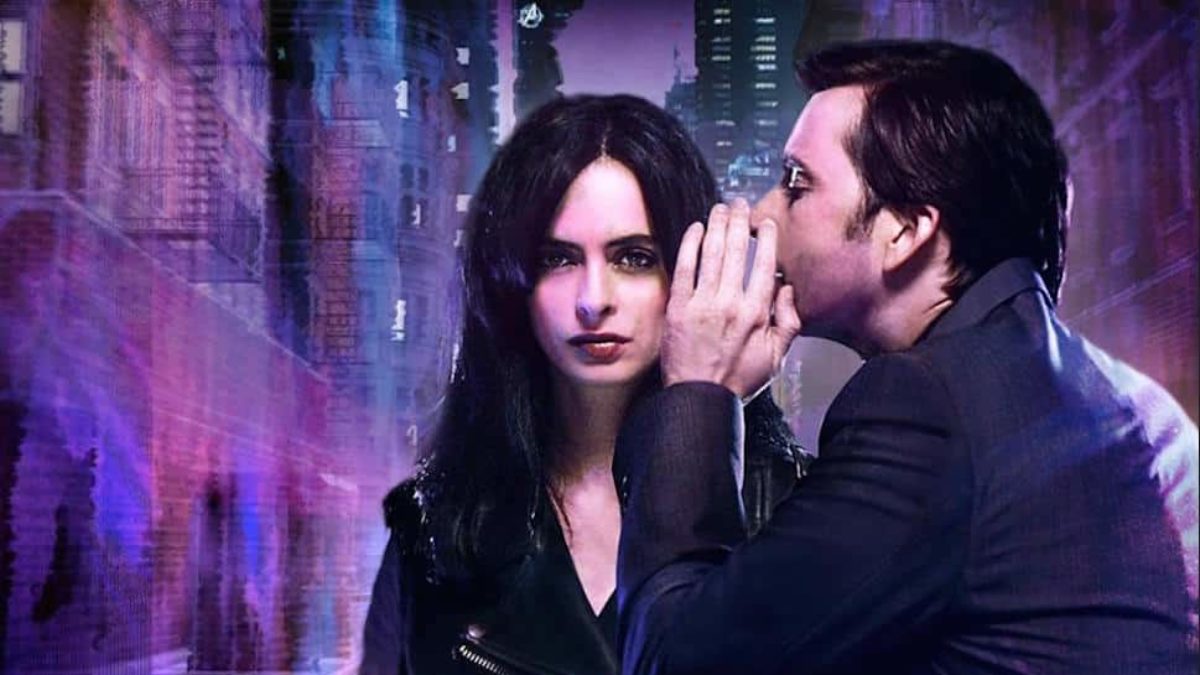
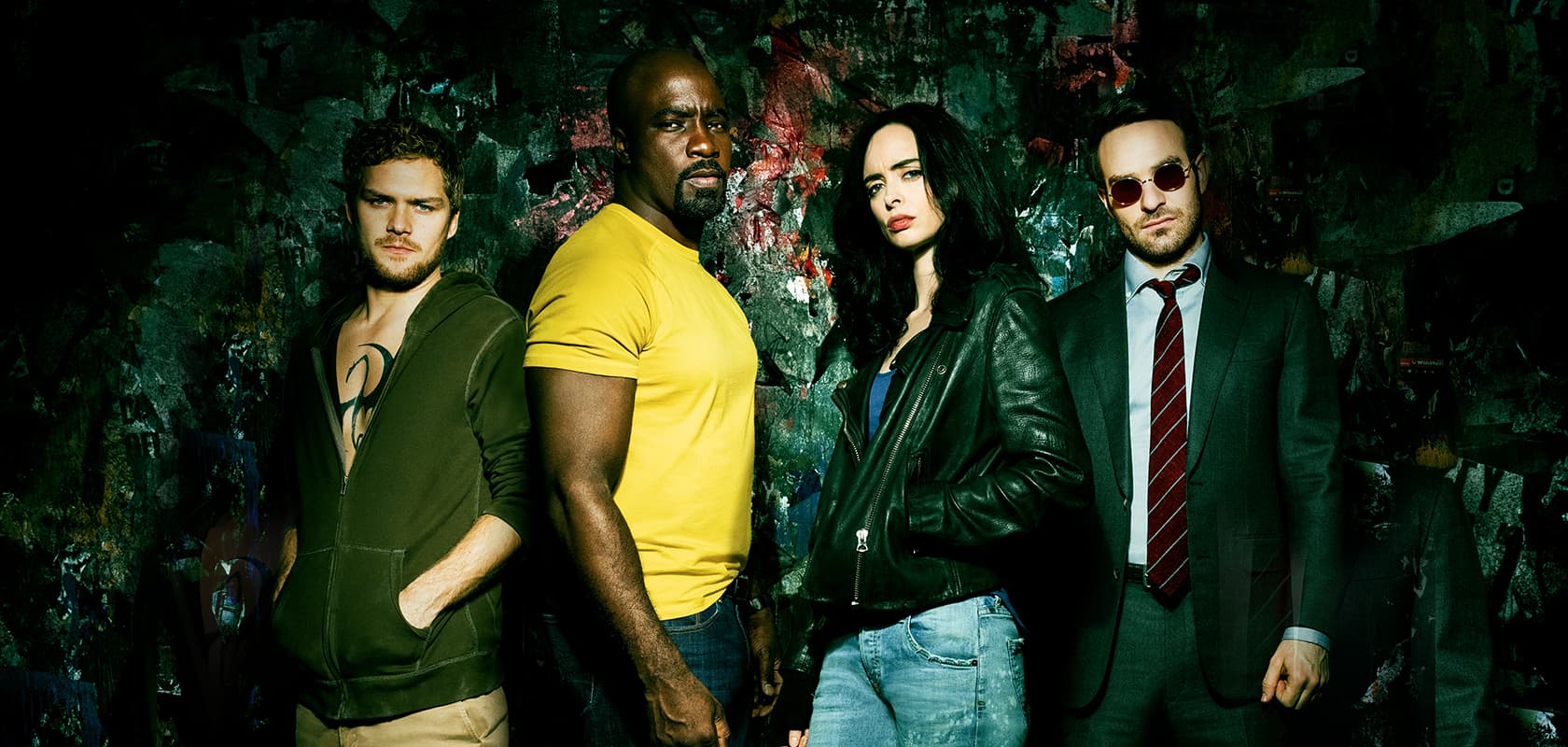
When a tragedy puts an the end to her short-lived career as a superhero, Jessica settles in NYC and opens her own detective agency, called Alias Investigations, which seems to be called into cases involving people who have special abilities. Suffering from post-traumatic stress syndrome, Jessica wants to do good, but her primary interest isn’t in saving the world, it’s saving her apartment and getting through each day. Based on a graphic novel intended for adults, this is not a superhero story for the kids.
-Official synopsis for Jessica Jones, via Disney Plus
Jessica Jones, Season 1 (2015)
🍅 94%
In Season 1, Jessica wasn’t trying to save the world; she was trying to survive a predator. Her battle with Kilgrave was a masterclass in how power—specifically the power to control others—destroys lives. In Born Again Season 2, Wilson Fisk has the legislative power to ruin anyone who speaks out and his jackbooted group of Anti-Vigilante Task Force goons to enforce his law. Jessica understands the mental toll of fighting an untouchable monster, making her a perfect ally for Matt.
As a lawyer, Murdock looks for evidence in a courtroom; as a P.I., Jones looks for dirt in the gutters. Season 1 established Jessica as the ultimate investigator—someone who can find the unfindable skeletons in a powerful man’s closet. With Fisk running a clean administration in the public eye, Jessica’s ability to dig through the trash is exactly what the Resistance needs to expose the corruption behind the Mayor’s Safe Streets initiative.
One of Jessica’s greatest strengths in Season 1 was her refusal to play by the rules of heroism. As Fisk tightens the legal noose around vigilantes in Born Again, Jessica’s cynicism and ability to operate in the grey area, and in a city where being a hero is a crime, will be of use to Matt’s army.
Runtime: 11 hours and 10 minutes
Murphy’s Memo: If you only have time for one episode, make itEpisode 7, “AKA Top Shelf Perverts”. It perfectly illustrates Jessica’s no-nonsense approach to systemic corruption and her willingness to go to the darkest places to get the job done.
The Defenders (2017)
🍅 78%
While the individual seasons of th bNetflix series show us who these characters are, The Defenders is the only reason Born Again Season 2 works as a team-up. It’s the vibe check” for the Matt and Jessica partnership.
The chemistry between Ritter and Cox catalyzed the crossover series, providing most of the memorable moments, including the first meeting between Matt and Jessica in an interrogation room.
The Defenders took on the Hand which was an organization that owned the city’s boardrooms, police, and real estate—much like Wilson Fisk does now. The Defenders showed Matt and Jessica that they can’t beat a massive organization by playing by the rules. They had to go underground, use unconventional tactics, and rely on a found family of heroes. This playbook makes need to get pulled back out when Fisk’s Anti-Vigilante Task Force puts a target on their backs.
Murphy’s Memo: If you’re short on time, just watch Episode 3, “Worst Behavior.” The hallway fight is great, but the real gold is the banter between Matt and Jessica. It’s the definitive street-level dynamic. If Born Again Season 2 revisits that interrogation room energy, fans will find some favorite moments outside of the brutal fights sure to take place.
Runtime: 6 hours and 30 minutes
Jessica Jones Season 2 (2018)
🍅 82%
Season 2 pulled back the curtain on IGH, the shadowy organization that gave Jessica her powers through illicit medical experimentation.
Much of the second season of Jessica Jones focused on Jessica trying—and failing—to save her mother, Alisa. It was a season about the collateral damage that follows “super” people. This is a goldmine for Wilson Fisk’s propaganda machine in Born Again Season 2.
Fisk weaponized the narrative of “vigilantes causing more harm than good” to justify his crackdown at the end of Season 1. Jessica has lived that failure; she knows what it’s like when a “heroic” intervention ends in a body bag, making her a more grounded and cynical counterpoint to Murdock’s idealism.
Though it was certainly not the strongest installment in the Defenders-verse series, Season 2 tapped into Jessica’s fear that she was becoming a monster like her mother. In Born Again, Fisk will try to convince the world—and the heroes themselves—that they are the villains. Jessica’s struggle with her own identity makes her immune to Fisk’s gaslighting.
Murphy’s Memo: Take another look at Episode 11, “AKA Three Lives and Counting”. It captures Jessica’s internal struggle with the hero pabel better than almost anything else. Perhaps her appearance in Born Again isn’t so much joining Matt because she wants to save the city; she’s joining because she’s tired of people like Fisk deciding who the monsters are.
Runtime: 12 hours and 5 minutes
Jessica Jones Season 3 (2019)
🍅 73%
The final season of Jessica Jones was a masterclass in the gray areas of morality, centering on the question: “What does it actually mean to be a ‘hero’?” Though it seemed to give Jessica somewhat of a happy ending”, it could serve as connective tissue to Born Again Season 2 because it leaves Jessica at a crossroads—one that leads her straight back to the streets of New York just as Wilson Fisk is taking over.
Jessica faced Gregory Salinger, the Foolkiller, sort of, a villain who didn’t have powers but had a twisted, intellectual vendetta against gifted people. He viewed heroes as frauds who “cheat” at life…the same rhetoric used by Fisk uses in his Mayoral campaign. Salinger was the prototype for Fisk’s propaganda—proving that you don’t need a super-suit to dismantle a hero; you just need to prove they are unfair to the common man.
The series ended with Jessica at a train station, ready to leave the city behind, only to hear Kilgrave’s voice in her head telling her to give up. In an act of pure defiance, she turned back. She chose to stay and fight. By the time we see her in 2026, she has been operating in the shadows of Fisk’s New York for years, likely as one of the few unregistered P.I.s still digging for the truth.
Murphy’s Memo: Go back and watch the Series Finale (“AKA Everything”). That final shot of Jessica turning back toward the city lights is everything. It tells you that she isn’t coming back to Born Again because she’s a sidekick; she’s coming back because New York is her city, and she’ll be damned if a man like Wilson Fisk is the one who gets to save it.
We’ve got the supernatural angles, we’ve got the street-level with our announcement of Daredevil, and of course, Spidey going into the street-level heroes.
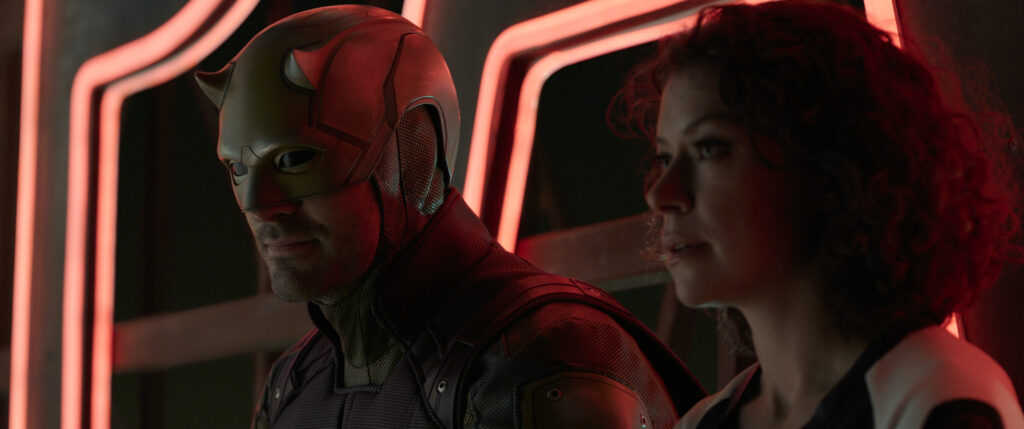
I’ve made it no secret that I’m a huge fan of Tatiana’s and the fun we had on She-Hulk was some of the best fun I’ve had as that character. I thought she was amazing as Jennifer Walters and I would be a huge… certainly an advocate of her showing up in our show if she’s free and available and willing and all of those things. So I would love for that to happen. I have no idea if that is possible.
–Charlie Cox on the possibility of She-Hulk appearing in Daredevil: Born Again
While Matt Murdock appeared in Spider-Man: Far From Home, Daredevil didn’t make his MCU debut until the final two episodes of She-Hulk: Attorney at Law. While some fans bristled at the more carefree vibe Cox brought to the role in his appearance, it certainly fit the tone of the series, though at this point, it seems as though Marvel has decided they’d rather have Matt suffer than find happiness in the warm embrace of Shulkie.
Runtime of Episodes 8 and 9: 1 hour and 11 minutes
The Fast Track
Today is February 10, 2026, and the clock is officially ticking. With the premiere of Daredevil: Born Again Season 2 set for March 24, 2026, you have exactly 42 days to conquer your 98-hour watchlist. To make this happen without losing your job or your mind, you need to average about 2.3 hours of Marvel per day. Here’s your Street-Level Resistance training schedule to hit that 98-hour goal by premiere night.
About Daredevil: Born Again Season 2
Season 2 of Marvel Television’s stars Charlie Cox, Vincent D’Onofrio, Wilson Bethel, Deborah Ann Woll, Margarita Levieva, Krysten Ritter, Matthew Lillard and Ayelet Zurer.
Mayor Wilson Fisk crushes New York City underfoot as he hunts down public enemy number one, the Hell’s Kitchen vigilante known as Daredevil. But, beneath the horned mask, Matt Murdock will try to fight back from the shadows to tear down the Kingpin’s corrupt empire and redeem his home. Resist. Rebel. Rebuild.
-Official synopsis for Daredevil: Born Again Season 2
The second season was created by Dario Scardapane, Chris Ord and Matt Corman. Episodes were written by Dario Scardapane (201, 202); Heather Bellson (203, 207); Chantelle M. Wells (204); Jesse Wigutow (205); Devon Kliger and Jesse Wigutow (206); Dario Scardapane and Jesse Wigutow (208) and directed by Justin Benson and Aaron Moorhead (201, 202); Solvan “Slick” Naim (203, 204); Angela Barnes (205, 206); Iain B. MacDonald (207, 208).
David Chambers is producing with Kevin Feige, Louis D’Esposito, Brad Winderbaum, Sana Amanat, Dario Scardapane, Justin Benson & Aaron Moorhead, Iain B. MacDonald, Charlie Cox and Vincent D’Onofrio executive producing.
Matt Murdock will resume his fight against Wilson Fisk in Daredevil: Born Again Season 2 but this time, he’ll have some help.
Disney unveiled the first trailer for the sophomore season of the streaming series–along with a March 24th release date–and it featured a surprisingly large dose of Jessica Jones.
In Season 2, Mayor Wilson Fisk crushes New York City underfoot as he hunts down public enemy number one, the Hell’s Kitchen vigilante known as Daredevil. But beneath the horned mask, Matt Murdock will try to fight back from the shadows to tear down the Kingpin’s corrupt empire and redeem his home. Resist. Rebel. Rebuild.
-Official synopsis for Daredevil: Born Again Season 2
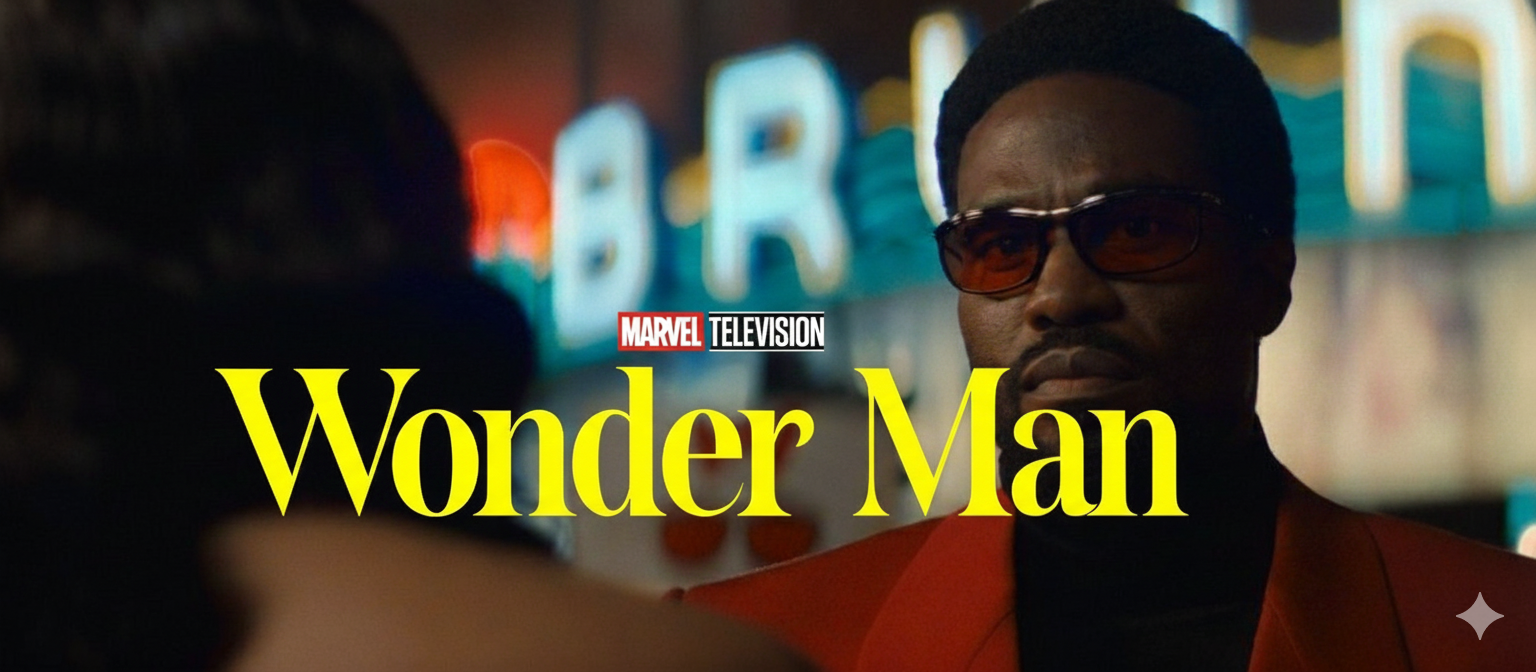
Described by Marvel Studios’ Head of TV, Streaming, and Animation, Brad Winderbaum, as a “love letter to Hollywood” and a story “that anyone who came up in Hollywood or in the arts in general can relate to,” Marvel Television’s Wonder Man may indeed be just that…though at times anyone who did not come up in Hollywood might find themselves feeling a bit like a fifth grader on the outside of an inside joke. True to the word of Winderbaum, Wonder Man is entirely unlike anything Marvel has done because, at least in part, it feels as though it was created for the enjoyment of those who create.
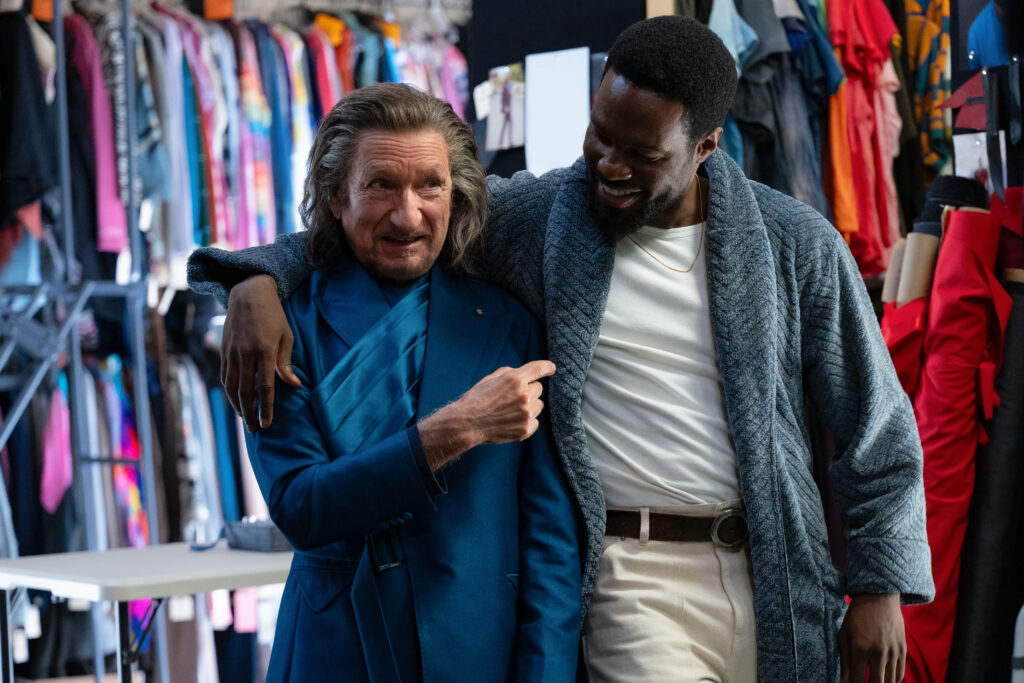
A character study at its core, Wonder Man is almost entirely devoid of superhero action, choosing rather to spend its narrative currency peeling back the layers of the psyches of Simon Williams and Trevor Slattery. Like Midnight Cowboy, the film that brings the two together, Wonder Man is indeed, as advertised, a two-hander in which each of the dual protagonists recognizes the other as, perhaps, the first genuine human connection either has ever had. Over the course of seven of the eight episodes (an entire episode of Wonder Man is dedicated to NEITHER Simon nor Trevor), the leads’ personas are stripped bare, with Simon’s history told through fragmented flashbacks that deconstruct the damaged and insecure boy that lives behind the facade of an overconfident man. Simon is ALWAYS acting; however, it’s only when he realizes that he’s acting that he struggles.
As a character study devoted to the genre, Wonder Man stands apart from traditional superhero fare. By the design of co-creators Destin Daniel Cretton and Andrew Guest, the stakes of its plot are emotional rather than physical. Despite Simon being perhaps one of the MCU’s most powerful individuals, the series eschews the genre’s classic climax for one that is simply anticlimactic. The earliest marketing for the series gave away the fate of Simon’s pursuit of his dream role, even if it did cleverly conceal the project’s best twist which isn’t a revelation about Simon. As such, Wonder Man follows a couple of actors talking about acting while pursuing acting roles for the vast majority of its runtime, with very little time spent on the unnatural abilities possessed by Simon Williams. By focusing on the mundane aspects of being a powered individual in the film industry (auditions, stunt work, publicists), the show humanizes Simon. While Wonder Man does provide Simon with the occasional opportunity to show off his powers on street-level cannon fodder, there’s more tension present in scenes where he’s trying to crack the backstory of his character in American Horror Story.
Though the time spent with Simon is rewarding, such little time is devoted to his innate ionic powers that the presence of the series de facto antagonists, the Department of Damage Control, feels shoehorned and contrived. Arguably, this is the one area in which Wonder Man taking place within a deeply developed shared universe based on superheroes forces a betrayal of Cretton and Guest‘s intent. Classic character studies rarely involve a conflict with an external aggressor, focusing rather on how the protagonist’s psyche prevents him from achieving his desired purpose. Given that Wonder Man thoroughly and expertly explores that avenue, it seems clear that the DODC’s inclusion was *suggested* by the Marvel Parliament rather than being narratively native. While it seems Marvel’s intent is that the DODC is destined to become the precursor of the MCU’s anti-Mutant division–even though it is not clear if Simon is a mutant in the MCU–their presence is one of the primary perplexities of the series.
Another is why Simon William is the protagonist of Wonder Man at all. Though it’s hardly the first time it has done so, Marvel Studios significantly reinvents Simon Williams–and those around him–for the MCU. And strangely, given the series’ designation as a Marvel Spotlight project–there’s no guarantee the decision to do so will eventually be paid off or explained. Yes, this Simon is prone to bouts of self-doubt, works in Hollywood and has incredible ionic powers; however, the decision to make Simon a mutant rather than a mutate strips him of the agency that made him such a polarizing character in his early adventures in the pages of Marvel Comics. An interesting choice to be sure and one that may never be liquidated. From his background to his family connections to the source of his powers, the MCU’s Simon has surprisingly little in common with his comic book counterpart…but nearly none of that matters when a star the caliber of Yahya Abul-Mateen II is involved.
In Wonder Man, Cretton and Guest created the equivalent of an HBO prestige streaming series. Rather than fill the runtime with superhero moments, Wonder Man lingers on the mundane, revealing the true natures of Simon and Trevor in a strangely slow burn for a series with such short runtimes. In the case of Simon, Wonder Man introduces an insecure man seeking validation. But brilliantly, the series uses Trevor as a dark mirror to Simon. If Wonder Man presents Simon as a study of a man trying to find himself through fame, Trevor is a study of a man who has completely lost himself to the performance. Trevor’s character study is built on the tragedy of a failed artist who finally found his greatest role by accident.
Whether he’s in a high-security prison or a warlord’s compound, Trevor’s constant performing ensures people find him too entertaining to kill. This reveals a deep instinct for self-preservation: Trevor doesn’t know how to be authentic because, in his world, being yourself gets you hurt. Strip away the accents and the anecdotes about “the stage” and his “mum” and you meet a man with a fundamental void of identity. Trevor is a character study in codependency. He needs an audience to tell him he exists. Without someone watching him, Slattery effectively vanishes. Using Trevor as a secondary character study reveals a man who uses acting as a survival mechanism and a psychological shield, serving as a near-perfect foil to Simon Williams’s worldview. And in Simon, he meets his co-dependent.
Where Trevor’s patience and experience provide him the relief of being the consummate actor, Simon holds the power of a god but the temperament of a struggling artist, creating a fish-out-of-water dynamic that makes Wonder Man such a particularly clever choice for a character study. While most superhero projects focus on the hero’s journey, Wonder Man is designed as a satirical character study, peeling back the layers of a man who is literally and figuratively performing for a living.
Tonally, Wonder Man balances comedy with a sense of isolation. Tragicomical character studies often use humor to mask a character’s deep-seated loneliness and Wonder Man is no different here, other than that it is led by Yahya Abdul-Matteen II, whose filmography reveals a generational talent.
Despite the series’ shortcomings in terms of its utility as another entry in the MCU’s shared narrative tapestry (it’s only in its last 15 minutes that Wonder Man feels like it belongs in the MCU), the series is undoubtedly one of Marvel Television’s best and, despite some other heavy competition, is carried by the studio’s strongest cast. At the end of the day, the only question that remains is why is was developed as a superhero study at all.
Four years after its debut, Hawkeye remains one of Marvel Studios’ strongest streaming series. The Christmas setting and dynamic between Jeremy Renner and Hailee Steinfeld‘s Hawkeyes made the street-level story a hit with fans and the finale seemed to set up a bright future for many of the show’s characters and some hope for a second season.
In an interview with the direct, Hawkeye writer Andrew Guest explained that while there “was talk about” a second season of the series, “the timing didn’t work out.”
There was talk at a certain point about… we did explore creatively what Season 2 of Hawkeye might be if we were able to do it. Unfortunately, the timing didn’t work out in terms of Marvel and all the various pieces that need to come together, but I loved working on ‘Hawkeye.’ I think [Jeremy] Renner and Hailee Steinfeld are so terrific together, and I would love to see more of those two.
-Andrew Guest
As has been the standard for the Multiverse Saga, one of Hawkeye‘s leads, Hailee Steinfeld, has made only one incredibly brief cameo appearance in the four years since the series hit D+. And as the Saga speeds to an end, it’s not entirely clear when she might appear again.
While Season 1 of Marvel Zombies wasn’t perfect, it delivered some absolutely phenomenal fun, including “a truly all-time great zombie apocalypse moment that sits right there with 28 Days Later and World War Z.” And while the finale teed up a second season, Marvel’s streaming skipper, Brad Winderbaum, said that the studio would be looking at viewership numbers before unleashing a second season. It appears the studio likes what they discovered.
Frenetic, savage and gadgety-on-the-brink-of-gimmicky, Marvel Zombies ends up a bit less than the sum of its parts while still managing to deliver a sinewy supernatural survivor story.
Though Winderbaum made it clear that the new season has not been greenlit for production yet, the series generated significant hype, becoming a surprise hit for studio at the end of 2025 and all but ensuring more zombie stories would be told.
Though the Season 1 finale certainly seemed to tee up a very specific direction for a sophomore season, there are plenty of other tales to be told on the alternate Earth where the Dead Queen rules.
As the calendar rolls over to 2026, Marvel Studios prepares to begin production on the final projects of its Multiverse Saga. Both Season 3 of Daredevil: Born Again and Avengers: Secret Wars are expected to kick off principal photography in either the late first quarter or early second quarter of the year, ahead of their 2027 releases. That leaves a lot of time in the second half of the year for the studio to get to work on whatever it is they’re going to call the next saga and while that might be unclear at present, the first several projects of it are far more defined.
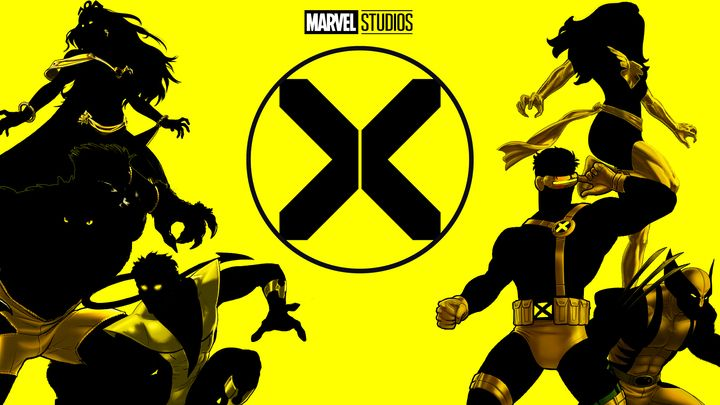
What I can say is, it’s just inherently interesting and complex material. The core idea of what X-Men is involves complexity.
Black Panther 3 is also on track for a 2028 release and a sequel to The Fantastic Four: First Steps will likely land there as well. In addition, Thor, Doctor Strange and Shang-Chi sequels could be on the docket in 2028 and beyond, as well as the studio’s long-awaited Blade reboot or the Midnight Sons ensemble film or Ryan Reynolds X-Men team-up film. As ordered as the theatrical side of the slate seems to be, streaming appears a bit more chaotic.
Outside of a potential fourth season of Daredevil: Born Again and third seasons of X-Men ’97 and Your Friendly Neighborhood Spider-Man, Marvel Television’s post-Secret Wars slate is pretty undefined. However, a new report might provide a potential outline for what’s to come over the next several years.
According to Daniel Richtman, Marvel Television is developing a Jessica Jones project and its long-developing Champions project alongside the recently revived Strange Academy for the new saga. Additionally, a Ghost Rider project is said to be underway, though Richtman didn’t indicate which branch of the studio would be working on it.
In the case of Ghost Rider, rumors have ranged from the studio having lined up The Walking Dead star Norman Reedus to portray Johnny Blaze to Agents of S.H.I.E.L.D. actor Gabriel Luna jumping to the MCU to reprise the role of Robbie Reyes to Nicholas Cage making a cameo appearance as the character in Deadpool & Wolverine. To date, of course, there’s been nary a Ghost Rider to be found but that may change soon if Marvel’s head of streaming, television and animation, Brad Winderbaum, gets his way. “I would wanna do the Danny Ketch era of Ghost Rider,” revealed Winderbaum in 2024 interview. “I think there are a lot of people who would be here for some Ghost Rider.”
There’s a lot of stuff that I’ve felt there was room to explore, and Brad and I talked about it and I am not going to say any of it, because we’re going to be doing it.
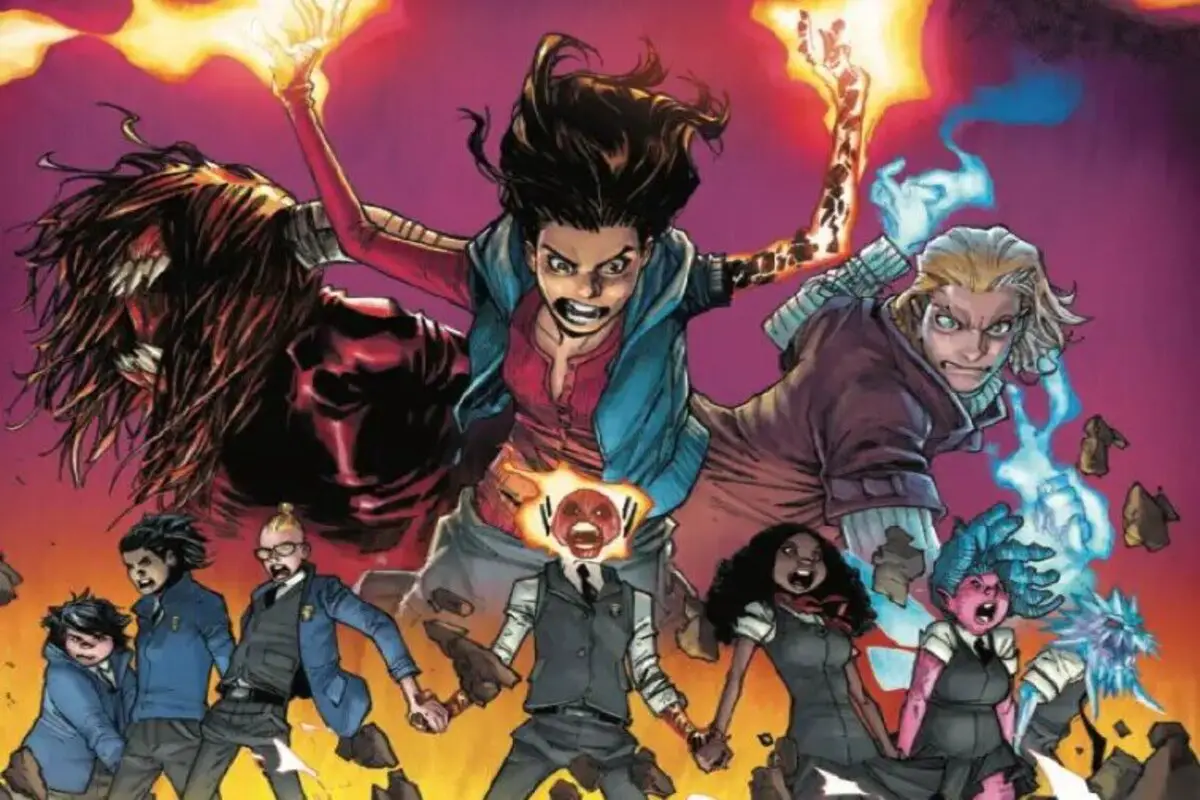
According to Richtman, Marvel Television has expressed renewed interest in developing Strange Academy and is currently looking for a new writer to take over the project.
Its unclear just how far into development the project ever made it during its first go around, but Echo scribe Amy Rardin was reported to have been working on it before Marvel pumped the brakes.
Created by Skottie Young and Humberto Ramos, Marvel Comics Strange Academy debuted in 2020 and focused on a new generation of magic users being trained in the mystic arts at a Hogwarts-esque school opened by Stephen Strange. Classes at Strange Academy were led by an array of Marvel mages including Doctor Voodoo, Wanda Maximoff, Wong, Magik and Agatha Harkness and covered a range of topics from astral projections to interdimensional geography to xenoanatomy.
Should the series make it out of development, it’s possible that Regan Aliyah‘s Zelma Stanton, who played a critical role in Marvel Television’s Ironheart, might have a featured role in the project as is the case in the comic.
DC Studios’ co-chair James Gunn has shown an affinity for characters who originated in long-defunct Charlton Comics. In 1983, DC Comics acquired Charlton’s “Action Heroes” which included Judomaster and Peacemaker, both of whom are firmly established in the all-new DCU. Gunn has made it clear that other Charlton Comics Action Heroes would pop up in the DCU as well and now, thanks to a new report, we know the identify of the next one to make the leap.
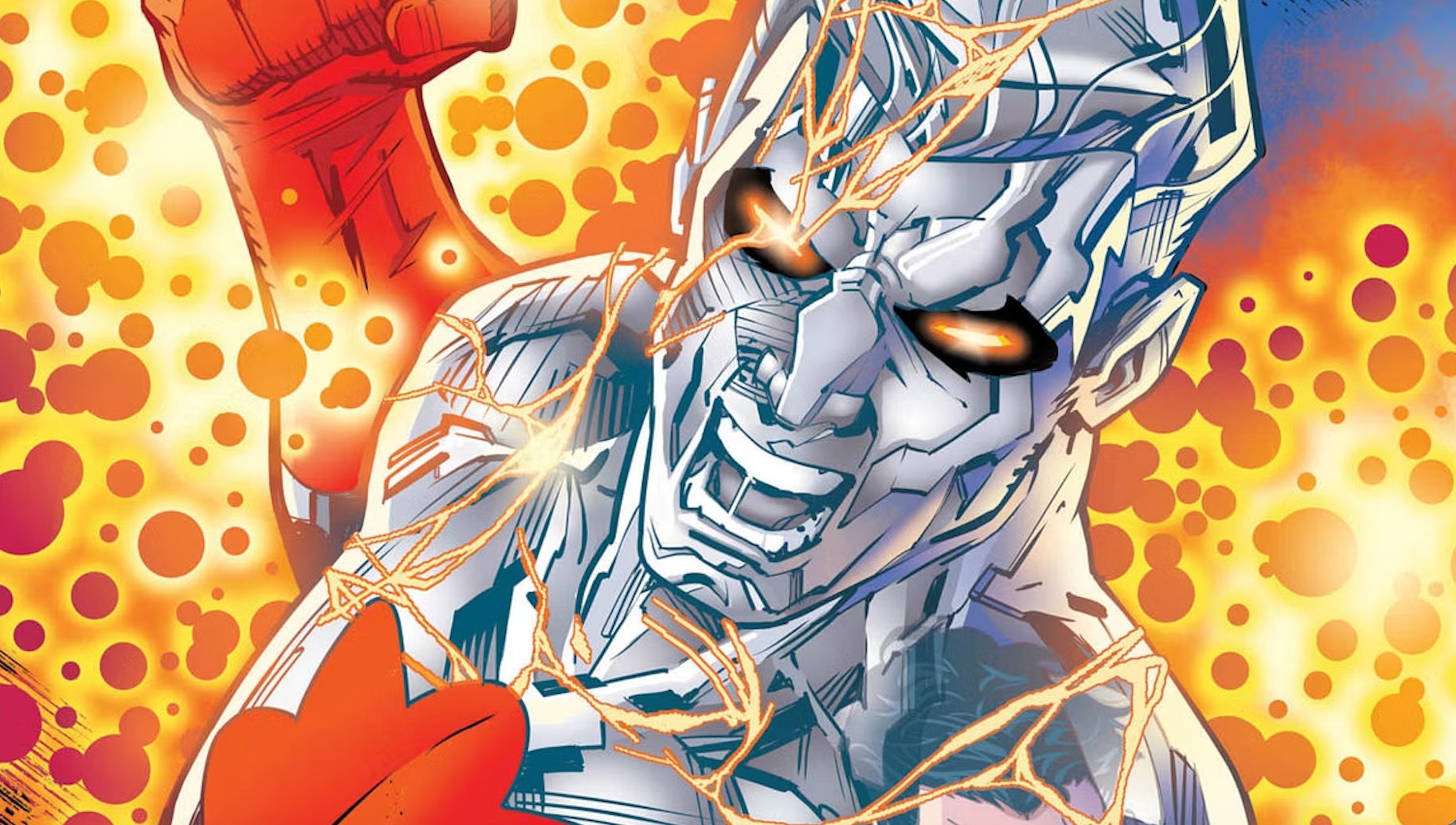
According to Nexus Point News, 1950s heavy hitter Captain Atom will appear in the second season of the animated series, Creature Commandos.
Co-created by Joe Gill and Steve Ditko in 1960, Captain Atom was the central character in Charlton’s Action Hero line. The character was redesigned, reimagined and renamed over the years and according to NPN, the modern version of the character, Nathaniel Adam–who may be familiar to audiences because of his appearances in the animated series Justice League Unlimited–will be the one to appear in Creature Commandos. Following an experiment, Adam’s skin becomes coated in an alien metal known as Dilustel and becomes connected to the Quantum Field, granting him incredible powers on the level of Superman. His similarities to Superman led to DC working to rework the character after acquiring him in the 80s.
Following the takeover of New York City by Mayor “Kingpin” at the end of Season 1 of Daredevil: Born Again, Matt Murdock vowed to out together an army to stop his archenemy from destroying the city. Whole the new season was a hit, it felt frustrating at times, surely in part to it being almost entirely overhauled in mid-production. According to one of the show’s producers, Sana Amanat, any issues that impacted Season 1 were not an issue while making the sophomore season.
While it’s clearly a much more subdued color scheme than the drastic black and white contrast, it is unmistakable. With a show (and fanbase) so unbelievably obsessed with darkness, it’s probably as close as we’ll get to the outlandish Bullseye costume from the comics but it’s a solid step forward from the first iteration.
We use cookies to improve your experience on our site. By using our site, you consent to cookies.
This website uses cookies
Websites store cookies to enhance functionality and personalise your experience. You can manage your preferences, but blocking some cookies may impact site performance and services.
Essential cookies enable basic functions and are necessary for the proper function of the website.
Name
Description
Duration
Cookie Preferences
This cookie is used to store the user's cookie consent preferences.
30 days
These cookies are needed for adding comments on this website.
Name
Description
Duration
comment_author_email
Used to track the user across multiple sessions.
Session
comment_author_url
Used to track the user across multiple sessions.
Session
comment_author
Used to track the user across multiple sessions.
Session
Statistics cookies collect information anonymously. This information helps us understand how visitors use our website.
Google Analytics is a powerful tool that tracks and analyzes website traffic for informed marketing decisions.
Contains information related to marketing campaigns of the user. These are shared with Google AdWords / Google Ads when the Google Ads and Google Analytics accounts are linked together.
90 days
__utma
ID used to identify users and sessions
2 years after last activity
__utmt
Used to monitor number of Google Analytics server requests
10 minutes
__utmb
Used to distinguish new sessions and visits. This cookie is set when the GA.js javascript library is loaded and there is no existing __utmb cookie. The cookie is updated every time data is sent to the Google Analytics server.
30 minutes after last activity
__utmc
Used only with old Urchin versions of Google Analytics and not with GA.js. Was used to distinguish between new sessions and visits at the end of a session.
End of session (browser)
__utmz
Contains information about the traffic source or campaign that directed user to the website. The cookie is set when the GA.js javascript is loaded and updated when data is sent to the Google Anaytics server
6 months after last activity
__utmv
Contains custom information set by the web developer via the _setCustomVar method in Google Analytics. This cookie is updated every time new data is sent to the Google Analytics server.
2 years after last activity
__utmx
Used to determine whether a user is included in an A / B or Multivariate test.
18 months
_ga
ID used to identify users
2 years
_gali
Used by Google Analytics to determine which links on a page are being clicked
30 seconds
_ga_
ID used to identify users
2 years
_gid
ID used to identify users for 24 hours after last activity
24 hours
_gat
Used to monitor number of Google Analytics server requests when using Google Tag Manager
1 minute
Marketing cookies are used to follow visitors to websites. The intention is to show ads that are relevant and engaging to the individual user.
Pinterest Tag is a web analytics service that tracks and reports website traffic.