Tag: TV Reviews

  • REVIEW: ‘Hanna’s Final Season Ends on an Aimless Spark

    REVIEW: ‘Hanna’s Final Season Ends on an Aimless Spark

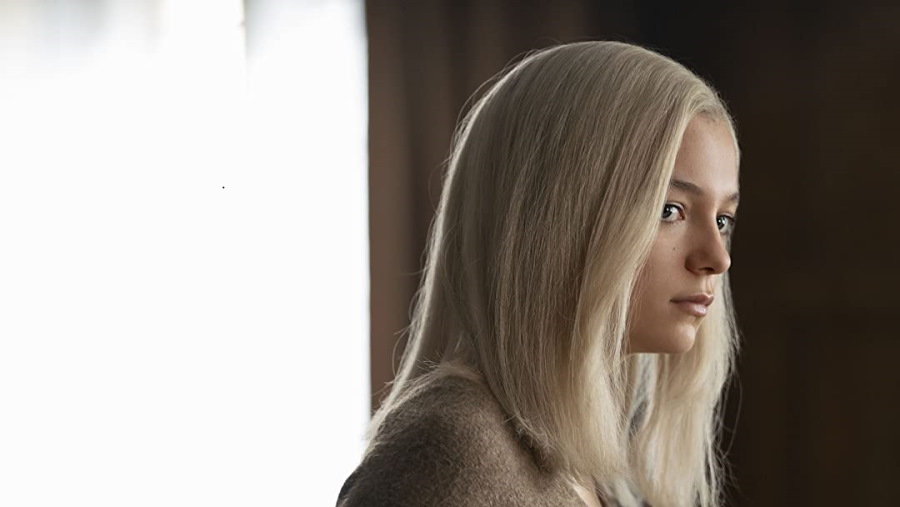
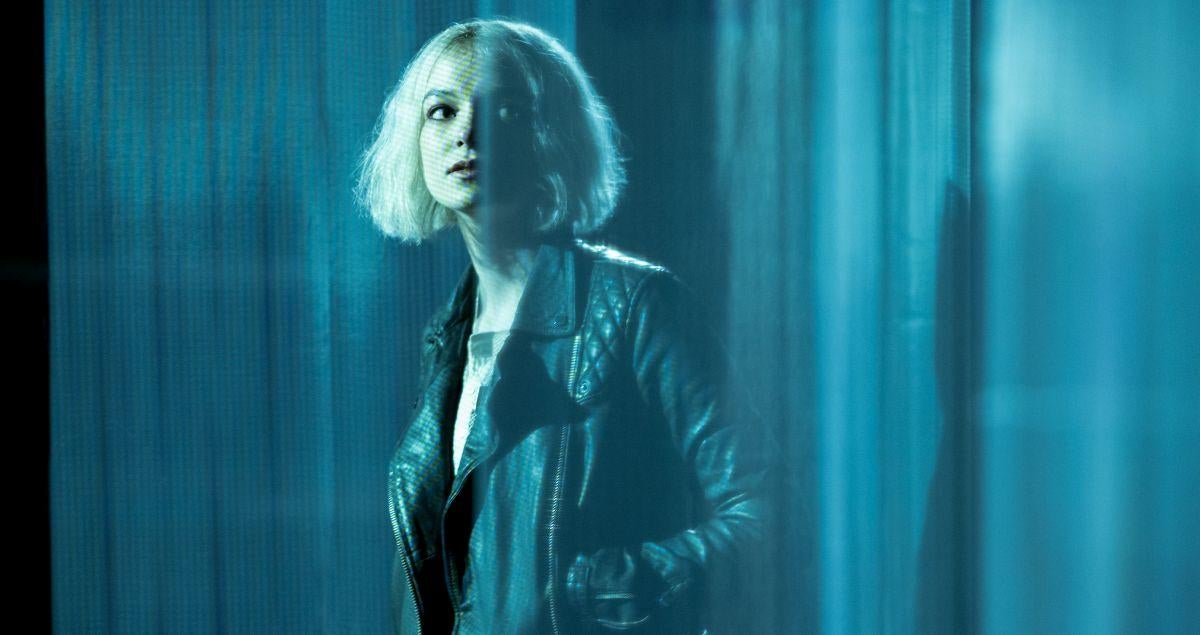
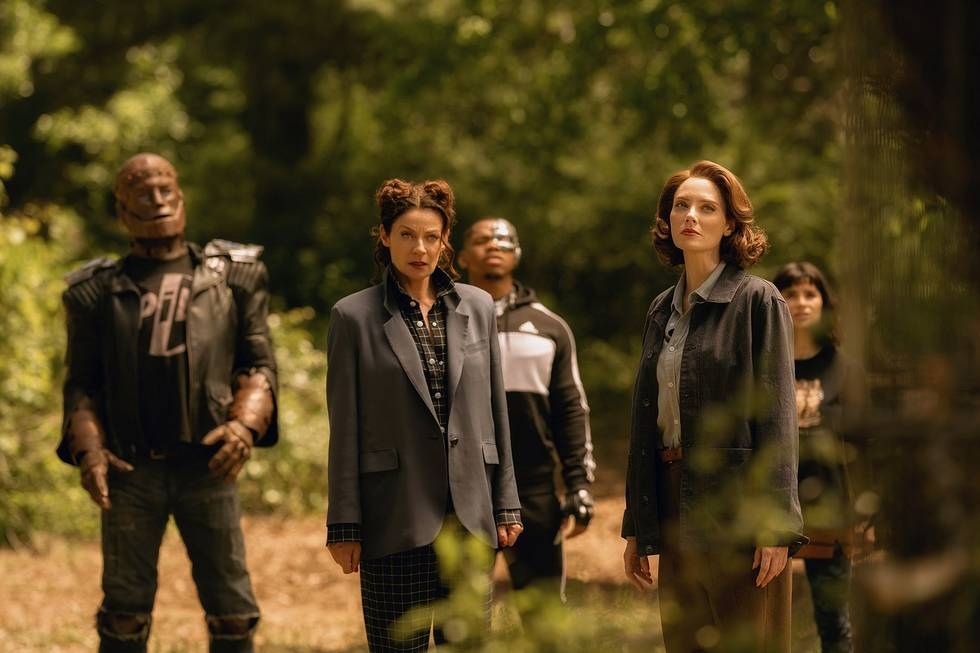
    The most important thing that Amazon Prime’s Hanna gets across in its third and final season is the reality that our titular protagonist needs to face. It’s perfectly summed up when Hanna points out that “even if you gave me the life I wanted, I wouldn’t know what to do with it. I only know how to fight.” Esme Creed-Miles’ performance continues to carry most of the show, as she gives us a character that is world-weary and on her way to completing her mission once again. Yet, it seems the story has forgotten that along the way.

    Hanna' Renewed For Season 3 At Amazon – Deadline

    The show’s first two season’s explored the dark tale of human trafficking and how the government corrupts young women by turning them into soldiers. They are trained to carry out deadly missions while integrating into society seamlessly. Up until now, the bureaucrats behind these missions were faceless but with a clear objective: eliminate perceived threats at all cost may they be for political or tactical reasons. In this six-episode final season, the modus operandi still applies yet now we have a face behind the bureaucrats.

    Hanna is once again fighting for something bigger than herself. Yet, she’s pushed by something she hasn’t been in the past, love. That very thing will have her acting irrational and sloppy in ways we haven’t seen to this point, which is a jarring change in comparison to the last few seasons. It’s quite the departure from a character who’s had a very clear-cut goal in mind only to fall back on something only recently introduced. Hanna’s romance at times brings the show to a halt. The character was already strong on its own merits and it feels like the entire plot point was unnecessary. It’s a narrative that you’d wish wasn’t there at all times. 

    Hanna Season 3: Release Date, Cast, Plot, Trailer, And Everything That You  want To Know! - Best Toppers

    The final season surprisingly cut its episode length down to six rather than the usual eight. Until now, the main issue was it didn’t feel like there was enough story to carry viewers throughout its run. You could make a comparison to many Netflix shows including unnecessary filler episodes. Yet, this season is the opposite, as you’ll end up wishing for more time to spend with Hanna and her relationship with Marissa (brought to life once again through a strong performance by Mireille Enos). Of course, there’s time spent between them but it should’ve been given more focus. It is the show’s core built throughout the last few seasons that seemed sidelined as a result.

    Hanna and Marissa face a very capable foe this time around in Ray Liotta’s Gordon Evans. His intimidation of Marissa drudges up some memories from her past that offer a look into her childhood and how long they’ve stuck with her. It offers some insight into her main motivation throughout the series and why she is so attached to Hanna. Plus, Liotta brings it aggressively here and proves to be dangerous in a way neither of our protagonistsTactically he’s one step ahead and personally, he’s in one of their heads. He’s a welcome addition to the cast as an uncompromising adversary.

    Hanna Season 3 Release Date Announced, First Trailer Revealed

    As the season progresses it becomes more apparent that there could’ve been more time spent with some of the supporting cast, especially Sandy (Aine Rose Daly) and Jules (Gianna Kiehl). They’re victims of UTRAX just like Hanna. So, while they play into the conclusion, it feels like they were undercut. The ongoing rivalry between Sandy and Hanna at least gets a conclusion, there could’ve been more time devoted to it. We never spend enough time on why Sandy despises her and continue to build on their relationship, especially with how this season manages its international espionage. In the case of Jules, it feels like she’s shoehorned her into the closing conflict. These are two supporting characters that have seen a lot of development so far yet ended up as afterthoughts.

    Still, the action in this show remains sublime and very enjoyable. The abbreviated season gives actions more weight and allows it to explore an overall darker theme. It also continues to build on its greatest strengths, such as the international locations offering a wonderful viewing experience. If you’re a fan of Hanna, this is a conclusion that fits the bill of who the character is. It’s not without its faults, especially in how some elements felt underutilized, but still offers a fitting end. Much like the show itself, you can’t have everything you want but you enjoy the time you have.

  • REVIEW: Netflix’s ‘Cowboy Bebop’ Lacks the Spark of the Anime

    REVIEW: Netflix’s ‘Cowboy Bebop’ Lacks the Spark of the Anime

    Note: The below review contains no spoilers for the Netflix adaption, only mentions of plot points from the anime.

    Cowboy Bebop is often considered one of the best animes. A rag-tag group of misfits that seek to find someone among one another? It’s a common trope, but one the original anime executed perfectly. The idea of seeing that in live-action was exciting, especially with John Cho leading the way. Unfortunately, however, the live-action adaption of Cowboy Bebop often feels rushed and as though it’s unsure of how to bring about this group of misfits.

    Cowboy Bebop is a story of a rag-tag team of bounty hunters in the year 2071, approximately 50 years after an accident that made Earth nearly uninhabitable. The series focuses on Spike Spiegel, Jet Black, Faye Valentine, Edward and Ein as they try to build their futures while running from their pasts. As the anime will tell you, though, this is not a happy story, and the live-action adaption does not try to turn this into a story with a happy ending.

    Trying to adapt a title for live-action is a hard task. Writers are expected to pay homage to the original, if not mirroring it closely, while still making the story feel fresh and unique. It’s a fine line that even the best of writers often fail to maneuver. This is Cowboy Bebop‘s biggest issue. Rather than try and make the live-action take feel unique, the writers often pull from the anime, leaning on the original far more than needed. An action that would have been fine had the writers adequately used the anime as a reference for the series. Instead, it feels like a mishmash of highlights from the anime being adapted with a slight alteration here and there. It never quite feels like a proper adaption, yet it never feels like its own story, either. There was a chance to make a new story with Spike and crew here, one that could still capture the spirit of the original, yet become its own entity.

    In the end, though, Netflix’s Cowboy Bebop wanted to try and replicate the anime too much; a decision that would ultimately be its downfall. While it’s not terrible, the series does not capture that spark and excitement of the anime. A fair amount of the episodes drag, and some of the performances feel subpar. John Cho, however, gives his all in the role of Spike and steals the spotlight every moment he’s own screen.

    The family dynamic between these characters we all know and love is nearly nonexistent in early episodes. Once the gang does get together, though, the banter flows almost naturally. It’s just a shame it takes so long to reach this point. With just 10-episodes for its first season, Cowboy Bebop often feels as though it’s trying to rush through callbacks to the anime while failing to fully flesh out its characters.

    The final episode of Cowboy Bebop‘s first season is where things completely fall apart. The episode pulls from “Ballad of Fallen Angels,” the fifth episode in the original series, even going as far as to see Vicious and Spike battle in the church. It’s stunning just how well the set production captures the look and feel from the anime. However, what follows is such a departure from the source material that it’s hard to understand what the writers were trying to do. 

    Perhaps the episode wanted to right some of the wrongs in the anime, it’s hard to tell. It’s as though, at the very end, the creatives decided to finally try to make the story their own by drastically altering some of its main characters. It ends up feeling as though Netflix’s Cowboy Bebop doesn’t understand its source material at times.

    Overall, the live-action take on Cowboy Bebop isn’t terrible. In fact, despite all of its flaws, there are some positives in this take on Cowboy Bebop. Episode six, for example, is a well-written episode that truly captures the feel of its predecessor while still feeling fresh. And while not all of the episodes are as strong, there are fun moments sprinkled throughout.

    It’ll be interesting to see where a second season goes, as the first season did pull bits from the anime across numerous episodes. One thing seems certain, this is not the last time we’ll see Spike and company.

    See you soon Space Cowboy.

  • REVIEW: ‘Hit-Monkey’ Is A Violent & Solid Encore for Marvel TV

    REVIEW: ‘Hit-Monkey’ Is A Violent & Solid Encore for Marvel TV

    If Marvel Television’s near-decade-long run was a concert, MODOK would be the song before the encore. The boisterous cult hit that every true fan knows by heart and normies won’t. Normally, it’s the song the artist pretends to end the night with, knowing that they’ll come out with their biggest hit for the real curtain call as the crowd chants, “More! More!” The band ends the night with a banger the arena can sing to and everybody goes home happy. In this Marvel TV concert, that’s not what happens. Instead of the big accessible hit for the encore, the band pulls out Hit-Monkey, a B-side that was deemed too heavy for Top 40 radio. 

    Hit-Monkey is a bewildering curtain call for Marvel TV, a show so ultra-violent that it would be rated NC-17 and likely banned in certain countries if done in live-action. Its animated medium practically serves as an airbag from the never-ending collision of steel and human entrails. A grandma gets sawed in half lengthwise! If that weren’t enough, trigger warnings feel appropriate for the show as it depicts extreme violence against animals. Disturbed fans numbed by the mass appeal of Marvel’s family-friendly brand may find this prospect enticing.

    Like its titular sharp-dressed protagonist, the 10-episode season is stitched with a lot of style that draws upon the likes of Kill Bill and its cinematic progenitors. The show flexes a sophisticated sense of composition when it comes to its big set pieces, creating a contrast when put next to its comically gratuitous approach to gore. Showrunners Will Speck and Josh Gordon’s previous work like Blades of Glory and Office Christmas Party may say otherwise about their grasp on serious action but Hit-Monkey displays the directing duo’s deft understanding of the source material and action genre.

    In spite of its edgy violence and flair, Hit-Monkey will not be for everyone, even for some Marvel enthusiasts, as its world feels like an obscurity. Based on a Marvel digital comic from 2010 by Daniel Way and Dalibor Talajic, Hit-Monkey is very much a deep cut in every sense of the Marvel universe, let alone in wider media. The character has appeared in only a handful of comics, most notably in Deadpool, and has appeared sparsely across the Marvel universe since his inception. 

    The show stays mostly faithful to the origins, essentially recreating the pages in animated form yet the rest of its world deviates from the familiarity of the Marvel universe in odd ways. The Immortal Weapon, Fat Cobra, makes a fun appearance as an ex-convict with seemingly no connection to the world of Iron Fist. Famed X-Men villain the Silver Samurai appears for an episode and is described as a mutant yet is also posited as the national hero of Japan, akin to Captain America, which he isn’t in the comics. His signature mutant abilities have also been eye-raisingly omitted for posterity.

    Hit-Monkey’s hook is that of a humble buddy-cop thriller: a series of vigilante killings sends the Tokyo underworld into disorder following a political assassination gone wrong and all roads point to a Japanese Macaque wearing a suit and carrying a katana. Accompanying the monkey is the ghost of an assassin wronged by the underworld voiced by a blabbering Jason Sudeikis, who serves as the entry point of the story. Together, they embark on a quest for vengeance while uncovering political conspiracies and crossing paths with the deadliest of assassins, some of whom feel borderline problematic with their exaggerated portrayals.

    An all-too-familiar premise doesn’t quite make Hit-Monkey the outlier B-sides usually are. The show marches to the beat of more famous revenge tales, saying nothing new about the genre’s tropes and clichés. Even a talented group of Asian-American voice talent can’t do much to salvage characters that are cut-outs. You have the grizzled disillusioned cop voiced by Nobi Nakanishi whose timbre brings a convincing weariness to the role. Cloak and Dagger‘s Ally Maki voices Nakanishi’s younger partner, a steadfast unwavering cop who does everything by the book. The legendary George Takei nets the show an automatic win simply by being in it but the writing for his character, politician Shinji Yokohama fails to make an impression. On the other hand, Olivia Munn gets to do a little bit more than Takei as Yokohama’s ambitious niece, Akiko. 

    All this is to point out how Hit-Monkey comfortably and confidently sits on its own branch, unbothered by what it isn’t. By design, the show seems intent on not engaging with any new ideas, opting to play it straight. But only because the goal isn’t to reinvent the wheel; it’s to see what a monkey does with it.

    The show lives and dies by the charm of its simian protagonist and the surprising emotion he brings. Crippling Bojackian existentialism makes up much of the season’s pathos and when you have a monkey on the forefront dealing with it, you get the same dramatic depth found in equally compelling animal movies like the recent Planet of the Apes trilogy. Identity, family, and tribalism are all ideas Hit-Monkey‘s demons are wrestling with and it’s explored exceptionally. The howls, grunts, and hoots of Fred Tatasciore rival the same complexity Andy Serkis’ acclaimed performance gave Caesar but in a 2D plane.

    Bolstering the show’s pathos is Hit-Monkey‘s friendship with a hitman named Bryce (or his specter). True to the DNA of any buddy-cop tale, it’s all about the growing pains for this unlikely duo. That the specter of Bryce serves as Hit-Monkey’s literal conscience and narrative mouthpiece makes their drama more engaging. Sudeikis feels insufferable in the role at first, whose grating quips of assholery in the midst of his pop-culture renaissance as Ted Lasso feel very trite and unwelcome. But as the show peels Bryce’s layers, you begin to feel tethered to his uneasy soul and start realizing the sadness Sudeikis brings to the character is magnetic.

    Hit-Monkey isn’t quite the swansong Marvel Television needs nor is it the one it deserves. It’s the kind of encore that might garner a smattering of applause as audiences are left feeling unsure of how they cap off the night. But that it stands upright, chin-up, with a katana in its hand at the end of all things, in the face of everything the division went through, feels admirable.

  • REVIEW: ‘Doom Patrol’ Finale – “Amends Patrol”

    REVIEW: ‘Doom Patrol’ Finale – “Amends Patrol”

    The title of the Doom Patrol Season 3 finale is more relevant than usual. Amends Patrol is all about redemption. Redemption here is most literal—making amends—and figurative. Our main characters finally make definitive choices as to who they are and who they want to be, taking control of their often-rocky narratives and owning up to the insecurities and flaws that have held them back for three seasons. As is typical for the series, redemption happens on an individual level for the characters, but perhaps the most exciting part of the finale is that we also get a major transformation on a group level. It is still abundantly obvious that Doom Patrol keeps finding ways to be successful in ways that most superhero or comic book shows cannot. It succeeds by refusing to yield to convention or by taking an easy story-telling route. It has consistently paid off for the series, but this episode is one of the finest examples of the series’ talent.

    Where the episode ends highlights just how far the group has come. Where revelations and breakthroughs have come in the past, they are sometimes undone or overshadowed by the next conflict. Interestingly, they were often not accompanied by physical changes even though a lot of the internal struggles were pretty connected with the physical abilities or burdens of the characters. Here, there is no ambiguity—through all the turmoil, they seem to have settled into the new mental and physical places that they couldn’t previously access.

    Season 3 made the decision to take its 10 episodes to genuinely develop and play out the characters’ arcs. The show could have easily turned the group into a formal super team at the end of the first or second season. In fact, it’s arguably bold that it avoided this very expected and anticipated element for as long as they did. But the result is a slow but rewarding burn that makes the “Doom Force” moment all the more exciting and meaningful. 

    The episode begins with most of the group in the last episode’s bus wreckage after Kay/Jane screamed and Larry’s parasite baby essentially blew everything up. While Rita is still obsessed with continuing on to find Laura, Larry and Vic are done following her after it became obvious that the whole situation is based on Rita’s selfish interests, which eclipse any concern she might have had for her teammates. Vic, who had been the biggest proponent of the super team concept, breaks and yells at Rita that they are absolutely not that. The Fog shows up as well to call out Rita. She tells her that neither Rita nor Laura are completely lost.

    This sets up a make-or-break moment for Rita as a character, which was foreshadowed at the very beginning of the season. Will she take her newfound confidence and self-identity to pursue revenge and her own personal interest, or will she figure out how to direct it to something bigger? Not surprisingly, she ultimately makes it clear that she’s not truly evil, notably by coaxing the Brain into thinking she will help him only to kill him with boiling water. Her presence as a leader is finally realized in a positive way at the end of the episode as she seems to take on that type of role with the newly minted super team. If you remember the Rita of season one, it’s amazing how seamlessly and gradually she’s made it here.

    Laura—definitively known as Rouge now—ends up a member of the Doom Force after she used the time machine’s amnesia to help herself make amends to the main group. Rita, for her part, decides at the last minute not to kill Rogue, further establishing that Rita will move forward.

    Larry has a pretty straightforward path to “redemption.” The larva, a negative spirit named Keeg, needs to merge with Larry or it will die. He struggles with the decision of whether he can let himself go through it all again. Vic reminds Larry that he decided during the eternal flagellation to try and let love in. Larry ultimately takes in the negative spirit, saying “I swear I will try my best to do right by you. Always.” We later have a moment of glorious negative spirit flight and action before it suddenly fails and falls to the ground unceremoniously. He’s trying.

    Jane’s decisions are less clear. She has been in constant conflict with the other personas over her beliefs on Kay’s growth. It turns out the personas fled the Underground and are living in the Fog because they are afraid they will disappear as Kay evolves. Yet they are still dying. Apparently, Dr. Harrison is the persona behind the scheme, only looking for control. Jane makes a deal with her that if she helps the personas return and rebuild the Underground, Dr. Harrison can be primary. It seems to suggest that Jane’s redemption is geared towards the personas now, not Kay. With all the previous focus on “the girl” with last season’s Miranda plot, Jane spent this season alienating and ignoring the concerns of the other personas in order to focus on Kay. By sacrificing potentially quite a lot in both the Underground and on the surface, Jane manages to make amends to the personas—it’s unclear if this will undermine some of her journey with Kay.

    Cliff is the one who embraces making amends directly. Laura winds up early on putting his brain in a giant robot that the Brotherhood of Evil had thrown out at some point. He then convinces Laura to stop her rampage toward Rita, telling her that she’s, essentially, not completely evil. This is seemingly confirmed as Laura cannot bring herself to kill Cliff, and flies off instead. He then goes to Clara’s to genuinely apologize for being a terrible father.

    The ultimate conflict of the finale ends up being Cliff, who has Parkinson’s, losing control of the giant robot which is stampeding into Cloverton. Jane, via Flit, teleports into the robot to try and help Cliff, and they have a tender moment while thinking that they are both about to die. Ultimately, Rita grows into the size of the new Cliff and stops him. It’s a very dramatic moment for her that speaks to a level of control over her powers that we have absolutely not seen before.

    Later, the group reacts to what they had accomplished. Rita is particularly proud that they saved a town, even though Larry reminds her that they were the only threat in the first place. They finally agree to be a super team, with Cliff hilariously proclaiming them to be the “Doom Force.” It’s going to be a wild ride because the episode ends with the team labeling themselves and making a to-do list to fight a monster that they are using the time machine to get to.

    Amends Patrol is undoubtedly one of the best episodes of the season. It leaves you excited for the next season while managing to be an engaging and compelling episode by itself. While Doom Patrol seems to finally make itself about the Doom Patrol, it’s also clear that the series is not going to be any more predictable. Yes, we now have an official team. But Vic isn’t Cyborg, Jane may not be primary, and Cliff is a giant robot. Larry still hasn’t mastered his new negative spirit, and Rita and Rogue have a tense relationship. And, of course, they are inducing amnesia to go fight monsters with all of these defects. But somehow, this episode ends in one of the most optimistic places Doom Patrol has ever been. The series is not taking the easy way into the superhero plot, which is what makes this show so unique. The individual character grind over the past three seasons made this space better and more meaningful than it could’ve possibly been had the series jumped into the super-team quickly. After this season, there’s every reason to believe that this show will only get better.

  • REVIEW: ‘Olaf Presents’ is a Lovable Recycling Project

    REVIEW: ‘Olaf Presents’ is a Lovable Recycling Project

    Olaf Presents is the latest in Disney’s obsession with rehashing and recycling the bottomless financial well of its animated films. Despite the lingering question of what exactly is the goal or purpose of the mini-series, it does manage to be genuinely delightful. Josh Gad’s Olaf of the Frozen franchise fame is a golden nugget of a character and is special enough that his overuse and excessive commercialization can be forgiven enough to truly enjoy this series. With its home on Disney+ within the complete collection of the films, the talking snowman “presents” places it in a much-needed external context. Instead of being a cute, but empty isolated concept, it feels much more like a worthy piece of the larger animated Disney film tapestry. 

    With each episode sporting a runtime of under two minutes, the length of each mini-story is perfect. It’s enough to get a laugh, but it ends almost exactly when it starts to get old. In fact, everything about Olaf Presents is miniature. The writing comes in super abrupt chunks and the editing emphasizes it. The blink-and-you’ll-miss-it narrative sections combined with the harsh edit to the next one to two-second section is quite funny. Gad is as triumphant as the silly sidekick as ever, and it’s one of those rare castings that seem irreplaceable. Gad and Olaf in Olaf Presents only need to find a way to be funny in micro-bursts, and they can do that on repeat in this series. 

    Much of the humor comes from Olaf’s more removed takes on some of Disney’s most classic animated movies. He describes scenes or plot points in ways that the “ordinary” person might. The dark, dramatic, and detailed description of Mufasa’s death in The Lion King that emphasizes just how brutal the famous scene actually is is a perfect example. Our goofy snowman surely makes people think, “Look! He’s saying what we’ve always thought!” 

    Poking fun at its own films is a refreshing move from Disney at least. The mini-series is able to call out some outdated, overly corny, or otherwise laughable themes and storylines that work best for older movies, such as 1989’s The Little Mermaid. It is interesting, though, how Olaf Presents can make an audience laugh at the absurdities in Disney movies by taking cues from the Frankenstein’s Monster of Disney movies’ culmination of their absurdities.  

    The series is a nice way to promote classic films by using a more recent but future classic as a vehicle to reintroduce them either to a younger audience who did not grow up on some of the older animated classics or to an older audience that has left them behind. The presentations are undoubtedly far less enjoyable—if at all—to a person who hasn’t seen the movie being presented. So, to that extent, it’s unclear if Olaf Presents can persuade a newbie to scroll to another part of Disney+ to watch a feature-length film for context.

    Olaf Presents is honestly a funny, cute, and amusing collection of bite-sized episodes for the Disney animated film fan. Olaf’s humor will not disappoint his fan base and it’s surely more than enough to make Olaf-indifferent audiences laugh. Poking fun at classic, and even more recent, movies for about a minute and a half proves to be entertaining. However, those who aren’t already familiar with the movies may not get much out of the series. While the series is a blatant recycling project that highlights ongoing Disney’s death grip on its iconic properties, the fact that Olaf Presents finds itself as a tiny piece within the Disney+ platform makes it feel like a more inspired addition to the conglomerate. 

    Olaf Presents premieres exclusively on Disney+ on Nov. 12.

  • REVIEW: ‘Doom Patrol’ – 3×9, “Evil Patrol”

    REVIEW: ‘Doom Patrol’ – 3×9, “Evil Patrol”

    Season 3’s penultimate episode of Doom Patrol is all about dysfunctional relationships. In fact, it is nearly impossible to point to any element of this episode that isn’t quite clearly a representation of a rocky and toxic relationship. It’s a theme that pervades Doom Patrol as a whole, but it was certainly wrung out in all of its glory in the previous episode. Evil Patrol makes it quite clear that the bulk of this season did the messy work of getting our characters to a significantly different place than they have ever been before in the series. As a result, this episode feels like Doom Patrol is now at a spot where the audience is no longer forced to try and figure out and parse through what is going on, but rather just getting to enjoy it uninhibited. And this episode—which could also be fairly named “Plot Patrol”—does what the series does best: be extraordinarily fun.

    This season of Doom Patrol seemed to be setting up Rita as a major player at the very start of it, and it’s become more than obvious that Rita is really who is driving the show now. Even though the clearest conflict is Rita against Laura, Laura only becomes an arguably villainous figure in the present day because Rita pushes her into survival mode. Without Rita plotting to destroy Laura, the latter never would have returned to the Brotherhood of Evil or hatched any nefarious plot. Rita’s obsession with revenge is the only true adversarial threat of the story at this point—it’s pretty safe to say for certain that Season 3 does indeed lack a strong villain, but it isn’t suffering for it.

    Rita’s loss of Malcolm turns her into a staunch vengeful personality with the confidence and motivation that comes along with it. It allows her to be an extremely different Rita than ever before. She makes it clear to Laura that she won’t let her ruin anything else and that she won’t stop fighting until she’s ended her life. She doesn’t hesitate to start gathering a team to help her, but she quickly realizes that almost all of her potential “assets”—Vic, Jane, and Larry—are no longer assets. It doesn’t really deter her, and she’s more than willing to go the extra mile in keeping everyone around to help. That’s how desperate she is to get revenge on Laura, and that’s how clear it is that she has little concern for the friends she used to have much more compassion for.

    Her loss of herself seems most apparent when she becomes extremely paranoid that Cliff’s daughter Clara is actually Laura in disguise. It comes off as more of a blow to Cliff’s sense of worth, but it turns out that Laura did, in fact, infiltrate Doom Manor, but as Clara’s baby. The result is one of the funniest moments the series has put together—Laura shapeshifts into some kind of elf-sized, disturbingly proportioned creature that looks like it could have come straight out of a Shrek film. She essentially bounces around while the new and mostly depowered team swat at her with objects. The intentionally rough visual effects, including the awkward tempo of it all, fits with the series’ aesthetic perfectly, and it’s just a near-perfect moment. In the end, Laura teleports away with Cliff.

    The fight comes after Laura rejoins the Brotherhood of Evil. The group—which is just the Brain and Monsieur Mallah—is a standout in Season 3 despite being minimally involved and having little screen time. Laura finds the two living in a retirement community in Florida, done with the life of the Brotherhood. Laura convinces the Brain to work with her to both keep herself from being killed but also to supposedly destroy Niles Caulder’s legacy. While they ultimately betray her, it’s not until after the Brain puts himself in Cliff’s body—he is living his best life. While the Brotherhood stand out particularly for the humor they bring, it’s ironic how they just truly aren’t villains here. Both Rita and Laura essentially use the Brotherhood as an excuse to target the other, and the threatening-sounding organization is just sort of the connector. The Brain and Mallah were perfectly content with their retirement before these two women came along. 

    Apart from the main Rita-Laura situation, the other characters have strong moments both alone and together. Vic probably has the rawest and compelling moment with his conversation with his father after Vic has his tech removed. Joivan Wade really delivers, and the scene grows from comforting nostalgia to completely chilling. It’s also the best Vic/Cyborg mental and emotional moment the series has given us. Vic’s arc was always very interesting—and this moment doesn’t make it more or less so—but it always felt like it was missing some intensity. Vic’s pushback against his dad’s attempts to convince him that turning him into Cyborg was the right thing to do, and claiming that he is ready to be able to actually define himself undoubtedly provides that intensity. It also feels like a watershed moment in the character’s development that was a long time coming. While we arguably “lost” the character of Cyborg, the fact that Vic otherwise remains himself is pretty cool. He’s such a strong personality with a good heart. When the team asks him why he came back to Doom Manor now that he is “normal”, he simply says, “I live here.” He has no interest in not being some kind of hero or doing the right thing—losing the tech highlights that Vic, not Cyborg, was always the hero.

    Larry’s parasite baby is a delight. We get sweet and funny dad moments, but we also learn that the little larva can sense and react to everyone’s emotions leading to Larry being zapped by it every few minutes. Jane and Kay are still on rocky and fragile ground, especially now that the rest of the personas have left the Underground. Kay tries to take the reins but flees when she gets scared, and it becomes clear that the Underground will destroy itself if it remains empty. Cliff gets convinced that Clara coming to help him is too good to be true because he doesn’t deserve another second chance.

    The overall theme of “dysfunctional relationships” is at its height at the end of the episode when the team takes the bus to go save Cliff. Everyone is resentful that Vic seems to actually have figured things out about himself after the eternal flagellation. Larry confronts Rita about how the mission really has nothing to do with Cliff for her, and she admits she chose not to save them all from dying to not risk erasing the life she built with Malcolm. Larry’s parasite makes it clear that everyone is emotionally toxic. It’s entertaining and laugh-worthy, and it seems true to the “team” we have known in Doom Patrol

    Because this episode seems to have started from somewhat new ground in terms of the overall plot—notably, getting the Brotherhood of Evil involved as a major piece—it was not predictable and it makes it hard to predict where the finale is headed. This isn’t anxiety-inducing, as the series in general and the second half of Season 3, in particular, has been very successful at making stories come out of nowhere and still be great. While we can say goodbye to the idea of a “big bad”, the Rita-Laura situation can probably be seen as a villain in and of itself, with Rita in particular actually giving off the “evil” vibes. Evil Patrol sets up an entertaining finale at least, and probably an exciting one as well. While only time will tell, Doom Patrol has done the work this season to make it something special. 

  • REVIEW: ‘Doom Patrol’ Episode 8 – Subconscious Patrol

    REVIEW: ‘Doom Patrol’ Episode 8 – Subconscious Patrol

    After the cliffhanger ending of the previous episode, Doom Patrol’s Episode 8 had some high expectations to meet. While the episode accomplishes too much to truly do justice in unpacking it, Subconscious Patrol is a masterpiece. Without being overdramatic, I can say that this is one of the best episodes of television I have seen in a long time, if not ever. There is no doubt that this episode will go down as one of the most well-written, well-performed, and electrifying installments of Doom Patrol. Perhaps the best part of the episode’s success is that it does not exist in a vacuum, but was undoubtedly gradually earned over the three years of Doom Patrol

    The series is truly at its best in Subconscious Patrol in a lot of ways, including the writing and concepts it plays with in the episode. The overarching idea is interesting on its face, but the actual execution takes it far enough to be ridiculous in the best way possible. Forcing the characters to confront their subconscious selves is one thing, but to have those “subs” first hang out together in a pillow fort while the main characters prison break one another out of old memories is another. The pièce de résistance is the ultimate combination of mains and subs huddled in the same pillow fort watching each other attempt to sort through their emotional turmoil. It is maybe the first time this season since the first three episodes that it feels like the Doom Patrol was a family, or in something together.

    The plot shines, and the convoluted—yet written well enough to easily follow—workings of the Eternal Flagellation are intriguing and exciting. But the character work is absolutely divine. Doom Patrol is known for how well it handles character development and phenomenal acting performances, but Episode 8 was on another level. It is frustrating, though, to try and generally summarize the episode when the details and complexities of it have been delicately built up for years and this is simply the payoff. In reviews of early episodes in Season 3, I criticized how some of the characters’ stories felt stagnant and repetitive at times, but it’s pretty clear to see now how all of it intentionally paved the way for what truly feels like a climax three years in the making. The writers and actors earned this moment, and it is beautiful.

    Our new and Sisterhood-of-Dada-version of Rita explains the Eternal Flagellation. Essentially, every person in the world has swapped places with a version of their subconscious selves—generally from a traumatic or guilt-inducing memory. The point, apparently, is that no one will be able to hide who they truly are, which means that no one can be evil. While that doesn’t sound like the ultimate threat of the season, Rita assures them all that “it’s art.” It’s also a revelation that the Sisterhood of Dada is maybe yet another red herring for a villain. But honestly, it looks like maybe the Dada arc was genuinely working in the shadows throughout the season to bring our characters to this breaking point. The lack of a strong adversary in Season 3 certainly is not the detriment it could have been up to this point.

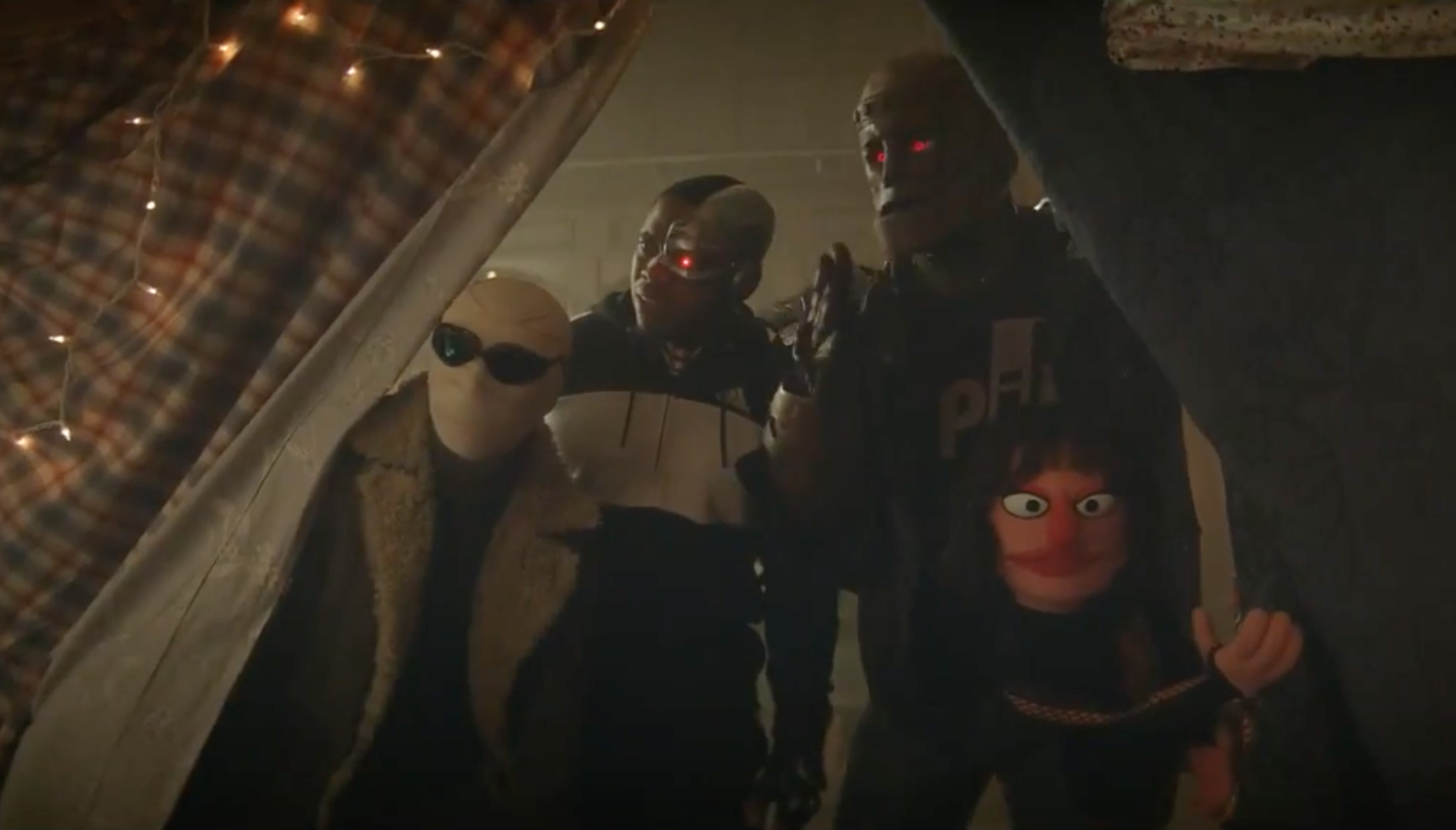
    The Doom Patrol—apart from Rita—swap places with subconscious versions of themselves. Larry finds himself in a memory from the moments before his wedding where he ultimately gives in to the homophobic hatred surrounding him (here, his mother’s) rather than calling off the wedding. Vic actually swaps places with a toy called “General Tony” from a memory where a racist toy store worker threatened to call the cops on him because he dropped several toys simply looking for a black superhero—there were none, and General Tony the soldier is what he left with. Jane is somehow in the subconscious of Kay’s subconscious where Jane and the other personas are Sesame Street-style puppets playing into Kay’s fantasy. Cliff finds himself in a memory of his own birthday party involving booze, bros, and a stripper—but the kicker is that he intentionally left his young daughter in the car to enjoy all of it.

    The characters’ subs all meet in Doom Manor and General Tony builds an elaborate pillow fort for them to convene. The way these subs interact could fill an entire other series alone, and already Matt Bomer and Brendan Fraser are absolutely phenomenal. They both benefit from getting to play very altered versions of the main characters we know—Bomer is pre-accident Larry and Fraser is pre-accident Cliff. Seeing either of the two as normal-looking humans is enough to be jarring, but allowing the actors to portray incredibly distinct versions of their normal character not within some kind of flashback is fascinating. While the subs discuss themselves, the main characters find a way to unite and break out of their subconscious realm and take a flying car (which looks like Cliff’s memory birthday cake) through a rainbow tunnel to Doom Manor to meet the subs on conscious ground.

    When everyone comes together, the magic of the episode really happens. There is so much context to these characters and the conversations they have that it is astounding that the episode did it justice. This review cannot, but to be clear: this episode alone makes the 31 previous episodes of Doom Patrol worth watching even if you didn’t think they were before (but they are anyway). 

    Larry was the only character who achieved some sort of resolution with his subconscious self. His sub confronts him that he is afraid that he doesn’t know how to love or is not worthy of it. Again, Bomer takes everything about Larry to the next level in this conversation. But the kicker is his final plea to main Larry to change his life, reminding him that he is stuck in an infinite loop of that memory: “Make it worth what I’m going through.” Larry’s sub then disappears. Larry is the first character to have that conversation with his sub, so it sets the stage for the other characters to get their resolutions as well.

    Except they don’t. Vic comes to terms with the fact that General Tony represents that he was expected to be a soldier and lost his childhood as a result. There’s an understanding that he can’t get it back, but General Tony tells him that he can make his own choices now. Vic screams, “I didn’t want a soldier!” as General Tony disappears.

    Cliff’s conversation is brutal and disheartening. Fraser is masterful here, and it’s hard not to believe he was actually talking back and forth with himself in real-time. Cliff’s “breakthrough” is that he admits that amongst his need to feel special, fatherhood makes him feel nothing. He recognizes that he’s doing the same dumb things now despite his second chance with Clara. With a lot of shouts of “Fuck you!” back and forth, the sub disappears. Cliff is left more agitated and emptier than ever, and it is a dramatic contrast to Larry’s conclusion. 

    If Cliff needed competition for “worst subconscious conversation ever,” Jane gives him a run for his money. Main Jane is still a puppet at this point, which is hilarious, but sub Kay tells her that everything Jane does brings Kay more pain. Kay says that it’s time for her to grow up and be without Jane. This conversation is the most heartbreaking—Kay disappears after she says, “I wish you would die.” Diane Guerrero doesn’t let you forget that she’s been acting the hell out of Jane since day one, and Jane absolutely loses her mind. It’s as if this is the moment she finally realized that Kay getting better means her existence is useless. It’s particularly interesting because Jane always knew this to be the case, but here it seems as though she finally let go of the illusion that they can all grow together.

    If the pure brokenness at this point was not enough, the episode has more punches left. After the Eternal Flagellation ends, our characters wake back up to the real world. Clara tells Cliff his presence as a grandfather isn’t working out, Kay has cleared the Underground of all other personas, and Vic wakes up from surgery with prosthetic skin and no tech. What we do have is Larry—sweet Larry—who goes back for the parasite he previously abandoned in the woods. 

    We also happen to learn why Laura DeMille actually time-traveled to 2021 anyway—after being fired from the Bureau of Normalcy because of Niles Caulder, the Brotherhood of Evil recruits her to travel in time, steal his technology, and bring it back so that the Brotherhood can invent it before Niles does. The Brotherhood finally gives her the name, “Madame Rouge.” Rita and Laura confront each other once again, and their duality and rapidly complex relationship is still one of the most interesting pieces of the Dada plot remaining.

    By the end of Subconscious Patrol, we are on very uncertain ground. At the very least, we know that Vic is no longer “Cyborg.” There’s also the possibility of it Jane being destroyed by Kay at any moment. Cliff is a broken (robot) man, but Larry is finding a way forward. The Dada storyline might be fading out as quickly as the fog rolled in, but the way it was able to bring the character development to a head in this episode was incredible and compelling beyond expectations. It’s pretty unclear how the season will wrap up its last two episodes after this, but Subconscious Patrol is one to remember.

  • REVIEW: ‘Doom Patrol’ Episode 7 – Bird Patrol

    REVIEW: ‘Doom Patrol’ Episode 7 – Bird Patrol

    Episode 7 of Doom Patrol methodically builds onto the Sisterhood of Dada storyline while gradually weaving in our main heroes. Flashing back and forth from past to present, we see how intricately the details of Laura and Rita’s past have come to a head in the present. While it takes a little time to truly get going, by the end of Bird Patrol there’s no doubt that the story is rolling and rolling fast. While the Dada story is undoubtedly still the heart of the episode, we get very meaningful developments with our main characters that suggest more dramatic changes and decisions will come their way very soon. The end of the episode is wacky and confusing, but is an incredibly intriguing cliffhanger and setup for next episode.

    The episode gives us more of an explanation as to what the Sisterhood’s goal actually is. Last episode, they were simply metahumans trying to find comfort with one another and express their creativity in a safe space. While in present day, we watch foreboding fog roll in slowly throughout our characters’ unrelated lives. At some point, the Sisterhood grow pretty tired of their lives because they realize they are not actually making any difference in the world. The growing fire for change coupled with a triggering event is what moves the Sisterhood from an eccentric group of friends to an odd group of perpetrators bent on the eternal flagellation.

    Laura’s role in the Sisterhood’s transformation becomes apparent as we watch her ultimately betray the Dada by caving into Bureau pressure and reclassifying the members as weapons. What makes this arc so interesting, though, is that Laura does not become “evil” or a “villain”, but rather is portrayed as a woman who saw the need for more soldiers after World Wars I and II. She’s tired, depressed, and somewhat hopeless—there’s not much active intent to do harm, and she truly believes she is doing the right thing.

    The show has been working on filling in the gaps in Laura’s story, but at the same time we’ve been adding on to Rita’s. Her relationship to Laura and Laura’s betrayal causes everything to come together by the end of the episode. The moment the episode chooses to reveal Laura’s true betrayal of the Sisterhood is pretty stunning. After the fog rolls in and takes over, the Doom Patrol and Laura are in a sort of rundown, haunted version of the place the Sisterhood used to meet. Something possesses the characters to do strange dances that the Sisterhood members used to do. All of this causes Laura to regain her memory, and its shown that she is reenacting when she and the Bureau came to apprehend the Sisterhood as well as Malcolm’s death in the process. The past-present switches are phenomenal, and it solidifies how important Rita’s role in the story is after her love Malcolm’s emotional death.

    The only negative to the reveal is that Laura isn’t close enough with the Doom Patrol for the reenactment of her betrayal on them to hit all that hard. Still, it underscores Jane’s realization later that this story has really nothing to do with the Doom Patrol. It’s an interesting stance to take for the show, but the past couple of episodes have proved that they can be a useful vehicle for the Dada story, and the upcoming eternal flagellation along with Rita’s new life will certainly play into our characters’ own stories. Plus, the Dada story certainly benefits in terms of how enjoyable it is from having the Doom Patrol serve as a sort of middleman.

    The Doom Patrol are continuing their (what feels like) mini-stories while the rest of this is going on. Cliff is still addicted to several online activities and is generally being an idiot. Jane is inching closer and closer to a major confrontation with the other personas over Kay growing and maturing—no one really says it explicitly, but clearly the other personas are concerned about disappearing, and it’s interesting that Jane doesn’t seem to either think or worry about it. Vic is still looking into synthetic skin and calls Roni who encourages him to keep the tech to be a better hero—essentially, Vic has to figure out if Cyborg is important enough to outweigh the fact that he doesn’t know if he even is “Cyborg”. Larry’s lump turns into some sort of giant larvae that he vomits up. Laura tells him to burn it, but Larry can’t get himself to hurt it. Instead, he leaves it in the woods with a sleeping bag and a peanut butter and jelly sandwich.

    The end of the episode is bizarre in the best way. Rita shows back up in the present day as the surprise-ish orchestrator of the eternal flagellation. She’s notably different—she’s much more confident, angrier, and more demanding. She’s certainly not the passive Rita we’ve known. The Sisterhood have some sort of giant cage with a bonkers-looking monster. Rita absolutely insists that Laura has to be the one to open the cage and begin the eternal flagellation. It seems to be pretty important, but Laura doubles down on believing she did the right thing so someone else opens it. Countless strange birds (“Dada birds”) emerge and fly everywhere. It is yet to be seen if the fact that Laura didn’t open the cage has some actual consequences.

    While Rita and Laura are coming to a confrontation, Laura escapes by shapeshifting into a bird and flying off. It’s absolutely chaotic, and this is all happening while the Doom Patrol just sort of stand there confused and not a part of any of it. It seems like they will be, though, because the final scenes are them being sort of zapped up by Dada birds and disappearing.

    Bird Patrol was probably the most exciting episode of Season 3 to date. The ending undoubtedly served as quite the cliffhanger going into the eternal flagellation, which is still incredibly mysterious and unknown. This episode makes it clear that Doom Patrol can tell a story where the Doom Patrol isn’t actually all that important. The show recognizes that they are entertaining and creative vehicles to tell another story through, and the inevitable weaving of them into the greater narrative can only make the actual story more fun than it could be on its own. On the other hand, having the Doom Patrol’s sporadic individual stories organized and portrayed through a larger and somewhat unrelated plotline also amplifies those stories in a way they would not have been otherwise. 

  • REVIEW: ‘Titans’ Finale – Purple Rain

    REVIEW: ‘Titans’ Finale – Purple Rain

    After a difficult season, we’ve wound up at a strangely simple finale for Titans—after not being well set up whatsoever, Purple Rain seems to also want to push through it and get it over with. Only about two-thirds of the finale is devoted to the resolution of the overarching Gotham/Crane plot, so the often convoluted twelve episodes that built up to this moment feel even more insignificant. As a positive, though, the plot in this episode is pretty cohesive and understandable, which isn’t something we’ve been able to take for granted. Otherwise, the ideas and actions in this episode are just ridiculous. 

    By the end of the finale, there are certainly a few loose strings, and a few random elements appeared, but there’s no strong momentum leading into Season 4. Honestly, that could mean there’s some chance of starting “fresh” and making something better, but that’s probably too hopeful. The show is an expert at forgetting its own past though as we’ve seen major characters completely drop off the radar without a mention. Probably worse is the fact that no matter what the characters experience, say, kill, decide, or have an epiphany about, it almost always is completely forgotten in either the same episode or the next. There are numerous examples of this in the finale too, and too many to actually mention. 

    By the end of the previous episode, none of our characters are near each each other, thinking about the same thing, or pursuing the same goal. This is usually not a great place to start a finale, but it is no shock that this isn’t any barrier for Titans. All of our characters magically end up in the same place and on the same page almost immediately. From here on out, the plot feels pretty routine—here’s the problem, within 30 seconds we’ve figured out the solution, and let’s go get it done. It’s not exciting in terms of pacing or creative storytelling, but it’s easier to follow than a lot of Titans so that’s worth something. 

    While the fundamentals of the story are simple, the actual “problems and solutions” really struggle. There are two tracks of the action: the group that goes straight for Crane in Wayne Manor, and the rest that do one of the most ridiculous things we’ve seen (but it definitely has competition)this season to save Gotham citizens . While the concepts for all of this are both laughable and too easy, they at least go by quickly without too many diversions.

    The boy band—Dick, Jason, Gar, and Tim—think they are doing some dramatic stuff. At one point Dick says, “We’re going to beat Crane by doing what Batman never would.” While that sounds like it could be aggressive, violent, or even creative, it is none of those things. Apparently Batman would never break into Wayne Manor through a window, turn off an alarm, have someone else hack into the computer, and then punch the bad guy. There really isn’t any reason why this couldn’t have been done in some form at any other point in the season if it were that easy. They do use this time to shoehorn Tim into the mix, and he gets the dramatic last word in with Crane before being the one to punch him. He’s a Titan now.

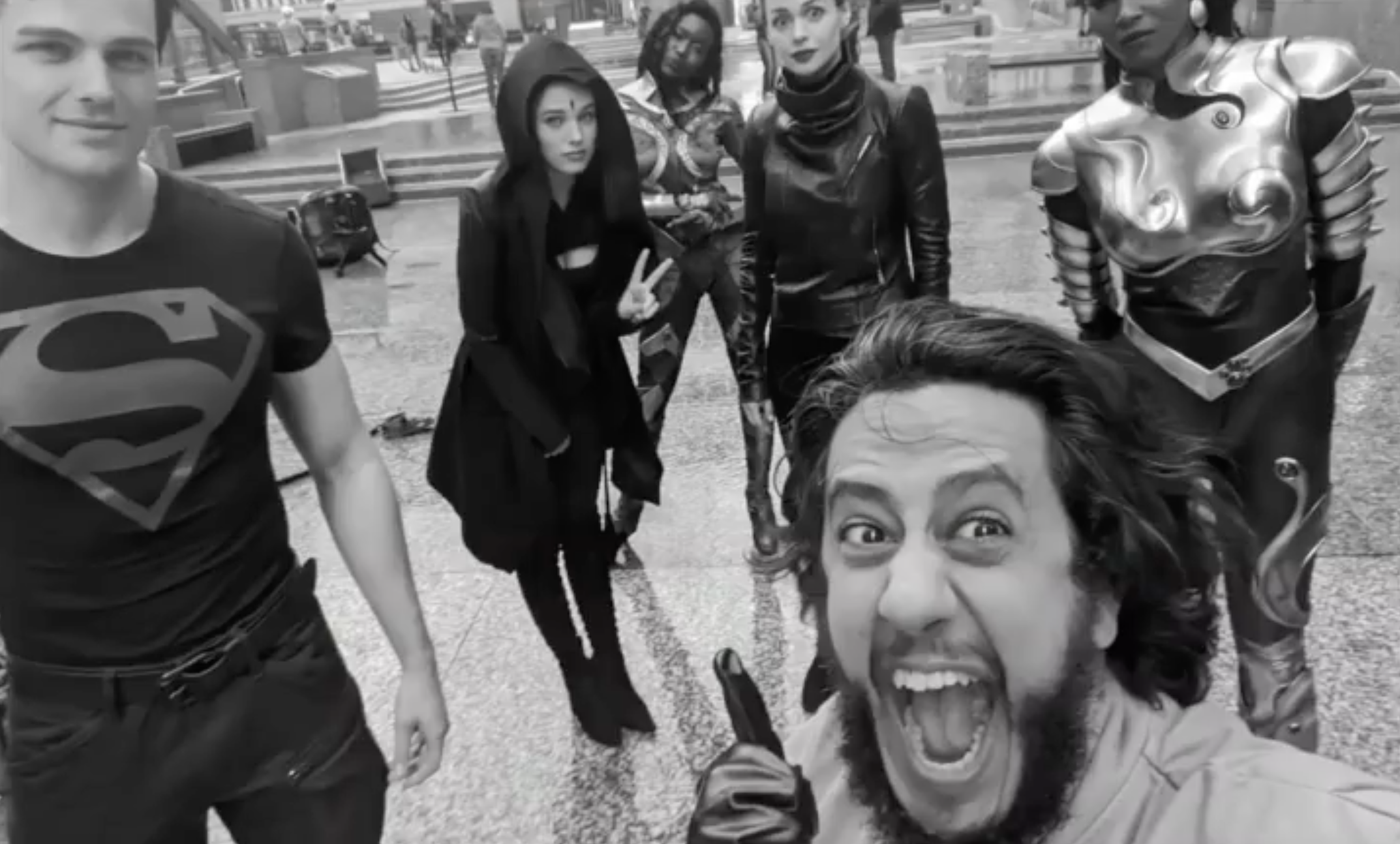
    Conner and the women (the people with powers) do the silliest stuff of the episode. After Crane kills hundreds of people, they figure out immediately that they can turn the Lazarus Pit into a storm that rains over Gotham and just casually revive everyone. Some nonsense combination of Rachel absorbing the pit’s nightmares, Blackfire shooting fire into water, and Starfire containing it in some sort of energy ball that she then throws into the sky is what does the trick. Luckily, there is also deadly lightning that Donna gets to lasso easily as a call back to her death by electrocution last season. How a season that started with Batman leaving Gotham managed gave us this ending is wild.

    After all of that, the whole finale battle is over more quickly than Titans has ever finished anything. We get about sixteen extra minutes of post-win content featuring a lot of Jason and Bruce Wayne. Bruce’s dramatic and mopey absence honestly made me forget about his whole role in this. So the dramatic conversation between him and Jason comes across so forced and cringey—they just made Bruce’s character so terrible, and the only attempt to redeem him is have him apologize for being a bad Batdad. We supposedly get some Jason redemption and resolution in the finale, but like everything, it’s too easy. He’s mostly just forgiven for no reason, and no other satisfying or realistic interaction between him and the others happens. As noted above, there are no consequences for the twelve episodes of constant bad decisions we had to slog through. 

    While we know that the Titans are returning to San Francisco, the show doesn’t leave any significant plot on the table. Honestly, that’s probably for the best. What we got in Season 3 has mostly been unfortunate. The episode did drop the fact that V is actually working for A.R.G.U.S.—which was an ex machina for computer hacking apparently—so the organization and characters associated with it are set up to show up again soon. Blackfire now has the ability to return to Tamaran using the ship Conner blew up because Conner perfectly remembers every detail of it. Just in case we forgot there are no consequences. 

    Donna also seems to depart the team while Tim joins it—it is interesting to see how the show will go about Tim’s superhero identity considering he was absolutely not set up to become Robin by never meeting Bruce and leaving Gotham. Maybe the show is appropriately not going down that path after its aggressive Bruce-is-a-child-abuser vibe this season. But it hasn’t been all that self-aware before. 

    The end of Titans Season 3 is absurd and ridiculously simple after this convoluted season. The best part of the finale is that all of this is over. The show left itself in a place no different than where we started honestly—while Jason was supposed to be a cornerstone of the story, he actually got about two episodes at most worth of development and his character barely changed if at all. The “Robin” theme wasn’t tapped into in a way that could have made it interesting. The Blackfire plot was horrible, the best characters were wasted if not damaged, and most actions that any character took made no sense and were hard to watch. At the end of the day, Titans hasn’t necessarily forced itself into a new plot, so maybe—just maybe—they can take advantage of a fresh start.

  • REVIEW: ‘Doom Patrol’ Episode 6 – “1917 Patrol”

    REVIEW: ‘Doom Patrol’ Episode 6 – “1917 Patrol”

    By going backward, Doom Patrol’s “1917 Patrol” manages to move the season’s plot forward significantly. The episode filled in much of the blank space the first half of Season 3 created surrounding Laura DeMille and the Sisterhood of Dada and in doing so actually gave Doom Patrol what feels like a concrete and cohesive storyline.

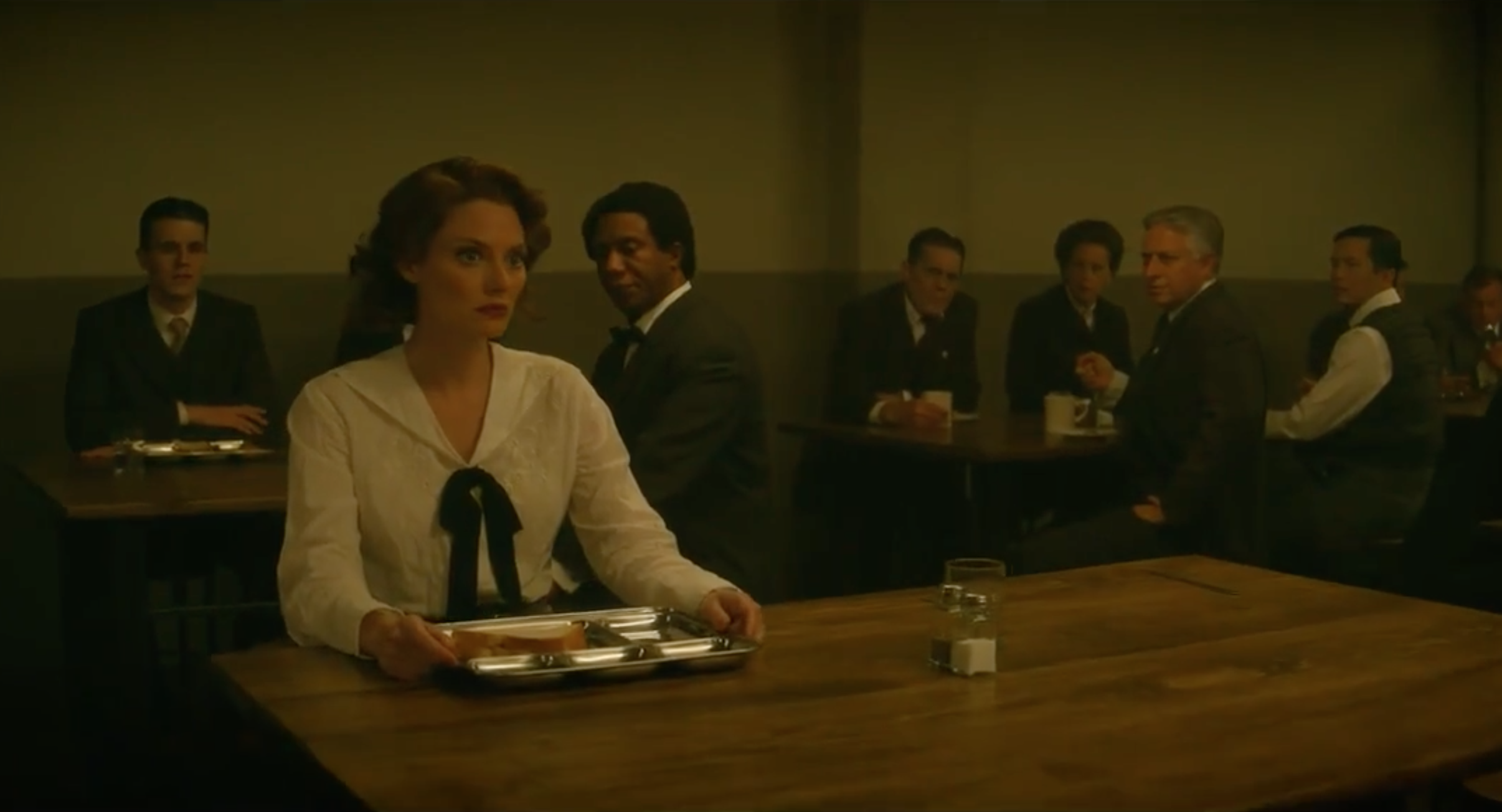
    Episode 6 sends Rita back in time to 1917 to explore the origins of the Sisterhood of Dada, which is helpful and welcome after the vague and mysterious way we met them last episode. Rita forgets who she is like we saw Laura do after using the time machine, but ends up at the Bureau of Normalcy which houses a small number of metahumans. Now known as Bendy, Rita finds a happy life working in the mailroom and connecting with the other metas.

    The group is mostly the same as we saw in the last episode, including Fog, Frenzy and Quiz. Additionally, Laura is a part of the Sisterhood, as well as a man named Malcolm who can turn invisible and has a birdcage and canary for a heart. Rita/Bendy finds a quick home in the Sisterhood, who gather in a place created by Fog to express themselves and be creative—but it’s essentially a speakeasy. In particular, she grows quite fond of Malcolm. The Sisterhood certainly does not come across as any kind of threat yet, so it’ll be interesting to see what happens between 1917 and the present day to lead us to their confrontation of the Doom Patrol and talk of “The Eternal Flagellation.”

    “1917 Patrol” does a phenomenal job in developing both Laura and Rita. While we’ve spent time with an amnesiac Laura and normal Rita, we haven’t had much development for half of a season. Ironically, this episode ramps up the two characters by mind-wiping Rita and putting Laura in a place where she knows who she is. Laura is a recruiter at the Bureau who classifies metas as either weapons or not weapons. She clearly has a soft spot for some—and she is a shapeshifter herself—as she protects the Sisterhood from being used as soldiers. On the job, she is indifferent, professional, and rigid, but once with the Sisterhood she comes alive like the rest of them. Rita, without her memories, is a much more confident and secure person who easily finds a family and a sense of belonging with the quirky group.

    The episode seems very intentional in how it uses this episode to frame the two women, and it pulls off probably several episodes-worth of character development in just this one. We now have an actual grasp on who Laura is and she is much more of her own person rather than just filler at Doom Manor now. Rita feels reinvented but is actually just being interpreted in terms of who she would be if she was not riddled with shame and insecurity. We spend a lot of time with both in the past after we spent a decent amount of time with them together in the present day—their individual growth is intertwined with their chronologically messy relationship, and the ultimate payoff of that, if this continues to be executed well, could be huge.

    Elsewhere in the present-day episode, the other members of the Patrol are handled similarly to how they’ve been dealt with so far this season. They are very separate from one another and are taking stabs at small bits and pieces of their own stories. Some of it feels a bit repetitive, and some of it feels slow—they certainly have not been folded into the newly revealed overarching story yet.

    Larry stands up for himself against his son who hates him for leaving the family after his accident. While Larry has normally let his own guilt weigh down his every move, he delivers a solid rebuke and tells his son that he can’t take his fatherhood from him. Cliff is still living in a haze of black-market Parkinson’s drugs, and he is addicted to online gaming, gambling, and girls. 

    Jane lets Kay go up to the surface to buy her own shoes, and Kay teaches herself how to ride a bike and experiences some joy for once. The other personas are not happy with Jane’s interest in helping Kay grow, and there’s an obvious setup to a bigger referendum on Kay’s trauma on the horizon. Vic is again questioning why he is Cyborg, or why Cyborg is Cyborg, or why Cyborg is Vic—take your pick. This time, though, he’s doing something explicit about it by looking into replacing his technology with synthetic skin.

    Episode 6 ends with Laura being ominously and threateningly contacted by the Sisterhood of Dada in the present day. Something has clearly changed from 1917, but like Laura, we are still in the dark. It’s noticeable, though, that Laura is for sure no longer being set up as the obvious and staunchly established adversary of the season. The mysterious but clearly rocky dynamic between her, the Sisterhood, and the Doom Patrol calls into question whether we will even have that kind of villain at all. The lack of that in the past hasn’t been particularly positive, but the seemingly more well-rounded and complex plot might have a fresh take on it.