Author: anthonycanton905

  • Peter Parker Paid the Ultimate Price in ‘Spider-Man: No Way Home’

    Peter Parker Paid the Ultimate Price in ‘Spider-Man: No Way Home’

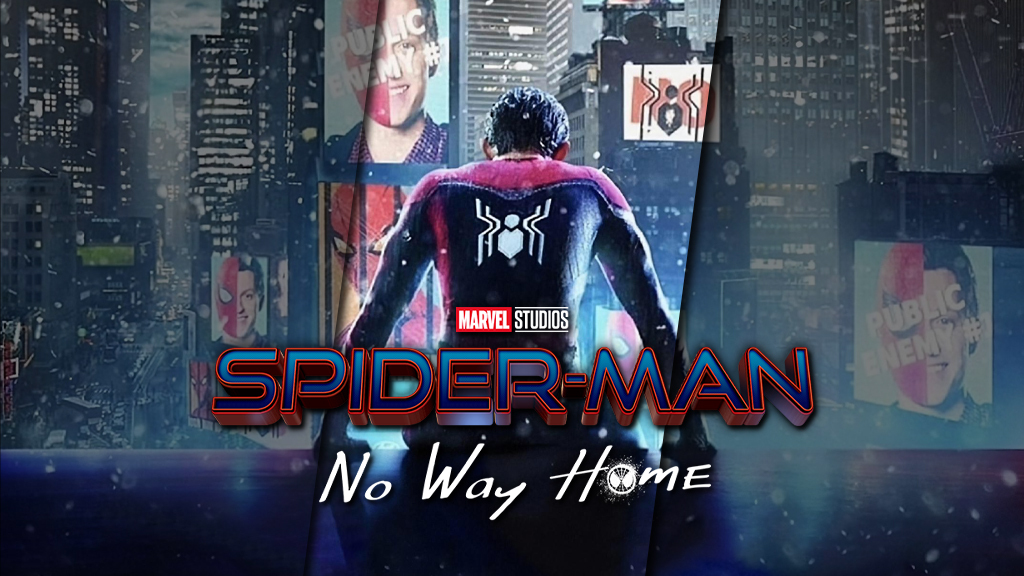
    Spider-Man No Way Home was an epic movie that oozed emotion, stakes, and fan service. The cameos – especially the appearances of Andrew Garfield and Tobey Maguire – took us all the way back to the beginning. It felt gratifying, satisfying, and like a warm blanket to the current cold world. However, going into this movie a question could be posited. Was Tom Holland’s Peter Parker given a proper story arc in this nostalgia-driven spectacle?

    The ending of Far From Home was the cliffhanger to end all cliffhangers. Peter Parker’s identity was exposed by Mysterio to the world and he’s left dealing with the consequences. A story like that could’ve gone so many directions. They even had plans at one point to make this about him being hunted by Kraven the Hunter. They could’ve had a rematch with the Vulture, as Scorpion joins the fray. Those would’ve been fun to see, and Peter’s story could be told in a much more straightforward manner. Make no mistake, No Way Home is a yeoman’s effort. It massages our curiosity but when it’s all said and done the mission is to remind us why we love Spider-Man.

    This trilogy has been about Peter Parker understanding what it means to be a superhero. In Homecoming, it’s about wanting it all too quickly after tussling with the Avengers in Captain America: Civil War. He causes a calamity and realizes he’s better off staying close to home. In Far From Home, he wants to take a break. It’s certainly understandable after fighting Thanos and losing his mentor figure with the death of Tony Stark. He skirts his responsibility and pays the price as Quentin Beck betrays him. It’s those words though. The price. Peter Parker pays the ultimate price in No Way Home.

    The distress of seeing what his identity reveals does to the people around him, specifically MJ and Ned, drives Peter to find a quick fix. He goes to Dr. Strange who’s all too happy to help. The young hero believes that everyone should forget he’s Spider-Man. Of course, then realizing that it shouldn’t be everyone. In trying to tweak the spell, Peter and Strange end up breaking the multiverse wide open. This isn’t some simple mistake, in fact it’s the mistake that turns out to be the final journey of the Peter we’ve come to know and love across his journey in the MCU.

    In trying to hastily fix things instead of facing them head-on Peter loses. It’s such a Peter Parker story, and it’s why we relate to the character. He is us. It’s totally human to want a life with the girl he loves and his best friend. Yet, at the same time, he’s more than that. He is Spider-Man.

    Later, as all the villains from Spider-Man’s cinematic past come through, it almost feels like a ghosts from Christmas past story. These villains are here to show him the way in a metaphorical sense. His first instinct, and the one echoed by Strange, is the logical thing to do, send them back to their world. In dealing with Norman Osborn, Aunt May contends that Peter must help them. What then ensues is the push and pull between doing the right thing and the practical thing. Especially once reality sinks in that their fate’s back at home isn’t going to end nicely.

    When Peter attempts to heal the villains, it does feel like the right thing to do, especially in how it stands in contrast to Dr. Strange’s view on the matter. We live in a world where there are plenty of people who end up on a dark path but there’s always a reason for it. Circumstances dictate things sometimes as much if not even more than a person’s nature. That nuance gets lost in the conversation. Yet, Peter sees exactly that but ends up paying the ultimate price.

    Green Goblin turns on him as Norman succumbs to his dark passenger. Tragically, Aunt May dies as she has lived, trying to help people and do the right thing. It is in this lesson for Peter that he receives the words the character is most famous for: “With great power comes great responsibility.” There is no easy answer, but you have to try. At this moment Peter gains wisdom and knowledge but he loses his innocence. It is gone, and he’ll never be the same. 

    By the end of the film, we see that price. The attempt to kill Norman Osborn will stick with him. This time around, he’s not to one giving help but receiving it. He’s pulled out of the darkness to embrace the right choice. Yet, he once again has to pay a price and unlike before, this time it is by choice. Peter convinces Strange to make the world forget he ever existed, even if it means he’ll lose everything and everyone. MJ and Ned will forget him. Happy forgets him. Aunt May is gone. His ties to the Avengers and kindred spirits will be severed. The anguish on Peter’s face when he decides not to reveal himself again to MJ or Ned is heartbreaking. There is no turning back here. It is a cold lesson, and one he must learn alone.

    Now that this price has been paid, Peter must live on. He must move on. It is the bridge that he must cross alone. As he goes forward, there will be a better understanding of the choices previously made. Peter Parker is one of us, but he’s not. He’s Spider-Man, and with being Spider-Man, it comes with a price. May the payments for Peter Parker going forward be more peaceful.

  • REVIEW: ‘Hanna’s Final Season Ends on an Aimless Spark

    REVIEW: ‘Hanna’s Final Season Ends on an Aimless Spark

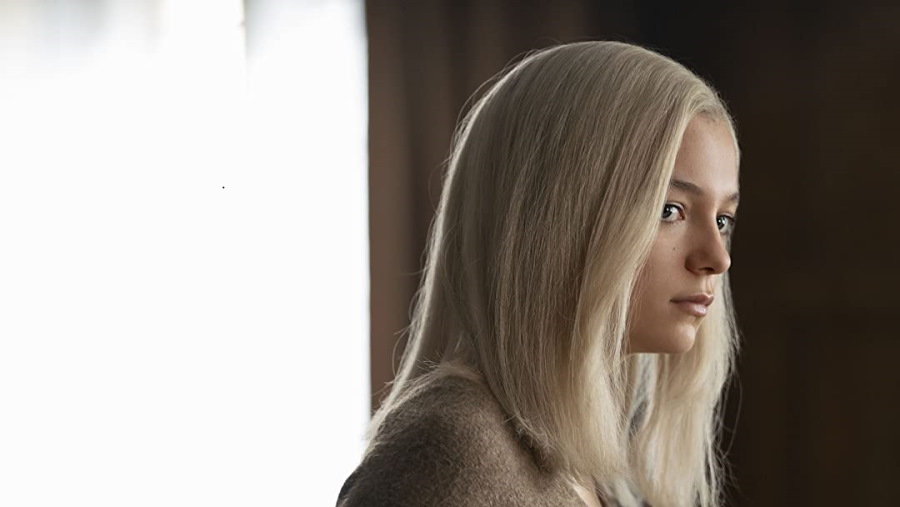
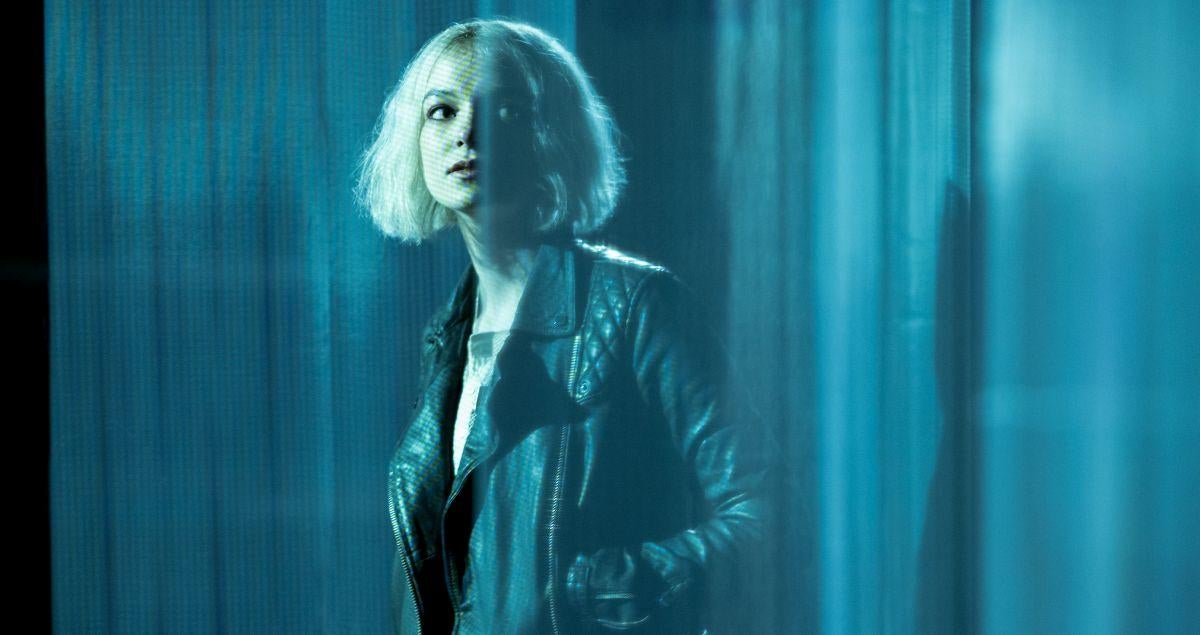
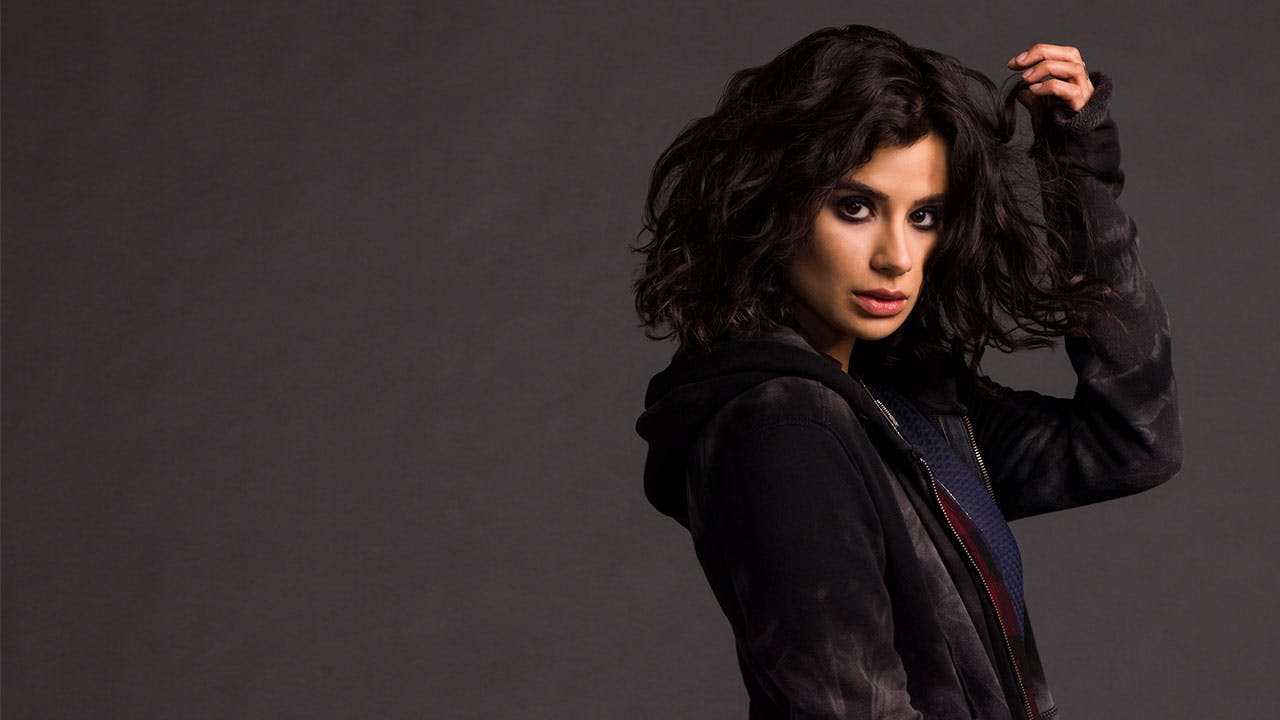
    The most important thing that Amazon Prime’s Hanna gets across in its third and final season is the reality that our titular protagonist needs to face. It’s perfectly summed up when Hanna points out that “even if you gave me the life I wanted, I wouldn’t know what to do with it. I only know how to fight.” Esme Creed-Miles’ performance continues to carry most of the show, as she gives us a character that is world-weary and on her way to completing her mission once again. Yet, it seems the story has forgotten that along the way.

    Hanna' Renewed For Season 3 At Amazon – Deadline

    The show’s first two season’s explored the dark tale of human trafficking and how the government corrupts young women by turning them into soldiers. They are trained to carry out deadly missions while integrating into society seamlessly. Up until now, the bureaucrats behind these missions were faceless but with a clear objective: eliminate perceived threats at all cost may they be for political or tactical reasons. In this six-episode final season, the modus operandi still applies yet now we have a face behind the bureaucrats.

    Hanna is once again fighting for something bigger than herself. Yet, she’s pushed by something she hasn’t been in the past, love. That very thing will have her acting irrational and sloppy in ways we haven’t seen to this point, which is a jarring change in comparison to the last few seasons. It’s quite the departure from a character who’s had a very clear-cut goal in mind only to fall back on something only recently introduced. Hanna’s romance at times brings the show to a halt. The character was already strong on its own merits and it feels like the entire plot point was unnecessary. It’s a narrative that you’d wish wasn’t there at all times. 

    Hanna Season 3: Release Date, Cast, Plot, Trailer, And Everything That You  want To Know! - Best Toppers

    The final season surprisingly cut its episode length down to six rather than the usual eight. Until now, the main issue was it didn’t feel like there was enough story to carry viewers throughout its run. You could make a comparison to many Netflix shows including unnecessary filler episodes. Yet, this season is the opposite, as you’ll end up wishing for more time to spend with Hanna and her relationship with Marissa (brought to life once again through a strong performance by Mireille Enos). Of course, there’s time spent between them but it should’ve been given more focus. It is the show’s core built throughout the last few seasons that seemed sidelined as a result.

    Hanna and Marissa face a very capable foe this time around in Ray Liotta’s Gordon Evans. His intimidation of Marissa drudges up some memories from her past that offer a look into her childhood and how long they’ve stuck with her. It offers some insight into her main motivation throughout the series and why she is so attached to Hanna. Plus, Liotta brings it aggressively here and proves to be dangerous in a way neither of our protagonistsTactically he’s one step ahead and personally, he’s in one of their heads. He’s a welcome addition to the cast as an uncompromising adversary.

    Hanna Season 3 Release Date Announced, First Trailer Revealed

    As the season progresses it becomes more apparent that there could’ve been more time spent with some of the supporting cast, especially Sandy (Aine Rose Daly) and Jules (Gianna Kiehl). They’re victims of UTRAX just like Hanna. So, while they play into the conclusion, it feels like they were undercut. The ongoing rivalry between Sandy and Hanna at least gets a conclusion, there could’ve been more time devoted to it. We never spend enough time on why Sandy despises her and continue to build on their relationship, especially with how this season manages its international espionage. In the case of Jules, it feels like she’s shoehorned her into the closing conflict. These are two supporting characters that have seen a lot of development so far yet ended up as afterthoughts.

    Still, the action in this show remains sublime and very enjoyable. The abbreviated season gives actions more weight and allows it to explore an overall darker theme. It also continues to build on its greatest strengths, such as the international locations offering a wonderful viewing experience. If you’re a fan of Hanna, this is a conclusion that fits the bill of who the character is. It’s not without its faults, especially in how some elements felt underutilized, but still offers a fitting end. Much like the show itself, you can’t have everything you want but you enjoy the time you have.

  • First Look at ‘Batwoman’s Killer Croc

    First Look at ‘Batwoman’s Killer Croc

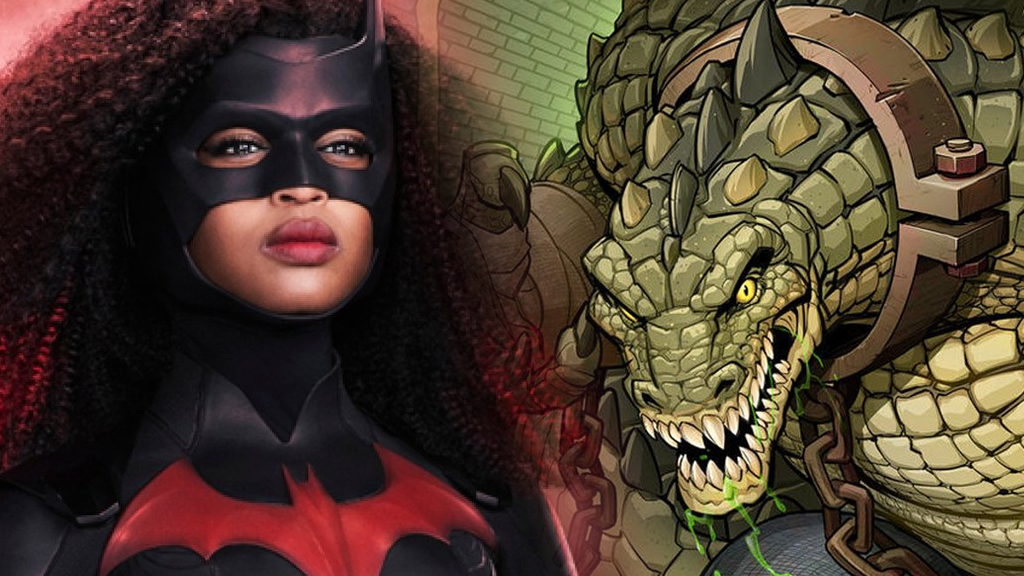
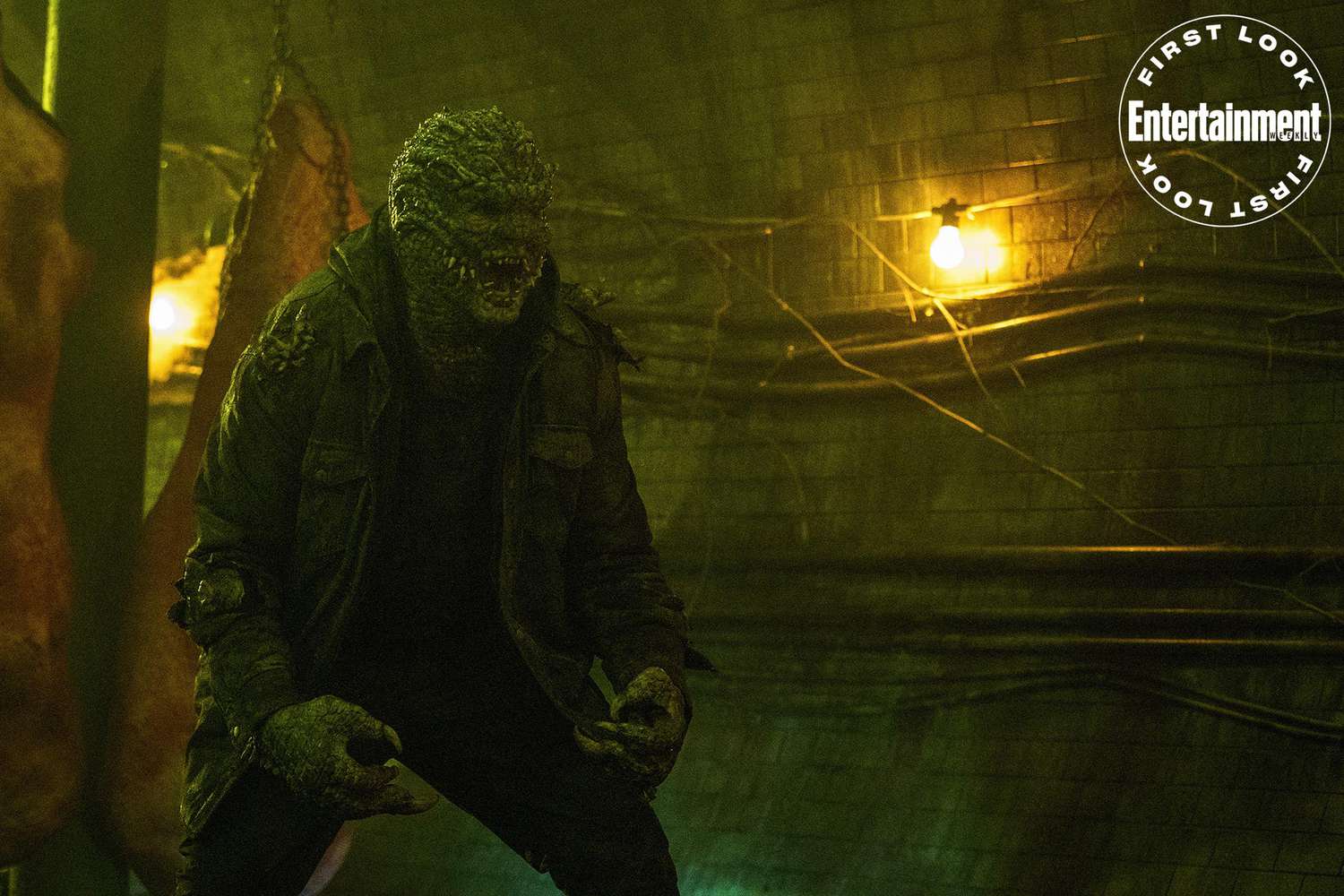
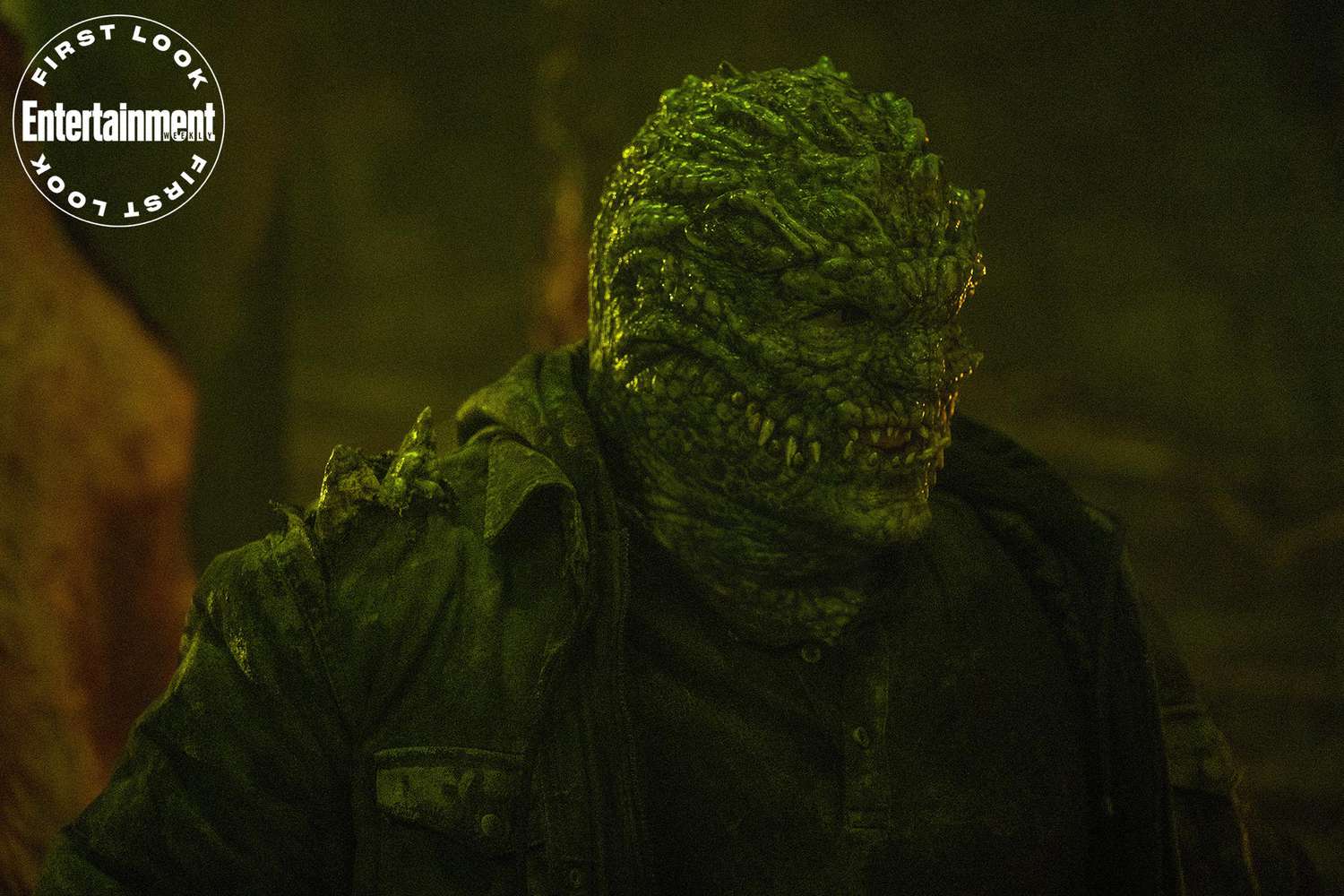
    Batwoman’s third season will soon make its return to the CW and she won’t be alone. We learned in August that Bridget Regan would take on the role of Poison Ivy. Luckily, it seems she won’t be the only classic member of Batman’s rogue’s gallery, as Entertainment Weekly has unveiled the series adaptation of Killer Croc. He’ll make his debut in the episode “Loose Tooth” set to premiere this Wednesday. Yet, it’s not the one you would think it is.

    Ryan Wilder will not face off against Waylon Jones, but an innocent teenager named Stephen transformed into the iconic villain due to an infected tooth he found. The character description also highlights that Stephen’s time as the Croc may change his future.

    As the bodies pile up, Batwoman will be forced to decide if there’s enough of Steven left in this new Croc to reason with, or if he’s already too far gone.

    Batwoman
    Batwoman

    Killer Croc is one of the more physical villains in the Batman universe. Ryan Wilder and the Bat-family will most certainly have their hands full dealing with the reptile, as they wrestle how to save the innocent kid. The new Batwoman Javicia Leslie shared her excitement for facing off against the famous rogue member.

    They hired an actor who was huge in real life. He’s like a really big guy, so we didn’t have to fake anything with special effects. So, the stunts were fun and he was creepy. Special effects did such a good job with his makeup and mask. So, he was really scary-looking. It felt like one of those nostalgic episodes that is like Batman meets Stranger Things.

    Javicia Leslie

    His design is quite a curious take on the character. While the mask teases a wide gaping mouth, the first image reveals that the teeth on his cheeks don’t move. The CW works with quite a limited budget and they still focus on getting out superhero story after superhero story. The upcoming episode will give us a clearer picture of Stephen’s future as Killer Croc is a one-and-done, or the infection leaves deep scars.

    Source: EW

  • Dissecting “Dada Patrol” with ‘Doom Patrol’ Writer Shoshana Sachi, Part Two

    Dissecting “Dada Patrol” with ‘Doom Patrol’ Writer Shoshana Sachi, Part Two


    In Part 1 of our Q&A with Doom Patrol writer Shoshana Sachi, we discussed how “Dada Patrol” came together. Here we discuss some of the most important character arcs with Jane and Vic. Also, Shoshana tells us about who she identifies with the most on the show and gives a little advice.

    Murphy’s Multiverse: Vic’s meeting with Frenzy has sent him on a different path emotionally. This was as angry as we’ve seen Vic on the show. What was the thought process behind lighting that fire under him?

    Shoshana Sachi: The mask Frenzy made that was a reflection of how he saw Cyborg, was titled Approximate man– which as you can imagine, got under Vic’s skin. I believe Vic has been on this path since season one. He’s always been aware that he’s different, and has always had preoccupations about his humanity vs his machinery. 

    He found it hard to speak to women, and there was hesitation when it came to being intimate with Roni. He’s very self-conscious about his humanhood and the way his body looks mostly mechanic (even though there’s a man underneath).

    Frenzy was pushing Vic to face up this question once and for all and came at it from a Black identity perspective. Which, as you can imagine, was harder to hear. But ultimately, it’s this sort of conflict that we hope will finally push Vic full force into figuring out his existential crisis for real.

    MM: How did the sweets metaphor come into play as far as Jane’s(and Kay) wants and needs go? Was it something specific?

    SS: I actually enjoyed your read on the sweet shoppe metaphor; a desire for something satisfying but ultimately dangerous. To be honest with you, the sweet shoppe was just how I saw The Fog’s inner sanctum. I didn’t want to give her something too serious or clinical. I wanted to showcase her fun side, and her indulgent side that was more open to frivolity, sensuality and decadence. 

    MM: Which character do you identify with the most on the show?

    SS: Jane for sure. She’s the reason I was drawn to writing for Doom Patrol. I’ve experienced physical and emotional abuse and trauma, so I felt very capable of tapping into that side of her experience. In Episode 5 of Season 1, we see her in her element: at a punk club in New Jersey, and that was such an expression of who I was in my early 20s’/ late teens. I used to go to underground punk clubs and throw myself into the moshpit. I was also used to being the only brown face in those spaces.

    MM: And finally, What advice would you give to aspiring tv/film writers?

    SS: I always like to say that if this is really what you want to do, make sure everything you do is in service of this. Just do it, write and learn the craft inside and out. Some young writers don’t want to listen to criticism or learning, I’ve come across that when I used to teach screenwriting– and the only thing that is a barrier to you becoming better at that point (As a writer) is yourself. 

    Be humble, be open, and listen. I’m always reminding myself I have a ways to go and things to learn. I feel like with every season I’ve grown as a writer, and if I hadn’t been open to learning to improve my craft, I wouldn’t be where I am today. That being said, helpful criticism and purely critical attacks are two different things. 

    You’ll hear a lot of rejection and I’ve faced a lot of it myself. It’s a tough business for creatives because we wear our hearts on our sleeves. It’s important to find a way to support yourself and seek support in others (therapy!), in order to keep your motivation up. Don’t take shit from anyone, if this is your dream, do it.

    Just like Doom Patrol, Shoshana Sachi is making waves in her own way. Doom Patrol airs every Thursday on HBO Max.

  • Dissecting “Dada Patrol” with ‘Doom Patrol’ Writer Shoshana Sachi, Part One

    Dissecting “Dada Patrol” with ‘Doom Patrol’ Writer Shoshana Sachi, Part One

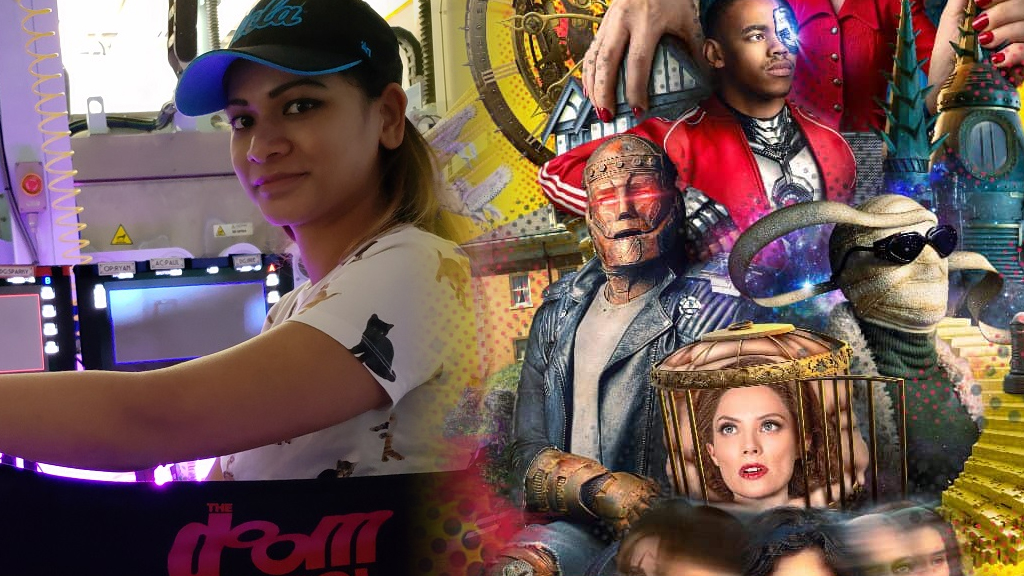
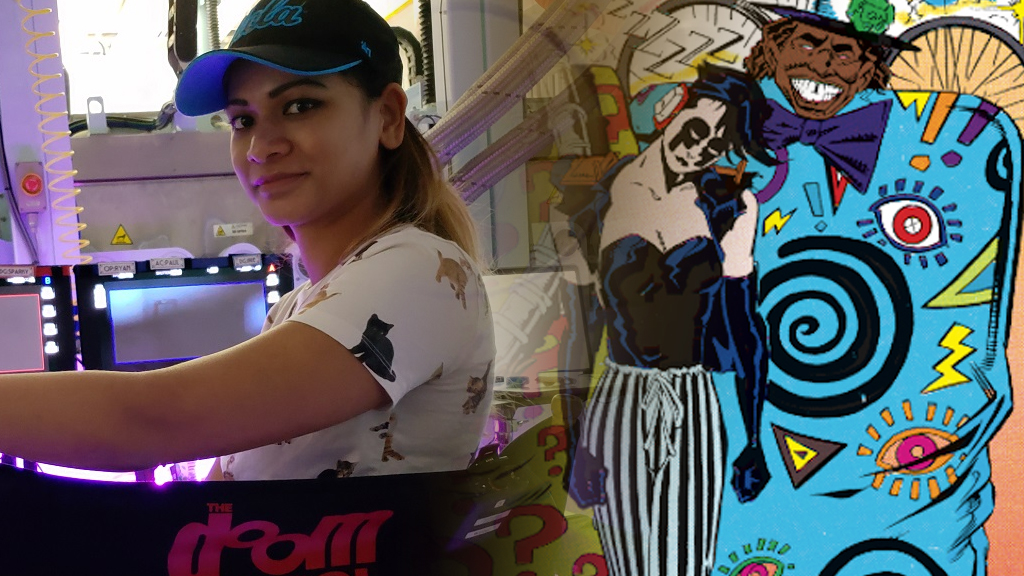
    In Doom Patrol’s latest episode of season 3, titled “Dada Patrol,” the team is tested mentally and emotionally in various ways. As character arcs shift, our favorite misfits have to find a way to deal with these new challenges. Murphy’s Multiverse was fortunate enough to talk to Shoshana Sachi, the writer of this episode for a two-part Q&A. Sachi talked to us about pitching the episode, introducing new characters and plenty more!

    Murphy’s Multiverse: What was the thought process in pitching this episode, and then writing this episode as you’re introducing new characters in the sisterhood of Dada?

    Shoshana Sachi: At the beginning of the season we as a writers room pitched on what we would like to see in the season, and plotted out the arc of the entire season. Jeremy (Doom Patrol EP) assigned me to episode 5, where we had plotted the Doom Patrol would intersect with the Sisterhood of Dada. From there, I took leadership for my particular episode and continued to have discussions/pitch sessions with the rest of the writers’ room to discover how we wanted to present the Sisterhood, and what conversations we wanted them to have with the Doom Patrol.

    It felt organic to me that the Sisterhood of Dada wouldn’t be a smash, bang, pow sort of group– they would more likely defer to psychological warfare so to speak. They’re interested in having existential conversations. For me, it was more of a task of finding where the Doom Patrol characters’ journeys intersected with the thoughts and preoccupations of the Sisterhood, and how they could have meaningful conversations that threw the Doom Patrol off their game. 

    Writing in hyperbolics and poetic speech is most fun and interesting to me, and I’m excited that Jeremy always indulges me in doing so. It seemed to match the sort of energy the Sisterhood had, so I believe it worked, though I’ve become aware that some found it esoteric, and I understand that.

    MM: What’s one of the biggest challenges for you as writer when you’re trying to figure out what works and doesn’t thematically?

    SS: I guess it’s finding ways to make sure everything we do is true to the character and makes sense for what the characters are going through at that moment in time. We also want to make sure we give the characters a respectful amount of time to get to where they need to go and not rush them. Sometimes it might seem like we’re moving them slowly, sometimes it may seem like characters backtrack a little, but I believe we’re always working in service to a truthful place that the characters are at emotionally. 

    MM: Who do you find the most challenging character to write for on the show? 

    SS: All of the characters have such different points of view and come from different backgrounds/ traumas. It’s always hard to navigate social issues or traumas because you want to make sure you portray it in the best way possible, with the best intentions– while being as truthful to what the trauma is. It can be a hard tightrope to walk, but I think because we have such a diverse room, we’ve managed to always find the right conversations and resources to navigate these things in a way that felt honest and eye-opening. 

    Be sure to check out Part 2, where we talk to Shoshana about some of the character arcs on the shows, along with her advice for aspiring screenwriters.

    Season 3 of Doom Patrol is on HBO Max now.

  • ‘Doom Patrol’: Jane’s Inner Conflict of Her Needs and Wants

    ‘Doom Patrol’: Jane’s Inner Conflict of Her Needs and Wants

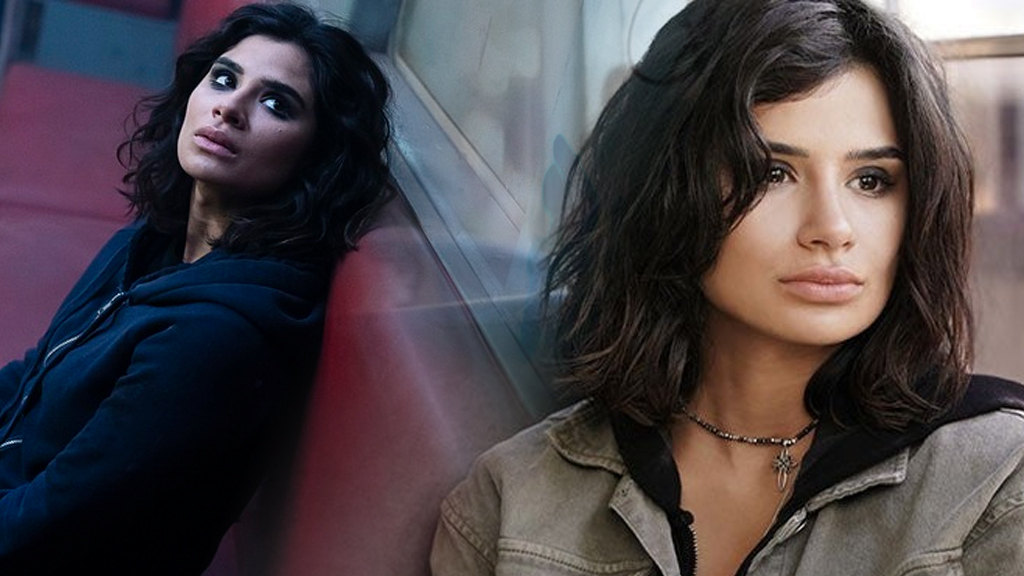
    In the fifth episode of Doom Patrol’s third season titled “DaDa Patrol,” the squad gets a taste of introspection. Each character is put in a position to learn something about themselves. The most fascinating lesson comes from Crazy Jane. As opposed to battling her many selves in other episodes, she’s faced with a question: Who is she? 

    We’ve gotten to know Jane throughout the series as we’ve dealt with her trauma in so many ways. The Underground has been a template for the issues she deals with as she manages the rest of her many personalities. One of them, Kay, is someone Jane is watching over closely. As Jane meets with the Fog (played by Wynn Everett) she’s presented with something the series is putting at center stage. What does Jane actually want?

    5 Reasons We Love DOOM PATROL's Crazy Jane

    We know what she needs, and that’s healing. A life not only managing these personalities but the previous issues with Niles is a tall task. It’s hard to do that and have a razor focus on taking care of yourself. Now as far as what she wants, the Fog is incredibly enticing.

    The metaphor of sweets was magnificent writing. We know that chocolate and candy is bad for us in excess, but it’s so damn comforting. A simple sweet chocolate bar can cure your ills at least for a time. It’s a distraction from the real world. As Kay is dining on said candy, you can see Jane’s tough exterior wearing away as the Fog talks about freedom. What would you give to live in a world where you can be yourself? Jane doesn’t accept this outright but she’s more receptive to the idea than we probably think. 

    Doom Patrol Episode 9 Photos: "Jane Patrol" | KSiteTV

    There’s nothing wrong with wanting something more for ourselves. As we try to strive to do the things that make us most happy that goes without saying. However, in the context of Jane’s wants this could be a crutch and like sweets an addiction. The old phrase be careful what you wish for applies here. It’s easy to suspect the Fog will continue to entice Jane. Her biggest problem here is it’s not just about her. When her other personalities interfere they sense this too, however Jane doesn’t. As this season continues she has quite the task on her hands. Judging by the way the episode ended, Jane will be trafficking in the wants. Let’s hope she realizes what she needs. 

  • Venom & Eddie: A Match Made In Heaven

    Venom & Eddie: A Match Made In Heaven


    “You call it madness, I call it love.”

    In Venom: Let There Be Carnage the examination of Eddie Brock’s relationship with the symbiote is fascinating. In all loving relationships, there’s a level of give and take that exists naturally. With these two, though, the give and take is tested in a way that exemplifies the meaning of love.

    As the film goes along eventually there’s resentment between both Eddie and his alien paramour. Venom feels like it has made Eddie a better journalist and it wants a say in how things get done. (The super strength and healing powers don’t hurt either, of course.) Eddie wants the symbiote to chill out and not eat people’s heads, but instead stick to the chickens. It’s almost like leaving the toilet seat up. Nonetheless, that relationship does reach a crossroads when the two separate.

    Sometimes distance creates perspective. Both parties got to see what it was like without the other. Eddie had a harder time figuring out Cletus Kasady’s story, and the symbiote couldn’t bond with just anyone. Even if they bicker like an old married couple, the two need each other. They’re at least smart enough to recognize that fact and eventually overcome their own issues and Carnage. 

    The biggest thing that the two of them learn is the classic relationship story of compromise. Working together and making the situation not only more tenable but meaningful in reality. These two iconic characters are in it for the long haul. As Venom’s story continues, the lethal protector has to be more together than ever. Whether it’s another Symbiote, or a certain wall-crawler Venom and Eddie will sink or swim together.

    As the saying goes, “We can only learn to love by loving.” This relationship is truly a romance. Eddie Brock and the symbiote are a complete package, and with that comes a world of endless possibilities.

    Venom: Let There be Carnage, starring Tom Hardy, is exclusively in theaters now.

  • The JSA Has Their Hands Full on ‘STARGIRL’

    The JSA Has Their Hands Full on ‘STARGIRL’

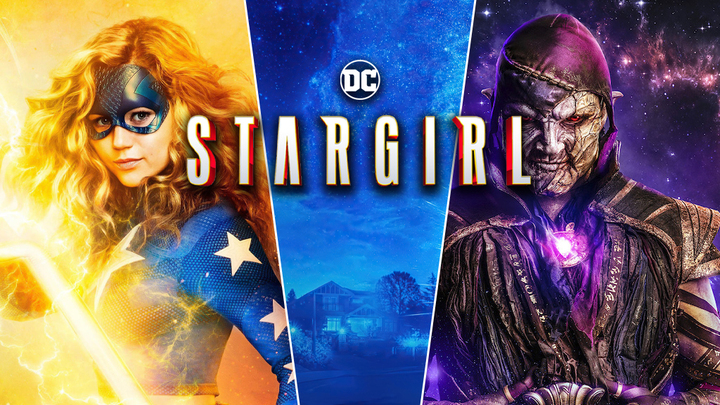
    On CW’s Stargirl, the Justice Society of America has an “it” factor. It’s partly what makes them such great heroes. Their inability to not know any better also helps to make them a formidable team. In the first season of Stargirl, the team fighting their way through inexperience was a big reason why they defeated the Injustice Society of America. Resolve and ignorance to the idea that they’re just kids. Now, they have a different problem, one that requires much more than a plucky attitude: Eclipso.

    Eclipso has been a villain that has not attacked Courtney, Yolanda, Rick, and Beth physically. Instead, he has attacked them psychologically, mentally, and emotionally. He’s fed on their fears and their doubts to the point that in this past episode Yolanda quit the team. Wildcat is no more. Her guilt over killing Brainwave last season has been on her mind ever since, and there’s no telling if she’ll ever recover.

    Yolanda goes to confession in the last episode, hoping for some absolution of her sin. What she gets is Eclipso making her believe in things that aren’t there… or are they? When we see Brainwave speak to her he says that his consciousness is in her mind. It’s enough to make Yolanda go mad.

    Courtney being the leader that she is attempts to get Yolanda to talk about these issues hoping that will help her heal. Unfortunately, when the group gets together, Beth isn’t definitive in her support which fractures the team more. The funny thing is, Beth, isn’t wrong for saying the words, “I don’t know.” How could she know? A secret like the one Courtney and Yolanda have kept is a difficult one to spring on the team.

    This is why Eclipso is so dangerous. He feeds on the questions, he revels in the cracks that were already in Yolanda’s psyche. Now, as the JSA is splintered, Eclipso is setting his sights on Beth who’s been struggling with her parents failing relationship. She could really use the help of Dr. Midnight. Nonetheless, as long as Eclipso is around Stargirl & Co. have their hands full. It’s going to take more than punching and kicking their way to win this fight.

    Stargirl‘s second season is currently airing on the CW Network every Tuesday. 

  • EXCLUSIVE: Fala Chen Talks Tony Leung and Being the Heart of ‘SHANG-CHI’

    EXCLUSIVE: Fala Chen Talks Tony Leung and Being the Heart of ‘SHANG-CHI’

    Shang-Chi and The Legend Of The Ten Rings features plenty of action. Each action set piece is bigger than the last until the film’s explosive third act. Now everything that leads into that action is surrounded by the heart of the movie: Jiang Li, mother of Shang-Chi, played by Fala Chen. Murphy’s Multiverse was fortunate enough to talk with Chen recently about her role, working with Tony Leung and more.

    Chen’s Jiang Li makes a big impact as the moral center of the film. Chen addressed how she stepped into that central role:

    I feel it was very natural for me to step into that role. I got to spend a lot of time with the cast prior to the beginning of filming. We trained together for so long that we hung out after our training sessions. We got to really know each other so well and we became best friends. So I think that really helped me to imagine some of the character I didn’t get to play with on screen but have a relationship with that was really helpful.

    Chen gave director Destin Daniel Cretton credit for not only helping her create what is an entirely original character but also creating an authentic vibe for Ta-Lo, they mystical realm from which Jiang Li hails.

    Then Destin (Director Destin Daniel Cretton), I have to give him so much credit for spending so much time with me to map out the journey of my character. He explained the backstories, and asked me what ideas I had for the character. There are imaginary backstories that we mapped out together. I feel like I was very lucky to not only play the character but have a lot of personal input as well. Here’s a small example particularly with the language. My character spoke Chinese in the film, and there are so many dialects in the Chinese language. Even with Jiang Li coming from Ta-Lo, which is a mystical village we wanted to be very specific about every word that she was using. It’s precise, it’s part of the spirit. The language we used is such an ancient, nuanced language we wanted to make sure it’s authentic. In order to do that we spent a lot of time with a translator. I had a lot of personal input in the translation of that. It was a lot of collaboration amongst us all.

    Chen absolutely stole the show in her role, a role, as it turns out, she never auditioned for as Marvel Studios was eager to work with her.

    I was offered the role and never had to audition for it, which was like, “What? “I was so honored and so happy. I almost didn’t even get the call that came through, because they’ve been tracking my availability. For a long time we didn’t know what the project was about. I had heard in the news that Shang-Chi was in the making, so I’ve been tracking it. We never know because they (Marvel) have been so secretive. I then went on a honeymoon with my husband. Then suddenly, my agent was trying to reach me and I didn’t hear from them for the longest time. Eventually we got a call from a satellite phone as we were literally out of this world, and they made an offer.

    Jiang Li’s tragic story was such a necessary part of this movie. It provides the context for Shang-Chi, Xialing, and specifically Wenwu’s journeys. The opening scene between Chen’s Jiang Li and Tony Leung’s Wenwu was a beautiful homage to Asian cinema. Chen talked about that scene and working with Hong Kong legend Leung:

    I have to say that was the most difficult scene to play but also the easiest thing to play. The difficult part obviously being the physical fighting. It was the intricate choreography and also being 50 feet in the air flipping around. Doing all that physically is really difficult as well as pretending to be such a master of a high power. At the same time the easiest part is looking into his eyes and just being a fan girl.

    Chen also echoed the sentiments of much of the film’s Asian and Asian-American cast when asked how she felt being a part of the production that brought Marvel Studios first Asian hero the big screen

    While I was a part of making this, I’m still kind of in disbelief that I’m lucky enough to be a part of this amazing story that’s going to be an historic film. Obviously not only for the Marvel Universe, but for especially the Asian-American community.

    Marvel Studios Shang-Chi and The Legend of the Ten Rings is in theaters now.

  • Shang-Chi: New Avenger

    Shang-Chi: New Avenger

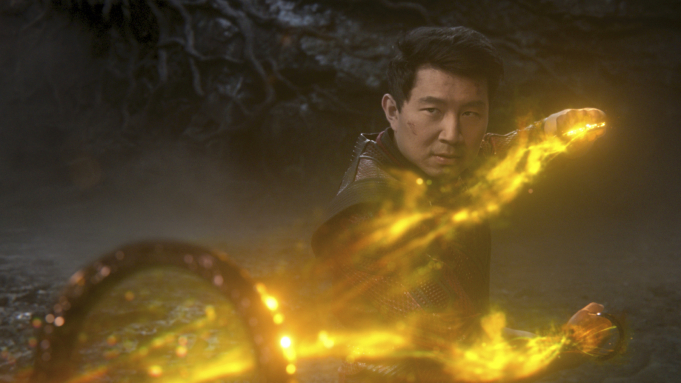
    As we find out in Shang-Chi and The Legend Of The Ten Rings, the titular hero is up to the task. With some help from his sister and the good people of Ta-Lo, a disaster of epic proportions is avoided. When the film wraps up we see Shang-Chi and Katy being picked up by Wong for a trip to the sanctum. What occurs next is a big step for not only the MCU, but Shang-Chi’s development as a new Avenger.

    As Wong is explaining to Shang-Chi and Katy the nature of the ten rings, we get a nice surprise. Captain Marvel and Bruce Banner are there via video screen a la Endgame. They’re also advising on the situation. The rings are described as very old and very powerful, as we saw Wenwu use to devastating results in the film. Something in those rings apparently acts as a beacon sending a signal. What that scenario means for the future of the MCU is a great question, but the immediate story here is fascinating: Shang-Chi is an asset to the team.

    The Avengers after the events of Endgame are all off dealing with smaller issues. We have plenty of individual stories that have begun to reconnect the larger group: the events happening on Earth, in the multiverse, and eventually space. How all of these things connect to an eventual bigger team up will be quite the undertaking. Seeing Shang-Chi after his first film essentially make his way to the team is our first hint at the future.

    Wong’s role in the film as a teacher is another story to watch. It’s clear that Wong in the fight with the Abomination is giving pointers to him like a trainer. Wong then advises Shang-Chi and Katy while also welcoming them to the team. It’s clear that Wong’s MCU role has also expanded. What that might mean for Dr. Strange is quite the topic down the line. Nonetheless, Shang-Chi and The Legend of The Ten Rings is more than just an introduction. It’s a sign that things in the MCU are evolving, with new faces and new Avengers.