Much has been said about the apparent lack of connecting tissue uniting most of the MCU’s Phase 4. Even though the climax for Marvel’s post-Endgame storylines being pretty straightforward from the moment the Multiverse came into play, most fans only came to terms with it in July 2022. This was when Kevin Feige announced the upcoming Avengers: Secret Wars, scheduled to be released on November 7, 2025, and in a single instant, it became easy to unite every separate storyline into a single narrative thread, in a way only the Multiverse can.
But there are levels to this. If on the surface, in terms of character movement, things should be moving in closer together for the foreseeable future, mimicking the final days of the Infinity Saga, there might be more assembling going on. And Werewolf By Night, even as detached from the usual look and feel of the MCU as it is, with little to no connection to other projects besides, you know, being set in the same universe, will probably have something to offer in that regard.
Marvel Studios’ Shang-Chi and The Legend of The Ten Rings (2022)
Phase 4 has been all about reinventing and reframing legacy characters all while introducing new faces, both heroes and villains, to an evergrowing canvas of intertwined stories. But it is also quietly revealing strange new artifacts, with apparent similar origins albeit vastly different capabilities, that might come together play a part in the multiversal war that is to come. And this is where Werewolf By Night’s Bloodstone comes into play.
Both in Shang-Chi and The Legend of The Ten Rings and Ms. Marvel, we’ve been introduced to relics that have been slightly reinterpreted from their comic book origins, all while bringing them together in terms of origin. As for the Ten Rings, they were seen as too much like the Infinity Stones, as each ring initially had its own color and ability, and so not only their look but their previously mentioned origin was significantly changed, with the Shang-Chi post-credit scene hinting at an alien origin. As for Ms. Marvel’s bangle, it became the item that ultimately unlocked Kamala’s powers, unlike in the comics where she develops her superpowers when the Terrigen Mists are released. The bangle is, like the Ten Rings, also hinted at as having an alien origin since it’s mentioned that Kamala’s ancestor initially found it on the arm of a blue alien.
Marvel Studios’ Ms. Marvel (2022)
As for the Bloodstone (a.k.a. the Bloodgem), its comic book origin is, you guessed it, also alien. It is said to be the fragment of a meteorite that crashed on Earth somewhere around 8250 B.C, and that eventually founds its way onto the hands of Ulysses Bloodstone, who became immortal by being in possession of the stone. This could fit the powers of the Bloodstone as mentioned by Ulysses’s widow, Verusa, in Werewolf by Night:
What aspect of the Blood Stone are we after exactly? The strength it lends? The protection? Oh… longevity.
Verusa
Marvel Studios’ Werewolf by Night (2022)
The stone is described as a powerful supernatural relic, a weapon unlike any other, something that fits the profile—and likely the origin—of the other two artifacts mentioned above. If the future of the MCU will bring them all together to serve as instruments in the conflicts to come, remains to be seen. But whereas the Infinity Stones were meant to be wielded together, working in unison towards one single goal, having the Ten Rings, Kamala’s Cosmic Bangle, and the Bloodgem doing the same, even if achievable, might be a bit more tricky. But also incredibly more entertaining.
Werewolf by Night is now streaming, only on Disney+
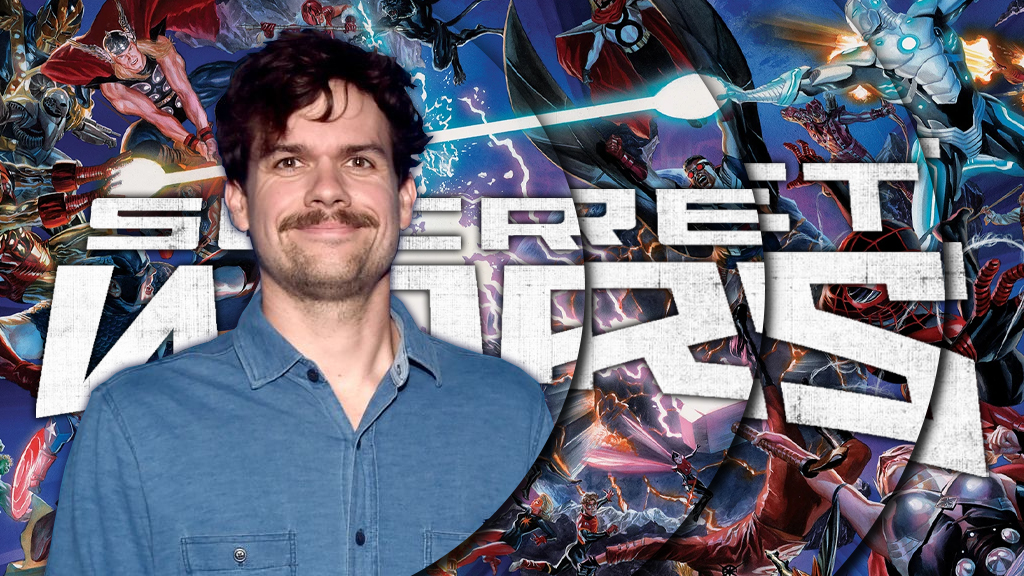
With the official announcement that Michael Waldron will be writing Avengers: Secret Wars, a large swath of reactions has been formed. Fans have questions as to what this will mean for what has the potential to be Marvel Studios’ most ambitious projects. With his previous experiences working on the first season of Loki and Doctor Strange in the Multiverse of Madness, Waldron feels primed to take this next step in telling the story of the Multiverse Saga. By dissecting Michael Waldron’s previous works in the Marvel Cinematic Univers, one might be able to Inuit how they can inform the directions audiences should expect from Avengers: Secret Wars.
Centralized Focus
Arguably the most distinct aspect of Michael Waldron’s writing for Loki and Doctor Strange in the Multiverse of Madness is creating a centralized focus on the main characters and their arcs. Despite the expansive stakes and scope of the multiverse that surrounds them, the main characters are never lost within the script. One of the many praises sung about Loki was the amount of character building for the titular protagonist. As the story moved to numerous vastly different locales and settings, Loki and his interpersonal dynamics with the likes of Mobius and Sylvie remained at the forefront.
When it comes to Multiverse of Madness, both Doctor Strange and Scarlet Witch had complete arcs that were logical for where they had been prior to the film. For Strange, the narrative was crafted of him being able to not be in the driver’s seat and trusting others, such as America Chavez, to ultimately save the day. Wanda’s arc was the continuation of her themes of teetering between morally just and unjust while dealing with the grief seen in WandaVision (or at least the themes that were present for most of the series).
Writing an Avengers film, the centralized focus will of course need to expand to fit whatever the team roster will be for Secret Wars. This is certainly doable for Waldron if he follows the general style that Christopher Markus and Stephen McFeely used when writing Infinity War and Endgame. After managing to do so in the back two-thirds of the Captain America trilogy, the duo also adeptly managed to keep the focus on individual characters in the foreground of universe-shifting events in their films. Theoretically having at least a year to write Avengers: Secret Wars with the same studio behind the duology wrapping up the Infinity Saga, there shouldn’t be much doubt Michael Waldron can do the same as his predecessors.
Expansive Multiversal Background
While the foci for his two previous Marvel Cinematic Universe projects were micro-level of character studies, it shouldn’t be ignored that Michael Waldron has indeed helped create an expansive multiverse for Marvel Studios. That universe feels primed to be much further extrapolated in Avengers: Secret Wars (among other multiverse-based projects). A misunderstanding seems to have been propagated that the events of Loki and Multiverse of Madness are incongruous with the rules of the multiverse; however, there aren’t any tangible instances of the two projects contradicting themselves. If anything, the partially disparate nature of the series and film feels intentional in creating the understanding of how vast the Marvel Cinematic Multiverse is.
Waldron’s writing on Loki was focused on building the framework and the primary core of Marvel’s multiverse. Usage of the Time Variance Authority helped to introduce the general concepts and histories of the multiverse that, at points, seemed intentional to allude to the upcoming Secret Wars event. Meanwhile, the Doctor Strange sequel moved towards providing viewpoints of distinct alternate universes and how they’ve been dealing with the maddening multiverse. The threat of Incursions being introduced continues Waldron’s trend of planting seeds for one of the next two major “Avenger-level” events. There’s likely to be a combination of these writing themes in Avengers: Secret Wars. Interpersonal conflicts between the different universe fragments mixed with the chaos of quite literally everything breaking around them.
Deep Marvel Lore
Michael Waldron has also shown a penchant for including deep-cut references out of Marvel historical lore, from both on-screen and comic versions. Two distinct examples from both of Waldron’s writing credits best symbolize how he could very well implement these references. The Void in Loki is home to a vast array of references that add to the background atmosphere for casual viewers while being enjoyable treats for the more hardcore superfan (ie. Qeng Tower, the Living Tribunal, and the infamous Thanos-Copter). Though in the foreground of The Void, audiences meet characters such as Kid and Classic Loki, both of which resonate with both casual and hardcore fans at the same time. This is something that may be critical for the writing of Secret Wars to succeed. In Doctor Strange in the Multiverse of Madness, Earth-838-specifically The Illuminati-represent what to potentially expect for the second-to-next Avengers film. First and foremost, the writing of the alternate New York City and secret council quickly created the concept of a lived-in world that has a history some audience members will want to learn all about (namely, the alternate version of Infinity War including The Illuminati and various teams yet to form in the main Marvel Cinematic Universe). In addition, Waldron balances both a reverence for the alternate legacy characters involved, especially Patrick Stewart’s Professor X reprisal, while also being willing to aggressively mess with the status quo to highlight the fragility of multiversal conflict. Expect Avengers: Secret Wars to combine and expand on these different types of lore establishments for a potential Battleworld.
Inspiration From Classic Media
While his knowledge base for Marvel history has shown to be expansively deep, Waldron certainly has found additional inspiration from various classic pieces of media. For Loki, many have found the narrative and aesthetic similarities to stalwarts of science fiction such as Brazil, The Hitchhiker’s Guide to the Galaxy, and Doctor Who. Meanwhile, with Doctor Strange in the Multiverse of Madness, Waldron’s script provides Sam Raimi the semi-Lovecraftian basis for the director to create a film visually akin to his work on the Evil Dead franchise (while being accessible as a PG-13 Marvel Cinematic Universe entry). While the argument can be made that these elements are more so from the directors of said projects, filmmaking is inherently a collaborative process and it’d be errant to believe that Waldron didn’t also have a hand in establishing the visual identities of these properties. And that type of perspective can be even more beneficial for helping whoever directs the sixth Avengers film to create their vision.
When it comes to Avengers: Secret Wars, it certainly will be interesting to see where inspiration may be drawn for this type of story. Based on Jonathan Hickman-written 2015 version, and even the more basic 1984 story, there are numerous cinematic and literary epics that could be used to inspire Marvel Studios’ Secret Wars.
Conclusions
All in all, the hiring of Michael Waldron as the writer for Avengers: Secret Wars seems to indicate a massively high concept and fast-paced ride of a film. Much like the process for Christopher Markus and Stephen McFeely on Marvel films, Waldron has been writing projects with elevated stakes and scope for Marvel Studios’ central saga. If the positive momentum and seed planted from season one of Loki and Doctor Strange in the Multiverse of Madness can be followed through upon, the script of Avengers: Secret Wars has real potential to successfully culminate Phases Four through Six in a majorly impactful fashion.
Billed as a legal comedy and delivered pretty much along those lines, She-Hulk: Attorney AtLaw didn’t seem like the type of show that would have far-ranging implications for the landscape of the Marvel Cinematic Universe. However, with one episode left to go, it seems that quite a bit of potential has been packed into these shorter episodes. Bruce Banner has left the planet for personal business on Sakaar; Jen’s blood has fallen into the hands of the HulkKing; and a man is running around in a frog suit! As big of a deal as Leap-Frog might seem to have been in Episode 8, “Ribbit and Rip It”, another revelation might end up being a bigger factor down the line.
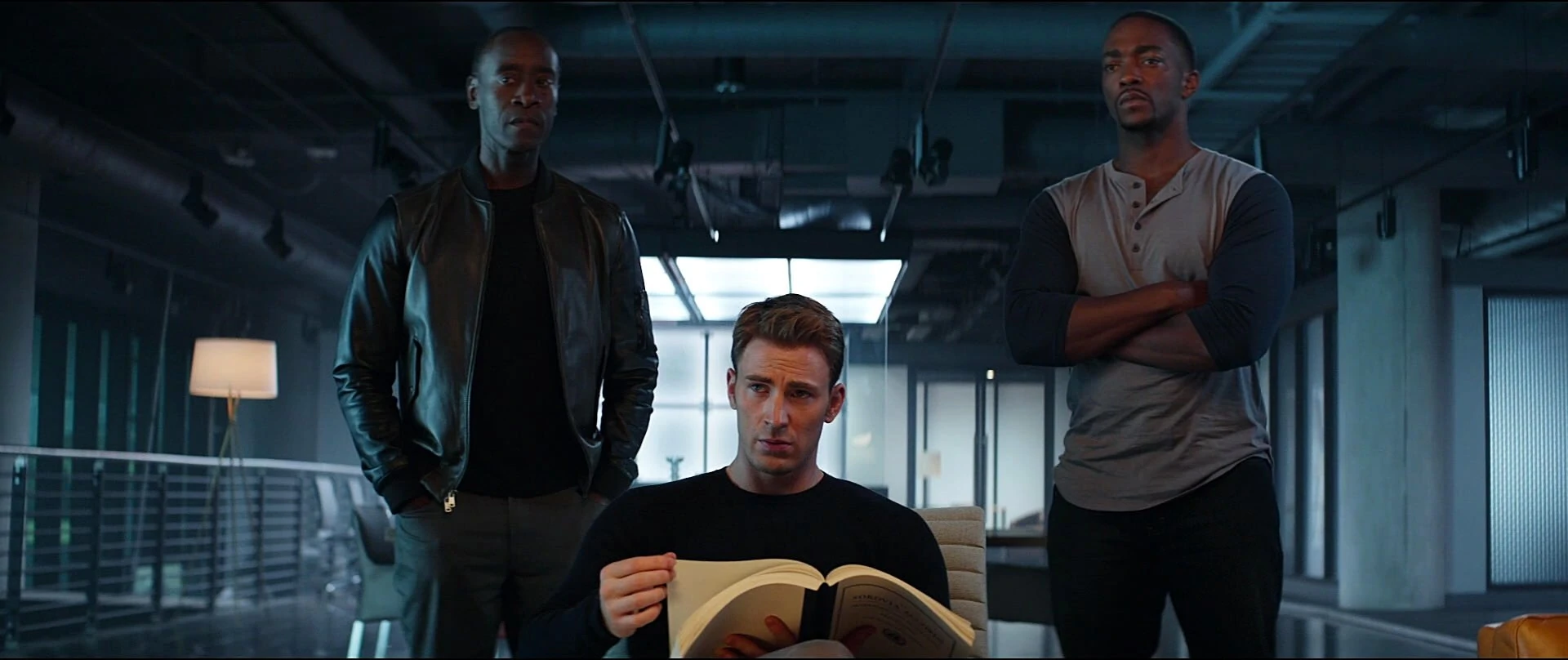
During Jen’s brief and slightly embarrassing court battle with Matt Murdock, Murdock casually revealed that the Sokovia Accords, which have governed the vigilantism of superheroes since the United Nations adopted them in 2016 following the events in Lagos, Nigeria, have been repealed. The Accords were intended to put an end to the unsanctioned acts of powered individuals and groups, such as the Avengers, by establishing an agreed-upon set of regulations.
The Accords have been addressed in several projects over the years after having been established in Captain America: Civil War. WandaVision saw a government agency defy them and The Falcon and The Winter Soldier, which was set in 2024, saw them on display in the Smithsonian. So while they might have seemed like a relic of the Infinity Saga, they’ve been kept alive for a reason before being tossed out there again in She-Hulk, which is set in 2025. What good comes from keeping them on the minds of the audience, though, when they’ve largely been ignored since their creation? The answer might be in the fine print.
By signing the Accords, heroes agreed to a whole mess of things, including:
providing a DNA sample
revealing their secret identities/legal names
power analysis
the use of tracking bracelets
The Accords also prohibited governments from sending powered heroes to other countries without the approval of that country; outlawed the creation of self-aware AIs; outlawed the creation of further superhumans without strict oversight.
For a line that was interjected into the middle of a fairly fast-paced bit of dialogue by Murdock, the revelation that the Accords no longer govern not only the actions of powered individuals but the CREATION of them seems incredibly important given the fact that Jen’s “better blood” is in the hands of, presumably, the Intelligencia which, presumably, is lead by The Leader. With The Leader recently announced as the villain of Captain America: NewWorld Order, Jen’s tease of a Red Hulk and the long-standing rumors of her blood being used to create multiple Hulks that might face off in a World War Hulk project, the fact that there are now no universally accepted regulations on how to handle these types of situations seems like it is setting the stage for chaos to ensue…and a new order to be established.
It’s awesome to see social media and friends’ reactions of what’s happening in House of theDragon. When an adaptation sticks as closely to the source material as House of the Dragon has, knowing what’s coming is a gift and a curse, especially trying to piece together how the show is going to adapt the book moving forward, and not spoiling stuff for you nerds. Let’s get into it.
Family Reunion
The episode opened in Driftmark, the seat of house Velaryon, where the Targaryens and Velaryons, and most of the King’s court have arrived for Laena Velaryon’s funeral. Very sad, very awkard, especially when Vaemond Velaryon started his funeral speech and monologued on about how they need to keep their blood pure and strong, a direct shot to Rhaenyra’s (possibly illegitimate, who could know!) children, prompting Daemon to chuckle loudly and put the attention on him instead of the kids. Good guy Daemon!
There was a lot of staring and tense conversations in the beginning of this episode, especially with Viserys (looking a hell of a lot better than last episode) trying to reconcile with Daemon and being spurned, Corlys seeing Laenor be drunk as hell waist-deep in the sea and basically screaming to Qarl to go get him, raising everyone’s attention, and ending with Viserys calling Alicent by his first wife’s name, Aemma. Get wrecked Alicent, you idiot.
Aemond and Jace’s brief reunion scene with the two of them standing awkwardly together, with Aemond seeming to try and start a conversation before walking off was of interest.. It’s a good addition, showing that the kids are being forced to hate each other by their parents, and their reluctance to do so.
Vhagar
Aemond has been pining for a dragon for a while now and refuses to wait any longer, especially with the largest dragon in Westeros there for the taking. The first ride looked like Aemond was trying to hang onto a 747 as it climbed higher and higher. Tom Cruise is probably asking for a dragon to ride for the next Mission: Impossible movie after seeing this episode.
Vhagar’s roars and flight wake up a number of people in Driftmark, specifically Rhaena and Baela, who in turn wake up Jace and Luke to confront who was riding the girls’ mother’s dragon. They meet Aemond in a tunnel coming from the beach and it’s pretty clear that a little power in the form of a flying nuclear weapon has gone straight to Aemond’s head. The four Velaryons start arguing in protest that Aemond stole Vhagar, starting a brawl that ends with everyone beating the hell out of everyone. It ends quickly after Aemond gets Luke by the throat with one hand, and a rock in his other ready to come down on Luke’s face. As he starts gloating and calling Jace and Luke bastards, Luke gets his hands on a knife it and slices Aemond, taking out his left eye. The Lore clearly states his right eye was taken out, so this episode is sadly a 1/10 on book accuracy.
Most importantly, the largest living dragon switched sides from the Blacks to the Greens, as pointed out by Otto Hightower. The results of this trade might become real sooner than you think.
Greens and Blacks
The brawl between the children brought both families together, screaming at each other, with the King trying to make amends. Viserys trying to patch things together and seeing everything slip out of his fingers is becoming a bit of a bad habit.
Jabs were tossed back and forth between Alicent and Rhaenyra, but the biggest was the allegation of who Jace and Luke’s father is. Aemond, being the little brother quickly blamed Aegon, who declared to the entire room that “Everyone knows. Just look at them.” Viserys quickly denounced these claims and put into law that anyone who is spreading these vile rumors will have their tongues out.
As the King went off to bed, Alicent went a little nuts and called for Criston Cole to bring her an eye from one of the boys. Smart guy Cole pointed out he’s sworn to protect her, not to maim children for her. Rageful, Alicent being the genius she is, decided to snatch Chekov’s dagger from Viserys and do it herself! Stopped by Rhanenyra, the two have a bit of word play that ended with Alicent slicing Rhaenyra’s arm, showing everyone in the room that she is a grade A psycho. Also, this is first blood to be spilled in the Dance, and it happens to be Aegon the Conqueror’s knife with the Targaryen prophecy forged into it.
This entire scene seems like a direct parallel to Season 1 of Thrones, where Joffrey is attacked by Arya’s direwolf. It ended with Robert succumbing to Cersei and ordering Ned to kill Sansa’s direwolf. Viserys however puts a stop to it. A stronger man than Bobby B.
After the showdown, Rhaenyra came to the conclusion that she needs strength from her husband, something she doesn’t currently have. But would with Daemon. They had a quick little romp on the beach for old times’ sake, and then they started their scheming. Daemon, in his henchman cloak, tossed some 30 pieces of silver to Qarl for the service of killing Laenor and escaping to Essos. And they did have a bit of a duel within Driftmark, where after Corlys and company find a burned body and mourned for Laenor…butour guy is revealed to have lived, those silver dreads shaved right off! Rhaenyra and Daemon are good guys!
Things to Come and Critiques
Helaena’s Dragon Dreams keep coming up, but what is it she’s prophesizing? Her prophecy from the previous episode paid off as she noted that Aemond would have to close one eye, which he happened to lose, in order to get a dragon. This episode she’s quoted as saying “Hand Turns Loom” (Could be literal, as Otto the hand has been creating a rift and seeds of war, spinning the loom) “Spool of Green, Spool of Black” (Back to the Loom. Green is Hightower, Black is Targaryen), and “Dragons flesh, Weaving dragons of thread” (More Loom! Targaryens creating war banners).
The show is leaning heavily into showing that the Blacks are the right side to cheer on, which is something that is a bit of a disappointment when it’s so clear that everyone on both sides sucks.
Laenor surviving and leaving his family seems a bit hypocritical. Earlier in the episode, he doubled down on his commitment to Rhaenyra; suddenly, he’s fine with leaving everyone, including his dragon Seasmoke? Throughout the books, the bond of a dragon and rider is for life. How is Seasmoke going to bond with a new rider when Laenor is still alive?
It seems as thought Episode 8 might see another time jump, aging the kids up for the Dance. The 9th episode of almost every Season of Thrones was where the shocking spectacles took place. Ned’s death, The Battle of the Blackwater, the Red Wedding, the Battle on the Wall, Dany and Drogon in the fighting pit, and the Battle of the Bastards were all EPISODE 9 events. Episode 8 is the deep breath before the plunge, and so far, there are no signs that House of the Dragon will be doing things differently.
“There are decades where nothing happens; and there are weeks where decades happen” – Lenin – ME
As for episode 7, and much the previous week’s, there were a few new takes on less known comic characters. This time we got Man-Bull, El Águila, and Porcupine introduced into the MCU, all of which were already the focus of individual features by our own John Sabato. Taking a deep dive into how these characters were adapted to the small screen makes little sense now, so we decided to focus on three other villains with whom She-Hulk has a history that might end up getting adapted themselves in the future. Especially considering both present and future events within the overall MCU.
RED SHE-HULK
Red She-Hulk #66 (2013)
With the increased relevance to the MCU’s future that The Incredible Hulk has managed to gain in the past few months, with The Abomination coming back, and Tim Blake Nelson set to return as The Leader in Captain America: New World Order, it’s probably not that big of a stretch to think of a possible Red She-Hulk appearance down the line. Especially given how that particular movie will probably explore a potential explosion of Hulks in the MCU.
Even if the MCU’s Red Hulk might not turn out to be Thaddeus “Thunderbolt” Ross, due to the passing of the great William Hurt, why not bring back another character from the first Hulk outing, thus allowing Betty Ross to become Red She-Hulk?
Red She-Hulk #67 (2013)
Red She-Hulk shares many of her father Red Hulk’s abilities, including superhuman strength, which enables her to take on both the Hulk and She-Hulk. She can pierce even the thickest and most resistant skin with her razor-sharp claws and talons. Unlike her father, she can produce energy blasts, which she might use to devastating effect. Though this was only for a brief period in the comics, she could fly and had theoretically limitless strength in her form as the Harpy. She also could come to own her “big ass sword” that was initially presented to the Red She-Hulk during the “Fear Itself” storyline and was crafted by Tony Stark using Stark Industries repulsor technology and enchanted uru metal (the same material Mjölnir is made of) from the Real Eternal, Asgard.
ABSORBING MAN
She-Hulk #23 (2007)
With Titania becoming such a big focus point in She-Hulk: Attorney at Law, and with the apparentease with which superpowered people now show up in the MCU, why not bring someone close to her that also happens to have a history with She-Hulk? Absorbing Man fits the bill.
She-Hulk #23 (2007)
Crusher Creel, who we’ve already seen on the small screen in Marvel’s Agents of S.H.I.E.L.D., played by Brian Patrick Wade) has the power to imitate the matter and strength of anybody or anything nearby thanks to a mysterious potion. Most frequently, he duplicates the qualities of anything he touches, including solids, liquids, gases, and even energy sources. Over time, he learned tochoosewhichsubstancestoabsorb,andeven how to absorb multiple substances at once and combine their properties. During one of his encounters with She-Hulk, she realized that he could only ignore certain materials’ qualities if it wasn’t abundant. But drowning him in something that would be detrimental to his physical condition could then turn his powers, which could allow him to be the most powerful villain in the entire Marvel Universe, into weaknesses.
UNUM
She-Hulk: Cosmic Collision #1 (2008)
Another interesting foe that could come up against Jennifer Walters, is Unum. The cosmic entity Enmity (one of the Seven Friendless, a group of seven cosmic creatures) basically assembled the being Unum from the remains of many extraordinarily potent dead entities, including Dormammu. The Latin phrase “e Pluribus Unum” which means “out of many, one” is where the name of this enormous entity originates.
What makes her especially interesting in the context of the MCU is that Unum was established with the sole intent of eliminating all heroes, but initially focusing on female heroes, something that could lead down a compelling path in terms of storyline and real-world analogies. Unum was essentially invincible, but She-Hulk managed to defeat it and as a result of the revelation that Enmity was only using her as a tool for amusement, the mighty Unum turned against her creator, destroying her physical form, and committing suicide.
She-Hulk: Cosmic Collision #1 (2008)
It’s doubtful any of these characters might show up in the final two She-Hulk: Attorney at Law episodes, considering how Daredevil and perhaps even The Leader could be making appearances. But with Jen’s story continuing beyond the show, and with the series making it clear that no character of off limits, it shouldn’t take long for her rogues’ gallery to expand significantly in the not-so-far future. Either with these or other characters.
The first seven She-Hulk: Attorney at Law episodes are now streaming on Disney+.
The debut of AMC Studios Interview with the Vampire served not only as the first glimpse into the live-action adaptation of Anne Rice’s Vamprire Chronicles, but more boldly as the anchor to the larger Immortal Universe the studio hopes to create. An integral part of that universe will be the Mayfair witches, a group of characters based on a trio of novels written by Rice. AMC began development on Mayfair Witches in 2021 and Season 1 of the series, starring Alexandra Daddario is expected to debut in January 2023. However, it turns out fans didn’t have to wait long for some connectivity to be established between the two pillars of the Immortal Universe.
Early in Episode 1 of Interview with the Vampire, a family breakfast at the Du Lac household turns into a family bitch session as each of the members of the group take turns griping about something. As Paul adds his concerns about his sister marrying a Baptist and having to follow a tradition of jumping a broom, he quips that there are “plenty of brooms down the street at the Mayfair sisters’ home.” The remark gets a chuckle from Louis and a brief admonishment from his mother, who asks him to walk back his comment. No damage is permanently done, but with Paul’s words, the stage is set for the arrival of the Mayfair witches.
The Mayfair witches have a wonderfully rich established history in Rice’s novels. Their legacy began in Scotland in the 1600s when Suzanne Mayfair bound herself to a demon named Lasher. Over the centuries, the agreement made by Suzanne has ensured that each generation of her family would see one member born with the ability to connect with Lasher and serve as a witch. The Mayfairs moved to New Orleans in the 1700s and became a fixture there until modern times when Rowan, Daddario’s character and the thirteenth witch in the Mayfair line, inherited Lasher and the powers that came with him.
Given the timeline set in Interview with the Vampire, if any of the Mayfairs were to appear in an upcoming episode one might expect Julien, the only male heir to Lasher’s power, or Mary Beth, one of the most powerful witches ever in the Mayfair line, to be good bets. It’s unclear just how much crossover to expect between the two series, but given all the work AMC Studios has put into developing the Immortal Universe, whatever crossover they do decide on will certainly be more than fan service.
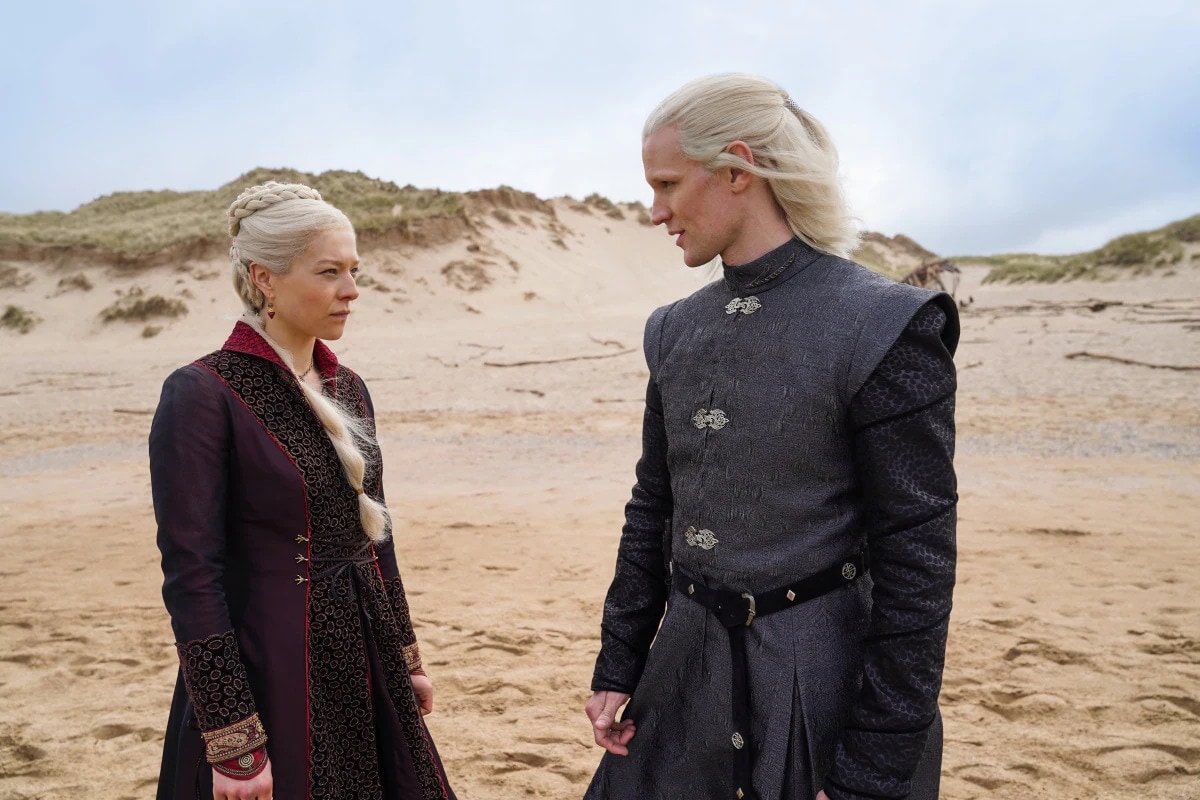
HBO’s hit series House of the Dragon returned this week to remind everyone that, in it’s heart of hearts, it’s really just a big budget soap opera. The episode begins with a funeral and ends with a wedding, both of which are lined with the messiest of family drama one could possibly imagine. Nanna Blondell‘s Lady Laena Velaryon has recently died by self-inflicted dragon immolation, a real thing, and now everyone from both sides of the Velaryon-Targaryon family tree must unite at Driftmark to say their goodbyes. Unfortunately, neither of these bloodlines can ever maintain niceties, and the gathering quickly devolves into drunken shenanigans and children beating the life out of each other in the middle of the night. Normal, typical reunion stuff.
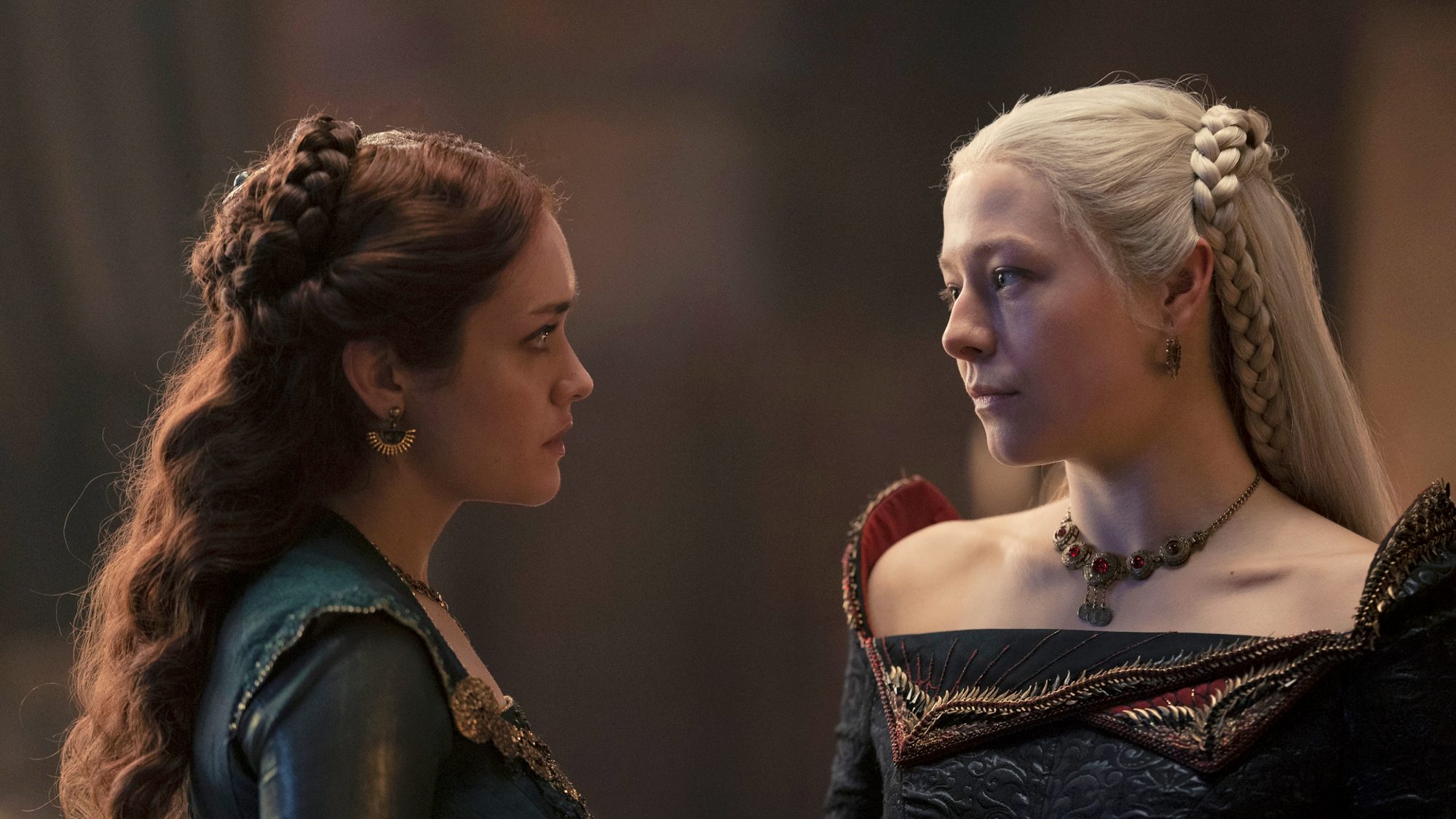
Emma D’Arcy‘s Princess Rhaenyra Targaryan clings to what she has, ultimately wedding her Uncle Daemon (played by Matt Smith) after faking the death of her husband Ser Laenor (played by John Macmillan). The Queen Regent, Olivia Cooke‘s Alicent Hightower, can’t handle the situation and tries to cut a person’s eye out after her own son is attacked, but everything turns out alright when young Aemond (played by Ewan Mitchell) bonds with a dragon well beyond his own years. It’s quite a bit to pick through, but here at Murphy’s Multiverse, that’s never been a problem. So, without further ado, here are the best and worst moments from this week’s episode – Driftmark.
BEST – The Funeral
There’s a lot of good in Driftmark. In fact, it was actually kind of difficult to select a specific part of the episode as the very best it had to offer. However, one would be remiss if they didn’t single out the opening funeral sequence as the epitome of what the entire series has been over the last several weeks. It’s one of those rare television moments when every major player left on the board is in one place at the same time, and they all act exactly the way viewers would hope. Tom Glynn-Carney‘s Prince Aegon immediately gets drunk, Laenor stands forlorn in the water, Daemon laughs at the most inappropriate time, Rhaenyra and Alicent are at each other’s necks, Harry Collett‘s Prince Jacaerys is thinking about his illegitimate father, Paddy Considine‘s King Viserys goes to bed way too early, and Matthew Needham‘s Lord Larys Strong stares unabashedly at the Queen for far too long. It’s a chaotic masterpiece.
Every minute of the funeral that passes is more entertaining than the last. It’s the show at its very best, with high-stakes politics and poor familial relations clashing to create the kind of drama tornado fans and critics both live for. The rest of Driftmark is also incredibly well-done, but the first chunk sets the tone so beautifully it simply must be recognized. More of this in the future, please.
WORST – It’s Still The Incest
Truthfully, it’s insane how many times this website has had to state that incest is bad. True to its source material, it seems House of the Dragon will continue to double down on incestual romance for the long haul. While it might have been more fun if the series kept examining the false marriage between Rhaenyra and Laenor, it will instead pivot to showing a lot of an uncle making love to his niece in a super uncomfortable manner. Strap in, because it appears this whole family-that-hates-each-other-but-also-really-loves-each-other vibe is part of the show’s package deal. With any luck, the creatives will at least include less graphic visuals in the last few episodes of the season. Until then, viewers can only hope Rhaenyra one day sees the light and moves on to another Ser Harwin Strong.
Nearly 30 years after Tom Cruise, Brad Pitt and Kirsten Dunst brought novelist Anne Rice’s incredible world of beautiful and terrifying vampires to the screen in 1994’s Interview with the Vampire, AMC, which gained the rights to adapt Rice’s works in 2020, has chosen to retell the story to launch their Immortal Universe. Despite several starts and stops, Rice’s rich universe of characters and stories was never able to live on in serial format beyond her novels. AMC seems to think they can remedy that problem, however, having ordered both a second series, Mayfair Witches, and a second season of Interview with the Vampire ahead of the latter’s series debut. If Episode 1 of Interview with the Vampire, “In Throes of Increasing Wonder…”, is any indication of what to expect from AMC’s adaptation of Rice’s works, it would seem that they have indeed found a way to bring the characters, settings and themes of those works together and lay the foundations of a shared universe as steeped in lore as the novels.
Any effort to adapt Rice’s works has to begin with capturing the essence of the two main characters: Louis de Pointe du Lac and Lestat de Lioncourt. And to this end, AMC seems to have made preternaturally acute choices in casting Jacob Anderson and Sam Reid as Louis and Lestat, respectively. Audiences will likely find themselves as captivated by Anderson’s Louis as Lestat was himself. Whether it’s the smooth delivery of his accent in early-20th century Nawlins or the ennui of an immortal man in the present day who has seen all the world has to offer, Anderson’s performance is as effortlessly brilliant as he is beautiful. Reid’s Lestat, Rice’s chosen protagonist of the bulk of her Vampire Chronicles, shows off the petulance and power that earned the character the moniker of the Brat Prince in the novels and lures Louis deeper into his game until he bestows the Dark Gift upon him. Equal parts charming and infuriating, Lestat only gives glimpses of his true nature in the pilot episode but Reid’s performance leaves the audience both wanting more and knowing there’s more there, much as Louis knows the same about his new lover.
As much as Louis and Lestat might feel like they are ripped right from the pages of the novels, creator Rolin Jones hit the sweet spot of reinventing the characters (likely in part to keep them from being carbon copies of Brad Pitt and Tom Cruise’s versions) while capturing the essentials. From cleverly making this Louis’ second go-round with journalist Daniel Malloy, played brilliantly by Eric Bogosian, to Louis’ new profession and boldly changing the location of Louis’ transformation, Jones put his stamp on this adaptation. Though the sample size is small, it looks as though those choices, as well as Jones’ willingness to embrace and explore the nuances of the nature of Louis and Lestat’s relationship, something the 1994 film avoided, have not only set it apart from the film but, so far, make it a superior effort.
While the series would never get off the ground without proper characterization of Louis and Lestat, Jones, director Alan Taylor and executive producer Christopher Rice, Anne’s son, also captured another of the elements that made the novels so powerful: Rice’s sense of the importance of history, both real and imagined. A read-through of any of Rice’s Vampire Chronicles would serve as a fascinating lesson in grounding a fictional mythology in some of history’s most interesting eras. The episode works as much as a love letter to the New Orleans of the early-20th century as it does an introduction-and a very brief introduction at that-to the incredible world of vampires and supernatural creatures that AMC is setting out to create. AMC’s burgeoning Immortal Universe won’t just be inhabited by vampires, after all, so the subtle nod to New Orleans family of witches might seem like a throwaway line, but the audience might rather think of it as equivalent to Nick Fury’s drop-in following the events of Iron Man.
Taken as a single, standalone episode, “In Throes of Increasing Wonder…” tells a compelling story of a man who deserves to be more than what he’s allowed to be; taken as the first episode of streaming series that’s already been green-lit for a second season, the pilot introduces intriguing characters, plotlines and promises in both its past and present settings; taken as the first look at AMC’s shot at developing a shared universe with a staggering number of stories to be told over the known history of humanity, the first episode of Interview with the Vampire is the adaptation fans of Rice’s novels have dreamt of for decades and one that Rice, who passed away nearly a year ago, would have proudly endorsed as capturing her love of history…and of Louis and Lestat.
Amazon Prime’s Lord of the Rings: The Rings of Power continues to deliver week to week and Episode 6, entitled “Udûn, may have been one of the series’ best to date. After Galadriel, Halbrand and the Númenóreans arrived just in time to help Bronwyn and Arondir hold off Adar and his army of orcs, things seemed to be trending up in Middle-Earth. However, just as Halbrand is hailed as King of the Southlands, the Southlands get a major remodeling.
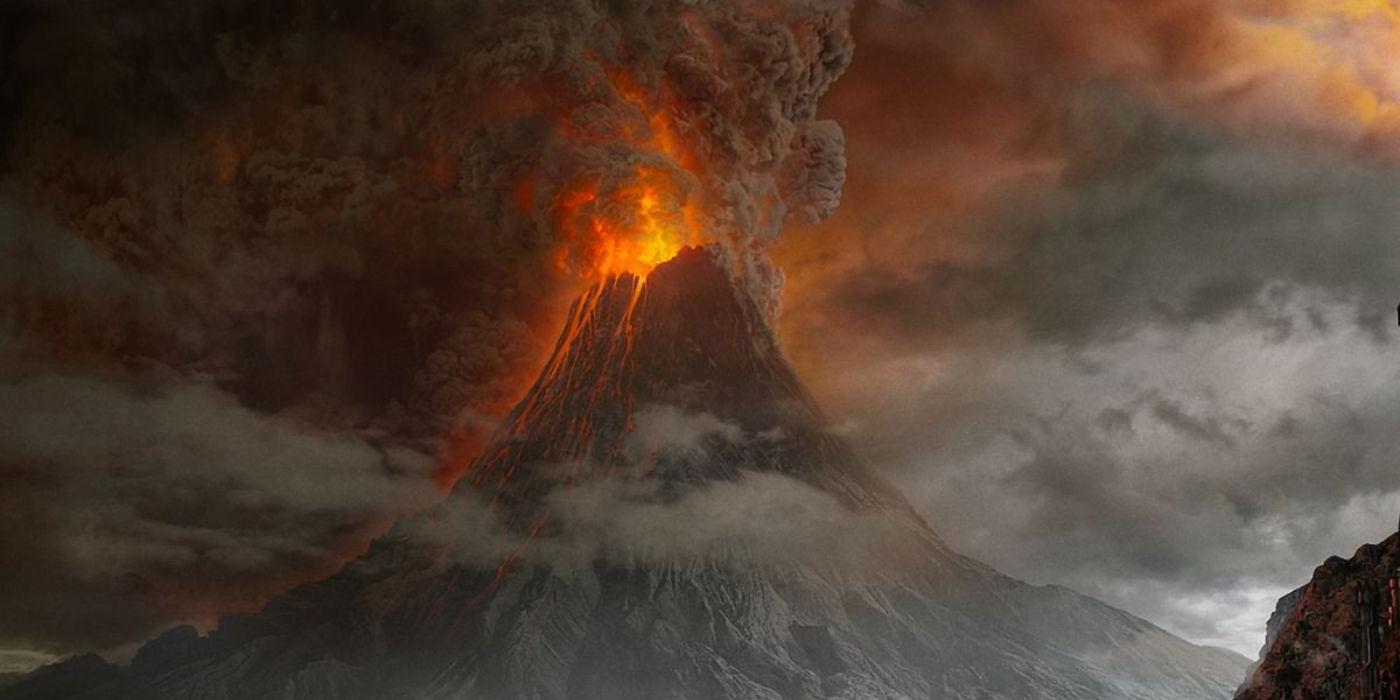
As it turns out, when Adar was captured he was not carrying the hilt that he and the orcs had been seeking out. Unseen, Adar gave the hilt, which works as a key, to Waldreg, one of his grimey human peons. Waldreg worked back to the tower where he inserted the hilt into a stone and truly unleashed hell on Middle-Earth. Waldreg turned free a dammed up water source that eventually found its way to an underground lake of lava. Upon arrival, the mixture caused a catastrophic eruption, blowing the top off of a mountain which will now become known as Mount Doom.
The location where Sauron’s treachery finally ended as seen in Lord of the Rings: Return ofthe King when Gollum falls into the lava and destroys the One Ring is now the centerpiece of The Rings of Power. Adar’s plan to find his Uruk a home where they can be free of the sun came to fruition as the eruption of Mount Doom turned the once scenic valley into what will now become Mordor, the realm of Sauron. Showrunner Patrick McKay talked to the Hollywood Reporter about the decision to show the creation of such a major setting in the franchise.
A huge theme in Tolkien is the environmentalism and the way machines and industrializations destroys the land. We wanted that to be central and core all the time. It’s a thing that comes up again and again throughout the show. So in the writers room, we asked: What if Mordor was beautiful? All bucolic like Switzerland. And then what could happen that could transform it? We talked about the poisoning of the land — which starts in the first episode with the cow. Then you find out about the tunnels being dug and sulfur is going up into the air. It all builds toward this geologically realistic way of igniting the mountain, which now blacks out the sky for a very practical reason — Adar, our villain, sees the Orcs as his people and they deserve a home where the sun doesn’t torment them. We’re hoping it will take people by surprise.
Patrick McKay
Episode 6 moves the series that much closer to the creation of the Rings of Power and the One Ring. With Mordor and Mount Doom now on the map and the fates of many of the series’ main characters up in the air following the cliffhanger ending of Episode 6, it seems that the arrival of Sauron might not be too far off. Or perhaps, he’s been there all along…
Lord of the Rings: The Rings of Power is now streaming on Amazon Prime.
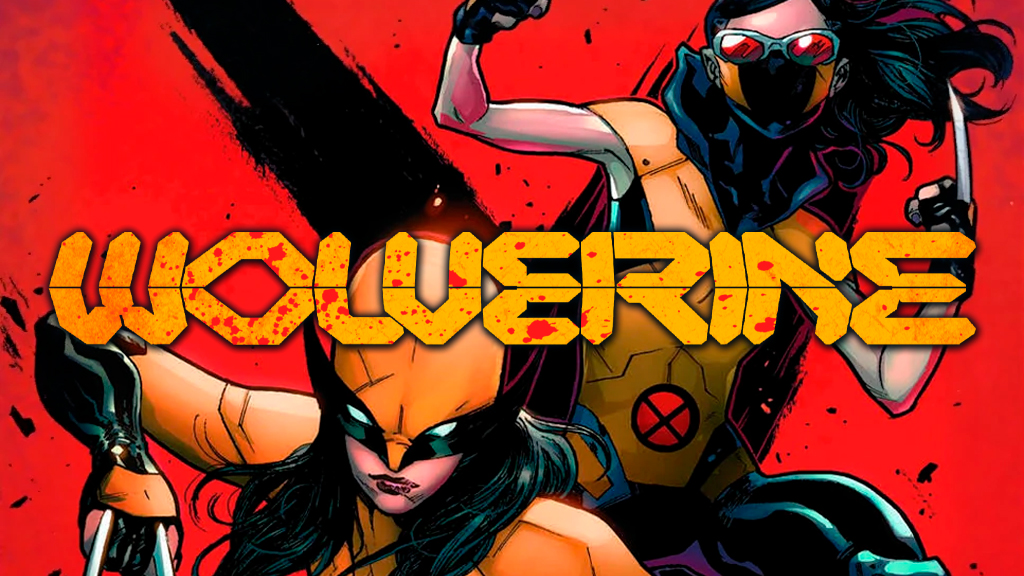
Wolverine is one of the most popular comic characters of all time. Given the character’s long life, it is no surprise that there are more than a few successors to the Wolverine mantle kicking around in Marvel Comics. And with the recent announcement that Hugh Jackman will be returning to the role once again in Deadpool 3, now is as good a time as any to look at the most prominent of Wolverine’s “children” that could be adapted into the Marvel Cinematic Universe. Right off the bat, there are quite a few “mini-Logans” running around in the comics. So many that one was able to round up an entire team of Wolverine offspring called “The Mongrels.” The MCU shouldn’t bother with every single clone, but they should focus on a few. However, 3 of Wolverine’s kids from the comics are primed to make an appearance in the MCU. Starting with…
Laura Kinney, aka X-23/Wolverine
Laura is a weapon, but she does not have to be. She’s basically a second shot at Wolverine. On the comics side, a group known as “The Facility” wanted to recreate Weapon X by cloning Logan. In the real world, Laura was a shot at giving audiences a younger Wolverine who could be hip and cool with the kids. In her short time as a comic character, Laura Kinney has gone by many names. She has been known as Wolverine, X-23, and even Talon for a while. She actually debuted on X-Men: Evolution (the best show) as a young clone of Wolverine seeking out her progenitor. Laura is the mutant “Pinocchio.” She was created for a single purpose: to be the assassin for The Facility, the ultimate killing machine. But like Pinocchio, she wants to be a real person. So, she cut her strings and found her humanity.
Laura is sad – her short life has been filled with trauma. The Facility broke her spirit and tortured her, all so Laura could be the perfect killer without any physical attachments. So, when she escaped, Laura realized that her childhood was taken from her. In spite of this, Laura is surprisingly well-adjusted; more so than Logan was at her age. Part of this has to do with her loving mother that sort of raised her, but it’s probably largely attributed to her relationship with Logan and the rest of the X-Men. Laura does not have these centuries of trauma that come with Logan, so she’s able to change and grow.
Laura played a part in the X-Force, Avengers Arena, and currently is representing all of Krakoa as a member of the X-Men. And when Logan was killed, Laura took up the mantle as the All-New Wolverine. Laura is also not necessarily one-of-a-kind. She’s the 23rd clone of Wolverine, but there are a few others that popped up out of the woodwork. Four found Laura during the all-new Wolverine storyline. Three were perfect copies, and one was a younger version known as Gabby. But Laura helps the clones like family and is able to be an older sister to Gabby once all the clone business is finished.
But Laura is not without her issues. A big one comes from something known as the “trigger scent.” Obviously, Laura can be violent under the right circumstances. She is, after all, a clone of Logan. But Laura’s creators gave her a physiological reaction to a specific scent. She’s programmed to destroy anything bearing that scent. This was originally perceived as a way to make her more emotionless and more of an assassin, but it has been used by her more sadistic enemies to just mess with Laura; dumping the smell on an entire town or even a friend. It’s a doomsday scenario for Laura. She even killed her mother after her mother was tagged with the scent. This causes Laura extreme emotional pain, although she has gotten over the scent recently. Just like Pinocchio, she’s got no strings on her.
Previously, Dafne Keen played Laura in Logan, and there is so much to like. Most notably, she was angry and psychotic, ripping the Reavers to shreds; that’s very Laura. The biggest liberty they took with Laura was her age as she’s traditionally a bit older. It’s unclear canonically how old, but she’s at least maybe in her late teens. So, Laura played by an actor who was around 10 when they filmed was a bit of a stretch. Her age puts her a little closer to Laura’s sister Gabby. But the spirit and character of Laura were there. She was angry, sad, and wanted a family. There’s a strong case to be made for bringing back Dafne Keen. Audiences loved Keen in Logan. She’s a young star on the rise, is used to physical roles like in Logan (which is incredibly important), and has a real edge. She is able to get angry in that classically Wolverine way. And it would be a fun way to acknowledge that Hugh Jackman did pass the torch to Keen in the movie.
Akihiro, aka Daken
Akihiro is a bad boy. Daken is like Wolverine, but angsty, vengeful, and sexy. Now, there are 2 Akihiro’s that exist in the comics, or more appropriately there’s Daken and Akihiro. Daken is the edgy and evil son-villain, while Akihiro is the superhero. When the character was originally introduced, he was called Daken; it’s a slur in Japanese that translates to “mongrel.” He went by that for a very long time. Only recently has Akihiro caught on as the generally accepted name for the character.
Akihiro is Logan’s son, born from a relationship with a woman named Itsu. Unlike Laura or Gabby, he is not a clone. Itsu was killed and it was assumed that her child also died since it was never born. But the child’s incredible healing factor let it survive outside the womb. The child was taken by Romulus, that archenemy that’s been pulling all of the strings in Wolverine’s life; the architect of all his pain. Unfortunately, for one to understand the character of Akihiro, Romulus, a villain that should not be acknowledged further, must be touched upon. Romulus dropped the baby off with a Japanese family, and that was that. Until his adopted family imploded when Akihiro found out his mom did not love him, and killed their newborn baby and his adopted mother before his adopted father committed suicide. This is what the Akihiro comics were like in the 2000s (SO edgy).
Then Romulus came back. Romulus is some ageless wolf-man who has existed since the dawn of humanity. He is the same Romulus who founded Rome, and he is particularly obsessed with Logan because of the whole wolf thing. Romulus raised Akihiro with the hopes that Akihiro would defeat his father Logan and take Romulus’ place at the top of the food chain (it’s very dumb). But from that point on, Akihiro was the dark Wolverine trained by Romulus and manipulated to believe Wolverine killed his birth mother when it was actually (fun fact) Bucky, the Winter Soldier. But, Akihiro spent the next 50 years training and preparing to meet his father and avenge his mother.
This version of Akihiro is very much a 2000s, edgy, emo version of Wolverine with a mohawk and tattoos, who does bad stuff because he loves to be bad. It really doesn’t work, probably due to the fact that he is very predictable and silly in that way. The more interesting secret Logan-child running around is Laura, and when her story is put next to Akihiro’s, it just makes his look dumb. He’s just doing what she did, but edgier, and constantly being manipulated by villains like Romulus, Mystique, Ms. Sinister, Norman Osborn, and even just some actor named Marcus Ralston. He’s sort of a dummy. Yes, he’s a very clever tactician with lots of plans and schemes, but it takes a while for Akihiro to really feel like his own character, with agency and personality outside of all the Romulus revenge stuff.
Over time, Akihiro worked with Logan and Laura, but it was not until the recent comics on Krakoa that Akihiro became someone unique. He is still Wolverine’s son and still in his shadow, and is still kind of a jerk, but he’s very serious now. He seems to have gotten over himself. A lot of that probably comes from making peace with his father, as well as Krakoa’s calming effect that makes all the villains a little less “villain-y.” However, the biggest difference is that the new Akihiro is like Wolverine, but sexy. Yes, Wolverine is plenty sexy. But, Wolverine is sexier than your average man. Akihiro is sexier than your average superhero. He is superhumanly sexy. Part of Akihiro’s mutant ability allows him to emit pheromones that can control the emotions of others, usually making them feel the way Akihiro does. Akihiro is also bisexual. Originally this was part of his schemes. He used sex as a way to get what he wanted and didn’t see partners as anything but a means to an end (boring). But since then, Akihiro has matured. In X-Factor, he has a flirty relationship with Aurora, and in Marvel’s Voices: Pride, Akihiro also has a fake lifelong relationship with Somnus, the new mutant who can control dreams. So, while Akihiro can be vengeful, that’s not enough in MCU. He also needs a personality. A great avenue for Akihiro could be that he’s just a super sexy mutant; the X-Men Mr. Steal Your Girl.
Gabrielle Kinney, aka Honey Badger/Scout
Gabrielle is a kid – the zoomer Wolverine. Gabby first showed up in All-New Wolverine back in 2016. In that storyline, Laura found out that even though she was the first successful clone of Logan, Laura was not the last. She tracks down a team of several clones, all of which looked exactly like her – except Gabby. Gabby is a younger clone and the younger sister of this group. Once all of the rest of the clone sisters are either liberated or killed, Gabby is the one that stays with Laura and becomes her adopted little sister. Gabby also has a pet – one of only a few X-pets besides Lockheed, Amazing Baby, and Jeff the Land Shark. In All-New X-Men #7, Squirrel Girl brings Laura a wolverine that Gabby adopts and names Jonathan. It’s adorable and it needs to be translated to live action.
Gabby is optimistic, idealistic, and silly. Her powers are similar to Laura’s, with one big difference: Gabby – and all of her sisters – cannot feel pain, which, when coupled with a healing factor, is a huge plus. So, while she has lived a very tough life, Gabby is able to roll with the craziness of the X-Men life pretty well. She’s also sometimes known as “Honey Badger” or “Scout”, and that’s cool. New characters should be given new names. Or if legacy characters are given the original name, that name should not be given back to the original character. If Laura is Wolverine (which is great), Logan should now be Logan, otherwise, it is not a mantle – and it’s a pretty useless call sign.
A case is made for each of three Wolverine children that would be best suited to show up in the Marvel Cinematic Universe. Once Marvel Studios establishes their own Logan, perhaps we’ll see all of them.
Cookie Consent
We use cookies to improve your experience on our site. By using our site, you consent to cookies.
This website uses cookies
Websites store cookies to enhance functionality and personalise your experience. You can manage your preferences, but blocking some cookies may impact site performance and services.
Essential cookies enable basic functions and are necessary for the proper function of the website.
Name
Description
Duration
Cookie Preferences
This cookie is used to store the user's cookie consent preferences.
30 days
These cookies are needed for adding comments on this website.
Name
Description
Duration
comment_author_email
Used to track the user across multiple sessions.
Session
comment_author_url
Used to track the user across multiple sessions.
Session
comment_author
Used to track the user across multiple sessions.
Session
Statistics cookies collect information anonymously. This information helps us understand how visitors use our website.
Google Analytics is a powerful tool that tracks and analyzes website traffic for informed marketing decisions.
Contains information related to marketing campaigns of the user. These are shared with Google AdWords / Google Ads when the Google Ads and Google Analytics accounts are linked together.
90 days
__utma
ID used to identify users and sessions
2 years after last activity
__utmt
Used to monitor number of Google Analytics server requests
10 minutes
__utmb
Used to distinguish new sessions and visits. This cookie is set when the GA.js javascript library is loaded and there is no existing __utmb cookie. The cookie is updated every time data is sent to the Google Analytics server.
30 minutes after last activity
__utmc
Used only with old Urchin versions of Google Analytics and not with GA.js. Was used to distinguish between new sessions and visits at the end of a session.
End of session (browser)
__utmz
Contains information about the traffic source or campaign that directed user to the website. The cookie is set when the GA.js javascript is loaded and updated when data is sent to the Google Anaytics server
6 months after last activity
__utmv
Contains custom information set by the web developer via the _setCustomVar method in Google Analytics. This cookie is updated every time new data is sent to the Google Analytics server.
2 years after last activity
__utmx
Used to determine whether a user is included in an A / B or Multivariate test.
18 months
_ga
ID used to identify users
2 years
_gali
Used by Google Analytics to determine which links on a page are being clicked
30 seconds
_ga_
ID used to identify users
2 years
_gid
ID used to identify users for 24 hours after last activity
24 hours
_gat
Used to monitor number of Google Analytics server requests when using Google Tag Manager
1 minute
Marketing cookies are used to follow visitors to websites. The intention is to show ads that are relevant and engaging to the individual user.
Pinterest Tag is a web analytics service that tracks and reports website traffic.