Category: Reviews

  • REVIEW: ‘Night Sky’ Lets Its Stars Shine

    REVIEW: ‘Night Sky’ Lets Its Stars Shine

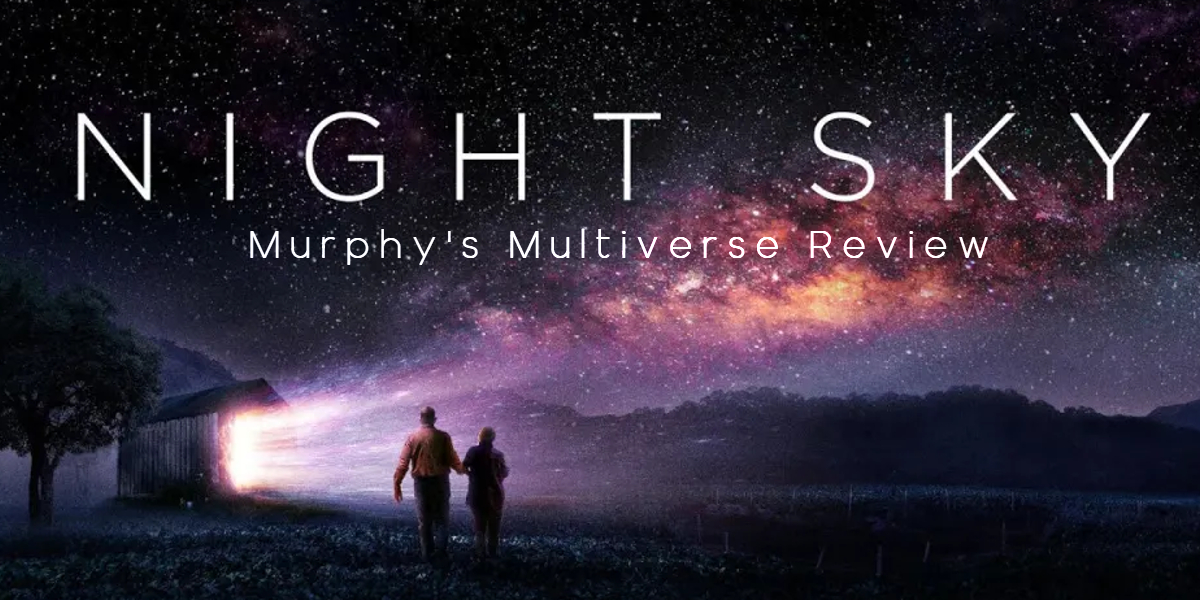
    Sissy Spacek and J.K. Simmons are two remarkable acting powerhouses, and for most of its eight episodes, Amazon Prime’s latest science-fiction offering Night Sky feels designed specifically to point that out. The slow-burn series from creators Holden Miller and Daniel C. Connolly centers around elderly couple Irene and Franklin York, played by the aforementioned Academy Award winners, who live a seemingly normal life in a small Illinois town. Of course, normality isn’t what qualifies the show as science-fiction, so there is one major twist – the couple are hiding a mysterious portal to another planet in the ground under their shed. They manage to maintain a fairly dull life despite this shocking secret, until a strange young man emerges from the otherworldly doorway and turns everything they thought they knew upside down. From that point, it’s mostly just really good acting.

    The show’s premise will draw people in, but Spacek and Simmons will be the reason they stay. Although the written synopsis may appear to promise moments of visual awe and pulse-pounding discovery, that type of storytelling is actually fairly sparse for most of the series’ runtime. Aside from a handful of truly beautiful cosmic scenes and a subplot involving cult-like bounty hunters, the majority of Night Sky is actually a long-form drama about the endless, overwhelming love shared by Franklin and Irene. In fact, it becomes apparent partway through the season that the whole “space door” plot point, and the ancient organization associated with it, are more so catalysts to challenge and examine the York’s marriage than they are real developments of their own.

    This works almost exclusively because the show’s leads are so good at what they do. The series’ writing is very well done, but its pacing is far slower than expected. While the front and back of Night Sky are filled with exciting progress, the middle chunk of episodes suffer from a frustrating lack of life that could leave some viewers in a position of wanting to change the channel. Truthfully, Night Sky does not seem to be structured with the binging model in mind. Most episodes are dense enough that they could use that old-fashioned week of processing and analysis between installments. Attempting to take in more than a couple of episodes at a time could prove to be a bit much, so the recommendation here is to slow your roll and appreciate independent episodes for what they are.

    Once the season gets cooking, however, it has a lot of really intriguing things to say. The main point of tension in the York family is the lingering death of their son, Michael, who passed away decades before the start of the show. His loss of life has caused Irene and Franklin to struggle finding meaning in theirs, with their care for each other as the only thing still keeping them around. The sudden arrival of Chai Hansen‘s curious Jude into their lives threatens to rupture the relative peace Franklin has procured for himself and Irene in recent years, but it means something else entirely for his wife, who sees the situation as an opportunity to experience something real again. Much of the personal conflict that follows revolves around the duo’s differing outlooks on how Jude will change their future and affect their views of the past, and makes for a rather compelling relationship drama from a demographic not seen as frequently on television.

    The other main plotline in the series follows Julieta Zylberberg’s Stella and her teenage daughter, Rocío Hernández‘s Toni. Without getting too far into spoiler territory, the pair spend much of the show’s first season on a cross-country road trip that forces both to confront questions about themselves they’ve been avoiding for most of their lives. As expected, this drama comes to a head around the same time Franklin and Irene resolve their comeuppance. The common theme shared between the two plots is simple, yet effective. Both pairs of family members spend too much time running in circles, desperately trying to avoid the inevitable. They do so because they are scared, and because change, especially immense change, is a terrifying thing to face head-on. It isn’t until they accept fate and embrace change that they realize how glorious life can be.

    The most impressive thing about Night Sky is that it consistently makes you forget there’s a big space portal in the protagonists’ backyard. Where most science-fiction shows tend to bury character drama beneath cool special effects, Amazon’s newest does the exact opposite. The beauty of the series does not come from the infinite universe in which it takes place, but instead from the hearts and souls of the characters that inhabit it.
  • REVIEW: ‘Trip’ is Not a Trip Worth Taking

    REVIEW: ‘Trip’ is Not a Trip Worth Taking

    Every now and then, there comes an indie horror movie that surprises viewers in a good way. Unfortunately, Trip is not that movie. From the moment it starts, it is clear this isn’t going to be a good trip, but it only continues to go downhill as the film progresses.

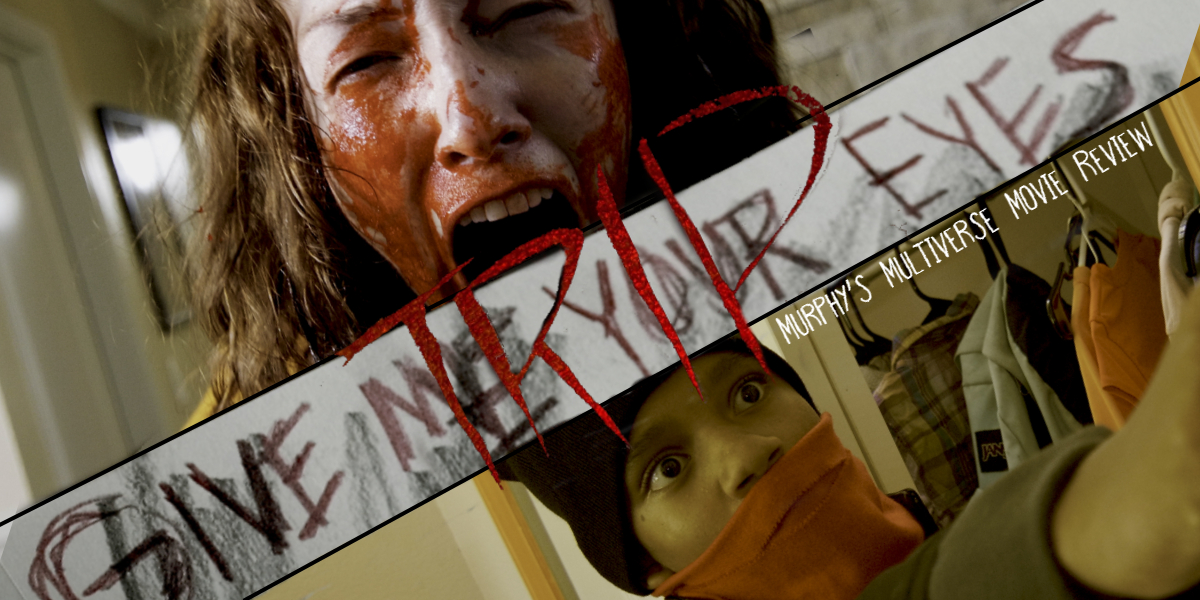
    The film opens with a mother standing in her kitchen and her teenage daughter coming to join her in her softball uniform. As the mother grabs a bottle of water – that is missing a label, of course – her daughter explains they’re going to be late. What follows is an absurdly uncomfortable conversation with a mother that sees no problem with not letting her daughter or her husband know the game has been delayed. It then delves into a conversation about scholarships and money before the daughter drops her own bottle of water because of something she saw. The entire scene is chaotic and leads into what is one of the worst acted scenes in the film… and there are plenty of those.

    As revealed in the film’s trailer, the daughter soon commits suicide, which leads to the mother (Ally) diving headfirst into a downward spiral. She becomes reclusive and hardly even speaks to her husband, who has tried to hold it together for both of their sakes. When she is visited by a mysterious therapist, Ally soon finds she’s willing to do anything to reconnect with her daughter Samantha. What follows, though, are a series of bad decisions that will impact her life forever.

    The most frustrating thing about Trip is that most of the assumptions viewers will come up with? They turn out to be true in the end. A good horror story should keep audiences guessing. Trip lets you connect the dots as you’re watching, tacking away any possible surprise or shock at the “scarier” moments. If you can guess what it going to happen, it is hard to become scared of the unknown.

    Things that Trip does do right? It contains the story in a single setting which allows the film to truly make use of its budgetary constraints. More impressively, though, Trip does a pretty great job with makeup and prosthetics to create spooky effects when used. Unfortunately, without a strong cast and a decent story, a well thought out location and great effects do little to make for a worthwhile film.

    For those brave enough to give Trip a chance, do yourself a favor and don’t watch the trailer. The trailer not only makes it look more interesting than it is, but it also contains far too many spoilers. In fact, a good portion of the final act is on display in the trailer… which is a rather odd marketing decision. Then again, Trip is an odd movie as a whole, so perhaps the marketing decisions make sense in the end. Either way, Trip wants badly to be a terrifying horror film, but it gets so lost in its own concept that it fails.

  • REVIEW: ‘The Kids in the Hall’ Revival is Best When It’s Not Being Funny

    REVIEW: ‘The Kids in the Hall’ Revival is Best When It’s Not Being Funny

    “Well, I got a brand new pair of roller skates, you got a brand new key. I think that we should get together and try them out, to see…

    The lyrics to Melanie‘s upbeat 1971 classic, “Brand New Key,” echo hauntingly through the lifeless corners of an underground bunker. A neon sign flashes “On Air,” and water drips from the pipes above. Dave Foley, wearing a long-haired wig and eyeliner, sits by himself at a table covered in radio broadcast equipment. He casts an empty stare into nothing, his expression somehow both devoid of feeling and on the verge of tears.

    “I’ve been looking around a while, you’ve got something for me. Oh, I got a brand new pair of roller skates, you got a brand new key…”

    The record playing in front of Foley skips, breaking him from his trance and transforming him into a “Motor Mouth” DJ named Mike, putting on a performance for an unseen audience. A few cheesy quips reveal that a nuclear holocaust has destroyed the surface of the Earth, and Mike is seemingly speaking to nobody, simply passing the time alone. As soon as his act is finished, he returns to playing “Brand New Key,” his only record, and resumes looking into the void. Maybe, someday, somebody will hear his broadcast, but that day is not this one. Cut to opening credits.

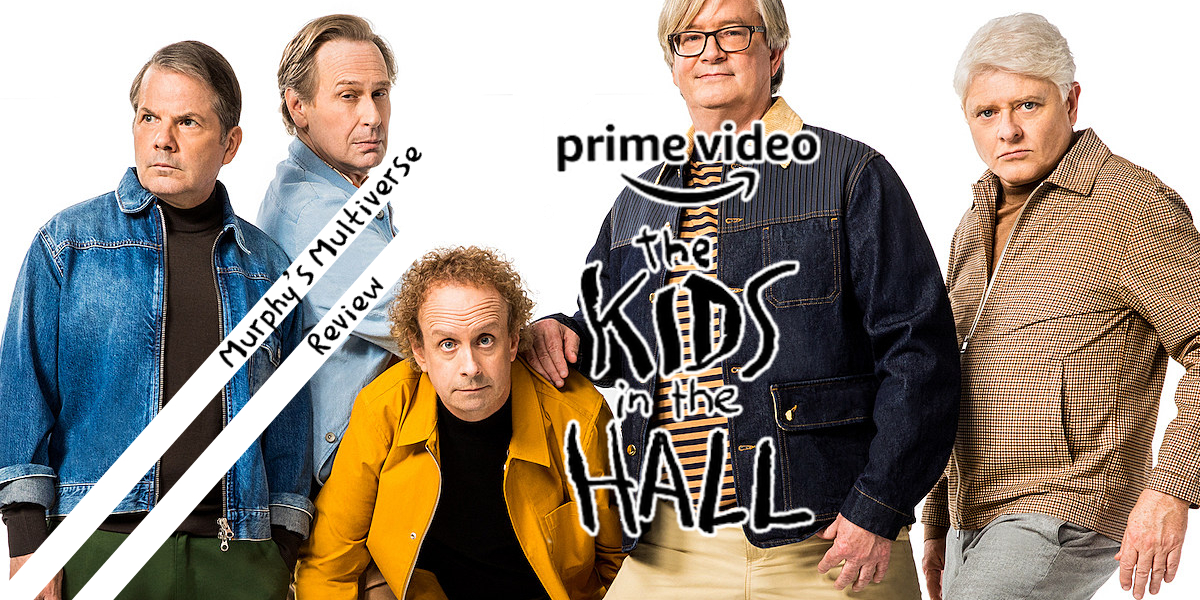
    That is how The Kids in the Hall choose to open an installment of their latest episodic reunion. The Canadian troupe that blew the doors off sketch comedy in the early 1990s with their farcical satire and deadpan absurdity are back with a revival on Prime Video, but things are a little different this time. Now, they’re old, and they have a new perspective on life. Much of the humor in the latest season comes from a place of reflection, analyzing the ups and downs of later adulthood and the world as it has come to be. It’s the kind of topical turn many comedians have made as they’ve aged past the point of youthful rebellion. No longer able to stick it to the man, generally speaking, they begin sticking it to those who do.

    Luckily, the Kids in the Hall avoid falling into the regular “old man trap” of cantankerously complaining about the way times have changed. Instead, they often make themselves the butt of the joke, using their own humility to get the point across. Their sketches are just as much about how well they have, and haven’t, adapted to the changing landscape of culture as they are about their thoughts on those changes at large. What exactly those thoughts are appear to be somewhat subjective, but the unanimous decision made by all five members seems to be that, at the very least, their sense of humor refuses to change. These are the same Kids in the Hall you remember from thirty years ago, even if what they’re talking about is not at all the same. For all intents and purposes, the group are Dave Foley sitting in a bunker as civilization crumbles around them. Still wearing the clothes and makeup they did in 1989.

    Though interestingly enough, many of the season’s highlights happen in ways one wouldn’t quite expect. Like the strange, off-putting bit outlined above, most of the Kid’s best new moments come in the form of weirdly serious, left-field sketches that aren’t exactly outwardly funny. Maybe it’s the modern influence of successful alternative comedy shows like Tim Robinson‘s I Think You Should Leave or Nathan Fielder‘s Nathan For You, but it’s likely the sketches played for confusion or stupidity that will end up appealing most to the younger audiences of today. Of course, it could be argued that the Kids in the Hall pioneered that exact form of hilarity, and credit is due where it’s due. When the Kids commit to the cringe bit, it’s all sorts of wonderful. There are skits with bouncing male genitalia, waiters who can’t comprehend the mind of a tasteless dinner guest, and a neighborhood watch who can’t quite put their finger on what’s actually wrong with their environment. Each of these succeeds because none of their characters show any sign of realizing their actions are increasingly ridiculous. They aren’t trying to be funny, which in turn is hilarious.

    Unfortunately, the Kids’ latest batch of episodes can’t stick to this format for its entirety. It feels like every time an episode hits its stride, it comes crashing down at the behest of a sketch that insists on laughing at itself. A drunk father manages to become a hero in Toronto, a workplace Zoom meeting is interrupted by natural desires, and a man loses his job for culturally appropriating a clown co-worker. These all fail, at least in my own eyes, because they acknowledge that what’s happening could be construed as funny. The Kids and their cohorts play the characters in these sketches as knowing caricatures surrounded by other knowing caricatures. Everyone is in on the joke, which causes the joke as a whole to flounder. Nobody likes to be told when something is funny, they just want to laugh.

    Thankfully, the majority of The Kids in the Hall‘s five screener episodes manage to lean toward the former vibe of unconscious absurdism. It’s not a perfect season of comedy, but it is exactly what fans of the crew might be expecting from their favorite funny Canadians. Even viewers with little-to-no prior knowledge of the group will probably find themselves amused by a lot of what they have to offer. There have been much worse attempts at a comeback made by comedians circling retirement age. Here’s hoping the last couple of episodes, still yet to be seen by critics, live up to the whispered promise that the Kids still have what it takes to shock and delight.

  • REVIEW: ‘Marmaduke’ is a Giant Misstep

    REVIEW: ‘Marmaduke’ is a Giant Misstep

    Marmaduke first debuted in June 1954 from creator Brad Anderson. Since then, the character has managed to endure and has received a live-action take starring Own Wilson. That film proved to be semi-successful, pulling in over $80 million worldwide on a $50 million budget. Which is why it isn’t surprising that Netflix decided to make a new, animated Marmaduke film for all-ages. Unfortunately, though, it often stumbles over itself as it struggles to decide if it wants to go for heart or entertainment.

    The story itself is pretty typical for Marmaduke. Wherever he goes, chaos ensues. Which is why in the beginning of the movie, he’s left inside of the house as the family celebrates the youngest child’s birthday. In typical Marmaduke fashion, however, he soon finds himself at the center of the party and not necessarily for the best reason. Sure, it’s amusing, but it loses its appeal quickly. It feels as though the movie tries to sell a joke every other second, and it forgets to remember to have heart.

    After causing a massive scene at the son’s party, Marmaduke somehow makes it onto the local news due to a “pool flop fail.” As the news anchor dubs the dog impossible to train, we see the world’s best dog trainer, Guy Hilton, decide to take on the ‘impossible’ task as a means to win a dog competition. It’s ridiculous, and the training montage that follows shortly after is even less entertaining. Perhaps it is Pete Davidson‘s voice work, or maybe it is the script, but the movie falls apart at this point. The entire casting for the film is a choice, but Davidson is an odd choice to voice Marmaduke. While he undoubtedly is comfortable with comedy thanks to his work on Saturday Night Live, he just feels miscast as Marmaduke.

    The one thing the film did right was cast J.K. Simmons as Zeus, the movie’s big bad. Sure, the character is annoying, but Simmons does such a great job in his vocal delivery. It’s one of the better performances in an otherwise stilted film. But even with Zeus, it feels like the film took the easy way out in handling the bad guy.

    Overall, Marmaduke makes a lot of odd choices throughout its one hour and sixteen minute runtime. There are moments that are heartfelt, and those moments are great. It’s just a shame that the film never truly knows what it wants to be, because had there been a tighter hold on the story? Marmaduke could’ve been a homerun for Netflix. That isn’t to say Marmaduke is completely terrible – it’s likely children will enjoy it, which is perhaps the most important thing. Unfortunately, though, Marmaduke is easily forgettable and feels as though it was rushed into production.

  • REVIEW: ‘Trek to Yomi’ Is an Essential Experience for Samurai Fans

    REVIEW: ‘Trek to Yomi’ Is an Essential Experience for Samurai Fans

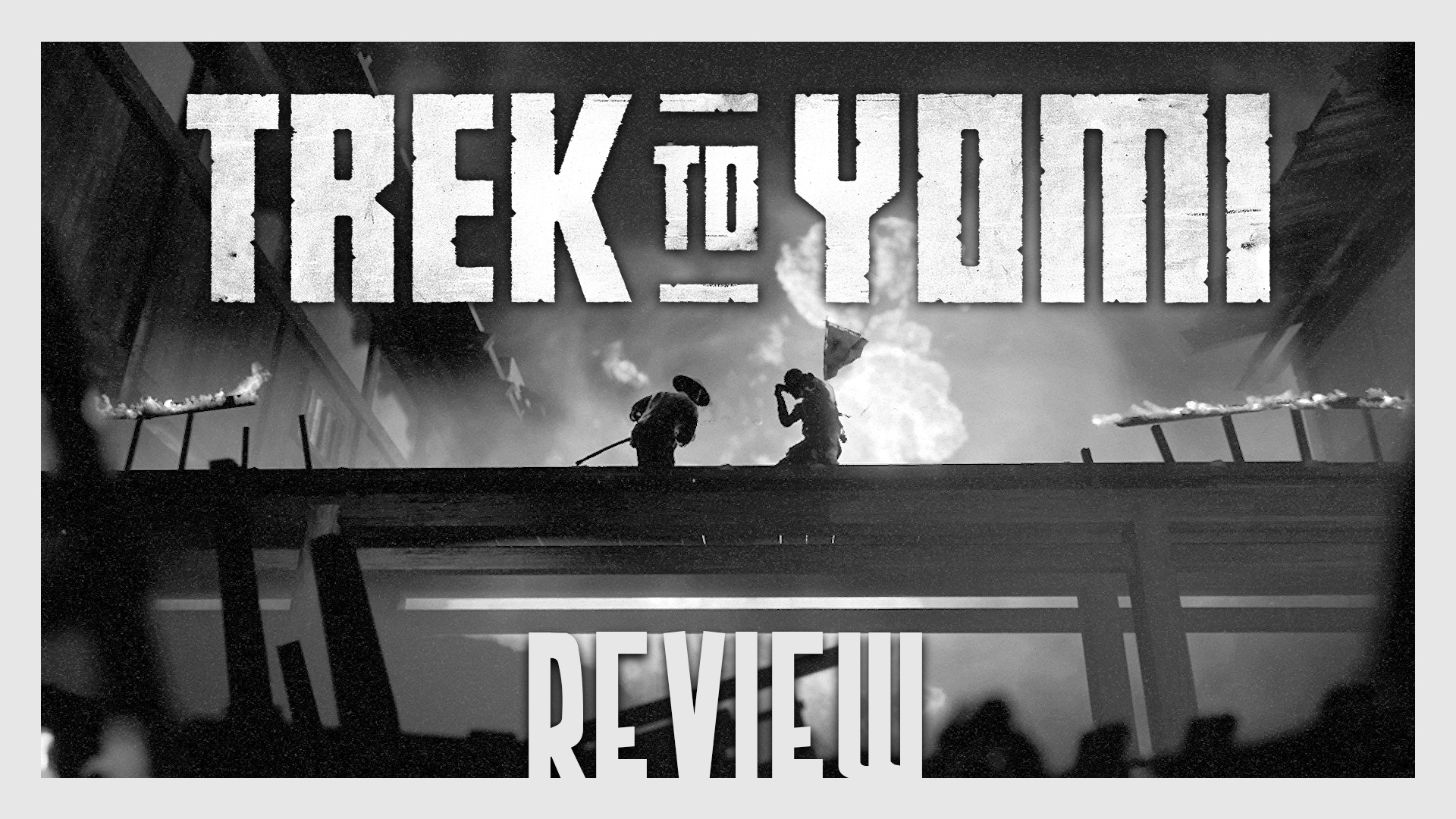
    Like Ghost of Tsushima before it, Devolver Digital’s Trek To Yomi is a contemporary celebration of Japan’s samurai history. It’s one that honors the countless samurai stories that came before it while examining the role of the sword in feudal Japan. Whereas Ghost of Tsushima was a creative reimagining of the historical invasion of Tsushima Island, Trek To Yomi mainly pays homage to the post-war samurai films of the 50s and 60s in a concise yet classical tale of vengeance and redemption.

    The near-literal shadow of Akira Kurosawa looms high over Trek To Yomi and it pays off dramatically. In fact, so many of the game’s blindspots are sheathed by the game’s cinematic presentation. Its distinct visuals, frame compositions, and engrossing atmosphere make it one of the most striking games of its kind. Never mind the fact that there are already games with monochromatic grainy filters; none of them come close to the fidelity of the way Trek To Yomi makes use of it.

    Essential to the game’s visual language is the fixed camera perspective which is bolstered by the wide canvass that is the game’s anamorphic aspect ratio. What is now considered a bygone aspect of video games is Trek To Yomi‘s secret weapon. Every frame is meticulously crafted, from the blocking to the cinematography, down to the textural flourishes of wind, flame, and shadows. Not one inch of the screen feels accidental. Throughout the 6-hour long story, there are endless amounts of scenes to traverse but they always feel dynamic and alive, despite the bleak monochrome.

    Serving as the perfect compliment to Trek To Yomi‘s visuals is its music whose aural palette is deeply rooted in traditional music from Japan’s Edo period. As the samurai Hiroki treks the land of the living and the dead, striking down bandits and spirits in his path, Trek To Yomi‘s music quietly consumes each scene with dread and serenity. Even in the face of the game’s bugs like frame drops and texture pop-ins, the music elevates everything to experiential heights.

    There are two aspects to Trek To Yomi’s gameplay: the 3D plane where all the exploring is done and the enclosed 2D plane where all the combat happens. Scenes seamlessly transition from one plane to another, allowing players to discern each moment appropriately. Exploring mostly consists of looking for secret areas and finding collectibles.

    Trek To Yomi‘s approach to kenjutsu is nothing short of authentic as the developers worked closely with Japanese cultural experts to be as respectful to the craft as possible. This in turn makes the combat a lot less flashy than players might be accustomed to. Combo strings are specific and restrictive; there’s no option to chain combos into over-the-top moments.

    While it isn’t the in-depth 2D-sidescroller it could be, Trek To Yomi‘s combat has its nuances. There’s a stamina bar that depletes with every strike and block. Throughout the game, players will amass new combos and ways to fight enemies. This comes in the form of different projectiles and button combinations that require directional inputs. The nuance in the combat is the amount of precision it takes to get combos correct. Mashing simply doesn’t work. Buttons need to be inputted at a specific moment in the middle of the combo for the full string to be executed. It’s almost akin to playing a fighting game; it takes a while to get used to.

    For the dozen of skills and combos the player will learn throughout the story, Trek To Yomi doesn’t really encourage players to try them out. Enemies can be struck down by the same basic two-hit combo repeatedly. There is the occasional armored enemy that requires a few more hits but there’s no practical incentive to use the moves frequently. On top of all that, the parry system doesn’t feel as challenging as it could be. It’s oftentimes easier to bait parries to open up blocking enemies than it is to break their guard.

    There currently is no endgame content. No NewGame+ for all your skills to carry on to your next playthrough which is a missed opportunity. However, the big feature you unlock after beating the game for the first time is Kensei difficulty, which is where the game takes on a new life. With Kensei difficulty activated, Trek To Yomi transforms into the Bushido Blade successor no one knew they needed, with the one-hit kill mechanic raising the stakes of every enemy encounter. Enemies can strike down players with one hit and vice versa. The aforementioned simplicity of the combos suddenly feels worthwhile and satisfying. Just like any good 2D fighting game, frame data and spacing take precedence over style. This is how the game should be experienced.

    On easier difficulties, Trek To Yomi is a game primarily made to be looked at and heard than it is a game to be fully engaged with. It’s a game made for the senses; stunning from start to finish with not much to do in between. But in its hardest difficulty, it becomes a totally experiential game that fans of the samurai genre need to play. Regardless, Trek to Yomi succeeds in being a love letter to a bygone era of stories.

  • REVIEW: ‘Moon Knight’ Finale

    REVIEW: ‘Moon Knight’ Finale

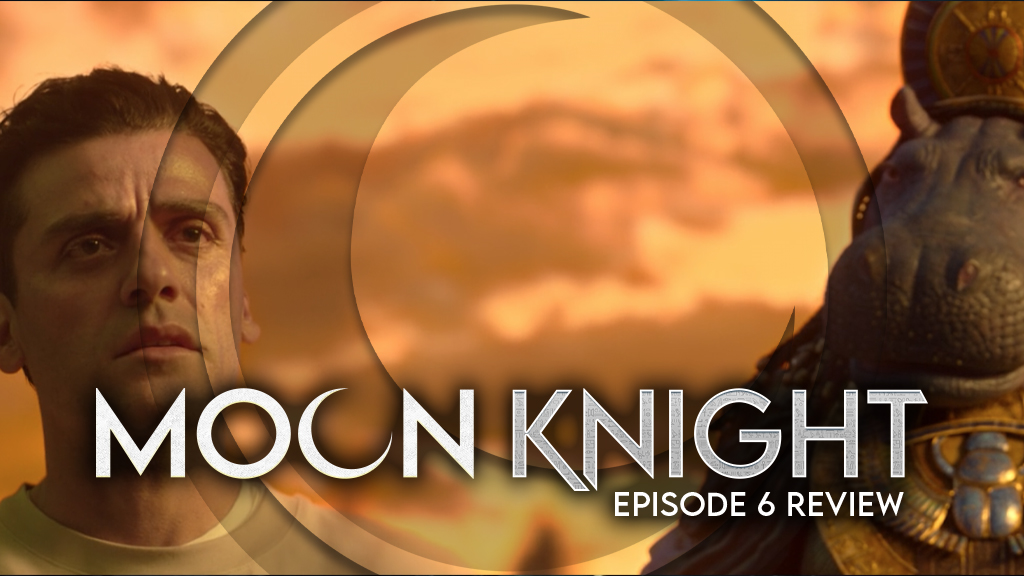
    Over the course of its six-episode run, Moon Knight certainly turned heads at least a few times during its tenure. Some of Marvel Studios’ best television came through in the series, and Oscar Isaac left more than a lasting impression on the MCU with his performance. In a story with a near-infinite room to explore Ancient Egyptian gods and their relationships with humans, the Disney+ show ultimately proved that it can tell a phenomenal Marc Spector story. Moon Knight? Not so much—there is no joy in admitting that the Moon Knight finale failed to stick the landing and generally was an injustice to the aspects that the series that, up until this episode, were leading it to potentially be the best Marvel Studios series. This final episode likely takes the series out of that conversation.

    The simplest way of describing what ended up being disappointing about the finale is bland. On one hand, every step of every character in this episode was met with zero resistance. All of the forgettable Arthur Harrow- or Ammit-related moves were too easy and predictable. Even the few positive moments were simply given the green light with no questions asked. 

    Where the big psychological twist of the series came in so beautifully for the character-based aspect of Moon Knight, the hard plot really could have benefitted from something similar. Where the series had raised mystery and intrigue, it revealed that there was nothing special behind it. With Harrow, the mildly interesting villain had no other goal than to simply take over the world, and having that be the hook, line, and sinker for the big ending felt as generic as it gets. Forcing through Harrow’s and Ammit’s world domination plan felt like the equivalent of a B-movie plot, and it lacked any genuine impact or even threat of impact.

    In a realm where so much is possible, and where so much rich creativity has been presented, the series ultimately hung its hat on perhaps the most generic incantation of new gods and those fighting for them. So much more could have been toyed with in a way that would have fit well with the intricacy of the character-based elements, but ultimately those get drowned out in a sea of uninspiring CGI and conflict with practically zero nuance. Even giant silhouettes of Egyptian gods fighting over Cairo could not make up for how the actual conflict did not rise to any occasion.

    Similarly, Khonshu remained a relatively minor character by the end of the finale. While the post-credits scene hints at more, the god often—and ultimately—felt like an excuse for Marc and Steven’s involvement in the overarching plot rather than a meaningful or genuine inclusion. There are countless ways that Khonshu’s personality and deception could have played into the series’ story.

    The psychological exploration of Marc and Steven was the highlight of Moon Knight by far. It was so incredibly well-done that it almost made it more difficult for the series to have a grand ending on a more physical plot. Still, the residue of that character development is what kept the finale afloat. The tender moment between Marc and Steven in the Duat was one of the most emotional, and Oscar Isaac’s fantastic final execution of playing both roles with rapid switching was sincerely the most exciting part of the finale. The best parts of the action-heavy episode came when Moon Knight and Mr. Knight teamed up. Even with a finale that did not cement the series as all-in-all outstanding, nothing can take away from Moon Knight’s character masterpiece.

    Another positive element to come out of the finale was Layla’s development into being an avatar of her own. This was perhaps the most unpredictable moment, yet her possible relationship with Khonshu was teased from the beginning. Still, she ultimately—easily—became Tawaret’s avatar in order to fight against Harrow and his disciples. Her superhero moments were the best superhero moments of the entire series. While Layla requested that she be a “temporary avatar”, this character is very much MCU-unique, so her status could have substantial ramifications down the line. 

    Lastly, Moon Knight finally introduced Jake Lockley, Marc’s third personality. After being the subject of much speculation over the course of the series, the character ends up being almost exclusively a post-credits tease. That is not too surprising, and it did have some positive impact on the ending of the series. We meet Jake right after Marc and Steven seem to be free from Khonshu and are living their normal lives together with two goldfish. But of course, Khonshu is still using Marc’s body as his avatar. This time, Jake Lockley seems to be taking on the “Moon Knight” mantle on his own.

    Where the episode fumbles on this tease is that the series hinted at Jake being hyperviolent alter but never actually showed it. He had such a moment, in the end, to show that side of himself, to live up to Moon Knight’s violent expectations, and leave a strong lasting impression on viewers going forward. Instead, he simply shot at Harrow from the front seat of the comics-inspired SPKTR limo. It may have been a bit more intriguing if the audience got some sort of grasp of his personality as it differs from Marc and Steven.

    Moon Knight will always be a memorable show. The character-based aspects and Isaac’s performance should go down as some of the greatest in the MCU. Nothing in the series finale takes away from those accomplishments, but the generally bland and generic ending does drown out some of it as the show came to an end. Ultimately, the wonderful twist and mind-bending energy that came with the psychological aspect of the show simply did not bleed into the main plot, and it was worse for it. 

  • REVIEW: ‘Citizen Sleeper’ Is A Sci-Fi ‘Disco Elysium’

    REVIEW: ‘Citizen Sleeper’ Is A Sci-Fi ‘Disco Elysium’

    NOTE: This game was played and reviewed by Adam Cartel

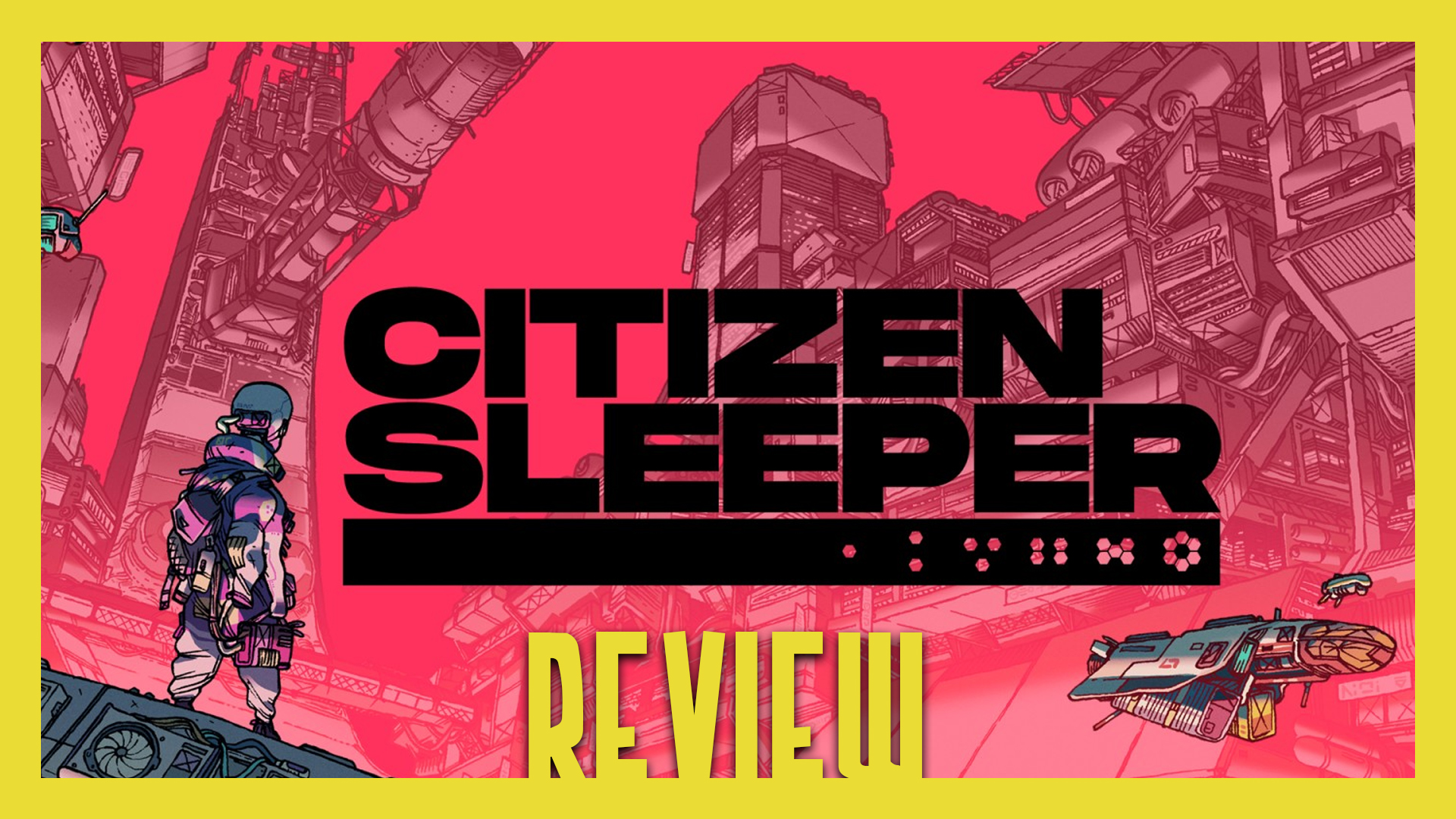
    In Citizen Sleeper, you play as the titular Sleeper, a digital consciousness residing inside an artificial humanoid body that’s slowly dying. Having escaped from an evil organization that created your kind and with very little resources on your person, you find yourself stranded on a massive space station with several factions and citizens trying to either survive everyday… or escape forever.

    You are in Erlin’s Eye, an abandoned space station that is now the home of several factions and alliances seeking freedom from corporate evil. This anarchic space town is populated with blue-collar workers, small-time businessmen, and mercenaries alike, each with their own personal or idealistic goal. This is the kind of world that your Sleeper needs to navigate in order to survive.

    If all this sounds familiar, that’s because you’ve probably played a very similar well-known game that seems like a larger-scale version of this one: Disco Elysium. They both feature an amnesiac protagonist with a deteriorating body, both set in a town with political problems, and both have roots in tabletop RPG mechanics. It’s inevitable for the two to be compared as their similarities extend beyond the base premise.

    Citizen Sleeper plays like a dice-based tabletop RPG. Every game day (called a “cycle”), the game pre-rolls a number of six-sided dice for you, which you could then spend on Skill checks in order to interact with the world in pursuit of your goals (or “Drives” as the game calls them). You have five Skills: Engineer, Interface, Endure, Intuit, and Engage. At the start of the game, you’re given the option to choose between three archetypes: the Machinist, the Operator, and the Extractor. Each of these archetypes has one Skill that’s already upgraded, and another one that’s downgraded. Whichever archetype you choose depends on how you would prefer to approach the world during the early parts of the game.

    You are then thrust into the game’s unskippable tutorial, which would make you realize that your Sleeper’s artificial body is built to die through planned obsolescence. Not only will you have to get a job, but you’d also need to find a way to stay alive by properly managing your Condition and Energy. Fewer dice are rolled for you every cycle for each time your Condition drops a stage. Your Condition, by the way, drains faster whenever you have low Energy. A typical cycle in the world of Citizen Sleeper goes like this: get your dice, pursue one of your Drives, gather resources, discover unexplored areas, spend all of your dice on required Skill checks, make sure your Condition and Energy are high before you sleep, and end your cycle.

    The graphics are above-average for a game using the Unity engine, and it’s smartly presented. It goes without saying that the character designs look great, and pair well with the cel-shaded look of the Eye’s 3D model. Despite being set in the blackness of space, the game’s aesthetic is easy on the eyes thanks to the smattering of cool blues, yellows, and pinks on its color palette.

    The lack of a controllable player avatar might be a complaint for some people, but it actually makes sense for Citizen Sleeper. Navigating a vast abandoned space station as a controllable character would be too much for the Unity engine to handle, let alone for any game developer. For comparison, Disco Elysium has a controllable character but a much smaller map in relation to it. In lieu of walking, Citizen Sleeper lets players scroll through the wheel-shaped game world and click the area that they want to explore.

    As for music, lo-fi sci-fi compositions make up the entirety of the soundtrack. It makes for a very relaxing gameplay experience… perhaps too relaxing, at times, especially after multiple playthroughs. In fact, there is no memorable song: it’s all background music that your brain would eventually forget. That may be a creative decision, but this was also one of the minor concerns with Disco Elysium’s soundtrack, which coincidentally sounds similar to Citizen Sleeper’s.

    Citizen Sleeper boasts several lines of narrative, naturally-flowing dialogue, and well-written characters that all, once again, are reminiscent of the style present in Disco Elysium. Just like the latter, it also starts with a disembodied voice doing a deep monologue about consciousness while in the void and ends with the character waking up in a sorry state. Unlike Disco Elysium, however, there is no option to turn on dubbed dialogue.

    Despite the lack of voice acting, you can still easily connect with the diverse cast of characters living in the Eye. Each one has unique personalities that are effectively portrayed through words and has backstories that make sense within the whole narrative of Citizen Sleeper. It doesn’t take long for anyone to feel invested in any one character, be it a simple street vendor or an ethereal digital entity. It’s not impossible to find yourself tearing up for a fictional character made up of pixels on a monitor screen because of this game.

    Citizen Sleeper has multiple endings depending on the choices that you’ve made throughout the game, and the game gives you enough leeway to change your mind even at the penultimate point before your final decision. However, replaying the game is somewhat discouraged by the lack of save slots and manual saves. The game only provides you with three autosave slots. With all that said, the game does get repetitive after multiple playthroughs, and eventually does feel less like an RPG and more like a cow clicker. Once you figure out the optimal way of doing things, you’ll find yourself walking down the exact same path on any other playthrough, unless you willingly deviate from it.

    Overall, Citizen Sleeper has solid gameplay for a narrative-based RPG, but it could still be better. Despite being a short game with little replay value, going through Citizen Sleeper’s well-written story is worth at least a second playthrough. Jury’s out on whether creator Gareth Damian Martin really was inspired by Disco Elysium when he came up with Citizen Sleeper or not, but it’s definitely not a bad thing for a developer to be inspired by a universally-acclaimed video game like it. Taking the good aspects of an existing game and further improving upon it is a key to innovation within the gaming industry, and Citizen Sleeper is a step in the right direction for its genre.

  • REVIEW: Sam Raimi Did It Again With ‘Doctor Strange in the Multiverse of Madness’

    REVIEW: Sam Raimi Did It Again With ‘Doctor Strange in the Multiverse of Madness’

    Sequels aren’t always a sure thing. For every The Empire Strikes Back, there’s a Speed 2. Sequels to superhero films have the benefit of a little more freedom in telling a good story as they are no longer shackled by the weight of the “origin”, but they don’t always hit the mark either. In 2004, Sam Raimi delivered what many consider to be the best superhero sequel of all time in Spider-Man 2. It featured a flawed protagonist and a sympathetic villain; it featured what were, at the time, some of the most well-shot action scenes of any film in the genre. Not just that, but it also featured a story that stirred emotions across the spectrum. In 2022, Raimi has done it again.

    The path to Doctor Strange in the Multiverse of Madness was about as chaotic as Stephen Strange’s trip through the multiverse in the first act of the film. Scott Derrickson, who helmed 2016’s Doctor Strange was set to be back in the director’s chair, but in January of 2020, Derrickson dropped out of the film when it became clear he and Marvel Studios had two entirely different films in mind. A month or so later, Marvel Studios began putting together a new creative team made up of Michael Waldron, whose work on Loki thrilled the folks at Marvel, and Raimi, who had been out of the superhero game since 2007’s Spider-Man 3. COVID delayed the start of filming and then the film underwent significant additional photography. Perhaps no Marvel Studios film caused more preemptive hand-wringing than this film did, but the end product makes it clear that Waldron, Raimi, and the rest of the team were truly taking their time to deliver the best possible version of this film and that’s exactly what they did.

    Marvel Studios’ Doctor Strange in the Multiverse of Madness (2022)

    The film opens up in media res and introduces the audience to a Variant Doctor Strange who is protecting Marvel’s newest young hero, America Chavez, from a pretty terrifying demon. Amid a brutal assault on Defender Strange, we learn that this demon is in pursuit of Chavez because it wants her powers, which allow her to travel the multiverse. Chavez and Defender Strange are not only trying to evade the demon but also get their hands on the film’s big MacGuffin, the Book of the Vishanti. When things get ugly, so does Defender Strange, setting the stage for one of the film’s running themes: that no matter what universe we’re in, Stephen Strange is a danger and can’t be trusted. Using a star-shaped multiversal portal, Chavez escapes and finds her way to the MCU’s Prime universe and is under attack once more. After battling the beast, Strange and Wong realize that the source of its power is different from theirs and decided to seek out a magic-user with a similar set of powers: Wanda Maximoff.

    Doctor Strange in the Multiverse of Madness is the first MCU film that has the Disney Plus series as “required viewing”, especially when it comes to Wanda. While fans could have skipped WandaVision and figured things out as they go along, having been along for the ride is helpful. It’s here, with Wanda, that Marvel makes one of their boldest choices to date: having one of their core Avengers turn heel, just as she did in the comics. Following a brief conversation with Strange, Wanda reveals that she is after Chavez’s powers in order to find a way to reunite with her sons. A conversation between Strange and Wanda leads to a confrontation in which the Scarlet Witch unleashes a shockingly brutal attack on Kamar-Taj, which rounds out the first act of the film, sending Strange and Chavez on their trip through the multiverse.

    Marvel Studios’ Doctor Strange in the Multiverse of Madness (2022)

    Fans may never know what Derrickson‘s film would turn out to be, but Marvel Studios should be damn glad that Raimi wanted to make this version. From beginning to end, this is a Sam Raimi film. Sure, he’s telling a story within the confines of Marvel Studios’ shared universe, but he’s telling it in classic Raimi fashion and appearing to have a whole lot of fun in doing so. Multiverse of Madness looks like a Raimi film; it delivers his signature (and surprisingly violent) horror; it delivers, most importantly, the most complete and emotionally stirring story of Phase 4. After a decade-plus away, Raimi showed that he understands now, maybe more than ever, that a good superhero story has to have a heart, especially when someone is trying to rip it out.

    Lizzie Olsen’s Scarlet Witch holds nothing back as she attempts to do just that. Much as with Doc Ock in Spider-Man 2, Wanda’s turn as a villain works so well because the audience wants what she wants: for her to have her kids back. Corrupted by the Darkhold, however, the lengths to which Wanda is willing to go to get them back allowed for some of Marvel Studios’ most innovative and interesting action scenes to date where Raimi and crew got to have a whole lot of fun devising fascinating ways to show magic being used on screen. Olsen’s performance continues to demonstrate her total command of the character. It’s the subtle head tilt here, the smirk there, and the changing tones of her voice that come across as truly terrifying.

    Marvel Studios’ Doctor Strange in the Multiverse of Madness (2022)

    Opposite Olsen and in her way is Benedict Cumberbatch’s Stephen Strange. Cumberbatch is given much to do here, playing multiple versions of his character, and puts together easily his best turn as the character so far. Following the 2016 origin film, the character hasn’t had much room to grow. Here, Strange’s path through the multiverse, where he learns the stories of other Stranges, forces the hero to look inward, providing the growth necessary to propel the character forward into whatever story he’s placed into on Marvel Studios’ shared tapestry.

    As strong as its lead performances are, the film is enhanced by the knockout performances of Rachel McAdams, Benedict Wong, and Xochitl Gomez. McAdams is particularly surprising in her return as Christine Palmer, who has much more to do here than one might have expected, including some of the film’s strongest statements about Stephen Strange. It’s the moments like these that Palmer, Wong, and Chavez spend with Strange that build an emotional currency within the audience and a master like Raimi knows just how to spend it. This is a huge film that makes big moves within the MCU, but Raimi manages to balance that with a series of small exchanges between characters that resonate because both the audience and Strange know he is flawed.

    Marvel Studios’ Doctor Strange in the Multiverse of Madness (2022)

    For the MCU to continue to thrive, the aforementioned big moves need to continue to be made. In that sense, Doctor Strange in the Multiverse of Madness seems to be to the MCU what Captain America: The Winter Soldier was in 2014. Not only does this film feel as different from its predecessor as Winter Soldier did from First Avenger, but it also comes out swinging with an almost merciless 20-minute deluge of information that’ll be sure to have fans wanting to head right back in for a second showing and heading to Wikipedia after that. If you thought Marvel Studios gave it all away when they teased the Illuminati in a TV spot, you’re sorely mistaken. This film is a game-changer and the most direct setup for the MCU’s next big event film.

    In the end, it all comes back to the magic touch of Waldron and Raimi. They delivered on characters, story, and action to make the most complete film of Phase 4 and maybe one of Marvel Studios’ most complete films to date. Fans of Raimi‘s work will have plenty to smile about as well, with a few references sprinkled in and the obvious influence of Raimi on some of the creature and character designs. Against all odds, he came into a project that seemed to be held together by a thread and by capturing that old magic formula, made one of the best superhero sequels of all time.

  • REVIEW: ‘Kaiju Wars’ is Monstrous Fun For Everyone

    REVIEW: ‘Kaiju Wars’ is Monstrous Fun For Everyone

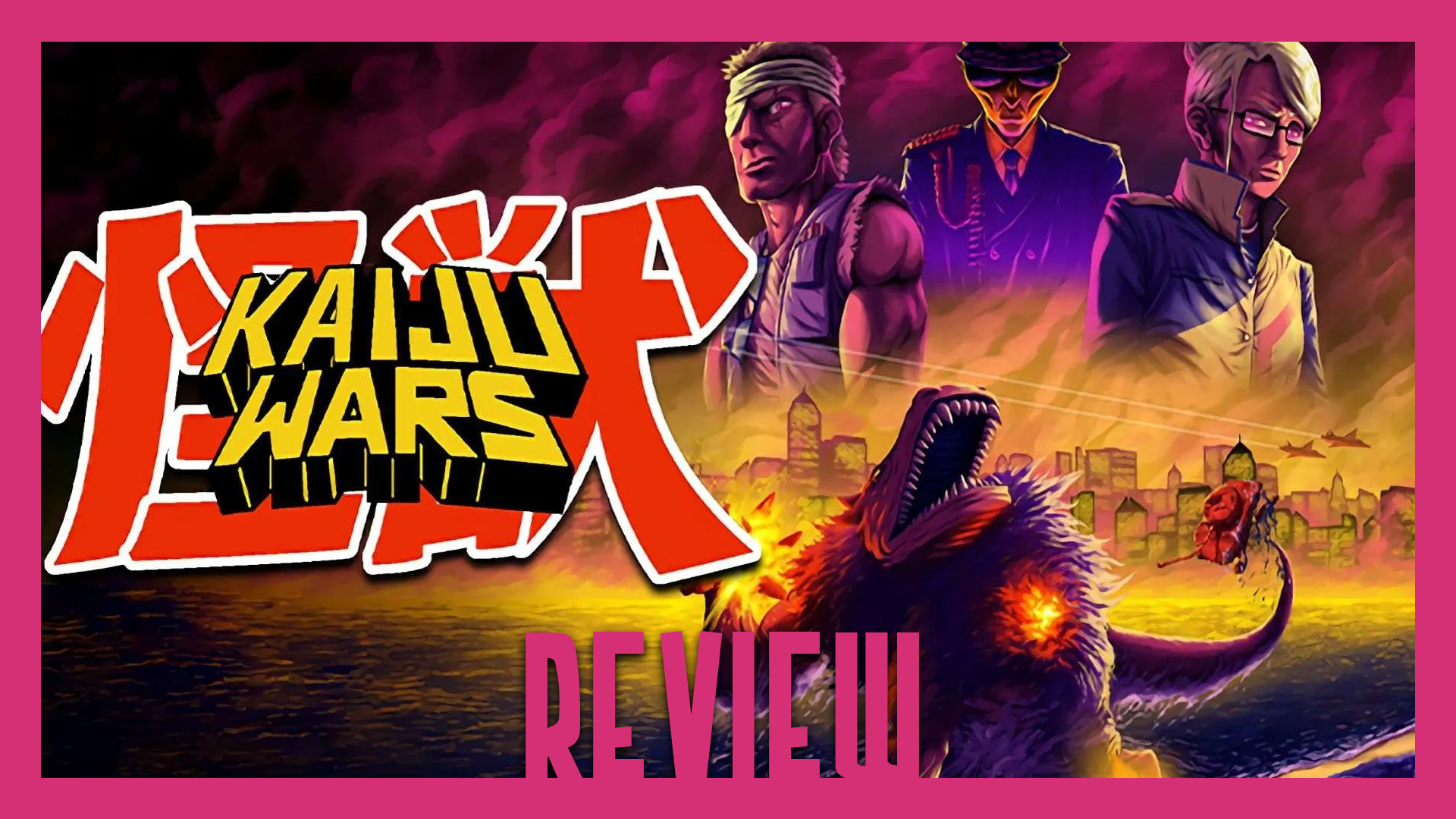
    The year is 1976. Jimmy Carter is running for President, the orbiter Viking 2 has landed on Mars, and you’ve just gone to your local theater to see Paul Leder’s A*P*E. In the film, you watched as a ginormous gorilla terrorized South Korea. Buildings fell, villages were destroyed, and it took the military entirely too long to bring the beast down. You think to yourself, “I really enjoyed that ridiculously campy movie, but honestly, I feel like maybe I could have done a better job handling the situation than any of those incompetent characters.” Then, after some contemplation, you may think, “I also wish the visuals were a little less ‘guy-in-suit’ and a little more ‘chaotic pop art.” Well, flash forward about forty-six years and both of your dreams have come true in the form of Foolish Mortals’ monstrously fun new strategy game Kaiju Wars.

    In Kaiju Wars, you are the Mayor of a fictional city under siege by rampaging Kaiju giants. You have a military advisor, prone to aggressive actions and filled with tactical knowledge, and a scientific advisor, whose level head and peaceful tendencies help you minimize damage and keep citizens alive. The ultimate goal of each level is to use both your military weaponry and the power of science to stop the Kaiju before it tears down a laboratory with the scientist in it. You can defeat the monster outright, gunning up or bombing down enough to scare the beast away, or you can play defense, using obstacles and emergency evacuations to fend the monster off until a scientific breakthrough can win the day. The player accomplishes this by strategically placing airfields, army bases, and new labs around the given map, choosing what to deploy from a variety of different aircrafts, motor vehicles, and experimental projects. These can then be moved and fired in a turn-based format opposing the Kaiju, whose repetitive patterns make it mostly pretty easy to ascertain their next move. Clicking on the boxes of either advisor gives you helpful tips, each in their own special way.

    This is the base concept, but the game does a great job of switching it up occasionally to keep things interesting. For example, some levels leave you with only a single advisor, while others leave you without any of your typical equipment. This forces the player to change tactics and adapt, using prior knowledge and skills to beat stages in creative new ways. This may sound like it could get stressful or monotonous, but it’s actually pretty engaging. The game is easy enough that it doesn’t cross the line into Dark Souls territory, while still giving enough of a challenge that you may have to give some levels more than one try. It’s the perfect mix to keep you entertained and coming back for more. Also, it makes the game playable for a wider audience. The habitual strategy gamer can always up the difficulty if they’d like, and the casual time-killer can still have a blast without overstressing.

    When people consider playing strategy-based games, it’s often accompanied by the fear of boredom. Where mainstream beat-’em-ups and platformers have a reputation for colorful levels and action-packed adventures, the term “strategy” makes the majority of potential players think solitaire or Risk. Too much thought, not enough release. Yet with Kaiju Wars, this couldn’t be further from the truth. The game is just as frantic and full of life as any good action-based monster story should be, and even better, it manages to pull this energy off without compromising the required mind-aerobics of the strategic category. To liven things up even more, an additional boost of adrenaline comes from the sub-genre space the gameplay occupies. Although marketed as turn-based strategy, it truthfully plays as more of a tower defense. This gives each mission an added sense of urgency and heightens the pace with which you play. The simple mechanics also ensure no turn takes too long, as there are only so may moves one can make per round.

    Above all else, however, is the aesthetic with which the developers have chosen to display their work. As soon as the player gets to the home screen, they’ll know they’re in for a good time. Presented as something of a war room, the interactive main menu allows you to select objects that either lead you to something useful or are just sort of fun to mess around with. The campaign is shown through the turning pages of a comic book, the exit sign by the door is actually how you leave the game, little toy soldiers fire on a plastic turtle, and the aforementioned movie A*P*E is actually playing on screens in the background! Small details, like the fact each movie clip comes with a link to the full movie on other sites, radiate the passion that was so obviously held for the project by all it’s behind-the-scenes team. Another place to visit in the room would be the map, which activates another game mode and allows you to design custom stages to challenge yourself and other gamers.

    The bright pop-art used through every aspect of Kaiju Wars injects the game with an energetic, vibrant feeling. Even when you lose a turn and are forced to watch the Kaiju swipe at buildings or emerge from the ground, part of you will be excited just to see the neat little animation that you know will play before it. Foolish Mortals has a great sense of humor as well, giving players the ability to name everything in the game, including Kaiju and their own honorific, however they please. They even incorporate exciting surprises into the gameplay, with a particular standout being the fighter jet that transforms into a robot. Basically, Kaiju Wars is everything you could ask for from a modern tower defense. Engrossing, hilarious, and non-stop fun for everyone.

  • REVIEW: ‘Crush’ on Hulu is a Delightful Young Adult Film

    REVIEW: ‘Crush’ on Hulu is a Delightful Young Adult Film

    Every so often, there comes a young adult film that leaves its mark as a delightful coming-of-age story. We’ve seen this with Pretty in Pink and most recently Netflix’s To All the Boys I’ve Loved Before. It’s usually because they contain a certain level of authenticity to them; they manage to be heartfelt while maintaining a raw level of honesty. Crush is one of those films.

    Like Love, Simon before it, Crush is a long overdue young adult dramedy that tells the story of Paige, a socially awkward artist, forced to join her high school’s track team to avoid suspension. If it sounds ridiculous, that’s because the concept is ridiculous, and yet it works. Crush manages to be charming, funny, heartbreaking, and honest. The best thing about Crush is that it feels like a film that’ll find a long life for movie fans because it is the type of film young audiences have needed.

    Rowan Blanchard and Auli’i Cravalho, who are both members of the LGBTQ+ community, star in this delightful rom-com as Paige and AJ, respectively. Paige is an out and proud lesbian, while AJ is the mysterious bisexual twin sister of Gabby, Paige’s longtime crush. They’ve barely interacted, but soon find themselves thrown together to train, with AJ being instructed to ready Paige for track. What ensues is a chaotic story about first loves and heartache. Both actors are great in their roles, especially Blanchard, who gives it her all as the socially awkward Paige, but they shine most when they share the screen together.

    And while the young cast steals the film, it’s hard not to highlight the performances of Megan Mullally, Aasif Mandvi, and Michelle Buteau. The always fantastic Mullally plays an incredibly supportive mother to Blanchard’s Paige. She’s a woman who believes sex positivity is important to teach and has always accepted her daughter for who she is – although sometimes she can be a bit too supportive. While Mandvi is the track coach, who nearly regrets putting Paige on the team until he meets her mom. Every interaction between Mullally and Mandvi is absurdly wonderful, but the best adult performance belongs to Buteau. She has limited screen time, but Buteau delivers some of the best lines throughout the film.

    Is Crush awards worthy? No, not at all. Does it deserve its spot at the table with films like Pretty in Pink and Love, Simon? Absolutely. Crush is a darling young adult film that pulls at the heartstrings for all the right reasons.

    If you need another reason to give Crush a chance: Natasha Lyonne, who starred in the classic But I’m a Cheerleader and currently stars in Netflix’s Russian Doll, is one of the producers on this film.