Category: Reviews

  • REVIEW: ‘The Book of Boba Fett’ Chapter 7 – In The Name of Honor

    REVIEW: ‘The Book of Boba Fett’ Chapter 7 – In The Name of Honor

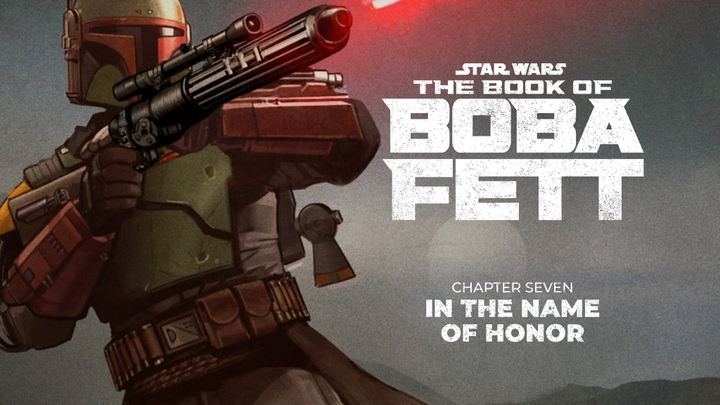
    The Book of Boba Fett finale has arrived and I continue to struggle really getting a feeling for this series. We’ve spent so much time with Din Djarin in the last two episodes that it feels somewhat disconnected from its titular character. He does get moments to shine and Temuera Morrison made me like this once silent character quite a bit, but he never really gets long enough to fully realize an arc that wasn’t overshadowed by development hinted at in flashbacks. The Mandalorian’s open plotlines completely took over the series that it could’ve gone with a different title and I may have an easier time with digesting it. Yet, the finale left me with joy, confusion, and uncertainty about the various spinoffs in development from The Mandalorian.

    I will jump into quite a few spoilers from the episode, as avoiding them would make it difficult to discuss the many aspects of this episode. So, only continue reading at your own risk if you haven’t seen the episode yet.

    So, the strongest moments of the series from an emotional standpoint are primarily given to Din once again. Grogu made the decision we all kind of saw coming, but him jumping into his arms probably broke me way more than I ever thought it would. Pascal manages to sell the emotions once again even as he continues to keep the helmet on at all times – making Boba’s love of taking it off a funny contrast. The little guy actually gets some character development, as he easily utilizes his powers now that he is united with his father figure once again, which makes you wonder if Luke counted on it to some degree. I do wish we had some time with him looking back on letting the promising student leave, but the show doesn’t really give us much outside of R2D2 flying the X-Wing.

    I think the highlight of the episode was seeing Boba and Din fighting alongside each other, especially as they took flight with their jetpacks early on. They did end up getting overrun, which was a little annoying but made sense given just how many people they were facing. It also gave the Freetown people a chance to come in and confirm they are here to help. I confess I didn’t care much for the Mods and was surprised they got as much focus as they did in the episode. Krrsantan, however, I was really worried about losing, as the character just got introduced in live-action and didn’t want them to just kill him off but alas he lives to see another day.

    Can’t say the same about Cad Bane. Their first confrontation was great, as Bane started toying with him and just outright confirming what we all suspected with the Tusken Raiders. He’s a strong presence and the show knows how to make use of him, but it made me wish he was actually present throughout way more. Yes, the Pykes are technically the actual villains but did anyone really care when their leader was taken out? Outside of making Fennec Shand look awesome, it was more a way to close some loose ends, which highlighted just how disconnected they were from the actual narrative arc.

    And then, in their final confrontation, Fett gets his ass handed to him after calling Bane an old man. It was a funny bit of irony considering Morrison‘s age, but it didn’t quite feel like a duel but rather a one-sided confrontation until our titular hero got his second wind. I will say that him defeating Bane with his Raider stick from earlier in the episode was great, it was such a shame they just introduced the character into live-action to kill him off the next episode. There are theories he may have survived, as his “you’re a killer” line was the core aspect of this conflict but it doesn’t add much to either character.

    We finally got the payoff of Boba riding the Rancor. Was a great moment, especially love the shot of him on top, and the sequences were well-done if you consider that it’s a TV series. The Prequel-inspired droids added that extra level of detail and made the Pykes an actual threat outside of their numbers. I do wish they just embraced the original ones from the films, but the larger ones make sense given that it’s about showing off the Rancor. I still wish though that we spent time between Boba building a relationship with his newly acquired pet to make that pay-off sink in even better.

    Speaking of, that kind of summarizes my thoughts on the finale. There are strong moments throughout but nothing feels very earned outside of Din’s arc given the least two episodes and two seasons of an entire show were dedicated to it. His reunion with Grogu is sweet but will be quite confusing for viewers of Season 3 that skipped on Boba Fett thinking it’s just a separate storyline. Some of the action was a bit wonky, even if I enjoyed the concept of Fett riding the beast – and even a tease of Din trying which might be another hint at his role within Mandalorian mythology – but it’s more spectacle.

    I wanted to see Boba confront the Pykes on the death of those that were his family. Even one or two of them returning to give a glimpse of hope for the character would’ve gone a long way to avoid the trope that it already was. Offer us a hint that them stopping the Spice trade actually made a difference, cause we never really learn how it affects Tatooine’s climate. Water springing from a well that has been dry for ages would add so much more to this story that was stockpiled with cameos and a sincere lack of focus.

    Even the post-credit sequence had me scratching my head. We didn’t get a clear shot of Cobb Vanth in the Bacta tank – who knew that was a set-up all this time – but a clear hint he’ll be revived similar to Shand. So, that part of the flashback did get paid off here finally, but it still leaves you with questions. It seemingly is hinting that he might take over the role that Boba is currently holding, but there’s no clear indication of where his character is going. He seems likely to return for a future Mandalorian episode, but a second season primarily focused on Boba would really help this series in my opinion. I didn’t hate it, I quite enjoyed my time with it but it’s less a book and rather a footnote of the Star Wars mythos.
  • REVIEW: ‘Student Body’ Fails to Thrill

    REVIEW: ‘Student Body’ Fails to Thrill

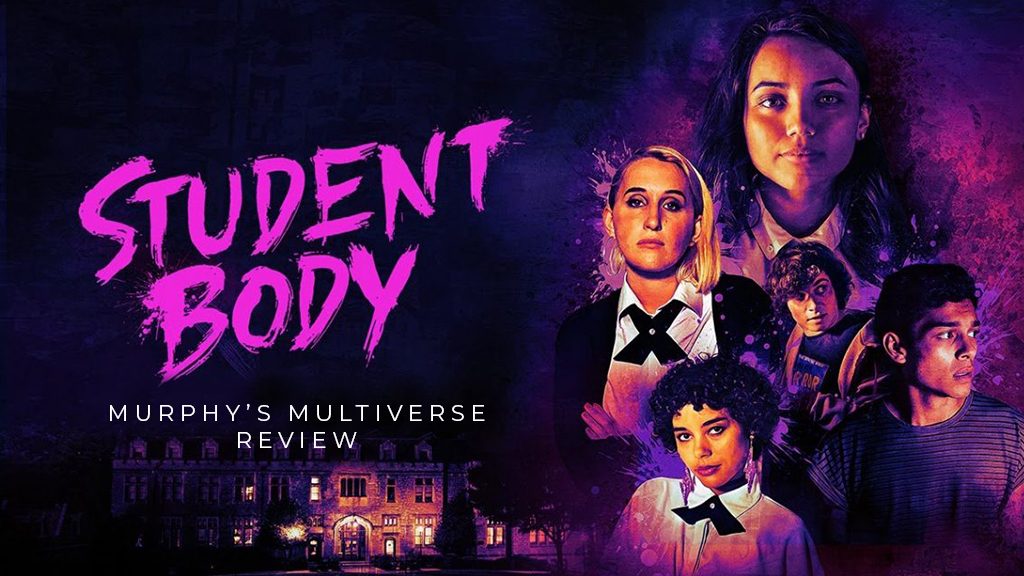
    It’s hard to describe what Student Body is by the end of the film. While it tries hard to be terrifying and thrilling, it’s often predictable and frustrating with a very thin plot barely holding together. And yet, it’s not terrible. It’s not necessarily good, but it’s not necessarily bad, either. It’s the type of film that is easy to watch if you need a good popcorn flick on the couch, unfortunately, though it seems likely to not leave a lasting impression.

    Student Body is a horror thriller written and directed by Lee Ann Kurr. This marks Kurr’s feature film directorial debut, having previously helmed the TV mini-series, Wonder, as well as a couple of shorts. While the script does have its flaws, Kurr does do a good job at bringing out the best in the young cast. Where the film falls apart, however, is when it tries to make the leap into a horror film in its final moments. Up until that point, it’s the stereotypical high school flick that sees one student trying to fit in with the “cool kids.” It’s a cliché story, and one that would benefit from a unique plot. Student Body, unfortunately, lacks a unique story.

    Perhaps the easiest way to describe Student Body is by noting that it’s a story of obsession, one that tries to treat some of its subject matter with a sense of ease, but continually throws it in the viewers faces. It’s the typical high school film full of toxic friends, trying to fit in and trying to balance school and home. This one, however, just has murder thrown in to spice things up.

    This is a film that could have greatly benefited from a larger budget — perhaps to actually make it feel like a school with more than five students. It also could have benefited from a tighter and more cohesive story. Again, this isn’t to say the final product is terrible. It’s still an easy watch under two hours, and it does feature Christian Camargo as Mr. Aunspach, with the actor bringing his signature charm to the film. It’s just that, horror/thriller films need to be memorable if the story isn’t going to be tight. The score only managed to stand out in one scene near the end, proving to be otherwise forgetful throughout the rest of the film. The cinematography was lacking, especially in shots of the school. And the acting, at times, was subpar. Thankfully, though, those moments were few and far between. Harley Quinn Smith put everything she had into delivering a stern, yet vulnerable Nadia Parker, while Montse Hernandez shined as Jane Shipley.

    While Student Body wasn’t a favorite of mine, and one I probably won’t return to for future viewings, that doesn’t mean I’d encourage others to write it off. Give it a chance. It’s a quick film you can stream over the weekend while sitting at home. You may just enjoy the craziness that awaits.

  • REVIEW: ‘Three Swords’ is Good, Yet a Missed Opportunity

    REVIEW: ‘Three Swords’ is Good, Yet a Missed Opportunity

    Sometimes we read a synopsis for a novel and think, “Wow, what a great story this is going to be.” We are excited about the main characters and are fans of the writer, so we think we know what to expect. Then we read the actual story and it fails to meet those expectations. It could be because of the characters, or the writing style, or the pace of the story, or it could even be the reader’s own expectations. With Three Swords, this is one of those novels where the story failed to live up to the expectations set by the synopsis.

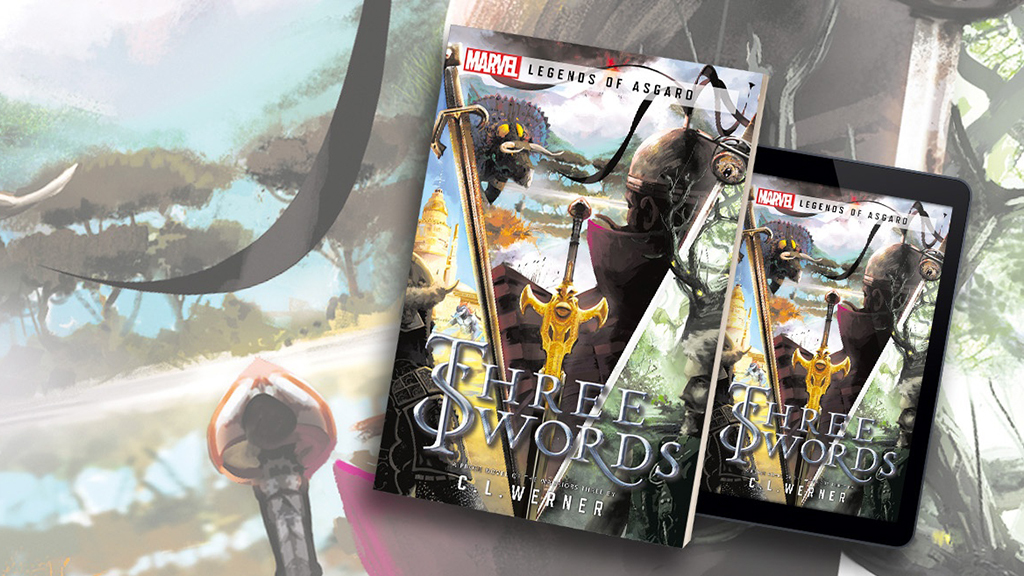
    Penned by C.L. Werner, the veteran writer of numerous short stories set in the Warhammer universe and the Black Plague trilogy, Three Swords tells the story of the Warriors Three as they receive an ominous set of predictions from the Enchanters as it pertains to Asgard. The Warriors Three must venture out into the cosmos to stop the Enchanters from enacting their plan to destroy the universe. This takes our titular heroes to many moments in history, from the actual civil war to important moments in England, and it is there where you really get some highlights that you can enjoy, even if you’re not well-versed in Marvel lore. Unfortunately, the story is not given much time to breathe before jumping to the next set-piece, and it seems Werner is ultimately in a rush to just get through the story. As such, the Warriors Three aren’t as fleshed out as they could’ve been. Whereas the little Easter eggs while they’re traversing the universe work without you having a vast array of Marvel knowledge, the characters are written as if you do have a vast array of Marvel knowledge. Due to this, it creates a disjointed narrative where characters do things and you’re almost expected to just understand why they did that. 

    The set pieces work pretty well, with Werner doing a great job of using words to paint the story of the action we are seeing. Because each Enchanter has a tower, or lair, it feels like a Mortal Kombat video game where you’re fighting waves until getting to the endgame boss. Fandral is the standout here, as he gets some really cool moments where we are reminded how good a swordsman and warrior he truly is. As I was reading it, I kept thinking “man, this would be a really cool adaptation on Disney+” because it kind of feels like the National Treasure films with their reverence for what came before in both Marvel and modern history with some really good action mixed in. I, also, enjoyed that this story really put someone other than Thor in charge of saving Asgard: too often, in Asgard’s history, the Warriors Three are just along for the ride, but putting them in charge here really makes the story feel small enough (their friendship shines) even though there’s so much at stake. 

    Lastly, I’d be remiss if I didn’t mention the twist ending. No spoilers, but it is telegraphed from the beginning, and that made it feel a bit cheap. It lessens everything that came before the end, and it doesn’t really hold up to the rest of the story: if the story was a B before the ending, the twist is like a D and just soured me a bit on the story as a whole.

    All in all, a solid entry but one that could’ve been substantially better had a cheap twist not been added and had more effort been put into developing the characters beyond what we would know as Marvel fans. Werner deserves credit for writing the action and humor in a strong way, but in the end, the story falls to reach the heights teased.

  • REVIEW: Onigashima Continues to Burn in ‘One Piece’ 1038

    REVIEW: Onigashima Continues to Burn in ‘One Piece’ 1038

    It’s just showdown after showdown in the Onigashima raid, which is still not even close to leaving steam. The latest chapter included some great small moments as we take a short break from Kaido and Luffy’s showdown. One Piece‘s chapter 1038 gives us a vignette of where everyone else currently is while catching back up with Kid and Law’s battle with Big Mom, who isn’t going to go down that easily.

    The cover story this time is quite surprising as it seems Niji and Yonji of Germa 66 have been caught by the Big Mom Pirates. So, either they might return to free them, or Sanji gets a chance to save his family once again in the near future, but mostly cause it’s hard to believe that his father would go back and save his sons. Yet, who knows if he had a bit of a change of heart after the events from the Whole Cake Arc.

    It’s great to see Jimbei back, as he mostly took a backseat since his confrontation with Who’s Who. His saving of the samurai was a great moment, as we also see that the spreading flames have wrecked the entire place. Even Chopper gets to return as his super tiny form has expired and he returned to normal. It’s sweet to see him instantly care about Zoro, who is going through something of his own.

    Speaking of, what in the world is Eiichiro Oda doing playing with our hearts? It’s so strange to see the freaking Grim Reaper stand above him right after Chopper discusses the pain he’ll go through. Though the arms and close-up of the face make me think this is a fake-out and it’s probably Brook. How he got his hands on a scythe is a different story, but it seems like the most logical reason the literal embodiment of death appears here. Luckily, Franky is on his way to help.

    Izo has been taking quite the beating to give Usopp enough time to get the Red Scabbards away from the battlefield. The interesting aspect is the confrontation with CP0, which probably won’t end well given that the Beast Pirates have pushed him to his limits. It doe make you wonder if an eventual confrontation between the secret organization and the Straw Hats. Going by the direction they are heading, it seems they might end up catching up with Usopp.

    I am always excited to see Yamato – who I still hope joins the crew – and it’s great to see her showcase her abilities. It still seems like a shame how little we saw of her fight against Kaido. She’s also a perfect counter to the flaming ball of vengeance, as she just made it in time to keep it from blowing the whole island up. I am curious just how Yamato might manage to get it away from the explosives and weapons, as it’s very unlikely the island will just blow up.

    Now, it’s finally time to talk about Big Mom’s battle against Kid and Law. It’s not going so great for them, as she seemingly towers over them and mocks the young pirates. It almost looks like the two might have met their match, but she is certainly pushing beyond her limits. Her main goal is to return to Kaido’s side adds a nice level of urgency to this fight, especially as Law continues to keep the fighting going.

    We once again get the return of his Awakening through Kroom, which offers a clearer picture of what it can do. The fact he can warp the reality of an object adds quite a curious element to his ability, especially how his sword goes through Mom without actually cutting through her. Perhaps this ability is deeply connected to the fruit’s famous ability to give someone immortality. Kid also makes a grand effort by pulling in all the metal around him to create a giant raging bull, as both proclaim she will not get to the roof.

    The title was surprisingly misleading as Zoro and Sanji’s “vs.” chapter titles ended with the defeat of their enemy but seems Oda decided to mix things up this time around. Even after their defeat, they are continuing to push forward which is quite exhilarating and makes me curious what the next chapter has in store for us, as we might enter the final stage of this battle after all.

  • REVIEW: Finding Charm in the Different Through ‘Safety Not Guaranteed’

    REVIEW: Finding Charm in the Different Through ‘Safety Not Guaranteed’

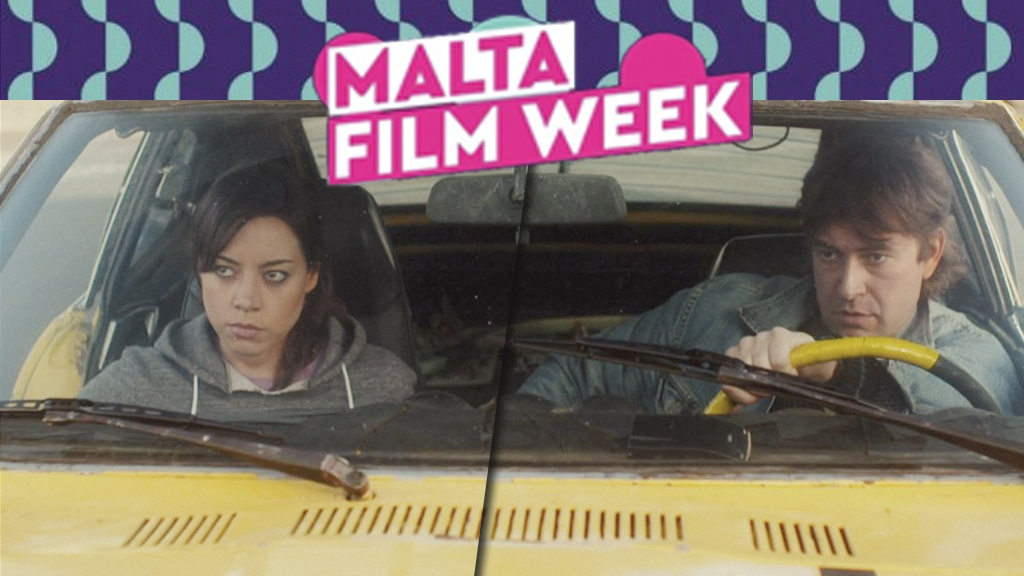
    The final screening of malta film Week was of Colin Trevorrow‘s premiere film, Safety Not Guaranteed. Its final scene, as mentioned in the live Q&A with the film’s director, would eventually be what convinced Steven Spielberg of handing him Jurassic World. Still, the film is more than just one scene, as he explored a simple idea. What happened if a group of journalists followed a strange ad hinting at time travel with the weary statement of “Safety Not Guaranteed” printed in the ad? Well, it introduces us to a story that is heartfelt and explores what it means to be different and to dream in an unrelenting world.

    The concept of the film is based on a joke classified ad that was posted in the Backwoods Home Magazine back in 1997. We follow Darius Britt (Aubrey Plaza) who graduated from university and is trying to find her place in the world, as she interns at Seattle Magazine. There, writer Jeff Schwensen (Jake Johnson) gets the idea to follow the classified ad that talks about time travel, as they head out alongside student and fellow intern Arnau (Karan Soni) to investigate.

    The concept and general demeanor early on from the storyline hint at a certain skepticism. It was my first time seeing the film that was originally released back in 2012. So, going in with the knowledge of Jake Johnson and Aubrey Plaza’s go-to characteristics in their projects, I had a certain expectation of this being a very cynical dark comedy. To my surprise, while there were still elements at play, it was a much more hopeful story than I would’ve thought going in.

    Mark Duplass plays Kenneth Calloway, the man who published the ad. The film doesn’t drag him down as a character. Rather, it uses the mystery surrounding his strong belief in time travel to make us sympathize and wonder what is going on. Trevorrow had a good handle on when to sprinkle in just enough mystery to keep your interest going throughout the rather subdued film. Yet, the mystery is pretty much just an addition rather than the main focus.

    Most of this film is more thematic rather than story-driven. Yes, there is a core narrative with Calloway’s end goal and his relationship with Darius, as they prepare for their travel into the past, but it’s not relevant. The film isn’t about time travel, but rather how dreams and beliefs can either bring us together or even push us apart. Jeff is perfectly summarized in this story when he revisits his teenage love, Liz. At first, she’s not what he expected but ends up falling head over heels for her. The film purposely makes her this perfect individual only for her to push him away once he gets serious about it.

    The past cannot be changed and we cannot pretend we can still live in the past. Yet, the ending embraces the fact that the only way to change the past, or at least how you handle it, lies in those you spend it with. That is why it’s not a film about time travel but purely about how we spend our time. Even the smallest side story in the film, such as Jeff being the one to push Arnau to finally “live a little” to hook up with a girl, is about that narrative theme. The people around us shape us to do the things we want to but are too scared to take that leap of faith on our own. His entire arc is about not running away from living in the present, as all he is focused on is finishing his studies to look to the future.

    In a way Darius represents a look into an unknown future, Arnau desperately tries to avoid the present, and Jeff clings to the past. Each one of them is forced to face a different fact. Darius confronts her past to learn about where she wants to go. While Arnau learns to embrace the difficulties of the present, Jeff is forced to confront his future. Of course, it could be a misreading on my part, but I quite enjoyed the way time played a role in each of the character’s arcs while exploring an ad about traveling through time.

    I expected the film to end on a cynical note and loved the direction that Trevorrow and writer Derek Connolly went with. There’s hope that no matter how bad the past, present, or future might be, maybe you can make a change. The big thing is, it’s for anyone. Duplass‘ Calloway is shown as a flawed man and “different” from the norm. We learn to love the character even as some dark revelations make you wonder if he’s telling the truth or if his plan worked.

    A time travel movie all about our life with time teaches you that there’s love to be found no matter how strange your beliefs might seem to be. Safety Not Guaranteed is a charming film about the different and coping with the difficulties with life. It’s not an action-driven piece that gets the heart pumping and sometimes not even really that focused on getting you to think about the complexity of time travel. It’s a personal story of individuals trying to cope with life and it finds a perfect balance, as you leave the theater realizing you do the same every day.

  • REVIEW: ‘Book of Love’ is a Delightful Rom-Com

    REVIEW: ‘Book of Love’ is a Delightful Rom-Com

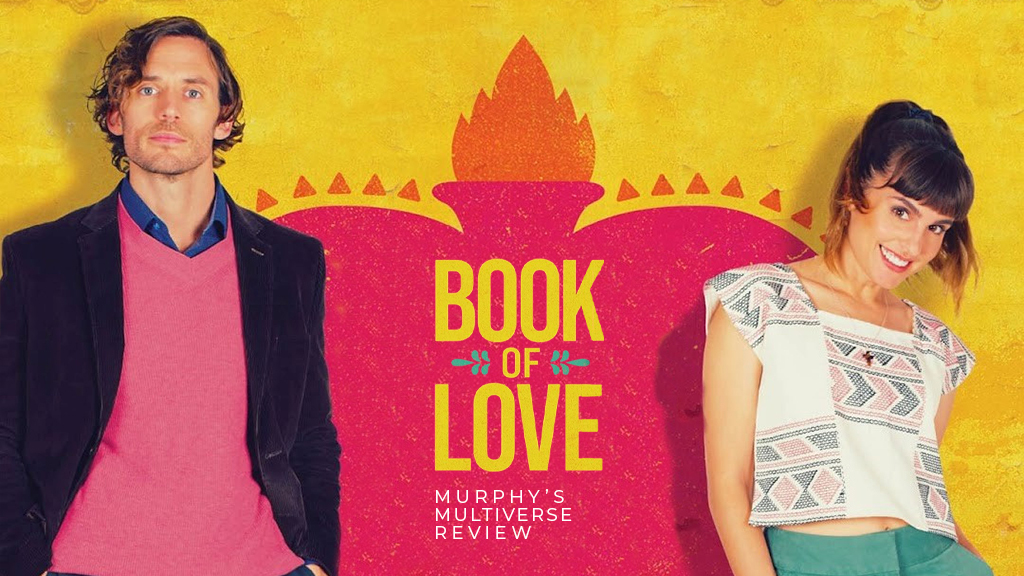
    If you’re looking for a fun, romantic comedy to enjoy this Valentine’s Day, Amazon Studios’ Book of Love should easily fit the bill. The film stars Sam Claflin as Henry and Verónica Echegui as Maria, two very different people who soon find themselves at odds over a book.

    Henry is an up-tight male author who managed to get his debut book, The Sensible Heart, published. Unfortunately, though, the book is performing poorly despite his continued attempts at promoting it; reviewers have dubbed it boring and it seems as though he’s about to be dropped by his publisher until… the book becomes a hit in Mexico. As it turns out, the book has been translated and is a top-seller in Mexico, much to Henry’s surprise. What he doesn’t know, however, is that the translator took a lot of liberties with his novel and turned it into an erotic story that was full of passion rather than a passionless love story. With the book becoming a success in Mexico, the publisher quickly throws together a book tour for Henry in Mexico, where he’s joined by his translator, Maria. What ensues is a love story that, while by the book, is still delightful and sure to keep viewers smiling.

    As someone that writes books when I’m not working, it was easy to lose myself in this story. Henry can, admittedly, be very frustrating upon introduction. His book isn’t selling, but he refuses to give up on it and move on to the next thing. For him, The Sensible Heart, is his main focus because he spent years of his life trying to get it right. Trying to accept that readers simply are not interested in a passionless love story is not something he can do. He’s forced to accept the truth, though, when he realizes the only reason his book is selling well in Mexico is because of the changes the translator made. At times, it feels as though the film is picking at the romance genre as a whole, but by the end, it’s clear the film is merely trying to prove there’s nothing wrong with a bit of passion.

    There’s no denying Book of Love is a cliché story. It features two unlikely individuals who find something in one another with the usual bumps along the way. It’s not a film that’s going to win awards, but not every film needs to. Sometimes, we just need something to help us escape from the reality we’re in and Book of Love does that exceptionally well. It’s a heartwarming love story that will make you laugh, make you frustrated and then keep you smiling as the ridiculousness continues to unravel. (Courtesy of Jen, Henry’s British publisher.)

    Claflin nails the role of Henry; he’s awkward, arrogant and vulnerable when needed. Yet, while he is the lead, Book of Love is ultimately a showcase for Echegui who lights up the screen as Maria. The passion between them is rather great, too. They feed off each other which helps to sell this romantic story of two unlikely individuals.

    In the end, Book of Love is a love story that reminds us love is never what we imagine it to be – it’s both better and worse, but always worth the fight in the end. It’s a romantic comedy you’ll want to add to your watch list this Valentine’s Day. Allow yourself to get lost in the ridiculousness of these two characters, it’s a sweet trip.

  • REVIEW: ‘Peacemaker’ Episode 6 – “Murn After Reading”

    REVIEW: ‘Peacemaker’ Episode 6 – “Murn After Reading”

    In the latest episode of Peacemaker, the Butterfly Project plot takes center stage and begins to envelop much of the series’ story, which is a welcome change of pace that gives the final leg of the series significantly more plot momentum than it’s had in the previous five episodes. This story development and the laughs from the Vigilante-Peacemaker dynamic make Episode 6 one of the most enjoyable episodes of the series. While inner-character turmoil acts as a strong undertow for the episode, unfortunately, Peacemaker’s main arc fails to meet its own expectations.

    “Murn After Reading” continues to intensify its redemption theme for Peacemaker’s titular character. Peacemaker is continuing to vocalize that he does not actually want to kill people anymore. Whether it’s the fact that he can’t stomach Murn’s creepy friend murdering unconscious people or dramatically playing the piano, one thing is for sure—the guy has feelings. On one hand, the series is pushing a generic and fairly expected “he’s a good guy now” story. The fact that that is so standard on its own is a bit of a disappointment given the show’s propensity to try and push barriers and comic book media norms. 

    On the other hand, this arc was built to be pretty easy and flat for our main antihero. While the series assumes you know every detail of Peacemaker’s development of The Suicide Squad, the supposed super-killer actually doesn’t do much of that in the series itself. He hasn’t killed anyone that wasn’t a butterfly and has hesitated from the beginning. So, the fact that his change of heart takes up as much space as it does, it’s monotonous. 

    The actual inner turmoil moment that gleams in this episode is Murn’s mini-monologue after confessing that he is a butterfly. Luckily, after the last episode’s cliffhanger ending, the knowledge that Murn is a butterfly does not remain a lingering issue for more than a few seconds — he is a butterfly working for the greater (human) good. His emotional recognition that he took from his host (a very bad man, apparently) even something as hypothetical as the opportunity to change hits harder than Peacemaker’s personal revelations. Chukwudi Iwuji’s moment better encompasses the “I have feelings, but killing is necessary sometimes” theme.

    Vigilante is still the best character of Peacemaker. The character’s scenes, dialogue, and interactions with Peacemaker and Butterfly Goff make Episode 6 a genuinely funny episode, even compared to the rest of the series. If Freddie Stroma’s character went away, Peacemaker would have a huge absence that seems like it would be difficult for the series to overcome. 

    So while Peacemaker’s character arc feels generic, Murn and Vigilante are star players that shine and give Episode 6 the extra coat of paint that it needs. Probably the best moment of the episode—and series—comes when Eagly starts homicidally divebombing police officers. Hopefully, more gloriously CGI Eagly moments are to come in the final two episodes. 

  • REVIEW: ‘How I Met Your Father’ Episode 4 – “Dirrty Thirty”

    REVIEW: ‘How I Met Your Father’ Episode 4 – “Dirrty Thirty”

    Last week, we saw How I Met Your Father start to feel like a true successor to How I Met Your Mother. Between perfect relationship building, good comedic moments, and a whole lot of charm, it seemed as though the show was starting to hit a stride. Can that continue through the entirety of season one? Or did episode four dig a ditch?

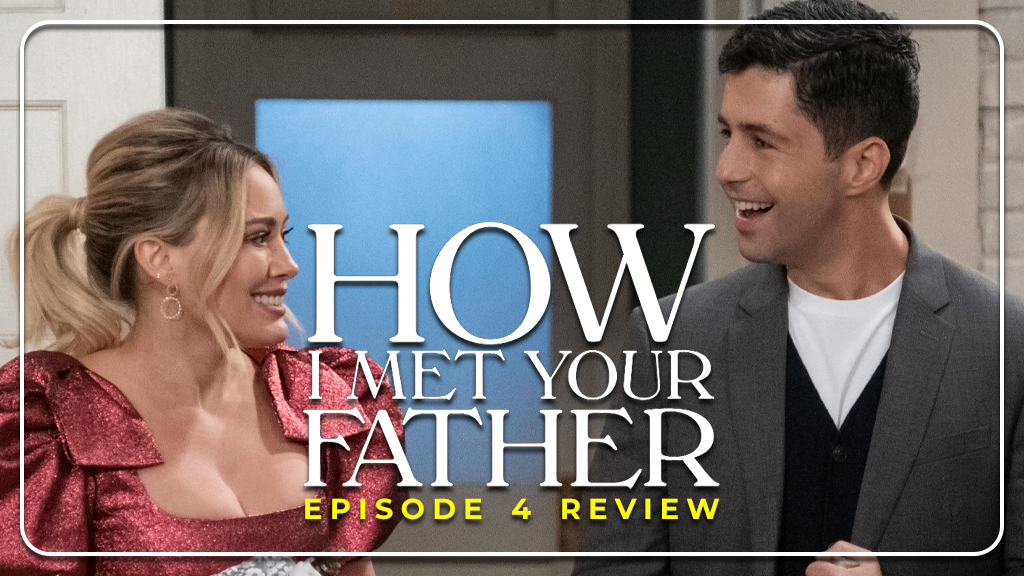
    Episode 4 started off with Sophie finally beginning to take a partner seriously, so much so that the majority of the episode is spent trying to impress the man. This isn’t a novel concept, as you may recall, this type of thing is right out of the Mosby playbook. In How I Met Your Mother, a young Ted spends an entire episode planning multiple parties over a weekend to try and impress a newly found crush, Robin. Luckily, this similarity stops there. Once again, How I Met Your Father does an excellent job of mirroring parts of How I Met Your Mother without feeling like a cheap copycat, rehashing old ideas. Instead, the show decides to do things a little differently. Sophie was already having a party, her birthday party, in fact. Instead of randomly trying to make her suitor find her more spontaneous, Sophie is aiming to seem more mature to match the personality of her date. She spends time disguising her apartment, looking to match both the “trashy rager,” as she recalls, and the more mature tone she wants in order to impress the man. 

    The above seems like a great way to follow the tone of the original, but other parts of the episode fall flat. There are moments sure to take viewers out of the episode, as it loses its engaging tone with the addition of a random scene, forcing it to feel more like a generic sitcom than the charming show its predecessor was. There were parts of episodes one and two that had a similar feeling, but it seemed like most of the early sitcom tropes were starting to feel fixed. Yet, despite its flaws, the latest episode still feels stronger than the earlier episodes. It’s just a shame the show seems unclear of the tone it wants to take on, especially as the series seemed to finally be hitting its stride.

    Luckily, while the weird generic sitcom vibe was definitely there, the laugh track issues still seem to be gone. As initially expected, it appears the premiere episode may have been trying a little too hard to land its humor. Thankfully, though, the latter two episodes definitely used the laugh track more appropriately.

    Luckily, the relationship-building and supporting cast still feel great. The episode follows Valentina and Charlie as they continue to try and work out their relationship, as well as Jesse and Ellen as they try and form their sibling bond. Unfortunately, Sid seems to have been put on the sideline for this episode; while it makes sense, given his storyline, it’s an unfortunate turn of events.

    Valentina and Charlie remain an almost inverse of Marshall and Lily, a couple trying to make it, but instead of being the perfect couple in a more traditional sense, their way of life is a little more “modern,” if you will. Their chemistry is starting to show through the one-tone character that is Charlie. He seems to be starting to settle into his new lifestyle a little more, previously being a rich and rather condescending character that was hard to like. Valentina and Charlie seem to be starting to round each other out, which seems like it could do wonders for their characters.

    While Episode 4 feels like a step back from Episode 3, it appears to be a small step back. The show retains its charm while continually making the characters and their relationships very easy to love. Hopefully, the next 6 episodes will manage to capture the charm and continue to improve, potentially leading to a phenomenal ending that will want us begging for more like How I Met Your Mother did in its first season. Considering there are three possible suitors set up for immediate relationships with Sophie, and any of them can come up at any moment, it seems likely the end of season 1 is aiming to get there. It’s obviously too early to tell for sure, but who knows, one might happen before we say goodbye to Sophie and her gang for the season. 

  • REVIEW: ‘The Book of Boba Fett’ Chapter 6 – From the Desert Comes a Stranger

    REVIEW: ‘The Book of Boba Fett’ Chapter 6 – From the Desert Comes a Stranger

    So, the third season of The Mandalorian is going strong. It’s just strange they decided to rename it The Book of Boba Fett and ignore the titular character after a few episodes to fully embrace a follow-up story for Din Djarin. After last week’s episode, Temuera Morrison once again takes a backseat while the series further expands upon the greater mythos that was initially set up with Grogu’s journey to becoming a Jedi. It’s a shame that such a great episode is bogged down by the fact that it feels like you’re watching the wrong show.

    I will talk about spoilers in the review, so only continue at your own risk if you haven’t seen the episode yet.

    I love what Lucasfilms is doing with the Disney+ series, but I fear what this series’ pacing might mean for other spin-offs from the initial series that kicked off Disney+’s success. Pedro Pascal‘s Din remains one of the most compelling characters, but he also gets the most emotional arc throughout the entire franchise currently. Boba Fett at least shows up this time around, but barely even has a speaking line that makes you wonder if he’s even the protagonist of this story.

    Still, what we have is a great episode that is riddled with great cameos that are certain to make many long-time fans gush. The episode starts with Timothy Olyphant‘s return as Cobb Vanth – a personal favorite that I hope gets more focus in the future – and a small insight into what the Pykes trade is going on. You’d think for a large smuggling ring they’d do more than exchange money in the middle of nowhere like that, but it does lead to a powerful moment showing who he’ll side on once the main conflict happens.

    Yet, most of the episode is focused on Grogu, who makes his adorable return with some insight into his teachings by Mark Hamill‘s Luke Skywalker. They certainly learned from the previous appearance and the effect looks quite a bit better, even if still off at times. the performance is also quite subdued but works well for the Jedi way that he is trying to teach to his new padawan. It’s great to see the teachings, especially how Grogu echoes moves we’ve seen from Yoda in the prequels. That even gets paid off at the end of the episode.

    Din not being able to let go of his little fellow, and traveling all the way to see him was great – even if I don’t quite get how he knew to find them. R2D2 returns for a brief appearance, which seemed like a given with Luke there. However, I never expected Rosario Dawson‘s Ahsoka to make an appearance. It made sense in how she built upon the words she mentioned in her last appearance, and her interactions with Luke were heartwarming for Star Wars: Clone Wars fans.

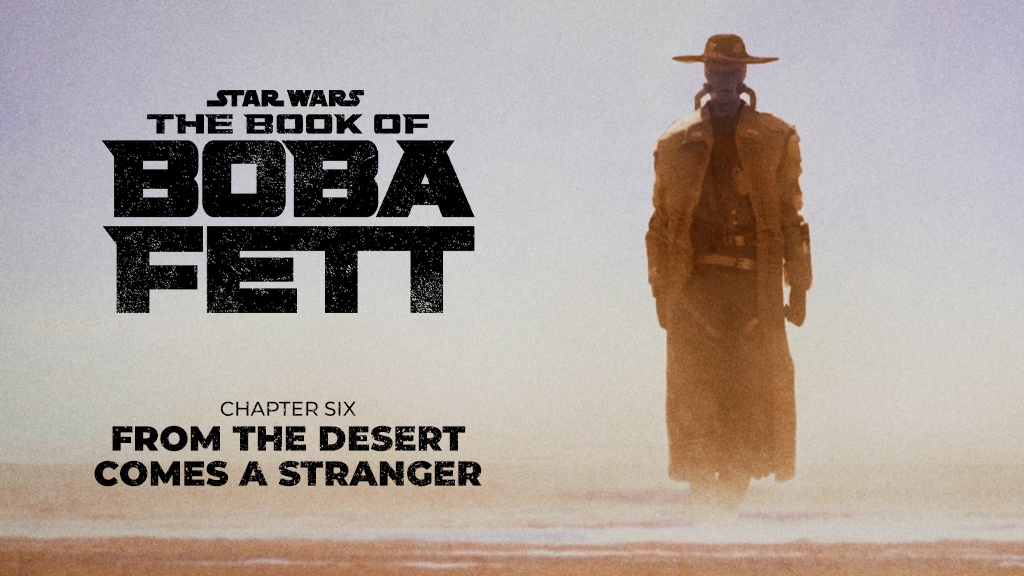
    I do believe that the biggest moment comes at a later date for Clone Wars fans when bounty hunter Cad Cane arrived. Probably the best use of Tatooine’s landscape to build up his arrival and everything just worked incredibly well. Didn’t think the character would translate so damn well to live-action. The Western showdown matched his design so well, and he probably got the most intimidating introduction out of any character in this show yet. It’ll be a difficult one to top moving forward.

    We only have one more episode to go, and I am having a hard time imagining all these pieces falling together as they should. Boba is a no-show in his series for the last two episodes. We spent most of the first five revisiting the past and any main threat vanished before they even had a chance to become relevant. The Pykes offer some intrigue but not enough to make the upcoming events feel relevant. Outside of Morrison‘s performance and giving Boba Fett an actual character, it feels like this series is just The Mandalorian 2.5 rather than its own fully fleshed-out show. Even when the show catches back up with Fett’s empire, the big moment towards the end is overshadowed by everything else.

    I loved the episode, don’t get time wrong, but I wanted to spend time with Fett, as he raises the Rancor, takes down the underbelly, and sees the build-up to the final confrontation. They tease a big war, but we still don’t know why the Pykes are obsessed with the obvious Dune parallel. The problem lies that its main character was fleshed out in the past while nothing in the present is fully explored outside of fun cameos and Djarin’s story taking over. Perhaps they should’ve split it up into two series and just keep The Book of Boba Fett as a brief 5-episode mini-series.

  • REVIEW: ‘Clifford the Big Red Dog’

    REVIEW: ‘Clifford the Big Red Dog’

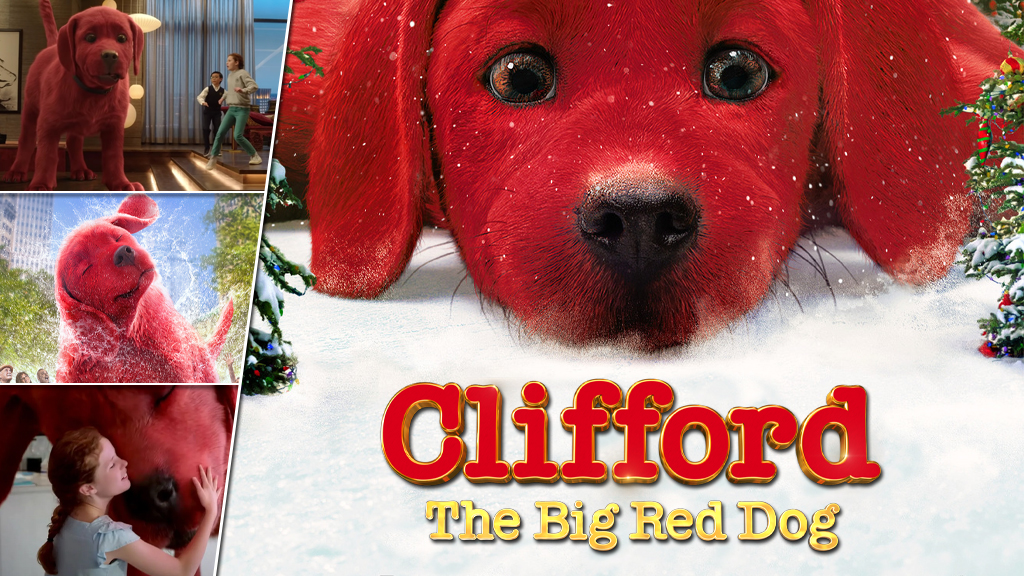
    Clifford The Big Red Dog is ultimately a mild-mannered but generic adaptation of the beloved book series by the same name. While the titular Clifford, a giant red puppy, is as massive as one would want, the film lacks much of the whimsy of—and seems particularly confused about—the Clifford mythos. At the end of the day, Clifford is solid and consistent family fun even if it feels like a cut-and-paste from most movies in the genre. 

    Even though Clifford himself cannot fit in any box, Clifford is as inside-the-box as any film in the general family-friendly genre can be. Every step is by the book—while the film lifts up “being different”, it falls flat on its advice. To be fair, the movie passes every trope with flying colors, and the fun moments promised are unpretentiously fun. Clifford also offers some themes a bit more mature than expected, such as classist struggles and the threat of homelessness looming over the main characters at all times. 

    Ironically, the titular Clifford does very little of the heavy lifting in the movie. While an enormous red puppy should ordinarily keep someone’s attention above anything else, it is interestingly not the case in Clifford. The giant puppy has little personality beyond being a puppy, and the CGI companion has the stage presence of a second-string Paw Patrol member. Still, he is ultimately a good boy as he acts as the glue that holds the often-nonsensical plot together while a more sincere story plays out around him.

    What keeps Clifford from being stale, however, is its star-studded cast. Jack Whitehall ends up shining as the most interesting protagonist despite his cliché “fun uncle” role. Izaac Wang is funnier than the rest of the already-pretty-funny cast combined, including Tony HaleKenan Thompson, and Alex Moffat. Add in the ensemble that portrays the main character Emily Elizabeth’s Harlem neighbors, and the cast ends up breathing life into a movie that otherwise might have died on the vine. 

    Clifford the Big Red Dog is fine. Kids will certainly be plenty entertained by the spirited romp, and the cast maybe bring enough humor for general audiences to sit and stay for the entire film. While it does not quite accomplish anything as impressive as Clifford himself, there is plenty of family fun to fetch.