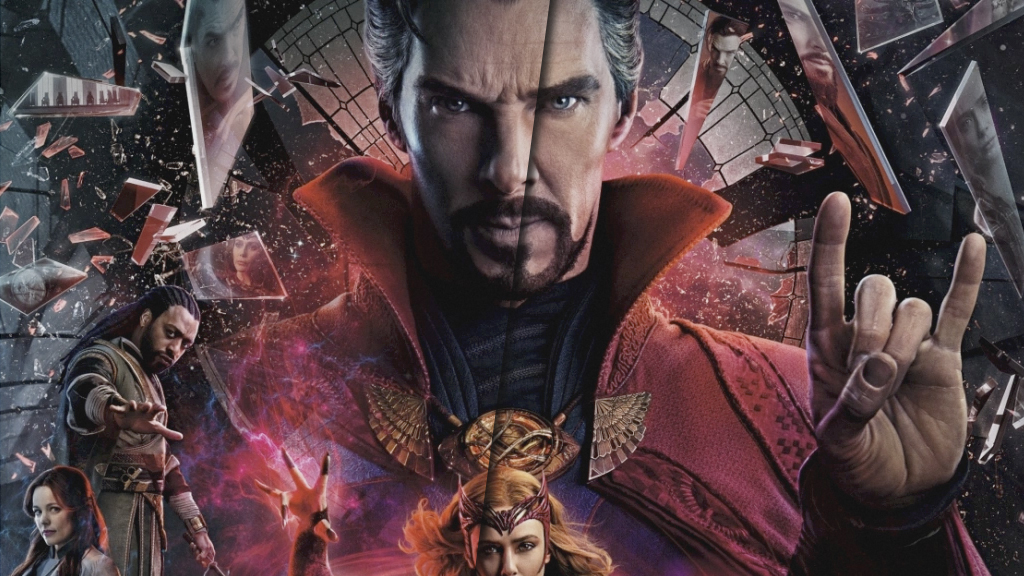
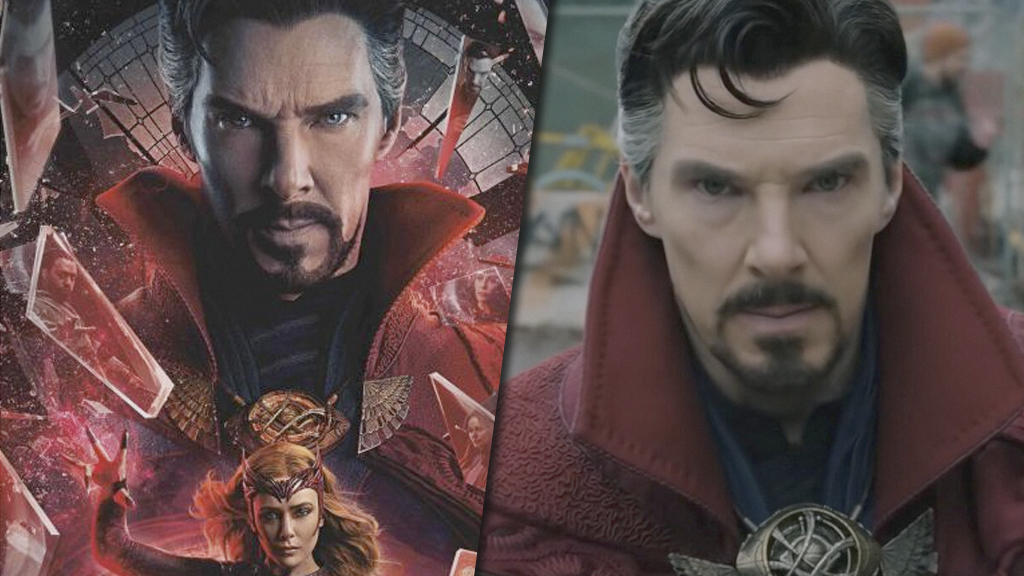
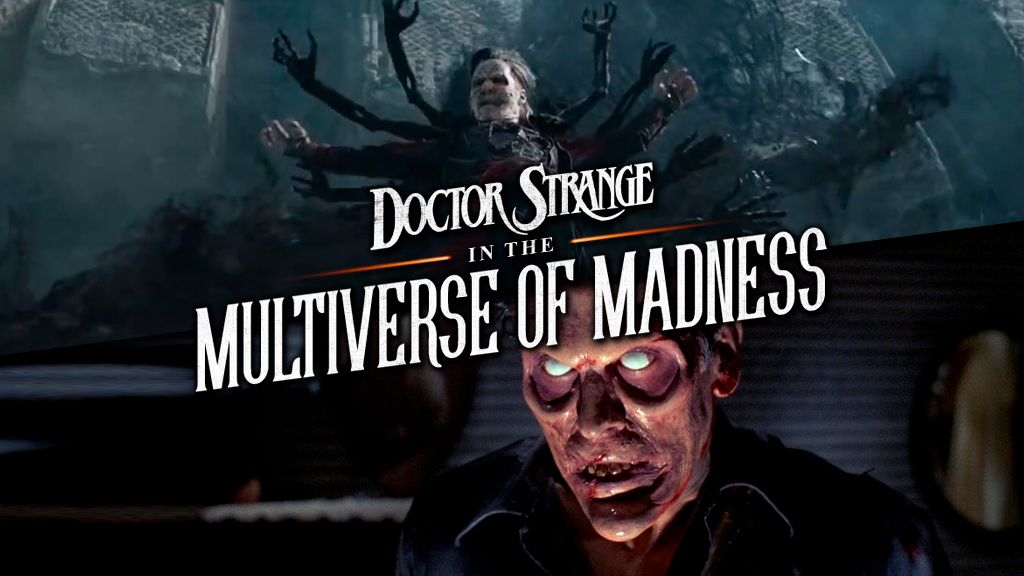
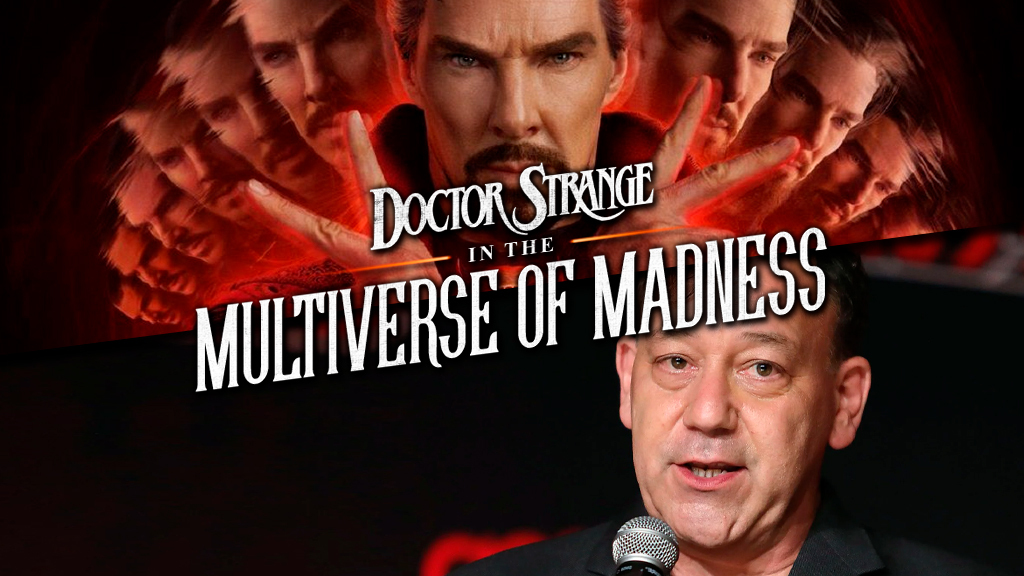
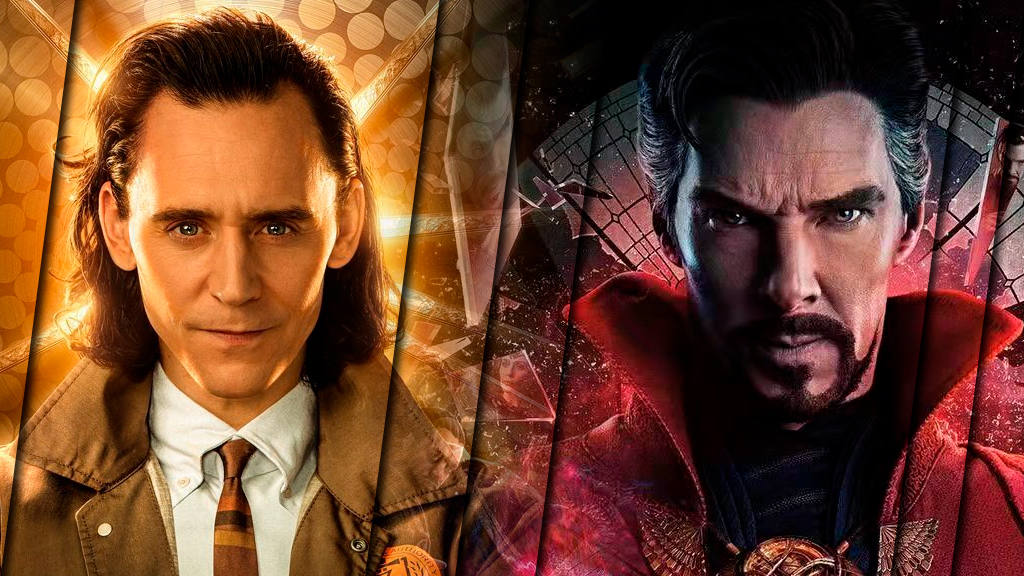
The first numbers are in for Doctor Strange in the Multiverse of Madness and it has definitely left an imprint already. The latest Marvel Studios film pulled in a great $36M in its Thursday previews in the US, which is the eighth-best preview intake right behind Avengers: Infinity War‘s $39M. It’s also the fifth biggest preview for IMAX previews with $4.3M. It was released across 4,545 theaters across the country and is further showcasing that business is healing for theater chains.
Depending on how frontloaded the film is, it could potentially make beyond $180M, but as Hollywood Reporter points it’s very likely to move between $160M to $180M. This would be closer in line with what we heard from Deadline a few days ahead of its release. It should also be noted that this is higher than other successful entries that include Captain Marvel ($153.4M), Thor: Ragnarok ($122.7M), and Guardians of the Galaxy Vol. 2 ($146.5M).
Box Office Pro had it heading towards $215M, which strongly depends on how it goes into Friday and Saturday. but if it keeps up a strong momentum it may even reach their expectations, but it strongly depends on word-of-mouth. The horror and gory elements could either pull in more curious viewers over the weekend, but also has the chance of having great legs like other horror franchises.
We can’t forget that the film has pulled in a really impressive $27.2M in its Wednesday previews internationally, which is only 4% behind Spider-Man: No Way Home without releases in specific countries. It seems that it potentially would make $300M globally at its current path. The Avatar: Way of Water trailer promotion has also been giving the film quite the boost with IMAX screenings. The growth from the previous entry is quite impressive considering it made $85M back in 2016.
Doctor Strange in the Multiverse of Madness is already making quite an impressive footprint in the industry, as its first day in international markets has pulled in $27.2M. As such, the film is currently trailing behind Spider-Man: No Way Home but only by 4%. That is an impressive number considering just how large that film was without a release in key markets and the fact that Multiverse of Madness isn’t releasing in a few countries due to controversies of their LGBTQ references. The film is currently 153% ahead of the original 2016 film and 210% of The Batman on a like-to-like basis.
The Benedict Cumberbatch-led film managed to keep the top spot in the Asia Pacific, as well as European markets such as France, Italy, and Germany. It has also pulled in $3.5M in Mexico and $2.7M in Brazil, which puts it at $10.3M in all Latin American markets. It has already topped those territories while still being in its previews. Even Korea, which has been pulling back due to concerns with the pandemic, has managed to return to cinemas. It may have made an additional $14.7M which isn’t included in the $27.2M.
We’ll see more releases in other international markets, and it looks like the film is going to be quite the crowd-pleaser. The rumors may give it some additional legs and while it probably won’t come near to what No Way Home managed, it seems like it’ll definitely be carrying the next month as more films start to release. It also is a good sign that Marvel Studios’ expansion into Disney+ may have not scared off people to still come in and see their latest entry. Word-of-mouth and its horror elements may be a key factor moving forward, especially as it may not quite pull in the usual four-quadrant market due to these elements.
Since it’s very announcement, Marvel Studios has been describing Doctor Strange in the Multiverse of Madness as their first true foray into the horror genre. As such, it made a lot of sense when the company hired Sam Raimi to replace Scott Derrickson as the film’s director. The iconic filmmaker has experience with both comic book projects and horror movies, and has even mixed the two before in 1990’s Darkman. However, it was apparently his work on the famed Evil Dead franchise that helped him the most throughout filming of Doctor Strange. In a recent interview with Fandom, Raimi explained:
It was really nice to have the experience of having made those horror films because I could take my knowledge of building suspense and delivering scares, and when it got spooky in Multiverse of Madness, I could apply those techniques.
Sam Raimi
The latest MCU film is said to be filled with plenty of ghastly moments and jump scares. Raimi is known for his fast-paced camera work and up-close visuals, which the film’s star Rachel McAdams confirmed in her own quote:
He’s really great at describing what is happening in his mind’s eye, thank goodness, because, you can see it all sort of swirling in there. And you’re like [whispering] ‘What are we doing? What’s happening?’ And then he’s very good about taking you through the whole day and what this will look like and what’s coming towards you and the build up of a scene and how scary it’s going to be. You sort of start to understand, like, ‘Oh, this is my part in this. And this is how I can help him make it as scary as possible.’ That was kind of fun. And doing super, super tight shots – like, way up in your face! But once you know why, that’s kind of exciting.
Rachel McAdams
Fans will see just how terrifying Doctor Strange can be when Multiverse of Madness hits theaters on May 6th. News
As Doctor Strange in the Multiverse of Madness prepares to blow fans’ minds, more information is coming to light about what it was like behind the scenes. Audiences are eager to witness director Sam Raimi’s return to the Marvel movie scene and what his signature flair will add to the horror-inspired film.
One aspect of the unreleased film that has caught people’s attention is the official run time. Conversations about run times seem to have increased dramatically in the past few years, and many have questioned whether the Multiverse of Madness’stwo-hour and five-minute run time is appropriate for the perceived scope of the film.
Raimi recently told Collider that the first cut of the film was indeed significantly longer than the final cut. Apparently, the final film was cut down from a two-hour and forty-minute run time. At that length, the Doctor Strange sequel would have been one of the MCU’s longest films to date. The final cut is actually right about the average length for an MCU film.
In explaining that there are a few deleted scenes he expects to make the eventual Blu-ray, Raimi commented on the film’s runtime:
Well, the first cut…I actually don’t remember the length of it…it was probably about two hours and forty minutes and it slowly came down even though we did the reshoots. We took out material even though the reshoots went in.
Sam Raimi
While the runtime is controversial despite the fact that general audiences have yet to see Multiverse of Madness, fans should trust that the filmmakers left out material for the good of the film. You can read our review as to why no one should worry about how long the sequel is.
Doctor Strange in the Multiverse of Madness releases in theaters on May 6, 2022.
Doctor Strange in the Multiverse of Madness is almost upon us. You can read our spoiler-free review here. The 28th Marvel Studios feature film will be the latest—and likely biggest—leap into the multiversal lore of Phase Four. The movie promises to be a bold and wild Sam Raimi-directed adventure that sees our titular character, with company from major characters like the Scarlet Witch and America Chavez, travel through the multiverse to prevent a great evil that threatens it.
Interestingly, Waldron recently told Digital Spy that he has some regrets about how rigidly he defined some of the “rules” of the multiverse in Loki due to its potential effects on future multiverse projects:
We worked pretty hard on Loki to make it as airtight as possible. But there were times when I was like, ‘Oh, shit, I wish I hadn’t have defined that so clearly. I don’t know why I had to be so specific in my time-travel television show about the rules of the multiverse.
Michael Waldron
Even though there may be some challenges in keeping multiversal mechanics consistent in the MCU as a whole going forward, Waldron still believes that his work on Loki greatly benefitted the writing process of Multiverse of Madness. He stated:
But, I was glad that I came in with institutional knowledge of the multiverse and was able to get the creative team of DoctorStrange on the same page as me on everything. Because like with Loki, that’s the most important thing when you’re dealing with this…You have to all have a shared language of all this stuff, otherwise it can get pretty confusing.
Michael Waldron
If Loki limited some of the creative direction of Multiverse of Madness with respect to the physics and understandings of the multiverse, it seems as though it still ultimately enabled the sequel to have a coherent and consistent tone with the MCU. A “shared language” about the multiverse will undoubtedly come in handy to both filmmakers and audiences going forward.
Doctor Strange in the Multiverse of Madness releases in theaters on May 6, 2022.
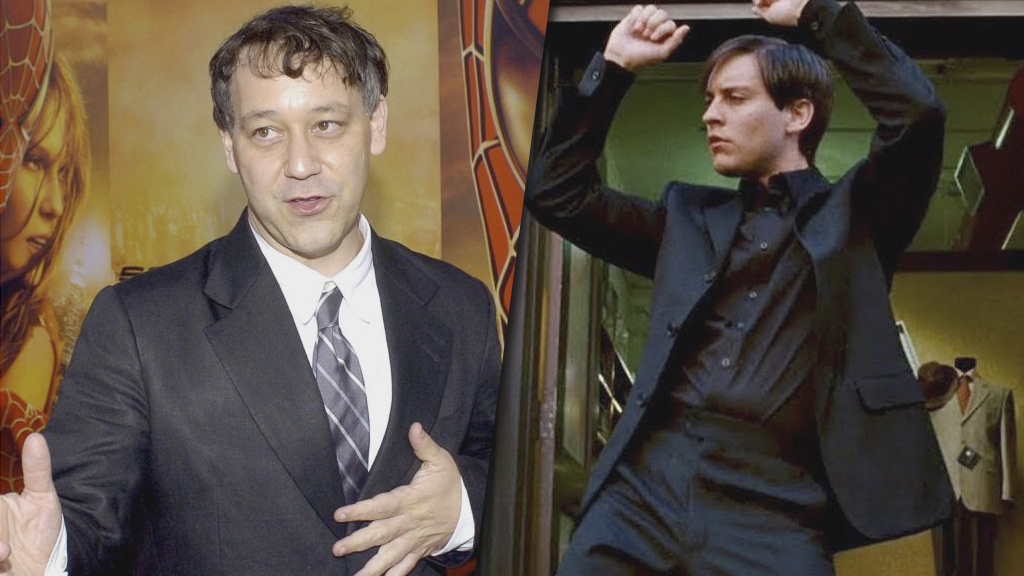
It’s been fifteen years since the critically panned release of Spider-Man 3, but that doesn’t mean director Sam Raimi is done answering for it. One of the film’s most iconic moments comes when Tobey Maguire‘s Peter Parker finally succumbs to the dark desires of the Venom symbiote, but finds himself hilariously dancing down the street instead of performing any of the irredeemable actions one might have expected. The sequence has since become an internet phenomenon, with fans using gifs, videos, and images of Maguire‘s terrible dance moves for use in making memes and ultimately making fun of the film itself. Spider-Man: Into the Spider-Verse even recreated the routine as a comedic reference to the character’s onscreen history.
In a recent interview with Fandom, Raimi was asked outright his thoughts on “Dancing Tobey” becoming so popular in the years since he directed the scene. His response was expectedly lighthearted and upbeat:
Well, we meant it to be funny, actually. It was Peter Parker’s version — this lame kid — of what it must be like to be his evil self. But he’s so whipped. He’s so out of it that that’s his take on it. And that didn’t go over well with the audience. But that’s what we were trying to do. So I’m not surprised that people… I’m glad people find it funny! We wanted it to be fun.
Sam Raimi
Raimi is known for using over-the-top, often somewhat cheesy, techniques in his films. So, it lines up that he would have used such a goofy performance to convey Peter’s emotions in Spider-Man 3. It’s also nice that he isn’t hurt by the initial outcry against the dancing, and instead embraces the fun of laughing with his audience.
Raimi‘s next superhero project, Doctor Strange in the Multiverse of Madness, releases on May 6th.
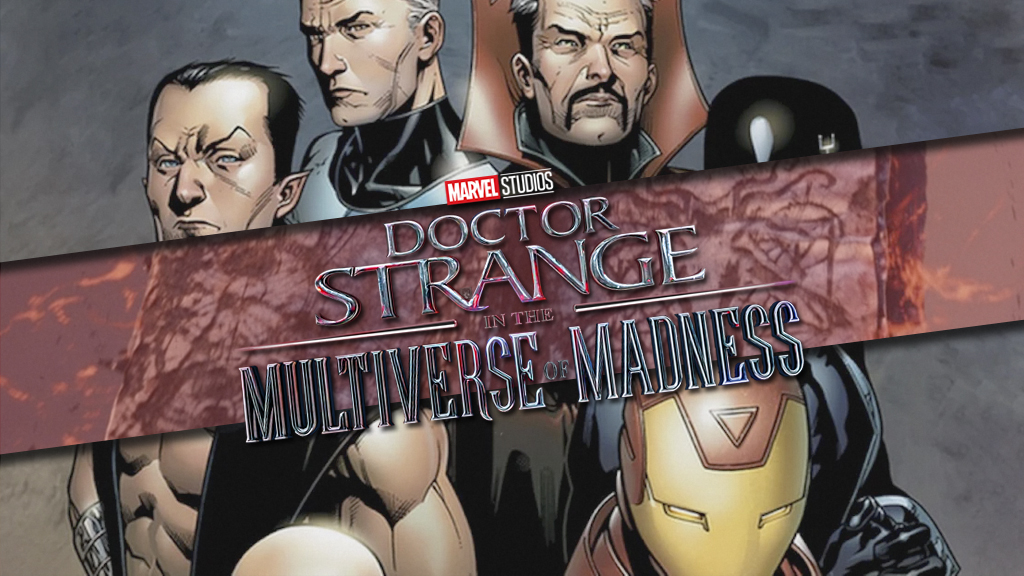
Doctor Strange in the Multiverse of Madness is a film that was always going to have a rough time promoting. Most of the film is seemingly building up Strange’s adventure through the multiverse and even a meeting with the Illuminati. While the initial tease of Patrick Stewart in the trailer was something that got many people’s attention, later promos included quite a bit more than what people were bargaining for. One even included some massive reveals that probably weren’t meant to make their way online before the release.
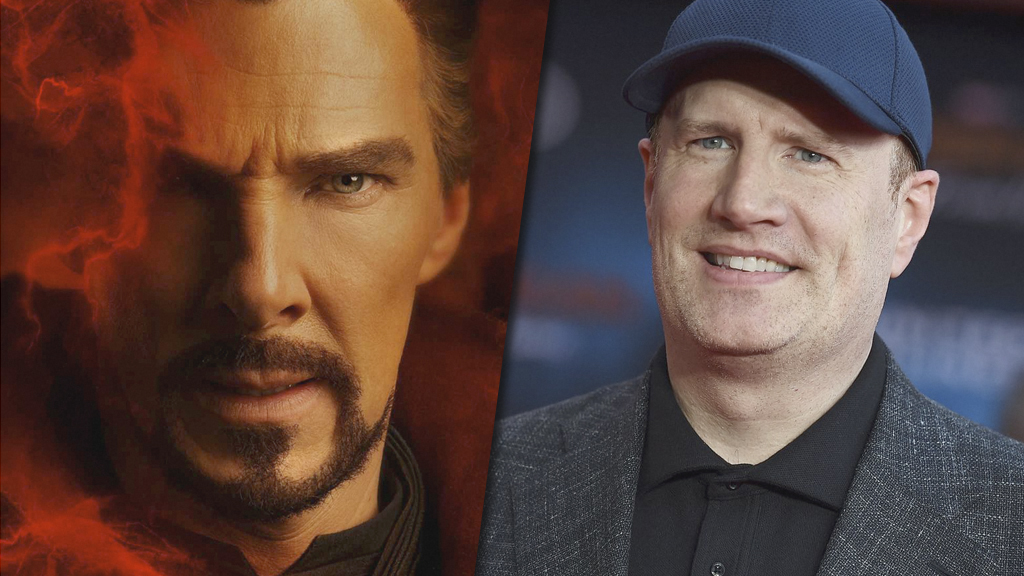
It seems that Kevin Feige, the president of Marvel Studios, also agrees with that sentiment. As when he was asked during the premiere, he stated without hesitation that “there’s been too much in the trailers“. Something many would agree with, especially with those trailers that were made publicly available this short ahead of the film’s release.
There’s been too much in the trailers, I don’t want to talk about anything else. But I will say, Sam has made this movie to be experienced on as big a screen as possible, and it’s even the first one in a long time that 3D was really taken into account too, because the first Doctor Strange film I think was out best film ever in 3D, and this one now will be right alongside that.
Kevin Feige
It’s unclear how much influence Marvel Studios has over its marketing, as the trailers may have been coordinated directly via Disney. Though, one would assume they would require a sign-off from the company and producers, as there were hints directors also actively work with the marketing teams. It does seem safe to say that Feige might take this feedback internally and ensure that it doesn’t repeat again.
We are only a week away from Marvel Studios’ next film, Doctor Strange in the Multiverse of Madness. With a title like that, there’s a lot that they can do and with the horror elements teased, it does seem like Doctor Strange is in for quite the ride. We know he’ll meet America Chavez, Wanda may fully embrace the Scarlet Witch, and he’ll meet a mysterious organization, which recently finally was confirmed as the Illuminati. Yet, there’s still one major question that’s on everyone’s mind: What exactly is going on?
What stood out to everyone in the second trailer released for Multiverse of Madness may be the confirmation of Patrick Stewart returning to the Marvel universe. Yet, they are still keeping his appearance a mystery with the bizarre words “We should tell him the truth.” We hear Mordo accuse him early on that he is on trial due to something that he’s done to reality, which many believed could be a connection to Spider-Man: No Way Home. As is Marvel’s usual process, they could’ve easily cut a few scenes together to make that sequence come together with the way it does. Who knows if Mordo is actually referring to the Strange we know at this very moment.
So, it could be that the crimes he’s standing trial for are not his own, but rather the result of a Variant–especially with the different incarnations of Strange teased throughout the various trailers. Or, there’s always the chance that he does something alongside Chavez that ends up dragging him across the multiverse and in front of the Illuminati. Still, it doesn’t explain exactly the “truth” that is implied in the trailer. It’s almost as if they are hiding something from the world or even the multiverse.
While in the comics, they have done some shady things as a group, especially when they were the cause for Hulk’s invasion of Earth after shooting him into space. Yet, as that storyline has been explored without their inclusion in Avengers: Age of Ultron and Thor: Ragnarok, it opens up other opportunities. The most prominent one might be that they have some kind of connection to what may lead Wanda Maximoff down a darker path within the MCU.
We’ve seen glimpses of her at the facility that matches the one where the Illuminati reside. While Doctor Strange may have gotten their attention with his activities across the multiverse, they aren’t that innocent either. The biggest threat to their reality was already hinted at in WandaVision when Agatha Harkness revealed the power that Scarlet Witch holds and what it may unleash upon reality.
If the Illuminati feared what she may unleash upon all realities due to the same prophecy, it wouldn’t be too surprising that they had a hand in keeping her from potentially reaching her true potential. Perhaps, it’s connected to her children Billy and Tommy that technically exist within the multiverse but have become a constant that they always keep away from her. It’s a dream that is never meant to come true and they are the reason for exactly that.
Ironically, it might be the exact reason that her fury is unleashed upon the multiverse. We’ve seen it teased in the trailers, as a blood-drenched Wanda is seemingly unleashing chaos magic. If their comic history is anything to go by, the Illuminati tends to screw up the life of others for the “greater good” and it tends to backfire on them. So, with Wanda’s prominence in Doctor Strange in the Multiverse of Madness, it seems likely they will once again be their own worst enemy.
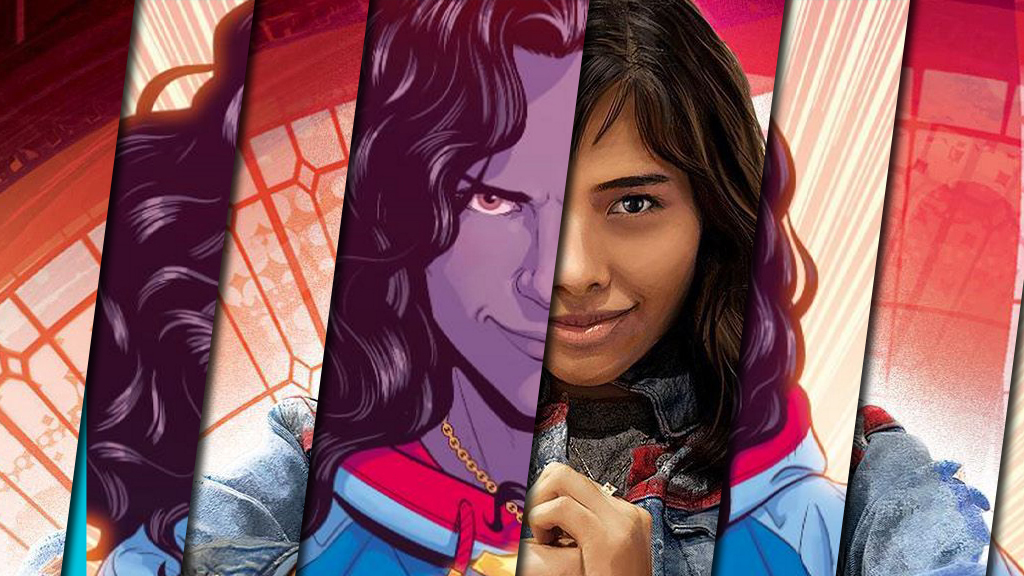
Doctor Strange In The Multiverse of Madness is set to introduce quite a few new characters along with the return of many fan-favorites. Perhaps the biggest introduction here is that of Xochitl Gomez who will portray America Chavez, a young girl with the ability to jump between universes with her star-shaped portals. The character will play a big supporting role in the upcoming film and is an important milestone for the representation of Latino characters.
Deadline caught up with Gomez on the red carpet premiere of the Doctor Strange sequel where she was asked about her portrayal of the character in the film.
“I think she’s a perfect representation of a positive image of Latinas, in particular. I think that in the past there haven’t been, you know, I think there’s been negative stereotypes of Latinas and you know with America she’s positive. She is charismatic, she is resilient and I think that is a perfect representation.”
Xochitl Gomez
Fans are eager to see the future of this character in the Marvel Cinematic Universe. Many are hoping to see her become a member of the Young Avengers, a group of heroes that have been set up throughout multiple Phase 4 projects thanks to the inclusion of characters like Billy Kaplan, Tommy Shepherd, Kate Bishop, Elijah Bradley, and even Kid Loki. While there has been no official word on the team showing up anytime soon, it seems very likely to happen in the future.
Doctor Strange in the Multiverse of Madness hits theaters this Friday.
Sequels aren’t always a sure thing. For every The Empire Strikes Back, there’s a Speed 2. Sequels to superhero films have the benefit of a little more freedom in telling a good story as they are no longer shackled by the weight of the “origin”, but they don’t always hit the mark either. In 2004, Sam Raimi delivered what many consider to be the best superhero sequel of all time in Spider-Man 2. It featured a flawed protagonist and a sympathetic villain; it featured what were, at the time, some of the most well-shot action scenes of any film in the genre. Not just that, but it also featured a story that stirred emotions across the spectrum. In 2022, Raimi has done it again.
The path to Doctor Strange in the Multiverse of Madness was about as chaotic as Stephen Strange’s trip through the multiverse in the first act of the film. Scott Derrickson, who helmed 2016’s Doctor Strange was set to be back in the director’s chair, but in January of 2020, Derrickson dropped out of the film when it became clear he and Marvel Studios had two entirely different films in mind. A month or so later, Marvel Studios began putting together a new creative team made up of Michael Waldron, whose work on Loki thrilled the folks at Marvel, and Raimi, who had been out of the superhero game since 2007’s Spider-Man 3. COVID delayed the start of filming and then the film underwent significant additional photography. Perhaps no Marvel Studios film caused more preemptive hand-wringing than this film did, but the end product makes it clear that Waldron, Raimi, and the rest of the team were truly taking their time to deliver the best possible version of this film and that’s exactly what they did.
Marvel Studios’ Doctor Strange in the Multiverse of Madness (2022)
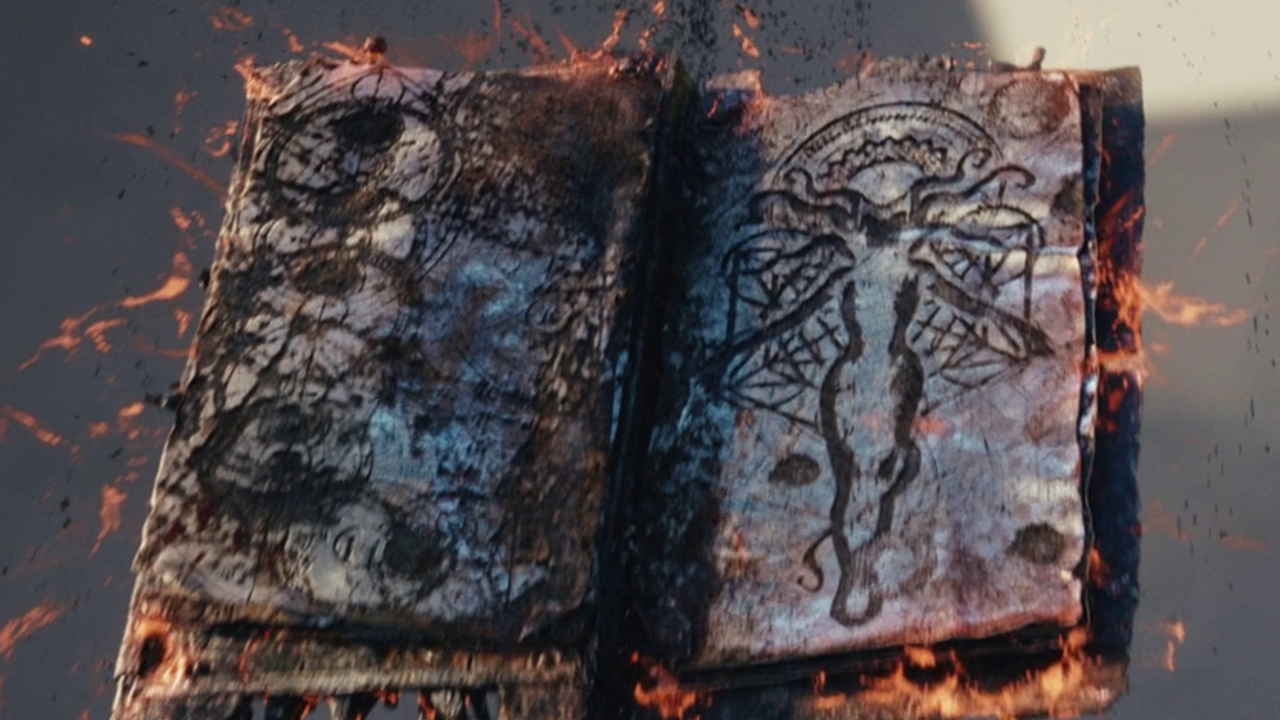
The film opens up in media res and introduces the audience to a Variant Doctor Strange who is protecting Marvel’s newest young hero, America Chavez, from a pretty terrifying demon. Amid a brutal assault on Defender Strange, we learn that this demon is in pursuit of Chavez because it wants her powers, which allow her to travel the multiverse. Chavez and Defender Strange are not only trying to evade the demon but also get their hands on the film’s big MacGuffin, the Book of the Vishanti. When things get ugly, so does Defender Strange, setting the stage for one of the film’s running themes: that no matter what universe we’re in, Stephen Strange is a danger and can’t be trusted. Using a star-shaped multiversal portal, Chavez escapes and finds her way to the MCU’s Prime universe and is under attack once more. After battling the beast, Strange and Wong realize that the source of its power is different from theirs and decided to seek out a magic-user with a similar set of powers: Wanda Maximoff.
Doctor Strange in the Multiverse of Madness is the first MCU film that has the Disney Plus series as “required viewing”, especially when it comes to Wanda. While fans could have skipped WandaVision and figured things out as they go along, having been along for the ride is helpful. It’s here, with Wanda, that Marvel makes one of their boldest choices to date: having one of their core Avengers turn heel, just as she did in the comics. Following a brief conversation with Strange, Wanda reveals that she is after Chavez’s powers in order to find a way to reunite with her sons. A conversation between Strange and Wanda leads to a confrontation in which the Scarlet Witch unleashes a shockingly brutal attack on Kamar-Taj, which rounds out the first act of the film, sending Strange and Chavez on their trip through the multiverse.
Marvel Studios’ Doctor Strange in the Multiverse of Madness (2022)
Fans may never know what Derrickson‘s film would turn out to be, but Marvel Studios should be damn glad that Raimi wanted to make this version. From beginning to end, this is a Sam Raimi film. Sure, he’s telling a story within the confines of Marvel Studios’ shared universe, but he’s telling it in classic Raimi fashion and appearing to have a whole lot of fun in doing so. Multiverse of Madness looks like a Raimi film; it delivers his signature (and surprisingly violent) horror; it delivers, most importantly, the most complete and emotionally stirring story of Phase 4. After a decade-plus away, Raimi showed that he understands now, maybe more than ever, that a good superhero story has to have a heart, especially when someone is trying to rip it out.
Lizzie Olsen’s Scarlet Witch holds nothing back as she attempts to do just that. Much as with Doc Ock in Spider-Man 2, Wanda’s turn as a villain works so well because the audience wants what she wants: for her to have her kids back. Corrupted by the Darkhold, however, the lengths to which Wanda is willing to go to get them back allowed for some of Marvel Studios’ most innovative and interesting action scenes to date where Raimi and crew got to have a whole lot of fun devising fascinating ways to show magic being used on screen. Olsen’s performance continues to demonstrate her total command of the character. It’s the subtle head tilt here, the smirk there, and the changing tones of her voice that come across as truly terrifying.
Marvel Studios’ Doctor Strange in the Multiverse of Madness (2022)
Opposite Olsen and in her way is Benedict Cumberbatch’s Stephen Strange. Cumberbatch is given much to do here, playing multiple versions of his character, and puts together easily his best turn as the character so far. Following the 2016 origin film, the character hasn’t had much room to grow. Here, Strange’s path through the multiverse, where he learns the stories of other Stranges, forces the hero to look inward, providing the growth necessary to propel the character forward into whatever story he’s placed into on Marvel Studios’ shared tapestry.
As strong as its lead performances are, the film is enhanced by the knockout performances of Rachel McAdams, Benedict Wong, and Xochitl Gomez. McAdams is particularly surprising in her return as Christine Palmer, who has much more to do here than one might have expected, including some of the film’s strongest statements about Stephen Strange. It’s the moments like these that Palmer, Wong, and Chavez spend with Strange that build an emotional currency within the audience and a master like Raimi knows just how to spend it. This is a huge film that makes big moves within the MCU, but Raimi manages to balance that with a series of small exchanges between characters that resonate because both the audience and Strange know he is flawed.
Marvel Studios’ Doctor Strange in the Multiverse of Madness (2022)
For the MCU to continue to thrive, the aforementioned big moves need to continue to be made. In that sense, Doctor Strange in the Multiverse of Madness seems to be to the MCU what Captain America: The Winter Soldier was in 2014. Not only does this film feel as different from its predecessor as Winter Soldier did from First Avenger, but it also comes out swinging with an almost merciless 20-minute deluge of information that’ll be sure to have fans wanting to head right back in for a second showing and heading to Wikipedia after that. If you thought Marvel Studios gave it all away when they teased the Illuminati in a TV spot, you’re sorely mistaken. This film is a game-changer and the most direct setup for the MCU’s next big event film.
In the end, it all comes back to the magic touch of Waldron and Raimi. They delivered on characters, story, and action to make the most complete film of Phase 4 and maybe one of Marvel Studios’ most complete films to date. Fans of Raimi‘s work will have plenty to smile about as well, with a few references sprinkled in and the obvious influence of Raimi on some of the creature and character designs. Against all odds, he came into a project that seemed to be held together by a thread and by capturing that old magic formula, made one of the best superhero sequels of all time.
Cookie Consent
We use cookies to improve your experience on our site. By using our site, you consent to cookies.
This website uses cookies
Websites store cookies to enhance functionality and personalise your experience. You can manage your preferences, but blocking some cookies may impact site performance and services.
Essential cookies enable basic functions and are necessary for the proper function of the website.
Name
Description
Duration
Cookie Preferences
This cookie is used to store the user's cookie consent preferences.
30 days
These cookies are needed for adding comments on this website.
Name
Description
Duration
comment_author_email
Used to track the user across multiple sessions.
Session
comment_author_url
Used to track the user across multiple sessions.
Session
comment_author
Used to track the user across multiple sessions.
Session
Statistics cookies collect information anonymously. This information helps us understand how visitors use our website.
Google Analytics is a powerful tool that tracks and analyzes website traffic for informed marketing decisions.
Contains information related to marketing campaigns of the user. These are shared with Google AdWords / Google Ads when the Google Ads and Google Analytics accounts are linked together.
90 days
__utma
ID used to identify users and sessions
2 years after last activity
__utmt
Used to monitor number of Google Analytics server requests
10 minutes
__utmb
Used to distinguish new sessions and visits. This cookie is set when the GA.js javascript library is loaded and there is no existing __utmb cookie. The cookie is updated every time data is sent to the Google Analytics server.
30 minutes after last activity
__utmc
Used only with old Urchin versions of Google Analytics and not with GA.js. Was used to distinguish between new sessions and visits at the end of a session.
End of session (browser)
__utmz
Contains information about the traffic source or campaign that directed user to the website. The cookie is set when the GA.js javascript is loaded and updated when data is sent to the Google Anaytics server
6 months after last activity
__utmv
Contains custom information set by the web developer via the _setCustomVar method in Google Analytics. This cookie is updated every time new data is sent to the Google Analytics server.
2 years after last activity
__utmx
Used to determine whether a user is included in an A / B or Multivariate test.
18 months
_ga
ID used to identify users
2 years
_gali
Used by Google Analytics to determine which links on a page are being clicked
30 seconds
_ga_
ID used to identify users
2 years
_gid
ID used to identify users for 24 hours after last activity
24 hours
_gat
Used to monitor number of Google Analytics server requests when using Google Tag Manager
1 minute
Marketing cookies are used to follow visitors to websites. The intention is to show ads that are relevant and engaging to the individual user.
Pinterest Tag is a web analytics service that tracks and reports website traffic.