Tag: Falcon and Winter Soldier

  • ‘Falcon and Winter Soldier’ Almost Featured a Wakandan Shield Upgrade for the New Captain America

    ‘Falcon and Winter Soldier’ Almost Featured a Wakandan Shield Upgrade for the New Captain America

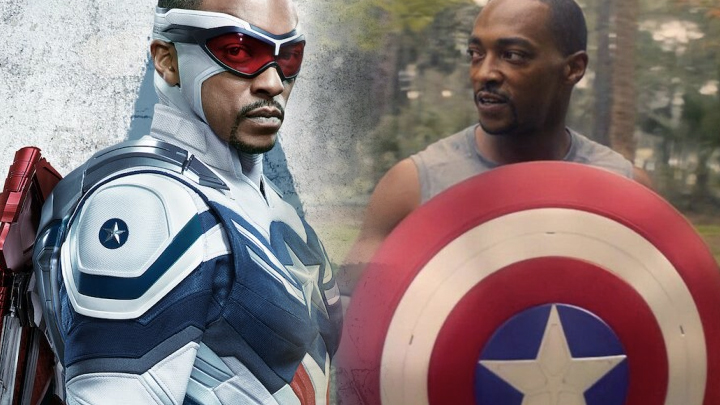
    It looks like the development team behind Falcon and the Winter Soldier have gone through quite a few ideas on how to support Sam Wilson’s new role as Captain America. Unlike his predecessor, he doesn’t have the same Super Soldier serum to give him an edge in battle, which hints at him being more dependent on his wits and weaponry. To counteract that, it seems they have considered giving his shield a new Wakandan upgrade that would’ve created a dome energy shield, as shared by development concept illustrator Wesley Burt.

    He goes on to highlight how he approached the idea, as their team was tasked with thinking up new ways that Sam could use the shield in creative ways, which ended up leading to the results you can see above.

    Ryan [Meinerding] asked some of the [Visual Development] department to take a little bit of time and think up some new ways that Sam could use the shield, more specific to him and his own physicality with it… when I was thinking about the tech rim piece, I was looking for a way to minimally add an element to the shield so as not to distract too much from the shield itself but still make it feel like it could have a believable tech addition and hint at the Wakandan upgrades before you see them used

    Wesley Burt

    While the concept hasn’t made its way into the Disney+ series, it doesn’t mean they may revisit the idea at a later point. We still don’t know what Sam may owe Wakanda given they help create his design and him carrying it is fitting with the shield being made from Wakandan Vibranium. Perhaps they may further explore its ties to the country and how it connects to Sam Wilson’s new role given his own background, especially the way his country views him.

    Source: The Art of Falcon and Winter Soldier via The Direct

  • Marvel Studios’ Disney+ Venture Needs to Embrace the Diversity of TV Storytelling

    Marvel Studios’ Disney+ Venture Needs to Embrace the Diversity of TV Storytelling

    Moon Knight‘s fifth episode has been quite loved due to the way it continues a trend of Marvel Studios’ series having a penultimate episode that takes its time to explore our protagonist’s psyche or the underlying theme of the series. Still, there is a current trend that the Disney+ series are facing that could backfire with each new release. While not a fan of the overused buzzword “Marvel formula,” there is a certain danger with their reliance on the three-act structure to construct their series. There are still distinctions in their approach, but a six-episode benchmark muddles that vision. In a way, they are suffering from something that was started in Netflix’s early days and have yet to fully embrace the diversity of TV’s storytelling possibilities.

    Marvel Studios has always been flagged for having a “formula” behind each film. Even as they broke away from their more streamlined films due to the infamous Ike Perlmutter era, the genre has an inherent expectation that creates that very issue. One could argue that certain expectations and perceptions play a key influence due to the brand and its heroic genre; something we’ve seen in comics over and over again. It’s not a Marvel Studios-specific issue, they just so happened to be the one to stick out the most. While saying that, their TV offerings are suffering from a different yet similar issue that is more inherent to the long-form storytelling format.

    Yet, with a strict six- or ten-episode structure, you are setting a certain tempo for your series. If you adhere to the three-act structure, it becomes even more restrictive, as most of the “action” or meat of the story happens within the final two episodes. We’ve seen it a few times, such as with Falcon and the Winter Soldier, Hawkeye, and even potentially Moon Knight. They end up exploring important themes in Episode 5 but have to quickly wrap up the story in its finale, sometimes not as effective as it hopes to. Knowing that there are “only” six episodes available, also creates the before-mentioned perception issue that not everything will be wrapped up.

    Ironically, Netflix’s issue was that thirteen episodes were at times too many. It’s a funny contrast to Marvel Studios’ six facing the opposite criticism. For the sake of comparison, Peacemaker‘s used an eight-episode structure and was less a “film” but more traditional TV in its storytelling. While it did have some minor pacing issues like any other show nowadays does, it built its story per episode with an overarching narrative. Plus, a character like Peacemaker has fewer expectations because the story can explore whatever it wants due to the character being a blank slate. This is in stark contrast to Netflix’s Daredevil series back in the day or even now with Moon Knight, they both have very set expectations that restrict just how much a story can tell.

    Speaking of Netflix, the issues Marvel Studios is currently facing have their roots in that era. The promise of “a 13-episode film” created this illusion of having a film being told with more time. Yet, even the much-loved Daredevil had pacing issues with many at the time pointing out that elements dragged a bit. Similar to what we’re seeing now, as more shows were released they faced the same issue but became more apparent. By the time The Punisher rolled around, they fell victim to having the episode count set the pacing and certain story beats were expected.

    Was it formulaic? To a certain degree, yes and it was and Marvel Studios is going to fall victim to the same issue if they strictly remain on this course. Throw on top of the issue of a rather short episode count, they potentially will keep facing the issue of their final episode ending up rushed as the internet will repeat. “How will they wrap it all up after that?” That issue becomes even more apparent if you realize they are moving away from one monumental aspect that defines TV storytelling, multiple seasonal arcs for their characters.

    So far, only Loki got a second season and it’s hard to say if any of these series will actually continue moving forward. Marvel Studios’ reluctance to even communicate multi-seasonal plans creates a new issue with expectation. It creates the illusion that this specified six-episode season needs to wrap up everything. Technically speaking, their “second season” commonly are film appearances such as The Falcon and Winter Soldier setting up Captain America 4. Yes, it’s great to see this expansion from TV to film and potentially back, but it creates a whole new issue that they seemingly are struggling with.

    We have no idea where and when Moon Knight might show up next. Lots of coverage is hinting at his series is a limited run, which adds to the issue that the titular hero is not very present in his project. Yet, they are setting up a lot of elements that affect its pacing within the six episodes. While I don’t agree with everything, a discussion on the show’s quality from ScreenCrush made a good point that the penultimate episode feels a bit late and may hit harder if it was earlier in the series. We won’t have much time to actually spend with Marc now that he had his revelation and the loss of the alter that helped him through his trauma.

    To give an example, Loki had his mental revelation at the beginning of the series, and it worked because we already knew his character. So, we got to explore that storyline which we won’t really get to with Moon Knight, as we have to wrap up the plot, character development, and set up for whatever is next. It’s great they aren’t restricting themselves to old-fashioned origin tales, but their current model restricts exploring it fully. While it’s great that we might get Oscar Isaac‘s Moon Knight in a future movie, the fact we never know when or how–a Marvel staple–may see the company’s usual secrecy backfire on them. WandaVision with 10 episodes waited until the end for the big emotional story arc but at least a mystery to keep us wondering.

    Speaking of mystery, Wanda’s town-altering storyline and Hawkeye‘s big bad added an additional issue to what was mentioned previously. They keep the “big reveal” until the very last episode. While it makes sense to build up suspense on whatever the mystery is, especially the excitement of Vincent D’Onofrio‘s return as Kingpin and its implications, it creates the issue of having to bring everything together at the last moment. Even Moon Knight‘s Episode 4 revelation has now been limited due to the time available afterward. Loki‘s second season is following a year after its premiere and we don’t know when we’ll get it or how it fits in the overarching story.

    So, the ever-expanding universe is showing its fangs a bit. Even if comedy series are teased to have ten episodes, the fact they are restricting the episode count to specific formats is surprising given the freedom they should have. TV storytelling is diverse, may it be planning multiple seasons in mind, structuring the episode count to abide by the story, or even having each episode work as a standalone storyline. Even with that potential, modern streaming offerings tend to share similar issues due to the formatting. Even Peacemaker and The Boys rely on shock value at times to keep you watching from week to week.

    Moon Knight‘s been said to “fit better as a film” because that’s what it is. It’s a six-hour film just like how Netflix promised its series and many other streamers are copying. While it does have cliffhangers to keep you watching, they are more character-driven than story-driven. It’s something that makes this storyline a personal favorite among the Disney+ shows, but it does face the issue that also expectations play a massive role when exploring a potentially one-time project based on 70 years of comic history. Expectations on what makes a “Moon Knight” show become a crux for viewers and those creating the series. We have no idea if there’s going to be a second season, ironically unlike how most films get sequels.

    So, the weekly wait for episode 6 with a slower start ends up creating a pacing issue that is very perceptive due to the uncertainty moving forward. WandaVision probably worked the best as a weekly release due to the formatting of the actual show as different eras of sitcoms. The later episodes that broke away from it are much closer to what we see with its six-episode offerings. Each Marvel Studios show has its strengths, and, like everything else out there, weaknesses, but one can see the roots of the issue from the Netflix era. It has affected many series within the market, especially now that we’re moving away from the binge model. In a way, the distribution model is changing but not the expected storytelling element.

    Marvel Studios has a lot of opportunities with their Disney+ series. Yet, their venture into cross-media storytelling has been showing its fangs, as it restricts them from truly embracing the TV model. That is on top of long-term trends within the industry, and we can’t forget this is a completely new venture for this film-focused production studio even if they took in employees from the former Marvel TV subsidiary. Moving forward, if they want this concept to stick out more it might be time to embrace the TV model.

    Give us a series that was built with multiple seasons in mind, something we’re seeing already with Lucasfilm’s Andor. Allow a character to grow over a few years before integrating into the bigger picture, or have their appearances be independent of what’s happening. Ms. Marvel is the perfect opportunity. Yes, she will appear in The Marvels but her “usual” world is the one we’ll see in the June release. Let her character grow over multiple seasons with that experience adding to her character but not redefining her story. It’s what happened in Spider-Man: Far From Home, as it was a sequel to Avengers: Endgame rather than Homecoming.

    A lot of inspiration for the Marvel Cinematic Universe lies in comics, and the Disney+ series is becoming an opportunity for ongoing storylines with the films acting as “detours” for some of the characters. Their stories still should remain ongoing rather than one-time moving forward. Plus, let the show breathe and move away from a strict episode count. Not every story needs to follow a third act structure or something related to it. You can see they are still trying to find their footing with these new ventures on Disney+, and they have an opportunity to truly embrace the diversity of TV storytelling.

  • Sam Wilson Will be Outmatched in ‘Captain America 4’

    Sam Wilson Will be Outmatched in ‘Captain America 4’

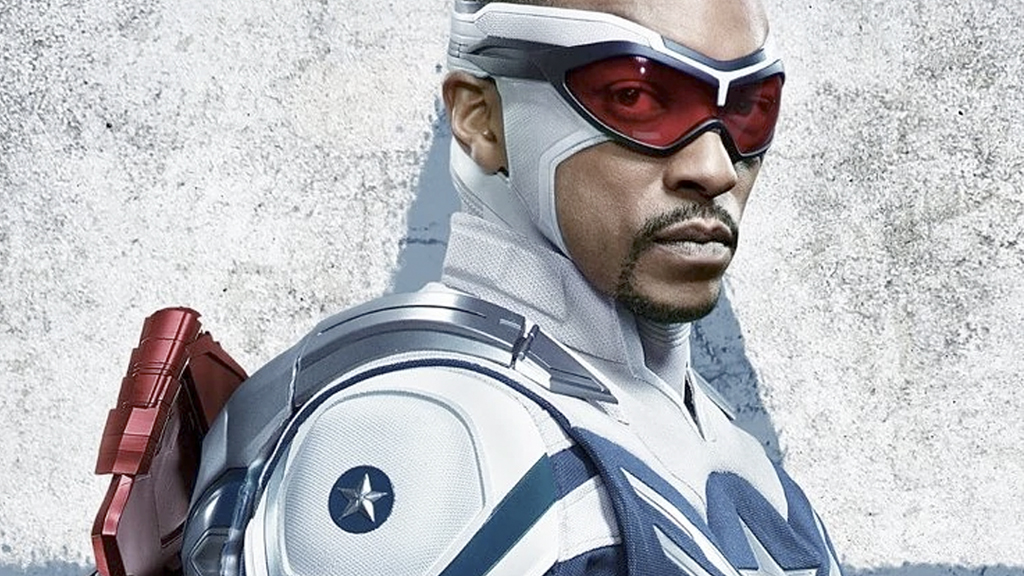
    Ever since Falcon and the Winter Soldier was released on Disney+, Sam Wilson has become the new Captain America of the Marvel Cinematic Universe. Anthony Mackie brought new energy to the role and will embody a very different kind of symbol. He’s not a super-soldier like Steve Rogers and given what we’ve explored in the Disney+ series, he’ll face quite the uphill battle before he can truly embrace the new symbol. Marvel Studios’ Nate Moore highlighted that very fact in an interview with Phase Zero.

    I think is fascinating because he’s a, he’s a guy, he’s the guy with wings and a shield, but he is a guy. So we’re going to put him through the wringer and make them earn it and see what happens when he is outweighed, outclassed out, you know, out everything. What makes somebody Captain America? Cause I’m going to argue with not being a super-soldier. And I think we’re going to prove that with Mackie and Sam Wilson.

    Nate Moore

    We already got to explore Wilson learning to accept the vibranium shield and mantle. Yet, there are a lot more challenges heading his way as he enters the big stage. Of course, it’s uncertain who exactly he’s going to face and how it may tie into his overarching story moving forward. There are many potential angles, such as the exploring the Serpent Society that was jokingly revealed before it got replaced by Civil War. For now, it’s great we got a little tease for what’s to come, and here’s hoping Disney+ Day offers a bit more insight into what we can suspect from future Marvel projects.

    Source: Twitch

  • ‘Loki’s Day One Viewers Surpassed ‘Falcon and Winter Soldier’ And ‘WandaVision’

    ‘Loki’s Day One Viewers Surpassed ‘Falcon and Winter Soldier’ And ‘WandaVision’

    It looks like Loki was already a major success for Disney+, especially if you consider that the series moved away from its usual Friday release schedule. The analytics company SambaTV reported that the premiere drew in around 890K households, which would make it Disney+’s biggest US premier for a Marvel Studios series. To offer a comparison, Falcon and the Winter Soldier premiered with 759K and WandaVision‘s 655K. It also beat out the release of Cruella, but it was locked behind the Premier Access service.

    The interesting thing about this trend is that it’s a sign of how Marvel Studios’ ongoing release strategy is actually paying off. Each entry in their Marvel Cinematic Universe projects builds up excitement for the next, especially as the various projects start to draw more and more attention. It’ll be interesting to see how its numbers develop over the weekend, as they recorded Falcon and the Winter Soldier racing 1.7M followed directly by WandaVision’s 1.6Mm over the course of three days. At this rate, Loki might even hit the 2M mark if positive buzz carries the show’s momentum.

    Now, we have to point out that these numbers may only showcase a small margin of its actual viewership. As such, they can only utilize their own data to compare and contrast its development. Disney+, like many streaming services, does not release its actual viewership numbers and it’s difficult to say how it truly performed. For now, we are dependent on external analysts to offer any insight into how well a streaming series or film is performing, but going by the hype build around Loki, Disney, and Marvel Studios had nothing to worry about.

    Source: Deadline, Twitter

  • ‘Falcon and Winter Soldier’s Head Writer Malcolm Spellman Teases Bucky’s Future

    ‘Falcon and Winter Soldier’s Head Writer Malcolm Spellman Teases Bucky’s Future

    It has already been some time since Falcon and Winter Soldier ended. Sam Wilson finally took on the mantle of Captain America. Yet, the series also gave us a closer look at Bucky’s inner struggle of finally accepting his place in the world. He was tied down by the list of things he did as the Winter Soldier that he couldn’t find inner peace. It took him the entire season and some tough love from his frenemy that he needs to start amending rather than avenging. Now, the question remains what the future holds for Bucky. Head writer Malcolm Spellman offered a small tease on where this newfound freedom might push him.

    If I tell you, then you’re going to ask me what that would be. I think Bucky is free in a way. Even coming out of Wakanda, he still wasn’t totally free. He was freed programming, but I believe Bucky is free now in a way. Look at the way he smiled at the end; he got a family, he’s invited to the cook-out, as we say in the community. He is free in a way that I think we haven’t seen, and that leads to a lot of possibilities for him.

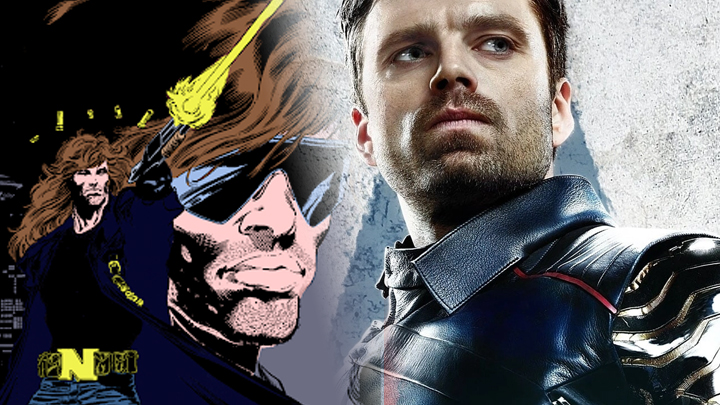
    The way Spellman talks about Bucky’s freedom does hint at there being some potential plans for the character. Some time ago, he confirmed that we only have seen a glimmer of what Marvel Studios is working on and a Winter Soldier-focused story could be one of them. Almost half a year ago, our very own Charles Murphys uncovered that a Nomad project was being developed, which could be the perfect continuation for the character. It would also fit the description of how Bucky is free moving forward. He may also make an appearance in the newly announced Captain America 4, which Spellman is writing. At this point, anything is possible and we look forward to seeing what the future holds for Sebastian Stan and his character.

    Source: Playlist

  • Marvel Studios’ Disney+ Approach Causes Industry Concern

    Marvel Studios’ Disney+ Approach Causes Industry Concern

    It looks like Marvel Studios’ current new direction with Disney+ is causing a stir again, as a report by Variety has revealed that many industry experts are wary of their new strategy. Usually, shows are produced by a showrunner, who pretty much organizes the production, directors, writers, and maps out the overall story. In Marvel’s case, these shows have a head writer but don’t actually include anyone with the title of showrunner. It has been openly communicated by Marvel Studios president Kevin Feige but has somehow managed to fall under the radar until now. As Falcon and the Winter Soldier‘s Kari Skogland put it, they are using “the features model.” That means that they are adapting their production methodology from filmmaking in their new long-form format rather than fully embracing classic television conventions. She had the following to say on the process:

    It’s a nuance, but it’s one that I think is being embraced more and more because the job honestly in these big, epic miniseries or shows is too big,” says Skogland, who’s also an executive producer. “I was in the writers’ room so that I could really absorb what was being said and be part of the process by floating ideas. As we were going through production, we would workshop scenes and then ask for rewrites on things. So [Malcolm Spellman] was still very much a part of the whole process, but it’s a slightly different mechanical way it comes down. Honestly, it’s very effective and efficient, because it’s just too much work for any one person.

    Marvel Studios is well-known in the industry for its unorthodox approach, which allowed them to establish 23 interconnected films. Of course, switching up the cinematic landscape and adding a new level of restrictions comes at a price, as peers will doubt its validity in making television. It brought back a discussion regarding the creative autonomy that showrunners usually hold and if this will lead to the studio losing talent. David Goodman, the president of Writers Guild of America West, has shown his concern for the model but highlights how unique Marvel Studios is as a case in the industry.

    If Marvel still wants to have its product be at the standard that people are coming to expect from it, they’re going to need good writers, and they’re going to have to invest those writers with responsibility. I stand in awe of what they’ve done at Marvel. Others have tried, and they haven’t succeeded

    Yet, there are some legitimate concerns about the approach. Kevin Feige and the companies’ future vision for the Marvel Cinematic Universe acts as the main showrunner connecting it. It is an environment that won’t interest every type of creative out there, which could lead to some strife, which we’ve seen back in the day with Edgar Wright. Though, it isn’t uncommon for industry experts to fear strong changes to the status quo. Its implementation may serve the MCU’s expansion and won’t become an ongoing standard, which also makes Marvel Studios a perfect jumping-on point for talent. It is the same environment that gave Malcolm Spellman the chance to expand into film with Captain America 4.

    Source: Variety

  • ‘Captain America’s Anthony Mackie Already Preparing for His Next Big Project

    ‘Captain America’s Anthony Mackie Already Preparing for His Next Big Project

    Falcon and the Winter Soldier just ended a few weeks ago, but we’re still wondering what the future has in store for the newly formed Captain America. Anthony Mackie‘s Sam Wilson finally took on the mantle at the end of the last season. In an interview withThe Daily Show’s Trevor Noah, they discuss getting in shape for Marvel movies. In it, he reveals that it takes around four months to get in shape for a role and ends up confirming he is already in preparation for the next one.

    You take the four months. Like right now, I am at the end of the first month of the four-month process to get back away from Fat Mackie to Movie Mackie.

    The way he phrases it also hints that he will join a Marvel Studios project that could start filming in the next three to four months. There is also the possibility that he may be joining one midway. It is unlikely he is going through extensive training for four months just to have a cameo. So, it seems likely he’ll have a substantial role that may also require him to be physically active. So, we could see the return of Wilson’s Captain America sooner than expected.

    Of course, there is a chance he is generalizing and could be preparing for a different project, but he seems to be hinting at this being the regular process before joining a Marvel Studios’ project. There is also the recent announcement of Captain America 4, which he claimed he only heard about while shopping. The timing just seems interesting. Whatever role he might be preparing for, hopefully, we get some news on it in the near future.

    If you are interested, you can check out Anthony Mackie‘s interview with Trevor Noah here:

    Source: YouTube, Insider

  • ‘Falcon and Winter Soldier’ Tops Netflix and Amazon Shows in April’s Viewership

    ‘Falcon and Winter Soldier’ Tops Netflix and Amazon Shows in April’s Viewership

    The biggest drawback of streaming services lies in their stubbornness to publicize any viewership data. Anything running on television was made available through Nielsen. So, we were once able to get a grasp of how our favorite shows were performing. Disney+, Netflix, Amazon, and others aren’t forced to make this information available for advertisers, which makes it difficult to assess a show’s success and potential future. Luckily, there are various analytics companies that try to get a better look at how they are doing. Of course, Marvel Studios’ new venture into long-form storytelling made the world wonder how they would perform and it looks like Disney has nothing to worry about. According to Variety, the TV analytics provider TVision announced that Falcon and the Winter Soldier was March’s most-watched series.

    They analyze the viewership numbers between the three major streaming networks, Disney+, Netflix, and Amazon. According to their analysis, the latest Marvel Studios show was viewed 40.4 times more frequently than regular TV shows. The series beat out the other competitors, such as This Is a Robbery: The World’s Biggest Art Heist and The Serpent in April. It even beat WandaVision in March after only premiering on March 19th with 43.4x in comparison to the 35.1x factor of its predecessor. This data is based on their panel where they track 25,000 titles among 5,000 households from connected televisions. It’s not too dissimilar how classic TV series are tracked.

    This development also highlights the staying power of weekly releases, as even fan-favorite Netflix series Bridgerton barely made it into their list with 11.7x. Falcon and the Winter Soldier managed to have an impressive staying power from its premiere into the following month. It is believed that its direct ties to Avengers: Endgame‘s ending also boosted the show’s appeal alongside its relevant social messaging. It’ll be interesting to see how Loki does, especially with the recent change to Wednesday releases.

    Source: Variety

  • ‘Falcon and Winter Soldier’ Finale Almost Included Spider-Man At One Point

    ‘Falcon and Winter Soldier’ Finale Almost Included Spider-Man At One Point

    In an ever-expanding franchise like the Marvel Cinematic Universe, it almost seems like the possibilities are endless. You have such a long list of characters to choose from to explore the vast corners of the universe. Well, it seems that the Falcon and Winter Soldier team were just as ambitious when they were mapping out the story. At some point, they originally wanted to include Peter Parker in the season finale, as it took place in New York City. Well, it seems that Marvel Studios president Kevin Feige was the one to shoot down that idea. Malcolm Spellman revealed in an interview with Inverse:

    Then Kevin Feige tells you, “No. Stop it.” Listen, when you first show up to these projects, in your mind you think you’re gonna get to use everybody in the MCU. But Marvel always asks, “Does this person belong in this story? You cannot just geek out and put all of our characters in your project because you like them. They have to occur organically.” So Spider-Man did not make it.

    The inclusion of Spider-Man would’ve made sense with it being his home turf, but the approach says a lot about how Marvel Studios approaches their characters. Instead of forcing every hero to show up in every project, they need to fit the story organically rather than getting forced in. Falcon and Winter Soldier already included Zemo, Sharon, and the Dora Milaje. At one point, it could take away from Sam and Bucky’s story. It is interesting to note that Feige didn’t exclude the fact that Tom Holland‘s Peter could appear in the Disney+ show, which opens up a lot of other questions if you consider the recent dealings between Disney and Sony. We’ll see if more is to come to this aspect of the franchise. Luckily for Sam, he won’t be able to steal the shield again.

    Source: Inverse via The Direct

  • EXCLUSIVE: ‘Falcon and Winter Soldier’ Malcolm Spellman Talks How Madripoor and Fontaine Were Added to the Series

    EXCLUSIVE: ‘Falcon and Winter Soldier’ Malcolm Spellman Talks How Madripoor and Fontaine Were Added to the Series

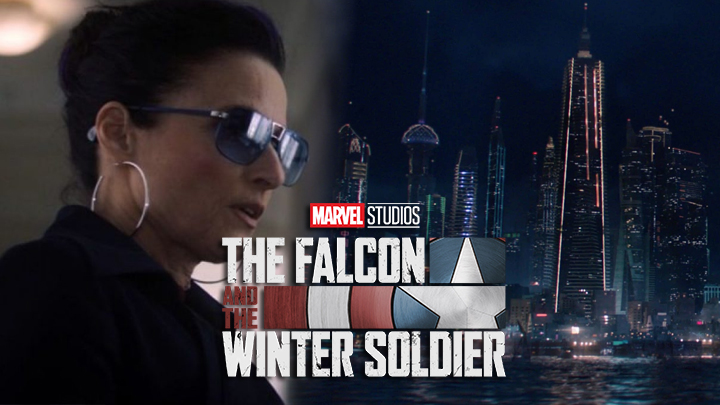
    We got a chance to talk with Falcon and Winter Soldier‘s head writer Malcolm Spellman, where our very own Charles Murphy discussed the introduction of a Marvel Comics icon, Contessa Valentina Allegra de Fontaine. She was played by the talented Seinfeld and VEEP actress Julia Louis-Dreyfus. Her character was originally going to premiere in Black Widow, but due to the pandemic, she ended up in the Disney+ series first. In the interview, Spellman revealed that Val’s character evolved in the writing room:

    The way it happens was: Everything that Marvel wants you to create first and they want you to do it without worrying about it. Like, if there is obvious threads to the greater MCU, by you all put them in, they don’t oppose them on you. So, that character existed as a shady-ass CIA operative person as we were mapping out the story. Gradually, she became the Contessa, she became Val. We’ve already created the character first.

    The way she is introduced, it seemed like they were setting up a team-up project shortly, especially with the potential of a Dark Avengers story being considered at one point. Well, it seems that Val’s introduction was only added later. It is great to know that they didn’t force any story elements into this series but rather added them organically into the already mapped-out story. He also confirmed the same happened with Madripoor.

    That’s the same thing with Madripoor. Madripoor was described, it was named after a real-life city initially imagined as a real-life city where the restaurants on the streets serve endangered species and there are open gun bazars. Once we created that city, they smiled because they know, a nerd moment: “What if it is Madripoor?” and everyone freaked out.

    It makes you wish you were in these meeting rooms when their faces light up the moment they realized they could introduce Madripoor. Of course, this does mean that if we want to see the character or the fictional city return in the future, it will depend on the story that is being told. It’ll be interesting to see what other projects end up carrying on the torch set by The Falcon and the Winter Soldier.