Tag: TV Features

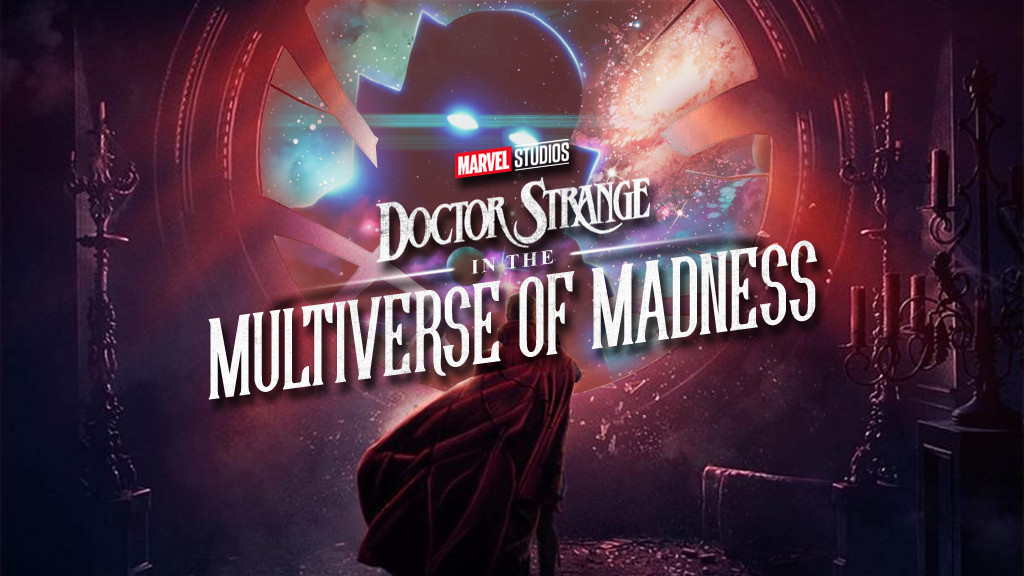
  • THEORY TIME: How ‘Doctor Strange 2’ Sets Up ‘WandaVision’s Agatha Spinoff

    THEORY TIME: How ‘Doctor Strange 2’ Sets Up ‘WandaVision’s Agatha Spinoff

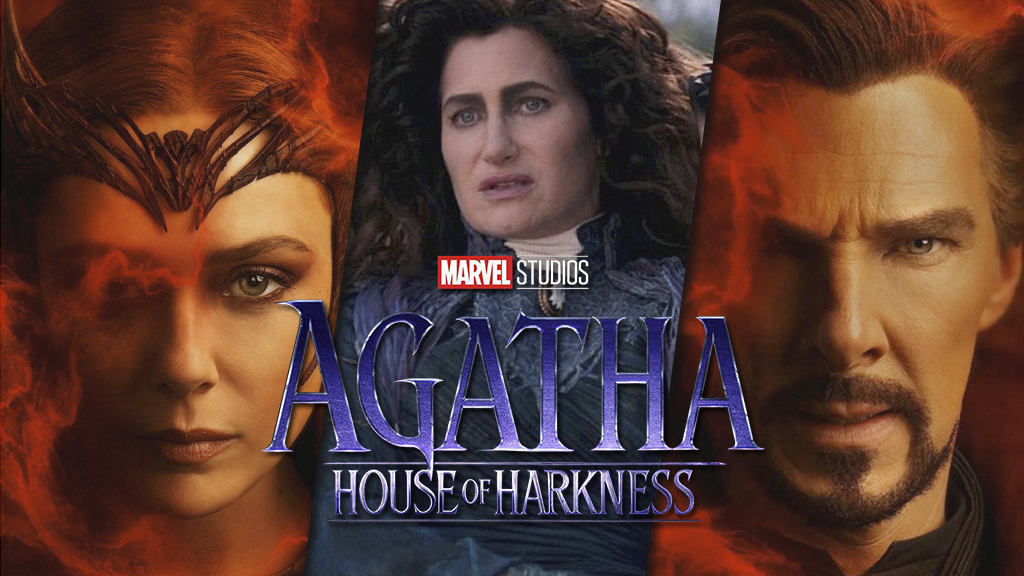
    WandaVision introduced us to the iconic Kathryn Hahn’s witchy persona, Agatha Harkness. She was definitely a standout for the series, and it seems that Disney+, as well as Marvel Studios, saw the potential in further exploring her character. In a surprising move, they gave Agatha her own spinoff titled Agatha: House of Harkness. Given what happens to her at the end of WandaVision, it seemed like we might take a step into the past with her upcoming series, but the events of Doctor Strange in the Multiverse of Madness may indirectly set up the spinoff series.

    After Wanda is taken over by the Darkhold and fully embraces the Scarlet Witch persona, she continues down the path that Agatha warned her about. Yet, after facing the monster that she became, she took down the shrine built in her honor that also led to the end of the Darkhold across the multiverse. While her fate is still left open after a small puff of chaos magic is unleashed before the shrine collapses, it does seem like she’ll be out of commission as a result of the entire structure collapsing on her head.

    It would be interesting if they explore her storyline from the Young Avengers: The Children’s Crusade, where she ends up with amnesia and lives with Victor von Doom. We have no idea if that may be the future storyline they are heading towards but one thing is clear: her actions in the film may also end up loosening her grip on Agatha. She was hexed into living a normal suburban life as the nosy neighbor she played while infiltrating Wanda’s initial Westview takeover.

    We will likely start the Agatha: House of Harkness series the moment that red puff of chaos magic is unleashed. The Scarlet Witch being hit by the falling debris ends up breaking the curse put upon the witch, who finds herself in Westview again. Now that she’s freed, she starts retracing her steps and we may finally find out what was up with her bunny. Perhaps we even see the return of Evan Peters as Ralph Bohner, who just accepted that Agatha now lives with him.

    The big change will be in the fact that she is also no longer controlled by the Darkhold, which seemingly also corrupted her in some way. We may see a redemption story, as Agatha tries to reconnect with the family she left behind for her pursuits in witchcraft. We’ve gotten a glimpse into how that world of the MCU’s magic works, but the series would give us a chance to truly dive deep into the history of witchcraft we’ve only gotten a glimpse at, as Agatha tries to find her place in the world without the Darkhold’s control and faces the consequences of her actions in the past.

  • How ‘Moon Knight’ Sets Up a Potential Scarlet Scarab-Focused Disney+ Series

    How ‘Moon Knight’ Sets Up a Potential Scarlet Scarab-Focused Disney+ Series

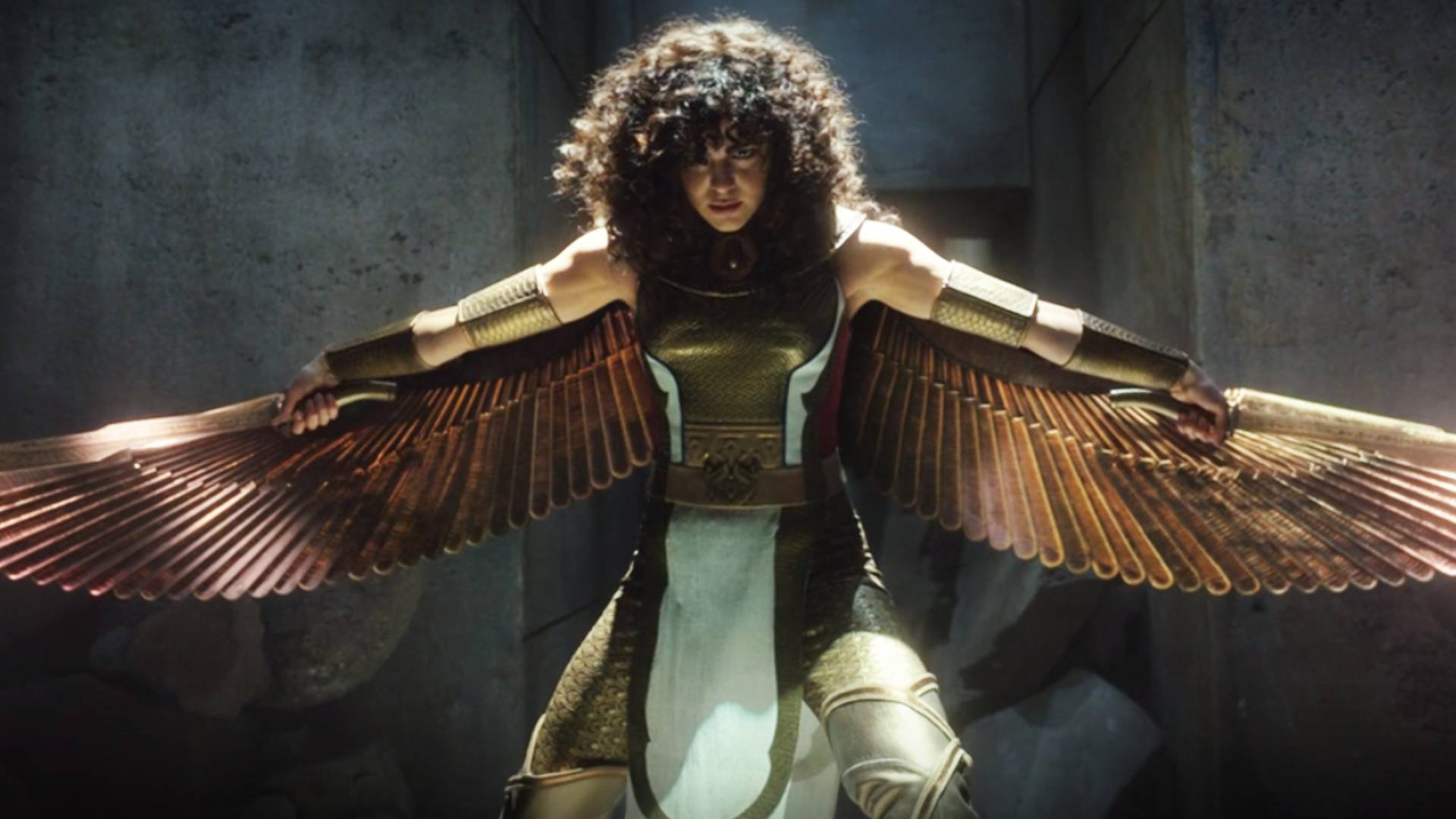
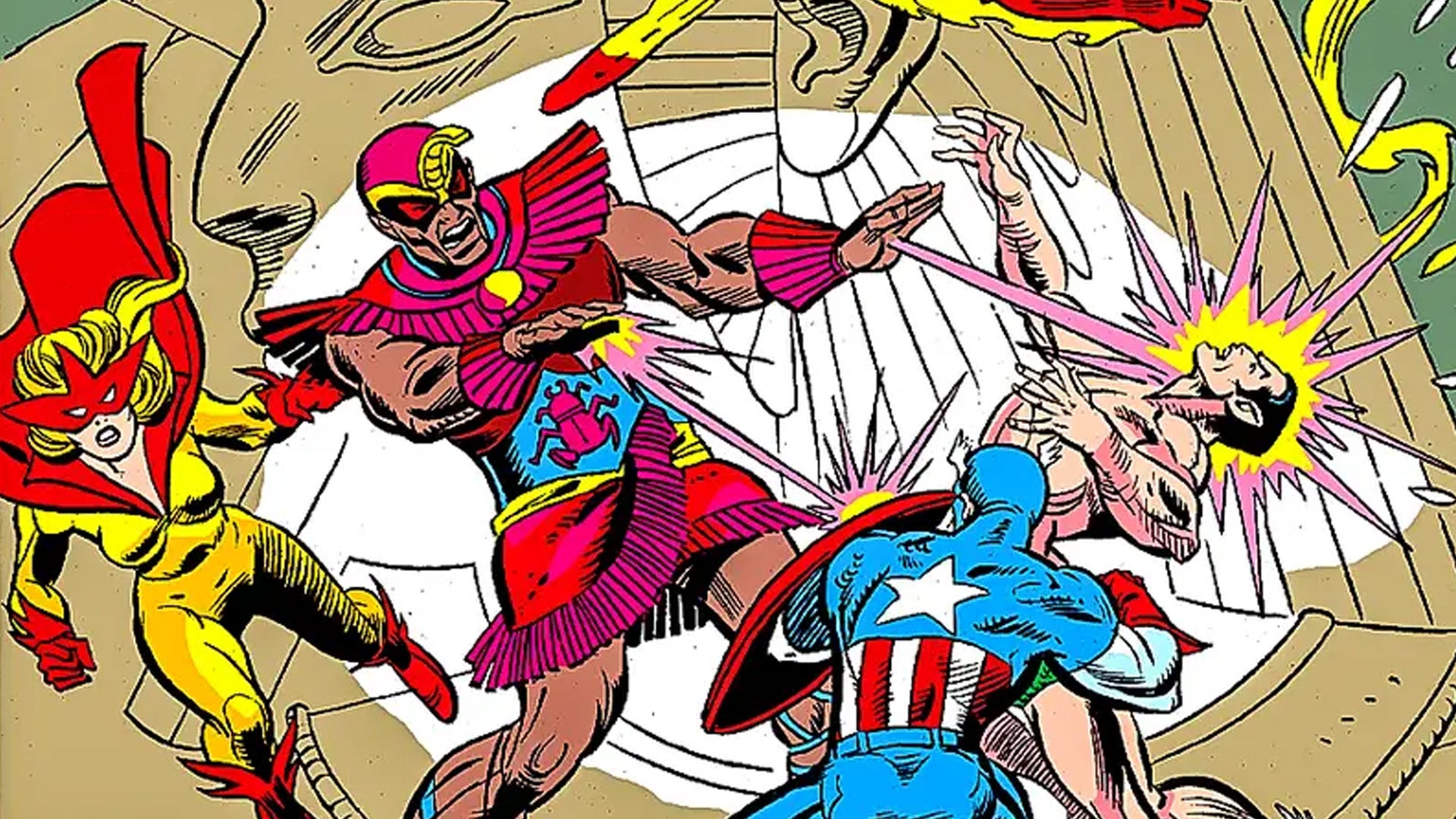
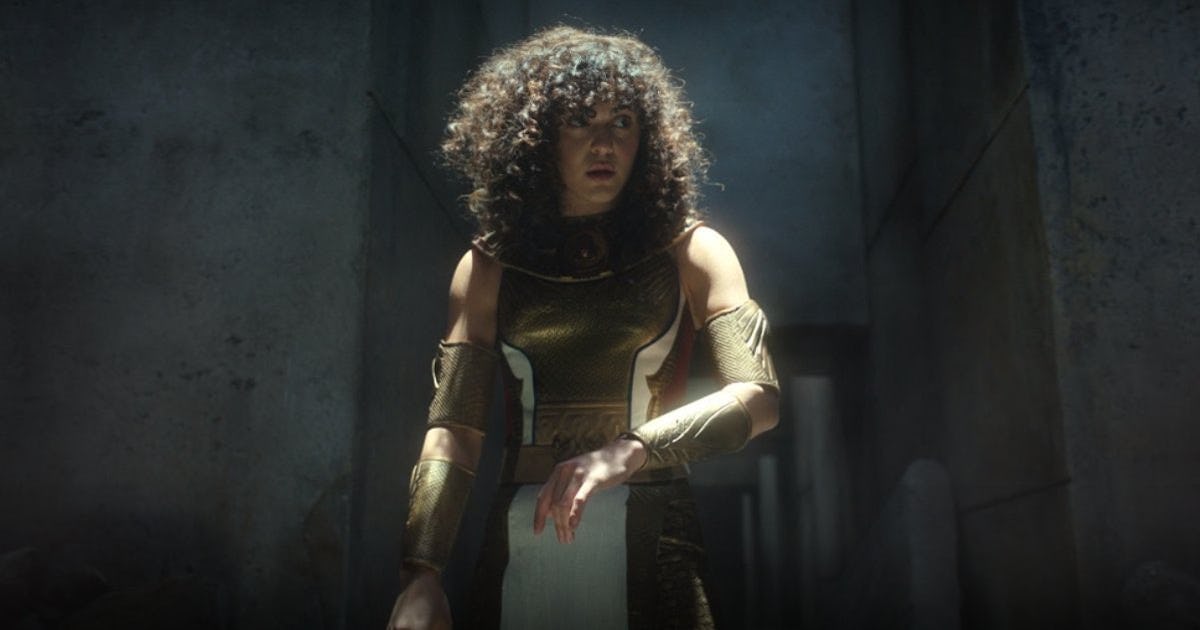
    Moon Knight‘s finale has introduced us to a new hero, Scarlet Scarab. Layla El-Faouly, who is played by the wonderful May Calawamy, becomes the Avatar of the Egyptian goddess Taweret. Her new heroic alter-ego is strongly inspired by the name her father gave to her, we get introduced to the MCU’s first Egyptian superhero. While the series remained focused on its main hero, it left a lot of questions open on what exactly the future has in store for Layla moving forward. There actually is a storyline that could be used to continue her own story in a Disney+ spinoff.

    Moon Knight's May Calamawy is open to bringing Scarlet Scarab back to the  MCU | GamesRadar+

    Some may complain that too many characters are getting their own series, which is understandable given the surprising announcement for Echo and Agatha: House of Harkness. Yet, that’s the potential behind Disney+ to give smaller characters their potential to explore stories that would otherwise be relegated to off-screen. Plus, it gives new creatives and talents to tell a story that otherwise wouldn’t have the chance to. While Mohamed Diab pointed out he’d love to tackle a Moon Knight film next, I do believe there’s a lot here that he could build upon to further explore Scarlet Scarab’s place in the bigger MCU.

    The Egyptian pantheon has lost its control, as their Avatars have been killed by Arthur Harrow’s hands to unleash Ammit. While they manage to subjugate him and God, their actions still left behind quite a dangerous power vacuum. They no longer have any Avatars to keep an eye on Earth, and the fact that they literally fell for Harrow’s mischief might have left a rather sour taste in their mouths. That’s not all though, we’ve seen quite a few gods were trapped in a similar way to Khonshu, and with the destruction of their holy place, who knows what may have found its way out of its imprisonment.

    Who Is Scarlet Scarab? The New 'Moon Knight' Superhero, Explained

    There are many moving pieces at play that could put Layla at a rather questionable place, as she was quite reluctant to even become an Avatar, it opens her up to facing an unlikely challenge. The desire to simply give it all back isn’t as simple, something we’ve clearly seen with Khonshu’s hold over Marc Spector. While Taweret isn’t shown to be someone that is self-centered, she may be desperate to somehow keep order with them being the only remaining Avatar for the Egyptian pantheon–not knowing that Khonshu still holding a grip over Marc through another alter.

    A conflict of duty and freedom may create a rift between Layla and Taweret, as she becomes unwillingly pulled into a role she never asked for. Her line with the little girl about being an Egyptian superhero had a much bigger weight on her future than she may have bargained for. Yet, it may also help her find a place in the world that she wouldn’t have considered, while also getting a chance of closure with her father, especially as Taweret teased she had talked to him.

    Scarlet Scarab: 'Moon Knight' finale's biggest twist is a historic MCU first

    Diab’s work in Moon Knight gave us glimpses of the beauty of Egypt, which felt like we’ve only scratched the surface. As Spector returned to London, it would be a shame not to further explore the country and its culture through the eyes of Layla. As great as Marc Spector’s time in that country was, he has a very different connection to it. He was more a gateway than a full embrace, which gave us Layla’s transformation into the Scarlet Scarab, perfectly setting her up as the person to further explore that corner of the MCU.

  • It’s Time for Marvel Studios to End Their Most Well-Known Tradition

    It’s Time for Marvel Studios to End Their Most Well-Known Tradition

    In 2008, fans who stuck around through the credits of Iron Man found themselves treated to a tease of greater things to come. At the time, given the nebulous state of the future of Marvel Studios, the tease came without a promise that we’d ever see the Avengers Initiative come to fruition on the big screen. 4 years later, it paid off in The Avengers, rolled out its own post-credit scene that set the stage for the larger narrative that would develop over the next 15 MCU projects. That run, which became known as the Infinity Saga, ended with 2019’s Avengers: Endgame which, ironically, was the first Marvel Studios film to run without a post-credit scene. Now, with the future of Marvel Studios more secure than it has ever been, it’s time for the post-credit scene to die.

    Marvel Studios’ Iron Man (2008)
    Marvel Studios’ Spider-Man: Far From Home (2019)

    After skipping out on the tradition in Endgame, Marvel Studios brought back the post-credit scene in Spider-Man: Far From Home, the final Phase 3 film. In hindsight, it’s a tradition they should have left behind as they moved into Phase 4. Once a fun source of “water cooler” conversation, the idea has grown beyond itself and evolved into something that’s become part of a parasitic online conversation where the scenes that come AFTER the movie generate more interest and conversation than the movie itself. It’s not a phenomenon limited just to Marvel Studios-Sony used the post-credit scene to Venom: Let There Be Carnage to market the movie-but Marvel Studios started it and now they need to end it.

    The conversation around the post-credit scenes poses a multi-faceted problem for Marvel Studios. While they still provide a fun tease of upcoming events, in recent years, more than one post-credit tease hasn’t paid off. For example, after the credits rolled in 2016’s Doctor Strange, audiences learned that Mordo was on a mission to eliminate magic users, especially those who violated natural law. Surely that would mean he’d cross paths with Wanda Maximoff, right? 616-Mordo was nowhere to be seen in Doctor Strange in the Multiverse of Madness, his role rumored to have been snipped from the film’s final cut. And what about the great Adrian Toomes/Mac Gargan scene at the end of 2017’s Spider-Man: Homecoming? With Doctor Strange’s spell erasing the memory of Peter Parker from everyone’s mind, it seems like the Vulture/Scorpion team-up will never come to pass. Will the tease of Venom in the MCU, set up in the post-credit scene to Spider-Man: No Way Home, have the same fate?

    Marvel Studios’ Doctor Strange (2016)
    Marvel Studios’ Spider-Man: Homecoming (2017)

    The fervor around the content of the post-credit scenes has grown to a point where fans are often more concerned with it than the film itself. Driven by leak culture, the knowledge of the contents of the latest Marvel Studios’ post-credit scene is often a more valuable commodity (more talked about) than the film itself. In fact, after recently attending the premiere of Doctor Strange in the Multiverse of Madness, almost everyone who asked me about the movie started off by asking, “How many post-credit scenes are there?” and “What’s in them?” It’s concerning that a post-credit scene that may have been shot over a few hours is of more interest than the billion-dollar films the studio is rolling out. And in this case, Marvel Studios delivered one of its worst post-credits scenes to date, though it featured a huge casting spoiler for a big star entering the MCU. But will she? Or will her cameo and the promise it carries be as empty as Mordo’s sorcerer hunt?

    As mentioned above, Multiverse of Madness’ post-credit scene, despite featuring 3-time Academy Award-winning actress Charlize Theron as one of Strange’s most important supporting characters, Clea, doesn’t quite carry the same weight as Fury’s post-Iron Man appearance. Despite Theron looking fantastic as Clea, it seemed hastily put together and didn’t really seem to line up with the film’s own ending, making it one of the worst efforts for the studio. What’s more, the drop in quality seems to be a trend in Phase 4 with none of the offerings so far coming near the thrills of introducing the Maximoff twins after The Winter Soldier.

    Marvel Studios’ Captain America: The Winter Soldier (2014)
    Marvel Studios’ Eternals (2021)

    Truly, the post-credit scenes have lost their novelty and have become an unnecessary distraction. Jake Lockley could have easily been put in the body of the final episode of Moon Knight. Sharon Carter’s phone conversation after the credits of the final episode of The Falcon and The Winter Solider may have done more harm than good, causing fans to speculate and theorize wildly about who was on the other end; as has been demonstrated over and over again, this will lead to faux outrage down the road when the speculation turns out wrong and fans will feel slighted. Will Starfox, or any of the Eternals ever be heard from again? No idea, but Harry Styles caused more of a buzz than the actual film. What was once a wink-wink-nudge-nudge to the comic book fans in the audience has become something general audiences are hungrier for than the films to which they are attached. Marvel Studios would serve themselves well by ditching the post-credit scenes. And if fans are still hungry for more, perhaps the studio could bring back One-Shots as a streaming alternative.

    Given they distract from the movies, aren’t always followed through on and the disturbing trend in their quality, it really is time for the Marvel post-credit scene to be retired. We’ll always have that kiss between Jane and Thor…before Jane disappeared for a decade.

  • 5 ‘What If…?’ Episodes Set Up in ‘Doctor Strange in the Multiverse of Madness’

    5 ‘What If…?’ Episodes Set Up in ‘Doctor Strange in the Multiverse of Madness’

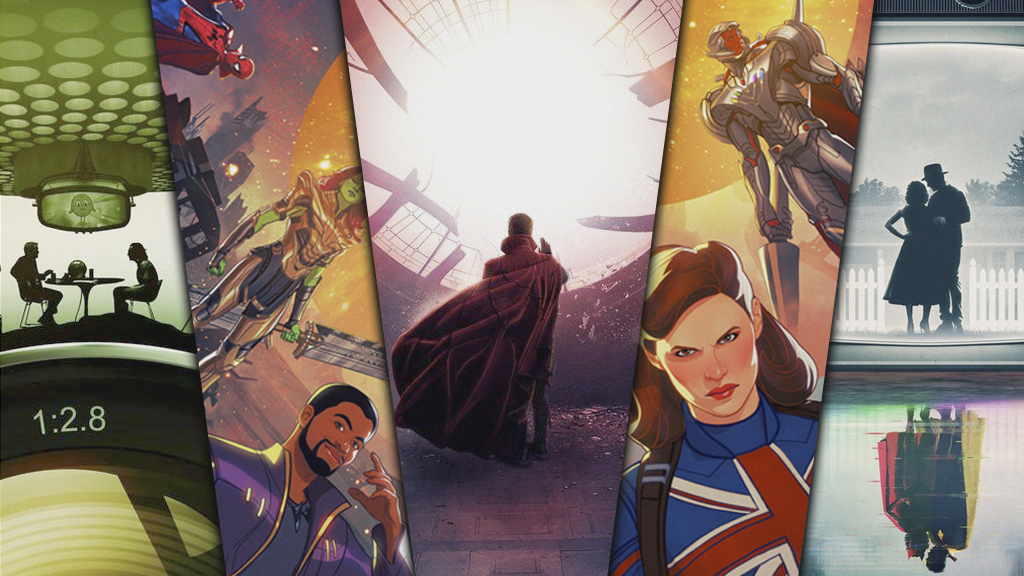
    Doctor Strange in the Multiverse of Madness is exactly what it sounds like. Marvel’s Master of the Mystic Arts finds himself flung through a multitude of alternate worlds, encountering a constant stream of potential “what if?” scenarios in every one. Unfortunately, a movie can only tell so much story, and as a result, audiences only get quick glimpses into the divergent timelines presented throughout Sam Raimi’s latest superhero epic. With all the funky new concepts and character variants introduced in the film, fans may even leave the theater wishing Marvel Studios had some sort of animated Disney+ series dedicated to exploring their multiversal offshoots. Well, fear not True Believers. This seems like a good time to remind everyone that Marvel’s What If…? does in fact exist, and another season is still on the way!

    When the second batch of episodes finally hits the small screen, it’s sure to feature at least a couple of episodes based on events from the Multiverse of Madness. When it comes to what those episodes might be, there are a lot of options on the table. Luckily, we here at Murphy’s Multiverse have narrowed it all down to only a handful of the most intriguing choices. Follow along as we dive into the prism of endless possibility, and guide you through the vast new realities that could become episodes in the upcoming second season of What If…?.

    What If…Scarlet Witch Annihilated the Multiverse?

    This is the easy one, but it’s also maybe one of the most interesting. As those who have seen Multiverse of Madness know, Elizabeth Olsen‘s Wanda Maximoff takes a surprisingly dark turn as the film’s main antagonist. The former Avenger embraces the Darkhold and her title as “Scarlet Witch”, going on a killing spree in search of a universe where she is allowed to exist peacefully with her children. It was a goal she attempted once before in WandaVision, with slightly less violent methods. She’s eventually stopped by Doctor Strange and the young America Chavez, but she comes pretty close to achieving her goal.

    Earlier in the film, Benedict Wong‘s Sorcerer Supreme mentions that the Scarlet Witch is prophesized to either rule the multiverse or annihilate it. Thankfully, the latter never comes to pass, but what if fans were able to peek into a world where Strange and Chavez failed? What if, in another universe, the Scarlet Witch succeeded? The movie talks a lot about “Incursions”, when two universes collide and destroy each other due to excess multiversal fiddling. It’s likely that with no one powerful enough to prevent her from tearing through the multiverse, she would eventually cause it’s destruction in the form of countless incursions. This would be a catastrophic threat on the same level as the first season’s Infinity Ultron, and would be a good reason for The Watcher to intervene a second time.

    What If…Maria Rambeau Was Captain Marvel?

    One of the more exciting reveals of the Doctor Strange sequel comes in the form of the Illuminati. The team is comprised of Marvel heroes from across the multiverse, assembled to protect it and their world from any threat they deem too great to exist. One member of the group, Hayley Atwell‘s Captain Carter, already made her debut on What If…?, but her associates are a whole different deal. While major cameos like John Krasinski‘s Mr. Fantastic or Patrick Stewart‘s Professor X are incredibly cool, their lack of MCU history doesn’t exactly lend itself well to the premise of the aforementioned animated series. Luckily, the group isn’t a total What If…? scratch.

    Lashana Lynch makes a surprise return to the role of Maria Rambeau, only this time, she’s the one wielding unprecedented cosmic power. Chiwetel Ejiofor‘s Karl Mordo variant introduces the character as “Captain Marvel”, indicating this Rambeau comes from a universe where she was the one who took that fateful flight with Dr. Wendy Lawson and ended up in the hands of the Kree. Almost nothing about her origin or life are revealed in her few brief scenes, but her existence just begs to be further explored. If Maria was abducted from Earth, what happened to her daughter Monica? Was she raised by Carol Danvers? Was S.W.O.R.D. ever founded? What kind of galactic hero would Maria turn out to be? Also, that awesome Photon-inspired suit deserves a little more screen time than it actually got.

    What If…Vision Lived?

    For a decent chunk of Multiverse of Madness, the Sacred Timeline’s version of Scarlet Witch inhabits the body of another universe’s Wanda Maximoff and uses her to do all the dirty work. While this process, called “dream walking”, is pretty darn neat, it’s not the aspect of this scenario that’s most fascinating. The Wanda who falls under the Witch’s control is shown to be a loving mother of her two sons, living a relatively normal life despite still having her superhuman abilities. This suggests that the Maximoff of this world may not have suffered all of the same traumas as the mainstream Wanda fans have come to know. WandaVision taught audiences that the hero’s ideal life includes her husband, Paul Bettany‘s Vision, yet he’s nowhere to be seen during the film.

    Perhaps he simply wasn’t home when 616 Scarlet Witch broke in and began manipulating his wife, or perhaps he wasn’t able to survive in this universe either. Whatever the case may be, it sets up an interesting question that What If…? could answer. What if Vision lived? Would Wanda’s life look more like the domestic one we see in the film, or would the couple still be out saving the world with the Avengers? It’s likely the Scarlet Witch persona would not have been embraced in the same way viewers have seen in the MCU’s Phase 4, but if it had, how would Vision’s presence have impacted it’s effect on the world? Hopefully Kevin Feige and the team at Marvel Studios give us answers sooner than later.

    What If…The Illuminati Won?

    The Illuminati were an insane, unthinkable live-action superhero dream team…which lasted for all of a few minutes before they all died. Forced to confront the full power of the Scarlet Witch, each member of the group fell violently, one-by-one. Though, what if they hadn’t? What if the Illuminati had been able to put down Wanda Maximoff and keep both Stephen Strange and America Chavez in their grasp? The squad had just finished telling Strange that he was a bigger threat than the Scarlet Witch when the latter wiped the floor with them, and the implications of their big speech seemed pretty depressing.

    In the comics, the downfall of the Illuminati is their willingness to cross the line of ethics and do whatever they feel is necessary to protect the world. With the entire multiverse at risk, they might have offed the Sacred Timeline’s Strange in an effort to contain his supposedly terrifying power. What would have happened to his home universe had he never returned? As for America, it was only a matter of time before they discovered just how incredible her abilities really were. What would they have done with her once they knew? In the wrong hands, she could be a weapon used to “maintain peace” across all of space and time.

    What If…Doctor Strange Was Earth’s Mightiest Hero?

    When Stephen Strange fist arrives on Bruce Campbell‘s pizza planet, he’s greeted by an old friend-turned-enemy who’s become that world’s Sorcerer Supreme. Mordo explains to Strange that his variant died saving the Earth from Thanos, and had publicly become known as his Earth’s most popular hero. There’s even a statue bearing the inscription outside the Sanctum Sanctorum, and a whole museum dedicated to Strange’s life story. While later revelations from the Illuminati reveal this tale wasn’t entirely true, it does make one wonder where Tony Stark was while all of this was going down. His absence, and the lack of an Iron Man on the Illuminati roster, could be a subtle reveal that the universe in question never produced an armored Avenger of it’s own.

    If this is the case, What If…? could capitalize with an episode centered around a world where Stephen Strange is the face of the Avengers and everyone’s favorite good guy. A variant of Strange from a completely different universe, dubbed “Defender Strange” by marketing, is seen at the beginning of the movie sporting a sweet pony tail and black-and-red threads. What if this variant is from a world where Strange formed The Defenders as Earth’s Mightiest Heroes instead of Stark and Nick Fury leading the charge with The Avengers? It’s a longshot, but it seems like a story worth diving into.

  • How ‘Doctor Strange 2’ Proves the Disney+ Series Aren’t a Must-Watch to Keep Up

    How ‘Doctor Strange 2’ Proves the Disney+ Series Aren’t a Must-Watch to Keep Up

    There’s been a lot of discourse over the “homework” necessary to enjoy the latest Marvel Studios film, Doctor Strange in the Multiverse of Madness. Various articles are making their way online stating that one should watch Loki, What If…?, WandaVision, Spider-Man: No Way Home, and many more films to fully understand what is going on in Multiverse of Madness. Yet, even as someone who actively watches every new entry, wants to tell those that worry it might become too convoluted, there’s nothing to worry about. You don’t have to watch any of those projects to enjoy the latest films.

    We’ve generally noticed a trend that many Marvel Studios sequels don’t necessarily pick up where the first film left us off. As many might remember, Spider-Man: Far From Home is more a sequel to Avengers: Endgame than it is Homecoming. While it does build upon those story threads, the main arc builds around the death of Tony Stark. At the time of its release, there were some concerns that this might negatively affect the viewing experience but the film had a rather simple approach to solving that very issue. The film quickly catches us up in the beginning with a montage of those events, while also easing viewers into the narrative core of the story.

    Multiverse of Madness does the very same, as we get a very simple setup that helps us understand the motivations of the characters. We get a short line of dialogue on Strange’s choice of passing on the time stone in Infinity War, as well as the events that followed. So, we’re quickly caught up with where we last left off with his character development. At a later point, we even get a brief mention of Spider-Man that not only highlights how the end of No Way Home negates any necessity for this one, but it mainly helps those that wondered how the spell affected people’s perception of Peter Parker.

    Now, the big elephant in the room is the way the show handles the Disney+ series. They are the biggest additional and this is the first film that directly follows up on the events of one. You read that right, it follows up the events of one. While some articles claim to watch Loki and What If…? helps with the multiverse concept, there is no moment that Multiverse of Madness directly references the events of those Disney+ series. What If…? merely gets an indirect reference in the form of Captain Carter, who very likely is a different version altogether, while the God of Mischief’s storyline has no direct influence on the series.

    Some might argue that the inclusion of Kang and unleashing the multiverse would play a role in the story, but that’s not necessarily true. Loki, to this day, is more about his journey with the consequence of Sylvie’s actions being that the flat circle of time that represented the Sacred Timeline has been unleashed into the multiverse. Her actions indirectly would cause the fact that America Chavez even would come into existence and travel throughout the multiverse is possible. Yet, no one in the story is aware of that fact and neither would the viewer. Even if Michael Waldron wrote both projects, he’s mainly used it to set the ground rules for the multiverse, that’s all.

    In the same vein, that would mean you’re required to have watched all of Inhumans to understand why a guy named Blackagar Boltagon is sitting among the Illuminati and is played by Anson Mount. Or, you’d have to be aware of the fact that John Krasinski has been the most popular fan-cast to play Mr. Fantastic in the Marvel Cinematic Universe to fully understand why he’s in the film. Their inclusion has a meta-narrative included that doesn’t require everyone to fully understand it but creates the curiosity for those that know and don’t know who they are.

    Technically, the only Disney+ series that would be “required” is WandaVision due to how the film directly sets up the storyline from that series. Yet, the film swiftly goes through what a viewer needs to know. We see her wake up from a dream, which we find out is an alternative reality, where she lives with Billy and Tommy. While the characters were introduced in the Disney+ series, one could easily take away that these dreams are haunting her and creating this obsession with wanting her children back. She’s very vocal about it and Strange even mentions the events of Westview before we get a natural conversation on those events.

    Yes, you’ll get a full picture of why she wants her children but her story arc in this film and even the introduction of the Darkhold don’t fully require you to have watched the series. We swiftly get an introduction and viewers can easily fill in the blanks on why she has it in her possession. No one is required to fully understand how she got it, just that it is quite dangerous to own. What some might consider “required viewing” is the additional context for those that stuck around with the franchise.

    The “homework” narrative is something that we’ve created ourselves due to the interconnectivity of this franchise. Many feared that it could follow in the footsteps of the comics, which had multiple tie-in comic storylines, event stories, and additional ongoing series to keep up with for a full picture. Yet, one could argue that Marvel Studios found a good balance in how they use their Disney+ series and character cameos. To be fair, they’ve already been handling this balance across multiple franchises in the past.

    To give a comparison, the Iron Man trilogy explored Tony’s place in the world but he also had an additional arc explored in all Avengers films that worked in tandem with each other. Ultron was fallout from his own personal trilogy, but the concept of self-sacrifice was one specific to the Avengers films, which lead to Endgame’s final sacrifice. His story in Captain America: Civil War also helped bridge going into Infinity War, where we learned about those events with a quick joke about them breaking up “like a band” and everyone is swiftly caught up. Even Tony and Peter Parker’s relationship was more continued from Civil War and didn’t harp too much on their journey in Homecoming. Everything you need to know for that specific film was provided, the rest is just additional context.

    Marvel has learned to use dialogue and humor to swiftly catch people up without having to have seen every entry in their franchise. Even character introductions are set up in a way that you quickly know what they are all about, such as when Thor: Ragnarok showcases Strange’s abilities and has Thor mock the magician to help viewers know what he’s all about. Disney+ is simply a new format that adds some additional stories to the mix but doesn’t force anyone that isn’t interested to watch it just like you didn’t need to have watched Doctor Strange to enjoy his role in Ragnarok.

    They also are able to avoid the issue comic readers face for one specific reason: scheduling. Disney+ projects and their films are mapped out in advance. So, we only have a limited amount of projects released in-between films. When the pandemic hit, they’ve adapted story elements to fit their new timeline, which highlights how they use the format to keep the franchise from bloating with too many projects airing at the same time, something the Arrowverse suffered with 22+ episodes for multiple shows each season.

    Marvel Studios also seemingly gives specific types of films a different purpose. Solo films are there to explore new character arcs. It is why Multiverse of Madness is still Doctor Strange’s film as his arc is the main focus throughout, similar to how Civil War handled it. Wanda has her own storyline weaved throughout, but she functions as a force that also pushes Strange forward. While he had an important role in the MCU before, it never further pushed him as a character like it did now but only used what we know from the 2016 version as a base.

    The film still acts as a sequel to Scott Derrickson’s introduction of the character by making specific callbacks, such as the watch, adding context to a joke from the first film, highlighting Strange’s love for old rock, and so much more. It still manages to build upon the arc from his original film, by focusing on his worst character trait and tendency to be the one to fix everything, which highlights that after all his time in the MCU, he still has something to learn.

    What Marvel Studios can truly embrace with their model is that sequels aren’t shackled by linear storytelling from one entry to the next. If they followed older formats, the next film would’ve set up a new villain that may have a connection to Kamar-Taj or need an entire origin arc, and may wait a while before it explores something as out there as the multiverse. Plus, we’d have to ease viewers into the many spells that he’s learned throughout. Yet, we’re at a point where the spells aren’t the thing that needs to be explored in their complexity, context clues are spread throughout the MCU, and the focus remains on the multiverse.

    There is the drawback of tie-ins and set-ups muddling some plot elements, but Multiverse of Madness is, at its core, very much a Doctor Strange story, no matter if it hit as well as intended or not. In a way, it doesn’t even fully require you to watch the original 2016, as all-important context clues and story elements are eased in through context clues and dialogue. While watching previous entries certainly helps viewers get the full context, the films still worked as standalone pieces that help guide those in by highlighting what they need to know early on.

    So, there’s no need to panic if a new “viewer’s guide” tells you what you should or have to watch beforehand. If you’re interested to learn more, take it as supplemental material, but there’s no worry that every new project release is necessary to fully enjoy a new entry into the MCU. Just because some franchises dabble in similar concepts, it doesn’t make it a necessity to watch, and sometimes even trailers include all the information you need going in.
  • What Could The ‘Peacemaker’ Spin-Off Focus on

    What Could The ‘Peacemaker’ Spin-Off Focus on

    Peacemaker was quite the ride for fans, featuring the return of John Cena in the titular role of the DC Universe’s biggest douchebag, yet again working for Amanda Waller on Project Butterfly. The ending of the first season had some serious ramifications for the future of Amanda Waller and Task Force X, with Leota airing all the dirty laundry of ARGUS to the presses.

    We can assume that this is what the recently announced Waller-centric Peacemaker spin-off series will tackle. The series could see Waller go on the defensive and mobilize whatever she’s got to save her skin, but what else might we be able to expect from the series? Allow us to breakdown some possibilities.

    The Secret Six

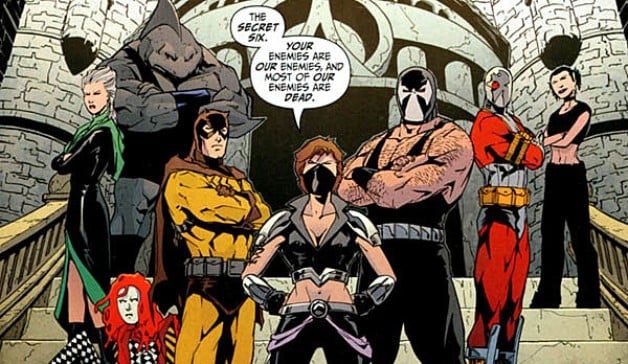
    The Secret Six are one of DC Comics’ hidden gems, a team of mercanaries lead by the mysterious Mockingbird. In the Villains United comic book event, where Gail Simone reinvented the team, the six came together for the first time as the few villains that would not join up with Lex Luthor and his coalition of DCs Supervillains known as the Secret Society of Supervillains. Mockingbird brought the team together against their will, but still makinf it a point to compensate them for their work.

    There have been many people to take on the moniker of Mockingbird to hire the Six yet again for whatever dirty deed needs doing and it seems we could see them come together in the DC Extened Universe. The idea here is that we could see Viola Davis reprise her role as Amanda Waller and become a sort of Mockingbird figure, hiding in the shadows as she dispenses mercenaries to take out the witnesses and surviving members of Task Force X.

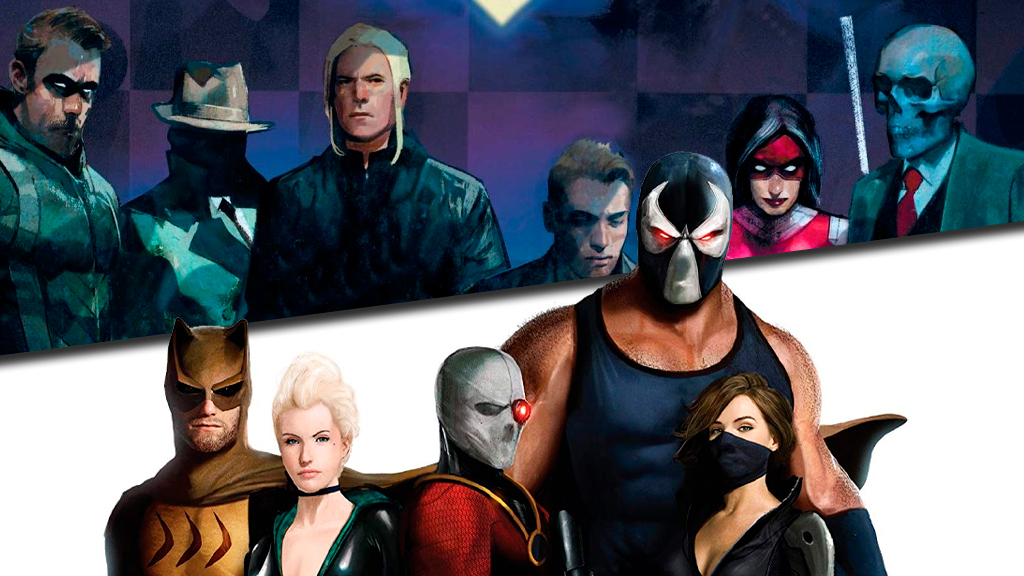
    Ideally, the roster would be quite similar to the comic book roster aside from a few changes. Essential members of the team would be Catman, Scandal Savage, Ragdoll, Jeanette, and Bane. Deadshot is tricky due to his involvment in the Suicide Squad and the situation with the team in the current DCEU. Floyd Lawton is often seen as Waller’s personal errand boy and it wouldn’t be shocking to see him working alongside the Six, but in the end, it’s another loose end for Waller. It could be cool to see members like Strix, Black Alice, Cheshire, Parademon, and even Mad Hatter work for Waller, but it’s important that the core members of the team are front and center.

    Checkmate

    Another option for Waller could be forming Checkmate. Originally known as the Agency, the group was run by Valentina Vostok, aka the Negative Woman, who after leaving the organization to join the Doom Patrol handed the reigns over to Harry Stein. At that time, the group was ordered by Waller to be reorganized into Checkmate.

    The organization, named after the winning move in a chess match, became an independent branch of Task Force X. The levels of the group were modeled after the playable pieces in chess, with kings and queens being the highest ranking level one could reach. Roles like bishops had oversight on the missions that planned by the rooks, with knights being the ones on said missions. Pawns worked as support.

    A subtle hint to the organization appeared in the first season of Peacemaker. In the decrepit video store base of operations, can be seen a poster for a film titled “Privateer.” Privateer was the heroic alter-ego of Mark Shaw, who’d worked with Checkmate at one point and even went onto run Checkmate for a time.

    Plot details on the upcoming spin-off series remain scarce as it has yet to officially be announced by James Gunn or HBO Max. Fans are eager to hear more as Gunn’s few entries into the DC Extended Universe have been quite the crowd pleasers. This will be the first though that Gunn will not write, and there’s currently no word on if he will direct any of the series episodes.

  • ‘Moon Knight’s Final Episode Should Continue Playing With Our Heads

    ‘Moon Knight’s Final Episode Should Continue Playing With Our Heads

    Moon Knight has been a show that stands on its own two feet even among the ever-growing Marvel Cinematic Universe. Episode 4 started a new direction for the series, as what looks like a globe-trotting adventure may have actually been in the Marc Spector’s mind all along. The next episode did return to the usual adventure, as he and his alter Steven Grant took a path down memory lane and were faced with a new challenge, as Ammit unleashes her chaos upon the world. Intersected during those segments, we return to Marc being confronted by a psychiatrist version of Arthur Harrow. As we go into the finale, the trailers are teasing something familiar for Marvel fans, but I have a different hope going in.
    EXCLUSIVE: Lemire, Smallwood, & Bellaire Usher Moon Knight Into The  All-New, All-Different Marvel

    I adored the direction set by the fourth episode, as it played with our minds and created the illusion that everything that has happened was just within Marc’s mind. The series has been mostly disconnected from the rest of the MCU and embraced the iconic run by Lemire and Smallwood. It sadly is still a more restrained version of that story, but that’s not uncommon within adaptation. As Marc has found some kind of “peace” at the end of the last episode, I have one quandary going into the finale. I want it to keep playing with our heads.

    Even as he continues his journey to regain his powers as the Moon Knight and Khonshu to fight Harrow. We get a bombastic fight, as teased in the latest teasers with Harrow using the powers of Ammit. But, in reality, we continue to splice his discussion with the psychiatrist as we further unravel his mind. Suddenly, he has a revelation and just takes in the reality that he is, inf act, a superhero and has to take down the next great evil. We suddenly return to those moments of the power struggle as Moon Knight falls back into the territory set up earlier in the season.

    Moon Knight episode 4 ending explained | TechRadar

    He saves the day. Moon Knight is reunited with Layla and Khonshu. Everything is back to where it should be. Yet, something seems off about it all. The ending is almost too perfect, as every piece of the puzzle has fallen together as it should. Suddenly, the rug is pulled from under him and reality is changed once again. The series ends on a note that perhaps there’s still more to this story to be told, as it continues to keep its focus primarily on his mental issues and the challenges of living with DID.

    Of course, the series may take a safe route, but the thought of even the final playing with our expectations would be the perfect way to leave us off with the character. Perhaps everything that happened in the finale is actually part of a movie set, similar to Grant’s role in the Lemire and Smallwood run. We switch between these realities, making it harder to put together what is and isn’t real.

    Phases of the Moon Knight: How Marvel's Mentally Ill Vigilante Became its  Best Character - Paste

    If you’re wondering what that means for the character’s future in the MCU, it gives us the perfect opportunity for a character that keeps us on our toes. While we may see the return of Moon Knight, there’s enough vagueness to never truly give away what exactly happened. He can still be a character that is unhinged and hard to truly pinpoint given his DID. I personally would love a second season to build upon the insanity and leave us with any questions, but if this remains as a limited series, they could still keep us guessing.

    Reality is a fragile thing, and who knows what the future has in store for the character, which technically is probably making the limited episode count a bit frustrating. Still, there’s so much potential here to expand upon and use that vagueness to play with our perception. A sequel season could even play around with the Marvel Cinematic Universe as such without having to directly connect to the rest. It would be a shame to fall into some familiar territory, but even so, it wouldn’t go against what the series set up. Given it may be a limited run, it sadly does also limit its potential in some ways.

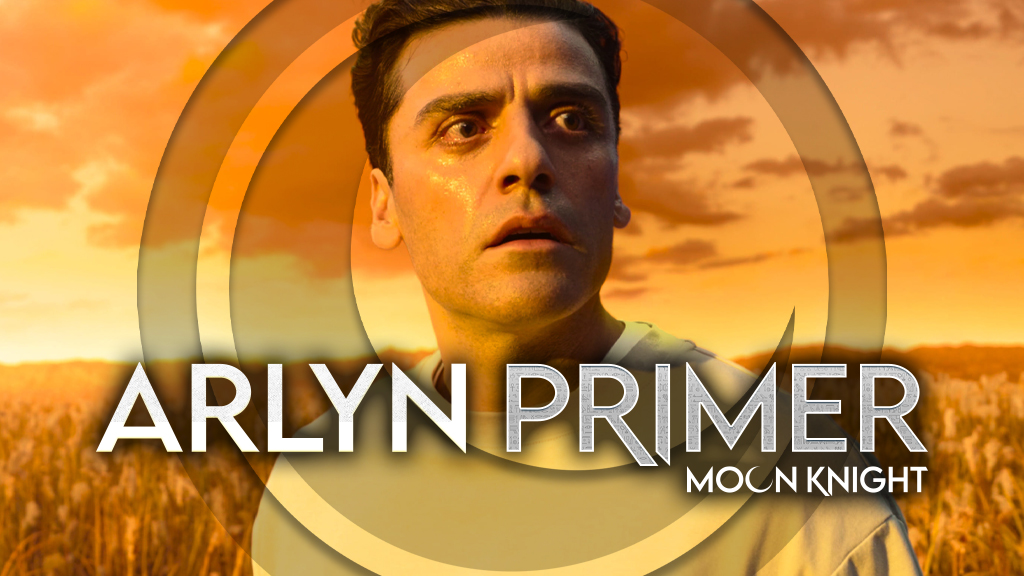
  • ‘Moon Knight’ Finale Primer

    ‘Moon Knight’ Finale Primer

    Last week’s fifth episode, “Asylum”, didn’t do much to clear things up for me. The episode did quickly reveal that Marc and Steven were on a boat headed through the underworld on which they had to weigh their hearts to see if they were balanced enough to make it into The Field of Reeds. When the scale wouldn’t balance, they were forced to relive a series of rough memories that led Marc to create a second personality.

    Steven was forced to relive some of Marc’s worst memories: the drowning of his brother, Randall. Marc’s mom went crazy, blaming Marc for it, and became hateful and abusive. Marc and Steven’s hopes that their trip through these memories would balance their scales were dashed, and the goddess Taweret’s ship kept taking them to their destination. The ship was boarded by a bunch of souls from the sands and a big fight followed that ended with Steven falling overboard and turning into stone. Losing Steven made Marc’s heart balance, allowing him to pass into the Field of Reeds. So he’s dead??!

    Arlyn’s Assumptions

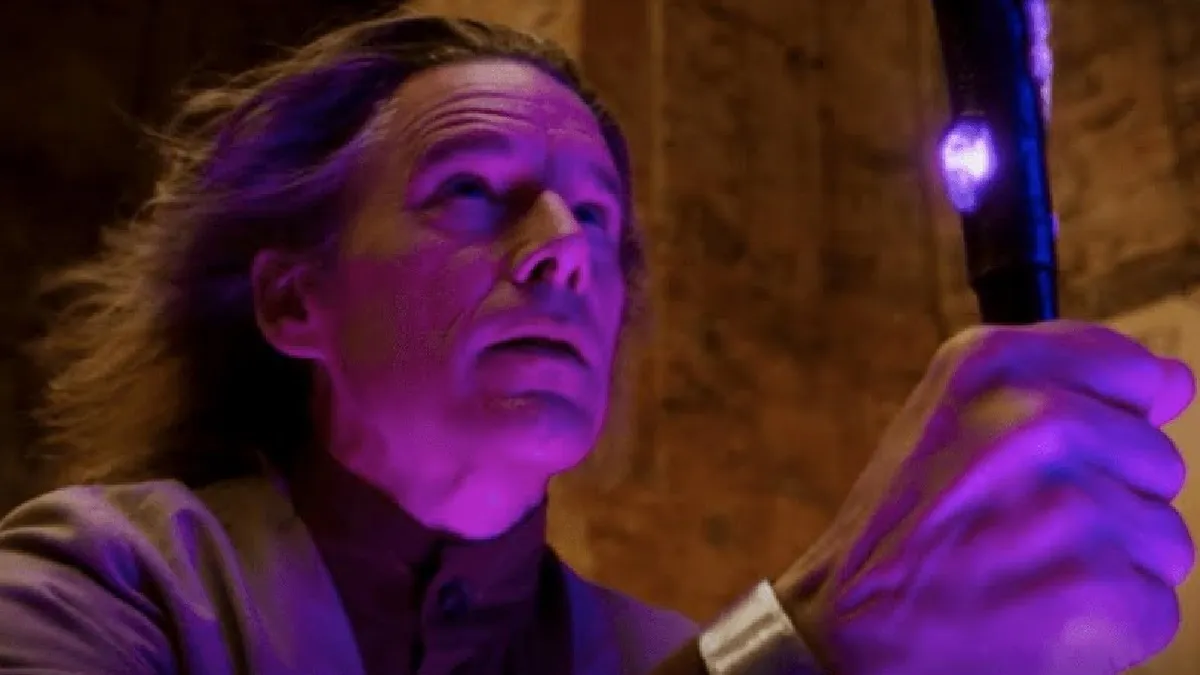
    Ethan Hawke Admits 'Moon Knight' Wasn't His First Time Flirting With the MCU

    For the first time in a Marvel Studios series, I have no idea how it’s going to end. Marc will obviously have to make it back out of the Field of Reeds, free Khonshu, and reclaim his power as Moon Knight, but given where he left off and the fact that the other gods aren’t too fond of Khonshu, it’s hard to guess which one, if any, will help Marc return and stop Harrow. Marc has had some help along the way, if you remember though, so it’s possible that Hathor, the Egyptian goddess of many things, including fate, might return.

    The season finale of Moon Knight streams tomorrow!

  • 5 Open Questions Ahead of the Moon Knight Finale

    5 Open Questions Ahead of the Moon Knight Finale

    Marvel Studios’ Moon Knight is heading into its finale after a powerful and emotional fifth episode last week. We saw Marc Spector and Steven Grant attempt to tip the scales, but not without some heartbreaking revelations. Now we have plenty to wrap up in one episode, but what are the most important plot threads? Let’s take a deeper look at what we might expect going into the final episode of this Disney+ series.

    Will we see Jake Lockley?

    There have been hints and nods to a third personality throughout every part of the series. In “Asylum,” there’s a 20-second stretch where it seems that during his conversation with Dr. Harrow, Marc seemingly seems off. His accent changes and he seems way more unhinged than usual. As fellow Murphy’s Multiverse scribe Mary Maerz detailed last week, we have enough pieces for the puzzle. It’s time to see Jake and how he fits into the larger narrative of the story.

    Will there be a concrete MCU reference in the show?

    One of the most common refrains in praise of Moon Knight is that there are no outward MCU references. It’s in its own part of the world telling a self-contained story. With all that being said, you have to wonder if Marvel decides to drop in something that pushes the story forward. With the Werewolf by Night-focused Halloween special coming later this year and Moon Knight’s comic book connection, it does open up a possible connection. Odds would say no but you can’t help but wonder if they find a way to fit it into the overall story.

    When Khonshu gets freed and this is all over, what are his plans?

    Earlier in the series, it felt that Marc was always trying to protect Layla from Khonshu’s plans to use her as an avatar. That didn’t feel like it was dropped in the show for giggles. It’s clear that Khonshu will be freed again and Marc will have to deal with that once the fight with Ammit and Harrow concludes. This show has always felt like control was one of its main themes since the outset. The expectation is we’ll come full circle in some type of way. Though, who knows if there’s more to Khonshu than we might expect at first.

    How will Arthur Harrow’s story end?

    Arthur Harrow has been one step ahead of everyone since the very beginning of the series. His plan looks like it’s reaching its apex of success. We have a decent idea that Moon Knight will overcome the adversity he’s facing and defeat Harrow and the one he serves, Ammit. It’s all about how we get there, and how Arthur closes out his run. Most MCU villains usually don’t survive, so the hope is there’ll be a creative and satisfying close to Harrow’s character. 

    Will we see Steven Grant again?

    Seemingly lost to the Duat at the conclusion of “Asylum”, Steven Grant sacrificed his life to save Marc. It puts the remaining Alter in an unenviable position of having to fight without his companion. Steven has been very popular and it was a tough ending for the character. It does beg the thought of whether he’s actually gone through. Marc could use that intelligence and quick wit in the final fight. Here’s to hoping we get one more visit with Mr. Grant and maybe even his Mr. Knight.

    The Moon Knight finale is sure to leave us with more questions than answers. The hope is those questions tantalize and fascinate us, and the answers feel gratifying as a viewer.

  • Marvel Studios’ Disney+ Venture Needs to Embrace the Diversity of TV Storytelling

    Marvel Studios’ Disney+ Venture Needs to Embrace the Diversity of TV Storytelling

    Moon Knight‘s fifth episode has been quite loved due to the way it continues a trend of Marvel Studios’ series having a penultimate episode that takes its time to explore our protagonist’s psyche or the underlying theme of the series. Still, there is a current trend that the Disney+ series are facing that could backfire with each new release. While not a fan of the overused buzzword “Marvel formula,” there is a certain danger with their reliance on the three-act structure to construct their series. There are still distinctions in their approach, but a six-episode benchmark muddles that vision. In a way, they are suffering from something that was started in Netflix’s early days and have yet to fully embrace the diversity of TV’s storytelling possibilities.

    Marvel Studios has always been flagged for having a “formula” behind each film. Even as they broke away from their more streamlined films due to the infamous Ike Perlmutter era, the genre has an inherent expectation that creates that very issue. One could argue that certain expectations and perceptions play a key influence due to the brand and its heroic genre; something we’ve seen in comics over and over again. It’s not a Marvel Studios-specific issue, they just so happened to be the one to stick out the most. While saying that, their TV offerings are suffering from a different yet similar issue that is more inherent to the long-form storytelling format.

    Yet, with a strict six- or ten-episode structure, you are setting a certain tempo for your series. If you adhere to the three-act structure, it becomes even more restrictive, as most of the “action” or meat of the story happens within the final two episodes. We’ve seen it a few times, such as with Falcon and the Winter Soldier, Hawkeye, and even potentially Moon Knight. They end up exploring important themes in Episode 5 but have to quickly wrap up the story in its finale, sometimes not as effective as it hopes to. Knowing that there are “only” six episodes available, also creates the before-mentioned perception issue that not everything will be wrapped up.

    Ironically, Netflix’s issue was that thirteen episodes were at times too many. It’s a funny contrast to Marvel Studios’ six facing the opposite criticism. For the sake of comparison, Peacemaker‘s used an eight-episode structure and was less a “film” but more traditional TV in its storytelling. While it did have some minor pacing issues like any other show nowadays does, it built its story per episode with an overarching narrative. Plus, a character like Peacemaker has fewer expectations because the story can explore whatever it wants due to the character being a blank slate. This is in stark contrast to Netflix’s Daredevil series back in the day or even now with Moon Knight, they both have very set expectations that restrict just how much a story can tell.

    Speaking of Netflix, the issues Marvel Studios is currently facing have their roots in that era. The promise of “a 13-episode film” created this illusion of having a film being told with more time. Yet, even the much-loved Daredevil had pacing issues with many at the time pointing out that elements dragged a bit. Similar to what we’re seeing now, as more shows were released they faced the same issue but became more apparent. By the time The Punisher rolled around, they fell victim to having the episode count set the pacing and certain story beats were expected.

    Was it formulaic? To a certain degree, yes and it was and Marvel Studios is going to fall victim to the same issue if they strictly remain on this course. Throw on top of the issue of a rather short episode count, they potentially will keep facing the issue of their final episode ending up rushed as the internet will repeat. “How will they wrap it all up after that?” That issue becomes even more apparent if you realize they are moving away from one monumental aspect that defines TV storytelling, multiple seasonal arcs for their characters.

    So far, only Loki got a second season and it’s hard to say if any of these series will actually continue moving forward. Marvel Studios’ reluctance to even communicate multi-seasonal plans creates a new issue with expectation. It creates the illusion that this specified six-episode season needs to wrap up everything. Technically speaking, their “second season” commonly are film appearances such as The Falcon and Winter Soldier setting up Captain America 4. Yes, it’s great to see this expansion from TV to film and potentially back, but it creates a whole new issue that they seemingly are struggling with.

    We have no idea where and when Moon Knight might show up next. Lots of coverage is hinting at his series is a limited run, which adds to the issue that the titular hero is not very present in his project. Yet, they are setting up a lot of elements that affect its pacing within the six episodes. While I don’t agree with everything, a discussion on the show’s quality from ScreenCrush made a good point that the penultimate episode feels a bit late and may hit harder if it was earlier in the series. We won’t have much time to actually spend with Marc now that he had his revelation and the loss of the alter that helped him through his trauma.

    To give an example, Loki had his mental revelation at the beginning of the series, and it worked because we already knew his character. So, we got to explore that storyline which we won’t really get to with Moon Knight, as we have to wrap up the plot, character development, and set up for whatever is next. It’s great they aren’t restricting themselves to old-fashioned origin tales, but their current model restricts exploring it fully. While it’s great that we might get Oscar Isaac‘s Moon Knight in a future movie, the fact we never know when or how–a Marvel staple–may see the company’s usual secrecy backfire on them. WandaVision with 10 episodes waited until the end for the big emotional story arc but at least a mystery to keep us wondering.

    Speaking of mystery, Wanda’s town-altering storyline and Hawkeye‘s big bad added an additional issue to what was mentioned previously. They keep the “big reveal” until the very last episode. While it makes sense to build up suspense on whatever the mystery is, especially the excitement of Vincent D’Onofrio‘s return as Kingpin and its implications, it creates the issue of having to bring everything together at the last moment. Even Moon Knight‘s Episode 4 revelation has now been limited due to the time available afterward. Loki‘s second season is following a year after its premiere and we don’t know when we’ll get it or how it fits in the overarching story.

    So, the ever-expanding universe is showing its fangs a bit. Even if comedy series are teased to have ten episodes, the fact they are restricting the episode count to specific formats is surprising given the freedom they should have. TV storytelling is diverse, may it be planning multiple seasons in mind, structuring the episode count to abide by the story, or even having each episode work as a standalone storyline. Even with that potential, modern streaming offerings tend to share similar issues due to the formatting. Even Peacemaker and The Boys rely on shock value at times to keep you watching from week to week.

    Moon Knight‘s been said to “fit better as a film” because that’s what it is. It’s a six-hour film just like how Netflix promised its series and many other streamers are copying. While it does have cliffhangers to keep you watching, they are more character-driven than story-driven. It’s something that makes this storyline a personal favorite among the Disney+ shows, but it does face the issue that also expectations play a massive role when exploring a potentially one-time project based on 70 years of comic history. Expectations on what makes a “Moon Knight” show become a crux for viewers and those creating the series. We have no idea if there’s going to be a second season, ironically unlike how most films get sequels.

    So, the weekly wait for episode 6 with a slower start ends up creating a pacing issue that is very perceptive due to the uncertainty moving forward. WandaVision probably worked the best as a weekly release due to the formatting of the actual show as different eras of sitcoms. The later episodes that broke away from it are much closer to what we see with its six-episode offerings. Each Marvel Studios show has its strengths, and, like everything else out there, weaknesses, but one can see the roots of the issue from the Netflix era. It has affected many series within the market, especially now that we’re moving away from the binge model. In a way, the distribution model is changing but not the expected storytelling element.

    Marvel Studios has a lot of opportunities with their Disney+ series. Yet, their venture into cross-media storytelling has been showing its fangs, as it restricts them from truly embracing the TV model. That is on top of long-term trends within the industry, and we can’t forget this is a completely new venture for this film-focused production studio even if they took in employees from the former Marvel TV subsidiary. Moving forward, if they want this concept to stick out more it might be time to embrace the TV model.

    Give us a series that was built with multiple seasons in mind, something we’re seeing already with Lucasfilm’s Andor. Allow a character to grow over a few years before integrating into the bigger picture, or have their appearances be independent of what’s happening. Ms. Marvel is the perfect opportunity. Yes, she will appear in The Marvels but her “usual” world is the one we’ll see in the June release. Let her character grow over multiple seasons with that experience adding to her character but not redefining her story. It’s what happened in Spider-Man: Far From Home, as it was a sequel to Avengers: Endgame rather than Homecoming.

    A lot of inspiration for the Marvel Cinematic Universe lies in comics, and the Disney+ series is becoming an opportunity for ongoing storylines with the films acting as “detours” for some of the characters. Their stories still should remain ongoing rather than one-time moving forward. Plus, let the show breathe and move away from a strict episode count. Not every story needs to follow a third act structure or something related to it. You can see they are still trying to find their footing with these new ventures on Disney+, and they have an opportunity to truly embrace the diversity of TV storytelling.