Tag: TV Reviews

  • REVIEW: ‘Peacemaker’ Episode 8 – “It’s Cow or Never”

    REVIEW: ‘Peacemaker’ Episode 8 – “It’s Cow or Never”

    After a six-week run, the first season of Peacemaker has come to an end with “It’s Cow or Never.” The series has seen some highs as James Gunn has yet again taken the comic book genre and flipped it on its head. This time he tackled one of DC’s most unknown characters, Peacemaker. The highly anticipated finale has finally arrived and proves why Gunn told people to avoid Social Media at all costs. The only question remains: did the finale live up to the rest of the show?

    Keep in mind, this review contains massive spoilers of the finale. So, only continue at your own risk.

    The Peacemaker finale does not waste a second, as we jump straight into the action. Our unlikely team is on their way to take down the “cow” teased during the previous episode’s final moments. John Cena‘s Peacemaker has gone through quite a bit in the past twenty-four hours, such as being betrayed by a friend and killing his father. That would obviously affect anyone’s mood with the betrayal of Adebayo hitting him especially hard. He proceeds to make fart noises over her attempted apology highlighting his childish way of handling these kinds of situations.

    One of the running jokes this season is that Peacemaker constantly rags on Economos, such as mocking his beard. It all built up to a surprising somber moment after he briefly tried to infiltrate the Butterfly’s hideout. While it felt a bit silly given the stakes of the story, it did give us some great character growth for everyone left on the team. It was a heartfelt moment that was important to build up the final confrontation.

    Peacemaker’s journey this season, strengthened by John Cena‘s performance is what truly carried the series. His work on the series is stunning, as he offers a strong emotional range from a character that once killed an entire village of people without batting an eye – no, we won’t talk about Rick Flag. The finale uses his character development to push his old belief in direct contrast to the lessons he learned throughout and what it means to have friends.

    The series doesn’t want to fully turn him into a boy scout just yet, as the final moments reveal his father is still haunting him. This is an element torn right from the comics but given a psychological twist. This time around isn’t the soul of his father living in his helmet, but a personification of his regrets. He also isn’t joining any superhero group, as the amazing surprise cameo by the Justice League gave him a moment to curse them out on being late and focusing on what is truly important.

    One of the series’ biggest strengths lies in how it uses parallels to further develop its characters, especially with Smith and Adebayo. They have similar parental situations and had to realize that they might not be as good as they once believed. After he was forced to face his father head-on, she decided to do the same by revealing Amanda Waller’s ties to Task Force X. Not only is it a way for her to make up for planting the diary but also to confront her demon. Plus, it got us a cameo by the always-amazing Viola Davis.

    The finale may have featured one of the series’ best action sequences. It highlights just how much effort has been put into the choreography of the series, as the all-out assault being played alongside the series’ theme song “Do Ya Wanna Taste It” gave us some memorable moments. We even get Peacemaker wielding a shield to play on the ongoing joke of him being a “douchy” version of Captain America.

    Ther is one oddity in this series that remains even in the final episode, Judomaster. While he provided some incredible beatdowns – Nhut Lee offering a fun performance throughout – he didn’t really provide that much to the series. He just showed up and kicked ass. There wasn’t much of a character arc outside of his love for snack food. The only reason he wasn’t a butterfly was revealed due to him buying into their vow, but it may be something that the now-confirmed second season might further explore.

    The first season of Peacemaker was truly something special and the finale offered a tense, fast-paced, and incredibly well-put-together 45-minute episode. James Gunn continues to be a powerhouse in the genre of comic book adaptations, and it’s no wonder DC wants to develop more projects. If this episode is anything to go by, the DCEU will be shaken up quite a bit moving forward, and I can’t wait to see more of John Cena in this role.
  • REVIEW: ‘The Marvelous Mrs. Maisel’ Is Back and More Anxious Than Ever

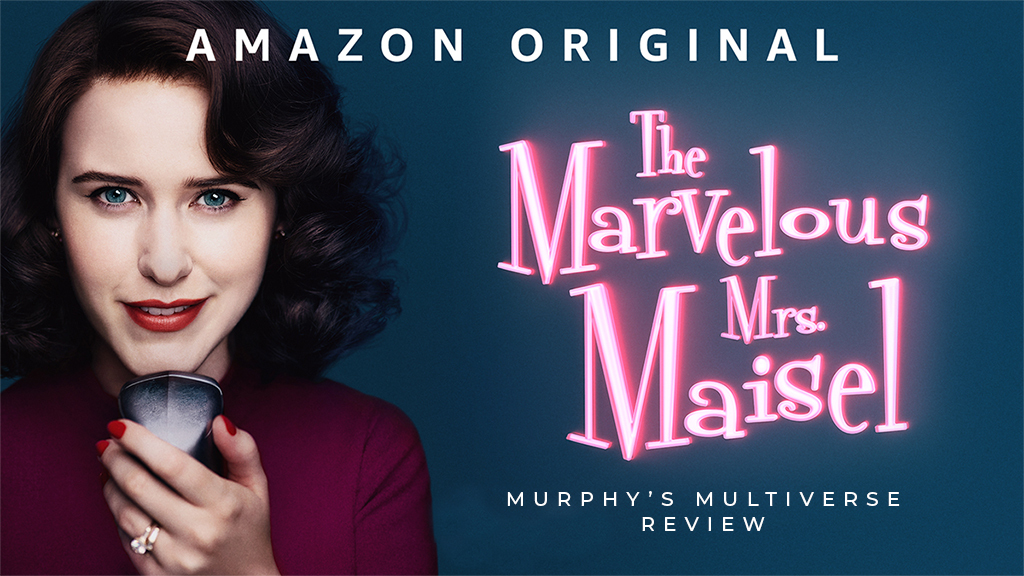
    REVIEW: ‘The Marvelous Mrs. Maisel’ Is Back and More Anxious Than Ever

    It feels like a lifetime since we last saw Rachel Brosnahan step on stage and grab a mic as the exuberant, crowd-pleasing Mrs. Midge Maisel. A lot has happened in the real world since 2019’s excellent third season aired, and fans of the show are no longer who they once were. Where there was once cool determination towards fast-paced success, there is now loads of anxiety surrounding an uncertain future. Many post-pandemic projects have tackled this newfound era of global turmoil with on-the-nose allegories, while others have chosen to ignore it completely and embrace the concept of escapism. The first two episodes of The Marvelous Mrs. Maisel‘s latest outing have taken a more subtle approach, opting to reflect the current state of affairs with a fresh tone that puts Midge and Alex Borstein‘s Susie Myerson on a new path of personal apprehension.

    To be clear, it does this exceptionally well. It helps that the shift in the titular character’s mood is an organic offshoot of where we last saw her, having been kicked off a life-changing tour and left to mope on the airport tarmac. A moment like this leaves a lot of doors open, and what the writers choose for the character next becomes a defining moment in the show’s story. In the season’s first episode, Rumble on the Wonder Wheel, it’s a mental break not unlike what many viewers have likely experienced in the past few years. It’s self-doubt and self-sabotage meant to rationalize the blow of life falling apart and slipping out of one’s own control. Charmingly, it’s also how someone who really wants something can crawl out of their own gutter to go and get it. The season’s second episode, Billy Jones and the Orgy Lamps, is a wonderful flip side of the coin. Despite the darkness of everything our heroes must face, viewers are treated to the glimmer of light that comes from no longer caring to play the game. This batch of episodes sees Midge, and Susie, in rare form, and sets them up for a journey that promises a confrontation with questions they’ve never been asked before.

    Though the show may be venturing into unfamiliar emotional territory, its other signature hijinks remain gleefully intact. In particular, the pacing of each episode continues to be some of the best tempo work on television. Even in the slower, more dramatic moments, every comment made, sound created, and move taken fits together like a well-choreographed dance number. The natural chemistry of the show’s cast oozes out of every conversation, with dialogue rattled out at speeds that would make theater kids blush. It’s joyous watching sets brought to life by a machine that’s so well oiled, with steadily reliable tracking shots and visual color coordination that make it hard not to be engaged. If anyone thought Amy Sherman-Palladino‘s energetic production would lose steam heading into its fourth season, they should be pleased to find it’s more alive than ever.

    This is due, in large part, to the supporting cast. While Midge and Susie face demons, the rest of the gang bring the show back to the upbeat comedy that made audiences love it in the first place. There’s a great bit at the end of the season’s first episode that puts the series and it’s characters on the same level of blissful, beautiful, unaware chaos as It’s Always Sunny in Philadelphia. These are people with massive personalities, and much of the best humor comes from when innocent civilians are thrown in their way. In this scene and many others, Tony Shalhoub and Kevin Pollak remain the series’ underrated MVPs. Timing is everything in the world of Maisel, and these two have it in spades. Every line is delivered with neurotic perfection, bouncing off whoever shares the screen like a basketball on a concrete court. Michael Zegen is perhaps more likable than ever as Joel Maisel, who seems to be on the latter end of his redemption arc. The B-plot revolving around his new life as a club owner in New York’s Chinatown is surprisingly interesting, and more welcome than the show’s previous forays into his rollercoaster personal life. Along with Shalhoub‘s math teacher-to-art critic character journey, the series appears to be shaping into it’s final form as a story about people realizing what they’re truly passionate about.

    Speaking of final form, Season Four, so far, feels very much like the beginning of the end for this beloved series. While it’s possible it goes on for a little while longer, the essence of Rumble and Billy Jones is that the overarching story is starting to figure out where it’s going. From the very first, striking shot of the season’s open, it feels as though The Marvelous Mrs. Maisel may be headed toward her final act. Luckily, there’s still some ground to cover, and this new set of episodic installments promises to bring a whole lot of laughs, and maybe a few more tears before it’s all over.

  • REVIEW: ‘How I Met Your Father’ Episode 6 – “Stacey”

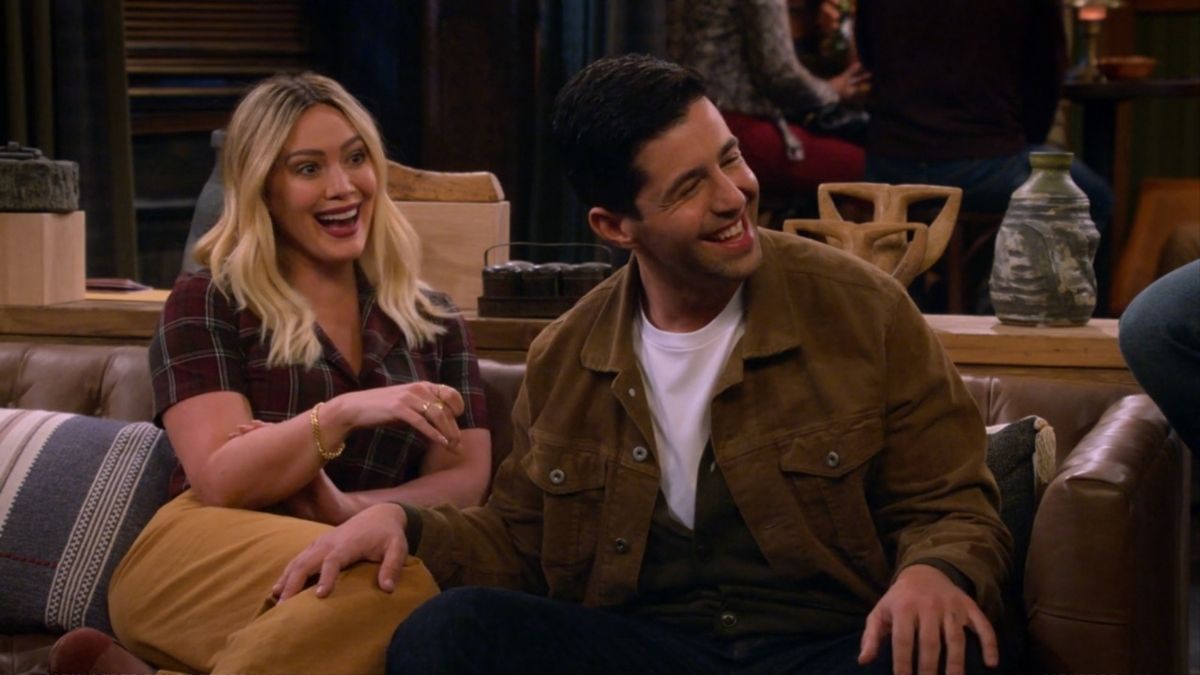
    REVIEW: ‘How I Met Your Father’ Episode 6 – “Stacey”

    Episode 5 of How I Met Your Father really upped the emotions and was a standout episode for the season. As a result, episode 6 had a lot to live up to in order to keep the show on a high. From an amazing emotional performance last episode to humor massively improving from episodes 1 and 2, I had hopes that the show would keep up and be able to meet that kind of quality for the entire second half of the season. Did Episode 6 continue on the great path?

    “Stacey”, the episode title, refers to Sophie’s current love interest’s ex-girlfriend because all sit-coms need that episode in the beginnings of a new relationship. To avoid spoilers, the man in question on this episode will not be named. He and Sophie are invited by Sid and his fiancee to a weekend out. Not having previously slept together, obviously, tensions were a little high.

    The episode did a really good job of focusing on the relationship aspect of the show. I have already said how well they have been developing the characters and relationships thus far; the show really dug into that this episode with each of the main cast members. From Sid and his fiancee dealing with their own problems, to Sophie and her current love interest dealing with some jealousy with the ex-girlfriend, and the rest of the cast having a dinner party, which ends up revealing many secrets about their relationships as well, it was all handled competently.

    As previously discussed, the emotional moments of the original show and how they were starting to come up on the new show as well matter. After last week’s episode, I thought they would surely save episodes like that for the end of the season, as most shows do. However, with the season only being 10 episodes long, I also felt they would be wasteful if they followed that since there really isn’t time for filler episodes that sitcoms are known for. Luckily, they did not nearly do what I expected, at least so far.

    If episode 5 was a standout memorable moment, episode 6 was a defining one. Sophie not only has an absolutely charming end to the episode when all loose ends are tied, but she also has a surprising moment with one of the other characters on the show (who I suspect is the true father). One moment that further develops the current relationship, and one that hints at other possibilities is one of the biggest things I loved from How I Met Your Mother, comes to How I Met Your Father and I am all for it. Always keeping viewers on their toes about the mystery of the aforementioned father is what the show truly needs to shine and keep viewers engaged and, so far, they have absolutely killed it. With one character currently winning Sophie’s attention, one that makes sense on a lot of levels, again, no spoilers, and one that has openly denied very unconvincingly that he is in love with her, there are so many possibilities.

    Humor also stayed on a high note in this episode. Multiple character moments had me giggling and some added environmental humor that,while a little corny, also managed to get a laugh out of me in the end. Add in a whole lot of banter from the cast and the show really feels like it is getting in a grove. Great sitcoms are a mix of good humor, memorable characters, and relationship development. How I Met Your Father already had the relationship development down; now, the memorable characters are getting developed perfectly. While some moments are still corny, or definitely will not age well, they are starting to work out those kinks, which makes me really excited for how the recently announced season 2 will help in that area even more.

    The second half of the season is really getting How I Met Your Father on a hot streak. With better humor, keeping up with the tremendous characters, and delivering absolutely stellar moments, the problems of the first two episodes seem so far away now, likely even to be more forgivable on a second watch-through, similar to season 1 of How I Met Your Mother. I truly hope the show stays on this path, I am absolutely loving how charming and emotional it is becoming, and with season 2 confirmed, I cannot wait to see what else this cast and crew are able to deliver with feedback in hand. The foundation is set for success on this show’s journey to be a great successor to the phenomenal original, maybe even being able to fix some of the original’s complaints, such as the often criticized final season. With only a few episodes left this season, I’m excited about where things are going. I just hope they can deliver on a season finale worthy of the twists and turns of How I Met Your Mother’s.

  • REVIEW: ‘The Cuphead Show!’ is Just a Golly Good Time

    REVIEW: ‘The Cuphead Show!’ is Just a Golly Good Time

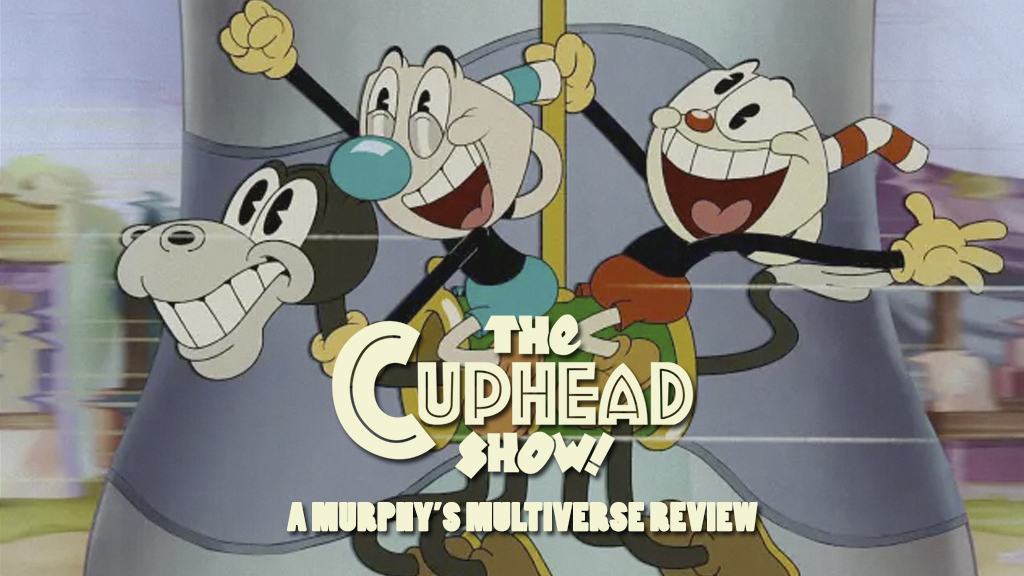
    An animated series based on MDHR Games’ popular indie darling Cuphead just makes sense. The entire premise of the game is that it’s inspired by classic Max Fleischer animation as the titular Cuphead and his brother Mugman accidentally owe the devil their soul and need to find a way to save themselves from damnation. So, it was such a no-brainer that someone would end up bringing it to life in its very own show and Netflix happened to be the one to do it. The only question is if they can create a compelling show based on a simple narrative that stays true to its iconic visual style? Luckily, The Cuphead Show! manages to do that and offer a golly good time.

    Yes, the core narrative remains with Cuphead and Mugman going on hijinks, especially with the Devil playing a recurring role throughout. Yet, the biggest difference is that the series isn’t focusing primarily on an overarching narrative, but rather focusing on small vignettes that continue to build up the challenges our unlikely duo have to face. The first episode pretty much gets the essentials out of the way in a fun and entertaining way to unshackle itself from the games it adapting. The second episode seems specifically made to catch you off-guard if you’re expecting a one-to-one adaptation.

    The one thing it remains mostly true to the original lies in its animation style, especially the show’s character designs. As you’d expect, they translated perfectly to an animated format and they give them quite a bit of personality. I will complain that it doesn’t fully commit to the rubber hose style – ironically the opening seems to embrace it more with a catchy theme song – but it definitely feels like a modern take on it. Yet, the animators did add some small animation flourishes that call back to that era to meld it with the modern elements. There is some great use of 3D in this series that feels like a call-back to some great 3D models used in the game.

    I was surprised by how restraint the show is as an adaptation. Normally, there’s this bizarre need for any adaptation to shove every possible iconography from the franchise into a short amount of time, but the series doesn’t really focus on that. Hell, they even twist and turn some iconic characters like King Dice to better fit a straightforward narrative rather than strictly sticking to what we saw in the game. They even include some new characters to add diversity and catch you off guard, or even give characters like Elder Kettle a personality besides a walking-talking tutorial.

    The show wouldn’t work without our two main protagonists, and the dynamic is a simple but effective one. Mugman is the cowardly but level-headed brother while Cuphead is quite the oblivious rascal. I enjoyed that these characters are flawed but well-meaning, which made you enjoy the events that started to uncover. Tru Valentino and Frank T. Todaro definitely are having fun with these roles, and the time-fitting accents just add to its charm. My other personal favorites were Grey Griffin‘s Miss Chalice and Luke Millington Drake‘s Devil, especially the latter just seemingly had a blast with the role.

    Each episode offers something a little fun and special, but I will say the show doesn’t reinvent the wheel or truly blow your mind in any way. In a way, it never really has to and still manages to be among the best adaptations of a video game. I am looking forward to more and definitely would give it a rewatch if I feel in the mood to just have some fun. My biggest complaint may be that the ending of the series seems a little out of nowhere. The prior two episodes actually build upon each other only for the finale to have a completely new storyline and character. It may be the only time I was scratching my head on why they suddenly went this direction throughout the show.

    Sometimes a show doesn’t need to reinvent the wheel and just offers a good time mixed with some great animation. The series pays tribute in clever ways and knows exactly what it is going for. Running gags, great performances and a lot of heart carry this show that doesn’t restrict itself to a specific storyline outside of continuity. Anyone who loves animation will have a blast and fans of the game will surely enjoy seeing these iconic characters brought to life. The Cuphead Show! is exactly what is advertised and you won’t regret your time with it.

  • REVIEW: Four Parts in and ‘Disenchantment’ Remains Unfocused

    REVIEW: Four Parts in and ‘Disenchantment’ Remains Unfocused

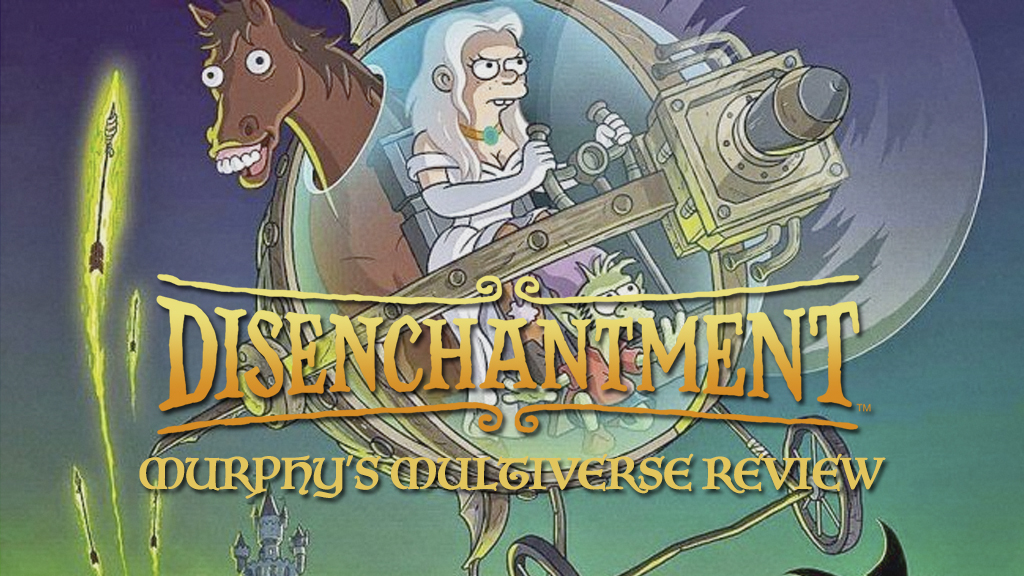
    The title might seem harsh but there’s something bizarre about Disenchantment. The fantasy series from the creators behind Futurama and The Simpsons tried to offer a different take on the fantasy stories we grew up with. We follow the ragtag team of Princess Bean, Elfo the Elf, and Luci as they embark on various adventures throughout the fictional country of Dreamland, Steamland, and whatever location they can smack the ending of “-land” onto. We’ve now gotten the fourth part – which seems to be the ending of its second season – and somehow the show still feels like it hasn’t changed much since the first episode.

    To be fair, the series mostly explores new storylines with each episode. It adds some variety throughout the ten episodes that are given as Bean escapes from Hell, we explore Elfo’s past, she gets a new half-brother, and whatever the writer’s room could think of. The diversity that still feels like it’s part of this universe remains, and it does make for a fun watch. Yet, most of your experience will depend heavily on if you enjoy the core cast and their shenanigans.

    That’s kind of the best way to describe the entire experience. It’s nothing more than shenanigans, as episode after episode things just seem to happen. There are teases of a core narrative with Bean’s mother Sharon Horgan‘s Queen Dagmar is always a delight when she appears, but the core narrative seems to just come and go however it pleases. There’s definite world-building at play, but it always takes a backseat throughout most of the adventure.

    There’s a big emphasis on John DiMaggio‘s King Zøg finally recovering from the events from the last part as he lost his mind. He does end up recovering but pretty much ends up exactly where he was a few seasons ago. It just feels like characters yo-yo in their character development, especially when what they say simply doesn’t reflect their actions. Bean and her father pretty much repeat the same “lack of lessons” for the sake of comedy that downplays some more heartfelt moments throughout, especially with the return of Ursula.

    Bean is affected the most, as while she’s certainly calmer than she was before, most of her actions are still the same. Abbi Jacobson gives a great performance as always but there sadly isn’t much to her character outside of her issues with her mother, who is always a few steps ahead of her. It gets to a point that it is way too predictable that you can see it coming from a mile away.

    Elfo finally gets an origin story and it’s mostly what you could’ve guessed from the fact he was the only green elf. Not sure why as even his mother isn’t green but the revelation was pretty much what you expect from the first time it was hinted at some time ago. That’s kind of the thing, there’s nothing really surprising about any of the “major” reveals. They spent so much time foreshadowing it that the revelation is not something to sweep off your chair.

    There’s a disconnect between building upon its mythology and the episodic nature of every story. We get introduced to concepts that end up not mattering later on, such as the whole plot point from the opening of the episode. The best part of this series so far is the romance between Bean and the mermaid Mora. Yet, even that isn’t explored outside of minor instances throughout. There’s the potential of a great story at play here but the show can’t decide what they want to focus on.

    There’s still some fun to take from the story, as there are some great comedic moments, and it works well as something you can watch on the side. “Last Splash” still remains the best episode of the series and sadly nothing in these new ten episodes could hold a candle to it. While Mora still plays a central role in Bean’s development, it just seems like the season wanted to return to somewhat of a status quo rather than continue to push forward.

  • REVIEW: Darkness Reigns and Heroes Rise as ‘The Legend of Vox Machina’ Continues

    REVIEW: Darkness Reigns and Heroes Rise as ‘The Legend of Vox Machina’ Continues

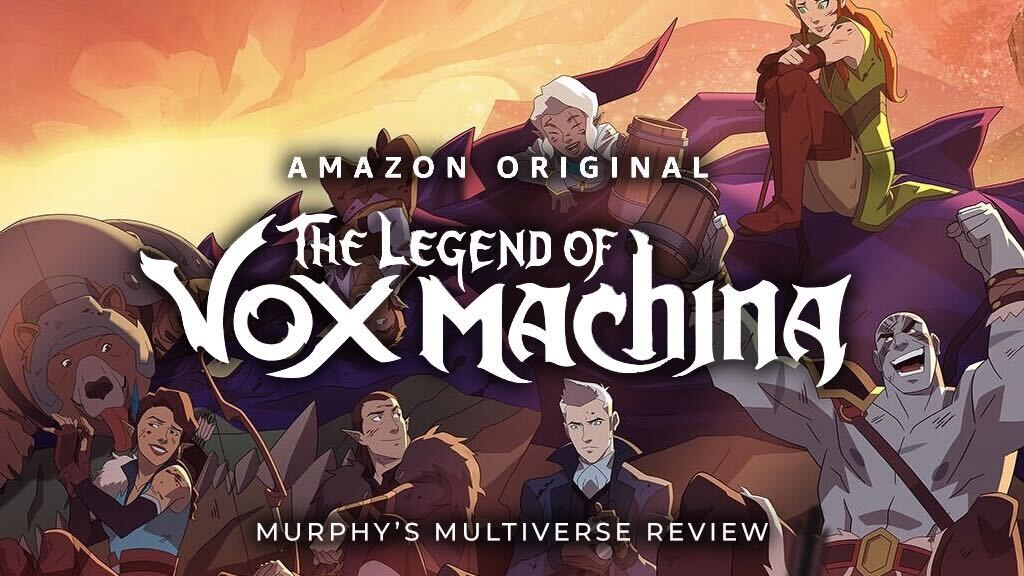
    When the first half of Amazon Prime’s The Legend of Vox Machina came to a close, it really felt more like a new beginning for the animated series. The violent, raunchy hijinks of the show’s intrepid protagonists had made the initial mish-mash of adventures a fun watch, but building tension and a genuinely surprising mid-season cliffhanger seemed to be promising something different was on the horizon. In its latest batch of episodes, the series delivers on this promise with exciting confidence and a whole lot of gravitas. After taking its time to introduce its audience to a wide cast of characters, and the expansive world which they inhabit, the series dives headfirst into tightening loose ends and streamlining its story. This allows for some wonderful growth on the part of a handful of leads who felt stagnant in previous episodes, while still leaving room for more developments to come.

    Vox Machina‘s continued run is, by nature of its own plot, also quite a bit darker than what viewers will have seen prior. This is by no means a bad thing. While the series’ general gimmick, having been based on the tabletop antics of jovial friends, would seem to imply a lighthearted adventure, the latter half of this season is going in very much the opposite direction. Franchise creator Matthew Mercer and voice acting staple Grey Griffin delight in causing chaos as the merciless Briarwood couple, who serve as genuine, anxiety-inducing antagonists.

    A combination of their immense bloodlust and a never-ending supply of monsters lends itself to creating a darker tone and balances surprisingly well with the comical dialogue often spewing from the mouths of the titular group. For example, a massive horde of the undead makes it possible for the leads to maintain and bounce their charming chemistry off one another while keeping the stakes fairly high. It also allows for the series to keep up a constant stream of its increasingly signature violence in some of the most creative ways it can imagine.

    An eerier tone brings with it a renewed sense of drama, with the new episodes wasting no time to capitalize on the dramatic final reveal from the ending moments of the season’s sixth entry. Fans are gifted with a litany of new information about Taliesin Jaffe‘s Percival de Rolo, whose origins have quickly become the emotional crux on which the series thrives. The fleshing out of his character comes at exactly the right time, shining a light on why exactly it is we should care about him and his objective in the first place.

    Not to mention, a lot of it is just really cool. Vox Machina does an excellent job of mixing nerdy clichés with actually well-done character progression, leading to several moments that are both rewarding and joy-inducing. Thankfully, Percy isn’t the only character who gets a promotion in storytelling. The first half of the season featured not one, but two gnomes with somewhat flat development. Obviously, it’s unfair to claim a character lacks dimension before a full set of episodes has even aired, and Vox Machina proves to it’s audience why.

    Ashley Johnson‘s Pike Trickfoot felt like a hero meant to be a fan favorite, but her lack of contributions to the team and the continuous sputtering of her abilities left her character trailing behind the others. Luckily, her side quest pays off in a big way when the series returns, giving her the big moment it always felt like she would have down the road. Sam Reigel‘s Scanlan Shorthalt was in a similar predicament. Though always good for a dirty joke and a hearty laugh, it never quite felt like he had as much depth as some of his fellow companions.

    Here, however, the rockstar bard gets an episode all to himself and rises to the occasion in a way that cements him as a genuine article going forward. Some of the leads who flourished in the spotlight earlier in the show get to take a backseat for a while, but this will prove to be worth it in the long run. By the time the show begins hurdling towards its finale, the audience will have an emotional connection, and familiarity, with each one of its protagonists. With any luck, this means the final three episodes will be able to take all of what we’ve seen so far and wrap it up with a nice, hilarious, bloody bow.

  • REVIEW: ‘Peacemaker’ Episode 7 – “Stop Dragon My Heart Around”

    REVIEW: ‘Peacemaker’ Episode 7 – “Stop Dragon My Heart Around”

    Peacemaker’s penultimate episode resolves one of the two major series storylines, which exposes the strength of the Auggie storyline but also makes it feel like it was gone too soon. Stop Dragon My Heart Around hits peaks in terms of emotional impact with Peacemaker’s relationship with his father and leaves the Project Butterfly plotline as the clear, ultimate threat for the finale. 

    The Auggie/White Dragon/Peacemaker’s dad storyline turns out to be quite the sleeper. After being almost exclusively a racist piece of garbage on the sidelines, Auggie steps into his White Dragon supervillain suit one last time to kill his son. While from the series alone it is not entirely clear what exactly the White Dragon got up to in his prime, now is apparently his moment to rock a killer suit while lightly jogging through the woods with an army of discount white-pillow-case-wearing skinheads. While pretty cool to look at, a more keen eye would notice that the White Dragon suit is more reminiscent of a KKK-inspired Frank rabbit from Donnie Darko.

    The ending of the White Dragon story packs more of a punch than anything else in the series. While Peacemaker’s dad was interesting until now, his role was mostly to passively provide context for Peacemaker’s existence and redemption. Early in this episode, we get the full picture of how Peacemaker caused his brother’s death when they were children, providing ample motivation for Peacemaker to do what he does—unceremoniously and abruptly execute his father. The cold nature of the killing combined with the emotional impact it clearly has on Peacemaker is a wonderfully-staged moment where the character truly has to decide who he is. It is underscored by conversations throughout the series that Auggie is beyond all saving, yet Peacemaker could never kill him. Considering that Peacemaker is simultaneously coming to terms with how he does not want to kill anyone, it’s a very strong moment for Peacemaker.

    At this point, it is all too clear that the Auggie aspect of the series carried likely much more weight and impact than pretty much anything else going on. It feels a bit like there is lost potential—had this storyline been given more attention the combination of the darkest corners of White Dragon, the brightest spots of Peacemaker, and the greyest spaces of the real world surrounding them could have been electric. Giving a relatively new character a white supremacist-based story (one where he willfully ignores his dad’s famous racist beliefs and crimes) right off the bat probably is not the best strategy. But it just doesn’t fully find its place within this series, which is a shame. 

    While the Butterfly Project plot is off to the races, it still is not exciting. And now, compared to the resolution of its companion plotline, it looks even less inviting. As generic as it has felt, Murn’s death this episode is it at its best. After butterfly Murn got a bit more of the spotlight last episode, it feels like it matters a bit that the character is gone. The final moments with Murn as the sad and crumpled butterfly are actually heartbreaking, even if only because we have more sympathy for a dying animal-type creature than a human. Either way, Murn’s death is a classic “we’re really a team now” tragedy—Phil Coulson would be proud. 

    While Episode 7 is strong, a few elements of Peacemaker still feel out of place. Top of that list still is Judomaster, who once again ends up unconscious after fleeting moments of screen time. The character is great, but what is his point? How is he related to anything other than working as security for the Goffs? Why did he “ding dong bitches” our main team after hanging out at a gas station? Another is Adebayo and her Amanda Waller connection—it is too significant of a thing to not have greater meaning or consequences, but it has only served as extremely minimal background information for Adebayo’s character. Amanda Waller is a major character in this universe, but quite frankly, Viola Davis herself is on another level. Surely cameoing in a FaceTime conversation is not the full extent of her involvement. 

    Honestly, the finale of Peacemaker might end up being less interesting than this episode. The penultimate installment rightfully draws a hard line between its two stories but it ends up highlighting the strength and the greater potential of the one it ended. Project Butterfly as we know it falls short in comparison, but perhaps it still has some meaningful surprises up its sleeve. The finale is set to feature some violent, over-the-top, last-stand-type action no doubt, which could be phenomenal. In any event, after Murn’s death, Task Force X is in its best place in terms of team dynamics going into the final battle. 

  • REVIEW: ‘How I Met Your Father’ Episode 5 – ”The Good Mom”

    REVIEW: ‘How I Met Your Father’ Episode 5 – ”The Good Mom”

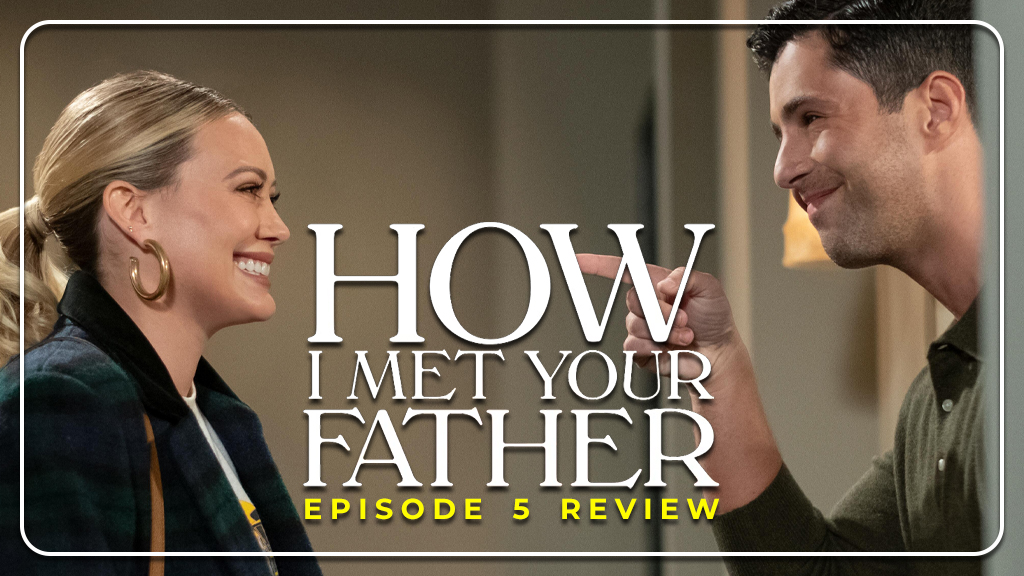
    How I Met Your Father seems to be off to a great start. Each episode so far has been better and better, aside from episode 4 being a bit of a slide in quality. Episode 5, entitled “The Good Mom”, is exactly as you’d expect: about Sophie’s mom. Obviously How I Met Your Mother explored similar ”parent” episodes, like Ted learning of his mom and dad’s divorce and the beginnings of their relationship basically being a mirror to that of Ted and Robin’s. I do feel that just like before, How I Met Your Father is seemingly borrowing tropes and plots from the original, but adding new spins to make them their own. Episode 5 is a perfect example of this.

    While the episode had antics from the rest of the cast, it was obviously focused on Sophie and her relationship with her mom. What started out as what seemed like a traditional happy mother-daughter relationship developed further and further as the episode progressed. As Sophie learns more about her mom, she starts to think back on moments of their life, ultimately getting a clearer picture of what was going on when she was young. The relationship, although only being developed over one episode, truly felt like one of the most developed relationships in the show so far. I hope to see the mother again, as the history there is very interesting to Sophie’s development. I’m glad the other characters had a bit of a light story to the episode, with most of the cast trying to get over their fears, and Valentina being attached to Sophie for the duration of the episode, it really gave Sophie and her mom time to shine.

    I always think back to How I Met Your Mother, not for the humor, although funny, but for the emotional moments that truly made the show great. The ones that shook a character to their core. Spoilers for How I Met Your Mother, but Barney and Robin getting engaged, Ted reuniting with Victora, the countdown to Marshall’s dad dying. Those are the moment that made the show stand out. This episode was one of those moments for How I Met Your Father. The episode developed Sophie’s character and made her finally do something for herself, as we learned was hard to do for her when it involved her mom. I absolutely loved the moment she took that leap, and as a result, the moment she shared with Drew at the end. I walked away from the episode with the same smile and reaction as I have had with those favorite episodes of mine from the original show, and that was the moment that this evolved for me from a sitcom recapturing the feel and tone from How I Met Your Mother, to a proper successor that deserves the fan’s attention.

    Although having a rough start, I truly feel audiences should give the show another chance at this point if they have dropped off. This episode has me excited for this story to unfold more and more. If they can have a great episode like this in the first half of season 1, and so quickly developing the two characters involved in this moment with Sophie, I can only imagine what is in store for us as more relationships evolve, grow, end, and deepen. Sophie’s love story seems great, although it is early, she is a very easy character to cheer for, similar to how Ted immediately grasped me. Her ability to build with the rest of the cast seamlessly, and have deep and impactful relationships with them, has me clapping for the writers, as well as Hillary Duff for her performance. Although there have been some questionable acting in the show so far, I do find Sophie’s character charming and ultimately a great showing.

    I am definitely excited for the future of the show, one good episode is all it takes for a show to start to grow, and I feel like this can be that episode for the show. I hope they can capitalize on that feeling for the second half of the season. There are still so many plot threads currently dangling in front of us with no resolution. I cannot wait for them to be explored. The show is shaping up to be an early favorite of mine for 2022, and if it can keep up with episodes like this, maybe it might stay in my favorites.

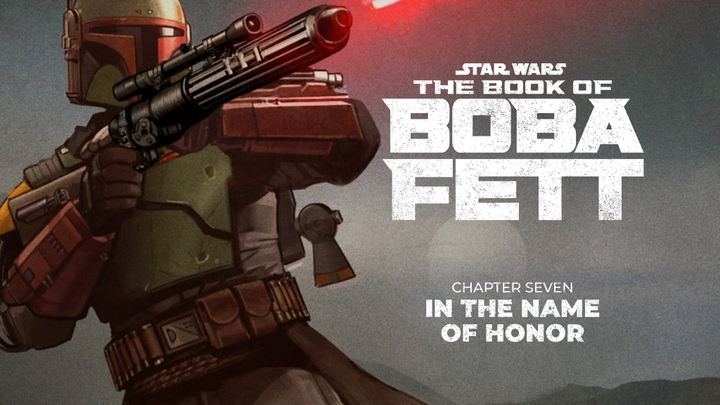
  • REVIEW: ‘The Book of Boba Fett’ Chapter 7 – In The Name of Honor

    REVIEW: ‘The Book of Boba Fett’ Chapter 7 – In The Name of Honor

    The Book of Boba Fett finale has arrived and I continue to struggle really getting a feeling for this series. We’ve spent so much time with Din Djarin in the last two episodes that it feels somewhat disconnected from its titular character. He does get moments to shine and Temuera Morrison made me like this once silent character quite a bit, but he never really gets long enough to fully realize an arc that wasn’t overshadowed by development hinted at in flashbacks. The Mandalorian’s open plotlines completely took over the series that it could’ve gone with a different title and I may have an easier time with digesting it. Yet, the finale left me with joy, confusion, and uncertainty about the various spinoffs in development from The Mandalorian.

    I will jump into quite a few spoilers from the episode, as avoiding them would make it difficult to discuss the many aspects of this episode. So, only continue reading at your own risk if you haven’t seen the episode yet.

    So, the strongest moments of the series from an emotional standpoint are primarily given to Din once again. Grogu made the decision we all kind of saw coming, but him jumping into his arms probably broke me way more than I ever thought it would. Pascal manages to sell the emotions once again even as he continues to keep the helmet on at all times – making Boba’s love of taking it off a funny contrast. The little guy actually gets some character development, as he easily utilizes his powers now that he is united with his father figure once again, which makes you wonder if Luke counted on it to some degree. I do wish we had some time with him looking back on letting the promising student leave, but the show doesn’t really give us much outside of R2D2 flying the X-Wing.

    I think the highlight of the episode was seeing Boba and Din fighting alongside each other, especially as they took flight with their jetpacks early on. They did end up getting overrun, which was a little annoying but made sense given just how many people they were facing. It also gave the Freetown people a chance to come in and confirm they are here to help. I confess I didn’t care much for the Mods and was surprised they got as much focus as they did in the episode. Krrsantan, however, I was really worried about losing, as the character just got introduced in live-action and didn’t want them to just kill him off but alas he lives to see another day.

    Can’t say the same about Cad Bane. Their first confrontation was great, as Bane started toying with him and just outright confirming what we all suspected with the Tusken Raiders. He’s a strong presence and the show knows how to make use of him, but it made me wish he was actually present throughout way more. Yes, the Pykes are technically the actual villains but did anyone really care when their leader was taken out? Outside of making Fennec Shand look awesome, it was more a way to close some loose ends, which highlighted just how disconnected they were from the actual narrative arc.

    And then, in their final confrontation, Fett gets his ass handed to him after calling Bane an old man. It was a funny bit of irony considering Morrison‘s age, but it didn’t quite feel like a duel but rather a one-sided confrontation until our titular hero got his second wind. I will say that him defeating Bane with his Raider stick from earlier in the episode was great, it was such a shame they just introduced the character into live-action to kill him off the next episode. There are theories he may have survived, as his “you’re a killer” line was the core aspect of this conflict but it doesn’t add much to either character.

    We finally got the payoff of Boba riding the Rancor. Was a great moment, especially love the shot of him on top, and the sequences were well-done if you consider that it’s a TV series. The Prequel-inspired droids added that extra level of detail and made the Pykes an actual threat outside of their numbers. I do wish they just embraced the original ones from the films, but the larger ones make sense given that it’s about showing off the Rancor. I still wish though that we spent time between Boba building a relationship with his newly acquired pet to make that pay-off sink in even better.

    Speaking of, that kind of summarizes my thoughts on the finale. There are strong moments throughout but nothing feels very earned outside of Din’s arc given the least two episodes and two seasons of an entire show were dedicated to it. His reunion with Grogu is sweet but will be quite confusing for viewers of Season 3 that skipped on Boba Fett thinking it’s just a separate storyline. Some of the action was a bit wonky, even if I enjoyed the concept of Fett riding the beast – and even a tease of Din trying which might be another hint at his role within Mandalorian mythology – but it’s more spectacle.

    I wanted to see Boba confront the Pykes on the death of those that were his family. Even one or two of them returning to give a glimpse of hope for the character would’ve gone a long way to avoid the trope that it already was. Offer us a hint that them stopping the Spice trade actually made a difference, cause we never really learn how it affects Tatooine’s climate. Water springing from a well that has been dry for ages would add so much more to this story that was stockpiled with cameos and a sincere lack of focus.

    Even the post-credit sequence had me scratching my head. We didn’t get a clear shot of Cobb Vanth in the Bacta tank – who knew that was a set-up all this time – but a clear hint he’ll be revived similar to Shand. So, that part of the flashback did get paid off here finally, but it still leaves you with questions. It seemingly is hinting that he might take over the role that Boba is currently holding, but there’s no clear indication of where his character is going. He seems likely to return for a future Mandalorian episode, but a second season primarily focused on Boba would really help this series in my opinion. I didn’t hate it, I quite enjoyed my time with it but it’s less a book and rather a footnote of the Star Wars mythos.

  • REVIEW: ‘Peacemaker’ Episode 6 – “Murn After Reading”

    REVIEW: ‘Peacemaker’ Episode 6 – “Murn After Reading”

    In the latest episode of Peacemaker, the Butterfly Project plot takes center stage and begins to envelop much of the series’ story, which is a welcome change of pace that gives the final leg of the series significantly more plot momentum than it’s had in the previous five episodes. This story development and the laughs from the Vigilante-Peacemaker dynamic make Episode 6 one of the most enjoyable episodes of the series. While inner-character turmoil acts as a strong undertow for the episode, unfortunately, Peacemaker’s main arc fails to meet its own expectations.

    “Murn After Reading” continues to intensify its redemption theme for Peacemaker’s titular character. Peacemaker is continuing to vocalize that he does not actually want to kill people anymore. Whether it’s the fact that he can’t stomach Murn’s creepy friend murdering unconscious people or dramatically playing the piano, one thing is for sure—the guy has feelings. On one hand, the series is pushing a generic and fairly expected “he’s a good guy now” story. The fact that that is so standard on its own is a bit of a disappointment given the show’s propensity to try and push barriers and comic book media norms. 

    On the other hand, this arc was built to be pretty easy and flat for our main antihero. While the series assumes you know every detail of Peacemaker’s development of The Suicide Squad, the supposed super-killer actually doesn’t do much of that in the series itself. He hasn’t killed anyone that wasn’t a butterfly and has hesitated from the beginning. So, the fact that his change of heart takes up as much space as it does, it’s monotonous. 

    The actual inner turmoil moment that gleams in this episode is Murn’s mini-monologue after confessing that he is a butterfly. Luckily, after the last episode’s cliffhanger ending, the knowledge that Murn is a butterfly does not remain a lingering issue for more than a few seconds — he is a butterfly working for the greater (human) good. His emotional recognition that he took from his host (a very bad man, apparently) even something as hypothetical as the opportunity to change hits harder than Peacemaker’s personal revelations. Chukwudi Iwuji’s moment better encompasses the “I have feelings, but killing is necessary sometimes” theme.

    Vigilante is still the best character of Peacemaker. The character’s scenes, dialogue, and interactions with Peacemaker and Butterfly Goff make Episode 6 a genuinely funny episode, even compared to the rest of the series. If Freddie Stroma’s character went away, Peacemaker would have a huge absence that seems like it would be difficult for the series to overcome. 

    So while Peacemaker’s character arc feels generic, Murn and Vigilante are star players that shine and give Episode 6 the extra coat of paint that it needs. Probably the best moment of the episode—and series—comes when Eagly starts homicidally divebombing police officers. Hopefully, more gloriously CGI Eagly moments are to come in the final two episodes.