Tag: TV Reviews

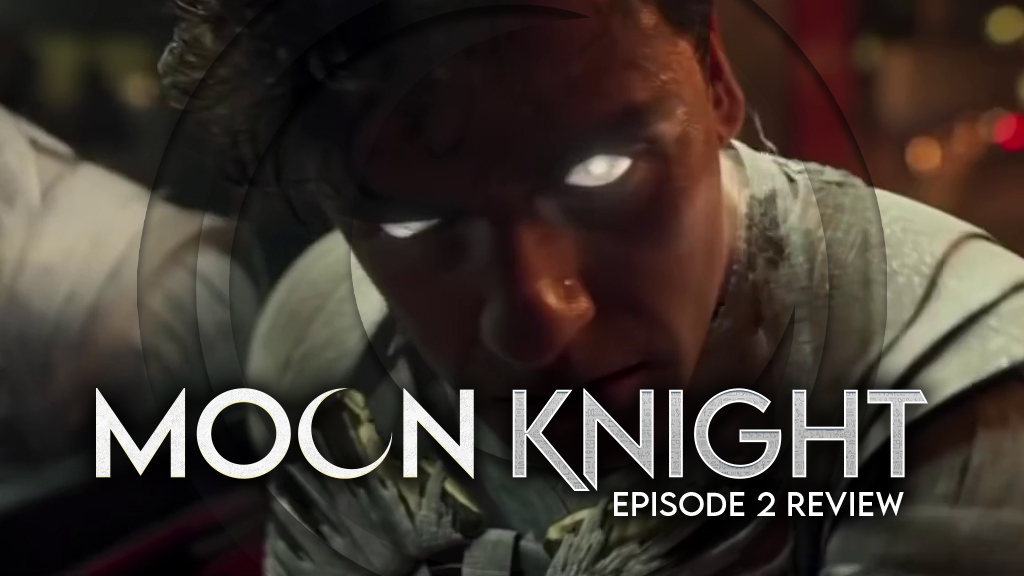
  • REVIEW: ‘Moon Knight’ Episode 2

    REVIEW: ‘Moon Knight’ Episode 2

    The second episode of Marvel Studios’ Moon Knight follows up Episode 1’s prologue with masterful pacing and at least the fundamental pieces of a plot. While the caped crusader’s concept might leave a bit to be wanted in this episode, Oscar Isaac absolutely shines in the main role as both Steven Grant and Marc Spector. While overall Episode 2 shows that the series has its rockier components, it truly excels as a character piece with the backdrop of a darker, peculiar story of Egyptian gods and their human employees. 

    While the last episode found Steven Grant in a mysterious and confusing situation, Episode 2 begins to lay out, presumably, the series’ plot. It does not spend much time mincing words that Marc Spector and Steven Grant exist in the same body. We learn that Marc and his (separated) wife, Layla, have been working together to track down the golden Scarab, which seems to act as a guide to the Egyptian god Ammut’s lost tomb. 

    All of that matters because Marc is the avatar of the Egyptian lunar god Khonshu. In other words, Marc is Khonshu’s muscle on Earth. Ethan Hawke’s mysterious cult-leader villain, Arthur Harrow, is apparently a former avatar of Khonshu’s. His disdain for Khonshu’s methods led him to worship Ammut, who supposedly can eradicate evil before it is committed. Harrow essentially embodies the classic debate of whether it is moral to punish someone before they do something if you know it’s coming. He has a magic cane at his disposal that seems to sense whether people are worthy of living and can also open up some sort of portal to the underworld. 

    We also get a glimpse of Khonshu’s personality—he’s not particularly respected by the other gods, likes to throw temper tantrums, but also chooses avatars with strong moral compasses. Marc and Khonshu seem to have a fairly rocky relationship, each resenting the other but seeing one another as necessary. Layla comes into play not only as a worthy partner in all of the madness but also as part of Marc’s motivation to serve Khonshu—apparently, the moon god is eyeing Layla as his next avatar and Marc’s replacement.

    While all of that seems nutty to explain, what makes it even more interesting is that the Egyptian god plot is mostly the foundation that the true story about Steven and Marc plays out on top of. But yes, Marc does moonlight as a costumed hero-type, presumably known as Moon Knight. It is revealed that Moon Knight is merely a costumed Marc, rather than a separate personality like he often is in the comics. Plenty of fans may be a bit disappointed by that, but it highlights the Marc-Steven dynamic in such a strong way. As explained, Steven is also technically the Fist of Khonshu, but when he attempted to summon his Khonshu-divined armor, he ends up looking like an all-white bank robber in a suit. 

    Mr. Knight, who also isn’t actually named at this point, is similarly just a dressed-up Steven. Honestly, it’s a pretty genius way to fully develop the two personalities. Steven’s vigilante comes out as an odd, sort of awkward, out-of-place character in contrast to Marc’s hooded and caped persona. Both personalities get to play out as avatars of Khonshu, which makes their roles much more potent than if they were competing with a separate Moon Knight.

    The great news about those roles being so meaningful is that Isaac is phenomenal in his portrayal of them. The use of mirrors and reflective surfaces is a smart way to allow Marc and Steven to be in constant bickering communication without awkwardly adding in another off-screen voice or bulking up the screen with a second “imaginary” Oscar Isaac. The way Isaac just changes his face while switching alters is exquisite. And he wears each face so convincingly, without much help from outside influences like makeup or effects. The two personalities also interact with each other in such a grounded, realistic, but intense way that seems appropriate for two people unhappily and unwillingly sharing the same body. 

    The pacing of this episode is absolutely phenomenal. It moves fast enough for everything to feel urgent and exciting, but it does not take all of its supernatural and complicated elements too far in any given moment. It does not seem like it would have been easy to make sure the human element stayed at the same solid stride with the gods, canes, and Scarabs. A major piece that is a bit off in the episode, though, is how much necessary Moon Knight background is completely skipped over. There’s definitely a benefit to not trudging through an origin story, but Khonshu and Moon Knight feel like somewhat minor side characters at times despite being—at least in theory—extremely important to Moon Knight

    The action scenes with Moon Knight and Mr. Knight also felt a bit off at times. There will probably be a lot of conversations about the quality of the visual effects, but overall the choreography at least felt decent. But the episode chose some odd moments to go into slow motion and it can come across as too forced. Mr. Knight fighting the invisible Jackal is fine until it isn’t, and eventually, Mr. Knight flailing around lost its charm without anything extra to sort of organize it. And yes—anyone dying to watch some “brutal” violence will likely not be satisfied.

    While some of the major changes the series makes from its source material will almost certainly disappoint fans, Episode 2 demonstrated that Moon Knight’s own strengths are vying to make up for that. While a history lesson with respect to Marc and Khonshu feels much needed, the episode moved at a very smooth, steady, and lively speed that makes the story much easier to be a part of and much more enjoyable. Isaac brings something truly special to his now dual role as Steven and Marc, and their dynamic is undoubtedly the heart of the series. 

    Moon Knight is now streaming on Disney+.

  • REVIEW: ‘Moon Knight’ Episode 1-“The Goldfish Problem”

    REVIEW: ‘Moon Knight’ Episode 1-“The Goldfish Problem”

    Moon Knight doesn’t hit the ground running as a superhero show. There’s certainly supernatural mystery in the air, but it is all very open-ended up until the actual Moon Knight reveal. We didn’t enter the realm of Captain America, Hawkeye, or even Thor, and it feels like the show exists in its own pocket universe within the greater universe. No one thing explains that feeling, but it certainly doesn’t rely on existing structures or even narrative themes and patterns. In that way, Moon Knight, if nothing else, feels fresh. The premiere episode certainly felt like a prologue and an introduction into some sort of outlier corner of the MCU. But the possibilities are practically endless.

    This is an episode about Steven Grant. Steven Grant is an awkward, kind of fumbling, lonely, cowardly guy. But he’s also quippy. And the consistent humor Oscar Isaac brings to the role is truly the bedrock of everything that happens around Grant. The funny personality type does sort of feel like the MCU—letting the underlying character shine with or without the suit. Moon Knight in this episode is still a far cry from being as dead serious as the character historically can be. Grant, who does not know what is happening to him here, is like a mirror to a viewer who also is meant to be in the dark. But he will help you laugh a bit too. 

    But the underlying story is without a doubt serious, and it’s heightened by not only the obvious supernatural evil presence of Ethan Hawke’s Arthur Harrow, but also by the suspense and tension of Grant’s mental state. While Grant’s other personality, Marc Spector, is not revealed until the end of the episode, the screenplay is brilliant to tease out areas where Grant lost control of his body to Marc. Grant sort of reawakens with jarring editing to a similar setting but with violence and bloodshed around him. While more than one personality of the main character will be explored over time, the episode’s focus almost exclusively on Steven Grant gives the series the ability to tell a Moon Knight story without starting from scratch while taking advantage of quite the character piece it has built right in.

    The larger sequence where Grant finds himself awakened in a foreign place, where he meets Harrow, emphasizes how important Grant’s mental narrative is to the show. While Harrow’s background and goals are still a mystery, using Grant as the lens into this particular moment of the story gets rid of the origin story lag. It also is designed to make the viewer question what is and is not real in the show, and that is an exciting bucket of worms that is so characteristic of the character in his comic book history. And while this episode still has to lay some groundwork, the series has the potential going forward to have some phenomenal pacing and tell a story without skipping a beat. While the costumed Moon Knight only makes a very brief appearance at the tail end of the episode, the quick transition to him and the final shot being him on the move does quite a lot in terms of setting up the rhythm of the series.

    Despite being fronted as an MCU superhero adventure, at this point, the series looks like a story about an unstable man who happens to find himself surrounded and overwhelmed by a foreboding evil plot involving Egyptian gods. The first episode of Moon Knight certainly shows off that it has the potential to be a very intriguing, suspenseful, and fresh story for the MCU. It can pretty much move in any direction, and that is not something a lot of comic book series can boast—it’s exciting.

  • REVIEW: ‘Moon Knight’ Is Everything The Marvel Netflix Shows Should Have Been

    REVIEW: ‘Moon Knight’ Is Everything The Marvel Netflix Shows Should Have Been

    There exists a version of Moon Knight in the streaming multiverse that sees a live-action version of the character anchored by the realism that served as the mantra for the Marvel Netflix shows. In this variant Moon Knight series, the story takes place in just a few alleyways, rooftops, and office buildings. Oscar Isaac’s Marc Spector is a rich guy who wears a makeshift vigilante costume that occasionally has psychologically dissociative episodes. The show then spends an inordinate amount of time reckoning whether these episodes are a manifestation of something more fantastical or maybe just a case of dissociative identity disorder, only for it to be ambiguously revealed in the final episode, alongside a costume.

    With Marvel Studios’ Moon Knight, the series not only exhibits a full understanding of the character’s rich and complex history but also unabashedly glorifies its weirdness in spectacular ways. And central to this understanding is the overall vision for the show, wherein series writer Jeremy Slater takes the comic’s superhero idiosyncrasies and synthesizes them with the globetrotting adventures of pulp forefathers. The character, relatively known to be tethered to the cityscapes and underworld of the Marvel Universe as Daredevil would, sees himself traverse the globe in a sweeping adventure of might, magic, and vengeance by virtue of Neil Gaiman’s American Gods.

    To bolster the series’ pulpy adventure sensibilities, directors Mohamed Diab, Justin Benson, Aaron Moorhead come together to craft the most gorgeous looking images this side of a post-Chloe Zhao era of Marvel Studios. Scenic panoramas of Jordan stand in for Cairo and are captured beautifully. It’s through these sweeping shots that the scope and scale of the show are inspired, immediately surpassing the purported global scope of The Falcon and The Winter Soldier. Elaborate and ornate sets of ancient Egyptian caves and tombs invoke a true sense of adventure and wonder, showing Marvel Studios’ commitment to immersing audiences in this unseen corner in the MCU.

    It’s taken Marvel Studios more than a decade to get to an era of Celestials, dragons, infinite multiverses, time-traveling, and now, divine pantheons. Slater and his team introduce the idea of Egyptian gods walking among mortals through their avatars, a concept so distanced from the alienification of Asgardians in 2011 that the early Thor films feel like embarrassments, and even take it a step further by pitting them against each other in a war to preserve their peace. When Arthur Harrow, an avatar for the imprisoned god Ammit, threatens to unleash his god’s ruthless judgment on the world, the moon god Khonshu strikes one final deal with his avatar, the mercenary Marc Spector, to stop Harrow. Unfortunately for Steven Grant, the hapless gift shop clerk living inside Marc Spector’s head, he knows nothing of this yet is inevitably drawn into this grand adventure against his will.

    Such a sweeping premise would not work without an entry point to ease audiences in and Slater makes perfect use of Marc Spector’s alter-ego, Steven Grant, to do this. Slater writes Grant as his own being, autonomous and independent of Spector, which in turn allows Oscar Isaac to treat him as a completely separate character. Much has been said and laughed about Isaac’s British accent in the early trailers and while it’s undeniably funny, it surprisingly manages to be sweet and endearing. Isaac gives Grant such a feeble presence that when the character is forcibly drawn to big superhero action moments, it’s highly entertaining. And when Grant is given his own agency as Mr. Knight as the season goes on, it pays off like a delight.

    As Khonshu’s primary avatar and the baseline persona of the character, Marc Spector is ironically sidelined in the four episodes sent to press, with only one episode heavily featuring him as the active persona. And in the handful of times Spector comes to light, it’s played mostly straight by Isaac. Spector is the persona most tied to the mythology of the narrative and has little to do but brood and scowl. For Isaac, Spector might be where he gets to do the least so it never matches the watchability of him playing Steven Grant. Even when Spector suits up as Moon Knight, it’ll be the arresting look of the costume or the comic flair of the fights that will leave audiences breathless, not Isaac. Nonetheless, key moments in the script that allow Isaac as Spector to go broad and bounce back between voices make it a worthwhile performance. Because of it, Moon Knight ultimately accomplishes the one thing its comics haven’t: making you care about the character’s personalities.

    Marc Spector’s alternate personalities make up the lack of ensemble but so do Ethan Hawke and May Calamawy. As Arthur Harrow, Hawke’s words beam with constant pain, darkness, and disenchantment. His past is enigmatic; a puzzle waiting to be deciphered and Hawke subdues heavy emotion to maintain the illusion. The text of the narrative does little to obscure the malice in Harrow’s actions yet Hawke’s performance makes you feel indifferent to them. Playing the leader of an ancient doomsday cult, Hawke rightfully channels the terrifying charm that makes real-world cults so alluring. Harrow displays warmth and compassion to his followers while also exhibiting a wealth of understanding about the world as he as experienced it. His convictions are fueled by his vindications which makes his endgame unwavering and righteous. A step is never lost as Hawke performs all these nuances.

    Calamawy’s Layla El-Faouly, an excellent reimagining of Moon Knight staple Marlene Alraune, serves as the foil for both Spector and Grant. While Spector is brooding and guarded, El-Faouly is brazen. While Grant is helpless, El-Faouly is efficient. Much of El-Faouly’s characterization is connected to her professional and romantic history with Spector. A renegade in her own right, the character boasts connections to the underworld that help Spector fulfill his deal with Khonshu. Calamawy has the thankless job of cushioning the whiplash from Isaac’s eccentric performances, something she does in stride.

    Grace is the word best used to describe Moon Knight’s fight sequences. The scenes lack the intricacy of the Bourne-era of action that modern action films/shows have tried to emulate nor are they concerned in recreating the viscera of Daredevil fights. Rather, Moon Knight displays an affinity for tapping into the iconography of the comic splash page; compositions of Moon Knight freefalling from a building as he throws a crescent blade at a chasing monster and Moon Knight backflipping in slow-motion as he takes several goons out take precedence over shaky-cam action. The lack of intense action may irk fans wanting more choreographed complexities, but the stylized fight scenes successfully establish the character’s pause-worthy screen presence.

    With a show as ambitious as Moon Knight, it takes a while for the pieces to fall together. The first episode functions like a glorified version of the trailer as it understandably trudges through the essentials that introduce Steven Grant’s mysterious predicament. The second episode, on the other hand, is quick to realize the full scope of the series. In just under an hour, the episode manages to bridge the gap between the street-level vantage point of the heightened, larger-than-life scope of comic books before dovetailing into a pulpy adventure. As the story continues, the tone of the series nimbly shifts from transgressive character study to unsettling thriller to slapstick superhero comedy to awe-inspiring adventure. The disparate reversals between Mr. Knight and Moon Knight are playfully realized. Much like the character, Moon Knight is a prism of clashing personalities that have no business being together but cooperate harmoniously.

    The streets of Marvel have come a long way from sluggish hallway fights, skirmishes with goons in parking lots, and blatant attempts to obscure anything remotely heightened. These days, the MCU has never been prouder of its weirdness and with Marvel Studios’ Moon Knight, the future of street-level characters has never been brighter and more ambitious. Moon Knight is an indelible benchmark in Marvel Studios’ playbook.

  • REVIEW: Parmaount+’s ‘Halo’ Pilot is a Decent Jump Pad for the Series

    REVIEW: Parmaount+’s ‘Halo’ Pilot is a Decent Jump Pad for the Series

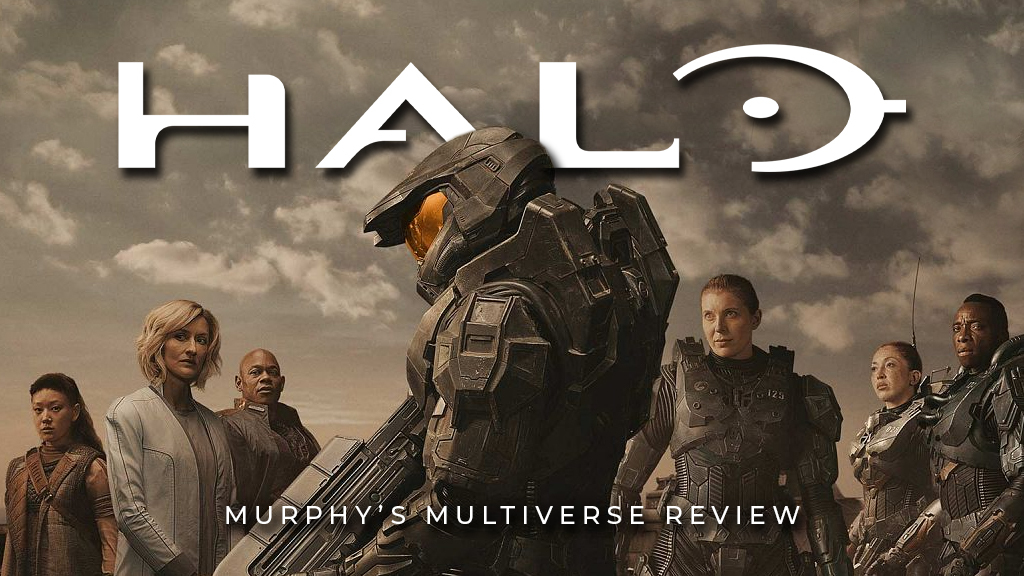
    After one of the most infamously long production cycles for a TV series, the live-action adaptation of Halo has finally arrived. Pablo Schreiber takes on the daunting task of bringing Master Chief to life in the Paramount+ series. Video game adaptations have always had an uphill battle, and with an IP as famous as Microsoft’s Halo series, it seems like a daunting undertaking. With hints that the iconic Spartan will also reveal his face for the first time, breaking a long-time tradition of the games, the project had quite a few eyes on it how it may bring the classic sci-fi series to life.

    One thing the series makes clear early on is that this isn’t a 1:1 adaptation of the original game series. Instead of going down The Mandalorian route of focusing on our masked main character, a lot of this episode’s story is told through Yerin Ha‘s Quan Ah. Not only does it ease us into the story while spending time with a human resistance faction trying to get by, but it also sets up a very different look at the Spartans. We spend the games through the eyes of Master Chief as he heroically takes on the Covenant. The UNSC is shown as a darkly flawed system with people in it willing to make sacrifices for others for the sake of their own goals. As such, the Spartans have also been twisted into something very different ahead of their initial introduction.

    It sets up an important dynamic between Ah and Schreiber‘s Master Chief later. We see a desperate organization trying to paint themselves in a positive light during the war, but making rather dark decisions. We get glimpses of some bigger storylines, especially one pertaining to Cortana and Chief’s relationship with Natasha McElhone‘s Dr. Catherine Halsey. Especially with the character’s actions later in the film, they are setting up a mysterious connection between the two and further exploring his humanity.

    The big opening action shot shortly after meeting Ah gives us a feeling of the series fight choreography and how it brings these super soldiers in the form of Spartans to life. It has some great moments, but some aspects of the action were quite rough. The Covenant look impressive and are translated pretty closely from their gaming counterparts. Yet, there are long stretches where the CG work looks rough and out-of-place. Some of the aliens just stand out in the wrong way and Master Chief jumping around at times seems too weightless. They were pushing the most they could out of the budget they have, but the CG work really could’ve used a bit more tweaking. Still, the action is easy to follow and we get some nice moments from the Spartan team.

    We even get a brief first-person callback to the game which was a bit gimmicky but was used as a way to show us how the Spartans see the world. So, it worked in more ways than just a neat Easter egg, especially with the payoff later on. The sound effects were a joy to hear, as we get everything from the way the Covenant’s weapons sound to Chief’s armor replenishing. While the team said they didn’t look to the games for reference, they did add in enough trinkets to keep those fans happy. The best part, the fan service doesn’t overshadow the actual story.

    The biggest selling point is Schreiber‘s Master Chief, as he does give us some softer moments with the character. He does show a lot of emotion through his helmet and after interacting with a strange artifact, we get to see him slowly break away from his bio-engineered programming. They are setting up an arc and the episode does end in quite a bold move that highlights this series’ new direction based around the original franchise’s lore.

    The episode length does drag at times due to the number of characters it’s trying to introduce and set up for later storylines. Some of the CG work could use some additional tweaking but it’s still great to see these designs in a live-action setting. Schreiber is the standout in the series’ pilot episode and I am excited to see where he takes the character moving forward. It’s a decent start and it’ll be interesting to see how they build up this new take on a classic franchise.

  • REVIEW: ‘How I Met Your Father’ Episode 10 – “Timing is Everything”

    REVIEW: ‘How I Met Your Father’ Episode 10 – “Timing is Everything”

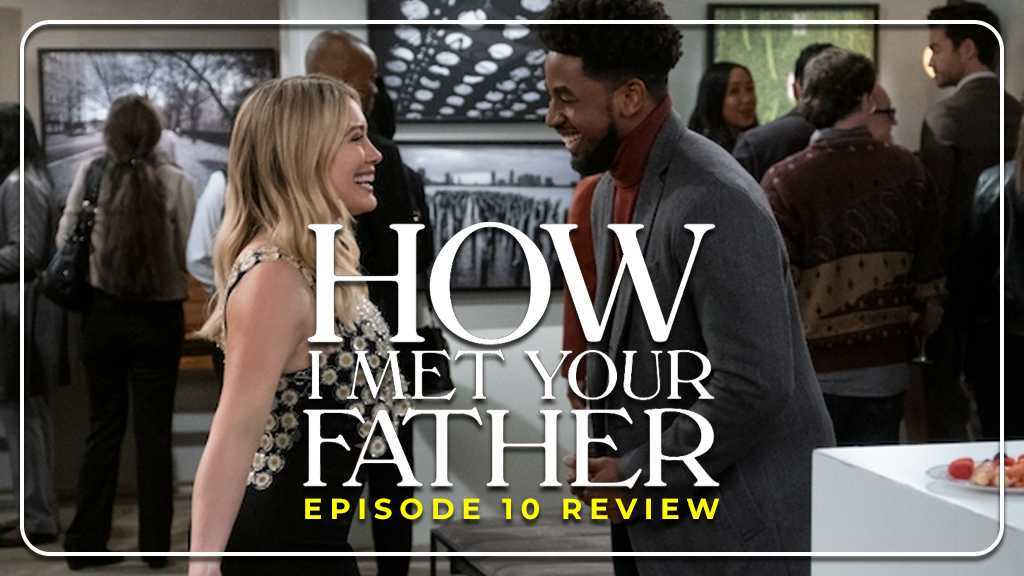
    How I Met Your Father‘s Season 1 turned out as expected, but with giant twists that will definitely have giant repercussions for the future. As you may remember from the last episode, viewers were left with Sophie waiting for Jesse on their big date after finally giving them a shot. Charlie and Valentina were in a good place, while Ellen was in a bad place, and Sid and Hannah were on shaky ground. The characters all had different drama brewing in their lives, but the finale managed to turn that all on its heels, resolve a lot of issues, and leave an exciting premise for Season 2.

    Coming into the finale, it seemed like Jesse and Sophie would be getting together, but then Ian came back to put a knife in the plan. Valentina and Charlie would become a stronger couple, while Ellen would find some sort of happiness, and Sid and Hannah would break up. Almost none of this happened, though. It gives fans a look as to how the team on How I Met Your Father is approaching the story, both intending to make it more interesting and to keep viewers in the blind. With most shows, I break down the play by play of the episode in terms of humor, drama, story…etc. That looks to be the wrong approach here, however. Instead, let’s break off each character’s journey as they are truly what makes this franchise great, and so we can see what works, and what doesn’t.

    Let’s start with Charlie and Valentina. The two made great strides during the season, from being selfish and unwilling to change, to developing into a strong couple that seemed to be able to move past everything. Unfortunately, a serious conversation comes up with major repercussions for their future, which turned the couple from an amazing developing duo to one that might not know what’s next. While I came into the episode thinking they would end up in a happy place after a pretty great season for them, turned into some sad moments as we watched the pair have to face a serious reality. I loved this approach, even if a little borrowed, but I feel their story isn’t quite over.

    Ellen’s ending was very sitcomy, and not in a good way. After going all season to a pretty dark place, getting used to a new city, not having friends, and being in a terrible situation with her love life, things just manage to magically work out in the end. I understand the season can’t focus on all characters equally, especially with only 10 episodes, but Ellen ended up being a glorified side character at the end of things. The only redeeming element for her story is that she is in a place to have a more interesting story in Season 2. Maybe we will see her blossom later on, but as of right now, she has potential as a character, but the story just isn’t there for her yet.

    Sid and Hannah left off in a bad place. Finding out they had even more time needing to be away from each other, feeling a lack of trust and confidence, the pair definitely seemed to me as heading the route of Marshall and Lily and breaking up in the first season. This was the case even more at the start of the finale when wedding planning managed to set off their other relationship issues. However, throughout the episode, they don’t get a lot of screentime, but the pair makes a comeback with a pretty big moment for them at the end. Of course, it seems their story is far from over, and rocky water may be ahead, but as of now, they are in a good place. The two just seem so real with their issues, even if some parts are largely exaggerated, they are very relatable.

    Finally, onto Sophie and Jesse. The two came into the episode strong, and I was sure that Sophie was about to get stood up on their date. This didn’t end up becoming the case, with the two going through a lot. The episode is titled “Timing is Everything” for a reason. It is a central theme in both the original and new show. As Robin says in How I Met Your Mother, “You got chemistry, you only need one other thing… Timing. But timing’s a bitch.” This rings true for the pair. No spoilers of course, but as the return of Jesse’s ex, Sophie’s new career developments, and Sophie’s two past relationships for the season, with Drew and Ian, timing is as important as chemistry, and the pair are left in a great place for their characters, but maybe not the best place with each other.

    Thanks to some incredible story developments, amazing twists and turns, and a few pretty big cameos from How I Met Your Mother, the finale delivered on a great season. The show started off in a pretty rocky place, but throughout its 10 episode run, it truly managed to deliver a great story, with so much potential for the future.

  • REVIEW: ‘How I Met Your Father’ Episode 9 – “Jay Street”

    REVIEW: ‘How I Met Your Father’ Episode 9 – “Jay Street”

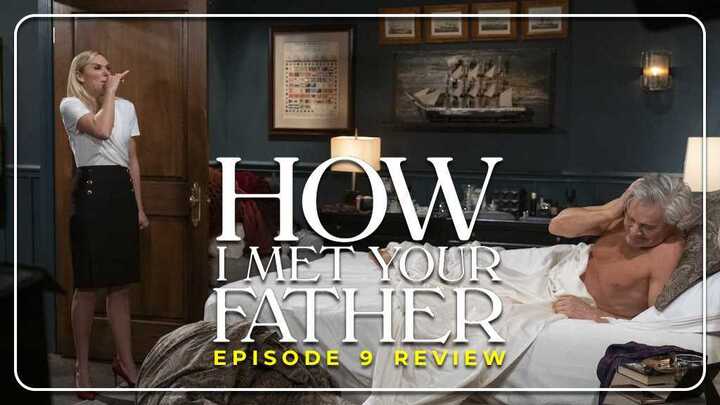
    The two-part finale of How I Met Your Father begins with giant setups, new drama, and a surprising cameo. Following a season of twists and turns, the love triangle that formed over the last few episodes gets even messier with Jesse’s ex, Meredith, throwing a curveball into things. Let’s unpack that, shall we?

    Going into the episode, my expectations for Sophie were to see her choose between two–or possibly three–men to get into a relationship with. Although I was anticipating one to begin, I will state that this does not mean I believe this relationship will lead to Sophie’s son being born. The episode’s entire runtime is setting up the events of the finale, complete with a “to be continued” at the end. What was already a messy situation with Sophie dating Drew but then ending up kissing Jesse, has gotten worse, as Jesse’s ex put a wrench into things when she released her new single, admitting to missing Jesse. From the start, things look great for Sophie and Jesse but all that changes is when he hears that Meredith regrets leaving him.

    Obviously, I’m not going to spoil what happens from that point on. You will need to watch yourself to get the full picture, but let’s just say that the entire situation has changed since we checked in with Jesse and Sophie last week. I already thought we’d be in for a great finale, but things are looking even better than expected. Stakes are high, and things are uncertain for our leading lady. Outlook on her relationships is suddenly out of her control, yet, a progression in her career may help lessen the blow. Although we don’t have a clear picture of what the next episode will look like, I have a feeling things are going to center on that career change, but once again, you will have to watch yourself to see what that is.

    A surprise cameo made this week’s episode for me. Although I was emotionally invested and on the edge of my seat with Sophie’s love story, a callback to How I Met Your Mother will always stand out for me. Not only did we get one cameo, but two due to the circumstances surrounding the two characters showing up, and no, it isn’t who you think it might be. The two characters were supporting cast in the original show, but two stand-outs that I’m sure most fans loved as much as I do. I call out the cameo now because, as I said before, the finale might connect with her new career step. I’m not entirely sure how all of this will tie together, as there are still a lot of loose ends that seem to be coming to a close.

    Although plenty of loose ends are looking like they will be tied, even more, seem to be unweaving as we lead up to the show’s confirmed second season. Of course, with a television show, not everything can be tied until the final episode. Sophie still has multiple possible suitors in addition to Drew and Jesse. New twists have developed for Sid and Hannah, Ellen is interviewing for a job, and Charlie is feeling homesick. All of these things get the spotlight in this episode, and that is definitely not the sign of a slowing plotline. While I believe we will definitely see an outcome for the relationship troubles, there is still plenty to leave open for next season, and that is what will keep me coming back.

    While the humor wasn’t there in this episode, at least not like with other traditional sitcoms, this was much needed for the story they are trying to tell. This is the same approach How I Met Your Mother took with many of its important episodes, which works really well to keep the emotional moments flowing without interrupting with weirdly placed humor. The show definitely still feels like a sitcom, but the humor was able to take a backseat to the plot, and I definitely enjoyed that. The show has once again left me wanting more and more. Viewers will be left at the edge of their seats in anticipation of the final episode next week, but until then, all I can do is recommend you watch and stay tuned for what’s yet to come.

  • REVIEW: Netflix’s ‘Bad Vegan’ Tells the Demise of the Queen of Vegan

    REVIEW: Netflix’s ‘Bad Vegan’ Tells the Demise of the Queen of Vegan

    The newest craze in Hollywood seems to be creating television series based on scandalous magazine articles. From Netflix’s Inventing Anna to Hulu’s The Dropout, Hollywood has found its latest obsession: true crime. Unlike those shows, however, Bad Vegan doesn’t craft a fictional story. Instead, it opts to use the real people to tell everything about this scandal, and it’s ultimately a decision that pays off.

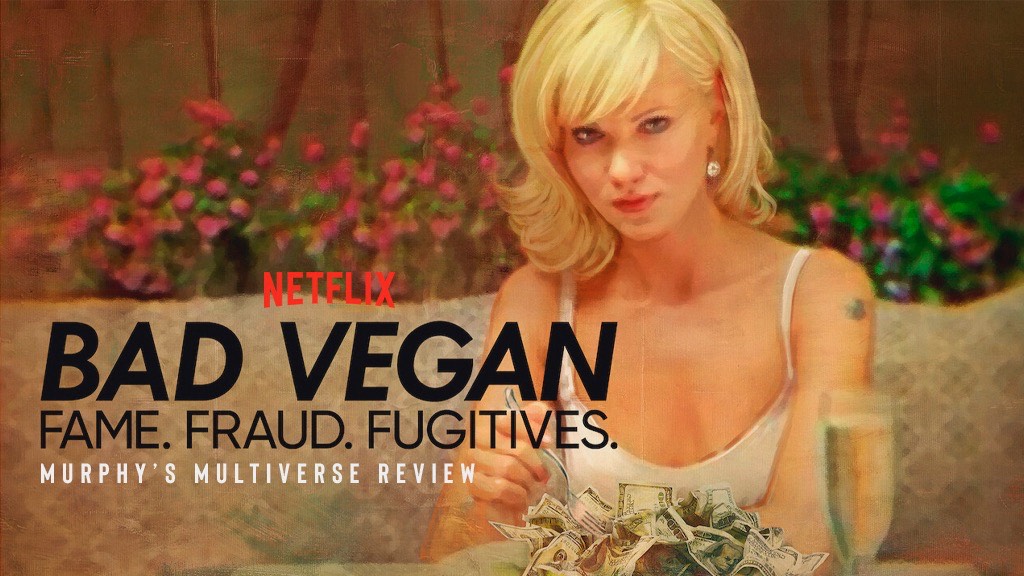
    While Inventing Anna and The Dropout are both entertaining in their own right, despite the former being an utter mess in its depiction of the victims, they offer a sometimes fictional take on the scandals. The four episodes of Bad Vegan do not allow for a fictitious and entertaining take on the Pure Food & Wine scandal. Sarma Melngailis, who was once deemed the Queen of Vegan, had a fast rise and fall at Pure Food & Wine, and despite everything that happened, she willingly sits down to tell the story from her perspective. Naturally, though, her take on what happened is told with a veil of sorts, as while open, Melngailis, is not truly reliable in her telling of the events.

    Like The Dropout, Melngailis isn’t the lone party responsible for what ultimately results in her downfall. There is a man involved and, honestly, he’s one of the more frustrating bits of the story. Just as Melngailis is riding the high of Pure Food & Wine, with her raw vegan restaurant taking over, she meets a man who will ruin it all. How he meets him — and just how Alec Baldwin is involved — are fascinating because you want to believe there’s truly no way someone like Melngailis could fall for him… and yet, she does. There are red flags galore from the moment they connect, but she’s so desperate to believe in him, she’s blinded by the thought of love. What’s worse, however, is that when she does finally begin to question things about him, she still decides to stay.

    Melngailis does many things that are questionable during their relationship and, with just four episodes, it’s not easy to present a fair painting of everything that would eventually unfold. The series does its best to make use of its limited time, and for the most part it does; it wastes no time setting up her rise, but seems to spend little time on how everything falls apart. It’s the one issue with such a limited timeframe to tell such a massive story. In fact, five episodes probably would have benefited the story a heck of a lot more. This is simply because the final episode has to unwrap so much, that by the end, its frustrating where the story leaves off.

    For those unfamiliar with the scandal behind Pure Food & Wine, like myself, there’s no denying this is an easy to devour documentary series. The whole ordeal is just as fascinating as it is morally wrong. Melngailis is an uncomfortable narrator. She’s often stiff and careful with how she chooses her words. It’s clear she wants to tell the whole story, but there’s also a part of her that seems eager to put it behind her from the moment she begins speaking. The use of the other parties in the series, though, to tell their take on everything is a smart move because they are far more open and honest. It’s why this format works much better than the fictional takes on scandals we’ve seen courtesy of Inventing Anna and The Dropout. As absurd as those stories both are, the story told in Bad Vegan is one that is hard to believe at first. The false promises, the deception, the fraud and the corruption? It’s absolutely fascinating to watch unfold with each new interview and episode.

    All in all, Bad Vegan is a limited series to add to your Netflix queue. It’s one of the better takes on a scandal such as this one, and with just four episodes, it’s easy to burn through. For those looking to get lost in a world full of money, celebrity, cuisine and immortality — give Bad Vegan a chance. Just remember, everything you’re seeing on screen did happen, no matter how crazy it all sounds. It’s a heck of a ride, but it’s worth it in the end.

  • REVIEW: ‘The Marvelous Mrs. Maisel’ Enters Its Endgame

    REVIEW: ‘The Marvelous Mrs. Maisel’ Enters Its Endgame

    It’s been known for a couple weeks now that The Marvelous Mrs. Maisel will soon be dropping its curtain for the final time. The Emmy Award winning showbiz dramedy now has only a season left to air, and the latest batch of episodes seem to confirm this with more gusto than any network announcement ever could. I mentioned in my first review of the show’s fourth season, which has now completed its run on Amazon Prime, that there were tones of coda in the air. For all the grandiose of the premiere’s “we’re back” energy, there was also a sense of knowing the end was near. The season’s two-part finale, written and performed on par with the best of the series’ episodes, dives headfirst into this whispered promise, transforming it into a call towards the cheap seats. Every storyline is now angled in a single direction, aimed at something fans of the beloved show might have hoped never to see. As of this week, Maisel has entered its endgame.

    Granted, Amy Sherman-Palladino‘s critical darling isn’t going away just yet. There’s still quite a bit of work to be done before Midge Maisel signs off, it’s just that now it’s more obvious than ever where things are headed. Ironically, the thematic thread needled through each of the final two episodes is not how narratives end, but what might come after they conclude. Alex Borstein‘s Susie Myerson, now operating out of her own office, is less dependent on Midge than ever, as the series continues to insist on asking whether she really needs her star client at all. Of course, Susie is still loyal to Midge, the closest thing she has to a real friend, but the comic’s staunch refusal to accept any gig worth playing has forced Myerson to begin looking elsewhere for a payday. And boy oh boy, does she need a payday. Just as Susie starts finding success with a new magic act and another prospective client, the show reminds the audience that the manager still has a few dues to deal with. After a season of surprising growth, viewers should be curious to see if Susie’s newfound independence sends her soaring or if her past mistakes catch up in a nasty way.

    Speaking of surprising growth, Michael Zegen‘s Joel Maisel, whom I’ve scarcely written about, is also finally growing into a life outside of his former indiscretions. Since the show’s first season, which began with Joel cheating on Midge and leaving her in the middle of the night, the character has somehow found a way to shift from irredeemable to genuinely likable. This is due in large part to the way he’s owned up to his flaws, and embraced the penance for his failures. In accepting his strengths, as opposed to combating his weaknesses, he’s come into his own as a protagonist and found a life more suitable to his desires. With a successful business, a new romantic interest, and a baby on the way, Joel is set up to find his happily ever after. Unfortunately, like Susie before him, it might not be as easy as he hopes it will be. Stephanie Hsu‘s Mei Lin seems less than positive about the prospect of marriage, and her supposedly very dangerous family likely won’t be pleased with her pregnancy either.

    Despite this lack of clarity, it’s a moment of tenderness between Mei and Joel that sends the show’s title character reeling into her final stretch. The cold open of this week’s second installment reveals that the ending of the first may have been more serious than it looked. Kevin Pollak‘s Moishe Maisel is rushed to the hospital, and his prognosis is questionable. It’s an excellent bit of staging and camera work that breaks from the traditional Maisel mold, and it installs an ominous feeling of uncertainty in the viewer from the jump. For Midge, it’s an uneasy situation. Moishe is family, and she cares deeply about him, but he’s also representative of her past life with Joel. Both literally and figuratively, the life she’s spent so long forging for herself is attempting to tear her away from the hospital at every turn. It’s a misplaced sense of duty that keeps her there, which she realizes when she instinctively goes to comfort Joel and finds Mei already has him in her arms. Seeing this, she rushes to do at least one set at the club, and ends up stumbling into what could be the rest of her life.

    After improvising a routine in which she vents about her life, Midge discovers that the enigmatic Lenny Bruce, once again played to perfection by Luke Kirby, has been watching the whole time. The relationship between Midge and Lenny has always been, shall we say, sexual in nature. Erotic in a physical sense, but also in a metaphorical one. Lenny is symbolic of the life Midge wants to live, but never feels ready to commit to. He’s tantalizing, and so is the comedy lifestyle. With her parents and Joel, there’s always been something holding her back, but with Mei in the picture and a minor falling out with her mother, Midge finally feels free to go for it. Ultimately, she does, finally doing the do with Lenny (!) and finding herself walking on the stage at Carnegie Hall. The season’s final shot, of Midge staring at the hundreds of empty seats in front of her, only comes after Lenny berates her for refusing to play by the rules of a game she’d like to win. “If you screw this up, it’ll break my [expletive] heart”, he says. It’s certain much of the Maisel fanbase feels the same, and with everything on the line, the next and last season can’t come soon enough.

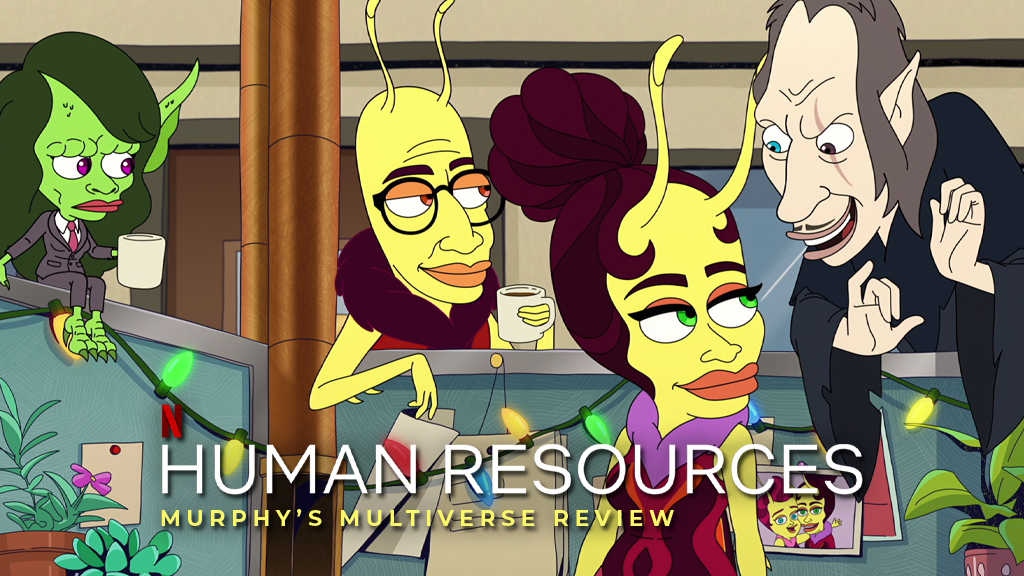
  • REVIEW: ‘Human Resources’ is a More In-Depth Story Than its Predecessor

    REVIEW: ‘Human Resources’ is a More In-Depth Story Than its Predecessor

    Netflix’s Big Mouth is a huge success for the streaming service. The story of a group of teens who find themselves struggling with puberty was a well-done take on the things adolescents often find themselves dealing with — mostly due to the inclusion of the often ridiculous hormone monsters. So, it’s not entirely surprising that Netflix moved ahead with a spinoff series focusing on not just the Hormone Monsters and the Shame Wizard, but the rest of the various creatures that make up the Human Resources department. While many might have felt that the fifth season of Big Mouth spent too much time establishing the spinoff, Human Resources manages to successfully craft a strong story without relying on its predecessor.

    Part of what makes Human Resources such a delight to watch is that it truly tries to be its own thing. It might take an episode or two, but once the series finds its own voice? It establishes itself as one of Netflix’s best-animated series — and yes, that’s including Big Mouth. Although the Hormone Monsters feature frequently in Human Resources, this series moves beyond them. In fact, the entire first season has an impressively well-structured storyline that, while allowing for their explicit behavior, manages to succeed without relying on them. Instead, the Lovebugs take center stage this go-round, and while they could appear off-putting initially, by season’s end, the Lovebugs might just become a new fan favorite.

    Human Resources revolves around various creatures — including the Lovebugs, Hormone Monsters, Logic Rocks and Shame Wizards — aiding humans journey through every aspect of life from puberty to childbirth to the twilight years. Unsurprisingly, though, as the series goes on, the creatures begin to find a bit of humanity within themselves, too. This is the type of animated series that, while being advertised as raunchy and funny, is more than meets the eye. It’s packed full of emotion, from grief, to love, to depression and acceptance. There’s a heck of a lot here to unpack, and yet, the series manages to tell such a well-balanced story within so few episodes. It’s honestly impressive just how well the writers handle the variety of topics and the massive cast of creatures.

    Human Resources focuses on one individual for the most part and the creatures that try and help her journey through life. However, over the course of the series, we are slowly introduced to a few other key characters that’ll become entwined in the main storyline in various methods. The fascinating part about Human Resources is that it successfully plays the long game with its background characters. Some of these individuals are introduced merely as background characters at first, but by the end of Season 1, they become fully incorporated into the story with the series somehow successfully tackling their tales alongside Becca’s journey. It’s a juggling act and, somehow, the series juggles each storyline so wonderfully.

    Big Mouth might’ve come first, and it might be a hit, but when it comes down to it? Human Resources is everything Big Mouth is and more, in all of the best ways. Romance. Grief. Love. Vulgarity. Comedy. It’s a mismatch of everything and it works so wonderfully. Just don’t be surprised when, by the season’s end, tears escape your eyes because the ending is an emotional one, and it earns every moment of emotion it delivers in the final episode. 

    Human Resources hits Netflix on March 18, 2022.

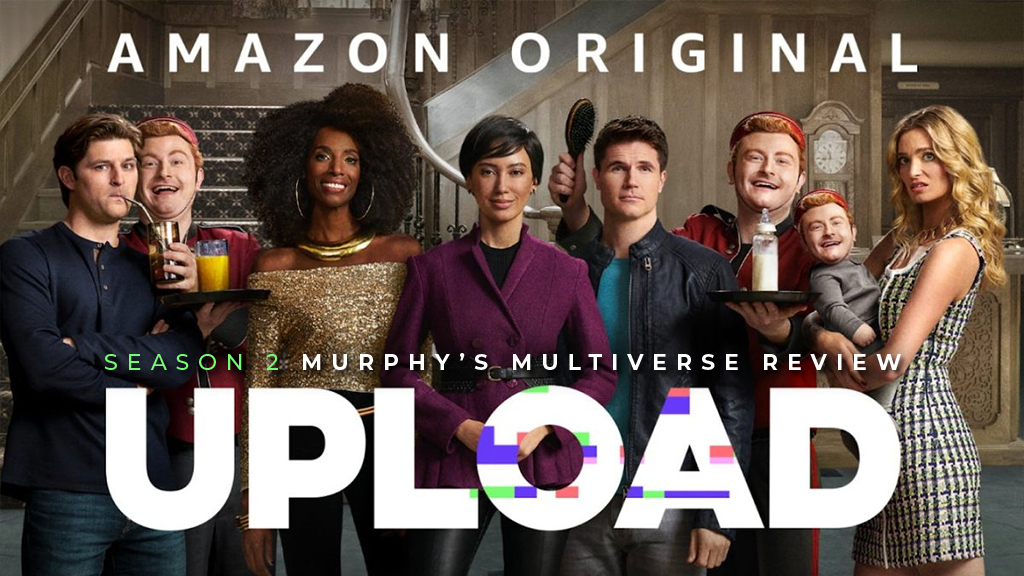
  • REVIEW: ‘Upload’ Season 2 Avoids the Sophomore Slump

    REVIEW: ‘Upload’ Season 2 Avoids the Sophomore Slump

    It has been nearly two years since Upload first premiered on Amazon, and now, the second season is finally upon us. Even better? It was worth the excruciating wait.

    Living in the pandemic era, it’s hard to imagine a series about death and the afterlife could be exactly what audiences need, and yet, Upload continues to be exactly that. Season 2 of the Amazon Prime series wastes no time picking up where Nathan and Ingrid’s story leaves off. After Nathan opts to go to the 2 Gigs as a means to break free of Ingrid, he soon finds himself approached by her as she comes to tell him she’s uploaded. Unfortunately, though, he’s out of data following his decision to try and help Nora. This brings us to Season 2, which brings Nathan back to Lakeview and back to Ingrid.

    It is very normal for most shows to suffer a sophomore slump. It’s even more natural for a show that takes such massive breaks between seasons to lose momentum. Upload manages to avoid both of these issues. In fact, Season 2 of Upload manages to be an improvement upon an already stellar first season. Still, the season isn’t without its issues. As thrilling and captivating as Upload Season 2 is, the series does encounter hiccups occasionally. They’re incredibly minor, though, and are often resolved by episode’s end. One of the biggest hiccups this season is the character arc Nora undergoes. The Nora we met during Season 1 of Upload is long gone; she’s been replaced by someone on a mission, even if she’s not entirely certain her actions are in the right. There’s still a compassionate part of her who is desperate to do the right thing, but she’s also more confident and developed. The issue, however, is that the reintroduction of Nora nearly sees her abandon everything that was so important to her in Season 1 within a single episode.

    This, thankfully, is addressed fairly quickly and it becomes clear what her true motives are. It’s just a frustrating bump along this tale that goes well beyond a simple satirical love story. Upload Season 2 still puts love at the forefront, of course, but it becomes a story about self-discovery more so than anything, for all of the main characters. The amount of character growth over these seven half-hour episodes is impressive. Even our Angels get the chance to shine outside of Horizen and their avatars. It’s a nice change of pace that takes viewers outside of the virtual reality of Horizen for a bit.

    As for answers, though, it’s best to go into Upload Season 2 knowing there will be more questions than answers. One big question will be slightly resolved, however, it’ll only lead to a handful more, making the ending all the more frustrating. It’s a valid ending, one that properly serves the story being told, but it’ll leave fans eagerly awaiting a third season that’ll, hopefully, come sooner than another two years.

    All in all, Upload Season 2 is everything fans have been waiting for and more. It’s thrilling, it’s fun and it’s full of surprises. More importantly, though, every character undergoes a transformation of sorts this season and it opens up potential seasons to even bigger storylines. It’s must-see television.

    Upload Season 2 hits Amazon Prime on March 11th.