Tag: TV Reviews

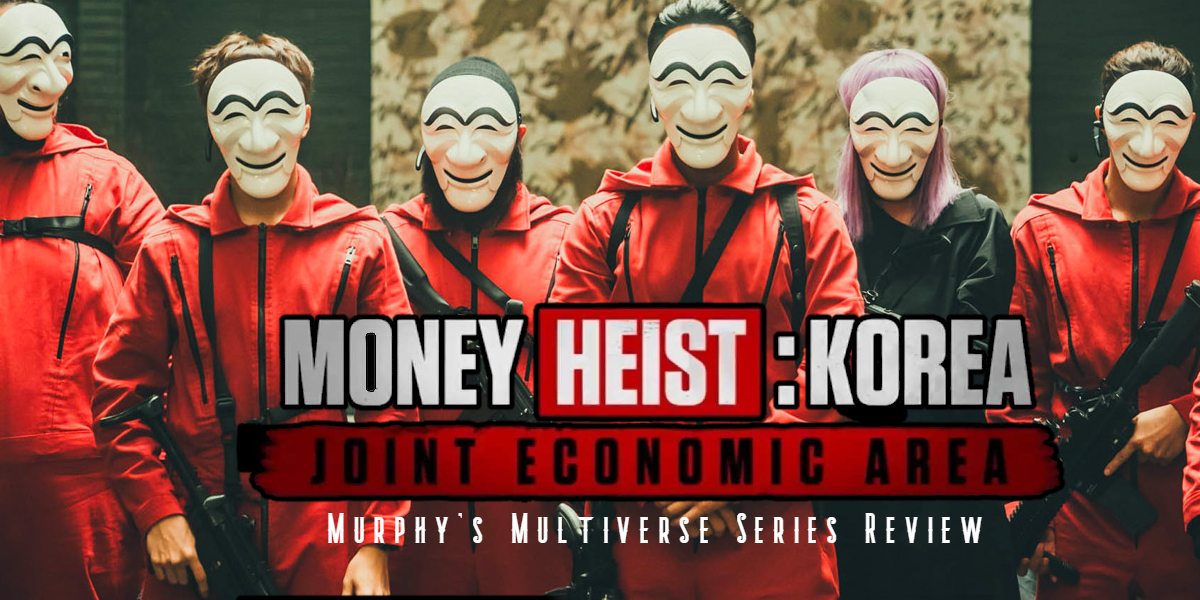
  • REVIEW: ‘Money Heist: Korea – Joint Economic Area’

    REVIEW: ‘Money Heist: Korea – Joint Economic Area’

    Money Heist proved to be a huge hit for Netflix upon its release in 2017, so it’s not entirely surprising then that the streaming service has continued to grow the franchise. The latest installment, Money Heist: Korea – Joint Economic Area is a bit of a slow burn. There’s a lot of story to cram within six episodes, and despite such a vast story, it often feels like the story drags. That isn’t to say it’s not enjoyable. It is. It just fails to ever feel like something exciting.

    Money Heist: Korea – Joint Economic Area starts off with Jeon Jong-seo‘s Tokyo as she seeks a better future for herself after North Korea and South Korea are unified. Unfortunately, she soon finds herself desperate and willing to do anything to get by, even going as far as to join a group as they seek to perform a bank heist for the ages. She’s been in the army, and she’s dreamt of a bright future in South Korea. Sadly, though, upon the unification, the future she’s promised is nothing more than a lie that results in her working as an escort and a waitress, before she’s driven to fight back.

    The first episode is incredibly slow and frustrating to get through. It’s all the more frustrating because the beginning just feels entirely uneven in both the way it is shot and filmed. Thankfully, though, the show begins to find its footing with the second episode as the heist team begins to come together. The series truly benefits from its ensemble cast. Each role is perfectly cast, and Yoo Ji-Tae absolutely shines as the Professor. His on-screen presence helps to carry some of the weaker scenes; he oozes confidence and charm. The same, however, cannot be said for the rest of the cast. Some performances fall flat. The actors seem to give their all, but not all are quite able to reach the heights of Ji-Tae’s Professor.

    As the series moves away from Toyko’s point-of-view, we begin to learn about each heist member at the start of each episode. It’s a nice touch that helps to further develop these characters that would’ve otherwise been merely background characters. They had their own arcs, a tough act to accomplish in just six episodes. Yet, while the series succeeded in crafting its characters, it failed with its handling of the overall story. Money Heist: Korea could’ve easily benefited from an additional two episodes. Sure, it’s a remake of the original series, but that doesn’t mean it needs to stay within the same episode limitations as the original series.

    As for the cinematography, Money Heist: Korea is a visually appealing series. Between the lighting, the angles and the color scale, Money Heist: Korea is wonderfully shot. It’s one of the highlights of the series, honestly. The shots with the group performing the heist as they stand among the masked hostages is stunning. Every scene is framed perfectly. Sadly, while the visuals are great, the music can be lacking at times. There are some excellent music beats, sure, but for the most part the music adds nothing to the scenes.

    Overall, Money Heist: Korea – Joint Economic Area is a great effort. Yes, the early episodes are slow, but if viewers stick with it, they’ll be greatly rewarded with an exciting heist drama. It’s a stressful watching experience in the best type of way.
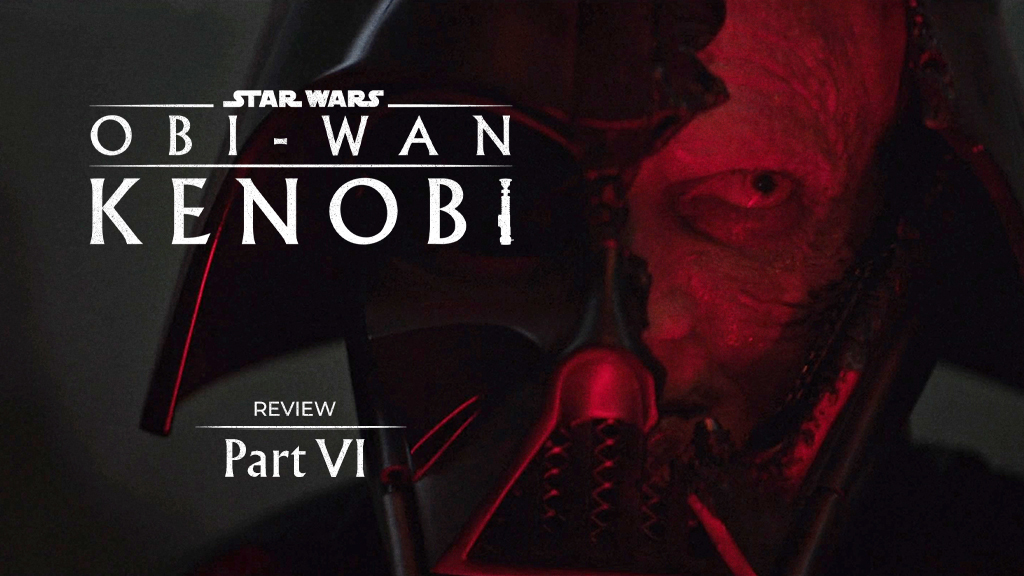
  • REVIEW: ‘Obi-Wan Kenobi’ Part 6

    REVIEW: ‘Obi-Wan Kenobi’ Part 6

    I won’t lie that my feelings about Obi-Wan Kenobi were a bit mixed throughout my viewing experience. There are strong personal moments sprinkled throughout and Ewan McGregor once again showcases why he was the perfect choice for this role. There were interesting plot threads and while it did seem to drag out at times, the story cohesion and personal touches made it feel just that, personal. Yet, some gripes still gathered throughout especially when it came to the action and some sequence staging. Even with all that, I can’t deny that the final episode hit me emotionally in all the right ways.

    I am not going to call this a perfect finale, as the limited series still had to do some jumping to keep its plot threads together. The Vader conflict wasn’t really directly tied to what would be the final sequences, as Obi-Wan had to rush home due to Reva going on a rampage while chasing down a young Luke Skywalker. While many will try to point to canon issues this sequences causes, Luke never sees Reva’s face or even her lightsaber. So, he just fled from whatever he thought might be chasing him due to what Beru and Owen were warning him about.

    Still, that’s jumping the gun on this episode’s true strength; it’s an emotional rollercoaster throughout in all the best ways. A lot of the emotional core depends on the previous episodes as well as your own investment into the Prequel Trilogy. May it be the showdown between Obi-Wan and Vader with its strong emotional climax; or just the tender greetings with a young Luke Skywalker. The series is definitely focused on Kenobi and many of the characters surrounding him reflect that very tale.

    There still is a conflict if that many pieces are truly moved from the Prequels going into the Originals, yet it’s less about story development but character exploration. Owen’s powerful line as he says that Luke is his son while fighting off Reva was definitely a moment the character truly deserved. After his harsh criticism earlier on, it gave him a nuance and highlighted the journey we never got to see in the originals. It adds context and seeing him fight Reva alongside Beru to protect the kid highlighted that very thing.

    Yet, even Reva’s arc comes to an emotional arc. Her vengeance had pit her on a path of no true return, if it weren’t for that last bit of humanity catching up with her. She’s definitely highlighted as fighting as much as she could to stay alive, and she knows Luke’s connection to Vader, but she lost herself in the rage thinking if she can’t take the man himself, she’d do it to his legacy. Even if he may never truly find out given that it was a secret kept from him. The flashes to her simply becoming the same as the man she vowed to kill reflects her arc in this story. Even if it was a bumpy one, Moses Ingram gives one hell of a performance in this episode.

    It’s an emotional climax that might be among the better final episodes of a Disney show. Yet, the road to it simply was one of its bumpiest as well. At least this time around, the action is quite a bit more focused and the camera stops shaking. We get Kenobi’s iconic pose and see him regain his strength with some spectacular visuals of the Jedi Master showcasing what he is truly capable of. Him actually forcing Vader to his knees was a rather surprising direction but echoed the flashback that we watched in a previous episode. Vader’s rage is what defines him and it’s also the obsession that becomes his downfall.

    Finally, we got a good look at Hayden Christensen behind the mask, and he really gave it his all. The way his voice overlaps with that of James Earl Jones added a unique showcase of how these two sides of the same coin meld together. The way he takes away Obi-Wan’s grief and points to his actions being his own were powerful to say the least. His obsession then continuing even beyond the mercy shown by his master once more, only to continue his hunt with a fitting cameo by Palpatine trying to discourage him and keep his focus on the Empire’s growth.

    Leia also gets a small farewell, as we see her put on a rather similar outfit that combines elements from her future look and even some Padme in there. Didn’t expect an origin for her blaster, but it was a nice touch and rounded out her design. Kenobi coming to visit to bring her back the droid was a nice little touch, as it also shows that the Jedi Master has finally broken free from his old life. Though the ending especially seems to hint at him going on a journey, which muddles the concept of this series being a limited series even more.

    Also, the cameo finally happened. After all the theories after the first mention of Qui-Gon Jinn and Liam Neeson pretending he’d never do it, there he is just waiting around for his former Padawan to figure things out on his own. There does seem to be an open aspect to this ending that may lead into another story, and we don’t quite see what the future has in store for Reva. At first I assumed she succumbed to her wounds, but Kenobi helps her up; ironically highlighting how he did for her what he couldn’t for Anakin.

    Overall, Obi-Wan Kenobi definitely ended on a high note. perhaps one strongly dependent on your nostalgia, but a high note nonetheless. while I do wish aspects of the show were tweaked a bit and the action wasn’t as jumbled as it was, it definitely was a series I am glad I got to witness. The cast carry the show and its emotional storyline that is more a love letter to those that grew up with the original series, while also giving some characters a bit more character development they otherwise only had in our memories.

  • REVIEW: ‘Obi-Wan Kenobi’ Part 5

    REVIEW: ‘Obi-Wan Kenobi’ Part 5

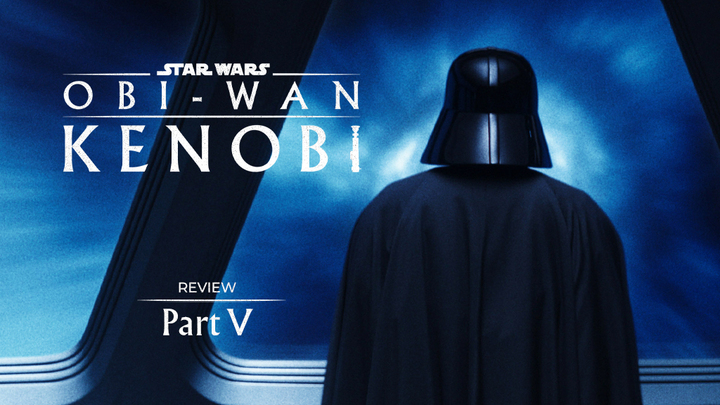
    Darth Vader’s hunt for Obi-Wan Kenobi continues as we’ve entered the endgame for the Disney+ series. After a more lukewarm bridge episode, we’re back into the final confrontation as Darth Vader closes in on his former mentor and we finally unravel the secret of Reva’s obsession. While the episode keeps one wondering how exactly they’ll close out the series, it did offer a more thrilling experience than its predecessor. Yet, is it building up to become one of Star Wars best entire son Disney+?

    Let’s get one thing clear from the get-go, Darth Vader is the definite highlight once again. The force of nature that is being showcased continues to stand out and there’s something haunting about the way he blindly follows his rage. Yet, he’s also showcased to be fully aware of his surroundings; no matter the distraction. The best part is how they finally gave us a sequence with Hayden Christensen out of the suit, showcasing a lesson he seemingly has still not learned to overcome.

    Though as great as that sequence was, it once again highlighted just how many cuts are used to keep a flow going in this show. When we’re in the bunker under attack, the camera goes on a free-for-all and it sadly still is one of the show’s weakest parts. Yet, you can see the diamond under the rough when we get a final lightsaber showdown to cap off the episode. There’s a purpose for the camera work but it feels a bit too disjointed from the rest of the show’s more focused approach.

    Speaking of, Reva finally getting the necessary reveal on her overly ambitious goals; which were perfectly hinted at through the posters as uncovered by our own Hunter Radesi. In a way, it was a bit predictable in how it connected to the opening of the series and she isn’t truly “redeemed” by the end. They play on her having a different kind of ambition than the rest of the Inquisitors, but she isn’t suddenly a good person saving Kenobi. She simply has her own goals and is willing to use anyone to accomplish them.

    The stand out moment is an emotional one in the episode, which I don’t want to spoil. But, I will say I was surprised in how it did hit me and it was another highlight of the path that Kenobi has gone down in his life. There’s also a hilarious twist that kind of seemed obvious but still managed to keep people wondering if Obi-Wan Kenobi killed canon for weeks. Either way, it’s setting up what might be an exciting finale but does sometimes feel like they could’ve tightened the script up in some places, but it still was the best entry so far.

  • REVIEW: ‘Obi-Wan Kenobi’ Part 4

    REVIEW: ‘Obi-Wan Kenobi’ Part 4

    We’re already more than halfway through the limited series focusing on Obi-Wan Kenobi‘s story before his eventual final confrontation with Darth Vader. The fourth episode picks up right where the last one kept us, as Reva got her hands on Leia and Obi-Wan ended up getting a bit burnt by his former Padawan. As he seeks to save her from whatever the Empire has planned for the young girl, he seeks a find a way to get her out of the Inquisitor’s home base. Yet, can it build up from the highpoint that was last week’s first confrontation between former master and padawan?

    The opening is a powerful one by having Kenobi in a Bacta tank (The Book of Boba Fett is going to sue) echoing the experiences of Anakin. As he was also burned by his former protégé and now going through a similar, even if brief, experience, there’s something powerful about the parallels the show is pulling. The former Jedi Master’s journey generally has been one faced with hardship and him trying everything he can to save Leia was heartwarming, especially after the bond they built in the last episode.

    It’s a surprisingly short episode with barely 40 minutes, and it goes by quite fast. Kenobi uses the help of some smugglers that help out Jedi younglings to safety to break into the Inquisitors’ home base known as Inquisitorius. Together with Indira Varma‘s Tala, he sets out to find some way to save Leia as he takes some cues from Star Wars Jedi: Fallen Order where Cal Kestis also used an underwater passage to enter the area.

    The backdrop of Inquisitorius was great, as the slick design offered some visually stunning sequences. Plus, Obi-Wan trying to sneak around is not something I expected in the show. The big highlight was that after being “forced” to pull his lightsaber in the last episode, he’s slowly embracing it more and more. Ewan McGregor continues to highlight the inner turmoil without much dialogue.

    Varma‘s Tala is a great addition, and we’re slowly uncovering the first sparks of rebellion to face the Empire. The ending moments especially highlight that very development and there was some fun with the last-minute save. Though the show still sometimes struggles with action sequences as the way it was shot, it looked a bit off when the two ships came rushing in as it cuts before they slow down creating the illusion they just rammed into the spire’s landing zone. Still, the emotional moment was surprisingly gripping and the line of them becoming soldiers highlights that this is indeed what would become the Rebels one day.

    The lightsaber sequences were a highlight though this time around. It’s strange that it took this long for anyone to actually use darkness in combination with a lightsaber to make them stand out even more, but the lighting effects were beautifully done. A small detail that was well hidden is that the more he used his lightsaber, the more fluid Obi-Wan’s movements got highlighting that he’s slowly regaining his old self. I wouldn’t be surprised if his final battle is him doing the same flips he did in the Prequel trilogy.

    Reva gets quite the spotlight and it doesn’t seem like they are going down a redemption arc with her character. Ingram gives a great performance and her character highlights the more traditional understanding of a Sith. Potentially her arrogance might be the eventual undoing of the Inquisitors, to begin with, but we’ll see. She pretty much dominated the Sith side, as Vader had a much smaller role this time around but he does know how to make an entrance as per usual. Fifth Brother also mostly appears at random times to be annoyed by his co-worker.

    Overall, the episode pushes the story forward and seemingly sets up the final arc as we’re building up to another showdown between Obi-Wan and Vader. The show’s pacing is generally a bit more relaxed and it was surprising on how fast the new episode moved. Outside of the flight sequence, the action was much stronger this time around and it’s going to be exciting to see where the series is heading in its final two episodes. While it isn’t a mind-blowing show, there’s a strong emotional core and great character development at play. Here’s hoping that it pulls it all together by the end of the series.

  • REVIEW: ‘Ms. Marvel’ is The Best Marvel Origin Story Since ‘Spider-Man’

    REVIEW: ‘Ms. Marvel’ is The Best Marvel Origin Story Since ‘Spider-Man’

    No Marvel origin story has captured the lightning-in-a-bottle magic of Peter Parker’s origin like 2014’s Ms. Marvel. Much like Stan Lee and Steve Ditko, G. Willow Wilson and Sana Amanat succinctly keyed into the cultural and social crossroads of the time – minus the Randian objectivism – and through Kamala Khan’s journey of self-discovery and angst, created one of the most important stories Marvel has ever published. So it comes as no surprise that, like the comic, no live-action Marvel origin story captures the same Spider-Man magic as Ms. Marvel

    Writer Bisha K. Ali does the thankless feat of transposing Kamala’s origin on the page to an origin fit for the Marvel Cinematic Universe’s slate of the upcoming films, with the biggest change being the source of her powers. Kamala goes from being an Inhuman, a race of aliens damned by Marvel Studios, to an average teen with a magical weapon. It’s a change that’s yielded much derision from comic loyalists and applause from more apologetic fans. Yet in spite of such a massive change, audiences will be pleased to see how the rest of the Kamala Khan magic remains intact. In spite of all the worldbuilding and slate building mandates, Ali keys precisely into the heart of the comic.  And this is what ultimately makes Ms. Marvel Kevin Feige‘s nth consecutive winner: the family, friendships, and the hardships on full display.

    Through a charming supporting cast and a transcendent lead in Iman Vellani, Kamala’s life unfolds in earnest ways. Her parents Muneeba and Yusuf, played by Zenobia Shroff and Yohan Kapur respectively, are Amblin-esque in the way they raise their children. They’re stern but never callous; wary of the cultures of the West but aren’t out of touch. There’s a perpetual warmth to their words even as they scold Kamala for screwing up. In a cinematic universe where awful parental figures are baked into its DNA, the Khans loom large.

    The same can be said for Kamala’s best friends Bruno and Nakia, who give Ned Leeds and MJ a run for their money as the quintessential buddies in the MCU. Bruno and Nakia serve as sturdy support systems for Kamala, both practically and emotionally. Bruno is her guy-in-the-chair; a tech wunderkind with a foundational knowledge of all things superhero. Matt Lintz plays him with an exciting eagerness that doesn’t feel like a rehash of Ned Leeds. His concern for Kamala borders on the romantic and is treated by the writing with such profound maturity. Even though his longing for Kamala is brushed aside by her own interests, he’s never bogged down by bitterness and goes far as to be a close friend to the Khans.

    Whereas Bruno is Kamala’s connection to her superhero business, Nakia is Kamala’s connection to her community. Part of Kamala’s inner conflict over her identity and duty is examined in her moments with Nakia, who is more faithful to the community Kamala finds herself always rebelling against. And like Bruno, the writing treats this contrast with dignity and understanding that their differences never come across as antagonistic. Nakia is sharply defined by the sincere idealism and determination evoked by Yasmeen Fletcher. Her arc seems minute compared to Kamala and Bruno’s superhero adventures but nonetheless feels meaningful thanks to Fletcher’s performance.

    All the wholesomeness and positivity emanated by the strong cast of characters coalesces into the vibrant ball of energy that is Kamala Khan, played by a rapturous Vellani, whose puppy-dog eyes instantly captures the upbeat, wide-eyed naivete of Kamala in the comics. The cadence Vellani brings to each moment is so infectious that the show sees itself morph stylistically around her. Much of Kamala’s perspectives are contextualized visually by the striking cinematography and editing. Scenes whip pan into one another, mirroring Kamala’s quick wit and frantic enthusiasm for the world around her. The show’s diegesis is constantly disrupted by Kamala’s musings that bring life to her superhero sketches onscreen. These quirky, animated sketches give the show a comic-like two-dimensional flair. Even Vellani’s musical tastes bleed into the show as composer Laura Karpman‘s bubblegum electropop soundscapes permeate each scene. Vellani’s performance is so deeply indisputable that this version of the show would not exist without her.

    Whether it’s intentional or not, Ms. Marvel is rife with sentimentality. Sentimentality over the MCU’s own mythology and for heroism that’s hopeful and optimistic. The big Captain Marvel question is lampshaded at the very beginning but it’s an unconvincing attempt to bridge Carol Danvers’ glaring lack of Earth adventures with Kamala as an heir to the mantle. While The Marvels is obviously slated to resolve that issue, its impact, or lack thereof, on Ms. Marvel is faint at best. Kamala’s impetus to be heroic is better contextualized through the legacy of the Avengers and all the superheroes of the MCU as a whole rather than Carol herself. Nonetheless, it’s through this legacy that new heroes are created and the show examines that purposefully.

    In the wake of Moon Knight and Doctor Strange in the Multiverse of Madness, the lack of grit and cynicism in this show feels deliberate. Ms. Marvel is ultimately a story of identity and finding hope in that identity. Even as Kamala’s teen angst begins to intersect with the grim ramifications of superheroism, the optimism in the writing never runs dry. The end result is a deeply feel-good coming-of-age tale that, in many ways, serves as the quintessential Silver Age origin story of the MCU.

  • REVIEW: Season 3 of ‘The Boys’ is a Chaotic Ride Worth the Trip

    REVIEW: Season 3 of ‘The Boys’ is a Chaotic Ride Worth the Trip

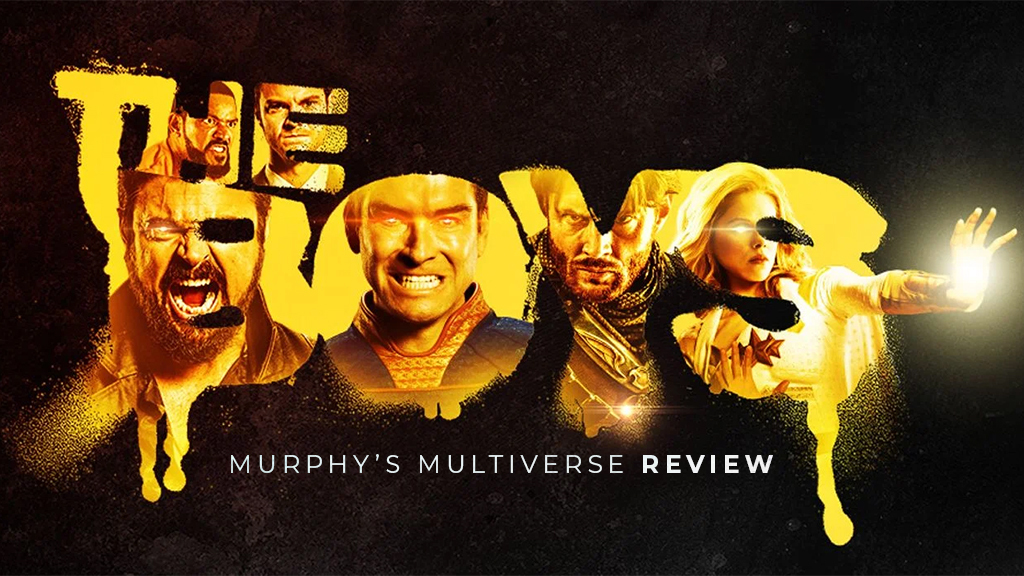
    Over the course of two seasons, Prime Video’s The Boys has quickly become one of the best superhero series on the small screen. It achieved this not only due to its stellar cast, which is led by Karl Urban‘s Butcher, but also the willingness to play into campiness and gore. So, it’s not entirely surprising that Season 3 of The Boys decided to push the limits even more. Perhaps there are no moments nearly as memorable as a self-pleasuring Homelander as seen at the end of Season 2, but the series manages to successfully make use of its eight episodes in ways most shows could only hope to do.

    Following the events of Season 2, The Boys kicks off its third season still dealing with the aftershock of Stormfront. Naturally, her true nature has divided fans of the Seven – those that agree with her, aka Nazis, are upset over what happened to her. While others are glad to see her go. The person struggling the most, however, isn’t Stormfront. It is evident he loved her, but as this is Homelander, there’s also a sense of arrogance as he struggles to deal with his feelings. He’s very much still the unpredictable man-child we’ve seen before, and it seems Stormfront’s predicament has only made him worse. He’s more volatile than usual, and is no longer keen to be the poster boy of Vought.

    As entertaining as his shenanigans can be, they do quickly become tiresome, though. Thankfully, the creatives seemed to understand it was time to introduce a new character to focus on because as great as it is to see the boys eager to takedown Homelander, the story can become stale at times: Enter Jensen Ackles‘ Soldier Boy. Perhaps the most developed character in the series, Soldier Boy brings with him a much-needed energy boost to the latest season.

    His story is set up perfectly to weave a new and exciting tale that ultimately ties together with the Boys and their original mission with ease. More importantly, though, Ackles‘ Soldier Boy plays off of Urban‘s Butcher perfectly. When the two are together on screen, it’s hard to look away, which is saying something given Urban‘s onscreen chemistry with his team members. These two are dynamite.

    Those that are eager to see the series move away from trying to takedown Vought should be excited to know that The Boys Season 3 finally gives its secondary characters time to shine. This isn’t just a story about Butcher and his journey of revenge anymore. It’s not all about Robin and Becca. And while Ryan is an essential character this season, this isn’t a story that’s centered around him either. The overall theme seems to be that of family and self-discovery, and it’s the best dang decision the writers made this go-round. Heroes that viewers might’ve hated before? They’re given the chance to flourish. While others that the audience might’ve liked before? Well, there’s a good chance viewers will be rethinking their favorites by season’s end.

    One of the most exciting parts of The Boys has always been its willingness to poke fun at other comic book properties. Yes, there are moments of predictability, but Season 3 has largely moved away from those moments. It’s chaotic in the best type of ways and is a hell of a ride that’ll leave viewers smiling by the season’s end. As for what lies in store for Season 4, it’s clear the writers still have plenty of stories left to explore, and it seems likely the crazy train is a ways off from stopping.

    Overall: The Boys Season 3 is a bumpy ride full of chaotic twists and turns and a hell of a performance by series newbie Jensen Ackles.

  • REVIEW: ‘Obi-Wan Kenobi’ Part 3

    REVIEW: ‘Obi-Wan Kenobi’ Part 3

    As the third episode of Obi-Wan Kenobi already arrived in just a few days, we didn’t have to wait too long to see where the journey leads Obi-Wan and Leia, as they find themselves on a new planet and facing some familiar threats. The story still is very much about Kenobi’s internal struggle with the past and having the literal future face him every step of the way. Now that he realizes his biggest mistake is still out there, it may come to haunt him sooner than he might’ve imagined. The question remains: can the series carry the momentum as we now reach the halfway point?

    The series continues at a slower pace, as we take our time having our two main leads interact and try their best to stay out of sight. Obi-Wan continues to cry out to his former master, which continues to build up the momentum of Liam Neeson to appear as Qui Gon Jinn. Still, the main focus is the arrival of our duo on a mining system. Kenobi remains untrusting and it ends up forcing them into a situation that could’ve been avoided, but thankfully made for good storytelling. The moment he pretends to be Leia’s father was a nice moment, especially when she realizes that he knew her real mother. It was kind of heartbreaking when she also asked about her father, whose ghost is currently haunting the former Jedi Master.

    The strengths of Obi-Wan Kenobi continue to come to the forefront with its writing, as the dialogue scenes and especially the final confrontation of this episode are some of the best the series has to offer. Yet, the action sequences have made rather a curious choice that just doesn’t seem to hold up as well. The show looks great and is visually impressive with how it uses its cinematography to highlight Kenobi’s loneliness through the environment.

    Yet, as soon as action sequences take over it becomes this shaky, uncoordinated experience. They aren’t bad sequences, it just takes you out of the experience and it feels like the camera movement is reflective of Kenobi’s inner turmoil. The once elegant and prideful Jedi Master barely even wields his lightsaber, generally even tries to avoid using it at all cost. It may be a more thematic choice that could become relevant later on once he and the camera steady at some point. However, I have to highlight the poor Stormtrooper that fell on top of the laser gate and getting split in two was quite the fatality in this otherwise somber series. Also, they really didn’t need to reactive the fence, could’ve just walked around it.

    Moses Ingram continues to give an energetic performance with Reva that is only lacking in fully understanding her character, which is likely a revelation kept in the dark for later. They seemingly hinted at what her ambitions are, which fits the Sith we know from the original and perhaps reflects the Master and Student dynamic being disrupted with these groups of former Jedi and force-sensitive people. There are too many Sith that lead to a whole new problem even Vader isn’t happy to deal with.

    Speaking of, we finally have the return of Darth Vader on-screen and he’s as intimidating as always. The version we meet here is not the one we see in Rogue One, as he feels a bit rougher around the edges. Anakin is shining through here and that seems intentional given he’s still holding on to a very important grudge. Every time he is on screen though, it’s an absolute highlight for the series. The intensity remains even with the rougher edge, and the cinematography used with him is quite something. Especially how they used fire to have it reflect in his eyes to highlight his anger towards his former Master was a perfect touch.

    Also, the way he simply “took care” of the townsfolk without even batting an eye leaves quite the impression, especially on how unhinged he is as Vader. You can even see the fear in the eyes of the Inquisitors and hopefully, we’ll get a conflict later on that highlights his overwhelming power that further solidifies Obi-Wan’s journey to once again standing toe-to-toe with his former pupil.

    The series is already at its halfway point and it does feel like the story is going to ramp up for the eventual final showdown. Kenobi learning to trust people and find his inner peace again is a perfect story to explore here. It was a surprise to see Vader’s arrival this early but it felt like the perfect way to escalate the story and force him to face his past. The only issue remains that the action sequences just feel a bit off in comparison to the rest. What makes the episode stand out is it’s final third and it hopefully builds into the final few episodes and we see Kenobi’s journey come full circle as he lets go of that blaster.

  • REVIEW: ‘Stranger Things’ Season 4 Starts Disjointed But Ends on a High Note

    REVIEW: ‘Stranger Things’ Season 4 Starts Disjointed But Ends on a High Note

    It’s been a long wait since we got the last season of Stranger Things but it has finally come to an end. We return to our motley crew of rebellious teenagers as they face teenage angst, being accepted in high school, and an interdimensional threat. You know, normal teenager stuff with some 80s flair. Yet, the latest season sees our crew split up across the United States as a new threat arises to haunt the innocent town of Hawkins. Can the story keep up the momentum after almost three years?

    Jumping back into the world of Stranger Things took a bit. We catch up with what has happened in the meantime since the events of the original. There’s a lot that happened off-screen which the show tries to make up for with a quick catch-up. One thing that does become a bit of a hindrance for the earlier episodes is that after splitting them up in the last season, most of the time is spent on them once again reuniting. It does feel like the beginning could’ve been shortened at times, but they were at their own mercy from how they ended the last season.

    The thing that sticks out this time around is that we have a very clearly defined bad guy early on. While the Upside-Down will always be this malevolent force behind everything, we get introduced to a more humanoid creature, which will later be called Vecna. While visually stunning with the practical suit, it doesn’t quite live up to the Flayed from last season with his more humanoid appearance. He’s still intimidating and the concept of how he uses his abilities to prey on people’s regrets is certainly a nightmarish concept. The way he kills his victims adds to the horrific body horror at play this season.

    Yet, as early as we find out who our main threat is this time around, it does feel like it takes a while to get to a point where the conflict arises. We get an entire sequence on Eleven being bullied at school, which was terrible and highlighted the challenges she was facing given her past. It serves a much stronger purpose later on but it does feel like it dragged on a bit. Her reaction towards it also serves as a red herring for a later reveal, which softens the blow on the event a bit. It just depends on if you stick with it until the end.

    The issue early on is that there are just way too many characters at this point which leads to some getting left behind along the way. The original cast returns but we also have the new characters of Eduardo Franco as Argyle and Joseph Quinn‘s Eddie Munson–who are both fantastic additions to be fair. We even have the return of Matthew Modine and Paul Reiser as Martin Brener and Sam Owens respectively. While it didn’t grow by too much, we already have a big cast of characters and sadly the one that gets lost in the shuffle is Noah Schnapp‘s Will Byers and Charlie Heaton‘s Jonathan Byers. They have conflicts that tie into the story but it just feels like they got sidelined quite a bit this time around, especially due to them being mostly sidelined to keep the plot moving.

    However, while saying that, once the plot of Stranger Things gets going; it really gets going. The first episode ends on quite the cliffhanger, which sadly highlights the drawback of its binge model as that would’ve kept people talking for quite a while. It also highlights that this might be the scariest of the seasons so far, as while we had body horror last time around, it was more gross than scary. This time, there’s actual tension built up as we get inside the heads of the various characters before their eventual fate catches up with them.

    An interesting highlight was the deep dive into the era of “Dungeons & Dragons is worshipping satan” and integrating it into the escalation of the plot. We actually get a conflict with their parents, especially as the Upside-Down starts seeping more into their world. The series is at its best when we spend time in Hawkins, where the actual threat is unleashed and it builds up this horror-mystery concept around the events. Yet, we are not only busy spending time in California but also in Russia.

    There was no secret that David Harbour‘s Jim Hopper survived the events from last time and it was great to see him take the character down a darker path. Considering what he went through, the elephant moment being an absolute nightmare on screen, and how it ties back to the Cold War plots from the last season. The plot in this does build up some great tension but in the episodes provided it’s unclear how it’ll connect back into the overarching plot. So, we’ll see how the final two might pull it back into the main plot.

    The issue the series faces early on is that it needs to set up many different elements to bring it all together by the end. While a bit of a drag early on, the ending is the highlight of the season besides the amazing episode “Dear Billie” with an amazing performance by Sadie Sink as Max Mayfield. Even Eleven’s little side adventure that starts off as this strange setback for her character comes together in the finale in a big way, which had me rewatch the final moments to just see what I may have missed. I am quite excited to see how this lead into the final two episodes and the eventual final season.

    The new season doesn’t reinvent the wheel. The iconic music and 80s Amblin-inspired cinematography return at full force. The new characters bring something fun to the table with Eduardo Franco being quite the standout comic relief. There is some effects work that did stick out and highlight how the pandemic has slammed the VFX industry, but with any other show, it doesn’t take away from the overall experience. Stranger Things is something special and continues to be that, it just needed a little this season to get that usual flow going.

    It may be a bit of a disjointed start but it pulls it back together by the end. With only two more episodes set to release in July, it’s unclear if the true season finale can pull off the same, especially with the final episode being over two hours long. Still, the setup with Vecna may be of its interesting, and knowing that the fifth will be its final season creates a really interesting atmosphere on how they continue beyond this season. So, be sure to check it out and avoid as many spoilers as possible.

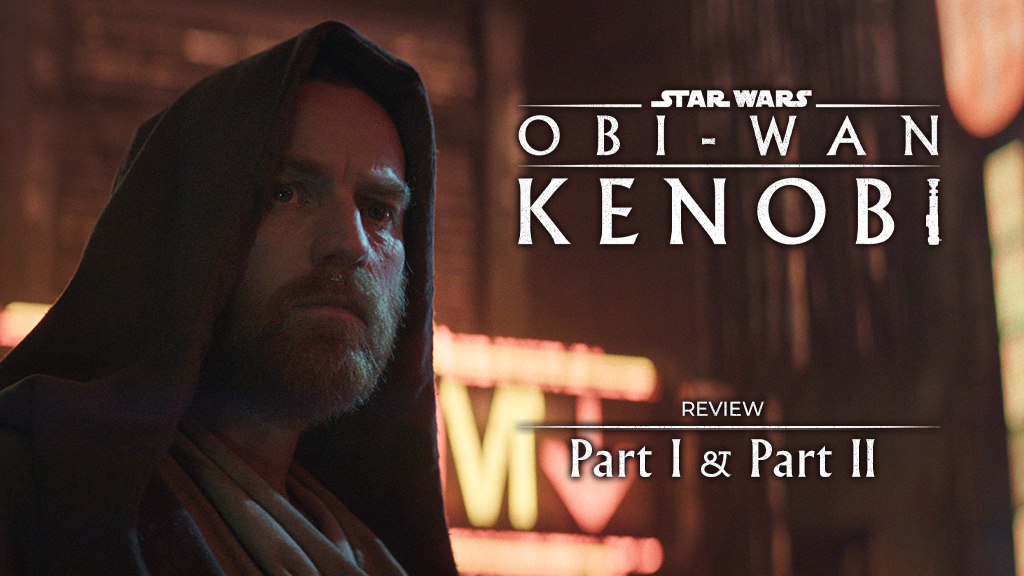
  • REVIEW: ‘Obi-Wan Kenobi’ Part 1 & Part 2

    REVIEW: ‘Obi-Wan Kenobi’ Part 1 & Part 2

    After a long wait, Obi-Wan Kenobi has finally arrived on Disney+. Deborah Chow takes a look back at the era that connects the events between the Prequel and Original Star Wars trilogies. Ewan McGregor returns to the role of Kenobi, who has gone into hiding keeping a close eye on Luke Skywalker and living with the regret of what transpired during Order 66. We meet a very different man than the one that heroically leaped into action all those years ago, as he’s also faced with quite a different kind of challenge as he soon finds the Inquisitor hot on his heel.

    The review will include spoilers. If you haven’t watched the episode yet, take this as a spoiler warning and only continue at your own risk.

    With the premiere of the Disney+ series, we get not one but two episodes. Obi-Wan Kenobi picks up quite a few years after Order 66, which is given a brief recap early in the episode. We see a group of younglings escape with their teacher before they are surrounded by the Clone Troopers. It’s a smart way to just showcase the regret that Kenobi lives with as we also get a few flashbacks to the previous films that highlight the inner turmoil he is going through. It was his former Padawan that unleashed the events of that night and he made it his responsibility that his children would not repeat the same mistake.

    Many of us speculated that something was going to drag the Jedi out of hiding, but I am surprised by the direction they took it. At first, I believed it was the Inquisitors lucking out in stumbling upon a Jedi in need, which forces him to come out of hiding but they swiftly get rid of that idea in the series’ first episode. We spend quite a bit of time with his daily routine and even see the conflict when another Jedi pleads for his help only for him to push him away. He’s given up on everything and you can really feel the way he’s just lost faith in the Force. A lot of the series’ conflict is carried by McGregor‘s performance which is definitely a standout so far.

    What truly caught me by surprise is that it’s not Luke that drags him back into the fold but rather Leia Organa. We get to spend some time on Alderaan, which is a novelty given its eventual fate, and actually see her life for a bit. It plays as a nice contrast to Luke’s as they both share similar traits from their parents; especially their love for what’s beyond their humble homes. It also finally fills in the blank on why Leia knew who Obi-wan was in A New Hope, as well as highlights their relationship that was mostly implied in the original. All it took for them to build a bond was one trip into the forest too many for a group of thugs to kidnap her, which turns out to be a trap by the new Inquisitor Reva (Moses Ingram).

    Speaking of, Reva is an interesting character that is swiftly hinted at having a personal vendetta against Kenobi. Perhaps something even connected to the earlier flashback to Order 66. While later hints may suggest it is more due to Darth Vader seeking him out, it makes her stand out from the rest. Sung Kang’s Fifth Brother is seemingly being built up as someone she’ll have quite a few confrontations with, but the biggest surprise came in the handling of the Grand Inquisitor.

    Rupert Friend gave a great performance but the fact he was taken care of in the second episode is rather surprising. It does feel like a “gotcha” moment for fans that may lead to some mixed reactions from those hoping to see more of the character in this season. Though, they may still keep that window open but it does feel like a way to take him out of this story to not overshadow the newly introduced Reva.

    He had his time to shine in the animated series, but it still seemed like a bit of a wasted opportunity to not show this tug of war between him and Reva. Inquisitor feeling betrayed that she was given a direct command by Vader could’ve made for some interesting drama but it still was a surprising twist that’ll keep even long-time watchers on their toes. She’s definitely turning into quite the threat though she could reduce her backflips by one or two when chasing someone down to save on time.

    Chow has made reference that the series was the Star Wars equivalent of Logan, and the second episode highlights that very direction. Most of this series will seemingly explore Obi-Wan’s relationship with Leia, as they try to flee Reva and the other Inquisitors. Her interactions with him and the distrust made for an interesting arc, as it also forced Obi-Wan to finally use the force again. While he still seems a bit lost, it wouldn’t be too surprising to see him find some faith once again, which he’ll carry over to Luke when the time is right.

    Kumail Nanjiani has a surprising amount to do as Haja Estree, and was a stand-out in the second episode. The idea of him using magnets to fake being a Jedi was a cute idea, and while I wished he was fleshed out more, him helping Obi-Wan and Leia was a sweet moment. Especially when he pretends to be some famous Jedi only for Reva to kind of shove him to the side. It did feel like he was more of a plot device to bring these two together, but he definitely had a great time playing the character.

    Though the best supporting cast is the brief return of Joel Edgerton as Uncle Owen. I expected we’d see more of him but even with a limited time we get a very strong characterization and see just how much he cares about Luke. Even if we spend little time with him, he does a lot with just emoting and staring daggers at Obi-Wan whenever he could, which added a lot to the growing feud between them.

    We’re two episodes in and it’s already promising a fun adventure. McGregor carries the show and you can see he’s putting in all his heart to bring this character back to life. The Clone Trooper cameo alone of Temuera Morrison actually hit harder than I expected, and there’s a lot of heart that makes this limited series stand out. The ending reveals of the second episode cemented the eventual clash between Obi-Wan and Vader, which will definitely be quite the build-up and hopefully give us that same feeling it did when we first witnessed it back in Revenge of the Sith. So far, Obi-Wan Kenobi feels like the tightest written of the Star Wars Disney+ series and may offer us the most emotional-driven story yet.

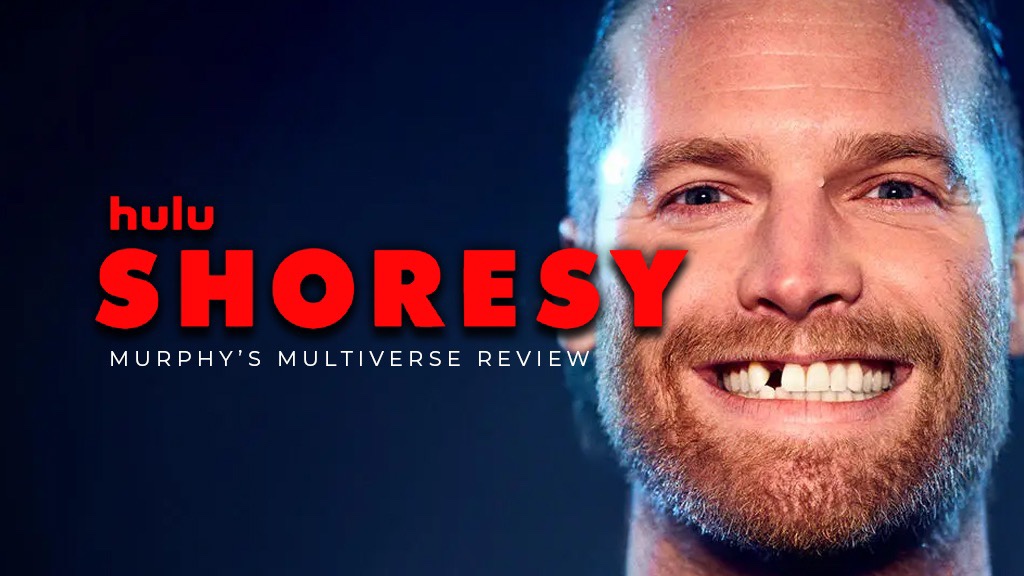
  • REVIEW: ‘Shoresy’ is Even Better Than ‘Letterkenny’

    REVIEW: ‘Shoresy’ is Even Better Than ‘Letterkenny’

    Every so often, a show comes seemingly out of nowhere and takes the world – and internet – by storm. Hulu’s Letterkenny is that series. The series spun out of a YouTube video by series star/creator Jared Keeso and was initially titled Letterkenny Problems. Since being ordered to series, there have been ten seasons of Letterkenny. It’s a simple concept that excels in great character development and storytelling. Which is why it is unsurprising then that Hulu and CraveTV opted to crate a spinoff focusing on the fan-favorite, wise-cracking, and often inappropriate hockey player that loves to give Riley and Jonesy a hard time. Shoresy has a lot to live up to and yet it succeeds with flying colors.

    With a single episode, Shoresy proves Keeso isn’t a one-hit-wonder. After the blazing success of Letterkenny, a series that seemed to garner attention almost overnight, it’s no wonder why Hulu and Crave TV ordered the spinoff. Shoresy recaptures that magic from the first season of Letterkenny with such ease. In fact, while Letterkenny might’ve spent time on trying to get Wayne to fight again, Shoresy spends time trying to make the character more than a fighting asshole.

    Those expecting Shoresy to talk about banging everyone’s moms will be delightfully surprised to learn the character is given room to be more than the naked handstand guy who thrives on torturing others. Yes, he’s still frustrating. And yes, his trademark “give your balls a tug” line is still very much there. But there’s also a heck of a lot more to the show. In fact, there are moments in which Shoresy feels like a more defined series than its predecessor. Unlike the original series, Shoresy doesn’t need to take time to establish itself – the series knows what it wants to be and delivers on its intent from the very beginning.

    One of the things that makes the series all the more enjoyable is seeing how Keeso successfully navigates the character. Playing two characters that exist within the same universe can be a bit difficult; it’s also probably why Shoresy’s face is hidden in Letterkenny throughout his appearances. Trying to make viewers understand these are two very different characters despite Keeso playing both roles can be a hard sell. And yet, Keeso does such a great job at changing up his mannerisms and speech to ensure Wayne and Shoresy are not one in the same. It’s a pretty difficult task, given the characters do share a fair amount of character traits, but Keeso manages to do so with ease.

    More impressively, though, the supporting cast manages to shine just as much as Keeso. When the series focuses solely on hockey players, it is vital that the show makes it a point to make the characters feel like a proper team. The sense of comradery needs to be felt by the audience. Sure, the other players don’t get as many lines as Shoresy, but the supporting cast is a delight and they do get in on the action. Unfortunately, those looking for Letterkenny actors to pop-up, don’t expect too many. There are a few that do appear – J.J. Frankie is one of them as he’s on Shoresy’s new team. However, there is a nice little surprise for fans of a certain chaotic Glen. (No, he’s not there as Glen, but the always great Jacob Tierney does make an appearance.)

    On one hand, it seems wrong to compare Shoresy to Letterkenny. Yes, they are within the same universe, and yes, Keeso created both series. But they are incredibly different. There’s no denying Letterkenny is great – there’s a reason millions around the world have taken to the series – but Shoresy feels like an upgrade to an already great world.

    The series is being billed as a limited series, however, by the end of episode six, it is clear that Shoresy isn’t over just yet. With most shows that bill themselves as a limited series, an open-ended ending could be frustrating. That isn’t the case with Shoresy, though, because by the end of the season there’s such a rich amount of character development that it becomes difficult to part with these characters. For leading man Keeso, balancing two hits shows could prove troublesome, but one thing is for certain: Keeso knows how to deliver a smart television series and Shoresy is proof that he’s one of the best talents on the small screen these days.