Tag: TV Reviews

  • REVIEW: ‘Love, Death & Robots’ Volume 3 Has Some of the Anthology’s Best

    REVIEW: ‘Love, Death & Robots’ Volume 3 Has Some of the Anthology’s Best

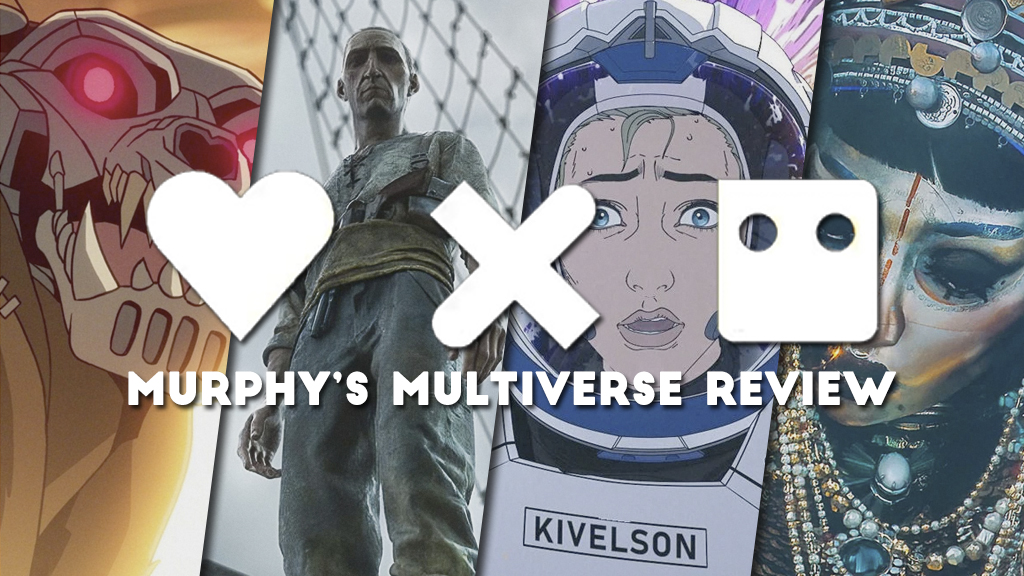
    After a long wait, the third volume of Love, Death & Robots has finally arrived. The anthology series by Tim Miller, Joshua Donen, and David Fincher. As its title implies, it’s full of love, death, and robots but it’s grown to be more than that. Inspired by the 1981 classic Heavy Metal, it explores animation and concepts in an anthology series that have no real limitations. It’s as bloody, sex-driven, thought-provoking, or anything the creative staff wants it to be. With the involvement of various iconic animation houses like Blow Studio, Blur Studio, Axis Animation, Titmouse, Inc., and more, it offers a wide variety of animation styles. So, without further ado, let’s take a look at this new batch of nine episodes and what they bring to the table.

    Three Robots: Exit Strategies

    While a fun re-entry into the latest Volume of Love, Death & Robots, it felt like more of the same. Even the punchline by the end was a bit of a rehash and didn’t offer much new to make you feel like there was more to the first Three Robots storyline. It still was a fun return to the goofy three we saw in the first Volume, it just lacked that punch to make it stand out from an already great first entry. Seeing mankind’s downfall and some jabs at tech millionaires are always welcome, but it sadly just didn’t do enough to make it stand out from its predecessor; no matter how loveable the three robots are.

    Bad Travelling

    It’s surprising David Fincher didn’t tackle an episode of Love, Death & Robots earlier considering he’s one of the producers, but it finally happened. “Bad Travelling” is a really interesting entry. A strange crab-like creature known as a Thanapod makes its home in an unknowing crew’s ship and makes a deal with one of its crew members. What ensues is the battle for survival and an ongoing mutiny that makes you question if the Thanapod will get its way by the end. It’s visually interesting with a grimy ship as its backdrop. The ocean’s current is as tumultuous as the emotions that everyone aboard feels, as the bodies start to pile on. Its unpredictability was a highlight and makes me hope Fincher decides to dedicate an entire film to this concept in the future. It was just that good and felt like it could’ve done even more.

    The Very Pulse of the Machine

    If you’re out of options, how far would you go for survival? That’s at least what you’d think the episode would be about at first, but it turns into something quite a bit different. I really don’t want to give it away, as it’s quite an introspective episode that scratches the surface of what my personal favorite, “Zima Blue,” portrays in its story. High concept and simple execution sometimes have the effect of elevating an experience that makes you think about your own existence. Capped off with a perfect open ending, which makes you want to rewatch and re-question every step once again.

    Night of the Mini Dead

    Whoever had the idea of exploring a Night of the Living Dead parody as if it was a living diorama deserves a reward. It felt like watching an episode of the Sims with everything going wrong. It doesn’t reinvent the wheel (besides the visual design) but it adds some fun flourishes. You have some little jokey clichés with the muffled miniature sounds making them feel fresh. What sells it is how over-the-top it is. At first, it seems like a miniature retelling of the original Night of the Living Dead until it just goes bananas with the concept. By the end, it feels like they just saw what stuck to the wall and it definitely worked no matter how insane it got by the end.

    Kill Team Kill

    “Just a fun time” is the perfect way to summarize “Kill Team Kill” as a story. It doesn’t take itself too seriously and has a great 2D art style. The simple concept of a ragtag team of soldiers facing off against the perfect bionic killer bear was thrilling. It surprised me this was from director Jennifer Yuh Nelson, who created the iconic Kung Fu Panda trilogy, as it’s quite raunchy. Yet, it made me hope she gets a chance to direct more of this style, especially in how much energy she brings to the project. Though Volume 2’s “Pop Squad” is still my favorite entry by her in the anthology. though “Kill Team Kill” is definitely a great time I’d gladly come back to rewatch.

    Swarm

    “Swarm” is a curious entry, as the concepts it explores are quite interesting but ends up following a predicted path. The title gives away what the scientists are exploring, but leads to its downfall at the hands of their own hubris. It’s more an exploration of the value within existence as part of a swarm or your own intelligence. The ending sequence is a highlight, especially how it combines this gruesome perspective and some haunting visuals. Yet, it could’ve used a bit more time to explore the concept, as it feels over before it even truly begins. While the open nature of the story is fitting, it does feel like there was more to get out of it than what we got.

    Mason’s Rats

    Evolution really isn’t your friend if you’re running a farm in the middle of nowhere. When a farmer realizes his rats ate enough GMOs to learn how to use weapons, modern pest control is his only option moving forward. It’s a fun and creative concept, as the weaponry he uses gets more and more advanced, as do the rats. At first, I adored the episode but confessed that the more I thought about it, the ending was a little convenient. While the lesson of the episode is quite a strong one and it’s generally a great episode, the ending sadly takes away from it and just wraps in a nice little bow way too easy.

    In Vaulted Halls Entombed

    You can never go wrong with a good Lovecraftian-inspired story. A group of soldiers tries to free a hostage, but end up in a much worse scenario than anyone could’ve imagined. It’s not adding anything to the concept that we’ve seen many times before, but it doesn’t need to technically. Probably the most straightforward story of the bunch because there is no real foreshadowing to what happens, it just leads from one event to the next. Still, the ending was perfectly Lovecraftian and is something that stuck in my mind on how it could continue; even if I’ll never know.

    Jibaro

    The final entry of the anthology series, “Jibaro,” might be its most ambitious yet. While its stylized visuals aren’t too far off from Bad Travelling and Mason’s Rats, it stands out for its artistic value. The short film feels like a deadly dance is spiraling out of control between a deaf soldier and a siren of unknown origin. I don’t want to give more away, but its simple premise feels like a prelude to a metaphorical look at a deadly romance. Steeped in mythology, it uses its visuals in interesting ways. The camera does move a lot which can be quite disorienting at times, but it creates a visual panic perfect for the chaos that ensues. A high recommendation and a great finisher to what is overall a strong new volume of Love, Death & Robots.
  • REVIEW: ‘Night Sky’ Lets Its Stars Shine

    REVIEW: ‘Night Sky’ Lets Its Stars Shine

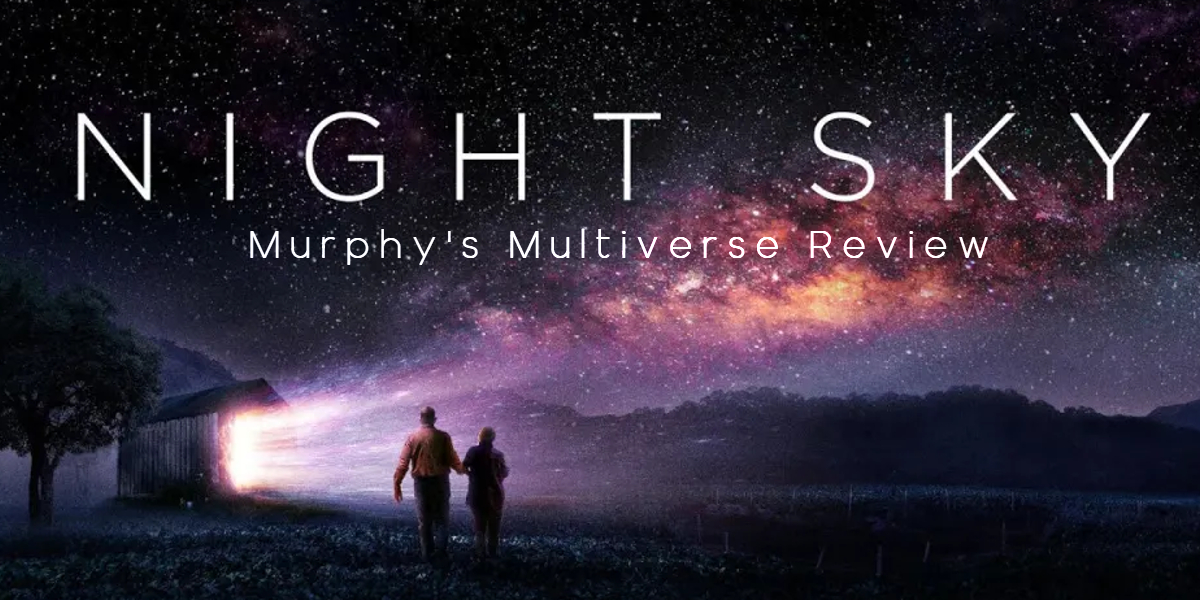
    Sissy Spacek and J.K. Simmons are two remarkable acting powerhouses, and for most of its eight episodes, Amazon Prime’s latest science-fiction offering Night Sky feels designed specifically to point that out. The slow-burn series from creators Holden Miller and Daniel C. Connolly centers around elderly couple Irene and Franklin York, played by the aforementioned Academy Award winners, who live a seemingly normal life in a small Illinois town. Of course, normality isn’t what qualifies the show as science-fiction, so there is one major twist – the couple are hiding a mysterious portal to another planet in the ground under their shed. They manage to maintain a fairly dull life despite this shocking secret, until a strange young man emerges from the otherworldly doorway and turns everything they thought they knew upside down. From that point, it’s mostly just really good acting.

    The show’s premise will draw people in, but Spacek and Simmons will be the reason they stay. Although the written synopsis may appear to promise moments of visual awe and pulse-pounding discovery, that type of storytelling is actually fairly sparse for most of the series’ runtime. Aside from a handful of truly beautiful cosmic scenes and a subplot involving cult-like bounty hunters, the majority of Night Sky is actually a long-form drama about the endless, overwhelming love shared by Franklin and Irene. In fact, it becomes apparent partway through the season that the whole “space door” plot point, and the ancient organization associated with it, are more so catalysts to challenge and examine the York’s marriage than they are real developments of their own.

    This works almost exclusively because the show’s leads are so good at what they do. The series’ writing is very well done, but its pacing is far slower than expected. While the front and back of Night Sky are filled with exciting progress, the middle chunk of episodes suffer from a frustrating lack of life that could leave some viewers in a position of wanting to change the channel. Truthfully, Night Sky does not seem to be structured with the binging model in mind. Most episodes are dense enough that they could use that old-fashioned week of processing and analysis between installments. Attempting to take in more than a couple of episodes at a time could prove to be a bit much, so the recommendation here is to slow your roll and appreciate independent episodes for what they are.

    Once the season gets cooking, however, it has a lot of really intriguing things to say. The main point of tension in the York family is the lingering death of their son, Michael, who passed away decades before the start of the show. His loss of life has caused Irene and Franklin to struggle finding meaning in theirs, with their care for each other as the only thing still keeping them around. The sudden arrival of Chai Hansen‘s curious Jude into their lives threatens to rupture the relative peace Franklin has procured for himself and Irene in recent years, but it means something else entirely for his wife, who sees the situation as an opportunity to experience something real again. Much of the personal conflict that follows revolves around the duo’s differing outlooks on how Jude will change their future and affect their views of the past, and makes for a rather compelling relationship drama from a demographic not seen as frequently on television.

    The other main plotline in the series follows Julieta Zylberberg’s Stella and her teenage daughter, Rocío Hernández‘s Toni. Without getting too far into spoiler territory, the pair spend much of the show’s first season on a cross-country road trip that forces both to confront questions about themselves they’ve been avoiding for most of their lives. As expected, this drama comes to a head around the same time Franklin and Irene resolve their comeuppance. The common theme shared between the two plots is simple, yet effective. Both pairs of family members spend too much time running in circles, desperately trying to avoid the inevitable. They do so because they are scared, and because change, especially immense change, is a terrifying thing to face head-on. It isn’t until they accept fate and embrace change that they realize how glorious life can be.

    The most impressive thing about Night Sky is that it consistently makes you forget there’s a big space portal in the protagonists’ backyard. Where most science-fiction shows tend to bury character drama beneath cool special effects, Amazon’s newest does the exact opposite. The beauty of the series does not come from the infinite universe in which it takes place, but instead from the hearts and souls of the characters that inhabit it.

  • REVIEW: ‘The Kids in the Hall’ Revival is Best When It’s Not Being Funny

    REVIEW: ‘The Kids in the Hall’ Revival is Best When It’s Not Being Funny

    “Well, I got a brand new pair of roller skates, you got a brand new key. I think that we should get together and try them out, to see…

    The lyrics to Melanie‘s upbeat 1971 classic, “Brand New Key,” echo hauntingly through the lifeless corners of an underground bunker. A neon sign flashes “On Air,” and water drips from the pipes above. Dave Foley, wearing a long-haired wig and eyeliner, sits by himself at a table covered in radio broadcast equipment. He casts an empty stare into nothing, his expression somehow both devoid of feeling and on the verge of tears.

    “I’ve been looking around a while, you’ve got something for me. Oh, I got a brand new pair of roller skates, you got a brand new key…”

    The record playing in front of Foley skips, breaking him from his trance and transforming him into a “Motor Mouth” DJ named Mike, putting on a performance for an unseen audience. A few cheesy quips reveal that a nuclear holocaust has destroyed the surface of the Earth, and Mike is seemingly speaking to nobody, simply passing the time alone. As soon as his act is finished, he returns to playing “Brand New Key,” his only record, and resumes looking into the void. Maybe, someday, somebody will hear his broadcast, but that day is not this one. Cut to opening credits.

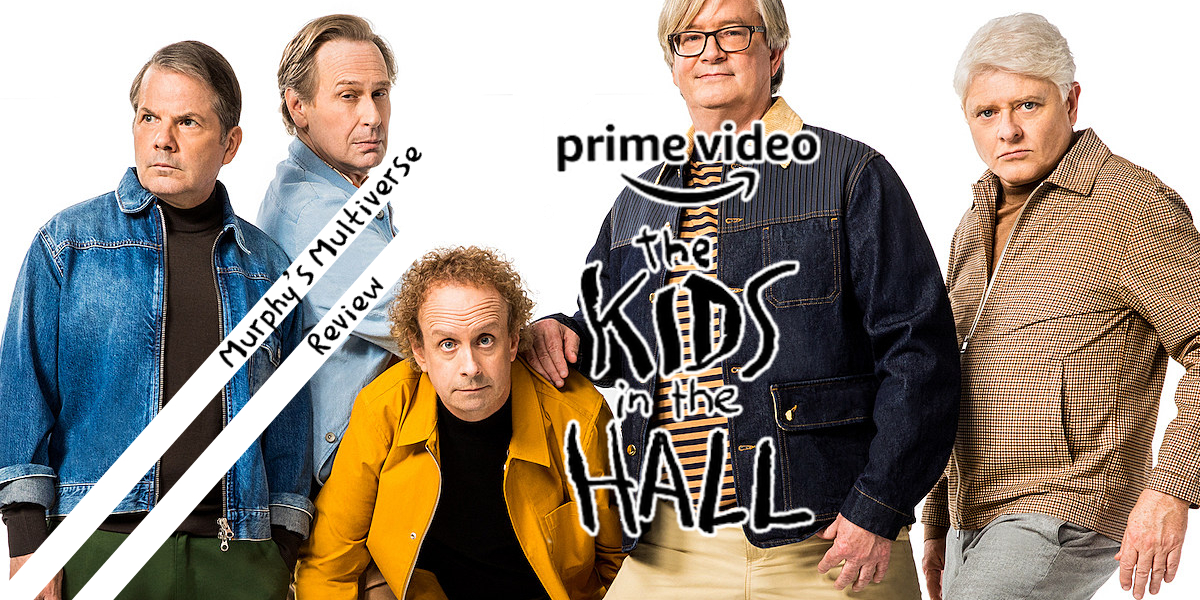
    That is how The Kids in the Hall choose to open an installment of their latest episodic reunion. The Canadian troupe that blew the doors off sketch comedy in the early 1990s with their farcical satire and deadpan absurdity are back with a revival on Prime Video, but things are a little different this time. Now, they’re old, and they have a new perspective on life. Much of the humor in the latest season comes from a place of reflection, analyzing the ups and downs of later adulthood and the world as it has come to be. It’s the kind of topical turn many comedians have made as they’ve aged past the point of youthful rebellion. No longer able to stick it to the man, generally speaking, they begin sticking it to those who do.

    Luckily, the Kids in the Hall avoid falling into the regular “old man trap” of cantankerously complaining about the way times have changed. Instead, they often make themselves the butt of the joke, using their own humility to get the point across. Their sketches are just as much about how well they have, and haven’t, adapted to the changing landscape of culture as they are about their thoughts on those changes at large. What exactly those thoughts are appear to be somewhat subjective, but the unanimous decision made by all five members seems to be that, at the very least, their sense of humor refuses to change. These are the same Kids in the Hall you remember from thirty years ago, even if what they’re talking about is not at all the same. For all intents and purposes, the group are Dave Foley sitting in a bunker as civilization crumbles around them. Still wearing the clothes and makeup they did in 1989.

    Though interestingly enough, many of the season’s highlights happen in ways one wouldn’t quite expect. Like the strange, off-putting bit outlined above, most of the Kid’s best new moments come in the form of weirdly serious, left-field sketches that aren’t exactly outwardly funny. Maybe it’s the modern influence of successful alternative comedy shows like Tim Robinson‘s I Think You Should Leave or Nathan Fielder‘s Nathan For You, but it’s likely the sketches played for confusion or stupidity that will end up appealing most to the younger audiences of today. Of course, it could be argued that the Kids in the Hall pioneered that exact form of hilarity, and credit is due where it’s due. When the Kids commit to the cringe bit, it’s all sorts of wonderful. There are skits with bouncing male genitalia, waiters who can’t comprehend the mind of a tasteless dinner guest, and a neighborhood watch who can’t quite put their finger on what’s actually wrong with their environment. Each of these succeeds because none of their characters show any sign of realizing their actions are increasingly ridiculous. They aren’t trying to be funny, which in turn is hilarious.

    Unfortunately, the Kids’ latest batch of episodes can’t stick to this format for its entirety. It feels like every time an episode hits its stride, it comes crashing down at the behest of a sketch that insists on laughing at itself. A drunk father manages to become a hero in Toronto, a workplace Zoom meeting is interrupted by natural desires, and a man loses his job for culturally appropriating a clown co-worker. These all fail, at least in my own eyes, because they acknowledge that what’s happening could be construed as funny. The Kids and their cohorts play the characters in these sketches as knowing caricatures surrounded by other knowing caricatures. Everyone is in on the joke, which causes the joke as a whole to flounder. Nobody likes to be told when something is funny, they just want to laugh.

    Thankfully, the majority of The Kids in the Hall‘s five screener episodes manage to lean toward the former vibe of unconscious absurdism. It’s not a perfect season of comedy, but it is exactly what fans of the crew might be expecting from their favorite funny Canadians. Even viewers with little-to-no prior knowledge of the group will probably find themselves amused by a lot of what they have to offer. There have been much worse attempts at a comeback made by comedians circling retirement age. Here’s hoping the last couple of episodes, still yet to be seen by critics, live up to the whispered promise that the Kids still have what it takes to shock and delight.

  • Michelle Yeoh is Joined by ‘Everything Everywhere All at Once’ Co-Star in ‘American Born Chinese’

    Michelle Yeoh is Joined by ‘Everything Everywhere All at Once’ Co-Star in ‘American Born Chinese’

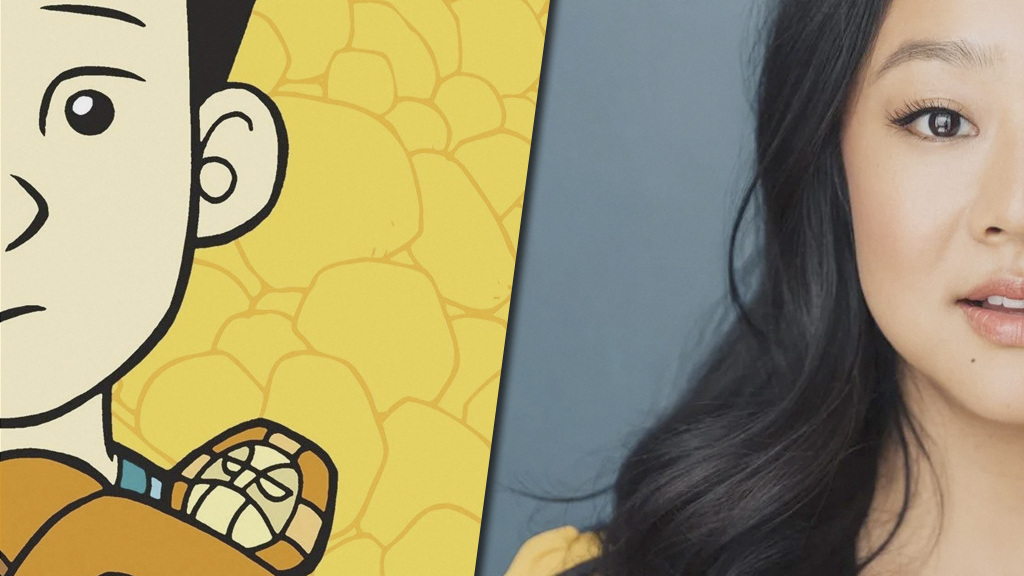
    The cast of the new Disney+ series American Born Chinese continues to grow, as it has now added Stephanie Hsu in a guest-starring role. The series will reunite her with Michelle Yeoh and Ke Huy Quan, who worked on the indie hit Everything Everywhere All at Once. The series will adapt the graphic novel of Gene Luen Yang, which explores the struggles of a teenager named Jin Wang (Ben Wang), as he tries to balance being at high school as an immigrant child. His meeting with foreign exchange student Weih-Chen, played by Jim Liu, will change his life as their worlds collide.

    Hsu will take on the role of the Goddess of Stones, Shiji Niangniang. She works in a jewelry shop with her magical doll. Yeoh is playing auntie Guanyin, who is trying to help her nephew navigate American school life, but also hiding the fact that she is the Buddhist bodhisattva of Compassion. Quan is taking on the role of Freddy Wong, who is a fictional character from a 1990s sitcom.

    The project is quite an exciting one, as it further explores some interesting concepts of identity and our place in the world. While it will include some mystical elements, the original graphic novel kept its strong focus on its two leads, as they explore what it’s like having similar backgrounds but different upbringings. It will be exciting to see how they also take elements from the original, as live-action adaptations still try to keep some visual flourishes from the things they are adapting.

    Source: Variety

  • REVIEW: ‘Moon Knight’ Finale

    REVIEW: ‘Moon Knight’ Finale

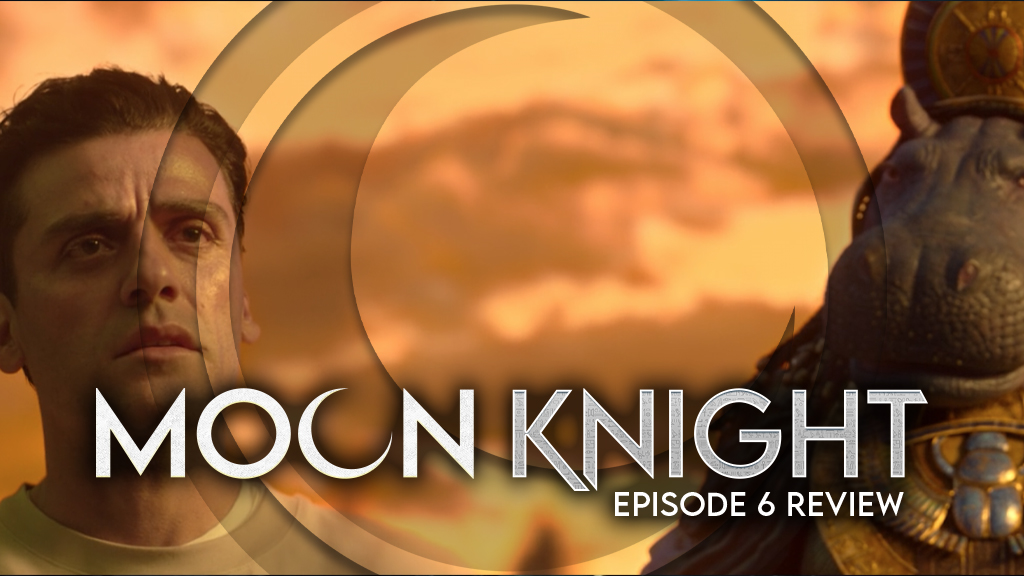
    Over the course of its six-episode run, Moon Knight certainly turned heads at least a few times during its tenure. Some of Marvel Studios’ best television came through in the series, and Oscar Isaac left more than a lasting impression on the MCU with his performance. In a story with a near-infinite room to explore Ancient Egyptian gods and their relationships with humans, the Disney+ show ultimately proved that it can tell a phenomenal Marc Spector story. Moon Knight? Not so much—there is no joy in admitting that the Moon Knight finale failed to stick the landing and generally was an injustice to the aspects that the series that, up until this episode, were leading it to potentially be the best Marvel Studios series. This final episode likely takes the series out of that conversation.

    The simplest way of describing what ended up being disappointing about the finale is bland. On one hand, every step of every character in this episode was met with zero resistance. All of the forgettable Arthur Harrow- or Ammit-related moves were too easy and predictable. Even the few positive moments were simply given the green light with no questions asked. 

    Where the big psychological twist of the series came in so beautifully for the character-based aspect of Moon Knight, the hard plot really could have benefitted from something similar. Where the series had raised mystery and intrigue, it revealed that there was nothing special behind it. With Harrow, the mildly interesting villain had no other goal than to simply take over the world, and having that be the hook, line, and sinker for the big ending felt as generic as it gets. Forcing through Harrow’s and Ammit’s world domination plan felt like the equivalent of a B-movie plot, and it lacked any genuine impact or even threat of impact.

    In a realm where so much is possible, and where so much rich creativity has been presented, the series ultimately hung its hat on perhaps the most generic incantation of new gods and those fighting for them. So much more could have been toyed with in a way that would have fit well with the intricacy of the character-based elements, but ultimately those get drowned out in a sea of uninspiring CGI and conflict with practically zero nuance. Even giant silhouettes of Egyptian gods fighting over Cairo could not make up for how the actual conflict did not rise to any occasion.

    Similarly, Khonshu remained a relatively minor character by the end of the finale. While the post-credits scene hints at more, the god often—and ultimately—felt like an excuse for Marc and Steven’s involvement in the overarching plot rather than a meaningful or genuine inclusion. There are countless ways that Khonshu’s personality and deception could have played into the series’ story.

    The psychological exploration of Marc and Steven was the highlight of Moon Knight by far. It was so incredibly well-done that it almost made it more difficult for the series to have a grand ending on a more physical plot. Still, the residue of that character development is what kept the finale afloat. The tender moment between Marc and Steven in the Duat was one of the most emotional, and Oscar Isaac’s fantastic final execution of playing both roles with rapid switching was sincerely the most exciting part of the finale. The best parts of the action-heavy episode came when Moon Knight and Mr. Knight teamed up. Even with a finale that did not cement the series as all-in-all outstanding, nothing can take away from Moon Knight’s character masterpiece.

    Another positive element to come out of the finale was Layla’s development into being an avatar of her own. This was perhaps the most unpredictable moment, yet her possible relationship with Khonshu was teased from the beginning. Still, she ultimately—easily—became Tawaret’s avatar in order to fight against Harrow and his disciples. Her superhero moments were the best superhero moments of the entire series. While Layla requested that she be a “temporary avatar”, this character is very much MCU-unique, so her status could have substantial ramifications down the line. 

    Lastly, Moon Knight finally introduced Jake Lockley, Marc’s third personality. After being the subject of much speculation over the course of the series, the character ends up being almost exclusively a post-credits tease. That is not too surprising, and it did have some positive impact on the ending of the series. We meet Jake right after Marc and Steven seem to be free from Khonshu and are living their normal lives together with two goldfish. But of course, Khonshu is still using Marc’s body as his avatar. This time, Jake Lockley seems to be taking on the “Moon Knight” mantle on his own.

    Where the episode fumbles on this tease is that the series hinted at Jake being hyperviolent alter but never actually showed it. He had such a moment, in the end, to show that side of himself, to live up to Moon Knight’s violent expectations, and leave a strong lasting impression on viewers going forward. Instead, he simply shot at Harrow from the front seat of the comics-inspired SPKTR limo. It may have been a bit more intriguing if the audience got some sort of grasp of his personality as it differs from Marc and Steven.

    Moon Knight will always be a memorable show. The character-based aspects and Isaac’s performance should go down as some of the greatest in the MCU. Nothing in the series finale takes away from those accomplishments, but the generally bland and generic ending does drown out some of it as the show came to an end. Ultimately, the wonderful twist and mind-bending energy that came with the psychological aspect of the show simply did not bleed into the main plot, and it was worse for it. 

  • REVIEW: ‘Undone’ Season 2 is Trippy, Engaging Family Drama

    REVIEW: ‘Undone’ Season 2 is Trippy, Engaging Family Drama

    There’s nothing more relatable than family drama. Everybody has scars they don’t want others to see, and even the tightest of broods can fall apart at the seams when those wounds are exposed. While this is rarely a good experience for those personally affected, it’s almost always a source of interest for those who aren’t, and frankly, it makes for some great television. Perhaps this is why there are countless shows on the air about dysfunctional families, all doing more or less the same series of tropes with varying degrees of success. From This Is Us to A Million Little Things, it’s simply large groups of people in small towns who consistently refuse to give each other their whole truths. This is why Undone‘s unprecedented second season, coming soon to Amazon Prime, is so wildly refreshing.

    It’s been a long while since the show’s first season dropped in 2019. The world was a vastly different place, and it’s easy to forget about anything “normal” that happened just before a global pandemic permanently changed society’s way of life. However, it would be a shame if nobody came back for another round of Undone, which is the best “family drama” program produced by a studio in the last several years. Developed by BoJack Horseman creators Raphael Bob-Waksberg and Kate Purdy, the series revolves around a young woman played by Alita‘s Rosa Salazar, whose near-death experience reveals she has a unique connection with time. Her character, Alma, can travel through memories (both her own and others) to interact with time in a non-linear fashion, and as she discovers at the end of the first season, even hop between different timelines and dimensions. The initial set of episodes featured Alma attempting to access a world where her father, played by the always delightful Bob Odenkirk, never died, leading to a surprising series of revelations about her family history.

    The second season continues this plotline with a twist. After leaping from her own universe to a better one, in which pops avoided making some critical errors and Alma is not considered the family screw-up, she quickly learns her dad wasn’t the only parent with a dark past. It turns out her mother has secrets too, and Alma can’t stop herself from using her abilities to figure out what they are. The problem is, Alma’s abilities are on the fritz due to some to-be-determined inner turmoil, and now she must recruit her more responsible sister to help in the investigation. That’s the set-up, and from there, chaos ensues in the only way the creative team of Bob-Waksberg and Purdy know how to construct. It’s a string of glorious, trippy, emotional, well-written lineal squabbles that might make you laugh and cry at the same time. Or at least do both in the same episode.

    Despite the surreal imagery and off-kilter framing device, the real magic of the series is how genuine it manages to feel through all the increasing absurdity. As far down the chronological drain as they go, Alma and Becca, played by Angelique Cabral, never become detached from the task at hand. Where some shows may lean too heavily into the time travel device, Undone is able to use it as a complimentary utensil in its storytelling. The series maintains its focus and uses its distinctive traits to heighten the drama instead of bogging it down. Most importantly, all of the characters involved remain incredibly human. Very rarely is the entire main cast of a series fleshed out so wholly, and even more rare that’s executed with such cleverness. Constance Marie especially, stepping up to a central role in this season, shines with an emotional realism against a dreamlike world.

    Speaking of which, the series continues to make good work of its novel appearance. In case anyone is in the dark on this, Undone is animated using a stylistic rotoscoping technique. Live-action performances are drawn over, giving them a cell-shaded outward form, and then placed on top of oil paintings used as backgrounds. The result is something familiar, if not just a little bit off. It’s the perfect imagery for a show whose purpose is to explain that nobody is normal, or completely sane, and that embracing what’s hurt us and what makes us different is the only true path to fully healing. In the eyes of Undone, the world is a beautiful place and everyone in it is just a tad bit obscured from perfection.

    It doesn’t seem like a shoo-in for the show to get a third season, but it would be alright if another volume never came. The latest batch of episodes are a perfect conclusion to a two-season arc, wrapping up everything with a purposefully messy bow. If Bob-Waksberg and Purdy are able to think up any more installments to the Undone saga they’d better be every bit as refreshing and satisfying as their previous outings, because what they have right now is a perfectly lovely hidden gem. It’s strange, but I almost hope this is it for the series. Happily ever after, or at least as close as a person can get.

  • REVIEW: ‘Roar’ on Apple TV+

    REVIEW: ‘Roar’ on Apple TV+

    Every now and then, there comes a series that leaves you dumbfounded. Perhaps the acting is too over the top. Or maybe the writing is subpar. It’s even possible the concept is a disaster, that seems to be hanging together by a tattered string. Roar is one of those shows that should work. It has a stellar cast, it’s an anthology series, allowing for numerous stories to be told and it is based on a book of short stories by Cecelia Ahern. Unfortunately, Roar is a series that’ll leave many scratching their hand and wondering if it needed to be made.

    Each episode of Roar is around a half-hour and features modern dramas with magical elements. The first episode, “The Girl Who Disappeared,” stars Issa Rae and features a concept that is, unfortunately, something many can relate to in this day and age. The “magical” aspect of it works because it is something people experience in daily life. The problem is, though, that the episode gets good just as it cuts off. This is an issue that continues with each new story. Yes, the stories are based on short stories, however, Roar would have been better had it expanded upon the stories instead of trying to squish them into half-hour episodes.

    It’s frustrating, honestly. There’s top-tier talent here – Nicole Kidman! Rae! Alison Brie! – and Kidman is even on board as a producer. And yet, this feels like a half-baked anthology series. What is most frustrating about this series is that the magical elements are not handled all too well. While “The Girl Who Disappeared” handles the magical element decently, the Kidman episode “The Woman Who Ate Photographs,” is just a disaster. The problem is, while the idea of Rae being invisible to the white men is relatable, and therefore, works, Kidman’s character eating photographs and reliving moments briefly just… does not. It takes the viewer out of the shower. And then it continues to be uneven throughout the remainder of the season.

    There’s no denying Roar tackles important topics. Racism, the idea of a trophy wife, women and their biological clocks, doctors not taking women patients seriously, etc. Each topic is something that viewers can relate to on some level, which is wonderful. Everything is just underdeveloped. Even worse, despite being billed as a feminist series, Roar never truly hits the right notes to become the series it thinks itself to be, which is unfortunate.

    In the end, I found myself wondering if this was a series that even needed to be made. Yes, it’s great that it has a heck of a lot of female talent involved. That’s absolutely wonderful, and I’m excited to see it. Sadly, though, it just seems as though the premise could have been handled a lot better. Magical realism is an exciting genre – if done right. Roar does not handle it properly, and the stories ultimately suffer because of this.

    Roar is now available to stream on Apple TV+.

  • REVIEW: ‘Outer Range’ is a Must-Watch

    REVIEW: ‘Outer Range’ is a Must-Watch

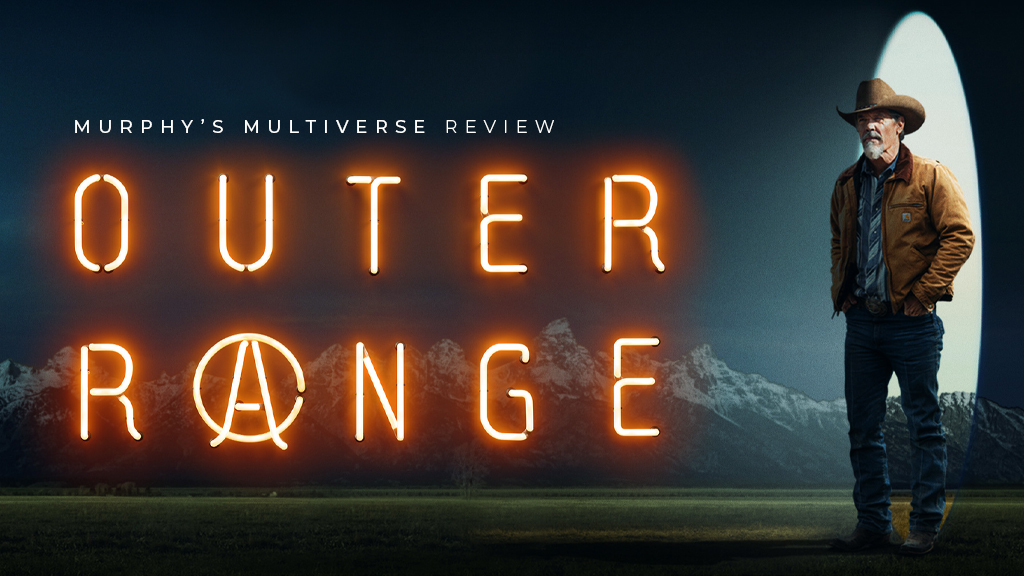
    There’s something immensely scary about the unknown. We’re seeing the resurgence of projects further exploring that concept more and more, especially taking inspiration from Lovecraft’s famous stories. After Lovecraft Country‘s cancellation, I’ve been hopeful that a new series would come around to offer that same feeling. Luckily, Amazon Prime’s Outer Range manages to not only scratch that itch, but even tell a compelling family drama as things start to unfold in the small range of the Abbott family in Wyoming.

    I have to say, I am immensely impressed that this series is Brian Watkins’ first. There’s something very meticulous about its pacing, as we follow Josh Brolin‘s Royal Abbott, as his life starts to unravel around him. The moment he discovers a strange hole in the middle of his field, one that seems beyond our own comprehension, everything around him slowly starts to unravel. He is a man that seemingly has everything in control and does anything for his family, yet someone who has his own secrets to hold. Events throughout the series runtime will push him beyond his breaking point, as he tries to make sense of it all.

    The project has an all-star cast with Josh Brolin, Imogen Poots, and Tom Pelphrey being the standouts. Even saying that there’s no weak link in this cast as everyone is seemingly giving it their A-game throughout. Even some crazier characters like Noah Reid‘s Billy Tillerson are designed to fill their role. Brolin is still the man carrying the entire series, and the former Thanos actor truly carries every scene he is in. There’s this amazing subtlety in his performance, as he tries not to let a single weakness break out. It adds to a lot of the tension throughout that the series aims to build.

    Speaking of, it would be a disservice to give away any plot points. While it doesn’t make my job reviewing it any easier, I believe it needs to be seen without giving away any of the major plot points throughout. There are a lot of curious twists and turns in this series that not always are connected to the main void, which is heavily teased in the promotional material for this series. Amazon describes it as “genre-bending” and I can definitely agree that remaining vague with this series was the best way to promote it. In a way, the series feels like a more restrained version of Lost.

    There are some beautifully done shots throughout, which really highlighted the themes and sometimes dread of being lost in the middle of nowhere. The rancher backdrop works in the show’s favor beautifully and adds a special flair that you wouldn’t normally see in this kind of story. The open fields create that illusion of just how small and insignificant we are in the bigger picture. Subtle camera tilts and the right shot composition can make something as simple as a hole in the ground feel eery and endless. There are many shots and moments that still stick with me to this day.

    Of course, the right sound design can truly bring the ambiance together for such a story. In a way, it might even be the strongest element in this story. You know you’re watching something special if moments are punctuated through its audio design. The show knows exactly when to amp up its music to keep you on your toes. There were moments when I had shivers when the music hit just right throughout my time with the series. It’s one of those soundtracks that you’ll listen to even after you finished your watch, as it just conveys a certain feeling.

    Not everything is perfect, as there are moments where the story drags a bit and there’s a lot of exposition throughout. Yet, it ironically also kind of works to the series’ benefit given the way it continues to build up the tension once those moments come back into play. Still, there are times when you do wish it got back to the juicy part of the series. Just highlights how difficult it is to talk about the series without spoiling anything, but there is a lot of set-up at play here. I cannot recommend the series enough, especially if you’ve been looking for something to scratch that same itch as Lost, Annihilation, Lovecraft Country, and similar projects.

  • REVIEW: ‘Russian Doll’ Season 2 is Slow-Moving, But Worth the Ride

    REVIEW: ‘Russian Doll’ Season 2 is Slow-Moving, But Worth the Ride

    The first season of Russian Doll was a stellar season of television, with excellent acting, tight writing, and a concept that hooked viewers almost immediately, it was hard not to love the Netflix series. Unfortunately, the second season of Russian Doll seems to lose its footing early on, stumbling to craft a second season as strong as its predecessor. While still enjoyable and carried by strong performances by series leads Natasha Lyonne and Charlie Barnett, Russian Doll Season 2 spends more time crafting questions than it does providing answers.

    Season 2 of Russian Doll picks up a year after the events of Season 1. Nadia (Lyonne) is approaching her 40th birthday, and things seem to be back on track with Alan, the two are still a mess together — with Nadia continuing to be more carefree and reckless than Alan. Unfortunately, though, rather than try to give viewers answers from Season 1 – including why they’re able to come back repeatedly – the series takes the duo in a completely different direction, one that can be incredibly frustrating at times.

    Lyonne shines more than ever in Season 2. She is absolutely dynamite every moment she is on screen. While the writing is still good, without Lyonne’s magnificent acting, it’s hard to believe the story being told in Season 2 would work. Every poor choice, every moment of shock and awe, and the emotional bits tossed here and there? She sells each moment with ease. And while Barnett doesn’t get as much screen time as he does in the first season, the moments he gets on screen are memorable. More importantly, though, their on-screen chemistry remains electric — they play off of one another perfectly, it’s hard to imagine any other actors in these roles.

    As for the story, it’s not as strong as the first season, which isn’t entirely surprising. It’s normal for sophomore seasons to hit a bit of a slump. Thankfully, though, Russian Doll still manages to tell a tightly wound story that is a heck of an adventure if viewers are willing to stick through the slow moments. There are moments that are chaotic that seem to move too fast to truly allow viewers to catch up, but once they do? It’s a ride that is ultimately worth the trip.

    The most interesting thing about Season 2, however, is that it opens up the possibilities for future stories. In a series that isn’t afraid to take risks, it is hard to grasp what the creators might have planned for future installments. The ending of Season 2 allows for a new tale to be weaved with endless possibilities. One can only hope, though, that future seasons will provide more answers than questions.

    Season 2 of Russian Doll is a slowburn, but when it comes together in the end, it’s a hell of a ride you’ll be thankful to have taken.

  • REVIEW: ‘Moon Knight’ Episode 3

    REVIEW: ‘Moon Knight’ Episode 3

    Throughout its first three episodes, Moon Knight has solidified that it, at the very least, feels substantially different from the vast majority of Marvel Studios’ projects. Generally speaking, this is a positive — why anyone would want the Marvel Cinematic Universe’s 33rd entry to be as similar to the rest as possible is a mystery. Moon Knight stands out with its ability to make the viewer feel as though they know just about as much as its original, in-the-dark protagonist; its heavy reliance on Egyptian mythology and imagery; and its focus on the development of its main character(s). Still, this unique take is not without its growing pains.

    For one, a lot of important background information seems to have been generally skipped over. There are a few very brief moments of dialogue that attempt to explain Marc Spector, Moon Knight, and Khonshu, but everything moves on without an actual understanding. Is this the result of the series trying to be a better origin story by avoiding the predictability of traditional origin stories? Most likely, yes. There is far too much background to remain unaddressed, and it seems entirely intentional that there are no flashbacks or long expositions. The viewer is almost kept as up-to-speed as Steven is at all times, which is a unique and potentially intricate way of exploring a nonlinear narrative. Halfway into Moon Knight, it is still too soon to tell how exactly it will pay off.

    While there is often not enough lore, at times in Episode 3 there felt like too much. The meeting-of-the-avatars scene felt out of place. While the concept of Egyptian deities and human avatars had remained sort of “small” in terms of its presence within the series, this moment really took it to a dramatic next level of complexity that the show did not feel ready for, nor that truly felt needed. It does go to show, though, that Moon Knight and Khonshu are part of a much bigger thing, and that bigger thing is not a fan of Khonshu. That leaves Marc as the odd avatar out as well, further emphasizing that the character is on the fringes of virtually any environment he is in. When Khonshu is imprisoned at the end of the episode, it leaves Marc and Steven without the ability to summon suits or hear the god. But considering how limited some of that was anyway, it does not feel like it had the type of impact it should if the viewers are meant to truly feel affected by that.

    Moon Knight definitely feels more akin to drama with supernatural elements rather than an action-adventure. That fits with the notion that the show is truly a character study, but it can be a bit hard to reconcile with the general branding and advertisement, which certainly put the suited-up Moon Knight in more of a spotlight than the series has to date. Quite frankly, the Marc Spector-level element of the character has almost always been much more interesting than the vigilante one, but there is some amount of tension between natural expectations and watching the story play out. It could certainly be guessed that the series itself doesn’t exactly know where it stands in terms of its own focus and scope. While some might find it more difficult to sink into an MCU series with different tones and narrative themes, Oscar Isaac’s performance alone should be enough to convince anyone to give it a real shot.

    In any event, the pacing of this episode remains impressively consistent in terms of how well the plot progresses. Whether one likes the story at any given moment or not, it moves at such a strong pace that keeps the puzzle building quickly enough that nothing feels stale. Everything is always moving, and even the quieter moments stay dynamic. Anything that tries to combine darker tones with humor will meet resistance, but Steven Grant’s intrinsic humor—and Mr. Knight’s by relation—are some of the highlights of this episode and the series as a whole and add to the exciting current of Moon Knight.

    Worth mentioning is how great of an addition May Calamawy’s Layla is to the series, and it was highlighted in this episode. Romantic leads have a tendency to be shallow introductions that, at best, add to the main character’s presence rather than providing anything new. While that is not necessarily always a negative thing, Layla avoids that problem completely as she both adds to Isaac’s character(s) and is a genuinely meaningful part of the story. On one hand, the character actually provides an Egyptian connection to the Isaac and Ethan Hawke-led show that extensively incorporates Egyptian mythology, symbology, and setting. Her background in stealing already-stolen relics makes her one of the most useful people around this very relic and artifact-heavy scavenger hunt of a series. She also plays into the Marc-Steven dynamic, as her interactions with newly-met Steven emphasize the differences (and similarities) between the two personalities. The fact that we’ve heard that Khonshu is interested in having her as his avatar is growing to be a much more interesting premise.

    The action scenes in this episode are relatively few, and they again do not live up to the wide expectation that this show was meant to be substantially more violent than other projects. There are some solid moments, like when Marc punches the guy licking the knife, but it continues to utilize slow motion at odd times that can take you out of the action. These scenes do imply that Marc is rather violent, as Steven stopped him from slashing that dude’s throat. Still, he often held back—and the episode teases that there may be more to Marc and Steven than we know, as both seem to blackout while their body kills several people.

    Overall the third episode of Moon Knight is on par with the tone and character-level scope of the first two but with the underlying Egyptian deity and Arthur Harrow danger getting closer and closer each minute. This episode tackles supernatural lore more than the previous two, which does cause the balance between “superhero show” and “character study” to change, though watching Steven Grant, Marc Spector, Mr. Knight, and Moon Knight all in a power struggle to both save the world and not lapse into insanity is genuinely a special treat that can only likely exist in a genre-fuzzy world.