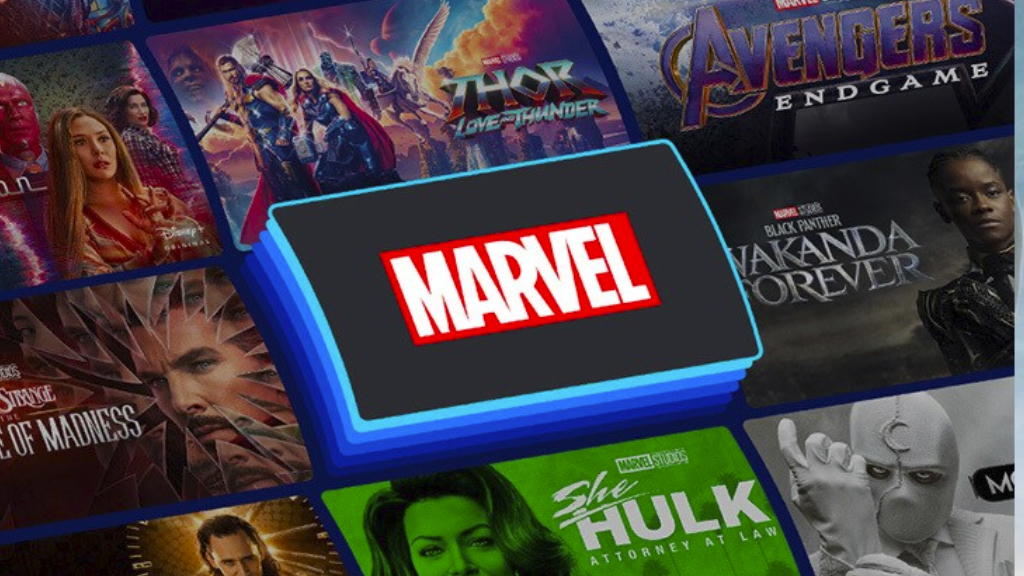
The recently resolved WGA strike and the yet-to-be-resolved SAG strike have taken a toll on Marvel Studios’ streaming plans. Streaming series such as Daredevil: Born Again and Wonder Man were forced to shut production down which began a game of dominoes with the once robust slate of programming. Without a solid idea of when series would resume production, much less complete it, the studio began to reshuffle its plans to make sure consumers would have something to consume in 2024. As a result, Echo, a finished product, was bumped out of November 2023 and into January 2024 and other series’ release dates, such as those for Agatha: Coven of Chaos and Ironheart, faced some serious uncertainty. Now, as the future of production schedules begins to become a bit clearer, some clarity around the release of these projects may have gained some clarity as well.
According to multiple filings with the US Copyright office, originally found by @ScarletWitchUpd, Marvel Studios has begun to plan out their 2024 and 2025 streaming schedules a little more specifically.
While these dates must certainly continue to be taken as tentative for the time being, it seems the current plan is to release the first episode of Agatha: Darkhold Diaries on September 29, 2024, the first episode of Daredevil: Born Again in January 2025 and the first episode of Ironheart on September 3, 2025. The late 2025 release date for Ironheart comes as quite a shock considering principal photography on the series wrapped in November 2022 and a good deal of footage was shown off at D23 2022 in Anaheim.
If these dates should hold–or even be relatively accurate–it also speaks volumes about Marvel Studios plans for series such as Wonder Man and Vision Quest. As it stands, it would seem that neither of those two series would be on the books before 2026. Given the studio once had eight unannounced series (of which Wonder Man and Vision Quest were two) set to stream between the Fall of 2024 and the Summer of 2025 it will interesting to see just how much fat has been trimmed from the slate since Bob Iger returned.
In the wake of the widely panned Secret Invasion and the shuffling of Echo into 2024 and Ironheart into who knows when, Marvel Studios’ hopes for streaming success in 2023 rest squarely on the shoulders of the second season of Loki. While it’s foolish to judge an entire series by its first episode, if “Ouroboros” is any indication of what to expect this season from the creative team of writer Eric Martin and directors Justin Benson and Aaron Moorhead, who previously teamed up with Marvel Studios on Moon Knight, Marvel may be able to rest easy.
“Ouroboros” comes out of the gate swinging. Opening in the moments immediately after the Season 1 cliffhanger, the episode quickly dismisses the most prevalent fan theory about where Loki ended up when Sylvie kicked him through the time door. Whereas the belief was that Loki was transported to an alternate TVA, the first quarter of the episode establishes that he has in fact been transported to the same TVA in the past…and what an interesting past it was. By grotesquely “time slipping”, Loki learns that He Who Remains once openly ruled the TVA before installing the Time Keepers and slipping away to the Citadel at the End of Time. Taken in concert with the recent revelations that all TVA employees are Variants who were ripped from their lives, the very foundations upon which they believed the TVA stood are now entirely reframed as the implications of He Who Remains’ actions become crystal clear. These people’s minds have been wiped repeatedly in the service of the TVA and anything and everything they think they know about themselves is just a fraction of their actual lives.
Once the episode moves forward under those implications, finding a solution to Loki’s time slipping becomes the central focus of the episode. Finding a solution to that problem leads Mobius and Loki to one of the second season’s key new members in Ke Hey Quan’s Ouroboros. The march to find OB, the TVA’s resident tech guru, not only allows for an exploration of some of the unseen nooks and crannies of the TVA but also time for the series’ marquee characters, Loki and Mobius, to shine. Much of the success of Season 1 came from the chemistry between the two and even under the direction of a new creative team, the pair continues to cook. Tom Hiddleston continues to be so wonderfully charismatic and catalytic as Loki which means that it’s nearly impossible for him to share an awkward scene with anyone and so as funny as his scenes with Owen Wilson continue to be, his split-time scenes with Quan’s OB are equally brilliant. By working together, Loki and OB come up with a solution to Loki’s issue but in attempting to solve that issue, the larger mystery of Season 2 is revealed.
In pursuit of curing Loki’s time slipping, OB discovers that the Time Loom, an object which he explains is used to refine raw time into physical timelines, has been overloaded as time broke free following the death of He Who Remains. The second half of the episode ends up being some of the MCU’s best hardcore sci-fi to date as it attempts to address the madness erupting in the multiverse. The back half is full of imaginative set designs and mumbo jumbo jargon (a dial on the ceiling keeps track of the chronons being emitted per hour) that allow for the audience to have some footing in what’s actually taking place. Sci-fi, time travel and mulitversality have never been for everyone but the writing team, lead by Martin, did an admirable job of making it palatable and as relatable as possible under the circumstances.
While “Ouroboros” solves Loki’s time slipping issue and resolves the Season 1 cliffhanger, it ends on one itself. In the absence of Ravonna Rennslayer, the headless TVA is now subject to the whims of an interesting group of folks led by General (Paradox), Judge Gamble and another fellow with all the energy of Ray Winstone’s Dreykov. Just as Loki is pulled back from the time stream, several brigades of Hunters are seen taking off through a series of time doors into the newly created branches in search of Sylvie. While her location is unveiled in the show’s post-credit scene, the actions of these Hunters and are sure to have some pretty heady consequences for the show and set up one of two ongoing plot points for the season.
Though in many ways it feels like more of the same (great writing, great characters and timey-wimey mysteries), the opening episode of Season 2 also gives the MCU something brand new. While Loki’s glorious purpose, established over a decade ago in the MCU’s timeline, seems like old news to the audience, it’s important to remember that this Loki Variant was plucked from 2012 where he only very recently attempted to kill the Avengers and sought to rule all of humanity. “Ouroboros” give this Loki room to grow into a new glorious purpose: becoming the hero of all time. From the moment he first appears on screen, Hiddleston plays the part with a distinct desperation we’ve never really seen. Even in the Season 1 finale, there was some hesitancy to become the hero but now, having been Lokied by another Loki, this Loki now seems fully committed to an all-new, all-different path. And maybe, just maybe, the sun will shine on Loki and his brother again at the end of it. If you thought there wasn’t room for more Loki in your life, “Ouroboros” did its level best to make you think twice and set up one hell of a first two-thirds of a season of streaming TV at its best. In an increasingly entropic MCU, Season 2 of Loki seeks to return order and remind us all what’s always been so great about this shared universe.
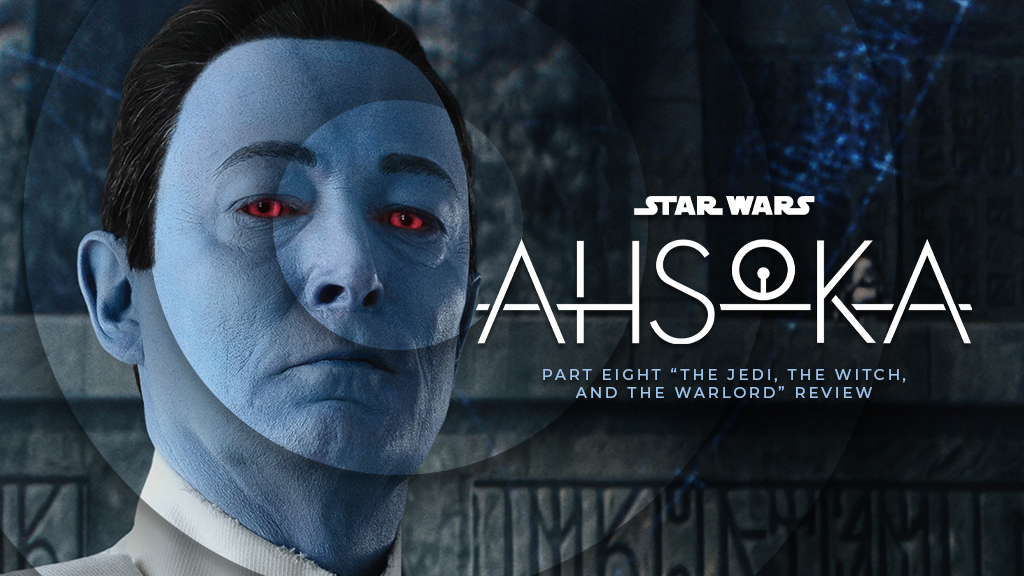
While the eighth and final episode of Ahsoka left no doubt that there are more adventures in store for the former Jedi, the lack of an immediate announcement of a second season left fans wondering where those adventures would unfold. With creator Dave Filoni also tapped to bring the New Republic era of stories to the big screen, it’s reasonable to wonder if the cliffhangers from “The Jedi, The Witch and The Warlord” were meant to be resolved in the “Heir to the Empire” film and if Ahsoka would be a one and done. While it’s possible much of what went on in Ahsoka might be addressed in the film, it now seems a second season is a very realistic possibility as well.
According to Deadline’s Anthony D’Alessandro, though nothing is “locked yet”, due at least in part to the lengthy WGA strike, a second season of Ahsoka seems pretty likely and is “in the conversation” about what project is up next for the main cast of characters. If that’s the case, it seems more foundation needs to be laid before Filoni’s film, which is said to be the capstone of the Mando-verse projects, hits theaters.
Lucasfilm’s Star Wars streaming series Skeleton Crew is thought to be the next New Republic-era story headed to Disney Plus though there seems to be some uncertainty when that will stream despite it having previously been announced as a late-2023 drop. Beyond that, it’s believed that a fourth season of The Mandalorian is ready to head into production as soon as possible after the resolution of the SAG strike. If filming were to get underway in 2023, it’s possible it would be ready for release in the Spring of 2025. While it hasn’t been officially announced yet, it seems as though Lucasfilm is angling for Filoni’s film to hit theaters in 2026 so it’s possible that a second season of Ahsoka might have some space carved out for it in 2025 or early 2026.
All episodes of Ahsoka are streaming now on Disney Plus.
With a dense eighth and final episode directed by Rick Famuyiwa, the first season of Ahsoka has come and gone; however, much like seasons of its animated prequel series, Star Wars Rebels, just as much as–if not more than–was left in limbo for the next adventure as was resolved. In many ways, “The Jedi, The Witch and The Warlord” feels much like the second acts in each of the Star Wars trilogies (Attack of the Clones, The Empire StrikesBack and The Last Jedi). Tough choices are made, heroes are separated and there’s a strong sense the bad guys won though a glimmer of hope remains. And so perhaps, given creator Dave Filoni’s deep understanding of the style, structure and rhythm of Star Wars, Ahsoka will eventually be seen as the second act of the New Republic era of stories that Filoni and Jon Favreau have been crafting for Disney Plus and which will eventually culminate in an as yet undated theatrical release. However, as is true about nearly every Star Wars project, its place in the even larger narrative is incredibly relevant as well.
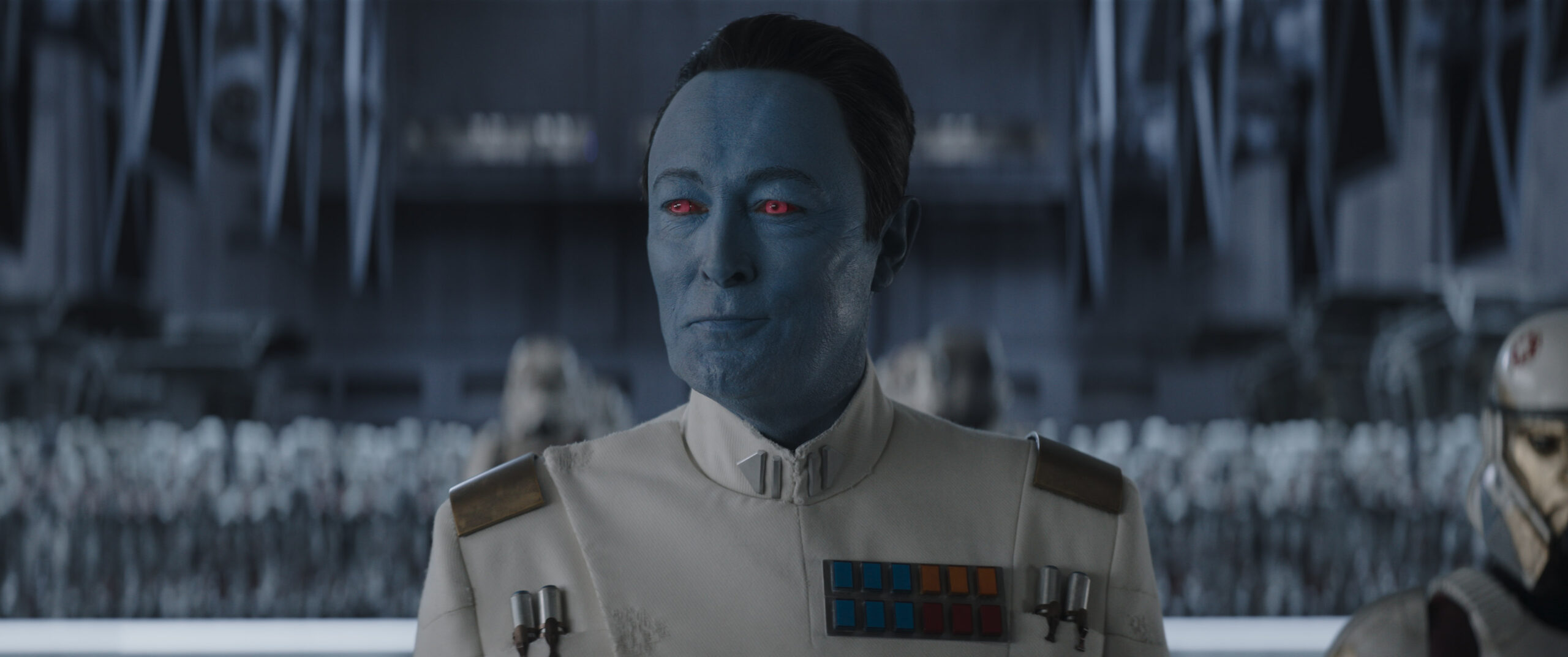
Taken as a complete series, Ahsoka seems to fill three roles. It serves–potentially equally but certainly simultaneously–as a sequel to Star Wars Rebels, the second act of the New Republic era of stories and a prequel to the sequel trilogy or, at the very least, the Rise of the First Order. Set around 11 ABY, Ahsoka takes place roughly 10 years after the events of Star Wars Rebels and, coincidentally, roughly 10 years before the establishment of The First Order which makes the series–and perhaps the character–the fulcrum on which the fate of the galaxy pivots. Given its equidistance (and there’s no way any of that is coincidental) between the before and the after, it was requisite that it service both the before and the after and the finale did just that. Thus the Talzin Sword, the Mortis gods, Morai and any other Rebels callbacks were just as front and center as Thrawn’s next step in becoming heir to the Empire, the open-endedness of what awaits Ahsoka, Sabine, Baylan and Shin on Peridea and any other foreshadowing of the next story in the New Republic timeline. So just as The Empire Strikes Back is the second act of the original trilogy and the original trilogy is the second act of the Skywalker Saga, Ahsoka finds itself as the second act of a second act because as begun by George Lucas and continued by Filoni, Star Wars stories will always fit a role in a familiar pattern.
Despite falling into that pattern and feeling very much like the Star Wars fans around Filoni’s age grew up with, Ahsoka also feels like something brand new and all its own. The finale continued Filoni’s career-long crusade to expand the nature of the Force. Sabine finally tapped into the Force (is it stronger there than in the “home” galaxy?), Thrawn and the Great Mothers set a course for Dathomir (what exactly is in that cargo hold?) and Baylan’s last scene teased a potentially monumental deep dive into the origins of the Force through a further exploration of The Ones (is Peridiea where they left The Mother when they went to Mortis?). It also left Sabine, Ahsoka, Baylan and Shin in a galaxy far, far away from THE galaxy far, far away allowing for the potential for stories (past, present and future) to be set there. In that way, and taken as a whole, Ahsoka feels expansive both within the framework created by Lucas and outside of that same framework where it seems Filoni is becoming more comfortable carving his own path. And just as it seems the right path for Ahsoka–as the appearance of Morai indicate–to explore Peridea and all its strange unknonws, it seems the right path for Filoni, as well.
As the finale of an eight-episode season, “The Jedi, The Witch and The Warlord” did plenty to resolve what was unquestionably the biggest question: will Ezra get home? He did and got to wear his favorite disguise in doing so; however, given Ezra’s eturn went hand-in-hand with the inevitable return of the Heir to the Empire and where the galaxy is bound to end up in a decade, his happy reunion with Hera and Chopper will certainly be short-lived. But Ahsoka’s role in the larger narrative, while still to be fully realized, is clearly greater than one season’s worth of stories but if the first season is any measure of what to expect from more, fans should be excited. If, in fact, Ahsoka is the fulcrum upon which the fate of the galaxy pivots, the finale just tipped the scales: up is headed down and down is headed up and balance will be elusive if not impossible for everyone along for the ride…including you.
Though it’s undoubtedly at least partially revisionist, Marvel Studios has a history of success that seems strongly weighted by the Infinity Saga. The internet is full of talking heads who will tell you that following Avengers: Endgame, the MCU just hasn’t been the same and that the quality of the projects, both theatrical and streaming, has fallen off drastically. 2023 has added fuel to the fire with projects such as Ant-Man: Quantumania and Secret Invasion failing to impress the majority of fans–and even fewer critics–leading to an even louder refrain of “The MCU is dead” than ever before. Leave it to the ultimate agent of chaos and the most entropic entry in the Multiverse Saga to date to restore order to the Marvel Cinematic Universe. The God of Mischief has heard your concerns and Season 2 of Loki answers them authoritatively.
Picking up directly where Season 1 left off, Loki quickly reframes what fans thought happened in the prior season’s cliffhanger and puts Loki up against the clock. As the MCU builds towards an adaptation of Jonathan Hickman’s 2015 Secret Wars, the first episode–and then again the first four–certainly have the feel of the Time Runs Out prelude Hickman weaved through his Avengers and New Avengers titles. While Season 2 of Loki is certainly no adaptation of those–indeed it seems not to be an adaptation of any particular comic run or set of stories but rather an original idea from the production/writing team of Michael Waldron and Eric Martin–the first four episodes are fast-paced, intense and make it very clear that time is running out for all time. Getting down to brass tacks, the premise of Season 2 is this: the death of He Who Remains has created a multiverse that the TVA simply is not prepared to manage.
Starting with but certainly not limited to that premise, it’s amazing just how often these first four episodes of Season 2 of Loki work as an allegory for the criticisms faced by Marvel Studios. As He Who Remains’ death allowed the timeline to break free and grow into something far too large and chaotic for the TVA to handle, so has the Multiverse Saga opened the doors to criticism about Kevin Feige and co. potentially adopting a quantity over quality approach with, at one point, 8 projects planned in a calendar year. The technological MacGuffin of the first four episodes, a Multiplier that allows the Temporal Loom to be able to collar and manage the new timelines, provides the impetus for Loki and Mobius to take a trip through time and allows for the introduction of Jonathan Majors‘ Victor Timely. As the buddy cop duo sets off to find a Variant of the man who built the TVA to restore it to its rightful status as a timespace behemoth, so has Bob Iger returned from retirement with a renewed focus on curating and managing projects and characters amid jeers that there’s simply too much content for fans to consume. And as an all-new, all-different Loki is mocked, reminded that he’s a villain, not a hero, and told to stick to what he’s always done, so too do the critics hammer away at Marvel Studios for breaking away from the “Marvel formula.” Much as the future of Marvel Studios seems up for grabs, the first four episodes of Loki’s second season end with a truly shocking cliffhanger that will leave fans suspended in uncertainty…but not before a return to form and a reminder of what these streaming series should be.
Like its predecessor, Season 2 of Loki allows Tom Hiddleston all the room in the Multiverse to explore the nooks and crannies of the title character. Hiddleston has filled the godly shoes for well over a decade now and as easy as it might be to question what else there might be left to do with Loki, the first four episodes–and Hiddleston’s continued brilliance in the role–provide plenty of answers. Keeping in mind that this particular Variant of Loki, Variant L1130, was created when he escaped with the Tesseract in the aftermath of the 2012 Battle of New York during a botched effort by the Avengers during their time heist, allows the audience to truly see the realtime (sort of, since it technically takes place out of time) evolution of the character. Not far removed from seeking to subjugate all of humanity, Loki now seeks glorious purpose in keeping them free and, as such, Hiddleston finds space for an empathic Loki who recognizes the true beauty and power of humanity–a truly heroic version of the character, though thanks to some fun plot devices is able to get back to some fun magical mischief.
However, Season 2 is not simply the Tom Hiddleston show. So much of what made Season 1 work so well was the chemistry between Hiddleston and his co-stars, specifically Owen Wilson and Sophia Di Martino and, thankfully, a new creative team did nothing to change that. The Loki-Mobius dynamic is just as strong as always and the fractured relationship between Loki and Sylvie allows for an even deeper exploration of both characters. The brilliant addition of Ke Huy Quan as TVA tech guruOuroboros will rightfully draw plenty of praise as Quan is an absolute joy in his surprisingly extended role; however, don’t underestimate Rafael Cassl’s saucy X-5/Brad Wolfe who ebbs and flows throughout the first four episodes as an agent of chaos in his own right. Majors‘ brings a definite strangeness to Victor Timely, who isn’t exactly what you think he might be and returners Wunmi Mosaku, Gugu Mbatha-Raw and Tara Strong all get more to do to the benefit of the project as a whole.
As is always the case with pre-release screenings of Marvel Studios projects, critics and press have not seen the whole series which makes a true analysis of Season 2 of Loki impossible. Simply put, no matter how entertaining the first four episodes are, if the last two drop the ball, the project won’t be seen as a success and that’s not something Marvel Studios can afford at the moment. However, what can be said is that for four episodes, Marvel Studios leaned on one of their strongest and most veteran talents to put together what is unquestionably their best effort–theatrical or cinematic–not only of 2023 but of the entire Multiverse Saga. A combination of strong creative work behind the scenes by writer Eric Martin and the directing duo of Aaron Moorhead and Justin Benson and an enormously talented cast make Loki a fun sci-fi mystery that will fill the Void-sized void you may have been feeling.
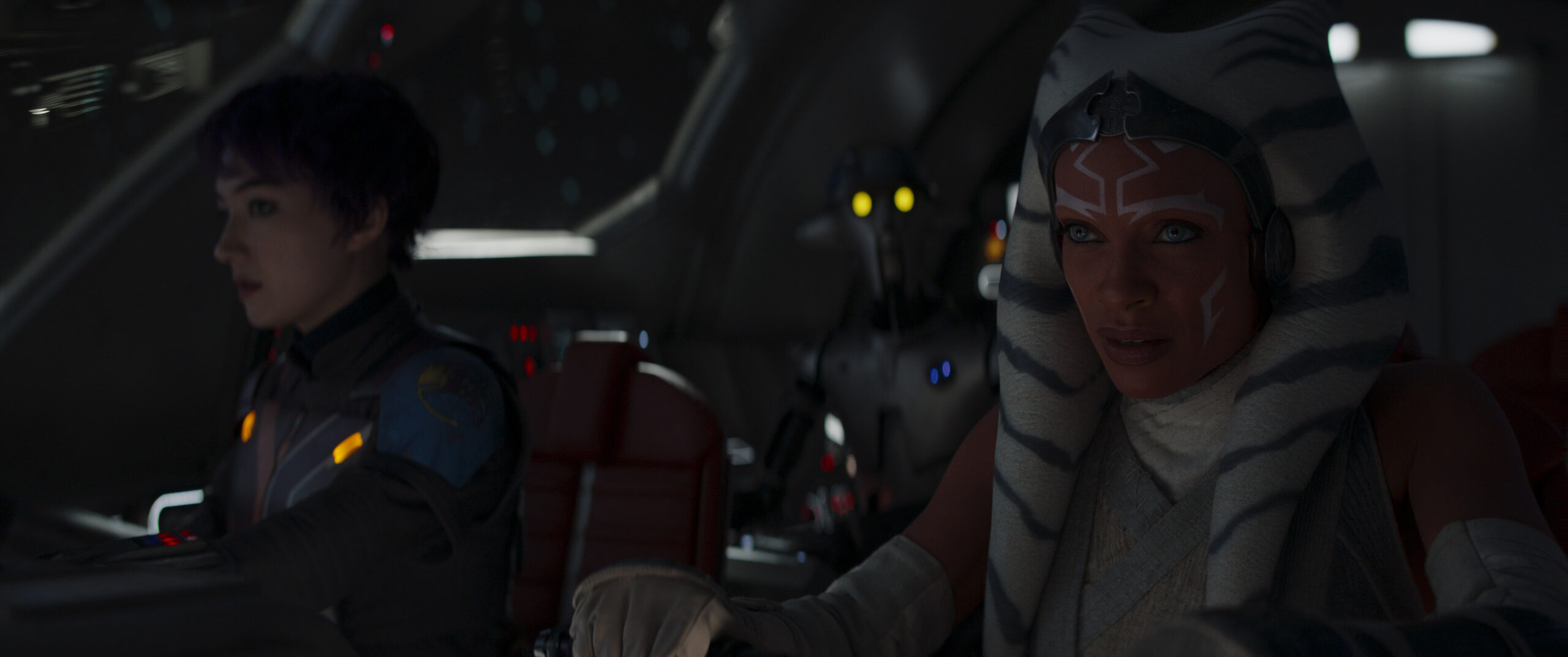
Lucasfilm’s latest Star Wars streaming series, Ahsoka, has by and large been one of the studio’s most consistently strong efforts. Led by a stellar cast including star Rosario Dawson and Ray Stevenson as Baylan Skoll, the series has served as both a continuation of Star Wars Rebels and an effective next chapter in the New Republic era of stories being spun by Jon Favreau and Dave Filoni. Now, with the series finale just two days away, a new report from a reliable source has emerged and gives fans an idea of how long the eighth and final part of the series will run.
Cryptic HD QUALITY, who has reliably reported on runtimes for episodes of Marvel Studios and Star Wars series in the past, has shared that the finale of Ahsoka is set to run 46 minutes and 25 seconds with 42 minutes and 43 seconds of that before the credits roll.
Even before the show debuted on Disney Plus, rumors swirled that the series finale would put the heroes in a tough spot and end on an Empire Strikes Back-esque cliffhanger. Part 7 certainly laid the groundwork for such an ending by reuniting the Ahsoka, Ezra and Sabine just in time to take on Grand Admiral Thrawn and Morgan Elsbeth while separating Skoll from his apprentice Shin Hati. It’s likely that most of those 42 minutes will be spent on some pretty intense action scenes before setting up the next chapter in the Mando-verse.
The final episode of Ahsoka streams Tuesday, October 3rd, at 9 PM ET/6 PM PT.
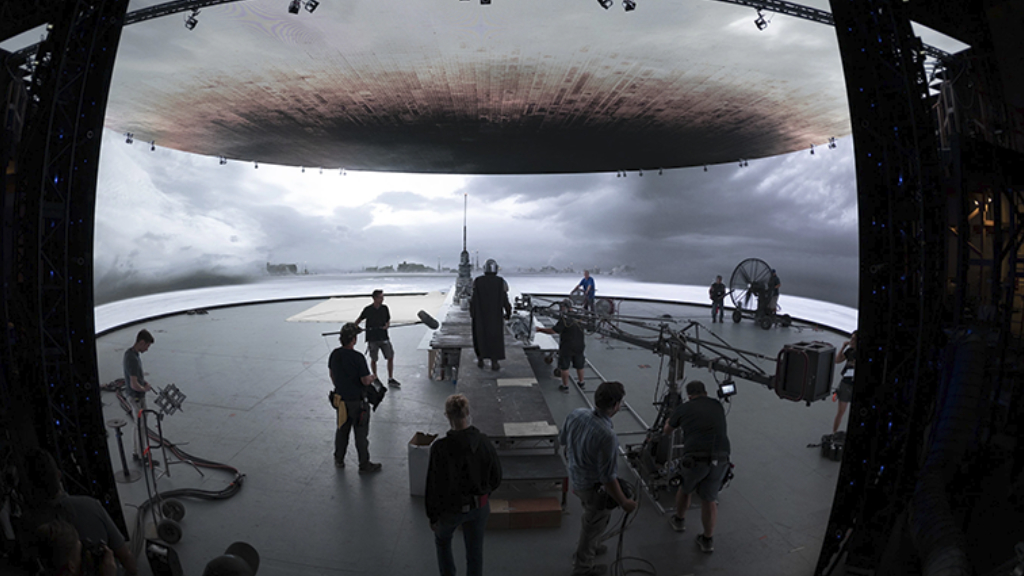
If it comes to filmmaking technology that had the biggest 180 public opinion, the Volume swiftly lost its standing after seemingly being a necessary tool during the pandemic. The idea is simple: you have LED screens built around that enable actors to interact with elements rather than just using a blank screen of various colors. The Mandalorian revolutionized technology, but its overuse in a lot of major films led to the internet changing its opinion on the tech quite hastily.
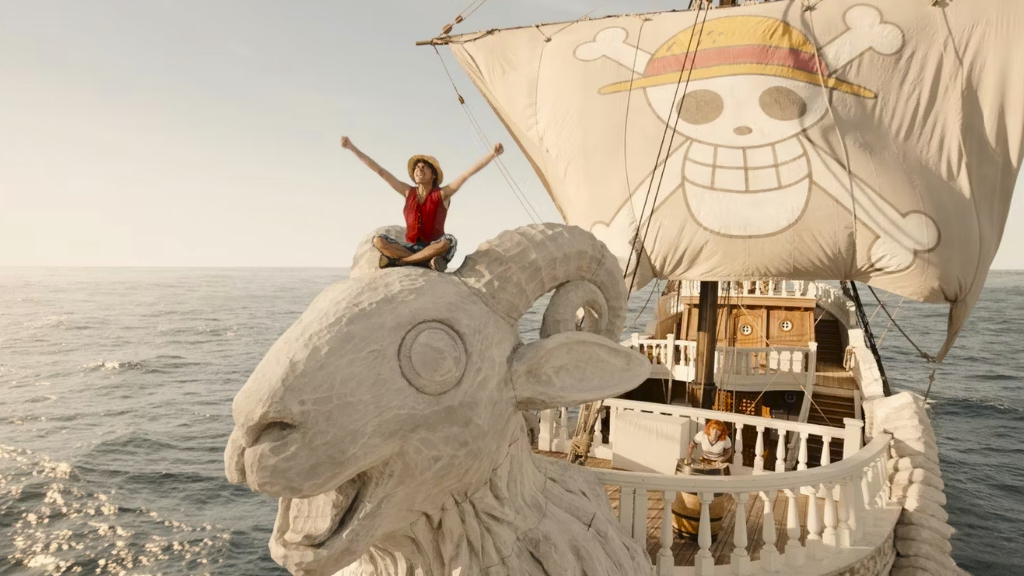
So, it was quite refreshing when One Piece hit Netflix and one of its biggest selling points was that it built pretty much most of its relevant sets. They also filmed in South Africa on water to make sure that the sea-faring adventure actually took place on the water. It seems a big reason for that is director Marc Jobst according to cinematographer Nicole Hirsch Whitaker in an interview with The Direct.
My director comes from the theater. So I think he was very much against that type of filmmaking for a show like this. He really felt like it was important for the actors to be in a real environment. Even when we shot [the] Gold Roger [sequence], even though that was a lot of blue screen, he took us to a real location and we shot in a castle so that they were surrounded by the walls and that they felt like they were in a space
Nicole Hirsch Whitaker
Of course, the use of blue screen still remains but most of the elements our cast interacts with are practical. So, the screens are simply there to help make the world feel real and ensure that the limitations of filming on a water stage don’t include the freeway from he background when the cast is supposed to be on the open seas. Whitaker also goes on to highlight that the story and use of daylight supported what they wanted to achieve with he series.
Some people might say that that’s not something that will happen in the future, but I do think if actors fight for that, as opposed to being in a room. And listen, the Volume is incredible, it’s amazing and it’s a wonderful tool. And it’s it’s really important because we have to embrace it for so many reasons. But I think for this show, a story about family and being out in the world with a lot of exteriors and a lot of daylight, I think this was the right way to go.
Nicole Hirsch Whitaker
There’ll likely be a point when the Volume gets a new time to shine with more additional support rather than being the main way the film. We don’t know if future use will remain but it seems safe to say that One Piece is going to remain focused on utilizing real sets moving forward, as it was one of the series’ biggest selling points. Season 2 also featured a variety of environments that’ll give them fun opportunities to establish a variety of fun environments for the cast to interact with.
This news actually broke earlier in the month. However, given that the WGA strike was still active and its successful resolution had a higher priority, now that a deal has finally been made and SGA is on the horizon to get one, it seems like the right time to cover the story. Randy Troy, who is a long-time One Piece content creator, and has worked in the industry as an actor and writer, has joined the writer’s room for the second season of Netflix’s live-action adaptation.
The official announcement was made a few weeks ago on Twitter during the WGA strike that he is involved but was focused on ensuring the strike was a success. We know that the scrips are supposedly ready according to a producer of the One Piece series, which means he was likely already involved before the strike happened as they were preparing the script ahead of Season 1’s launch. While they didn’t know at the time they would be getting a renewal, it definitely was to keep everything going to ensure they can avoid a large gap between seasons’ release.
Yes, it's true!
Due to the strike, I can not and will not elaborate further until we reach a fair deal, but I'm so very thankful and honored to give back to a story that means so incredibly much to me. Here's to our unions winning soon so we can get back to the writers room! https://t.co/VavF9dr67o
It also marks the second time that a content creator who has heavily joined the series’ long history gained a role as part of the live-action production. The first season also involved Artur – The Library of Ohara who supported keeping everything within the timeline that the original manga series followed. So, it’s exciting to see the heavy involvement of people from the community that’ll help this live-action adaptation flourish and grow going into its second, and likely even more ambitious next season.
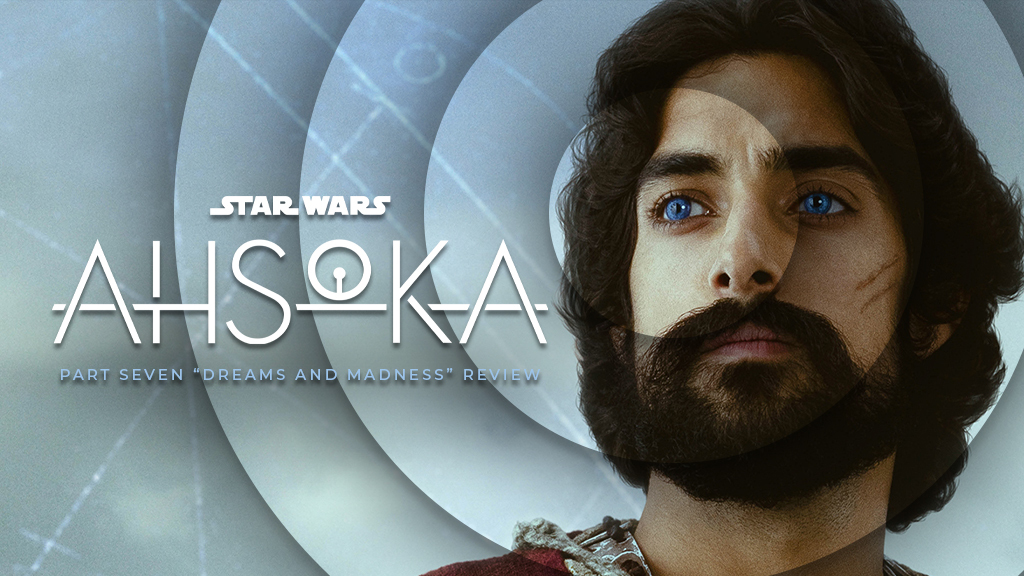
For every way that Ahsoka has felt very, very Star Wars-y, there continues to be the personal touch that creator Dave Filoni has always put on his work for Lucasfilm. And so, while Episode 7, “Dreams and Madness” has plenty of lightsaber fights, space scenes, a touching reunion between friends and even a cameo from everyone’s favorite protocol droid, it once again gives us something new to think about hope we see come to fruition at some point.
There’s no questioning that Baylan Skoll, played magnificently by the late Ray Stevenson, has quickly ascended the hierarchy of very impressive characters created and curated by Filoni. In case you missed the declaration, he’s no Jedi but as we’ve learned through his relationship with his apprentice, Shin Hati, and their ongoing mission in the service of Morgan Elsbeth, he’s no Sith either. Skoll is rather a pretty damn enlightened Force user who saw the Jedi order for what it was: a wonderful idea that fell to pieces as the galaxy changed around it. Skoll wants something “more” and he has eaten a lot of shit from some pretty evil people in order to get to the far reaches of ANOTHER galaxy to find it and now, with whatever it is he seeks just outside of his reach, he imparts one last piece of wisdom to Shin and abruptly bails on Elsbeth and Grand Admiral Thrawn. For as long as we’ve seen the Master/Apprentice relationship in Star Wars (and if you’ve watched Filoni’s animated series, that’s a lot), we’ve NEVER seen something remotely similar to what Skoll just pulled here…and it is fascinating. Is he displeased with Shin? Has he taught her everything he thinks he can? Whatever this man wants on Peridea, it was worth losing everything to find.
Balancing out the separation of Baylan and Hati is the reunion of Ahsoka with her apprentice, Sabine, and, of course, with Ezra. While it takes all of the episode’s run time to get there, Ahsoka’s warm embrace of Ezra feels incredibly authentic and wonderfully earned. It’s hard to remember sometimes that much of Star Wars has always centered around wonderful friendships and this warm and fuzzy moment reminds us just how important to their survival these friendships have been. Sooner or later, however, Ahsoka and Sabine are going to have to come clean with Ezra…
Speaking of coming clean, with–as Thrawn points out–time working against the trio of heroes how long will it be before one of more of Ezra’s secrets will come to light. As fans of Rebels may remember, Ezra has quite an interesting history with Dathomiri folks and owes a debt to the Nightsisters. His being on their ancestral home of Peridea simply cannot be a coincidence. It’s possible, no matter how terrifying, that he and Baylan could be on a collision course and Ezra’s bill may just come due.
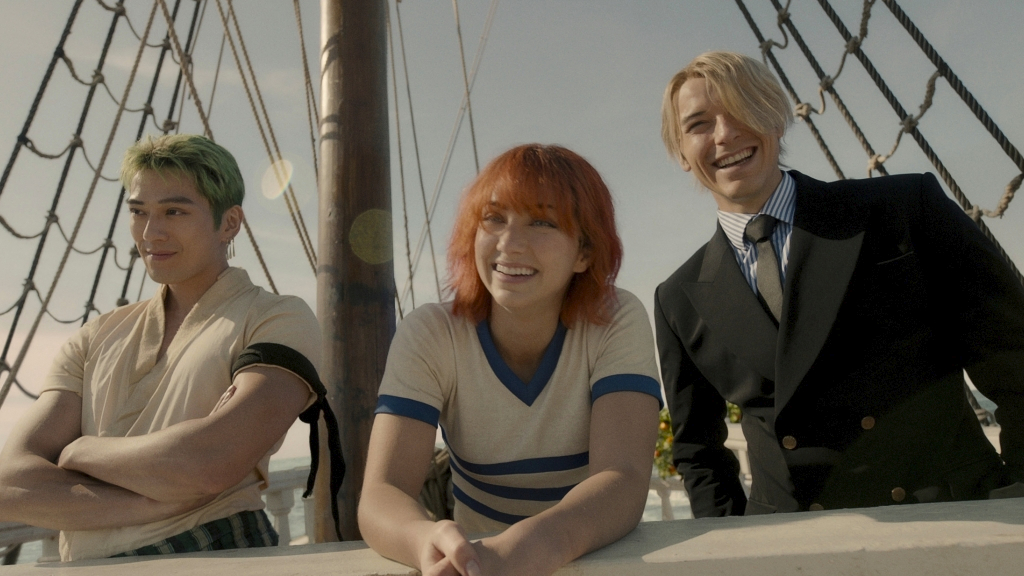
It looks like people have been enjoying the adventure toward the Grand Line, as the live-action One Piece series has remained the #1 most-watched show on Netflix for a third week in a row. The adventure series pulled in 10M views with around 75.5 M hours viewed. It was a close race with Virgin River, which is in its fifth season but still couldn’t dethrone the manga adaptation while Who is Erin Carter? remained in the top three.
It looks like Netflix knew where the series was going and that is why they gave it a second season renewal early on; not common for the streaming service. The big fear was that the third week would see a massive drop after a slight increase in its second, but it held surprisingly strong with “only” a 48% drop. It still seems unlikely it’ll kick Queen Charlotte from the Top 10 spot but shows that if they keep a consistent release, the show has a good chance to grow over time.
It’ll be interesting to see if the show manages to still hold strong. It’s facing some big competition going into its fourth week with Sex Education’s final season and a new season of Love is Blind. So, we’ll see if the series will hold on to the top three or if it manages to even still hold unto the second spot going into its fourth week. For now, we’ll just have to wait but it does continue to seem like word-of-mouth is strong and shows the potential for the series.
We use cookies to improve your experience on our site. By using our site, you consent to cookies.
This website uses cookies
Websites store cookies to enhance functionality and personalise your experience. You can manage your preferences, but blocking some cookies may impact site performance and services.
Essential cookies enable basic functions and are necessary for the proper function of the website.
Name
Description
Duration
Cookie Preferences
This cookie is used to store the user's cookie consent preferences.
30 days
These cookies are needed for adding comments on this website.
Name
Description
Duration
comment_author_email
Used to track the user across multiple sessions.
Session
comment_author_url
Used to track the user across multiple sessions.
Session
comment_author
Used to track the user across multiple sessions.
Session
Statistics cookies collect information anonymously. This information helps us understand how visitors use our website.
Google Analytics is a powerful tool that tracks and analyzes website traffic for informed marketing decisions.
Contains information related to marketing campaigns of the user. These are shared with Google AdWords / Google Ads when the Google Ads and Google Analytics accounts are linked together.
90 days
__utma
ID used to identify users and sessions
2 years after last activity
__utmt
Used to monitor number of Google Analytics server requests
10 minutes
__utmb
Used to distinguish new sessions and visits. This cookie is set when the GA.js javascript library is loaded and there is no existing __utmb cookie. The cookie is updated every time data is sent to the Google Analytics server.
30 minutes after last activity
__utmc
Used only with old Urchin versions of Google Analytics and not with GA.js. Was used to distinguish between new sessions and visits at the end of a session.
End of session (browser)
__utmz
Contains information about the traffic source or campaign that directed user to the website. The cookie is set when the GA.js javascript is loaded and updated when data is sent to the Google Anaytics server
6 months after last activity
__utmv
Contains custom information set by the web developer via the _setCustomVar method in Google Analytics. This cookie is updated every time new data is sent to the Google Analytics server.
2 years after last activity
__utmx
Used to determine whether a user is included in an A / B or Multivariate test.
18 months
_ga
ID used to identify users
2 years
_gali
Used by Google Analytics to determine which links on a page are being clicked
30 seconds
_ga_
ID used to identify users
2 years
_gid
ID used to identify users for 24 hours after last activity
24 hours
_gat
Used to monitor number of Google Analytics server requests when using Google Tag Manager
1 minute
Marketing cookies are used to follow visitors to websites. The intention is to show ads that are relevant and engaging to the individual user.
Pinterest Tag is a web analytics service that tracks and reports website traffic.