Even by Marvel Studios standards, Doctor Strange in the Multiverse of Madness was a film marked by secrecy up until its release. The multiversal nature of the movie led to plenty of rumors and speculations ahead of the release. Many fans expected or hoped for a large number of cameos from various Marvel properties that did not actually happen. Since the film’s release, fans have debated whether or not the lack of some “fan service” that many expected was helpful or detrimental to the Doctor Strange sequel.
Multiverse of Madness writer Michael Waldron has weighed in on the discussion. In an interview with ComicBook.com, Waldron was asked whether there was pressure to include that type of “fan service” in the film. The writer said there was some pressure but that the movie’s creators were never interested in the “cheap cheer”:
It’s easy to be seduced by the cheap laugh, the cheap cheer, whatever. But that’s never what Marvel or Sam [Raimi] were interested in. It was always about what’s right for the story, what’s right for Steven Strange, what’s right for Wanda. It was never about fan service, really. It was like, ‘If these Illuminati characters are here, they should be here because that’s who’s in the Illuminati in the comics, and that’s who would actually be in the Illuminati.’ That was our north star.
Michael Waldron
In Multiverse of Madness, the Illuminati and the overall sequence that involved them were one of the most memorable (and cheer-inducing) moments of the film. The group contained several exciting characters for fans. Hayley Atwell’s Captain Carter, Lashana Lynch’s Captain Marvel, Patrick Stewart’s Charles Xavier, John Krasinski’s Reed Richards, and Anson Mount’s Black Bolt joined Chiwetel Ejiofor’s variant Baron Mordo to form the now-violently-deceased organization. As many noticed, though, their roles were significantly greater than cameos. Waldron seems to confirm the importance of the Illuminati to the story of the Doctor Strange sequel instead of merely fan service to excite MCU and Marvel comics fans.
Audiences can judge the Illuminati themselves as Doctor Strange in the Multiverse of Madness is now playing in theaters worldwide.
With the once-secretive Doctor Strange in the Multiverse of Madness finally in theaters, reactions have been somewhat mixed, but the film has been extremely successful at the box office. While much of the debate among fans has centered around certain groups’ expectations about rumored cameos that in reality never existed. Perhaps the second-most contentious point among fans prior to the film being released was its runtime. While the sequel clocked in at over two hours long, many felt that a longer runtime would be needed to adequately showcase the speculated story.
When director Sam Raimi stated that the first cut of the film was significantly longer, it added to some fans’ cries that Marvel was not allowing the beloved director’s vision to come to fruition. In an exclusive interview with Murphy’s Multiverse, the Doctor Strange sequel writer Michael Waldron revealed that Raimi was actually always pushing for a shorter runtime:
Sam [Raimi], to his credit, was always really pushing for a shorter runtime. And, you know, he felt that the movie needed to move because of just how it was structured. It’s a chase movie, it’s an adventure, [ ] it’s got some Jurassic Park DNA…and so in a movie like that, it just didn’t feel like we needed three hours of it.
Michael Waldron
Waldron perfectly articulates how and why Multiverse of Madness is so fast-paced. Rather than being shorter for the sake of it or because tons of pieces were cut, the film moves to pull off and complement its “chase movie” structure. The writer went on to describe how his lack of tolerance for boredom may have played a role as well:
My threshold for boredom is [ ] astronomically low, and so I just have a phobia of the movie becoming exhausting. And so yeah, once we’re off to the races in this one, we just wanted to get on the ride and go on the ride, and when it’s over, get out of there.
Michael Waldron
Doctor Strange in the Multiverse of Madness is now playing in theaters worldwide.
Marvel Studios is gearing up to bring one of the comics’ most beloved newer characters to the small screen in next month’s Ms. Marvel. The series is set to showcase Pakistani-American Kamala Khan as the titular character, who is played by actress Iman Vellani. The teenage hero takes on the mantle of Ms. Marvel, inspired by her adoration for Captain Marvel, after she discovers she has superpowers.
In the comics, Khan is an Inhuman who exhibits her embiggening and super-stretchy abilities after inadvertently being exposed to Terrigen Mist. Fans have been particularly divided about the fact that the character’s origin and power set are being drastically altered for her live-action adaptation. For one, the character is not Inhuman. But her new powers are cosmic-based, and she appears to be able to project energy rather than have any shapeshifting abilities. Marvel Studios president Kevin Feige and comics creators have endorsed the power changes, mostly citing Khan’s newfound potential to be more connected to Captain Marvel and Spectrum in the upcoming The Marvels movie. Now, star Vellani herself has weighed in on the changes in an interview with Empire. She stated:
I’m very possessive [of Kamala]…I think we stay true to what the comics brought. The themes have always been about identity and about marrying the 50 million things that make Kamala. For all I care she could shoot sausages out of her fingers, as long as she still goes on that self-discovery journey.
Iman Vellani
It is not particularly shocking that those involved in the series are wholeheartedly backing the changes. While major changes to comics characters always spark debate, many see Khan’s shape-shifting powers as integral to her character and journey as a teenage girl trying to find her own identity in a world where her background sets her apart from most of her peers and role models. Those working on Ms. Marvel are certainly trying to convince fans that the changes to Khan’s powers do not jeopardize that journey.
Fans still have almost a month to wait before they can truly have an informed opinion on the matter, as Ms. Marvel premieres June 8, 2022 on Disney+.
Even by Marvel Studios standards, Doctor Strange in the Multiverse of Madness was a film shrouded in secrecy up until its release. The promise of secrets and surprises mixed with the multiversal nature of the movie led to plenty of rumors and speculations ahead of the release. Now that audiences have had a chance to experience the Doctor Strange sequel, fans are getting plenty of information about the actual contents of the film as well as the process of bringing them to the screen.
Possibly above all else, fans are debating how the surprise appearances of certain characters, such as the Illuminati, compared to some of the widespread rumors of certain cameos being in Multiverse of Madness. In an exclusive interview with Murphy’s Multiverse, the film’s writer Michael Waldronspoke on the secrecy involved in making the film and the Illuminati.
But Waldron also spoke on rumors that certain characters from the comics would play major roles or supporting leads in the Doctor Strange sequel that ultimately did not. In particular, the writer discussed the characters of Clea and Jericho Drumm, also known as Brother Voodoo. As we know from the mid-credits scene, Charlize Theron did make a brief and teasing appearance as Clea, but whether or not she was ever meant to be a significant character is unclear. Waldron simply noted that “I think Clea has always been on the table.”
I think there was definitely a discussion of Jericho Drumm, but never anything that I worked on.
Michael Waldron
The speculation that Drumm would make his way to the MCU made—and still makes—plenty of sense. First appearing in Strange Tales #169, the Haitian-born Jericho Drumm left for America to become a psychologist. Upon returning home, he found his brother, Daniel, dying from a spell cast on him. Daniel made Jericho promise to study to become a Houngan, starting his path towards eventually replacing Stephen Strange as the Sorcerer Supreme. We already saw Daniel be killed in the original Doctor Strange as the keeper of the New York Sanctum at the time.
With the release of Doctor Strange in the Multiverse of Madness coming right on the heels of the finale of the Disney+ series Moon Knight, there has been a lot for Marvel fans to process over the last week. Still, information about the series has been pouring out after the relatively open-ended finale. In any Phase Four MCU project, though, there is one question always on audiences’ minds even if it is rarely answered—who survived the Blip?
Considering the MCU’s post-Avengers: Endgame content all takes place relatively recently after half the universe’s population was eliminated and then brought back, it always seems fairly relevant. For their part, Marvel Studios often keeps discussions about the details of the Blip to a minimum for plenty of practical reasons. However, Moon Knight head writer and executive producer Jeremy Slater recently told The Direct how Oscar Isaac’s Marc Spector spent his time during the five-year period. As seemed reasonable, he first confirmed that Spector did indeed survive the Blip:
We definitely, in the writers room, we all collectively thought he survived the Blip, that he wasn’t blipped away. Because I don’t know how you—I think if he had been blipped and come back, it would be something that you would have to address. It’s something you would have to deal with, especially as a character who is trying to find his place in the world, and has a lot of questions about his past. To not touch on the Blip of it all, felt weird. So we all kind of collectively assumed that he was part of the 50% that survived.
Jeremy Slater
Different clues throughout the series pointed to that conclusion, but it was never directly mentioned. Perhaps more interesting, Slater went on to say that he believes Moon Knight was “busy” during that time in a similar way to Jeremy Renner’s Hawkeye/Ronin. He stated:
But as to what was actually happening during that period, I mean, I think that they say in the show that Steven basically woke up about two years ago. That was the first time that they started living separate lives, and it was following the death of Marc’s mother. So that’s been the last two years, and we assume the three years before that was sort of Marc, just, there was probably, in the same way, that Hawkeye had his hands full as Ronin because the criminal underworld was running rampant during the Blip time, I assume Moon Knight was keeping very busy. But it was all being sort of done in the shadows, and he was sort of taking out a lot of threats that never surfaced or saw the light of day.
Jeremy Slater
While the character’s future in the MCU is still unclear, Slater’s description of Marc Spector’s vigilante-type past confirms that side of the superhero that we did not see in Moon Knight. It certainly helps explain the room full of the bodies of those Spector killed as the Fist of Khonshu, and it opens up plenty of space for telling stories about the character in the past or hints at how he may act in the future.
All episodes of Moon Knight are now streaming on Disney +.
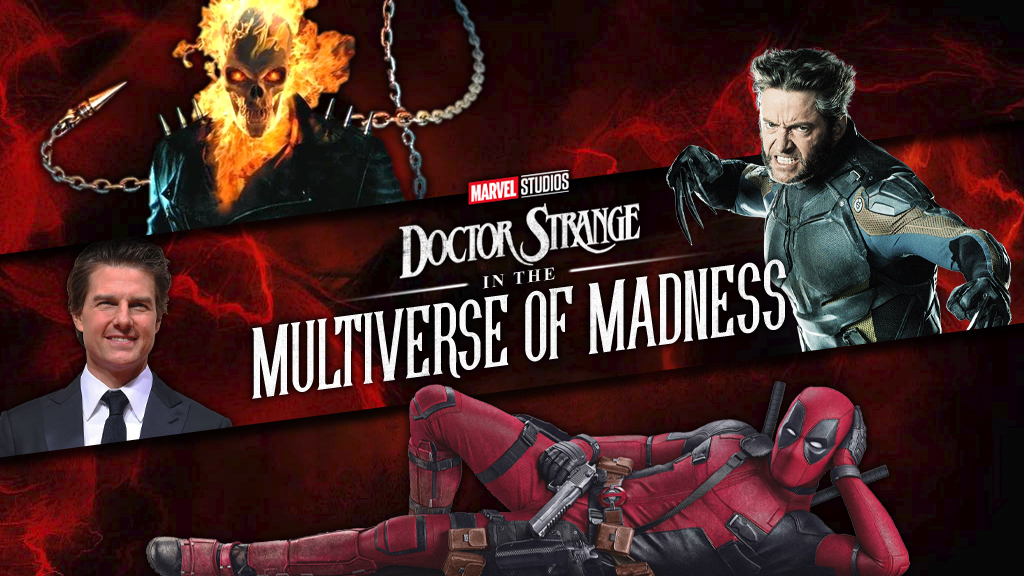
Marvel Studios has certainly tried to keep major secrets in its last two films. In Spider-Man: No Way Home, for example, the appearances of Tobey Maguire and Andrew Garfield were rather unsuccessfully guarded. At the time, that film seemed like the secretive film of Phase Four. However, Doctor Strange in the Multiverse of Madness blew the Spider-Man film out of the water in terms of the extent and fervor over rumored cameos and plotlines in the film. Back in July, we wrote an article about some of the many rumors at the time. Now that the sequel is out, it is time to start talking about where all those rumors went wrong. This article is a comprehensive list of all of the major rumors and “leaked” cameos that turned out to be untrue.
What Made It In
If you are reading this, you have probably seen the movie, so it won’t take long to recap what did in fact happen. First, let’s take a moment to recognize those rumored characters that made it to the big screen. Of course, most of the Illuminati was ultimately teased in promos before the film was released, but Hayley Atwell’s Captain Carter, Lashana Lynch’s Captain Marvel, Patrick Stewart’s Charles Xavier, John Krasinski’s Reed Richards, and Anson Mount’s Black Bolt joined Chiwetel Ejiofor’s variant Baron Mordo as the now mostly violently-deceased organization.
While Multiverse of Madness did not try too hard to keep it a secret, we now know with certainty that Elizabeth Olsen’s Scarlet Witch was the primary antagonist of the film. Benedict Cumberbatch did play a variant Sinister Strange, but he certainly was not a principal threat in the film. Similarly, Gargantos, the Shuma-Gorath adjacent creature did not play a real villainous role.
Some rumors suggested that Wanda Maximoff would end up the victor of the film, much like Thanos. Others said that she would somehow pull a “reverse” version of one of her most iconic moments in the comics—”No more mutants”. If the Scarlet Witch sticks around the MCU long enough, that is certainly something Marvel Studios may want to eventually adapt. But, she certainly did no form of this in the movie, let alone create mutants in the MCU. While Wanda seemingly sacrificed herself at the end of the movie in an attempt to destroy the Darkhold forever, she certainly did not “win” by commonsense standards, though she easily could have had she not seen the error of her own ways.
Charlize Theron as Clea in the mid-credits scene was arguably the biggest surprise for fans and one example of a cameo rumor that actually turned out to be true. However, some rumors pointed to the character playing a much more significant role in the film. Ultimately, Clea was left as a tease for future stories.
Bruce Campbell garnered much speculation about a cameo given his many comments about the film, his appearance near a shooting location, and his history with director Sam Raimi. Campbell did in fact make what was essentially a goofy cameo during the movie and appeared again to finish the joke in the final post-credits scene.
The Cameos That Weren’t
Let’s be honest. Fan expectations for cameos were through the roof. Given that the Doctor Strange sequel had the capacity to encounter infinite variants, it was not too hard to imagine that we would get some high-profile ones. Still, the number of rumors and “leaks” gave many fans ultimately unrealistic expectations on this front. Let’s take a look.
Deadpool
One of the most popular and believable rumors sadly did not pan out. While the multiverse could have seen a classic funny guy cameo moment from Ryan Reynolds’ Deadpool, it was not meant to be.
Amongst all of the Illuminati speculation, one character that found his way into countless credible lists was Balder the Brave. Half-brother and friend of Thor, this would have introduced a relatively unknown character into the star-studded group. Whether that was the reason he ultimately did not appear is unclear, but perhaps viewers can look out for Balder the Brave in future projects, especially with Thor: Love and Thunder just around the corner.
Doctor Strange Supreme
The relationship between the Doctor Strange What If… ? episode and Multiverse of Madness was ultimately just one of inspiration. We knew that darker Doctor Strange variants would appear in the film, and Doctor Strange Supreme from the animated series was quite the fan favorite. The Strange variants in the film may have had some similarities with the animated fellow, but he definitely was not present.
Marvel Studios’ ‘What If… ?’
Monica Rambeau
After her major role in WandaVision, there were hints that perhaps Teyonah Parris‘ Rambeau would return here. Instead, we got a variant of her mother, Maria Rambeau, who became Captain Marvel in the Illuminati’s universe.
Marvel Studios’ ‘WandaVision’
Wolverine
Much of the Multiverse of Madness delirium came from fans’ eagerness to see X-Men and other previous Fox Marvel properties debut in the MCU. Obviously, Professor X’s introduction did just that, but all the rumors that Wolverine would appear turned out not to materialize. It is worth noting, though, that most of these rumors speculated that the iconic X-Men character would not be played by the iconic Wolverine actor Hugh Jackman and instead a new actor would fill those shoes.
Hugh Jackman
Weirdly enough, though, the rumors that a non-Jackman Wolverine would be making an appearance did not stop rumors that Jackmanwould make a cameo as something or someone else. He did not.
Namor
We know that Namor is set to play the adversary in Black Panther: Wakanda Forever, but there was plenty of speculation as to whether Tenoch Huerta’s Namor—or a variant—would make an early appearance in the Doctor Strange sequel. The Shuma-Gorath creature named Gargantos in the film, and that monster has connections to Namor in the comics. The Sub-Mariner is also a member of the Illuminati in the comics, so it made some sense. Alas, we will likely have to wait for Wakanda Foreverto meet the character.
Magneto
Maybe one of the more disappointing omissions—whether it was credible or not—was Michael Fassbender’s Magneto. As noted, Charles Xavier sort of took on the Fox-Marvel and X-Men representation in Multiverse of Madness. The beloved antihero and villain will someday arrive in the MCU, but that day has not come.
‘X-Men: Days of Future Past’
Agents of S.H.I.E.L.D.
Fans of the Agents of S.H.I.E.L.D. ABC television series are always hoping for confirmation or signs that the show is canon to the MCU or will be relevant going forward. Fan favorite Chloe Bennet’s Daisy Johnson in particular had some rumors behind her, but there was ultimately nothing to them.
Tobey Maguire
Had the Doctor Strange sequel been released—as originally planned—after Spider-Man: No Way Home, the rumor that Tobey Maguire’s Spider-Man would cameo in the film would have been much less believable. But considering he made the journey from his Sony property to the MCU in the Spider-Man film, it seemed more possible. But, as we all know now, it did not happen here.
Ghost Rider
Nicholas Cage returning as Ghost Rider? Sure, why not. But Multiverse of Madness was not the “Look we have rights to all these characters we did not before!” moment many were expecting it to be.
‘Ghost Rider: Spirit of Vengeance’
Tom Cruise
There were some hints in the trailers that including Ultron bots that led fans to think an Iron Man variant would show up. Tom Cruise ended up being the most talked about rumored casting for that ultimately non-existent variant, but some were thoroughly convinced Cruise would make his MCU debut.
Daredevil
While we got Charlie Cox’s Daredevil in No Way Home, another rumor in the same vein as the other speculated Fox characters cameos was that Ben Affleck would reprise his role as the Man Without Fear from his less-than-beloved 2003 film.
‘Daredevil’ (2003)
Agatha Harkness
Expectations that Kathryn Hahn’s Agatha Harkness could make some sort of appearance were pretty fair. The end of WandaVision and comics suggest that the older witch will still have a role to play in Wanda’s life. Still, Wanda ambiguously exited the events of Multiverse of Madness without ever seeking out Harkness or Harkness working her way out of where we left her in Westview.
Kang the Conquerer
After Jonathan Majors’ unexpected appearance at the end of Loki, fans are certainly on edge to see where he may pop up before his villainous role as Kang the Conqueror in Ant-Man and the Wasp: Quantumania. The character’s connection to the multiverse, as described in the Loki finale, could have in theory made a cameo from Kang make sense. But alas, he was not there.
Marvel Studios’ ‘Loki’
HYDRA Captain America
A famous comics rendition of Captain America is the more recent HYDRA Cap. If it was not obvious, this was a version of Captain America aligned with HYDRA. After Chris Evans’ nod to it in Endgame, it honestly could have been a fun appearance. While Evans seems game to pop up in cameos everywhere in the entertainment industry, this is one where he was absent.
Zombies (Mostly)
Based on some of the trailers and other rumors, more zombies were expected by some. Whether the What If… Zombies!? episode was to be a direct tie in or it was an unrelated zombie universe, it seemed like a strong bet. We did not get zombies, but Doctor Strange inhabiting the body of the dead Defender Strange did provide some zombie vibes.
White Vision
Considering how important Vision is to Wanda’s story combined with the fact that White Vision—introduced in WandaVision—is very much still out there, the idea of a Paul Bettany Vision cameo was not out of left field. The actor even dropped some teases that he might be in Multiverse of Madness. He was not.
Marvel Studios’ ‘WandaVision’
Overall, had many of these cameos actually happened, Doctor Strange in the Multiverse of Madness could have been a much different film. Because of the extent of these rumors, some fans expected a movie where Doctor Strange bounced around countless universes and encountered major character cameos in each. Instead, we got a story focused more tightly on Doctor Strange with the Scarlet Witch as his strong adversary. In other words, the film ended up being a great story not weighed down by empty fan service. Even the Illuminati members that did make an appearance were more than just glorified cameos and significantly contributed to the story as well.
All of these non-cameos, or some version of them, may likely show up in the MCU eventually. They just were not inthis movie. Doctor Strange in the Multiverse of Madness is now playing in theaters.
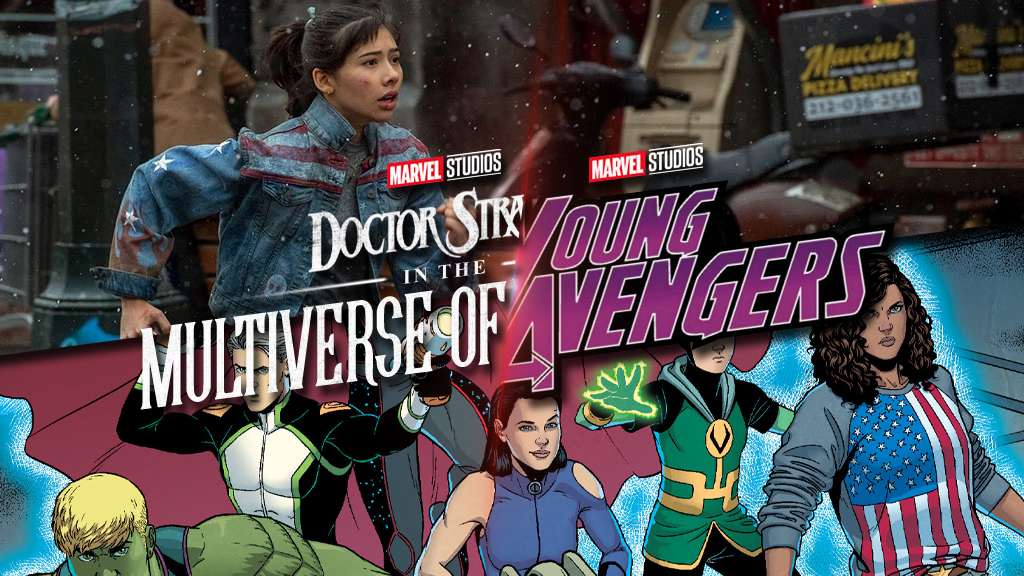
Between the Illuminati, Mount Wundagore, and Clea taking Doctor Strange into the Dark Dimension in the mid-credits scene, Doctor Strange in the Multiverse of Madness certainly left plenty of room for several more stories to continue. Another obvious example was the film’s introduction of Xochitl Gomez’s America Chavez, the dimension-hopping young heroine at the center of the movie’s plot.
As many know, America is an iconic Young Avenger in Marvel comics, so her presence definitely teases that concept. But while Multiverse of Madness generally kept her comic’s origin story intact, it appeared to make a major change that could impact the young hero’s journey going forward. It also left the character in a place that could hint at how the MCU might build a Young Avengers team.
Marvel Studios
America Chavez’s Origin
We only get a brief glimpse of America’s past early in Multiverse of Madness, but we know that she appears to come from an alternative universe or dimension. She does not specify further, but we also learn that she apparently has no variants. In an infinite multiverse, that would not make sense. It is likely that the place America is from in the MCU is outside of the multiverse, which would follow the comics.
Young Avengers #3 (2013)
Though it has since been retconned, America’s origin story began in the Utopian Parallel, which is a dimension outside of time and the multiverse and is inhabited only by women. Her powers come from the residual powers of a being called the Demiurge, who created the Utopian Parallel. In the comics, the dimension is threatened with destruction via black holes, but America’s mothers sacrificed themselves and essentially disintegrated into particles stretched across the multiverse. After this, America travels the multiverse looking to be a hero, because she believes the Utopian Parallel does not need salvation.
Young Avengers #3 (2013)
In the Doctor Strange sequel, America accidentally transports her moms into some random universes when she unintentionally used her powers as a child. While America is convinced they are dead, Doctor Strange reminds her that they could likely be out there somewhere. If her mothers are not dead, that could open up an entire storyline for America to go find them. Teases like this almost never amount to anything, so it is curious whether the heroine would get some solo time to explore that arc or if it could be something that ties into an eventual Young Avengers story.
America’s Magical Ending
The end of Multiverse of Madness sees America at Kamar-Taj, working on sorcery skills in a way reminiscent of Stephen Strange in the original Doctor Strange movie. Her main challenge in the film seemed to be controlling her existing portal-creating powers, so the tease that she may be on the path of a sorcerer is very interesting.
On one hand, it potentially sets up a mentor-mentee relationship between Doctor Strange and America Chavez similar to Clint Barton and Kate Bishop in Hawkeye. While this does not necessarily have any comics backing, it could be the MCU’s way to gradually bring in and develop the young characters in organic ways in other projects before jumping into a team event.
Young Avengers #9 (2013)
The fact that America now has some connection to magic could also hint at how other Young Avengers may be brought into the fold. On one hand, Wanda Maximoff’s son Billy later becomes the superhero Wiccan in the comics. Wiccan also becomes the same Demiurge that creates the Utopian Parallel, so Multiverse of Madness potentially connects America and Billy in several ways. With the Loki Disney+ franchise still going, there is also potential for Kid Loki to become a significant character in the MCU. Kid Loki, of course, has powers connected to magic as well, but he was also the character that brought America and Billy together in the first place. That arc ultimately saw the formation of the Young Avengers.
America’s connection to sorcery may make a future team-up of young heroes easier, considering she would already exist in spaces characters like Bully Maximoff and Kid Loki might. In addition, her potential relationship with Doctor Strange may allow her to stick around in various other projects before Marvel Studios is ready to take the leap into a true Young Avengers project.
Fans can see America Chavez in Doctor Strange in the Multiverse of Madness, which is now playing in theaters.
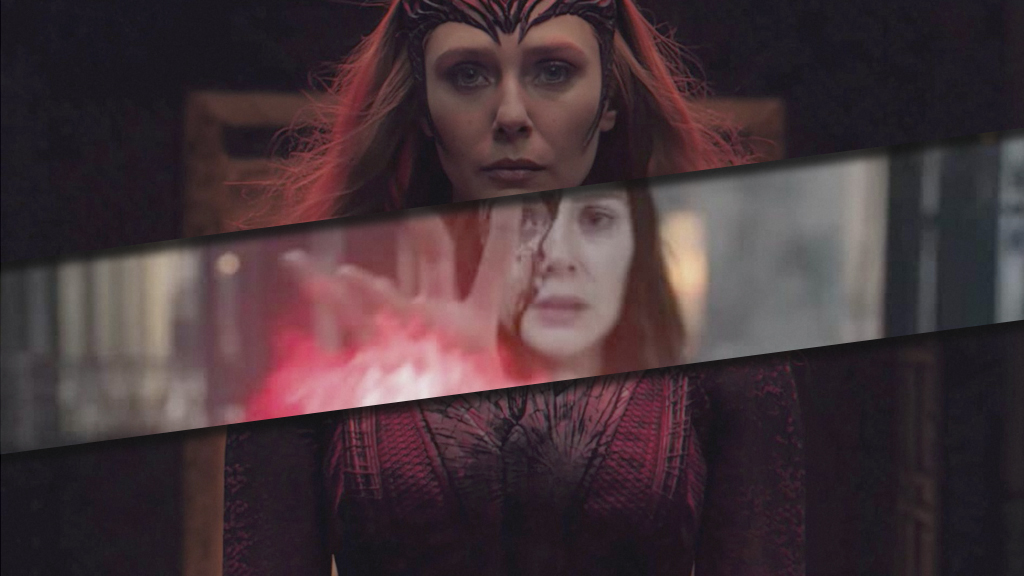
Doctor Strange in the Multiverse of Madness has garnered attention for many reasons. But one aspect of the sequel that has many fans debating is Wanda Maximoff’s Scarlet Witch and the character’s descent from hero to villain. While Maximoff was introduced to the MCU as a villain in Avengers: Age of Ultron and was certainly more of an antihero at best in WandaVision, some feel as though her redemptive arc at the end of that series does not square with where we find her in the Doctor Strange sequel.
As it turns out, actress Elizabeth Olsen also had a hard time with the transition. In an interview with Variety, the Emmy-nominated actress discussed her reaction to learning Wanda was the villain of Multiverse of Madness:
Well, I knew I was gonna be in “Doctor Strange,” but I thought I was gonna be, like, in an ensemble thing. So at first I think I was nervous and conflicted, because I hadn’t finished “WandaVision” yet, but we were almost finished. And I was like, “Oh my god, how do I make this all work together?” We got there; I got there. And it became an amazing opportunity to have people be won over by this woman in “WandaVision” and feel for her, and then, you know, manipulate them into this film, where they get to be on her side and then feel conflicted themselves. So I thought that was a great opportunity.
Elizabeth Olsen
Ultimately, Olsen understood Wanda’s dark journey from the end of WandaVision as being a result of the trauma that remained at the end of the series, particularly the loss of her twin boys. The actress went on to describe Wanda’s evolution:
I just wanted everything to feel like some version of an advancement, even if the advancement is someone feeling a different reaction to the pain and loss. We also haven’t seen her have a reaction to what happened in Westview. Even if we watched her go through trauma and loss, we haven’t seen her go through the loss of the children. I think, for any parent — I would assume, because I’m not one — the loss of the child would always be much harder than the loss of anyone else important in your life. I just wanted to make sure it was a constant evolution forward and not repetitive…How do we make this different but still part of the woman that we know?
Elizabeth Olsen
While fans will never stop debating whether Wanda’s arc was consistent enough, Olsen is suggesting that the extreme grief that audiences did not see after Wanda left WestView was the driving factor of her descent. The character’s corruption from the use of the Darkhold certainly would have influenced and turned those dark emotions into something much more volatile. So, the fact that Multiverse of Madness saw the Scarlet Witch using her full power to get what she believes she should rightfully have is not too hard to comprehend.
Doctor Strange in the Multiverse of Madness is playing in theaters worldwide.
The article will contain spoilers on Doctor Strange in the Multiverse of Madness. So only continue at your own risk if you haven’t had a chance to watch the film yet.
Now that Doctor Strange in the Multiverse of Madness is rounding out its debut weekend, the creators and stars are opening up about making the ambitious film. While Doctor Strange, as the title suggests, is the film’s main protagonist, it is also the sequel’s villain that turned a lot of heads. Wanda Maximoff and Scarlet Witch actress Elizabeth Olsen has been discussing her take on the complicated character.
One of the most memorable aspects of Multiverse of Madness is perhaps Wanda’s violent and ruthless killing of countless characters, including the star-studded Illuminati including John Krasinki’s Mr. Fantastic, Patrick Stewart’s Professor X, Hayley Atwell’s Captain Carter, Lashana Lynch’s Captain Marvel, Anson Mount’s Black Bolt. While killing off such a major ensemble is surely a lot for an MCU film, Olsen revealed in an interview with Variety that the final cut was more merciful than the original plan. The actress stated:
I was also supposed to kill more. I had a hard time with it. I was like, these are human beings and Wanda is okay with ending their lives? But I just had to buckle down and think all these people are in her way and she’s warned Doctor Strange not to get in her way. And he did. He didn’t listen. And so I just had to go from that point of view.
Elizabeth Olsen
The idea of the Scarlet Witch killing even more (probably) high-profile characters is not too crazy of a concept after the events of Multiverse of Madness. It certainly begs the question of who else may have been part of the Illuminati initially, or what other characters almost met their end in the Doctor Strange sequel.
It is also interesting how Olsen“had a hard time” with Wanda killing people. While viewers saw a redemptive arc for the character in WandaVision, the Scarlet Witch undoubtedly went on a darker path since the finale of that series. While some may find it hard to understand the character’s journey, Wanda’s corruption via the Darkhold had a strong role to play in the fall of the mother grieving her lost children.
Doctor Strange in the Multiverse of Madness is now playing in theaters worldwide.
With Doctor Strange in the Multiverse of Madness coming to a close on its first weekend, reactions have been somewhat mixed, but the film has been extremely successful at the box office. While the Doctor Strange sequel follows its titular character, it also puts the spotlight on one of the most complicated Avengers and now villain, Wanda Maximoff.
While Wanda more recently has seen quite the extensive MCU treatment with WandaVision and now Multiverse of Madness, her history in the MCU prior to Phase Four was much different. The Avenger was first introduced in 2015’s Avengers: Age of Ultron and her path throughout Phases Two and Three of the MCU centered on her membership on the iconic team.
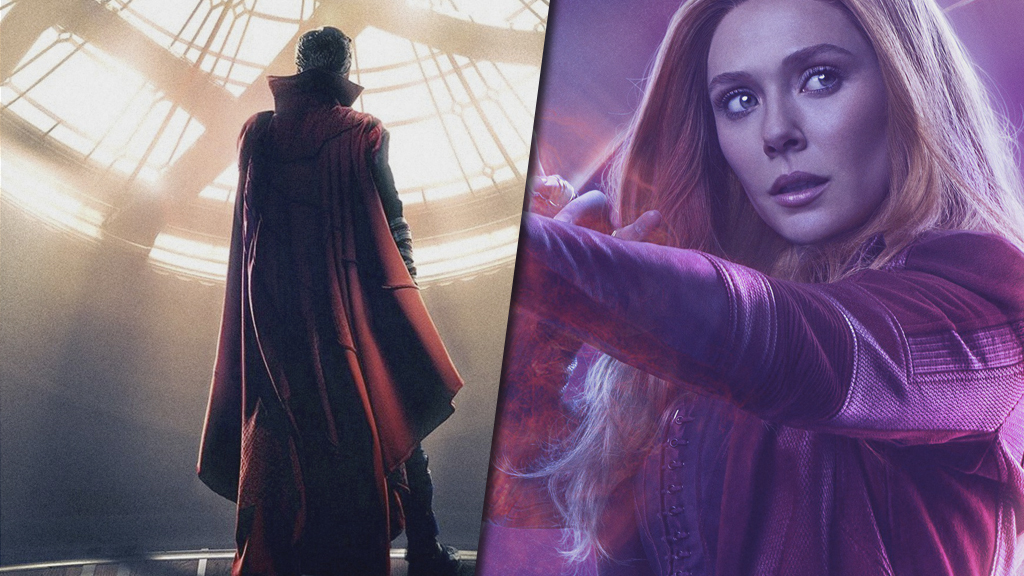
It was not until WandaVision that Wanda took on the mantle of the Scarlet Witch, and it was not even revealed she was a witch until then. Recently, Marvel Studios President Kevin Feige told Bionic Buzz that her more magic-focused arc was the original plan for the character, rather than the Avengers arc. Feige stated:
At one point, one of the initial ideas we had for Doctor Strange was to introduce Scarlet Witch in the Doctor Strange movie because those two characters were always two we really wanted to see together and sort of fit in that same world. Obviously, we ended up introducing her in [Avengers: Age of Ultron], and thank god we did, because we got to do all the other things with her. But this is really something that has been in the works for a very long time, and finally, here we are.
Kevin Feige
Had Wanda not been introduced as an Avenger, we may not have seen her pivotal roles in Avengers stories. For example, her loss of control of her powers in Captain America: Civil War sparked the Sakovia Accords, and it was through the Avengers that she met Vision. While she may have been able to have been utilized in a similar way had she been introduced in the original Doctor Strange, her journey surely would have been much different.
After Multiverse of Madness, the Scarlet Witch is cemented in the magical realm of the MCU, though history would suggest a return to the Avengers is still an option down the line. While the character had a seemingly tragic ending in the Doctor Strange sequel, all bets are on the Scarlet Witch returning in the MCU.
Doctor Strange in the Multiverse of Madness is now playing in theaters worldwide.
We use cookies to improve your experience on our site. By using our site, you consent to cookies.
This website uses cookies
Websites store cookies to enhance functionality and personalise your experience. You can manage your preferences, but blocking some cookies may impact site performance and services.
Essential cookies enable basic functions and are necessary for the proper function of the website.
Name
Description
Duration
Cookie Preferences
This cookie is used to store the user's cookie consent preferences.
30 days
These cookies are needed for adding comments on this website.
Name
Description
Duration
comment_author_email
Used to track the user across multiple sessions.
Session
comment_author_url
Used to track the user across multiple sessions.
Session
comment_author
Used to track the user across multiple sessions.
Session
Statistics cookies collect information anonymously. This information helps us understand how visitors use our website.
Google Analytics is a powerful tool that tracks and analyzes website traffic for informed marketing decisions.
Contains information related to marketing campaigns of the user. These are shared with Google AdWords / Google Ads when the Google Ads and Google Analytics accounts are linked together.
90 days
__utma
ID used to identify users and sessions
2 years after last activity
__utmt
Used to monitor number of Google Analytics server requests
10 minutes
__utmb
Used to distinguish new sessions and visits. This cookie is set when the GA.js javascript library is loaded and there is no existing __utmb cookie. The cookie is updated every time data is sent to the Google Analytics server.
30 minutes after last activity
__utmc
Used only with old Urchin versions of Google Analytics and not with GA.js. Was used to distinguish between new sessions and visits at the end of a session.
End of session (browser)
__utmz
Contains information about the traffic source or campaign that directed user to the website. The cookie is set when the GA.js javascript is loaded and updated when data is sent to the Google Anaytics server
6 months after last activity
__utmv
Contains custom information set by the web developer via the _setCustomVar method in Google Analytics. This cookie is updated every time new data is sent to the Google Analytics server.
2 years after last activity
__utmx
Used to determine whether a user is included in an A / B or Multivariate test.
18 months
_ga
ID used to identify users
2 years
_gali
Used by Google Analytics to determine which links on a page are being clicked
30 seconds
_ga_
ID used to identify users
2 years
_gid
ID used to identify users for 24 hours after last activity
24 hours
_gat
Used to monitor number of Google Analytics server requests when using Google Tag Manager
1 minute
Marketing cookies are used to follow visitors to websites. The intention is to show ads that are relevant and engaging to the individual user.
Pinterest Tag is a web analytics service that tracks and reports website traffic.