Category: Reviews

  • REVIEW: Parmaount+’s ‘Halo’ Pilot is a Decent Jump Pad for the Series

    REVIEW: Parmaount+’s ‘Halo’ Pilot is a Decent Jump Pad for the Series

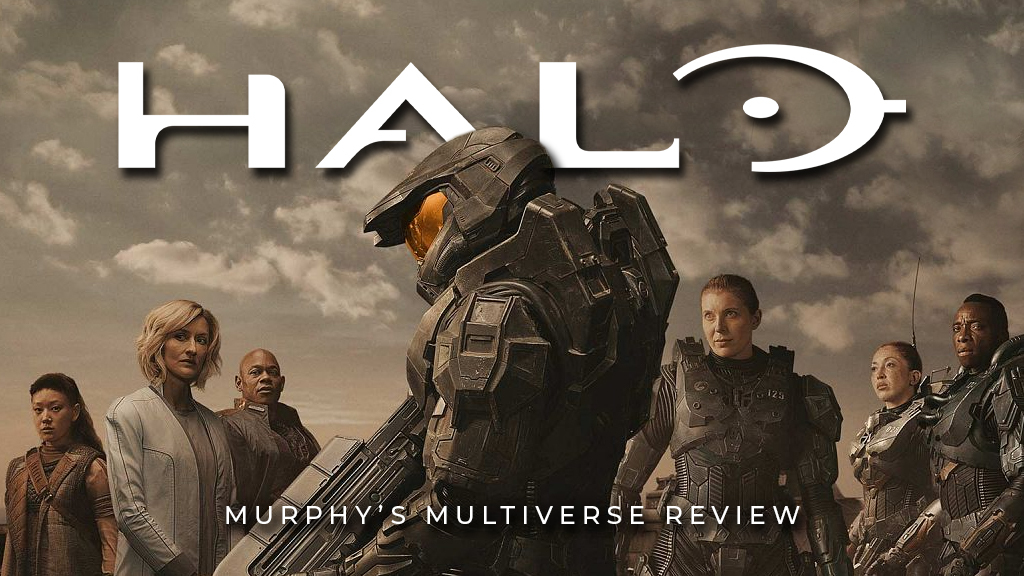
    After one of the most infamously long production cycles for a TV series, the live-action adaptation of Halo has finally arrived. Pablo Schreiber takes on the daunting task of bringing Master Chief to life in the Paramount+ series. Video game adaptations have always had an uphill battle, and with an IP as famous as Microsoft’s Halo series, it seems like a daunting undertaking. With hints that the iconic Spartan will also reveal his face for the first time, breaking a long-time tradition of the games, the project had quite a few eyes on it how it may bring the classic sci-fi series to life.

    One thing the series makes clear early on is that this isn’t a 1:1 adaptation of the original game series. Instead of going down The Mandalorian route of focusing on our masked main character, a lot of this episode’s story is told through Yerin Ha‘s Quan Ah. Not only does it ease us into the story while spending time with a human resistance faction trying to get by, but it also sets up a very different look at the Spartans. We spend the games through the eyes of Master Chief as he heroically takes on the Covenant. The UNSC is shown as a darkly flawed system with people in it willing to make sacrifices for others for the sake of their own goals. As such, the Spartans have also been twisted into something very different ahead of their initial introduction.

    It sets up an important dynamic between Ah and Schreiber‘s Master Chief later. We see a desperate organization trying to paint themselves in a positive light during the war, but making rather dark decisions. We get glimpses of some bigger storylines, especially one pertaining to Cortana and Chief’s relationship with Natasha McElhone‘s Dr. Catherine Halsey. Especially with the character’s actions later in the film, they are setting up a mysterious connection between the two and further exploring his humanity.

    The big opening action shot shortly after meeting Ah gives us a feeling of the series fight choreography and how it brings these super soldiers in the form of Spartans to life. It has some great moments, but some aspects of the action were quite rough. The Covenant look impressive and are translated pretty closely from their gaming counterparts. Yet, there are long stretches where the CG work looks rough and out-of-place. Some of the aliens just stand out in the wrong way and Master Chief jumping around at times seems too weightless. They were pushing the most they could out of the budget they have, but the CG work really could’ve used a bit more tweaking. Still, the action is easy to follow and we get some nice moments from the Spartan team.

    We even get a brief first-person callback to the game which was a bit gimmicky but was used as a way to show us how the Spartans see the world. So, it worked in more ways than just a neat Easter egg, especially with the payoff later on. The sound effects were a joy to hear, as we get everything from the way the Covenant’s weapons sound to Chief’s armor replenishing. While the team said they didn’t look to the games for reference, they did add in enough trinkets to keep those fans happy. The best part, the fan service doesn’t overshadow the actual story.

    The biggest selling point is Schreiber‘s Master Chief, as he does give us some softer moments with the character. He does show a lot of emotion through his helmet and after interacting with a strange artifact, we get to see him slowly break away from his bio-engineered programming. They are setting up an arc and the episode does end in quite a bold move that highlights this series’ new direction based around the original franchise’s lore.

    The episode length does drag at times due to the number of characters it’s trying to introduce and set up for later storylines. Some of the CG work could use some additional tweaking but it’s still great to see these designs in a live-action setting. Schreiber is the standout in the series’ pilot episode and I am excited to see where he takes the character moving forward. It’s a decent start and it’ll be interesting to see how they build up this new take on a classic franchise.
  • REVIEW: ‘Teen Titans Academy’ Vol 1 is Enjoyable, With a Few Missteps

    REVIEW: ‘Teen Titans Academy’ Vol 1 is Enjoyable, With a Few Missteps

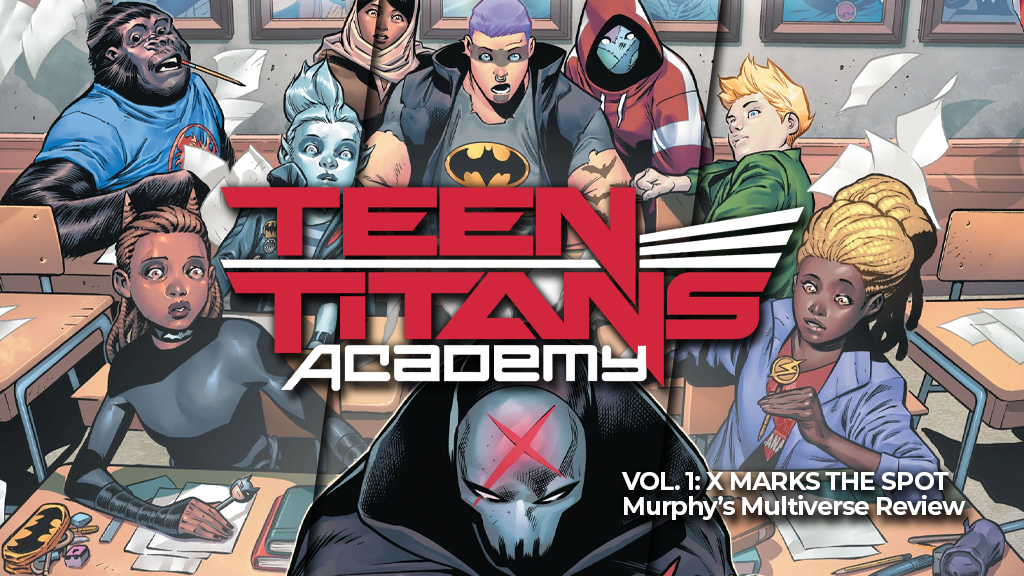
    The Teen Titans have been a staple within the DC Universe since their inception at the hands of George Perez and Marv Wolfman, and the team has seen quite a few revamps throughout the years with its alternating roster. As excellent as those takes might’ve been, Future State and Infinite Frontier set out to do something different with Teen Titans Academy introducing a whole new generation of Titans.

    Teen Titans Academy serves as the prequel for the events of Future State: Teen Titans, where we see the surviving Titans reel with a world-shattering event. Academy is the story leading up to that; this volume helps readers to become more acquainted with the students at the academy before most of them meet a grisly end.

    The characters here are one of the story’s brightest gems, introducing us to students such as Summer Zahid, Totally Tubular, Gorilla Gregg, Bolt, Tress, Dane, Matt Price, Brick Pettirosso, and Stitch, a nonbinary ragdoll who is the apprentice of Doctor Fate. The most interesting of the bunch is the Batpack, a group of orphans rescued from an orphanage that was selling children off for use in science experiments. Megabat, Bratgirl, and Chupacabra were rescued by Nightwing and accepted into the academy. They are fun new additions and could technically be considered members of the Batfamily who are so ripe for their own solo title, it would be a shame to see them fade into the backlog of DC characters who aren’t getting their time to shine.

    The story does fun things with the characters to really build them up and creatively explore their backgrounds. Alinta, aka Bolt, has a standout origin here, revealing Amanda Waller saved her not so long ago, and owes her big, like allegiance to Task Force X big. It feels like the writers figured they’d done enough though, after spotlighting a character for an issue it’s like the focus is ripped away from them and we don’t see them again for a while. Some of the characters here, booming with potential to explore, are kinda just left in the dust as it can feel as if the series is lacking direction. While the stories we are getting in this run with Stitch and the Batpack are great, it would be nice to see the other students like Miguel, Summer, and even Gorilla Gregg, the nephew of Grodd factored into the story more instead of being used when it is convenient to the story. While they are crucial it can at times feel like the OG titans are overwhelming the story just a bit, but the story does route focus back to the students.

    While these solo stories are good, what I’d really like to see moving forward is the students coming together and learning to work as a team, I mean that’s the whole point of them being at the Teen Titans academy, after all. It would be much better to see the students actually working together and developing alongside each other, working much better in both their favor, as well as the story’s favor.

    The main focus of the story is the mystery behind who the new Red X is; Red X is, of course, the brief alter-ego of Dick Grayson in the Teen Titans animated series who made his comic book debut in 2021. The mask has been picked up by another, coming and going from Titans tower as he pleases while the Titans freak out over it. The mystery would be more interesting if the series made an effort to get us to care about Red X. While he’s a cool-looking character, he is also a massive tool, and isn’t very likable with what they are doing with him here, crafting him as on a one-man crusade that just doesn’t seem noble enough to care.

    Thankfully, this is only Vol. 1 of the story and is only comprised of the first few issues of the run. Even with there still being more to read, the story here shouldn’t feel unfinished and should be able to stand on its own. Teen Titans Academy was a creative path to navigate with a lot of potential to spotlight the new characters some may be meeting for the first time. 

  • REVIEW: ‘Young Souls’ Breathes Life To The Beat ‘Em Up Genre

    REVIEW: ‘Young Souls’ Breathes Life To The Beat ‘Em Up Genre

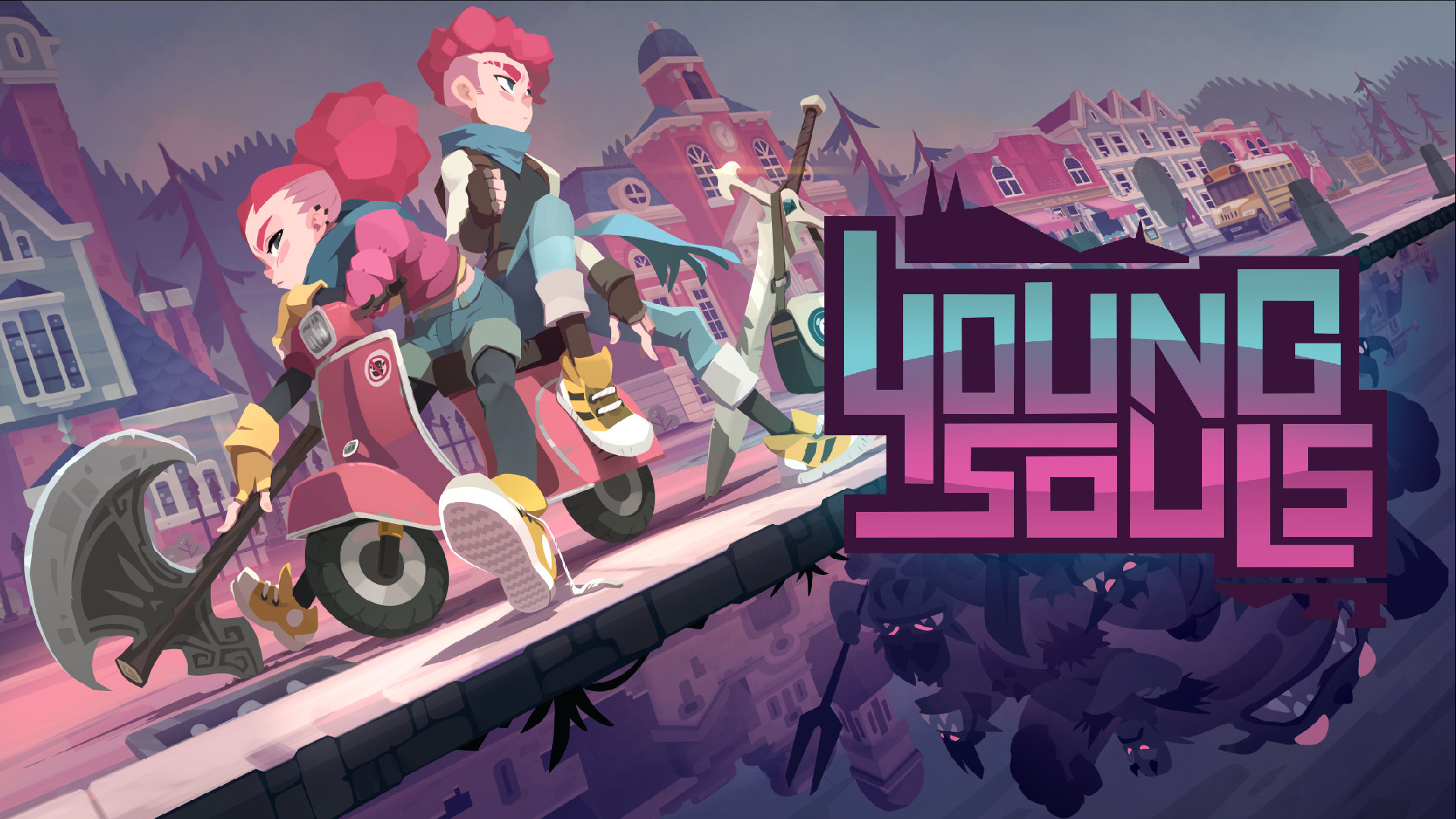
    The world of video gaming is more expansive than ever. Where players were once limited to what was accessible at an arcade, they are now able to experience a vast array of styles and mechanics. However, an unfortunate side effect of this gaming revolution has been a loss of exposure for the genres that started it all. While they may not be as graphically impressive as AAA studio projects or as multiplayer-friendly as the ever-popular online battle royale, side-scrolling brawlers still just as fun as they were decades ago. Attempting to prove this is The Arcade Crew’s Young Souls, a 2D beat ’em up that exemplifies how entertaining the basics can still be.

    Of course, Young Souls isn’t just a brawler. It’s also a surprisingly immersive, story-rich RPG, that’s sure to pull its audience in quickly. The beauty of the game lies in the way it mixes the two concepts, resulting in a relatively simplistic combat system that feels complex. Most of the action, which sees two adventurous teenagers doing sword-and-sorcery battles against hordes of goblins and darkly magical creatures, is fairly standard. Players can perform regular sword attacks, heavy sword attacks, and block with their shields. This feels a bit repetitive at first, and knowledge gained from the initial tutorial will only get a player so far before bigger baddies and more powerful adversaries start to test their patience. Luckily, progressing through the story unlocks new abilities and purchasable upgrades that slowly begin to diversify gameplay. Eventually, useful tips and tricks like parrying and a well-placed rolling dodge will allow the player to do more and get further in accomplishing their tasks. They’ll just have to do a better job than myself at remembering which buttons do what.

    Including RPG elements in the progression system is a really charming way of keeping the player invested and varying the game’s overall experience. Between dungeon raids and evil library romps, the two protagonists can make their way towards town via countryside cruises on their moped. Once there, they have the ability to enter several buildings and locations, most of which serve a purpose in developing the characters and their stat lines. For example, among the many institutions is a shoe store at which co-lead Tristan likes to shop. Disguised in-story as a means for the lad to up his style, selecting a new pair of kicks to buy is actually important for getting past some of the game’s harder spots. Each shoe comes with a different ability perk, giving gamers a chance to both show out and show up when things get heated. Most of the establishments in the titular character’s hometown serve a similar purpose, such as the pawnshop where you can trade items you’ve collected for cash to continue upgrading as you please.

    Another great aspect of gameplay comes from having two playable characters, each with their own set of health, strengths, and weaknesses. Both Tristan and Jenn start the game with the same base information but can be modified and enhanced by the player separately at various stages of the game. Notably, the gym in town can be used to touch up different stats, like strength or stamina, by way of a button-mashing mini-game. It’s possible to make one character offensively heavy, increasing their strength, and the other defensively heavy, increasing durability, and alternate between the two in battle as necessary. This adds a certain amount of strategic, RPG-based play that helps to further transform Young Souls from a basic side-scroller to an encompassing gaming experience.

    Gameplay aside, Young Souls features an original story that is unexpectedly captivating. Pitched against a backdrop of strikingly bubblegum animation, it tells the tale of the two aforementioned leads as they set out to quell the conflict between a hidden fantasy world and their own. Along the way, they must also save their eccentric adoptive father and aid innocents, both human and non-human, who also find themselves caught between universes. The dialogue is quick-witted and often humorous, with a cast of characters who are relatively down-to-earth, whether Earth is the location of their origin or not. Conversations can be interactive, as well, with prompts occasionally appearing for the player to select responses and stay engaged. Though enjoyable in its own right, the sometimes cynical comedy fodder is also brilliantly juxtaposed by a truly heartfelt story. It almost feels like a 1980s Jim Henson movie brought to life on a PC instead of a movie screen. It’s probably not worth spoiling anything here, but Young Souls is worth playing for the story alone. It’s one of those rare finds that’s just as fun to watch play out as it is to actually play.

  • REVIEW: ‘Windfall’ Is Neo-Noir Prestige

    REVIEW: ‘Windfall’ Is Neo-Noir Prestige

    Set in a quaint vacation home where an embittered man robs the home of a mogul, Windfall proudly touts itself as a Hitchcockian thriller and does its damnedest to feel like one. The opening credits alone, where cinematographer Isiah Donte Lee’s motionless image of a lavish patio conspires with the thumping Bernard Hermann-inspired score and vintage typography fading on-screen, paints an eerie picture of the suspense creeping up in this vacation home. As the camera dollies closer to Jason Segel‘s character named Nobody enjoying the panoramic view of a lush orchard, Danny Bensi and Saunder Jurriaans‘ score fades out, tethering dread and silence together. And when the owners discover the Nobody robbing their home and are held hostage, director Charlie McDowell begins to slowly appoint the audience as voyeurs in this uncanny unraveling of marriage, wealth, and power.

    Contrary to McDowell’s Hitchcockian virtues is Andrew Kevin Walker‘s screenplay co-written with Justin Lader, which is low on plot but heavy on themes. Walker’s celebrated screenplay for Se7en pings back-and-forth from scene to scene, building a mystery that asks audiences to connect the dots alongside its characters. Windfall, on the other hand, simmers mostly in thought, leaving wide-open spaces in the storytelling that feels too loose. The mystique the screenplay tries to construct by having all three leads unnamed and their backstories obscured mostly fails to materialize in any meaningful way. Walker’s script reckons heavily with populist views of excess and capitalism and uses it to subtly define the characters. The character referred to as the CEO, played by Jesse Plemons, rambles about hustle and opportunity while the disenfranchised Nobody preaches equality. These traits wouldn’t be so bad if the characters weren’t just those identifiers; Plemons and Segel end up caricatures rather than autonomous, with nothing else to say beyond class arguments progressives and conservatives argue about daily on Twitter.

    The Nobody may be a tiresome character but Segel’s performance is not. Segel does decent work as he aptly embodies a man clinging to what dignity he has left. Segel’s pathetic bumbling may seem like a fumble on the actor’s part but in the little we learn from his disputes with the CEO, it’s evident that the pathos comes from conviction. Plemons, on the other hand, borders on generic as an unapologetically rude man of wealth. There’s fun to be had in seeing Plemons chew up the scenery with jackassery but the performance feels uninterested in leveling itself with the taciturn of the film.

    Ironically, the character we end up learning about the most ends up the most engaging. As the Wife, Lily Collins gets to define her character in a way that isn’t encumbered by Walker’s social commentary. Little is explicitly said about the Wife but Collins fills in the gaps with hefty anecdotes that hint at a backstory that is pained and at odds with her current disposition. While the Nobody rants about the vague and cruel ramifications of the CEO’s technology, the Wife is unconcerned with neither and is musing about her own past and future. When her marriage with the CEO is put into question along with her autonomy as their cozy hostage situation draws on, Collins embraces the noirish ambiguity of it all and displays a subdued darkness. Collins’ performance is emblematic of the potential of a script concerned with character more than proving a point.

    Windfall ultimately works thanks to Collins’ enigmatic presence, McDowell’s precise understanding of Hitchcock’s work and his deftness in distilling that influence into a rambling script. With a meticulously constructed atmosphere and a haunting conclusion, Windfall is a thriller rife with noir prestige.

  • REVIEW: ‘Cheaper By The Dozen’ Should Have Been a TV Show

    REVIEW: ‘Cheaper By The Dozen’ Should Have Been a TV Show

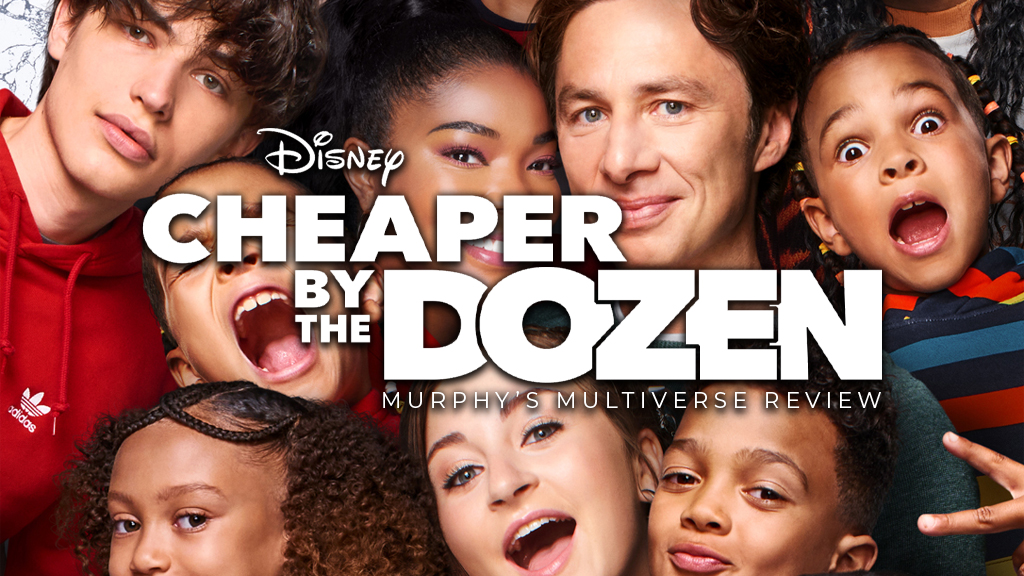
    Disney+’s Cheaper By The Dozen has all the makings of a successful TV show. It features a wholesome family-friendly premise with two great leads in Zach Braff and Gabrielle Union, who command the perfect kind of star power a series like this would need. The film has a mostly-good ensemble of kids that may become the next big sitcom stars. Most notably, though, it has an all-star producer in Kenya Barris, whose eye for network-friendly sappiness that turned Black-ish into a massive sitcom empire is in full effect here. But that’s also a problem with the film. That it’s paced, stitched, and filmed like a TV show, it crams in so much more than any film can service. 

    Based on the Steve Martin film of the same name based on the novel by Frank Bunker Gilbreth, Jr. and Ernestine Gilbreth Carey, this new Cheaper By The Dozen follows the same concept of its predecessors as it explores the life of a family with a dozen children. The film sees Paul and Zoe Baker chase their dream of becoming successful franchise restauranteurs as a family of clashing personalities together. This new version helmed by Black-ish director and creator Gail Lerner and Kenya Barris respectively sees a more diversified Baker family with millennial cultural touches.

    Paul Baker, the quintessential white dorky dad, is going through a mid-life crisis. His restaurant has a backlog of bills to pay, he’s not maximizing his profits, he has a dozen kids to feed, and top it all off, his wife’s ex-husband and the biological father of two of his step-kids, Dom, is a glamorous football star who has everything he hasn’t. So when the opportunity to be the next Chef Boyardee comes, Paul takes it, hoping to provide for his family in a way he hasn’t before.

    For the next hour and a half, Cheaper By The Dozen rushes through one scenario after another as it tries to hit emotional beats for more than a dozen characters like a TV show would in one entire season. Storylines about racism, stealing, bullying, and dating are all shortchanged simply from the script tackling everything at a breakneck pace. It certainly doesn’t help that some of the plot points don’t fit the homely spirit the film tries to embody from its predecessors. Tiktok, glamour, and high society living are of the few things this next-gen Cheaper By The Dozen wears on its sleeve. Paul moves his family to a giant mansion in Hollywood after his hot sauce hits grocery shelves, it doesn’t quite work as the film’s attempts to engage the idea of excess and wealth fails to make a point.

    Thankfully, the cast holds most of the film together with such charming chemistry and wit. Braff and Union have an emotional foothold of Kenya Barris‘ and Jenifer Rice-Genzuk‘s script, which allows them to deepen the hastened drama from the page through earnest performances on screen. The Baker kids are a joy to watch; several of them are so fearless on-screen and steal scenes right from under Braff and Union. Mykal-Michelle Harris, in particular, is a huge stand-out.

    For better or worse, sitcom alum Gail Lerner directs Cheaper By The Dozen like it’s an episode of Black-ish, as every scene’s visual language looks ripped from a single-cam sitcom. You’re almost half-expecting Dre and Rainbow to show up at any moment. This isn’t to argue that Lerner’s direction is bad but it’s to point out how peculiar the film looks given how so much of the text is already begging to be just formatted for a serialized show. Perhaps the plan is for this film to be a proof-of-concept of just how great a Cheaper By The Dozen TV series would be.

    Once more, Kenya Barris and co. prove how strong their eye is for newly-fashioned wholesome family fun. With a cast as strong as this and relatable growing pains all families experience, Cheaper By The Dozen accomplishes the job it sets out to do in spite of all its shortcomings.

  • REVIEW: ‘How I Met Your Father’ Episode 10 – “Timing is Everything”

    REVIEW: ‘How I Met Your Father’ Episode 10 – “Timing is Everything”

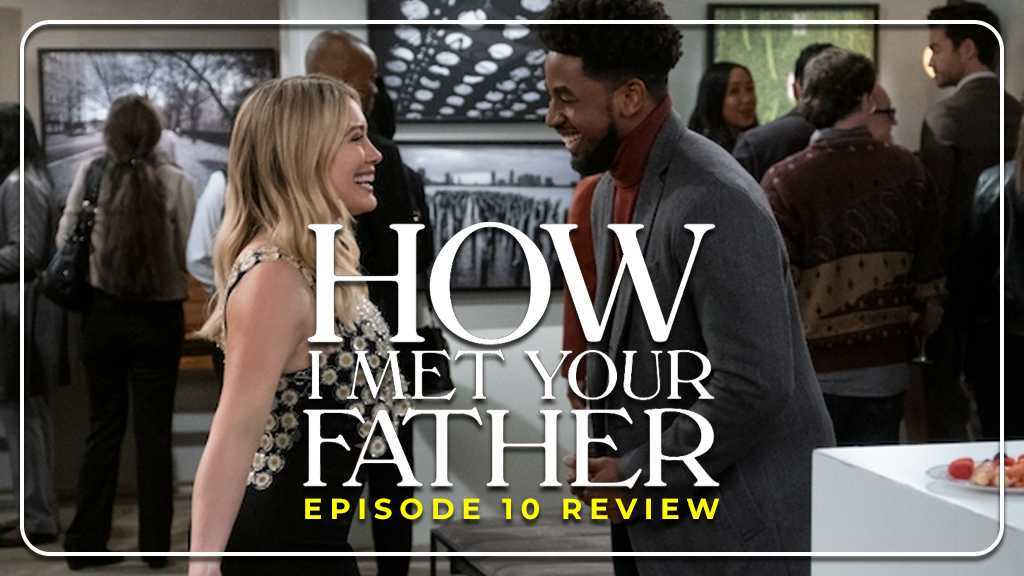
    How I Met Your Father‘s Season 1 turned out as expected, but with giant twists that will definitely have giant repercussions for the future. As you may remember from the last episode, viewers were left with Sophie waiting for Jesse on their big date after finally giving them a shot. Charlie and Valentina were in a good place, while Ellen was in a bad place, and Sid and Hannah were on shaky ground. The characters all had different drama brewing in their lives, but the finale managed to turn that all on its heels, resolve a lot of issues, and leave an exciting premise for Season 2.

    Coming into the finale, it seemed like Jesse and Sophie would be getting together, but then Ian came back to put a knife in the plan. Valentina and Charlie would become a stronger couple, while Ellen would find some sort of happiness, and Sid and Hannah would break up. Almost none of this happened, though. It gives fans a look as to how the team on How I Met Your Father is approaching the story, both intending to make it more interesting and to keep viewers in the blind. With most shows, I break down the play by play of the episode in terms of humor, drama, story…etc. That looks to be the wrong approach here, however. Instead, let’s break off each character’s journey as they are truly what makes this franchise great, and so we can see what works, and what doesn’t.

    Let’s start with Charlie and Valentina. The two made great strides during the season, from being selfish and unwilling to change, to developing into a strong couple that seemed to be able to move past everything. Unfortunately, a serious conversation comes up with major repercussions for their future, which turned the couple from an amazing developing duo to one that might not know what’s next. While I came into the episode thinking they would end up in a happy place after a pretty great season for them, turned into some sad moments as we watched the pair have to face a serious reality. I loved this approach, even if a little borrowed, but I feel their story isn’t quite over.

    Ellen’s ending was very sitcomy, and not in a good way. After going all season to a pretty dark place, getting used to a new city, not having friends, and being in a terrible situation with her love life, things just manage to magically work out in the end. I understand the season can’t focus on all characters equally, especially with only 10 episodes, but Ellen ended up being a glorified side character at the end of things. The only redeeming element for her story is that she is in a place to have a more interesting story in Season 2. Maybe we will see her blossom later on, but as of right now, she has potential as a character, but the story just isn’t there for her yet.

    Sid and Hannah left off in a bad place. Finding out they had even more time needing to be away from each other, feeling a lack of trust and confidence, the pair definitely seemed to me as heading the route of Marshall and Lily and breaking up in the first season. This was the case even more at the start of the finale when wedding planning managed to set off their other relationship issues. However, throughout the episode, they don’t get a lot of screentime, but the pair makes a comeback with a pretty big moment for them at the end. Of course, it seems their story is far from over, and rocky water may be ahead, but as of now, they are in a good place. The two just seem so real with their issues, even if some parts are largely exaggerated, they are very relatable.

    Finally, onto Sophie and Jesse. The two came into the episode strong, and I was sure that Sophie was about to get stood up on their date. This didn’t end up becoming the case, with the two going through a lot. The episode is titled “Timing is Everything” for a reason. It is a central theme in both the original and new show. As Robin says in How I Met Your Mother, “You got chemistry, you only need one other thing… Timing. But timing’s a bitch.” This rings true for the pair. No spoilers of course, but as the return of Jesse’s ex, Sophie’s new career developments, and Sophie’s two past relationships for the season, with Drew and Ian, timing is as important as chemistry, and the pair are left in a great place for their characters, but maybe not the best place with each other.

    Thanks to some incredible story developments, amazing twists and turns, and a few pretty big cameos from How I Met Your Mother, the finale delivered on a great season. The show started off in a pretty rocky place, but throughout its 10 episode run, it truly managed to deliver a great story, with so much potential for the future.

  • REVIEW: ‘How I Met Your Father’ Episode 9 – “Jay Street”

    REVIEW: ‘How I Met Your Father’ Episode 9 – “Jay Street”

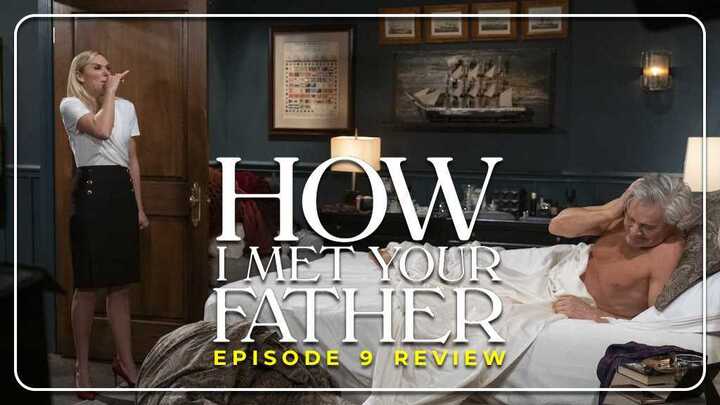
    The two-part finale of How I Met Your Father begins with giant setups, new drama, and a surprising cameo. Following a season of twists and turns, the love triangle that formed over the last few episodes gets even messier with Jesse’s ex, Meredith, throwing a curveball into things. Let’s unpack that, shall we?

    Going into the episode, my expectations for Sophie were to see her choose between two–or possibly three–men to get into a relationship with. Although I was anticipating one to begin, I will state that this does not mean I believe this relationship will lead to Sophie’s son being born. The episode’s entire runtime is setting up the events of the finale, complete with a “to be continued” at the end. What was already a messy situation with Sophie dating Drew but then ending up kissing Jesse, has gotten worse, as Jesse’s ex put a wrench into things when she released her new single, admitting to missing Jesse. From the start, things look great for Sophie and Jesse but all that changes is when he hears that Meredith regrets leaving him.

    Obviously, I’m not going to spoil what happens from that point on. You will need to watch yourself to get the full picture, but let’s just say that the entire situation has changed since we checked in with Jesse and Sophie last week. I already thought we’d be in for a great finale, but things are looking even better than expected. Stakes are high, and things are uncertain for our leading lady. Outlook on her relationships is suddenly out of her control, yet, a progression in her career may help lessen the blow. Although we don’t have a clear picture of what the next episode will look like, I have a feeling things are going to center on that career change, but once again, you will have to watch yourself to see what that is.

    A surprise cameo made this week’s episode for me. Although I was emotionally invested and on the edge of my seat with Sophie’s love story, a callback to How I Met Your Mother will always stand out for me. Not only did we get one cameo, but two due to the circumstances surrounding the two characters showing up, and no, it isn’t who you think it might be. The two characters were supporting cast in the original show, but two stand-outs that I’m sure most fans loved as much as I do. I call out the cameo now because, as I said before, the finale might connect with her new career step. I’m not entirely sure how all of this will tie together, as there are still a lot of loose ends that seem to be coming to a close.

    Although plenty of loose ends are looking like they will be tied, even more, seem to be unweaving as we lead up to the show’s confirmed second season. Of course, with a television show, not everything can be tied until the final episode. Sophie still has multiple possible suitors in addition to Drew and Jesse. New twists have developed for Sid and Hannah, Ellen is interviewing for a job, and Charlie is feeling homesick. All of these things get the spotlight in this episode, and that is definitely not the sign of a slowing plotline. While I believe we will definitely see an outcome for the relationship troubles, there is still plenty to leave open for next season, and that is what will keep me coming back.

    While the humor wasn’t there in this episode, at least not like with other traditional sitcoms, this was much needed for the story they are trying to tell. This is the same approach How I Met Your Mother took with many of its important episodes, which works really well to keep the emotional moments flowing without interrupting with weirdly placed humor. The show definitely still feels like a sitcom, but the humor was able to take a backseat to the plot, and I definitely enjoyed that. The show has once again left me wanting more and more. Viewers will be left at the edge of their seats in anticipation of the final episode next week, but until then, all I can do is recommend you watch and stay tuned for what’s yet to come.

  • REVIEW: ‘Deep Water’ Shows Its Hand Too Early

    REVIEW: ‘Deep Water’ Shows Its Hand Too Early

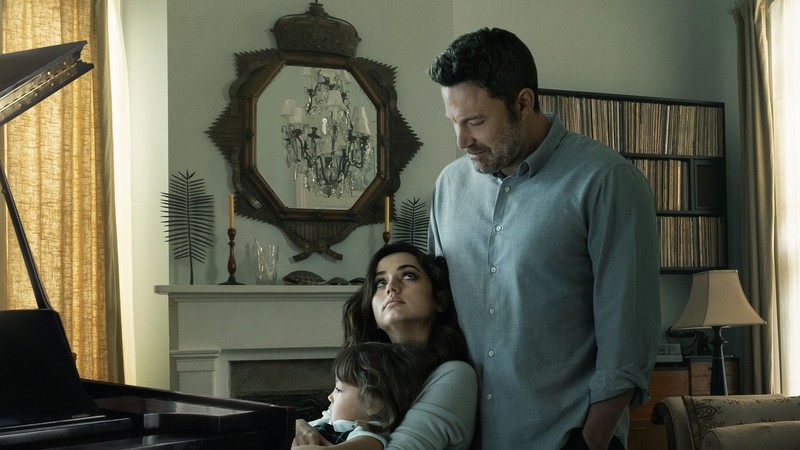
    There was quite some excitement to see the return of director Adrian Lyne, who hasn’t made a film since 2002’s Unfaithful. His psychological thriller Deep Water explores the story of a married couple that has fallen out of love, but their mind games might have deadly consequences. With a star-studded cast including Ben Affleck, Ana de Armas, Tracy Letts, Lil Rel Howery, and more, it seemed like the perfect blend with the promise of a suspenseful erotic thriller. Yet, the film underdelivers on both sides by showing his hand too early and taking away any suspense that could’ve been built throughout the film’s nearly two-hour runtime.

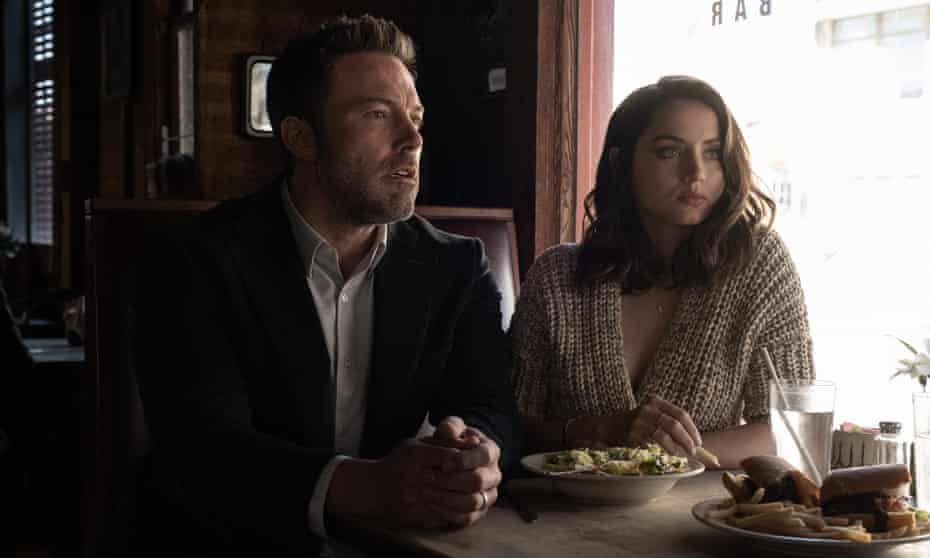
    The premise promises that this Hulu original film would explore a tug-of-war between a couple that is pushing each other to extremes. Ben Affleck and Ana de Armas do play their parts well when it comes to this romance that has lost its spark–ironic given they were dating for some time. Most of the movie’s conflict is carried by Armas‘ Melinda Van Allen, who pretty openly cheats on him; something that is put into the spotlight very early on in the film and was highlighted in the trailers. She consistently pushes him to the edge throughout that leads to some dangerous consequences. Sadly, her character feels maliciously one-note, even if there are shining moments where you get a better grasp of why their relationship is the way it is.

    Deep Water review – erotic thriller loves Ben Affleck's slack-jawed look |  Movies | The Guardian

    The only issue is that it’s not as interesting as the film tries to play it. We don’t really get a moment with Affleck‘s Vic to really understand what he sees in his wife. He’s a typical “I love her no matter what” type of guy, but there’s never really a moment that sells you on it. Plus, it drags Armas‘ character down an extra notch because she’s always portrayed as the bad one just pushing him. It’s there to make his character look good, but the film reveals way too much that it doesn’t really convince you that he’s a good guy. They want you to sympathize with him, but then they kind of just have him stare a lot and not even hide aspects of his character that should’ve been built up and kept a secret until much later in the film.

    What adds to that issue is that there’s no redeeming factor or even a playful evil to balance it out. Armas‘ character is built up without a goal in mind. All she does is provoke him but you’re never sure what she’s getting out of it, especially given the film’s overall direction. It creates a disconnect between the story and the character’s development. Actually, it’s better described as character whiplash, because some scenes don’t flow as well as they should. Melinda suffers the most because she never is consistent with her actions. After an emotional moment, she just boomerangs back to default and there’s nothing later on to add any real tension.

    Deep Water (2022) | MUBI

    As I am writing this I realize that the only character with an arc is Tracy Letts‘ Lionel Washington, who barely has a role in the story. Even the rest of the cast is just there to spout exposition or react to whatever is happening. Lil Rel Howery gets one or two funny scenes, but the rest of the cast or mostly forgettable. In a way, it makes you wonder why they had such an extensive cast of characters to begin it if none of them factor into the story in any way. It’s a shame to just use them as window dressing, especially because the film undermines their mission to make characters look better than they are if only the film didn’t flat out tell you. They don’t factor into the story, they’re distractions at best.

    That’s kind of the core issue though, there’s no real suspense because everything is pretty obviously laid out. When a major turning point in the story happens, it’s not shocking nor is it leaving a lasting impression because the film doesn’t let it stick with you long enough to make it suspenseful A lot of this film was eerily similar to Gone Girl for me. The only thing that was missing would be the media subplot and it’s a more one-sided take on the story. Yet, unlike that film, it doesn’t feel as tightly knit to make it feel more like vignettes than a full-encompassing arc.

    Deep Water' trailer: Watch Ben Affleck, Ana de Armas in new Hulu movie

    It just can’t build suspense because it shows its hand too early and it’s trying to be clever about it. Worse, it doesn’t even add anything besides what you would expect. Even the “erotic” aspect is half-baked. It would’ve worked exactly the same without its inclusion. It’s sad to say it because the conflict of love and passion is the most interesting aspect of the film. In a way, if Deep Water was purely about exploring Vic’s obsession with his wife and never knowing if she really was cheating on him, it could’ve worked better as a psychological game. If it focused more on the erotic thriller aspect, the film could’ve benefitted and focused more on its characters.

    As it stands, the film simply lacks the punch to really nail its concept. If you’re looking for a decent distraction and something to fill that Gone Girl vibe, the film might be for you. Personally, if it kept more elements vague, the film would’ve benefited greatly from it. There is some nice cinematography here, and the music does add a little flair but the lack of suspense kills any mood it’s trying to create. It’s a shame that Lyne‘s return to directing isn’t as memorable as one would expect from the former Jacob’s Ladder director, but perhaps dipping his toes with this project could lead to him pursuing more in the future.

  • REVIEW: Netflix’s ‘Bad Vegan’ Tells the Demise of the Queen of Vegan

    REVIEW: Netflix’s ‘Bad Vegan’ Tells the Demise of the Queen of Vegan

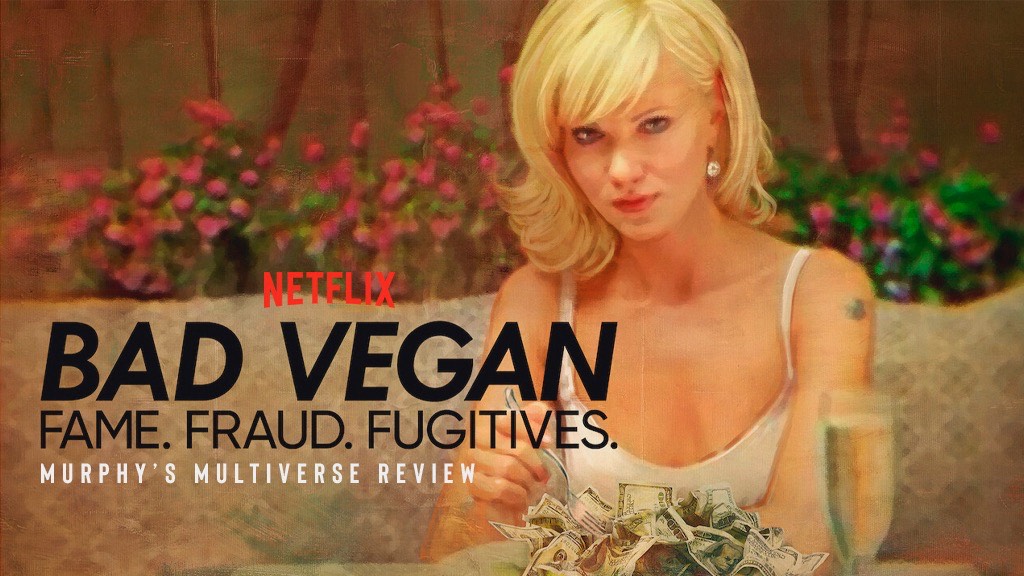
    The newest craze in Hollywood seems to be creating television series based on scandalous magazine articles. From Netflix’s Inventing Anna to Hulu’s The Dropout, Hollywood has found its latest obsession: true crime. Unlike those shows, however, Bad Vegan doesn’t craft a fictional story. Instead, it opts to use the real people to tell everything about this scandal, and it’s ultimately a decision that pays off.

    While Inventing Anna and The Dropout are both entertaining in their own right, despite the former being an utter mess in its depiction of the victims, they offer a sometimes fictional take on the scandals. The four episodes of Bad Vegan do not allow for a fictitious and entertaining take on the Pure Food & Wine scandal. Sarma Melngailis, who was once deemed the Queen of Vegan, had a fast rise and fall at Pure Food & Wine, and despite everything that happened, she willingly sits down to tell the story from her perspective. Naturally, though, her take on what happened is told with a veil of sorts, as while open, Melngailis, is not truly reliable in her telling of the events.

    Like The Dropout, Melngailis isn’t the lone party responsible for what ultimately results in her downfall. There is a man involved and, honestly, he’s one of the more frustrating bits of the story. Just as Melngailis is riding the high of Pure Food & Wine, with her raw vegan restaurant taking over, she meets a man who will ruin it all. How he meets him — and just how Alec Baldwin is involved — are fascinating because you want to believe there’s truly no way someone like Melngailis could fall for him… and yet, she does. There are red flags galore from the moment they connect, but she’s so desperate to believe in him, she’s blinded by the thought of love. What’s worse, however, is that when she does finally begin to question things about him, she still decides to stay.

    Melngailis does many things that are questionable during their relationship and, with just four episodes, it’s not easy to present a fair painting of everything that would eventually unfold. The series does its best to make use of its limited time, and for the most part it does; it wastes no time setting up her rise, but seems to spend little time on how everything falls apart. It’s the one issue with such a limited timeframe to tell such a massive story. In fact, five episodes probably would have benefited the story a heck of a lot more. This is simply because the final episode has to unwrap so much, that by the end, its frustrating where the story leaves off.

    For those unfamiliar with the scandal behind Pure Food & Wine, like myself, there’s no denying this is an easy to devour documentary series. The whole ordeal is just as fascinating as it is morally wrong. Melngailis is an uncomfortable narrator. She’s often stiff and careful with how she chooses her words. It’s clear she wants to tell the whole story, but there’s also a part of her that seems eager to put it behind her from the moment she begins speaking. The use of the other parties in the series, though, to tell their take on everything is a smart move because they are far more open and honest. It’s why this format works much better than the fictional takes on scandals we’ve seen courtesy of Inventing Anna and The Dropout. As absurd as those stories both are, the story told in Bad Vegan is one that is hard to believe at first. The false promises, the deception, the fraud and the corruption? It’s absolutely fascinating to watch unfold with each new interview and episode.

    All in all, Bad Vegan is a limited series to add to your Netflix queue. It’s one of the better takes on a scandal such as this one, and with just four episodes, it’s easy to burn through. For those looking to get lost in a world full of money, celebrity, cuisine and immortality — give Bad Vegan a chance. Just remember, everything you’re seeing on screen did happen, no matter how crazy it all sounds. It’s a heck of a ride, but it’s worth it in the end.

  • REVIEW: ‘The Marvelous Mrs. Maisel’ Enters Its Endgame

    REVIEW: ‘The Marvelous Mrs. Maisel’ Enters Its Endgame

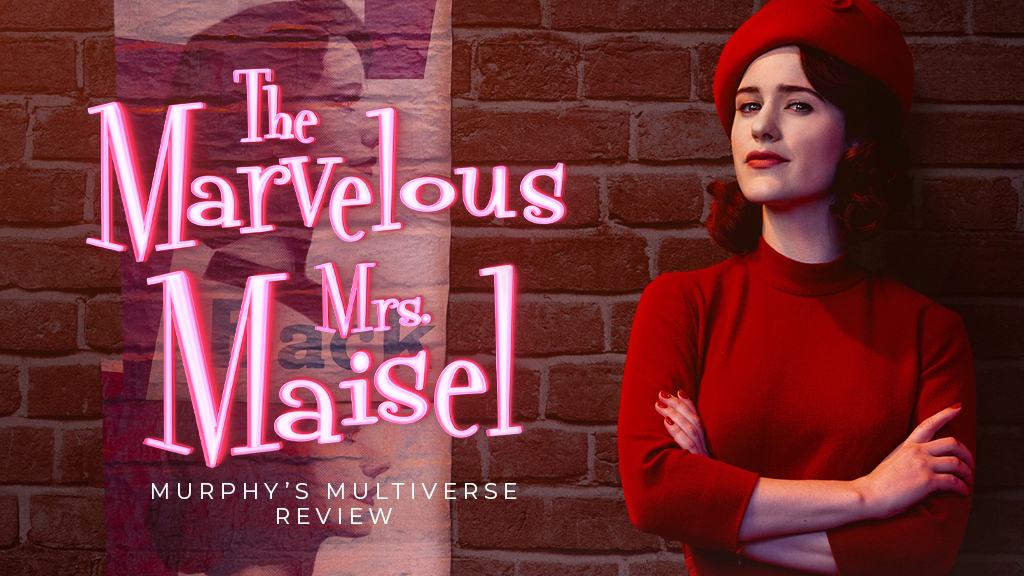
    It’s been known for a couple weeks now that The Marvelous Mrs. Maisel will soon be dropping its curtain for the final time. The Emmy Award winning showbiz dramedy now has only a season left to air, and the latest batch of episodes seem to confirm this with more gusto than any network announcement ever could. I mentioned in my first review of the show’s fourth season, which has now completed its run on Amazon Prime, that there were tones of coda in the air. For all the grandiose of the premiere’s “we’re back” energy, there was also a sense of knowing the end was near. The season’s two-part finale, written and performed on par with the best of the series’ episodes, dives headfirst into this whispered promise, transforming it into a call towards the cheap seats. Every storyline is now angled in a single direction, aimed at something fans of the beloved show might have hoped never to see. As of this week, Maisel has entered its endgame.

    Granted, Amy Sherman-Palladino‘s critical darling isn’t going away just yet. There’s still quite a bit of work to be done before Midge Maisel signs off, it’s just that now it’s more obvious than ever where things are headed. Ironically, the thematic thread needled through each of the final two episodes is not how narratives end, but what might come after they conclude. Alex Borstein‘s Susie Myerson, now operating out of her own office, is less dependent on Midge than ever, as the series continues to insist on asking whether she really needs her star client at all. Of course, Susie is still loyal to Midge, the closest thing she has to a real friend, but the comic’s staunch refusal to accept any gig worth playing has forced Myerson to begin looking elsewhere for a payday. And boy oh boy, does she need a payday. Just as Susie starts finding success with a new magic act and another prospective client, the show reminds the audience that the manager still has a few dues to deal with. After a season of surprising growth, viewers should be curious to see if Susie’s newfound independence sends her soaring or if her past mistakes catch up in a nasty way.

    Speaking of surprising growth, Michael Zegen‘s Joel Maisel, whom I’ve scarcely written about, is also finally growing into a life outside of his former indiscretions. Since the show’s first season, which began with Joel cheating on Midge and leaving her in the middle of the night, the character has somehow found a way to shift from irredeemable to genuinely likable. This is due in large part to the way he’s owned up to his flaws, and embraced the penance for his failures. In accepting his strengths, as opposed to combating his weaknesses, he’s come into his own as a protagonist and found a life more suitable to his desires. With a successful business, a new romantic interest, and a baby on the way, Joel is set up to find his happily ever after. Unfortunately, like Susie before him, it might not be as easy as he hopes it will be. Stephanie Hsu‘s Mei Lin seems less than positive about the prospect of marriage, and her supposedly very dangerous family likely won’t be pleased with her pregnancy either.

    Despite this lack of clarity, it’s a moment of tenderness between Mei and Joel that sends the show’s title character reeling into her final stretch. The cold open of this week’s second installment reveals that the ending of the first may have been more serious than it looked. Kevin Pollak‘s Moishe Maisel is rushed to the hospital, and his prognosis is questionable. It’s an excellent bit of staging and camera work that breaks from the traditional Maisel mold, and it installs an ominous feeling of uncertainty in the viewer from the jump. For Midge, it’s an uneasy situation. Moishe is family, and she cares deeply about him, but he’s also representative of her past life with Joel. Both literally and figuratively, the life she’s spent so long forging for herself is attempting to tear her away from the hospital at every turn. It’s a misplaced sense of duty that keeps her there, which she realizes when she instinctively goes to comfort Joel and finds Mei already has him in her arms. Seeing this, she rushes to do at least one set at the club, and ends up stumbling into what could be the rest of her life.

    After improvising a routine in which she vents about her life, Midge discovers that the enigmatic Lenny Bruce, once again played to perfection by Luke Kirby, has been watching the whole time. The relationship between Midge and Lenny has always been, shall we say, sexual in nature. Erotic in a physical sense, but also in a metaphorical one. Lenny is symbolic of the life Midge wants to live, but never feels ready to commit to. He’s tantalizing, and so is the comedy lifestyle. With her parents and Joel, there’s always been something holding her back, but with Mei in the picture and a minor falling out with her mother, Midge finally feels free to go for it. Ultimately, she does, finally doing the do with Lenny (!) and finding herself walking on the stage at Carnegie Hall. The season’s final shot, of Midge staring at the hundreds of empty seats in front of her, only comes after Lenny berates her for refusing to play by the rules of a game she’d like to win. “If you screw this up, it’ll break my [expletive] heart”, he says. It’s certain much of the Maisel fanbase feels the same, and with everything on the line, the next and last season can’t come soon enough.