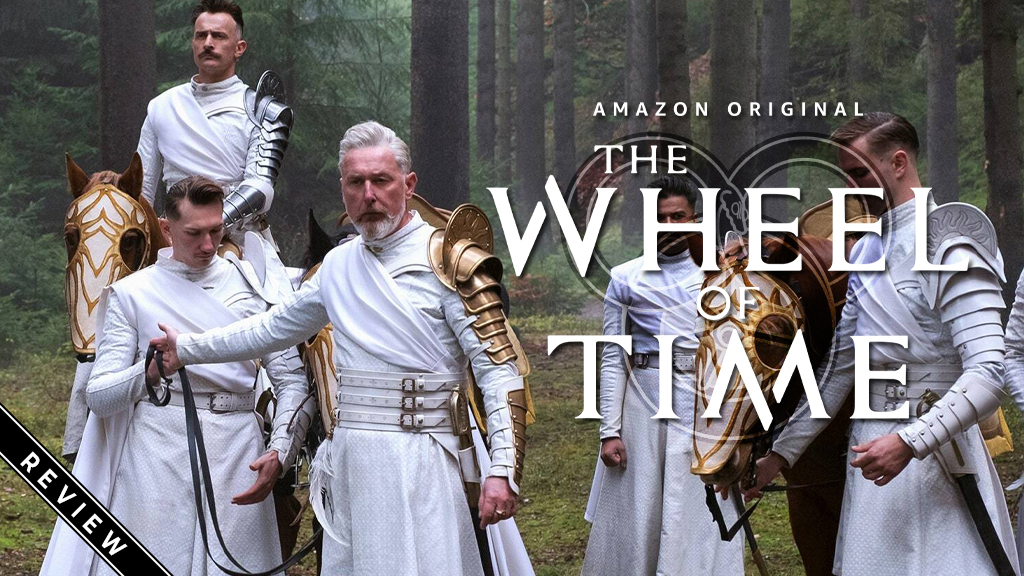
Following a strong pilot episode, Amazon’s Wheel of Time returns with its second episode, “Shadows Waiting.” When it comes to adapting a popular title like Wheel of Time, it’s important to ensure book fans are happy, as well as the general audience. Not everyone has had time to devour Robert Jordan‘s books, and Wheel of Time understands this. The series has found a way to tell its story without making newcomers feel unwelcome.
“Shadows Waiting” sees our foursome on the run with Rosamund Pike‘s Moiraine and Daniel Henney‘s Lan. With the group on the move, the trollocs are coming after them and they must find a way to escape. As it turns out, though, the trollocs are terrified of deep water, which Moiraine uses to their advantage. After bribing a ferriman, the group successfully crosses the water, but not without a casualty.
As the group finds temporary solace from the threat, Moiraine reveals to Egwene that she’s able to access the power of the One. There’s a hint of uncertainty on Egwene’s face as she walks away, but their conversation carries weight in later scenes. It is clear the group is unsure of whether or not Moiraine and Lan are trustworthy, however, they know they need to trust her if they want to survive.
One thing this episode does fantastically well is balance the storytelling with the action. The characters help to expand upon the world, helping to familiarize those who have not yet read the books. Yet, the dialogue doesn’t bog things down because the episode knows when to splice in action and tension. As the crew manages to escape two enemies, it appears as though they’re safe. However, it quickly becomes apparent that is not the case.
What follows thereafter, is a stunning sequence that sees our heroes split up against their will. The CGI does suffer at times, especially as the shadow encompasses the city and chases the group away. However, it’s a strong note to end the episode on, especially given the huge reveal at the end of the episode: Nynaeve is alive.
Overall, “Shadow’s Waiting” is a stellar second episode that both book lovers and series newbies will enjoy.
Adaptions are a tough thing. Choosing to make a straight adaption of a title can be viewed as lazy, while failing to stay true to the source material can upset fans. Amazon’s Wheel of Time is one of those titles with a rabid fanbase that has been eagerly awaiting a live-action take on the project for two decades. For book purists, Amazon’s Wheel of Time may be disappointing. After all, it does take departures from the novels, however, the adaption is successful in capturing the spirit of Robert Jordan‘s epic fantasy.
The first episode of Wheel of Time wastes no time in moving the story forward. We see women on horseback chasing after a man who has fallen under the control of the taint. As they apprehend him, the story changes focus to the story’s main character, Rand, as he helps his father transport a cart full of brandy and cider to the Winespring Inn ahead of Bel Tine. In the book, Rand sees a cloaked figure watching them during the journey to the Inn. The series, however, skips over this detail and instead sees the duo reach the Inn safely and without questioning any mysterious figure watching over them.
It’s a minor change, but one that does leave an impact, as Rand was unsure and anxious following the event. It’s an odd scene to omit, however, despite this, the story still manages to pull viewers in. As with most adaptions, the cast has been aged up, which allows the writers to explore possibilities on the small screen that might’ve been skipped over in the novels. Case in point is the relationship between Rand and Egwene Al’Vere, which sees the duo as well-established and in intimate settings. It’s a bit startling at first, especially given how young the characters are in the books, but the television series does a good job at establishing its own take on these characters while adhering to the characteristics of each in the novels.
When we finally move into the village of Two Rivers is when the series shines. Viewers will become engrossed in the world before them. Jordan might’ve been criticized for his tendency to write flowery text and his love of descriptions. However, the images painted by his words come alive on screen in this adaption so perfectly.
As Rosamund Pike‘s Moiraine Damodred comes into the picture, joined by Daniel Henney‘s Lan Mondragoran, Wheel of Time becomes its own take on the beloved fantasy series. It pulls from the book, but manages to offer its own twist on the story, an important detail when adapting a title as loved as this one.
Midway through the episode, the Trollocs make their way into the village and wreak havoc. They are after the chosen one – Rand – and will not stop coming and destroying life in the village until they’ve gotten him. The Trollocs were so well-designed, they’re absolutely terrifying and the CGI work is impeccable. It’s impressive just how well done the battle is, s much so it becomes hard to look away in fear of missing something.
When Damodred helps to save the village to the best of her ability, she tells Rand he will need to leave in order to remain safe. Resulting in him, and his group of friends, joining her on a journey that’ll take them out of the village of the Two Rivers and into a world of the unknown.
Admittedly, the episode does have some moments that lull. And yes, there will always be changes from the books that make no sense. However, there’s more than enough here to enjoy. Pike is a force to be reckoned with every moment she’s on-screen, and her chemistry with Henney is exciting. While some of the younger actors stumble at times, when they come together as a group, they seem to lift one another up. The performances are strong, the action is perfectly executed, and the settings perfectly bring Jordan’s words to life.
Overall, Amazon’s take on Wheel of Time pays respect to Jordan’s work while also establishing itself as its own story. It’s a hard line to walk, but so far, Wheel of Time looks to be off to a promising start.
The return to Eternia came just a few months ago in Masters of The Universe: Revelations. The series caught many off guards as it began with the apparent demise of not just Skeletor, but the champion of Castle Greyskull, He-Man. Many were upset with this, expecting their childhood hero in all his glory, but this isn’t the “He-Man show”-it was literally in the title! This is a show about the greatest warriors in the universe and the second part of Kevin Smith’s epic conclusion should give fans everything they wanted and more.
The most attractive aspect of the show is how it’s brought to life. Each episode is excellently animated, specifically in the fight scenes. Each fight is meticulously put together for a dynamic and riveting effect. This is one of those cases where a live-action adaption just couldn’t live up to the capabilities of animation; with so many different characters with different abilities, the sky is the limit here in terms of creativity and they use it.
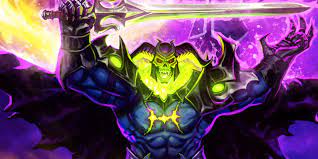
Right off the bat, the show is able to improve on many of its characters. Teela, for example, is much more focused and developed this time around. The voice cast is one of the series strongest aspects as everyone is quite perfectly cast, especially the villains. Mark Hammil’s Skeletor is absolutely perfect casting, Hamill is able to juggle a threatening presence as Skelegod but still keep the campy charm the characters always had. The shows willingness to take risks with its characters, specifically Evil-Lyn and Teela, is what keeps it so interesting. With so many characters, Revelations finds a way to give everyone a part to play. Even the smallest and oddest characters in Eternia get a spot to shine, and MOTU sure does have a lot of oddballs.
One of the biggest things that will please longtime fans is how part two utilizes He-Man. By that I mean He-Man is actually a major character. While it’s great to see many smaller characters featured, the strides taken with He-Man fit so well with this modern interpretation of the series as they aren’t afraid to show the emotional side of He-Man: he isn’t the one-dimensional character we once knew and Chris Wood does an amazing job bringing this classic character into the 21st century.
The show does an excellent job closing out the chapter at a pretty good pace but there are a few issues that stick out with the way it reveals things. With only five episodes to wrap up such a sprawling story, big moments that feel as if they should’ve been given more attention move a bit too fast. A moment that feels like it should’ve been better showcased feels like it was just shoehorned in because they forgot to add it in the first part. The show pulls the rug out from under you halfway through part 2, and it’s probably one of the best creative choices the series has made; it just fits so well with how a certain character was developed in the first part of Revelations, and then it pays off perfectly.
Along with rushing of certain moments that aren’t treated as importantly as they should be, some of the dialogue is a bit odd and ill-placed. While this is a more adult take, targeting its original generation of viewers who’ve now grown up, we can do without the innuendos. While they aren’t common, they’re there in some pretty tense moments that take you out of the action.
Masters of The Universe: Revelations feels like a love letter to the franchise. It’s able to capture the original nature of the cartoon all while bringing it modernizing it to work with its now grown target audience and even newcomers to the franchise. The characters are fun and feature a brilliant voice cast with the likes of Sarah Michelle Gellar, Chris Wood, Mark Hammil, Lena Headley, Liam Cunningham, and Tiffany Smith. Part 2 streams on Netflix November 23rd.
Note: This review contains no spoilers for the first three episodes of Wheel of Time.
After two decades of being in development, Robert Jordan‘s Wheel of Time series is finally hitting the small screen. For fans of the book, it has been a long wait. However, it’s safe to say it has been worthwhile as Amazon’s Wheel of Time adaption is a well-done take on the beloved fantasy series.
Amazon’s decision to release the first three episodes upfront may seem a bit strange initially. After all, these are hour-long episodes and the first season only contains eight episodes total. Once given the chance to dive in, though, it is clear the first three episodes are best viewed back-to-back. While the pilot episode falters at times as it struggles to set up this massive fantasy world, the second episode seems to regain its footing.
Jordan’s books are known for being full of flowery text. They are overly descriptive to the point readers are able to envision the world while reading. It’s great for reading, however, it can make it harder to translate to another medium – especially a live-action take. This is something the first episode, “Leavetaking,” struggles with as it tries to find a balance between telling its own story and merely adapting its source material.
The pilot does a great job at paying homage to the books, as it focuses on the woman and them earning the right to bore a braid, as well as the village located near the Two Rivers. The scenery is often breathtaking and the casting choices, although aged-up, are smart and well-done. Some minor decisions make no sense, though, including scenes from the first book that would better impact the story moving forward. It almost feels as though the writers want to hold off on more fantastical aspects of the story until the end of the episode, unleashing a new world of magic upon viewers in the last minutes.
Thankfully, the second episode “Shadow’s Waiting,” realizes there’s no need to shy away from the magic and lore of this massive world. From the start, the second episode puts our characters through the wringer. It’s an expansive episode that captures Jordan’s work and Rosamund Pike delivers a heck of a performance. If there is one casting choice the series nails, it is Pike as Moiraine. She commands every moment on screen, and in “Shadows Waiting” she puts everything on the table. From the way she delivers some of the lore on screen, to her chemistry with Daniel Henney‘s Lan, this is her episode to shine and she does. This episode belongs to them.
Going into the third episode, things are rocky for our gang. “A Place of Safety” has one of the best openings of the series yet. No longer does Wheel of Time try holding its audience’s hand. Viewers are thrown deep into this world where death is something to constantly outrun. Our group of characters is left feeling defeated and desperate, with emotions overtaking rational thought. Pike’s Moiraine takes a backseat in this episode, allowing the younger cast to shine. Each of them is driven by something – anger, desperation, love, regret – and despite their desire to escape the terrors that await them, they ultimately all decide to do what is needed. Lorne Balfe’s score is noticeably effective in this episode, it is both haunting and cinematic serving as the perfect backdrop.
Overall, Wheel of Time is not a perfect adaption. It is, however, a very good adaption that is worthy of your time. The first three episodes are a strong effort and do an impressive job at recreating the magic of Jordan’s novels.
The first three episodes of The Wheel of Time debut on Amazon on Friday, Nov. 19.
For spoiler-filled reviews, check back on the 20th when we run the individual reviews for the first three episodes. Then we’ll be reviewing the series on a weekly basis!
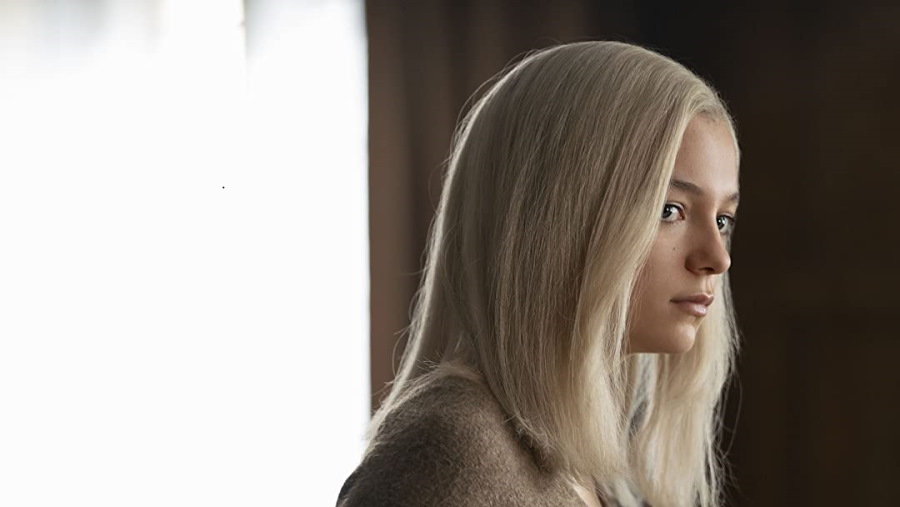
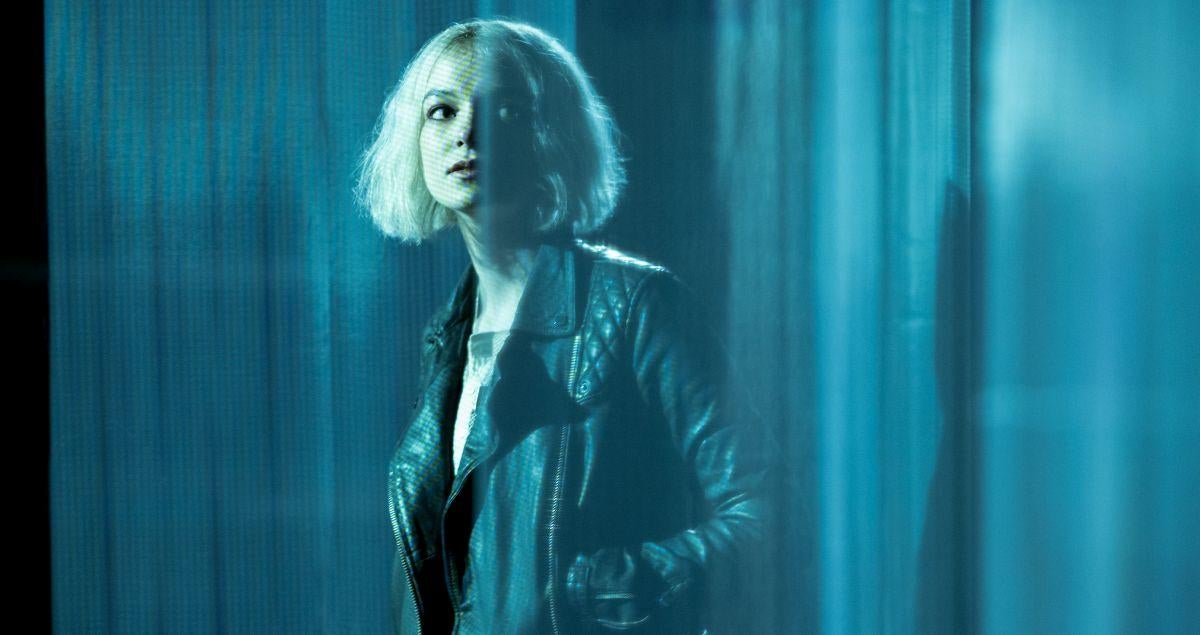
The most important thing that Amazon Prime’s Hanna gets across in its third and final season is the reality that our titular protagonist needs to face. It’s perfectly summed up when Hanna points out that “even if you gave me the life I wanted, I wouldn’t know what to do with it. I only know how to fight.” Esme Creed-Miles’ performance continues to carry most of the show, as she gives us a character that is world-weary and on her way to completing her mission once again. Yet, it seems the story has forgotten that along the way.
The show’s first two season’s explored the dark tale of human trafficking and how the government corrupts young women by turning them into soldiers. They are trained to carry out deadly missions while integrating into society seamlessly. Up until now, the bureaucrats behind these missions were faceless but with a clear objective: eliminate perceived threats at all cost may they be for political or tactical reasons. In this six-episode final season, the modus operandi still applies yet now we have a face behind the bureaucrats.
Hanna is once again fighting for something bigger than herself. Yet, she’s pushed by something she hasn’t been in the past, love. That very thing will have her acting irrational and sloppy in ways we haven’t seen to this point, which is a jarring change in comparison to the last few seasons. It’s quite the departure from a character who’s had a very clear-cut goal in mind only to fall back on something only recently introduced. Hanna’s romance at times brings the show to a halt. The character was already strong on its own merits and it feels like the entire plot point was unnecessary. It’s a narrative that you’d wish wasn’t there at all times.
The final season surprisingly cut its episode length down to six rather than the usual eight. Until now, the main issue was it didn’t feel like there was enough story to carry viewers throughout its run. You could make a comparison to many Netflix shows including unnecessary filler episodes. Yet, this season is the opposite, as you’ll end up wishing for more time to spend with Hanna and her relationship with Marissa (brought to life once again through a strong performance by Mireille Enos). Of course, there’s time spent between them but it should’ve been given more focus. It is the show’s core built throughout the last few seasons that seemed sidelined as a result.
Hanna and Marissa face a very capable foe this time around in Ray Liotta’s Gordon Evans. His intimidation of Marissa drudges up some memories from her past that offer a look into her childhood and how long they’ve stuck with her. It offers some insight into her main motivation throughout the series and why she is so attached to Hanna. Plus, Liotta brings it aggressively here and proves to be dangerous in a way neither of our protagonistsTactically he’s one step ahead and personally, he’s in one of their heads. He’s a welcome addition to the cast as an uncompromising adversary.
As the season progresses it becomes more apparent that there could’ve been more time spent with some of the supporting cast, especially Sandy (Aine Rose Daly) and Jules (Gianna Kiehl). They’re victims of UTRAX just like Hanna. So, while they play into the conclusion, it feels like they were undercut. The ongoing rivalry between Sandy and Hanna at least gets a conclusion, there could’ve been more time devoted to it. We never spend enough time on why Sandy despises her and continue to build on their relationship, especially with how this season manages its international espionage. In the case of Jules, it feels like she’s shoehorned her into the closing conflict. These are two supporting characters that have seen a lot of development so far yet ended up as afterthoughts.
Still, the action in this show remains sublime and very enjoyable. The abbreviated season gives actions more weight and allows it to explore an overall darker theme. It also continues to build on its greatest strengths, such as the international locations offering a wonderful viewing experience. If you’re a fan of Hanna, this is a conclusion that fits the bill of who the character is. It’s not without its faults, especially in how some elements felt underutilized, but still offers a fitting end. Much like the show itself, you can’t have everything you want but you enjoy the time you have.
Note: The below review contains no spoilers for the Netflix adaption, only mentions of plot points from the anime.
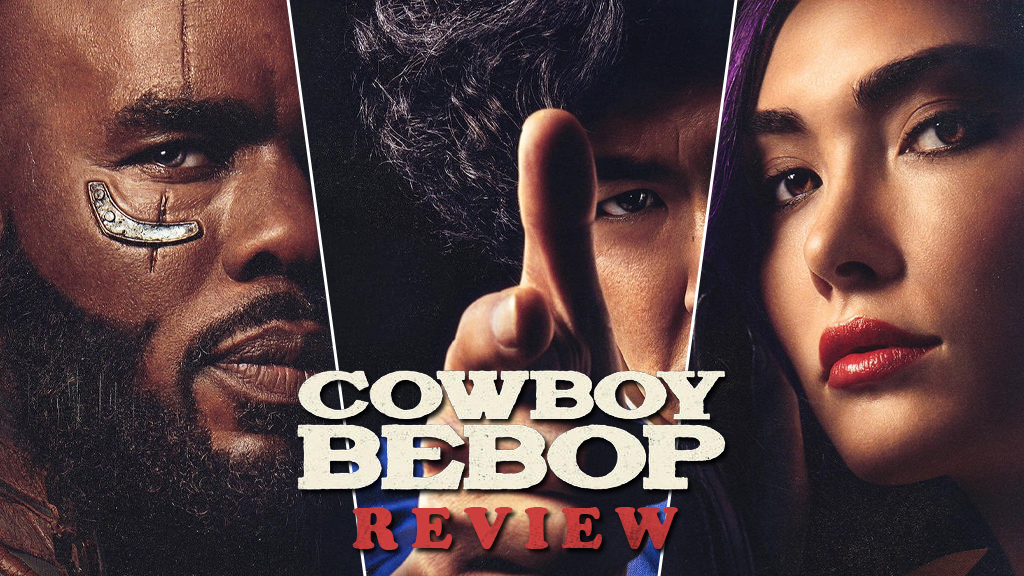
Cowboy Bebop is often considered one of the best animes. A rag-tag group of misfits that seek to find someone among one another? It’s a common trope, but one the original anime executed perfectly. The idea of seeing that in live-action was exciting, especially with John Cho leading the way. Unfortunately, however, the live-action adaption of Cowboy Bebop often feels rushed and as though it’s unsure of how to bring about this group of misfits.
Cowboy Bebop is a story of a rag-tag team of bounty hunters in the year 2071, approximately 50 years after an accident that made Earth nearly uninhabitable. The series focuses on Spike Spiegel, Jet Black, Faye Valentine, Edward and Ein as they try to build their futures while running from their pasts. As the anime will tell you, though, this is not a happy story, and the live-action adaption does not try to turn this into a story with a happy ending.
Trying to adapt a title for live-action is a hard task. Writers are expected to pay homage to the original, if not mirroring it closely, while still making the story feel fresh and unique. It’s a fine line that even the best of writers often fail to maneuver. This is Cowboy Bebop‘s biggest issue. Rather than try and make the live-action take feel unique, the writers often pull from the anime, leaning on the original far more than needed. An action that would have been fine had the writers adequately used the anime as a reference for the series. Instead, it feels like a mishmash of highlights from the anime being adapted with a slight alteration here and there. It never quite feels like a proper adaption, yet it never feels like its own story, either. There was a chance to make a new story with Spike and crew here, one that could still capture the spirit of the original, yet become its own entity.
In the end, though, Netflix’s Cowboy Bebop wanted to try and replicate the anime too much; a decision that would ultimately be its downfall. While it’s not terrible, the series does not capture that spark and excitement of the anime. A fair amount of the episodes drag, and some of the performances feel subpar. John Cho, however, gives his all in the role of Spike and steals the spotlight every moment he’s own screen.
The family dynamic between these characters we all know and love is nearly nonexistent in early episodes. Once the gang does get together, though, the banter flows almost naturally. It’s just a shame it takes so long to reach this point. With just 10-episodes for its first season, Cowboy Bebop often feels as though it’s trying to rush through callbacks to the anime while failing to fully flesh out its characters.
The final episode of Cowboy Bebop‘s first season is where things completely fall apart. The episode pulls from “Ballad of Fallen Angels,” the fifth episode in the original series, even going as far as to see Vicious and Spike battle in the church. It’s stunning just how well the set production captures the look and feel from the anime. However, what follows is such a departure from the source material that it’s hard to understand what the writers were trying to do.
Perhaps the episode wanted to right some of the wrongs in the anime, it’s hard to tell. It’s as though, at the very end, the creatives decided to finally try to make the story their own by drastically altering some of its main characters. It ends up feeling as though Netflix’s Cowboy Bebop doesn’t understand its source material at times.
Overall, the live-action take on Cowboy Bebop isn’t terrible. In fact, despite all of its flaws, there are some positives in this take on Cowboy Bebop. Episode six, for example, is a well-written episode that truly captures the feel of its predecessor while still feeling fresh. And while not all of the episodes are as strong, there are fun moments sprinkled throughout.
It’ll be interesting to see where a second season goes, as the first season did pull bits from the anime across numerous episodes. One thing seems certain, this is not the last time we’ll see Spike and company.
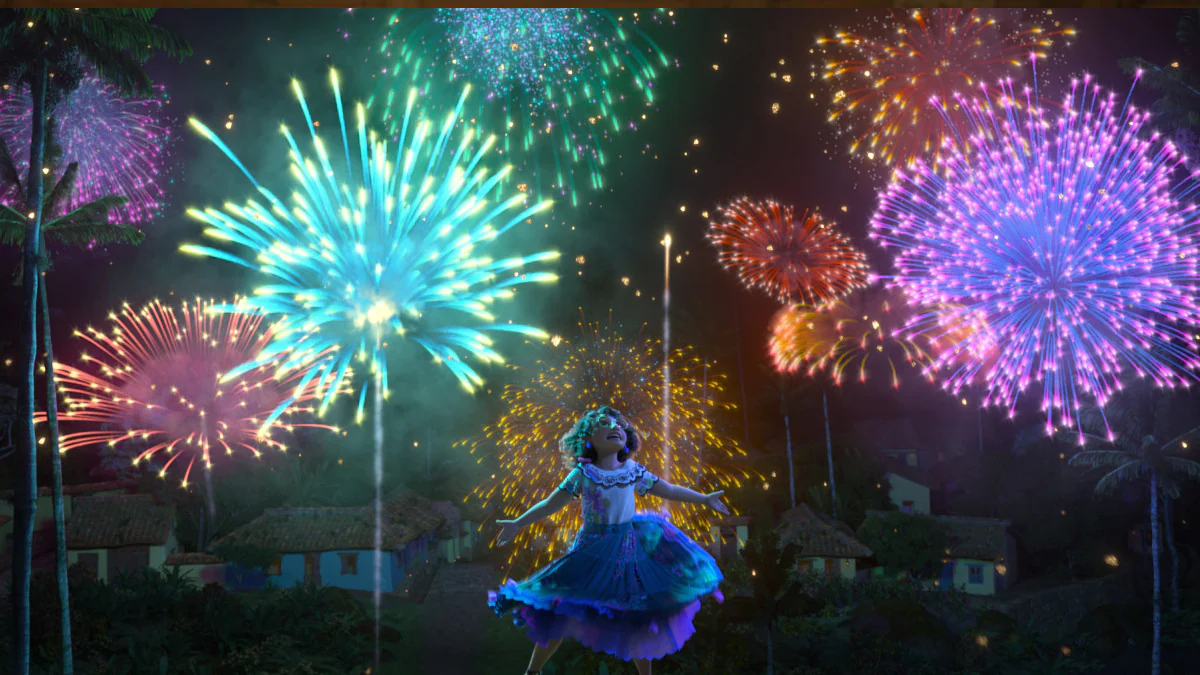
Leaving the theater after seeing Encanto, I couldn’t help but hum some of the music and check whether there was a soundtrack streaming. The songwriting flair of Lin-Manuel Miranda was on full display, and if you’re a fan of the Hamilton and In the Heights soundtracks, that’s reason enough to watch. But more than just a showcase for incredible songwriting and musical performances, Encanto also offered up a heartwarming, bright, colorful, and — dare I say it — magical story, one that will dazzle the young ones and move the greybeards. It’s a tale of multigenerational legacy, of familial tradition and responsibility, and learning how to be who you are, rather than who you are expected to be. Familiar themes for sure, but the story is told in a fun and exciting way.
Co-written and co-directed by Disney veterans Byron Howard (Tangled, Zootopia), Jared Bush (Moana, Zootopia) and first-time feature director Charise Castro-Smith (Devious Maids, Haunting of Hill House), the story centers on a Colombian family, the Madrigals, who were blessed with magical gifts by the titular enchanted charm: a candle whose light both shines and shadows. The story’s 15-year-old protagonist, Maribel, portrayed with aplomb by Stephanie Beatriz, is as plucky as you’d expect a Disney protagonist to be, but her struggle to live up to her family name among aunts, uncles, and cousins who possess superpowers establishes the emotional stakes early. The stakes are raised even further when her family’s magic is imperiled.
Encanto manages a story that is both fantastical and authentic. It features a voice cast that is almost entirely Latinx, including María Cecilia Botero as Abuela Alma Madrigal, Mirabel’s grandmother; John Leguizamo as Bruno, Mirabel’s uncle; Diane Guerrero as Isabela, Mirabel’s “perfect” eldest sister; Jessica Darrow as Mirabel’s other sister,Luisa, known for her strength and stoicism; Angie Cepeda as Julieta, Mirabel’s mother; and Wilmer Valderrama as Agustín, Mirabel’s father. The filmmakers traveled to Colombian cities and towns in order to really get a sense of the cultural elements they intended to reflect. The story itself grows out of Latin American folklore, and the tradition of magical realism. But while cultural signifiers are present throughout, non-Spanish speakers won’t feel lost or overwhelmed, as the themes, emotional resonance, and interpersonal dynamics are universal.
But ultimately, it’s the musical numbers, and the visuals that accompany them, that make this movie such a delight. Miranda’s trademark witty lyrics and ability to convey exposition and emotion while serving up absolute bops is fully on display. If this is the film that gets him his EGOT, it will be well-warranted. The animation sequences are kinetic and visually striking, and the vocal performances mesh perfectly with the characterization. Luisa’s solo is a standout, but there’s a third-act Spanish only song that’s an absolute showstopper. Even if you barely speak the language, the emotion comes through loud and clear, and this reviewer isn’t ashamed to admit that it brought tears to his eyes.
Heavy emotions aside, there’s still an abundance of whimsy, wonder, and fantastical fun. It’s vibrant, lively, and sweet, and the characters, while rooted in archetypes, are layered and complex enough to each have their own unique appeal. This is a family and setting you’ll enjoy spending time with, and will want to revisit over and over. It merits a big screen theatrical watch, but will likely be a big part of your Disney Plus rotation regardless. ¡Me encantó mucho!
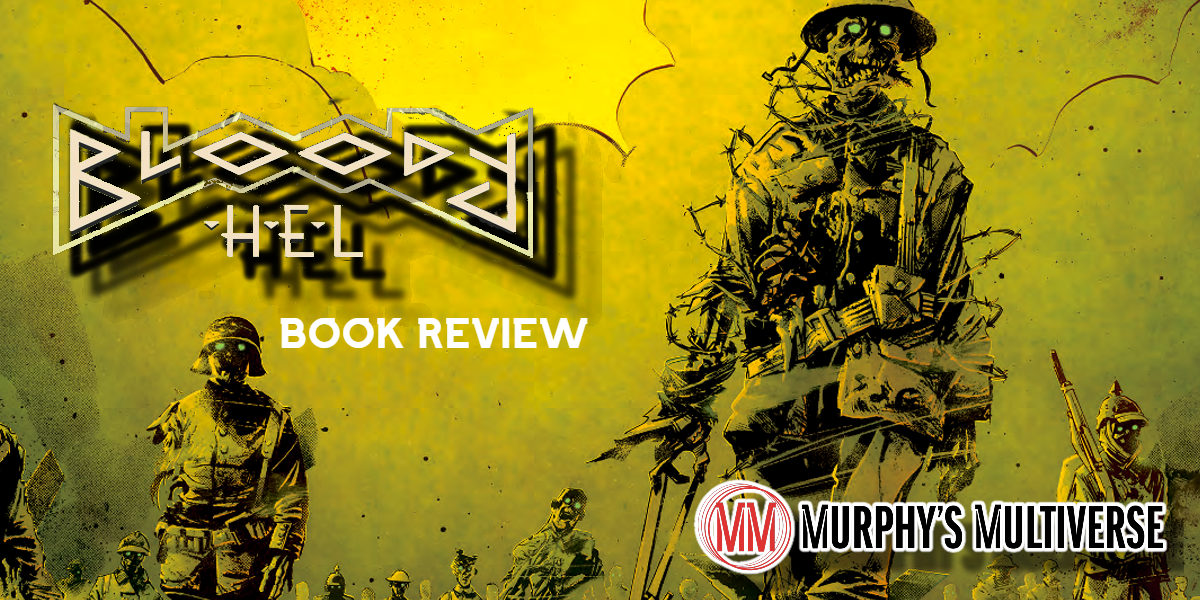
Bloody Hel is a book with two of three main elements of a great comic: stellar artwork and a strong ending. Where it appears to be lacking is the writing. There’s a story there, one that can be fantastic if it had the right care and effort. Unfortunately, somewhere along the lines, Bloody Hel becomes unsure of what it wants to be.
Bloody Hel is a comic that never quite takes flight. It fumbles at takeoff, trying to move between two different stories that eventually intersect. When they come together, Bloody Hel captures the “shattering apocalyptic throwdown” it promises. Epic battles. Stellar artwork. There are plenty of reasons to give Bloody Hel a chance. Especially those who enjoy Norse mythology.
While not exactly a Thor story, Bloody Hel does a great job handling its presentation of Gods and Ragnarok. The scenes in which characters are forced to make decisions that’ll save them at the cost of hurting others are powerful. In those moments, the characters manage to feel like realized characters. They become more than images on a page.
The best part of the book, of course, is the artwork. While sticking to two colors – various greens and yellows – the story still manages to pop. The artwork captures the uncertainty and fear promised in the words, while the dialogue is clean, yet loud. Unfortunately, though, the fault lines are evident even with the fantastic artwork.
That, of course, isn’t to say Bloody Hel isn’t a good read. While it does lose itself midway through, the ending is strong and successfully readies readers for more tales from this world.
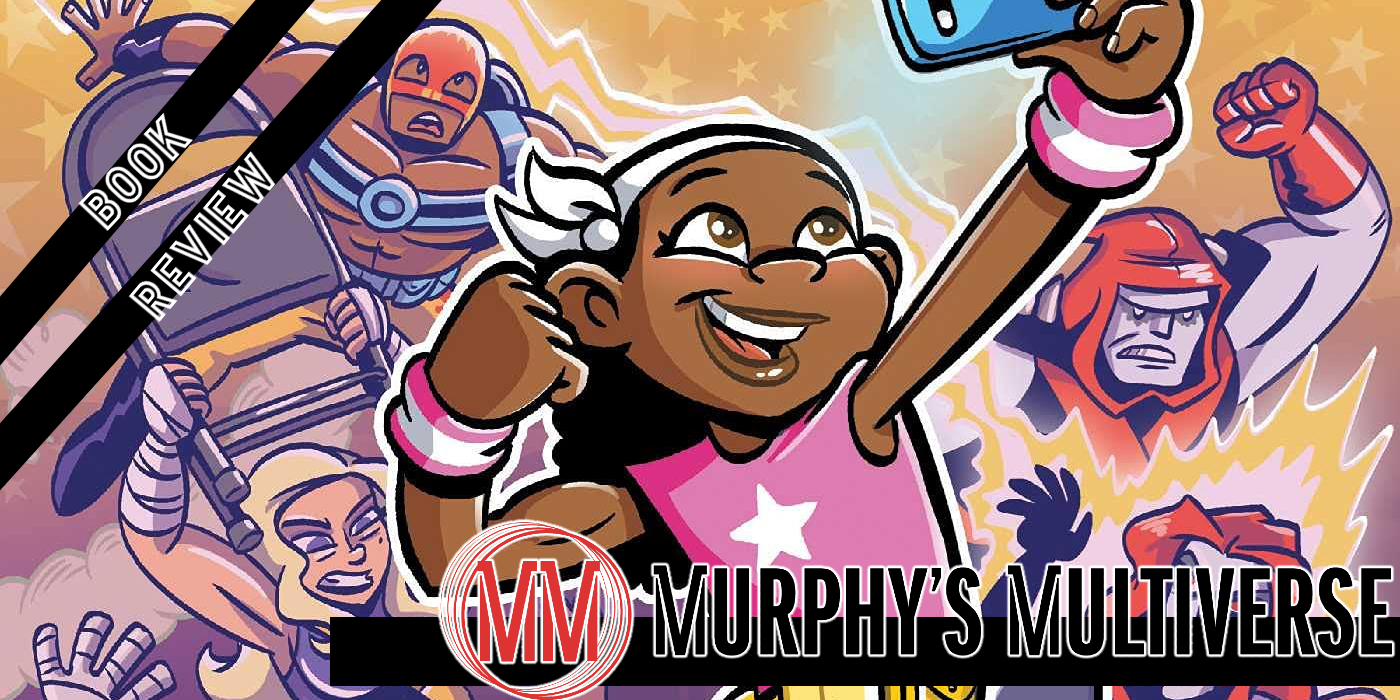
Agents of S.L.A.M. is an upcoming graphic novel being released by Oni Press. It’s from creators Dave Scheidt and Scoot McMahon, who previously worked together on Wrapped Up, and tells the story of a wrestling organization with a huge secret. These are not just wrestlers. They are responsible for protecting the Earth from an extraterrestrial threat.
The story features Katie, a young girl who happens to also be a vlogger who loves wrestling. More specifically, she’s a huge fan of the Agents of S.L.A.M. and the wrestler Bruno. After being invited to tour the secret S.L.A.M. headquarters, Katie finds herself thrown into a world she never would have imagined capable of existing. Even worse? As the day goes on, she learns that sometimes we build our heroes up too high, making it all the easier for them to prove us wrong.
What follows next is a story full of action, heart and hilarity. As someone who is not particularly a fan of wrestling, I admittedly was not sure I’d like Agents of S.L.A.M. Yet, by the end, I was glad I gave it a shot. This is a middle-grade title, technically, but it feels like a book that readers of all ages will come to adore.
This crew of wrestlers is delightful and so diverse. From a grandmother who pilots the jet, to a female who leads the crew and a young girl who proves herself more than worthy of being a hero, it’s hard not to enjoy the fiascos of this crew. They are a disaster but in the best way possible.
It’s an absurd story. Wrestlers that work for the president and go to space? It should be utterly ridiculous. Yet, what unfolds is a story of a makeshift family that is hilariously entertaining. If you’re looking for something you can enjoy with your children, Agents of S.L.A.M. is a title you should check out come April.
If Marvel Television’s near-decade-long run was a concert, MODOK would be the song before the encore. The boisterous cult hit that every true fan knows by heart and normies won’t. Normally, it’s the song the artist pretends to end the night with, knowing that they’ll come out with their biggest hit for the real curtain call as the crowd chants, “More! More!” The band ends the night with a banger the arena can sing to and everybody goes home happy. In this Marvel TV concert, that’s not what happens. Instead of the big accessible hit for the encore, the band pulls out Hit-Monkey, a B-side that was deemed too heavy for Top 40 radio.
Hit-Monkey is a bewildering curtain call for Marvel TV, a show so ultra-violent that it would be rated NC-17 and likely banned in certain countries if done in live-action. Its animated medium practically serves as an airbag from the never-ending collision of steel and human entrails. A grandma gets sawed in half lengthwise! If that weren’t enough, trigger warnings feel appropriate for the show as it depicts extreme violence against animals. Disturbed fans numbed by the mass appeal of Marvel’s family-friendly brand may find this prospect enticing.
Like its titular sharp-dressed protagonist, the 10-episode season is stitched with a lot of style that draws upon the likes of Kill Bill and its cinematic progenitors. The show flexes a sophisticated sense of composition when it comes to its big set pieces, creating a contrast when put next to its comically gratuitous approach to gore. Showrunners Will Speck and Josh Gordon’s previous work like Blades of Glory and Office Christmas Party may say otherwise about their grasp on serious action but Hit-Monkey displays the directing duo’s deft understanding of the source material and action genre.
In spite of its edgy violence and flair, Hit-Monkey will not be for everyone, even for some Marvel enthusiasts, as its world feels like an obscurity. Based on a Marvel digital comic from 2010 by Daniel Way and Dalibor Talajic, Hit-Monkey is very much a deep cut in every sense of the Marvel universe, let alone in wider media. The character has appeared in only a handful of comics, most notably in Deadpool, and has appeared sparsely across the Marvel universe since his inception.
The show stays mostly faithful to the origins, essentially recreating the pages in animated form yet the rest of its world deviates from the familiarity of the Marvel universe in odd ways. The Immortal Weapon, Fat Cobra, makes a fun appearance as an ex-convict with seemingly no connection to the world of Iron Fist. Famed X-Men villain the Silver Samurai appears for an episode and is described as a mutant yet is also posited as the national hero of Japan, akin to Captain America, which he isn’t in the comics. His signature mutant abilities have also been eye-raisingly omitted for posterity.
Hit-Monkey’s hook is that of a humble buddy-cop thriller: a series of vigilante killings sends the Tokyo underworld into disorder following a political assassination gone wrong and all roads point to a Japanese Macaque wearing a suit and carrying a katana. Accompanying the monkey is the ghost of an assassin wronged by the underworld voiced by a blabbering Jason Sudeikis, who serves as the entry point of the story. Together, they embark on a quest for vengeance while uncovering political conspiracies and crossing paths with the deadliest of assassins, some of whom feel borderline problematic with their exaggerated portrayals.
An all-too-familiar premise doesn’t quite make Hit-Monkey the outlier B-sides usually are. The show marches to the beat of more famous revenge tales, saying nothing new about the genre’s tropes and clichés. Even a talented group of Asian-American voice talent can’t do much to salvage characters that are cut-outs. You have the grizzled disillusioned cop voiced by Nobi Nakanishi whose timbre brings a convincing weariness to the role. Cloak and Dagger‘s Ally Maki voices Nakanishi’s younger partner, a steadfast unwavering cop who does everything by the book. The legendary George Takei nets the show an automatic win simply by being in it but the writing for his character, politician Shinji Yokohama fails to make an impression. On the other hand, Olivia Munn gets to do a little bit more than Takei as Yokohama’s ambitious niece, Akiko.
All this is to point out how Hit-Monkey comfortably and confidently sits on its own branch, unbothered by what it isn’t. By design, the show seems intent on not engaging with any new ideas, opting to play it straight. But only because the goal isn’t to reinvent the wheel; it’s to see what a monkey does with it.
The show lives and dies by the charm of its simian protagonist and the surprising emotion he brings. Crippling Bojackian existentialism makes up much of the season’s pathos and when you have a monkey on the forefront dealing with it, you get the same dramatic depth found in equally compelling animal movies like the recent Planet of the Apes trilogy. Identity, family, and tribalism are all ideas Hit-Monkey‘s demons are wrestling with and it’s explored exceptionally. The howls, grunts, and hoots of Fred Tatasciore rival the same complexity Andy Serkis’ acclaimed performance gave Caesar but in a 2D plane.
Bolstering the show’s pathos is Hit-Monkey‘s friendship with a hitman named Bryce (or his specter). True to the DNA of any buddy-cop tale, it’s all about the growing pains for this unlikely duo. That the specter of Bryce serves as Hit-Monkey’s literal conscience and narrative mouthpiece makes their drama more engaging. Sudeikis feels insufferable in the role at first, whose grating quips of assholery in the midst of his pop-culture renaissance as Ted Lasso feel very trite and unwelcome. But as the show peels Bryce’s layers, you begin to feel tethered to his uneasy soul and start realizing the sadness Sudeikis brings to the character is magnetic.
Hit-Monkey isn’t quite the swansong Marvel Television needs nor is it the one it deserves. It’s the kind of encore that might garner a smattering of applause as audiences are left feeling unsure of how they cap off the night. But that it stands upright, chin-up, with a katana in its hand at the end of all things, in the face of everything the division went through, feels admirable.
Cookie Consent
We use cookies to improve your experience on our site. By using our site, you consent to cookies.
This website uses cookies
Websites store cookies to enhance functionality and personalise your experience. You can manage your preferences, but blocking some cookies may impact site performance and services.
Essential cookies enable basic functions and are necessary for the proper function of the website.
Name
Description
Duration
Cookie Preferences
This cookie is used to store the user's cookie consent preferences.
30 days
These cookies are needed for adding comments on this website.
Name
Description
Duration
comment_author_email
Used to track the user across multiple sessions.
Session
comment_author_url
Used to track the user across multiple sessions.
Session
comment_author
Used to track the user across multiple sessions.
Session
Statistics cookies collect information anonymously. This information helps us understand how visitors use our website.
Google Analytics is a powerful tool that tracks and analyzes website traffic for informed marketing decisions.
Contains information related to marketing campaigns of the user. These are shared with Google AdWords / Google Ads when the Google Ads and Google Analytics accounts are linked together.
90 days
__utma
ID used to identify users and sessions
2 years after last activity
__utmt
Used to monitor number of Google Analytics server requests
10 minutes
__utmb
Used to distinguish new sessions and visits. This cookie is set when the GA.js javascript library is loaded and there is no existing __utmb cookie. The cookie is updated every time data is sent to the Google Analytics server.
30 minutes after last activity
__utmc
Used only with old Urchin versions of Google Analytics and not with GA.js. Was used to distinguish between new sessions and visits at the end of a session.
End of session (browser)
__utmz
Contains information about the traffic source or campaign that directed user to the website. The cookie is set when the GA.js javascript is loaded and updated when data is sent to the Google Anaytics server
6 months after last activity
__utmv
Contains custom information set by the web developer via the _setCustomVar method in Google Analytics. This cookie is updated every time new data is sent to the Google Analytics server.
2 years after last activity
__utmx
Used to determine whether a user is included in an A / B or Multivariate test.
18 months
_ga
ID used to identify users
2 years
_gali
Used by Google Analytics to determine which links on a page are being clicked
30 seconds
_ga_
ID used to identify users
2 years
_gid
ID used to identify users for 24 hours after last activity
24 hours
_gat
Used to monitor number of Google Analytics server requests when using Google Tag Manager
1 minute
Marketing cookies are used to follow visitors to websites. The intention is to show ads that are relevant and engaging to the individual user.
Pinterest Tag is a web analytics service that tracks and reports website traffic.