Tag: Marvel Movies

  • ‘Multiverse of Madness’ Rumor Scorecard

    ‘Multiverse of Madness’ Rumor Scorecard

    Marvel Studios has certainly tried to keep major secrets in its last two films. In Spider-Man: No Way Home, for example, the appearances of Tobey Maguire and Andrew Garfield were rather unsuccessfully guarded. At the time, that film seemed like the secretive film of Phase Four. However, Doctor Strange in the Multiverse of Madness blew the Spider-Man film out of the water in terms of the extent and fervor over rumored cameos and plotlines in the film. Back in July, we wrote an article about some of the many rumors at the time. Now that the sequel is out, it is time to start talking about where all those rumors went wrong. This article is a comprehensive list of all of the major rumors and “leaked” cameos that turned out to be untrue.

    What Made It In

    If you are reading this, you have probably seen the movie, so it won’t take long to recap what did in fact happen. First, let’s take a moment to recognize those rumored characters that made it to the big screen. Of course, most of the Illuminati was ultimately teased in promos before the film was released, but Hayley Atwell’s Captain Carter, Lashana Lynch’s Captain Marvel, Patrick Stewart’s Charles Xavier, John Krasinski’s Reed Richards, and Anson Mount’s Black Bolt joined Chiwetel Ejiofor’s variant Baron Mordo as the now mostly violently-deceased organization.

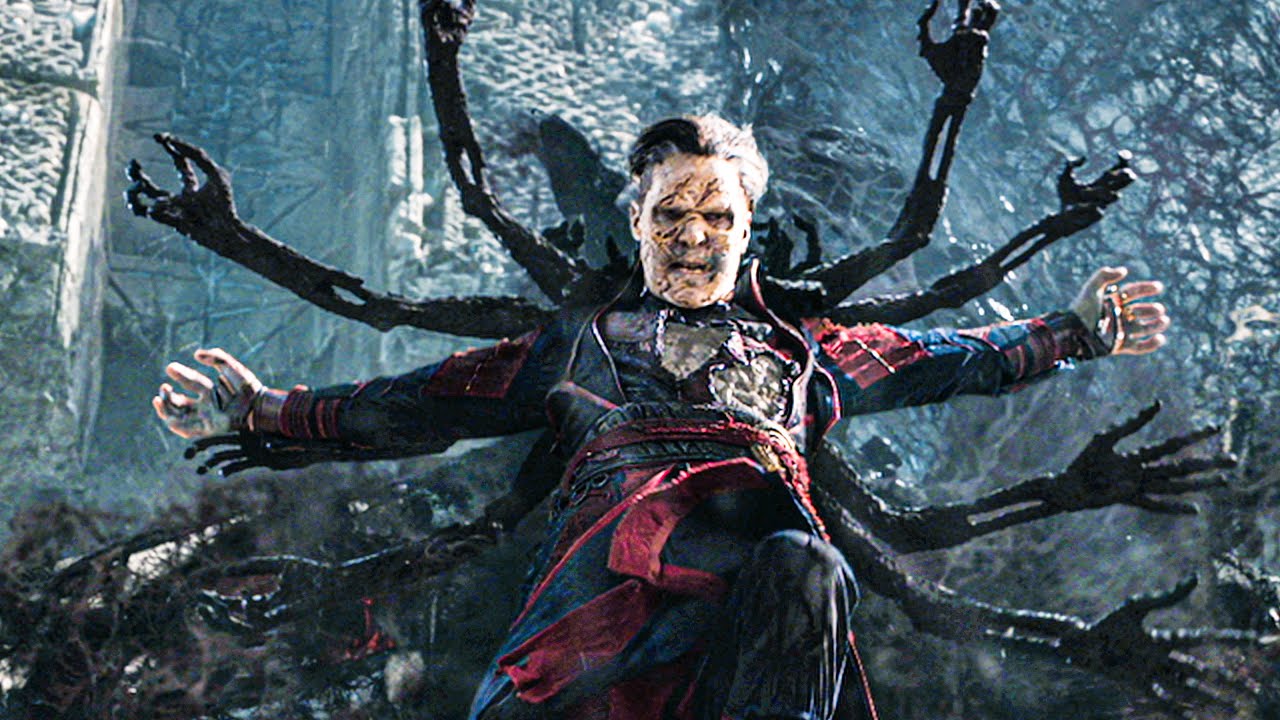
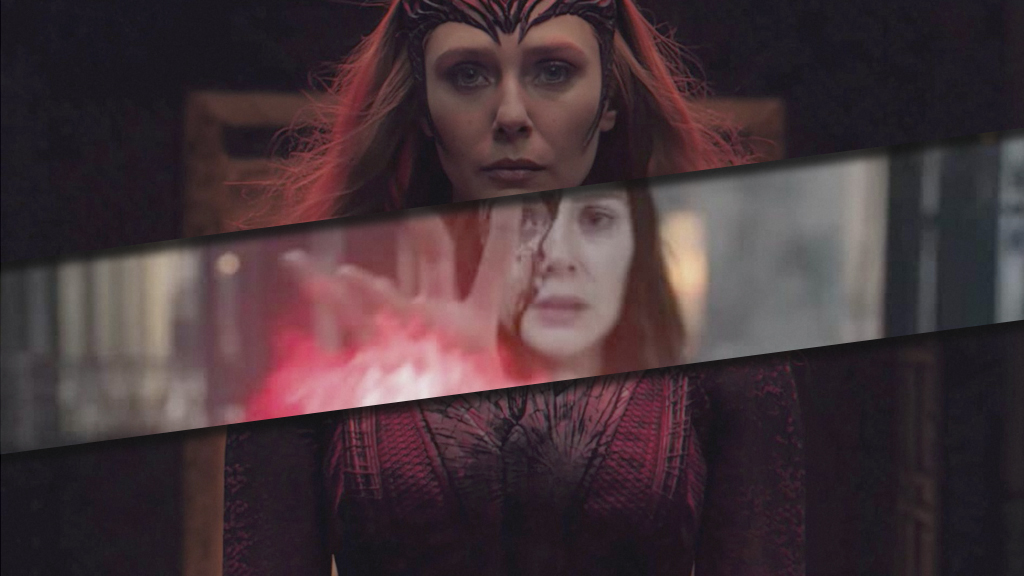
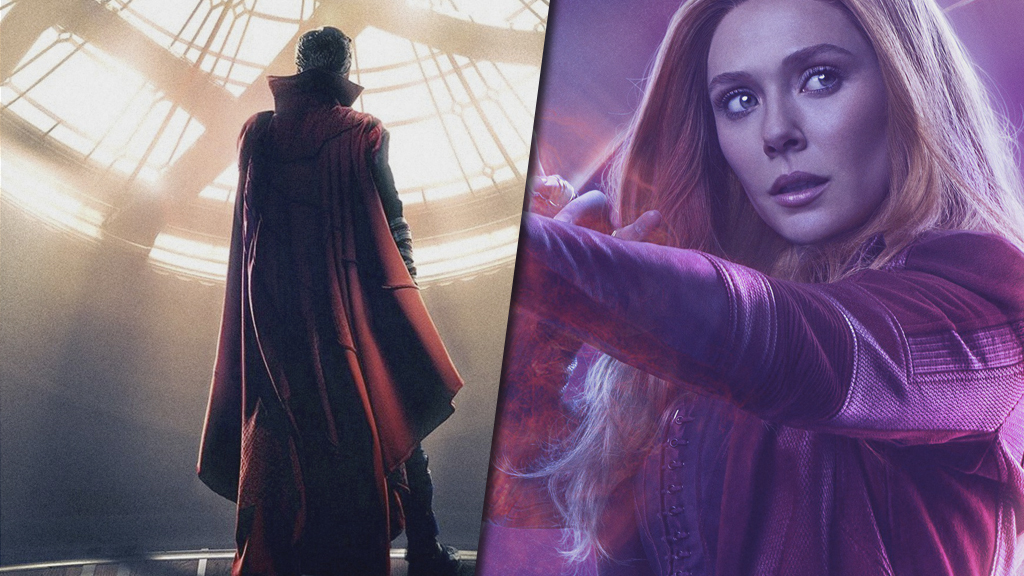
    While Multiverse of Madness did not try too hard to keep it a secret, we now know with certainty that Elizabeth Olsen’s Scarlet Witch was the primary antagonist of the film. Benedict Cumberbatch did play a variant Sinister Strange, but he certainly was not a principal threat in the film. Similarly, Gargantos, the Shuma-Gorath adjacent creature did not play a real villainous role.

    Some rumors suggested that Wanda Maximoff would end up the victor of the film, much like Thanos. Others said that she would somehow pull a “reverse” version of one of her most iconic moments in the comics—”No more mutants”. If the Scarlet Witch sticks around the MCU long enough, that is certainly something Marvel Studios may want to eventually adapt. But, she certainly did no form of this in the movie, let alone create mutants in the MCU. While Wanda seemingly sacrificed herself at the end of the movie in an attempt to destroy the Darkhold forever, she certainly did not “win” by commonsense standards, though she easily could have had she not seen the error of her own ways.

    Charlize Theron as Clea in the mid-credits scene was arguably the biggest surprise for fans and one example of a cameo rumor that actually turned out to be true. However, some rumors pointed to the character playing a much more significant role in the film. Ultimately, Clea was left as a tease for future stories.

    Bruce Campbell garnered much speculation about a cameo given his many comments about the film, his appearance near a shooting location, and his history with director Sam Raimi. Campbell did in fact make what was essentially a goofy cameo during the movie and appeared again to finish the joke in the final post-credits scene.

    The Cameos That Weren’t

    Let’s be honest. Fan expectations for cameos were through the roof. Given that the Doctor Strange sequel had the capacity to encounter infinite variants, it was not too hard to imagine that we would get some high-profile ones. Still, the number of rumors and “leaks” gave many fans ultimately unrealistic expectations on this front. Let’s take a look.

    Deadpool

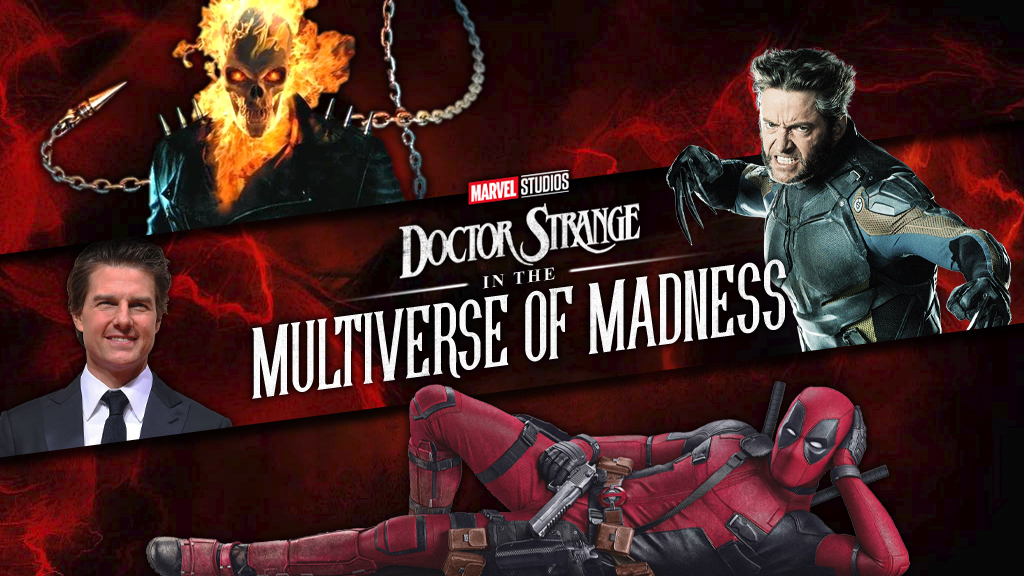
    One of the most popular and believable rumors sadly did not pan out. While the multiverse could have seen a classic funny guy cameo moment from Ryan Reynolds’ Deadpool, it was not meant to be.

    ‘Deadpool’ (2016)
    Loki

    A Tom Hiddleston cameo as Loki from the Loki series was practically expected at one point. Considering the strong ties between the Disney+ series and Multiverse of Madness, we did not encounter the character this time around.

    Balder the Brave

    Amongst all of the Illuminati speculation, one character that found his way into countless credible lists was Balder the Brave. Half-brother and friend of Thor, this would have introduced a relatively unknown character into the star-studded group. Whether that was the reason he ultimately did not appear is unclear, but perhaps viewers can look out for Balder the Brave in future projects, especially with Thor: Love and Thunder just around the corner.

    Doctor Strange Supreme

    The relationship between the Doctor Strange What If… ? episode and Multiverse of Madness was ultimately just one of inspiration. We knew that darker Doctor Strange variants would appear in the film, and Doctor Strange Supreme from the animated series was quite the fan favorite. The Strange variants in the film may have had some similarities with the animated fellow, but he definitely was not present.

    Marvel Studios’ ‘What If… ?’
    Monica Rambeau

    After her major role in WandaVision, there were hints that perhaps Teyonah Parris‘ Rambeau would return here. Instead, we got a variant of her mother, Maria Rambeau, who became Captain Marvel in the Illuminati’s universe.

    Marvel Studios’ ‘WandaVision’
    Wolverine

    Much of the Multiverse of Madness delirium came from fans’ eagerness to see X-Men and other previous Fox Marvel properties debut in the MCU. Obviously, Professor X’s introduction did just that, but all the rumors that Wolverine would appear turned out not to materialize. It is worth noting, though, that most of these rumors speculated that the iconic X-Men character would not be played by the iconic Wolverine actor Hugh Jackman and instead a new actor would fill those shoes.

    Hugh Jackman

    Weirdly enough, though, the rumors that a non-Jackman Wolverine would be making an appearance did not stop rumors that Jackman would make a cameo as something or someone else. He did not.

    Namor

    We know that Namor is set to play the adversary in Black Panther: Wakanda Forever, but there was plenty of speculation as to whether Tenoch Huerta’s Namor—or a variant—would make an early appearance in the Doctor Strange sequel. The Shuma-Gorath creature named Gargantos in the film, and that monster has connections to Namor in the comics. The Sub-Mariner is also a member of the Illuminati in the comics, so it made some sense. Alas, we will likely have to wait for Wakanda Forever to meet the character.

    Magneto

    Maybe one of the more disappointing omissions—whether it was credible or not—was Michael Fassbender’s Magneto. As noted, Charles Xavier sort of took on the Fox-Marvel and X-Men representation in Multiverse of Madness. The beloved antihero and villain will someday arrive in the MCU, but that day has not come.

    ‘X-Men: Days of Future Past’
    Agents of S.H.I.E.L.D.

    Fans of the Agents of S.H.I.E.L.D. ABC television series are always hoping for confirmation or signs that the show is canon to the MCU or will be relevant going forward. Fan favorite Chloe Bennet’s Daisy Johnson in particular had some rumors behind her, but there was ultimately nothing to them.

    Tobey Maguire

    Had the Doctor Strange sequel been released—as originally planned—after Spider-Man: No Way Home, the rumor that Tobey Maguire’s Spider-Man would cameo in the film would have been much less believable. But considering he made the journey from his Sony property to the MCU in the Spider-Man film, it seemed more possible. But, as we all know now, it did not happen here.

    Ghost Rider

    Nicholas Cage returning as Ghost Rider? Sure, why not. But Multiverse of Madness was not the “Look we have rights to all these characters we did not before!” moment many were expecting it to be.

    ‘Ghost Rider: Spirit of Vengeance’
    Tom Cruise

    There were some hints in the trailers that including Ultron bots that led fans to think an Iron Man variant would show up. Tom Cruise ended up being the most talked about rumored casting for that ultimately non-existent variant, but some were thoroughly convinced Cruise would make his MCU debut.

    Daredevil

    While we got Charlie Cox’s Daredevil in No Way Home, another rumor in the same vein as the other speculated Fox characters cameos was that Ben Affleck would reprise his role as the Man Without Fear from his less-than-beloved 2003 film.

    ‘Daredevil’ (2003)
    Agatha Harkness

    Expectations that Kathryn Hahn’s Agatha Harkness could make some sort of appearance were pretty fair. The end of WandaVision and comics suggest that the older witch will still have a role to play in Wanda’s life. Still, Wanda ambiguously exited the events of Multiverse of Madness without ever seeking out Harkness or Harkness working her way out of where we left her in Westview.

    Kang the Conquerer

    After Jonathan Majors’ unexpected appearance at the end of Loki, fans are certainly on edge to see where he may pop up before his villainous role as Kang the Conqueror in Ant-Man and the Wasp: Quantumania. The character’s connection to the multiverse, as described in the Loki finale, could have in theory made a cameo from Kang make sense. But alas, he was not there.

    Marvel Studios’ ‘Loki’
    HYDRA Captain America

    A famous comics rendition of Captain America is the more recent HYDRA Cap. If it was not obvious, this was a version of Captain America aligned with HYDRA. After Chris Evans’ nod to it in Endgame, it honestly could have been a fun appearance. While Evans seems game to pop up in cameos everywhere in the entertainment industry, this is one where he was absent.

    Zombies (Mostly)

    Based on some of the trailers and other rumors, more zombies were expected by some. Whether the What If… Zombies!? episode was to be a direct tie in or it was an unrelated zombie universe, it seemed like a strong bet. We did not get zombies, but Doctor Strange inhabiting the body of the dead Defender Strange did provide some zombie vibes.

    White Vision

    Considering how important Vision is to Wanda’s story combined with the fact that White Vision—introduced in WandaVision—is very much still out there, the idea of a Paul Bettany Vision cameo was not out of left field. The actor even dropped some teases that he might be in Multiverse of Madness. He was not.

    Marvel Studios’ ‘WandaVision’

    Overall, had many of these cameos actually happened, Doctor Strange in the Multiverse of Madness could have been a much different film. Because of the extent of these rumors, some fans expected a movie where Doctor Strange bounced around countless universes and encountered major character cameos in each. Instead, we got a story focused more tightly on Doctor Strange with the Scarlet Witch as his strong adversary. In other words, the film ended up being a great story not weighed down by empty fan service. Even the Illuminati members that did make an appearance were more than just glorified cameos and significantly contributed to the story as well.

    All of these non-cameos, or some version of them, may likely show up in the MCU eventually. They just were not in this movie. Doctor Strange in the Multiverse of Madness is now playing in theaters.
  • Earlier ‘Moon Knight’ Drafts Referenced ‘Thor: Love and Thunder’s Gorr the God Butcher

    Earlier ‘Moon Knight’ Drafts Referenced ‘Thor: Love and Thunder’s Gorr the God Butcher

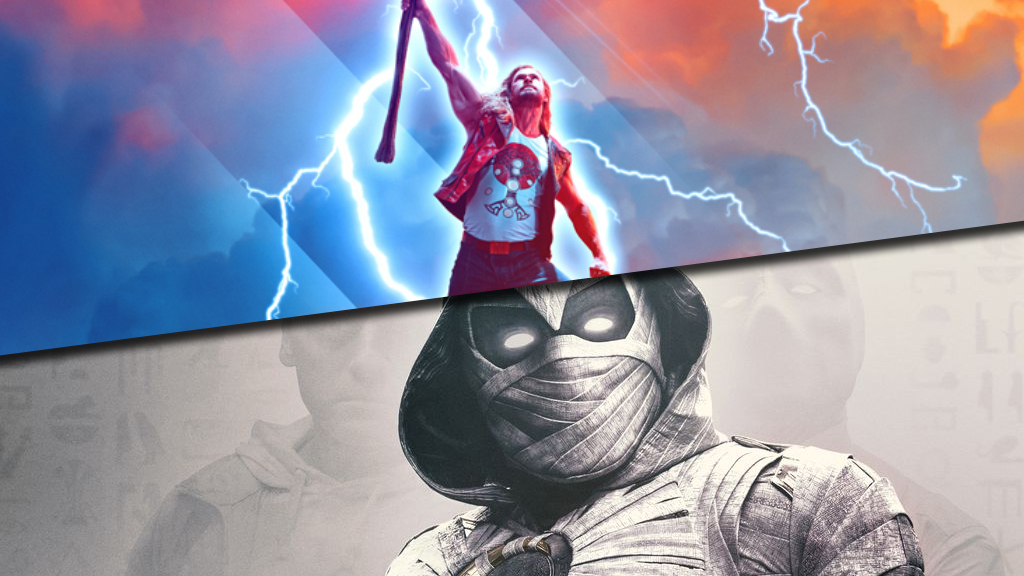
    With a series in development based on Moon Knight and his connection to the Egyptian pantheon, as well as the arrival of Gorr the God Butcher in Thor: Love and Thunder seemed like the perfect time to set up his arrival. Yet, the Disney+ series surprisingly remained self-contained and didn’t include any references to Christian Bale’s upcoming god-slaying character. Yet, Moon Knight head writer Jeremy Slater revealed that earlier drafts of the script did, in fact, include references to Gorr. In an interview with The Direct, he talks about

    Both a lot and a little. But the reality is that we had no idea—when we started working on the show, we didn’t know when we were debuting. We always sort of assumed it would be later down the road, and we would sort of be coming out in fall of 2022, and we thought we would probably be following Thor [Love and Thunder]. But at that time, Thor didn’t necessarily have a concrete release date either, everything was sort of up in the air, and it’s like we might be ahead of Thor, or we might be finishing up. So there were different versions of the script where the Gods would sort of talk about, ‘This thing with Gorr the God Butcher just happened, and now we’ve got this new problem.’ And then there were other versions of the script where they sort of talked about, ‘We’re hearing rumors [that] Gods are dying, this is not the right time to get involved.’ Like we tried to have our cake and eat it too

    Jeremy Slater

    The meeting of the gods referencing the looming threat would’ve made sense, but it does seem like the uncertainty of some productions has added a new layer of challenge, especially with how the pandemic shifted their projects around. It also would’ve been confusing for some viewers to hear references to Gorr, especially if they potentially retcon his backstory and his activities at a later date. He goes on to highlight that they were aware of the “general beats” of Love and Thunder, but Marvel supported them in not forcing in the reference.

    We knew the general beats of what would happen in Thor: Love and Thunder, so that we wouldn’t be contradicting anything. But we had versions of the story that sort of teased Gorr’s arrival, and [ones] that were sort of taking place in the aftermath of that movie. Ultimately at some point, Marvel just made the creative decision, ‘You know what, we don’t necessarily need this.’ The way that Ennead scene ultimately panned out in Episode 3, it didn’t feel like there was an organic place to sort of drop-in, like, ‘Oh, and by the way, this has nothing to do with the story we’re currently telling, but there’s a thing happening over here.’ I think Marvel is getting very smart about how they sort of work in those references and cameos, and they’ll do it if it makes sense. [They won’t] do it if they hurt the story, [so] they don’t do it just for the sake of doing it. I think that was a time where they felt like, ‘We’re stretching to make this connection, we don’t really need it

    Jeremy Slater

    Moon Knight is in a better place for remaining within its own pocket of the Marvel Cinematic Universe. While some hoped the post-credit sequence might introduce Gorr, it would’ve been confusing for many, especially if they wanted to keep the door open for further exploration of its main character rather than him being overshadowed by Gorr. We’ll see if the Egyptians might have a potential appearance in Love and Thunder once it hits theaters in July..

    Source: The Direct

  • How ‘Multiverse of Madness’ Sets the Path to Marvel Studios ‘Secret Wars’

    How ‘Multiverse of Madness’ Sets the Path to Marvel Studios ‘Secret Wars’

    With just a few lines spoken by John Krasinski’s Reed Richards, Marvel Studios seemingly set its course to its next big event: Secret Wars. The project, once seen as “too big” to be done correctly, is one on the list of projects that Marvel Studios’ favorite sons, Joe and Anthony Russo, have said would bring them back into the fold and one that has swirled around insider circles for a few years now. The first hints to its eventual arrival came during an animated sequence in Loki but the truest indicator of Marvel’s intent to bring the thrice-done comic event to the MCU came in Doctor Strange in The Multiverse of Madness when Richards briefly explained the concept of Incursions. The concept of Incursions was given all the explanation it needed in the film, but for those unsure of how that concept leads to Secret Wars, we’re here to help.

    Incursions made their way into the Marvel Comics lexicon in 2013 when writer Jonathan Hickman introduced the idea in New Avengers Volume 2 when T’Challa witnessed one. As was the case in Doctor Strange in the Multiverse of Madness, smart guy Reed Richards explained the concept to the audience.

    New Avengers #2 (2013)

    Over the course of a page and a half, Richards-with the aid of very Hickman-esque illustrations-gives his “Everything Dies” speech in which he explains to the Illuminati that as a result of the early “death” of an alternate Earth, the contraction of the multiverse had begun. The death of that Earth caused the first Incursion, the collision of two other Earths that lead to the destruction of both of them. One Incursion sped up the timeline for another, accelerating the ends of each of the universes in which those Earths existed and it would only be a matter of time before the final Incursion destroyed the entire Multiverse.

    New Avengers #2 (2013)
    New Avengers #2 (2013)

    The Incursion of Earth-616 that T’Challa witnessed was stopped when the Black Swan (a fascinating character who we can only hope makes her way into the MCU) destroyed the other Earth, sparing Earth-616. The knowledge of the Incursions sent the Illuminati scrambling to devise a plan to save their universe. Ultimately, Earth-616 and Earth-1610, the Ultimate universe, were the last standing and as their Incursion began, the heroes of both worlds fought to destroy each other, with both sides ultimately falling short and being destroyed. A group of heroes, led by Richards, who had built a “life raft” found themselves on a new planet known as Battleworld and worked together to unravel the great mystery of where they were and how Doctor Doom came to be in charge. Those events made up the 2015 event Secret Wars, which takes us right back to where we began. Marvel Studios is building towards an adaptation of Secret Wars.

    Avengers #44 (2015)

    If you’ve paid attention for a few years, you’ve heard it from me that this event was in the making, but this is the closest Marvel Studios has come to admitting it. And with John Krasinski’s Reed Richards-who VERY closely resembles the Richards written by Hickman over his time on the Fantastic Four, New Avengers, and Secret Wars- being given the job of explaining the concept of Incursion to the MCU audience, it seems like it will indeed be Hickman’s version of Secret Wars that is adapted, rather than either of the previous comic events. Hickman’s version is by far the most cinematic of the options available but is also problematic in that it is loaded with dense scientific concepts that might make for a tough sell to general audiences. As we know, Marvel Studios doesn’t go with straight page-to-screen adaptations of their comic book stories, so it’s more likely than not that the MCU’s Secret Wars will simply be 616 vs. 1610, allowing for dead heroes to reappear as their 1610 counterparts. What does this mean for Doctor Doom, the Molecule Man, and other characters who played a huge role in the comic event? Probably nothing good.

    It is interesting to see that Marvel Studios has chosen Stephen Strange’s sequel to lead the charge to Secret Wars. Strange does play a key role in the 2015 event as one of Doom’s right hand, but readers would certainly not consider him “central” to the story. Whatever the case, we are likely still at least 3 years away from Secret Wars and there’s lots of building to be done, but with the mention of Incursion, it should now be clear to fans that the project is now the inevitable end to the developing Multiverse Saga.

  • How Changes to America Chavez in ‘Doctor Strange 2’  Set Up Young Avengers

    How Changes to America Chavez in ‘Doctor Strange 2’ Set Up Young Avengers

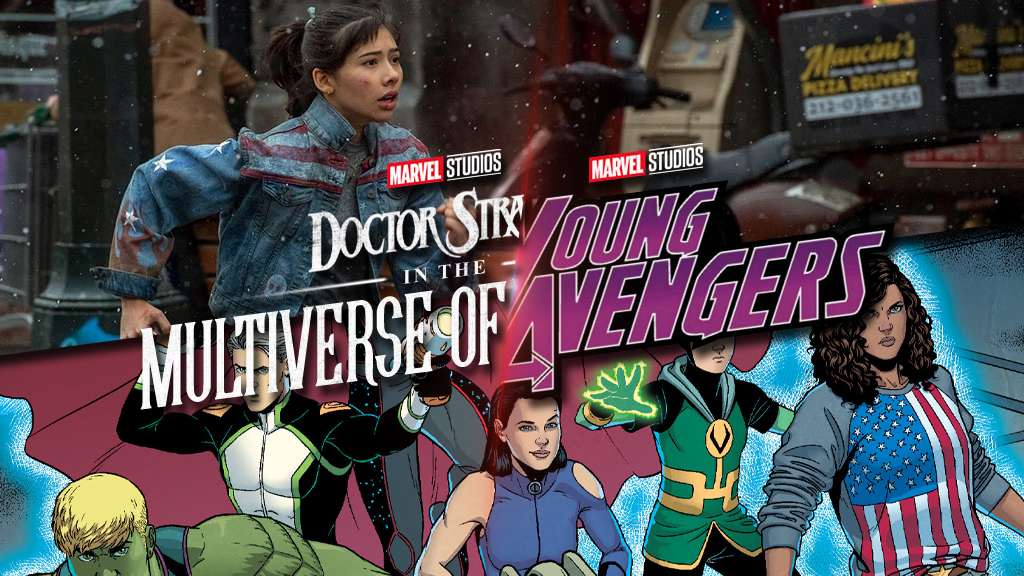
    Between the Illuminati, Mount Wundagore, and Clea taking Doctor Strange into the Dark Dimension in the mid-credits scene, Doctor Strange in the Multiverse of Madness certainly left plenty of room for several more stories to continue. Another obvious example was the film’s introduction of Xochitl Gomez’s America Chavez, the dimension-hopping young heroine at the center of the movie’s plot.

    As many know, America is an iconic Young Avenger in Marvel comics, so her presence definitely teases that concept. But while Multiverse of Madness generally kept her comic’s origin story intact, it appeared to make a major change that could impact the young hero’s journey going forward. It also left the character in a place that could hint at how the MCU might build a Young Avengers team.

    Marvel Studios
    America Chavez’s Origin

    We only get a brief glimpse of America’s past early in Multiverse of Madness, but we know that she appears to come from an alternative universe or dimension. She does not specify further, but we also learn that she apparently has no variants. In an infinite multiverse, that would not make sense. It is likely that the place America is from in the MCU is outside of the multiverse, which would follow the comics.

    Young Avengers #3 (2013)

    Though it has since been retconned, America’s origin story began in the Utopian Parallel, which is a dimension outside of time and the multiverse and is inhabited only by women. Her powers come from the residual powers of a being called the Demiurge, who created the Utopian Parallel. In the comics, the dimension is threatened with destruction via black holes, but America’s mothers sacrificed themselves and essentially disintegrated into particles stretched across the multiverse. After this, America travels the multiverse looking to be a hero, because she believes the Utopian Parallel does not need salvation.

    Young Avengers #3 (2013)

    In the Doctor Strange sequel, America accidentally transports her moms into some random universes when she unintentionally used her powers as a child. While America is convinced they are dead, Doctor Strange reminds her that they could likely be out there somewhere. If her mothers are not dead, that could open up an entire storyline for America to go find them. Teases like this almost never amount to anything, so it is curious whether the heroine would get some solo time to explore that arc or if it could be something that ties into an eventual Young Avengers story.

    America’s Magical Ending

    The end of Multiverse of Madness sees America at Kamar-Taj, working on sorcery skills in a way reminiscent of Stephen Strange in the original Doctor Strange movie. Her main challenge in the film seemed to be controlling her existing portal-creating powers, so the tease that she may be on the path of a sorcerer is very interesting.

    On one hand, it potentially sets up a mentor-mentee relationship between Doctor Strange and America Chavez similar to Clint Barton and Kate Bishop in Hawkeye. While this does not necessarily have any comics backing, it could be the MCU’s way to gradually bring in and develop the young characters in organic ways in other projects before jumping into a team event.

    Young Avengers #9 (2013)

    The fact that America now has some connection to magic could also hint at how other Young Avengers may be brought into the fold. On one hand, Wanda Maximoff’s son Billy later becomes the superhero Wiccan in the comics. Wiccan also becomes the same Demiurge that creates the Utopian Parallel, so Multiverse of Madness potentially connects America and Billy in several ways. With the Loki Disney+ franchise still going, there is also potential for Kid Loki to become a significant character in the MCU. Kid Loki, of course, has powers connected to magic as well, but he was also the character that brought America and Billy together in the first place. That arc ultimately saw the formation of the Young Avengers.

    America’s connection to sorcery may make a future team-up of young heroes easier, considering she would already exist in spaces characters like Bully Maximoff and Kid Loki might. In addition, her potential relationship with Doctor Strange may allow her to stick around in various other projects before Marvel Studios is ready to take the leap into a true Young Avengers project.

    Fans can see America Chavez in Doctor Strange in the Multiverse of Madness, which is now playing in theaters.
  • ‘Multiverse of Madness’ Confirms the Designation of MCU’s Sacred Timeline

    ‘Multiverse of Madness’ Confirms the Designation of MCU’s Sacred Timeline

    There’s been a surprising amount of discussion on what exactly the name is for the Marvel Cinematic Universe within the universe. As the comics’ main timeline was always called 616, it was given a unique number from fans over the years to make it stand out as a part of the greater multiverse. For years, fans have dubbed it 199999 but it looks like that has now officially changed quite a bit with the arrival of Doctor Strange in the Multiverse of Madness, and his exploration of the multiverse. We’ve now learned that there are indeed two incarnations of the 616 universe out there.

    The article will include spoilers to Doctor Strange in the Multiverse of Madness. If you haven’t seen the film yet, only continue at your own risk.

    Interestingly enough, it would imply that the comic multiverse is not part of this cinematic multiverse. When Strange lands in the universe of the Illuminati, he meets their Variant of Christine Palmer. While they discuss which reality they’re currently visiting, Palmer reveals that they’ve “decided” to designate their universe as the one known as 616. As we’ve seen in Loki, the storyline we’ve followed since the first Iron Man film back in 2008 was called the Sacred timeline, though no clear indication if it’s multiple universes that follow a strict storyline or just one specific one supervised by the TVA. After the events of that Disney+ series, the multiverse was unleashed and it opened the floodgates for Spider-Man: No Way Home and Multiverse of Madness.

    For comic fans, this also opens up a bigger concept in the form that this franchise exists solely within its own multiverse. So, we shouldn’t expect elements from the comics to carry over or even to meet characters that have that kind of history. It’s a clever way of introducing viewers that have no real connection to the comics into this concept, as well as the trend of establishing 616 as the “main” timeline of the multiverse. The passion behind these creatives shows that they want to keep iconic phrasing and concepts from the comics, but the freedom to tell the universe the way they want to moving forward.

  • Elizabeth Olsen Explains Wanda’s Evolution From ‘WandaVision’ to ‘Doctor Strange 2’

    Elizabeth Olsen Explains Wanda’s Evolution From ‘WandaVision’ to ‘Doctor Strange 2’

    Doctor Strange in the Multiverse of Madness has garnered attention for many reasons. But one aspect of the sequel that has many fans debating is Wanda Maximoff’s Scarlet Witch and the character’s descent from hero to villain. While Maximoff was introduced to the MCU as a villain in Avengers: Age of Ultron and was certainly more of an antihero at best in WandaVision, some feel as though her redemptive arc at the end of that series does not square with where we find her in the Doctor Strange sequel.

    As it turns out, actress Elizabeth Olsen also had a hard time with the transition. In an interview with Variety, the Emmy-nominated actress discussed her reaction to learning Wanda was the villain of Multiverse of Madness:

    Well, I knew I was gonna be in “Doctor Strange,” but I thought I was gonna be, like, in an ensemble thing. So at first I think I was nervous and conflicted, because I hadn’t finished “WandaVision” yet, but we were almost finished. And I was like, “Oh my god, how do I make this all work together?” We got there; I got there. And it became an amazing opportunity to have people be won over by this woman in “WandaVision” and feel for her, and then, you know, manipulate them into this film, where they get to be on her side and then feel conflicted themselves. So I thought that was a great opportunity.

    Elizabeth Olsen

    Ultimately, Olsen understood Wanda’s dark journey from the end of WandaVision as being a result of the trauma that remained at the end of the series, particularly the loss of her twin boys. The actress went on to describe Wanda’s evolution:

    I just wanted everything to feel like some version of an advancement, even if the advancement is someone feeling a different reaction to the pain and loss. We also haven’t seen her have a reaction to what happened in Westview. Even if we watched her go through trauma and loss, we haven’t seen her go through the loss of the children. I think, for any parent — I would assume, because I’m not one — the loss of the child would always be much harder than the loss of anyone else important in your life. I just wanted to make sure it was a constant evolution forward and not repetitive…How do we make this different but still part of the woman that we know?

    Elizabeth Olsen

    While fans will never stop debating whether Wanda’s arc was consistent enough, Olsen is suggesting that the extreme grief that audiences did not see after Wanda left WestView was the driving factor of her descent. The character’s corruption from the use of the Darkhold certainly would have influenced and turned those dark emotions into something much more volatile. So, the fact that Multiverse of Madness saw the Scarlet Witch using her full power to get what she believes she should rightfully have is not too hard to comprehend.

    Doctor Strange in the Multiverse of Madness is playing in theaters worldwide.

    Source: Variety

  • Murphy’s Team-Up, Volume XX: Favorite MCU Second Films

    Murphy’s Team-Up, Volume XX: Favorite MCU Second Films

    Nathan Miller

    Doctor Strange In The Multiverse of Madness is my favourite 2nd MCU film. I loved what a big swing they took for a second film. From the expansiveness of the worldbuilding to the tightness of the themes in driving the characters forward. While the plot is reasonably simple, the concepts it draws from are far-reaching. At the same time, motifs are repeated like the happiness and heroism of Strange and Wanda, which help the themes land successfully, despite the plot’s fast pace. All of that is without talking about the mind-bending VFX, and the brilliant guest appearances, both of which really hit hard about how infinite the multiverse is. While I wasn’t the biggest fan of the score, Sinister Strange fighting 616 Strange using musical notations was fantastic. With this continued inventiveness I look forward to more favourite 2nd Marvel Studios films from Eternals and ShangChi too. 

    Torbjorn Frazier

    While I definitely won’t go as far as saying that is objectively the “best” sequel in the Marvel Cinematic Universe, I’d be remiss to not take the opportunity to discuss my personal soft spot for 2018’s Ant-Man and The Wasp. The film does a strong job continuing and evolving the themes of its protagonists set up in the original film. Paul Rudd’s Scott Lang is on the continuing quest to be the hero his daughter deserves (both in superheroics and as a father). Meanwhile, Evangeline Lilly’s Hope van Dyne really comes into her own being introduced as Wasp while continuing to build trust and relationships with those close to her after the tragic events of her upbringing. As well, I maintain that Hannah John-Kamen’s portrayal as main antagonist Ava Starr remains arguably the most underrated villain in the MCU through this point in time. As the cinematic franchise continues to venture towards larger scopes in storytelling, Peyton Reed’s sequel has strong rewatchability both on its own merits and as a low stakes palate cleanser in relation to films like Avengers: Infinity War that came before it. Even still, some seeds were planted for the future between marking the true origin for Cassie Lang’s journey to becoming a hero much like her father and leaving the option for John-Kamen’s Ghost to return down the road. Ultimately, Ant-Man and The Wasp could be described as Marvel Studios’ take on the quintessential “family film.” And in relation to the rest of the MCU, I continue to find the sequel as such a positive experience and an underrated continuation to Marvel’s smallest franchise.

    Mary Maerz

    Sebastian Stan Debuts Winter Soldier Shield, Teasing Fans

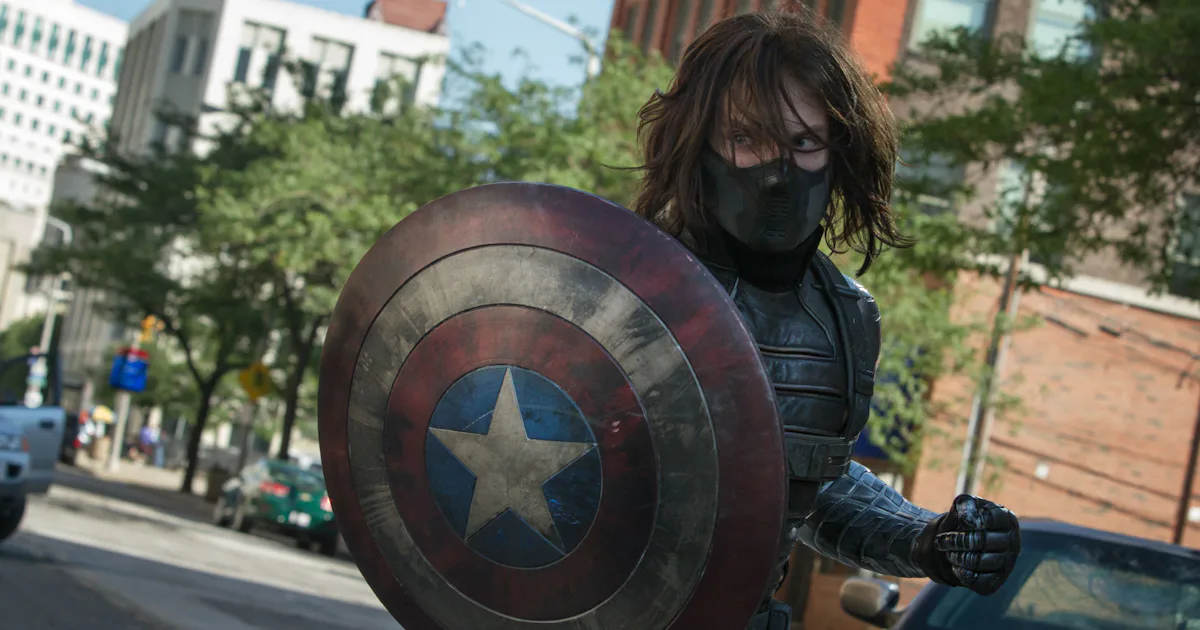
    Captain America: The Winter Soldier by technicality. I’ve seen it 333 times in the past 8 years, so it’s proven itself to be (by MCU standards) timeless. MoM is much more exciting, and it has all the potential to end up at #1 for me, but I’ve only seen it twice in less than a week. It’s much more ambitious and it is perfect in how it took one of the least realistic or grounded characters and ran with it. It’s wild, it’s fun, it has so much more personality. But TWS has that smooth, airtight, all-around quality to it that MoM as a concept probably never could. So for me it comes down to how well MoM ages, but they’re neck and neck as two extremely different movies.

    Joseph Aberl

    To this day, I still adore what Captain America: The Winter Soldier did for the MCU, especially as a sequel. While the first explored a war story with some superhero flair, it was its sequel that truly cemented Steve Rogers’ character and still manage to cohesively build upon the first even if he’s lost in a different era altogether. It may also be the first instance where the film truly embraced the roots of a different genre, which would become a cornerstone for future entries and set up the team that would define superhero cinema.

    Hunter Radesi

    A major part of the reason the original Guardians of the Galaxy hit so well with moviegoers was it’s emotional core. Director James Gunn found ways to reimagine the protagonists that made them feel real. Their stories were relatable and their goals understandable, with every brilliant character beat tucked neatly into a beautiful, hilarious, thrilling cosmic adventure. Vol. 2, despite catching flack from some critics, manages to be my favorite Marvel Studios sequel by maintaining every inch of this spirit and expanding upon the exciting universe established in the first entry.

    A deep dive into complicated family dynamics, exploring what it means to be human, and the admittance of redemption into an otherwise painfully difficult life. Maybe I just happened to see it at the right time in my life, but Rocket’s subplot alone will always hold a special place in my heart. I cry every single time. Also, the adventure itself is a lot more fun than it gets credit for. Creative action sequences, dazzling colors, and plenty of organic set up for galactic tales to come. If it’s been a while since your last watch, maybe give it another shot. You might be pleasantly surprised.

    Dalbin Osorio

    Doctor Strange in the Multiverse of Madness Ending Explained | Den of Geek

    If I was writing this before seeing Doctor Strange In The Multiverse of Madness, I’d have gone with Captain America: The Winter Soldier. However, having had the last 12ish hours to sit with the newest Doc Strange, I can safely say that this is as much a game changer as the 2nd entry in the Cap trilogy was and for many reasons. What worked for Winter Soldier was that it was still very much a Cap story, despite needing to set the stage for both Age of Ultron and Civil War. Doc Strange 2, in that vein, has the unenviable job of setting up the multiverse in spades (it’s no longer a concept, but a very real thing in the MCU), while also setting up Doctor Strange 3 in a very real way AND Secret Wars in a tangible fashion. We end with a corrupted Doc Strange, a bunch of dead sorcerers, and some much-needed growth for the good Doctor. We get Clea in the mid-credits scene, and that plants a seed for both the conclusion of the trilogy and the overarching story, but the shadow of Kang hovers above these proceedings when we realize that it was Sylvie’s decision to stab He Who Remains that has now caused these Incursions to happen in earnest. That one decision, in the void, has now set these different universes on a crash course for each other. Doc Strange 2 could’ve been forgiven if it focused solely on that, but this movie is as much Stephen’s story as Wanda’s in the sense that they are both chasing the thing they want the most only to find out their current iterations don’t deserve it. Whereas No Way Home needed the variants to move Peter forward away from the Avengers, the Variants in Doc Strange 2 serve to reinforce decisions that he made in order to save that team (and the universe). Michael Waldron deserves credit for how he wrote Wanda here, too, and I think it’s that well-earned heel turn that cements this as my favorite Marvel sequel. Wanda is a bad ass, who delivers some of the best lines (her telling Reed that it’s good that Sue is still alive because then their kids will have someone left to raise them was incredible), and is not to be trifled with. My favorite sequel from Marvel, for sure.

    Anthony Canton III

    Doctor Strange in the Multiverse of Madness made this question really tough. From Sam Raimi’s direction to the themes of the movie really challenged this spot. However when thinking of MCU sequels Captain America: The Winter Soldier remains the superior movie.

    Cap 2 is a technical marvel no pun intended. The introduction of Anthony Mackie’s Falcon, the incredible action scenes, and the tilt of Steve Rogers character tips the scales. Robert Redford as the shadowy leader of Hydra in a Marvel movie is wild to think about. The fight in the streets of DC between Bucky and Steve is top 5 in the MCU. This movie wasn’t just a marvel movie, it was an spy thriller.

    The movie asks and answers questions as to why S.H.I.E.L.D. should or shouldn’t exist. The deception of Nick Fury and Natasha Romanoff force Steve to think about being a hero differently. It informs Captain America’s decisions for the rest of his time in the MCU, good or bad. Everything from the beginning to the end with the introduction of Wanda Maximoff makes this the easy choice for the best MCU sequel.

  • Elizabeth Olsen Reveals Wanda Was Originally “Supposed to Kill More” in ‘Doctor Strange 2’

    Elizabeth Olsen Reveals Wanda Was Originally “Supposed to Kill More” in ‘Doctor Strange 2’

    The article will contain spoilers on Doctor Strange in the Multiverse of Madness. So only continue at your own risk if you haven’t had a chance to watch the film yet.

    Now that Doctor Strange in the Multiverse of Madness is rounding out its debut weekend, the creators and stars are opening up about making the ambitious film. While Doctor Strange, as the title suggests, is the film’s main protagonist, it is also the sequel’s villain that turned a lot of heads. Wanda Maximoff and Scarlet Witch actress Elizabeth Olsen has been discussing her take on the complicated character.

    One of the most memorable aspects of Multiverse of Madness is perhaps Wanda’s violent and ruthless killing of countless characters, including the star-studded Illuminati including John Krasinki’s Mr. Fantastic, Patrick Stewart’s Professor X, Hayley Atwell’s Captain Carter, Lashana Lynch’s Captain Marvel, Anson Mount’s Black Bolt. While killing off such a major ensemble is surely a lot for an MCU film, Olsen revealed in an interview with Variety that the final cut was more merciful than the original plan. The actress stated:

    I was also supposed to kill more. I had a hard time with it. I was like, these are human beings and Wanda is okay with ending their lives? But I just had to buckle down and think all these people are in her way and she’s warned Doctor Strange not to get in her way. And he did. He didn’t listen. And so I just had to go from that point of view. 

    Elizabeth Olsen

    The idea of the Scarlet Witch killing even more (probably) high-profile characters is not too crazy of a concept after the events of Multiverse of Madness. It certainly begs the question of who else may have been part of the Illuminati initially, or what other characters almost met their end in the Doctor Strange sequel.

    It is also interesting how Olsen “had a hard time” with Wanda killing people. While viewers saw a redemptive arc for the character in WandaVision, the Scarlet Witch undoubtedly went on a darker path since the finale of that series. While some may find it hard to understand the character’s journey, Wanda’s corruption via the Darkhold had a strong role to play in the fall of the mother grieving her lost children.

    Doctor Strange in the Multiverse of Madness is now playing in theaters worldwide.

    Source: Variety

  • Wanda Maximoff Was Originally Meant to Make Her MCU Debut in ‘Doctor Strange’

    Wanda Maximoff Was Originally Meant to Make Her MCU Debut in ‘Doctor Strange’

    With Doctor Strange in the Multiverse of Madness coming to a close on its first weekend, reactions have been somewhat mixed, but the film has been extremely successful at the box office. While the Doctor Strange sequel follows its titular character, it also puts the spotlight on one of the most complicated Avengers and now villain, Wanda Maximoff.

    While Wanda more recently has seen quite the extensive MCU treatment with WandaVision and now Multiverse of Madness, her history in the MCU prior to Phase Four was much different. The Avenger was first introduced in 2015’s Avengers: Age of Ultron and her path throughout Phases Two and Three of the MCU centered on her membership on the iconic team.

    It was not until WandaVision that Wanda took on the mantle of the Scarlet Witch, and it was not even revealed she was a witch until then. Recently, Marvel Studios President Kevin Feige told Bionic Buzz that her more magic-focused arc was the original plan for the character, rather than the Avengers arc. Feige stated:

    At one point, one of the initial ideas we had for Doctor Strange was to introduce Scarlet Witch in the Doctor Strange movie because those two characters were always two we really wanted to see together and sort of fit in that same world. Obviously, we ended up introducing her in [Avengers: Age of Ultron], and thank god we did, because we got to do all the other things with her. But this is really something that has been in the works for a very long time, and finally, here we are.

    Kevin Feige

    Had Wanda not been introduced as an Avenger, we may not have seen her pivotal roles in Avengers stories. For example, her loss of control of her powers in Captain America: Civil War sparked the Sakovia Accords, and it was through the Avengers that she met Vision. While she may have been able to have been utilized in a similar way had she been introduced in the original Doctor Strange, her journey surely would have been much different.

    After Multiverse of Madness, the Scarlet Witch is cemented in the magical realm of the MCU, though history would suggest a return to the Avengers is still an option down the line. While the character had a seemingly tragic ending in the Doctor Strange sequel, all bets are on the Scarlet Witch returning in the MCU.

    Doctor Strange in the Multiverse of Madness is now playing in theaters worldwide.

    Source: Bionic Buzz

  • Elizabeth Olsen on [SPOILER]’s Absence in ‘Doctor Strange 2’

    Elizabeth Olsen on [SPOILER]’s Absence in ‘Doctor Strange 2’

    The upcoming article will spoil some story elements from the latest Doctor Strange film. If you want to remain unspoiled in the Multiverse of Madness, then only continue at your own risk.

    Doctor Strange in the Multiverse of Madness introduces us to Wanda after the Darkhold took full control over her hopes and dreams. She’s looking for a way to travel throughout the multiverse in hopes that she can reunite with her children. Yet, many might have wondered why there’s a noticeable absence of her other family member, Vision.

    We do see a multiversal representation of her kids but she seemingly isn’t actively looking for her husband either. In an interview with Collider, Elizabeth Olsen not only talks about how many people she could end up looking for in the multiverse but also why the version we meet is seemingly on her own. She is asked if Wanda wouldn’t want to bring back more people from her past, and she goes on to highlight that:

    There’s a whole list of things, like my brother, my parents. I think the main reason when we would talk about if there is this multiverse, and in the version of the universe this woman wasn’t with Vision. We liked having that be a mystery. For some reason he’s not in her world. I always thought of her as more of a domestic Wanda. They got divorced. They’re separated. She’s not wearing a wedding band for a reason. Like those kinds of things. We liked the idea of her being on her own. The idea really is that the most important thing once you become a mother in the world are your children, and that’s why.

    Elizabeth Olsen

    It definitely seems like this aspect builds upon what the ending of WandaVision gives us. Not only was she able to say her farewell to Vision but her focus on her kids is exactly what the Darkhold had focused on when it started influencing her mind. The fact she’s completely focused on her kids and a multiverse where it’s only them may highlight that her good intentions were being manipulated greatly by the evil book of sorcery in her possession. It’ll be interesting to see if the Scarlet Witch may have a bigger story to tell.

    Source: Collider