Tag: Marvel TV

  • EXCLUSIVE: ‘Loki’ Production Designer Reveals Time Keepers and TVA Design Secrets

    EXCLUSIVE: ‘Loki’ Production Designer Reveals Time Keepers and TVA Design Secrets

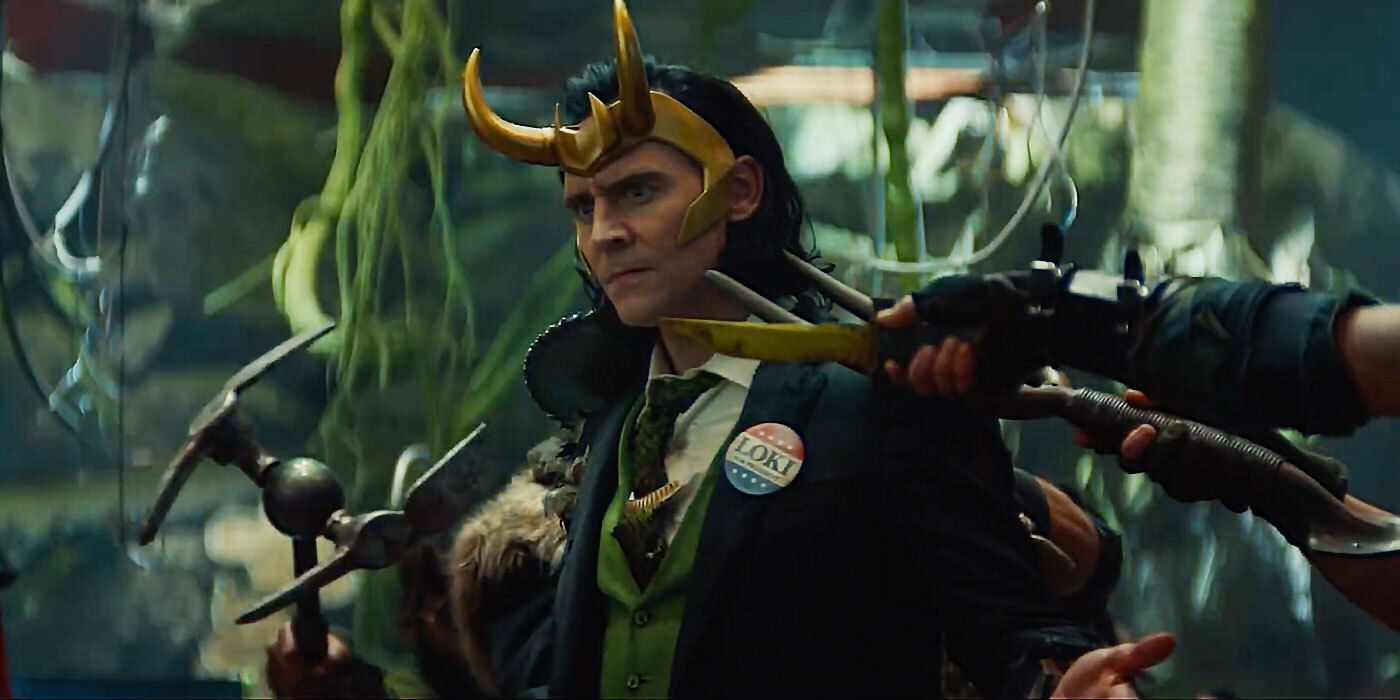
    More than any other Marvel Disney+ show so far, it’s Loki that truly feels like the first one to live up to Marvel Studios’ scope and scale, mostly in due part to the impeccable production design. Led by Kasra Farahani, the Loki production design team set out to create unique worlds and sets that felt not only distinct but also believably lived-in. The result is a truly awe-inspiring journey across crazy alternate realities and brutalist anachronistic offices. I spoke to Farahani who was kind of enough to share some details regarding the visual philosophy that held this show together.

    One thing that was clearly stated from Kate Herron and Kevin Feige was that this was a journey through many different worlds. That was what they wanted to offer fans. Having this base of the TVA but then going along on case studies with TVA analysts and hopping through time and going deeper into the origin of the TVA. It was very clear early on that the TVA was going to be the anchor of the series but that there would be lots of worlds to build to convey a broad spectrum of visuals. Hopping out and seeing a fully realized world even if it’s for one episode makes the universe feel larger. 

    With so many stylistic choices, pop culture nods, artistic references in their production design, it’s fair to wonder what exactly Loki’s art department had in mind as far as influences go for the series. Turns out, they picked some of the best work to jump off from.

    In the original brief, the writers had mentioned two things: Blade Runner and Mad Men, which I thought was a very evocative starting point. Kate and I were immediately drawn to Terry Gilliam’s Brazil, another very strong influence as it had the anachronism that was relevant to our show but also depicted the monolithic bureaucracy the TVA was. So brutalist architecture, Eastern European mid-century modernism, West Coast mid-century modernism, and many more all contributed to this look we had in our minds. 

    The latest episode of Loki saw all the titular variants take refuge in a very unusual place in the middle of the wasteland known as the Void: a bowling alley. Because of its specificity, I had to inquire just why they decided to use such a conceptually mundane but visually striking location.

    It was one of those sets that took a long time to figure out. It might have even been the set that took the most thinking. Ultimately, the script just referred to it as a temple. The art department proposed the idea of a bowling alley because in the end, The Void is basically a dumping ground of discarded realities that is overgrown by this damp environment. So if you go below the surface, it stands to reason you’ll see layers and layers of different realities that have been deleted over time and stacked over each other. 


    What I liked about the bowling alley was that it had these lanes and that I could create a throne room and visually use the lanes of the bowling alley to direct the eyes to the throne. In our own minds, this bowling alley was this not-quite-human bowling alley from Earth that had been deleted. Next to it, there were these alien vines that were growing into the alley from another deleted reality. None of these are in the script. These are the micro-narratives we come up with in the art department to help us flesh out the designs and make them specific to avoid generic designs. We fill in the blanks ourselves.


    We had the notion that somewhere in the Void was a mall that the Lokis discovered. In that mall, they see a Santa Claus Christmas chair and bring it to their lair which is why the room has a Christmas look to it. Part of the goal of the set was to demonstrate this idea of eclectic randomness. 

    One-take sequences or “oners” aren’t new to the MCU as they’ve been around since the first Avengers. And while the idea isn’t novel, Loki has a particularly impressive oner in the Lamentis episode where Sylvie and Loki run through the town of Sheroo as a riot breaks out on the streets while the city gets bombarded by meteors. It’s a great sequence that flexes the technical prowess the production has over the material. Farahani elaborated on the collaborative process they had and what role the production design team had in the sequence.

    It was a huge and complex collaboration. It began in the early days with our DP Autumn Durald and Kate. They were heavily inspired by the sequence at the end of Children of Men. Based on that, we were able to back into how long the shot needed to be. So we created a foam model for them to play around with to figure out if this was the duration and so on. And based on that information, we began designing this city, which we built practically on set. Everything up to 16 feet was an actual set. 


    And then once we got further along, it became a bigger collaboration with Monique Ganderton, our stunt coordinator, and Richard Graves, our first AD. It was many meetings and scouting to fine-tune and tailor the set and location of VFX flourishes like explosions and camera wipes. It was very challenging but very smooth considering all the different parts.

    Easily one of the more esoteric locations in the show is the Time Keepers throne room, which we got to see in its eerie glory in Episode 4. It was surprising to learn that a chunk of the set was practically done and that they took inspiration from real-life structures in India.

    A lot more is practical than you think. We designed the Time Keepers throne room early in pre-production and it was very much inspired by the stepwells in India. Beautiful fractal ancient art-deco structures. We put the stepwells on its side and imagined they were mirrored into space with different dimensions. From a practical standpoint, we built the entire surface the cast is moving around on from the elevator. The wall behind the Time Keepers was also practical.  
     

  • EXCLUSIVE: Composer Natalie Holt on ‘Loki’s Unique Sound, Ride of the Valkyries, and the Simon Cowell Incident

    EXCLUSIVE: Composer Natalie Holt on ‘Loki’s Unique Sound, Ride of the Valkyries, and the Simon Cowell Incident

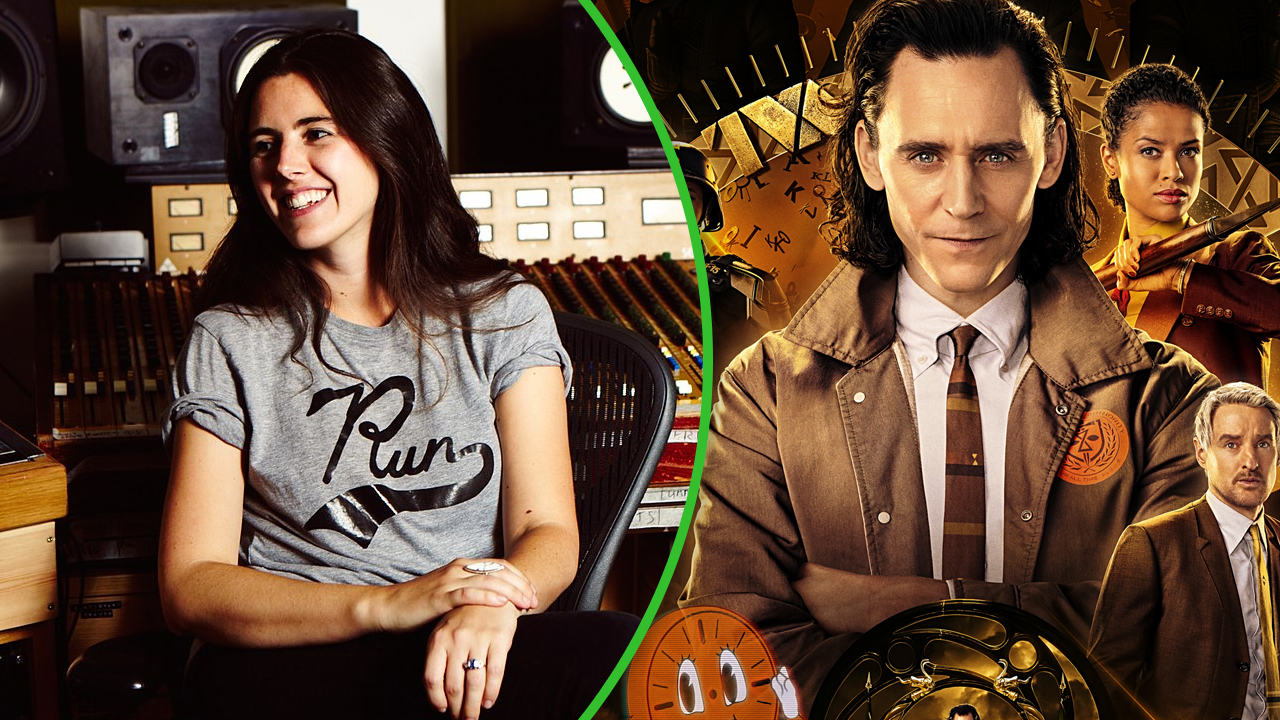
    Loki is made up of a lot of incredible things – the writing, acting, world-building, production design, costume, cinematography – but not the least of which is Natalie Holt‘s distinct music. Holt’s kooky take on Marvel’s usually grandiose sonic palette has been the talking point among fans for many weeks now. The score is easily the best of three Marvel Disney+ shows; an alchemic concoction of Norwegian tradition, analog synthesizers, and operatic Wagnerian motifs. I had the privilege of interviewing Holt this week and we got to talk about her process behind the show and her mischievous TV appearance on Britain’s Got Talent.

    Despite the music being so tightly weaved, the production process was anything but as COVID forced Holt to just work remotely on the project alongside everyone else. Even crazier is the fact that she still hasn’t met any of her collaborators to this day. When asked about what the process was like, she had this to say:

    It was sad. I wish I could have been in the room with everyone, especially with the orchestra. I would have loved to sit there, watch, and feel the vibe of the room. We had music meetings every Wednesday for six months. I feel like I got to know the entire Marvel music team yet I’ve never met them until now. It’s weird how Zoom could still facilitate those creative collaborations. 

    Tom Hiddleston‘s unique take on the God of Mischief is so built into the character’s DNA that it’s no surprise Holt looked to the actor to get an understanding of how to approach creating a brand new musical theme for him. Despite having a short window to get it done, the process for Holt seemed fortuitous as she quickly had a grasp on what to do and given how Marvel quickly jumped on board with her ideas.

    I read the script and I had seen all those films anyway so I had an idea of how Tom played the character. I’m very much inspired by his over-the-top grand theatrical performances. I literally came up with that theme for him in the pitch to get the job. So that was there right from the beginning and then all the other themes like the TVA and Mobius theme came later on. 

    I got the job and had a month when Kate Herron got back from filming the show but I hadn’t started working on the show. I had just spent all this time coming up with this suite of themes. But everyone approved that suite fairly quickly. Everyone was on board with the direction I wanted to take.

    As far as external influences go, Holt cites A Clockwork Orange and some classical pieces as being crucial in figuring out which approach to take with the God of Mischief.

    And like I said, the way Tom Hiddleston performs and the theme I made for him is somewhat rooted in the classical tradition like Ride of the Valkyries. I wanted to put something in there that made you think of those big classical works. I was playing around with Mozart-inspired licks.

    The Loki score is rife with an array of sounds, ranging from traditional Norwegian instruments to analog synthesizers. Holt also talked about she came about choosing certain instruments.

    It was instinctive, I guess. I had this sound in my head and it was a matter of finding my way there. I heard those Norwegian folk instruments in a concert a few years ago but I had that sound always in the back of my mind. They’re sort of like a string instrument but they’ve got this magical, mystical sound that seemed to go really well with Loki’s past with his mother and yearning. I also never wanted to play it straight like, “Oh here’s a piece of basic orchestral music.” It had always had to have a twist for me. 

    Like all MCU properties, there’s a hefty amount of callbacks and references to previous films in Loki. Holt shed some light as to how they revisited some of the more familiar musical motifs and how supportive Marvel was with her unique vision.

    There are a couple of scenes like when Loki wakes up in the Ep. 4 credits. That was Alan Silvestri piece that was in the temp. We all liked it very much that we used it as the basis. And then you have the beginning in New York, that’s also Alan Silvestri. It was in the temp and it worked so well. It was so cool to segue from Alan into our world. I had Alan Silvestri stems and I got to blend that into my piece. He’s a legend. 

    But there wasn’t any, “You need to continue the Marvel legacy.” It was just like, “Do whatever you want and make it as unique as you can.” That was really freeing and amazing.

    And lastly, I got to ask her about the incident she was involved in several years ago where she pelted Simon Cowell with eggs on-air during a taping of Britain’s Got Talent. She was gracious enough to humor my question and said this about her initial worry that she would no longer have a career after the incident.

    I don’t what I expected [laughs]. Like Loki, we all do mischievous things while we’re younger. I’m glad it didn’t affect my career and that I’m able to work. I think my career hasn’t been derailed that much.

    Apart from Loki, Holt has an upcoming Netflix film she scored titled Fever Dream, which comes out later this year.

  • James Gunn Declares ‘WandaVision’ As The “First MCU” Show

    James Gunn Declares ‘WandaVision’ As The “First MCU” Show

    There has been a lot of discussion surrounding the canonicity of Agents of SHIELD, Agent Carter, or even the Netflix series. Loki added the concept of the Sacred Timeline into the Marvel Cinematic Universe that may have put Marvel TV’s shows in a strange limbo. No one openly wants to confirm or deny their connection to the overarching stories developed by Marvel Studios. Early seasons of SHIELD had some strong connections to overarching events in the films but started to distance themselves as the story continued to unfold. The first film acknowledgment of a series was James D’Arcy‘s return as Edwin Jarvis in Avengers: Endgame. Well, James Gunn took to Twitter discussing MCU actors that appeared in DCEU projects and vice-versa. In it, he also made a clear statement regarding the former Marvel TV series.

    https://twitter.com/JamesGunn/status/1410677884390236160

    He also went on to clarify that there wasn’t as much communication between Marvel TV and Marvel Studios as we thought. There were implications they got some of the older assets to recreate iconic locations such as the Triskellion. Well, Gunn states that there wasn’t any coordination between the two companies.

    https://twitter.com/JamesGunn/status/1410764308712022018

    We do know there was some communication regarding events, as Agents of SHIELD did tie its release around Captain America: The Winter Soldier‘s twist. The big difference is that the mentioned WandaVision series was not only produced in its entirety by Marvel Studios, but it is also part of their complete roadmap. While story elements connected to the films, they didn’t build upon any from the series like how Doctor Strange in the Multiverse of Madness will continue Wanda’s story from her Disney+ series. There was still no reference to the newly formed spy organization at the tail-end of SHIELD‘s final season. Of course, it doesn’t mean the story could never be part of the MCU. There is still the likelihood of Marvel TV’s old series acting as part of the multiverse that is independent of the rest. Of course, Kevin Feige and his team could surprise us and add more elements from the shows in the near future that pay tribute to the Marvel TV projects but add their own spin.

    Source: Twitter (MCU), Twitter (Coordination)

  • ‘Loki’ Creator Further Calls into Question the Canon Status of ‘Agents of SHIELD’

    ‘Loki’ Creator Further Calls into Question the Canon Status of ‘Agents of SHIELD’

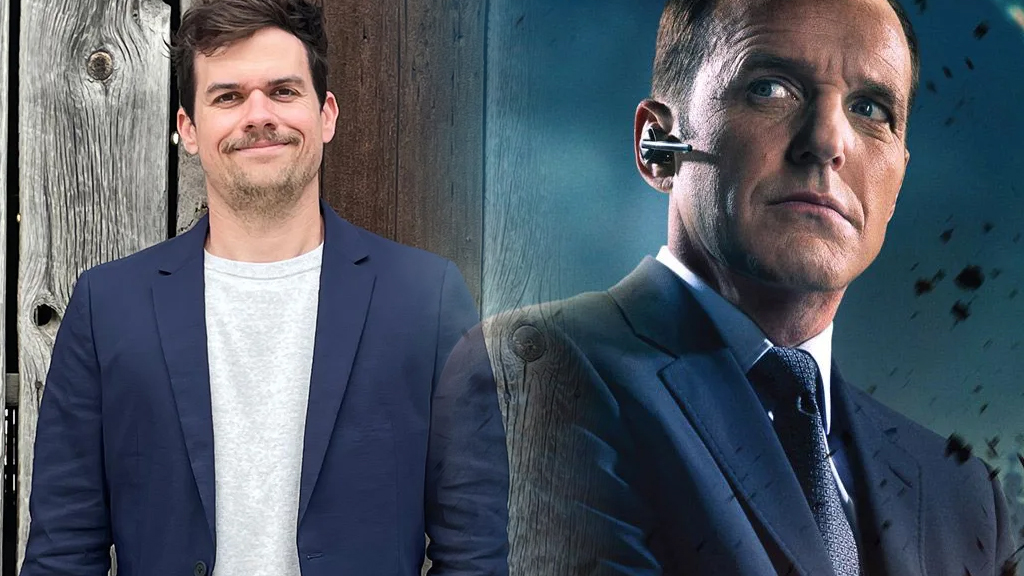
    Ever since Marvel Studios merged with Marvel TV with their Disney+ venture, we’ve all been keeping an eye out for clues about the canonicity of the ABC and Netflix series. Now that the franchise is venturing into the multiverse with Doctor Strange and the Multiverse of Madness, it could get even more complicated. All eyes were on the latest series heading to Disney+, Loki, to offer some kind of details on how it may fit into the ever-growing Marvel Cinematic Universe. When the first episode showcased the iconic sequence of Phil Coulson inspiring the Avengers, it seemed like the perfect opportunity to allude to his resurrection in Agents of SHIELD. In an interview with Fandom, the show’s head writer Michael Waldron offered a statement on its absence:

    No, look, that is one other tendril of the multiverse, perhaps. I think just seeing mention of Coulson again, the very fact that it raises those questions, is exciting.

    Now, he seems to kind of confirm that whatever happened in the series might be part of a different multiverse. Yet, as we theorized a few days ago, the first episode introduces us to the Sacred Timeline that exists to prevent another multiversal war. So, it technically doesn’t yet exist because neither does the multiverse. So, it currently wouldn’t be canon but will once the Sacred timeline starts falling apart. Waldron is also the writer of the upcoming Doctor Strange sequel which will explore the fallout of those events.

    Hopefully, when that happens, we also get a visual reference to it in the series, as they might tease the different timelines that might also connect directly into What If. We could get a brief cameo of the resurrected SHIELD from the last season’s finale, or maybe Coulson alongside Chloe Bennet‘s Daisy Johnson. Whatever they decide to do, here’s hoping the picture becomes clearer as the multiverse expands.

    Source: Fandom

  • REVIEW: ‘Loki’ Breathes New Life Into The God of Mischief In The Best Ways

    REVIEW: ‘Loki’ Breathes New Life Into The God of Mischief In The Best Ways

    A year ago, I would’ve told you that Loki was in the bottom rung of all the stuff Marvel was slated to do. At the time of the show’s announcement in 2018, we already saw the character die thrice (!!!), only for him to show up in subsequent films beyond those deaths. “Just how many more times do we have to see Loki run the same game all over again?” said 2020 me who didn’t know better. But then the first trailer of the show came out during Disney’s Investors Day conference last December, which gave a convincing argument that this show was going to be weird and bonkers. Having now seen the first two episodes, I’ve never been happier to eat those words I uttered last year because the show absolutely destroys. 

    That’s because Kevin Feige, Michael Waldron, and Kate Herron have found new engaging ways to give more mileage to this decade-old MCU character. Mileage that will likely last the character more than many lifetimes in the MCU. This kind of longevity feels organic and untrodden for the God of Mischief himself. Not only that, the show introduces a concept that is so outrageous within the current confines of the MCU, that it almost breaks it in the best way possible. Everything you understand about the MCU will radically change after you watch these episodes. 

    The way the show treats the titular character is unlike that of what we’ve seen. While previous Loki appearances had the God of Mischief stopping at nothing in his pursuit of glory, the show exposes him for the jobber he truly is. In the world of wrestling, he’s the guy that has to lose to crown the new WWE champion. As the fates would have it, Loki isn’t destined to win; he’s born to lose. He’s only around to make people around look better and the show brilliantly forces him to come to terms with this harsh truth. For a character that’s been nothing but a sore loser and winner, there’s nothing more compelling than seeing him get humbled.

    This character turn, unsurprisingly, gives Tom Hiddleston more range for him to be the best version of Loki we’ve ever seen.  He gets to tap into that maliciousness we saw from the first Avengers film and the bumbling brattiness he gave the character in Thor: Ragnarok while bringing a new layer of weariness for the character. Hiddleston is absolutely on fire as this version of Loki. There are big emotional moments for the character in the first episode where he gets to really flex those acting chops. More than Chris Hemsworth and any other MCU star, Hiddleston might be the MCU’s greatest casting discovery to date. 

    What makes Hiddleston better this time around is that he has Owen Wilson to bounce off from. Wilson plays Mobius, an obscure character from the comics that works for the Time Variance Authority. Wilson is very much playing an Owen Wilson character here and I don’t mean that as a dig: Wilson’s quirks as an actor work so well against Hiddleston’s highbrow Shakespearean energy. You have Loki, whose thing is being grandiose and boisterous and then you have Mobius, who is just some dude trying to finish his 9-to-5 job. What’s also great about Mobius is that he’s one of the few in Loki’s orbit that is actually several steps ahead. This dynamic leads to some very fun interactions between the two; Loki is second fiddle next to Mobius and he can’t stand it. The two almost have a Jim-Dwight chemistry that almost seems unthinkable when you think about a character like Loki. Again, it goes back to the creators of this show finding engaging ways to keep you on board. People will adore the tandem these two have. 

    And then you have TVA, the most bizarre organization to make the MCU to date. Essentially, they are the timeline police. You stray from your predetermined path in the timeline and then they arrest you. The show does a fantastic job in explaining how they operate via an animated educational video akin to Jurassic Park. What intrigues me about the TVA is the larger implications the organization has for the MCU. There are some absolutely bonkers allusions to Secret Wars and Infinity Stones in the show. The TVA as the most powerful ruling order in the MCU’s plane of existence is going to lead to some crazy stuff moving forward. 

    Apart from being immensely powerful, what really makes the TVA such a bizarre organization is the way the whole thing is packaged. The set design is so striking; a mix between retro 70’s analog and old school sci-fi. Every nook and cranny of the TVA feels very lived-in. Every single thing about the set feels like the polar opposite from what we got in The Falcon and the Winter Soldier, where they literally had to use the same set over and over again. The people that inhabit the TVA rival those that live in Sakaar; just a bunch of totally lovable weirdos that steal each scene they’re in. 

    Visually, it’s the first Marvel Disney+ show to actually look truly cinematic. That’s not to say the two Marvel shows that came before this were visually bad. The VFX shots of those shows were astounding and even surpass some of the biggest movies. But beyond those expensive sequences, there are a chunk of scenes in Wandavision and, especially, The Falcon and the Winter Soldier that fall short from looking like a movie. As great as Sam’s big monologue was in the finale, that whole moment looked like an episode of Jessica Jones. Loki is the first one of the bunch to feel like a movie. 

    If WandaVision was Marvel’s attempt at doing an experimental sitcom and The Falcon and the Winter Soldier a return to their blockbuster form, Loki is them taking a stab at a Fincher-esque investigative crime thriller. You’ve probably heard of the premise by now: someone is causing all these problems in the sacred timeline and the TVA needs Loki’s help to hunt them down. The show gets the spirit of investigative thrillers correct.  It’s eerie and atmospheric at times. The investigative aspect feels very engaging. It’s not quite a whodunnit as the show is quick to give away who they’re after but the hows and whats within the confines of the TVA’s crazy world is what makes it interesting.

    The only thing I’m mixed on is how some of the mechanics of time travel are presented. Like Endgame, it’s simplified enough for you to buy it at face value until you actually start thinking of the nuances. Some of it will eat at audiences if they don’t ever clarify it. But the fact that the show is taking big swings in doing their own twist with time travel is pretty cool. The introduction of the Time Keepers results in the prevalent theme of predestination and fate; whether or not we’re actually in control of our decisions or if some cabal of time gods have it all planned out. It’s nothing we haven’t seen but when applied to a character like Loki, it becomes way more interesting to explore. The stuff they seed for his arc is gonna have some crazy payoffs by the time the finale hits. 

    Having seen only two episodes, it’s too early to definitively say where Loki stands among the Marvel shows. But if the rest of the season keeps up with what Episode 1 and 2 does, we might have the best one yet. Loki may not ever rule Midgard or Asgard but he may be poised to rule the Disney+ platform if all goes well. 


  • EXCLUSIVE: ‘Loki’ Season 1 Will Be a Standalone Season

    EXCLUSIVE: ‘Loki’ Season 1 Will Be a Standalone Season

    There has been one major rumor circling the Disney+ series Loki. Okay, there are quite a few but one of the standouts was the potential of it receiving a second season. Almost a year ago, there seemed to be rumblings of it happening, but we never got any confirmation. There was the report that head writer Michael Waldron signed up a deal with Disney that included his work on Kevin Feige‘s untitled Star Wars film. It also confirmed a reference to a potential second season. Charles Murphy got a chance to ask Waldron if he could say anything on the rumors, but he swiftly played coy on the fact but did tease that the upcoming season will tell a complete story.

    It was really always my hope and intention with this to tell a complete story with this season. Season 1 would stand on its own and, you know, is there more story to tell in the future? I don’t know, time will tell.

    There are a lot of hints that there is something happening and we hope to see a lot more TVA in the future of the Marvel Cinematic Universe. Waldron also teased the potential of a Secret Wars connection. So, even if they don’t move forward with Loki, there is always a chance that they explore another Variant of a popular Marvel character. There are a lot of creative ways to utilize this simple premise and continue building upon the TVA mythology we can expect from the upcoming series. Now that they are opening up the rest of the multiverse, it feels like there is no more limit to what stories they may tell.

  • EXCLUSIVE: There May Be A ‘Secret Wars’ Connection in ‘Loki’, Says Head Writer Michael Waldron

    EXCLUSIVE: There May Be A ‘Secret Wars’ Connection in ‘Loki’, Says Head Writer Michael Waldron

    It’s been a long break since the finale of Falcon and the Winter Soldier aired on Disney+. Now, we are just a few days away from the first episode of Marvel Studios’ next venture airs on the streaming platform with the return of Tom Hiddleston’s Loki. The series will take place after the events of Avengers: Endgame. Our favorite team of heroes accidentally let a version of Loki escape his fate when he got his hands on the Tessaract. To keep the timeline safe, he gets captured by the Time Variance Authority and will journey off into a brand new adventure.

    Our very own Charles Murphy got a chance to sit down with head writer Michael Waldron to discuss the Disney+ show. Murphy asked if an animated sequence that details the TVA’s history, a previous “multiversal war” and the potential for altered timelines to create more multiversal conflicts might tease a connection to the famous Marvel storyline Secret Wars possibly being adapted for the MCU. Waldron had the following to say:

    We’ll see. You’ll probably know, as well as I do, not everything is just in there. If the purpose of that whole thing was to just indoctrinate the audience and everything. Yeah, we’ll see how this plays out in the MCU moving forward.

    Of course, he doesn’t outright confirm anything but the inclusion certainly seems intentional. Ever since Endgame was released, Secret Wars seemed like the perfect follow-up event. We’ve already witnessed Thanos snapping half the world out of existence and our heroes travel through time. So, the next major event would need to top even that and it seemed like a natural fit with all these multiversal stories that they would collide at one point. We cannot wait to see where the future of the Marvel Cinematic Universe is heading.

  • Exclusive: ‘ECHO’, ‘IRONHEART’ Set 2022 Production Dates

    Exclusive: ‘ECHO’, ‘IRONHEART’ Set 2022 Production Dates

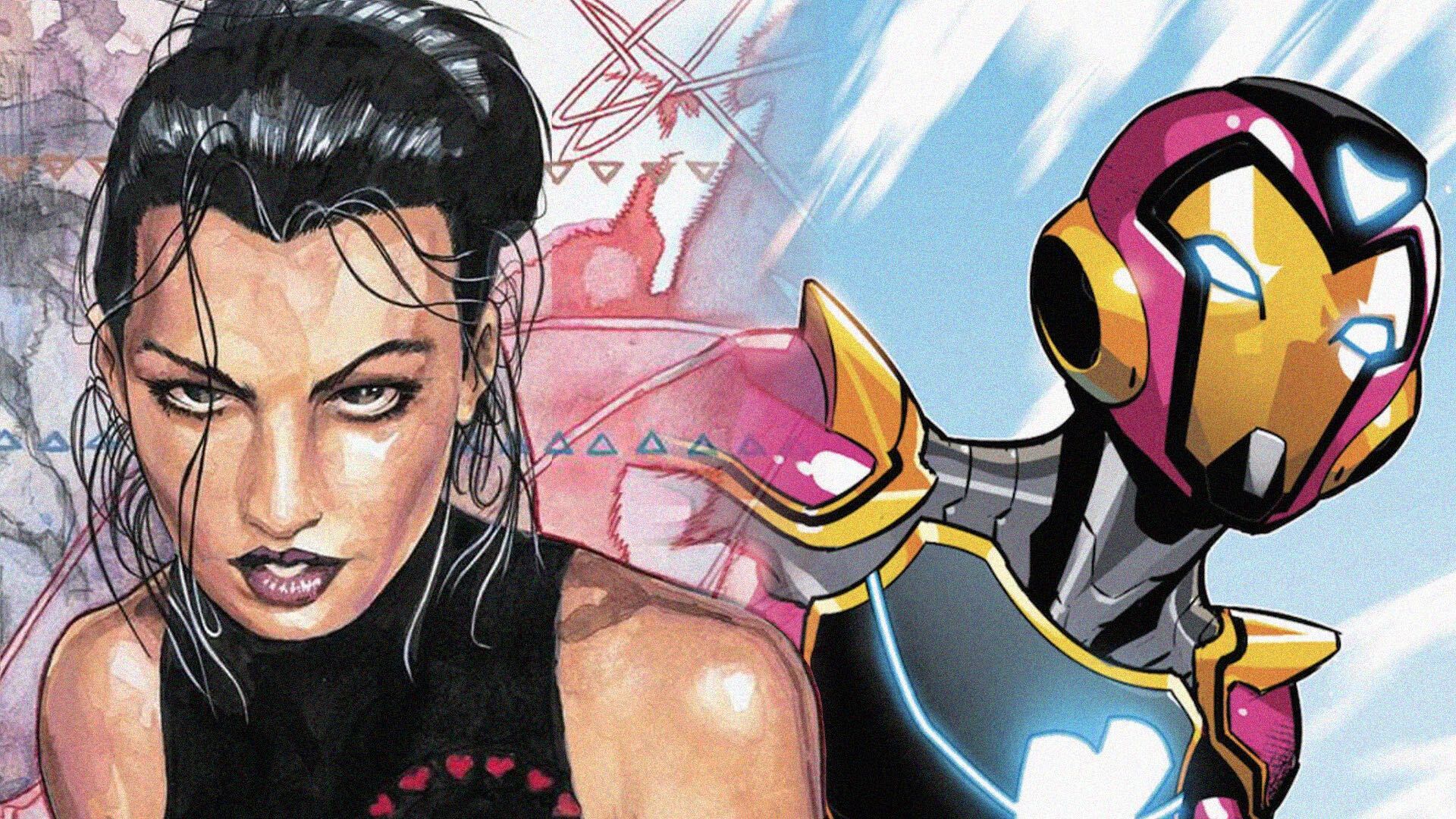
    Marvel Studios has set 2022 production start dates for a pair of Disney Plus streaming series, one of which may come as a bit of surprise to fans. We are hearing that Echo is currently set for a January 2022 start of production and will be followed up in April by Ironheart.

    Echo will continue to story of Maya Lopez, played by Alaqua Cox, that will begin when Hawkeye debuts later this year in Hawkeye. Despite being described by Variety as being in “early development” just last March, it appears that the series has been fast-tracked and could crack Marvel Studios 2022 streaming lineup.

    Ironheart, announced at December’s Disney Investor Day, will star Dominque Thorne as Riri Williams and recently gained a head writer in Chinaka Hodge. The currently scheduled April start of production would give the writers’ room just about one year to adapt Williams to the MCU. 

    As with any production dates, particularly ones this early on, things can change. Still, it’s exciting to continue to see movement on these projects and what the next phase of Disney+ Marvel shows will include. It’s especially exciting considering Cox is getting an opportunity to break many barriers in her role as Lopez. Marvel and Disney must have been quite impressed with what they saw in Hawkeye to greenlight a solo series so quickly.

  • ‘M.O.D.O.K.’: The Best Marvel TV Show Since ‘Daredevil’

    ‘M.O.D.O.K.’: The Best Marvel TV Show Since ‘Daredevil’

    It’s easy to forget that the Marvel brand isn’t as monolithic as we want it to be. It’s an enterprise that’s asymmetrical as they can come, with gear and chains that function unevenly and whose inner metrics are widely disparate from each other. The Marvel films may be Hollywood’s biggest commercial success for several years in a row, but Marvel Comics still struggles to keep their books selling. The Avengers brand is beloved worldwide, but a video game starring these billion characters was received coldly by the gaming market last year. Despite being in the same lucrative sandbox, Marvel Television and Marvel Animation have somewhat struggled to consistently churn out quality stuff that rivaled the famous films. It’s not always smooth sailing for some of the Marvel folk living in the era of Marvel domination.

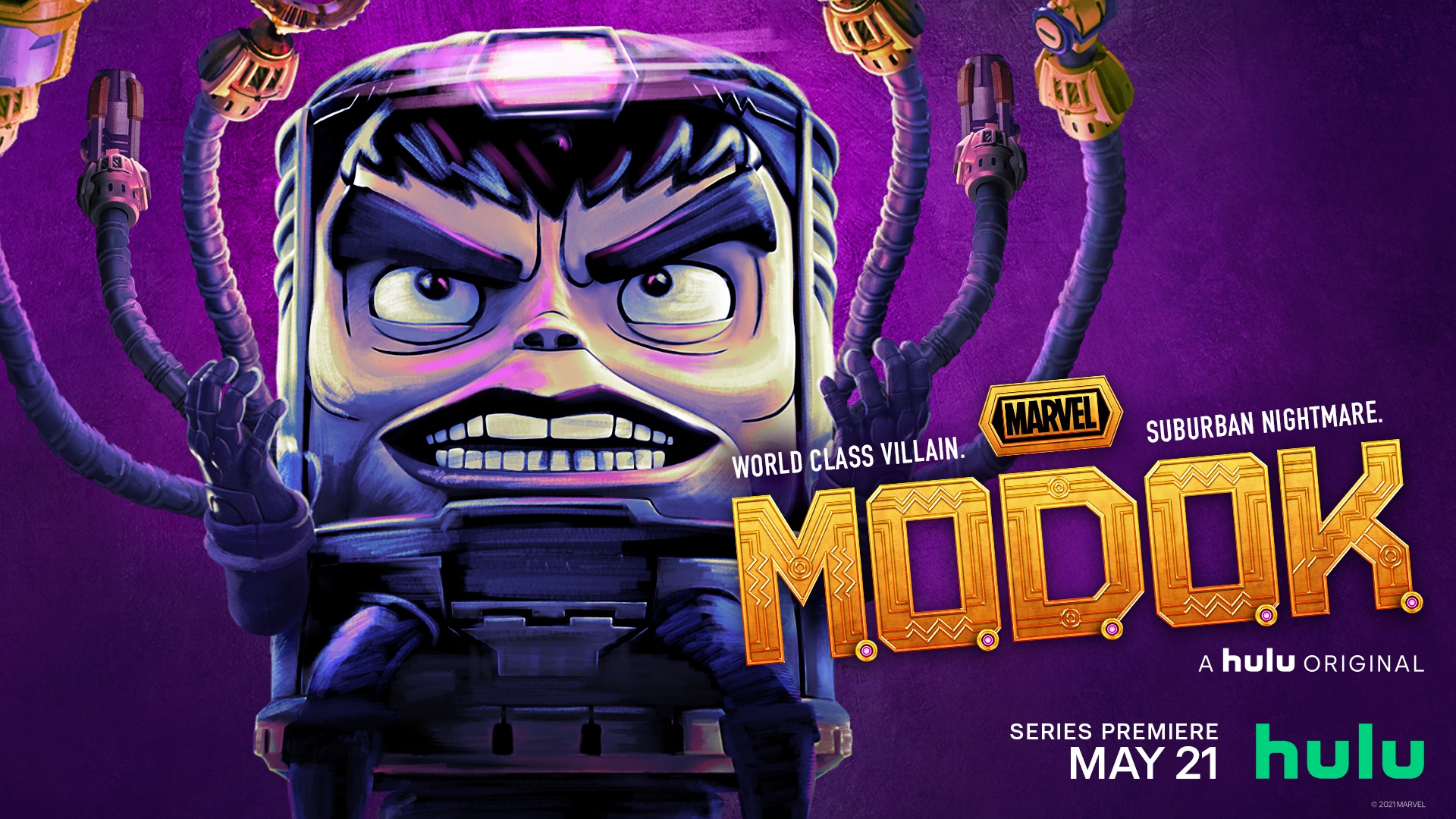
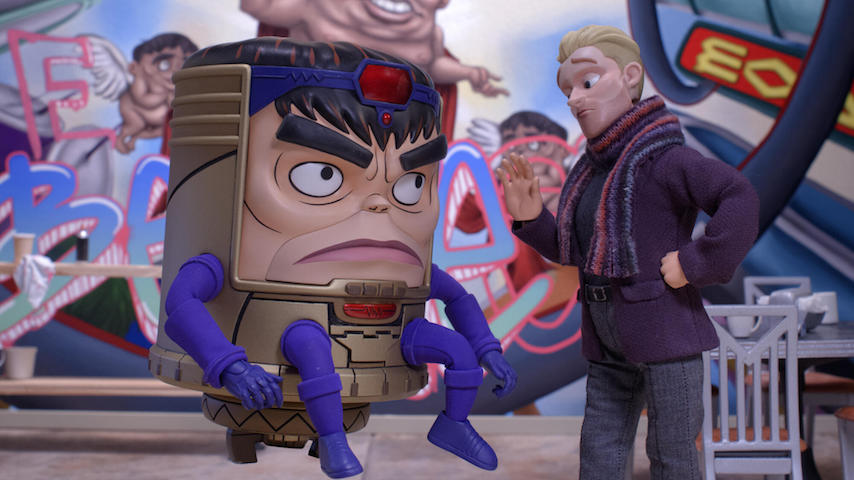
    This brings us to MODOK, an upcoming show from the underdog divisions that truly stands out in a Marvel era dominated and dictated by the Marvel Cinematic Universe. The show absolutely rules, which coming from someone who has spoken ill things about the output from Marvel Television multiple times on record, is saying something. Granted, a lot of the stuff that frustrated me with Marvel TV was rooted in their less-is-more/grounded approach to what should be imaginative genre storytelling. MODOK is absolutely untethered from all that nonsense. A boisterous explosion of everything that makes the Marvel Universe truly fun. 


    Marvel's MODOK Trailer and Release Date Revealed by Hulu - Paste


    Despite growing up in the era where Adult Swim blew up, I never really got into its network programming. It might have been too eccentric for my normie teenage self at the time. So, Seth McFarlane’s work is what I leaned towards for my adult humor. Seeing a Marvel property go the way of Robot Chicken, a self-referential, parodying, manic, stop-motion bonanza is a totally novel thing for the normie in me and I dig it because it works so damn well with a character like MODOK. This wouldn’t work elsewhere with, say, a property like Squadron Supreme.  

    MODOK is one of the most absurd characters in the Marvel universe. That the character has had a staying power this long in the lore, while his equally wacky cohorts such as Paste Pot Pete or Big Wheel disappear into obscurity, is practically a miracle. In the comics, MODOK is this mad scientist who mutates himself into this big-headed glob of a being. He’s a primary figure in the evil scientific alliance AIM and has gone on to fight the likes of Hulk and the Avengers. So he’s a heavy-hitter as far as being a looming big bad in the Marvel Universe. 

    The show takes this premise and totally craps on it in the best way possible. It’s clear how Patton Oswald and Jordan Blum are aware of how ludicrous MODOK is given the lengths they go to just to crank it up to 11. The first episode sets up the idea that this floating head, who has a day job trying to destroy the planet and fighting Earth’s Mightiest Heroes, has a home life he needs to attend to nightly. He has a human wife and son, and a daughter who looks exactly like him for no good reason. On top of all that, they have the flamboyant Super Adaptoid living with them, who they treat as the Meg Griffin of the family. And that’s just the tip of the iceberg.

    I cannot count the times I laughed hard at the stuff they explore in the episodes. There’s an episode about MODOK wanting to time travel to a Third Eye Blind concert to appease his wife. In another one, MODOK dumps his trash via a portal on Asgard. Hell, there is even an episode that showcases some of the most Z-list villains planning to steal Captain America’s shield. All those things, of course, cascade into the dumbest antics a supervillain can get themselves into

    This kind of self-awareness is key to a premise like this. Playing it straight is absolutely the wrong way to go. This is actually a gripe I have with the Avengers game that treats MODOK with the utmost seriousness. As great as that final boss fight is, there’s just something drab about a poker-faced take on the character. The man is a maniacal head that floats on a toilet and has T-rex arms. I don’t wanna see what that would feel like in a plausible reality. I wanna see MODOK deal with the true threat of not being able to stand up when he falls on his round back like a turtle. 

    So if you’re precious and uppity about the sanctity of your comics, everything that makes MODOK great might be a dealbreaker for you. This show doesn’t hold back. It’ll poke fun at everything; from its own characters to the source material. But that doesn’t mean the show thinks comics stink. There’s a reverence to the way the show is irreverent towards the trove of inspiration it draws from. It truly feels like a love letter to comics and it stems from Oswalt and Blum’s adoration for it. Sure, it craps on so much of it but it’s really done in an endearing way that’s never mean-spirited about the material or the people who love it.


    Marvel's MODOK Trailer Shows New Hulu Comedy | Marijuanapy The World News


    Easily the most evident way of expressing their admiration for the source material is the buffet of character cameos they pull from their disposal. Seriously, this show is like Super Smash Bros. but for characters that were left behind in the bargain bin of Marvel’s canon. And that’s not a bad thing at all. If anything, it’s an incredible showcase of just how rich Marvel’s villain roster is. There are bonkers cameos from characters that you didn’t even know existed in the canon. The fact that MODOK actually puts these characters in the forefront for people to enjoy is something to commend. Where else will I see Master Pandemonium host his own talk show? 

    The show wonderfully offsets all the craziness with some surprisingly real human character arcs. Never did I expect to be moved by the marital problems of a floating head or a child coping through a divorce but here we are. It’s incredible how the show manages to hone in on a lot of understated character work while treating its world with little to no regard. There are moments of tenderness in the show that make the experience. Doesn’t matter if it is MODOK doing his best to make sure his son doesn’t end up on the loser’s side of life like he is, or when he wrestles between his family’s happiness and his conflicting sense of purpose. 


    Hulu Releases New Marvel's MODOK Clip | LaptrinhX / News


    A lot of the character work is done justice by a murderer’s row of voice talent. Oswalt is pitch-perfect as MODOK that it almost seems criminal to cast someone else in a live-action iteration. There’s a moment in the season where the show hilariously and brilliantly alludes to this too. MODOK’s family is voiced fabulously. Melissa Fumero of Brooklyn Nine-Nine fame plays his daughter, who by virtue of his gene in her, is the queen bee of her high school. She is fantastic here and goes against the Amy Santiago-type by being a mean yet lovable heel for once. 

    Aimee Garcia is MODOK’s wife, Jodie, who’s somewhat of a Martha Stewart retail personality in the story. I’m in awe at the mileage they got from the character. She’s in many ways the center of the season. Garcia really gets to shine by being the heart of the story and sometimes, an antagonist to her husband. Ben Schwartz plays their son Lou, who reminds me of Steve Smith from American Dad. He’s that eccentric lovable nerd that can never follow in the evil footsteps of his supervillain dad. Schwartz emanates the spirit of Jean Ralphio playing Lou Tarleton and it’s a very welcome thing to hear.

    There exists a through-line in MODOK in the form of two sinister subplots brewing within the shadows cast by the titular character’s charming stupidity. The subplots are mostly just okay. To me, it’s the weakest link of the entire season. It’s not flat-out terrible as it starts with a lot of intrigues and ties a lot of seemingly disparate plots together nicely. But as the season moves along, it gets buried in all the funnier elements of the series that by the time the subplots start falling into place, it almost feels too late. It certainly doesn’t help that the timing of when these subplots pay off in the season are sequenced oddly.  But who am I kidding? None of those weak links matter in a show that works as smoothly as MODOK. Like the megalomaniacal narcissist he is, the show revels in its strengths maniacally in the face of all its faults and is all the better for it. I’ve never had this much appreciation for a Marvel TV joint since Daredevil ended. The show is without a question, the best thing they’ve done since 2015.

  • EXCLUSIVE: ‘Falcon and the Winter Soldier’ VFX Head Talks How They Reinvented Falcon For the Show

    EXCLUSIVE: ‘Falcon and the Winter Soldier’ VFX Head Talks How They Reinvented Falcon For the Show

    The first and, maybe, the only season of Falcon and the Winter Soldier wowed audiences with its high-caliber sequences that rivaled any Marvel feature out there. It touched them with a poignant, resonant, as well as emotional story on race and purpose. We spoke to the show’s VFX supervisor Eric Leven, who gave us some insight into how the show was crafted in light of the pandemic and how some key character moments were influenced by the VFX department.

    Along with Wandavision, Falcon took the brunt of all the effects of the pandemic delays. Disney+’s Assembled documentary for the series outlined their troubles, as they had to change their shooting locations unexpectedly from Puerto Rico to Prague. It also offered insight into how the pandemic limited their scope in location scouting. Leven gave us some details on what it was like for their department to work in spite of all the delays and how it worked to their advantage.

    We actually never stopped. The VFX department never shut down. Obviously, the pandemic is terrible for everyone but for the VFX department, it was nice because we sort of rushed into production. With a lot of productions, their train is moving before all the tracks are laid down. When we stopped shooting, we were close to being done. I think we had a month to go. So when we stopped, that was a chance for us to take a step back, breathe, and think “How do we make these sequences better?” We had all the time to work that out which was nice. 

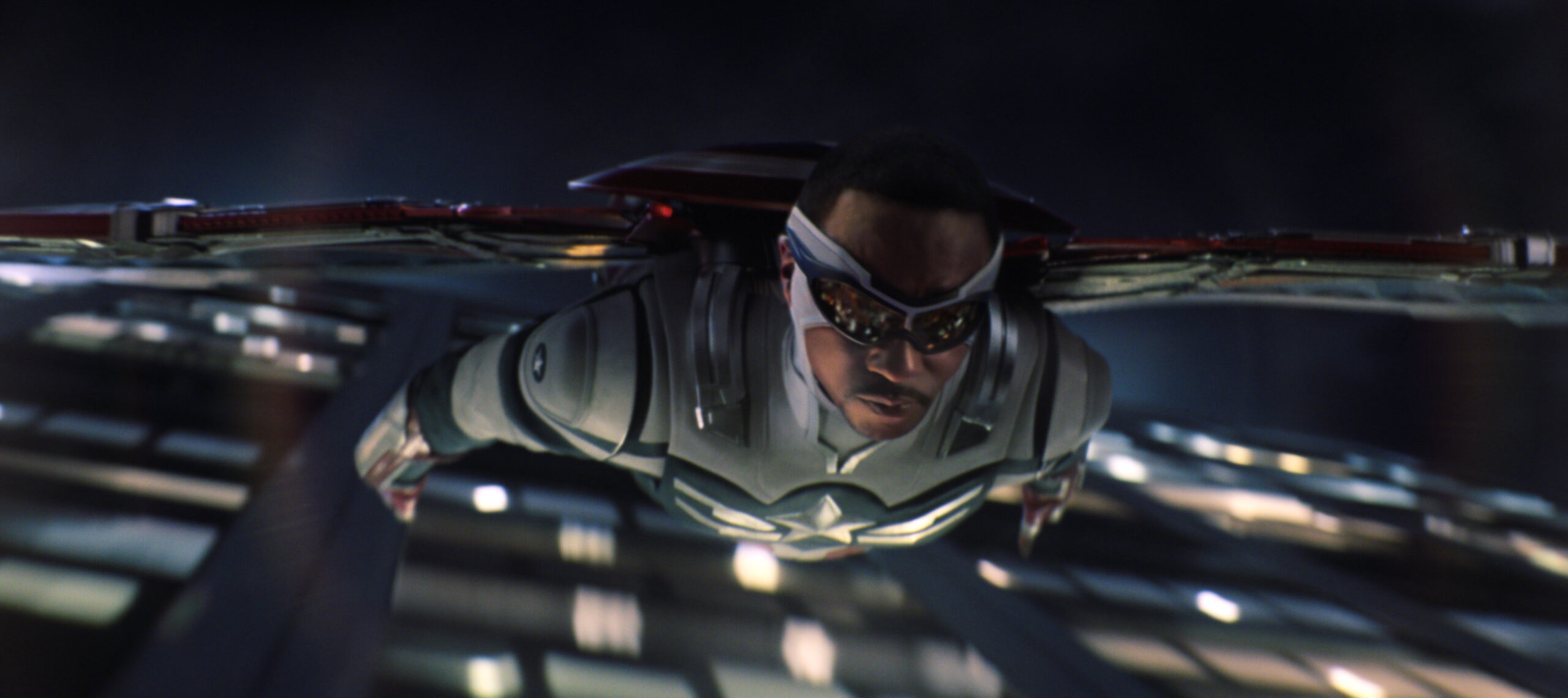
    The show didn’t just reinvent Falcon’s mantle and costume but it also changed the way he engages in combat. Now that he has the shield, Sam Wilson has an array of new abilities and tricks at his disposal. We asked Leven what the process was like in exploring his fighting style from when we first see him in the first episode to when we see him carry the shield in the finale.

    The shield was a big thing. We spent a lot of time with our pre-viz department just coming up with different ways he could be using that shield. Different poses and different things he could do with the wings. There was a lot of conversations about how active the wings were. There was a big note to make sure the wings were not too prehensile. We didn’t want them to seem like they had a life of their own. 

    One notable change was Sam Wilson’s use of firearms. All of Falcon’s previous appearances in the MCU have seen him fire a few shots from his submachine gun mounted on his wrists. Leven revealed that guns were originally supposed to be part of Sam’s arsenal in the early stages of the show but were nixed as the VFX crew was staging his sequences. It’s a very fascinating detail that a lot of people may not have noticed and one that can be interpreted as a statement of how Sam operates as Captain America now.

    I’ll tell you one of the things that came up. If you remember in all the other movies with Falcon, Falcon always has guns. The one thing we saw very quickly was, we had a pre-viz where he had the shield and he was shooting a gun over the top of it. It was just very interesting. I had a visceral reaction of, “Oh no. Captain America does not shoot guns.” So that was one of the first things to go. 

    Now, we’ve seen Steve Rogers carry a firearm along with his shield in the past. Captain America: The First Avenger showcases Steve firing a weapon multiple times all throughout while carrying the shield. Granted, it was World War 2 and every one of them had to have a sidearm but in modern-day iterations of the character, he no longer relied on it. Leven also talked about how nixing Sam’s firearm resulted in more visually interesting sequences for the character.

    In this show, Falcon never fires a weapon. He doesn’t have a sidearm and that was something that was part of the original design but we jettisoned that pretty early. One of the things I’m most proud of in this show is in the very beginning. Sam, in the script, when he approaches the wingsuit pilot he’s gonna get rid of, just pulls out his gun and shoots him. I remember talking to Zoe and Kari like, “I have a better idea that doesn’t involve him shooting this guy in cold blood. Maybe we could use it.” So that’s how we came up with the idea of him actually flying underneath him and pulling his parachute and getting that guy out of the scene. I was really happy with that.