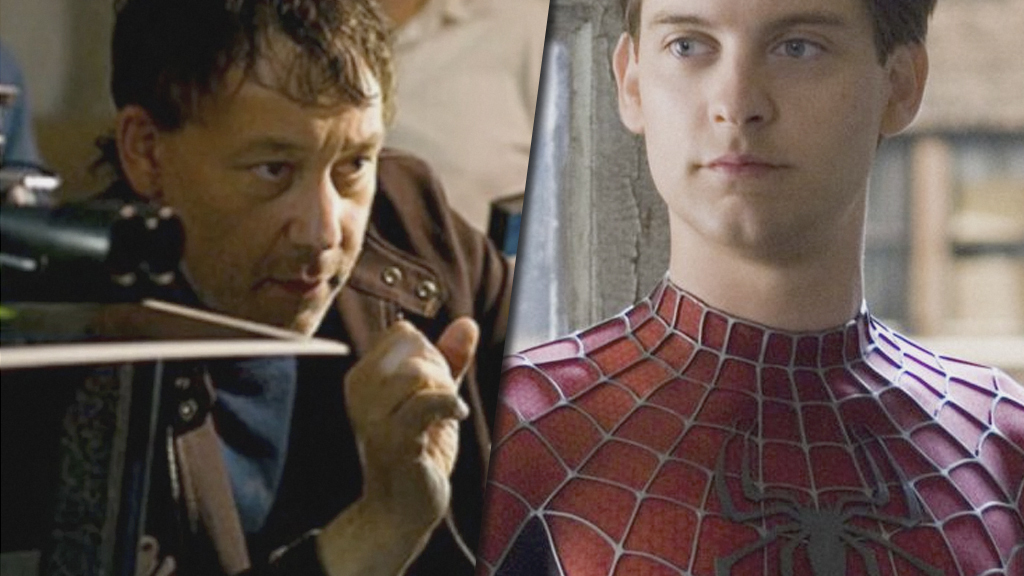
Spider-Man: No Way Home saw Tobey Maguire suit up as Spidey after a 15-year hiatus from the role. Doctor Strange in the Multiverse of Madness was helmed by director Sam Raimi, who returned to the comic book genre 15 years after his Spidey trilogy wrapped up in theaters. With both players back in the game, fans have clamoring for a reunion between the two in another Spider-Man film. According to Raimi, that possibility is NOT out of the question.
I’ve come to realize after making Doctor Strange that anything is possible, really anything in the Marvel universe, any team-ups. I love Tobey. I love Kirsten Dunst. I think all things are possible. I don’t really have a story or a plan. I don’t know if Marvel would be interested in that right now. I don’t know what their thoughts are about that. I haven’t really pursued that. But it sounds beautiful. Even if it wasn’t a Spider-Man movie, I’d love to work with Tobey again, in a different role.
Samuel M. Raimi
The prospect of the two reuniting for a fourth Spidey film is tantalizing, especially given the sour taste left in the mouths of Raimi and the fans after 2007’s Spider-Man 3. Despite the critical response to Morbius being less than pleasant, Sony seems committed to continuing to develop films with their Spider-Man characters. Perhaps a Raimi/Maguire reunion would help bring a little positivity back to their corner.
There have always been quite a few debates on Marvel Studios’ relationship with its directors. Some believed that they’ve hampered their creative visions, as there are examples like Thor: The Dark World or Edgar Wright’s original Ant-Man pitch, where there were definitely conflicting behind-the-scenes. So, some were concerned that Sam Raimi joining the Marvel Cinematic Universe’s toy box would hamper his creative vision, yet it seems the director would love to return to work with Marvel Studios.
Absolutely. It’s like the world’s best toy box to be able to play at Marvel. I’d love to come back and tell another tale, especially with the great management they’ve got there.
Sam Raimi
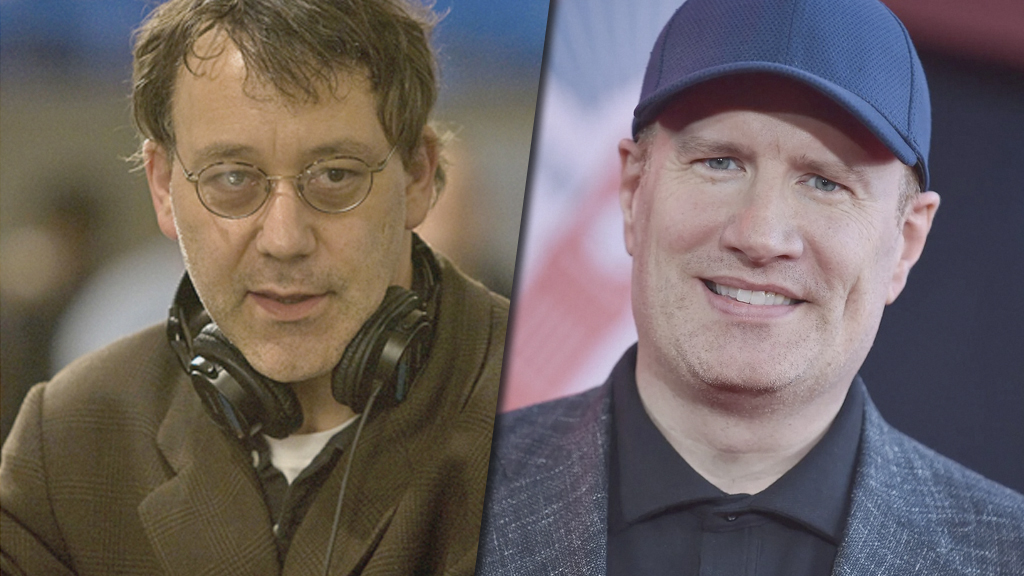
It’s certainly motivating to hear that he’s leaving this project with a positive experience with the production company. The highlight of the management is also a good sign that they were supportive throughout the production. We learned that the producers even pitch in ideas during the creative process, such as CEO Kevin Feige pitched the idea of including Kingpin in Hawkeye.
Raimi is a creative director and it would be great if he gets a chance to explore more horror elements moving forward. We have a Halloween special on the horizon. So, he might have some fun adapting a storyline based on the Midnight Sons or even further expanding their new mystical and supernatural corner of this franchise. We’re seeing more and more directors taking a stab at leaving their imprint on the MCU. So, it would be great to see more of Raimi dabble in this universe.
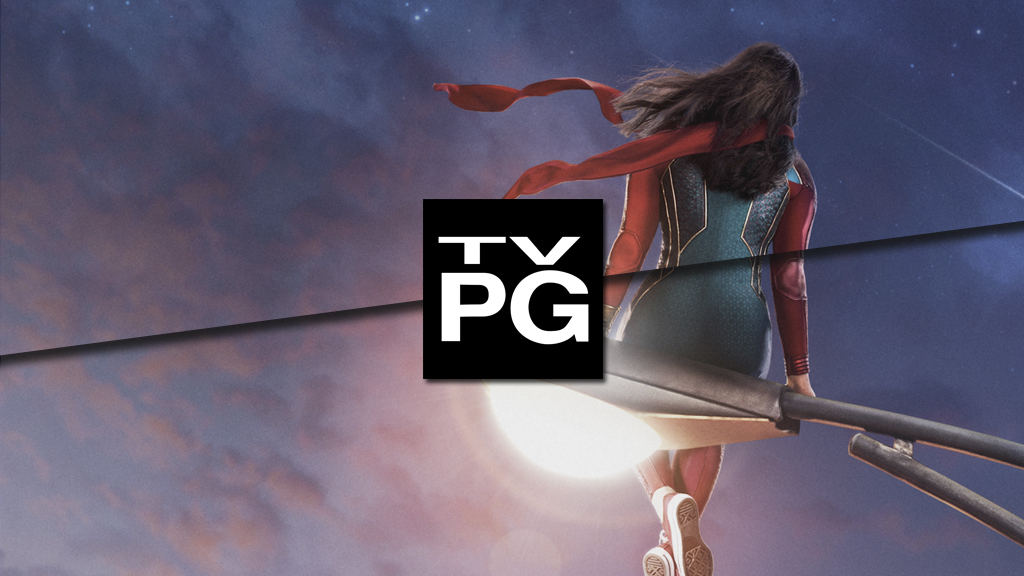
Those looking for an MCU installment that is geared to younger or more wholesome audiences are in luck. Disney+ revealed that the next MCU series, Ms. Marvel, will be rated TV-PG, making it the first time that any Marvel Studios movie or series has received a rating this low. All MCU movies to date have been rated PG-13, and every Disney+ MCU series to date has been rated TV-14, which is the television equivalent of a PG-13 rating.
Ms. Marvel recently unveiled its first trailer and set up a story focused on Iman Vellani’s Kamala Khan. It is perhaps not too surprising that a series about a teenage girl set in a high school-type setting would be the first series to nab a PG rating, though the MCU has dealt with similar ages and setting in its Tom Holland-led Spider-Man trilogy.
The battle over the streaming service’s ability to provide a family-friendly service while also showcasing its incredibly successful range of more mature properties will surely rage on. Recently, some fans spotted shots in The Falcon and the Winter Soldier that had been edited to be less violent, but Disney+ quickly retracted the altered scenes. At the very least, it does not look like Ms. Marvel will pose much of a challenge for the streaming service on that front.
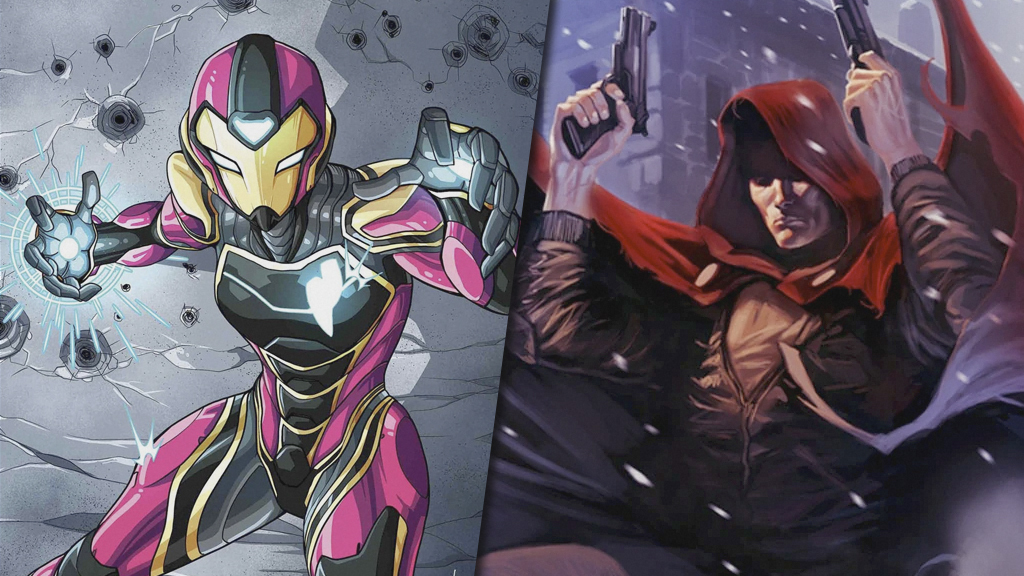
A recent casting call from POC Culture shed light on a new, supporting character to be featured in the as-yet-undated Marvel Studios Disney Plus streaming series Ironheart. The report indicated that the production is searching for a Black, Latina or Afro-Latina transgender woman between the ages of 18 and 22 to portray a character described as “smart” and “confident” with a “unique sense of humor.”
As the news made the rounds, one additional bit of information seemed to slip through the cracks just a bit and it’s information that might lend credibility to some previous rumors about the villain of the series. In early January, The Illuminerdi reported that a casting call for Ironheart might indicate that Parker Robbins, aka The Hood, could be villain of the project. That idea has been met with a heavy dose of skepticism by fans because it seems incongruous to have a mystically-enhanced villain going up against a tech-based hero. However, the recent casting call for the transgender woman included an additional description of the character that actually supports the idea of The Hood.
POC Culture’s report included among the descriptors of the character that she also had a “mystical bent.” While this is EXTREMELY vague, it does indicate that Ironheart will include at least some sort of mystical elements. And while this in no way confirms the presence of a character so steeped in mysticism as The Hood, it does raise some interesting points for discussion, not the least of which being that by putting a magic user up against Riri’s powerful tech, Marvel Studios would be going against LONG-established pillars of their stories in which the power sets of the villains match the heroes. By pitting someone like The Hood against Ironheart, Marvel Studios would give Riri a chance to truly flex her genius muscle and separate herself from her armored predecessor. So while this is by no means some sort of confirmation of The Hood, it is interesting food for thought and something to follow over the next couple of months.
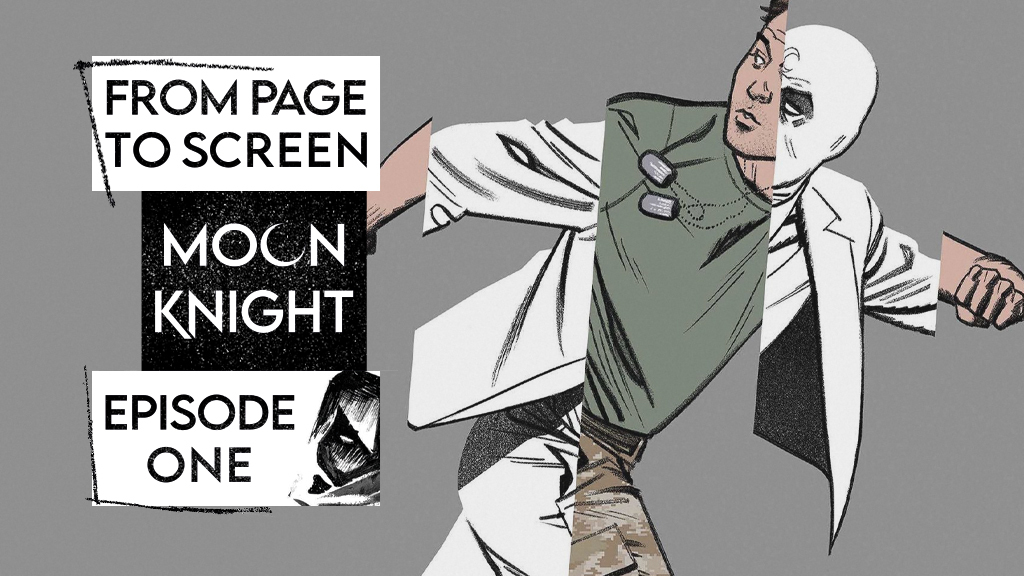
Unlike the last Marvel Studios series, Hawkeye, Moon Knight has made it pretty clear so far that the series does not draw its inspiration from any particular comic book run. While that makes it more difficult to pull any particular page or panel from the comics and compare it to the live-action series, it does give us an excuse to explore much more of Moon Knight’s comics history. The premiere episode of Moon Knight had a heavy focus on Steven Grant’s dissociative identity disorder (DID) and his discovery of Marc Spector, his alter. Here, we give a rundown of Marc Spector’s DID throughout the character’s history.
The origin of Spector’s DID was not explored until much more recently. But the first appearance of Moon Knight’s personalities came with Moon Knight #1 (1980). After Spector died under the statute of the Egyptian moon god Khonshu, he was seemingly revived. He vowed to act as the human fist of Khonshu as Moon Knight. Causally, though, it was mentioned that Marc Spector had two other personalities as well: millionaire Steven Grant and taxi driver Jake Lockley. In that first story, the caped Moon Knight persona was referred to as a combination of Spector, Grant, and Lockley, though later stories have considered Moon Knight his own personality. In Episode 1 of Moon Knight, Jake Lockley has yet to appear or be referenced. Spector has also had other identities including Mr. Knight, Captain America, Spider-Man, and Wolverine.
‘Moon Knight’ #1 (1980)
Some Moon Knight stories had a tendency to downplay the fact that Spector had multiple identities, not mention it at all, or inaccurately reference it as schizophrenia. In 2016, the Jeff Lemire and Greg Smallwood run first acknowledged that Spector’s DID manifested as a child:
‘Moon Knight’ #10 (2016)
Not too long after that, Max Bemis and Paul Davidson exposed that Spector’s DID may have been triggered by a traumatic event. Specifically, a family friend, whose real name was Ernst, was actually a Nazi and a serial killer, who brutally tortured and killed members of Spector’s Jewish community. Spector escaped, though his DID was apparently a coping mechanism to handle the trauma.
‘Moon Knight’ #194
Generally speaking, Spector, Grant, and Lockley are aware of one another. Often, particularly in Moon Knight’s early days, they worked together as a unit in order to make the whole caped vigilante deal work.
‘Moon Knight’ #189‘Moon Knight’ #195
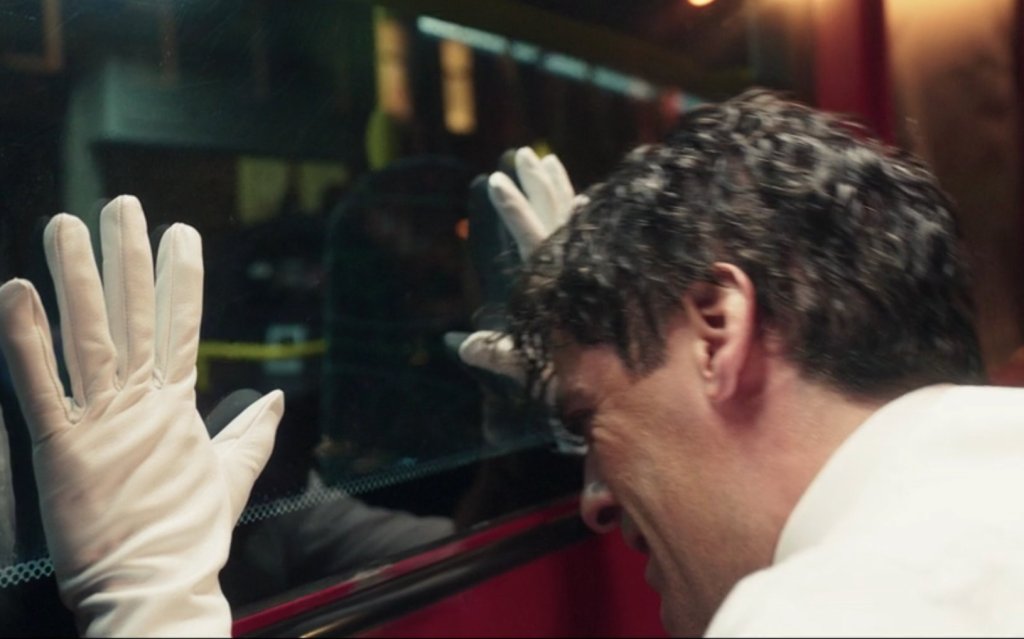
Episode 1 of Moon Knight, however, depicts a Steven Grant that has no idea Spector or Khonshu exists. A similar moment in the comics also comes from the Lemire-Smallwood run where Spector confronts his alters (or at least versions of them) in order to gain control.
Marvel Studios ‘Moon Knight’ Episode 1
‘Moon Knight’ #14 (2016)
The episode also depicts Steven blacking out when Marc takes control of his body. That also is not something that the comics Moon Knight seems to have much issue with, although there are times when certain personalities–often Marc–are intentionally suppressed for long periods. But in the Bemis-Davidson run, it’s revealed that Jake Lockley had a relationship with Marlene and fathered a child with her, and Marc was completely unaware of it.
‘Moon Knight’ #190
Marvel Studios’ ‘Moon Knight’ Episode 1
How Moon Knight will continue to explore the titular character’s DID will be interesting, to say the least. It could take on the primary focus of the series like it did for the Lemire-Smallwood run, or it could remain somewhat on the sidelines as it has for most of Moon Knight’s comic book history. For now, enjoy one of the most iconic Moon Knight pages out there:
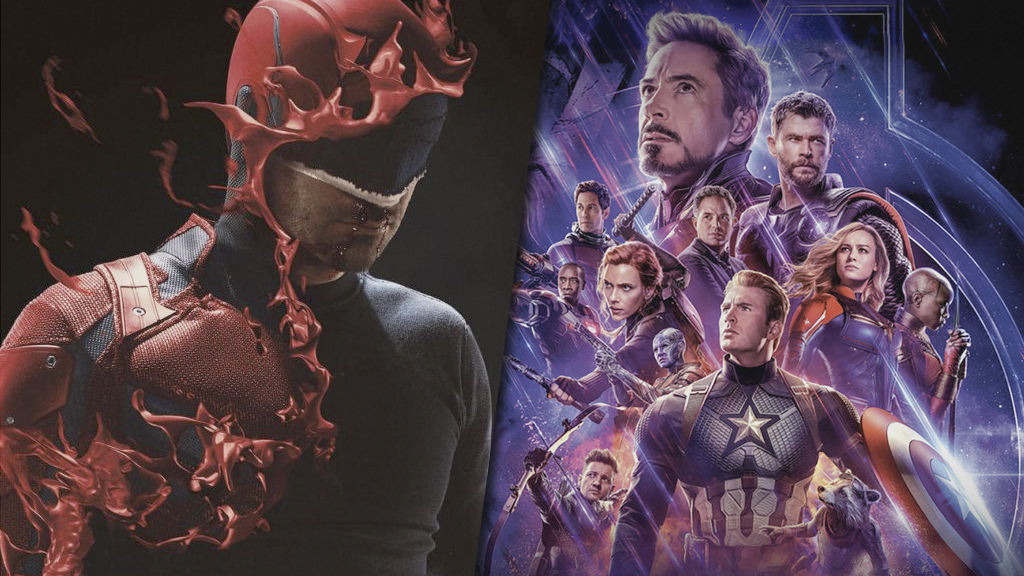
Just earlier today, we’ve reported that Marvel’s official website has added a new section called “On Screen Full Report” which details a character’s story from any adaptation. In the case of Matt Murdock’s Daredevil, everyone noticed that not only did it explore the Netflix series’ storyline for CharlieCox‘s take on the character, but even referenced that his return in Spider-Man: No Way Home took place “sometime later” after the events of Daredevil‘s Season 3. Now, the site has been updated and the MCU connection has been completely removed.
Orginally, the section had a reference to his time after Mysterio had Peter Parker’s identity outed and setting up his future return. It was swiftly followed by the mention of him, Karen and Foggy reforming their original law firm. Now, while that later bit is still included they’ve completely removed the Spider-Man: No Way Home section altogether. On the left you’ll see the original version while on the right the one missing the entire section on his time in the MCU.
It’s unclear what exactly has lead to them choosing to delete it once again, but the update and removing the MCU reference is definitely suspicious. It’s unclear why they’d change it right after publishing it, but the fact that the topic is making the rounds and the team behind it would like to avoid anyone making the connection. We’ll likely have to wait until Murdock’s return in a future project to get a better grasp on what story elements remain from the Netflix series, especially now that it has been added to Disney+.
The tradition continues that Disney+ has not only become the central hub for anything Marvel, a new tagline the advertising for the Netflix show’s additions have been strongly pushing, but also gives us a hint at where what project takes place across the Marvel Cinematic Universe timeline. With the latest addition of Moon Knight, we once again can play the game on where exactly it fits within that very Sacred Timeline and it looks like the answer was quite simple.
Just like Hawkeye before it, Moon Knight has been placed directly at the end of the timeline order. As such, it’s the newest addition to the ever-expanding franchise. So, the latest four entries also include Shang-Chi, and Eternals. Yet, we can very likely include Spider-Man: No Way Home around the same time as Hawkeye, as the series isn’t included due to Sony still holding on to the rights to that franchise.
It would be great if they added some kind of fun visualization that highlights how some of the stories may even overlap on the timeline. Technically, Loki takes place across its entirety as the Time Variance Authority doesn’t necessarily adhere to the classic timeline rules. With the multiverse expanding, who knows if they might add other “Sagas” to the overview, as who knows what the future has in store for the MCU.
Moon Knight still feels the most isolated of all projects. So, even if it has a timeline window it doesn’t necessarily have to fit that placement. Who knows if they might get a little creative in the future, as they shift some parts here or there to better fit the timeline if needed. For now, it only gives us some playroom to speculate, especially if there’s any crossover by the end of it.
Bringing Moon Knight to live-action was always a risk. Marvel Studios not only took on the task of telling the story of a lesser-known character, but it also grappled with a complex character. Perhaps most notably, Marc Spector, the person behind the caped crusader Moon Knight, has dissociative identity disorder (DID). Previously referred to as multiple personality disorder and often mislabeled and misunderstood, Spector’s DID causes him to have several distinct personalities co-existing in his mind and body.
Mental health can often be tricky subject to portray accurately or sensitively in fiction. While Moon Knight creators have apparently put in the effort to explore DID respectfully, series director Mohamed Diab says that the fiction of the show keeps it from being a truly accurate depiction of the mental health condition. In an interview with Variety, he noted:
I learned a lot, and I think everyone is going to learn a lot through the journey of the show, about DID…But I still would say that, as respectful as we were, this is not an accurate depiction of DID. We are in a supernatural world and sometimes we over-dramatize stuff.
Mohamed Diab
Diab’s quote seems entirely fair considering at the end of the day, Moon Knight is meant to be a Marvel Studios superhero show. Still, the first episode of the series already places extreme emphasis on the character’s DID, and it looks to be an integral part of Moon Knight going forward. It is positive that Diab notes that Marvel was respectful of the condition, as Moon Knight comics sometimes missed the mark historically. Fans can watch Oscar Isaac’s stunning performance as Steven Grant and Marc Spector while the Disney+ series progresses, but they should perhaps take the portrayal of DID with a grain of salt.
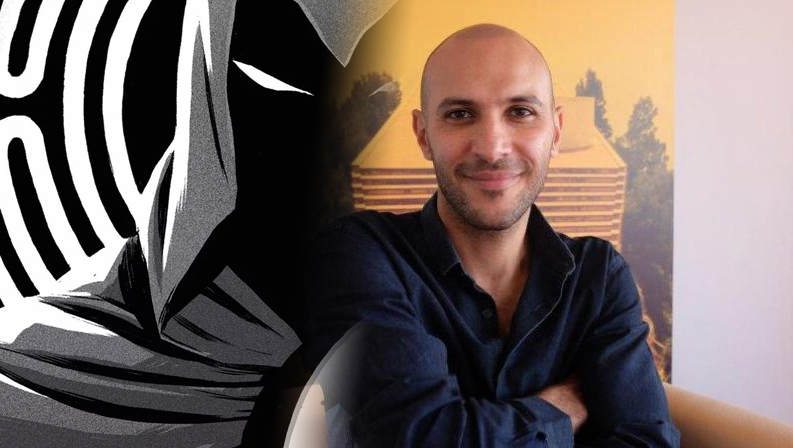
While Marvel Studios’ Moon Knight premiered only yesterday, it is already making a name for itself in terms of treading ground no other Marvel Cinematic Universe property has. The series is bringing a somewhat obscure Marvel character to live-action and is focused in part on the hefty psychological nature of Moon Knight. And despite being led by Oscar Isaac and Ethan Hawke, the characters and show are heavily influenced by Egyptian mythology, symbology, imagery, and location. Award-winning Egyptian writer and director Mohamed Diab serves as an executive producer and director for Moon Knight.
In an interview with Variety, Diab discussed the significance of being the first Arab director in the MCU:
“It was very important for me to show that I’m not here because I’m an Arab or an Egyptian…I’m here because I’m a good director. I’m here because I can tell the story better than anyone else. And if I succeeded, I might open doors for minorities around the world. I hope that happens.”
Mohamed Diab
While Diab rightfully emphasizes that his ability to bring Moon Knight to life is the reason Marvel Studios brought him aboard, he undeniably brings valuable insight to the series with respect to its portrayal of Egypt. He goes on to say:
The drama of it and the Egyptian part of it feels like an extension of everything that I’ve been doing…One of the most important things was how to depict Egypt, the present and the past, in an authentic way. Egyptians see that Hollywood always sees them in an Orientalist way. We’re always exotic. Women are submissive. Men are bad. So it was very important for me to break that.
Mohamed Diab
While the first episode of Moon Knight mostly featured Egyptian artifacts and lore rather than the country or region itself, viewers can expect to see how Diab’s vision plays out in future episodes of the Disney+ series.
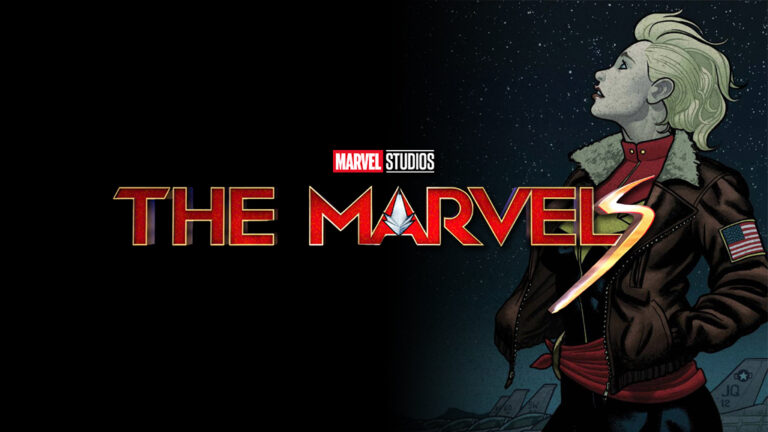
The Marvels isn’t expected in theaters for almost a year and little is known about the plot of the film, but it seems that fans can at least add another known character to their fan fiction. According to Mandy.com, a website that tracks actors and the productions they board, British actor Colin Stoneley has joined the Captain Marvel sequel.
The listing comes courtesy of One Take News and lines up with a previous casting scoop by the site. According to Mandy, Stoneley will portray a Kree scientist by the name of Pap-Tonn, who was originally described as a “Scientist friend” in the original casting call. It’s possible Pap-Tonn will work to help one of the film’s protagonists understand the origin of their powers a bit better.
Pap-Tonn continues the trend of incredibly obscure characters being used in The Marvels, allowing for Marvel Studios to reinvent them. Pap-Tonn appeared in only one Marvel Comic, Silver Surfer #8, and played a minor role there. The character joins Ael-Dan (or some version of the character) played by Zawe Ashton as minor comic characters in the film. Ashton’s character, however, is expected to have a much greater impact on the film as the primary antagonist.
The Marvels will hit theaters on February 17, 2023.
Cookie Consent
We use cookies to improve your experience on our site. By using our site, you consent to cookies.
This website uses cookies
Websites store cookies to enhance functionality and personalise your experience. You can manage your preferences, but blocking some cookies may impact site performance and services.
Essential cookies enable basic functions and are necessary for the proper function of the website.
Name
Description
Duration
Cookie Preferences
This cookie is used to store the user's cookie consent preferences.
30 days
These cookies are needed for adding comments on this website.
Name
Description
Duration
comment_author_email
Used to track the user across multiple sessions.
Session
comment_author_url
Used to track the user across multiple sessions.
Session
comment_author
Used to track the user across multiple sessions.
Session
Statistics cookies collect information anonymously. This information helps us understand how visitors use our website.
Google Analytics is a powerful tool that tracks and analyzes website traffic for informed marketing decisions.
Contains information related to marketing campaigns of the user. These are shared with Google AdWords / Google Ads when the Google Ads and Google Analytics accounts are linked together.
90 days
__utma
ID used to identify users and sessions
2 years after last activity
__utmt
Used to monitor number of Google Analytics server requests
10 minutes
__utmb
Used to distinguish new sessions and visits. This cookie is set when the GA.js javascript library is loaded and there is no existing __utmb cookie. The cookie is updated every time data is sent to the Google Analytics server.
30 minutes after last activity
__utmc
Used only with old Urchin versions of Google Analytics and not with GA.js. Was used to distinguish between new sessions and visits at the end of a session.
End of session (browser)
__utmz
Contains information about the traffic source or campaign that directed user to the website. The cookie is set when the GA.js javascript is loaded and updated when data is sent to the Google Anaytics server
6 months after last activity
__utmv
Contains custom information set by the web developer via the _setCustomVar method in Google Analytics. This cookie is updated every time new data is sent to the Google Analytics server.
2 years after last activity
__utmx
Used to determine whether a user is included in an A / B or Multivariate test.
18 months
_ga
ID used to identify users
2 years
_gali
Used by Google Analytics to determine which links on a page are being clicked
30 seconds
_ga_
ID used to identify users
2 years
_gid
ID used to identify users for 24 hours after last activity
24 hours
_gat
Used to monitor number of Google Analytics server requests when using Google Tag Manager
1 minute
Marketing cookies are used to follow visitors to websites. The intention is to show ads that are relevant and engaging to the individual user.
Pinterest Tag is a web analytics service that tracks and reports website traffic.