Category: Features

  • Theory Thursday: Exploring ‘Eternals’ Anime and Manga Inspirations

    Theory Thursday: Exploring ‘Eternals’ Anime and Manga Inspirations

    Following her historic win at the Golden Globes, BAFTAs, and Oscars for her directorial work on Nomadland, all eyes are on the Academy-Award-winning director Chloé Zhao. She will deliver what could very well be a heavy Award Season contender for the Marvel Cinematic Universe. Regardless, fans are definitely in for what could very well be one of the most original cinematic experiences the MCU has ever produced. In an interview with Variety, she discussed some of the inspirations for her work on Eternals.

    Jack Kirby and his imagination, his incredible work, is really the foundation of it. On top of that, there is what Marvel Studios has built, this incredible journey they have going on. And then on top of that is me as a fan of the MCU. And then, me as a fan of the genre, but also growing up with sci-fi and manga and fantasy films. And how can we have this big melting pot and cook up something that may just taste a little bit different? It was just an exciting thing; all of us went in wanting to do that. We’ll see.

    That particular quote teases a visual feast that will arrive in theaters this November. The combination of Jack Kirby‘s original designs with modern manga and sci-fi adaptations through the lens of Zhao sounds like an incredible visual experience. The one element that stands out amongst these components is the reference to the Japanese comic. Manga and its animated counterpart, Anime, aren’t always mentioned by directors as an inspiration. So, why don’t we take a look at what may be the potential inspiration that lends Eternals a unique visual style?

    Neon Genesis Evangelion

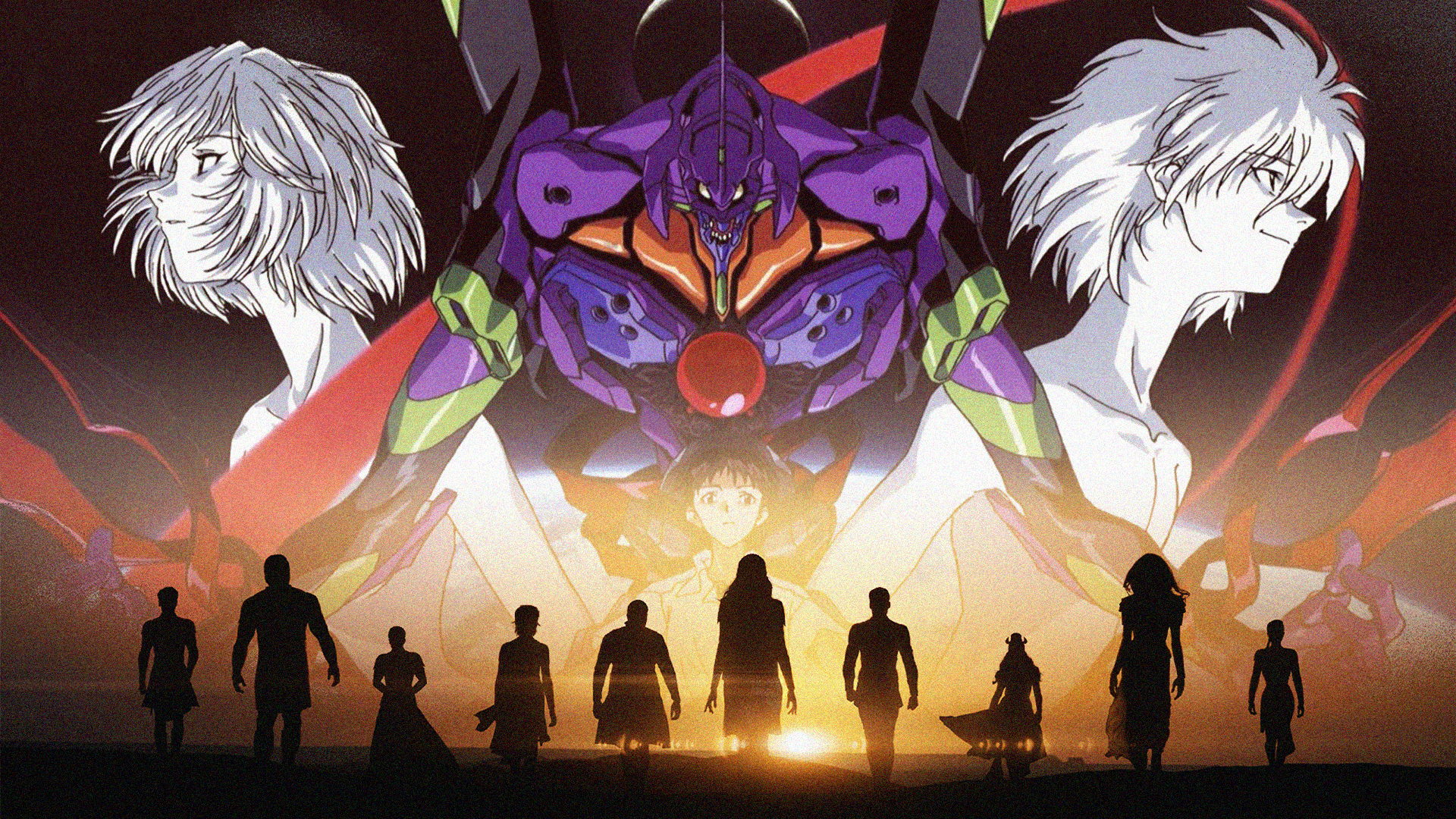
    The concept art for the god-like Celestials instantly reminded me of Neon Genesis Evangelion. The Celestial seems to have an uncanny resemblance to the EVA mechs from the anime and could’ve been how they will bring these larger-than-life beings to live-action. Pacific Rim did something similar by grounding its camera work and immerse viewers into the scenery of giant mechs fighting giant Kaiju. Zhao may have taken a similar approach to make the Celestials stand out even more. The iconic anime may also inspire the Marvel Studio film’s story. Evangelion‘s protagonists, who pilot the titular mechs, take on an onslaught of Kaiju-based creatures known as Angels. These creatures are creations by the first race of beings of the universe. They are simply known as the Seeds of Life. In Eternals, the alien race faces off against an evil race only known as “Deviants.” These inhuman-looking creatures were also created by the Celestials in the comics. Notice the similarities between the two?

    Berserk

    Now, there is one Berserk. The series’ protagonist, Guts, could very well be the character template for Kit Harrington‘s Dane Whitman. He is also better known by comic fans as the Black Knight. Apart from them being expert swordsmen, these characters exist in a moral grey area. Overall, they are portrayed as heroic characters but have committed acts that would be considered ethically wrong, especially by modern sensibilities. It can’t be easy for a normal man to live among god-like entities and their ongoing war with strange inhuman monsters. A character like this would introduce an interesting dynamic to the MCU that questions what it means to be a hero. It could make Eternals stand out even more once it drops in theaters this coming November.

    Source: Variety

  • Review: ‘The Handmaid’s Tale’ 408: Testimony

    Review: ‘The Handmaid’s Tale’ 408: Testimony

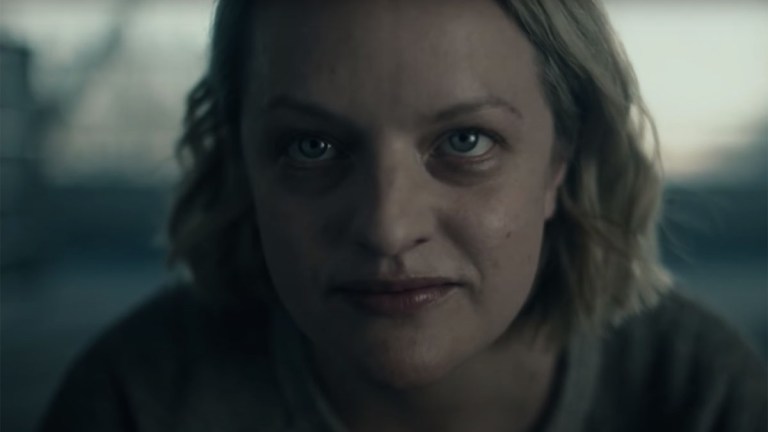
    Episode 7’s ending, with June bending down into the face of a kneeling Serena, who is outwardly repentant but silently superior—God loves her best, after all—was just what we needed to see.  “Do you understand me?” she asks, a tight lid on the rage that boils always beneath the surface. We want to see violence and bloodshed directed towards anyone from Gilead, but June has other things on her agenda.

    Episode 8 begins with a scene which is banal in any other context:  woman who is now super serious cuts hair in an attempt to show she is serious.  We’ve seen it before, but with June, it’s different.  It’s a reminder not to us, but to the character: remember why you’re here.  Focus.

    The Handmaid's Tale' Recap: Season 4, Episode 8 — 'Testimony' | TVLine

    The only concern I have with the way the season is going is that Fred, male representative of all that is Gilead, has taken a step back and has been replaced by Serena as the absolute guiltiest and most disgusting character on the show.  Why is this happening?  Throughout the episode, Fred is emasculated, clearly manipulated by Serena, and presented as a delusional defendant in court.  Fred, if not the supreme dum-dum who started Gilead, was at least in the clown car with them.  Why do I see hints of him becoming a background character?  We want to see our pound of flesh taken out of him, literally.

    We may be screaming for blood, but June knows what’s needed.  We are reactionary; she is incendiary.  And she’s there to wake people up.  Group therapy in the library ends with June asking Moira why the others aren’t more angry.  “How do you know they’re not?” replies Moira, whose quiet but clear-sighted take on events throughout the series has saved more than one psyche. 

    June, in an attempt to force her friends to deal with the trauma of being a handmaid, brings one of the former Aunts to the next group session.  June encourages Emily to confront the woman who ratted her out to the authorities, resulting in Emily’s mutilation, but she turns on June instead.  “We’re not all like you,” she says.  So June becomes a stand-in for her friend.  As the Aunt asks for forgiveness, June confronts her.  

    “Why the fuck do you think you deserve forgiveness?”

    “We are all God’s children,” she sobs.

    “Bullshit,” responds June.  “You people hide behind God every time it serves you.”

    It’s an echo of her conversation with Serena in prison.  Serena insists God brought June to her, but June corrects her.  “I brought myself here.” There is no reliance on the supernatural.  When you get rid of God, there is no place for these people to hide.

    The Handmaid's Tale Season 4 Episode 8 Review: Is June Channelling Aunt Lydia? - Den of Geek

    Emily leaves the therapy session without confrontation.  At first, it seems June has lost the battle, but she has lit a spark.  It turns out Emily went to the woman’s house, but was too late – she had already hanged herself.  

    When the women meet again, Emily admits she felt happy to see the former Aunt dead.  Women start to open up about the violent acts of retribution they would like to deliver to their former captors. Has June commandeered the therapy session to include what she feels is most important?  Of course, she has.  Moira steps in to remind the women that anger is great, but isn’t everything.  June presses her.  “Why does healing have to be the only goal?  Why can’t we BE as furious as we FEEL?  Do we have that right?”  

    And here the scene bleeds into our present-day experiences, as women have been demanding the world allow truth and rage and justice to have their day.  And this is why you can’t just pick up a few episodes of this series before dashing off to a lighthearted romp in the park.  It gets into your psyche and reminds you that the battles these women are fighting are not unheard of in our own world, as much as that repulses us.  June lights a tiny fire in all of us, every week.

    The episode ends with Fred and Serena traveling to the courthouse while we hear a loud crowd outside.  Protesters, obviously.  They step outside to be greeted by cheers from supporters, those who have gathered to shower the golden couple with blessings.  WTF. Fred is smug; of course, they are supporting him, it was only a matter of time before they realized how great and wise he is.  Serena, however, is troubled.  She’s smarter than Fred, and she knows once you create blind and adoring followers, you can’t always lead them where you want them to go. 

  • ‘CRUELLA’: Fun, Edgy, and Messy

    ‘CRUELLA’: Fun, Edgy, and Messy

    Disney’s choice to cash in on Cruella de Vil, arguably one of the most problematic villains in their library, and humanize her in an origin movie has always baffled me. Mainly because she’s out to harm animals. She reveled in the suffering of animals and was unashamed by the cruelty of her actions. For a company that is synonymous with the most popular animated critters in pop culture history, the choice to humanize Cruella was very questionable. But having seen the film and how they made everything work to their advantage, I can see somewhat see where their heads are at. 

    Credit where it’s due, Disney did the assignment and rebuilt the character from the ground up. In classic retcon fashion, we learn that Cruella’s real name was actually Estella. Raised by a kind hapless woman, the young sweet girl develops a knack for defying the norm and personifies it as Cruella. Mom is quick to tell her to keep that mean alter-ego at bay So, she does not screw up her chances at getting good in life. But this doesn’t go well for Estella, as she quickly learns that the only way to survive in a cruel world is to give that cruelty back. Tragedy eventually befalls her mom and she is left to fend for herself in the streets of England. In those streets, she meets two of her closest allies, Jasper and Horace. 


    Cruella' Trailer: Emma Stone Plays Punk Rock Villain in Disney Remake - Variety


    Compared to all the other live-action adaptations Disney has ever done, Cruella might be the most fun. Part-fashion show, part-heist film, the movie has a cadence that’s been sorely missing from a villainous character piece like Maleficent. It has a distinct personality that you’ll never find in a movie like Lion King or Aladdin. For one, the movie has some actual edge, which is almost unheard of in a Disney flick. Even Maleficent, whose story and visuals have their darker moments, is still draped in a cloak of high fantasy. It makes some of that darkness distant for the viewer. But for Cruella, the edge feels palpable all thanks to its stylistic approach to a grounded cautionary tale. 

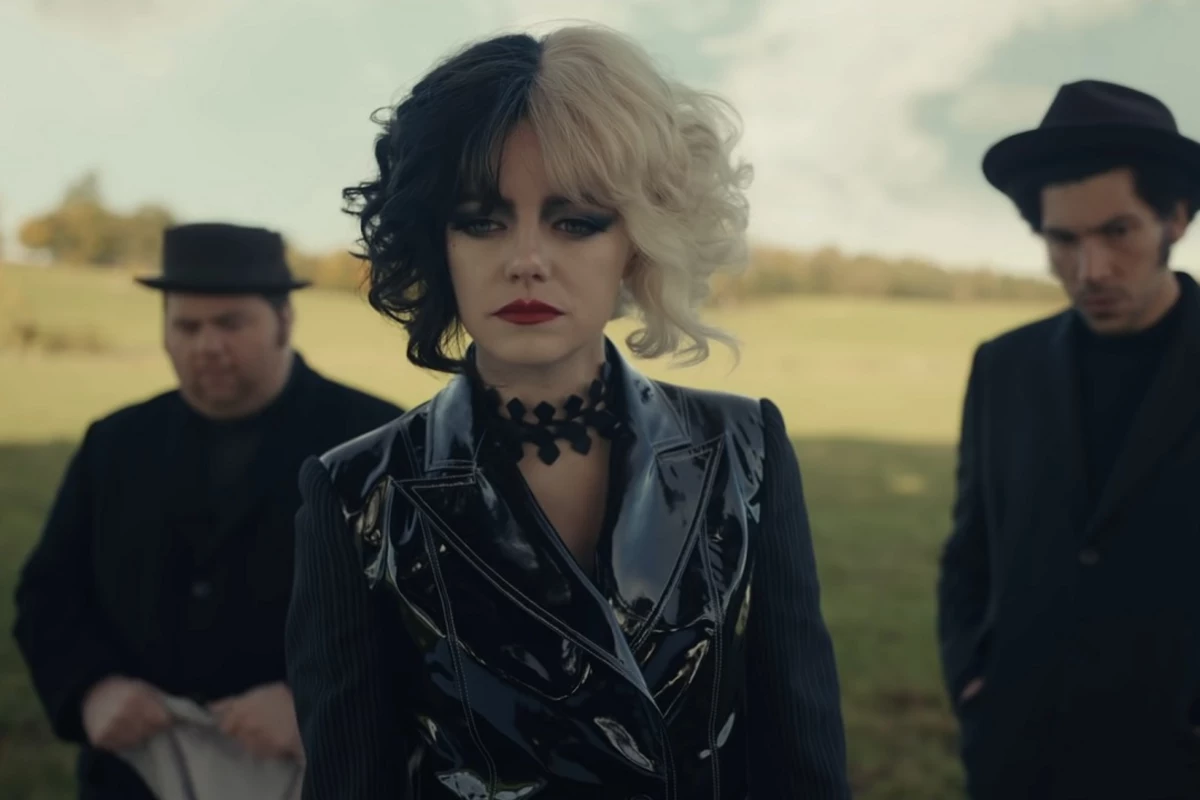
    Visually, there’s a sleekness to the film that further reinforces its style. Its visual language feels calculated and meticulous without losing its elegance nor its edge. Combine that with the absolutely stunning work of Mad Max: Fury Road costume designer, Jenny Beavan, it plays out like the most entertaining runway show in the best way possible. I mean, just take a look at that fiery ballroom costume unveiling in the trailer. Just imagine seeing moments and works of art like that throughout the film. The film will be the foundation of many cosplayers to come once COVID ends.

    Emma Stone has fun as the eponymous character. Her interpretation of Disney’s villain is a lot more complex and subdued than Close’s take which was a more devilish socialite than a tortured artist. As we get to see a pre-Cruella version of the character, there’s a lot more color in Stone’s palette. She flawlessly transforms with precision between the meek submissiveness that Estella carries and the rebellious ethos Cruella lives her life by. She’s a total blast to watch from start to finish. 

    Opposite Emma Stone is Emma Thompson, who plays a character called the Baroness She is a viciously mean-spirited fashion designer who the young girl takes up as a mentor. Thompson is fun to watch in the role because her stature as an on-screen legend gives gravitas to this original character. The downside is that she doesn’t really get to do much more than acting super snooty and mean, but for what it’s worth, her performance makes for a great foil for Stone’s Cruella. 


    How to Watch 'Cruella' + Everything We Know


    At the heart of the film are Cruella’s best friends Jasper and Horace, who are played by Joel Fry and Paul Walter Hauser. I’ll admit, it took me a while to accept Hauser playing a wholesome character after seeing him for years as these despicable people, but it grew on me as the film went on. Jasper and Horace get overhauled in a pretty big way here. Instead of them being just Cruella’s lackeys, they’re actually her friends. Joel Fry does the heavy lifting as the emotional foil to Stone’s Cruella. Together, the chemistry these three characters have is nothing short of endearing. 

    A glaring missed opportunity in the film is how it relegates Anita Darling to the sideline. That Anita becomes a non-character in the main part of the film despite her being introduced in an early yet definitive time of Estella’s life is a bummer. The characters don’t ever interact in a meaningful way. In a film exploring Cruella’s past, making Anita the anchor to a life she once recognized could have made for some interesting character work. 


    Cruella' Steals Dogs and Promises More Bad Things to Come in New Trailer for Disney's Villain Origin Story - Bloody Disgusting


    And then there’s the key task of handling Cruella’s reinvention. The rework is interesting as it departs from all the wickedness associated with the most infamous iteration of the character. For one, Cruella isn’t out to harm animals. In fact, she’s constantly surrounded by furry allies. The movie is quick to establish her fondness for dogs. She gets an adorable sidekick named Buddy and eventually, another furry friend in the form of Horace and Jasper’s dog, Wink. The movie does pay lip service to her tumultuous relationship with dalmatians but even by the end of the film, this version of Cruella ends up as her own thing in the best ways possible. I can’t imagine this version of Cruella ending up like Glenn Close‘s interpretation. I don’t like their choice to put heinous characters in a good light but the changes in Cruella are ones that I can get behind with. 

    The film’s biggest problem is that it is oftentimes at odds with what it wants to be and what it has to be. By design, the film is made up of varying tones that are constantly vying for control and it results in this haze that prevents it from being truly a great film. The film wants to be this edgy character study in the vein of nihilistic films like Joker but is also aware that it’s a Disney movie and has to have Disney-fied moments of wackiness. It doesn’t ever find a middle ground for these two things to mesh, resulting in a messy tone.

    And this movie gets really silly at times. The center plot of the movie has Estella interning for the Baroness while moonlighting as her nemesis in a totally silly Hannah Montana scheme. There are scenes of dogs wearing cute disguises and committing heists. Heck, there are some sequences that feel downright slapstick. Now, there’s nothing wrong with having wacky ideas but when those ideas are trying to engage the audience in a straight-faced way, it feels disjointed. Like, imagine watching The Three Stooges while a song by The Doors plays in the background. It takes you out of the scene and it just doesn’t feel cohesive.

    Luckily, with a great cast, diverse soundtrack, and stunning production, Cruella manages to bypass its own confusing DNA by delivering a palatable caper under the guise of a 101 Dalmatians spin-off. With a freshened nuanced take on the character, perhaps this is Disney’s attempt to better the character for a new generation of fans. 

  • How ‘Eternals’ Cosmic Energy May Connect to ‘Guardians of the Galaxy’s Adam Warlock

    How ‘Eternals’ Cosmic Energy May Connect to ‘Guardians of the Galaxy’s Adam Warlock

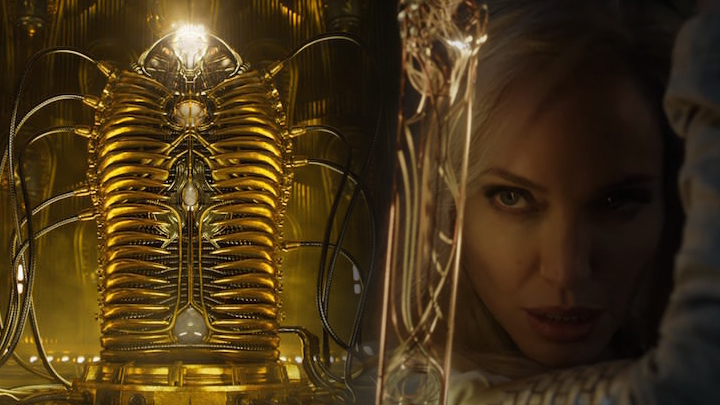
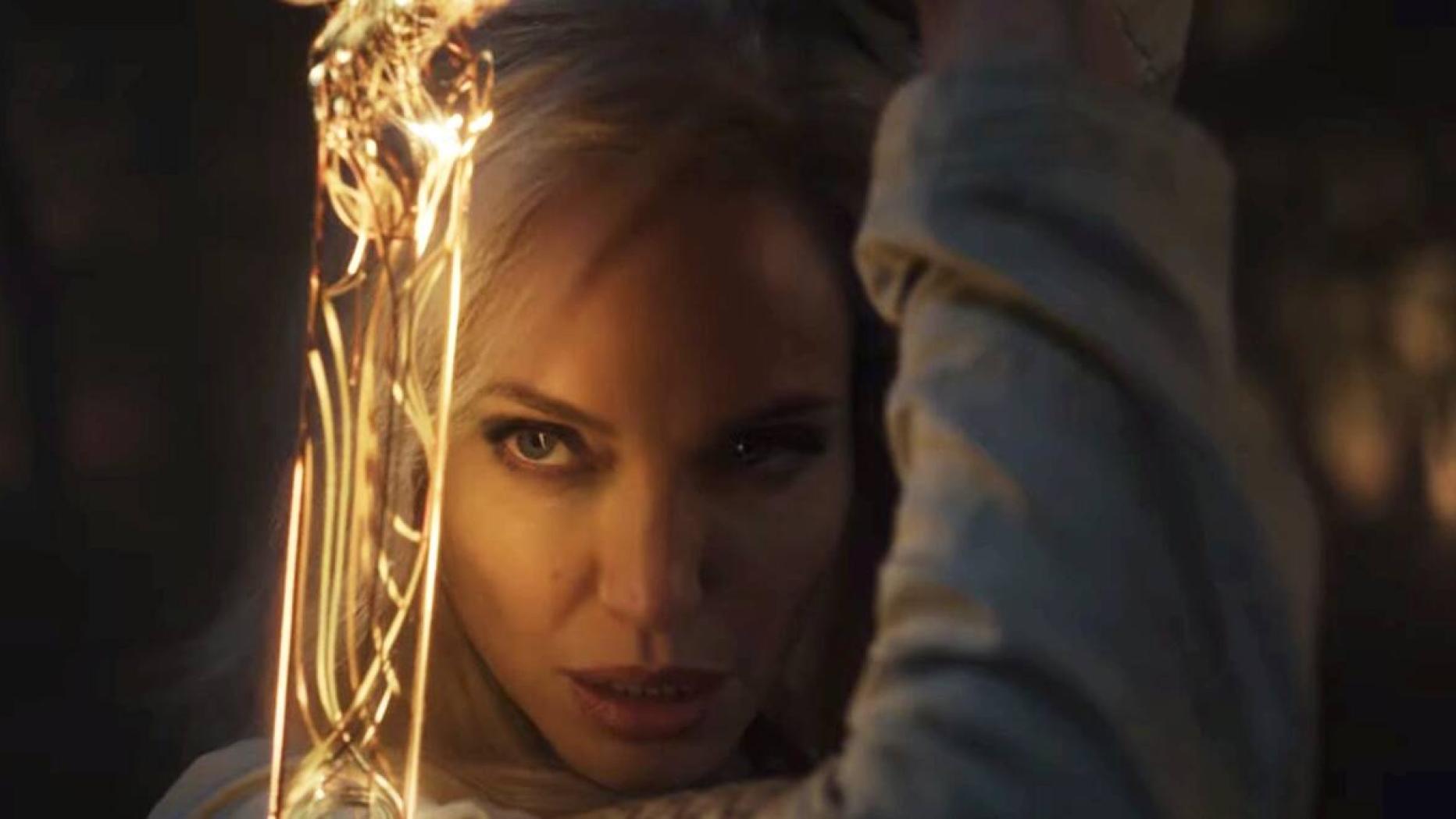
    After a long wait, we finally got our first look at Eternals. The trailer offers a closer look at how cosmic energy works within the Marvel Cinematic Universe. It acts like golden fleece that is the basis of their abilities and can serve different purposes. Thena can create weapons out of it, such as the sword we briefly see. Sersi seems to summon water as the cosmic energy flows through the ground. Even Makkari’s superspeed leaves the golden lines in a similar design that Quicksilver did in Avengers: Age of Ultron. In a way, it seems to allude that most supernatural abilities might have close ties to the Eternals through this mystical, all-encompassing power. The MCU puts a strong emphasis on energy types and connecting them to specific colors, such as the prominence of purple in Black Panther’s technology. As such, it could add more context to a character tease that has yet to pay off who shares that color scheme.


    The Eternals": Erste Bilder im großen Marvel-Trailer | film.at

     
    The color gold hasn’t played a considerable role in the franchise. Well, there is one exception. Guardians of the Galaxy Vol. 2 introduced us to the Sovereign. They are a genetically engineered race that lives on a collective of planets. Now, you might remember that every member of this alien race has one thing in common, their skin is pure gold. They also utilize advanced technology painted in the color due to their strong belief in the purity they reflect. The color also plays an integral role in the birthing cocoons that brings this alien race to life. 

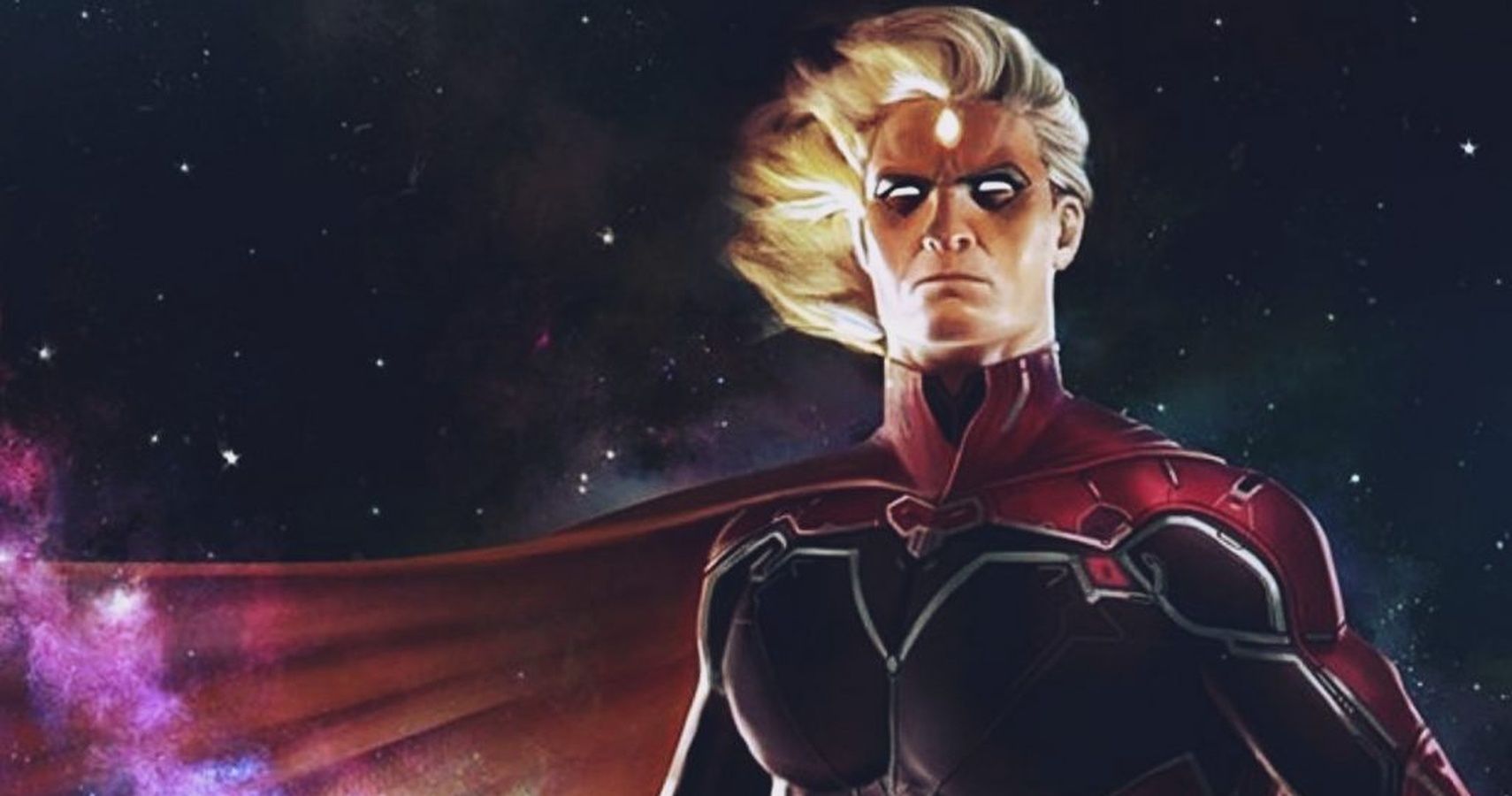
    We have to keep in mind that Adam originally was the holder of the Soul Stone. Just like the MCU’s Vision held the Mind Stone, it was implanted on his forehead and had a deep connection to his abilities. As the stones got destroyed in Avengers: Endgame, it was uncertain if Adam’s entire origin would change. He wasn’t originally part of the Sovereign but created by the Enclave, a group of human scientists, as the perfect human in the comics. So, the new direction of the films and the golden look may connect him to that cosmic energy. We never learn of their creators in the film, and it wouldn’t be too crazy to assume the Eternals or even Celestials had some play in that.


    Guardians of the Galaxy: All of Adam Warlock's Powers & Abilities, Ranked


    As such, the golden cosmic energy we see throughout Eternals may be the basis of this alien race. If Sersi can let water flow from cosmic energy, its potential could seem limitless. So, they tested out ways to create a new form of life that ended up becoming its collective over time. The cocoon we see in the Guardians‘ post-credit sequence could be his body getting weaved out of cosmic energy into the perfect being of Ayesha’s vision. Little does she know, the Sovereign queen is playing with powers she can’t control and may lead to Adam breaking free from that race. Eternals is introducing us to the energy that will have a larger role moving forward. Perhaps the golden cosmic energy will face its silver counterpoint known as Power Cosmic in the future as well. Instead of seeking the stones, he becomes an entity of pure cosmic energy seeking its opposite to unite against a larger threat.

  • Theory Thursday: ‘Spider-Man: Into the Spider-Verse’ Sequel May Offer a Superior Villain

    Theory Thursday: ‘Spider-Man: Into the Spider-Verse’ Sequel May Offer a Superior Villain

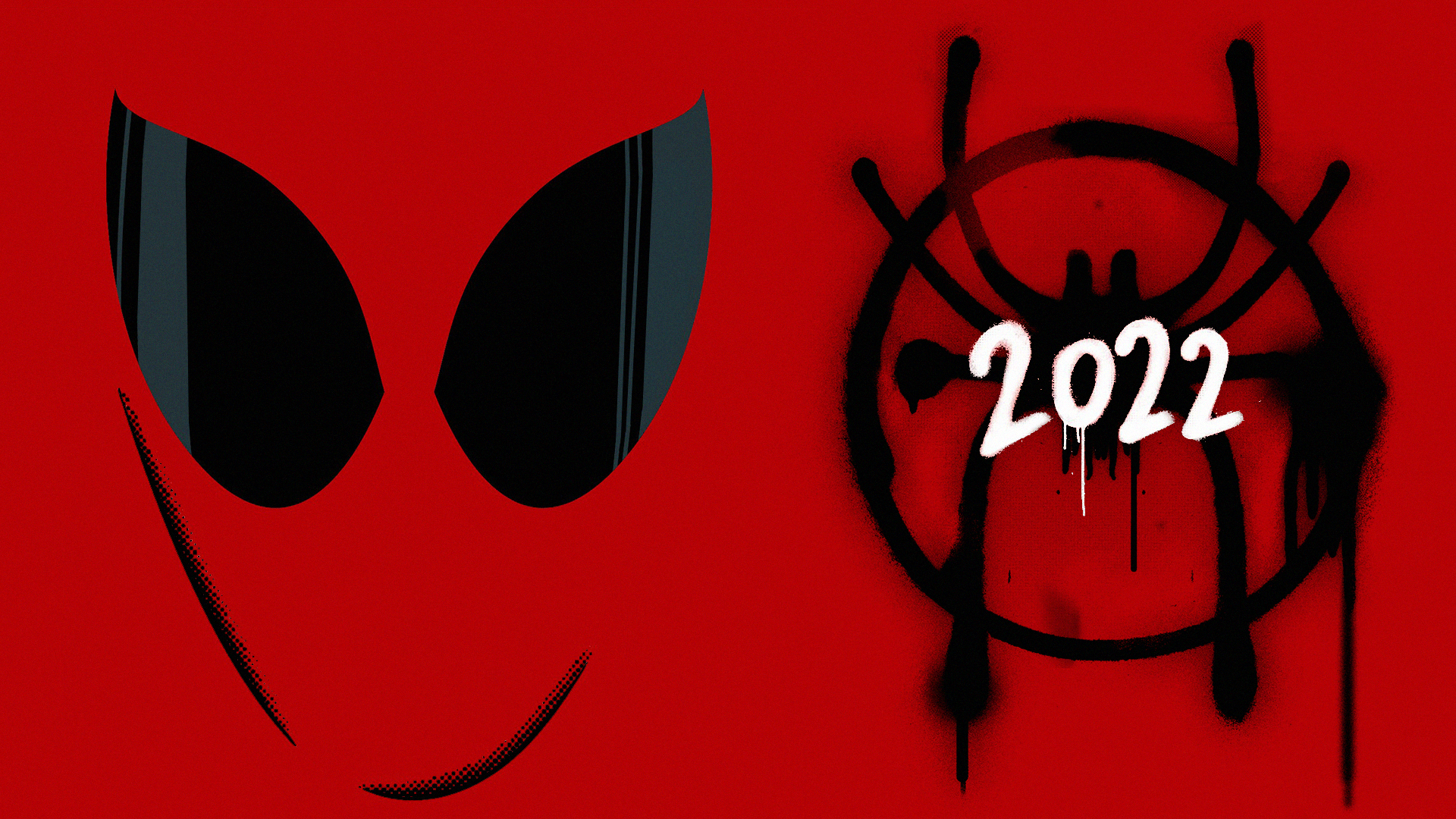
    When Spider-Man: Into the Spider-Verse swung into theaters almost three years ago, the film rose to levels beyond anyone’s expectations. The story of Miles Morales presented themes of love, family, loss, community, power, and above all, responsibility as he embraced his role as Spider-Man. It managed to achieve incredible accolades, such as winning an Academy Award for Best Animated Feature. With such high levels of praise, the bar has been set pretty high for the upcoming sequel. The next entry will release in October of 2022, and the team is keeping the film’s plot under wraps. Yet, there might be some hints that offer a clearer picture.

    We know that Spider-Man 2099, portrayed by Oscar Issac, may enter the fray following the post-credit scene of the first film. We may also expect newcomers to join the film’s sequel, such as Supaidaman and Silkas teased by producer Phil Lord on Twitter. And of course, we can expect some familiar faces like Gwen Stacy to return, especially how the film’s ending teased her reuniting with Miles. We also reported that one of the sequel’s villains is the obscure Spidey villain known as The SpotI believe, however, that one more villain is making a grand return in a new way.


    When Spider-Man: Into the Spider-Verse got its home release, there was an “Alternate Universe” mode. It allowed viewers to watch deleted or scrapped scenes from the film that acted as a rough cut. In it, there was a scene where Doc Ock said: “The power of the multiverse in the palm of my hand,” paying homage to that famous line from Spider-Man 2. Afterward, Octavius jumped into the portal and vanished into thin air. Of course, that did not make it into the final cut. Associate Director of the film, Andrew Levinton, revealed that it would’ve “taken away from the intensity of Miles clinging for his life…hurting the momentum.”

    The scene, however, still sets up something interesting. In the released version, we never see Olivia Octavius escape after she got hit with the bus. The multiversal portal was pulling everything in. So, the deleted scene may have potentially happened off-screen. The reality web seems connected to the Spider-People, and it is uncertain how it may affect Dr. Octavius, who has no connection to it. An incarnation of Doc Ock does have one deep tie to the Spider-Family.


    He became the Superior Spider-Man when his comic version took over Peter Parker’s body. As such, there are two routes to how they could venture into it. They may also take a unique direction, such as Octavius fusing with the Web upon entry and created a universe all on her own where she became Spider-Woman.

    She could also take on the comic origin where she uses with the mind of a Spider-Man or Woman in an alternative dimension. Either way, reintroducing Olivia Octavius as the Superior Spider-Woman could be a twist on par to her reveal in the first film. It could set up an interesting contrast to Peter B. Parker, as the betrayal of a newly found ally could leave scars with the young Miles Morales. Plus, we would get more Kathryn Hahn. And that’s already a win in my book.

    Source: Twitter, Twitter, Murphy’s Multiverse, Twitter

  • MCU Production Timelines: Infographic & Methodology

    MCU Production Timelines: Infographic & Methodology

    In this piece I’m just going to explain a few of the finer points behind the data I put together for the Phase 3 and Phase 4 production timeline infographic, which João has again so excellently put into a graphic.  My purpose in working with João on this one is just to help people understand another piece of the puzzle of how MCU movies tend to get put together.  Fans understandably love to obsess over the release slate, particularly what’s coming next and when it is coming.  It can get a little confusing as to what is and isn’t further along in the timeline. Hopefully, we’ve laid that out in an understandable format.

    A couple of notes I want to make on the data.  First of all, this is a relatively imprecise set of information.  What I’ve put into the spreadsheet is largely the dates as combed from the Wikipedia entries for each film (I did trace back the references in those articles to trade reports in most cases). Now if a director is hired in a forest and it doesn’t make a sound, are they still the director?  In other words, these dates for when writers and directors are hired are based on trade reports.  It may be that someone was hard at work for weeks or even months before the media found out.  I’m taking the information that is publicly available.  In particular, I assume the “filming start” dates are very approximate.  Captain Marvel, for example, filmed a few things before the official start of filming for weird tax purposes.  Also, Ant-Man and the Wasp: Quantumania did some kind of plates filming already this year, but the filming hasn’t really started in earnest yet. Again, I’m taking the Wikipedia dates in most cases and there will be some imprecisions there.

    As far as director and writer hirings, I have listed the first hiring for each in most cases.  Directors in the MCU haven’t changed that much in recent years.  The major exception that will come to mind for most astute readers is the change from Scott Derrickson to Sam Raimi for Doctor Strange in the Multiverse of Madness.  As such we’ve included that change as a separate item.  Writers, however, switch with much more frequency.  The process for hiring writers, managing rewrites, and then deciding who gets the final credit for both writing and story is byzantine at best.  To keep it simpler, we just took the first report of any writer or any director, regardless of their final involvement or non-involvement in the project.  I also am somewhat arbitrarily determining what counts as this production.  For some projects, development on the IP might have happened decades ago, but I’m treating those as a different project altogether.

    It’s worth noting that sequels are pretty obviously different.  Often the director and lead actor are already in place and returning for the sequel.  As such directors get “named” essentially as soon as the project is greenlit.  This is also the case of writer/directors like James Gunn.

    Release dates are a little tricky on this graph, given the interference of COVID.  We’re giving you both the original date and the final date in most cases.  Black Widow, for example, was almost totally finished when the pandemic started.  As such it isn’t that the production really took longer, it just all got delayed.  Sorting out a movie like Thor: Love and Thunder is a much more complicated matter.  We’ve done our best to give you a sense of the normal operating procedure and hide the confusion pandemic delays caused.

    Two other major exceptions deserve a mention.  Guardians of the Galaxy Vol. 3 is another one that looks rather weird due to the firing and rehiring of James Gunn.  The movie never officially got a release date, but I think before the whole mess it was likely that the May 2020 date would have been Guardians Vol. 3’s planned landing spot.  Also, Avengers: Endgame was shot pretty tightly with Infinity War, so there is some weirdness in its extended production time.  I think it is highly likely that those two Avengers productions mixed and mingled quite a bit.  Certainly, the screenplays seemed to happen at the same time.

    I think that is all the details. I hope you all enjoyed this. Again, this is all an exercise with approximation. I’m sure some slight variance in the data is possible if you look at different reports. Enjoy!

  • ‘M.O.D.O.K.’: The Best Marvel TV Show Since ‘Daredevil’

    ‘M.O.D.O.K.’: The Best Marvel TV Show Since ‘Daredevil’

    It’s easy to forget that the Marvel brand isn’t as monolithic as we want it to be. It’s an enterprise that’s asymmetrical as they can come, with gear and chains that function unevenly and whose inner metrics are widely disparate from each other. The Marvel films may be Hollywood’s biggest commercial success for several years in a row, but Marvel Comics still struggles to keep their books selling. The Avengers brand is beloved worldwide, but a video game starring these billion characters was received coldly by the gaming market last year. Despite being in the same lucrative sandbox, Marvel Television and Marvel Animation have somewhat struggled to consistently churn out quality stuff that rivaled the famous films. It’s not always smooth sailing for some of the Marvel folk living in the era of Marvel domination.

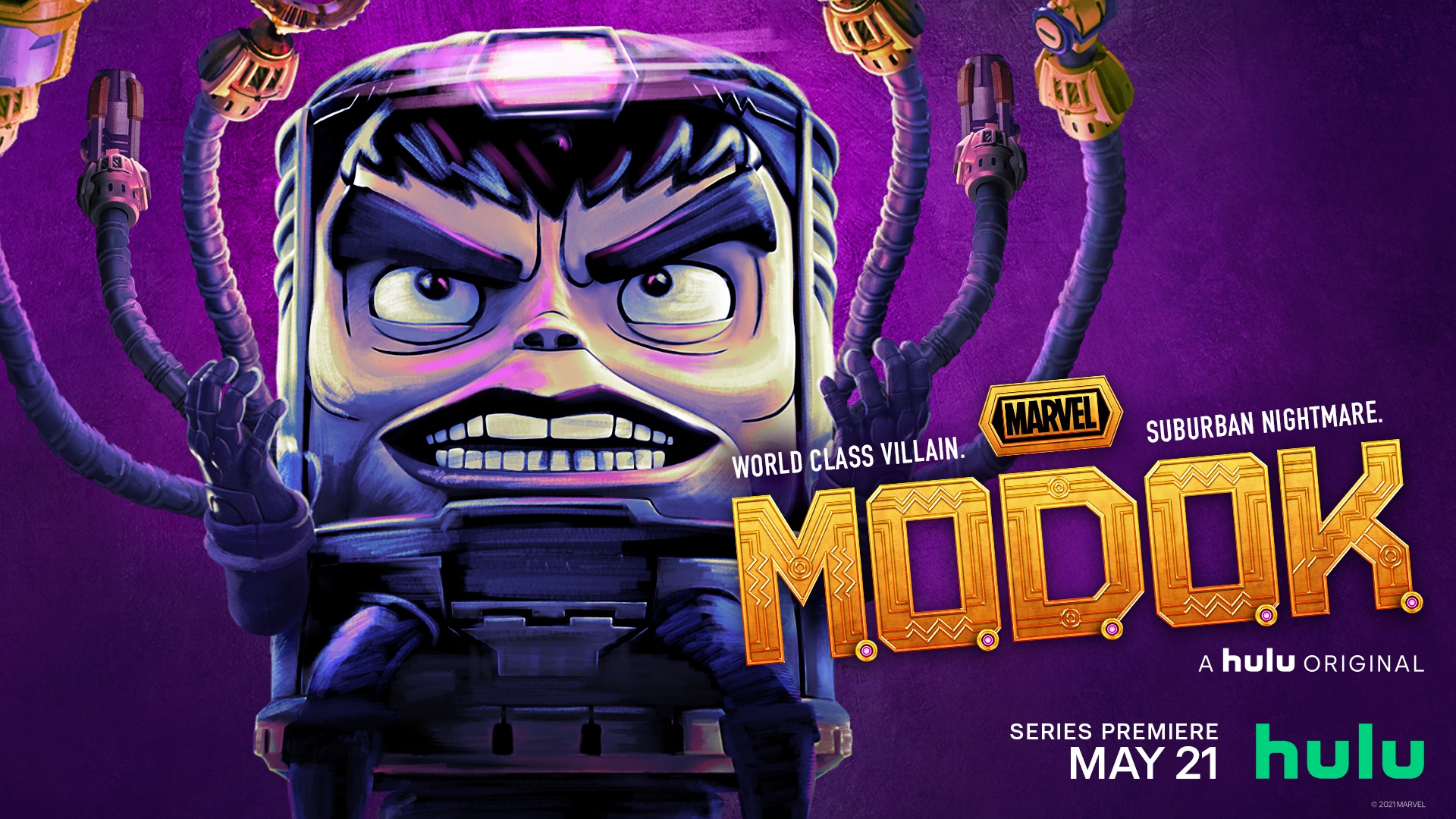
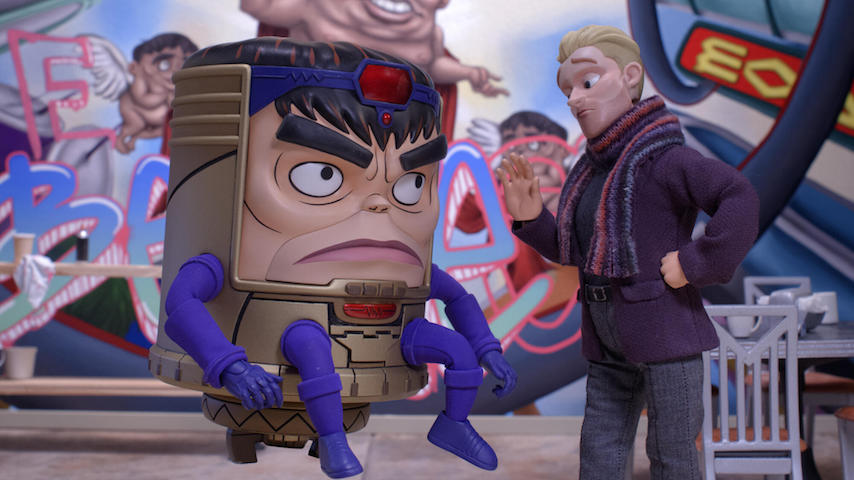
    This brings us to MODOK, an upcoming show from the underdog divisions that truly stands out in a Marvel era dominated and dictated by the Marvel Cinematic Universe. The show absolutely rules, which coming from someone who has spoken ill things about the output from Marvel Television multiple times on record, is saying something. Granted, a lot of the stuff that frustrated me with Marvel TV was rooted in their less-is-more/grounded approach to what should be imaginative genre storytelling. MODOK is absolutely untethered from all that nonsense. A boisterous explosion of everything that makes the Marvel Universe truly fun. 
     

    Marvel's MODOK Trailer and Release Date Revealed by Hulu - Paste


    Despite growing up in the era where Adult Swim blew up, I never really got into its network programming. It might have been too eccentric for my normie teenage self at the time. So, Seth McFarlane’s work is what I leaned towards for my adult humor. Seeing a Marvel property go the way of Robot Chicken, a self-referential, parodying, manic, stop-motion bonanza is a totally novel thing for the normie in me and I dig it because it works so damn well with a character like MODOK. This wouldn’t work elsewhere with, say, a property like Squadron Supreme.  

    MODOK is one of the most absurd characters in the Marvel universe. That the character has had a staying power this long in the lore, while his equally wacky cohorts such as Paste Pot Pete or Big Wheel disappear into obscurity, is practically a miracle. In the comics, MODOK is this mad scientist who mutates himself into this big-headed glob of a being. He’s a primary figure in the evil scientific alliance AIM and has gone on to fight the likes of Hulk and the Avengers. So he’s a heavy-hitter as far as being a looming big bad in the Marvel Universe. 

    The show takes this premise and totally craps on it in the best way possible. It’s clear how Patton Oswald and Jordan Blum are aware of how ludicrous MODOK is given the lengths they go to just to crank it up to 11. The first episode sets up the idea that this floating head, who has a day job trying to destroy the planet and fighting Earth’s Mightiest Heroes, has a home life he needs to attend to nightly. He has a human wife and son, and a daughter who looks exactly like him for no good reason. On top of all that, they have the flamboyant Super Adaptoid living with them, who they treat as the Meg Griffin of the family. And that’s just the tip of the iceberg.

    I cannot count the times I laughed hard at the stuff they explore in the episodes. There’s an episode about MODOK wanting to time travel to a Third Eye Blind concert to appease his wife. In another one, MODOK dumps his trash via a portal on Asgard. Hell, there is even an episode that showcases some of the most Z-list villains planning to steal Captain America’s shield. All those things, of course, cascade into the dumbest antics a supervillain can get themselves into

    This kind of self-awareness is key to a premise like this. Playing it straight is absolutely the wrong way to go. This is actually a gripe I have with the Avengers game that treats MODOK with the utmost seriousness. As great as that final boss fight is, there’s just something drab about a poker-faced take on the character. The man is a maniacal head that floats on a toilet and has T-rex arms. I don’t wanna see what that would feel like in a plausible reality. I wanna see MODOK deal with the true threat of not being able to stand up when he falls on his round back like a turtle. 

    So if you’re precious and uppity about the sanctity of your comics, everything that makes MODOK great might be a dealbreaker for you. This show doesn’t hold back. It’ll poke fun at everything; from its own characters to the source material. But that doesn’t mean the show thinks comics stink. There’s a reverence to the way the show is irreverent towards the trove of inspiration it draws from. It truly feels like a love letter to comics and it stems from Oswalt and Blum’s adoration for it. Sure, it craps on so much of it but it’s really done in an endearing way that’s never mean-spirited about the material or the people who love it.


    Marvel's MODOK Trailer Shows New Hulu Comedy | Marijuanapy The World News


    Easily the most evident way of expressing their admiration for the source material is the buffet of character cameos they pull from their disposal. Seriously, this show is like Super Smash Bros. but for characters that were left behind in the bargain bin of Marvel’s canon. And that’s not a bad thing at all. If anything, it’s an incredible showcase of just how rich Marvel’s villain roster is. There are bonkers cameos from characters that you didn’t even know existed in the canon. The fact that MODOK actually puts these characters in the forefront for people to enjoy is something to commend. Where else will I see Master Pandemonium host his own talk show? 

    The show wonderfully offsets all the craziness with some surprisingly real human character arcs. Never did I expect to be moved by the marital problems of a floating head or a child coping through a divorce but here we are. It’s incredible how the show manages to hone in on a lot of understated character work while treating its world with little to no regard. There are moments of tenderness in the show that make the experience. Doesn’t matter if it is MODOK doing his best to make sure his son doesn’t end up on the loser’s side of life like he is, or when he wrestles between his family’s happiness and his conflicting sense of purpose. 


    Hulu Releases New Marvel's MODOK Clip | LaptrinhX / News


    A lot of the character work is done justice by a murderer’s row of voice talent. Oswalt is pitch-perfect as MODOK that it almost seems criminal to cast someone else in a live-action iteration. There’s a moment in the season where the show hilariously and brilliantly alludes to this too. MODOK’s family is voiced fabulously. Melissa Fumero of Brooklyn Nine-Nine fame plays his daughter, who by virtue of his gene in her, is the queen bee of her high school. She is fantastic here and goes against the Amy Santiago-type by being a mean yet lovable heel for once. 

    Aimee Garcia is MODOK’s wife, Jodie, who’s somewhat of a Martha Stewart retail personality in the story. I’m in awe at the mileage they got from the character. She’s in many ways the center of the season. Garcia really gets to shine by being the heart of the story and sometimes, an antagonist to her husband. Ben Schwartz plays their son Lou, who reminds me of Steve Smith from American Dad. He’s that eccentric lovable nerd that can never follow in the evil footsteps of his supervillain dad. Schwartz emanates the spirit of Jean Ralphio playing Lou Tarleton and it’s a very welcome thing to hear.

    There exists a through-line in MODOK in the form of two sinister subplots brewing within the shadows cast by the titular character’s charming stupidity. The subplots are mostly just okay. To me, it’s the weakest link of the entire season. It’s not flat-out terrible as it starts with a lot of intrigues and ties a lot of seemingly disparate plots together nicely. But as the season moves along, it gets buried in all the funnier elements of the series that by the time the subplots start falling into place, it almost feels too late. It certainly doesn’t help that the timing of when these subplots pay off in the season are sequenced oddly.  But who am I kidding? None of those weak links matter in a show that works as smoothly as MODOK. Like the megalomaniacal narcissist he is, the show revels in its strengths maniacally in the face of all its faults and is all the better for it. I’ve never had this much appreciation for a Marvel TV joint since Daredevil ended. The show is without a question, the best thing they’ve done since 2015.
  • How ‘Loki’s Variant Concept Opens the Door for Recast Characters to Return

    How ‘Loki’s Variant Concept Opens the Door for Recast Characters to Return

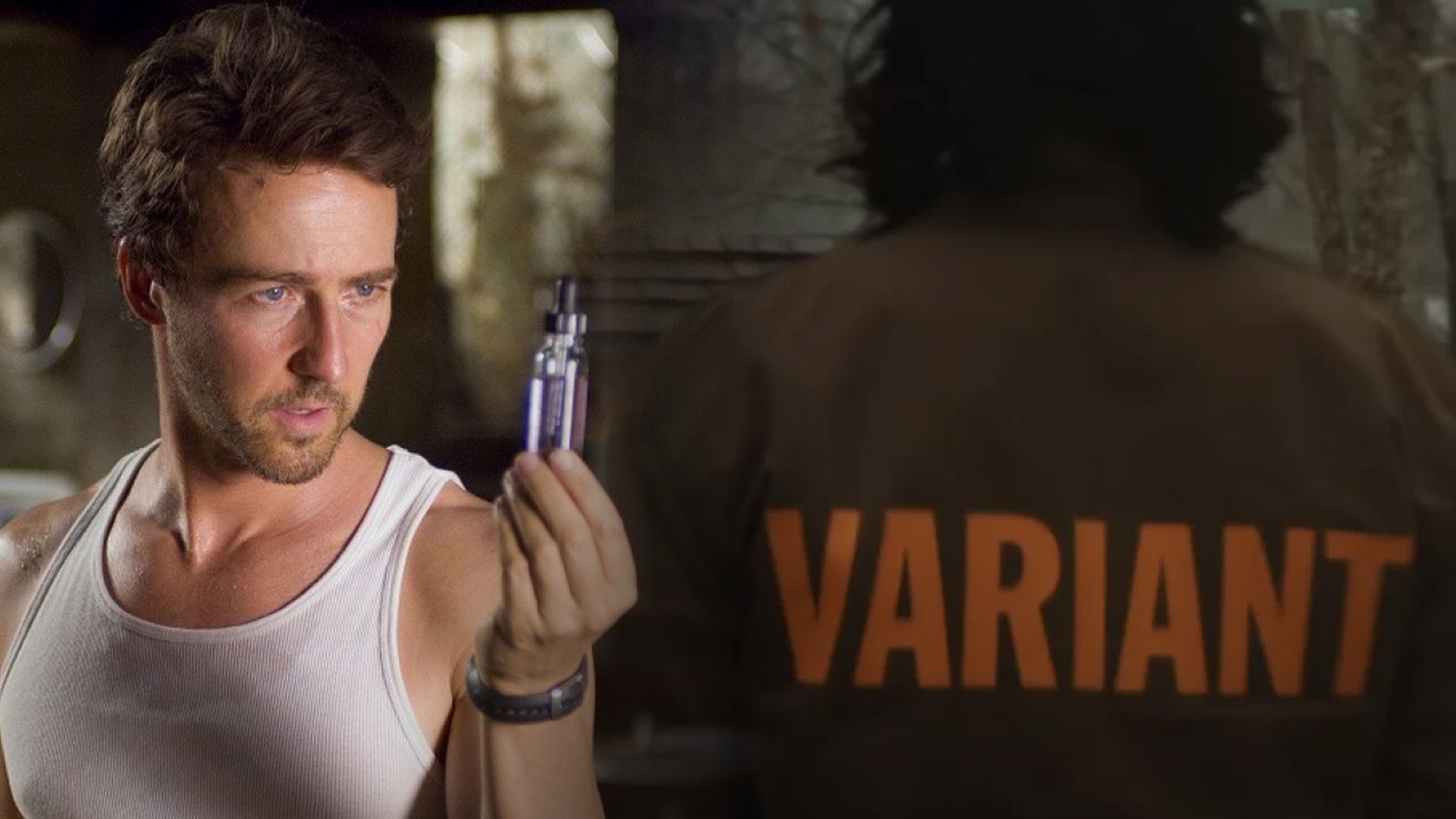
    Loki‘s latest trailer offered a closer glimpse into the newly introduced Time Variance Authority. After the Avengers played around with time, they gave the God of Mischief a chance to escape his fate that would’ve been Thor: The Dark World. Of course, the TVA wouldn’t allow it and Made sure he can’t do more damage by roaming free. We learn that this alternative version is called a Variant and uncover that there are potentially more out there. With rumors going around that multiple Lokis might appear in the series, which aren’t all played by Tom Hiddleston, and the addition of other Spider-Men in Spider-Man: No Way Home, it seems we will see many different interpretations of our favorite heroes soon. As such, Marvel Studios could explore its own history and bring back some familiar faces that got replaced as the series expanded.

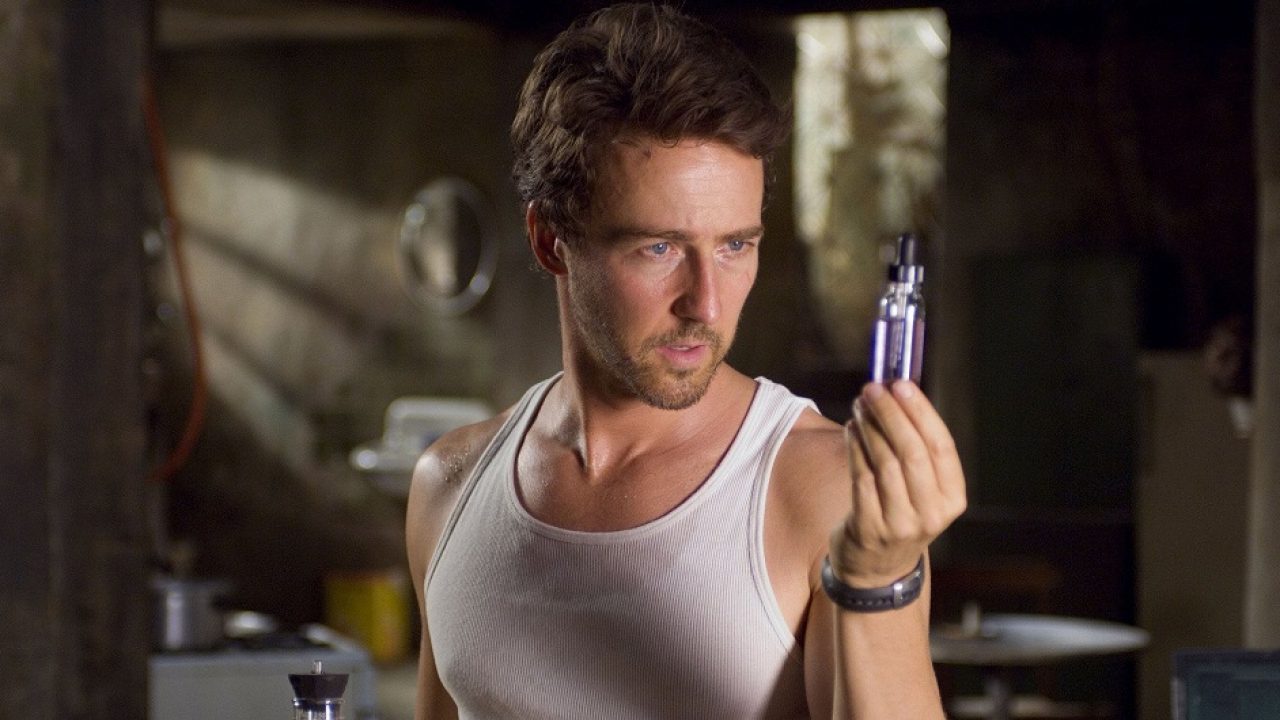
    While Marvel Studios has been quite good with keeping its various characters consistent, there have been a few recasts throughout the years. The most notable one for the franchise was when Mark Ruffalo replaced Edward Norton as Bruce Banner. As production ramped up for Avengers, Norton‘s vision of the character didn’t mesh with Marvel Studios’ and they parted ways. It made many questions if that film was still considered canon until William Hurt‘s Thaddeus Ross returned in Captain America: Civil War. There are other cases of recastings in the franchise’s long history. Don Cheadle took over from Terrence Howard in Iron Man 2 while Zachary Levi replaced Josh Dallas‘s Fandral in Thor: The Dark World.


    Nicht düster genug: Edward Norton erklärt seinen Hulk-Ausstieg


    Now, with the introduction of Variants in Loki, it opens up a lot of new possibilities. Of course, there is the obvious option to also bring back the before-mentioned recasts, who could make an appearance in Doctor Strange in the Multiverse of Madness. Strange may seek the help of the Hulk only to meet a completely different version of Banner, which gives us a brief cameo of Edward Norton returning as his interpretation of the character. They might even explore this aspect with the recent replacement of Cassie Lang, as Kathryn Newton took over the role from Emma Fuhrman in Ant-Man and the Wasp: Quantumania. Scott Lang can’t recognize the face of his daughter that becomes a catalyst for the events of the film, as he tries to get back the Cassie he knew and loved. Why stop there? How about they introduce Tom Cruise as an alternative version of Tony Stark to pay tribute to almost playing the character before it went to Robert Downey Jr. It opens up a new way to explore the ever-expanding universe as they face real-world limitations and give these actors one last shot at revisiting these old roles or what could’ve been.

    Source: CinemaBlend, ScreenRant, Geo

  • Marvel Studios’ ‘Power Pack’ Could Be Disney+’s Anti-‘Invincible’

    Marvel Studios’ ‘Power Pack’ Could Be Disney+’s Anti-‘Invincible’

    Amazon’s Invincible may be the start of a new era in comic book adaptations. The series’ first season was a surprisingly enjoyable R-rated jolt to the industry’s usual page-to-screen machine. Yet, the show’s novelty had very little to do with its willingness to be edgy. We’ve seen superhero stories get dark and introspective before, most notably in the form of Amazon’s other immensely popular show The Boys, and HBO’s award-winning Watchmen. What made Invincible so special was its courage to be animated in a world where live-action dudes-in-tights are the only ones being taken seriously.

    Sure, comics have a long history with cartoons. From 1941’s Max Fleischer adaptation of Superman to the critically-acclaimed Batman and X-Men series of the early ’90s. It went all the way to modern cult classics like The Spectacular Spider-Man and Young Justice. There’s no denying animation has always played a large role in bringing comic book characters to the forefront of popular culture. Unfortunately, despite the success surrounding these projects, the unwritten rule of geekdom has always been that adults watch real people in costumes while the children focus on cartoons. Only the biggest nerds do both. Thankfully, with the help of Spider-Man: Into the Spider-Verse, Invincible, and Star Wars: The Clone Wars, that rule has begun to change.


    Tales of heroes in capes are the new norm, and it would seem their atmospheric rise in popularity has made the general public aware of their storytelling merits. If Invincible did anything, it was finally showing people what animation can allow a studio to pull off. A huge scope without big sets, a stellar cast without coordinating schedules, and pulse-pounding action drama without the restraints of CGI. Marvel Studios is set to make its first ventures into “adult-inclusive” animation with the debut of M.O.D.O.K. later this month and What If…? later this year. If those star-studded series go well, it hopefully won’t be the last time the studio feels confident enough to greenlight a potentially MCU-canon cartoon project. Luckily for Marvel, they already have the perfect set of characters just begging to be part of the animated scene, The Power Pack.


    One of Marvel’s more obscure super-groups, this team of tween heroes consists of the four Power siblings Alex, Julie, Jack, and Katie. Introduced in 1984, the children’s story found them wielding unique abilities after coming across a dying alien. It had come to Earth in search of their genius father. As a result, Alex can control gravity, Julie learned to fly, Jack manipulates mass, and Katie can disintegrate any form of the matter before expelling it as a ball of explosive energy. Initially tasked with protecting the world from the deceased alien’s rival race, the kids end up donning costumes to hide their identities and act as Earth’s newest superhero team. Though they would occasionally bump into Marvel’s bigger guns, like Spider-Man or the Avengers, the Power Pack mostly operated on their own, taking down some of the planet’s biggest threats before the likes of Iron Man even knew there was a problem.

    The concept screams Saturday morning cartoons and would act as their perfect answer to Invincible. Despite featuring four children as the protagonists, the comic series was known to tackle some pretty heavy subject matter. The Pack was imbued with great power and often ended up in situations that called their moral standings into question. Before they even hit puberty, the kids were forced to deal with topics like sexual assault and drug abuse. The comic was a great way to present these issues to America’s youth through characters their own age, and an animated series featuring the group could perform the same task for young fans of today’s MCU.


    Much like Invincible, a Power Pack show would juggle all the classic coming-of-age superhero tropes with the darker realities of life. It could do so without dipping into any of the prior project’s R-rated territory. In essence, it would be the anti-Invincible. Hitting all the same thematic pressure points, but with brighter accessibility to adults and children alike. Making the series animated would also allow for the bigger stars of the MCU to easily appear in voice roles, and the isolated nature of the Power Pack’s traditional stories means they wouldn’t have to appear in live-action productions very often. If the show were to age its characters with the voice cast, it would make these potential crossovers far easier and permit the vocal performers to reprise their roles on the big screen if need be.

    A Power Pack adaptation has been in varying degrees of production since 2000. Marvel boss Kevin Feige has expressed interest in bringing the group to the MCU in the past, and even commissioned a film script to be written as recently as 2017. While a movie would be better than nothing, it would seem like a missed opportunity to make something more unique. No Power Pack updates have come in quite some time, so hopefully, there’s still time to make an animated series happen.

    Source: The Hashtag Show

  • Phase 4 Is Man-Thing’s Time to Shine in the MCU

    Phase 4 Is Man-Thing’s Time to Shine in the MCU

    For over 80 years, Marvel Comics have taken fans on adventures spanning the cosmos, the multiverse, the depths of Hell and more. Thousands of characters have gone on countless journeys and saved the universe time and again and, over the past 13 years, have begun to make their respective ways into the Marvel Cinematic Universe. Marvel stable of comic characters is so vast that fans can’t reasonably expect all their favorite characters will find their ways to the MCU but, as we learned from our interview with Malcolm Spellman, Marvel Studios lets their writers work and then going to their expansive roster of characters to find just the right one for the job. As the MCU moves into Phase 4, there’s a character on Marvel’s bench that could serve as the connective tissue to a couple of key Phase 4 themes while also setting the stage for some properties in development: enter the Man-Thing.

    Marvel's Most Disgusting Superhero is Secretly a Popular X-Men Writer

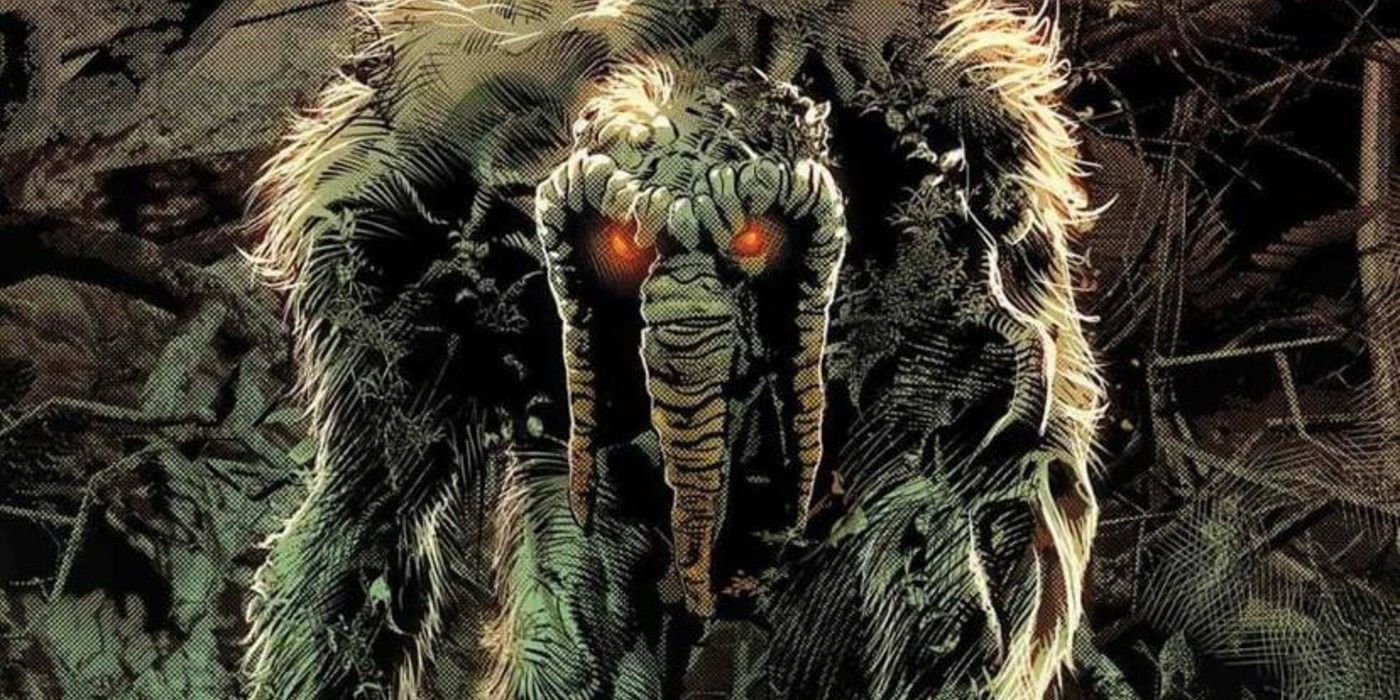
    Man-Thing already exists in the MCU. We saw his loveable face on the Grandmaster’s tower in Thor: Ragnarok, met his comic book ex, Ellen Brandt, in Iron Man 3, got a name drop in Season 1 of Agents of S.H.I.E.L.D. and the Nexus of All Realities, of which he is the guardian, was seemingly referenced in WandaVision and definitely referenced by Erik Selvig in Thor: The Dark World. However, other than the look at his mug, we’ve never seen him in action but the revelation that Isaiah Bradley is a part of the MCU and that his blood has been used to attempt to recreate the Super Soldier serum could finally open the door for Dr. Ted Sallis’ story to be told and for us to finally meet the Man-Thing!

    The Falcon and The Winter Soldier was all about the legacy of Steve Rogers and the Super Solider serum that made him Captain America and, as we found out, that serum has been at the heart of some terrible things. In the comics, Dr. Ted Sallis worked for the U.S. Army on a project which was intended to create a way to help soldier survive biological warfare. Before long, he found his way down the same road many Marvel Comics’ scientists have: attempting to recreate the Super Soldier serum. Betrayed and sold out to A.I.M. by his wife, Ellen, Sallis injected the only existing sample of the new serum into himself (as all good scientists do) and crashed into the swamp where, because magic, he was transformed into the Man-Thing. Sallis’ story has some other twists and turns, such as working alongside Curt Conners and also having a bit of his regen serum in him as well (I guess he could get his hands on that if say Curt Conners were to show up in Spider-Man: No Way Home), but the MCU is actually set up really well to retrofit his story and insert his story into the present day.

    The Past: Sallis’ Research and Brandt’s Betrayal


    Much of Dr. Ted Sallis’ comic book origins could easily be kept intact and adapted into the existing MCU, especially now that we know samples of Bradley’s blood have been the subject of experimentation since the 1950s. We know from The Incredible Hulk that the U.S. Department of Defense has experimented with Super Soldier serum during the interim and we could easily see Sallis retconned into being a part of the DoD’s research and working into the Everglades. While not something they necessarily need to do, Marvel Studios could easily retcon Ellen Brandt’s story (we only know that she was in the military herself and lost an arm) by having her be one of Sallis’ partners on the project, acting as an agent of A.I.M. (another organization that could really use some retconning). In the current MCU timeline, A.I.M. came into being sometime after 2000 and Brandt joined up in 2009. Sallis’ story could easily take place in the early-to-mid 2000s and allow him to meet and fall for Brandt, have her betray him and try to steal his work and have him encounter her one time as the Man-Thing, explaining the scarring on her face. Maybe we could even find out how he won the Contest of Champions!

    The Present: The Nexus of All Realities

    What is the Nexus in Marvel comic books? The WandaVision reference  explained | GamesRadar+

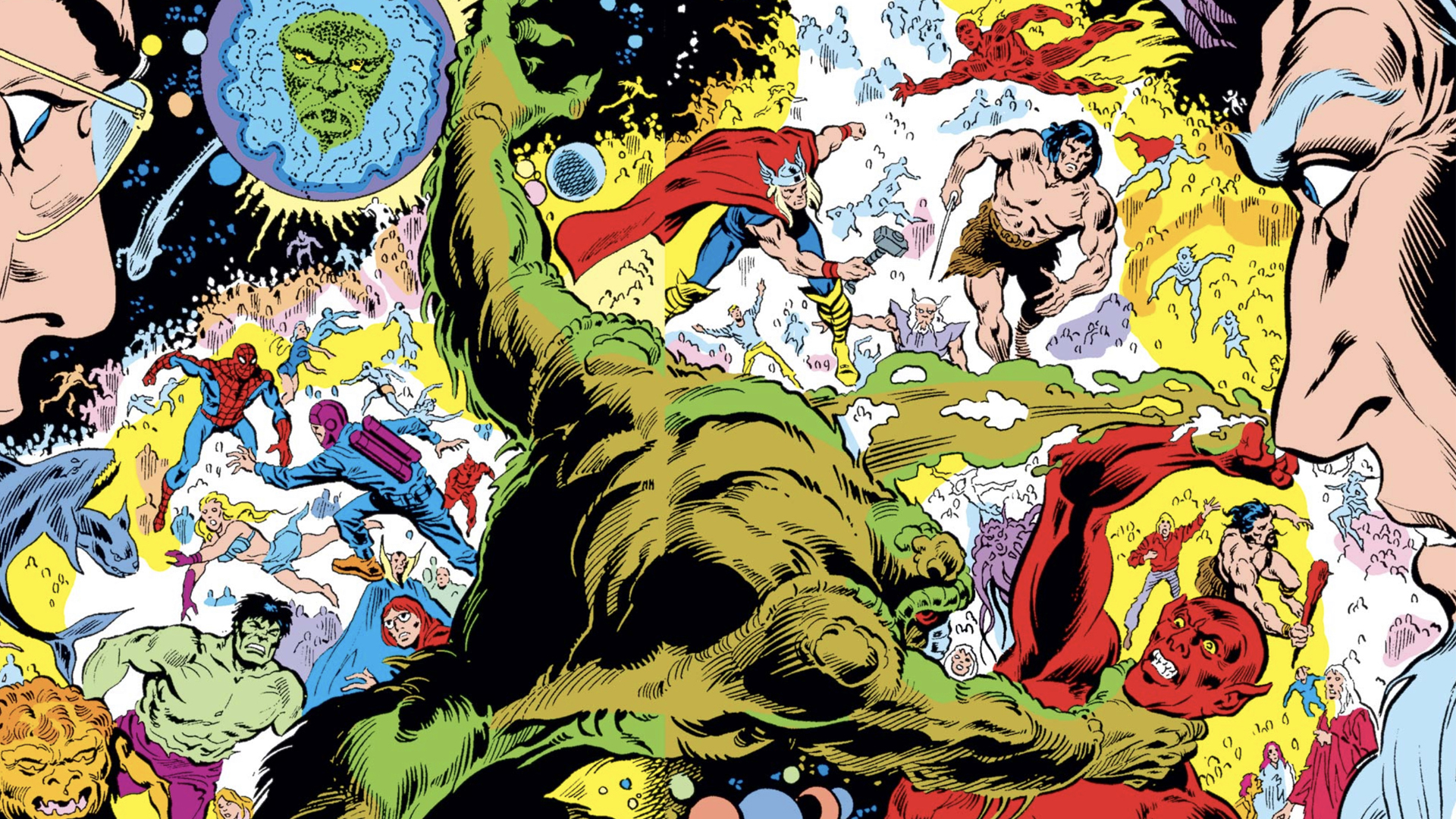
    Spider-Man: No Way Home is set to bring all sorts of characters from their respective multiverses to the MCU, a theme that seems like it’ll spill over into both What If…? and Doctor Strange in the Multiverse of Madness. In the comics, the Nexus of All Realities is the type of interdimensional gateway that would allow for characters like Tobey Maguire’s Peter Parker or Alfred Molina’s Doc Ock to travel from one universe to another and it’s Man-Thing’s job to protect that gateway as it is the crossroads for the entire Multiverse. As the guardian of the Nexus, Man-Thing has the ability to transplant people and places from their home reality into this one by opening portals to other realities. While we’ve never heard anything about Man-Thing showing up in any of these projects, if there were ever a time for big fella to arrive in the MCU, that time is now.

    The Future: Midnight Sons

    Ghost Rider: How Rise of the Midnight Sons United Marvel's DARKEST Her –  iNerd

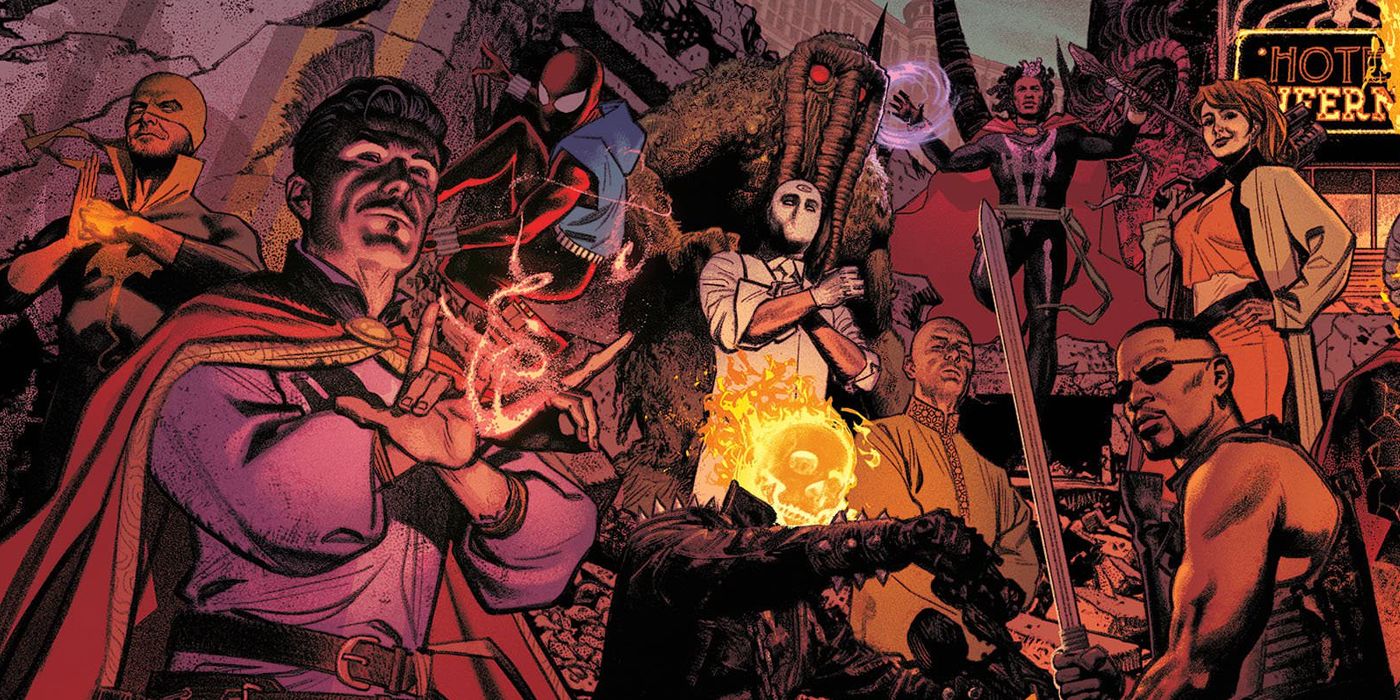
    Doctor Strange is present and Brother Voodoo is expected to join him shortly. Moon Knight is coming soon. Blade is headed to the MCU. Ghost Rider is in development. The supernatural side of the MCU is about to get crazy and bring in any manner of vampires, demons or other horrific creatures. Should the threat get bigger than any one hero could handle and a team-up be necessary, the Midnight Sons are that team and one that fans have been hoping to see come together for quite some time. Having first come together in the early 1990s, the team reassembled recently in Doctor Strange: Damnation with a few changes to the roster. If we were to meet Manny sometime soon, we could see him join this team in time for something like the third Doctor Strange film or even an event series on Disney Plus.

    Given that the set up exists thanks to the MCU’s past, the great opportunity for him to tie into so many of Phase 4’s projects and the fact that the spooky side of things is going to make its way into the MCU, Man-Thing might be the nexus point of the shared cinematic universe if they give him a chance.