Category: Features

  • ‘Loki’ and a Broken Love Story Hidden Within the TVA

    ‘Loki’ and a Broken Love Story Hidden Within the TVA

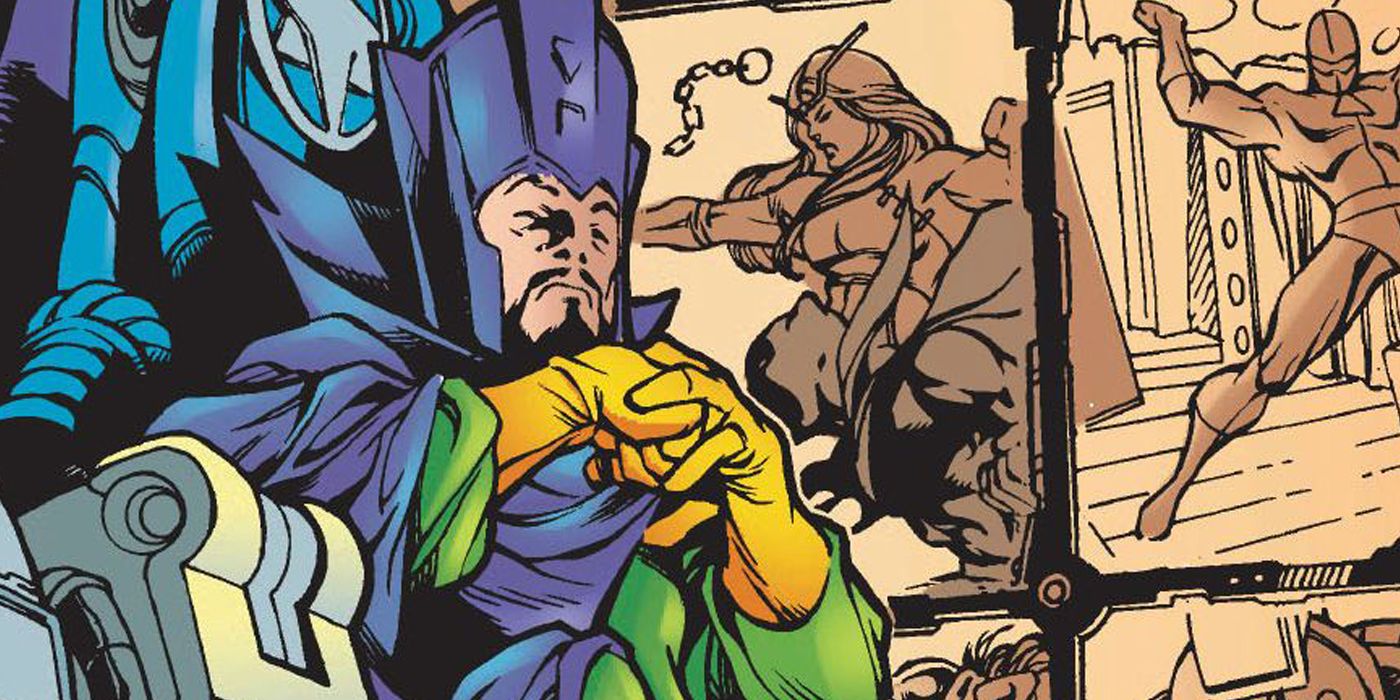
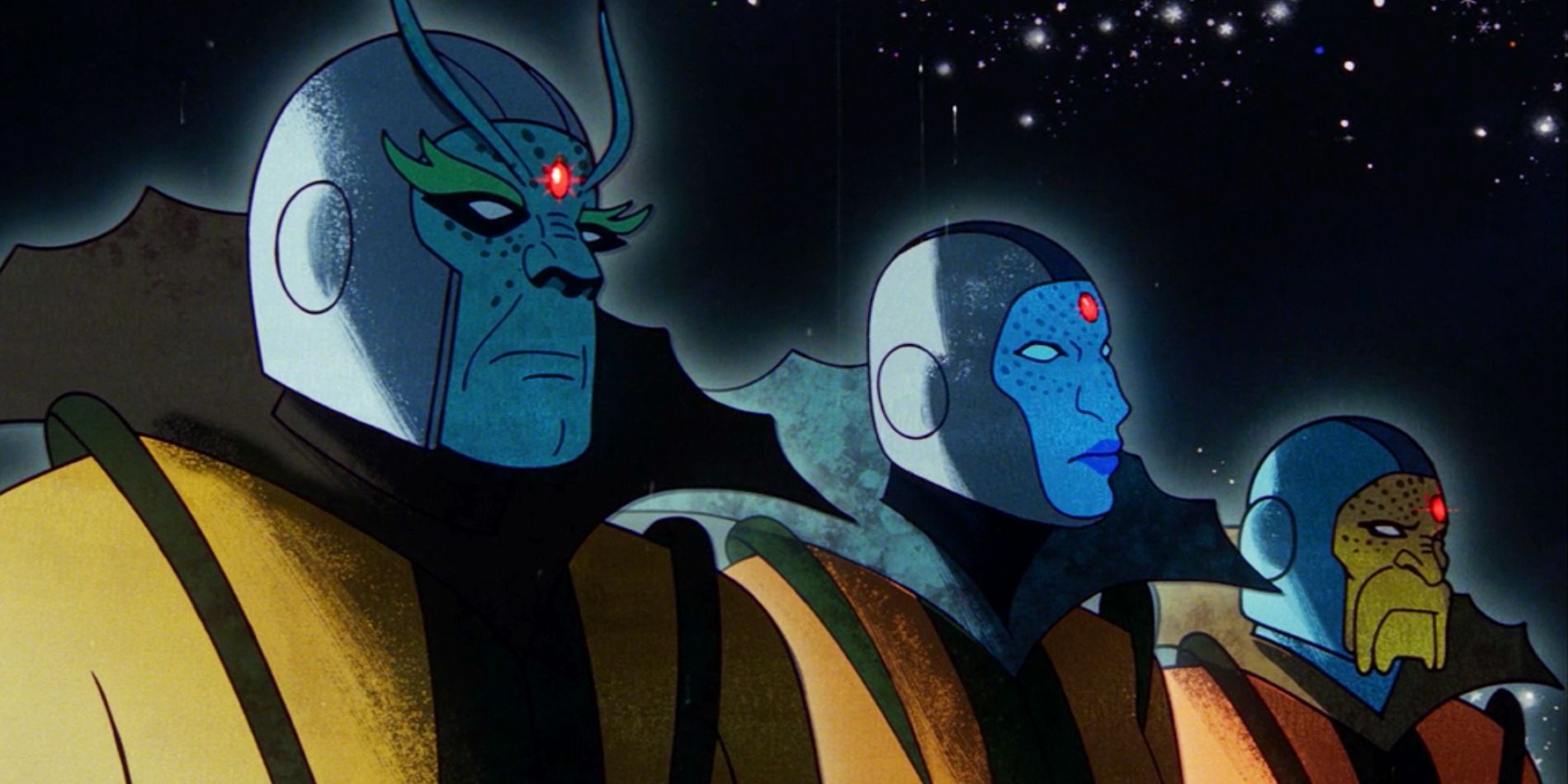
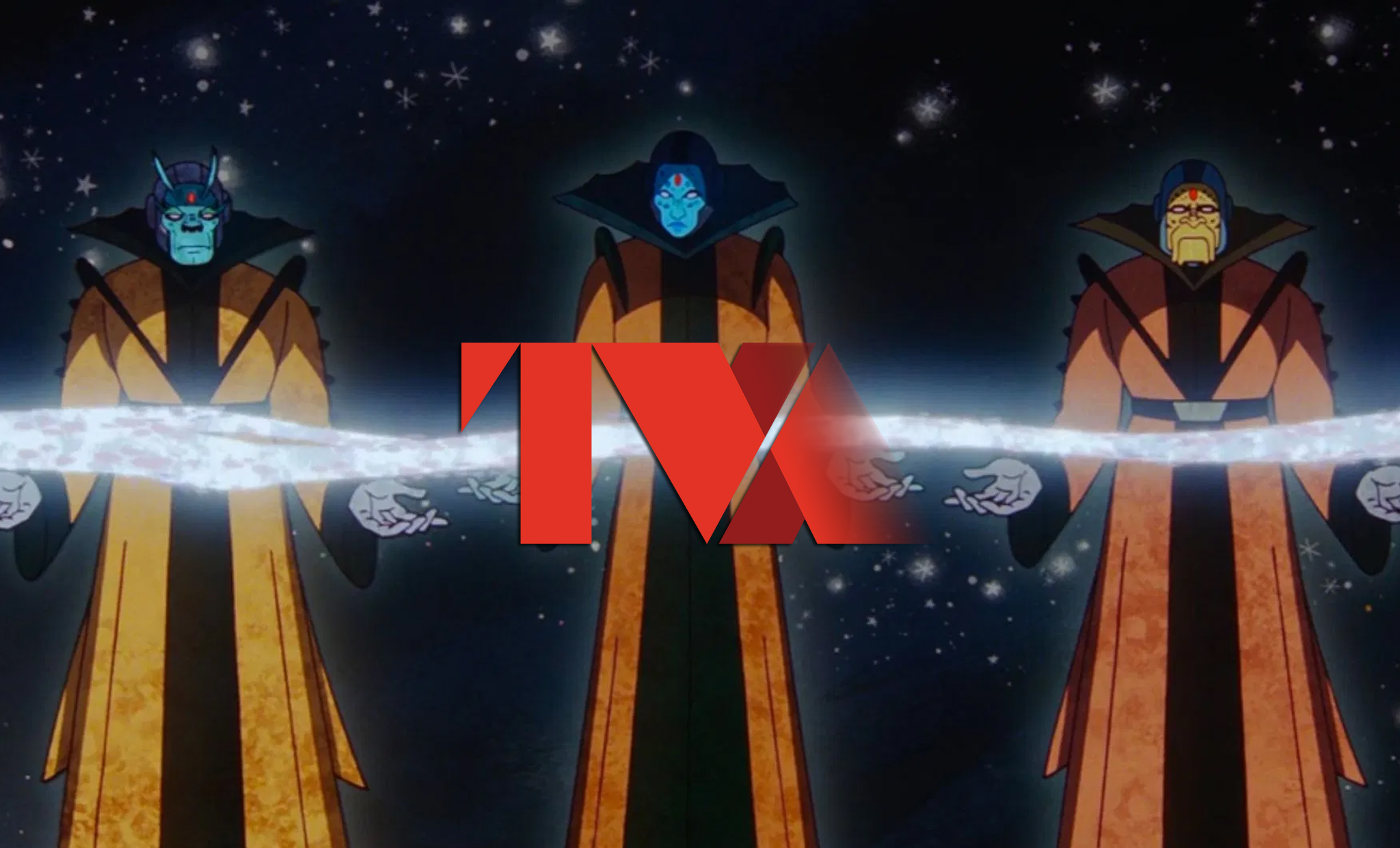
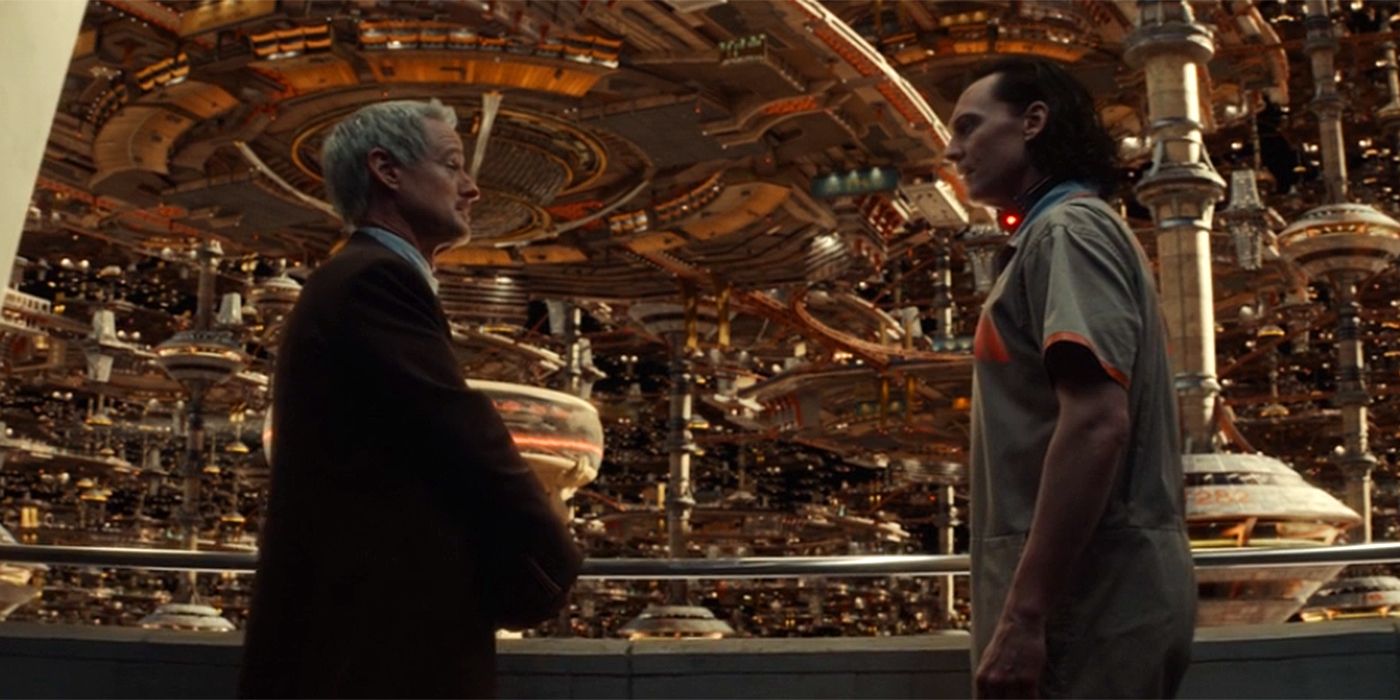
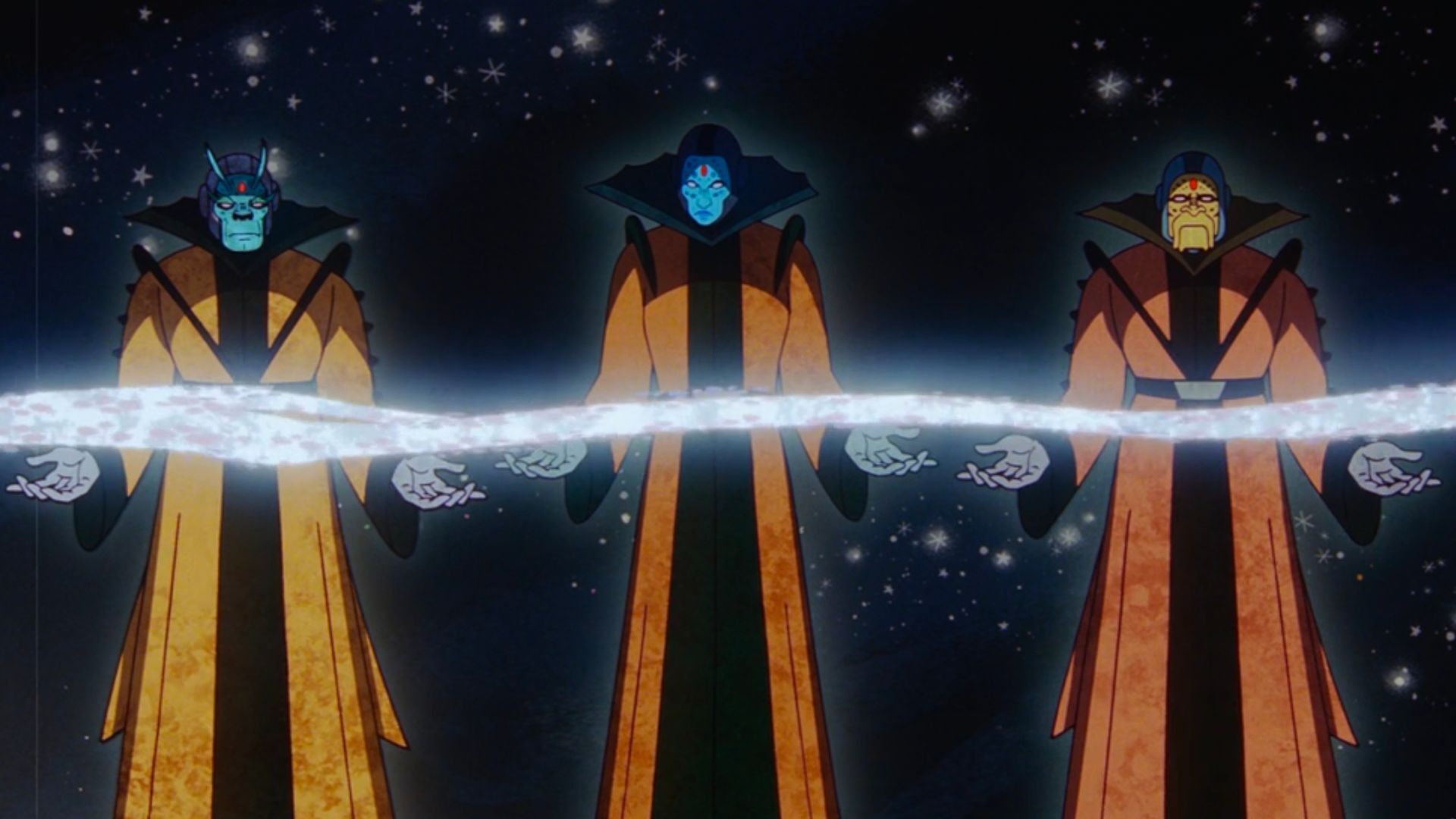
    With the title being Loki, all our focus has been on the God of Mischief’s journey. We explored the Time Variance Authority, but it’s time to take a step back. It’s time to explore what exactly the show is all about. Perhaps there is an answer to the events of the original multiverse and the subsequent creation of the Sacred Timeline. Let’s explore the camera’s obsession with a specific Time-Keeper and his potential connection to why the TVA consists of Variants. At the heart of it lie the Time-Keepers. They get described as almighty beings able to create a single timeline that somehow requires an entire organization to supervise. No high-ranking members seem to have met them outside of propaganda videos and stone statues. There may be one connection to the third episode’s storyline: it may all be about a broken love story.
     

    Marvel's Loki: Who are the Time-Keepers of the MCU? - Den of Geek


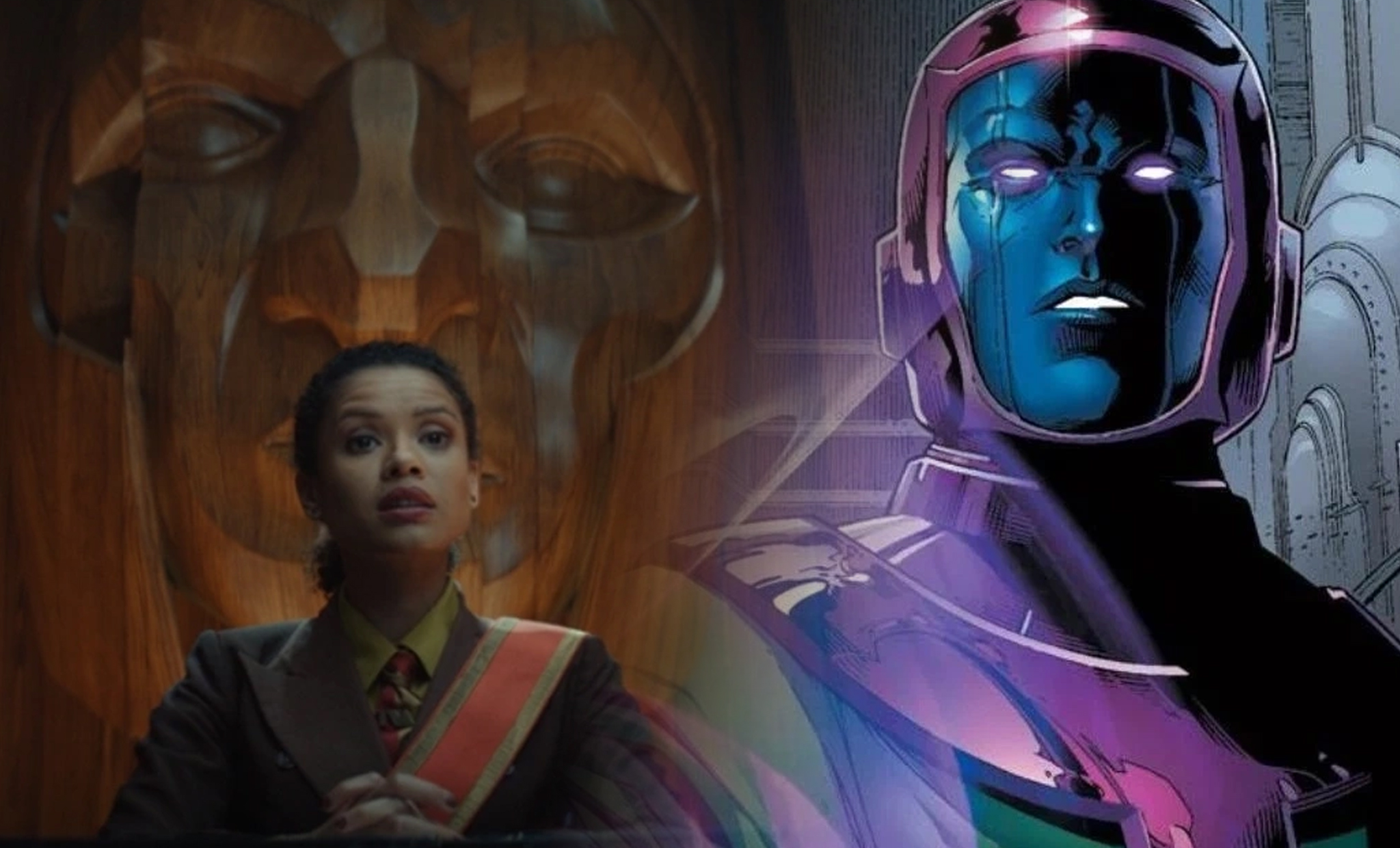
    Let’s take a short detour through comic history. Many fans instantly recognized the head judge of the TVA, Ravonna Renslayer. In the comics, she is none other than Kang the Conquerors’ love interest. She was the princess when she appeared in Avengers #23 in 1963. After refusing his advances, she would end up falling in love with him but lost hers when his commander Baltag tried to take down his former ally. Kang traveled through time to save her life but would end up splitting up in two diverging timelines. One where he manages to save her life and another where she ends up preserved in a cryo-tube.

    What if a similar type of event transpired in the Marvel Cinematic Universe? At one point in time, the multiverse existed, but Ravonna always had the same fate. She would find an early end. As such, Kang’s multiversal counterparts tried to find a way to save her no matter what but ended up leading to the first Multiversal War. They are Nexus beings like Wanda that unraveled the multiverse for the same reasoning. The events would transpire until they uncovered one timeline where she lived. In reality, the Time-Keepers are a charade. In their wake, the man named Immortus supervises all and keeps an eye on the proper flow of time to secure her life. He is Kang but split from his original to lead the TVA and its true purpose.


    Loki's Time-Keepers and their future Marvel connections, explained - Polygon


    Selfishly, he finally had a chance to keep her close when a Variant of Renslayer splintered off from the timeline. She would be the first TVA agent taken from the flow of time and become the foundation of how its members got added. This Variant was the only one chosen to keep her memories, and we see glimpses of that. There is a lot she knows that she is not letting on. Hell, she even hinted at her connection to the Time-Keepers during her sitting with Mobius. There is also the recurring visual of one particular Time-Keeper always hovering behind her head. We see it when she is judging Loki for his crimes and in her office. Marvel Studios mastered the use of complicated mythology through simple storytelling. Perhaps the story behind the founding of a single Sacred Timeline is one simple ulterior motive: love. The only question remains, was Loki right? Is the dagger that represents love truly real? Perhaps a dark and broken future awaits when Ravonna realizes the truth of the TVA that even she didn’t know. For now, it may all lead to Kang even if his future actor, Jonathan Majors, denies any involvement.

    Source: Variety
  • ‘Shang-Chi’s Latest Trailer May Hint at the Ten Ring’s Origins

    ‘Shang-Chi’s Latest Trailer May Hint at the Ten Ring’s Origins

    The latest Shang-Chi and the Legend of Ten Rings trailer gave us our first look at the grand return of Abomination. He is fighting what most likely is Wong during a tournament. It’s been what everyone has been talking about, but there is one more major reveal that got a bit overlooked in the trailer. We briefly get a sequence of Shang-Chi underwater getting confronted by a mysterious dragon. Now, we automatically assumed it might be Fin Fang Foom, but a Funko Pop leak offered a better glimpse. It even confirmed his name is the Great Protector. Now, the fact we get to see him interact with Shang-Chi made me wonder how he connects to the mysterious Ten Rings and the overarching story.


    In the trailer, Simu Liu‘s character is submerged in water while wearing what seems to be the outfit from the final fight in the trailer. We see the entire body of the Protector with his head coming closer. The visual has a deeper meaning, as in Chinese mythology, the dragons, also known as Long or Lung, are rulers of weather and water. There is also a Chinese idiom that states people are “hoping one’s child will become a dragon.” This belief might match Teny Leung‘s words as Wenwu: “You can’t run from your past!” They might reflect his hopes of bringing his son back into the family business. The trailer seems to imply there might be a deeper connection between the dragon and his family’s history, which may tie together with the physical symbol of their legacy, the Ten Rings.

    In the comics, they are literal rings one wears on their fingers that each has a unique ability. They weren’t magical creations but of alien origin, which made us think it might connect to Fin Fang Foom. He is a shape-shifting alien from Kakaranthraa or Maku IV. It’s still uncertain how the rings work, but they seem to have an energy field. Not just that, they also seem to change depending on the user, as they light up yellow when Shang-Chi is holding them. They might utilize a person’s energy and give it form, which matches the abilities showcased by Michelle Yeoh’s Jian Nan, where she is controlling nature around her. So, it may act more like an energy siphon to utilize one’s inner powers, which, if we return to Chinese mythology, is known as Qi.


    So, how does it all connect? Well, the Great Protector might be the originator of the rings. They may pay tribute to the comics by them being literal rings on the dragon’s claws. They got gifted to the founding father of Shang-Chi and Wenwu’s family, who might have been part of the war teased in the trailers. The brief sequence of floating water might be another reference to that deep connection. Liu‘s character coming face-to-face with the dragon might be the passing of the torch before the final battle between him and his father commences. In Chinese mythology, four Dragon Kings represent the four seas. One of them, most notably, being the White Dragon that is the patron of Qinghai Lake. The colors would match with the Great Protector, and it might be the birthing place of the Ten Rings. It may even be the lake teased in a brief sequence in the latest trailer, but it may be an original location that is strongly inspired by the original myth.


    We’ve already seen glimpses of Chinese mythology playing a key role in the film. It would make sense they would also establish the Ten Rings to have a stronger connection to the country’s mythology. Of course, it is just speculation and it may be purely the resting place of the dragon, as earlier sets did hint at the Valley of the Sleeping Dragon. They could’ve combined the comic location with a real-world inspiration. Whatever direction they may take, it is great to finally explore a new section of the Marvel Cinematic Universe and its vast mythology.

    Source: YouTube

  • ‘Loki’: Questioning the True Identity of Sophia Di Martino’s Sylvie

    ‘Loki’: Questioning the True Identity of Sophia Di Martino’s Sylvie

    The following article contains spoilers of the latest Loki episode. Only continue reading at your own risk.


    Ever since the second episode, we’ve all been wondering what is the secret behind Sophia Di Martino‘s Loki Variant. Her existence goes against the well-established rule of how these characters spin out of the Sacred Timeline. They all commonly look like Tom Hiddleston, even if he went through different transformations. We thought she might just be Loki changing his form. but literal documents are mentioning her as Sylvie. She confirmed it in the latest episode but then reveals that she chose the name. Hell, she even detests the Loki mantle. Is there perhaps a bigger secret at play with her character’s identity?

    Now, there are a few things we learn about Sylvie throughout the latest episode. She taught herself how to use enchantments and seems to only possess that specific ability. The version we follow from Avengers: Endgame learned his countless abilities from Frigga, with whom she has no recollection. On multiple occasions, he even questions her if she is, in fact, a Loki. Her personality is similar but doesn’t match with what we understand from the character. She even gets defensive when she is called a Variant. The whole point of the episode seems to create the illusion that Sylphie isn’t truly a Loki.


    Well, what do we know about her? The documents found in the TVA offices hint at her name being Sylvie Laufeydottir. It alludes that she was indeed born as the daughter of Laufey, which is a custom in Nordic namings. She also talks bout knowing that she was adopted early on. Yet, we can also assume she never was an Asgardian royalty. She mocks Loki on multiple occasions and never speaks of her time with the Asgardians. It’s almost as if she was down on her luck for most of her life. If she is perhaps part of an old multiverse before the Sacred Timeline was formed, she may be trying to find her old life again. She does hint that she has been fighting this fight for quite some time now.

    It makes you wonder if we can even trust the words she is speaking throughout the episode. One thing that stands out is that this episode has a strong thematic tie built around “love.” Even before Loki’s ill-conceived metaphor about invisible daggers, we get a glimpse of her softer side. There is a slight vulnerability and reasoning for her actions that she still is keeping close to her chest. Perhaps she has taken on the mantle of someone she once loved. The planet’s name, besides being a comic reference, as Lamentis might be on purpose. While on the nose, grief plays an integral role in this story. Loki is heartbroken over his “glorious purpose” and is the reason his mother dies.


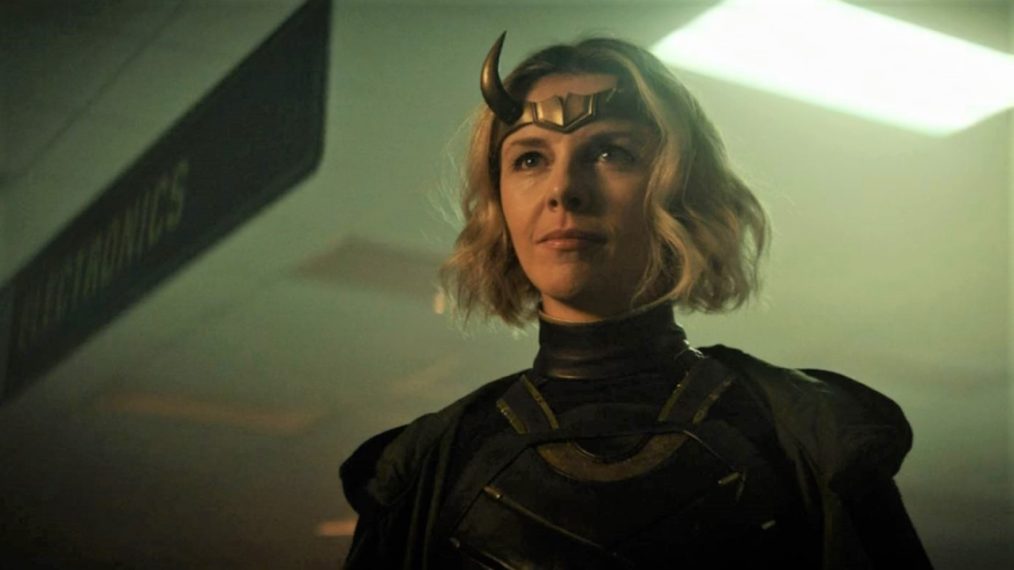
    Who Is Sophia Di Martino's 'Loki' Character?


    Perhaps Sylvie isn’t a Loki Variant but an illusion. She knows how the TVA’s technology works but was surprised when her abilities were mute while being present in the location. So, she doesn’t seem to have all the information that we thought she did. Her horn is also strongly inspired by a version of Lady Loki in Loki: Agent of Asgard. In that comic storyline, a younger version of the character was being manipulated by his former self. Perhaps they’re playing around with a similar concept. A Loki Variant achieved their goals but realized there is an even higher power at play. To get them off of his tail, he created a fake version that has some of his memories. The TVA believes she is a female Variant as she is, in essence, a copy of Loki but not the way they think. She is a means to an end while the true mastermind is waiting for his moment.

  • ‘LOKI’ and The Great Lie

    ‘LOKI’ and The Great Lie

    Episode 3 of Loki, Lamentis, revealed not only some background on Sophia DiMartino’s Sylvie, but also the first crack in the facade of the TVA. Through the first two episodes, fans rightfully questioned the legitimacy of the TVA’s story as told by Mobius; today’s episode made those questions more relevant when Sylvie revealed that Hunter C-20, played by Sasha Lane, was a human with a history and not a product of some TVA baby factory where they produce Hunters, Minutemen and agents to do their bidding (no wonder your boy Mobs loves jet skis). As fans, once we learn that we’ve been lied to about the TVA’s employees, we should question everything (if we haven’t already) and that line of questioning is going to lead to one truth: the TVA is the great lie meant to protect the interests of a very select number of people.

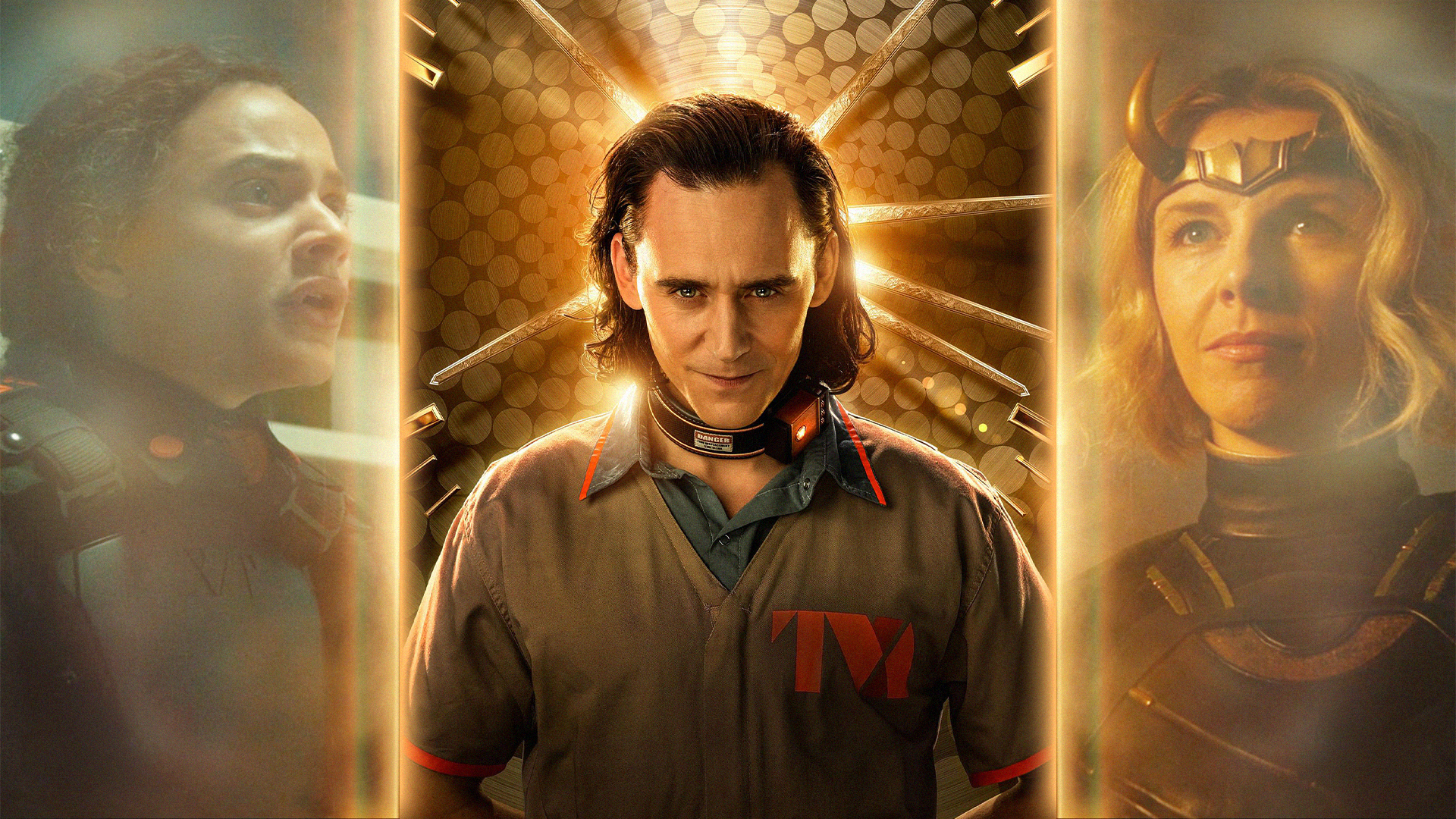
    Loki Is My Big Love Letter to Sci-Fi, Director Kate Herron Says | Entertainment News

    It’s been fairly obvious, thanks to Loki’s thickly applied skepticism, that the TVA and the Time-Keepers are all part of a rather authoritarian propaganda machine meant to keep the TVA’s workers moving in one direction and questions to a minimum. We’ve seen Mobius’s questions about the Time-Keepers met with hand-waving by Ravonna Renslayer and Loki’s questions to Mobius met with very religious, faith-based “just accept it” responses. Unfortunately for Mobius, even though he’s perceptive enough to see the faults in the official story, he seems to come up just shy of being willing to question it and serves as a willing instrument of the great plan of the Time-Keepers, protecting the Sacred Timeline until he can exist in peace at the end of time. Ravonna, on the other hand, appears entirely implicit in preserving the agenda of the Time-Keepers despite it becoming increasingly obvious that they are, at least at this point, little more than fictional creations intended to keep everyone feeling safe. And when people feel safe, they don’t ask a lot of questions. Like Mobius said, if we start to questions things, everything seems ridiculous.

    The TVA has amassed an incredible amount of power though even its employees seem unaware of just how long it’s been around. We know “time works a little differently” in the TVA and that objects of immense power don’t seem to work there, facts that point to the TVA being somewhere outside of time and space, somewhere like the Marvel Comics Temporal Limbo. In comic continuity, the beings that inhabited Temporal Limbo never aged because the dimension existed outside of the timestream; more importantly, it was lorded over by Immortus, an older version of Kang who had been chosen by the Time-Keepers to steer the timeline in one very specific direction towards the end of time. Part of that job meant that Immortus had to prevent different versions of himself, Kang Variants you might say, from achieving what he achieved: mastering time. Here’s a great time to ask another question: if the Hunters are Variants plucked from other timelines and chosen to work for the TVA and the official TVA company line on them isn’t true, can we accept any of Ravonna’s propaganda about the Time-Keepers?

    Loki Theory: The MCU's Time-Keepers Don't Actually Exist | CBR

    Given Ravonna’s comic book history is so deeply tied to Kang’s and the obvious layers of bullshit she’s spreading about the Time-Keepers in her limited time on screen so far, it’s fair to say that we can’t believe anything she says about them. As apparently the only person with access to almighty space lizards and a person of great power and influence herself, Ravonna is sort of the Pope of the the TVA, directing her faithful servants to do the will of the almighty, which only she is fortunate enough to know and then, as she says, disseminate to those less fortunate. So whose will is being done here? While we haven’t seen him yet, it becomes harder and harder not to believe it’s Immortus as the little bits of evidence start to accumulate.

    So halfway through the series, we certainly can’t question the TVA’s power and authority but we absolutely should be questioning at whose behest they are wielding those things. If it Immortus behind the curtain, we should also question whose interests he’s protecting by directing the Sacred Timeline in one very particular direction. If he’s truly doing so to prevent another Multiversal conflict, that’s all well and good and fits the very nice narrative of the Time-Keepers; however, if he’s up to something else, something that’s more personal, such as making sure he’s the guy on top of things at the end of time, then we’re looking at another narrative entirely. And that’s where Loki, or some Lokis, can really do their thing(s). What makes a Loki a Loki? Spreading mischief and being an agent of chaos has to be one answer and it would seem that these two Lokis have begun to unravel the thread of the Great Lie and either Immortus or the Multiverse will be at risk because of it.

  • Theory Tuesday: Exploring the Endgoal of Sophia Di Martino’s Loki Variant

    Theory Tuesday: Exploring the Endgoal of Sophia Di Martino’s Loki Variant

    The second episode of Loki (quite literally) dropped a bombshell on us. We got the reveal of Sophie Di Martino as the mysterious Loki Variant, the explosion of the multiple reset charges throughout the Sacred Timeline, and the possible introduction of the multiverse in the Marvel Cinematic Universe as we know it. The Disney+ series isn’t pulling any stops when it comes to its fast-paced action and thrilling storytelling. Now, many curious details deserve a closer inspection, but one thing has me wondering. Why exactly did the Variant create the multiverse, and what was her plan with the reset charges? It seems C-20, her prisoner throughout the episode, served a specific purpose, and it’s time to take a closer look.


    The End of the Universe


    Let’s start with something simple that may already have gotten alluded to by Mobius halfway through the second episode. When Loki asked what happens when the Time Keepers complete their duty to the timeline, Mobius teases what seems to be the end of the TVA’s job. They signal it as “peace” and “order” once they enter their timeline’s epilogue. But what if it didn’t end like that but just ends infinite chaos? The Sacred Timeline could be leading to an apocalyptic end, and that’s what the Loki Variant aims to avoid? The TVA’s blind trust in the Time Keepers could be a potential undoing that the newly introduced Variant wants to avoid.


    The Birth of the Multiverse


    Now, some details remain classified regarding the creation of time or the TVA. All we know is that there was a Multiversal War where various timelines battled for dominance before they were all condensed into the Sacred Timeline. Perhaps the idea that a multiverse exists is impossible to the TVA since they always pruned any potential branch that could’ve turned into an alternative timeline. Yet, is it possible that the multiverse continued to exist, and they never knew? Think about it. Why would the Ancient One ask Strange who he was in the “vast Multiverse” if the TVA constantly went out of their way to ensure it never existed in the first place. Is her understanding of a multiverse different, as we know the Dark and Mirror Dimension exist? There might be many more secrets existing beyond the red limit, and our new Loki is trying to restore it once more.


    Something Far Worse


    Perhaps, in the darkest corners of the universe, there is a being who is lying in wait for their opportunity to strike and take control of the universe. One of these beings could potentially be Shuma-Gorath, a character that has been rumored multiple times in the past to be coming to the MCU for the Doctor Strange sequel. We know that in the past, there was a multiversal war, but we don’t know which being fought for control of the multiverse. Could Shuma-Gorath be one of those beings? Is Sophia Di Martino‘s character perhaps an agent of chaos sent out by this mysterious being? He preserved her existence to ensure his goals are achieved. Perhaps C-20’s crazy ramblings are a result of coming face-to-face with the Eldrich-inspired being.

  • ‘LOKI’ Episode 3 Primer

    ‘LOKI’ Episode 3 Primer

    I, like everyone else, am super excited for the next episode of Loki. In the last episode, Loki discovered that the clever Variant was hiding in apocalypses. This is a great hiding spot because you have materials and resources you will need and you can do whatever you want because eventually the whole place will get wiped out and no one will remember you. The Variant known as Sylvie is a time terrorist and sets off time bombs that create dozens of new timelines. The Sacred Timeline is in huge trouble and they are going to have to work very hard to get it back to normal.

    The Best Loki Episode 2 Easter Eggs and References – /Film

    Sylvie’s plan is very clear: she uses the time bombs to get the TVA agents out of there so she can get to the Time-Keepers. At the end of the episode, we see everyone emptying out of the TVA so her plan worked and thanks to C-20, she knows where to go. But what does she want from them? One more thought, are the Time-Keepers even real or is someone else behind the TVA’s curtain?

    Arlyn’s Assumptions

    At the very end of the episode, Sylvie tells Loki it’s not about him. Curious about what Sylvie is up to, Loki follows her through a door; in this next episode, we are going to find out who Sylvie is and why she is after the TVA. We’ll also probably be visiting some of the other apocalyptic places we saw in the trailers for the series.

    If the Time-Keepers aren’t real I think that the person running the show and taking care of the sacred timeline is Kang the Conquerer. I first met him playing Lego Marvel Super Heroes 2 on my Switch. In the video game, Kang is working with Ravonna, the same Ravonna who has a big role in Loki.  I do believe that everyone in the TVA works for Kang but doesn’t know it. Therefore, Kang is the Time-Keepers. The real question is, will the TVA be able to undo all of the damage that Sylvie has done? Or will it kick off the next multiversal war? Maybe Secret Wars?


    The next episode of Loki will premier tomorrow!

  • How Netflix’s ‘Sweet Tooth’ Compares to the Original Comic

    How Netflix’s ‘Sweet Tooth’ Compares to the Original Comic

    No matter what adaptation you think about, no matter if it is from a comic or video game, there are always changes to fit the original story to the new medium. This trend is evident in the recent Netflix adaption of Jeff Lemire’s beloved Sweet Tooth comic series. It’s a story about a hybrid boy named Gus, who meets a grizzled traveler named Jepp. The two travel through what was once society to uncover the truth behind the virus and answer the question on everyone’s minds: What came first, the Sick or the Hybrids? But, of course, this adaption includes its fair share of changes that improve the story overall and give some characters some incredible depth.

    Tone


    One of the most glaring changes from the comic is its dramatic shift in tone. The original comic is quite dark and can get a bit graphic at times. Netflix immersed viewers in a world on the brink of collapse and jumps straight into the lush, colorful forest that Gus would call home. From there on, the show keeps a hopeful tone as we follow Gus and his eagerness to find his mother alongside his companions Jepp and Bear. The show’s shift in tone was one of the best moves the series could’ve made. It still stays true to its source material but holds it in a light that makes it accessible and inclusive for viewers of all ages.


    The Preserve


    In the comics, Gus is avid to leave the woods with Jepp and find the preserve, but it’s never given much focus. This time around, the preserve gets an actual origin story. It is run by Aimee, an original character, along with her daughter Wendy. She is a supporting character from the comics who got a revamped origin. The zoo would eventually become a haven for Hybrids. The only place they could hide from the Last Men. By the end of the series, the preserve is attacked and rendered into its original status, a front set up by the Last Men. This way, they can attract hybrid children and capture them for their experiments.

    Becky


    Early on in the comics, we meet two characters. They were forced into becoming sex workers and are held captive in an abandoned building, Lucy and Becky. Lucy becomes an integral part of the group, although not to Jepps liking. The series plays around with the newly introduced characters until the final episode finally clarifies their role. Early on, we meet Bear, who is the leader of the Animal Army. He ends up joining Gus and Jepp after her people were against her sparing Jepp’s life. Towards the end of the series, Bear reveals that her real name is Becky, and she once had a sister named, you guessed it, Lucy.


    Lucy


    Speaking of, Lucy becomes a mother figure for Becky and the Hybrid children. Yet, the show replaces that role with the original character Aimee. It makes sense to shift that story to a new character who can temporarily take on that role. This way, they can explore the relationships between Lucy and the others in a deeper way. She isn’t just the motherly figure but can take on a much more meaningful role in the group.


    Dr. Singh


    Netflix’s adaptation starts with Dr. Singh witnessing the beginning of the end, as the world crumbles around him as the sickness spreads. As such, we grow to sympathize with Singh much more than we do upon meeting him in the comics. Singh is a man trying to keep his ailing wife alive no matter the cost. We get a unique look at the character before he became the character we know from the comics, where he dissects hybrid children. It is all for the sake of finding a cure while at the Preserve.


    Religious Influence


    The first thing you notice in the comics is Gus’ father talking about God’s plan. We even see him scribble these “messages from a higher power” into a book that’s later acquired by Doctor Singh, who becomes entranced by its tellings. It would be what pushed the main characters towards Alaska to uncover the true origins of Gus, leading to the resting place of many native gods. The series doesn’t tackle this subject in any way. There isn’t even a hint at Gus’ godlike status in Native religions. No word of Tekkeitsertok is spoken even as the series still seems to be heading in that direction. The ending of the first season hints at his travel towards Alaska, which could get explored in a second season.

  • Time Keepers Are Always Watching: Exploring a Potential Dark Secret of the TVA

    Time Keepers Are Always Watching: Exploring a Potential Dark Secret of the TVA

    Loki gives us a thrilling adventure through time and space. It introduced us to the secretive organization that lives outside of time known as the Time Variance Authority or the TVA. The first two episodes offer us a glimpse at the daily life of the bureaucratic society that spends their every day to preserve the Sacred Timeline. They exist to abide by the rules set by the Time Keepers, who mysteriously don’t show their face to the organization except for Ramona Renslayer as revealed in the second episode. Strangely, a top official like Mobius has never even seen them. We also notice a lot of time-based propaganda hidden in the background of the offices. Is there a darker truth hidden deep beneath the TVA’s archives?


    Loki: The TVA Is More Powerful Than the Infinity Stones | CBR


    The latest episode spends a lot of time exploring the worldviews of our two protagonists. It all surrounds a simple discussion about Mobius’ love for jet skis. We learn in the same episode that only Renslayer gets to keep gifts from some of their cases, which is odd considering every agent is told not to disrupt the timeline. Still, he may swipe a magazine that got discontinued, as many of the products they consume like his favorite drink Josta Soda, only had short-lived shelf lives. Yet, as we learn in the first episode, some of them have no idea what exists outside of their desks. It’s almost as if their entire existence is only to serve the Time Keepers. The TVA may be just a pawn in keeping the timeline alive that truly only serves the Time Keepers to ensure their existence. As time keeps looping, perhaps they are as well without realizing it.


    Loki Season 2 Reportedly in Development


    We also briefly discussed the massive amount of propaganda that you can find in many of the TVA-focused shots. There are the massive statues of the three Time Keepers that are spread throughout the location. Miss Minutes’ introduction video also makes them seem like all-mighty beings that rule over time and existence. They are never given names but exist with the cryptic description of their role. In a way, it keeps the mystery alive of their otherworldly role. In a way, it is the belief that keeps these begins where they are and it seems fitting that it’s another god-like being that questions their rules, especially after he was forced to question his role in the timeline. The series plays around with Loki’s classic line in which he claims to be “burdened with glorious purpose.” Yet, it got twisted on its head when he was forced to face the inevitability of his existence in the first episode. Perhaps the TVA will go through that same lesson once Sylvie’s plans are put into motion.

  • How ‘Loki’s Villain Reveal May Set Up the Return of the Original Multiverse

    How ‘Loki’s Villain Reveal May Set Up the Return of the Original Multiverse

    The latest episode of Loki has finally dropped, and it gave us our first look at the deadly Variant of our titular character. It was indeed Sophia DiMartino playing a female version of the God of Mischief. Yet, if you remember, earlier in the episode, we are introduced to various Variants that all have one thing in common, they always have a resemblance to Tom Hiddleston. It also matches what we see teased in the first trailer for What If echoing Variants of existing Marvel Cinematic Universe characters. So, while DiMartino‘s accent seems inspired, there are many distinctions from her original counterpart that make her stand out as a unique character. Perhaps her origins are connected to the original multiverse?

    There is one curious detail that may hint at DiMartino‘s Loki potentially being a unique incarnation. The Spanish credits give her the name Sylvie and not Loki. Now, that name might ring a bell for comic readers as a version of the villainous Enchantress was named Sylvie Lushton in the 616 universes. Luckily, there is an actual confirmation within the episode. In the sequence where Loki goes through paperwork on the past events, there is a document that confirms her name is Sylvie Laufeydottir. The detail got uncovered by Reddit user LTC145, who shared it on Reddit.


    Comment
    byu/MrTheKikos from discussion
    inMarvelStudiosSpoilers


    So, if the Sacred Timeline always entails Loki Laufeyson going through his history, a version going by the name Sylvie would not match with the rules from the first episode. We also have to keep in mind the TVA doesn’t address people by how they identify. They reference them by their birth name, such as Loki technically archived as Laufeyson rather than Odinson. So, even if the files teased that he is genderfluid, each version from the episode’s opening still went by “Loki.” There is also the fact that DiMartino‘s version openly was disgusted by the name even though she doesn’t deny that she is a different version of the God of Mischief. It reminds me of a theory where we believed that the upcoming Spider-Men from the Sam Raimi and Marc Webb films might be part of the original Multiversal War, as they aren’t all Tom Holland look-a-likes. So, she too could be part of a time before the Time Keepers created the current MCU timeline.

    There even is a chance she might have taken part in the first Multiversal War and is a remnant that waited for the right time to put her plan into motion. It would also explain why she is so focused on creating brand new branches. It’ll distract the TVA long enough to infiltrate their base and face the Time Keepers. It’ll give her a chance to restore the original multiverse and bring back the timeline she lost. Her actions may also lead into Spider-Man: No Way Home‘s introduction of Spider-Man variants and forces Doctor Strange on the path to face the titular Multiverse of Madness. Whatever the future may hold, the introduction of this unique Variant will push the MCU’s multiverse into unfamiliar territory and the TVA will get quite a bit busier in the near future.

    Source: GamesRadar, Reddit

  • Namor and the Invaders: Marvel Studios’ Best Chance to Rewrite History

    Namor and the Invaders: Marvel Studios’ Best Chance to Rewrite History

    Before there were Avengers or Guardians of the Galaxy, there were The Invaders. The group, created in the 40s and branded as the “All-Winners Squad,” came together during World War Two to help American forces take down Hitler and the Axis powers. The team has since been a recurring presence in the comics, often appearing in flashbacks showing the valiant efforts of heroes now lost to time. Captain America: The First Avenger was riddled with references to the Invaders, but with Cap’s time in WWII coming and going, it seemed we missed our chance to see the team in live-action. That is, until it got reported that Namor, the Sub-Mariner, will make his live-action debut in 2022’s Black Panther: Wakanda Forever. Namor’s arrival to the MCU opens the door for this team to join him in the public eye, and with some tweaking, that bygone group could become Marvel’s most timely heroes yet.

    The Falcon and the Winter Soldier showed us Marvel isn’t afraid to retcon their own history. Revelations about Isaiah Bradley showcase how they can introduce characters and stories that we haven’t seen before. The filmmakers at Marvel seem to have made the bold and geographically correct decision to make Namor and his Atlanteans descendants of the Mayan Empire, as evidenced by the hiring of Tenoch Huerta. As such, he wouldn’t fit the norm of that time’s propaganda. If the Sub-Mariner had emerged from the depths to fight Nazis, it’s a fair criticism to say the government might have covered it up to prevent societal panic and added these victories to Steve Rogers’ legacy. After all, S.H.I.E.L.D. does seem to know something important is in the Atlantic. With that in mind, what’s stopping the same logic from extending to the whole team?


    Marvel Studios has a golden opportunity to craft a film, or Disney+ series, about of group of outcasts who come together to end a war in the wake of Captain America’s disappearance. A team consisting of heroes that hid from the world, and whose legacy would eventually be swept under the rug by an ungrateful nation. An Invaders project can potentially be a perfect thematic extension of the “hidden heroes” concept presented via Isaiah Bradley in FATWS. I think Marvel should seize the opportunity to rewrite MCU history.

    Outside of Namor and Captain America, the Invaders roster has always been populated by lesser-known names from Marvel’s vast library. Due to the timing of their creation, these characters were often on the campy side with wacky origin stories and outlandish adventures. It wouldn’t be too difficult to take costumed vigilantes of the day and change their features to make them a little more interesting for the modern audience. Some changes could even use ideas that have existed in comics and connect the story to the grander MCU with ease. A good example of this would be one of the Invader’s most frequent members, Union Jack.


    The most well-known Union Jack is James Falsworth, who made his singular MCU appearance as a Howling Commando in The First Avenger. He never went by the Union Jack moniker, but that doesn’t mean it can’t still exist in the Falsworth line. His daughter, Jacqueline, also became a costumed vigilante for a time. She went by the name Spitfire, inspired by the warplane because the form-fitting uniforms women were obligated to wear in comics at the time did not allow for the Union Jack to fit across her chest. In the MCU, Jacqueline could be reimagined as James’ younger sister, who joins the war in his honor after his tragic death. Because of her gender, she would be forced to operate under the guise of testosterone, wearing a mask and using the “Union Jack” name to hide her own.

    Now, take this line of thought and apply it to the whole team. A Miss America who’s perfect in every way, except for her sexuality. A Blazing Skull whose flaming head spits in the face of Christianity, and whose Japanese origins scare the white Allied forces. The list could go on, but you probably get the point. Much like they did with Bradley, the United States would alter their history books to ensure school children did not learn about these sedulous heroes. Like it or not, comic adaptations have become a primary source of entertainment for today’s youth. In the same vein as HBO’s Watchmen unveiling the horror of the Tulsa Massacre to a brand new audience, Marvel’s Invaders could be a way to teach family-friendly viewers that what they learned in school wasn’t always the whole truth.