Category: Reviews

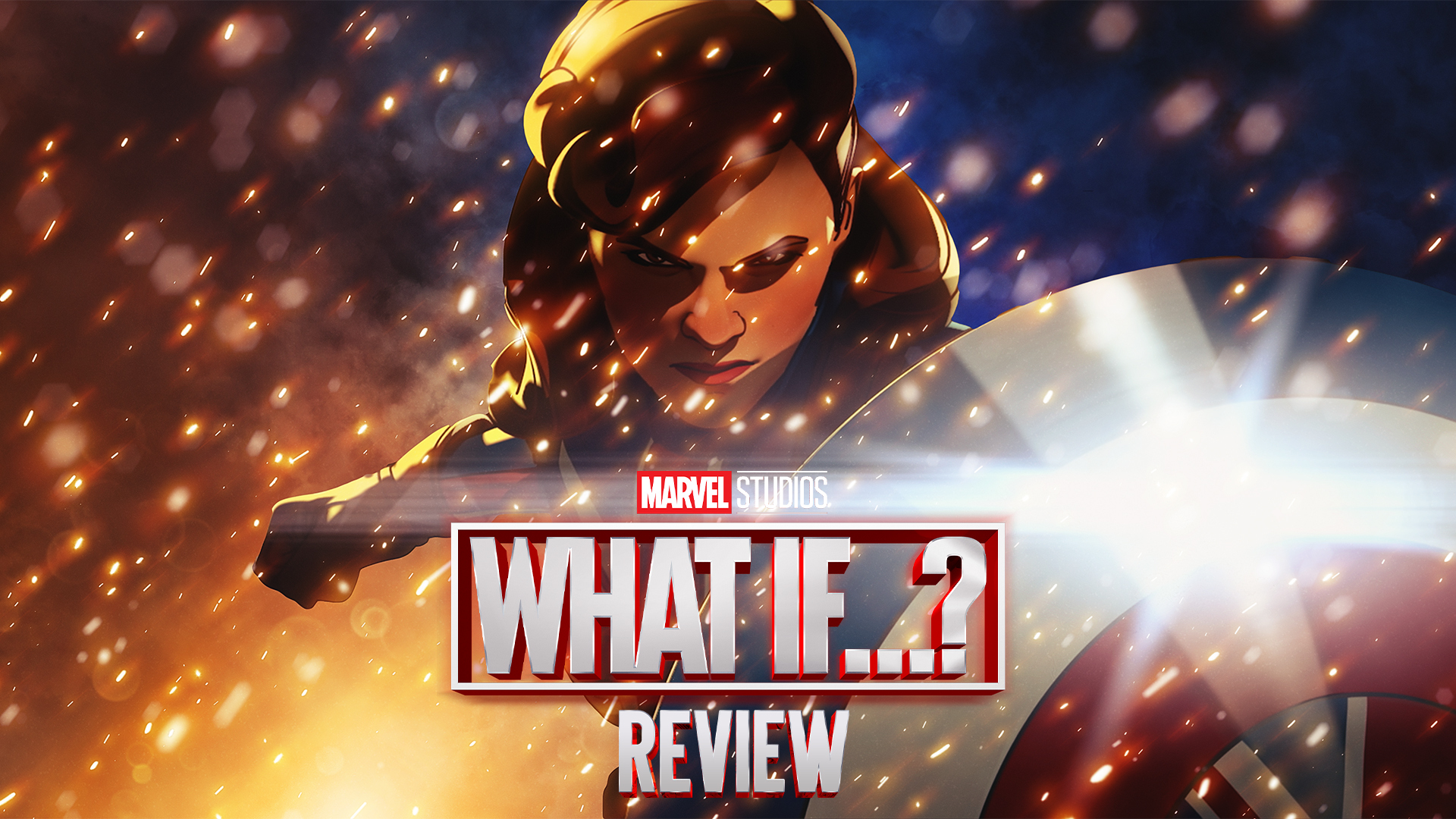
  • Review: ‘WHAT IF…?’ Episode 1, “What If…Captain Carter Were the First Avenger?”

    Review: ‘WHAT IF…?’ Episode 1, “What If…Captain Carter Were the First Avenger?”

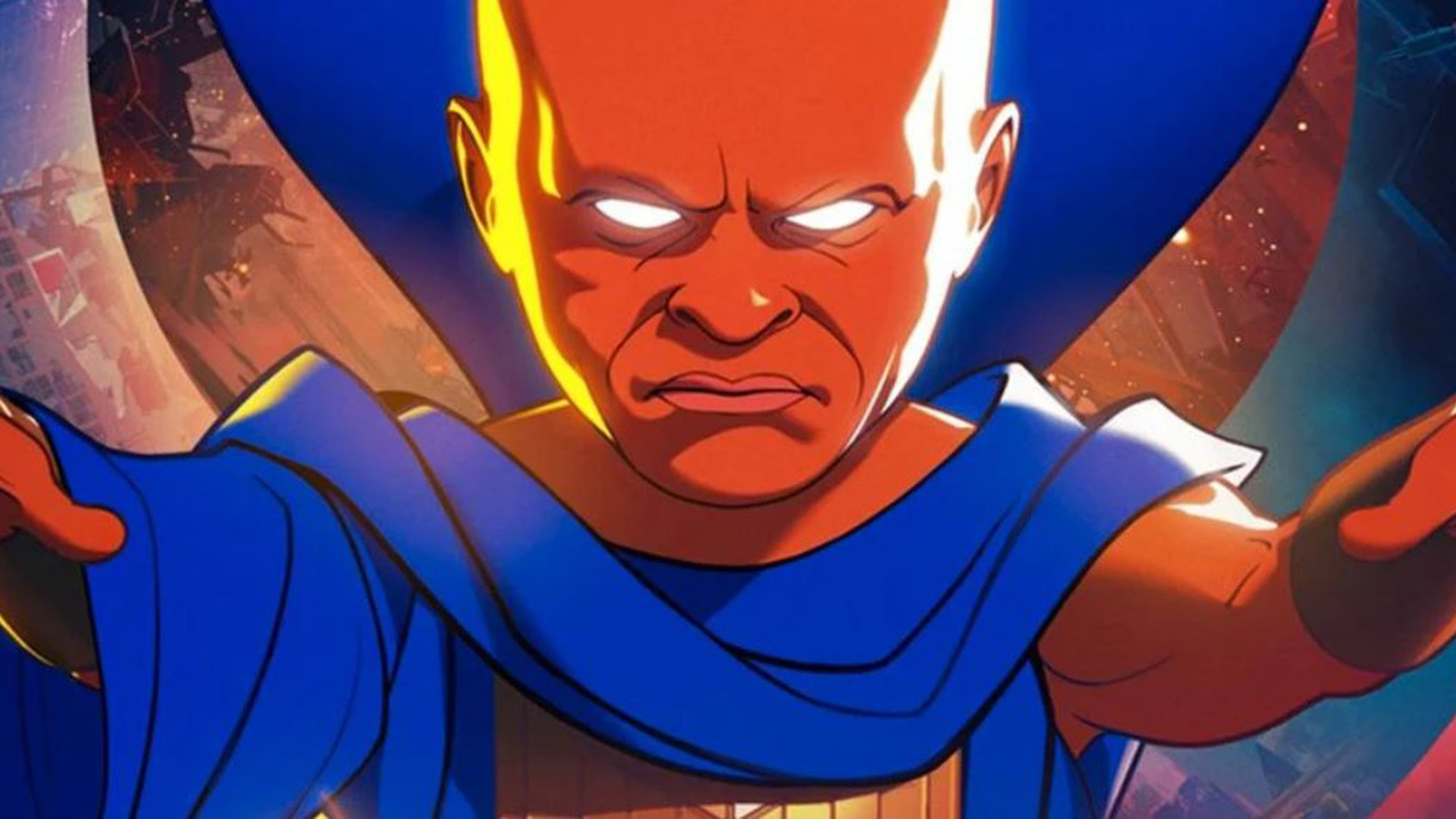
    With the opening of the MCU’s multiverse still very fresh in our memories, the first episode of What If…? promptly delivers content to give color to the infinite branching timelines seen at the end of Loki. The series ambitiously depicts these alternate realities in an animated light, which will undoubtedly change how the MCU as a whole is perceived for better or for worse. While, consequently, there are growing pains, the first episode of the series is intriguing enough for the average viewer to accept the invitation to dive further into the prism of time. Here we are introduced to Jeffrey Wright’s The Watcher, who promises to be the guide.

    The Watcher: Inside the mysterious Marvel host of What If…?, Uatu | GamesRadar+

    The animation style adopted by the series requires some getting used to throughout the episode. Not only is it a stark change from the MCU’s exclusively live-action history, but it certainly comes with its own flaws. It doesn’t start off strong—it’s clunky, stiff, and less than stellar with dialogue. Ultimately, though, it settles itself in and the story is laid out relatively unhindered by it. Part of its success there is likely its heavy use of familiar voices. While Chris Evans does not return to voice Steve Rogers, virtually every other major character in the episode features returning cast. This makes everything easier to swallow and accept as related to original timeline, but it can come at the cost of stellar voice acting. Dialogue overall came across awkward and forced. Even Hayley Atwell’s Captain Carter seemed off, but it’s arguably a reasonable and maybe preferable trade-off for the series to make.

    The use of animation in general is an incredibly valuable operation for What If…? It allows the series to tell a variety of stories easily and with versatility, creating space for prolific storytelling that is unencumbered by the constraints of live-action. The fact that these stories are animated also brilliantly underscores the series’ premise that they exist in alternate realities. Still, given the rumors that characters from the series will make transitions into live-action down the line, the switch between styles likely won’t be able to escape being a jarring  and tricky experience.

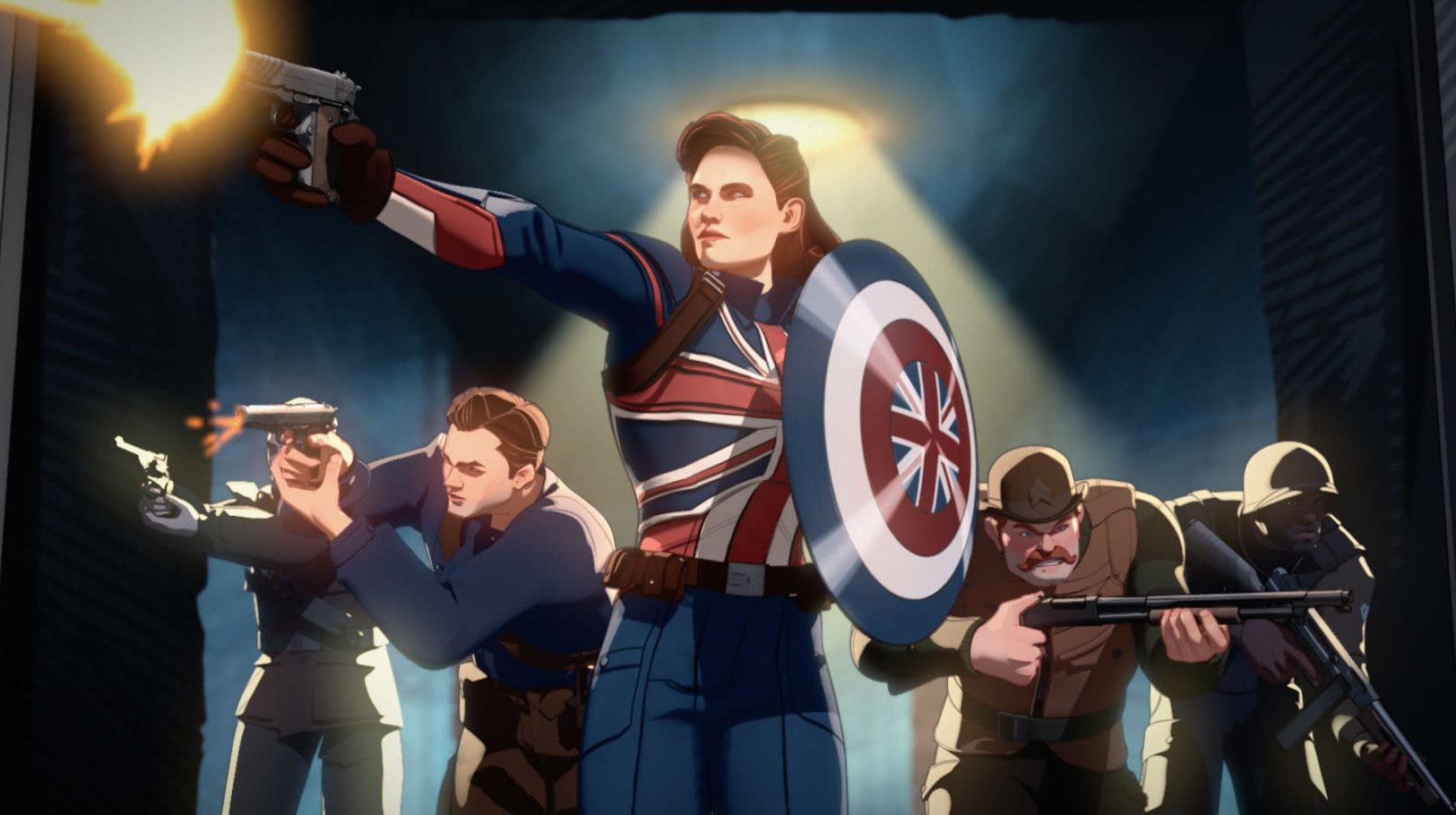
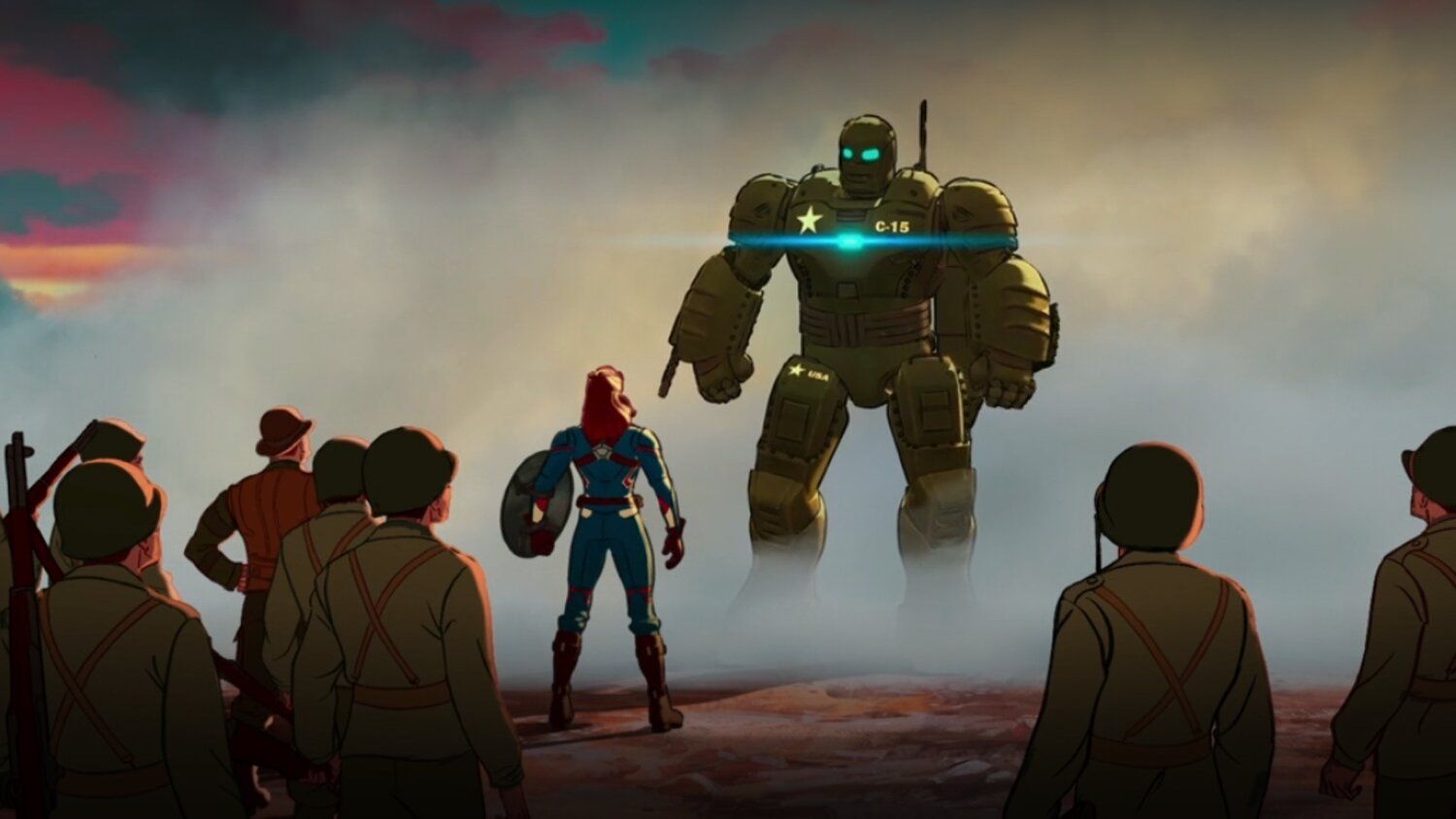
    As to the actual story of the episode, What If…Captain Carter Were the First Avenger? indeed follows the simple premise of exploring what the events of Captain America: The First Avenger would have looked likely had Peggy Carter taken the Super Soldier Serum instead of Steve Rogers. Overall, most of the elements of the film lingered. The notable differences were that Steve took on the role of the HYDRA Stomper, Bucky Barnes did not fall off the train and ultimately become the Winter Soldier, and the Red Skull uses the tesseract to create an interdimensional portal. Peggy, now branded as “Captain Carter”, charges into the latter at the end of the episode only to emerge in a lab identical that the one seen at the start of Avengers. This is the most radical departure and significant development in the story, as it already opens up the multiverse to Captain Carter. The Union Jack shield-bearing Captain at the end of the episode is definitively set on a path very much unique from that of our known Captain America’s.

    Marvel's What If...? Episode 1 Review: Peggy Carter Changes MCU History - Den of Geek

    Obviously, though, the second major implication of this alternate reality is that the world’s first and only super soldier was a woman. The show rightfully takes pains to emphasize the significance of this in Carter’s 1940’s scenery. While this focus could be altogether dropped once she distances herself from the classic old-fashioned ways of her time period, it probably won’t be in the long run. Either way, Captain Carter is unfortunately otherwise fairly one-note and uninteresting. Her entire personality is displayed through the lens of a perfect soldier, and Carter simply and unfailingly punches her way through the bulk of the episode. She shows virtually no vulnerabilities or weaknesses other than her romance with Steve. It’s great that she is being planted as an unwavering and strong character, but it just isn’t compelling yet.

    Given that the entire point of the series and this episode is to briefly explore a hypothetical situation, the lack of depth to a character is not surprising or even unwarranted. However, because Captain Carter is confirmed to be returning for every season of What If…? and rumored to be making a live-action debut in Doctor Strange in the Multiverse of Madness, it’s entirely fair to ask for a leading character to be more engaging and—honestly—fun. Captain Carter still has time and space to further develop and bring more to the table, but hopefully she will become someone easier and more entertaining to tag along with on this wild journey through the multiverse.

    At the end of the day, the first episode of What If…? is a taste of what a wider sampling of the Marvel universe can offer to the MCU. While it may not be completely satisfying, it does do its job of persuading viewers to give the whole meal a chance. As the threads of the series start to intertwine, the novel overall style of What If…? will be put to the test. For now, though, we can just sit back, relax, and keep an open mind about what the MCU is throwing our way

  • REVIEW: ‘What If…?’ Is a Fun Exploration of the Multiverse

    REVIEW: ‘What If…?’ Is a Fun Exploration of the Multiverse

    The idea of live-action stories living in harmony with animated stories in one cohesive canon is a dream I’ve had for the MCU for a decade. When Star Wars started doing it back in the day, there was an excitement to it. Invigorating energy that made George Lucas’ world feel truly alive in a way that his live-action films couldn’t come close to. The Clone Wars was an incredible dissection and reconstruction of all the things Lucas wanted to make cool with his Prequel trilogy but failed to do. The medium of animation allowed for all that. The palette artists have is essentially limitless. They can conjure whatever they want and how they want it. Whatever concept they couldn’t execute smoothly in live-action could now be done in an unbridled fashion. The animation was at one point the future of Star Wars and those shows proudly waved that distinction. 

    What If…? makes that dream come true for me, an experiment in its own right to expand the MCU in ways unexpected. It dissects all the things that make the MCU so good and reconstructs them in ways that feel alive. Through the ethereal voice of Jeffrey Wright, Kevin Feige dares pose the question, “What if the MCU as we know it turned out differently?” The result feels ambitious in a lot of aspects. The show attempts to be visually distinct from most superhero animated shows out there. It boasts an ensemble of actors that would make any animated show jealous. And it’s filled with premises that deepen the tapestry of the MCU. 


    What If...? Season 2 Is Already Being Worked On


    Not every bit of it works but the ones that do make the show worth watching. If anything, What If…?’s biggest strength lies in its titular premise. What if Steve Rogers didn’t become Captain America? What if Ultron won? What if Fury’s Big Week didn’t go as planned? And like most Marvel films nowadays, these quirky premises are underpinned by genre trappings. One episode has a hard-boiled mystery tone to it while another has a heist tone akin to Ant-Man. These tonal flourishes accent the entire package, imbuing them with excitement that goes beyond an interesting logline. 

    What If…? also hones in on the best parts of the movies which are the character interactions. When making Infinity War and Endgame, one of the things the Russo Brothers as well as Markus and McFeeley made sure to thoroughly explore was the unlikely character pairings i.e. who would have the most interesting moment with who. It’s why you end up with a moment where Groot and Steve Rogers introduce themselves to one another. It’s how moments like Nebula and Stark bonding while marooned in space are created. The guys making What If…? understand that part of the assignment. 


    What if…?"-Trailer & Co.: Alles zur animierten Marvel-Serie | film.at


    Perhaps what they didn’t understand was that getting marquee movie stars won’t always equate to good voice acting. What If…?’s vocal performances are its biggest drawback. It ranges from being decent in the films to sounding eerily unrecognizable. The whole thing is this weird uncanny valley situation where it should sound familiar since it’s the actual actors voicing them but ends up feeling so disjointed to what we’re familiar with. Some of the performances feel like they were done in a bubble as if they just sat in a booth with their pages and no reference of what’s happening on screen. Some voices are over-the-top and stiff while some are true to the performances in the films. It’s frustratingly inconsistent.

    To point out the bad voice performances of the actual MCU actors in light of the mixed reactions everyone had hearing some other guy voice Tony Stark in the trailers feels ironic now. Having heard non-MCU, real voice actors inhabit these characters feels surprisingly okay. It’s a placebic feeling in that it’s easier to accept someone who’s not Sebastian Stan fumble at sounding perfectly like Bucky than it is to accept Sebastian Stan himself failing to replicate the Bucky he does in live-action. On one hand, it’s a testament to how infused these characters and actors have become. The slight difference in performance and even voice quality feels unnatural. On the other hand, the bad performances make the experience less special and sometimes unsettling.


    Trailer der neuen Marvel Serie: „What if…?“ | Stevinho.de - Ein ausgezeichneter Blog!


    Visually, it looks fine. They get points for trying something different despite it not always working The show’s cel-shaded 3D animation feels rigid at certain moments but when it gets good, it looks really graceful. The style comes to life whenever a big fight scene takes place and really, in a show like this, that’s what matters. Though in an interview we did with director Bryan Andrews, he admitted that they wanted to go full big-budget 2D with the show which would have been incredible. A lot of 2D animated shows nowadays feel cheap. Even Invincible, for all the acclaim and love that show got, looked really rusty at times. Knowing that this show could have brought back good 2D animation makes me feel wistful. 

    Among the three episodes screened for press, my least favorite has to be the Captain Carter one which is unfortunate because the character is the show’s most important one. It’s not that it was bad but it’s the episode that plays the story the straightest. It riffs on the first Captain America movie real hard up until the end with no monumental deviation other than Peggy Carter is Captain America. What If…? is all about exploring multiple big ideas in one episode and Episode 1 seems to just focus on one. Episodes 2 and 3, however, go big with their subversions. Episode 3 finally tells the story of Fury’s Big Week, a story only explored in a tie-in comic prior to the show but then throws a big curveball, causing a series of escalating twists.


    Marvel's What If...?: Bild - 7 von 8 - FILMSTARTS.de


    But the T’Challa Star-Lord episode is something else. At a glance, it’s a fun twist on the Guardians of the Galaxy ensemble but the deeper subtext of the episode’s themes about home and family hit harder now that Chadwick Boseman is gone. The episode marks the actor’s final performance and it just plays so powerfully. People are sure to feel something when they watch it. Overall, What If…? is sure to scratch the itch for fans awaiting the next big live-action release. The premises are fun. The easter eggs are abundant. The cameos will send fans into lengthy discourses in the forums. It’s a great addition to the MCU.

  • REVIEW: ‘Back 4 Blood’s Beta Teases a Zombie-Infested Potential

    REVIEW: ‘Back 4 Blood’s Beta Teases a Zombie-Infested Potential

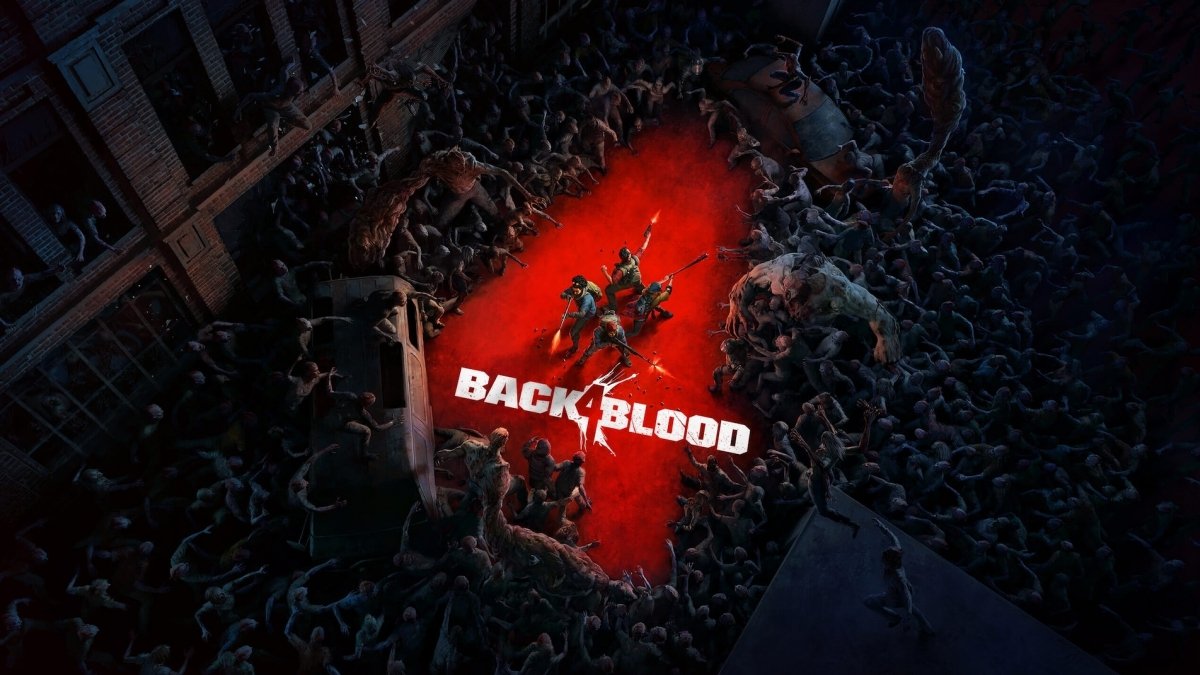
    2021 hasn’t been an easy year for gaming, as many projects were pushed back into the next year. Turtle Rock Studios’ Back 4 Blood was one of those projects that faced an inevitable delay as the world adapted to the new pandemic working environments. Luckily, after a long way, we finally got our first glimpse at the spiritual successor to Left 4 Dead with its Open Beta testing over the weekend. So, here are our thoughts on the new entry and how it stacks up to the Steam game it inspires to be like. Will it offer a modern equivalent, or simply a carbon copy with a new paint job?


    Back 4 Blood: Kampfbetonter Trailer vom Summer Game Fest


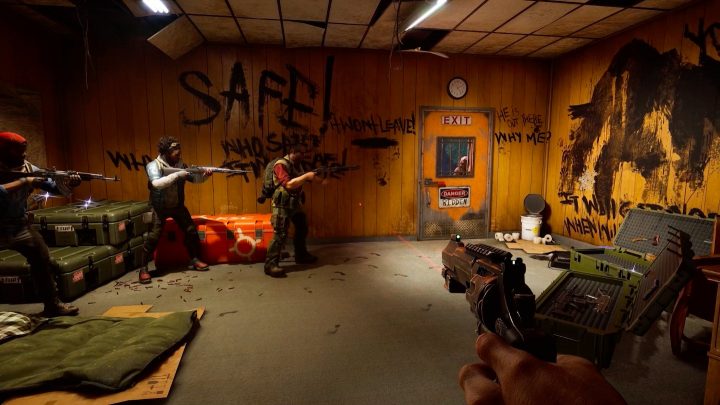
    First off, the game definitely feels like a direct continuation of the original. You are thrust into an infected world as you fight your way from one safe house to the next. On your way, you fight an onslaught of infected alongside some mutated variants, who offer an additional challenge. There are even boss zombies like the Ogre. He shows up to confront your team early on in the campaign, which is a unique mechanic to this game. Sadly, it wasn’t much of a challenge. It mainly served as a temporary bullet sponge and is taken care of easily.

    Overall, the game feels great, and you can jump in with a group of friends to take down zombies anytime. You can always join a random group and take over an AI partner during their campaign run. It also builds its own mechanics to stand out from its inspiration, as you can set a deck of perks that you can unlock after finishing a story chapter. It’s a great mechanic that adds replayability, as new skills could make the next run easier. You also can invest Copper into perks that support the entire team. So, there’s a risk-reward system pushing cooperation.


    Back 4 Blood: Die „Left 4 Dead“-Macher feiern ein spätes Revival - Preview


    Before you start your first run, the Beta throws you into a camp without any real information, which was jarring but a given with this type of testing. Though, it could’ve helped ease players into the new concepts, which the base game might hopefully do. In addition, you can also face a group of players and take control of the infected. My experience sadly was bogged down by the lack of available players, with me facing an entire team of four on my own.

    In the Beta, you can only play through the first campaign, which is fairly long with some creative story moments sprinkled throughout. One of the hardest levels is where you must outrun a horde of zombies and get on a ferry.  You’ll get overrun quickly, and we’ve frequently lost players on the bridge, which commonly ended in the entire team’s defeat. It’s a fun ride but does repeat the same concept very frequently of whatever you’re doing involving a horde of enemies attacking you once you try to solve an objective or wait around until you can continue. It was fresh back in 2009 when Left 4 Dead 2 was released. Yet, now feels a bit repetitive and lacks something to truly make it stand out from what inspired it.


    Back 4 Blood: Neue Gameplay-Trailer voller Zombies


    Throughout your run, you have a variety of weapons at your disposal with various handguns, shotguns, melee weapons, and more. Each weapon serves its purpose well and feels great while playing on a PlayStation 5. The only drawback is that the console game snaps you to your target. So, I never felt the need to really put in the effort, as I could just easily lock on automatically. It also led to many accidental friendly fires, when a friend was standing in front of the zombie my game decided to target.

    Overall, there’s a lot of potentials here. It’s a fun romp to jump in with friends and take down a horde of zombies. In some ways, the game does falter by trying to pay tribute to the original series. There are elements to make it unique, with the perk system being a highlight. Yet, it’s not going to blow anyone’s mind or really reinvent the genre. The guns feel snappy, even if the target lock-on system is very easy to abuse. It feels like a great addition for anyone looking to scratch that zombie co-op shooter itch, or who really missed the Left 4 Dead franchise.

  • REVIEW: ‘The Suicide Squad’ is an A-List Film With C-List Villains

    REVIEW: ‘The Suicide Squad’ is an A-List Film With C-List Villains

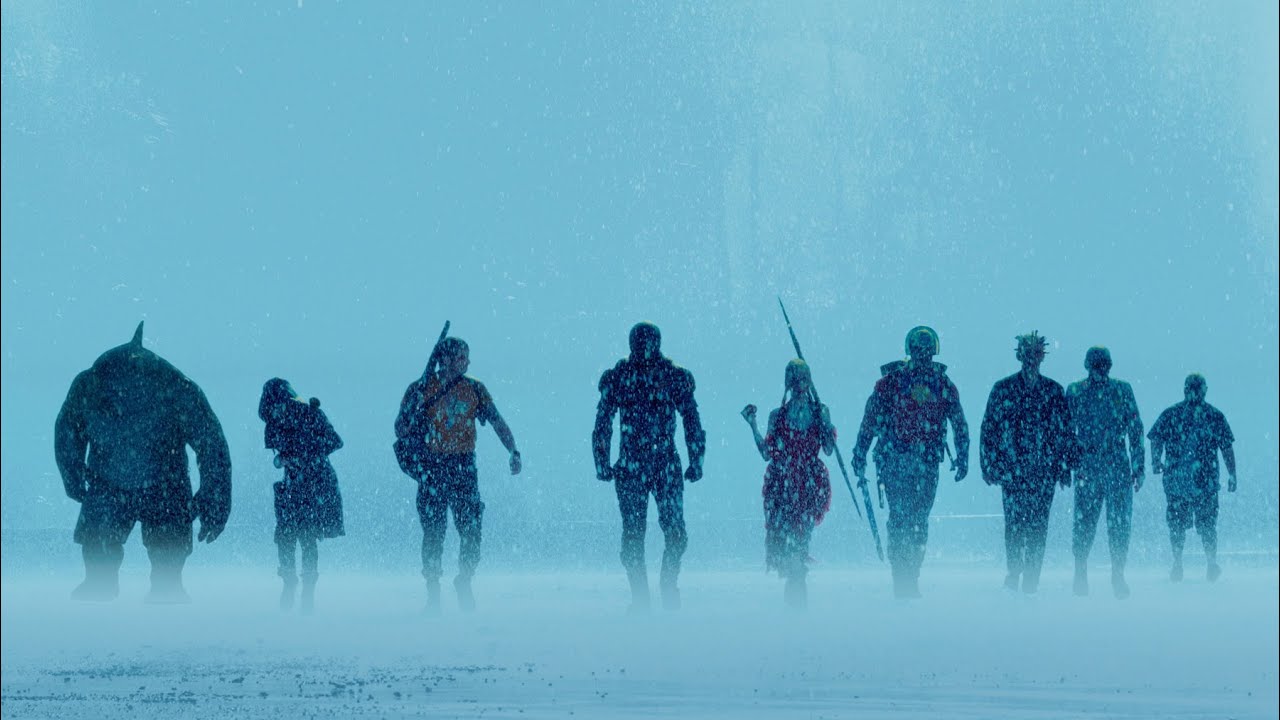
    The line “Sad souls in silly costume” summarizes the motley crew that serves as the world’s last line of defense against a towering galactic starfish that conquers worlds perfectly. James Gunn makes his grandiose return to the genre with The Suicide Squad. It is a fast-paced firefight that features some stellar characters with individual, fulfilling arcs. While the film tends to drag a bit at certain points and some characters feel underutilized, those at the heart of the film’s eccentric story keep the ball moving and allows for an action-packed third act that ties the film together almost perfectly. So, without further ado, let’s jump into the highs and lows of the latest DC film.


    There will be spoilers in this review. So only continue at your own risk if you haven’t seen it yet. 


    The Suicide Squad · Film 2021 · Trailer · Kritik · KINO.de


    Let’s start with some minor shortcomings of the film. The part that I felt could’ve benefitted from more time is the opening sequence. When we land on the beach with our initial team, we really meet the duds of the bunch. They are obvious cannon fodder. Characters like Javelin, Mongal, Captain Boomerang, Savant, Weasel, and Blackguard don’t get the slightest chance to show off before they meet gruesome ends. The only exception is Nathan Fillion‘s TDK for a joke on the absurdity of his abilities. While this sequence felt rushed, Harley’s time with the new president of Corto Maltese was on the other side of the spectrum. It just dragged on a little too long, and I felt she could’ve got her ‘red flags’ speech out earlier when he mentioned hanging an entire family.

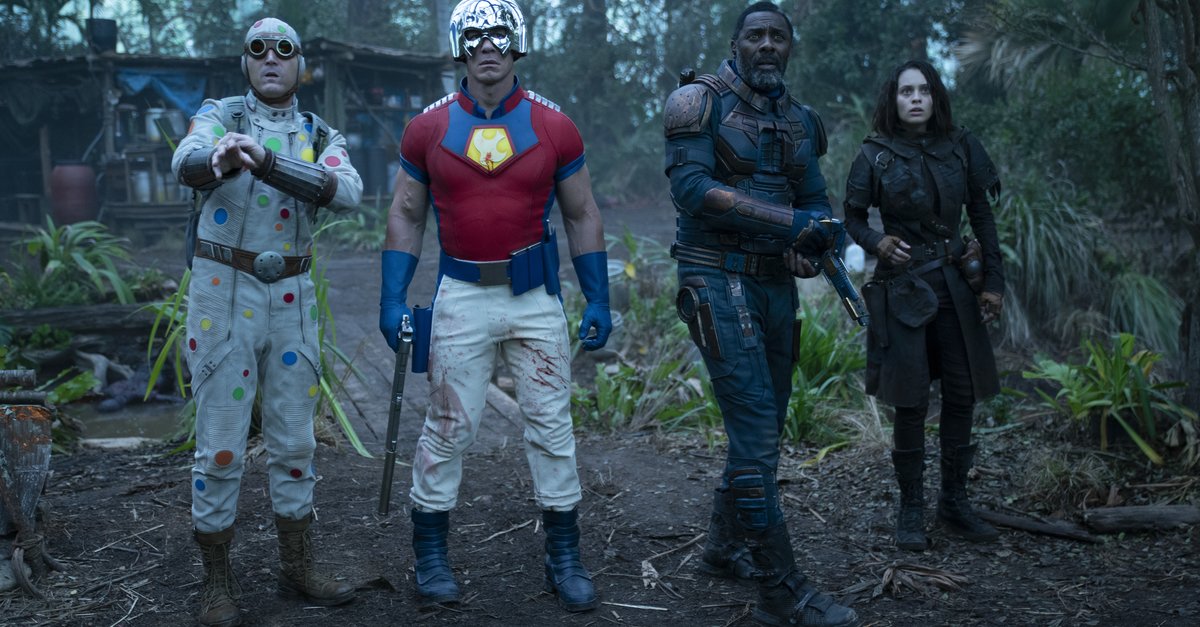
    But we’ve really got to talk about the parts that sing louder than the rest, which is 90% of the film. From the get-go, you can tell who the main characters are, and it’s difficult to choose a standout among them. I loved the dynamic between Bloodsport and Ratcatcher 2. Idris Elba’s mercenary acts as a  surrogate father, while she helps find the good within him. What truly stands out is the group dynamic perfectly complemented by Peacemaker, King Shark, Polka-Dot Man, and Harley Quinn. Margot delivers yet another fantastic turn at Quinn. All of this comes together in the third act, where the film truly shines.  Polka-Dot Man overcomes his fears and manages to become the superhero his mother had always tried to force him to be but on his own terms.


    The Suicide Squad“ im Kino: Die Knalltüten aus der Superhelden-Liga - Kultur - Tagesspiegel


    The Suicide Squad truly feels like a comic book brought to life in all the right ways. The film excels at what it sets out to do and told a fantastic story with an excellent roster of actors. Everyone brings their A-game, no matter how small the role. While the film may not be for the weakest of stomachs, it’s got a ton of heart, quite literally.

  • REVIEW: BLACK WIDOW Is On The Cusp of MCU Greatness

    REVIEW: BLACK WIDOW Is On The Cusp of MCU Greatness

    There are minor spoilers in the review. So, only continue at your own risk if you are trying to avoid any context on plot points, characters, or the villain.


    If there’s one thing keeping Black Widow from sinking into the lower tier of MCU films, it’s because of Natasha Romanoff, who is undeniably one of the three most important characters in the cinematic universe. Tony Stark and Steve Rogers may be the Avengers’ brains and hearts respectively, but it’s Natasha’s humanity that makes up for the team’s soul. More than any other Avenger, she’s the most flawed, carrying a darkness in her heart that gives the character a perspective on life that no one else on the team has. It’s probably no surprise that Natasha is the only Avenger to have a close and personal relationship with all the members of the original team except for Thor. Natasha has seen, experienced, and occasionally, carried out the worst things humanity has to offer but it’s her ability to rise above that pain to turn that darkness into something heroic and meaningful that makes her one of the greatest Marvel characters yet. As the film’s own mantra goes: “Pain makes you stronger.” 

    Filling in the blanks of a past we’ve only heard anecdotes of, Black Widow sees Natasha Romanoff on the run from the authorities following the Avengers’ disastrous skirmish at the Leipzig Airport. She’s looking for a way out of the craziness but before she can do so, she’s pulled back into it by her foster sister, Yelena. Natasha learns that the program that turned her into a killer is still somehow up and running. It continues to turn girls into assassins like her, despite the fact she put an end to it a decade earlier. So Natasha and Yelena employ the help of their adoptive spy parents, Alexei and Melina, to put a stop to the Red Room’s schemes once and for all.


    The movie starts incredibly with a Black Widow history lesson I can only describe as a really good riff on The Americans, a show about a Russian family living a double life as KGB agents (which everyone should watch). Before the Red Room and the Avengers, there was Ohio in 1995, where a preteen Natasha spent 3 years living the life with her aforementioned family. It wasn’t a fancy life, mind you, but a life of comfort and love. Unfortunately, that life is brutally stripped away from Nat and Yelena when the secret spy identities of their parents are blown.

    The ensuing chase scene is nothing short of horrifying as it puts the audience right in the shoes of two children seeing their happiness and innocence be ripped apart before their very eyes. The image of two kids crying, confused out of their mind as to why their parents have gunshot wounds feels almost too intense for a Marvel movie but it hammers one point home: these kids will never be the same after this. This set-piece and the opening credits that follow make for one of the MCU’s most powerful prologues as it uses striking imagery to set the stage for its potent thematics surrounding abuse and violence against children.

    If the film’s opening has Marvel riffing on The Americans’ domestic Cold War intrigue, the succeeding set-pieces has Marvel tapping into the Bond/Mission Impossible sensibilities of the MCU’s world of espionage. Nat and Yelena are forced on this exhilarating goose chase through the streets of Budapest when they are ambushed by the Red Room. The entire sequence feels straight out of a Bond/Mission Impossible movie with its very European setting and crazy vehicular action. The same goes for that big snowy gulag prison breakout from the trailer. You can almost imagine Tom Cruise jumping off a helicopter into a fortress as an avalanche comes crashing down before him in real life. The action is engrossing enough that actually covers up a lot of the flimsier plot issues. 

    However, as fun as those scenes are, I’d be remiss if I didn’t say that I would have preferred them to dial up all the Bond or Mission Impossible riffs a lot more. More over-the-top equipment and spycraft; the MCU is weird enough to allow it. OT Fagbenle’s Mason doesn’t get to do much in this film despite being their tech guy and a sequence like that gulag breakout feels like the perfect way to utilize him as the Q/Benji Dunn analog. It’s a movie about a family of spies! Make it feel like a spy ensemble.


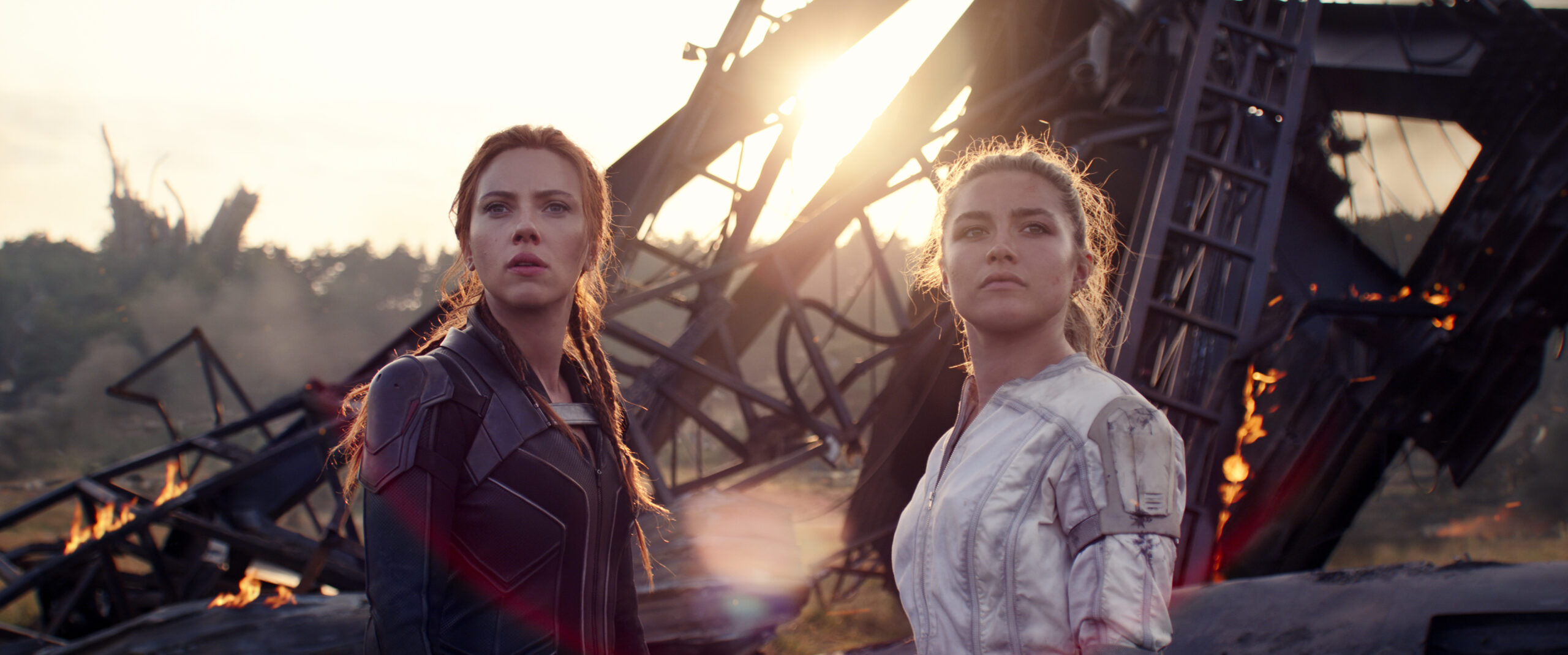
    But thrilling action scenes mean nothing at the end of the characters in them aren’t engaging and Black Widow has some great characters. Florence Pugh, David Harbour, and Rachel Weisz make up a wildly memorable ensemble as Natasha’s foster family of spies. They bicker, nag, hurt one another but intimately share a deep trust that feels compelling and never corny. The pitch-perfect chemistry they all have serves as the foundation for the film’s ideas of family, which I’ve always felt the Avengers films only gave us in mere doses. When this movie talks about family, it means it. 

    Individually, the three newcomers make for the best new additions the MCU has seen since maybe Thor: Ragnarok. David Harbour is Alexei Shostakov, an out-of-commission superhero who can’t stop reliving his glory days. He’s brash, dumb, lumbering, and egotistical but he’s got dad-like silliness to him that softens his rough edges. Harbour leans hard on his patriarchal role and really feels like a father to these kids at certain points. The character is, unfortunately, the butt of trite overweight jokes but the actor’s cuddly charm makes it palatable.

    Rachel Weisz is so fun in this as a former Red Room scientist named Melina Vostokoff. She has all the mom trademarks checked but adds in this hilarious layer of friskiness to the role. Melina and Alexei genuinely feel like divorced parents about to fall in love again, much to the chagrin of their kids and Weisz’s spunk makes it a blast to see. But beyond the fun, she also taps into the character’s regret and loneliness. While on the surface a fun mom, Melina carries a lot of baggage in her heart and you feel it in the moments when she gets serious.

    I wasn’t convinced when word came about that Florence Pugh was to be the potential successor to the Black Widow mantle but this film proved me wrong real fast. Pugh is a godsend as Yelena Belova, bringing a childlike pathos to this world of spies. She’s deadly with a pencil in her hand but is likely to draw a cute picture with the same pencil she murdered you with. She’s cold and calculating with words but may also cry when you tease her. Pugh makes the balancing act look way too easy. As the runt of the family, Yelena has an unspoken reverence towards her famous Avenger sister but also a lot of deep angst as to how their lives panned out differently. Yelena’s dynamic with Natasha is contentious and prickly in just the right parts. You will wish that they were in more movies together.

    And then there’s Scarlett Johansson, who has truly become the best version of the character. Her decade-long performances as Natasha Romanoff have recontextualized the character in ways that deepen your perception of her appearances in the comics. The only other MCU actor I can say that for is Chris Evans, whose version of the Sentinel of Liberty is idealized in live-action. Now, I don’t think Black Widow is necessarily Johansson’s best go at the character – the two Captain America films are where you see her shape the character with her chops – but she is, unsurprisingly, great in this. The actress has embodied the character for so long now that she’s at a point where she can just autopilot it and give us the character’s greatest hits. Luckily, she doesn’t do that. There are some fun touches to Natasha in this film that we’ve never seen before and you can see how much fun Johansson had with the character this time.


    Black Widow feels like a roller coaster on descent for its first half. Exhilarating set pieces are attached at the hip and little momentum is lost. Every moment feels punctuated with some crazy ambush happening on screen. Its second half, weirdly enough, has almost no momentum and feels more like a roller coaster that gets stuck halfway just as you’re about to hit that crazy loop. You’re left hanging and waiting for things to pick up back to where it was. It’s a truly odd way to pace the film that it almost feels lacking at parts. Like some set pieces leading up to the climactic third act were missing.

    Despite its successes, the MCU for some reason, still can’t get over bad third acts. You have a handful of good ones such as the Doctor Strange and Civil War climax but a chunk of them are still egregiously bland. Black Widow is unfortunately part of that bad batch. There are some nice sleight-of-hand tricks here and there that make it exciting for a moment but it quickly becomes tedious as you realize how artless and ham-fisted the conceit comes together. Much of the third act is poorly staged, plotted, and executed.

    The entire premise of what the team sets out to do against the big bad Dreykov, frankly, sucks and is totally uninspired. For one, there’s no ticking clock which, in turn, shortchanges the premise and stakes, making everything feel inert and without urgency. A character is forced to do something boneheaded to give the mission some tension but ends up feeling like a plot hole more than anything. The big climax also doesn’t give the main heroes anything exciting to do. Red Guardian is just kind of there, Yelena strolls through a bunch of corridors, and Melina hacks a computer. That’s boring! These are super spies infiltrating an evil lair filled with a dozen more evil super spies. Why is there nothing interesting going on?

    Bad third acts don’t always come with bad villains but Black Widow comes with a doozy in the form of General Dreykov, who is the latest in a long line of boring MCU baddies. Dreykov is the guy behind the Red Room and is essentially responsible for bringing Natasha, her family, and all the Widows into this violent world. He is, in all respects, evil incarnate: a trafficker with zero regard for human life. He may even give Thanos a run for his money in the MCU’s Worst Dad race.

    However, Dreykov being evil isn’t what makes him wack. Countless movie villains are truly evil that is engaging to watch on screen (Anton Chigurh from No Country For Old Men, is an all-timer). Writing in a tragic origin isn’t the way to go either, as nothing is redeeming in regards to human traffickers no matter their backstory. The problem is that he’s played awfully one-note by a grumbling Ray Winstone, with a kind of pathetic anger that old man has when his viagra doesn’t work. The movie has big Bond energy so why not make a Bond character out of Dreykov? Make him go broader and kooky. Give him some distinction beyond his grumbles. He has the craziest evil lair that would make any Bond villain jealous and an army of deadly assassins at his disposal. There’s no need to play the character straight. He can be the evilest character in the MCU but be still entertaining to watch.


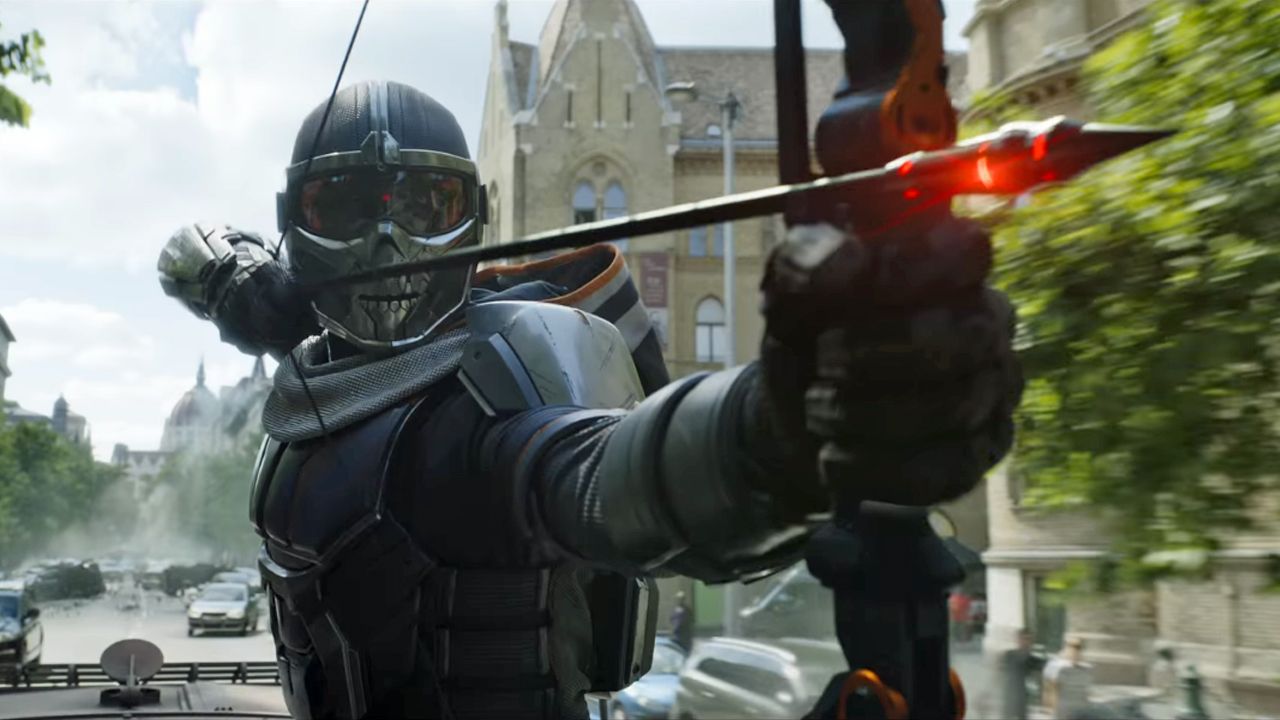
    But enough about Dreykov as he’s not really the villain we all paid to see. We’re all here for Taskmaster, who is inarguably one of the most exciting villains the MCU has ever attempted to put on screen. The trailers did a tremendous job of selling the character’s gimmick of being able to mimic any single action in real-time. It’s an ability that has stumped way too many Marvel heroes in the comics and the mere thought of seeing it in live-action was exciting to just think about. If the Winter Soldier highway fight blew everyone away, what’s Taskmaster going to be like in live-action?

    The answer is: pretty underwhelming, specifically in the ways the character is underused in the film.  The direction they take with the character is actually pretty exciting. I won’t spoil it as it has been the big talking point since they chose to keep the character’s identity a complete mystery but it is the kind of reimagining that completely feels fresh and perfect for the MCU, albeit somewhat unexplored. The problem with Taskmaster is that they don’t give the character that much to do. Taskmaster shows up to fight in all the trailer scenes and then some. The trailers give away roughly 70% of the character’s big action beats and leave almost nothing exciting for us to discover with the exception being the character’s identity. Mind you, this is the comic fan in me complaining. The character’s mileage for some comic fans may vary but I reckon a huge part of the populace won’t mind.
     

    Spoiler zu Bösewicht Taskmaster in "Black Widow": Hat sich ein Star (schon wieder) verplappert? - Kino News - FILMSTARTS.de


    That the character doesn’t feel like a cerebral fighter only exacerbates the frustrating lack of action. In the comics, Taskmaster’s whole schtick is that he can read, predict, and counter any move his opponent makes, making him not only a complete physical threat but a mental one. He’s a supercomputer that can kick your ass. In the fighting game community, we call his schtick downloading; the instance of fully understanding and predicting (or downloading) your opponent’s game plan. That idea is lost in this film, as it renders Taskmaster as somewhat of a computer but one that doesn’t need to be understood or as I put it, downloaded. The character is treated like a fighter simply a few notches above Natasha but one that doesn’t require a whole new set of skills to beat. The combat isn’t bad, by any stretch, but the way it lacks feels like a disservice to a character who is known for kicking everyone’s ass at an impossible level. Here you’ll see Taskmaster mimic some of Natasha’s moves here and there but it’s a footnote. There’s no sense of awe, struggle, or even tension in overcoming the character. I’m convinced Natasha had a harder time fighting Bucky.

    Now, Black Widow is not a bad film per se but it’s also not a great one. What the movie gets right is full of promise but what if whiffs on feels frustrating. If you’re a glass-half-full kind of person, you can look at that as a positive as the film does have a solid foundation of great ideas. Cate Shortland successfully made a film that does the character’s legacy justice, with a honed-in cast that elevates the film’s themes on family, and a story expands the world in exciting ways. But if you’re a glass-half-empty kind of person like me, you may be dissatisfied at how the film falls short of being a great MCU movie, especially in the back half where the seams of the film come apart. The third act is painfully dull, the film’s flagship villain is criminally underused, and it doesn’t embrace its spy trappings as much as it should have. It’s a fine MCU movie but with just a stronger emphasis on blockbuster spy fun, a tighter third act, and a generous take on Taskmaster, Black Widow could have been a truly great one. Though there probably is a variant of this film in our multiverse where it’s one of the best modern spy films.
  • Comics: Murphy’s Fab Five New Books from the Week that Was

    Comics: Murphy’s Fab Five New Books from the Week that Was

    As promised, here’s the first of what I hope to be a weekly series taking a look at the 5 best comics I read from the most recent NCBD. Let’s hop right in…

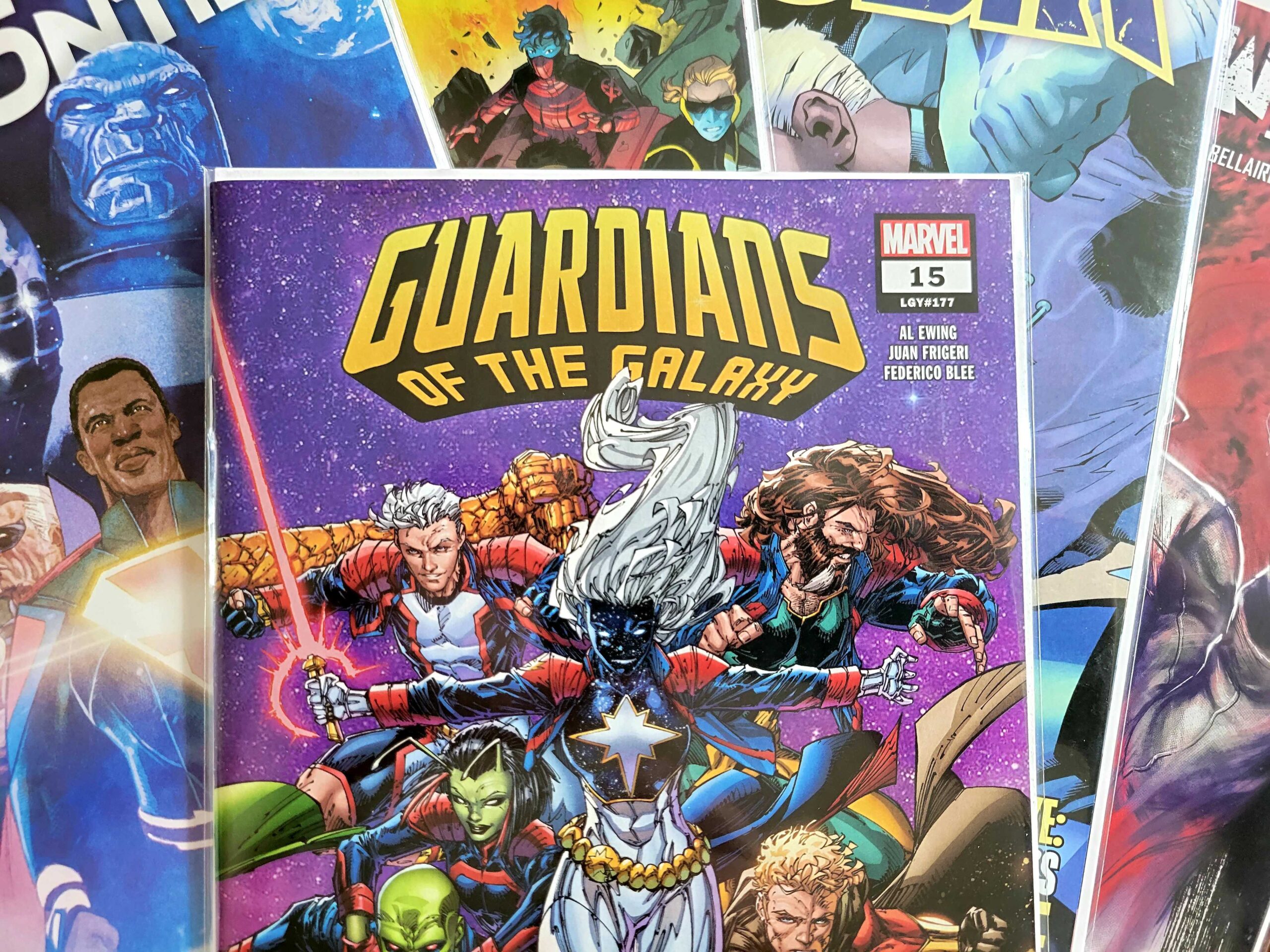
    1. Guardians of the Galaxy #15

    Al Ewing’s Guardians of the Galaxy has been a gift to me. Marvel Comics made a huge mistake when they changed up the comic book Guardians to make them more recognizable to fans of James Gunn’s MCU films. Fortunately, Donny Cates and now Ewing have taken them as far away from those iterations as possible and, in doing so, blown open the doors to all kinds of new possibilities.

    Ewing’s Guardians have opened up their ranks to keep up with the problems caused by several volatile political situations going on throughout the galaxy. Issue 15 narrows the view a little bit and puts Richard Rider at the center of the book (this auto-ranked it as the best book of the week). Rider’s been through it over the last couple of years, is struggling to reconnect with his bestie (a very changed Star-Lord) and has had enough of compromising with villains. This is exacerbated by the Guardians inviting Doctor Doom to join the team and a visit to S.W.O.R.D. headquarters to meet with Magneto. The Human Rocket and the Master of Magnetism have a great brawl followed up by a better conversation that takes place on the eve of the Hellfire Gala: big changes are coming to the galaxy, even bigger than the ones that have already shaken it to its core. And while the mutant terraforming of Mars seems like it should be the biggest blip on their radar, another team of Guardians make a huge discovery that leads directly to the upcoming crossover event, The Last Annihilation.

    It’s common for publishers to joke that new books or new events will “change everything.” It’s no joke to say that Ewing’s work on Guardians has done that without any of the hype.

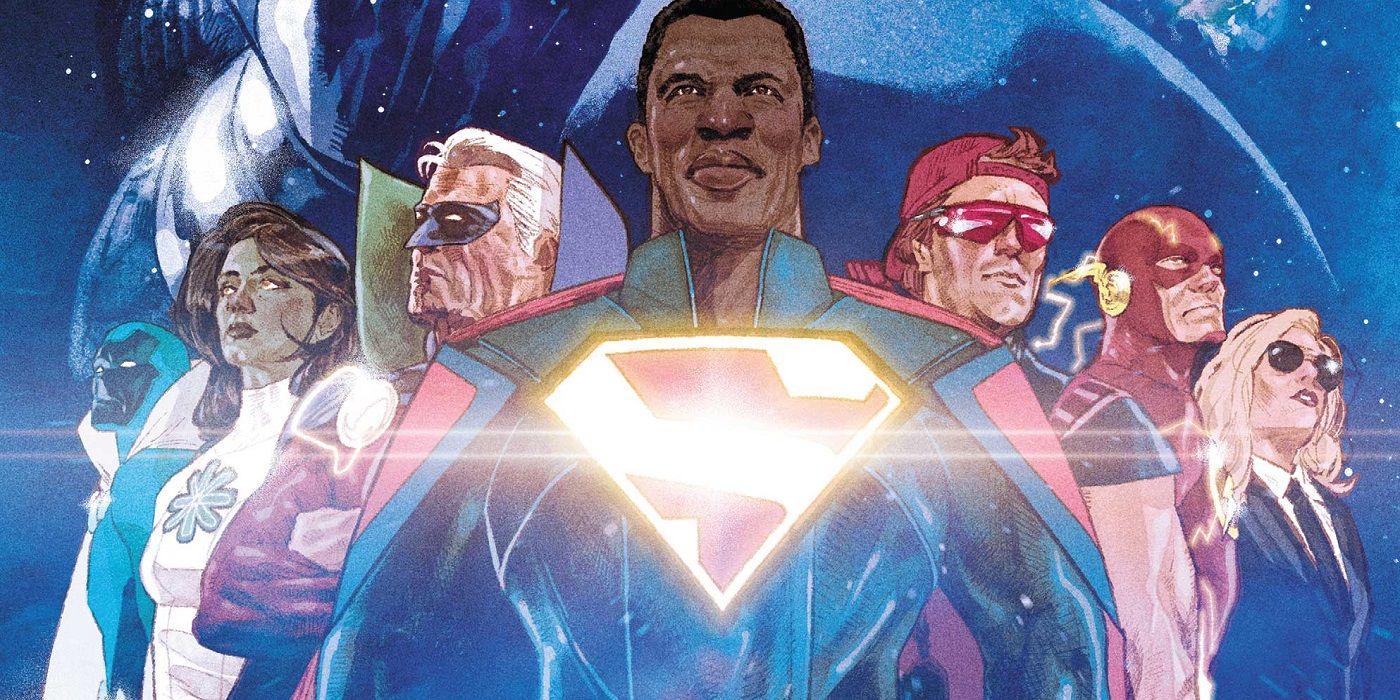
    2. Infinite Frontier #1

    Infinite Frontier #1 Brings Wonder Back to the DC Universe | CBR

    I’ll happily admit that I’ve never been very good at keeping track of the DC Universes Crises and Otherworld tales and Rebirths and that, to me, the overall continuity is confusing. I’ll also admit that all the Death Metal stuff just really confused me more. That having been said, Infinite Frontier #1 gave me a feeling of hope that even I might be able to understand where DC Comics is taking things moving forward because it seems like there making a move to streamline things. So while it might get worse before it gets better, I think it’s going to get better.

    With the general populous now aware that they exist within a multiverse, a group of heroes, lead by Green Lantern Alan Scott, has set out to monitor any threats to its well-being; Thomas Wayne arrives on an alternate Earth looking for the Flash and meets President Superman and Justice Incarnate; another Flash discovers a new way to move through the multiverse where he meets Psycho Pirate, in the employ of Darkseid, on Earth Omega Dr. Bones blackmails Cameron Chase into coming back to work for the DEO; Roy Harper is revealed to be Roy Harpers, including the Black Lantern Roy from Death Metal and is being chased by a new villain named X-Tract.

    The book seems like an all-new direction for a DC event, though Psycho Pirate does tease a new Crisis is imminent. I’m not sure what direction DC has planned for things after this event, but issue #1 sets up the key players and plots to be resolved over the next few months in a way that seems like the right place for you to jump in and enjoy the ride.


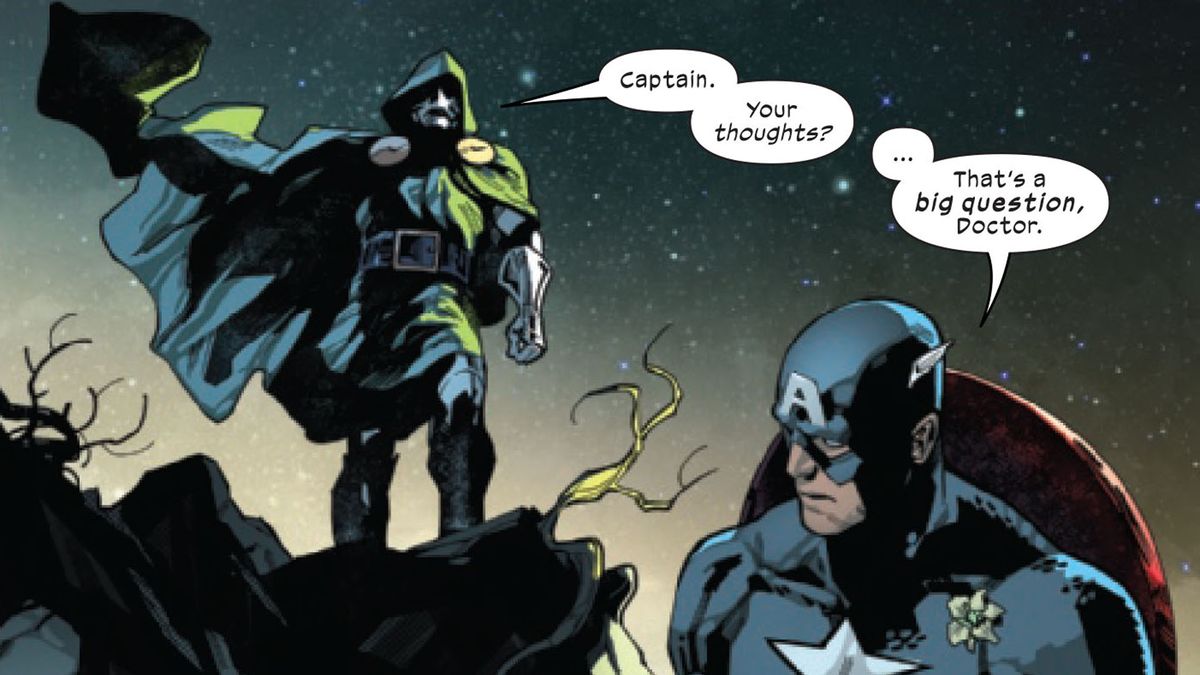
    3. S.W.O.R.D. #6

    Captain America is "shell-shocked" by X-Men's Hellfire Gala in SWORD #6  preview | GamesRadar+

    Another book by Al Ewing on the list and that shouldn’t surprise anyone. Ewing has been one of Marvel’s most consistent top talents for years now and while he’s been hailed for his work on The Immortal Hulk, he’s been having a lot of fun playing in the Cosmic corner of things dating back to his work on The Ultimates. This book neatly follows up on the events of not only the prior X-books but also the aforementioned Guardians of the Galaxy #15. Here, we pick up after the mutants have terraformed Mars and moved the island of Arrako and its inhabitants there.

    The book features a surprising and entirely welcome 3+ page conversation between Steve Rogers and Doctor Doom in which the 2 show mutual respect for one another while they try to come to terms with the mutants incredible display of power. As they continue to grab more and more control of power on Earth through their pharmaceuticals, the mutant’s parallel move to control trade and power in the galaxy is revealed by Abigail Brand: a new material called mysterium that can only be made by mutants. Mysterium is a new metal that is tougher, stronger, a better conductor and all around better than pretty much any other option available for building ships, making computers and doing all sorts of other space shit.

    The big reveal, however, isn’t the metal itself but that Brand is giving it away to those who will acknowledge Planet Arrako (the one that used to be Mars), not Earth, as the governing body of the Sol system, a system the mutants now see on par with the other great empires of the galaxy. And the issue ends with a great reveal as the Regent of Planet Arrako and the Voice of the Sol system makes her appearance. S.W.O.R.D. has been a great ride from book 1 and it doesn’t lose any momentum here.

    4. Robin #3

    I’m a sucker for anything with Damien Wayne so when this new book was announced, I knew I was in. Damien has been taken to an island where the League of Lazarus, an offshoot of the League of Shadows, is holding a Lazarus Tournament that includes old, new and reinvented characters. It’s a great “tournament” setup that’s allowing readers, and Damien, to explore what makes Batman’s son tick. Damien’s more than capable of handling himself in almost any situation but the book, this issue especially, does a great job of exposing the weaknesses he refuses to believe he has and it ends with one hell of a cliffhanger…well first a clifftoss and then a cliffhanger.

    5. Shadowman #3

    Shadowman #3 delivers another fantastic issue in the series

    A new take on an old 90’s book, Shadowman by Cullen Bunn is becoming one of the most interesting horror books on the market. After taking the fist 2 issues to catch up on who Shadowman is and prepping the canvas, book 3 takes us down a path that ends with a revelation that makes everything a whole lot bigger. Bunn has always done great work in the horror genre and the art in this volume, by Jon Davis-Hunt, is captivating and reminds you why this medium can be so great. It’s not too late to find all 3 issues of this one in your LCS and get on board for what’s looking like a wild ride.

  • REVIEW: “The Hitman’s Wife’s Bodyguard” is a LOUDER Version of its Predecessor

    REVIEW: “The Hitman’s Wife’s Bodyguard” is a LOUDER Version of its Predecessor

    Let’s get one thing straight off the bat. I did not go into this film expecting a masterclass of cinematic action. I based my expectations on my experience with the first film in 2017 and set the bar for its sequel at around a decent action popcorn flick that you could have a couple of chuckles with your friends. And having that expectation going into the movie probably aided the moviegoing experience overall. The Patrick Hughes-directed sequel somehow managed to essentially be a much louder version of its predecessor. 25% of that loudness can be attributed to the decent amount of action, explosions, and high stake chases while the other 75% can be attributed to the rest of the cast; 50% of it going to Salma Hayek.

    PRO: The A+ Star-Studded Cast

    Without a doubt, one of the saving graces in this movie was the superb acting from this stellar cast. Ryan Reynolds once again nails his role as Michael Bryce, ex-AAA Bodyguard. Comparing his performance in this series of films as the safety-obsessed, careful-to-detail ex-bodyguard to his more outlandish and unhinged portrayal of Deadpool really is a testament to the range that so very few actors can deliver when it comes to their films. Samuel L. Jackson also returns as the lawless hitman, Darius Kincaid. There was no limit to his resorting to violence, guns, puns, and a whole ton of expletives. You could tell Jackson had fun working on this project and enjoyed every second of screentime he shared with his costars. Speaking of co-stars, Antonio Banderas was introduced to the franchise as this film’s big bad, Aristotle Papadopolous. Comparing it to the antagonist of the sequel’s predecessor, Banderas’ role in this film kind of fell flat, mainly because I couldn’t invest in Banderas as a character. At least with Gary Oldman, you could feel invested in the motives and be convinced that this was a dangerous individual. But in the end, he served his purpose. The true wild card of this film was without a doubt Morgan Freeman. The collective gasps and shocks in the theater really delivered as one of the film’s coolest twists. And, saving the best for last, Salma Hayek just absolutely killed it as Sonia Kincaid. Her completely unhinged portrayal as the wife of the most dangerous hitman in the world really is on par with Samuel L. Jackson’s performance and both were able to play off each other so well in so many aspects. Her interactions with her costars were fantastic and she pretty much stole the scenes she was in with her incredibly powerful voice and loud use of Spanish expletives. She just goes to show that you should never piss off a Latina woman.

    CON: Almost everything else

    Let’s break it down by category:

    Cinematography: The shots and visual aesthetic of the film were great. The sights and locations all across the Mediterranean were fantastic. Where it falls flat was more on the editing process. There were so many scenes that cut from one place to another and really affected the pacing of the film overall. It felt as if there were some pieces missing when going from one scene to another. Regardless, the overall grade was a B-.

    Script: The writing in this film was just all over the place. There were some points where the film really tried to make genuine approaches to the psyche behind Bryce’s backstory before making a complete joke out of it. Every character’s motives in this film were simple and to the point and I don’t really see that any of these characters grew thanks to the events of the story so they all remained 1 dimensional to me. So, the grade for the writing there was a C.

    Sound and Score: Atli Örvarsson really delivered on the score of this film. The 70s inspired Cop vibe was fantastic and loved it through and through. The grade there was an A+.

    Final Score: If you’re looking for a film where you don’t have to think too much into the character’s motives and want a couple of good laughs and a good time, then The Hitman’s Wife’s Bodyguard really has got you covered on that front. So the final grade for this film overall is B-.

    The Hitman’s Wife’s Bodyguard hits theaters on June 16th.

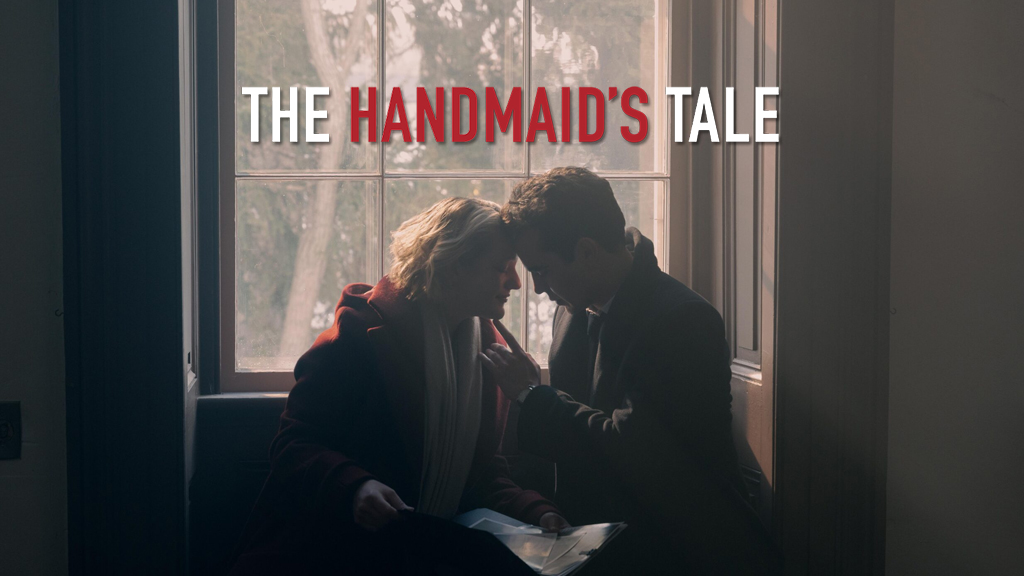
  • REVIEW: ‘The Handmaid’s Tale’ 409: Progress

    REVIEW: ‘The Handmaid’s Tale’ 409: Progress

    Episode 9 is a delightful romp through the hellscape that is the psyche of every character associated with Gilead. There are no guns, no bombs, no blood of any sort. But everyone’s a casualty.

    Jeanine is back at the red house with Aunt Lydia, being her good girl self, but oh what pain she hides beneath the surface. Esther, the young brutalized wife who the handmaids met at the farm/hideout, is now there, but refusing to eat. Jeanine’s goodness insists she tries her best to make Esther realize the lengths the Aunts will go in teaching obedience, and it works. One more obedient-on-the-surface handmaid to add to the fold.


    Progress' (409) recap | Guide


    Fred and Serena are now coming to realize the mistakes they made in trusting to their continuing influence in Gilead. They may have admirers in Canada, but they certainly don’t in the upper echelons of Gilead. They have visitors from Gilead, Commander Warren, and his lovely wife Naomi, who were the primary torturers of Janine. Naomi suggests that if Serena were to find herself still in prison when the child is born, she should give it to Naomi to raise. You can almost hear the slap Serena aches to deliver to Naomi’s sweet, stupid face. Warren visits Fred, who demands more help from the other commanders in Gilead. What are the plans? Who is coming to help him? Nobody, Warren lets him know. But don’t worry. You’re in our thoughts and prayers. Fred does not seem comforted.

    Let’s move on to June, who is now strong enough to tell Luke the truth: that their daughter Hannah doesn’t remember them, cringes in fear when spoken to by June, and is too far gone for there ever to be a happy family scenario that Luke is so desperate for. “I’m sorry,” says June, and she is deeply splintered by her ability to survive anything, and her inability to rescue her daughter. But she’s had to do all of her fighting alone, and here is a time for Luke to shine. He shows her all of the work he’s done already in finding Hannah, placing a bulging folder in front of her, filled with documents and photos. So finally June can count on someone helping her in the fight for her daughter.

    Their first idea is to contact someone from inside Gilead. June calls Lawrence, who struggles with his own guilt at going along with the Gilead manifesto in the early days. He tells June to simply be satisfied, raise the daughter she has. June entreats him to help them because they love Hannah so much. Lawrence sets her straight.

    “Your love fucks people up.”

    Cue the close-up of Luke. The implication is obvious.

    Luke has gone through his own hell while being forced to wait for news of his wife and daughter. He has arrived at the airport expecting to greet his wife, only to find himself the caretaker of her infant daughter, conceived through the convoluted madness of Gilead. When he finally is reunited with his wife, she tells him the child was conceived in love. What the hell does that mean, he must be asking himself. This woman he has loved is fundamentally different, and he has to find a way to fit back into her life. But we can see Luke weaken through each scene. He sees the life he imagined with June disappearing. He faces the possibility that they may never see their Hannah again, and the daughter he’s raising isn’t truly his. Despondence chips away at him, until he finally suggests that June set up a meeting with Nick, and make sure to bring baby Nichole to sway his judgment. And then we watch his heartbreak into tiny little pieces.


    The Handmaid's Tale - Episode 4.09 - Progress - Promo, BTS and Promotional Photos + Press Release


    When June and Nick meet, we know what Luke already knows deep in his soul; they are in love and will be forever. A bond forged in hell can’t be broken by the survivors.

    If June’s love really does fuck people up, I don’t hold out much hope for Nick surviving the season.
    Someone else who may not survive: Mark, their liaison from the state department. He casually tells June and Luke that they have flipped Fred, and he will now be their primary source for intel on Gilead. June is enraged that her rapist will be set free, and threatens (promises?) that she will kill Mark for this betrayal.
    What will the season finale hold? It’s called Wilderness and not Gilead Armageddon, so I’m sure I’ll be disappointed at some level.

  • REVIEW: ‘Loki’ Breathes New Life Into The God of Mischief In The Best Ways

    REVIEW: ‘Loki’ Breathes New Life Into The God of Mischief In The Best Ways

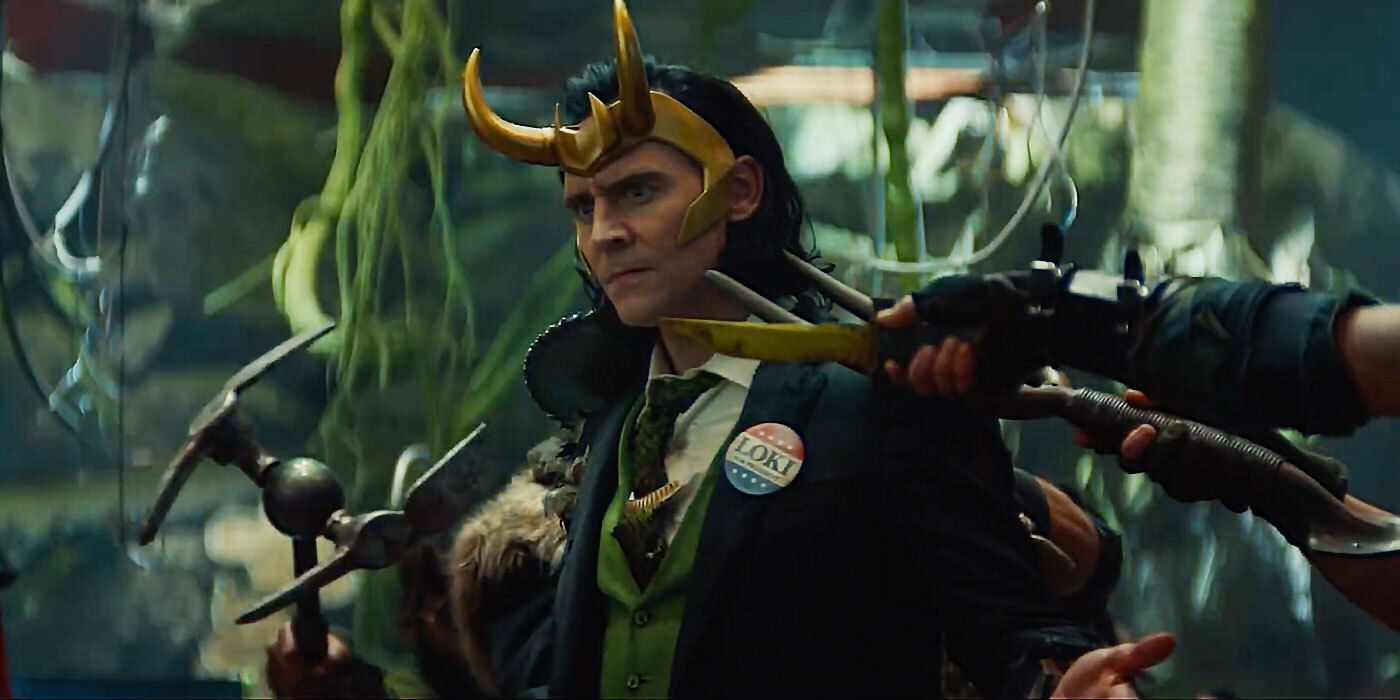
    A year ago, I would’ve told you that Loki was in the bottom rung of all the stuff Marvel was slated to do. At the time of the show’s announcement in 2018, we already saw the character die thrice (!!!), only for him to show up in subsequent films beyond those deaths. “Just how many more times do we have to see Loki run the same game all over again?” said 2020 me who didn’t know better. But then the first trailer of the show came out during Disney’s Investors Day conference last December, which gave a convincing argument that this show was going to be weird and bonkers. Having now seen the first two episodes, I’ve never been happier to eat those words I uttered last year because the show absolutely destroys. 

    That’s because Kevin Feige, Michael Waldron, and Kate Herron have found new engaging ways to give more mileage to this decade-old MCU character. Mileage that will likely last the character more than many lifetimes in the MCU. This kind of longevity feels organic and untrodden for the God of Mischief himself. Not only that, the show introduces a concept that is so outrageous within the current confines of the MCU, that it almost breaks it in the best way possible. Everything you understand about the MCU will radically change after you watch these episodes. 

    The way the show treats the titular character is unlike that of what we’ve seen. While previous Loki appearances had the God of Mischief stopping at nothing in his pursuit of glory, the show exposes him for the jobber he truly is. In the world of wrestling, he’s the guy that has to lose to crown the new WWE champion. As the fates would have it, Loki isn’t destined to win; he’s born to lose. He’s only around to make people around look better and the show brilliantly forces him to come to terms with this harsh truth. For a character that’s been nothing but a sore loser and winner, there’s nothing more compelling than seeing him get humbled.

    This character turn, unsurprisingly, gives Tom Hiddleston more range for him to be the best version of Loki we’ve ever seen.  He gets to tap into that maliciousness we saw from the first Avengers film and the bumbling brattiness he gave the character in Thor: Ragnarok while bringing a new layer of weariness for the character. Hiddleston is absolutely on fire as this version of Loki. There are big emotional moments for the character in the first episode where he gets to really flex those acting chops. More than Chris Hemsworth and any other MCU star, Hiddleston might be the MCU’s greatest casting discovery to date. 

    What makes Hiddleston better this time around is that he has Owen Wilson to bounce off from. Wilson plays Mobius, an obscure character from the comics that works for the Time Variance Authority. Wilson is very much playing an Owen Wilson character here and I don’t mean that as a dig: Wilson’s quirks as an actor work so well against Hiddleston’s highbrow Shakespearean energy. You have Loki, whose thing is being grandiose and boisterous and then you have Mobius, who is just some dude trying to finish his 9-to-5 job. What’s also great about Mobius is that he’s one of the few in Loki’s orbit that is actually several steps ahead. This dynamic leads to some very fun interactions between the two; Loki is second fiddle next to Mobius and he can’t stand it. The two almost have a Jim-Dwight chemistry that almost seems unthinkable when you think about a character like Loki. Again, it goes back to the creators of this show finding engaging ways to keep you on board. People will adore the tandem these two have. 

    And then you have TVA, the most bizarre organization to make the MCU to date. Essentially, they are the timeline police. You stray from your predetermined path in the timeline and then they arrest you. The show does a fantastic job in explaining how they operate via an animated educational video akin to Jurassic Park. What intrigues me about the TVA is the larger implications the organization has for the MCU. There are some absolutely bonkers allusions to Secret Wars and Infinity Stones in the show. The TVA as the most powerful ruling order in the MCU’s plane of existence is going to lead to some crazy stuff moving forward. 

    Apart from being immensely powerful, what really makes the TVA such a bizarre organization is the way the whole thing is packaged. The set design is so striking; a mix between retro 70’s analog and old school sci-fi. Every nook and cranny of the TVA feels very lived-in. Every single thing about the set feels like the polar opposite from what we got in The Falcon and the Winter Soldier, where they literally had to use the same set over and over again. The people that inhabit the TVA rival those that live in Sakaar; just a bunch of totally lovable weirdos that steal each scene they’re in. 

    Visually, it’s the first Marvel Disney+ show to actually look truly cinematic. That’s not to say the two Marvel shows that came before this were visually bad. The VFX shots of those shows were astounding and even surpass some of the biggest movies. But beyond those expensive sequences, there are a chunk of scenes in Wandavision and, especially, The Falcon and the Winter Soldier that fall short from looking like a movie. As great as Sam’s big monologue was in the finale, that whole moment looked like an episode of Jessica Jones. Loki is the first one of the bunch to feel like a movie. 

    If WandaVision was Marvel’s attempt at doing an experimental sitcom and The Falcon and the Winter Soldier a return to their blockbuster form, Loki is them taking a stab at a Fincher-esque investigative crime thriller. You’ve probably heard of the premise by now: someone is causing all these problems in the sacred timeline and the TVA needs Loki’s help to hunt them down. The show gets the spirit of investigative thrillers correct.  It’s eerie and atmospheric at times. The investigative aspect feels very engaging. It’s not quite a whodunnit as the show is quick to give away who they’re after but the hows and whats within the confines of the TVA’s crazy world is what makes it interesting.

    The only thing I’m mixed on is how some of the mechanics of time travel are presented. Like Endgame, it’s simplified enough for you to buy it at face value until you actually start thinking of the nuances. Some of it will eat at audiences if they don’t ever clarify it. But the fact that the show is taking big swings in doing their own twist with time travel is pretty cool. The introduction of the Time Keepers results in the prevalent theme of predestination and fate; whether or not we’re actually in control of our decisions or if some cabal of time gods have it all planned out. It’s nothing we haven’t seen but when applied to a character like Loki, it becomes way more interesting to explore. The stuff they seed for his arc is gonna have some crazy payoffs by the time the finale hits. 

    Having seen only two episodes, it’s too early to definitively say where Loki stands among the Marvel shows. But if the rest of the season keeps up with what Episode 1 and 2 does, we might have the best one yet. Loki may not ever rule Midgard or Asgard but he may be poised to rule the Disney+ platform if all goes well. 


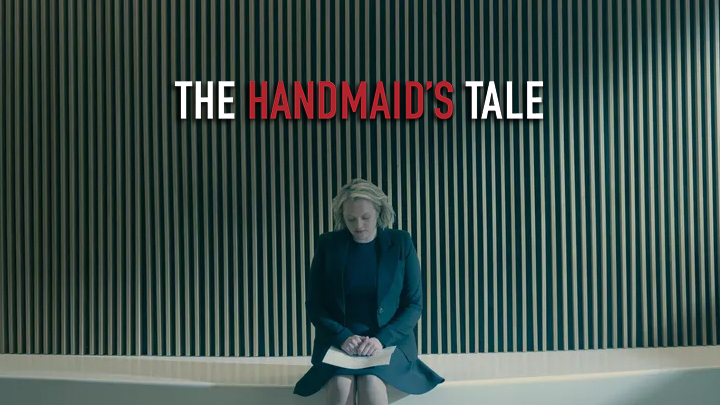
  • Review: ‘The Handmaid’s Tale’ 408: Testimony

    Review: ‘The Handmaid’s Tale’ 408: Testimony

    Episode 7’s ending, with June bending down into the face of a kneeling Serena, who is outwardly repentant but silently superior—God loves her best, after all—was just what we needed to see.  “Do you understand me?” she asks, a tight lid on the rage that boils always beneath the surface. We want to see violence and bloodshed directed towards anyone from Gilead, but June has other things on her agenda.

    Episode 8 begins with a scene which is banal in any other context:  woman who is now super serious cuts hair in an attempt to show she is serious.  We’ve seen it before, but with June, it’s different.  It’s a reminder not to us, but to the character: remember why you’re here.  Focus.

    The Handmaid's Tale' Recap: Season 4, Episode 8 — 'Testimony' | TVLine

    The only concern I have with the way the season is going is that Fred, male representative of all that is Gilead, has taken a step back and has been replaced by Serena as the absolute guiltiest and most disgusting character on the show.  Why is this happening?  Throughout the episode, Fred is emasculated, clearly manipulated by Serena, and presented as a delusional defendant in court.  Fred, if not the supreme dum-dum who started Gilead, was at least in the clown car with them.  Why do I see hints of him becoming a background character?  We want to see our pound of flesh taken out of him, literally.

    We may be screaming for blood, but June knows what’s needed.  We are reactionary; she is incendiary.  And she’s there to wake people up.  Group therapy in the library ends with June asking Moira why the others aren’t more angry.  “How do you know they’re not?” replies Moira, whose quiet but clear-sighted take on events throughout the series has saved more than one psyche. 

    June, in an attempt to force her friends to deal with the trauma of being a handmaid, brings one of the former Aunts to the next group session.  June encourages Emily to confront the woman who ratted her out to the authorities, resulting in Emily’s mutilation, but she turns on June instead.  “We’re not all like you,” she says.  So June becomes a stand-in for her friend.  As the Aunt asks for forgiveness, June confronts her.  

    “Why the fuck do you think you deserve forgiveness?”

    “We are all God’s children,” she sobs.

    “Bullshit,” responds June.  “You people hide behind God every time it serves you.”

    It’s an echo of her conversation with Serena in prison.  Serena insists God brought June to her, but June corrects her.  “I brought myself here.” There is no reliance on the supernatural.  When you get rid of God, there is no place for these people to hide.

    The Handmaid's Tale Season 4 Episode 8 Review: Is June Channelling Aunt Lydia? - Den of Geek

    Emily leaves the therapy session without confrontation.  At first, it seems June has lost the battle, but she has lit a spark.  It turns out Emily went to the woman’s house, but was too late – she had already hanged herself.  

    When the women meet again, Emily admits she felt happy to see the former Aunt dead.  Women start to open up about the violent acts of retribution they would like to deliver to their former captors. Has June commandeered the therapy session to include what she feels is most important?  Of course, she has.  Moira steps in to remind the women that anger is great, but isn’t everything.  June presses her.  “Why does healing have to be the only goal?  Why can’t we BE as furious as we FEEL?  Do we have that right?”  

    And here the scene bleeds into our present-day experiences, as women have been demanding the world allow truth and rage and justice to have their day.  And this is why you can’t just pick up a few episodes of this series before dashing off to a lighthearted romp in the park.  It gets into your psyche and reminds you that the battles these women are fighting are not unheard of in our own world, as much as that repulses us.  June lights a tiny fire in all of us, every week.

    The episode ends with Fred and Serena traveling to the courthouse while we hear a loud crowd outside.  Protesters, obviously.  They step outside to be greeted by cheers from supporters, those who have gathered to shower the golden couple with blessings.  WTF. Fred is smug; of course, they are supporting him, it was only a matter of time before they realized how great and wise he is.  Serena, however, is troubled.  She’s smarter than Fred, and she knows once you create blind and adoring followers, you can’t always lead them where you want them to go.